

We use cookies to ensure our website works properly and to personalise your experience. Cookies policy
1Nevjabai Hitkarini Girls Highschool Bramhapuri.
Infertility is a major global reproductive health challenge affecting approximately one in six individuals during their reproductive lifetime. It is a multifactorial disorder resulting from male, female, combined, or unexplained factors and is associated with substantial psychological, social, and economic burdens. Although conventional treatments, including pharmacotherapy and assisted reproductive technologies, have improved pregnancy outcomes, their high cost, limited accessibility, and potential adverse effects have stimulated interest in complementary therapeutic approaches, particularly medicinal plants. Aloe vera (Aloe barbadensis Miller) is one of the most extensively studied medicinal plants because of its diverse pharmacological properties, including antioxidant, anti-inflammatory, immunomodulatory, antimicrobial, and wound-healing activities. Emerging evidence suggests that Aloe vera may influence reproductive function by modulating oxidative stress, inflammatory pathways, endocrine signaling, apoptosis, and cellular homeostasis. Experimental studies have reported improvements in sperm quality, reproductive tissue protection, and ovarian function under certain conditions, whereas other investigations have demonstrated dose-dependent reproductive toxicity, alterations in hormone profiles, impaired spermatogenesis, and adverse pregnancy outcomes. These conflicting findings necessitate a comprehensive evaluation of the available evidence This review critically summarizes current experimental and clinical evidence regarding the effects of Aloe vera on male and female infertility, discusses the phytochemical constituents and molecular mechanisms underlying its reproductive actions, evaluates its safety profile, identifies existing knowledge gaps, and highlights future research priorities. A balanced appraisal of the available literature may facilitate evidence-based application of Aloe vera in reproductive medicine and guide future translational research.
Infertility is recognized as one of the most significant reproductive health disorders worldwide and has become an increasing public health concern because of its rising prevalence and profound impact on affected individuals and societies. Clinically, infertility is defined as the failure to achieve pregnancy after 12 months of regular, unprotected sexual intercourse. Recent global estimates indicate that approximately one in six people experience infertility during their lifetime, emphasizing the substantial burden of this condition on healthcare systems and quality of life [1-4].
The etiology of infertility is complex and multifactorial. Male infertility accounts for nearly half of infertility cases and is commonly associated with impaired spermatogenesis, reduced sperm concentration, poor sperm motility, abnormal sperm morphology, endocrine dysfunction, genetic abnormalities, infections, varicocele, environmental toxins, and oxidative stress. Female infertility results from ovulatory disorders, polycystic ovary syndrome (PCOS), endometriosis, tubal obstruction, uterine abnormalities, diminished ovarian reserve, endocrine disturbances, autoimmune diseases, and advancing maternal age. In addition, lifestyle factors such as obesity, smoking, alcohol consumption, psychological stress, exposure to environmental pollutants, and nutritional deficiencies contribute significantly to reproductive dysfunction in both sexes [5-11].
Among the numerous mechanisms implicated in infertility, oxidative stress has emerged as a central pathogenic factor. Oxidative stress occurs when the generation of reactive oxygen species (ROS) exceeds the capacity of endogenous antioxidant defense systems. Excessive ROS production damages lipids, proteins, nucleic acids, and cellular organelles, leading to impaired sperm membrane integrity, DNA fragmentation, mitochondrial dysfunction, reduced sperm motility, defective oocyte maturation, altered embryo development, implantation failure, and pregnancy complications. Consequently, antioxidant-based therapeutic strategies have gained increasing attention as potential adjunctive treatments for infertility [12–15].
Medicinal plants have been utilized for centuries in traditional systems of medicine to promote reproductive health and treat various gynecological and andrological disorders. Interest in phytomedicine has increased substantially because many plant-derived compounds exhibit antioxidant, anti-inflammatory, immunomodulatory, endocrine-regulating, and cytoprotective activities. Among these medicinal plants, Aloe vera (Aloe barbadensis Miller), belonging to the family Asphodelaceae, has attracted considerable scientific attention owing to its broad spectrum of pharmacological properties [16–22].
Aloe vera contains a complex mixture of more than 200 biologically active constituents, including polysaccharides (acemannan and glucomannan), anthraquinones (aloin, aloe-emodin, emodin), chromones, flavonoids, phenolic acids, phytosterols, amino acids, vitamins, minerals, enzymes, and organic acids. These phytochemicals contribute to diverse biological activities such as antioxidant, anti-inflammatory, antimicrobial, immunomodulatory, antidiabetic, hepatoprotective, gastroprotective, anticancer, and wound-healing effects. These pharmacological properties have stimulated growing interest in evaluating the role of Aloe vera in reproductive biology and fertility. [17–23].
Experimental investigations have suggested that Aloe vera may protect reproductive tissues by reducing oxidative stress, suppressing inflammatory mediators, enhancing endogenous antioxidant enzymes, preserving mitochondrial function, and regulating apoptosis. Several animal studies have reported improvements in sperm count, sperm motility, testicular histology, ovarian morphology, and reproductive hormone balance following administration of specific Aloe vera preparations. Conversely, other studies have demonstrated reproductive toxicity associated with certain extracts, high doses, prolonged exposure, or anthraquinone-rich preparations, including impaired spermatogenesis, hormonal disturbances, reduced fertility indices, implantation defects, embryotoxicity, and developmental abnormalities. These apparently contradictory findings underscore the importance of critically evaluating differences in plant preparation, extraction methods, phytochemical composition, dosage, duration of treatment, route of administration, and experimental model before drawing conclusions regarding the reproductive effects of Aloe vera [22–30].
Botanical Description and Phytochemical Constituents of Aloe vera
Botanical Description
Aloe vera (Aloe barbadensis Miller) is a perennial, succulent medicinal plant belonging to the family Asphodelaceae (formerly placed in Liliaceae). It is one of the most extensively cultivated and investigated medicinal plants because of its broad therapeutic applications in traditional and modern medicine. The species is believed to have originated in the Arabian Peninsula but is now cultivated worldwide in tropical, subtropical, and semi-arid regions, including India, Africa, the Mediterranean region, the Americas, and Australia [31–35].
The plant typically reaches a height of 60–100 cm and forms a basal rosette of thick, fleshy, lance-shaped leaves. The leaves are grayish-green to dark green, measuring approximately 30–60 cm in length, with serrated margins bearing small whitish teeth. Each leaf consists of three anatomically distinct regions [32–36]:
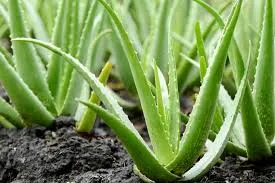
Figure 1-Aloe vera plant
Outer rind: A protective layer containing vascular bundles responsible for transporting water and nutrients.
Latex (yellow exudate): Located beneath the rind and rich in anthraquinones such as aloin and aloe-emodin.
Inner gel: A clear, mucilaginous tissue composed predominantly of water and biologically active polysaccharides.
The transparent inner gel is the portion most commonly used in foods, cosmetics, pharmaceutical formulations, and nutraceutical products because of its reported therapeutic properties [33–37].
Phytochemical Composition
Aloe vera contains a complex mixture of more than 200 biologically active constituents, many of which have demonstrated pharmacological activity. These compounds act individually and synergistically to produce antioxidant, anti-inflammatory, immunomodulatory, antimicrobial, and tissue-protective effects [34–39].
Polysaccharides constitute the major bioactive fraction of Aloe vera gel. The principal polysaccharides include acemannan, glucomannan, mannose-rich polysaccharides, and pectic substances. These compounds are associated with immunomodulatory activity, wound healing, antioxidant defense, and cellular repair. Acemannan, in particular, has been extensively studied for its ability to stimulate macrophage activation, enhance growth factor production, and reduce inflammatory responses [35,37,39–42].
The yellow latex contains several anthraquinone derivatives, including aloin (barbaloin), aloe-emodin, emodin, chrysophanol, and isobarbaloin. Anthraquinones exhibit antimicrobial, laxative, antiviral, and anti-inflammatory activities. However, excessive exposure to anthraquinones has also been associated with gastrointestinal irritation and potential reproductive toxicity in experimental studies, highlighting the importance of dose and formulation [36,38,41–44].
Aloe vera contains a variety of phenolic compounds and flavonoids, including catechin, quercetin, kaempferol, ferulic acid, caffeic acid, and gallic acid. These phytochemicals possess strong antioxidant activity by scavenging reactive oxygen species (ROS), reducing lipid peroxidation, and protecting cellular components from oxidative damage.
The gel contains several vitamins essential for cellular metabolism and antioxidant defense, including vitamins A (β-carotene), C (ascorbic acid), E (α-tocopherol), B1 (thiamine), B2 (riboflavin), B6 (pyridoxine), folic acid, and vitamin B12 (reported in trace amounts in some preparations). These vitamins contribute to maintaining cellular integrity and reducing oxidative stress [35,37,39,46].
Aloe vera provides essential minerals involved in enzyme activity, reproductive physiology, and antioxidant systems, including calcium, magnesium, zinc, selenium, potassium, sodium, iron, copper, chromium, and manganese. Several of these minerals play important roles in spermatogenesis, hormone synthesis, ovarian function, and antioxidant enzyme activity [35,38,39,47].
The gel contains numerous amino acids, including several essential amino acids required for protein synthesis, tissue repair, and normal cellular metabolism [35,37,48].
Reported enzymes include amylase, lipase, catalase, peroxidase, cellulase, and alkaline phosphatase. These enzymes contribute to digestion, metabolism, and antioxidant defense [35,37,49].
Major phytosterols identified in Aloe vera include lupeol, campesterol, β-sitosterol, and cycloartenol. These compounds have demonstrated anti-inflammatory, antioxidant, and immunomodulatory activities and may influence cellular signaling pathways relevant to reproductive health [39,45,50].
Relevance of Phytochemicals to Reproductive Health
Several phytochemicals present in Aloe vera possess biological activities that may influence reproductive function through multiple molecular pathways. Polysaccharides, particularly acemannan, together with phenolic compounds and flavonoids, exhibit potent antioxidant, anti-inflammatory, and immunomodulatory properties that may protect reproductive tissues from oxidative damage and inflammatory injury [37–39,41,42,45,46]. Furthermore, the vitamins, minerals, and phytosterols present in Aloe vera contribute to cellular metabolism, antioxidant defense, endocrine regulation, and maintenance of normal reproductive physiology [35,37–39,47,50]. Conversely, anthraquinone-rich latex preparations, especially those containing aloin and aloe-emodin, have been associated with reproductive toxicity in several experimental studies, including hormonal disturbances, impaired spermatogenesis, embryotoxicity, and adverse reproductive outcomes [22,24,36,43,44]. Therefore, the biological effects of Aloe vera on reproductive health are influenced by several factors, including the plant part used (gel or latex), extraction method, phytochemical composition, dosage, duration of administration, and route of exposure, emphasizing the importance of standardized preparations and careful interpretation of experimental findings [32,36–39,44].
Pharmacological Properties of Aloe vera Relevant to Reproductive Health
Aloe vera (Aloe barbadensis Miller) has been extensively investigated for its diverse pharmacological activities, which are primarily attributed to its complex mixture of polysaccharides, anthraquinones, flavonoids, phenolic compounds, phytosterols, vitamins, minerals, enzymes, and amino acids. These bioactive constituents exhibit antioxidant, anti-inflammatory, immunomodulatory, antimicrobial, anti-apoptotic, and tissue-protective properties [31–39,45,46,50]. Since oxidative stress, chronic inflammation, endocrine imbalance, and cellular injury are recognized as major contributors to infertility, these biological activities have generated considerable interest in the potential role of Aloe vera in reproductive medicine [12–15,22,30,36–39].
Current evidence, however, is derived predominantly from in vitro and animal studies, with relatively limited evidence from well-designed human clinical trials. Moreover, the reported pharmacological and reproductive effects vary depending on the plant part used (inner gel versus latex), extraction method, phytochemical composition, dosage, duration of administration, route of exposure, and experimental model. Consequently, each pharmacological effect should be interpreted cautiously, taking into account the quality of the available evidence and the heterogeneity of study methodologies [22,24,32,36–39,44].
Antioxidant Activity
Oxidative stress is a major mechanism underlying male and female infertility. Excess reactive oxygen species (ROS) can damage sperm membranes, induce DNA fragmentation, impair mitochondrial function, reduce sperm motility, disrupt oocyte maturation, and compromise embryo development [12–15,51–54].
The antioxidant activity of Aloe vera has been attributed to compounds such as vitamins C and E, carotenoids, flavonoids, phenolic acids, glutathione-related compounds, and antioxidant enzymes. Experimental studies suggest that these constituents may scavenge reactive oxygen species, reduce lipid peroxidation, enhance endogenous antioxidant enzymes including superoxide dismutase (SOD), catalase (CAT), and glutathione peroxidase (GPx), preserve mitochondrial function, and protect reproductive cells from oxidative injury [30,35,37–39,45,46,55–58]. These mechanisms may help maintain reproductive tissue integrity under conditions characterized by oxidative stress. However, evidence from well-designed human studies remains limited [22,30,36,44].
Anti-inflammatory Activity
Inflammation contributes to reproductive disorders such as endometriosis, pelvic inflammatory disease, varicocele-associated infertility, and testicular injury [9,13,59,60]. Experimental studies indicate that Aloe vera may suppress pro-inflammatory cytokines (TNF-α, IL-1β, and IL-6), inhibit cyclooxygenase (COX) activity and prostaglandin synthesis, modulate the NF-κB signaling pathway, and reduce inflammatory cell infiltration into damaged tissues [30,35,37,45,46,61–63]. Through these actions, Aloe vera may reduce tissue injury associated with chronic inflammation, although the extent to which this translates into improved fertility in humans has not been established [22,30,36].
Immunomodulatory Activity
The polysaccharide acemannan is considered one of the principal immunomodulatory constituents of Aloe vera. Experimental studies have shown that acemannan activates macrophages, stimulates cytokine production, and modulates innate immune responses [39,41,42,64,65]. Because immune dysregulation has been implicated in certain forms of infertility and recurrent pregnancy loss, these immunomodulatory properties are biologically relevant. However, direct clinical evidence demonstrating improved fertility through immune modulation by Aloe vera remains insufficient [3,30,65].
Hormonal and Endocrine Effects
Several experimental studies have evaluated the effects of Aloe vera on reproductive hormones, including testosterone, luteinizing hormone (LH), follicle-stimulating hormone (FSH), estrogen, and progesterone [22,30,36,44,66–69].
Reported findings are inconsistent. Some investigations describe improvements in hormonal profiles and reproductive tissue morphology, whereas others report reduced testosterone concentrations, altered gonadotropin secretion, impaired spermatogenesis, or adverse reproductive outcomes, particularly following administration of anthraquinone-rich latex preparations or high doses [22,24,36,44,66–69]. These discrepancies emphasize the importance of distinguishing among different Aloe vera formulations, phytochemical compositions, and dosing regimens when interpreting study outcomes.
Anti-apoptotic and Cytoprotective Effects
Programmed cell death (apoptosis) plays an essential role in maintaining reproductive tissue homeostasis. Excessive apoptosis of germ cells, Sertoli cells, granulosa cells, or oocytes contributes to infertility [12–15,70].
Experimental evidence suggests that Aloe vera may reduce oxidative stress-induced apoptosis, preserve mitochondrial membrane integrity, regulate apoptosis-related signaling pathways, and protect reproductive tissues from chemically induced injury [30,37,39,45,46,70–72]. Although these findings indicate potential cytoprotective properties, confirmation through well-designed clinical studies is required.
Antimicrobial Activity
Genital tract infections are recognized contributors to infertility in both men and women [73,74].
Aloe vera demonstrates antimicrobial activity against numerous bacterial, fungal, and certain viral pathogens in laboratory studies [18,21,30,37,75,76]. Although these antimicrobial properties may have implications for reproductive health, direct clinical evidence supporting the use of Aloe vera for infertility associated with reproductive tract infections remains limited [30,37].
Effects of Aloe vera on Male Infertility
Male infertility contributes to approximately 40–50% of infertility cases worldwide and is characterized by abnormalities in sperm concentration, motility, morphology, DNA integrity, or reproductive endocrine function. Common etiological factors include oxidative stress, endocrine disorders, varicocele, infections, genetic abnormalities, environmental toxicants, obesity, smoking, and aging. Among these, oxidative stress is considered one of the principal mechanisms impairing male reproductive function [3,5,6,13–15,51–54,77].
Because Aloe vera possesses antioxidant, anti-inflammatory, and cytoprotective properties, researchers have investigated its potential influence on male fertility. However, the available literature presents mixed findings, with outcomes varying according to the Aloe vera preparation (gel, latex, or extract), dosage, treatment duration, and experimental model [22,30,35–39,44,78–80].
Effects on Spermatogenesis
Spermatogenesis is a highly regulated process that depends on the coordinated function of germ cells, Sertoli cells, Leydig cells, and reproductive hormones. Experimental studies have reported that purified Aloe vera gel may preserve testicular architecture and support spermatogenesis under conditions of experimentally induced oxidative stress by reducing cellular damage and improving antioxidant defenses [30,37,39,55,78–81].
In contrast, several studies using high-dose extracts or anthraquinone-rich preparations have demonstrated degeneration of seminiferous tubules, reduced germ cell numbers, and impaired spermatogenesis [22,36,44,69,82–84]. These findings suggest that the reproductive effects of Aloe vera are influenced by its chemical composition and exposure conditions rather than representing a uniform biological response.
Effects on Sperm Parameters
Sperm quality is commonly assessed using sperm concentration, motility, morphology, and viability.Experimental investigations have reported that antioxidant-rich Aloe vera preparations may improve sperm motility and viability in some models by reducing lipid peroxidation and protecting sperm membranes from oxidative damage. Preservation of mitochondrial function has also been proposed as a contributing mechanism [13–15,30,37,55,79,80].
Conversely, other studies have reported decreases in sperm count, reduced motility, increased abnormal sperm morphology, and impaired fertility following prolonged exposure to certain Aloe vera extracts [22,36,44,69,82–84]. Differences in extraction methods, anthraquinone content, dose, and treatment duration are likely contributors to these inconsistent results.
Effects on Testicular Histology
Histopathological evaluation provides insight into the structural integrity of reproductive tissues.Several animal studies have suggested that antioxidant-rich Aloe vera preparations may reduce oxidative injury to seminiferous tubules and preserve Leydig and Sertoli cell morphology in experimental models of reproductive damage [30,37,55,79,80].
However, exposure to high-dose preparations has been associated with degeneration of seminiferous tubules, reduced germinal epithelium thickness, increased germ cell apoptosis, and disorganization of testicular architecture [22,36,44,82–85]. These findings highlight the importance of considering preparation type and dose when evaluating reproductive safety.
Effects on Reproductive Hormones
Normal male fertility depends on the hypothalamic–pituitary–gonadal axis, which regulates testosterone, luteinizing hormone (LH), and follicle-stimulating hormone (FSH). Published studies have reported inconsistent hormonal effects following Aloe vera administration. Some investigations describe maintenance or improvement of testosterone concentrations under conditions of oxidative stress, whereas others report reductions in testosterone and altered gonadotropin levels following prolonged exposure to certain extracts [22,30,36,44,66–69,83]. At present, no consistent endocrine effect has been established.
Antioxidant Mechanisms in Male Reproductive Protection
The potential protective effects of Aloe vera have been attributed primarily to its antioxidant properties. Experimental studies suggest that Aloe vera may reduce reactive oxygen species generation, decrease lipid peroxidation, enhance superoxide dismutase (SOD), catalase (CAT), and glutathione peroxidase (GPx) activity, preserve mitochondrial membrane function, reduce oxidative DNA damage, and protect sperm plasma membranes [13–15,30,37,39,45,46,55–58,79,80]. These mechanisms may explain the beneficial findings reported in some experimental models of chemically induced reproductive injury.
Evidence from Human Studies
Compared with animal research, clinical evidence regarding the effects of Aloe vera on male infertility is scarce. At present, there is insufficient high-quality evidence from randomized controlled trials to conclude that Aloe vera improves male fertility or reproductive outcomes in humans [3,30,37,44]. Future clinical studies should evaluate standardized preparations, clearly defined dosing regimens, validated fertility outcomes, and long-term safety.
Effects of Aloe vera on Female Infertility
Female infertility is a multifactorial disorder resulting from disturbances in ovulation, ovarian reserve, endocrine function, tubal patency, uterine abnormalities, endometriosis, polycystic ovary syndrome (PCOS), and age-related decline in reproductive capacity. Oxidative stress and chronic inflammation are increasingly recognized as important contributors to impaired follicular development, reduced oocyte quality, implantation failure, and adverse pregnancy outcomes. Consequently, medicinal plants with antioxidant and anti-inflammatory properties, including Aloe vera, have attracted research interest as potential modulators of female reproductive health [51–60].The effects of Aloe vera on female fertility remain controversial. Experimental studies have reported both protective and adverse reproductive effects depending on the plant part used, extraction method, phytochemical composition, dose, duration of exposure, and animal model. Therefore, the available evidence requires careful interpretation [59–65].
Effects on Ovarian Function
The ovary plays a central role in female fertility through follicular development, steroid hormone production, and ovulation. Experimental investigations suggest that oxidative stress can impair ovarian function by inducing granulosa cell apoptosis, mitochondrial dysfunction, and reduced steroidogenesis [51–54,82–85].
Some preclinical studies have reported that antioxidant-rich Aloe vera preparations may reduce oxidative damage within ovarian tissue, preserve follicular morphology, and improve endogenous antioxidant enzyme activity. These findings suggest a potential protective effect under experimentally induced oxidative stress. However, these observations have not been consistently reproduced across different study models, and evidence in humans is currently lacking [59–65,69–72].
Effects on Folliculogenesis and Ovulation
Normal folliculogenesis requires coordinated endocrine signaling and a balanced ovarian microenvironment. Oxidative stress and inflammatory mediators can disrupt follicular maturation and ovulation [51–58].
Experimental evidence indicates that Aloe vera may influence follicular development indirectly through modulation of oxidative stress and inflammatory pathways. Nevertheless, some studies have also reported impaired follicular development and altered ovarian histology following exposure to certain extracts or higher doses [59–65]. At present, there is insufficient evidence to conclude that Aloe vera consistently enhances ovulation or follicular maturation [60,63,64].
Effects on Reproductive Hormones
Female reproductive function is regulated by the hypothalamic–pituitary–ovarian axis, involving gonadotropin-releasing hormone (GnRH), follicle-stimulating hormone (FSH), luteinizing hormone (LH), estrogen, and progesterone [56,57].
Experimental studies evaluating hormonal changes after Aloe vera administration have produced inconsistent findings. Some investigations describe maintenance of hormone levels in models of oxidative injury, whereas others report alterations in estrogen, progesterone, or gonadotropin concentrations. Variability in botanical preparations, treatment duration, and experimental design likely contributes to these conflicting observations [59–65,76].
Effects on Endometrial Receptivity and Implantation
Successful implantation depends on synchronized embryo development and adequate endometrial receptivity. Experimental studies evaluating the direct influence of Aloe vera on implantation remain limited [56,58].
Although anti-inflammatory and antioxidant mechanisms could theoretically support endometrial function, available evidence does not demonstrate a consistent beneficial effect on implantation or pregnancy rates. In contrast, several animal studies have suggested that certain Aloe vera preparations may adversely affect implantation or early pregnancy when administered during critical stages of gestation [59–64,76]
Potential Mechanisms Affecting Female Fertility
Several mechanisms have been proposed to explain the reproductive actions of Aloe vera, including reduction of oxidative stress through scavenging of reactive oxygen species (ROS), enhancement of endogenous antioxidant enzyme activity, modulation of inflammatory signaling pathways, protection of ovarian tissue from oxidative injury, influence on steroid hormone synthesis, and regulation of apoptosis within ovarian cells [51–53,59–72,79–85]. Conversely, anthraquinone-rich preparations may disrupt endocrine signaling and reproductive tissue integrity, providing a potential explanation for the adverse reproductive findings reported in some experimental studies [63,64,76].
Human Clinical Evidence
Compared with preclinical investigations, clinical evidence regarding the effects of Aloe vera on female infertility is extremely limited. No large, well-designed randomized controlled trials have demonstrated its efficacy in improving ovulation, conception, implantation, or live birth rates. Consequently, current evidence is insufficient to recommend Aloe vera as a treatment for female infertility in routine clinical practice [56,60,63,64].
Molecular Mechanisms Underlying the Effects of Aloe vera on Reproductive Function
The reproductive effects of Aloe vera are thought to arise from the combined actions of its bioactive constituents, including polysaccharides (e.g., acemannan), anthraquinones (e.g., aloin and aloe-emodin), flavonoids, phenolic acids, vitamins, minerals, phytosterols, and enzymes. These compounds have been reported to influence oxidative stress, inflammation, apoptosis, mitochondrial function, and endocrine signaling in experimental systems. Because infertility is a multifactorial disorder involving complex molecular pathways, understanding these mechanisms is essential for evaluating the potential therapeutic role and safety of Aloe vera [59–73].
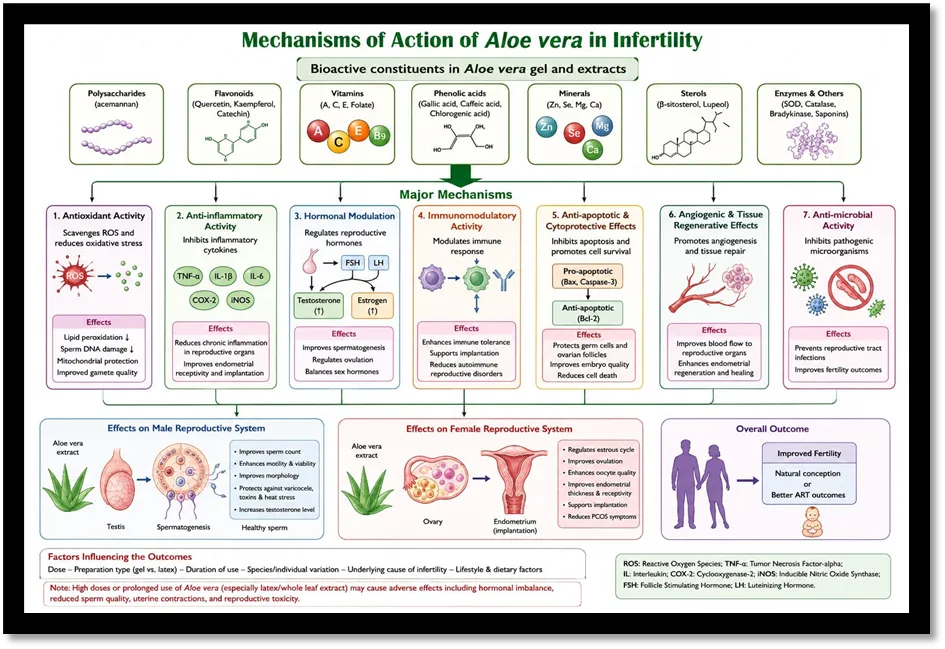
Figure 2- Mechanism of action Aloe vera plant in infertility
Antioxidant Mechanisms
Oxidative stress is one of the major contributors to reproductive dysfunction in both males and females. Excessive production of reactive oxygen species (ROS) damages lipids, proteins, and nucleic acids, resulting in impaired sperm function, defective oocyte maturation, mitochondrial dysfunction, and embryo developmental abnormalities [51–54,79–85].
Experimental studies suggest that Aloe vera may scavenge reactive oxygen species, reduce lipid peroxidation, increase superoxide dismutase (SOD), catalase (CAT), and glutathione peroxidase (GPx) activities, restore intracellular glutathione levels, and preserve mitochondrial membrane integrity [59–72]. These mechanisms may protect reproductive tissues from oxidative injury under specific experimental conditions [59,60,65,68–72].
Anti-inflammatory Mechanisms
Chronic inflammation contributes to reproductive disorders including endometriosis, pelvic inflammatory disease, varicocele-associated infertility, and testicular injury [58,78].
Experimental evidence suggests that Aloe vera may reduce tumor necrosis factor-α (TNF-α), decrease interleukin-1β (IL-1β) and interleukin-6 (IL-6), inhibit cyclooxygenase (COX) activity, reduce prostaglandin synthesis, and modulate the NF-κB signaling pathway [59,60,65,68,72]. These anti-inflammatory actions may reduce tissue damage; however, direct evidence linking these mechanisms to improved fertility in humans remains limited [56,60,63,64].
Regulation of Apoptosis
Programmed cell death is essential for maintaining normal reproductive tissue homeostasis. Excessive apoptosis of germ cells, Sertoli cells, granulosa cells, or oocytes may impair fertility [51–53].
Experimental investigations indicate that Aloe vera may reduce oxidative stress-induced apoptosis, preserve mitochondrial membrane potential, influence pro-apoptotic and anti-apoptotic signaling pathways, and improve survival of reproductive cells following experimental injury [59,60,65,66–72]. However, the exact molecular targets remain incompletely understood and require further mechanistic investigation.
Mitochondrial Protection
Mitochondria are essential for ATP production, steroid hormone synthesis, and sperm motility. Mitochondrial dysfunction has been implicated in male infertility, ovarian aging, and poor embryo quality [51–54,79–85].
Experimental studies suggest that Aloe vera may preserve mitochondrial membrane integrity, reduce mitochondrial oxidative damage, improve cellular energy metabolism, and maintain mitochondrial function during oxidative stress [59–72]. Nevertheless, these protective effects remain to be confirmed in human reproductive tissues.
Endocrine Modulation
The hypothalamic–pituitary–gonadal (HPG) axis regulates reproductive hormone secretion [56,57].Several studies have evaluated whether Aloe vera influences gonadotropin-releasing hormone (GnRH), follicle-stimulating hormone (FSH), luteinizing hormone (LH), testosterone, estrogen, and progesterone. Results have been inconsistent, with both beneficial and adverse hormonal effects reported depending on the botanical preparation, dose, duration of treatment, and experimental model. No consistent endocrine mechanism has yet been established [59–65,76].
REFERENCES

Sandhya Bansod*, Effect Of Aloe Vera On Male And Female Infertility: A Systematic Review Of Experimental And Clinical Evidence, Int. J. of Pharm. Sci., 2026, Vol 4, Issue 7, 4301-4316. https://doi.org/ 10.5281/zenodo.21479495
 10.5281/zenodo.21479495