

We use cookies to ensure our website works properly and to personalise your experience. Cookies policy
School of Pharmacy, Dr Subhash University, Junagadh, Gujarat, India 362001
The gut microbiome plays an important role in determining individual variations in drug disposition and response. Changes in drug disposition that are not adequately addressed by conventional drug delivery techniques may be induced by alterations in microbial composition and function. Thus, pharmacomicrobiomics has emerged as a vital field for understanding drug–microbiome interactions and developing more personalised therapies. In this review, the effect of inter-individual variation in the gut microbiome on drugs and drug response is addressed, and novel microbiome-guided drug delivery approaches are discussed. Colon-specific delivery, microbiome-guided delivery approaches, novel nanocarriers, and microbiota-responsive delivery platforms are considered advanced systems that future drug delivery formulations could target. Moreover, the value of artificial intelligence, multi-omics, systems pharmacology, and precision dosing in anticipating microbiome-based drug responses is considered. Despite these advances, the translation of microbiome science into clinical practice has yet to be widely achieved due to inter-individual variability, lack of standardisation, limited validation of microbiome biomarkers, regulatory limitations, and formulation challenges. The integration of microbiome science with cutting-edge pharmaceutical technologies may ultimately support more individualised, safer, and more efficacious drug delivery approaches, thereby facilitating the increased utilisation of precision medicine.
1.1 Human Gut Microbiome: An Overview
The diverse microbial community known as the human gut microbiome consists of bacteria, viruses, fungi, archaea, and other microorganisms inhabiting the gastrointestinal tract. These microbes perform important metabolic functions through various microbial enzymes that modify food components, endogenous substrates, and xenobiotics, thereby contributing to the maintenance of intestinal homeostasis. The gut microbiome is now increasingly recognized not only as a passive microbial population but also as a major modulator of host physiology and drug response.1, 2
With advances in metagenomics and other omics technologies, microbial functional capacity has been shown to be more influential in host–microbe interactions than taxonomic composition alone. The microbiome can therefore be considered another metabolically active organ of high significance to pharmacology, as intestinal bacteria perform hydrolytic, reductive, deconjugative, and various other biochemical reactions that can modify numerous therapeutic drugs.2, 3
1.2 Importance in Human Health
The gut microbiome supports digestion, vitamin synthesis, bile acid metabolism, immune system development, and maintenance of the intestinal barrier. Although disruption of the microbial balance, known as dysbiosis, has been associated with metabolic, inflammatory, neurological, cardiovascular, and cancer-related pathologies, microbial metabolites, particularly short-chain fatty acids, are also known to regulate immune and metabolic pathways. Alterations in microbial composition may therefore significantly influence therapeutic responses through their effects on drug metabolism.4, 5, 6
1.3 Drug Response Variability
Inter-individual differences in response to drugs remain a major challenge in clinical pharmacotherapy. Although part of this heterogeneity can be attributed to individual genetic and physiological factors, there is increasing evidence that microbial metabolism can activate, inactivate, or modify many oral medications before they are absorbed into the systemic circulation. The bioavailability, efficacy, toxicity, and pharmacokinetic properties of drugs may therefore be influenced by differences in the gut microbiome between individuals.3, 5, 7, 8
1.4 Need for Personalised Drug Delivery Systems
The concept of microbiome-mediated drug metabolism has increased interest in customized drug delivery approaches that consider both host and microbial characteristics. Microbial markers may be incorporated into the design of drug delivery systems to improve treatment safety and effectiveness, reduce variability in therapeutic responses, and enhance targeted drug delivery.5, 6, 7
1.5 Aim and Scope of the Review
In this review, available information on gut microbiome–drug interactions and their impact on pharmacokinetics, pharmacodynamics, and treatment outcomes is summarized. The review also covers precision drug delivery, smart and colon-targeted drug delivery systems, microbiome-specific drug delivery approaches, and the role of artificial intelligence in the development of microbiome-centred personalised medicine.1–8
2. GUT MICROBIOME AND DRUG RESPONSE
2.1 Composition and Functional Diversity of the Gut Microbiome
The enzymatic capacity of the vast collection of bacteria, viruses, fungi, and other microbes forming the human gut microbiome greatly exceeds the genetic potential of the human genome. The gut microbiome can be considered an important functional organ because these microbes are involved in immune regulation, xenobiotic biotransformation, and food processing, rather than acting simply as bystander commensals. There is substantial inter-individual variation in the composition and number of genes within the microbial population due to differences in genetics, diet, age, long-term disease, drug use, and the environments in which people live. Microbial metabolic pathways, rather than microbiome taxonomy alone, appear to provide an important basis for the interplay between the metabolome and the host.9,10
2.2 Bidirectional Drug–Microbiome Interactions
Interactions between drugs and the microbiota are bidirectional. Through various processes such as hydrolysis, reduction, dehydroxylation, deamination, and deconjugation, intestinal microorganisms metabolise several drugs, modifying their toxicity, effectiveness, and bioavailability. Conversely, several drugs, most notably antibiotics but also a range of other medications, can affect the abundance and activity of microbes present, leading to changes that may influence subsequent drug metabolism. This bidirectional relationship is an important contributor to inter-individual differences in therapeutic response and identifies the gut microbiota as an additional variable alongside host endogenous metabolic pathways in drug disposition.10, 11
2.3 Microbial Drug Activation Mechanisms
Through microbial enzymes such as hydrolases, azoreductases, nitroreductases, esterases, and glycosidases, the gut microbiome has the ability to convert weakly active or inactive drugs into pharmacologically active metabolites. This microbial bioactivation can be beneficial to the host and is particularly important for some orally administered prodrugs. Activation levels can be patient-specific and may depend on the concentration and activity of these enzymes within the microbiome, thereby influencing drug efficacy. Understanding these microbial activation pathways may provide a basis for developing colon-specific and microbiome-responsive drug delivery systems that utilize microbial activity for drug activation.10,11
2.4 Microbial Drug Inactivation and Detoxification
Furthermore, microbial metabolism can also convert drug molecules into inactive or less active derivatives before systemic absorption takes place, potentially leading to a decrease in therapeutic effect. Although this microbial deactivation may be useful in terms of reducing toxicity or promoting the detoxification of exogenous compounds, it can simultaneously decrease drug activity, providing another mechanism through which pharmacological variability and treatment failure may occur. This process depends on the specific drug and is influenced by its physicochemical properties, enzyme activity, and the microflora present, again highlighting the heterogeneity of the microbiome.9,11,12
2.5 Impact on Therapeutic Variability and Clinical Outcomes
The extent of differences in pharmacokinetics, pharmacodynamics, drug response, and adverse drug reactions can be influenced by differences in microbial composition and metabolism. Due to the contribution of the microbiome, patients receiving the same drug formulation may experience different clinical effects. Integrating classical pharmacokinetic and pharmacogenomic information with microbial genomic and metabolic data may improve the prediction of drug response, allow optimised personalised dosing, and facilitate microbiome-based precision medicine. These data provide a mechanistic basis for personalised drug delivery systems that take patient-specific microbial variation into account.12,13
3. INFLUENCE ON PHARMACOKINETICS AND PHARMACODYNAMICS
3.1 Effect on Drug Absorption
Both the intestinal environment and host physiology affect drug absorption, the initial step influencing systemic exposure following oral administration. In addition to classical components such as gastrointestinal transit rate, epithelial permeability, and membrane transporters, the intestinal microbiota can influence drug absorption through direct biotransformation and modulation of intestinal homeostasis. Microbial by-products, such as short-chain fatty acids and bile acid derivatives, can affect mucus secretion, epithelial barrier integrity, and transporter activity, while microbial enzymes can alter drug structure, stability, and solubility before epithelial absorption. Thus, inter-individual differences in oral bioavailability and therapeutic response may be influenced by variations in microbial community composition.14,15
3.2 Influence on Drug Distribution
The microbiome may also indirectly affect tissue drug distribution through modulation of systemic immune function and overall metabolism. Microbial-derived metabolites can influence tissue drug exposure by affecting immune activity, vascular tone, and transporter protein expression. Changes in microbial composition following dysbiosis or antibiotic use may therefore influence the biodistribution of drugs and contribute to altered drug responses.15,16
3.3 Role in Drug Metabolism
One of the important mechanisms involved in drug activation, inactivation, and biotransformation is drug metabolism. A diverse group of enzymes, including reductases, hydrolases, esterases, azoreductases, β-glucuronidases, sulfatases, and dehydroxylases, expressed by the gut microbiome, contribute to the metabolic capacity of the intestine alongside hepatic enzymes. These enzymes catalyse a range of xenobiotic reactions in the intestinal lumen before systemic absorption. The pharmacokinetics of many oral drugs are therefore influenced by microbial metabolism in addition to host metabolism.15,16
Microbial metabolism influences the bioavailability, effectiveness, and toxicity of drugs by either activating otherwise inactive substances or inactivating otherwise active drugs. In addition, microbial metabolites, including short-chain fatty acids, secondary bile acids, and tryptophan metabolites, contribute to an integrated host–microbiome co-metabolism network by regulating host signalling pathways and the expression of drug-metabolising enzymes, including cytochrome P450 isoforms. Understanding these interactions may improve the prediction of drug metabolism, support personalised pharmacotherapy, and provide a molecular basis for targeted microbiota-driven drug delivery approaches.15,16
3.4 Impact on Drug Excretion and Enterohepatic Recycling
In addition to renal and biliary clearance, microbial metabolism in the intestinal lumen can influence drug elimination. Many drugs are excreted into bile as glucuronide or sulphate conjugates formed in the liver. Intestinal bacteria producing enzymes such as β-glucuronidases and sulfatases can deconjugate these metabolites, regenerating the parent drug and allowing it to be reabsorbed through enterohepatic recycling. Differences in microbial enzyme activity can alter drug half-life, systemic exposure, therapeutic effects, and the risk of adverse effects, establishing the microbiome as an important variable in drug clearance.16,17
3.5 Microbiome-Mediated Pharmacodynamic Modulation
The microbiota influences both pharmacokinetics and pharmacodynamics through its effects on host physiology, metabolic signalling, and immune function. Microbial metabolites such as short-chain fatty acids, secondary bile acids, and indole derivatives can influence cellular processes, receptor signalling, and inflammatory pathways, leading to changes in the biological environment in which drugs act. As a result, the pharmacological efficacy and toxicity of immunomodulatory, anticancer, anti-inflammatory, and metabolic therapies may vary with changes in microbial diversity induced by antibiotics, disease, or dietary factors. Integrating pharmacodynamic assessment with microbiome markers may enhance the prediction of treatment outcomes and facilitate microbiome-guided precision medicine.17,18
The major microbial enzymes involved in drug metabolism, along with their primary reactions, representative drug examples, and pharmaceutical significance, are summarised in Table 1.
Table 1. Major Microbial Enzymes Involved in Drug Metabolism and Their Pharmaceutical Significance 15,16
|
Microbial enzyme |
Primary reaction |
Representative example |
Pharmaceutical significance |
|
Azoreductases |
Cleavage of azo bonds |
Azo prodrugs (e.g., sulfasalazine) |
Microbial activation of colon-targeted prodrugs |
|
β-Glucuronidases |
Hydrolysis of glucuronide conjugates |
Irinotecan metabolites |
Reactivation of drug metabolites during enterohepatic recycling, potentially increasing toxicity risk |
|
Hydrolases/Esterases |
Hydrolysis of ester and amide bonds |
Various orally administered drugs |
Influences drug activation, stability, and bioavailability |
|
Reductases |
Reduction of xenobiotic functional groups |
Multiple therapeutic agents |
Alters drug structure and pharmacological activity |
|
Sulfatases |
Deconjugation of sulfate conjugates |
Sulfated drug metabolites |
Contributes to drug recycling and prolonged systemic exposure |
4. CLINICALLY IMPORTANT DRUG–MICROBIOME INTERACTIONS
4.1 Digoxin and Eggerthella lenta Interaction
Perhaps the most well-studied example of microbiome-driven drug metabolism is the interaction between digoxin and Eggerthella lenta, which demonstrates the ability of intestinal bacteria to influence treatment response. Digoxin is a cardiac glycoside used in the treatment of atrial fibrillation and heart failure. It has a narrow therapeutic index, and even slight differences in systemic drug exposure may have clinical implications. The considerable inter-individual variability observed during therapy cannot be fully explained by host factors such as renal function, pharmacogenetics, and drug interactions, although these factors are undoubtedly important mediators of response.19
Mechanistic studies have demonstrated that E. lenta metabolises digoxin to dihydrodigoxin, a metabolite with considerably reduced pharmacological activity. Only strains possessing the cardiac glycoside reductase (cgr) operon efficiently metabolize digoxin, suggesting that drug metabolism is determined by microbial functional genes rather than microbial abundance alone. Subsequent experimental work demonstrated that dietary arginine suppresses expression of the cgr operon, thereby reducing microbial inactivation of digoxin and increasing the amount of bioavailable drug. This interaction represents one of the foundational examples of pharmacomicrobiomics, demonstrating that microbial functional capacity can modulate treatment response and may be considered in personalized therapy and microbiome-based dose adjustment.20
4.2 Metformin and Gut Microbiome Modulation
Metformin is a first-line pharmacological treatment for type 2 diabetes mellitus. It is commonly used to improve insulin sensitivity and inhibit hepatic glucose production. Unlike many oral medications, metformin is not extensively metabolized and is mostly excreted unchanged in the urine. However, because it reaches high concentrations in the gastrointestinal tract, it can directly modify the resident microbiota, which in turn may contribute to the therapeutic response to the drug.21
Metagenomic and metabolomic findings demonstrate that metformin can alter the abundance of bacterial taxa associated with metabolic phenotypes and influence pathways involved in short-chain fatty acid production, carbohydrate fermentation, and bile acid metabolism. In addition to the direct effects of the medication, these microbiome-mediated alterations may contribute to intestinal barrier function, glucose homeostasis, and glucagon-like peptide-1 production. Individual differences in microbiome-mediated effects might account, in part, for differences in glycaemic control and gastrointestinal responses during treatment, since baseline microbiota composition varies widely among individuals. Overall, these findings demonstrate the complex, multimodal interactions between the microbiome, medication, and host metabolism that contribute to the observed effects of metformin and provide mechanistic insight into microbiome-based approaches for disease management.21,22
4.3 Irinotecan-Induced Gastrointestinal Toxicity
Irinotecan is a semisynthetic derivative of camptothecin that is indicated for the treatment of colorectal carcinoma as well as a number of other solid tumours. Its clinical application, however, is frequently limited by significant gastrointestinal toxicity, particularly delayed-onset diarrhoea. Despite inherent host genetic variation and differences in hepatic metabolism, gut microbiome composition has also been implicated in irinotecan-induced intestinal toxicity, providing one of the clearest examples of microbiome-mediated drug toxicity.16,23
Irinotecan is converted into the active metabolite SN-38 by host carboxylesterases after administration. SN-38 is subsequently inactivated in the liver through glucuronidation to form SN-38G. Following biliary excretion into the intestine, bacterial β-glucuronidase enzymes can hydrolyze SN-38G and regenerate active SN-38, which can contribute to intestinal inflammation, cellular damage, and persistent diarrhoea. Thus, microbial reactivation of a host-detoxified drug metabolite contributes to intestinal toxicity. Selective suppression of bacterial β-glucuronidase activity has been investigated as a targeted approach to reduce irinotecan-induced gastrointestinal toxicity while preserving its antitumor activity, demonstrating the potential of microbiome-targeted strategies for preventing chemotherapy-associated adverse effects.16,24
4.4 Sulfasalazine Activation by Colonic Bacteria
Sulfasalazine is a well-established example of a microbial-dependent prodrug in which bacterial metabolism enables site-specific drug release. Colonic bacterial azoreductases cleave the azo linkage between 5-aminosalicylic acid (5-ASA), the anti-inflammatory component, and sulfapyridine. The azo linkage helps prevent premature drug release during transit through the stomach and upper gastrointestinal tract, allowing 5-ASA to be released in the colon, while sulphapyridine is subsequently absorbed and excreted.25
The activation of sulfasalazine therefore depends on the metabolic capability of the intestinal microbiota. Conditions such as dysbiosis and antibiotic therapy may modify microbial composition and azoreductase activity and, consequently, may influence the metabolism and therapeutic response to the drug. This established mechanism has also provided a basis for developing colon-targeted delivery technologies, including enzyme-responsive coatings and polysaccharide-based formulations, that use microbiologically driven metabolism for local drug release.16,25
4.5 Levodopa Metabolism by Gut Microbes
Despite being a major pharmacological treatment for Parkinson's disease, the response to levodopa shows considerable inter-individual variability, including differences in dose requirements. Levodopa bioavailability can be influenced by presystemic microbial metabolism, although gastrointestinal transit time, intestinal absorption, and host metabolism must also be considered.26,27
After oral administration, levodopa is predominantly absorbed in the proximal small intestine and transported to the brain, where it is converted into dopamine. Levodopa is often administered with aromatic L-amino acid decarboxylase inhibitors, such as carbidopa or benserazide, to reduce peripheral metabolism. However, these inhibitors do not suppress bacterial enzymes with similar decarboxylase activity. In particular, some gut bacteria, including Enterococcus faecalis, possess tyrosine decarboxylase, which converts levodopa to dopamine before absorption in the intestine. Dopamine can then undergo further bacterial metabolism, reducing the amount of intact levodopa available to enter the circulation and reach the brain. Differences in the abundance and activity of these bacterial enzymes may therefore contribute to variations in drug exposure and therapeutic outcomes. This example highlights the relevance of microbiome-related factors in precision pharmacology and personalized medicine, with bacterial metabolism representing an additional source of pharmacokinetic variability.26,27
The clinically important drug–microbiome interactions discussed above, along with their underlying mechanisms and therapeutic consequences, are summarised in Table 2.
Table 2. Clinically Important Drug–Microbiome Interactions and Their Therapeutic Consequences 20-27
|
Drug |
Key gut microorganism / enzyme |
Mechanism of interaction |
Clinical consequence |
|
Digoxin |
Eggerthella lenta (cgr operon) |
Reduction to inactive dihydrodigoxin |
Reduced therapeutic efficacy |
|
Metformin |
Gut microbial community |
Alters microbial composition and metabolite production |
Changes in glycaemic response with inter-individual variability |
|
Irinotecan |
Bacterial β-glucuronidase |
Reactivation of SN-38 from SN-38G |
Severe gastrointestinal toxicity, particularly delayed-onset diarrhea |
|
Sulfasalazine |
Colonic bacterial azoreductases |
Cleavage of azo bond releasing 5-ASA |
Colon-specific activation of the prodrug |
|
Levodopa |
Enterococcus faecalis (tyrosine decarboxylase) |
Presystemic bacterial metabolism of levodopa |
Reduced bioavailability and variable therapeutic response |
5. LIMITATIONS OF CONVENTIONAL DRUG DELIVERY SYSTEMS
5.1 Lack of Consideration of Inter-Individual Microbiome Variability
Standard considerations for designing conventional oral dosage forms include solubility, stability, permeability, gastrointestinal transit, and host pharmacokinetics. These approaches, however, often neglect the substantial heterogeneity of the gut microbiome, which has increasingly been recognized as an important factor influencing drug response.15
The composition of the gut microbiota can be highly variable and is continuously influenced by diet, age, disease state, antibiotic history, lifestyle, and environmental factors, in contrast to the relatively stable human genome. Since the metabolic activity, diversity, and functional capacity of microbes, as well as their interactions with drugs, can vary between individuals, these factors may be important in determining drug response. Hence, patients may have different microbial metabolic phenotypes despite receiving the same formulation, potentially resulting in substantial variability in treatment outcomes.28
The gut microbiome can influence drug response through mechanisms such as activating prodrugs, inactivating drugs, or generating metabolites that may contribute to toxicity, as demonstrated in several important drug–microbiome interactions. These effects may result in variations in efficacy or safety that cannot be adequately explained by the formulation alone.27
Consequently, effective drug delivery and precision medicine may require consideration of microbiome-associated variability. By adopting a systems-based pharmacological approach, characterizing microbial functional profiles, and incorporating microbiome-derived indicators into formulation development, patient stratification, formulation selection, dose optimization, and prediction of treatment outcomes may be improved. This approach supports the development of more personalized and predictable drug delivery routes.29,30
5.2 Poor Prediction of Microbiome-Mediated Drug Metabolism
Host-based pharmacokinetic models, focusing on parameters such as gastrointestinal physiology, hepatic metabolism, renal clearance, and pharmacogenomic variability, have predominantly been used in the development of conventional medicines. However, the contribution of the gut microbiome, which acts as an additional enzymatic system capable of activating or inactivating many therapeutic agents before and after systemic absorption, is not fully captured by these parameters.13
Microbial enzymes can differ considerably in abundance, location, and catalytic activity between individuals. Reduction, hydrolysis, deconjugation, decarboxylation, and dehydroxylation are among the processes catalyzed by intestinal microbes that can potentially alter the pharmacological activity, toxicity, or bioavailability of drugs. Thus, the efficacy of the same formulation may vary between individuals depending on the metabolic potential of their microbiome.26
Emerging advances in metagenomics, metabolomics, and functional microbiome analyses suggest that the use of microbial gene profiles, enzymatic activities, and metabolite profiles in combination with pharmacokinetic assessment could improve the prediction of drug disposition and therapeutic outcomes. Therefore, the incorporation of microbiome-based predictive markers during drug development may contribute to more accurate formulation design, targeted dosing strategies, and improved therapeutic predictability, representing an important component of microbiome-centered precision drug delivery.29,30
5.3 Stability and Bioavailability Challenges
Conventional delivery systems generally aim to improve the stability and bioavailability of drugs by overcoming physicochemical barriers within the gastrointestinal tract, including poor solubility, chemical degradation, variations in pH, and low intestinal permeability However, many of these approaches do not fully consider the influence of the gut microbiota, which can play an important role in determining the fate of drugs after oral administration.16
Orally administered drugs are exposed to intestinal bacteria for varying periods before complete absorption. During this exposure, bacterial enzymes can catalyze biotransformations that may alter drug stability, produce inactive metabolites, or modify pharmacological activity, potentially contributing to differences in the response to formulations that show favorable in vitro performance.26
Inter-individual variability in microbial composition and enzyme expression may further influence the extent of these effects and make systemic exposure more difficult to predict. Therefore, incorporating microbiome-related metabolic characteristics into formulation development and bioavailability assessment may help guide the development of more robust microbiome-informed pharmaceutical formulations.29,30
5.4 Inadequacy in Targeted and Colon-Specific Drug Delivery
Targeted and colon-specific drug delivery systems aim to release drugs at localized sites within the gastrointestinal tract and reduce systemic adverse effects, thereby improving the treatment of gastrointestinal diseases. Various conventional colon-specific drug delivery systems, including time-dependent systems, pH-sensitive coatings, and biodegradable polymeric carriers, are generally designed according to broad characteristics of the gastrointestinal environment rather than the highly individualized characteristics of the gut microbiota.31
This is particularly relevant to microbiome-dependent treatments such as sulfasalazine, which relies on bacterial azoreductase activity for prodrug activation. Identical formulations administered in different microbial environments, influenced by factors such as diet, previous antibiotic use, inflammatory bowel disease, or dysbiosis, may therefore experience differences in enzymatic activity and treatment outcomes.25,26
Additionally, existing targeted delivery systems generally cannot adapt to changes in the metabolic activity and microbial composition of an individual during the course of therapy because they depend on predetermined release mechanisms. Incorporating microbiome-responsive materials, enzyme-cleavable carriers, and individual microbial biomarkers into dosage-form design may provide more precise site- and time-specific drug delivery. Such approaches could support the transition from classical population-based dosage forms toward microbiome-guided precision delivery systems and potentially improve the reproducibility of therapeutic outcomes.29,30,31
6. EMERGING STRATEGIES FOR MICROBIOME-GUIDED PERSONALIZED DRUG DELIVERY
6.1 Microbiome-Informed Drug Delivery Design
In recent years, the expanding body of evidence indicating the influence of the gut microbiome on drug absorption, metabolism, and efficacy has encouraged a transition from conventional population-based formulation strategies toward microbiome-directed approaches to drug delivery. Conventional oral dosage designs generally rely on drug physicochemical properties and host physiological factors while giving limited consideration to the substantial inter-individual differences in microbial composition and functionality. As a result, microbiome-driven differences in drug metabolism can contribute to differences in treatment response among patients receiving the same formulation.15,31
The aim of microbiome-informed formulation design is to utilize microbial enzymes either as biological triggers for site-specific drug release or to protect drugs from microbial degradation. The identification of microbial biomarkers of drug response through metagenomics, metabolomics, and systems pharmacology approaches has supported the development of formulations that consider individual microbial metabolic profiles. Enzyme-responsive materials can therefore enable target-specific drug release in the colon, whereas protective carriers such as polymeric matrices, lipid-based formulations, and hydrogels can protect drugs from premature degradation. Hence, the microbiota is increasingly being considered not only as a variable influencing treatment but also as an additional target for precision pharmaceutical design.30,32
This microbiome-mediated approach to site-specific drug release is illustrated in Figure 1.31,32
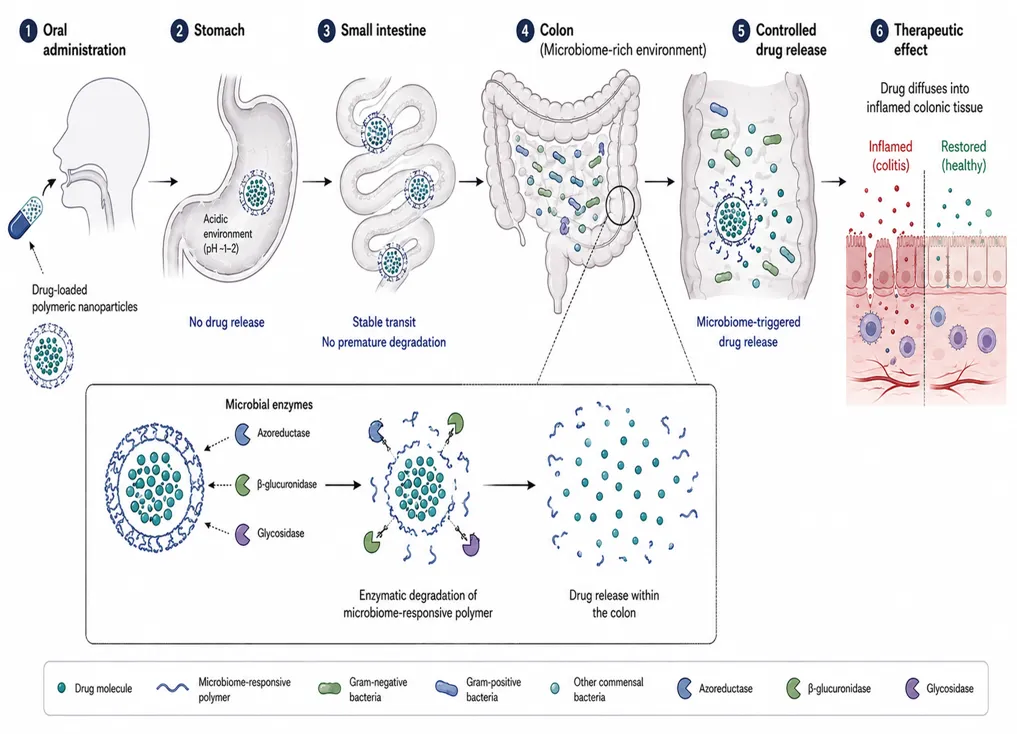
Figure 1 Overall mechanism of microbiome-responsive colon-targeted drug delivery.31,32
6.2 Colon-Targeted Drug Delivery Systems
Colon-specific delivery systems achieve targeted and controlled drug release by exploiting the fact that the microbial environment of the large intestine differs considerably from that of the small intestine. Most existing systems depend on biodegradable polymers, pH-responsive coatings, or transit-time-based mechanisms, but they may overlook inter- and intra-patient variations in microbial enzyme activity that can affect the release and bioavailability of the drug.28,31
This limitation can potentially be addressed by using microbiome-specific biological triggers, such as bacterial azoreductases, β-glucuronidases, glycosidases, and esterases, in microbiome-guided colon-specific delivery systems. These delivery systems can be designed to release their active agent after exposure to microbial enzymes in the colon, thereby minimizing release in the upper gastrointestinal tract. The microbiota-mediated activation of sulfasalazine represents an established example of this concept. Further integration of microbiome profiling with targeted materials may allow drug delivery to become more precise and colon-specific.25,31,32
6.3 Nanocarrier-Based Drug Delivery Approaches
Another promising approach to addressing microbiome-related challenges in oral pharmacotherapy is the application of nanocarrier-based drug delivery systems. Microbial enzymes within the gastrointestinal tract can contribute to the degradation or transformation of unstable compounds before systemic absorption. Encapsulating drug molecules in nanocarriers such as polymeric nanoparticles, liposomes, solid lipid nanoparticles, nanostructured lipid carriers, or micelles can help protect the drug from premature degradation while also improving solubility, stability, and release characteristics.31,32
Recent advances have enabled the development of microbiome-responsive nanocarriers that can be activated by bacterial enzymes, microbial products, or intestinal conditions associated with disease. These smart nanocarriers can resist degradation within the upper gastrointestinal tract and release their contents after microbial activation in the colon. Such approaches have the potential to enhance therapeutic efficiency, minimize off-target effects, and provide site-specific drug delivery. Microbiome-responsive nanotechnology therefore remains a promising approach for future precision drug delivery, although challenges related to production, long-term stability, and regulatory approval remain.30,32,33
6.4 Microbiome-Responsive Smart Drug Delivery Systems
Microbiome-responsive smart drug delivery systems represent an important advance in precision pharmaceutics because they enable drug release in response to biological cues generated by the gut microbiota rather than relying solely on predetermined release kinetics. Gut microbial enzymes, metabolites, inflammatory biomarkers, or disease-associated changes in the intestinal environment can be used as triggers for targeted and controlled drug release, potentially improving therapeutic precision and reducing systemic toxicity.31,32
Enzyme-responsive polymers and biodegradable linkers are important components of these systems and can facilitate specific degradation by bacterial enzymes such as azoreductases, β-glucuronidases, glycosidases, and esterases. Recent innovations include metabolite-sensitive systems, biofilm-sensitive carriers, engineered living therapies that sense the intestinal environment and produce therapeutic molecules at the site of disease, and enzyme-responsive formulations. Thus, concepts demonstrated by microbiome-dependent prodrugs such as sulfasalazine are being extended toward more sophisticated and adaptive drug delivery platforms.25,32,33
The integration of these biological triggers into smart drug delivery systems is illustrated in Figure 2.32,33
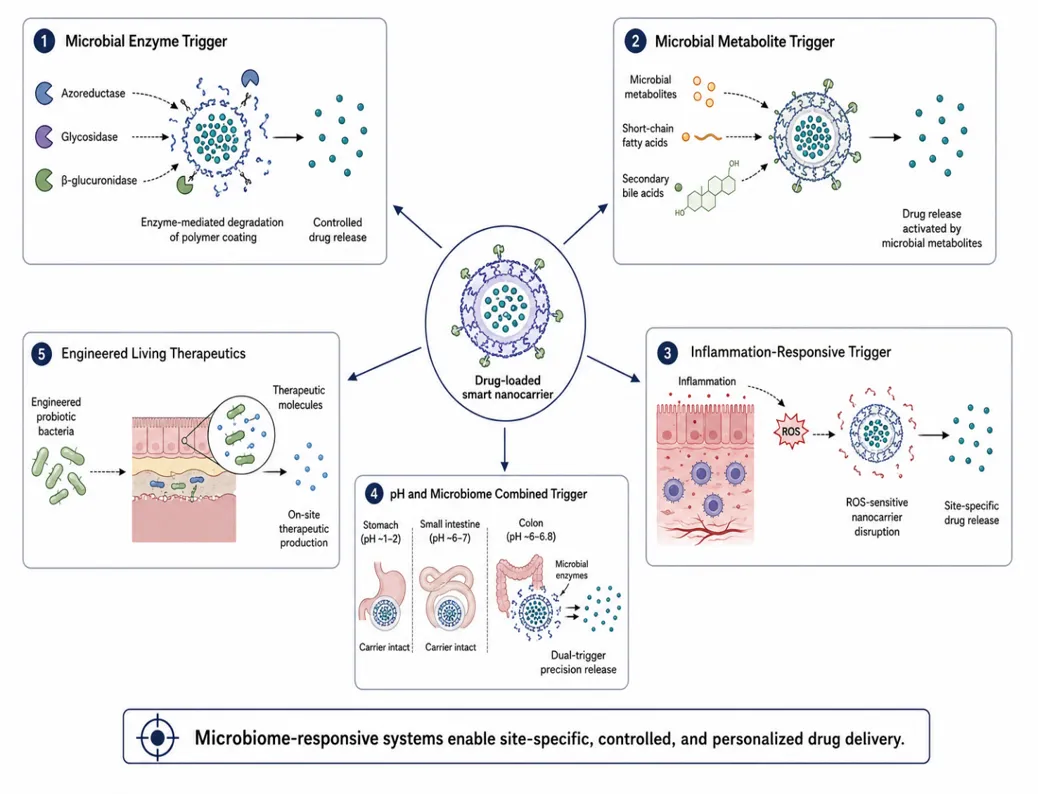
Figure 2 Major mechanisms and biological triggers of microbiome-responsive drug delivery systems32,33
The key microbiome-responsive drug delivery strategies, along with their biological triggers, release mechanisms, major advantages, and representative applications, are summarised in Table 3.
Table 3. Microbiome-Responsive Drug Delivery Strategies 31,32,33
|
Strategy |
Trigger mechanism |
Drug release mechanism |
Major advantage |
Representative application |
|
Enzyme-responsive polymers |
Azoreductase, β-glucuronidase |
Polymer degradation |
Colon-specific drug release |
Ulcerative colitis |
|
Polysaccharide-based carriers |
Bacterial polysaccharidases |
Enzymatic degradation |
High biocompatibility |
Colon-targeted therapy |
|
Dual-responsive DDS |
pH + microbial enzymes |
Sequential activation |
Improved targeting accuracy |
Inflammatory bowel disease |
|
Microbiome-responsive nanocarriers |
Microbial enzymes/ metabolites |
Controlled nanoparticle degradation |
Enhanced local drug concentration |
Colorectal cancer |
|
Engineered probiotics |
Living bacteria |
In situ therapeutic production |
Sustained site-specific therapy |
Metabolic and inflammatory diseases |
6.5 Precision Dosing and Therapeutic Drug Monitoring
The substantial inter-individual variation in gut microbiota composition has highlighted the limitations of fixed-dose treatment regimens and reinforced the importance of personalised dosing in modern pharmacology. Population pharmacokinetic and pharmacodynamic principles are traditionally used to develop dosage regimens intended to achieve similar therapeutic drug concentrations, assuming that patients will have relatively similar systemic drug exposure when given the same dose. However, host genetics, age, organ function, and body weight may not fully explain the additional variability caused by microbial metabolism. Therefore, incorporating a microbiome component into dose adjustment may provide an opportunity to improve treatment effectiveness while reducing treatment-related adverse effects.15,30,35
Precision dosing incorporates patient-specific characteristics, such as pharmacogenetic information, into drug-based decisions. Extending this concept, pharmacomicrobiomics considers the gut microbiome as an additional participant in the drug–host interaction, alongside pharmacogenomics, patient clinical data, therapeutic drug monitoring (TDM), and clinical response. Even when the same dose regimen is administered, differences in microbial enzyme activity can alter drug absorption, activation, inactivation, and enterohepatic recycling, resulting in differences in plasma drug concentrations. Pharmacogenetic information, pharmacokinetic models, TDM, and microbiome profiling may therefore be integrated to identify potential differences in medication exposure and effectiveness and to support dose individualisation.30,35
Further advances in computational modelling, artificial intelligence, and systems pharmacology are expected to enhance microbiome-guided precision dosing, although standardised microbiome sampling, identification and validation of reliable microbial biomarkers, and regulatory considerations remain important challenges before routine clinical application. These developments may enable drug delivery strategies tailored to both the host and microbiome and support computerised decision-making systems for treatment optimisation.34,35
Emerging microbiome-based therapeutic approaches for personalised drug delivery, together with their underlying principles, major advantages, limitations, and current clinical status, are summarised in Table 4.
Table 4. Emerging Microbiome-Based Therapeutic Approaches for Personalized Drug Delivery 29,31,32, 33,35
|
Therapeutic approach |
Principle |
Major advantage |
Limitation |
Clinical status |
|
Enzyme-responsive DDS |
Enzyme-triggered site-specific drug release |
High targeting specificity |
Inter-individual microbial variability |
Preclinical/ Early clinical |
|
Engineered probiotics |
In situ production of therapeutic molecules |
Sustained localized therapy |
Colonization stability and biosafety |
Early clinical |
|
Fecal microbiota transplantation (FMT) |
Restoration of healthy gut microbiota |
Disease modification |
Donor variability and standardization |
Clinical |
|
Prebiotic-assisted DDS |
Selective modulation of beneficial gut microbiota |
Safe and biocompatible |
Variable patient response |
Emerging |
|
AI-guided precision dosing |
Computational integration of microbiome and pharmacokinetic data |
Personalized dose optimization |
Large datasets and validation required |
Future |
7. ARTIFICIAL INTELLIGENCE AND SYSTEMS PHARMACOLOGY IN MICROBIOME-GUIDED PERSONALIZED DRUG DELIVERY
7.1 Artificial Intelligence for Microbiome Analysis
The rapid growth of microbiome research has resulted in an enormous volume of data covering microbial taxonomy, functional genes, metabolic pathways, metabolomic profiles, and other biological characteristics. Artificial intelligence (AI), particularly machine learning and deep learning, provides effective approaches for analysing these complex datasets and extracting therapeutically relevant information. AI can also help predict microbial enzyme activities and metabolite production and identify microbial markers associated with drug metabolism, treatment response, and adverse effects. These computational approaches may support the development of microbiome-guided personalised drug delivery systems and formulation optimization.15,36,37
7.2 Predictive Modelling of Drug Response
AI-based predictive modelling can integrate functional genes, pharmacokinetic parameters, microbiome composition, and patient-specific factors to predict therapeutic responses before treatment initiation. Prediction algorithms may support the development of individualized formulation designs and dosing strategies by assessing microbiome-regulated drug biotransformation, prodrug activation, and the production of potentially toxic metabolites. Such models represent an important step toward machine-assisted pharmacotherapy, potentially improving the selection of microbiome-responsive pharmaceutical preparations while reducing variability in clinical response. 15,32,38
7.3 Integration of Multi-Omics Data
The integration of multi-omics data, including metagenomics, transcriptomics, proteomics, metabolomics, and pharmacogenomics, is important for developing a comprehensive understanding of microbiome–drug interactions. These complementary approaches can help identify host–microbiome interactions and microbial functional activities relevant to drug disposition and treatment response. Artificial intelligence can facilitate the parallel analysis of these datasets, making it easier to identify biomarkers, select suitable carriers, and design personalised formulation strategies. Multi-omics integration is therefore an important component of systems pharmacology and next-generation microbiome-guided drug delivery.15,33,39
7.4 Clinical Decision Support Systems
Microbiome-informed clinical decision support systems (CDSS) can facilitate personalised therapeutic decision-making by integrating pharmacokinetic, pharmacogenomic, and clinical information with microbiome-derived indicators. AI-based systems may assist in recommending drug selection, dosage, and microbiome-adapted drug delivery strategies based on the metabolic functions of an individual's microbiota. Incorporating electronic health records, microbiome sequencing data, and therapeutic drug monitoring may further improve the prediction of treatment outcomes and adverse responses. Recent advances in explainable AI and digital health may support the future implementation of microbiome-guided clinical decision support in precision pharmacotherapy. 32,37,38,40
8. FUTURE PERSPECTIVES
8.1 Translation to Clinical Practice
To translate pharmacomicrobiomics into clinical practice, microbiome biomarkers will need to be combined with clinical, pharmacokinetic, and pharmacogenomic information. Individual microbial profiles could be used in personalised drug delivery systems to guide dose selection, monitoring, and formulation. Successful application will require accurate profiling, validated biomarkers, global collaboration, and clinical trials.29,30,33
8.2 Regulatory Considerations
Microbiome-guided drug delivery requires appropriate regulatory pathways for advanced delivery systems, AI-enabled therapeutic decision-making, and microbiome biomarkers. Microbiome-based treatments need to demonstrate safety and reproducibility through standardized microbiome characterisation, biomarker validation, formulation quality, and data governance. Globally harmonised guidelines will support regulatory approval and clinical translation of microbiome therapies.33,34,41,42,43,44
8.3 Standardization Challenges
A major obstacle is the absence of consensus methods for microbiome sampling, sequencing, bioinformatic analysis, and biomarker validation. Differences in microbial profiles and analytical methods may limit reproducibility and comparison across studies. Standard protocols, comprehensive microbiome reference databases, validated functional biomarkers, and consistent formulation approaches are therefore crucial for improving reliability.29,30,42,43,44
8.4 Future of Microbiome-Guided Precision Medicine
Future precision medicine may combine microbiome profiling with pharmacogenomics, multi-omics approaches, AI, and advanced drug delivery systems. AI-guided decision support, smart nanocarriers, and microbiome-responsive formulations could help optimise drug selection, formulation, dosing, and therapeutic monitoring. Continued technological advances, clinical evidence, and appropriate regulatory frameworks will support this approach.32,33,35,41,42,44,45
The key challenges associated with microbiome-guided precision medicine, together with their potential solutions and future implications, are summarized in Table 5.
Table 5. Current Challenges, Regulatory Considerations, And Future Directions In Microbiome-Guided Drug Delivery 33,34,35,41-45
|
Challenge |
Impact |
Proposed Solution |
Future Perspective |
|
Inter-individual microbiome variability |
Variable drug response |
Patient stratification using microbiome biomarkers |
Precision medicine |
|
Lack of standardized methodologies |
Limited clinical translation |
Harmonized protocols and biomarker validation |
Companion diagnostics |
|
Manufacturing and formulation complexity |
Difficult product development |
Quality by Design (QbD) and scalable DDS |
Industrial translation |
|
Regulatory uncertainty |
Delayed clinical approval |
International regulatory frameworks |
Global implementation |
|
Integration of AI and microbiome datasets |
Complex clinical interpretation |
AI-assisted clinical decision support |
Real-time personalized therapy |
9. CONCLUSION
The gut microbiome has emerged as an important factor in the field of drug delivery, providing an additional avenue for advancing precision medicine beyond the host genome. Pharmacological evidence from pharmacomicrobiomics demonstrates that the microbiome can influence the extent of drug absorption, transformation, and action, similar to the effects of host physiology. This review highlights how knowledge of the microbiome may be integrated with novel drug delivery strategies, such as microbiome-responsive polymers, advanced colon-targeted systems, and nanocarriers, to achieve optimised therapy, improved patient compliance, and enhanced patient safety. Artificial intelligence, multidimensional omics, integrative systems pharmacology, and tailored dosage forms have the potential to support patient-specific approaches to drug formulation and therapy. Nonetheless, several obstacles remain before microbiome-based personalised drug delivery can be fully implemented. These include microbiome standardisation, validation of microbiome biomarker signatures, compliance with regulatory standards for advanced delivery systems, the high complexity of manufacturing biotic–antibiotic combinations, and translation into conventional clinical settings. Overall, the integration of microbiome science with pharmaceutical technology may contribute to the progression of drug delivery from conventional population-based approaches towards safer, more effective, and individualised therapy.
REFERENCES




Yash Gotecha, Rafiya Tank, Arjavi Patoliya, Madhav Solanki, From Microbiome to Medicine: A Comprehensive Review of Gut Microbiome–Drug Interactions and Their Implications for Personalised Drug Delivery Systems, Int. J. of Pharm. Sci., 2026, Vol 4, Issue 10, 2198-2216. https://doi.org/10.5281/zenodo.23376551
 10.5281/zenodo.23376551