

We use cookies to ensure our website works properly and to personalise your experience. Cookies policy
Malineni Perumallu Pharmacy College, Pulladigunta, Guntur, Andhra Pradesh 522001
Monoclonal antibodies (mAbs) have become important therapeutic agents in oncology by selectively targeting tumour-associated antigens, immune checkpoints, and signalling pathways. This review summarizes novel mAb platforms, focusing on immune checkpoint inhibitors (ICIs), antibody–drug conjugates (ADCs), and bispecific antibodies (BsAbs), with emphasis on mechanisms, clinical applications, efficacy, safety, advantages, challenges, and future prospects. Published evidence was organized according to antibody platform, molecular target, cancer type, treatment setting, efficacy endpoint, comparator, and clinically relevant toxicity. Direct randomized comparisons were emphasized when available, while single-arm studies were interpreted as evidence of activity rather than superiority. Pembrolizumab and nivolumab demonstrate durable benefit in selected cancers; T-DM1 and polatuzumab vedotin illustrate targeted cytotoxic delivery; and blinatumomab demonstrates immune-cell redirection. Toxicity remains platform-dependent, including immune-mediated adverse events with ICIs, payload-related effects with ADCs, and cytokine-release or neurologic events with BsAbs. Novel mAbs have broadened treatment options, but their clinical value remains dependent on tumour biology, biomarkers, treatment setting, efficacy, and toxicity management. Future development should emphasize biomarker selection, antibody engineering, resistance management, combination strategies, and safer molecular designs.
Cancer remains a major cause of morbidity and mortality worldwide despite advances in diagnosis and treatment. Conventional approaches, including chemotherapy, radiotherapy and surgery, have improved survival in many malignancies, but their effectiveness may be limited by non-selective toxicity, treatment resistance and disease recurrence. These limitations have accelerated the development of targeted and biological therapies designed to act more selectively on tumour-associated molecular pathways. Monoclonal antibodies (mAbs) are a class of targeted agents that recognize specific antigens or signalling molecules involved in tumour growth and immune regulation. Their clinical use has expanded across breast, colorectal, lung, haematological and other cancers. Advances in antibody engineering have further produced immune checkpoint inhibitors (ICIs), antibody–drug conjugates (ADCs) and bispecific antibodies (BsAbs), which extend the functions of conventional antibodies through immune modulation, targeted payload delivery and dual-target engagement. However, their benefits vary according to tumour biology, biomarker status, treatment setting and mechanism, and may be accompanied by platform-specific toxicities and resistance. Therefore, understanding the development, mechanisms, clinical applications, efficacy and safety of these newer platforms is important for their interpretation. This narrative review summarizes developments in novel monoclonal antibodies in oncology, emphasizing ICIs, ADCs and BsAbs, their clinical evidence, limitations, safety considerations and future directions.
Monoclonal antibodies (mAbs) are an important class of targeted therapeutic agents that recognize specific antigens or molecular targets expressed by tumour cells or involved in tumour-associated signalling pathways. Their development has expanded the therapeutic options available for several cancers, including breast, colorectal, lung, haematological and other malignancies. By selectively interacting with defined targets, mAbs can interfere with tumour-cell proliferation, promote immune-mediated destruction of cancer cells or modify signalling pathways essential for tumour survival.
Recent advances in antibody engineering have resulted in novel monoclonal antibody platforms with mechanisms that extend beyond those of conventional antibodies. Immune checkpoint inhibitors (ICIs), antibody–drug conjugates (ADCs) and bispecific antibodies (BsAbs) represent important developments in this field. ICIs enhance antitumour immune responses by blocking inhibitory immune pathways such as programmed cell death protein 1 (PD-1), programmed death-ligand 1 (PD-L1) and cytotoxic T-lymphocyte-associated antigen 4 (CTLA-4). ADCs combine the target-selective properties of antibodies with potent cytotoxic agents, enabling targeted delivery of therapeutic payloads to cancer cells. BsAbs are engineered to recognize two different antigens or epitopes and can facilitate interactions between tumour cells and immune effector cells.
Although these newer antibody-based therapies have expanded treatment possibilities, their clinical benefits are associated with challenges including adverse effects, resistance, heterogeneous treatment responses, complex manufacturing requirements and differences in therapeutic outcomes among cancer types. Therefore, understanding the evolution from conventional monoclonal antibodies to newer antibody platforms is important for evaluating their therapeutic applications and limitations.
The present narrative review aims to summarize recent developments in novel monoclonal antibodies used in oncology, with particular emphasis on immune checkpoint inhibitors, antibody–drug conjugates and bispecific antibodies. It discusses their mechanisms of action, major therapeutic applications, clinical efficacy and safety profiles, while highlighting important differences between newer antibody-based approaches and conventional monoclonal antibody therapies. The review also considers emerging developments and future prospects in monoclonal antibody-based cancer treatment.
2. REVIEW APPROACH
This article is structured as a narrative review. The supplied comparative-review manuscript provided the principal clinical evidence and terminology, while the supplied bioanalytical review structure informed the organization into background, objective, method, evidence synthesis, comparative tables, challenges and future perspectives. No new pooled effect estimate was calculated because the underlying studies differ in cancer type, population, comparator, endpoint and follow-up. [1–5]
Evidence was organized according to antibody platform, molecular target or mechanism, cancer setting, comparator, efficacy endpoint and clinically relevant toxicity. Direct randomized comparisons were emphasized when available; single-arm evidence was interpreted as activity rather than proof of superiority. [6–18]
Table 1. Major monoclonal-antibody platforms discussed in the review
|
Platform |
Representative examples |
Core mechanism |
Clinical role |
Key toxicity |
Key references |
|
Conventional/ naked mAbs |
Trastuzumab; rituximab |
Targeted antigen/ receptor binding |
Established targeted treatment |
Infusion and target-related effects |
Justiz-Vaillant et al. [1] 2025; Pento [4] 2017 |
|
ICIs |
Pembrolizumab; nivolumab; ipilimumab |
PD-1/PD-L1 or CTLA-4 blockade |
Reactivation of antitumour immunity |
Immune-related adverse events |
Reck et al. [6] 2016; Larkin et al. [7]2015; Wolchok et al. [8]2025 |
|
ADCs |
T-DM1; polatuzumab vedotin; trastuzumab deruxtecan |
Antibody + linker + cytotoxic payload |
Targeted payload delivery |
Cytopenias; hepatic, GI or neurologic effects |
von Minckwitz et al. [9] 2019; Tilly et al. [12] 2022; Tsuchikama et al. [22]2024 |
|
BsAbs |
Blinatumomab; amivantamab |
Dual-target binding / immune-cell engagement |
Immune redirection or dual-pathway targeting |
CRS; infusion and neurologic effects |
Kantarjian et al. [14]2017; Park et al. [15] 2021; Klein et al. [21]2024 |
3. IMMUNE CHECKPOINT INHIBITORS
ICIs act by blocking inhibitory signals that restrain T-cell responses. Pembrolizumab and nivolumab target PD-1, while atezolizumab targets PD-L1 and ipilimumab targets CTLA-4. Their clinical benefit depends not only on the individual drug but also on tumour immune biology and, in several settings, the expression of relevant biomarkers. [1–3,6–8] [32,34]
In KEYNOTE-024, pembrolizumab produced a median progression-free survival of 10.3 months compared with 6.0 months for platinum-based chemotherapy in previously untreated advanced NSCLC with PD-L1 expression of at least 50%. In melanoma, CheckMate 067 established durable benefit with nivolumab-containing treatment compared with ipilimumab alone, with longer-term follow-up supporting persistent clinical benefit in selected patients. [6–8]
The main safety distinction from conventional chemotherapy is the pattern of toxicity, rather than an absence of adverse effects. Immune-mediated adverse events may involve the skin, bowel, liver, lung and endocrine organs. Combination checkpoint blockade can increase immune-mediated toxicity, making early recognition and treatment essential. [7,8] [33,34]
Table 2. Comparative evidence for immune checkpoint inhibitors
|
Therapy |
Cancer setting |
Comparator |
Efficacy finding |
Important toxicity |
Reference name / no. |
|
Pembrolizumab |
Advanced NSCLC, PD-L1 ≥50% |
Platinum chemotherapy |
Median PFS 10.3 vs 6.0 months |
Immune-related adverse events |
Reck et al. [6] 2016 |
|
Nivolumab + ipilimumab |
Untreated advanced melanoma |
Ipilimumab alone |
Longer PFS with nivolumab-containing therapy |
Higher immune-mediated toxicity with combination |
Larkin et al. [7]2015 |
|
Nivolumab + ipilimumab |
Advanced melanoma, long-term follow-up |
Ipilimumab |
Durable long-term overall benefit reported |
Chronic immune-related toxicity remains relevant |
Wolchok et al. [8]2025 |
|
ICIs as a class |
Biomarker-selected solid tumours |
Conventional therapy / active comparator |
Benefit varies by disease and biomarker |
Organ-specific immune inflammation |
Justiz-Vaillant et al. [1]2025; Delgado & Garcia-Sanz [2]2023 |
Interpretation
The major strength of ICIs is the possibility of durable immune control after treatment exposure. However, response heterogeneity, primary or acquired resistance and immune-related toxicity limit universal benefit. Therefore, efficacy should be interpreted alongside biomarker status and treatment setting rather than as a simple comparison with chemotherapy. [1,2,21,23]
4. ANTIBODY–DRUG CONJUGATES
ADCs are composed of an antibody, linker and cytotoxic payload. The antibody provides target recognition, the linker controls stability and release, and the payload produces the cytotoxic effect after delivery to the tumour cell. This design can improve the therapeutic index compared with systemic delivery of an equally potent free cytotoxic drug, but it does not eliminate systemic toxicity. [5,17,22] [28–30]
T-DM1 provides an important clinical example. In the KATHERINE study, three-year invasive disease-free survival was 88.3% with T-DM1 compared with 77.0% with trastuzumab in patients with HER2-positive early breast cancer and residual invasive disease after neoadjuvant therapy. In EMILIA, T-DM1 also improved progression-free and overall survival compared with lapatinib plus capecitabine in previously treated HER2-positive advanced breast cancer. [9–11]
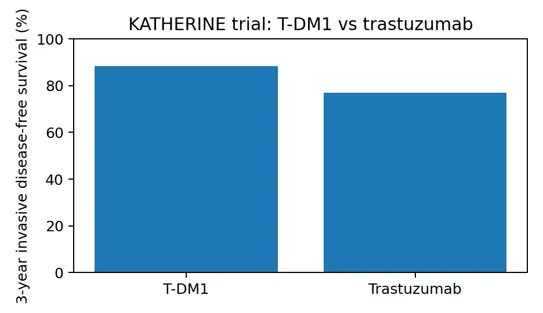
Figure 1. Three-year invasive disease-free survival reported in the KATHERINE comparison. Values are taken from the supplied review and represent one trial-specific comparison.
Polatuzumab vedotin adds another example of payload-directed therapy in lymphoma. In POLARIX, polatuzumab vedotin plus R-CHP improved the reported progression-related outcome compared with R-CHOP in previously untreated diffuse large B-cell lymphoma. ADC development is now moving toward improved linkers, novel payloads, bispecific ADCs, dual-payload systems and tumour-activated designs intended to address heterogeneity and resistance. [12,13,22]
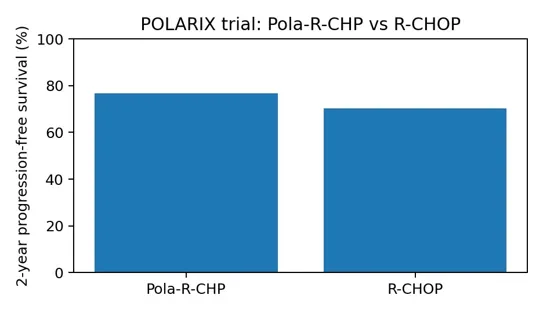
Figure 2. Reported progression-free survival values for Pola-R-CHP and R-CHOP in the cited phase III DLBCL study. The two bars are from one study and should not be compared directly with Figure 1.
Table 3. Antibody–drug conjugates: mechanism and clinical evidence
|
ADC |
Target / design |
Clinical comparison |
Reported efficacy |
Main safety issue |
Reference name / no. |
|
T-DM1 |
HER2-directed antibody + DM1 payload |
Trastuzumab in residual early breast cancer |
3-y IDFS 88.3% vs 77.0% |
Thrombocytopenia; liver abnormalities; neuropathy |
von Minckwitz et al. [9]2019; Loibl et al. [10] |
|
T-DM1 |
HER2-directed ADC |
Lapatinib + capecitabine |
Median PFS 9.6 vs 6.4 months; OS 30.9 vs 25.1 months at reported analysis |
Thrombocytopenia and hepatic toxicity |
Verma et al. [11]2012 |
|
Next-generation ADCs |
Improved antibody/ linker/ payload engineering |
Platform development |
Potential to address resistance and heterogeneity |
Payload- and design-dependent toxicity |
Tsuchikama et al. [22]2024; Dumontet et al. [23]2023 |
Interpretation
ADC efficacy depends on target expression, internalization, linker stability, payload potency and tumour heterogeneity. The same structural features that increase antitumour activity can also influence adverse events. Thus, next-generation ADC research increasingly focuses on balancing potency, selectivity and controlled payload release. [17,22,23] [28–30]
5. BISPECIFIC ANTIBODIES
Bispecific antibodies are engineered to recognize two antigens or epitopes. Some engage a tumour antigen and an immune-cell antigen, while others inhibit two signalling pathways. This dual recognition creates mechanisms that are difficult to reproduce with conventional single-target antibodies. [14–16,21,24] [27,31]
Blinatumomab is a CD19×CD3 T-cell engager used in B-cell precursor acute lymphoblastic leukemia. In the TOWER study, blinatumomab improved overall survival compared with standard chemotherapy in relapsed or refractory disease. Cytokine-release syndrome and neurologic events are characteristic risks and require structured monitoring. [14]
Amivantamab, an EGFR×MET bispecific antibody, demonstrated activity in EGFR exon 20 insertion-mutated NSCLC in the CHRYSALIS study. Because the cited study was single-arm, its response rate should be interpreted as evidence of activity rather than direct evidence of superiority over chemotherapy. [15] Bispecific-antibody research is rapidly expanding toward multispecific formats, conditional activation and designs intended to improve tumour selectivity. [16,21,24] [27,31]
Table 4. Bispecific antibodies and their clinical role
|
Agent |
Targets |
Cancer setting |
Evidence |
Important toxicity |
Reference name / no. |
|
Blinatumomab |
CD19 × CD3 |
Relapsed/ refractory B-cell precursor ALL |
Improved OS median 7.7 vs chemotherapy4.0 |
Cytokine-release syndrome; neurologic events |
Kantarjian et al. [14]2017 |
|
Amivantamab |
EGFR × MET |
EGFR exon 20 insertion-mutated NSCLC |
40% objective response in cited CHRYSALIS population |
Infusion reactions; rash and target-related effects |
Park et al. [15]2021 |
|
Bispecific antibodies |
Tumour antigen × immune-cell target |
Haematological and emerging solid tumours |
Immune-cell redirection or dual-pathway blockade |
CRS; neurologic and infusion reactions |
Klein et al. [21]2024; Goebeler et al. [24]2024 |
|
Next-generation BsAbs |
Dual / multispecific designs |
Investigational oncology settings |
Potential to improve selectivity and overcome resistance |
Design- and target-dependent toxicity |
Fontana et al. [16]2026; Klein et al. [21]2024 |
Interpretation
The key advantage of BsAbs is functional proximity: an engineered molecule can bring immune cells close to malignant cells or inhibit two relevant pathways simultaneously. Their major challenges include antigen selection, cytokine activation, tumour heterogeneity, dosing logistics and the need to identify patients most likely to benefit. [16,21,24] [27,31]
6. COMPARATIVE THERAPEUTIC EFFICACY
Direct numerical comparisons between unrelated clinical trials should be interpreted cautiously. The evidence in this review therefore retains each efficacy result with its disease, population, comparator and endpoint. This approach avoids treating a high response rate in a single-arm study as equivalent to a survival advantage from a randomized trial. [6–16]
Table 5. Comparative efficacy of selected novel monoclonal-antibody strategies
|
Novel antibody |
Comparator |
Cancer / population |
Endpoint and result |
Clinical interpretation |
Reference name / no. |
|
Pembrolizumab |
Platinum chemotherapy |
Advanced NSCLC; PD-L1 ≥50% |
PFS 10.3 vs 6.0 months |
Randomized evidence of benefit in biomarker-selected disease |
Reck et al. [6]2016 |
|
Nivolumab + ipilimumab |
Ipilimumab |
Untreated advanced melanoma |
Longer PFS with nivolumab-containing therapy |
Combination provides durable benefit but more immune toxicity |
Larkin et al. [7]2017; Wolchok et al. [8]2026 |
|
T-DM1 |
Trastuzumab |
HER2+ early breast cancer with residual disease |
3-y IDFS 88.3% vs 77.0% |
Strong direct comparative evidence after neoadjuvant therapy |
von Minckwitz et al. [9]2019; Loibl et al. [10]2025 |
|
T-DM1 |
Lapatinib + capecitabine |
HER2+ advanced breast cancer |
PFS 9.6 vs 6.4 months; OS 30.9 vs 25.1 months |
Improved outcomes in previously treated advanced disease |
Verma et al. [11]2012 |
|
Polatuzumab-R-CHP |
R-CHOP |
Previously untreated DLBCL |
2-y PFS 76.7% vs 70.2% |
Modest but clinically relevant progression benefit |
Tilly et al. [12]2022; Morschhauser et al. [13]2026 |
|
Blinatumomab |
Salvage chemotherapy |
Relapsed/ refractory B-cell precursor ALL |
OS 7.7 vs 4.0 months |
Supports immune-cell engagement in this setting |
Kantarjian et al. [14]2017 |
|
Amivantamab |
No randomized comparator in cited study |
EGFR exon 20 insertion NSCLC |
ORR 40% in CHRYSALIS |
Demonstrates activity, not superiority |
Park et al. [15]2021 |
7. EFFICACY–TOXICITY BALANCE
The clinical value of a novel antibody reflects both its therapeutic benefit and the burden associated with treatment. ICIs can produce prolonged disease control but may trigger immune-mediated inflammation. ADCs can deliver highly potent payloads to tumour cells but may cause hematologic, hepatic, gastrointestinal or neurologic toxicity. BsAbs can produce strong immune-cell engagement but require careful management of cytokine-release and infusion-related events. [1,17,21–24].
8. TOXICITY AND CLINICAL MONITORING
Toxicity patterns differ according to the biological mechanism of each antibody platform. Conventional chemotherapy is associated with broad tissue toxicity, whereas ICIs produce immune-mediated adverse events. ADCs add payload- and linker-related toxicity to target-related effects, and BsAbs may activate immune cells so strongly that cytokine-release syndrome or neurologic toxicity occurs. [1,4,14,17,21]
Table 6. Major toxicity patterns, monitoring priorities and future safety direction
|
Platform |
Major toxicity pattern |
Monitoring focus |
Risk-reduction approach |
Reference name / no. |
|
Conventional chemotherapy |
Myelosuppression; GI effects; neuropathy |
CBC, organ function, symptoms |
Dose adjustment and supportive care |
Pento [4]2017; Justiz-Vaillant et al. [1]2025 |
|
ICIs |
Dermatitis; colitis; hepatitis; pneumonitis; endocrinopathies |
Early recognition of immune-related symptoms; organ function |
Prompt grading, corticosteroid-based management when indicated |
Reck et al. [6]2016; Larkin et al. [7]2017; Delgado & Garcia-Sanz [2]2023 |
|
ADCs |
Cytopenias; hepatic effects; neuropathy; GI effects; class-specific toxicities |
CBC, liver function, neurologic and payload-specific assessment |
Dose modification; improved linker/payload design |
von Minckwitz et al. [9]2019; Tsuchikama et al. [22]2024 |
|
BsAbs |
Cytokine-release syndrome; neurologic events; infusion reactions |
Step-up dosing monitoring, inflammatory and neurologic assessment |
Step-up dosing, premedication and engineering of target affinity |
Kantarjian et al. [14]2017; Goebeler et al. [24]2024 |
9. CHALLENGES
Several challenges remain, including dependence on biomarkers, primary and acquired resistance, antigen loss, tumour heterogeneity, manufacturing complexity, and limited long-term safety data for some emerging platforms. For ADCs, target density, internalization and payload resistance can limit benefit. For BsAbs, selecting safe tumour antigens and controlling immune activation remain central problems. For ICIs, resistance may arise through changes in antigen presentation, tumour microenvironment or immune escape. [16,21–24]
Another challenge is evidence heterogeneity. A randomized trial with a survival endpoint provides a different level of comparative evidence from a single-arm response study. Consequently, narrative interpretation should preserve the study design and should not convert different endpoints into one universal efficacy score. [6–16]
10. PRACTICAL FRAMEWORK FOR FUTURE COMPARATIVE REVIEWS
A robust evidence framework should define eligibility criteria in advance, specify databases and search dates, document the screening process, extract comparable efficacy and safety outcomes, and assess risk of bias when a systematic-review approach is used. When the objective is narrative synthesis, transparency about source selection and the limits of cross-trial comparisons remains essential. [1–5,25]
Clinical implications
In practice, selection of a monoclonal antibody should consider target expression, tumour type, previous therapy, biomarker status, expected benefit, toxicity profile, and the feasibility of clinical monitoring. The same platform may have different value in different cancers because target biology and treatment context change. [1–3,21]
11. CONCLUSION
Novel monoclonal antibodies have broadened the therapeutic options available in oncology. ICIs can produce durable immune responses in selected patients; ADCs combine antigen recognition with delivery of potent cytotoxic payloads; and BsAbs can redirect immune cells or inhibit multiple pathways. Comparative clinical studies demonstrate meaningful benefits in defined settings, but they do not establish universal superiority of one antibody platform over conventional treatment. [1–16]
The most appropriate interpretation is therefore context-dependent. Efficacy must be linked to the disease population, biomarker, comparator and endpoint, while toxicity must be interpreted according to the mechanism of the antibody. A structured narrative approach helps prevent inappropriate numerical ranking and makes the evidence easier to apply clinically. [6–18]
Further progress will depend on improved patient selection, safer molecular designs, rational combination strategies, effective resistance management, and longer follow-up. Continued development of next-generation ADCs, bispecific/multispecific antibodies and immune-targeted approaches is likely to expand precision oncology, provided that therapeutic gains remain balanced against toxicity, manufacturing complexity and accessibility. [21–25] [26,27,30,31]
12. FUTURE PERSPECTIVES
Future development is likely to focus on improving the therapeutic index of antibody platforms rather than simply increasing target affinity. In ADCs, next-generation linkers, novel payloads, bispecific ADCs, dual-payload systems and tumour-activated constructs are being investigated to address resistance and tumour heterogeneity. [22,23] [26,28–30]
Bispecific and multispecific antibodies are moving toward more sophisticated immune-cell engagement, conditional activation and combinations with other immune or targeted treatments. Recent reviews describe a rapidly expanding development pipeline and emphasize target selection, control of cytokine toxicity and treatment sequencing as major priorities. [21,24] [27,31]
Combination strategies are also important. ADCs may be combined with ICIs because tumour-cell killing can alter antigen presentation and immune activation, but combination toxicity must be evaluated carefully. A 2024 systematic review and meta-analysis reported encouraging activity for ADC plus ICI regimens while also highlighting adverse effects and heterogeneity between studies. [25] [35]
REFERENCES

Thanda Ramzanbi, Karempudi Sriteja, Keerthipati Pallavi, Moparthi Suma, Venu Kumari Guntupalli, A Narrative Review of Novel Monoclonal Antibodies in Oncology, Int. J. of Pharm. Sci., 2026, Vol 4, Issue 10, 2187-2197. https://doi.org/10.5281/zenodo.23376385
 10.5281/zenodo.23376385