

We use cookies to ensure our website works properly and to personalise your experience. Cookies policy
Nalanda Institute of Pharmaceutical Sciences, Kantepudi, Guntur, India
Stress and insomnia are among the most prevalent lifestyle disorders. Globally, which affects mental and physical well-being chronic stress and insomnia are strongly linked to depression, cardiovascular disease, obesity, and weakened immune function. The growing incidence highlights an urgent need for safe, effective, and holistic treatment strategies such as herbal interventions to manage these interrelated conditions. Conventional therapies often provide temporary relief but may cause dependency and side effects. Herbal medicines offer a safer, natural, and holistic approach to managing these conditions. This review highlights globally recognized herbs used in stress and insomnia management across traditional systems such as Ayurveda, Traditional Chinese Medicine, and Western herbalism. Adapt genic herbs like Wathena somniferous (Ashwagandha), Panam ginseng, and Ocimum sanctum help regulate the hypothalamic-pituitary-adrenal (HPA) axis and reduce cortisol levels. Sedative herbs including Valerian officinal is (Valerian), Matric aria chamomile (Chamomile), and Lavandula angustifolia (Lavender) promote relaxation through GABAergic and serotonergic modulation. These herbs also exhibit antioxidant and neuroprotective actions that enhance mental resilience and sleep quality. Thus, herbal remedies worldwide act as a lifeline in stress and insomnia management, offering a safe and sustainable alternative to synthetic drugs.East-paced world, ne major health has emerged as the modern era, s across all age World Health -45% of adult’s acnes, and over logical stress at prevalence of in the general.In developing countries, urbanization, occupational pressure, and lifestyle changes have further intensified the burden of stress-induced disorders.
Insomnia is a multifactorial sleep disorder characterized by persistent difficulty in sleep initiation, maintenance, consolidation, or early morning awakening despite adequate opportunity for sleep, resulting in significant daytime impairment. According to the American Psychiatric Association, chronic insomnia is diagnosed when symptoms occur at least three times weekly for a duration exceeding three months and produce measurable psychosocial dysfunction. Anxiety disorders, including generalized anxiety disorder (GAD), panic disorder, and stress-related syndromes, represent a spectrum of neuropsychiatric conditions marked by excessive worry, autonomic hyperactivity, and cognitive deregulation.
Contemporary neurobiological models conceptualize insomnia and anxiety as disorders of hyper arousal involving deregulation across neuroendocrine, neurotransmitter, and inflammatory pathways. Chronic psychological stress induces sustained activation of the hypothalamic-pituitary-adrenal (HPA) axis, resulting in prolonged cortisol secretion and circadian misalignment. Elevated nocturnal cortisol levels are strongly associated with increased sleep knowledge by integrating traditional knowledge latency, reduced slow-wave sleep, and fragmented rapid eye movement (REM) sleep architecture. Persistent HPA axis activation further contributes to hippocampal remodeling, impaired emotional regulation, and increased vulnerability to anxiety disorders.[1]
At the neurochemical level, reduced y-amino butyric acid (GABA)-mediated inhibitory tone, altered serotonergic and dopaminergic signaling, deregulated melatonin secretion, and heightened noradrenergic activity collectively contribute to cortical hyper excitability. This neurochemical imbalance sustains the hyper arousal state characteristic of both chronic insomnia and anxiety. Parallel, emerging evidence implicates neuroinflammatory processes and oxidative stress as mechanistic contributors. Elevated circulating cytokines such as interleukin-6 (IL-6) and tumor necrosis factor-a (TNF-a) correlate with sleep fragmentation and anxiety severity, indicating an immuno-neuroendocrine interface in disease progression. These findings support a systems-level model in which insomnia and anxiety arise from convergent deregulations of stress-responsive biological networks.
Pharmacological management primarily relies on benzodiazepines, non-benzodiazepine hypnotics, antidepressants, and anxiolytics. While these agents target discrete neurotransmitter systems, long-term use is limited by tolerance, dependence, withdrawal phenomena, cognitive impairment, and altered sleep architecture. Furthermore, single-target pharmacotherapy may inadequately address the multifactorial and network-based nature of these disorders. Herbal medicine, long utilized within traditional medical systems such as Ayurveda and Traditional Chinese Medicine, is increasingly being investigated within an evidence-based framework. The World Health Organization acknowledges the extensive global reliance on traditional and complementary medicine for mental health and stress-related disorders. Botanical therapeutics possess intrinsic poly pharmacological properties due to the presence of structurally diverse phytoconstituents-including alkaloids, flavonoids, terpenoids, lignin’s, and phenolic acids which interact synergistically with multiple molecular targets.
Mechanistic studies suggest that several medicinal plants exert anxiolytic and sedative effects through modulation of GABA a receptor activity, attenuation of HPA axis hyperactivity, regulation of monoaminergic transmission, and suppression of inflammatory mediators. For example, Wathena somniferous has demonstrated cortisol-lowering, anxiolytic, and sleep-enhancing effects in randomized controlled trials, interactions align conceptually with network pharmacology approaches, positioning phototherapy as a systems-based intervention.
1.1 CAUSES OF INSOMNIA:
Stress and anxiety Poor sleep habits (e.g., irregular sleep schedule, caffeine and nicotine use) Environmental factors (e.g., noise, light, temperature) Medical conditions (e.g., chronic pain, sleep apnea) Medications.[2]
1.2 ACUTE INSOMNIA:
Acute insomnia is a temporary sleep disorder that commonly develops after stressful events, illness, travel, or emotional disturbances. It generally lasts for a few days or weeks and improves once the triggering factor is removed. Most people recover with good sleep hygiene and stress reduction.
1.3 CHRONIC INSOMNIA:
Chronic insomnia is a long-term sleep disorder characterized by difficulty falling asleep, staying asleep, or waking up too early that occurs at least three nights per week for three months or longer, despite adequate opportunity for sleep. Un like acute insomnia, chronic insomnia usually results from persistent medical, psychological, or lifestyle-related factors and often requires long-term management.
1.4 PATHOPHYSIOLOGY OF INSOMNIA:
Stress / Illness / Anxiety
⬇
Activation of Sympathetic Nervous System & HPA Axis
⬇
↑ Cortisol, ↑ Norepinephrine, ↑ Brain Arousal
⬇
Hyper arousal (Mind and Body Remain Alert)
⬇
Reduced GABA & Melatonin Activity + Circadian Rhythm Disturbance
⬇
Difficulty Falling Asleep and Frequent Night Awakenings
⬇
Poor Sleep Quality and Reduced Deep Sleep
⬇
Daytime Fatigue, Poor Concentration, Mood Changes
⬇
Sleep Anxiety and Maladaptive Behaviors
⬇
Persistent Hyper arousal
⬇
Insomnia
2. WHY HERBS ARE USED FOR MANAGEMENT OF INSOMNIA:
Insomnia is a common sleep disorder characterized by difficulty in falling asleep, maintaining sleep, or waking too early. Conventional medications such as benzodiazepines and non-benzodiazepine hypnotics are effective but may be associated with adverse effects, including daytime drowsiness, cognitive impairment, tolerance, dependence, and withdrawal symptoms. For this reason, many patients and healthcare professionals are increasingly interested in herbal medicines as safer alternatives or complementary therapies.[3]
2.1 SLEEP CYCLE:
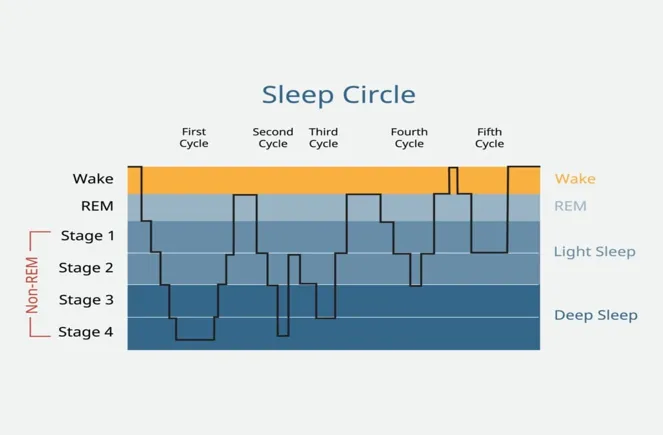
Figure.1. sleep cycle
3. RELATIONSHIP BETWEEN STRESS AND SLEEP:
Stress and sleep have a bidirectional relationship, meaning that stress affects sleep, and poor sleep increases stress. They influence each other through the brain, hormones, and the nervous system. This creates a cycle that can lead to insomnia, anxiety, depression, and reduced overall health.
3.1. Definition of Stress: Stress is the body's physical and psychological response to any demand or challenge. It activates the stress response system, preparing the body to deal with perceived threats.
3.2. Definition of Sleep: Sleep is a natural, reversible state of reduced consciousness that allows the body and brain to recover, repair tissues, consolidate memory, and regulate hormones.[4]
4. HERBS USED FOR INSOMNIA:
1. ASHWAGANDHA:
Scientific name: Withania somnifera (L.) Dunal
Family: Solanaceae
Common names: Ashwagandha, Indian Ginseng, Winter Cherry
Introduction: Ashwagandha (Withania somnifera) is a well-known medicinal plant used for over 3,000 years in Ayurvedic medicine. It is classified as an adaptogen, meaning it helps the body adapt to physical, mental, and environmental stress. The roots are the most commonly used part, although the leaves and berries also contain biologically active compounds. The major active constituents include with alkaloids, sitoindosides, and flavonoids.
Benefits:

Figure.2.Ashwagandha
Mechanism of Action:
Adaptogenic action: Regulates the hypothalamic-pituitary-adrenal (HPA) axis, reducing cortisol secretion during stress.
Antioxidant activity: Increases antioxidant enzymes such as superoxide dismutase (SOD), catalase, and glutathione peroxidase, reducing oxidative stress.
Anti-inflammatory action: Inhibits inflammatory mediators such as NF-κBh, TNF-α, IL-1β, and IL-6.
Neuroprotective effects: Enhances GABAergic signaling and supports neuronal growth and synaptic function.
Immunomodulatory effects: Enhances the activity of macrophages, natural killer cells, and lymphocytes.
Anticancer potential: With anolides may induce apoptosis and inhibit proliferation of certain cancer cells in laboratory studies.
Adverse Effects:
Ashwagandha is generally well tolerated when used appropriately, but possible adverse effects include: Gastrointestinal upset (nausea, diarrhea, stomach discomfort)
2. VALERIAN:
Scientific name: Valeriana officinalis L.
Family: Caprifoliaceae (formerly classified under Valerianaceae)
Common names: Valerian, Garden Valerian, All-Heal
Introduction:
Valerian (Valeriana officinalis) is a perennial flowering herb native to Europe and parts of Asia and is now cultivated worldwide. The root and rhizome are the medicinally important parts and have been used for centuries as a natural remedy for insomnia, anxiety, and nervous tension. The major active constituents include valerenic acid, valepotriates, sesquiterpenes, and essential oils, which contribute to its sedative and anxiolytic effects [5]
Benefits:
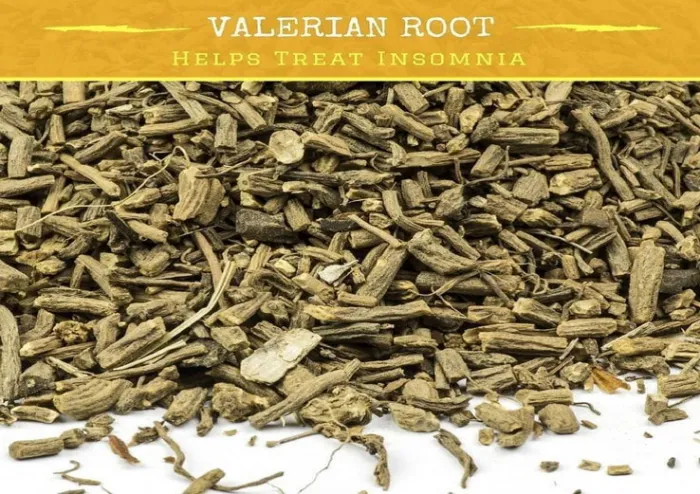
Figure.3.Valerian
Mechanism of Action:
Enhances GABA activity: Valerenic acid inhibits the breakdown of gamma-amino butyric acid (GABA) and enhances GABA receptor activity, producing calming and sedative effects.
Central nervous system depressant effect: Reduces neuronal excitability, promoting relaxation and sleep.
Interaction with neurotransmitters: May influence serotonin and adenosine receptors, contributing to anxiolytic and sleep-promoting effects.
Muscle relaxation: Produces mild antispasmodic effects by reducing muscle tension.[6]
Adverse Effects:
Valerian is generally considered safe for short-term use, but possible adverse effects include:
3. CHAMOMILE:
Scientific name: Matricaria chamomilla L. (also known as Matricaria recutita L.)
Family: Asteraceae
Common names: Chamomile, German Chamomile, Wild Chamomile
Introduction:
Chamomile (Matricaria chamomilla) is an annual medicinal herb that has been used for centuries in traditional medicine to treat anxiety, insomnia, digestive disorders, inflammation, and skin conditions. The flower heads are the medicinally important part of the plant. Its major bioactive constituents include apigenin, bisabol, chamazulene, flavonoids, and essential oils, which are responsible for its anti-inflammatory, antioxidant, antispasmodic, and mild sedative effects.[7]
Benefits:

Figure.4.Chamomile
Mechanism of Action:
GABA receptor modulation: Apigenin binds to benzodiazepine sites on GABA-A receptors, producing mild sedative and anxiolytic effects.
Anti-inflammatory action: Inhibits cyclooxygenase (COX) and lipoxygenase (LOX) pathways, reducing the production of inflammatory mediators.
Antioxidant activity: Flavonoids and phenolic compounds neutralize free radicals and reduce oxidative stress.
Antispasmodic effect: Relaxes smooth muscles of the gastrointestinal tract, helping relieve cramps and digestive discomfort.
Wound healing: Bisabol and chamazulene promote tissue repair and reduce inflammation.[8]
Adverse Effects:
Chamomile is generally safe when consumed in recommended amounts, but possible adverse effects include:
3. LAVENDER:
Scientific Name: Lavandula angustifolia Mill.
Family: Lamiaceae (Mint family)
Common Names: Lavender, English Lavender, True Lavender
Introduction:
Lavender is a fragrant flowering medicinal plant belonging to the mint family (Lamiaceae). It is native to the Mediterranean region and is widely cultivated around the world. The flowers contain essential oils rich in linalool and linalyl acetate, which are responsible for its pleasant aroma and therapeutic properties. Lavender is commonly used in aromatherapy, herbal medicine, cosmetics, perfumes, and food flavoring.[9]
Benefits:
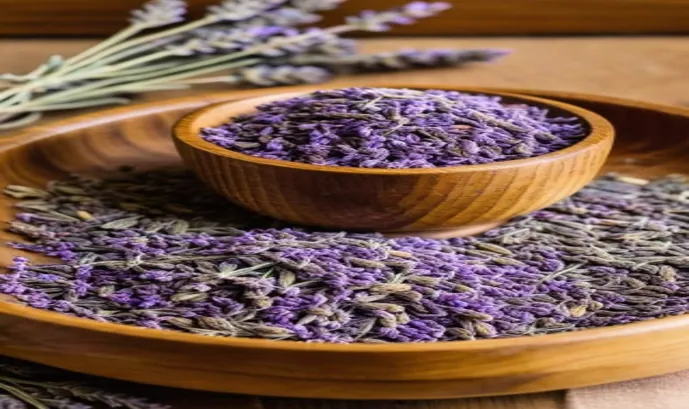
Figure.5.Lavender
Mechanism of Action:
Linalool and linalyl acetate, the major active compounds, act on the central nervous system (CNS).
They enhance the activity of GABA (Gamma-Aminobutyric Acid), an inhibitory neurotransmitter, producing a calming effect.
They may also reduce glutamate activity, helping decrease anxiety and improve sleep.
Lavender also inhibits inflammatory mediators, contributing to its anti-inflammatory and pain-relieving effects.
Adverse Effects:
SAFETY, TOXICOLOGY, AND HERB-DRUG INTERACTIONS:
Herbal medicines employed for the management of insomnia and anxiety are generally considered safe when administered within recommended therapeutic ranges. However, their increasing integration into psychiatric and sleep medicine necessitates systematic evaluation of safety, toxicological profiles, and potential herb drug interactions. Although Phyto therapeutics are often perceived as inherently safe because of their natural origin, biologically active secondary metabolites may exert clinically significant pharmacological effects, particularly when combined with conventional psychotropic medications.[10]
The safety of Matricaria chamomilla has been confirmed in randomized trials evaluating generalized anxiety disorder. Adverse reactions are uncommon but may include allergic responses in individuals sensitive to Asteraceae species. Due to coumarin-like constituents, theoretical interaction with anticoagulant therapy has been proposed.[11]
Clinical data for Bacopa monnieri indicate minimal toxicity in controlled studies. Gastrointestinal disturbances such as nausea and increased bowel movements are the most frequently reported adverse events.[12]
CONCLUSION:
Herbal synergy represents a powerful approach in the management of Stress and Insomnia, combining both adaptogenic and sedative properties to address the underlying physiological and psychological imbalances. Integrating such evidence-based herbal strategies can offer safe, effective, and comprehensive solutions for modern lifestyle-related challenges of Stress and Insomnia.
Herbs used for stress management in insomnia provide a safe, effective, and holistic alternative to conventional hypnotics. They treat both the cause - stress, and the effect sleeplessness, making them valuable in integrative management of sleep disorders. Proper identification, standardization, and clinical validation will help in their wider acceptance in modern healthcare.
REFERENCES

K. Malleswari, Dr. D. Rama Brahma Reddy, K. Ramya Joshna, Review on Herbs as a Lifeline in Stress Management and Insomnia, Int. J. of Pharm. Sci., 2026, Vol 4, Issue 10, 2240-2248. https://doi.org/10.5281/zenodo.23376979
 10.5281/zenodo.23376979