

We use cookies to ensure our website works properly and to personalise your experience. Cookies policy
Department of Pharmacy, Lokmanya Tilak Institute of Pharmacy, Kharghar, Navi Mumbai.
Hyperpigmentation is a common skin condition characterized by excessive melanin production, resulting in melasma and post-inflammatory hyperpigmentation (PIH). Conventional treatments, including hydroquinone, retinoids, and chemical peels, may cause irritation, adverse effects, and recurrence, encouraging interest in herbal alternatives. This review explores medicinal plants and their bioactive phytoconstituents for hyperpigmentation management, focusing on their mechanisms, therapeutic potential, and formulation challenges. Herbal agents such as licorice, turmeric, Aloe vera, mulberry, amla, and ginseng demonstrate promising activities through tyrosinase inhibition, regulation of melanogenesis, and antioxidant and anti-inflammatory effects. However, poor solubility, instability, limited skin penetration, and low bioavailability may restrict their effectiveness. Emerging drug-delivery systems, including liposomes, nanoparticles, nanoemulgels, hydrogels, and dissolving microneedles, offer potential approaches to improve stability and topical delivery. Although preliminary findings are encouraging, evidence for several herbal formulations remains limited, particularly regarding long-term safety and clinical effectiveness. Standardized extracts, optimized formulations, and well-designed clinical trials are necessary to establish their therapeutic value. Herbal strategies therefore represent a promising research direction for developing safe, effective, and evidence-based approaches to hyperpigmentation management.
BACKGROUND:
Skin hyperpigmentation is a widespread dermatological disorder in which specific regions of the skin turn darker than the surrounding tissue as a result of excessive melanin production or its uneven distribution \](1) . A range of factors can bring it about, such as genetic predisposition, heavy sun exposure, inflammation, and the use of particular medications. Melasma and post-inflammatory hyperpigmentation are among the most common forms of hyperpigmentation. Grasping the root causes of these conditions is essential for designing effective treatment and prevention strategies (2) .
Pigmentary disorders impose a substantial burden across the world. Roughly 50% of the global population surveyed reported having at least one pigmentary disorder, whereas about 75% of Indian respondents (n ≈ 1,000) reported experiencing at least one such condition.
This points to a markedly higher reported prevalence in India than the global average and underscores the importance of tackling pigmentary disorders within the Indian population (3)
Hyperpigmentation involves excessive melanin accumulation, melanocyte enlargement, and increased melanosome production. Sun exposure may cause solar elastosis and dermal inflammation, while melasma may involve dermal melanophages and perivascular inflammatory cells. These changes highlight the role of melanin dysregulation and inflammation in pigmentation disorders, providing a basis for exploring herbal treatments (4) .The rising prevalence of hyperpigmentation has increased interest in herbal therapies as alternatives or complementary treatments to conventional methods. Although existing treatments can be effective, their use may be limited by skin irritation, adverse effects, high costs, and pigmentation recurrence.
Several medicinal plants and their bioactive compounds show promising potential through mechanisms such as tyrosinase inhibition, melanin regulation, and antioxidant and anti-inflammatory activities. However, clinical evidence supporting their effectiveness remains limited, as most studies rely on laboratory experiments and preliminary investigations. Therefore, well-designed clinical trials are needed to evaluate their safety, efficacy, dosage, and long-term benefits, helping develop reliable and effective herbal formulations for managing hyperpigmentation. (5)
AIM:
Gaining insight into prescribing habits, treatment results, patient adherence, and obstacles to accessing care is essential for enhancing the management of hyperpigmentation and creating more effective treatment strategies (6) .
This review evaluates the effectiveness of herbal remedies for hyperpigmentation as alternative or complementary treatments to conventional agents, which may cause irritation, redness, and inflammation. Medicinal plants and their bioactive compounds may regulate melanin production, inhibit tyrosinase, and provide antioxidant and anti-inflammatory effects. The review examines their mechanisms, safety, and efficacy while highlighting the need for further clinical studies to validate their benefits and develop effective herbal formulations (7) .
OBJECTIVE :
Conventional treatments for hyperpigmentation, including hydroquinone and other depigmenting agents, are commonly used to lessen excess skin pigmentation.
However, concerns regarding their side effects, especially skin irritation and inflammation, have driven greater interest in alternative and complementary treatment options. Consequently, naturally derived ingredients and plant-based products have drawn attention as potential approaches for managing pigmentary disorders (8). Most conventional treatments act by inhibiting tyrosinase, an enzyme involved in the production of melanin. Despite their effectiveness, some depigmenting agents have drawbacks, such as poor stability, limited penetration into the skin, the need for prolonged treatment, and adverse effects including irritation and dermatitis. These challenges underscore the need to develop safer and more effective herbal formulations for managing hyperpigmentation (9) .
A number of medicinal plants and their active constituents have demonstrated potential for reducing skin pigmentation. Examples include Azadirachta indica (neem), Glycyrrhiza glabra (licorice), and Panax ginseng, as well as bioactive compounds such as genistein, ellagic acid, and quercetin. These natural ingredients may help manage hyperpigmentation through their effects on melanin production, antioxidant activity, and other skin-protective mechanisms. Certain plant-derived flavonoids and triterpenoids have also drawn interest for their potential antioxidant and skin-brightening properties. This review aims to consolidate existing research and deepen understanding of the role of medicinal plants and their active compounds in treating skin hyperpigmentation (1) .Natural products have gained attention for skin-brightening properties and potential skin compatibility. Their efficacy and safety are evaluated through cytotoxicity, tyrosinase inhibition, antioxidant, melanogenesis, and animal studies. Novel delivery systems, including liposomes, nanoparticles, nanoemulsions, and microneedles, may improve solubility, skin penetration, and efficacy while reducing irritation, offering promising approaches for managing pigmentation disorders .(3)
This review centers on the use of herbal ingredients in managing hyperpigmentation, with particular emphasis on the mechanisms underlying the condition and the therapeutic approaches currently available. It also considers newer formulations intended to enhance the delivery and effectiveness of herbal ingredients. In addition, established methods for evaluating the pharmacological activity of potential pigmentation treatments are described, to support future research and the development of effective herbal formulations .(10)
Although not life-threatening, hyperpigmentation can negatively affect quality of life, self-esteem, and psychological well-being. Conventional topical treatments may cause dryness, irritation, peeling, and unwanted skin lightening, while prolonged treatment can reduce patient adherence. These limitations highlight the need for safer, more effective therapies. This review explores therapeutic targets and conventional, novel, and emerging approaches for improved treatment outcomes within shorter periods.(11)
This review article outlines the
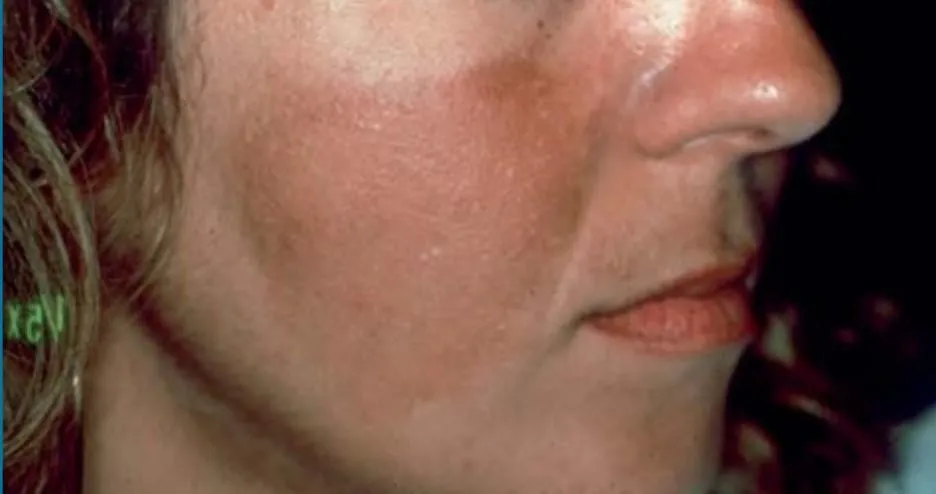
Figure 1: Post - Inflammatory Hyperpigmentation (12)
2. PATHOPHYSIOLOGY
Understanding the causes of hyperpigmentation and hypopigmentation is essential for accurate diagnosis and appropriate treatment. Hyperpigmentation occurs when excess melanin is produced or accumulates in specific skin areas due to factors such as UV exposure, hormonal changes, genetics, and inflammation. This may lead to conditions like post-inflammatory hyperpigmentation (PIH). In contrast, hypopigmentation results from reduced melanin production or decreased melanocyte activity. Vitiligo is an autoimmune condition in which the immune system attacks melanocytes, while albinism is an inherited genetic condition affecting melanin production.
Understanding these differences helps identify the underlying causes and select suitable treatment strategies.(13)
Melanogenesis and Histopathology of Hyperpigmentation
Melanocytes are specialized cells responsible for skin colour through the production of melanin. They originate from neural crest cells during embryonic development and are located primarily in the basal layer of the epidermis, near the dermal–epidermal junction. Melanocytes produce melanosomes, which synthesize and store melanin before transferring it to neighbouring keratinocytes, thereby maintaining normal pigmentation
Melanogenesis begins with L-tyrosine and proceeds through enzymatic reactions known as the Raper–Mason pathway. Melanin occurs in two major forms: eumelanin, responsible for brown and black shades, and pheomelanin, which produces yellow and reddish tones. Tyrosinase, a copper-containing glycoprotein of approximately 60–70 kDa, is the rate-limiting enzyme in melanin synthesis. Tyrosinase-related proteins 1 and 2 (TYRP-1 and TYRP-2) also participate in this process. Their activity is regulated by microphthalmia-associated transcription factor (MITF), while α-melanocyte-stimulating hormone (α-MSH) and adrenocorticotropic hormone (ACTH) influence melanin production.Melanosome distribution and degradation contribute to natural variations in skin colour. In darker skin, melanosomes generally remain intact longer, whereas in lighter skin, they degrade more rapidly and may occur in smaller clusters. Disruption of normal melanogenesis by internal or external factors can result in excessive pigment accumulation and hyperpigmentation (D’Mello et al., 2016).Ultraviolet (UV) radiation stimulates pigmentation through
cellular signalling pathways involving cyclic adenosine monophosphate (cAMP) and pro-opiomelanocortin (POMC)-derived peptides, including α-MSH. Melanin transferred to keratinocytes helps protect skin cells against UV-induced DNA damage. Keratinocytes also release signalling molecules such as α-MSH and endothelin-1 (ET-1), which stimulate melanocyte activity Melanogenesis is further influenced by interactions among keratinocytes, fibroblasts, endothelial cells, inflammatory cells, hormones, and the nervous system. Mediators such as nitric oxide (NO), prostaglandins (PGE? and PGF?α), leukotrienes (LTC? and LTD?), and thromboxanes regulate melanocyte activity. Hormonal changes, particularly elevated estrogen levels during pregnancy, may contribute to melasma and areolar hyperpigmentation Histopathological findings vary according to the type and location of pigmentation. In melasma, findings may include epidermal thinning, flattened rete ridges, increased melanin in the epidermis and dermis, enlarged melanocytes with prominent dendrites, and dermal melanophages. Increased melanosomes in melanocytes and keratinocytes indicate altered pigment production and distribution.
Post-inflammatory hyperpigmentation (PIH) develops following skin inflammation or injury. Its features include epidermal melanin accumulation, dermal melanophages, inflammatory cells around blood vessels, and, in some cases, perifollicular inflammation and dermal fibrosis.(14–16)
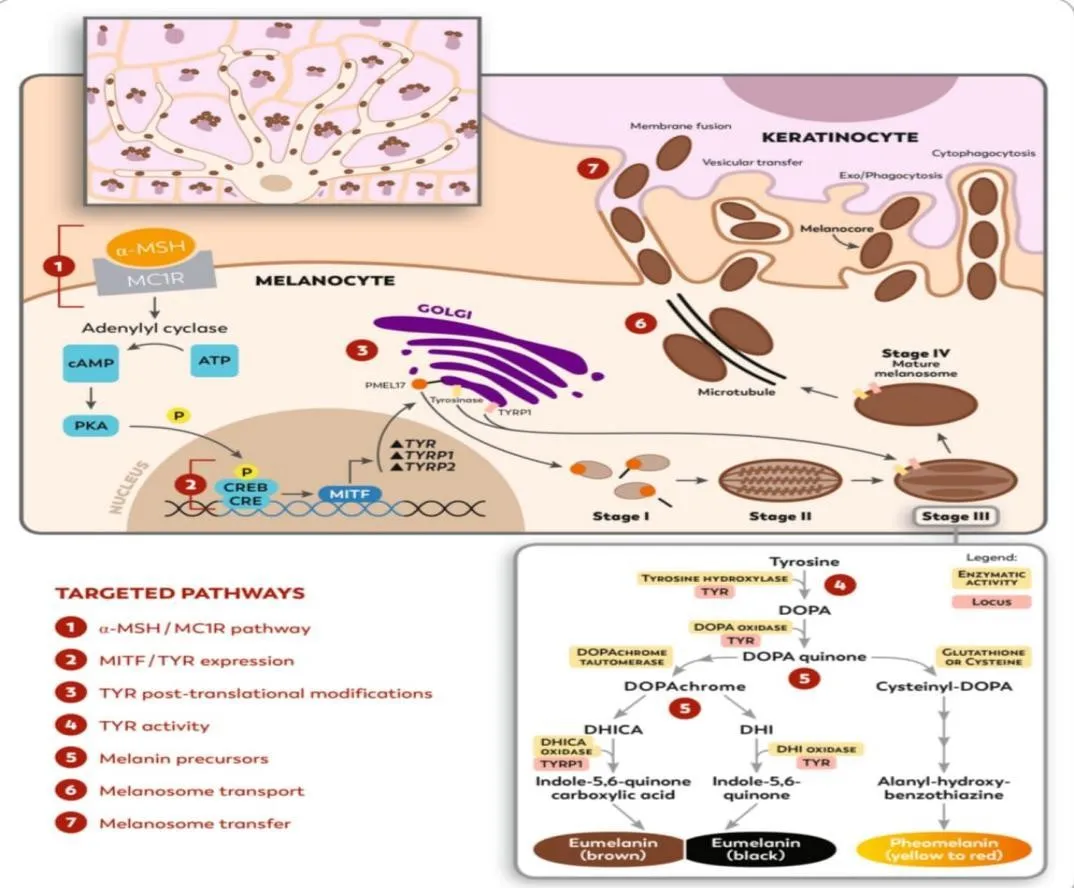
Figure 2: Pathophysiology of Hyperpigmentation (17)
Immunohistochemistry analysis points to a higher count of dermal melanophages, greater melanin deposition within them, and larger melanocytes bearing prominent dendrites. Electron microscopy studies showed that melanocytes and keratinocytes contain a greater number of melanosomes. Electron microscopy-based investigations indicated that both melanocytes and keratinocytes possess more melanosomes.
In PIH, the lymphocytes encircling blood vessels within the dermal papilla, along with dermal melanophages, show increased epidermal melanin content. The Elevated expression of numerous markers—such as [CD]- 68, c-kit, and MMP-2, which are likewise linked to perivascular lymphocytic infiltration, perifollicular
involvement, and dermal fibrosis—underscores the importance of skin inflammation. PIH presents as two distinct histological types: dermal and epidermal. The latter is characterized by heightened pigment deposition in the dermis even as melanogenic activity in the epidermis rises, whereas the former is defined by increased melanogenesis and melanin deposition within the epidermis.(15)
The significant role played by ion exchangers and miRNAs in melasma, as well as in other skin pigmentations, was described were the factors tied to melasma development. The pathogenetic mechanisms of melasma may vary across different individuals and ethnic groups. Characterizing the pathogenesis through a personalized approach could offer insights that help resolve the therapeutic difficultieslinked to melasma.(18)
3. Conventional treatment & their limitation
The treatment of hyperpigmentation involves providing sun protection and reducing pigment.
Chemicals that interfere with various stages of the melanogenesis process are used to reduce pigmentation by: (i) slowing down the growth of melanocytes; (ii) preventing the formation of melanosomes and melanin production; and (iii) speeding up the breakdown of melanosomes.
The first line of treatment typically includes topical medications that affect the melanin production pathway, broad-spectrum sun protection, and camouflage. Chemical peels are often used as a second-line treatment.Laser and light therapies are potential promising options for patients.(19)
Patients should be encouraged to use sunscreen daily, preferably containing physical blockers such as zinc oxide or titanium dioxide, to protect against harmful UV radiation. However, sunscreens can sometimes cause allergic or irritant contact dermatitis.In individuals with pigmented skin, inflammation and irritation can worsen post-inflammatory hyperpigmentation (PIH), which can affect appearance and self-esteem.Therefore, gentle skincare and sun protection are crucial.Patients should also minimize UV exposure by staying in the shade and wearing protective clothing and hats.Treatment options for melasma and PIH include topical retinoids, azelaic acid, hydroquinone, and selected chemical peels, depending on skin type and clinical needs.Hydroquinone is a widely recognized and effective treatment for hyperpigmentation and is often considered the gold standard for skin lightening when used under medical supervision.Successful treatment also depends on patient education, adherence, realistic expectations, and consistent care to achieve and maintain results.
TOPICAL THERAPIES
3.1 CHEMICAL TREATMENTS
3.1.1 Sunscreen
Sunscreen is an essential part of melasma treatment and should be used throughout the treatment period and even after it has ended.
Regular use helps prevent further pigmentation and reduces the risk of melasma recurrence.Broad-spectrum sunscreens that protect against both UVA and UVB rays are recommended.Physical sunscreens containing zinc oxide (ZnO) and titanium dioxide (TiO?), with an SPF of 30 or higher, should be applied regularly to all affected areas.
People with Fitzpatrick skin types IV–VI are particularly susceptible to pigmentation caused by sun exposure.
However, many Indian patients avoid using sunscreen because some formulations feel oily and sticky, especially in hot and humid weather.Physical sunscreens containing zinc oxide and titanium dioxide are a suitable option as they protect the skin without generating heat through chemical reactions.(19)
3.1.2 Hydroquinone (HQ)
Hydroquinone is considered the gold standard in the topical treatment of facial hyperpigmentation, especially melasma.
It works by inhibiting the enzyme tyrosinase, which is involved in melanin production, thereby helping to reduce excess pigmentation and lighten dark patches.Some studies also suggest that, at certain concentrations, hydroquinone may affect melanocytes and promote the breakdown of melanosomes.The most commonly used concentrations for hydroquinone monotherapy are 2–4%, with 4% having the strongest evidence for treating melasma.However, prolonged or improper use may cause side effects, including skin irritation and, in some cases, exogenous ochronosis, a condition that can lead to paradoxical darkening of the skin.
3.1.3 Retinoids
Retinoids are vitamin A derivatives commonly used in the treatment of pigmentary disorders, including melasma.They can be used alone or in combination with other topical agents, such as in triple combination therapy (TCT).Retinoids help improve skin pigmentation by regulating cell growth and turnover, promoting the removal of pigmented skin cells, and exerting anti-inflammatory effects.Commonly prescribed topical retinoids include tretinoin, tazarotene, and adapalene.Their use may help improve skin tone and reduce hyperpigmentation, although irritation, redness, peeling, and increased skin sensitivity can occur.(20)
3.1.4 Azelaic Acid
Azelaic acid is a naturally occurring dicarboxylic acid found in grains such as wheat and is also produced by Malassezia species, a type of yeast associated with pityriasis versicolor.
It helps reduce hyperpigmentation through several mechanisms, mainly by inhibiting tyrosinase, the enzyme responsible for melanin production.It also reduces the activity of overactive melanocytes by interfering with DNA synthesis and mitochondrial
enzymes.In addition, its anti-inflammatory and antioxidant properties contribute to its effectiveness in treating pigmentation.
Azelaic acid may therefore be a helpful alternative for people who are unable to tolerate hydroquinone, or in cases where its use is not advised. It should be discussed with a doctor if it is suitable for breastfeeding or pregnancy.
3.1.5 Kojic Acid
Kojic acid is a naturally occurring compound that is produced by certain types of fungi, including Aspergillus oryzae, which is also known as koji, and some species of Acetobacter and Penicillium.
It is commonly used in skincare products due to its ability to lighten the skin.The main way kojic acid works is by preventing the action of an enzyme called tyrosinase, which is responsible for making melanin.This helps reduce the production of melanin and can lead to a more even skin tone.
Kojic acid can be more effective when used together with other skin-lightening ingredients.
3.1.6 Arbutin
Arbutin is a naturally occurring substance that is related to hydroquinone and is found in plants like pears, bearsberry, and cranberries.
It is used in topical skincare products to reduce dark spots and uneven skin tone.Arbutin helps by inhibiting tyrosinase, which is an enzyme needed for melanin production.In addition, it has antioxidant properties that protect the skin from damage caused by free radicals.
Unlike hydroquinone, arbutin is thought to be less harmful to melanocytes and does not decrease the activity of tyrosinase.
However, synthetic versions such as alpha-arbutin and deoxyarbutin have been found to be more effective in blocking tyrosinase than the natural form.
3.1.7 Tranexamic Acid (TXA)
Tranexamic acid is an anti-plasmin agent that helps reduce pigmentation by interfering with processes that lead to melanin production.
It works by blocking plasmin, which reduces the release of inflammatory mediators and other factors that stimulate melanin formation, including melanocyte-stimulating hormones.It also prevents the release of histamine from mast cells, which may play a role in pigmentation.
Oral tranexamic acid has been shown to be effective in treating melasma.
However, when used topically, it has some limitations because it is a water-soluble substance and does not easily penetrate the skin.This can mean that not enough of the substance reaches the melanocytes, which may limit its effectiveness compared to other treatments.
3.1.8 Niacinamide
Niacinamide, also known as vitamin B3, is widely used in skincare to manage hyperpigmentation.
It works by preventing the transfer of melanosomes, which are pigment-containing structures, from melanocytes to keratinocytes.This reduces the accumulation of pigment and improves skin tone.It is commonly used at concentrations of 5–10%, and may be combined with other depigmenting ingredients like arbutin, retinaldehyde, tranexamic acid, and kojic acid to treat melasma.
Studies have also looked at niacinamide combined with potassium azeloyl diglycinate and tranexamic acid.
3.1.9 Thiamidol
Thiamidol is a synthetic depigmenting agent that belongs to the resorcinyl thiazole group.
It functions by inhibiting tyrosinase, an enzyme essential for melanin production.By reducing melanin synthesis, thiamidol helps improve dark spots, uneven skin tone, and melasma.
Research shows that it may be effective as a topical treatment for melasma.
It is commonly included in skincare products designed to decrease hyperpigmentation and help achieve a more uniform skin tone.However, its effectiveness can vary based on the product formulation, how consistently it is applied, and the extent of the pigmentation.(21)
3.2 CHEMICAL PEELS
Chemical peels are cosmetic treatments that work by causing controlled damage to specific layers of the skin. The depth of the peel depends on the chemical agent used, its concentration, and the method of application. Although chemical peels can help improve pigmentation, their side effects may range from mild, temporary burning and irritation to more serious complications, such as scarring, infection, and unwanted changes in skin pigmentation. When appropriately selected and performed, chemical peels may also help reduce the occurrence of post-inflammatory hyperpigmentation (PIH).
3.2.1 Glycolic Acid
Glycolic acid is a naturally occurring alpha-hydroxy acid (AHA) derived from sugarcane. Several studies have explored its use in treating pigmentation disorders in skin of colour, particularly when combined with other treatments, such as laser therapy or topical treatments like tretinoin (TCT). Reported side effects are generally mild and temporary, including skin irritation, a burning sensation, and desquamation (peeling of the skin). These studies have not reported cases of PIH associated with its use.
3.2.2 Salicylic Acid
Salicylic acid (SA) is a naturally occurring beta-hydroxy acid (BHA) derived from willow tree bark. It is commonly used at concentrations of 20–30% for chemical peeling and does not require neutralization after application. Several studies have shown that salicylic acid is generally well tolerated and effective in treating melasma in individuals with skin of colour. However, only one study has specifically examined its use in treating PIH.
3.2.3 Trichloroacetic Acid
Trichloroacetic acid (TCA) is an inorganic chemical peeling agent that can be applied at different concentrations to produce either superficial or medium-depth peels.
However, its use in individuals with skin of colour requires particular caution because of the increased risk of scarring and post-inflammatory hyperpigmentation.
To reduce these risks, lower concentrations of approximately 10–25% are generally used to achieve superficial peeling in skin of colour. Compared with glycolic acid, TCA may carry a greater risk of adverse effects, making careful patient selection and appropriate concentration essential. Nevertheless, studies have reported promising results when lower concentrations of TCA are used in combination with Jessner solution and glycolic acid. (20)
3.3 LASER THERAPY
Laser and light-based therapies have been widely studied for the treatment of pigmented skin lesions, including melasma. However, their use in individuals with skin of colour can be challenging because of the increased risk of post-inflammatory hyperpigmentation (PIH) after treatment and the possibility of recurrence. Therefore, careful consideration is required when selecting laser treatments, particularly for individuals with darker skin phototypes.
3.3.1 Ablative Lasers
Ablative lasers, such as carbon dioxide (CO?) and erbium:YAG lasers, work by removing the outer layers of the skin and causing controlled tissue damage. Although studies have shown that these lasers can improve melasma, they are generally not preferred for individuals with skin of colour because of the higher risk of PIH. In one retrospective review of patients treated with CO? lasers, approximately 37% developed PIH, with the risk being greater among individuals with darker skin complexions.
3.3.2 Non-Ablative Fractional Lasers
Non-ablative fractional lasers work by creating controlled zones of thermal injury within the dermis while leaving much of the surrounding skin intact. Unlike ablative lasers, they do not remove the entire treated skin surface. This approach aims to stimulate skin repair while minimizing damage to the outer skin layer. However, the risk of pigmentation changes remains, particularly in individuals with darker skin tones, and treatment must be carefully tailored to the patient's skin type.
3.3.3 Picosecond Lasers
Picosecond lasers are a newer type of laser technology that delivers energy in extremely short pulses. These shorter pulse durations are intended to reduce heat-related damage to surrounding tissues while targeting pigment within the skin.
Recent studies have reported promising results for the treatment of hyperpigmentation and melasma, particularly in Asian populations. However, research involving individuals with darker skin phototypes remains limited. Further studies are needed to establish their long-term effectiveness, safety, and risk of PIH in these population.
LIMITATIOMS OF CONVENTIONAL TREATMENT
The management of melasma remains challenging, as it often requires long-term treatment and continuous patient counseling to encourage adherence and achieve satisfactory results. Although topical agents remain the mainstay of treatment, their effectiveness may be limited, and the results are not always satisfactory. Furthermore, some topical treatments can cause adverse effects, which may affect patient compliance and limit their long-term use. These challenges highlight the need for safer, more effective treatment options and individualized management strategies to achieve better outcomes and reduce the risk of recurrence.(22)
Topical agents are the first-line treatment for hyperpigmentation, but higher concentrations may cause irritation, redness, and peeling. Chemical peels are second-line options, while oral therapies may produce inconsistent results and pigmentation recurrence. Laser treatments and microneedling are generally considered third-line options due to limited long-term safety evidence and potential side effects. Regular sunscreen use is essential to protect against UV radiation and prevent recurrence.
Despite various treatment options, hyperpigmentation remains challenging to manage because of limited effectiveness, adverse effects, and prolonged treatment duration.
Therefore, research focuses on developing safer formulations and innovative therapies that provide faster, longer-lasting results with fewer side effects. Achieving a consistent and permanent cure remains a major challenge, highlighting the need for further research. (14)
Hyperpigmentation is a common skin concern that can be difficult to manage, particularly in individuals with darker skin tones. Conditions such as post-inflammatory hyperpigmentation and melasma often require prolonged treatment and may recur even after improvement. These conditions can affect more than just a person’s physical appearance, as they may also lead to emotional distress, reduced self-confidence, and a lower quality of life. (23)
4. Herbal Agents Used in the Treatment of Hyperpigmentation
For the management of hyperpigmentation, conventional depigmenting agents such as hydroquinone, retinoids, and chemical peels are commonly employed. Yet the need for long-term treatment and the possibility of adverse effects like irritation, erythema, and contact dermatitis have driven research toward alternatives derived from plants.
Herbal agents contain bioactive phytochemicals that could suppress melanin synthesis, lower oxidative stress, and modulate the inflammatory processes linked to pigmentation disorders
Multiple medicinal plants have shown promising depigmenting activity.
Notable examples are licorice (Glycyrrhiza glabra), turmeric (Curcuma longa), aloe vera (Aloe vera), bearberry (Arctostaphylos uva-ursi), and pomegranate (Punica granatum). The activities reported for these plants are linked to compounds including glabridin, curcumin, aloesin, arbutin, and ellagic acid.
These substances may act on melanogenesis by way of various biochemical pathways (24–26)
4.1 Phytochemical Constituents Responsible for Depigmenting Activity
The skin-lightening effects of medicinal plants are largely credited to phenolic compounds, flavonoids, glycosides, polyphenols, and other biologically active components. Such compounds can affect tyrosinase activity, oxidative stress, inflammatory mediators, and the transfer of melanin. (24,25)
1.1.1 Glabridin and Glycyrrhizin
The constituents of licorice (Glycyrrhiza glabra) include glabridin, glycyrrhizin, and various other flavonoids and triterpenoids. Research has examined glabridin for its capacity to suppress tyrosinase activity and lessen pigmentation.
Extracts of licorice additionally exhibit antioxidant and anti-inflammatory effects, which could prove helpful in addressing pigmentation linked to inflammation and exposure to UV radiation .(24,26)
4.1.2 Curcumin
The plant Curcuma longa, commonly known as turmeric, is a source of curcuminoids, among them curcumin, demethoxycurcumin, and bisdemethoxycurcumin. Antioxidant and anti-inflammatory effects have been shown for these compounds. Findings from experimental studies indicate that curcumin is able to disrupt reactions mediated by tyrosinase and to lower the production of melanin.
Its poor solubility in water and difficulties in formulation, however, may restrict how well it works in standard topical products . (25,26)
1.1.2 Arbutin
Arbutin is a hydroquinone glycoside that occurs naturally in plants, including bearberry. Researchers have examined its capacity to lower melanin synthesis by inhibiting tyrosinase.
The formulation and concentration used determine how effectively it depigments. Topical arbutin has clinical evidence behind it, though that evidence base is smaller than the one supporting some established conventional treatments . (19)
4.1.4 Aloesin
Aloesin is a chromone derivative that is derived from aloe vera. Researchers have studied its ability to inhibit activity related to tyrosinase and to reduce the production of melanin.
Its antioxidant and skin-conditioning qualities have likewise drawn interest in cosmetic formulations. However, broader clinical research is needed before its effectiveness can be established in patients with melasma and PIH .(19,21)
4.1.5 Ellagic Acid and Other Polyphenols
The peel of the pomegranate (Punica granatum) holds polyphenolic compounds such as ellagic acid, punicalagin, and gallic acid. These compounds show antioxidant activity, and certain of their constituents have additionally shown anti-tyrosinase
effects in experimental research. Their capacity to lower oxidative stress could play a part in their possible application in depigmenting formulations .(20,21)
4.1.6 Citrus Flavonoids
Flavonoids including hesperidin, naringin, and tangeretin are found in extracts of citrus peel. Such compounds exhibit antioxidant activity and have been studied for their possible involvement in protecting the skin and managing pigmentation. Still, how much each one contributes to clinical depigmentation calls for additional research (20)
4.1.7 Tranexamic acid
Tranexamic acid (TXA) is widely employed to lower melanin production in individuals with melasma, and it also serves as a raw material in functional whitening cosmetics. As a lysine analog, TXA treats UV-induced pigmentation through a mechanism that involves disrupting the structure of plasminogen and blocking plasminogen from binding to the lysine-binding sites of keratinocytes.(20)
4.2 Major herbal phytochemicals and their reported activities
Table 1: Major Herbal Phytochemicals and Their Reported Activities (26)
| Herbal source | Important phytoconstituents | Reported activity |
|---|---|---|
| Licorice (Glycyrrhiza glabra) | Glabridin, glycyrrhizin, flavonoids | Tyrosinase inhibition, antioxidant and anti-inflammatory activity |
| Turmeric (Curcuma longa) | Curcumin and other curcuminoids | Antioxidant activity and modulation of melanogenesis |
| Aloe vera (Aloe vera) | Aloesin | Potential inhibition of melanogenesis |
| Bearberry (Arctostaphylos uva-ursi) | Arbutin | Tyrosinase inhibition |
| Pomegranate (Punica granatum) | Ellagic acid, punicalagin, gallic acid | Antioxidant and potential anti-tyrosinase activity |
| Citrus peel (Citrus reticulata) | Hesperidin, naringin, tangeretin | Antioxidant activity and potential skin-protective effects |
1.1 Herbal Agents Studied for Melasma and Post-Inflammatory Hyperpigmentation.
Role of herbal extracts in treating skin hyperpigmentation
One phenomenon seen in herbal extracts that contributes to this is synergism enhancing efficacy, and it is frequently employed in cosmetic formulations. Frequently used agents include hydroquinone, vitamin C (ascorbic acid), arbutin, kojic acid, and its derivatives. Beyond these, extracts of mulberry, artocarpus, and orchid are likewise used in cosmetic formulations. Among topical treatments for hypopigmentation, hydroquinone is regarded as the highest quality. Adverse effects linked to its use in people with dark skin include skin irritation, exogenous ochronosis, and contact dermatitis. Local or systemic side effects can also result from long-term use of corticosteroids. As a result, natural plant extracts have been studied, which has led to the identification of numerous potentially active compounds that could serve as novel depigmenting agents . (24)
| 1 | Licorice root (Glycyrrhiza glabra) | Activity : inhibition of tyrosinase; anti-inflammatory action; antioxidant effect Glabridin is a naturally occurring prenylated isoflavan that is derived from the roots of Glycyrrhiza glabra L. (licorice). It is a significant bioactive phytoconstituent that belongs to the flavonoid class and shows antioxidant, anti-inflammatory, and skin-depigmenting effects. Action against hyperpigmentation: Glabridin primarily assists in lowering excessive melanin production by blocking tyrosinase, a crucial enzyme that takes part in melanogenesis. It may additionally lessen oxidative stress and inflammation, both of which add to uneven skin pigmentation. Owing to these properties, glabridin is a promising natural ingredient for the management of hyperpigmentation, such as melasma and post-inflammatory hyperpigmentation. Nevertheless its clinical effectiveness in humans still needs further evidence(27) |
|---|---|---|
| 2 | Turmeric (Curcuma longa) | Activity: It inhibits melanogenesis and tyrosinase; ERK-mediated MITF degradation; antioxidant. Curcumin could aid in enhancing skin pigmentation by lowering oxidative stress and inflammation, though its direct influence on melanogenesis calls for additional clinical research. Activity in hyperpigmentation: Decrease in pigmentation: women showed a 14.16% improvement in facial hyperpigmentation Enhancement of skin appearance: A further split-face study among Caucasian women discovered that a cream combining turmeric extract and niacinamide reduced fine lines and wrinkles more effectively than niacinamide on its own. - Suggested mechanism: The antioxidant and anti-inflammatory actions of curcumin may help improve skin tone. (28) (29) |
Table 2:
| 3 | Mulberry (Morus spp., Moraceae) | Activity: inhibition of tyrosinase Action on hyperpigmentation: Mulberry extract demonstrates activity that lightens skin and depigments, which helps diminish pigmentation linked to melanin. A single-blind randomized controlled trial demonstrated that applying 75% mulberry extract oil twice daily over 8 weeks produced significant improvement in the Melasma Area and Severity Index (MASI) relative to placebo, alongside fewer adverse effects. Nevertheless, additional studies are required to confirm its long-term efficacy and to compare it with hydroquinon. (30) (31) |
|---|---|---|
| 4 | Fig (Ficus carica) fruit extract cream | Activity: decreases melanin in the skin, along with reduced water loss and sebum. Lowers the amount of pigment and melanin in the skin. Assists in lowering sebum as well as transepidermal water loss (TEWL). Enhances skin hydration and moisture levels. Could be beneficial for hyperpigmentation, acne, eczema, and skin ulcers. |
| 5 | Amla (Phyllanthus emblica) gel | Activity: antioxidant, inhibits tyrosinase, and blocks melanin production Assists in shielding the skin from the effects of aging. Could contribute to skin health via its antioxidant properties. Shows promise as a skincare component for enhancing the look of aging skin. |
| 6 | Sesame oil hydrogel | Activity: Shields the skin from damage caused by UV exposure Aids in shielding the skin from damage triggered by UV radiation. Shows promise for the management of hyperpigmentation. The hydrogel formulation enhances the delivery system's formulation characteristics.(32) |
| 7 | Ginseng | Ginseng is a perennial plant that grows slowly and has fleshy roots, and it belongs to the Panax genus within the Araliaceae family. Ginseng is widely used as a health supplement, and it also features in herbal formulations aimed at treating many illnesses across East Asian countries . Asia, North America and Europe together are home to 13 species in total . |
| 8 | Gingko | The extracts have demonstrated a strong ability to scavenge free radicals when applied to the skin, these extracts come from the leaves of the ginkgo tree. The gingko flavones glycosides—chiefly quercetin and kaempferol derivatives—inhibit tyrosinase activity by chelating the copper within the enzyme quercetin and kaempferol derivatives) by chelating copper in the enzyme. (25) |
1.1 Herbal Agents Used in the Treatment of Hyperpigmentation
Table 3: Herbal Agents Used in the Treatment of Hyperpigmentation(33)
| S. No. |
Herbal agent | Part used | Mechanism of action | Major phytoconstituents |
|---|---|---|---|---|
| 1 | Licorice (Glycyrrhiza glabra) | Root | Tyrosinase inhibition; UVB protection | Glycyrrhizin, glabridin |
| 2 | Nirgundi (Vitex negundo) | Root | Tyrosinase inhibition | Negundin A |
| 3 | Aloe vera (Aloe barbadensis) | Leaf | Tyrosinase inhibition; moisturizing | Aloesin, 2′- feruloylaloesin |
| 4 | Mulberry (Morus alba) | Fruit | Tyrosinase inhibition; ROS scavenging | Apigenin, resveratrol |
| 5 | Ginseng (Panax ginseng) | Root | Antioxidant; skin-whitening activity | Ginsenosides, p-coumaric acid |
| 6 | Ginkgo (Ginkgo biloba) | Flower | Tyrosinase inhibition | Ginkgolide A, bilobalide |
| 7 | Neem (Azadirachta indica) | Leaf, bark | Antioxidant activity | Azadirachtin, nimbolide |
| 8 | Sandalwood (Santalum album) | Wood | Antioxidant; skin-whitening activity | α-Santalol, β-santalol |
| 9 | Amla (Emblica officinalis) | Fruit | Antioxidant; skin-whitening activity | Gallic acid, ellagic acid, quercetin |
| 10 | Turmeric (Curcuma longa) | Rhizome | Antioxidant; skin-whitening activity | Curcuminoids |
| 11 | Green tea (Camellia sinensis) |
Leaves | Antioxidant activity | EGCG, epicatechin |
| 12 | Lotus (Nelumbo nucifera) | Flower | Antioxidant; tyrosinase inhibition | Kaempferol derivatives |
| 13 | Saffron (Crocus sativus) | Stigmas | Tyrosinase inhibition | Crocin, picrocrocin, safranal |
| 14 | Hemidesmus indicus | Root | Antioxidant; tyrosinase inhibition | Hemidesmine, lupeol |
| 15 | Grapes (Vitis vinifera) | Seeds, leaves | Tyrosinase inhibition | Gallic acid, ellagic acid |
| 16 | Acacia catechu | Bark | Antioxidant; skin-whitening activity | Catechin, catechutannic acid |
| 17 | Papaya (Carica papaya) | Leaves | Antioxidant; moisturizing | Papain, chymopapain A and B |
| 18 | Caesalpinia sappan | Wood | Inhibits melanogenesis and tyrosinase | Sappanone A, homoisoflavonoids |
| 19 | Violet (Viola odorata) | Leaves | Antimelanogenic activity | Vitamin C, methyl salicylate |
| 20 | Passion fruit | Seeds | Inhibits melanogenesis | Piceatannol |
1. Emerging herbal formulations
Many of the most active plant compounds are held back by poor solubility, light or chemical instability and weak skin penetration . For example Glabridin has low water solubility and low bioavailability, and light is the main factor that degrades it.
Curcumin's low bioavailability is a known limit on its use in skin products. (27,28)
1.1 Glabridin from licorice
Glabridin is a natural bioactive compound found in the roots of Glycyrrhiza glabra (licorice). It is known for its potential skin-lightening properties, as it helps inhibit tyrosinase, an enzyme responsible for melanin production. Glabridin also exhibits antioxidant and anti-inflammatory effects, which may help protect the skin and reduce inflammation. However, its use in topical formulations is challenging because it has poor water solubility, limited absorption through the skin, and sensitivity to environmental factors such as light. These limitations can affect its stability and effectiveness in skincare products.(27)
1.2 Aloe vera Gel Encapsulated in Liposomes
A study investigated the effectiveness of Aloe vera gel encapsulated in liposomes for treating melasma during pregnancy. The liposomes were prepared using soybean lecithin to improve the delivery of the Aloe vera extract into the skin. Participants in the treatment group received liposome-encapsulated Aloe vera gel, while those in the control group received the gel without encapsulation.
After five weeks of treatment, the Melasma Area Severity Index (MASI) decreased by 32% in the liposomal group, compared with a 10% reduction in the control group.
These findings suggest that encapsulating Aloe vera gel in liposomes may improve its effectiveness in reducing melasma severity compared with using the gel alone. (34)
1.3 Polyherbal Gel for Treating Skin Hyperpigmentation
A study developed a polyherbal gel using extracts from four medicinal plants: licorice (Glycyrrhiza glabra), turmeric (Curcuma longa), pomegranate peel, and Citrus reticulata peel. The aim was to explore the potential of these plant extracts for use in a topical formulation to manage skin hyperpigmentation.
Three gel formulations containing 2%, 5%, and 10% extracts were prepared and evaluated for various physical and quality parameters, including appearance, homogeneity, pH, spreadability, viscosity, washability, and phase separation. Skin irritation was also assessed. Among the tested formulations, the gel containing 10% extract showed the best overall results in the reported formulation tests. Additionally, no skin irritation was observed during the 24-hour test. (35)
1.4 Nanoemulgel Incorporating Herbal Extracts
A 2026 study explored the development of oil-in-water nanoemulgels containing standardized extracts of Glycyrrhiza glabra (licorice) and Aesculus hippocastanum (horse chestnut) for their potential use in managing periorbital hyperpigmentation and swelling. The nanoemulsions were prepared using ultrasonication, with Quillaja saponin as an emulsifier, either alone or in combination with Kolliphor P188. The resulting nanoemulsions were then incorporated into a xanthan gum gel base.
The optimized formulations showed small droplet sizes of approximately 136–143 nm and maintained good stability during accelerated testing and a three-month stability study. Laboratory tests also revealed that the best-performing formulation exhibited antioxidant, anti-inflammatory, and anti-tyrosinase activities, suggesting its potential for addressing factors associated with skin pigmentation and inflammation. However, the authors emphasized that further in vivo investigations and well-controlled clinical studies are needed to confirm its safety and effectiveness in humans. (36)
Pterostilbene in Microencapsulated Form
PUFECBENE is a microencapsulated formulation containing 5% pterostilbene, a bioactive compound studied for its skin-lightening properties. Microencapsulation was used to overcome the compound’s poor water solubility and limited bioavailability.
In preclinical studies, the formulation reduced melanin production in melanocytes by approximately 57% at a concentration of 1.25 µg/mL. In zebrafish embryos, it reduced melanogenesis by approximately 99.3% at 0.5 µg/mL, showing a greater effect than unencapsulated pterostilbene at the same concentration. However, these results were obtained from laboratory and animal-model studies rather than human clinical trials. (37)
1.5 Arbutin Hydrogel
A study developed an arbutin hydrogel containing 1% arbutin using a chitosan–alginate system to improve its topical delivery and anti-melanogenesis activity.
The hydrogel showed greater skin accumulation than a conventional gel, with values of 42.25% and 16.80%, respectively. It also demonstrated stronger inhibition of melanin formation compared with an arbutin solution. Laboratory toxicity tests and skin-sensitivity assessments in Wistar rats revealed no adverse effects under the tested conditions. However, further human clinical trials are needed to confirm its safety and effectiveness. (38)
1.6 Alternative Formulations and Approaches
1.6.1 Niacinamide-loaded dissolving microneedle patch: A split-face human study evaluated a dissolving microneedle patch designed to deliver niacinamide into the skin. After two weeks of treatment, the treated side showed significant changes in epidermal pigmentation and melanin scores. However, no significant improvement was observed in the melasma severity score. (39)
1.6.2 A clinical trial evaluated the effectiveness of a 3% Rumex occidentalis cream in individuals with melasma, comparing it with 4% hydroquinone and a placebo. After eight weeks of treatment, the herbal cream showed improvements in pigmentation measurements, with results indicating an efficacy comparable to that of hydroquinone. (40)
1.6.3 Herbal Microsponge Sunscreen Gel: A review discussed the use of herbal extracts in microsponge-based systems for developing sunscreen gels. Microsponge technology may offer several benefits, including controlled release of active ingredients, longer retention on the skin, and a reduced risk of local side effects. Thereview highlights the potential of microsponge-based formulations for topical drug delivery and skin photoprotection. However, it does not provide clinical evidence that any specific microsponge formulation is effective in treating melasma. (41)
1.6.4 Curcumin-Based Formulations: A review discussed the antioxidant and anti-inflammatory properties of curcumin and its potential effects on melanin production. It also described different delivery systems, including nanoparticles and nanomicelles, that may improve curcumin delivery to the skin. However, since the review mainly focused on photoaging, its findings do not provide direct clinical evidence of curcumin-based formulations for treating melasma. (28)
6 . Novel herbal drug-delivery systems to overcome challenges
Table 4: Novel Herbal Drug-Delivery Systems to Overcome Challenges(34–36,38–40)
| Formulation or treatment | Study type and duration | Main findings | Main limitation | |||
|---|---|---|---|---|---|---|
| Liposome-encapsulated Aloe vera gel | Randomized, double-blind clinical trial; 180 pregnant women;5 weeks | MASI improved by 32% with liposomal gel versus 10% with ordinary Aloe vera gel | Short treatment period; long-term outcomes not established | |||
| Niacinamide dissolving microneedle patch | Split-face study; 17 patients; 2 weeks | Significant improvement in epidermal pigmentation and melanin scores on the treated side; no significant change in melasma severity score |
Small sample and short follow-up | |||
| 3% Rumex occidentalis cream | Randomized, double-blind, placebo- controlled trial; 45 subjects; 8 weeks |
Pigmentation measurements improved; efficacy was assessed as comparable to 4% hydroquinone |
Small trial; does not establish long-term recurrence prevention |
|||
| Licorice/horse-chestnut nanoemulgel | Laboratory formulation study; accelerated and three-month stability testing |
Stable nanoscale formulations with antioxidant, anti-inflammatory and anti- tyrosinase activity |
No clinical evaluation | |||
| Arbutin hydrogel | In vitro and animal testing | Greater cutaneous accumulation and melanin inhibition than comparator preparations | Human clinical effectiveness not established | |||
| PUFECBENE® pterostilbene |
In vitro melanocyte assays and zebrafish model | Reduced melanin synthesis and strong inhibition of melanogenesis in zebrafish | No human clinical trial reported in the paper | |||
| Polyherbal gel | Formulation and preliminary skin-irritation testing | 10% extract formulation had the best overall formulation properties among tested concentrations | No clinical pigmentation outcome reported | |||
| Herbal nanoparticles | Formulation and laboratory studies | May improve the stability, skin penetration and controlled delivery of phytoconstituents such as curcumin, glabridin and aloesin | Clinical effectiveness and long-term safety require further evaluation | |||
| Herbal liposomes and phytosomes | Formulation and drug-delivery studies | May improve the solubility, absorption and bioavailability of herbal compounds with antioxidant and skin- brightening potential |
More human clinical trials are needed to establish efficacy and safety | |||
These delivery systems may help overcome some of the common limitations of conventional topical ingredients, such as poor water solubility, instability, limited skin penetration, and skin irritation. Encapsulation and carrier-based systems can improve the stability and delivery of active ingredients to the skin. However, their effectiveness depends on factors such as the type of active ingredient, carrier composition, concentration, and intended site of application. A review on nanotechnology highlighted liposomes, nanoemulsions, solid lipid nanoparticles, and nanostructured lipid carriers as promising approaches for delivering topical depigmenting agents. (42)
7. Safety Results
However, the safety of these systems varies depending on the carrier material and active ingredient, so the results cannot be generalized to all nanocarrier formulations. (42)
8. EFFICACY FINDINGS
Among the studies reviewed, the liposomal Aloe vera trial, the clinical study on niacinamide microneedle patches, and the trial of Rumex occidentalis cream provide direct evidence from human participants. In comparison, the studies on nanoemulgel, arbutin hydrogel, and PUFECBENE® mainly provide formulation-related or preclinical findings rather than evidence of clinical effectiveness in humans.
Overall, the results are promising, but the effectiveness and safety of each formulation must be assessed individually. The available evidence does not establish that all herbal products or advanced drug-delivery systems are effective and safe for treating hyperpigmentation.
Table 5: (34–40)
| Formulation or treatment | Study design | Sample size | Duratio n | Main findings | Effectivene ss outcome | Limitation s | ||||||
|---|---|---|---|---|---|---|---|---|---|---|---|---|
| Liposome-encapsulated Aloe vera gel | Randomize d, double-blind clinical trial | 180 pregnant women | 5 weeks | MASI improved by 32% with liposomal gel versus 10% with ordinary Aloe vera gel | Greater improvementin melasma severity than plain gel | Short treatment period; long-term outcomes not established | ||||||
| Niacinamide dissolving microneedle patch | Split-face study | 17patients | 2 weeks | Improved epidermal pigmentation and melanin scores, but no significant change in overall melasma severity | Improveme nt in selected pigmentatio n measures | Small sample size and short follow-up | ||||||
| 3% Rumex occidentalis cream | Double-blind, placebo-controlled randomize d trial | 45participan ts | 8 weeks | Pigmentatio n measuremen ts improved; reported efficacy was comparable to 4% hydroquino ne | Potential reduction in pigmentatio n | Long-term efficacy and recurrence prevention | ||||||
| Licorice and horse chestnut nanoemulgel | Laboratory formulatio n and stability study | Not reported | 3 months | Demonstrat ed stability and antioxidant, anti-inflammator y, and anti-tyrosinase activity in laboratory tests | Promising formulation characteristi cs | Human clinical efficacy has not been established | ||||||
| Arbutin hydrogel | In vitro and animal studies | Not reported | Not reported | Showed increased skin accumulatio n and inhibition of melanin formation compared with comparison preparations | Potential enhanceme nt of topical delivery | Human effectiveness remains unconfirmed | ||||||
| PUFECBENE® pterostilbene | In vitro melanocyt e assays and zebrafish model | Not reported | Not reporte d | Reduced melanin production in melanocytes and inhibited melanogene sis in zebrafish | Promising preclinical depigmenti ng activity | Human clinical trials are needed | ||||||
| Polyherbal gel | Formulation evaluation and preliminary skin-irritation testing | Not reported | Not reporte d | The formulation containing 10% plant extracts showed the best overall formulation properties | Promising formulation characteristi cs | Clinical pigmentati on improveme nt was not assessed | ||||||
9. Challenges in Developing Herbal Formulations for Hyperpigmentation
1. Low solubility and poor bioavailability: Some plant-derived compounds, such as glabridin and pterostilbene, have low water solubility, which can limit their absorption and effectiveness when used in topical formulations. [80](43)
2. Stability problems: Certain plant-based active ingredients may degrade when exposed to light, heat, changes in pH, or other environmental conditions. Therefore, each formulation needs to undergo stability testing to ensure that its quality and activity are maintained. (37)
3. Limited clinical evidence: Many advanced herbal formulations have only been evaluated in laboratory experiments or animal studies. These results cannot confirm that the same effects will occur in humans, making further clinical research necessary. (36)
4. Small sample sizes and short study durations: Some clinical studies, including those on liposomal Aloe vera and niacinamide microneedle patches, involved relatively short treatment or observation periods. Larger studies with longer follow-up are needed to assess their effectiveness more reliably. (34)
5. Safety concerns at different concentrations: An ingredient may show beneficial effects at a particular concentration but cause toxicity at higher levels. The pterostilbene study highlights the importance of evaluating safety at different doses before selecting an appropriate concentration for use. (37)
8. Differences in formulation performance: Although nanocarriers and hydrogels may improve the delivery of active ingredients into the skin, their performance depends on the active compound, carrier composition, release characteristics, and compatibility with the skin. Therefore, each formulation needs to be evaluated separately to establish its effectiveness and safety. (9)
10. Future Perspectives
Based on the limitations identified in the reviewed studies, several areas require further research to improve the development of herbal formulations for hyperpigmentation.
Translation of laboratory findings into clinical practice: Promising results from in vitro and animal studies should be followed by skin-permeation studies, appropriate preclinical investigations, and controlled clinical trials to determine whether the formulations are effective in humans.
CONCLUSION
Hyperpigmentation remains a challenging dermatological condition because of its complex pathogenesis, treatment limitations, and tendency to recur. This review highlights the potential of medicinal plants and their bioactive phytoconstituents in managing melasma and post-inflammatory hyperpigmentation. Herbal agents such as licorice, turmeric, Aloe vera, mulberry, amla, and ginseng demonstrate promising depigmenting properties through tyrosinase inhibition, regulation of melanin synthesis, and antioxidant and anti-inflammatory activities. However, their therapeutic application is limited by poor solubility, instability, inadequate skin penetration, and variability in plant extracts. Emerging drug-delivery systems, including liposomes, nanoparticles, nanoemulgels, hydrogels, and microneedles, may improve the stability, bioavailability, and topical delivery of these compounds.
Nevertheless, promising laboratory findings and preliminary clinical results do not establish the effectiveness or long-term safety of every herbal formulation. Future research should focus on standardizing extracts, identifying active constituents, optimizing formulations, and conducting comprehensive safety and stability studies. Larger, well-controlled clinical trials with adequate follow-up are essential to evaluate efficacy, recurrence, and suitability across different skin phototypes. Integrating herbal research with advanced pharmaceutical technologies may support the development of reliable, evidence-based treatments. Ultimately, translating the potential of medicinal plants into standardized and clinically validated formulations is essential for advancing nature-inspired approaches to hyperpigmentation management.
REFERENCES

Shubhangi Kasture, Ancy Keerthika, Dnyaneshwar Sutar, Akash Jambhale, Divesh Gavit, Shrutika Patil, Emerging Herbal Strategies for the Management of Hyperpigmentation : Comprehensive Review, Int. J. of Pharm. Sci., 2026, Vol 4, Issue 11, 1584-1605. https://doi.org/10.5281/zenodo.24034765
 10.5281/zenodo.24034765