

We use cookies to ensure our website works properly and to personalise your experience. Cookies policy
Swami vivekanand college of pharmacy, Udgir.
This study aimed to develop and evaluate an herbal antifungal gel using neem extract as the active ingredient and aloe vera gel as a natural base for topical application. Four formulations (F1–F4), each weighing 25 g, were prepared by varying polymer concentration along with other suitable ingredients. The formulations were evaluated for appearance, antifungal activity, pH, viscosity, spreadability, and skin irritation. all gels exhibited a skin-friendly pH, indicating suitability for topical use. Viscosity results showed appropriate thickness and consistency, allowing easy application and good spreadability. Skin irritation studies on volunteers revealed no redness, itching, or irritation, confirming safety. among the formulations, F4 demonstrated the best overall performance, with optimal viscosity, suitable pH, good consistency, and excellent skin compatibility. The neem and aloe vera-based antifungal gel developed in this study shows strong potential as a safe, effective, and natural alternative to synthetic treatments for fungal skin infections.
Fungal skin infections are very common worldwide, and their prevalence is increasing due to factors such as poor hygiene, environmental conditions, and rising drug resistance. Studies indicate that fungal infections are among the most widespread microbial diseases affecting humans, and their treatment is becoming more challenging because of resistance and side effects linked to synthetic antifungal drugs. This situation highlights the need for safer, more effective, and affordable treatment options.
Topical drug delivery systems, especially gels, are widely used in the treatment of skin infections because they act directly at the site of infection. They also improve patient compliance and minimize systemic side effects. Gels are semi-solid formulations that are easy to apply, have good spreadability, and allow controlled drug release.
Most conventional gels are prepared using synthetic polymers such as Carbopol, which provide good consistency and stability. However, these synthetic materials may cause skin irritation, dryness, and allergic reactions in some individuals. Additionally, they are non-biodegradable, which raises environmental concerns.
In contrast, natural polymers and herbal ingredients have gained attention due to their safety and eco-friendly nature. They are biodegradable, non-toxic, and generally do not cause irritation or allergic reactions. Herbal medicines are widely accepted as they are derived from natural sources and are associated with fewer side effects. It has been reported that nearly 75–80% of the world’s population depends on herbal medicine for primary healthcare because of its safety and effectiveness.
Overall, although synthetic polymers offer certain formulation advantages, they may have limitations related to safety and environmental impact. Natural polymers, on the other hand, are more biocompatible, cost-effective, and suitable for developing safe topical formulations.
Advantages of Natural Gel over Synthetic Gel
Synthetic Gel
• May cause skin irritation and allergic reactions
• Non-biodegradable and harmful to the environment
• Can lead to dryness and discomfort on prolonged use
• May contain chemical additives and preservatives
Natural Gel
• Biocompatible and safe for skin
• Eco-friendly and biodegradable
• Less toxic and fewer side effects
• Provides additional therapeutic benefits like healing and moisturizing
• Better patient acceptance1
2. Review of literature: -
1. Mote S. et al. 2020 reported that fungal skin infections are widespread, and herbal medicines are gaining importance due to fewer side effects. Neem shows strong antifungal activity, while aloe vera acts as a natural polymer with healing and drug-enhancing properties. The study concluded that herbal gels have good physicochemical properties and are safe and effective for treating skin infections2
2. Munir M. et al. 2021 developed a Carbopol 940-based gel containing Azadirachta indica (neem) leaf extract and evaluated its antimicrobial and wound healing activity. Three formulations (1%, 2%, and 3%) were prepared and showed good stability, homogeneity, suitable pH, viscosity, and spread ability without causing skin irritation. The 3% formulation exhibited the highest antimicrobial activity and faster wound healing compared to other formulations, indicating that neem-based gel is effective and promising for topical applications3
3. Ogidi C.O. et al. 2021 studied the synergistic antifungal activity of aloe vera gel combined with conventional antifungal agents. The study showed that aloe vera contains bioactive compounds such as flavonoids, alkaloids, and phenols, which enhance antifungal effectiveness. The combination therapy demonstrated improved inhibition against pathogenic fungi and supported the use of aloe vera as a natural polymer in antifungal formulations4
4. Tamboli S. et al. 2021 developed a herbal antifungal nanoemulgel containing neem oil and aloe vera gel. The study reported that the nanoemulgel showed improved drug penetration, good stability, and enhanced antifungal activity against fungal strains like Candida albicans. It was concluded that nanoemulgel is an effective topical drug delivery system for treating fungal infections5
5. Sharma R. et al. 2022 developed and evaluated herbal gel formulations using natural polymers like aloe vera. The study reported that aloe vera-based gels showed good physicochemical properties such as proper pH, viscosity, and spread ability. It also provided better biocompatibility, improved drug release, and reduced skin irritation compared to synthetic polymers, making it suitable for topical applications6
6. Patel D. et al. 2022 evaluated antifungal activity of herbal extracts incorporated into gel formulations. The study found that the formulated gels showed strong antifungal activity against Candida albicans and other fungal strains, along with good
physicochemical properties such as suitable pH, viscosity, and spread ability, making them effective for topical treatment of fungal infections7
7. Khan A. et al. 2023 developed and evaluated a polyherbal antifungal gel containing multiple plant extracts. The study reported that the formulation showed enhanced drug release, good stability, and improved skin permeation. The polyherbal gel exhibited significant antifungal activity due to the synergistic effect of combined herbal ingredients, making it an effective topical drug delivery system8
8. Singh V. et al. 2023 studied the role of natural polymers, especially aloe vera, in topical drug delivery systems. The study reported that aloe vera-based polymeric networks provide controlled and sustained drug release, improve drug stability, and enhance patient compliance. It was concluded that natural polymers are more effective and biocompatible compared to synthetic polymers for topical formulations9
9. Reddy P. et al. 2023 formulated and evaluated an antifungal gel using herbal ingredients. The study assessed parameters such as pH, viscosity, spread ability, and drug release, and found satisfactory results. The formulation showed good stability and significant antifungal activity, indicating its effectiveness and suitability for topical treatment of fungal infections10
10. Jayasankar P. et al. 2024 formulated and developed a herbal antifungal gel using essential oils such as Origanum vulgare (oregano) and Syzygium aromaticum (clove). The study reported strong antifungal activity against Candida albicans due to the synergistic effect of combined essential oils. The gel showed good biocompatibility, no cytotoxicity, and effectiveness comparable to standard antifungal drugs, making it a promising herbal alternative for treating fungal infections11
11. Gupta S. et al. 2024 evaluated and compared herbal gel formulations with synthetic gels for topical application. The study found that herbal gels showed good physicochemical properties, better skin compatibility, and caused less irritation than synthetic formulations. It was concluded that herbal gels have higher patient acceptability and are safer for long-term use in treating fungal skin infections12
12. Ahmed Z. et al. 2025 investigated the antimicrobial and antifungal activity of neem-based formulations. The study reported that neem extract effectively inhibits fungal growth by disrupting the cell membrane and interfering with microbial metabolism. The formulation showed strong antifungal activity and was considered a promising natural alternative for treating skin infections13
13. Verma N. et al. 2025 developed and evaluated an aloe vera-based gel formulation for topical application. The study reported that aloe vera improved skin hydration, enhanced drug penetration, and showed significant antifungal activity. The formulation also exhibited good stability, spread ability, and biocompatibility, making it suitable for treating fungal skin infections14
14. Kumar S. et al. 2025 developed advanced herbal antifungal gel formulations using nanotechnology. The study showed that the formulation provided improved drug delivery, sustained drug release, and enhanced antifungal activity. It was concluded that nano-based herbal gels are more effective and offer better therapeutic outcomes compared to conventional formulations15
3. Aim and Objectives: -
Aim
Formulation and evaluation of antifungal gel by using natural polymer.
Objectives
1. To formulate and evaluate a topical antifungal gel using Neem (Azadirachta indica) and Aloe vera with enhanced therapeutic efficacy and safety.
4. Materials and Methods: -
Drug Profile
• Neem leaf powder
Excipients profile
• Aloe vera gel
• Glycerine
• Carbopol 934
• Methyl paraben
• Triethanolamine
• Distilled water
4.1 Neem as Antifungal Agent
Neem is a well-known medicinal plant widely used in traditional Indian medicine due to its strong antimicrobial properties. It contains various bioactive compounds such as nimbidin, azadirachtin, and flavonoids, which are responsible for its antifungal activity. Neem has been proven to inhibit the growth of different fungal species and is effective against pathogens like Candida albicans. Research studies have demonstrated that neem extracts show significant antifungal and antimicrobial effects against multiple microorganisms.
A study on polyherbal antifungal gel formulation reported that neem-based formulations exhibited good physicochemical properties and enhanced antifungal activity when incorporated into topical gels. This indicates that neem can be effectively used as an active ingredient in antifungal gel formulations.
• Scientific name: Azadirachta indica
• Kingdom: Plantae
• Order: Sapindales
• Family: Meliaceae
• Genus: Azadirachta
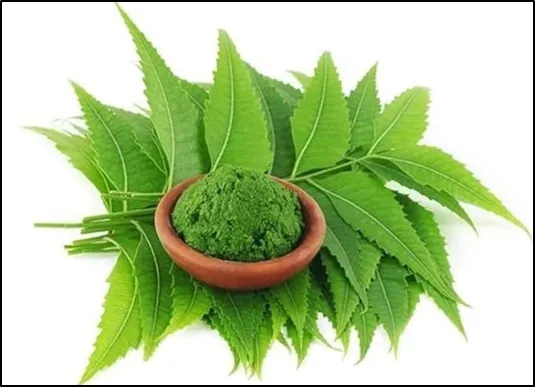
Fig no 1. NEEM
Vernacular Names: -
Table No 1. Vernacular Names of Neem
|
Hindi |
Neem |
|
Tamil |
Vembu |
|
Telugu |
Vepa |
|
Marathi |
Kadu limb |
|
Latin |
Azadirachta indica |
Biological Source
It is obtained from the fresh leaves of Azadirachta indica, belonging to the family Meliaceae.
Parts Used
• Leaves
Benefits
• Neem leaves show antifungal, antibacterial, and antiviral properties
• Used for skin diseases, acne, and infections
• Helps in wound healing
• Acts as a natural blood purifier
• Used in hair care (dandruff control)
• Supports oral health (toothpaste)
Antifungal Activity of Neem Leaves (Powder)
• Neem leaves of Azadirachta indica contain bioactive compounds like nimbin, nimbidin, and azadirachtin.
• These compounds show strong antifungal properties.
• Effective against fungi such as Candida and Aspergillus.
• Inhibits fungal growth by damaging fungal cell walls and enzymes.
• Used in herbal medicines and skin treatments.
• Acts as a natural, safe, and eco-friendly antifungal agent.
Chemical Constituents in Neem Leaves
1. Nimbin
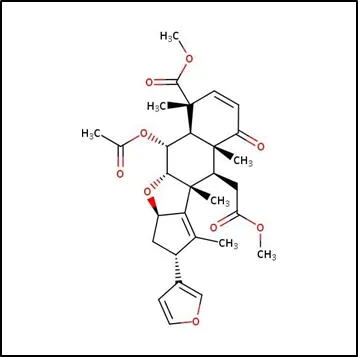
Fig No 2. Nimbin
• Class: Triterpenoid
• Role:
o Antifungal and antiviral activity
o Helps reduce fungal infection and inflammation16
4.2 Aloe Vera as Natural Polymer
Aloe vera is a natural plant widely used in pharmaceutical and cosmetic formulations due to its soothing, moisturizing, and healing properties. It acts as a natural polymer and gelling agent, making it suitable for topical gel formulations. Aloe vera contains polysaccharides, vitamins, enzymes, and minerals that contribute to its medicinal properties. Scientific studies have shown that aloe vera possesses significant antifungal activity and can inhibit the growth of various fungal species in a dose-dependent manner. It has also been reported that aloe vera extract is effective against pathogens like Candida albicans and other fungi. Additionally, aloe vera forms a protective film on the skin, enhances drug penetration, and improves wound healing.
• Scientific name: Aloe vera
• Kingdom: Plantae
• Order: Asparagales
• Family: Asphodelaceae
• Genus: Aloe
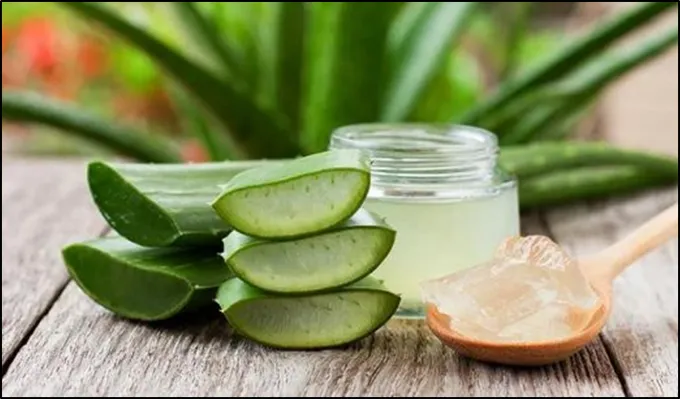
Fig No 3. Aloe Vera
Vernacular Name: -
Table no 2. Vernacular names of Aloe vera
|
Hindi |
Ghritkumari |
|
Tamil |
Katralai |
|
Telugu |
Kalabanda |
|
Marathi |
Korphad |
|
Latin |
Aloe vera |
Biological Source
It is obtained from the fresh leaves of Aloe vera, belonging to the family Asphodelaceae.
Parts Used
• Leaves (gel inside leaves)
Benefits
• Antibacterial.
• Antifungal.
• Anti-inflammatory properties.
• Used for skin care, burns, and wounds.
• Natural moisturizer17
4.3 Glycerine
Humectant Action
Glycerine is a polyol compound with strong hygroscopic properties, meaning it attracts and retains water.
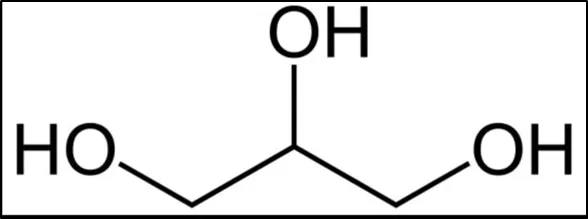
Fig No 4. Glycerine
• Synonym(s): Propane-1,2,3-triol or Glycerol
• Molecular weight: 92.09 g/mol
• Empirical Formula: C₃H₈O₃
• Characteristics: Glycerine is a colorless, odorless, sweet, viscous, hygroscopic liquid, miscible with water and alcohol, and used as a humectant, emollient, and solvent.
Mechanism:
• Forms hydrogen bonds with water molecules
• Draws moisture from:
o Environment
o Deeper layers of skin
4.4 Carbopol 934
Carbopol 934 is a high molecular weight, cross-linked polyacrylic acid polymer widely used as a gelling agent in topical formulations.
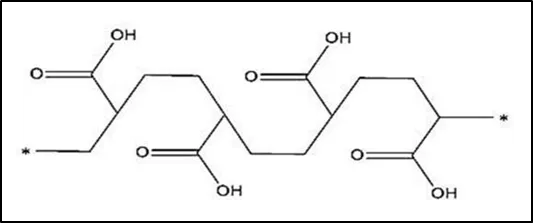
Fig No 5. Carbopol 934
• Synonym(s): Carbopol 934, Carbomer 934, Carboxy Vinyl Polymer 934
• Molecular weight: 72.06g/mol
• Empirical Formula: (C3H4O2) n
• Characteristics: short-flow characteristics, excellent thickening, and suspending capabilities.
4.5 Methyl Paraben
Methylparaben is a para-hydroxybenzoic acid ester commonly used as a preservative in pharmaceutical and cosmetic preparations.
• Chemical class: Parabens
• Nature: Slightly soluble in water, more soluble in alcohol
• Effective at low concentrations
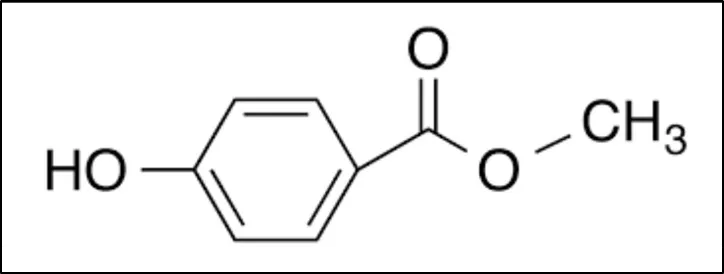
Fig No 6. Methyl Paraben
• Synonym(s): Propane-1,2,3-triol or Glycerol
• Molecular weight: 92.09 g/mol
• Empirical Formula: C₃H₈O₃
• Characteristics: Glycerine is a colorless, odorless, sweet, viscous, hygroscopic liquid, miscible with water and alcohol, and used as a humectant, emollient, and solvent.
4.6 Triethanolamine
Triethanolamine is an organic compound containing both amine and alcohol groups.
• Chemical nature: Weak base
• Appearance: Colourless to pale yellow viscous liquid
• Highly soluble in water
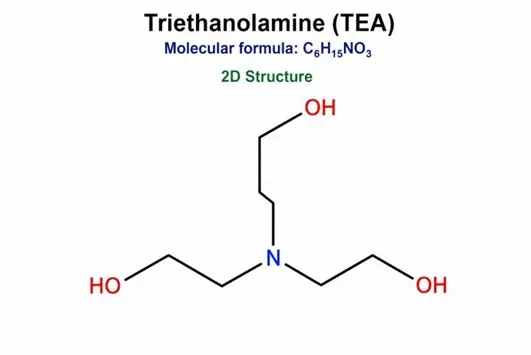
Fig No 7. Triethanolamine
Functions in Antifungal Gel
1. Neutralizing Agent
Carbopol 934 (polyacrylic acid) is acidic in nature.
TEA neutralizes it by reacting with its carboxylic (-COOH) groups.
Mechanism:
• Converts acid form → salt form (ionized)
• Causes repulsion between polymer chains
• Polymer swells and forms a 3D gel network
• This process is called gelation18
5. Methodology: -
The antifungal gel containing Neem as the active ingredient and Aloe vera as the natural polymer is prepared by first dispersing Carbopol 934 in distilled water with continuous stirring and allowing it to hydrate properly for about 30–60 minutes. In a separate step, methyl paraben is dissolved in a small quantity of warm water and then added to the hydrated Carbopol dispersion, as well as added glycerine in mixture. Glycerine is incorporated to improve moisture retention and texture. After this, aloe vera gel is added slowly with gentle stirring to form a smooth base. The neem extract is then incorporated into the mixture with continuous stirring to ensure uniform distribution of the antifungal agent. Triethanolamine is added dropwise to neutralize the Carbopol, resulting in the formation of a clear and viscous gel. Finally, the volume is adjusted with distilled water, and the preparation is mixed thoroughly to obtain a homogeneous gel. The final product is then transferred into suitable containers and stored properly19
Extraction of Neem Leaves
1. Collection of plant material
Collect fresh leaves of Azadirachta indica (neem).
2. Washing
Wash the leaves properly with clean water to remove dust and impurities.
3. Drying
Dry the leaves in shade (not in direct sunlight) to protect active compounds.
4. Powdering
Grind the dried leaves into a fine powder using a grinder.
5. Loading the sample
Place the powdered neem leaves in a thimble (filter paper) and keep it inside the Soxhlet apparatus.
6. Adding solvent
Pour a suitable solvent (like ethanol or water) into the round bottom flask.
7. Heating
Heat the flask so that the solvent starts boiling and evaporating.
8. Condensation
The vapor travels up into the condenser, cools down, and turns back into liquid.
9. Extraction cycle
The liquid solvent flows into the thimble containing neem powder and extracts the active compounds.
10. Siphoning
Once the chamber fills, the extract automatically siphons back into the flask.
11. Repeated cycles
This process repeats many times (usually 10–15 cycles) for complete extraction.
12. Collection of extract
After completion, the solvent in the flask contains the extracted compounds.
13. Evaporation
Evaporate the solvent to obtain a concentrated neem extract20
Extraction of Aloe vera Gel.
1. Collect fresh Aloe vera leaves
Select healthy, mature, thick leaves from the Aloe vera plant.
2. Wash the leaves
Wash thoroughly with clean water to remove dust and dirt.
3. Drain yellow latex
Cut the leaf from the base and keep it upright for 10–15 minutes so the yellow latex drains out.
4. Remove outer green peel
Using a sterile knife or vegetable peeler, carefully remove the outer green rind.
5. Separate the inner gel
Scoop out the transparent inner pulp/gel using a sterile spoon.
6. Homogenize the gel
Transfer the gel into a beaker or blender and homogenize until a smooth gel is obtained.
7. Filter if needed
Filter through muslin cloth or filter paper to remove fibers and impurities21
5.1 Methodology Flowchart
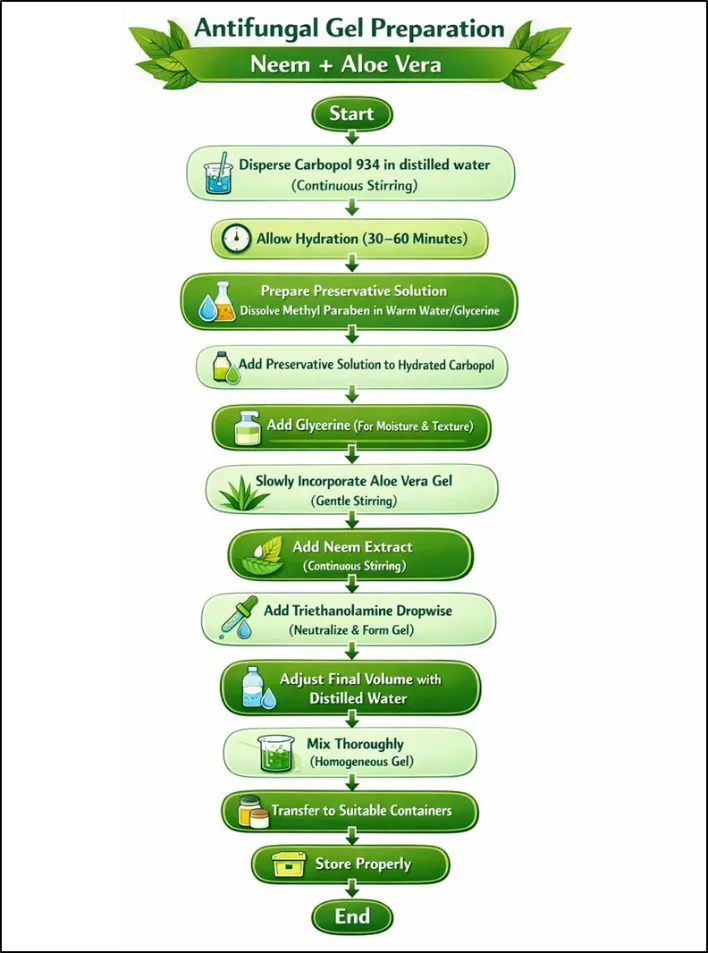
Fig No 8. Methodology Flowchart
Table No 3. Formula for anti-fungal gel 25 gm preparation.
|
Sr.No |
Ingredient |
F1 (g) |
F2 (g) |
F3 (g) |
F4 (g) |
Role |
|
1 |
Neem extract |
1.0 |
1.5 |
2.0 |
2.5 |
API |
|
2 |
Aloe vera gel |
4 |
4.5 |
5 |
5.5 |
Natural polymer |
|
3 |
Carbopol 934 |
0.25 |
0.25 |
0.25 |
0.25 |
Gelling agent |
|
4 |
Glycerine |
2.0 |
2.0 |
2.0 |
2.0 |
Humectant |
|
5 |
Methyl paraben |
0.10 |
0.10 |
0.10 |
0.10 |
Preservative |
|
6 |
Triethanolamine |
q.s. |
q.s. |
q.s. |
q.s. |
PH adjuster |
|
7 |
Distilled water |
q.s.to 25 gm |
q.s.to 25 gm |
q.s.to25gm |
q.s.to25 gm |
Vehicle |
6. Evaluation Tests: -
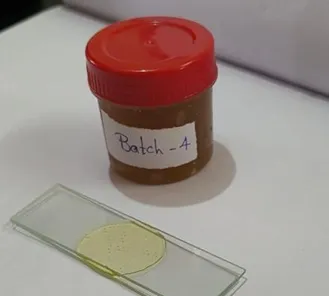
1. Physical Evaluation:
To make sure the gel is smooth, consistent, and lump-free, it is visually inspected for color, Odor, consistency, and general look22
2. pH determination:
The pH of an antifungal gel is measured using a digital pH meter after dispersing the gel in distilled water. It should be within the skin-compatible range (about 5–7) to avoid irritation.
Procedure:
Weigh 2.5 g of the gel and dissolve it in 25 mL of distilled water. Stir the mixture thoroughly to obtain a uniform solution. Then, immerse the electrode of a digital pH meter into the prepared sample and allow the reading to stabilize. Once stable, record the pH value23
3. Homogeneity:
Homogeneity test checks whether the gel is uniform, smooth, and free from lumps or particles.
Procedure:
Take a small quantity of gel on a glass slide and spread it gently using another slide or a spatula. Observe it carefully for any lumps, coarse particles, or signs of phase separation, and check whether the gel appears smooth and uniform in consistency24
4. Antifungal Test:
Antifungal test = evaluates the gel’s ability to inhibit fungal growth (zone of inhibition method).
Procedure:
Prepare the culture medium by making Potato Dextrose Agar and pouring it into sterile Petri plates, allowing it to solidify completely. Next, prepare the fungal culture using a suitable strain such as Candida albicans or Aspergillus niger. Inoculate the agar plate by spreading the fungal suspension evenly across the surface with a sterile cotton swab. Then, create wells in the agar using a sterile cork borer, typically about 6–8 mm in diameter. Add the gel sample by filling each well with a measured quantity of the prepared antifungal gel, along with appropriate standard and control samples. Incubate the plates at 28–37°C for 24–48 hours. After incubation,
measure the zone of inhibition by recording the diameter of the clear circular area around each well in millimeters25
5. Viscosity:
Viscosity indicates thickness and spreadability of gel should be optimum for easy application.
Procedure:
Transfer the gel into a beaker and place the sample in a Brookfield viscometer. Select a suitable spindle and set the required speed. Allow the spindle to rotate for 1–2 minutes until a stable reading is obtained, then record the viscosity in centipoise26
6. Spreadability:
Spreadability used to determine a gel spread on the skin where better spread is better application.
Procedure:
Take about 1 gram of the gel and place it carefully on a clean glass slide. Then gently place another glass slide on top of it so that the gel is sandwiched between the two slides. After that, put a known weight on the upper slide to apply pressure. Leave the setup undisturbed for about 5 minutes. After 5 minutes, remove the weight and measure how much the gel has spread by checking the diameter or the distance it has covered between the slides27
7. Result: -
The herbal antifungal gel formulations (F1, F2, F3, and F4) prepared using Neem extract as the active pharmaceutical ingredient (API) and Aloe vera gel as the natural polymer were evaluated for different physicochemical and biological parameters. The results are summarized below:
Table No 4. Result
|
Sr.no |
Evaluation Test |
F1 |
F2 |
F3 |
F4 |
Result |
|
1 |
Physical Evaluation |
clear |
clear |
clear |
clear |
pass |
|
2 |
pH determination |
7.00 |
6.38 |
5.57 |
6.11 |
pass |
|
3 |
Homogeneity |
homogeneous |
homogeneous |
homogeneous |
homogeneous |
pass |
|
4 |
Viscosity (cP) |
32,500 |
28,800 |
30,200 |
35,600 |
pass |
|
5 |
Spreadability (g·cm/sec) |
15 |
20 |
12 |
25 |
pass |
1. Physical Evaluation:
2. pH determination:
pH was determined by dispersing 2.5 g gel in 25 mL distilled water, measured using a digital pH meter. All formulations (F1–F4) showed skin-compatible pH. suitable for topical use, no irritation.
Formulation 1 & 2
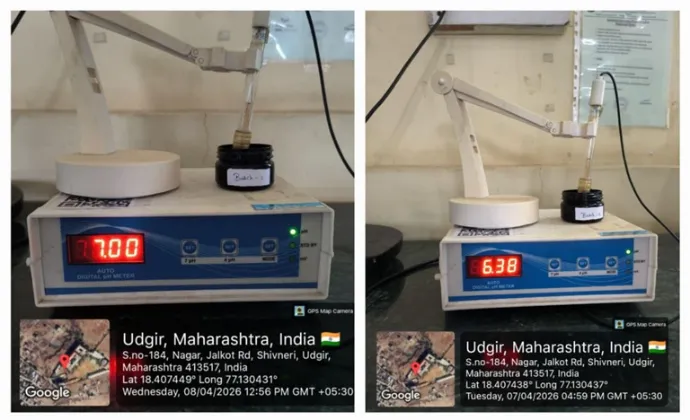
Fig No 10. Formulation 1 & 2 pH determination
Formulation 3 & 4
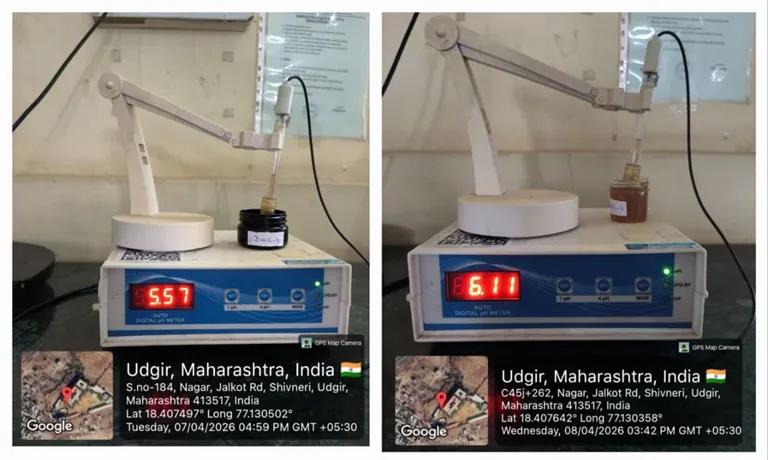
Fig No 11. Formulation 3 & 4 pH determination
3. Spreadability test:
Prevalence is expressed in time in seconds. Slide and place the gel with the two blades. between the slides under the guidance of weight, very short separation time Two slides, better distribution. Calculation method using formulas.
Formulation 1 & 2:
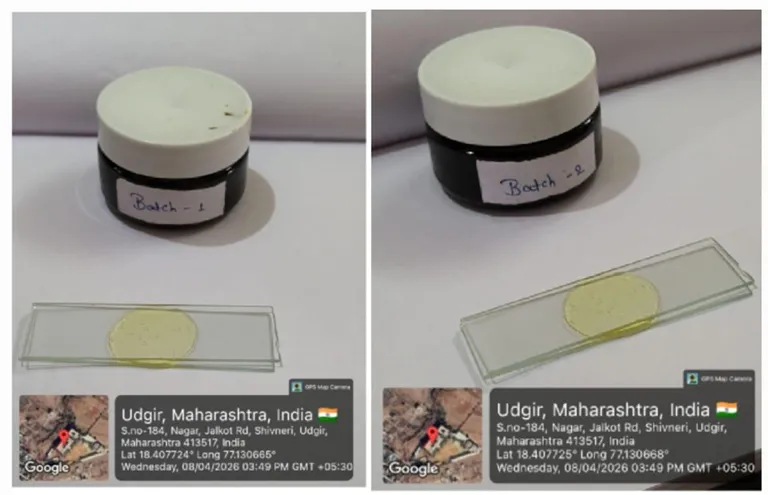
Fig No 12. F1 & F2 Spreadability
Formulation 3 & 4:
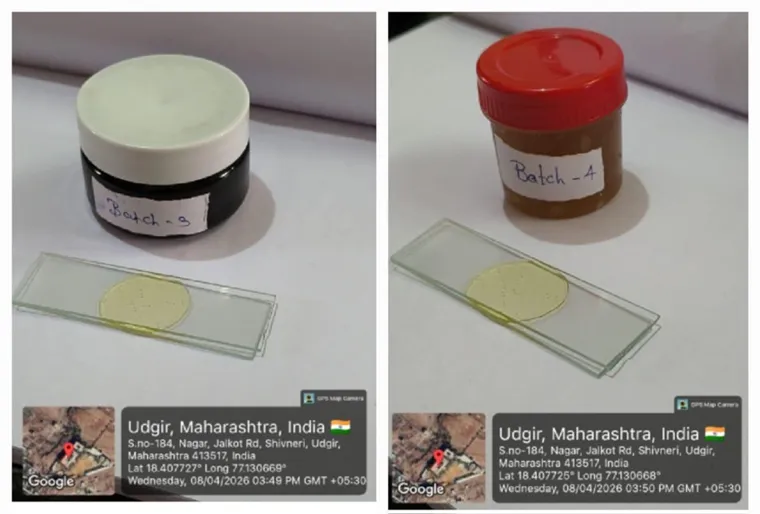
Fig No 12. F3 & F4 Spreadability
4. Antifungal Test:
A limitation of the present study was the absence of confirmatory antifungal bioassay due to methodological constraints. antifungal activity could not be performed.
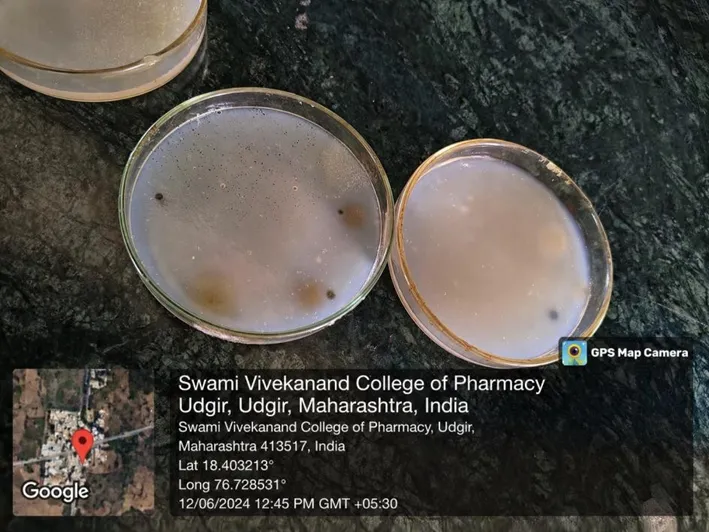
Fig No 16. Antifungal
5. Homogeneity:
All developed gels (F1-F2-F3-F4) showed good results. Homogeneity, absence of lumps. Developed the preparation was very clear and transparent.
DISCUSSION
Antifungal gels F1‚ F2‚ F3 and F4 using Neem extract as a medicament and Aloe vera gel as a natural polymer were prepared and subjected to evaluation for physical parameters‚ pH‚ viscosity‚ stability and skin irritation studies․ All were smooth‚ homogeneous‚ and did not show any grittiness․ They had a good consistency and appearance for topical application․ The pH of all batches was between 5․57 and 7․00‚ the normal skin pH range‚ indicating good compatibility with skin and non-irritating to the skin The rheological studies revealed that all the batches of the gel were found to have good gel strength and spreadability․ The viscosity and contact time with the skin increased with the increase in the concentration improving the properties of the topical application․ From the skin irritation test also‚ there was no appearance of redness‚ itching‚ swelling or sores on any of the volunteers‚ which indicates the formulations prepared are safe for skin application․F4 was the batch with the desired viscosity‚ pH‚ spreadability‚ no irritation and was finally selected as the optimized formulation for further study․ The physicochemical properties of the prepared antifungal gel containing Neem and Aloe vera are good․ On the basis of physicochemical parameters.
CONCLUSION
This study focused on the preparation and evaluation of an antifungal gel using neem extract as the active ingredient and aloe vera gel as a natural. Four different formulations (F1, F2, F3, and F4) were developed and tested. All the formulations showed good physical properties. They had a pleasant appearance, smooth texture, proper colour, and did not contain any lumps. The pH of each gel was within the safe range for skin, which means they are unlikely to cause irritation. The gels were also uniform in composition, showing good homogeneity and consistency.
All formulations passed the evaluation tests, confirming that the neem-based antifungal gel with aloe vera as a natural polymer is effective, stable, and suitable for topical application. Among all batches, F2 showed the best spreadability, while F4 showed the highest viscosity and better gel strength, indicating that both formulations have strong potential for optimized use.
The viscosity of the gels was appropriate, helping them stay stable and remain on the skin after application. They also spread easily, making them convenient to use. Overall, using natural ingredients like neem and aloe vera makes the gel safer, more affordable, and less likely to cause side effects compared to synthetic products. The smooth texture and easy application also improve patient acceptability. The formulation highlights the use of natural ingredients (neem and aloe vera) which may provide antifungal activity with minimal side effects, making it safer for long-term skin application compared to synthetic drugs. So, this study, Formulation and characterization with future scope for antifungal evaluation is concluded
REFERENCES


Hange Sanket, Jadhav Ankita, Kendre poonam, Kolhe Shruti, Formulation And Evaluation of Antifungal Gel by Using Natural Polymer, Int. J. of Pharm. Sci., 2026, Vol 4, Issue 7, 4224-4237, https://doi.org/10.5281/zenodo.21471712
 10.5281/zenodo.21471712