

We use cookies to ensure our website works properly and to personalise your experience. Cookies policy
Dr. J. J. Magdum Pharmacy College, Jaysingpur, Maharashtra, India 416101
Onychomycosis is a prevalent fungal infection affecting the nails, characterized by nail discoloration, thickening, fragility, and discomfort, which can negatively influence a patient's quality of life. Although oral antifungal medications are commonly prescribed for its treatment, their use is often limited by systemic adverse effects, lengthy treatment regimens, and reduced patient adherence. To address these limitations, the present investigation focused on the development and evaluation of a herbal nail lacquer incorporating extracts of Chakramardha (Cassia tora) and Lawsonia inermis for enhanced transungual delivery and localized treatment of onychomycosis. Fresh leaves of Cassia tora and Lawsonia inermis were collected, shade-dried, powdered, and extracted using the aqueous maceration technique. The resulting extracts were concentrated and subjected to preliminary phytochemical analysis to identify the presence of biologically active constituents. Phytochemical screening revealed several secondary metabolites, including flavonoids, tannins, phenolic compounds, saponins, glycosides, steroids, and triterpenoids, which are known to possess antifungal and therapeutic properties. Based on these findings, the herbal extracts were incorporated into a nail lacquer formulation. The developed formulation was assessed for various physicochemical characteristics such as flow behavior, surface gloss, drying time, non-volatile matter content, adhesion strength, water resistance, and resistance to blushing. In addition, its antifungal efficacy was evaluated against Candida albicans using in-vitro methods. The formulated herbal nail lacquer produced a uniform, smooth, and glossy film upon application. Evaluation studies demonstrated acceptable drying characteristics, strong adhesion to the nail surface, and satisfactory resistance to water exposure. Furthermore, the optimized formulation exhibited notable antifungal activity against Candida albicans, suggesting its effectiveness in controlling fungal growth while facilitating prolonged localized delivery through the nail plate. Overall, the findings indicate that the herbal nail lacquer containing Cassia tora and Lawsonia inermis extracts represents a promising topical therapeutic approach for the management of onychomycosis. The formulation offers the advantages of targeted drug delivery, improved patient convenience, and a lower likelihood of systemic side effects compared to conventional oral antifungal therapies.
Onychomycosis is a persistent fungal infection that affects the nails, leading to changes such as discoloration, separation of the nail from the nail bed (onycholysis), and thickening of the nail plate. The condition is more frequently observed in toenails, although it can involve any part of the nail apparatus, including the nail plate, nail bed, and nail matrix. It is a common disorder that can occur in individuals of all age groups; however, its incidence increases significantly with advancing age. Several predisposing factors contribute to the development of onychomycosis, including diabetes mellitus, athlete’s foot (tinea pedis), impaired blood circulation, weakened immune function, psoriasis, Down syndrome, obesity, and the prolonged use of tight or non-breathable footwear. These factors create favorable conditions for fungal growth and increase susceptibility to nail infections.(01) Onychomycosis is one of the most prevalent nail disorders worldwide, affecting nearly 10% of the global population and contributing to approximately half of all nail-related diseases. Dermatophyte fungi are recognized as the primary causative agents, with Trichophyton rubrum and Trichophyton mentagrophytes being responsible for the majority of reported cases, accounting for nearly 60–70% of infections. In addition to dermatophytes, yeast species contribute to about 20% of cases, while non-dermatophyte molds are implicated in roughly 10% of infections. Recent epidemiological studies have indicated that mixed fungal infections involving multiple organisms, as well as infections caused by non-dermatophyte molds and yeasts, occur more frequently than previously recognized. These types of infections are particularly common in tropical and subtropical regions, where warm and humid environmental conditions favor fungal growth and transmission. Onychomycosis is one of the most prevalent nail disorders worldwide, affecting nearly 10% of the global population and contributing to approximately half of all nail-related diseases. Dermatophyte fungi are recognized as the primary causative agents, with Trichophyton rubrum and Trichophyton mentagrophytes being responsible for the majority of reported cases, accounting for nearly 60–70% of infections. In addition to dermatophytes, yeast species contribute to about 20% of cases, while non-dermatophyte molds are implicated in roughly 10% of infections. Recent epidemiological studies have indicated that mixed fungal infections involving multiple organisms, as well as infections caused by non-dermatophyte molds and yeasts, occur more frequently than previously recognized. These types of infections are particularly common in tropical and subtropical regions, where warm and humid environmental conditions favor fungal growth and transmission.(02) Onychomycosis manifests in several distinct clinical forms, with the five principal types being Distal and Lateral Subungual Onychomycosis (DLSO), Proximal Subungual Onychomycosis (PSO), Superficial White Onychomycosis (SWO), Endonyx Onychomycosis, and Total Dystrophic Onychomycosis (TDO). Each type differs in its pattern of nail involvement and progression of fungal infection. In India, the reported prevalence of onychomycosis ranges between 0.2% and 2.8%, making it a relatively common nail disorder. Although the condition is not usually life-threatening, it can produce considerable physical discomfort and may lead to nail deformity, discoloration, thickening, and brittleness. These visible changes often affect an individual's appearance and self-confidence, resulting in psychological distress and social embarrassment. Furthermore, recent investigations have highlighted the substantial impact of onychomycosis on quality of life, demonstrating its adverse effects on emotional well-being, social interactions, and occupational performance. Consequently, effective management of the disease is important not only for clinical improvement but also for enhancing the overall quality of life of affected individuals.(03)
Conventional antifungal medications commonly prescribed for the treatment of onychomycosis are associated with several therapeutic challenges and adverse effects. Oral antifungal agents, including terbinafine, itraconazole, and fluconazole, are effective against fungal infections; however, their prolonged use may result in complications such as liver toxicity, gastrointestinal discomfort, headaches, skin reactions, hypersensitivity responses, and clinically significant drug interactions. Furthermore, these therapies often require extended treatment periods, which can reduce patient adherence and increase the likelihood of treatment failure or recurrence of infection. Another major limitation of synthetic antifungal therapy is its inadequate penetration through the dense nail plate, resulting in suboptimal drug concentrations at the site of infection. Repeated and long-term use of synthetic antifungal agents may also contribute to the emergence of resistant fungal strains and may adversely affect the surrounding healthy nail tissues. These concerns have encouraged the exploration of alternative treatment approaches with improved safety and efficacy profiles. Herbal nail lacquer formulations have emerged as a promising option for the localized management of onychomycosis. Medicinal plants are rich sources of bioactive phytochemicals such as flavonoids, tannins, phenolic compounds, terpenoids, glycosides, and naphthoquinones, which exhibit notable antifungal, antioxidant, and anti-inflammatory properties. Such natural constituents can help inhibit fungal growth while promoting nail health with a lower risk of systemic adverse effects. Among the various medicinal plants investigated, Lawsonia inermis and Cassia tora have shown considerable antifungal potential against a range of pathogenic fungi implicated in nail infections. Therefore, incorporating these herbal extracts into nail lacquer formulations may provide an effective, safe, and patient-friendly strategy for the treatment of onychomycosis.(04)
Herbal nail lacquers have emerged as an attractive approach for the management of onychomycosis because they facilitate targeted delivery of therapeutic agents directly to the infected nail. By concentrating the treatment at the site of infection, these formulations minimize systemic drug exposure and reduce the risk of adverse effects frequently associated with oral antifungal medications. In addition, herbal nail lacquers are generally biocompatible, biodegradable, economical, and well suited for prolonged treatment regimens. Their favorable safety profile and improved cosmetic acceptability often contribute to better patient adherence compared with conventional therapies. The incorporation of herbal extracts into nail lacquer systems also enhances therapeutic efficacy by increasing the residence time of active constituents on the nail surface and enabling their gradual release over an extended period. This sustained-release behaviour promotes improved penetration through the highly keratinized nail plate, allowing the bioactive compounds to reach the site of fungal infection more effectively. Owing to their natural origin, therapeutic potential, and reduced likelihood of systemic side effects, herbal nail lacquers are increasingly being considered a promising alternative to synthetic nail lacquer formulations for the treatment of onychomycosis. Plant-based antifungal therapies have gained considerable attention as alternative treatment options because they are often safer, more affordable, and readily accessible. Numerous studies conducted worldwide have reported the antifungal efficacy of medicinal plant extracts against a broad spectrum of fungal pathogens, including dermatophytes, non-dermatophyte Molds, and yeasts commonly associated with nail infections. The growing interest in herbal medicines is largely attributed to their therapeutic effectiveness and lower incidence of adverse effects compared to synthetic agents. Several medicinal plants, such as ginger (Zingiber officinale), neem (Azadirachta indica), coriander (Coriandrum sativum), garlic (Allium sativum), tulsi (Ocimum sanctum), henna (Lawsonia inermis), and aloe vera (Aloe barbadensis), have demonstrated significant antifungal activity against various fungal species. These plants contain a diverse range of biologically active phytochemicals, including flavonoids, alkaloids, tannins, phenolic compounds, citronellol, geraniol, and thymoquinone. Such constituents are known to inhibit fungal growth through multiple mechanisms, making herbal preparations valuable candidates for the development of effective and safer antifungal therapies.(05)
The present investigation was undertaken to develop and evaluate a polyherbal nail lacquer containing extracts of Chakramardha (Cassia tora) and Lawsonia inermis for the effective management of onychomycosis. A combination of these medicinal plant extracts was selected rather than a single herbal ingredient because polyherbal formulations are known to provide synergistic therapeutic effects, enhanced antifungal efficacy, and a broader spectrum of activity against fungal pathogens. The use of multiple herbal constituents can also improve overall treatment outcomes by targeting different stages and mechanisms involved in fungal infection.
Cassia tora is recognized for its antifungal, antimicrobial, anti-inflammatory, and keratolytic properties, which are primarily attributed to the presence of bioactive compounds such as anthraquinones, flavonoids, tannins, and phenolic constituents. These phytochemicals contribute to the inhibition of fungal growth and support the restoration of infected nail tissue. Likewise, Lawsonia inermis possesses notable antifungal and wound-healing potential owing to the presence of lawsone, flavonoids, terpenoids, naphthoquinones, and other pharmacologically active compounds. These constituents have been reported to exhibit strong inhibitory effects against various fungal microorganisms while promoting tissue repair and regeneration. The combination of Cassia tora and Lawsonia inermis extracts is expected to produce a synergistic antifungal effect by acting through multiple pathways, thereby enhancing therapeutic efficacy and reducing the likelihood of fungal resistance. Furthermore, the integration of these herbal extracts into a nail lacquer system facilitates prolonged retention on the nail surface and sustained release of active constituents, improving their penetration into the infected nail plate. Consequently, this polyherbal formulation represents a promising natural approach for the treatment of onychomycosis, offering improved safety, effectiveness, and patient acceptability when compared with formulations containing a single herbal extract.(06)
2.NEED OF WORK
Onychomycosis is a common condition worldwide, leading to nail discoloration, thickening, and discomfort, thus requiring effective treatment options.
Existing antifungal treatments (oral and topical) often show side effects, poor patient compliance, long treatment duration, and possible drug resistance.
Herbal formulations offer fewer side effects, better biocompatibility, and reduced toxicity compared to synthetic antifungal agents.
The nail acts as a strong barrier, limiting drug absorption; hence, a lacquer system can enhance drug delivery and retention on the nail surface.
Nail lacquers form a film over the nail, allowing prolonged contact time and controlled release of herbal antifungal agents.
Herbal nail lacquers are environmentally safe, cost-effective, and more acceptable to patients seeking natural therapies.
Proper formulation and evaluation are essential to establish the efficacy, stability, and antifungal activity of herbal ingredients.
3. AIM AND OBJECTIVES
Aim:
Objectives
4. PLAN OF WORK

5. LITERATURE REVIEW
5.1. Onychomycosis: A Fungal Nail Infection
Onychomycosis is a chronic fungal infection of the nail unit, caused predominantly by dermatophytes, yeasts, and non-dermatophytic moulds. It is one of the most common nail disorders, accounting for nearly 50% of all nail-related diseases. The condition is characterized by nail discoloration, thickening, brittleness and Separation from the nail bed, which can lead to pain and discomfort. The prevalence of onychomycosis is higher in older adults, individuals with diabetes, immunocompromised patients, and those with poor peripheral circulation. Fungal nail infections typically begin when fungi invade the nail through cracks or separations between the nail plate and the nail bed. The slow-growing nature of nails and their keratin-rich composition make fungal infections difficult to treat, as the infection persists for extended periods without visible symptoms in the initial stages. Onychomycosis can significantly impact the quality of life, causing embarrassment, discomfort, and secondary bacterial infections if left untreated. Treatment options include oral antifungal agents such as terbinafine and itraconazole, as well as topical formulations like medicated nail lacquers. However, systemic antifungals pose risks of hepatotoxicity and drug interactions, making topical treatments a safer alternative. Despite their potential, traditional topical treatments face challenges in penetrating the thick, keratinized nail plate. This has led to the development of specialized drug delivery systems, such as nail lacquers, which enhance drug retention and penetration into the nail.(07)
5.2. Nail Lacquers: An Effective Drug Delivery System
Nail lacquers, originally developed for cosmetic purposes, have been adapted as therapeutic formulations for delivering antifungal agents directly to the affected nail. Medicated nail lacquers offer a non-invasive, patient friendly treatment approach, providing localized drug delivery with minimal systemic absorption. These formulations contain film-forming agents that create a polymeric film over the nail plate, allowing sustained release of the active ingredient. The effectiveness of antifungal nail lacquers depends on key formulation factors such as adhesion, drying time, non-volatile content, water resistance, and drug permeability. The presence of film-forming polymers like Hydroxy propyl methyl cellulose ensures prolonged drug retention, while penetration enhancers improve drug diffusion through the nail plate. Herbal nail lacquers, incorporating plant-derived antifungal agents, are gaining attention as natural alternatives to synthetic antifungal formulations. This study focuses on developing an antifungal nail lacquer using herbal extracts from Chakramardha (Cassia tora) and Lawsonia inermis , known for their potent antifungal properties. By utilizing a trans-ungual drug delivery approach, the goal is to enhance drug penetration, improve treatment efficacy, and minimize the adverse effects associated with systemic antifungals. Herbal medicine has emerged as a promising alternative due to its safety profile and bioactive phytoconstituents. (08)
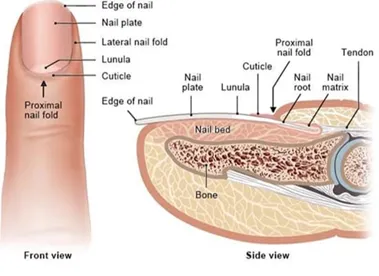
Figure 5.1 Structure of Human Nail(09)
The human nail consists of following parts- (10)
5.3. ONYCHOMYCOSIS:
The word onychomycosis originates from the Greek terms onyx, meaning nail, and mykes, meaning fungus. It is a widespread fungal disorder of the nails that affects a significant proportion of the global population. The condition is characterized by progressive changes in the appearance and structure of the nail, including discoloration, thickening, fragility, and deformation. These alterations can impair nail function and negatively affect an individual's quality of life. Onychomycosis is caused by a variety of fungal organisms, including dermatophytes, yeasts, and non-dermatophyte molds. Among these pathogens, dermatophytes are the most common causative agents, with Trichophyton rubrum being responsible for the majority of reported cases. Other fungal species, including Candida spp. and various environmental molds, may also contribute to nail infections under favorable conditions. The disease can involve any component of the nail apparatus, including the nail plate, nail bed, and nail matrix, resulting in progressive nail damage if left untreated. When the infection is specifically caused by dermatophytes, it is commonly referred to as tinea unguium. In contrast, the term onychomycosis encompasses all fungal infections of the nail regardless of the causative organism, including those produced by dermatophytes, yeasts, and saprophytic molds. It is essential to differentiate onychomycosis from non-fungal nail dystrophies, as several nail disorders can produce similar clinical features without the presence of fungal infection. The condition may affect both fingernails and toenails; however, toenail involvement is considerably more frequent due to factors such as slower nail growth, repeated trauma, and the warm, moist environment created by footwear, which favors fungal proliferation. Clinically, infected nails often become thickened, brittle, opaque, and distorted, leading not only to physical discomfort but also to cosmetic concerns and psychological stress. Because of its high prevalence and tendency for recurrence, onychomycosis remains a significant dermatological problem. A comprehensive understanding of its epidemiology, clinical manifestations, classification, disease progression, diagnostic approaches, and therapeutic management is essential for effective treatment and improved patient outcomes.(11)
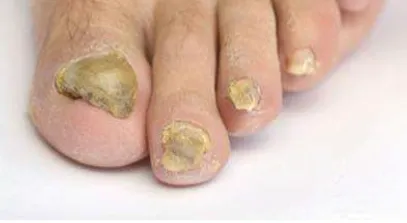
Figure 5.2 Structure of onychomycosis
5.3.1. Classification of onychomycosis:
A. Distal subungual onychomycosis
The most common form of Tinea unguium is distal subungual. Distal subungual onychomycosis may develop in the toenails, fingernails or both. The infection is usually caused by Trichophytonrubrum, which invades the nail bed and the underside of the nailplate, beginning at the hyponychium and then migrating proximally through the underlying nail matrix. Susceptibility to distal superficial onychomycosis may occur in an autosomal dominant pattern within families
White superfici C. Proximal subungual onychomycosis Proximal subungual onychomycosis occurs when the infecting organism, usually T. rubrum, invades the nail unit through the proximal nail fold, penetrates the newly formed nail plate and then migrates distally. Fingernails and toenails are equally affected. This form of onychomycosis usually occurs in immune compromised persons and is considered a clinical marker of human immunodeficiency virus infection.
Candida onychomycosis can be divided into three general categories. Infection beginning as a paronychia (also called a “whitlow”), the most common type of Candida onychomycosis.
Total dystrophic onychomycosis may be the end result of any of the four main forms of onychomycosis (12)
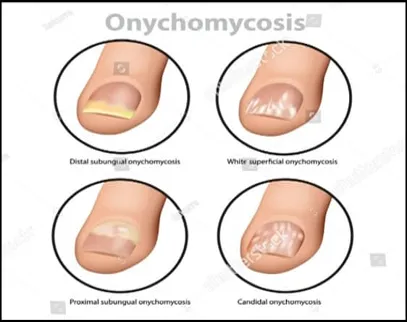
Figure5.3 Types of Onychomycosis
5.3.2. Etiology of Onychomycosis
The causative pathogens of onychomycosis include dermatophytes, candida and non dermatophytes moulds In temperate western regions, dermatophytes are the primary fungi causing onychomycosis, whereas in hot and sticky tropical and tropical climates, Candida and non-dermatophytes Moulds are more generally responsible.
5.3.3. Causative Organism-
• Dermatophytes
The most common cause of onychomycosis, accounting for 60–70% of infections. The most common dermatophytes are Trichophyton rubrum and Trichophyton mentagrophytes.
• Yeasts
Candida albicans and Candida parapsilosis are the most common yeasts that cause onychomycosis. Candida is more common in fingernail infections.
• Non-dermatophyte molds
Less common in the general population, but more common in patients with HIV (13)
5.3.4. Risk Factors for Onychomycosis:
5.4. PATHOPHYSIOLOGY (15)
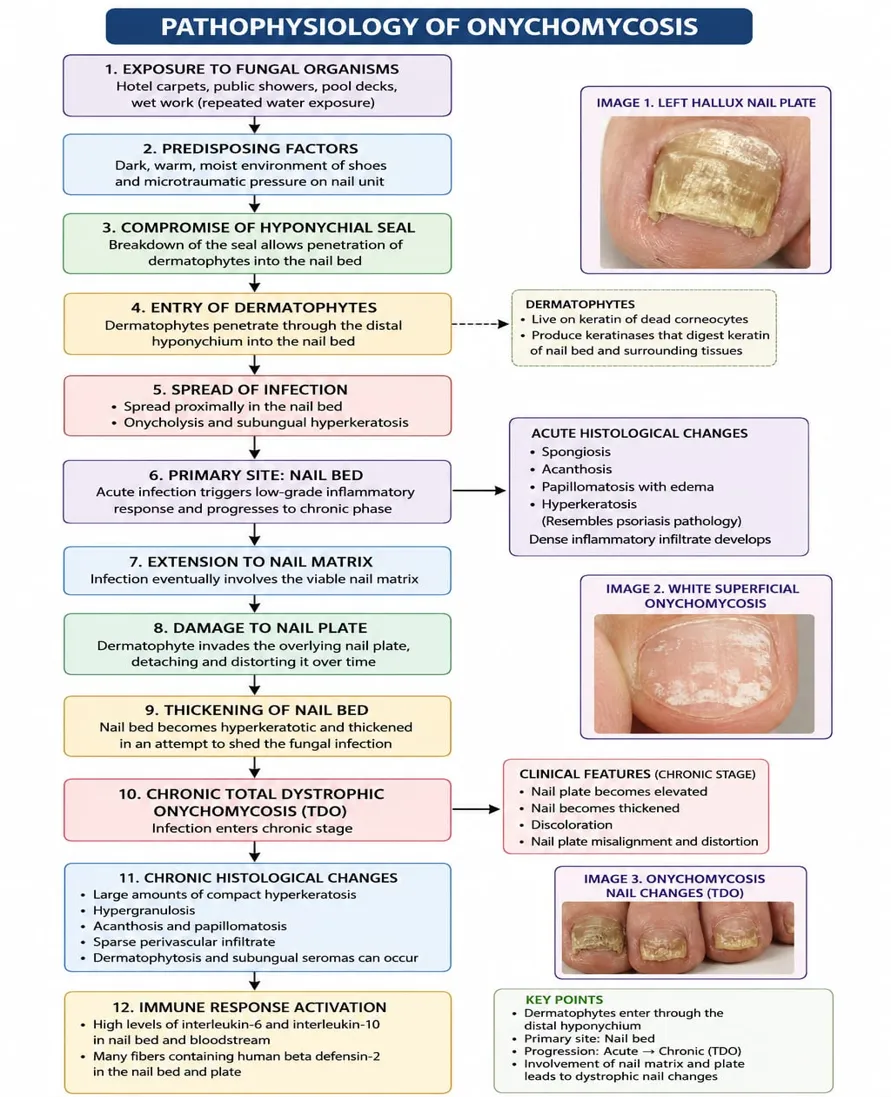
Figure 5.4Pathophysiology
5.5. Treatment:
Onychomycosis is a term that encompasses all the nail pathologies caused by fungi and accounts for approximately 50% of all nail diseases. The treatment of onychomycosis is a challenging task to patients and professionals as the infection is embedded within the nail. It may take a year or more to get cure as new nail growth must completely replace the old and infected one. Also because of the difficulty in attaining a definitive cure and the high recurrence rate. Patients greater than 55 years of age may have a higher rate of relapse.
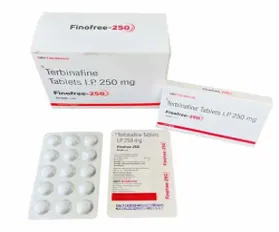
Figure 5.5 Terbinafine
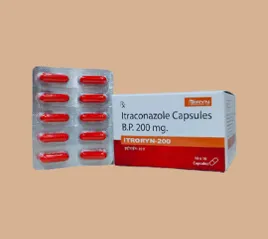
Figure 5.6 Itraconzole
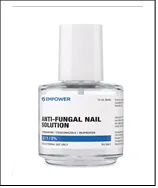
Figure 5.7 Terbinafine/ Itraconazole/ Ibuprofen Antifungal nail solution
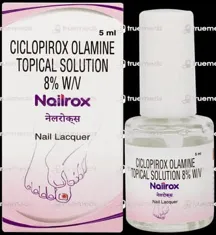
Figure 5.8 Ciclopirox
5.6. PLANT PROFILE
5.6.1. Chakramarda
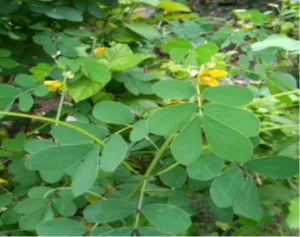
Figure 5.9 Chakramarda plant
Taxonomy-
Chemical Constituents- Fistucacidin, emodin, Rubro fusarin, Torosachrysone, Isotoralactone, Questin, Obtusin, Obtusifolin, Alaternins, Cassiaside etc.
Antifungal activity: The significant antifungal activity was also noted with the leaf extract of this drug and it was observed that it was inhibited the growth and progress of Trichophyton mentagrophyte, Sachharomyces cerevisiae, Aspergillus niger, and Candida albican.(18)
Antihelmintic activity: Alcohol and aqueous extracts from the seeds of Cassia tora were investigated for their anthelmintic activity against Pheretima posthuma and Ascardia galli. (19)
Antioxidant activity- Methanolic and aqueous extract of the dried aerial part of Cassia tora, were subjected to the potential antioxidant activity (20)
Antimicrobial Activity: Antimicrobial activity of the dealcoholized extract of leaves of Cassia tora Linn which was determined on five different fungal organisms. The crude leaf extract significantly inhibited the growth of C. albicans, A. niger, S. cerevisiae and T mentagophytes when tested by turbidity and spore germination methods in a concentration dependent fashion.(21)
Cassia tora Linn., commonly known as Chakramarda, belongs to the family Fabaceae and is widely distributed in tropical and subtropical regions of India. The plant has been traditionally used in Ayurvedic medicine for the treatment of skin diseases, ringworm infections, itching, and other fungal disorders. Due to its remarkable antifungal and antimicrobial properties, Cassia tora has gained significant importance in the development of herbal pharmaceutical formulations. The plant contains several phytoconstituents such as anthraquinones, flavonoids, glycosides, tannins, phenolic compounds, chrysophanol, and emodin, which contribute to its medicinal activities. Among these constituents, anthraquinones are mainly responsible for the antifungal action of the plant. Previous studies have reported that Cassia tora extract exhibits significant inhibitory activity against various fungal pathogens including Candida albicans and dermatophytes associated with onychomycosis. In the present study, Cassia tora (Chakramardha) plant extract was selected as the active herbal ingredient for the formulation and evaluation of herbal nail lacquer intended for the treatment of onychomycosis. The optimized formulation showed promising antifungal activity against Candida albicans, suggesting that Cassia tora extract may serve as a potential herbal antifungal agent in transungual drug delivery systems for the management of onychomycosis (22)
5.6.2. Henna
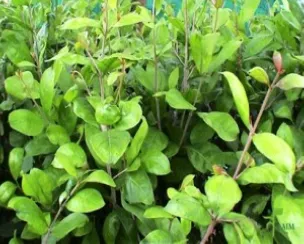
Figure 5.10 Lawsonia Inermis
Taxonomy-
Chemical Constituents- Leaves contain napthoquinone luteolins, apigenin, and their glycosides, esculetin, fraxetin, scopletin, β-sitosterol, tannin, gallic acid, glucose, mannitol, fat, resin and mucilage. Barks contains napthoquinone, isoplumbagin, triterpenoids-Hennadiol. Seeds contain Linoleic acid, Arachidic acid, Stearic acid, Palmitic acid.
Antimicrobial Activity: Antimicrobial compounds found in medicinal plants may work differently from currently used antimicrobials to suppress the growth of bacteria, fungi, viruses, and protozoa, making them potentially useful in treating resistant microbial strains.(23)
Antioxidant Activity: Elansary et al. (2020) discovered considerable antioxidant activity in the leaf extracts of A. saligna and L. inermis.(24)
Anti-Fungal Activity: Naphthoquinones, polyphenolic components , terpenes and terpenoids and flavonoids was reported to have maximum anti fungal activity (25)
Lawsonia inermis Linn., commonly known as henna or Lawsonia alba, is a flowering plant belonging to the genus Lawsonia. It is widely distributed in tropical and subtropical regions of Africa and South Asia, especially in semi-arid areas. Henna is commercially cultivated in countries such as India, Pakistan, Iran, Libya, and Sudan due to the medicinal and economic importance of its leaves. The plant contains small, opposite, lanceolate, dark green leaves with short petioles. These leaves are rich in a natural orange-red pigment known as lawsone (2-hydroxy-1,4-naphthoquinone), which has a high affinity for proteins. Because of this property, henna has traditionally been used as a natural dye for skin, hair, fingernails, and hands during cultural ceremonies and festive occasions. In addition to its cosmetic applications. Lawsonia inermis is well known for its therapeutic importance in traditional medicine. Henna paste is commonly applied for its cooling effect to relieve fever and inflammation. The plant also exhibits a wide range of pharmacological activities such as antibacterial, antifungal, antioxidant, anti-inflammatory, analgesic, wound healing, hepatoprotective, antiparasitic, hypotensive, sedative, and antitumor properties. Traditionally, it has been used in the treatment of headaches, jaundice, leprosy, and various skin infections. Phytochemical studies have shown that henna leaves contain about 0.5–1.5% lawsone, which is mainly responsible for its colouring and antimicrobial activities.
Apart from lawsone, the plant also contains flavonoids, tannins, coumarins, gallic acid, sterols, triterpenoids, saponins, glycosides, xanthones, and naphthalene derivatives. These bioactive compounds contribute significantly to the medicinal value of the plant. Therefore, the present investigation focuses on evaluating the anticandidal activity of powdered henna leaves in paste form against clinical isolates of Candida species. Due to its potent antifungal activity, Lawsonia inermis extract was selected as one of the active herbal ingredients in the formulation and evaluation of herbal nail lacquer for the treatment of onychomycosis. The incorporation of henna extract into the nail lacquer formulation may enhance antifungal efficacy and improve transungual drug delivery for effective management of fungal nail infections. (26)
5.7. Herbal Nail Lacquer:
Herbal nail lacquer is a type of nail polish formulated using natural, plant-based ingredients. Unlike conventional nail lacquers, which often contain synthetic chemicals and potentially harmful substances, herbal formulations emphasize the use of plant extracts, essential oils, and other natural components. These products aim to provide both cosmetic appeal and therapeutic benefits while reducing chemical exposure and environmental impact. Traditionally, topical nail products such as lacquers, varnishes, and enamels are used to enhance the appearance of nails by adding colour and shine. However, in recent years, medicated nail lacquers have been specifically developed for therapeutic purposes, particularly for the treatment of fungal infections. These formulations serve as an effective transungual drug delivery system, minimizing the need for oral antifungal medications and thereby reducing systemic side effects. After application, the solvent in the lacquer evaporates, leaving behind a thin, occlusive film on the nail surface. This film increases the concentration of the drug at the site of application and enhances its penetration through the thick, keratinized nail plate, improving treatment efficacy. (27)
5.8. Drug Permeation into Nails
Upon application to the nail plate, solvent evaporation takes place. The film left behind after solvent evaporation works like a drug depot. From this drug store, drug undergoes release and penetration across the nail for an optimum time period. High diffusion gradient is generated for drug permeation into the nail plate. Film formation on nail plate also causes reduction in water loss from the surface of nail surface into the atmosphere. Hyper hydration of the upper nail plate layers takes place, further assisting in drug diffusion. The active agent penetration can further be improvised via use of penetration enhancers like thiol compounds, hydrating agents, and keratolytic agents. The Figure below highlights the mechanism of drug via nail lacquer. (28)
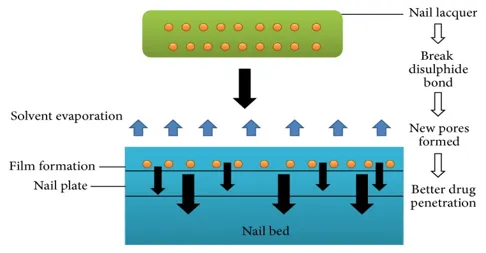
Figure 5.11 Mechanism of drug penetration via nail lacquer
1. It cannot be easily removed by rubbing or washing.
2. In addition, the effect is long lasting; single application of lacquer provides protection for one week.
3. Preparation is easy as compared to oral dosage form.
4. Minimal or no systemic side effects.
1. Rashes relate to adverse effects such as periungual erythema and erythema of the proximal nail fold were reported most frequently.
2. Other adverse effects which were thought to be casually related include nail disorder such as shape change, irritation, ingrown toe nail and discoloration. (29)
5.9. Ideal properties of Nail Lacquer
Nail lacquer should adhere well to the nail plate.
5.10. Constituents of Nail Lacquer
The basic nail varnish consists of solvents, film-forming polymers, resins that enable the film to adhere to the nail plate and convey shine to the film, plasticizers that give flexibility and durability to the film, colouring agents, and suspending agents.
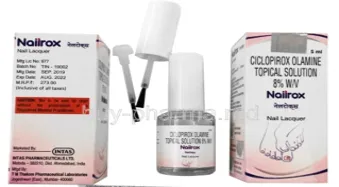
Figure 5.12 Nail Lacquer
The materials used for the preparation and evaluation of herbal nail lacquer were collected from reliable sources. All chemicals used were of analytical grade. Different chemicals and laboratory instruments were used during extraction, formulation, and evaluation of the herbal nail lacquer. The list of chemicals with their manufacturers and the instruments used in the study are given below.
6.1. Chemicals:
Table 6.1 List of chemicals
|
Sr.No |
Chemicals |
Manufacture |
|
1. |
Distilled water |
Aqua lab D.W |
|
2. |
HPMC |
Loba chemie Pvt. Ltd |
|
3. |
Thioglycolic acid |
Loba chemie Pvt. Ltd |
|
4. |
Menthol |
Menthol- R Chemie , B -203 , Ratnakar Apt, Mumbai |
|
5. |
Propylene glycol |
Galaxy Laborstories PVT. LTD |
|
6. |
Ethanol |
Research Lab Fine Cheme Industries |
6.2 INSTRUMENTS
Table 6.2 List of Instruments
|
Sr. No |
Name of Instrument |
Manufacture |
|
1. |
Hot Air Oven |
Dolphin |
|
2. |
Electronic Analytical Weighing Balance |
Wensar |
|
3. |
Electrical Grinder |
Ambika Mouldtech Pvt.Ltd. |
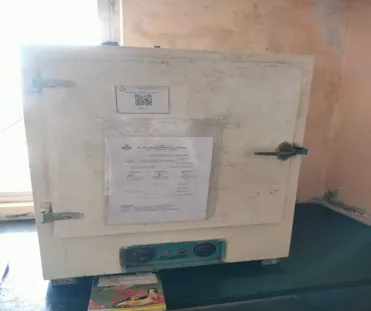
Figure 6.1 HOT AIR OVEN
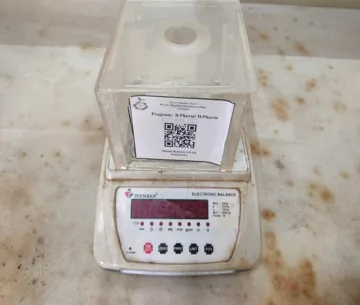
Figure 6.2 WEIGHING BALANCE
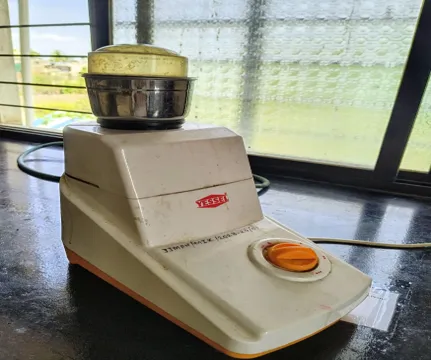
Figure 6.3 ELECTRICAL GRINDER
The materials used in the present study included Chakramarda (Cassia tora) leaves and Lawsonia inermis leaves, which were collected for the preparation of herbal extracts. Other chemicals and excipients such as Hydroxy Propyl Methyl Cellulose (HPMC), thioglycolic acid, menthol, propylene glycol, ethanol, and formalin were procured from our college laboratory. Formalin was used in a small quantity to prevent microbial growth during storage of the formulation and extracts. All chemicals and reagents used in the study were of analytical grade.
7.1 Collection and Authentication of Plant Materials
Fresh leaves of Cassia tora (Chakramarda) and Lawsonia inermis were collected from the local area during February 2026. The collected plant materials were authenticated by the Department of Botany, Jaysingpur College, Jaysingpur, Maharashtra, India. After authentication, the plant materials were washed thoroughly with water to remove dirt and foreign particles. The leaves were shade dried at room temperature and stored in airtight polythene bags until further use.
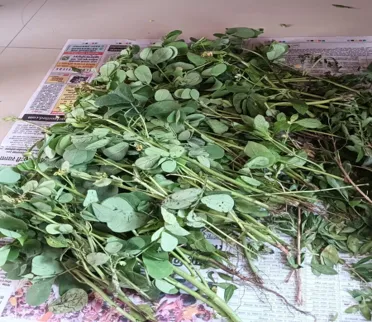
Figure 7.1 Chakramarda leaves
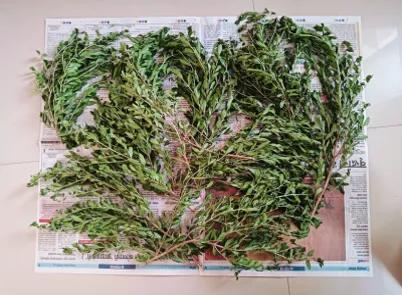
Figure 7.2 Henna leaves
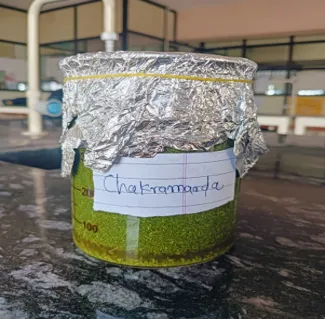
Figure 7.3 Maceration of Chakramarda leaves for preparation of plant extract
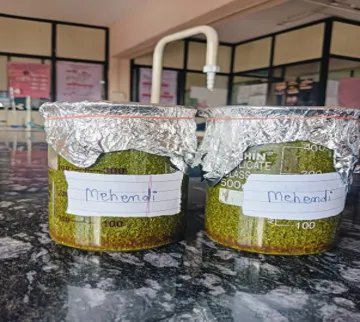
Figure 7.4 Maceration of Henna leaves for preparation of plant extract
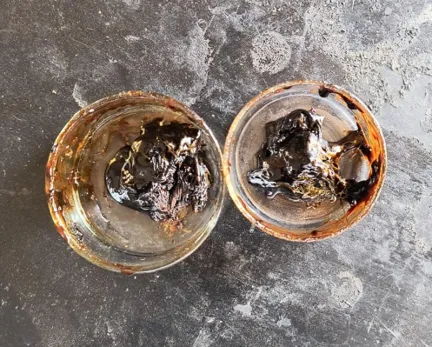
Figure 7.5 Extracts of Chakramarda and Henna leaves
8.1 Preliminary Phytochemical Screening of Chakramardha (31)
Table 8.1
Test for Alkaloids
|
Test |
Procedure |
Observation |
Result |
|
Mayer’s test
|
3ml filtrate was taken in a test tube and added few drops of Mayer’s reagent |
Cream precipitate was observed, indicates presence of alkaloids |
Present 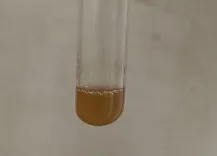
|
|
Dragendroff’s reagent
|
3ml filtrate was taken in a test tube and few drops of Dragendroff’s reagent was added.
|
Orange brown precipitate was observed, indicates presence of alkaloids
|
Present 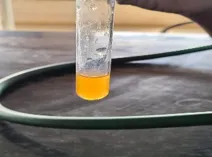
|
|
Wagner’s test
|
3ml filtrate was taken in a test tube and few drops of Wagner’s reagent was added
|
Reddish brown precipitate was observed, indicates presence of alkaloids
|
Present 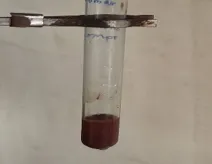
|
Test for Carbohydrates
|
Test |
Procedure |
Observation |
Result |
|
Fehling’s test
|
Small portion of the extract was treated with Fehling’s solution I and II and then heated on water bath |
Brick red colour precipitate was not found indicating absence of carbohydrates
|
Absent
|
|
Benedict’s test
|
Small portion of the extract was treated with Benedicts’ reagent. Boiled on water bath.
|
Reddish brown precipitate was observed which indicates presence of carbohydrates
|
Present 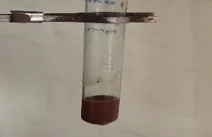
|
Test for Flavonoids
|
Test |
Procedure |
Observation |
Result |
|
Ferric chloride test
|
To the small quantity of alcoholic solution of extract, few drops of neutral ferric chloride was added.
|
Colour changed to blackish red colour indicates the presence of flavonoids
|
Positive 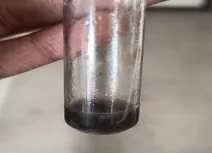
|
Test for Glycoside
|
Test |
Procedure |
Observation |
Result |
|
Borntragers test
|
Hydrolysate was treated with chloroform and the chloroform layer was separated. To this equal quantity of dilute ammonia solution was added. |
Colour change of the solution to Pink colour was observed which indicates the presence of glycosides |
Present
|
Test for Phenol, Phytosteroid, Saponin, Tanin, Carboxylic acid, Resin.
|
Test |
Procedure |
Observation |
Result |
|
Test for phenol
|
Extract was treated with dilute solution of ferric chloride
|
Colour of the solution changed to Violet colour indicates the presence of phenolic compounds.
|
Present 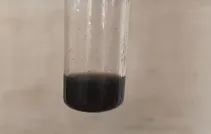
|
|
Test for Phytosteroid- Salkowski test
|
To 1ml of the above prepared chloroform solutions, few drops of conc. H2SO4 was added.
|
Solution colour changed to Cherry Red indicates the presence of phyto sterols.
|
Present 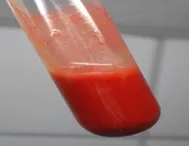
|
|
Test for Saponin
|
To a few mg of extract, distilled water was added and shaken.
|
Forth formation was observed, indicates the presence of saponin
|
Present 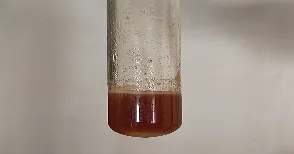
|
|
Test for Tannins
|
To the extract, a few drops of dilute solution of ferric chloride was added
|
Colour of the solution changed to dark blue shows the presence of Tannins
|
Present 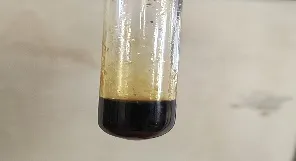
|
|
Test for carboxylic acid
|
Extract was dissolved in water and treated with sodium bicarbonate
|
Brisk effervescence was observed, indicate the presence of carboxylic acid
|
Present 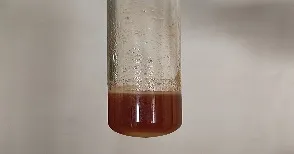
|
|
Test for Resin
|
A few mg of the sample was mixed with water and acetone
|
Solution turned to Turbid, indicates the presence of resin
|
Present 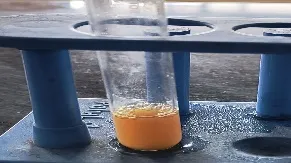
|
8.2 Preliminary Phytochemical screening of Lawsonia inermis (32)
Table 8.2
Test for Steroids
|
Test |
Procedure |
Observation |
Result |
|
Salkowski’s Test: |
Plant extracts were treated with chloroform and filtered. The filtrates were treated with few drops Plant extracts were treated with chloroform and filtered. The filtrates were treated with few drops of Conc. Sulphuric acid, shaken and allowed to stand |
Formation of golden yellow colour indicates the presence of triterpenes. |
Present 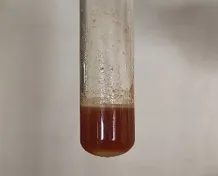
|
Test for Triterpenes
|
Test |
Procedure |
Observation |
Result |
|
Salkowski’s Test: |
Plant extracts were treated with chloroform and filtered. The filtrates were treated with few drops of Conc. Sulphuric acid, shaken and allowed to stand. |
Formation of golden yellow colour indicates the presence of triterpenes. |
Present 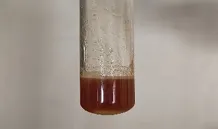
|
Test for Alkaloids
|
Test |
Procedure |
Observation |
Result |
|
Mayer’s Test |
Plant extracts were treated with Mayer’s reagent (Potassium Mercuric Iodide). |
Appearance of yellow coloured precipitate indicates the presence of alkaloids. |
Absent |
|
Dragendroff’s Test |
Plant extracts were treated with Dragendroff’s reagent (solution of Potassium Bismuth Iodide). |
Appearance of red precipitate indicates the presence of alkaloids. |
Absent |
Test for carbohydrates
|
Test |
Procedure |
Observation |
Result |
|
Fehling’s test
|
Small portion of the extract was treated with Fehling’s solution I and II and then heated on water bath
|
Brick red colour precipitate was not found indicating absence of carbohydrates
|
Present 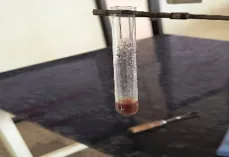
|
Test for Tanins
|
Test |
Procedure |
Observation |
Result |
|
Ferric Chloride Test |
To the extract, a few drops of dilute solution of ferric chloride was added
|
Colour of the solution changed to dark blue shows the presence of Tannins
|
Presen 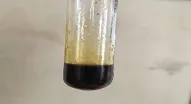
|
Test for Flavonoids
|
Test |
Procedure |
Observation |
Result |
|
Lead acetate Test |
Extracts were treated with few drops of lead acetate solution. |
Formation of yellow colour precipitate indicates the presence of flavonoids. |
Present 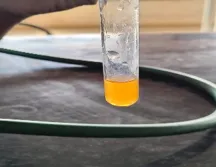
|
|
Ferric Chloride Test |
To the extract, a few drops of dilute solution of ferric chloride was added
|
Colour of the solution changed to dark blue shows the presence of Tannins
|
Present 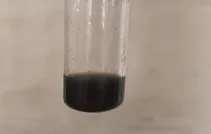
|
Preparation of herbal nail lacquer was carried out by a simple mixing method for effective transungual delivery of antifungal agents in the treatment of onychomycosis. The formulation was developed using the combined extracts of Chakramardha (Cassia tora) and Lawsonia inermis because of their synergistic antifungal activity against fungal pathogens.
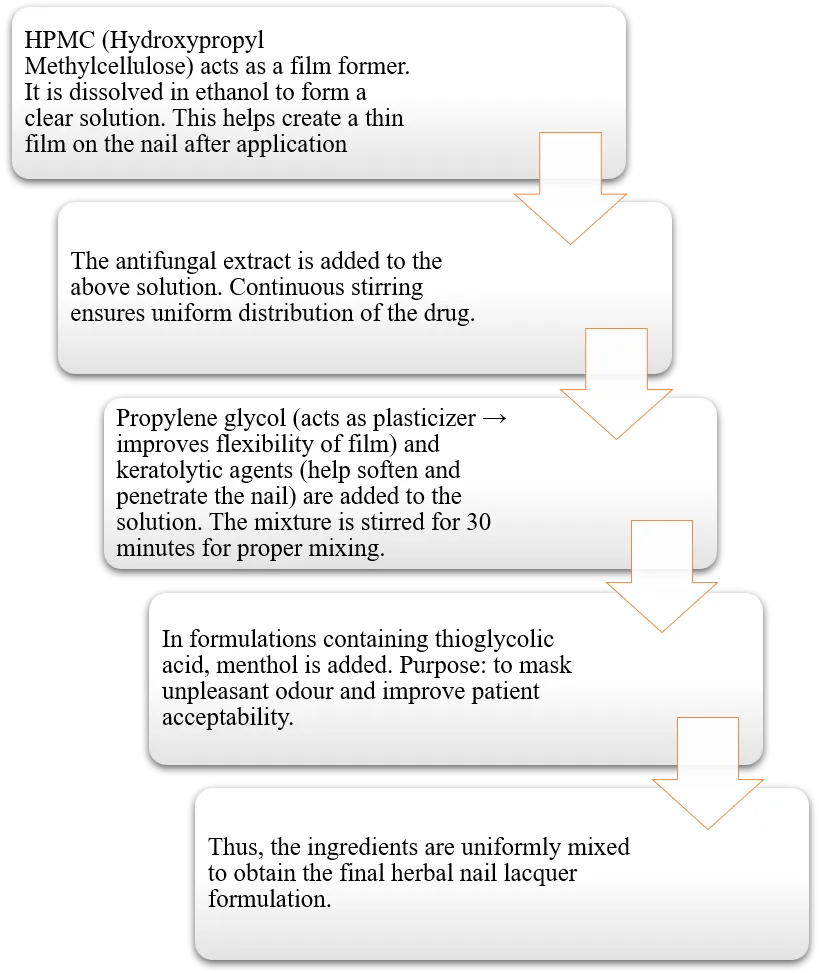
Figure 9.1 Nail lacquer
9.1. Ingredients & Formulation Category
Table 9.1
|
Sr. No |
Ingredients |
Quantity |
Role of Ingredients |
|
1. |
Chakramardha |
|
Antifungal activity, Antimicrobial activity |
|
2. |
Lawsonia inermis |
0.1 gm |
Antifungal avtivity, Antioxidant activity |
|
3. |
Karanja oil |
0.5 ml |
Antifungal activity |
|
4. |
HPMC |
0.6 gm |
Film former |
|
5. |
Thioglycolic acid |
0.5 ml |
Keratolytic agent |
|
6. |
Menthol |
0.5 gm |
Reduce unpleasant smell |
|
7. |
Propylene glycol |
0.1 ml |
Plasticizer |
|
8. |
Ethanol |
q.s to 10 ml |
Solvent |
The prepared herbal extracts were initially evaluated for physicochemical parameters, and the presence of phytoconstituents such as alkaloids, flavonoids, tannins, phenolic compounds, and glycosides was identified by phytochemical screening. Based on these results, the herbal nail lacquer formulation was prepared and further evaluated for various physicochemical parameters such as smoothness of flow, gloss, drying time, non-volatile content, and in vitro adhesion to determine the quality, stability, and suitability of the formulation for the treatment of onychomycosis.
The sample was poured on a glass slide on an area of 1.5 square inches and made to spread by making glass slide to rise vertically. Smoothness of flow was observed visually.
The gloss of the film was observed visually.
A Sample of Nail lacquer was applied on a Petri plate. Time taken for film to dry was noted down using a stopwatch.
1 gm of sample was applied on the petri plate and the weight was noted as W1. The petri plate was placed in hot air oven at 105 ± 2 °C for 1 h. Petri plate was removed and allowed to cool. The weight of petri plate after drying was weighed and noted as w2. The difference in weight was calculated and non volatile content was expressed in percentages.
An area of around 3.6 x 2.4 cm2 was marked on a glass plate. Sample was applied on the glass plate and spread with nail lacquer brush. The film was allowed to dry at 25 ± 2 °C for 24 h. Entire film was covered with cellophane tape and pressure was applied manually by thumb. The tape was then removed briskly and area of film peel off was calculated and given in percentage.
The Sample was spread over a glass plate and dried at room temperature. The plate was immersed in the beaker containing tap water, such that the entire film was dipped in water. The plate was allowed to remain as such for 24 h. The plate was removed, wiped with tissue paper and dried at room temperature for 4 h. then the plates were checked for the presence of blush.
A film was spread evenly on the glass plate and dried at 25 ± 2 °C. The glass plate was weighed and immersed in water bath maintained at 37 °C. It was removed after 24 h, wiped with tissue paper and reweighed. Difference in weight was calculated.
In vitro antifungal activity against Candida albicans was determined using Agar cup-plate method. Nutrient agar plates were prepared and sterilized by autoclaving at 120 ºC, 15 pounds pressure for 15 min. Nutrient agar media was then inoculated with fungal strain C. albicans. The mixture was poured in sterilized petri plates and wells of 5 mm diameters were prepared using sterile borer in each petri plate. 0.2 mL each of formulation, control formulation were transferred to the cups aseptically. The prepared petri plates were maintained at room temperature for 2 h to allow the diffusion of the solutions in to the medium and then incubated at 28 °C for 48 h. The diameter of zone of inhibition surrounding each of the well was recorded using Antibiotic zone reader.
11. RESULTS
The phytoconstituents present in Lawsonia inermis and Chakramarda extracts were confirmed by phytochemical tests such as Mayers tests, Dragendroffs test, Wagners tests, etc. and these tests confirmed the presence of alkaloids, flavonoids, tannins, phenolic compounds, glycosides, etc. which are responsible for antifungal activity. Further, the prepared herbal nail lacquer formulation was evaluated for various physicochemical parameters including smoothness to flow and gloss, water resistance, drying time, non-volatile content, in-vitro adhesion, and antifungal activity. The results obtained are as follows:
11.1 Phytochemical tests results of Chakramarda
Table 11.1 Test for Chakramarda
|
SR.NO |
TEST NAME |
RESULT |
|
1. |
Mayer’s test |
+ |
|
2. |
Dragendroff’s reagent |
+ |
|
3. |
Wagners’s test |
+ |
|
4. |
Feling’s test |
- |
|
5. |
Benedict’s test |
+ |
|
6. |
Ferric chloride test |
+ |
|
7. |
Borntragers test |
+ |
|
8. |
Test for phenol |
+ |
|
9. |
Salkowaski test |
+ |
|
10. |
Test for Saponin |
+ |
|
11. |
Test for tannins |
+ |
|
12. |
Test for carboxylic acid |
+ |
|
13. |
Test for Resin |
+ |
11.2 Phytochemical tests results of Henna
Table 11.2 Test for henna
|
SR.NO |
TEST NAME |
RESULT |
|
1. |
Salkowaski test |
+ |
|
2. |
Mayer’s test |
+ |
|
3. |
Dragendroff’s test |
- |
|
4. |
Feling’s test |
+ |
|
5. |
Ferric chloride test |
+ |
|
6. |
Lead acetate test |
+ |
11.3 Evaluation Parameters:
Uniform smooth film was formed when the nail lacquer was poured onto the glass plate and raised to spread on it. The gloss of the prepared nail lacquer was compared with marketed cosmetic sample. The prepared nail lacquer had similar gloss.
Water resistance of prepared Nail lacquer was evaluated by water resistance test. The amount of water absorbed by the nail lacquer after keeping in water for 24 hours was found to be moderate. Similar results were seen in blush test
Drying time of nail lacquer was observed to be in the range from 5min 60 sec.
Non-volatile content for all the nine formulations was found to be 2.22%
In vitro adhesive strength of the prepared nail lacquer was evaluated by the film peel-off test. The formulation showed satisfactory adhesion and formed a uniform film on the nail surface.
11.4 Evaluation test results of Chakramardha and Lawsonia inermis nail lacquer.
Table 11.3
|
Evaluation Tests |
Results |
|
Smoothness to flow |
Pass |
|
Gloss |
Pass |
|
Drying time |
5min 60sec |
|
Non-volatile content |
2.22% |
|
In vitro adhesion |
The formulation showed satisfactory adhesion and formed a uniform film on the nail surface |
|
Blush |
Poor |
|
Water resistance |
Poor |
The antifungal activity of Lawsonia inermis (Heena) extract, Chakramarda extract, and their combination was evaluated against Candidiasis Candida albicans by the well diffusion method. The results showed that all test samples exhibited significant antifungal activity. Chakramarda extract produced the highest zone of inhibition (31 mm), followed by the combination of Heena + Chakramarda (30 mm) and Heena extract alone (28 mm). The standard drug Fluconazole showed a zone of inhibition of 21 mm. These findings indicate that both plant extracts possess strong antifungal activity against Candida albicans, and the combination also demonstrated effective inhibition, supporting its use in herbal antifungal nail lacquer formulation for onychomycosis.
11.5 Result of zone of inhibition test:
Table 11.4 Result of Zone of Inhibition Test
|
Sr. No |
Sample Name |
Concentration |
Zone of Inhibition (mm) Candida Albicans |
|
1. |
Henna |
100% |
28 |
|
2. |
Chakramarda |
100% |
31 |
|
3. |
Henna + chakramarda |
100% |
33 |
|
4. |
Fluconazole |
25ug/ml |
21 |
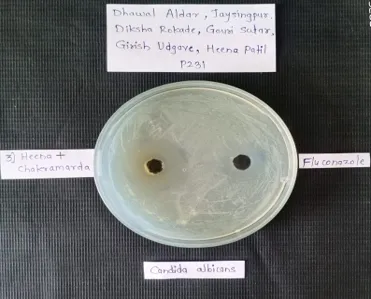
Figure 11.1 Agar well diffusion plate showing antifungal activity of Combined extract
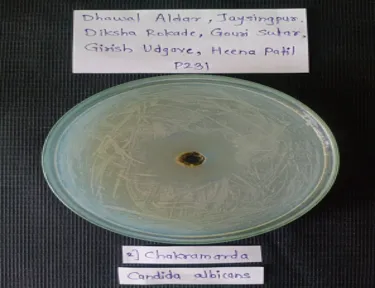
Figure 11.2 Agar well diffusion plate showing antifungal activity of Chakramardha extract
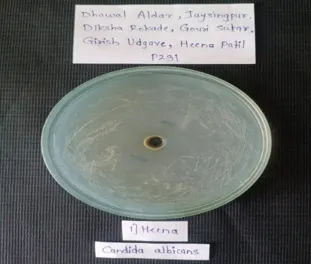
Figure 11.3 Agar well diffusion plate showing antifungal activity of Henna extract
12. DISCUSSION
Onychomycosis is a common fungal infection of the nail caused mainly by dermatophytes, yeasts, and non-dermatophyte molds. It affects both fingernails and toenails and is characterized by nail discoloration, thickening, brittleness, and separation of the nail plate. Due to prolonged treatment duration and side effects associated with synthetic antifungal therapy, herbal medicines have gained importance because of their safety, effectiveness, and natural origin.
The present study was carried out to formulate and evaluate herbal nail lacquer for the treatment of onychomycosis by using the combination of Lawsonia inermis and Cassia tora extracts. Both plant extracts are traditionally used for their antifungal and medicinal properties. The extracts were prepared and evaluated for physicochemical parameters. Preliminary phytochemical screening confirmed the presence of alkaloids, flavonoids, tannins, phenolic compounds, glycosides, and saponins. These phytoconstituents are known to possess antifungal and protective activity and may help in reducing fungal infection of the nail.
Based on phytochemical evaluation, herbal nail lacquer formulations were prepared by using HPMC as film-forming polymer along with propylene glycol, ethanol, and other excipients. The prepared formulations were evaluated for different physicochemical parameters such as smoothness of flow, gloss, drying time, non-volatile content, and in vitro adhesion. The formulations showed satisfactory film formation with smooth application and good gloss. Drying time was found suitable for nail application, and the formulations showed acceptable non-volatile content and adhesion, indicating proper film formation and retention on the nail surface.
The antifungal activity of the prepared formulation was evaluated against fungal organisms by zone of inhibition method. The herbal nail lacquer showed effective antifungal activity, indicating the synergistic action of Lawsonia inermis and Cassia tora extracts. The results suggest that the prepared herbal nail lacquer possesses good physicochemical characteristics and promising antifungal activity for the treatment of onychomycosis.
Overall, the study concludes that herbal nail lacquer prepared from the combination of Lawsonia inermis and Cassia tora extracts may be considered a suitable topical treatment for onychomycosis because of good formulation characteristics, prolonged nail adherence, and effective antifungal activity.
13. CONCLUSION & FUTURE PERSPECTIVES
The present study was carried out to formulate and evaluate a herbal nail lacquer for the treatment of onychomycosis using the combination of Lawsonia inermis and Cassia tora extracts. The herbal extracts were selected due to their traditional medicinal value and reported antifungal activity against fungal infections. The prepared extracts were subjected to physicochemical and preliminary phytochemical evaluation, which confirmed the presence of important phytoconstituents such as alkaloids, flavonoids, tannins, phenolic compounds, glycosides, and saponins. These phytoconstituents are known for their antifungal activity and support the therapeutic potential of the selected herbal extracts.
Based on the obtained results, herbal nail lacquer formulations were prepared using suitable excipients and evaluated for physicochemical parameters including smoothness of flow, gloss, drying time, non-volatile content, and in vitro adhesion. The prepared formulations showed satisfactory film-forming ability, good adhesion on nail surface, acceptable drying time, and overall suitable physicochemical characteristics. The antifungal activity of the prepared herbal nail lacquer was evaluated by zone of inhibition method, and the formulation showed effective antifungal activity against fungal organisms responsible for onychomycosis. The results indicate that the combination of Lawsonia inermis and Cassia tora extracts produced a synergistic antifungal effect and may be useful in the treatment of nail fungal infection.
Hence, it can be concluded that the formulated herbal nail lacquer is a promising topical treatment for onychomycosis with good physicochemical properties and antifungal activity. The study supports the use of herbal formulations as a safe and effective alternative for management of fungal nail infections and suggests further clinical studies for confirmation of therapeutic effectiveness.
The formulated herbal nail lacquer showed promising physicochemical properties and antifungal activity against organisms responsible for onychomycosis. Further studies can be carried out to evaluate long-term stability and shelf life of the formulation under different storage conditions. Clinical studies on a larger population may be performed to confirm the safety and therapeutic effectiveness of the herbal nail lacquer in patients with onychomycosis. Further improvement in the formulation may be achieved by using advanced nail penetration enhancement techniques such as iontophoresis, sonophoresis, and laser-assisted drug delivery to improve penetration of active constituents through the nail plate and enhance antifungal activity. The developed herbal nail lacquer may be considered for future development as a safe, effective, and economical herbal topical treatment for fungal nail infections.
REFERENCES






Varsha Bhoje, Dhaval Aldar, Diksha Rokade, Gouri Sutar, Girish Udgave, Heena Patil, Formulation and Evaluation of Herbal Nail Lacquer for Treatment of Onychomycosis, Int. J. of Pharm. Sci., 2026, Vol 4, Issue 7, 4802-4828. https://doi.org/10.5281/zenodo.21511336
 10.5281/zenodo.21511336