

We use cookies to ensure our website works properly and to personalise your experience. Cookies policy
United college of pharmacy, Periyanaickenpalayam, Coimbatore-641020, Affiliated to The Tamil Nadu Dr. MGR Medical University Chennai.
Lansoprazole is a proton pump inhibitor widely used in the management of acid- related gastrointestinal disorders; however, its poor aqueous solubility presents a significant challenge during formulation development and may limit its dissolution performance. The present investigation was designed to develop and evaluate a nanosuspension-based oral formulation of lansoprazole to enhance its physicochemical characteristics and drug-release behavior. Five formulations (F1, F2, F3, F4, and F5) were prepared using Avicel as a polymer and Xanthan gum as a stabilizing agent using high shear homogenization. Preformulation analysis confirmed ?max at 285 nm with satisfactory linearity for quantitative estimation .Among the formulations, LNS-4 demonstrated the smallest droplet size (~178 nm) with low polydispersity, indicating uniform nanosuspension formation. Zeta potential values around ?35 mV confirmed adequate electrostatic stability. All formulations were exhibited and were evaluated for various physicochemical parameters, including appearance, pH, sedimentation volume, redispersibility, density, surface tension, and in-vitro drug release. In-vitro release studies indicated a sustained drug release profile, with LNS-4 showing superior performance. UV spectrophotometric evaluation revealed strong absorbance within the UV range, supporting effective photoprotective activity. The prepared nanosuspensions were compared based on their overall evaluation results to identify the optimized formulation. The study indicates that lansoprazole nanosuspension is a promising approach for improving dissolution characteristics and providing an effective oral drug-delivery system for pediatrics.
Liquid oral dosage forms are particularly useful in pediatric therapy because they allow flexible dose measurement and are generally easier to administer than conventional solid dosage forms.[1] However, many poorly water-soluble drugs are difficult to formulate as stable and palatable aqueous preparations.[2] Problems such as poor aqueous solubility, sedimentation, aggregation, dose non-uniformity, unpleasant taste and chemical instability can limit the performance of conventional oral suspensions.[3]
Nanotechnology-based drug delivery systems have emerged as an important approach for improving the pharmaceutical performance of poorly water-soluble drugs.[4] Among these systems, nanosuspensions are colloidal dispersions containing very small particles of the drug dispersed in a suitable aqueous or non-aqueous medium with the aid of stabilizing agents. Reduction of particle size can substantially increase the surface area of the drug available for interaction with the dissolution medium and may consequently improve dissolution and apparent solubility.[5]
Lansoprazole is a proton-pump inhibitor (PPI) used in the management of acid-related gastrointestinal disorders. It acts by inhibiting the gastric proton pump, thereby reducing gastric acid secretion. Lansoprazole belongs to the class of drugs characterized by poor aqueous solubility and acid sensitivity, which presents challenges in the development of stable conventional aqueous oral formulations.[6]
The development of a lansoprazole nanosuspension may provide an opportunity to improve the dissolution characteristics of the drug while maintaining the advantages of a liquid dosage form.[7] A nanosized drug dispersion may provide increased surface area and improved dissolution compared with larger drug particles. Appropriate stabilizers can help maintain the dispersion and minimize particle aggregation during storage.[8]
For paediatric administration, formulation acceptability is also an important consideration. The incorporation of suitable pharmaceutical excipients can improve the physical characteristics and palatability of the formulation.[9] In the proposed formulation, Tween 80 may act as a wetting and stabilizing agent, while Avicel RC can contribute to suspension stability and redispersibility. Sodium bicarbonate may provide an alkaline environment that is important for maintaining the stability of lansoprazole. Sorbitol 70% can improve sweetness and mouthfeel, while a suitable flavouring agent such as raspberry ketone and a permitted colouring agent such as erythrosine can improve the sensory acceptability of the preparation.[10]
The formulation of a paediatric lansoprazole nanosuspension therefore involves more than simply reducing particle size.[11] The formulation must provide acceptable particle size distribution, physical stability, drug content, redispersibility, suitable viscosity, chemical stability and improved dissolution while also considering pediatric acceptability and excipient suitability.[12]
The present study is therefore proposed to develop and evaluate a lansoprazole nanosuspension as a novel pediatric oral drug-delivery system.[13] The study will investigate the effect of formulation variables, particularly the concentration of surfactant and suspending agent, on the physicochemical and pharmaceutical properties of the nanosuspension. The optimized formulation will be subjected to appropriate characterization studies and compared with pure or conventional lansoprazole to determine whether nanosuspension technology can improve the pharmaceutical performance of lansoprazole for potential pediatric oral administration.[14]
2. MATERIALS AND METHODS:
FORMULATION TABLE:
TABLE 1: FORMULATION TABLE FOR LANSOPRAZOLE NANOSUSPENSION
|
INGREDIENTS |
LSN1 |
LSN2 |
LSN3 |
LSN4 |
LSN5 |
|
Lansoprazole |
300mg |
300mg |
300mg |
300mg |
300mg |
|
Xanthan gum |
0.5g |
0.5g |
0.5g |
0.5g |
0.5g |
|
Avicel RC |
0.5g |
1g |
1.5g |
2g |
2.5g |
|
Tween 80 |
5ml |
5ml |
5ml |
5ml |
5ml |
|
Sodium bicarbonate |
0.5g |
0.6g |
0.7g |
0.8g |
0.9g |
|
Sorbitol 70% |
5ml |
5ml |
5ml |
5ml |
5ml |
|
Methyl paraben |
0.2g |
0.2g |
0.2g |
0.2g |
0.2g |
|
Erythrosine |
q.s |
q.s |
q.s |
q.s |
q.s |
|
Raspberry ketone |
q.s |
q.s |
q.s |
q.s |
q.s |
|
Purified water |
q.s to 100ml |
q.s to 100ml |
q.s to 100ml |
q.s to 100ml |
q.s to 100ml |
FORMULATION OF NANOSUSPENSION WITH HIGH SHEAR HOMOGENIZATION
The lansoprazole loaded nanosuspension were prepared by high shear homogenization using tween 80 as a stabilizer and xanthan gum as a viscosifying agent. Five formulations (LSN 1- LSN 5) was prepared by varying the concentration of avicel RC while keeping the amounts of lansoprazole, tween 80 and xanthan gum constant, as shown in above Table 1.
PHASE 1 Preparation of organic phase:
Dissolve lansoprazole in 10- 15ml ethanol and add tween 80 and xanthan gum. In a foil covered beaker (as lansoprazole is light sensitive) and stir until a clear solution obtain.
PHASE 2 Preparation of aqueous phase:
Dissolve avicel RC in 50ml purified water in separate beakers and stir for 30 minutes
PHASE 3 nanoprecipitation
Under high-speed homogenization add organic phase dropwise into aqueous phase for about 10 to 15 mins with the help of tissue homogenizer.
PHASE 4 Solvent evaporation
Allow the ethanol to evaporate at room temperature.
PHASE 5 Addition of Additives
Dissolve methyl paraben in water and add sorbitol, raspberry syrup and erythrosine to improve its appearance finally add this mixture into homogenized portion
PHASE 6 PH adjustment
Prepare the sodium bicarbonate solution and add dropwise by checking PH (up to 8.5).
FINAL PREPARATION
After the formulation, make up the volume up to 100 ml.
PREFORMULATION STUDIES:
The appearance, melting point, calibration curve and compatibility studies (FTIR) are undergone for ensuring there is no chemical interaction and acceptable physiochemical properties for future development of formulation.
EVALUATION STUDIES:
Determination of Ph:
The pH of the prepared lansoprazole syrup was determined using a calibrated digital pH meter. The meter was calibrated with standard buffer solutions, and the electrode was immersed in the formulation. After the reading stabilized, the pH was recorded in triplicate and the mean value was calculated. pH is an important parameter for the stability of lansoprazole formulations.[15][16]
Particle Size and Polydispersity Index (PDI)
The particle size and PDI of the prepared lansoprazole nanosuspension were determined using Dynamic Light Scattering (DLS). The sample was suitably diluted and analyzed to measure the average particle size and size distribution. A lower PDI indicates a more uniform particle-size distribution.[17][18]
Zeta Potential
The zeta potential of the prepared lansoprazole nanosuspension was determined using a zeta-potential analyzer based on electrophoretic mobility. The suitably diluted sample was analyzed, and the zeta-potential value was recorded in mV. It indicates the surface charge and physical stability of the nanosuspension; a higher absolute zeta-potential value generally indicates better electrostatic stability.[19][20][21]
Sedimentation Volume:
The sedimentation volume of the prepared lansoprazole nanosuspension was determined to evaluate its physical stability and settling behavior. A known volume of the formulation was kept undisturbed, and the final sediment volume (Vu) was measured at specified intervals. The sedimentation volume was calculated as F = Vu/Vo, where Vo is the original volume of the suspension.[22][23][24]
Viscosity:
The viscosity of the prepared lansoprazole nanosuspension was determined using an Ostwald viscometer by measuring the time required for the sample to flow between two calibration marks. The measurement was performed in triplicate, and the average viscosity was calculated. Viscosity is an important parameter affecting the flow properties, sedimentation, and physical stability of the nanosuspension.[25][26]
Surface Tension:
The surface tension of the prepared lansoprazole nanosuspension was determined using a stalagmometer by the drop-count method. The number of drops formed by the nanosuspension was compared with that of distilled water under identical conditions. Surface tension is an important property affecting the wetting and dispersion of drug particles in the formulation.[27]
Redispersibility:
The redispersibility of the prepared lansoprazole nanosuspension was evaluated by allowing it to stand and then gently shaking the container to redisperse the settled particles. The formulation was observed for the ease of redispersion, uniformity, and absence of lumps or aggregates. Good redispersibility indicates good physical stability and minimal caking.[28][29]
Scanning Electron Microscopy (SEM)
Scanning Electron Microscopy (SEM) was used to examine the surface morphology, shape, and approximate particle size of the prepared lansoprazole nanosuspension. The dried sample was mounted on an SEM stub, coated if required, and scanned using an electron beam to obtain high-resolution images. The images were examined for particle shape, surface characteristics, uniformity, and aggregation.[30]
3. RESULT AND DISSCUSSION:
PHYSICAL CHARACTERISTICS:
The physical characteristics of lansoprazole was observed and tabulated
TABLE 2: Physical characteristics of lansoprazole
|
Sr. no |
Characteristics |
Observation |
|
1. |
Appearance |
White to brownish-white crystalline powder |
|
2. |
Odour |
Practically odourless |
|
3. |
Taste |
Slightly bitter |
|
4. |
Texture |
Crystalline powder |
|
5. |
Sensitivity |
Photo sensitive and Sensitive to acidic conditions |
|
6. |
Physical state |
Solid |
MELTING POINT:
The melting point of lansoprazole was observed and tabulated:
TABLE 3: MELTING POINT OF LANSOPRAZOLE
|
Trial |
Observed melting/ decomposition temperature |
|
1 |
179 °C |
|
2 |
180 °C |
|
3 |
181 °C |
|
Mean ± SD |
180.0 ± 1.0 °C |
Thus, the melting point of lansoprazole was found to be 180.0 ± 1.0 °C, with decomposition. (lansoprazole undergoes color changes before it attains its melting point)
SOLUBILITY TEST:
The solubility test was conducted with different solvents
TABLE 4:SOLUBILITY STUDY OF LANSOPRAZOLE WITH DIFFERENT SOLVENTS
|
Sr. No |
Solvent |
Soluble |
Sparingly Soluble |
Insoluble |
|
1 |
Distilled water |
- |
- |
✓ |
|
2 |
Phosphate buffer (pH 7.4) |
✓ |
- |
- |
|
3 |
Methanol |
✓ |
- |
- |
|
4 |
Ethanol |
✓ |
- |
- |
|
5 |
Acetone |
✓ |
- |
- |
|
6 |
Chloroform |
✓ |
- |
- |
|
7 |
0.1N HCL |
- |
- |
✓ |
λmax of lansoprazole:
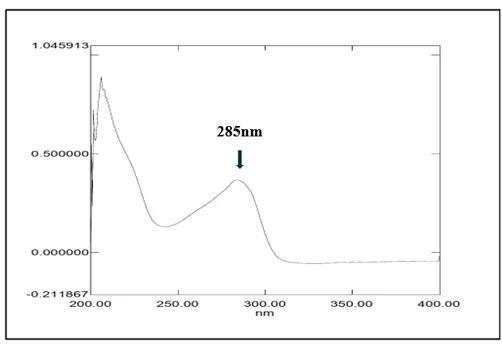
FIGURE 1: λmax of lansoprazole
Calibration graph of lansoprazole:
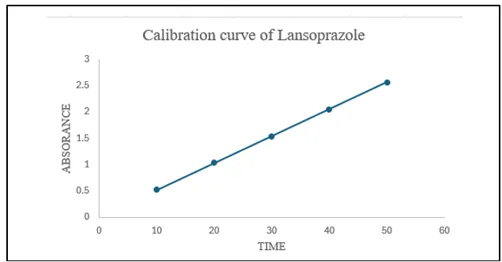
FIGURE 2: CALIBRATION CURVE OF LANSOPRAZOLE
Determination of pH:
The observed pH value of lansoprazole nanosuspension is tabulated below;
TABLE 5: pH RESULTS OF LANSOPRAZOLE NANOSUSPENSION
|
Formulation |
LNS1 |
LNS2 |
LNS3 |
LNS4 |
LNS5 |
|
Ph readings |
8.55 |
8.52 |
8.62 |
8.50 |
8.54 |
The pH of the prepared lansoprazole nanosuspensions was found to be satisfactory, with LNS4 (pH 8.50) selected as the best formulation with respect to pH stability.
Viscosity:
The viscosity of the nanosuspension determined by Brookfield viscometer was tabulated below
TABLE 6: OBSERVED VISCOSITY OF LANSOPRAZOLE NANOSUSPENSION FORMULATIONS
|
Formulation |
LNS1 |
LNS2 |
LNS3 |
LNS4 |
LNS5 |
|
Viscosity |
429.1 |
386.2 |
333.8 |
489.4 |
431.6 |
On the above observed values the LNS 3 & 2 exhibits low viscosity among all batches facilitates easier pouring which increases high risk of rapid sedimentation. Thus LNS 4 exhibits highest viscosity & highly stable.
Particle size determination:
TABLE 7: PARTICLE SIZE VALUES OF 5 FORMULATIONS
|
FORMULATION |
LNS1 |
LNS2 |
LNS3 |
LNS4 |
LNS5 |
|
PARTICLE SIZE (Z-AVERAGE) |
505 |
620 |
672 |
178 |
218 |
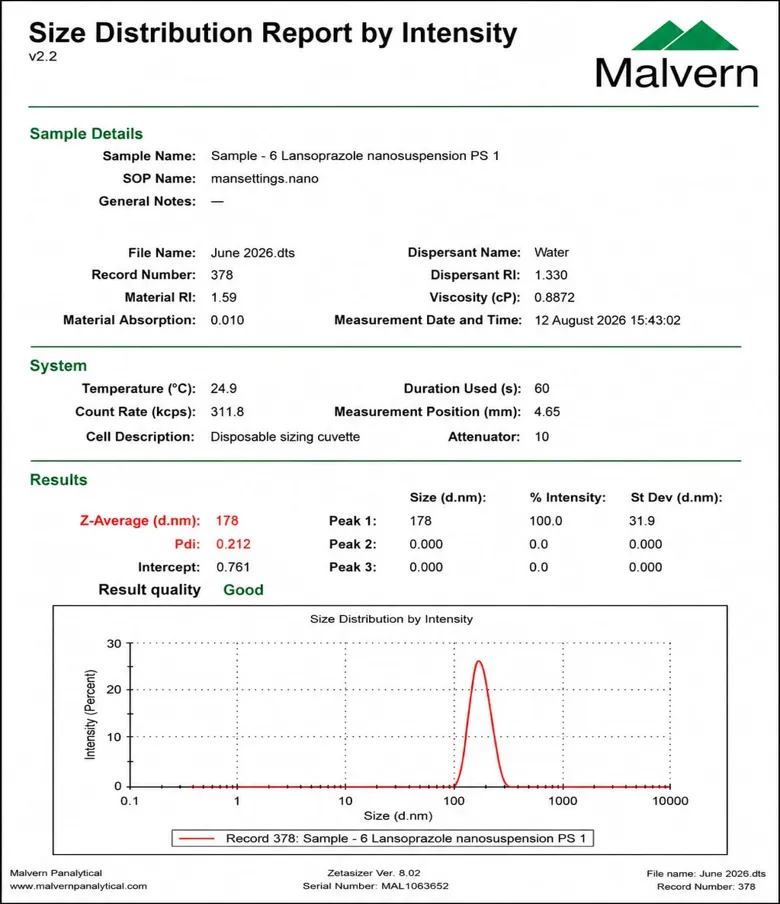
FIGURE 3: REPORT OF PARTICLE SIZE ANALYSIS
The hydrodynamic diameter of the formulations varied between 178nm and 672nm, with PDI values ranging from 0.212 to 0.351. Formulations LNS1, LNS2, and LNS3 generated hydrodynamic diameters exceeding 500nm (505 nm,620 nm, and 672, respectively) coupled with high PDI values (≥ 0.342). PDI values exceeding 0.300 reflect polydisperse populations where particles of unequal dimensions coexist, predisposing the system to Ostwald ripening and physical instability over storage. A low PDI (0.212) prevents particle size drift and sediment compaction over extended shelf life. Based on these combined physicochemical metrics, LNS4 is identified as the optimal formulation batch for subsequent solid-state characterization, stability testing, and in vitro dissolution studies.
Zeta potential:
TABLE 8 : ZETA POTENTIAL REPORT OF LNS FORMULATIONS
|
FORMULATION |
LNS1 |
LNS2 |
LNS3 |
LNS4 |
LNS5 |
|
ZETA POTENTIAL |
̶ 25.3 |
̶ 24.8 |
̶ 23.5 |
̶ 35.0 |
̶ 25.9 |
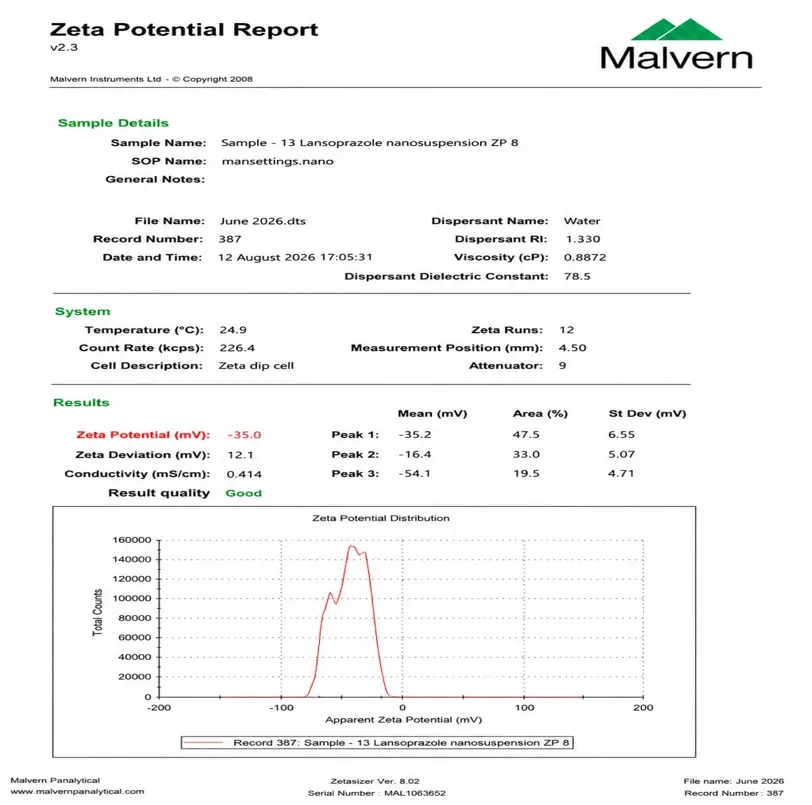
FIGURE 4:ZETA POTENTIAL REPORT
The surface charge and physical stability of the prepared Lansoprazole nanosuspension formulations (LNS1–LNS5) were evaluated using dynamic light scattering on a Malvern Zetasizer (v2.3). The measured zeta potential values, summarized in Table 23, ranged from -23.5 mV to -35.0mV, providing clear insights into the electrostatic repulsion governing particle interaction within the suspension.
Among all five formulations, LNS4 exhibited the highest negative zeta potential magnitude of -35.0 mV, indicating an optimal electrokinetic potential and superior colloidal stability.
({LNS4} > {LNS5} > {LNS1} > {LNS2} > {LNS3}),
Formulation LNS4 was selected as the optimized batch for further solid-state characterization and long-term stability testing due to its robust resistance against particle coalescence.
MORPHOLOGY:
The morphology of the LNS formulations was performed using OPTICAL MICROSCOPY and SCANNING ELECTRON MICROSCOPY the reports are given below:

FIGURE 5: MICROSCOPICAL IMAGE OF LNS FORMULATION
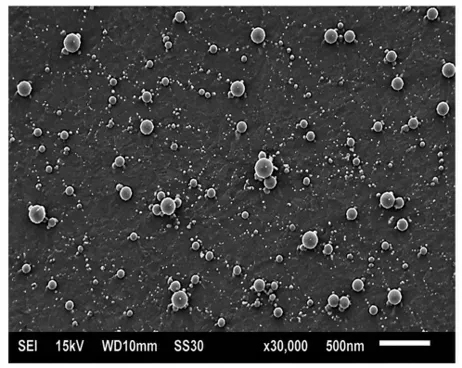
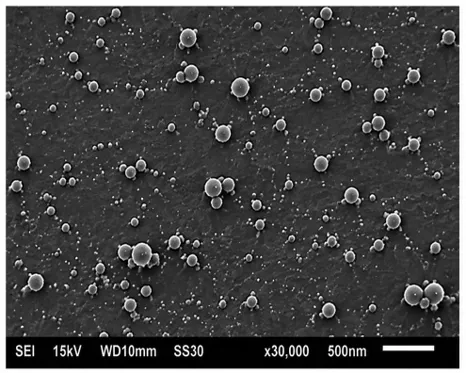
FIGURE 6: SEM IMAGE OF LNS 2 FIGURE 7: SEM IMAGE OF LNS4
The surface morphology of lansoprazole nanosuspension (LNS1 – LNS5) was evaluated using optical microscopy and scanning electron microscopy and the photomicrographs are presented in above figures The SEM images confirmed the successful formation of nanoparticles, as all batches exhibited discrete, well-dispersed particles without marked aggregation. The majority of particles appeared spherical to oval with smooth surfaces, which is a desirable characteristic for nano formulation systems. LNS 4 shows smooth, well dispersed even sized particles.
Surface Tension:
The surface tension by drop count method was calculated with the help of stalagmometer for 5 formulations of prepared lansoprazole nanosuspension
TABLE 9: SURFACE TENSION OF LNS FORMULATIONS
|
SR. NO |
LIQUID |
NO. OF DROPS |
MEAN |
DENSITY |
SURFACE TENSION (dynes/cm) |
||
|
1 |
2 |
3 |
|||||
|
1. |
Water |
40 |
45 |
49 |
46.67 |
1.006 |
72.91 |
|
2. |
LNS1 |
173 |
176 |
181 |
176.67 |
1.311 |
25.10 |
|
3. |
LNS2 |
182 |
181 |
185 |
182.67 |
1.423 |
26.34 |
|
4. |
LNS3 |
190 |
196 |
199 |
195.00 |
1.479 |
25.65 |
|
5. |
LNS4 |
153 |
157 |
154 |
154.67 |
1.256 |
27.46 |
|
6. |
LNS5 |
162 |
171 |
170 |
167.67 |
1.251 |
25.16 |
On the above observed formulations the LNS1 and LNS2 is with lower surface tension which leads to particle aggregation. Here LNS 4 has higher surface tension and its is considered as an optimal formulaation.
SEDIMENTATION VOLUME:
TABLE 10:SEDIMENTATION VOLUME OF LNS FORMULATIONS
|
TIME |
LNS1 |
LNS2 |
LNS3 |
LNS4 |
LNS5 |
|
0 min |
1.00 |
1.00 |
1.00 |
1.00 |
1.00 |
|
5 min |
0.99 |
1.00 |
0.99 |
1.00 |
1.00 |
|
10 min |
0.99 |
0.99 |
0.98 |
1.00 |
1.00 |
|
15 min |
0.98 |
0.99 |
0.97 |
1.00 |
0.99 |
|
30 min |
0.97 |
0.98 |
0.95 |
0.99 |
0.99 |
|
1 hr |
0.95 |
0.97 |
0.93 |
0.99 |
0.98 |
|
2hr |
0.92 |
0.95 |
0.89 |
0.98 |
0.97 |
|
4hr |
0.87 |
0.92 |
0.82 |
0.97 |
0.95 |
|
6hr |
0.82 |
0.88 |
0.76 |
0.96 |
0.93 |
|
24hr |
0.70 |
0.80 |
0.60 |
0.94 |
0.88 |
Based on the sedimentation volume analysis, Formulation LNS4 is identified as the optimized formulation. It provides maximum physical stability, minimum particle settling rate, and the most favourable suspended character essential for long-term shelf life.
REDISPERSIBILITY:
TABLE 11: REDISPERSIBILITY OF 5 LANSOPRAZOLE FORMULATIONS
|
FORMULATION |
SEDIMENTATION (24 HOURS) |
NUMBER OF STROKES |
|
LNS1 |
0.80 |
10 |
|
LNS2 |
0.70 |
14 |
|
LNS3 |
0.60 |
18 |
|
LNS4 |
0.94 |
5 |
|
LNS5 |
0.88 |
7 |
Formulation LNS4 exhibits optimal redispersibility characteristics requiring only 5 inversion strokes after 24 hours. Combined with its superior sedimentation volume, LNS4 is confirmed as the best formulation for Lansoprazole suspension.
IN-VITR0 DRUG RELEASE STUDIES:
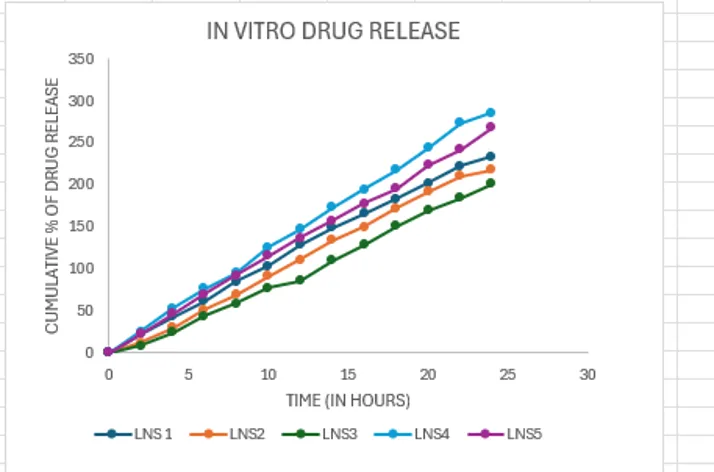
FIGURE 8: INVITRO DRUG RELEASE OF LNS FORMULATION
From the above fig it is evident that the drug release of LNS 1, 2, 3 and 5found to be low and it was assumed to be because of the high amount of avicel RC and low amounts of xanthan gum and tween 80. Whereas the formulations. LNS 4 shows better drug release which was due to the optimization of ratios of Avicel RC, xanthan gum and tween 80 which exhibited a release of 94% respectively.
DRUG RELEASE KINETICS STUDIES:
ZERO ORDER KINETICS:
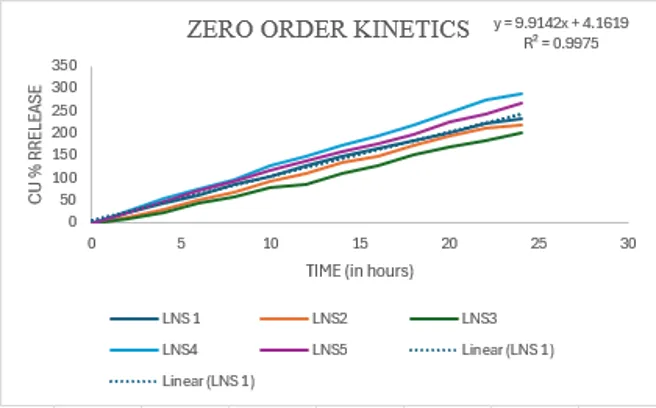
FIGURE 9: ZERO ORDER KINETICS OF LNS FORMULATION
The drug release curves for all five formulations are linear over time. This indicates a constant rate of release, which is a hallmark of zero-order kinetics. An R² value of 0.9999 indicates a good linear fit. This confirms that all LNS follows zero-order kinetics almost perfectly. The slope represents the release rate (K₀) in % per hour. So, LNS 4 releases approximately 16.33% of drug per hour, consistently.
Higuchis plot:
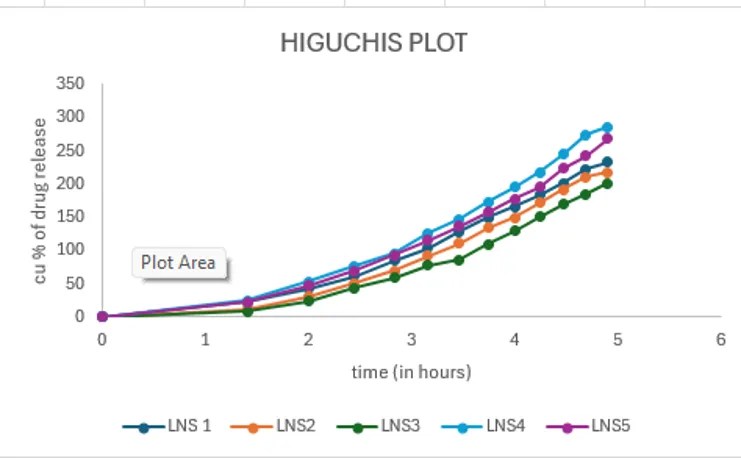
FIGURE :10 HIGUCHIS PLOT OF LNS FORMULATION
The cumulative % drug release of LNS1–LNS 5 plotted against the square root of time showed a near-linear relationship (y = 18.58x – 16.48, R² = 0.9216), indicating diffusion-controlled release. The slope (18.58) represents the Higuchi release constant, while the negative intercept suggests a short lag phase before steady diffusion. Among the formulations, LNS 4 exhibited the highest release rate, reflecting faster drug diffusion through its matrix.
KORSEMEYER PEPPAS PLOT:
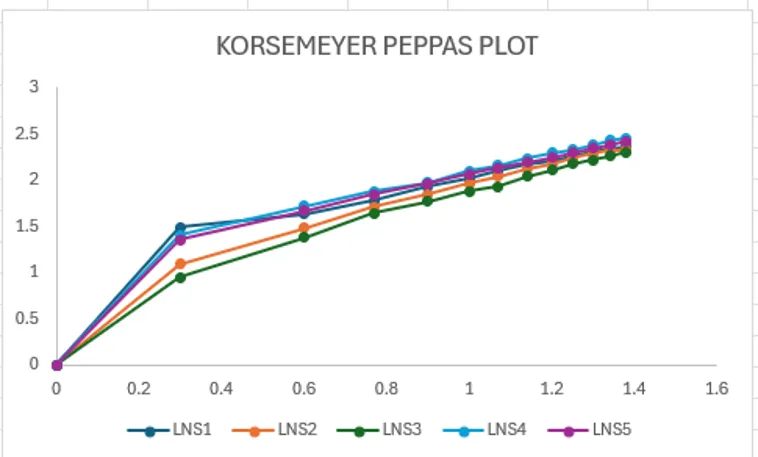
Figure:11 KORSEMEYER PEPPAS PLOT
The log–log plot of cumulative drug release versus time produced the equation log (Mt/M∞) = 0.0851x+1.0235, R² = 0.8991 and slope n = 0.0851. The n-value is well below 0.5 (for the slab/film geometry), indicating that drug release from the nanosuspension is predominantly fickian diffusion controlled. The relatively high indicates an acceptable fit of the Peppas model to the release data, and the six formulations (LNS1- LNS5) follow a similar trend with only minor differences in release rate.
Observation of kinetic studies:
The in vitro release data of the nanosuspension were fitted to various kinetic models to elucidate the drug release mechanism. The zero-order model exhibited the highest correlation coefficient (0.9999), indicating that drug release occurred at a nearly constant rate independent of drug concentration. The Higuchi model also showed a good linear fit, confirming that diffusion through the polymeric matrix is a key release mechanism. Further analysis using the Korsmeyer–Peppas model yielded an n-value of 0.0851, suggesting that the release followed Fickian diffusion. Collectively, these results indicate that the drug release from the nanosuspension is predominantly diffusion-controlled, following zero-order kinetics, with the polymer matrix regulating the sustained release profile
SUMMARY:
The present study aimed to formulate and evaluate a LANSOPRAZOLE-loaded nanosuspension for the treatment ulcer and Zollinger Ellison syndrome for children. Nanosuspension were prepared using the high shear homogenization technique, with formulation parameters optimized to achieve high entrapment, nano-scale particle size, and stability. The optimized formulation (LNS4) exhibited a particle size of 178 nm, a zeta potential of −35.1 mV, a Polydispersity index of 0.3 and an entrapment efficiency of 88%, indicating efficient drug loading and good colloidal stability. The lansoprazole were converted into nanosuspension using polymers such as avicel RC and tween 80. In vitro drug release studies demonstrated a cumulative release of 94%, with release kinetics following a zero-order model, signifying a constant release rate independent of drug concentration. The nanosuspension also displayed desirable physicochemical characteristics, including suitable viscosity, sedimentation volume, redispersibility, and pH for oral administration. These findings suggest that the incorporation of lansoprazole into a nanosuspension oral delivery system can enhance stability, solubility and sustained drug delivery for oral drug delivery.
CONCLUSION:
The developed Lansoprazole nanosuspension (LNS4) successfully met the desired formulation and performance criteria. The high entrapment efficiency (88%) ensured effective drug loading, while the nano-sized particles with a high negative zeta potential contributed to stability. The zero-order drug release profile, coupled with a near-complete release of 94%, highlights the formulation’s ability to provide sustained and uniform delivery over time. These characteristics indicate strong potential for achieving effective oral concentration in the management of Zollinger Ellison syndrome. Overall, this study demonstrates the feasibility of employing Nano carrier-based oral systems to improve therapy in ulcer or acidic conditions. Further in vivo and clinical studies are recommended to confirm its therapeutic efficacy and safety.
REFERENCES

Christopher Vimalson D, Alagarraja M, Farisha P, Ajay R, Deeksha V, Hariniya B, Harihararajan P, Pavithra R, Formulation and Evaluation of Lansoprazole Nanosuspension: A Novel Pediatric Oral Drug-Delivery System, Int. J. of Pharm. Sci., 2026, Vol 4, Issue 9, 3111-3125. https://doi.org/10.5281/zenodo.22943935
 10.5281/zenodo.22943935