View Article

  • Formulation And Evaluation of Poly Herbal Anti-Acne Gel By Using Neem Leaves and Orange Peel

  • Department of Pharmaceutics, Mata Gujri College of Pharmacy, (A Constiuent Unit of Mata Gujri University), Purabpali Road,Kisanganj,(Bihar) – 855107,India.

Abstract

Acne vulgaris is a common skin disorder caused by bacterial infection, excess oil production, and inflammation. Herbal medicines are widely used for acne treatment because they are effective and produce fewer side effects than synthetic drugs. The present study was carried out to formulate and evaluate a polyherbal anti-acne gel containing Azadirachta indica (Neem) and orange-peel extracts. The extracts were prepared by the maceration method and incorporated into a Carbopol 940 gel base. Three formulations (F1, F2, and F3) were prepared and evaluated for organoleptic properties, homogeneity, pH, viscosity, spreadability, washability, skin irritation, and antimicrobial activity. All the formulations showed good physical properties and were suitable for topical application. Among the three formulations, F2 showed the best results with optimum pH, good viscosity, excellent spreadability, no skin irritation, and the highest antimicrobial activity. The study concluded that the formulated polyherbal anti-acne gel is safe, stable, and effective for the management of acne. It may be used as a natural alternative to synthetic anti-acne products

Keywords

Acne vulgaris, Polyherbal gel, Neem, Orange peel, Azadirachta indica, Citrus sinensis, Carbopol 940, Antimicrobial activity, Herbal formulation, Topical gel

Introduction

× Popup Image

The skin is the largest organ of the human body and serves as a protective barrier against environmental factors such as microorganisms, pollutants and harmful ultraviolet radiation. Healthy skin plays an important role in maintaining overall health and appearance. However, various skin disorders can affect the normal structure and function of the skin, among which acne vulgaris is one of the most common dermatological conditions worldwide.

Acne vulgaris is a chronic inflammatory disorder of the pilosebaceous unit, which consists of the hair follicle and sebaceous gland. It commonly affects areas of the body with a high concentration of sebaceous glands, such as the face, neck, chest, shoulders and back. Acne develops due to multiple factors including excessive sebum production, blockage of hair follicles, abnormal keratinization, bacterial colonization, and inflammation. The major microorganism associated with acne is Propionibacterium acnes (currently known as Cutibacterium acnes), which multiplies within blocked follicles and contributes to inflammation and lesion formation.

Acne is highly prevalent among adolescents and young adults due to hormonal changes that occur during puberty. Studies have reported that approximately 80-85% of teenagers experience acne at some stage of their lives. However, acne can also persist into adulthood and affect both men and women. The condition may present in different forms such as blackheads (open comedones), whiteheads (closed comedones), papules, pustules, nodules and cysts. Although acne is not a life-threatening disease, it can significantly affect a person's physical appearance, self-esteem, social interactions and psychological well-being. Severe acne may lead to permanent scarring and pigmentation, resulting in long-term emotional distress.

Several factors contribute to the development of acne. Increased secretion of sebum due to androgen hormones creates an oily environment that promotes bacterial growth. The accumulation of dead skin cells blocks hair follicles, leading to the formation of comedones. Bacterial proliferation within these blocked follicles triggers an inflammatory response, causing redness, swelling, and pus formation. Genetic factors, stress, dietary habits, environmental pollution and certain medications may also influence acne development and severity.

Various treatment options are available for acne management, including topical and systemic therapies. Commonly used medications include antibiotics, retinoids, benzoyl peroxide, salicylic acid and hormonal therapies. Although these treatments are effective, their long-term use may cause several side effects such as skin irritation, dryness, redness, peeling, allergic reactions and development of antibiotic resistance. The increasing concern regarding the safety of synthetic drugs and antibiotic resistance has encouraged researchers to explore natural and herbal alternatives for acne treatment.

Medicinal plants have been used for centuries in traditional systems of medicine due to their therapeutic properties and better safety profiles. Herbal formulations are gaining popularity because they are generally associated with fewer side effects, lower cost and better patient acceptance. Many medicinal plants contain bioactive compounds such as flavonoids, tannins, alkaloids, terpenoids and phenolic compounds that possess antimicrobial, anti-inflammatory, antioxidant and wound-healing activities, which are beneficial in acne management.

Azadirachta indica (Neem), belonging to the family Meliaceae, is one of the most important medicinal plants used in traditional medicine. Neem has been extensively utilized in Ayurveda, Unani, and other traditional systems for the treatment of skin disorders. Different parts of the plant, especially the leaves, contain several biologically active compounds including nimbin, nimbidin, azadirachtin, flavonoids, tannins, alkaloids and terpenoids. These phytochemicals exhibit potent antibacterial, antifungal, anti-inflammatory, antioxidant and wound-healing activities. Neem has been reported to inhibit the growth of acne-causing microorganisms such as Propionibacterium acnes and Staphylococcus aureus. Its anti-inflammatory properties help reduce redness, swelling, and irritation associated with acne lesions. Due to these therapeutic benefits, neem is considered a valuable herbal ingredient for anti-acne formulations.

Orange peel (Citrus sinensis) is another natural material with significant medicinal and cosmetic value. Orange peel is often considered an agricultural waste product; however, it is rich in valuable phytoconstituents such as flavonoids, polyphenols, vitamin C, carotenoids, limonene and essential oils. These compounds possess strong antioxidant, antimicrobial, anti-inflammatory, and skin-protective activities. Orange peel helps in controlling excess oil secretion, reducing bacterial growth, removing dead skin cell and improving skin texture. The antioxidant properties of orange peel also protect the skin from oxidative damage and support skin rejuvenation. Therefore, orange peel extract has considerable potential for incorporation into anti-acne skincare formulations.

The combination of neem and orange-peel extracts may provide a synergistic therapeutic effect in acne management. Neem primarily contributes antimicrobial and anti-inflammatory actions, while orange peel offers antioxidant, antibacterial and skin-enhancing properties. Together, these herbal ingredients can help reduce acne lesions, control microbial growth, decrease inflammation, and improve overall skin health.

Among various topical dosage forms, gels are widely preferred for acne treatment because they are non-greasy, aesthetically acceptable, easy to apply and readily washable. Gels provide better patient compliance and allow efficient release of active ingredients at the site of application. They also enhance the residence time of herbal constituents on the skin and improve therapeutic effectiveness. Carbopol-based gels are particularly popular due to their excellent stability, transparency, spreadability and compatibility with herbal extracts.

Therefore, the present study is focused on the formulation and evaluation of a polyherbal anti-acne gel containing extracts of Azadirachta Indica (Neem) and orange peel. The formulated gel is evaluated for various physicochemical parameters such as appearance, color, homogeneity, pH, viscosity, spreadability, extrudability, washability and stability. The study aims to develop a safe, effective, economical and patient-friendly herbal topical preparation for the management of acne vulgaris and to explore the therapeutic potential of these medicinal plant extracts in modern skincare applications. [1-10]

PLANT PROFILE
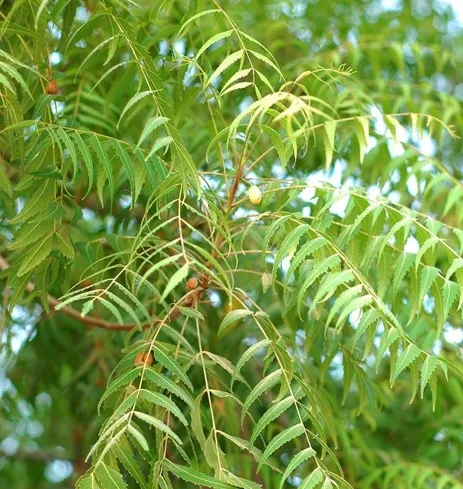


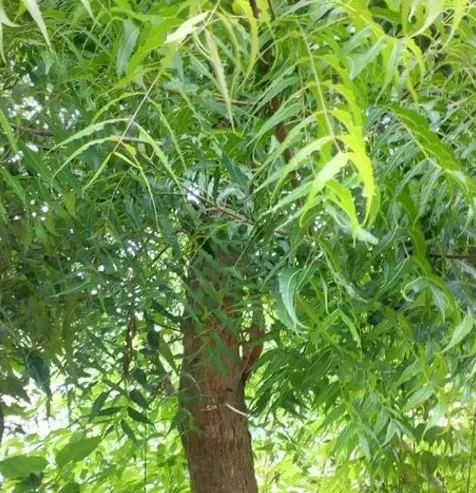
NEEM

Fig:1 Azadirachta indica (Neem)


Taxonomic Classification


Kingdom

Plantae

Order

Rutales

Suborder

Rutinae

Family

Meliaceae

Subfamily

Meliodeae

Tribe

Melieae

Genus

Azadirachta

Species

Indica


Description

Neem is a fast-growing evergreen tree widely distributed in India and other tropical countries. It is known for its medicinal properties and has been used in traditional medicine for centuries. The leaves are green, bitter in taste, and rich in bioactive compounds.

Chemical Constituents

Neem contains several active compounds including:

  • Nimbin
  • Nimbidin
  • Azadirachtin
  • Quercetin
  • Flavonoids
  • Tannins
  • Saponins

Uses in Acne Treatment

Neem possesses antibacterial, anti-inflammatory, antioxidant and antifungal properties. It helps inhibit the growth of acne-causing bacteria, reduces skin inflammation and promotes healing of acne lesions. Therefore, neem extract is widely used in herbal anti-acne formulations.[8]


PLANT PROFILE
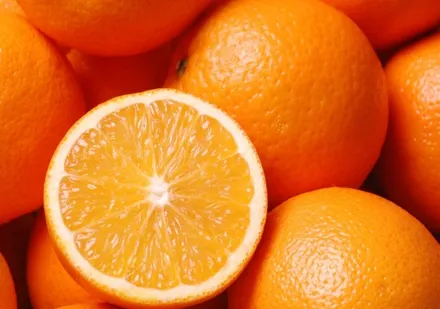


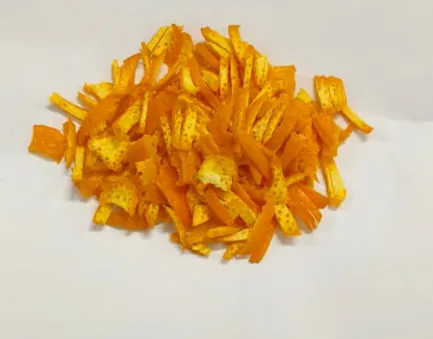
Fig:2 Citrus sinensis (Orange Peel)


Orange


Taxonomic Classification


Taxonomic Rank

Classification

Kingdom

Plantae

Order

Sapindales

Suborder

Rosidae (commonly omitted in modern APG classification)

Family

Rutaceae

Subfamily

Aurantioideae

Tribe

Citreae

Genus

Citrus

Species

Citrus × sinensis (L.) Osbeck


Description

Orange is one of the most commonly cultivated citrus fruits worldwide. The peel is the outer protective covering of the fruit and is rich in vitamins, antioxidants and essential oils. It is commonly utilized in cosmetic and pharmaceutical preparations.

Chemical Constituents

Orange peel contains:

  • Vitamin C
  • Flavonoids (Hesperidin and Naringin)
  • Limonene
  • Phenolic compounds
  • Pectin
  • Essential oils

Uses in Acne Treatment

Orange peel exhibits antioxidant, antimicrobial and anti-inflammatory activities. It helps reduce bacterial growth on the skin, removes excess oil, minimizes acne scars and improves skin texture. Its high vitamin C content also supports collagen production and skin rejuvenation.[4]

LITERATURE REVIEW

  1. Santhosh Aruna et al. formulated and evaluated an herbal anti-acne gel containing extracts of marigold, cinnamon, tulsi, neem and turmeric. The goal of the study was to create a safer substitute for traditional anti-acne treatments. Several formulations were created using Carbopol as the gelling agent and the physical characteristics ph, spreadability, greasiness and consistency were assessed. The produced gels demonstrated high topical application and acceptable physicochemical properties. The herbal components had antibacterial and anti-inflammatory properties against microbes that cause acne. The scientists came to the conclusion that herbal anti-acne gels can be a cost effective and efficient substitute for synthetic formulations with fewer side effects.
  2. For the treatment of acne vulgaris, Mate et al. created and assessed a polyherbal gel that included extracts of Curcuma longa (turmeric), Aloe barbadensis (aloe vera), and Citrus sinensis (orange peel). Following preparation and phytochemical screening, the extracts were added to gel formulations based on carbopol. The produced gels' appearance, pH, spreadability, consistency, potential for irritation and antibacterial activity against Staphylococcus aureus and Staphylococcus epidermidis were all assessed. The improved formulation demonstrated strong antibacterial activity, negligible skin irritation and good physicochemical qualities. The polyherbal gel may be utilized as a first-line topical treatment for acne vulgaris that is both safe and effective, according to the study's findings.
  3. Using Carbopol 940 as the gel base, Alburyhi et al. created and assessed an anti-acne gel with Azadirachta indica (neem) leaf extract. The formulations were assessed for physical appearance, pH, viscosity, spreadability, skin irritation and antibacterial activity after neem extract was added at concentrations of 1%, 2%, and 3% w/w. The produced gels were stable, uniform and did not cause skin irritation. The 3% neem extract gel exhibited faster acne healing and the strongest antibacterial efficacy against Propionibacterium acnes of all the formulations. The authors came to the conclusion that neem-based gel is a potential herbal formulation with good physicochemical and therapeutic qualities for treating acne.


  1. Kusuma et al. formulated and evaluated an anti-acne gel containing Citrus aurantifolia (lime) fruit juice using Carbopol as the gelling agent. The study aimed to develop a stable herbal topical formulation with antibacterial activity against acne-causing bacteria. Fresh lime juice was incorporated into different gel formulations and evaluated for pH, viscosity, organoleptic properties, homogeneity and stability over 28 days. Antibacterial activity was tested against Propionibacterium acnes and Staphylococcus epidermidis. Among the formulations, the gel containing 75% fruit juice and 1% Carbopol showed the best physicochemical properties and strongest antibacterial effect. The authors concluded that lime-based gel can be an effective and stable herbal anti-acne preparation.
  2. Shende et al. developed and evaluated anti-acne topical gels enriched with Bougainvillea glabra extracts. Different solvent extracts including aqueous, methanol, ethyl acetate, and petroleum ether were incorporated into Carbopol-based gel formulations. The gels were evaluated for physical appearance, pH, spreadability, viscosity, washability, skin irritation, extrudability, swelling index, and stability. Antibacterial activity was assessed against Escherichia coli and Bacillus subtilis. Among the formulations, the methanolic extract gel (F2) showed the most desirable physicochemical properties, while the petroleum ether extract demonstrated the highest antibacterial activity. The study concluded that herbal gels containing Bougainvillea glabra extracts possess promising anti-acne potential and may serve as alternatives to conventional treatments.
  3. Prathyusha et al. published a review on herbal anti-acne gel compositions comprising medicinal herbs such as Ocimum sanctum, Aloe vera, Tea tree oil, Neem and Turmeric. The formulation strategies, assessment criteria and medicinal advantages of several herbal anti-acne gels were covered in the review. The authors evaluated research involving antibacterial testing against Propionibacterium acnes and other acne-causing microbes, along with assessments of pH, viscosity, spreadability, stability and skin compatibility. The formulations under study showed strong antibacterial efficacy, strong stability and few adverse effects. The authors came to the conclusion that herbal anti-acne gels have a lot of potential for future dermatological uses and provide a safe, efficient and affordable substitute for traditional acne treatments.


  1. Alburyhi et al. formulated an anti-acne herbal gel using Azadirachta indica (Neem) extract and Carbopol 940 as the gelling agent. The study aimed to develop a safe and effective topical preparation for acne treatment. The gel was evaluated for physical appearance, pH, viscosity, spreadability, stability, skin irritation and antibacterial activity against acne-causing microorganisms. The formulated gel showed good consistency, acceptable pH and satisfactory spreadability. It exhibited significant antibacterial activity and did not cause skin irritation. The study concluded that neem-based herbal gel can be an effective and safe alternative for the management of acne vulgaris.
  2. Sharma and Rathore developed a novel polyherbal anti-acne gel containing neem, Tulsi, aloe vera and tea tree oil. The objective was to combine the antimicrobial and anti-inflammatory properties of different herbs into a single topical formulation. The prepared gel was evaluated for appearance, pH, viscosity, spreadability, homogeneity, and antimicrobial activity. The formulation showed good physical characteristics and effectively inhibited the growth of acne-causing bacteria. The herbal ingredients worked synergistically to improve anti-acne activity. The study concluded that polyherbal gels can serve as effective alternatives to synthetic anti-acne products with fewer side effects.
  3. Gurnani et al. formulated a polyherbal anti-acne emulgel containing neem oil, tea tree oil and aloe vera extract. The study focused on improving drug penetration and patient acceptability through an emulgel delivery system. Various evaluation parameters including pH, viscosity, spreadability, stability and antimicrobial activity were assessed. The optimized formulation demonstrated good physical stability and enhanced antibacterial activity against acne-associated microorganisms. The emulgel showed improved consistency and ease of application. The researchers concluded that polyherbal emulgels are promising topical systems for effective acne treatment and better patient compliance.
  4.  Ingle et al. developed a polyherbal anti-acne gel using medicinal plant extracts known for antimicrobial and anti-inflammatory properties. The study aimed to prepare a stable topical formulation with enhanced therapeutic efficacy. The gel was evaluated for pH, viscosity, spreadability, extrudability, drug diffusion and stability. Results indicated that the formulation possessed good physicochemical properties and satisfactory antimicrobial activity against acne-causing bacteria. Drug diffusion studies demonstrated effective release of active constituents from the gel matrix. The authors concluded that polyherbal gels offer a safe, economical and effective approach for acne management.
  5. Ansong et al. reviewed various herbal-based anti-acne gel formulations and their evaluation methods. The study discussed the role of medicinal plants with antibacterial, antioxidant, and anti-inflammatory activities in acne treatment. Different formulation techniques and evaluation parameters such as pH, viscosity, spreadability, extrudability, stability and antimicrobial testing were examined. The review highlighted the growing interest in herbal formulations due to their safety and reduced adverse effects compared to synthetic drugs. The authors concluded that herbal anti-acne gels have significant potential and require further clinical investigations for wider therapeutic application.
  6. Gaur et al. investigated the antibacterial efficacy of a polyherbal anti-acne gel against Cutibacterium acnes, the major bacterium responsible for acne vulgaris. The formulated gel contained multiple herbal extracts with antimicrobial properties. Evaluation included antibacterial testing, stability assessment and efficacy studies. Results showed significant inhibition of bacterial growth and good formulation stability. The herbal gel demonstrated promising anti-acne activity without the risks associated with long-term antibiotic use. The study concluded that polyherbal formulations could be valuable alternatives for acne treatment and help reduce antibiotic resistance concerns.
  7. Wagh et al. formulated a polyherbal topical anti-acne gel containing neem, tulsi, and aloe vera extracts. The objective was to develop a natural formulation with antimicrobial and anti-inflammatory properties. The prepared gel was evaluated for physical appearance, pH, viscosity, spreadability, stability and antimicrobial activity. The results showed good homogeneity, stability and satisfactory antibacterial activity against acne-causing microorganisms. The herbal combination enhanced the therapeutic effectiveness of the formulation while maintaining skin compatibility. The study concluded that polyherbal topical gels are promising and safe options for acne management. 
  8. Several studies have reported that orange peel (Citrus sinensis) contains flavonoids, phenolic compounds, vitamin C, and limonene, which possess antioxidant, antimicrobial and anti-inflammatory activities. These bioactive compounds help reduce bacterial growth, control excess sebum production, and protect the skin from oxidative damage. Orange peel extracts have been successfully incorporated into topical gels and face formulations for acne management. The studies concluded that orange peel is a valuable natural ingredient that can enhance the therapeutic effectiveness of herbal anti-acne preparations when combined with neem and other medicinal plants.
  9. Chandrasekar et al. (2020) formulated and evaluated a polyherbal anti-acne gel containing aloe vera and turmeric extracts. The prepared formulations were evaluated for physicochemical properties such as pH, viscosity, spreadability, homogeneity, stability, microbial contamination and skin irritation. The optimized formulation showed good stability, acceptable physicochemical properties, and no signs of microbial contamination or skin irritation, demonstrating the importance of quality evaluation in pharmaceutical formulations.

METHODOLOGY

Requirements


Chemicals Required

Apparatus Required

Instruments Required

Neem extract,

Orange peel extract,

Carbopol 940,

Propylene glycol,

Methyl paraben,

Sodium hydroxide (10%),

Rose water, Distilled water


Beaker,

Glass rod,

Measuring cylinder,

Spatula,

Mortar and pestle,

Conical flask,

Dropper, Pipette,

Glass slide

Mechanical stirrer / Magnetic stirrer,

Weighing balance (digital),

Hot water bath,

Thermometer,

pH meter,

Viscometer (Brookfield)


Extraction process of Neem (Azadirachta indica)
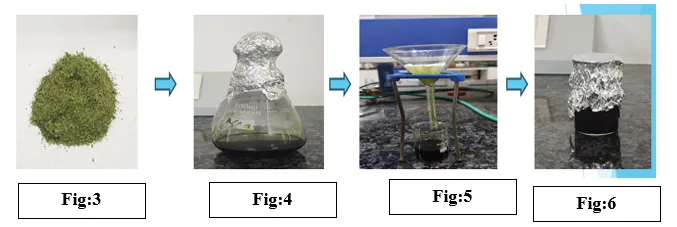
  • Fresh and healthy neem leaves were collected and cleaned to remove dust and other foreign materials. The leaves were washed thoroughly with distilled water and dried in the shade for 72 hours to remove moisture while preserving the active constituents. The dried leaves were then coarsely powdered using a grinder.
  • A total of 20 g of the powdered neem leaves was soaked in 100ml of ethanol and kept for 3–7 days for extraction. The mixture was stirred every 12 hours using a sterile glass rod to ensure proper extraction of the phytoconstituents. After the extraction period, the mixture was filtered through Whatman No. 1 filter paper to separate the liquid extract from the plant residue.
  • The filtrate was concentrated using a rotary evaporator under reduced pressure at a temperature below 50°C to remove the solvent. A dark green ethanolic extract of neem leaves was obtained, which was stored in an airtight glass container until further use in the formulation of the anti-acne gel. The percentage yield of the extract was found to be approximately 10.6%. [1,8]


Extraction process of Orange Peel (Citrus sinensis)

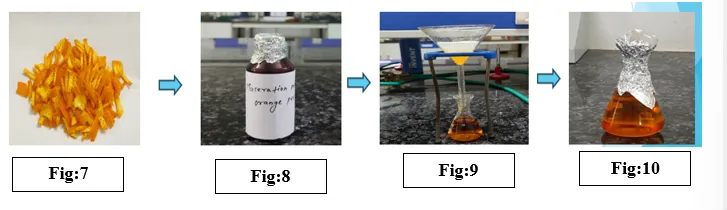
  • Fresh orange peels were collected from ripe fruits and washed thoroughly with clean water to remove dirt and other impurities. The peels were dried in a hot air oven at 60°C for 72 hours until they became completely dry. The dried peels were then powdered using a mortar and pestle to obtain a fine powder with a particle size of approximately 0.1–0.5 mm.
  • The powdered orange peel was soaked in ethanol using a 1:25 (g/mL) ratio and kept for 72 hours to allow complete extraction of the active phytoconstituents. After maceration, the mixture was filtered through Whatman No. 1 filter paper to separate the liquid extract from the solid residue. The extraction process was repeated 2–3 times to obtain maximum yield.
  • The combined filtrates were then evaporated to remove the solvent and dried at 37°C until a dry orange peel extract was obtained. The dried extract was collected and stored in an airtight container at a cool and dry place until further use in the formulation of the polyherbal anti-acne gel. [4]


Fig:9

Fig:10


Method of formulation


Ingredient Table for the Polyherbal Gel for 100gm

Ingredients

F1

F2

F3

Function

Neem extract

2gm

3gm

4gm

Anti-microbial, Anti- inflammatory, Anti-acne agent

Orange peel extract

2gm

3gm

4gm

Antioxidant, Anti-microbial,  Skin brightening agent

Carbopol 940

3gm

3gm

3gm

Gelling agent

Propylene glycol

10ml

10ml

10ml

Humectant, Solvent, Penetration enhancer

Methyl paraben

0.3gm

0.3gm

0.3gm

Preservatives

Sodium Hydroxide

q.s.

q.s.

q.s.

pH adjuster,

Neutralizing agent

Rose water

5ml

5ml

5ml

Perfuming agent

Distilled water

q.s. to 100

q.s. to 100

q.s. to 100

Vehicle


Where,

F1: Contains 2% Neem extract and 2% Orange peel extract (total herbal extract = 4%).

F2: Contains 3% Neem extract and 3% Orange peel extract (total herbal extract = 6%). This is the optimized formulation.

F3: Contains 4% Neem extract and 4% Orange peel extract (total herbal extract = 8%).

Preparation process of Gel Base

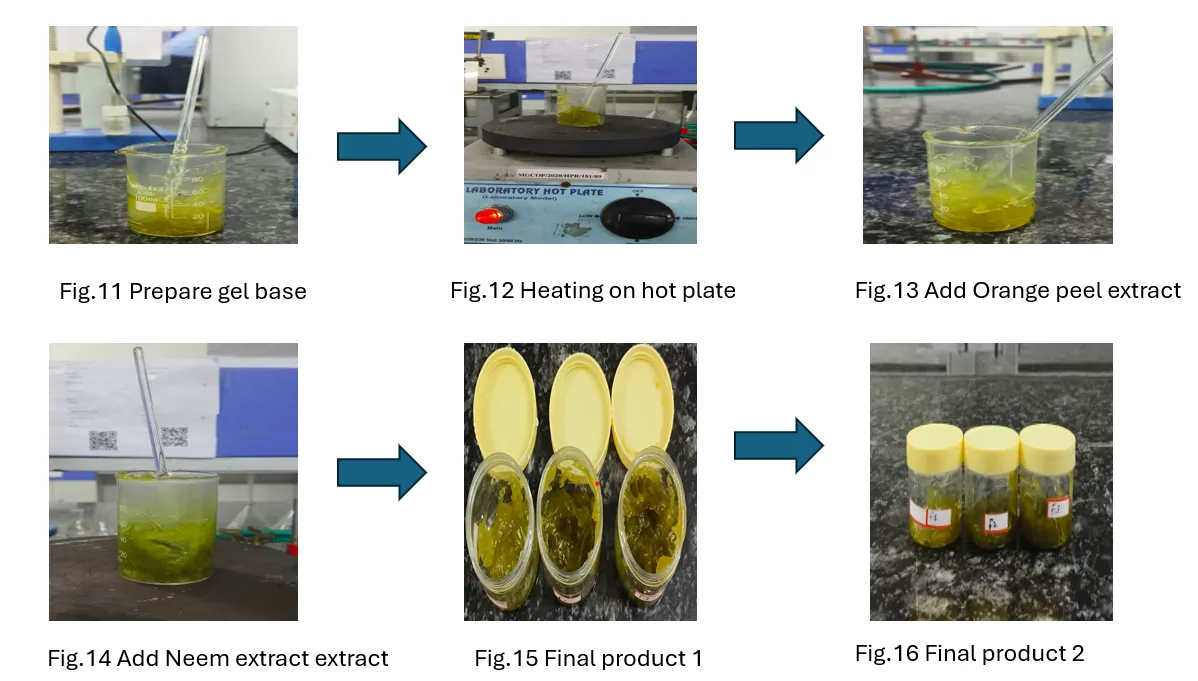
Accurately weighed 3 g of Carbopol 940 was slowly dispersed in a suitable quantity of distilled water with continuous stirring to avoid lump formation. The dispersion was allowed to hydrate and swell completely for about 30–60 minutes. After complete hydration, 10% sodium hydroxide solution was added dropwise with gentle stirring until a clear gel base was formed. [1-4]

Preparation of Polyherbal Gel

The required quantities of Neem extract (3 g) and Orange-peel extract (3 g) were added slowly to the prepared gel base with continuous stirring to obtain a uniform mixture.

Separately, 0.3 g of methyl paraben was dissolved in 10 g of propylene glycol and then added gradually to the gel while stirring continuously. The mixture was stirred mechanically until a smooth and homogeneous gel was obtained.

Finally, distilled water was added to make the total weight up to 100 g. The pH of the gel was adjusted to 6.0–6.8 by adding 10% sodium hydroxide solution dropwise with continuous stirring. The prepared gel was mixed thoroughly to ensure uniformity, transferred into clean, airtight containers, and stored at room temperature for urther evaluation. [4-8]


Evaluation Parameter

 1. Organoleptic Evaluation: The prepared gel was examined visually for its colour, odour, appearance, texture, and consistency under normal daylight. The gel was also rubbed gently between the fingers to assess its texture and uniformity.[1]

2. Visual Inspection: The gel was visually inspected for the presence of lumps, air bubbles, phase separation, grittiness, and foreign particles. The appearance of the gel was observed under normal light [1,2]

3. Homogeneity: A small quantity of gel was pressed between the thumb and index finger to evaluate its homogeneity. The gel was examined for uniform distribution of ingredients and the absence of coarse particles or lumps.[4]

4. pH Determination: About 1 g of gel was dispersed in 10 mL of distilled water and allowed to stand for 2 hours. The pH of the gel was measured using a calibrated digital pH meter at room temperature. The measurement was performed in triplicate, and the average value was recorded.[4,5]

5. Viscosity: The viscosity of the gel was determined using a Brookfield Viscometer fitted with a suitable spindle. The gel sample was placed in the sample container, and the viscosity was measured at room temperature at an appropriate rotational speed. The reading was expressed in centipoise (cP) [8]

6. Spreadability: Spreadability was determined using the glass slide method. Approximately 0.5 g of gel was placed between two glass slides. A known weight (about 500 g) was placed on the upper slide for 5 minutes to obtain a uniform film. The time taken by the upper slide to move a fixed distance under an applied weight was recorded. Better spreadability is indicated by a shorter time. [5]

Formula:

S = M × L / T

Where,

  • S = Spreadability
  • M = Weight tied to the upper slide (g)
  • L = Length moved by the slide (cm)
  • T = Time taken (sec)

7. Washability: A small quantity of gel was applied to the skin and washed with running tap water. The ease of removal of the gel without leaving any residue was observed and recorded. [1,2]

8. Grittiness: A small amount of gel was rubbed gently between the fingers to detect the presence of any coarse or gritty particles. The formulation was considered satisfactory if no grittiness was observed. [6]

9. Skin Irritation Test: A small quantity of the gel was applied to a small area of healthy skin (forearm). The application site was observed for 24 hours for any signs of redness, itching, swelling or irritation. The absence of these reactions indicated that the formulation was non-irritant.[5]

RESULTS

The formulation of Poly herbal Anti-acne gel by using extract of neem leaves and orange peel was prepared and further evaluation test are also performed to characterize the formulation.


Evaluation Parameter

F1

F2

F3

Organoleptic Evaluation

Light green colour, pleasant odour, smooth texture and good consistency

Light green colour, pleasant odour, smooth texture and excellent consistency

Dark green colour, characteristic odour, slightly thick texture and good consistency

Visual Inspection

Homogeneous, free from lumps, air bubbles and phase separation

Homogeneous, free from lumps, air bubbles and phase separation

Homogeneous, no phase separation, slight air bubbles observed

Homogeneity

Homogeneous

Excellent homogeneity

Good homogeneity

pH

5.04 ± 0.03

5.86 ± 0.02

5.8 ± 0.04

Viscosity (cP)

16,850 ± 120

18,500 ± 150

20,150 ± 180

Spreadability (g·cm/sec)

6.2 ± 0.10

7.1 ± 0.12

5.8 ± 0.15

Washability

Good

Excellent

Good

Grittiness

Absent

Absent

Absent

Skin Irritation Test

No redness, itching or irritation

No redness, itching or irritation

No redness, itching or irriton


DISCUSSION

Acne vulgaris is one of the most common skin disorders caused by excess sebum production, bacterial growth, and inflammation. Herbal medicines are increasingly preferred for acne treatment because they possess antimicrobial, anti-inflammatory, and antioxidant properties with fewer side effects than synthetic drugs. In the present study, a polyherbal anti-acne gel containing Azadirachta indica (Neem) and orange-peel extracts was formulated and evaluated to develop a safe, effective, and economical topical preparation.

The ethanolic extracts of neem leaves and orange peel were prepared by the maceration method and incorporated into a Carbopol 940 gel base. Three formulations (F1, F2, and F3) containing different concentrations of the herbal extracts were prepared. The formulations were evaluated for organoleptic properties, visual appearance, homogeneity, pH, viscosity, spreadability, washability, grittiness, skin irritation test. These evaluation parameters were selected to assess the quality, stability, safety, and suitability of the gel for topical application.

The results showed that all three formulations possessed acceptable physicochemical properties. The gels were smooth, homogeneous, non-gritty, and free from phase separation. The pH values (6.2-6.8) were within the normal skin pH range, indicating good skin compatibility. The formulations exhibited satisfactory viscosity and washability, while F2 showed the highest spreadability, making it easier to apply on the skin. No signs of skin irritation were observed in any formulation, indicating that the gels were safe for topical use.

CONCLUSION

The present study successfully formulated and evaluated a polyherbal anti-acne gel containing extracts of Azadirachta indica (Neem) and orange peel using Carbopol 940 as the gelling agent. The prepared formulations exhibited satisfactory physicochemical properties, including acceptable colour, appearance, homogeneity, pH, viscosity, spreadability, washability, and skin compatibility. All formulations were found to be non-gritty, free from phase separation, and did not produce any signs of skin irritation.

Among the three formulations, F2 showed the best overall performance with optimum pH, suitable viscosity, excellent spreadability. The combined antibacterial, anti-inflammatory, and antioxidant properties of neem and orange-peel extracts contributed to the effectiveness of the formulation in controlling acne-causing microorganisms.

Therefore, the developed polyherbal anti-acne gel can be considered a safe, stable, effective, and economical topical formulation for the management of acne vulgaris. The study also suggests that herbal formulations have good potential as alternatives to synthetic anti-acne products due to their therapeutic benefits and lower risk of adverse effects. Further Anti-microbial test clinical studies are recommended to confirm the long-term safety and therapeutic efficacy of the developed formulation.

REFERENCES

  1. Kurkule SJ, Shinde SJ. Research on formulation and evaluation of herbal anti-acne gel. IP Int J Comprehensive Adv Pharmacol. 2025;10(3):162-168. doi: 10.18231/j.ijcaap.12928.1761970697
  2. Mate A, Ade P, Pise A, More S, Pise S, Kharwade R. Formulation and evaluation of polyherbal gel for the management of acne. Int J Curr Res Rev. 2021;13(4):132-136. doi:10.31782/IJCRR.2021.13432
  3. Santhosh Aruna M, Sravani A, Resshma V, Santhi Priya N, Surya Prabha M, Rama Rao N. Formulation and evalution of herbal acne gel. World J Pharm Res. 2015;4(5):2324-2330.
  4. Kusuma SAF, Abdassah M, Valas BE. Formulation and evaluation of anti-acne gel containing Citrus aurantifolia fruit juice using carbopol as gelling agent. Int J Appl Pharm. 2018;10(4):240-244. doi:10.22159/ijap.2018v10i4.26787
  5. Prathyusha D, Nagaraju P, Akshaya S, Niharika T, Saicharan A, Akhila T. A review of herbal anti-acne gel formulation and evaluation. World J Pharm Res. 2026;15(8):1210-1226. doi:10.5281/zenodo.19628893.
  6. Shende M, Khatri R. Development and evaluation of anti-acne topical gel formulation enriched with herbal extracts. Int J Med Pharm Sci. 2024;14(12):1-8. doi:10.31782/IJMPS.2024.141201
  7. Chandrasekar R, Satheesh Kumar G. Formulation and evaluation of a poly herbal anti-acne gel. Res J Top Cosmet Sci. 2020;11(1):7-12. doi:10.5958/2321-5844.2020.00002.3
  8. Alburyhi MM, Al-Maqtari QA, Alshahrani SM. Formulation and evaluation of anti-acne gel of Azadirachta indica extract herbal product. Int J Pharm Sci Res. 2024;15(1):45-53.
  9. Sharma P, Rathore KS. Formulation development and evaluation of novel poly-herbal anti-acne gel. Int J Pharm Sci Rev Res. 2014;28(2):118-122.
  10. Gurnani S, Patel R, Sharma M. Formulation and evaluation of a polyherbal anti-acne emulgel containing tea tree oil, neem oil and aloe vera. J Biol Pharm Res. 2026;13(2):65-72.
  11. Ingle SR, Patil AA, Jadhav SS. Development and evaluation of polyherbal antiacne gel. J Chem Health Res. 2024;11(4):221-228.
  12. Ansong M, Mensah KB, Klu M. Formulation and evaluation of herbal-based antiacne gel preparations: a review. Pharmaceutics. 2023;15(12):2805.
  13. Gaur S, Gupta N, Sharma R. Polyherbal antiacne gel: in vitro antibacterial activity and efficacy evaluat
  14. Wagh AS, Pawar SD, More PB. Formulation and evaluation of polyherbal topical gel for antiacne purpose. Int J Pharm Innov. 2024;14(3):45-51.
  15. Sagar NA, Pareek S, Sharma S, Yahia EM, Lobo MG. Fruit and vegetable waste: bioactive compounds and their utilization in food and pharmaceutical industries. Crit Rev Food Sci Nutr. 2018;58(15):2560-2576.
  16. Kligman AM. An overview of acne. J Invest Dermatol. 1974;62(3):268-287.
  17. Zaenglein AL, Pathy AL, Schlosser BJ, et al. Guidelines of care for the management of acne vulgaris. J Am Acad Dermatol. 2016;74(5):945-973.e33.
  18. Dreno B. What is new in the pathophysiology of acne, an overview. J Eur Acad Dermatol Venereol. 2017;31(Suppl 5):8-12.
  19. Pandey G, Madhuri S. Pharmacological activities of Azadirachta indica: A review. Int J Pharm Sci Rev Res. 2010;5(1):61-65.
  20. Biswas K, Chattopadhyay I, Banerjee RK, et al. Biological activities and medicinal properties of neem (Azadirachta indica). Curr Sci. 2002;82(11):1336-1345.
  21. Bhanusali P, Parthasarathy S. Herbal treatment of acne vulgaris: A systematic review. J Clin Aesthet Dermatol. 2020;13(2):45-52.
  22. Viuda-Martos M, Ruiz-Navajas Y, Fernández-López J, et al. Chemical composition of orange (Citrus sinensis) essential oil and its biological activities: A review. Food Sci Technol Int. 2008;14(6):499-506.
  23. Bakkali F, Averbeck S, Averbeck D, et al. Biological effects of essential oils: A review. Food Chem Toxicol. 2008;46(2):446-475.
  24. Eccleston C, Baoru Y, et al. Effect of citrus flavonoids on oxidative stress and inflammation. J Nutr Biochem. 2002;13(2):99-106.
  25. Rowe RC, Sheskey PJ, Quinn ME. Handbook of Pharmaceutical Excipients. 8th ed. London: Pharmaceutical Press; 2017.
  26. Allen LV. Ansel's Pharmaceutical Dosage Forms and Drug Delivery Systems. 10th ed. Philadelphia: Wolters Kluwer; 2014.
  27. Lachman L, Lieberman HA, Kanig JL. The Theory and Practice of Industrial Pharmacy. 4th ed. New Delhi: CBS Publishers; 2013.
  28. Kokate CK, Purohit AP, Gokhale SB. Pharmacognosy. 56th ed. Pune: Nirali Prakashan; 2021.
  29. Trease GE, Evans WC. Trease and Evans Pharmacognosy. 16th ed. London: Elsevier; 2009.
  30. Harborne JB. Phytochemical Methods: A Guide to Modern Techniques of Plant Analysis. 3rd ed. London: Chapman & Hall; 1998.

Reference

  1. Kurkule SJ, Shinde SJ. Research on formulation and evaluation of herbal anti-acne gel. IP Int J Comprehensive Adv Pharmacol. 2025;10(3):162-168. doi: 10.18231/j.ijcaap.12928.1761970697
  2. Mate A, Ade P, Pise A, More S, Pise S, Kharwade R. Formulation and evaluation of polyherbal gel for the management of acne. Int J Curr Res Rev. 2021;13(4):132-136. doi:10.31782/IJCRR.2021.13432
  3. Santhosh Aruna M, Sravani A, Resshma V, Santhi Priya N, Surya Prabha M, Rama Rao N. Formulation and evalution of herbal acne gel. World J Pharm Res. 2015;4(5):2324-2330.
  4. Kusuma SAF, Abdassah M, Valas BE. Formulation and evaluation of anti-acne gel containing Citrus aurantifolia fruit juice using carbopol as gelling agent. Int J Appl Pharm. 2018;10(4):240-244. doi:10.22159/ijap.2018v10i4.26787
  5. Prathyusha D, Nagaraju P, Akshaya S, Niharika T, Saicharan A, Akhila T. A review of herbal anti-acne gel formulation and evaluation. World J Pharm Res. 2026;15(8):1210-1226. doi:10.5281/zenodo.19628893.
  6. Shende M, Khatri R. Development and evaluation of anti-acne topical gel formulation enriched with herbal extracts. Int J Med Pharm Sci. 2024;14(12):1-8. doi:10.31782/IJMPS.2024.141201
  7. Chandrasekar R, Satheesh Kumar G. Formulation and evaluation of a poly herbal anti-acne gel. Res J Top Cosmet Sci. 2020;11(1):7-12. doi:10.5958/2321-5844.2020.00002.3
  8. Alburyhi MM, Al-Maqtari QA, Alshahrani SM. Formulation and evaluation of anti-acne gel of Azadirachta indica extract herbal product. Int J Pharm Sci Res. 2024;15(1):45-53.
  9. Sharma P, Rathore KS. Formulation development and evaluation of novel poly-herbal anti-acne gel. Int J Pharm Sci Rev Res. 2014;28(2):118-122.
  10. Gurnani S, Patel R, Sharma M. Formulation and evaluation of a polyherbal anti-acne emulgel containing tea tree oil, neem oil and aloe vera. J Biol Pharm Res. 2026;13(2):65-72.
  11. Ingle SR, Patil AA, Jadhav SS. Development and evaluation of polyherbal antiacne gel. J Chem Health Res. 2024;11(4):221-228.
  12. Ansong M, Mensah KB, Klu M. Formulation and evaluation of herbal-based antiacne gel preparations: a review. Pharmaceutics. 2023;15(12):2805.
  13. Gaur S, Gupta N, Sharma R. Polyherbal antiacne gel: in vitro antibacterial activity and efficacy evaluat
  14. Wagh AS, Pawar SD, More PB. Formulation and evaluation of polyherbal topical gel for antiacne purpose. Int J Pharm Innov. 2024;14(3):45-51.
  15. Sagar NA, Pareek S, Sharma S, Yahia EM, Lobo MG. Fruit and vegetable waste: bioactive compounds and their utilization in food and pharmaceutical industries. Crit Rev Food Sci Nutr. 2018;58(15):2560-2576.
  16. Kligman AM. An overview of acne. J Invest Dermatol. 1974;62(3):268-287.
  17. Zaenglein AL, Pathy AL, Schlosser BJ, et al. Guidelines of care for the management of acne vulgaris. J Am Acad Dermatol. 2016;74(5):945-973.e33.
  18. Dreno B. What is new in the pathophysiology of acne, an overview. J Eur Acad Dermatol Venereol. 2017;31(Suppl 5):8-12.
  19. Pandey G, Madhuri S. Pharmacological activities of Azadirachta indica: A review. Int J Pharm Sci Rev Res. 2010;5(1):61-65.
  20. Biswas K, Chattopadhyay I, Banerjee RK, et al. Biological activities and medicinal properties of neem (Azadirachta indica). Curr Sci. 2002;82(11):1336-1345.
  21. Bhanusali P, Parthasarathy S. Herbal treatment of acne vulgaris: A systematic review. J Clin Aesthet Dermatol. 2020;13(2):45-52.
  22. Viuda-Martos M, Ruiz-Navajas Y, Fernández-López J, et al. Chemical composition of orange (Citrus sinensis) essential oil and its biological activities: A review. Food Sci Technol Int. 2008;14(6):499-506.
  23. Bakkali F, Averbeck S, Averbeck D, et al. Biological effects of essential oils: A review. Food Chem Toxicol. 2008;46(2):446-475.
  24. Eccleston C, Baoru Y, et al. Effect of citrus flavonoids on oxidative stress and inflammation. J Nutr Biochem. 2002;13(2):99-106.
  25. Rowe RC, Sheskey PJ, Quinn ME. Handbook of Pharmaceutical Excipients. 8th ed. London: Pharmaceutical Press; 2017.
  26. Allen LV. Ansel's Pharmaceutical Dosage Forms and Drug Delivery Systems. 10th ed. Philadelphia: Wolters Kluwer; 2014.
  27. Lachman L, Lieberman HA, Kanig JL. The Theory and Practice of Industrial Pharmacy. 4th ed. New Delhi: CBS Publishers; 2013.
  28. Kokate CK, Purohit AP, Gokhale SB. Pharmacognosy. 56th ed. Pune: Nirali Prakashan; 2021.
  29. Trease GE, Evans WC. Trease and Evans Pharmacognosy. 16th ed. London: Elsevier; 2009.
  30. Harborne JB. Phytochemical Methods: A Guide to Modern Techniques of Plant Analysis. 3rd ed. London: Chapman & Hall; 1998.

Photo
Sirajul Mondal
Corresponding author

Department of Pharmaceutics,Mata Gujri College of Pharmacy (A Constituent unit of Mata Gujri University,Purab pali Road Kishanganj,Bihar – 855107)

Photo
Fiza Naaz
Co-author

Mata Gujri College of Pharmacy (A Constituent unit of Mata Gujri University,Purab pali Road Kishanganj,Bihar – 855107)

Photo
Pallavi Bharti
Co-author

Mata Gujri College of Pharmacy (A Constituent unit of Mata Gujri University,Purab pali Road Kishanganj,Bihar – 855107)

Sirajul Mondal, Fiza Naaz, Pallavi Bharti Formulation And Evaluation of Poly Herbal Anti-Acne Gel By Using Neem Leaves and Orange Peel, Int. J. of Pharm. Sci., 2026, Vol 4, Issue 10, 2052-2066, https://doi.org/10.5281/zenodo.23359013

More related articles
Genomic Drivers of Cancer Progression and Their Im...
Zakiya Sultana, Mohammad Zulekha, Arindom Patar, Janani Ramachand...
A Review on Targeted Cancer Therapy Using MCL -1 I...
Sudhir Kumar Sah, Sana Nusrat Praween...
Design, Formulation, and Evaluation of Norethindrone Acetate-Loaded Cubosomal Hy...
Sawase Kiran, Nishant Mali, Avinash Hosmani, Rutuja Jedhe, Yogesh Patil...
Development and Characterization of Diclofenac Sodium-Loaded Thermoresponsive Hy...
Ritish Sankpal, Vasant Lokhande, Kailas Karande, Smita Borkar...
Related Articles
Global Pharmacological Research on Diabetes Mellitus: A Bibliometric Analysis (2...
Paradeshi Sumathi, Maner Shahid Shagird, Arindom Patar, Janani Ramachandran, Saurabh RamKushal Tripa...
Nose-to-Brain Delivery of Levodopa: A Nasal Route Strategy for Parkinson's Disea...
Janvi kakde, Tushar Shelke, Sushma Nakhate, Sakshi Kakade, Ashish Kalambate...
Genomic Drivers of Cancer Progression and Their Implications for Targeted Therap...
Zakiya Sultana, Mohammad Zulekha, Arindom Patar, Janani Ramachandran...
More related articles
Genomic Drivers of Cancer Progression and Their Implications for Targeted Therap...
Zakiya Sultana, Mohammad Zulekha, Arindom Patar, Janani Ramachandran...