

We use cookies to ensure our website works properly and to personalise your experience. Cookies policy
1,2,3,4Shantha College of Pharmacy, Peresandra, Chikkaballapur, Karnataka-562104, India.
5Principle and Professor, Department of Pharmaceutics, Shantha College of Pharmacy, Peresandra, Chikkaballapur, Karnataka-562104, India.
6Assistant Professor, Department of Pharmacology, Shantha College of Pharmacy, Peresandra, Chikkaballapur, Karnataka-562104, India.
Background: Ultraviolet (UV) radiation is a major environmental factor contributing to oxidative stress and premature skin ageing. The increasing interest in plant-based skincare has encouraged the development of herbal sunscreen formulations containing naturally derived antioxidant and photoprotective constituents. The present study aimed to develop a polyherbal sunscreen cream incorporating Anacardium occidentale (Cashew apple) extract, Clitoria ternatea (Shankhpushpi) extract, and Tamarindus indica. L (Tamarindus seed polymer) Extract for potential photoprotective and antioxidant benefits. Materials and Methods: Cashew apple and Shankhpushpi extracts were prepared using suitable extraction methods, while Tamarindus indica seed polymer was extracted and incorporated as a natural thickening and stabilizing agent. Preliminary phytochemical screening was performed on the selected on respective extracts. Four formulations (F1–F4) were prepared with varying concentrations of the herbal ingredients and polymer. The formulations were evaluated for physical appearance, homogeneity, pH, spreadability, viscosity, extrudability, washability, microbial quality, stability, antioxidant activity and in-vitro SPF. Results: All four formulations showed a smooth, homogeneous semisolid appearance with no visible phase separation. The pH values ranged from 5.5 to 6.0, while spreadability and extrudability were satisfactory. No visible microbial growth was observed in any formulation under the tested conditions. Preliminary iodine-based antioxidant screening demonstrated antioxidant potential, where F3 showed the greater colour change. In-vitro SPF values were 24.52,23, 30 and 20.52for F1, F2, F3 and F4, respectively. F3 showed the highest SPF.
Sunscreen is a topical preparation designed to protect the skin from the harmful effects of ultraviolet (UV) radiation from sunlight. Continuous exposure to UV radiation, particularly UVA and UVB, can cause sunburn, premature skin ageing, hyperpigmentation, photoaging, and an increased risk of skin cancer. Therefore, the use of sunscreen has become an important component of daily skincare and photoprotection.[1]
Sunscreens contain active ingredients that either absorb, scatter, or reflect UV radiation before it reaches the skin. Depending on their mode of action, sunscreen agents are broadly classified as chemical (organic) filters and physical or inorganic filters. Common chemical filters include compounds such as avobenzone and octocrylene, while inorganic filters such as zinc oxide and titanium dioxide provide broad-spectrum protection by interacting with UV radiation at the skin surface.[2]
The effectiveness of a sunscreen is commonly evaluated by its Sun Protection Factor (SPF), which primarily indicates the level of protection against UVB-induced erythema. Broadspectrum sunscreens provide protection against both UVA and UVB radiation. In addition to SPF, factors such as photostability, skin compatibility, spreadability, formulation stability, water resistance, and consumer acceptability are important considerations in the development of an effective sunscreen formulation.[3]
Recent research has focused on developing sunscreen formulations with improved efficacy, safety, stability, and cosmetic acceptability. The incorporation of natural and synthetic active ingredients, advanced delivery systems, and novel pharmaceutical excipients has attracted considerable attention in sunscreen research. Hence, the development and evaluation of stable, effective, and skin-friendly sunscreen formulations remain important areas of pharmaceutical and cosmetic research.[4]
Advantages
Disadvantages
MATERIALS AND METHODS
Fresh cashew apple (Ancardium occindatale), Tamarind seed (Tamarindus indica), shankhapuspi (Convolvulus pluricaulis) is collected from local herbal gardens. stearic acid, glycerin, triethanolamine, cetyl alcohol, liquid paraffin, phenoxyethanol were obtained from the laboratory. All chemicals and reagents used in analytical grade. Purified water was used throughout the study.
A. Preparation of Cashew Apple Extract
The fresh cashew apples (Anacardium occidentale L.) were cut into small pieces and a weighed quantity was extracted using ethanol by the maceration method. The extraction was carried out for 48 hours with occasional stirring in a closed container. The extract was filtered through Whatman filter paper to remove the insoluble plant material. The filtrate was concentrated at a suitable temperature to obtain a concentrated cashew apple extract. The obtained extract was stored in a well-closed container until further use.
B. Preparation of Shankhpushpi Extract
The Shankhpushpi flowers (Clitoria ternatea) were shade-dried at room temperature until complete removal of moisture. The dried material was powdered using a suitable grinder and passed through a sieve to obtain a uniform powder. A weighed quantity of the powdered material was extracted using a hydroalcoholic solvent consisting of ethanol and distilled water in a 70:30 (v/v) ratio by maceration process. The extraction was carried out for 48 hours with occasional stirring. The extract was filtered through Whatman filter paper to remove the insoluble plant material. The filtrate was concentrated at a suitable temperature to obtain a concentrated Shankhpushpi extract. The obtained extract was stored in a well-closed container until further use.
C. Preparation of Tamarind Seed Extract
The mature seeds of Tamarindus indica L. were separated from the fruit pulp and washed thoroughly with water to remove adhering dirt and foreign matter. The seeds were dried properly and the outer seed coat was removed. The dehulled seeds were powdered using a suitable grinder and passed through a suitable sieve to obtain a uniform powder.
A weighed quantity of the powdered tamarind seeds was soaked in distilled water and allowed to stand for 12–24 hours with occasional stirring to facilitate the extraction of the water-soluble polysaccharide. The swollen material was heated gently with distilled water for a suitable period and then allowed to cool. The mucilaginous extract was filtered through muslin cloth followed by filtration through suitable filter paper to remove insoluble material.
The filtrate was concentrated to a suitable volume and the polymer was precipitated by adding three times the volume of ethanol with continuous stirring. The precipitated polymer was separated by filtration and washed with ethanol to remove residual impurities. The obtained tamarind seed polymer was dried at a suitable temperature until a constant weight was obtained. The dried polymer was powdered, passed through a suitable sieve, and stored in a clean, wellclosed container until further use[7,8]
2.1 Formulation of sunscreen cream
Table 1 composition of sunscreen cream formulation
| Ingredient | F1 | F2 | F3 | F4 | |
|---|---|---|---|---|---|
| Anacardium occidantalee extract | 5% | 7.5% | 10% | 12.5% | |
| Clioteria ternatea (Shankhpushpi) extract |
2.5% | 5% | 7.5% | 10% | |
| Tamarindus indica polymer |
2% | 2.5% | 3% | 3.5% | |
| Stearic acid | 15% | 15% | 15% | 15% | |
| Cetyl alchol | 4% | 4% | 4% | 4% | |
| Liquid paraffin | 10% | 10% | 10% | 10% | |
| Glycerin | 5% | 5% | 5% | 5% | |
| Trietnaloamine | 1% | 1% | 1% | 1% | |
| Phenoxyethanol | 0.8% | 0.8% | 0.8% | 0.8% | |
| Purified water | q.s to 100% |
q.s to 100% |
q.s to100% |
q.s to 100% |
|
2.2 Preparation of sunscreen cream
Method of Preparation
Preparation of Oil phase:
Stearic acid, Cetyl alcohol, and liquid paraffin was weighed accurately. Then transferred to a clean beaker and heated on a water bath at 70–75°C until completely melted. the contents were Stirred continuously to obtain a clear, homogeneous oil phase. the temperature was maintained until emulsification occurred.
Preparation of Aqueous Phase:
Tamarindus indica seed polymer was dispersed in distilled water with continuous stirring until a uniform dispersion was obtained. Glycerin and distilled water was added and mixed thoroughly. Required quantity of cashew apple extract and Clitoria ternatea extract in distilled water was added to the mixture until uniform mixture was obtained. Triethanolamine was added and mixed thoroughly. The aqueous phase was heated to 70–75°C while stirring continuously to obtain a homogeneous solution.
Preparation of Sunscreen Cream
Temperatures of both oil and aqueous phases were maintained at 70–75°C. The aqueous phase was added slowly into the oil phase with continuous stirring for about 15–20 minutes until a uniform emulsion was formed. The emulsion was allowed to cool gradually while stirring continuously until a smooth, homogeneous cream was obtained.
The cream was transfered into suitable airtight containers and stored at room temperature.
3 Evaluation of formulation
3.1 Physical Evaluation
The prepared of polyherbal sunscreen formulation (F1-F2) was evaluated for their physical characteristics, including apperance, colour, odour, consistency, and homogeneity.
Table 2: Physical Evaluation of Poly Herbal Sunscreen Cream Formulation
| Parameter | F1 | F2 | F3 | F4 |
|---|---|---|---|---|
| Apperance | Smooth cream | Smooth cream | Smooth cream | Smooth cream |
| Colour | Pale Green | Pale Green | Pale Green | Pale Green |
| Odour | Characteristic | Characteristic | Characteristic | Characteristic |
| Consistency | Semisolid | Semisolid | Semisolid | Semisolid |
| Homogeneity | Homogeneous | Homogeneous | Homogeneous | Homogeneous |
| Phase separation | Absent | Absent | Absent | Absent |
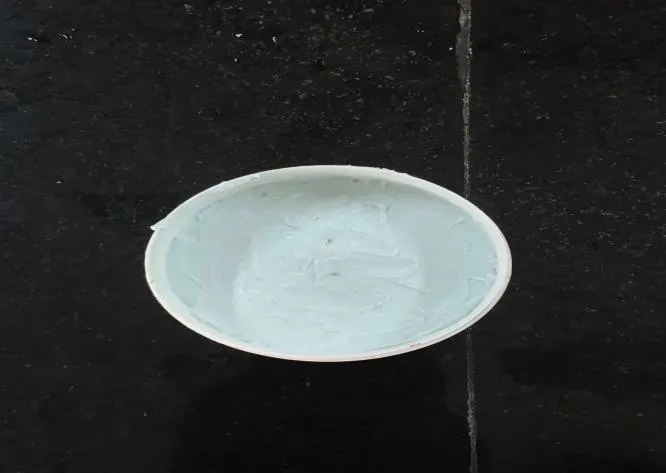
Figure 1 photograph of the prepared sunscreen cream
3.2 Phytochemical Screening
Preliminary phytochemical screening was performed to identify the major classes of phytoconstituents present in the herbal extracts. The extracts showed the presence of phytoconstituents such as phenolics, flavonoids, tannins and other relevant constituents depending on the individual extract. These constituents may contribute to the antioxidant and potential photoprotective properties of the formulation.
Table 3: Preliminary Phytochemical Screening
| SI No |
Phytoconstituents | Test | Observation | Cashew apple extract | Shankhapuspi extract |
|---|---|---|---|---|---|
| 1 | Alkaloids | Dragendroffs test |
Orange/red precipitate | + | + |
| 2 | Flavonoids | Lead acetate test |
Yellowish precipitate | + | _ |
| 3 | Phenolic compounds | Ferric chloride test | Blue /green colour |
+ | + |
| 4 | Tannins | Ferric chloride test | Dark blue- black colour |
+ | + |
| 5 | Saponins | Foam test | Persistent foam | + | + |
| 6 | Glycosides | Keller killans test | Reddishbrown colour | + | + |
| 7 | Terponoids | Salkowski test |
Reddishbrown colour | - | + |
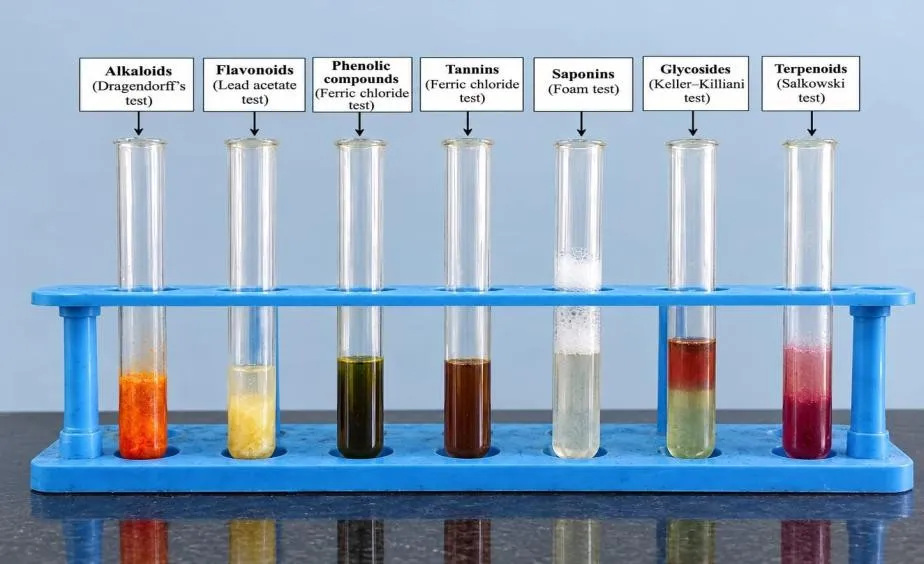
Figure 2: Phytochemical Test of Cashew Apple
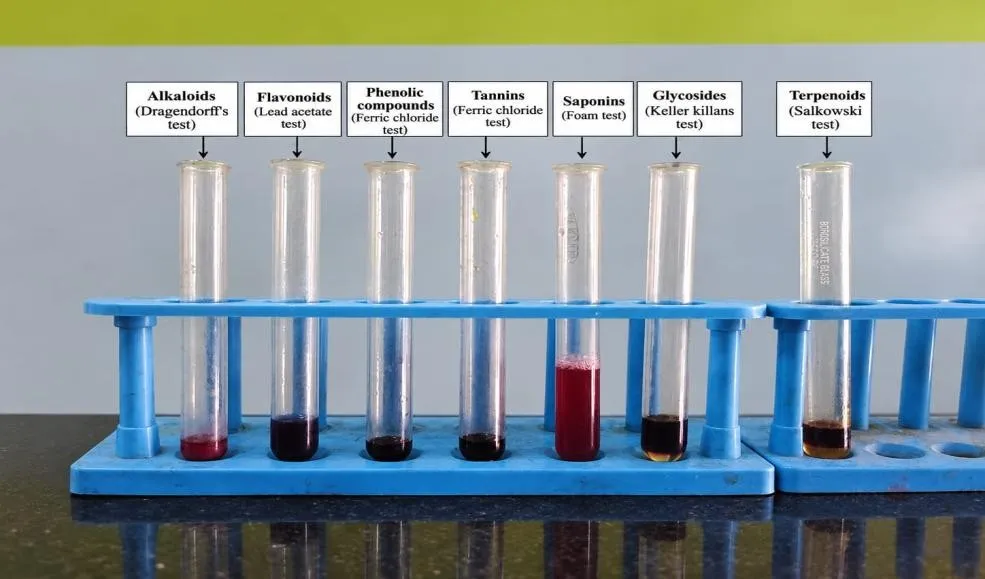
Figure 3: Phytochemical Test for Shankhpuspi Extract
3.3 pH
The pH of F1–F4 was determined to assess their suitability for topical application. The formulations showed pH values within an acceptable range for skin application. Maintaining a skin-compatible pH (4.5-6.5) is important because highly acidic or alkaline formulations may cause irritation. The relatively small variation in pH among F1–F4 suggests satisfactory compatibility between the herbal extracts and the cream base.
Table 4: pH Values of the Prepared Polyherbal Sunscreen Formulation.
| Formulation | pH |
|---|---|
| F1 | 5.9 |
| F2 | 5.8 |
| F3 | 6.0 |
| F4 | 5.5 |
3.4 Spredability
Spreadability was determined to evaluate the ease with which the cream could be uniformly distributed over the skin. All formulations exhibited satisfactory spreadability (400500g.cm/sec). Differences between F1–F4 may be related to variations in extract and polymer concentration and the resulting consistency of the formulations.
Table 5: Spredability Values of the Prepared Polyherbal Sunscreen Formulation.
| Formulation | Distance(cm) | Time (sec) | Spreadability (g.cm/sec) |
|---|---|---|---|
| F1 | 3.4 | 2 | 425 |
| F2 | 3.2 | 2 | 400 |
| F3 | 3.5 | 2 | 437.5 |
| F4 | 3.3 | 2 | 412.5 |
3.5 Viscosity
The viscosity of the prepared creams was determined to assess their consistency and flow characteristics. The formulations showed suitable viscosity for topical application. Increasing polymer concentration may increase viscosity, whereas the proportions of oils and other excipients can also influence the rheological behaviour of the cream.
A suitable balance between viscosity and spreadability is important because excessively viscous creams may be difficult to spread, whereas very low-viscosity creams may not remain adequately on the skin.
Table 6: Viscosity Values of the Prepared Polyherbal Sunscreen Formulation.
| Formulation | Viscosity (Cp) |
|---|---|
| F1 | 8450 |
| F2 | 9120 |
| F3 | 9680 |
| F4 | 10850 |
3.6 Extrudability
The extrudability of the formulated polyherbal sunscreen cream was found to be satisfactory for all formulations (F1–F4). The extrudability ranged from 88.2 ± 0.8% to 94.1 ± 0.5%. Formulation F4 showed the highest extrudability, indicating easy and uniform extrusion from the container, whereas F1 showed the lowest value.
Table 7: Extrudability Values of the Prepared Polyherbal Sunscreen Formulation.
| Formulation | Extrudability (%) | Observation |
|---|---|---|
| F1 | 88.2±0.8 | Good |
| F2 | 89.5±0.6 | Good |
| F3 | 94.1±0.5 | Excellent |
| F4 | 92..4±0.7 | Very Good |
3.7 Microbial test
The microbial test is performed to check whether the sunscreen formulation is contaminated with harmful microorganisms. It helps to ensure the safety and quality of the sunscreen. The test checks for the presence of bacteria and fungi in the formulation. A good sunscreen should meet the acceptable microbial limits for cosmetic products.
Table 8: Microbial Evaluation of the Prepared Polyherbal Sunscreen Formulation
| Formulation | Microbial growth | Result |
|---|---|---|
| F1 | No visible growth | Pass |
| F2 | No visible growth | Pass |
| F3 | No visible growth | Pass |
| F4 | No visible growth | Pass |
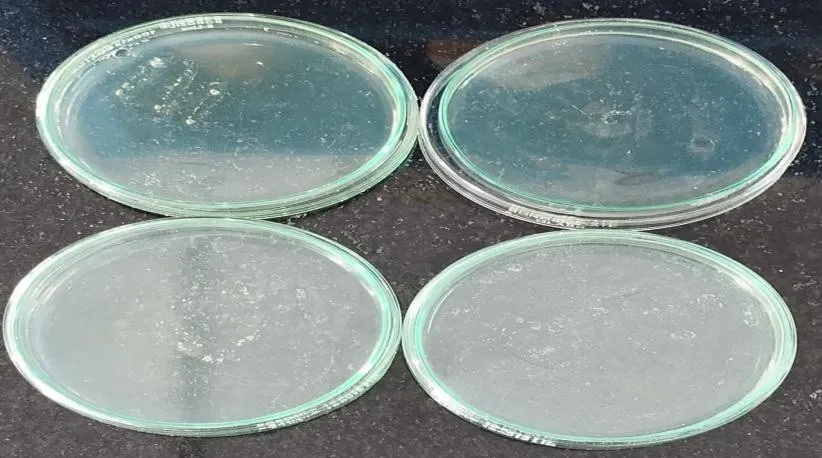
Figure 4: Microbial Test of the Prepared Polyherbal Sunscreen Formulation
3.8 Washability
The washability test was performed to determine the ease of removing the formulation from the skin using water. The prepared formulations showed satisfactory washability. This indicates that the cream can be removed conveniently after application and provides acceptable cosmetic characteristics.
Table 9: Washability of the Prepared Polyherbal Sunscreen Cream Formulation.
| Formulation | Washability |
|---|---|
| F1 | Easily washable |
| F2 | Easily washable |
| F3 | Easily washable |
| F4 | Easily washable |
3.9 Preliminary Antioxidant screening of iodine test
The antioxidant activity of the formulations was evaluated using the iodine-based antioxidant assay selected for the study. The antioxidant potential may be associated with phenolic and flavonoid constituents present in the herbal extracts.
The formulations showed varying antioxidant activity, which may be related to the concentration and composition of the herbal extracts. A formulation exhibiting greater antioxidant activity may provide better protection against oxidative stress associated with UV exposure.[9]
Table 10: Preliminary Antioxidant Screening of Serum Formulations Using Iodine Test
| Sample | Observation | Interpretation |
|---|---|---|
| Control | Iodine colour retained | Colour |
| F1 | Yellow colour | Iodine colour relatively strong |
| F2 | Orange colour | Colour reduced |
| F3 | Orange - Brown | Greater colour change |
| F4 | Light orange colour | Colour changed observed |
| Blank | Nearly colourless | Blank |
3.10 Sun Protection factor determination
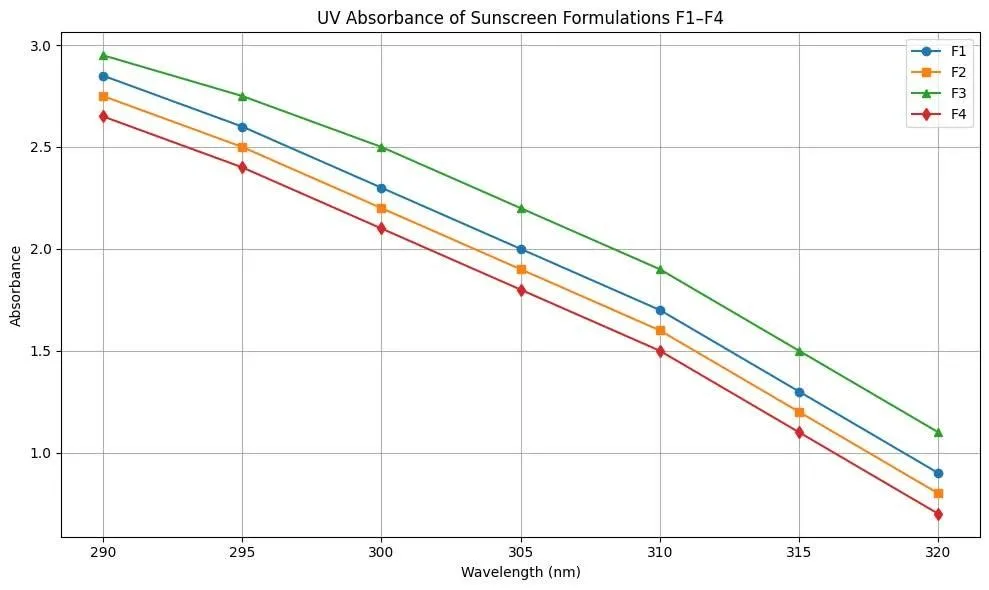
The SPF determination was carried out to evaluate the in-vitro photoprotective ability of the formulated polyherbal sunscreen cream against UV radiation. The UV–Visible spectrophotometric method was used to measure the absorption of the formulations in the UVB region (290–320 nm).
The SPF results obtained for F1–F4 were 24.52, 23, 30 and 20.52, respectively. Among the formulations, F3 showed the highest SPF value (16.79), indicating comparatively better UVprotective activity. The presence of natural phytoconstituents such as phenolic and flavonoid compounds may contribute to UV absorption and antioxidant activity.
Therefore, SPF determination supported the photoprotective potential of the developed polyherbal sunscreen cream, with F3 showing the most promising performance among the tested formulations.[6]
Table 11: SPF of Polyherbal Sunscreen Cream
| Wavelength (nm) |
Absorbance (F1) |
Absorbance (F2) |
Absorbance (F3) |
Absorbance (F4) |
|
|---|---|---|---|---|---|
| 290 | 2.855 | 2.75 | 2.95 | 2.65 | |
| 295 | 2.60 | 2.50 | 2.75 | 2.40 | |
| 300 | 2.30 | 2.20 | 2.50 | 2.10 | |
| 305 | 2.00 | 1.90 | 2.20 | 1.80 | |
| 310 | 1.70 | 1.60 | 1.90 | 1.50 | |
| 315 | 1.30 | 1.20 | 1.50 | 1.10 | |
| 320 | 0.90 | 0.80 | 1.10 | 0.70 | |
| Final value | SPF | 24.52 | 23 | 30 | 20.52 |
CONCLUSION
The present study was undertaken to formulate and evaluate a polyherbal sunscreen cream containing Cashew apple extract, Shankhpushpi extract, and Tamarind seed polymer as a natural approach for topical photoprotection. The selected herbal ingredients were incorporated into different formulations (F1–F4) and evaluated for their physicochemical, antioxidant, microbial, stability, and photoprotective properties.
The prepared formulations exhibited acceptable colour, odour, appearance, homogeneity, pH, spreadability, extrudability and washability, indicating satisfactory physical characteristics for topical application. The formulations also showed no significant phase separation during the evaluation period. Phytochemical screening of the selected herbal ingredients revealed the presence of important bioactive constituents, particularly phenolic compounds, flavonoids, tannins and other phytoconstituents, which may contribute to antioxidant and photoprotective effects.
The antioxidant evaluation indicated that the formulations possessed antioxidant potential, which may help to counteract oxidative stress associated with UV exposure. Microbial evaluation showed satisfactory microbial quality, while stability evaluation indicated that the formulations maintained their general characteristics under the tested conditions.
The in-vitro SPF determination using UV–Visible spectrophotometry demonstrated UVabsorbing activity in all four formulations. The SPF values obtained were 24.52 for F1, 23 for F2, 30 for F3 and 20.52 for F4. Among the prepared formulations, F3 exhibited the highest SPF value (30), therefore considered the most promising formulation with respect to in-vitro photoprotective activity.
REFERENCES


Abhishek A. B., Meena Kumari G., Deeksha V., Spoorthi D., Dr. E. Gopinath, Neela Madhav, Formulation and Evaluation of Polyherbal Sunscreen Cream Enriched with Natural Antioxidant, Int. J. of Pharm. Sci., 2026, Vol 4, Issue 11, 236-245. https://doi.org/10.5281/zenodo.23878057
 10.5281/zenodo.23878057