

We use cookies to ensure our website works properly and to personalise your experience. Cookies policy
Department of Pharmaceutics , Pravara Rural Education Society College of Pharmacy (Women's) Chincholi Sinner, Nashik.
Sertaconazole nitrate is a potent broad-spectrum antifungal drug commonly prescribed for superficial fungal infections. However, its poor aqueous solubility limits its effectiveness in conventional topical formulations. The present study was designed to develop and optimize a topical emulgel of sertaconazole nitrate to enhance drug release, stability, and patient acceptability. Emulgels were prepared by incorporating an oil-in-water emulsion into a Carbopol 934 gel base. A 3² full factorial design was employed to systematically evaluate the influence of Carbopol 934 (X?) and Span 80 (X?) on key formulation responses, namely viscosity and in-vitro drug diffusion. The prepared formulations were evaluated for physicochemical properties, drug content, spreadability, viscosity, in-vitro diffusion, antifungal activity, and release kinetics. Among all batches, formulation F3 demonstrated optimal viscosity with maximum drug diffusion (99.87% within 8 hours) and sustained release following zero-order kinetics. Statistical analysis confirmed that both independent variables significantly affected viscosity and diffusion. The study establishes emulgel as a stable, effective, and patient-friendly topical delivery system for sertaconazole nitrate.
Topical drug delivery systems play a crucial role in the treatment of dermatological disorders by delivering the drug directly to the site of infection while minimizing systemic exposure and associated side effects. Compared to oral therapy, topical administration avoids first-pass metabolism, reduces dose-related toxicity, and improves patient compliance. Because of these advantages, topical formulations are widely used for the management of fungal, bacterial, inflammatory, and other skin-related conditions [1,2,33]. However, the effective topical delivery of drugs is often limited by the barrier properties of the skin, particularly the stratum corneum, which restricts the penetration of many therapeutic agents. This limitation becomes more pronounced in the case of hydrophobic drugs, which show poor aqueous solubility and limited diffusion through conventional topical dosage forms such as creams, ointments, and gels. These traditional formulations also suffer from drawbacks such as greasiness, poor spreadability, low patient acceptability, and stability issues [33,36].
Sertaconazole nitrate is a broad-spectrum imidazole antifungal agent widely used in the treatment of superficial fungal infections such as tinea pedis, candidiasis, and dermatophytosis [26,46]. Although it exhibits potent antifungal activity, its poor aqueous solubility and limited skin permeation restrict its therapeutic effectiveness when formulated in conventional topical preparations [41]. Therefore, there is a need for an advanced topical delivery system that can enhance the solubility, release, and skin penetration of sertaconazole nitrate while maintaining formulation stability and patient comfort [1,14,16]. Emulgel has emerged as a promising novel topical drug delivery system that combines the advantages of both emulsions and gels. An emulgel is formed by incorporating an emulsion, either oil-in-water or water-in-oil, into a gel base using suitable gelling agents [4,21]. This dual system enables efficient incorporation of hydrophobic drugs into the oil phase of the emulsion, which is then uniformly dispersed within the gel matrix. The presence of the gel network improves the viscosity and residence time of the formulation on the skin, while the emulsion enhances drug solubilization and penetration [7,8]. Compared to conventional topical formulations, emulgels offer several advantages such as improved stability, better drug loading capacity, controlled drug release, enhanced skin penetration, non-greasy texture, ease of application, and improved patient compliance. Additionally, emulgels exhibit thixotropic behavior, good spreadability, and cosmetic acceptability, making them suitable for long-term topical therapy, especially in chronic fungal infections [12,33].
Optimization of emulgel formulations is essential to achieve the desired balance between viscosity, spreadability, and drug release characteristics [14,16]. Statistical tools such as factorial design provide a systematic and efficient approach to study the effect of formulation variables and their interactions on critical quality attributes. Factorial design minimizes experimental trials while providing meaningful insights into the influence of independent variables on formulation performance. In the present study, an attempt was made to formulate, optimize, and evaluate a topical emulgel of sertaconazole nitrate using Carbopol 934 as a gelling agent and Span 80 as a surfactant. A 3² full factorial design was employed to investigate the effect of formulation variables on viscosity and in-vitro drug diffusion. The developed emulgels were evaluated for physicochemical properties, drug content, in-vitro diffusion, antifungal activity, and release kinetics with the aim of developing a stable, effective, and patient-friendly topical antifungal formulation [21,25,46].
Table 1. List of materials used in the formulation of Sertaconazole Nitrate Emulgel
|
Sr. No. |
Material Name |
Category / Function |
Purpose in Formulation |
|
1 |
Sertaconazole nitrate |
Active Pharmaceutical Ingredient |
Antifungal drug |
|
2 |
Carbopol 934 |
Gelling agent |
Provides viscosity and gel structure |
|
3 |
Span 80 |
Lipophilic surfactant |
Stabilizes oil phase of emulsion |
|
4 |
Tween 80 |
Hydrophilic surfactant |
Stabilizes aqueous phase of emulsion |
|
5 |
Light liquid paraffin |
Oil phase component |
Solubilizes hydrophobic drug |
|
6 |
Cetosteryl alcohol |
Emulsion stabilizer |
Improves emulsion stability |
|
7 |
Propylene glycol |
Humectant / Co-solvent |
Enhances solubility and moisturization |
|
8 |
Isopropyl myristate |
Penetration enhancer |
Improves drug permeation through skin |
|
9 |
Methanol |
Analytical solvent |
Used in drug analysis and calibration |
|
10 |
Purified water |
Vehicle |
Used for gel base preparation |
The drug sample was examined for color, odor, and appearance under well-illuminated conditions. The melting point of sertaconazole nitrate was determined using the open capillary method to assess drug purity [3,42].
Solubility of sertaconazole nitrate was evaluated in various solvents including methanol, dimethyl sulfoxide (DMSO), dimethyl formamide (DMF), and water. A fixed quantity of drug was added to each solvent, sonicated, and visually observed for solubility and presence of undissolved particles [42].
Table 2: Solvents used for solubility study
|
Sr.No. |
Solvent |
|
1. |
Methanol |
|
2. |
Dimethyl sulfonamide (DMSO) |
|
3. |
Dimethyl formamide (DMF) |
|
4. |
Water |
UV spectrophotometric analysis was carried out to determine the maximum absorbance wavelength (λmax) of sertaconazole nitrate. Methanol was used as the solvent. A calibration curve was prepared in the concentration range of 10–50 µg/mL, and absorbance was measured at 260 nm [42].
Fourier Transform Infrared (FT-IR) spectroscopy was performed to confirm the identity of sertaconazole nitrate and to detect possible drug–excipient interactions. The spectra of pure drug and drug–excipient physical mixtures were recorded and compared for any significant shifts or disappearance of characteristic peaks [3.15].
Compatibility studies were carried out by mixing sertaconazole nitrate with individual excipients in a 1:1 ratio. The mixtures were stored at accelerated conditions (40 ± 2°C / 75 ± 5% RH) and analyzed using FT-IR spectroscopy to detect any chemical interactions. The absence of new peaks or significant peak shifts indicated good compatibility between the drug and excipients [32].
Table 3: Drug & excipient incompatibility
|
Sr. No. |
Sample |
Ratio |
|
1. |
Sertaconazole nitrate: Carbopol 934 |
1:1 |
|
2. |
Sertaconazole nitrate: Span80 |
1:1 |
|
3. |
Sertaconazole nitrate: Tween80 |
1:1 |
|
4. |
Sertaconazole nitrate: Propylene glycol |
1:1 |
|
5. |
Sertaconazole nitrate: Light liquid paraffin |
1:1 |
|
6. |
Sertaconazole nitrate: Cetosteryl alcohol |
1:1 |
|
7. |
Sertaconazole nitrate: isopropyl myristate |
1:1 |
The emulgel was prepared by the incorporation method [4,21,27]. Initially, the oil phase was prepared by dissolving sertaconazole nitrate in light liquid paraffin along with Span 80, cetosteryl alcohol, and isopropyl myristate. The aqueous phase was prepared by dissolving Tween 80 in purified water. Both phases were heated separately to the same temperature and mixed gradually with continuous stirring to form a stable oil-in-water emulsion.
Separately, Carbopol 934 was dispersed in purified water with continuous stirring and allowed to hydrate completely to form the gel base. The prepared emulsion was then slowly incorporated into the gel base with gentle stirring to obtain a homogeneous emulgel [4,14]. The final weight of the formulation was adjusted with purified water.
A 3² full factorial design was employed to study the influence of formulation variables on emulgel performance. The concentration of Carbopol 934 (X₁) and Span 80 (X₂) were selected as independent variables, while viscosity and percentage drug diffusion were considered as dependent responses. Based on the design matrix, nine formulations were prepared and evaluated [23,30].
Table 4: Factorial design model parameters
|
Independent variables |
Name |
Unit |
Levels |
|
|
Low (-1) |
High (+1) |
|||
|
X1 |
Carbopol 934 |
% |
1 |
2 |
|
X2 |
Span 80 |
% |
1 |
3 |
All formulations were visually inspected for color, homogeneity, and appearance to ensure absence of grittiness or phase separation [21].
The pH of emulgel formulations was measured using a calibrated digital pH meter. An appropriate quantity of emulgel was dispersed in distilled water, and pH was recorded to ensure skin compatibility [21,25].
Viscosity was measured using a Brookfield viscometer at different rotational speeds using spindle number 64. The effect of formulation variables on viscosity was recorded and analyzed 21,29].
Spreadability was evaluated using the glass slide method. The time required for the upper slide to move a fixed distance under applied weight was measured, and spreadability was calculated accordingly [21,25].
S=ML/T
Were,
S= Spreadability
M= Weight on upper slide
L= Length moved on glass slide.
Drug content was determined by dissolving a known quantity of emulgel in methanol, followed by appropriate dilution. The absorbance was measured at 260 nm using a UV–visible spectrophotometer [42].
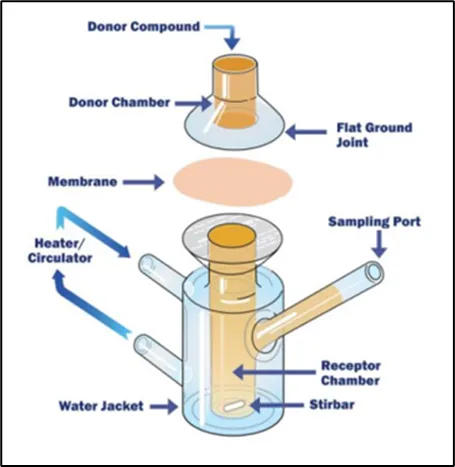
In-vitro drug diffusion was carried out using a Franz diffusion cell with a cellophane membrane. Phosphate buffer pH 5.8 was used as the diffusion medium and maintained at 37 ± 0.5°C. Samples were withdrawn at predetermined intervals and analyzed spectrophotometrically [21,25,29].
Antifungal activity of the optimized formulation was evaluated using the agar diffusion method against fungal strains such as Candida albicans and Aspergillus niger. The zone of inhibition was measured and compared with standard formulations [25,46].
The experimental data obtained from factorial design were analyzed using regression analysis, analysis of variance (ANOVA), and response surface methodology to determine the effect of formulation variables on viscosity and drug diffusion [23,30].
Drug characterization parameters such as colour, odour and appearance were analyzed for the procured drug samples and the results were shown in table 5 [3,18].
Table 5: Drug characterization parameters
|
Colour |
White |
|
Odour |
Odourless |
|
Appearance |
Fine powder |
The solubility study of Sertaconazole nitrate was carried out by using different solvent systems as per the literature. The solubility results were shown in table 6 [19,42].
Table 6: Results for solubility study
|
Sr.No. |
Solvent |
Observation |
|
1. |
Methanol |
Soluble |
|
2. |
Dimethyl sulfoxide (DMSO) |
Soluble |
|
3. |
Dimethyl formamide (DMF) |
Soluble |
|
4. |
Water |
Insoluble |
The UV-visible spectrophotometric analysis was carried out by using Jasco Corporation, Japan V 550 Spectrophotometer and spectra manager software was used for analysis. Methanol was used as solvent system for blank as well as sample preparation. 100 µg/ml of Sertaconazole nitrate was used and λ max was found as 260 nm [20,42]. The spectra for results were expressed in figure 1 and 2.
Figure 1: Blank in Methanol
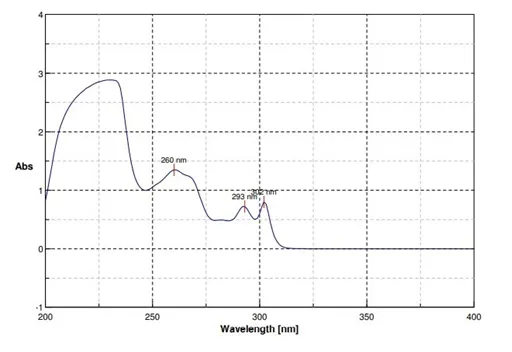
Figure 2: 100 PPM Sertaconazole nitrate in Methanol
The IR spectrum of Sertaconazole nitrate was recorded by using FTIR spectrometer. IR spectra was shown in figure 3. Characteristic functional groups were observed in FTIR spectrum as shown in table 7 [15,22].
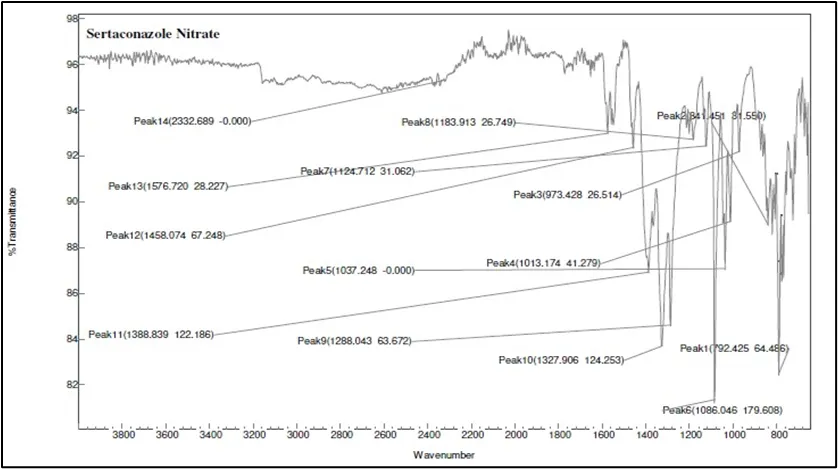
Figure 3: IR of Sertaconazole nitrate
Table 7: IR frequencies of Sertaconazole nitrate functional group
|
Functional group |
Observed Frequency |
Reported Frequency |
|
C=N stretching (Imidazole group) |
1576.72 |
1600-1411 |
|
N-O stretching (Nitrate group) |
1327.83 |
1342-1266 |
|
C-O stretching (Aliphatic ether) |
1086.04 |
1150-1085 |
|
C-H stretching (Aromatic ring) |
1458.07 |
1450 |
|
C-Cl stretching (Chlorine substituents) |
792.42 |
850-550 |
The FTIR Spectra of Sertaconazole nitrate in pure form and their physical mixture was observed, the result showed that there is no interaction between drug, polymer and excipients [24,32]. IR spectra for compatibility study were shown in figure 4, 5, 6, 7, 8, 9, 10 and their respective functional group detection data were shown in table 8.
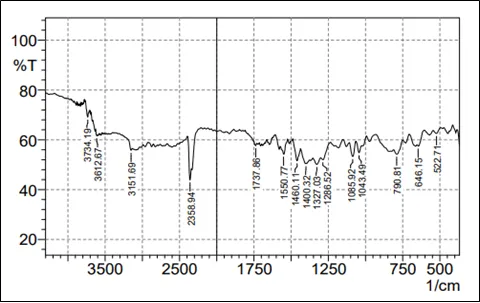
Figure 4: IR of Sertaconazole nitrate: Carbopol 934
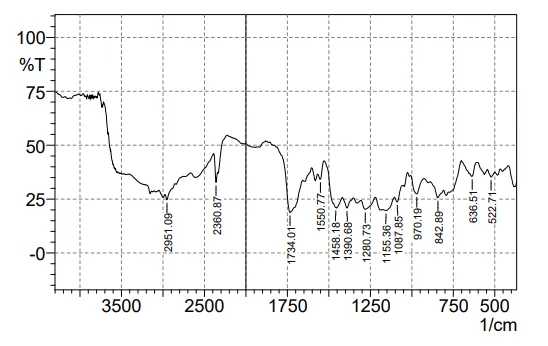
Figure 5: IR of Sertaconazole nitrate: Span 80
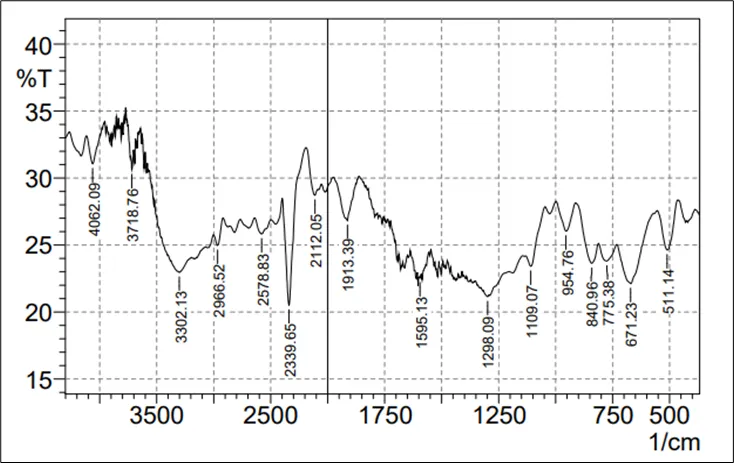
Figure 6: IR of Sertaconazole nitrate: Tween 80
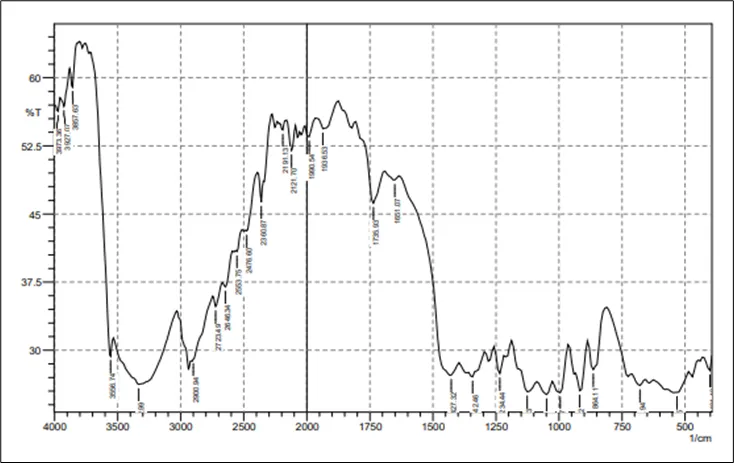
Figure 7: IR of Sertaconazole nitrate: Propylene Glycol
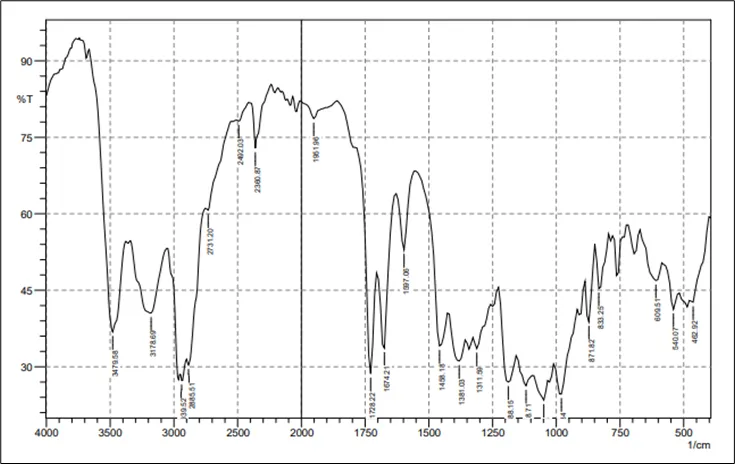
Figure 8: IR of Sertaconazole nitrate: Light liquid paraffin
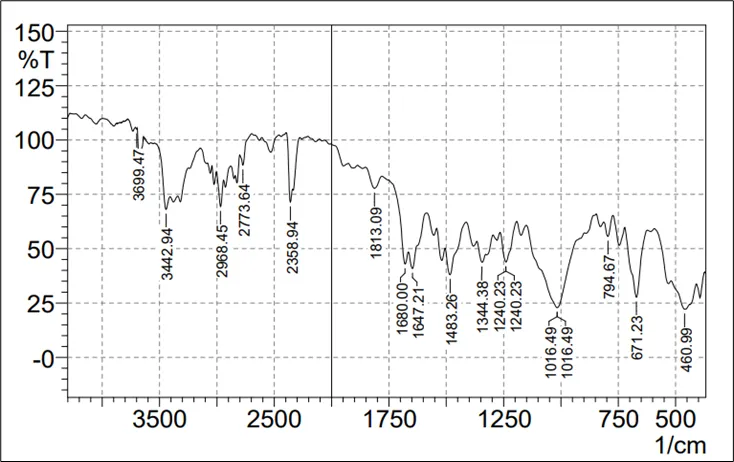
Figure 9: IR of Sertaconazole nitrate: Cetosteryl alcohol
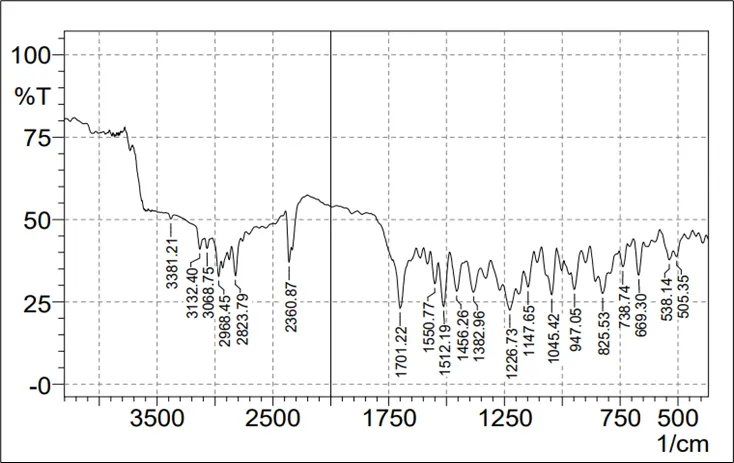
Figure 10: IR of Sertaconazole nitrate: Isopropyl myristate
Table 8: Drug excipient compatibility
|
Ingredients |
Ratio |
Initial |
Condition |
|
40℃ / 75%RH (Accelerated) |
|||
|
1 month |
|||
|
Sertaconazole nitrate |
NA |
White |
NCC |
|
Sertaconazole nitrate: Carbopol 934 |
1:1 |
White |
NCC |
|
Sertaconazole nitrate: Span 80 |
1:1 |
Off white |
NCC |
|
Sertaconazole nitrate: Tween 80 |
1:1 |
Off white |
NCC |
|
Sertaconazole nitrate: Propylene glycol |
1:1 |
White |
NCC |
|
Sertaconazole nitrate: Light liquid paraffin |
1:1 |
White |
NCC |
|
Sertaconazole nitrate: Cetosteryl alcohol |
1;1 |
White |
NCC |
|
Sertaconazole nitrate: Isopropyl myristate |
1;1 |
White |
NCC |
The calibration curve of Sertaconazole nitrate was drawn by measuring the absorbance of different concentrations in methanol at 260 nm [28,42]. The calibration curve obtained was shown in table 9 and figure 11.
Table 9: Calibration curve for Sertaconazole nitrate
|
Sr.No. |
Concentration (ppm) |
Absorbance |
|
1. |
10 |
0.1358 |
|
2. |
20 |
0.2323 |
|
3. |
30 |
0.3474 |
|
4. |
40 |
0.4661 |
|
5. |
50 |
0.6109 |
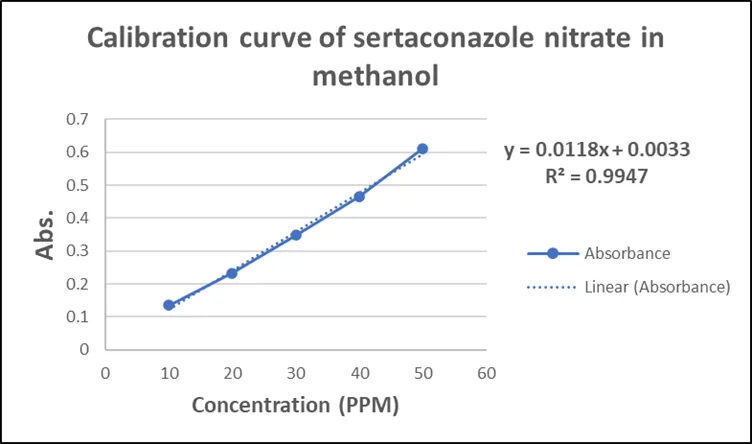
Figure 11: Calibration curve for Sertaconazole nitrate
Some batches showed smooth and grease free appearance whereas, some were viscous in nature. Colour difference was not observed in between any batch as all were white in colour. Also, there was no odour difference in between any batch as all batches were odourless [21,34]. Results were expressed in table 10.
Table 10: Physical characteristics of formulated batches
|
Batches |
Colour |
Odour |
Appearance |
|
F1 |
White |
Characteristic |
Smooth |
|
F2 |
White |
Characteristic |
Smooth |
|
F3 |
White |
Characteristic |
Smooth |
|
F4 |
White |
Characteristic |
Smooth |
|
F5 |
White |
Characteristic |
Smooth |
|
F6 |
White |
Characteristic |
Smooth |
|
F7 |
White |
Characteristic |
Smooth |
|
F8 |
White |
Characteristic |
Viscous |
|
F9 |
White |
Characteristic |
Viscous |
All the formulated batches were examined for pH determination and results were found in range of 5.9 – 6.1 which complies the limit as per literature [25,37]. The results were expressed in table 11.
Table 11: Determination of pH
|
Batches |
pH |
|
F1 |
6.0 ± 0.1 |
|
F2 |
5.9 ± 0.1 |
|
F3 |
6.0 ± 0.1 |
|
F4 |
6.0 ± 0.1 |
|
F5 |
6.1 ± 0.1 |
|
F6 |
5.9 ± 0.1 |
|
F7 |
6.1 ± 0.1 |
The viscosity for all the formulated batches were examined and found to be in range of 5183 – 7356 cP. As the concentration of Carbopol 934 increases the viscosity increases [29,38]. Results were shown in table 12.
Table 12: Determination of Viscosity
|
Batches |
Viscosity (cP) |
|
F1 |
5476 ± 24 |
|
F2 |
5241 ± 15 |
|
F3 |
5183 ± 74 |
|
F4 |
6988 ± 87 |
|
F5 |
6754 ± 61 |
|
F6 |
6539 ± 55 |
|
F7 |
7356 ± 98 |
Spreadability for all the formulated batches were examined and found to be in range of 11.2 - 16.8 gm.cm/sec. As the concentration of Carbopol 934 increases the viscosity increases and it results into decrease in spreadability of formulated gel [31,39]. The results for spreadability were shown in table 13.
Table 13: Determination of Spreadability
|
Batches |
Spreadability(gm.cm/sec) |
|
F1 |
16.5 ± 0.2 |
|
F2 |
15.2 ± 0.1 |
|
F3 |
14.5 ± 0.2 |
|
F4 |
15.1 ± 0.2 |
|
F5 |
14.4 ± 0.2 |
|
F6 |
13.5 ± 0.1 |
|
F7 |
11.4 ± 0.2 |
All the formulated batches were examined for drug content determination and results were found in range of 97.61 – 100.25 % which complies the limit 95-105% as per literature [40,42]. The results were expressed in table 18 and figure 14.
Table 14: Determination of Drug content
|
Batches |
Drug content (%) |
|
F1 |
98.55 |
|
F2 |
98.61 |
|
F3 |
99.14 |
|
F4 |
100.05 |
|
F5 |
99.42 |
Antifungal study was performed as per the standard procedure mentioned under experimental work. For the optimized batch zone of inhibition was found as 36 mm. For the standard antifungal agent (Nystatin) zone of inhibition was found as 27 mm. On the basis of antifungal results, it was proved that optimized batch of emulgel was having sufficient antifungal activity [41,46]. The results were expressed in table 15.
Table 15: Antifungal study (zone of inhibition)
|
Sr.no. |
Sample |
Zone of inhibition (mm) |
|
1. |
Optimized batch (F3) |
36 mm |
|
2. |
Standard agent for antifungal activity (Nystatin) |
27 mm |
The in-vitro drug release data of the optimized formulation (F3) were analyzed using different kinetic models to understand the mechanism of drug release. The release data were fitted into zero-order, first-order, Higuchi, and Korsmeyer–Peppas models [29,43].
Among all the models, the zero-order kinetic model showed the highest correlation coefficient (R²), indicating a concentration-independent and controlled drug release pattern. This suggests that the drug was released at a constant rate from the emulgel formulation.
The Higuchi model indicated that drug release occurred mainly through diffusion from the gel matrix [45]. Further, the Korsmeyer–Peppas model suggested a non-Fickian (anomalous) transport mechanism, indicating that both diffusion and polymer relaxation contributed to drug release [47].
Overall, the kinetic analysis confirmed that the developed emulgel formulation provided sustained and controlled release of sertaconazole nitrate.
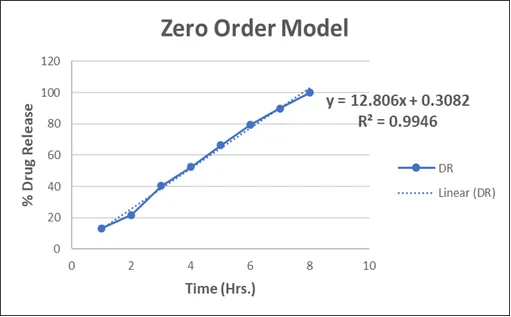
Figure 12: Zero-order kinetic plot of optimized formulation (F3) showing cumulative percentage drug release versus time.
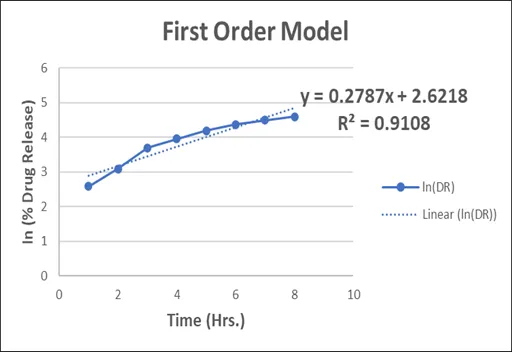
Figure 13: First-order kinetic plot of optimized formulation (F3) showing cumulative percentage drug release versus time.
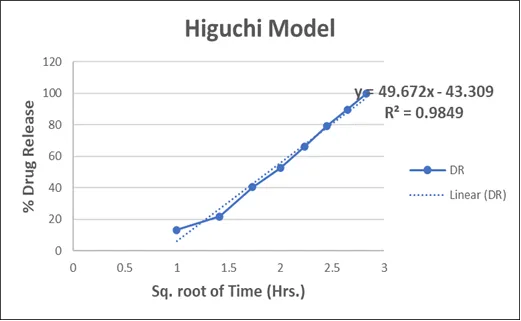
Figure 14: Higuchi kinetic plot of optimized formulation (F3) showing cumulative percentage drug release versus square root of time.
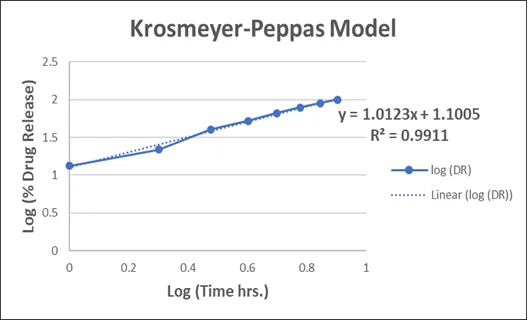
Figure 15: Krosmeyer-Peppas kinetic plot of optimized formulation (F3) showing cumulative percentage drug release versus log (time hrs.)
The results obtained from the factorial design batches were statistically analyzed to understand the influence of formulation variables on emulgel performance. Regression analysis and ANOVA confirmed that both Carbopol 934 and Span 80 had a significant effect on viscosity and percentage drug diffusion [23,30,48]. Increase in Carbopol 934 concentration led to higher viscosity due to stronger gel network formation, which in turn reduced drug diffusion. On the other hand, higher concentration of Span 80 improved drug diffusion by enhancing emulsification efficiency and drug release.
Response surface and contour plots further supported the significant interaction between the independent variables. Based on statistical evaluation, formulation F3 was identified as the optimized batch due to its balanced viscosity and maximum drug diffusion [49,50].
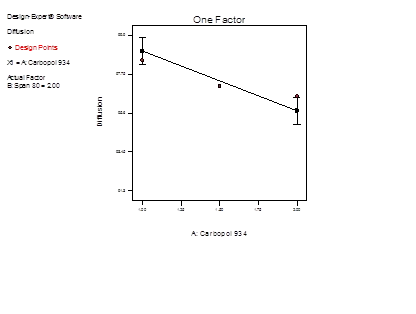
Figure 16: Effect of Carbopol 934 concentration on percentage drug diffusion
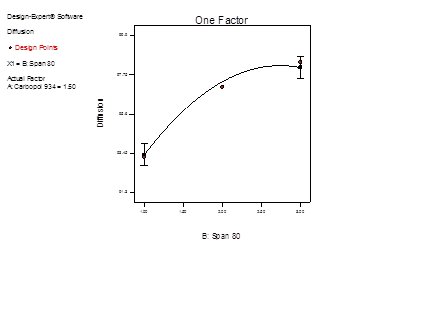
Figure 17: Effect of Span 80 concentration on percentage drug diffusion
CONCLUSION
The present investigation successfully formulated and optimized a sertaconazole nitrate emulgel employing a 3² full factorial design to systematically evaluate the influence of formulation variables. The concentrations of Carbopol 934 and Span 80 were found to significantly affect viscosity and drug diffusion, highlighting the importance of formulation optimization. Among all the developed batches, formulation F3 demonstrated optimal physicochemical characteristics, satisfactory spreadability, appropriate viscosity, and enhanced drug diffusion profile. The in-vitro release study indicated sustained and controlled drug release, and kinetic modeling confirmed a zero-order release pattern predominantly governed by diffusion mechanisms. The antifungal study revealed significant inhibition against the tested fungal strain, confirming the therapeutic efficacy of the optimized formulation. Statistical analysis further validated the experimental design and confirmed the significant impact of independent variables on response parameters. Overall, the developed emulgel formulation represents a promising topical drug delivery system for effective management of fungal infections, offering controlled release, improved stability, and enhanced patient compliance. Future in-vivo and clinical studies are recommended to further establish its therapeutic potential.
REFERENCES

Yogita Sangale, Dr. Sachin Somwanshi, Formulation, Development and Evaluation of Sertaconazole Nitrate Emulgel Using Factorial Design, Int. J. of Pharm. Sci., 2026, Vol 4, Issue 7, 3390-3408, https://doi.org/10.5281/zenodo.21412119
 10.5281/zenodo.21412119