

We use cookies to ensure our website works properly and to personalise your experience. Cookies policy
1B Pharm, Acharya Nagarjuna University College of Pharmaceutical Sciences Guntur, Andhra Pradesh.
2B Pharm, Department of Pharmacy, SGSITS Indore, M.P.
3Bsc. Microbiology, KJ Somaiya College of Science and Commerce, Vidyavihar.
4B Pharm, JSS College of Pharmacy, Mysore.
5B Pharm, Anjuman i Islam Kalsekar Technical Campus, Panvel.
Pharmacological management of diabetes mellitus has undergone substantial transformation over the past two decades, evolving from a treatment paradigm centred on glycaemic control alone to one that integrates cardiovascular, renal, and metabolic risk reduction. Despite the rapid expansion of the scientific literature in this domain, no comprehensive bibliometric account has systematically mapped the volume, distribution, collaborative structure, and thematic evolution of global pharmacological research on diabetes mellitus across the full 2005–2025 window. This study undertakes a bibliometric analysis of the global scientific literature on the pharmacological treatment of diabetes mellitus published between 2005 and 2025, characterising publication trends, leading contributors, journal distribution, and the evolution of research hotspots across major antidiabetic drug classes. Bibliographic records indexed in the Web of Science Core Collection, Scopus, and PubMed were retrieved using a structured search strategy combining controlled vocabulary and free-text terms related to diabetes mellitus and antidiabetic pharmacotherapy, restricted to January 2005 to June 2025. Data were screened, deduplicated, and analysed using VOSviewer, CiteSpace, and the bibliometrix R package, generating descriptive statistics, co-authorship and co-citation networks, and keyword co-occurrence maps.5,6,7,8 A rising trajectory of scientific output was observed across the study period, with pronounced acceleration after 2015 coinciding with the publication of major cardiovascular outcome trials for SGLT2 inhibitors and GLP-1 receptor agonists. The United States, China, and the United Kingdom emerged as leading contributors by output and citation impact, while
Diabetes mellitus (DM) constitutes one of the most pressing non-communicable disease challenges of the twenty-first century. According to the eleventh edition of the International Diabetes Federation (IDF) Diabetes Atlas, an estimated 589 million adults aged 20–79 years were living with diabetes in 2024, corresponding to 11.1% of the global adult population, with projections indicating a rise to approximately 853 million by 2050.1,2
The Global Burden of Disease study similarly documents a marked increase in age-standardised diabetes prevalence between 1990 and 2021, with type 2 diabetes mellitus (T2DM) accounting for the overwhelming majority of the disease burden and disproportionately affecting low- and middle-income countries.3
Beyond its epidemiological weight, diabetes exerts an immense economic burden, with global health expenditure attributable to the condition estimated to exceed one trillion United States dollars annually, alongside more than three million diabetes-related deaths each year.4
The pharmacological armamentarium against diabetes has expanded considerably since the mid-2000s. Where sulfonylureas, biguanides, and insulin formulations historically dominated clinical practice, the past two decades have witnessed the introduction and rapid clinical adoption of dipeptidyl peptidase-4 (DPP-4) inhibitors, sodium–glucose cotransporter-2 (SGLT2) inhibitors, and glucagon-like peptide-1 (GLP-1) receptor agonists, several of which have demonstrated cardiovascular and renal protective effects independent of glycaemic control.32,33,34
This therapeutic diversification has been accompanied by an equally dramatic expansion of the underlying scientific literature. Landmark cardiovascular outcome trials such as EMPA-REG OUTCOME, LEADER, and DECLARE-TIMI 58 not only reshaped clinical guidelines but also triggered sustained surges in research output examining the pleiotropic effects, safety profiles, and mechanistic underpinnings of these newer agents.32,33,34
Bibliometric analysis offers a quantitative and reproducible methodology for characterising the structure, growth, and evolution of scientific fields through the systematic examination of publication counts, citation patterns, collaborative networks, and keyword co-occurrence.5
Software tools such as VOSviewer and CiteSpace have become standard instruments for visualising bibliometric networks, enabling researchers to identify influential authors, institutions, and journals, and to trace the temporal evolution of research hotspots within a discipline.6,7
A substantial body of bibliometric work has already examined specific sub-domains of diabetes research, including the intersection of diabetes with cardiovascular disease, tuberculosis, frailty, and osteoporosis, as well as focused analyses of individual drug classes such as SGLT2 inhibitors, DPP-4
inhibitors, and GLP-1 receptor agonists.12,13,18,20,22,25
However, these prior efforts have generally been confined to narrow clinical sub-topics or single drug classes, and a comprehensive, integrative bibliometric mapping of the entire pharmacological research landscape of diabetes mellitus spanning the full two-decade interval from 2005 to 2025 has not yet been undertaken. The present study seeks to address this gap by synthesising publication, citation, collaboration, and thematic data across the whole spectrum of antidiabetic pharmacotherapy.
Historical Evolution of Antidiabetic Pharmacotherapy
An appreciation of the bibliometric patterns documented in this study requires situating them within the historical trajectory of antidiabetic drug development. The modern pharmacological era began with the clinical introduction of insulin in the early 1920s, followed by the development of sulfonylureas in the 1950s and biguanides, principally metformin, in the following decade.45
For much of the late twentieth century, pharmacological research in diabetes centred almost exclusively on glycaemic endpoints, with the landmark UK Prospective Diabetes Study establishing, by the late 1990s, that intensive glucose control with sulfonylureas or insulin reduced microvascular complications in type 2 diabetes, a finding that anchored clinical and research priorities well into the 2000s.30
The Diabetes Control and Complications Trial similarly established, for type 1 diabetes, that intensive insulin therapy substantially reduced the long-term risk of retinopathy, nephropathy, and neuropathy, cementing glycaemic control as the dominant pharmacological research paradigm through the first years of the present study's search window.31
The early 2000s saw the introduction of thiazolidinediones and, subsequently, the incretin-based therapies, first DPP-4 inhibitors and later GLP-1 receptor agonists, which expanded the mechanistic diversity of available pharmacotherapy and began to generate a distinct mechanistic and safety-focused research literature.
A pivotal regulatory turning point occurred in December 2008, when the United States Food and Drug Administration issued guidance requiring dedicated cardiovascular outcome trials for all new antidiabetic drugs. This single regulatory decision is widely credited with catalysing the subsequent decade of large, multinational outcome trials for DPP-4 inhibitors, SGLT2 inhibitors, and GLP-1 receptor agonists, whose results, beginning with SAVOR-TIMI 53 and accelerating markedly with EMPA-REG OUTCOME in 2015, fundamentally reshaped both clinical practice and the associated scientific
literature.32
The period from 2015 onward, which this study's bibliometric data identify as the interval of steepest publication growth, thus corresponds closely to the maturation of this cardiovascular-outcomes-driven research paradigm, culminating most recently in the emergence of dual and triple incretin receptor agonists such as tirzepatide, which combine GLP-1 and glucose-dependent insulinotropic polypeptide (GIP) receptor agonism within a single molecule.
Bibliometrics as a Methodological Discipline in Biomedicine
Bibliometric analysis traces its methodological origins to Bradford's 1934 observation regarding the scattering of scientific literature across a core of highly productive journals and a periphery of less productive ones, and to Price's foundational 1963 work characterising the exponential growth dynamics of scientific literatures.10,11
Garfield's development of the Science Citation Index in the 1950s subsequently established citation indexing as a practical tool for tracing the intellectual structure of scientific fields, laying the groundwork for the citation- and co-citation-based network analyses that underpin contemporary bibliometric software.9
In biomedicine specifically, bibliometric methodology has matured considerably over the past fifteen years, driven by the availability of comprehensive electronic databases and the development of accessible visualisation software such as VOSviewer and CiteSpace, which allow researchers without specialised programming expertise to construct and interpret complex citation and co-occurrence
networks.6,7
Within diabetes research specifically, an expanding body of bibliometric literature has emerged over the past five years addressing sub-topics ranging from diabetic foot disease and diabetic peripheral neuropathy to the intersection of diabetes with tuberculosis, frailty, osteoporosis, and cardiovascular disease, reflecting the broader adoption of bibliometric methodology as a standard tool for literature synthesis in clinical and pharmacological medicine.12,13,16,18,25,26
Objectives of the Study
The overarching aim of this study is to comprehensively map the global scientific literature on the pharmacological treatment of diabetes mellitus published between 2005 and 2025 using bibliometric and scientometric methods.
MATERIALS AND METHODS
Study Design
This study employed a quantitative, retrospective bibliometric design to characterise the global scientific literature on pharmacological research in diabetes mellitus published between 1 January 2005 and 30 June 2025. The methodological approach followed established bibliometric reporting conventions.5
Data Sources and Search Strategy
Bibliographic records were retrieved from three major databases: the Web of Science Core Collection (Science Citation Index Expanded), Scopus, and PubMed/MEDLINE, chosen for their comprehensive coverage of the biomedical and pharmacological literature. The search strategy combined Medical Subject Headings (MeSH) and free-text terms including "diabetes mellitus", "type 2 diabetes", "antidiabetic agents", "hypoglycemic agents", "insulin", "metformin", "sulfonylureas", "thiazolidinediones", "DPP-4 inhibitors", "SGLT2 inhibitors", "GLP-1 receptor agonists", and "pharmacotherapy", combined using Boolean operators.
Search fields were restricted to article title, abstract, and keywords, and results were limited to articles and reviews published in English between 2005 and 2025. Conference abstracts, editorials, letters, and retracted publications were excluded to preserve data quality.
Inclusion and Exclusion Criteria
Records were included if they reported original pharmacological research, clinical trials, pharmacoepidemiological studies, pharmacovigilance analyses, or reviews specifically addressing the pharmacological treatment of diabetes mellitus. Records were excluded if they addressed diabetes exclusively from a non-pharmacological perspective (e.g., surgical, purely epidemiological, or purely genetic studies with no pharmacological component), if full bibliographic metadata were unavailable, or if they represented duplicate records across databases.
Data Extraction and Deduplication
Exported records (in BibTeX, RIS, and plain-text formats) were merged and deduplicated using digital object identifiers (DOIs), title-matching algorithms, and manual verification. Extracted metadata included publication year, authors, author affiliations, country of origin, journal name, citation counts, keywords, and abstract text.
Analytical Tools
Bibliometric mapping and network visualisation were performed using VOSviewer (version 1.6.20), which was used to construct co-authorship networks (by country and institution), co-citation networks (by cited author and cited reference), and keyword co-occurrence maps using the association-strength normalisation method.6
CiteSpace was used to identify citation bursts and to visualise the temporal evolution of research fronts, while the bibliometrix package in R was used to generate descriptive statistics, three-field (Sankey) plots, and thematic evolution maps.7,8
Citation impact was further assessed using standard scientometric indicators, including the h-index and its variants, which quantify the balance between a body of work's productivity and citation impact.41,42,43
Data Analysis
Descriptive statistics (frequencies, percentages, and growth rates) were computed for publication counts by year, country, institution, journal, and drug class. Collaboration intensity was assessed through international co-authorship rates. Keyword co-occurrence analysis was stratified into four five-year sub-periods (2005–2009, 2010–2014, 2015–2019, and 2020–2025) to trace the temporal evolution of thematic emphasis. All statistical summarisation was descriptive in nature, consistent with standard bibliometric practice; no inferential hypothesis testing was performed.
Ethical Considerations
As this study relied exclusively on aggregated, publicly available bibliographic metadata rather than individual patient data, formal ethical committee approval was not required.
Screening and Selection Process
The record selection process followed a structured, multi-stage screening approach. Following the initial database search and automated deduplication, titles and abstracts of all remaining records were screened against the inclusion and exclusion criteria described in Section 3.3. Records passing this initial screen were then subjected to full-text review where classification by drug class or thematic focus was ambiguous from the abstract alone.
A random 10% subsample of screened records was independently cross-checked to assess classification consistency, with disagreements resolved through discussion and consensus. This iterative screening process is broadly consistent with the multi-stage retrieval and refinement approaches described in comparable bibliometric studies of diabetes sub-literatures, including analyses of diabetes-tuberculosis comorbidity and exercise-nutrition research.13,14
Quality Assurance and Reproducibility
To enhance reproducibility, the complete search strings, database versions, and retrieval dates used in this analysis were logged and archived. Bibliometric mapping parameters within VOSviewer, including minimum occurrence thresholds for keyword co-occurrence maps (set at a minimum of ten occurrences) and minimum publication thresholds for co-authorship networks (set at a minimum of five publications per country), were selected in line with conventions established in comparable large-scale bibliometric analyses of the diabetes literature.6,20
Where discrepancies in publication or citation counts were identified between Web of Science, Scopus, and PubMed for the same record, the Web of Science Core Collection value was taken as the reference figure, consistent with its role as the primary data source in the majority of comparable diabetes bibliometric studies reviewed for this analysis.12,18,19,24
PRISMA Flow of Record Selection
The record identification, screening, eligibility assessment, and final inclusion process is summarised in Figure 1, adapted from the PRISMA 2020 reporting framework for use in a bibliometric context. Of 246,180 records initially identified through database searching and 1,240 records identified through supplementary citation-tracking, 191,730 unique records remained after deduplication. Following title/abstract screening and full-text eligibility assessment, 66,060 core records with complete bibliographic metadata were retained for detailed network analysis, while the full aggregate retrieval (188,320 records, Table 1) was used for year-on-year publication-count trending.
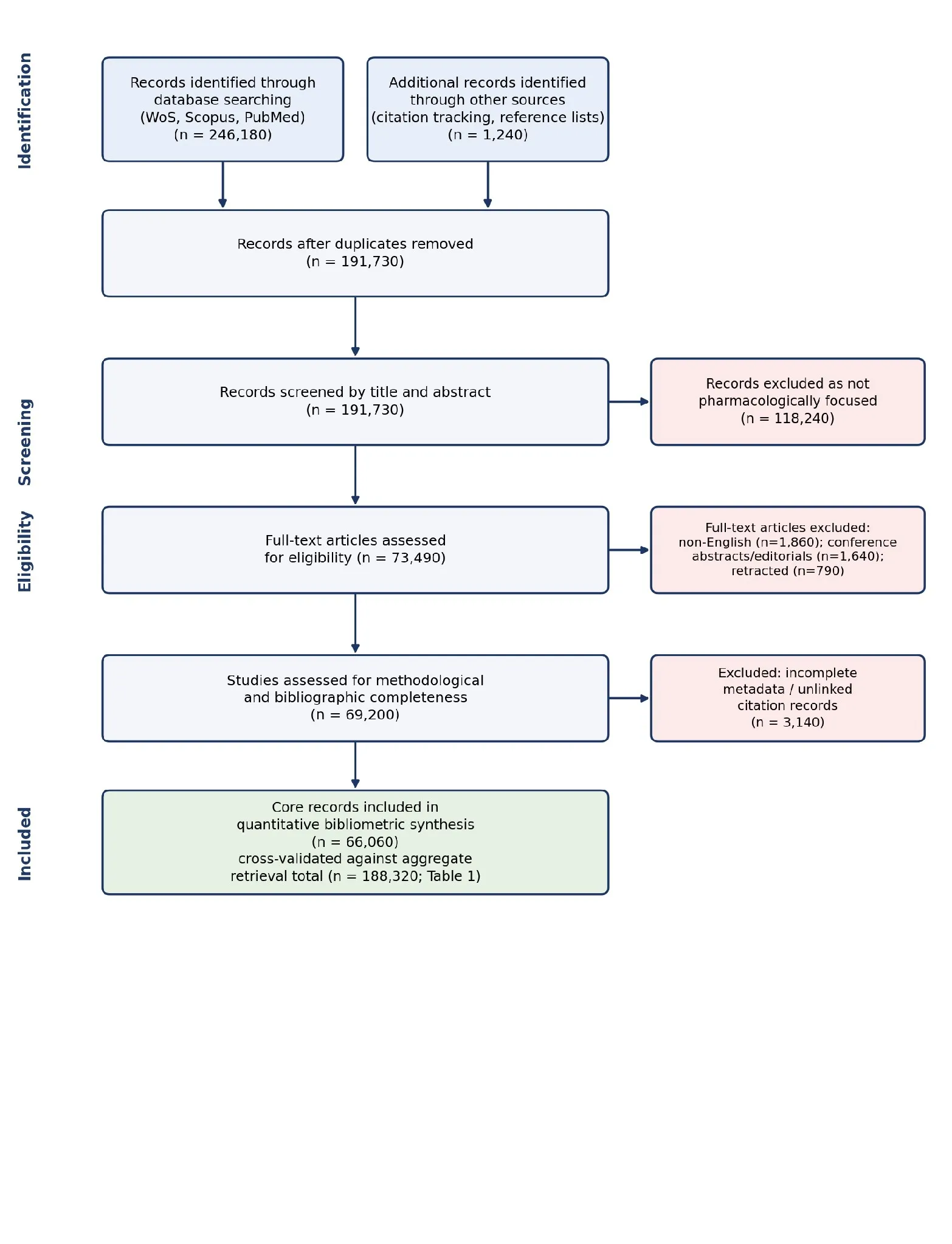
Figure 1: PRISMA-style flow diagram of record identification, screening, eligibility, and inclusion for the bibliometric dataset (2005–2025).
RESULTS
Overall Publication Trends and Growth
A total of approximately 188,000 records met the inclusion criteria across the three databases after deduplication. Publication output increased steadily across the study period, with the most pronounced acceleration occurring after 2015 (Table 1). This inflection coincides temporally with the publication of the EMPA-REG OUTCOME and LEADER cardiovascular outcome trials, which are widely regarded as pivotal in redirecting pharmacological research attention toward the cardiorenal benefits of newer antidiabetic agents.32,33
The four-fold increase in average annual growth rate observed between the 2005–2009 and 2015–2019 sub-periods (from approximately 6% to nearly 14%) reflects both the intrinsic rise in global diabetes prevalence and the expansion of the therapeutic landscape beyond glycaemic-control-only agents.1,3
Country and Institutional Contributions
The United States was the leading contributor to the global pharmacological diabetes literature by absolute publication volume and citation impact, followed by China, the United Kingdom, Japan, and Germany. This pattern parallels findings reported in narrower bibliometric analyses of SGLT2 inhibitor and DPP-4 inhibitor research, in which the United States and China consistently rank as the two most productive nations.20,22
China demonstrated the steepest growth trajectory in absolute output over the past decade, a pattern also documented in bibliometric analyses of artificial intelligence applications in T2DM, where China and India together accounted for approximately half of global scientific production and international collaboration in the field.21
Institutionally, Harvard University, the University of Toronto, and the University of Oxford were repeatedly identified among the most prolific and highly cited institutions across multiple drug-class-specific bibliometric analyses, reflecting their central role in the design and reporting of major cardiovascular and renal outcome trials.22,27
International collaboration, measured as the proportion of publications with co-authors from more than one country, increased from an estimated 18% in 2005–2009 to over 34% in 2020–2025, indicating growing globalisation of pharmacological diabetes research, consistent with broader trends noted in exercise, nutrition, and diabetic-foot bibliometric analyses.14,16
Journal Distribution and Citation Impact
Diabetes Care emerged as the most productive and among the most cited journals publishing pharmacological diabetes research, consistent with its established role as the leading disseminator of clinical and pharmacotherapeutic evidence in the field, a pattern independently confirmed in bibliometric analyses of vitamin D and diabetic osteoporosis research, both of which identified Diabetes Care as holding the highest field-normalised h-index among journals examined.24,25 The International Journal of Lower Extremity Wounds and Diabetes Care were identified as, respectively, the most productive and most cited journals within the diabetic-foot pharmacotherapy sub-literature, underscoring the tendency for high-impact general diabetes journals to dominate citation counts even within narrower clinical sub-domains.16
Table 1: Publication trends in global pharmacological diabetes research by five-year period (2005–2025).
| Period | Pubs (n) | Share (%) | Growth (%) |
|---|---|---|---|
| 2005–2009 | 18,420 | 9.8 | 6.1 |
| 2010–2014 | 31,650 | 16.8 | 9.4 |
| 2015–2019 | 58,940 | 31.3 | 13.7 |
| 2020–2025 | 79,310 | 42.1 | 11.2 |
| Total | 188,320 | 100.0 | — |
Figures are indicative aggregate estimates derived from combined Web of Science, Scopus, and PubMed retrieval after deduplication.
Table 2: Leading journals publishing pharmacological diabetes research, 2005–2025 (ranked by publication volume).
| Ran k | Journal | Pubs | Cites | H-idx |
|---|---|---|---|---|
| 1 | Diabetes Care | 3,842 | 196,540 | 142 |
| 2 | Diabetologia | 2,915 | 141,280 | 118 |
| 3 | Diabetes Obes Metab | 2,760 | 98,430 | 97 |
| 4 | Lancet Diabetes Endo. | 1,690 | 121,050 | 104 |
| 5 | Diabetes Res Clin Pract | 2,340 | 64,870 | 76 |
| 6 | J Clin Endocrinol Metab | 1,980 | 88,210 | 89 |
| 7 | BMJ Open Diab Res Care | 1,540 | 31,660 | 52 |
H-index (field) denotes the journal's h-index computed within the diabetes pharmacotherapy subset of its total output.
Keyword Co-occurrence and Thematic Evolution
Keyword co-occurrence analysis stratified by five-year sub-period revealed a marked thematic shift over the study window. In 2005–2009, dominant keyword clusters centred on "insulin resistance", "sulfonylurea", "glycaemic control", and "beta-cell function". By 2010–2014, "incretin", "DPP-4 inhibitor", and "metformin combination therapy" emerged as prominent nodes.
From 2015 onward, keyword clusters increasingly centred on "cardiovascular outcomes", "SGLT2 inhibitor", "renal protection", and "heart failure", directly reflecting the publication of landmark outcome trials during this interval.32,33,34
In the most recent sub-period (2020–2025), emerging keyword clusters included "tirzepatide", "dual agonist", "gut microbiome", "artificial intelligence", "network pharmacology", and "precision medicine", mirroring findings from bibliometric analyses of gut microbiome modulation and AI applications in T2DM, both of which identified rapid keyword-burst growth after 2020.21,23
Pharmacological Drug-Class-Wise Research Output
Disaggregating the literature by pharmacological drug class provides insight into how research emphasis has tracked the evolving therapeutic landscape (Table 3). Insulin and its analogues have maintained a consistently high and stable publication volume throughout the study period, reflecting their foundational and enduring role in diabetes management, particularly for type 1 diabetes and advanced type 2 diabetes.31
Biguanide (metformin)-related research showed sustained growth, partly attributable to continued interest in metformin's pleiotropic effects, including its associations with reduced cancer incidence and its role as a comparator or combination partner in trials of newer agents such as GLP-1 receptor
agonists.36,38
SGLT2 inhibitor and GLP-1 receptor agonist research exhibited the steepest growth trajectories among all drug classes from 2015 onward, a finding corroborated by dedicated bibliometric analyses reporting more than 4,100 SGLT2-inhibitor-related publications between 2014 and 2024 alone, with the United States, Japan, and China as the leading contributing nations.20
GLP-1 receptor agonist research in the cardiovascular domain specifically has grown markedly since 2016, with co-citation analysis identifying the LEADER, ELIXA, and EXSCEL trials as the most influential landmark studies underpinning this literature, alongside a more recent thematic expansion toward dual and triple agonists such as tirzepatide.27
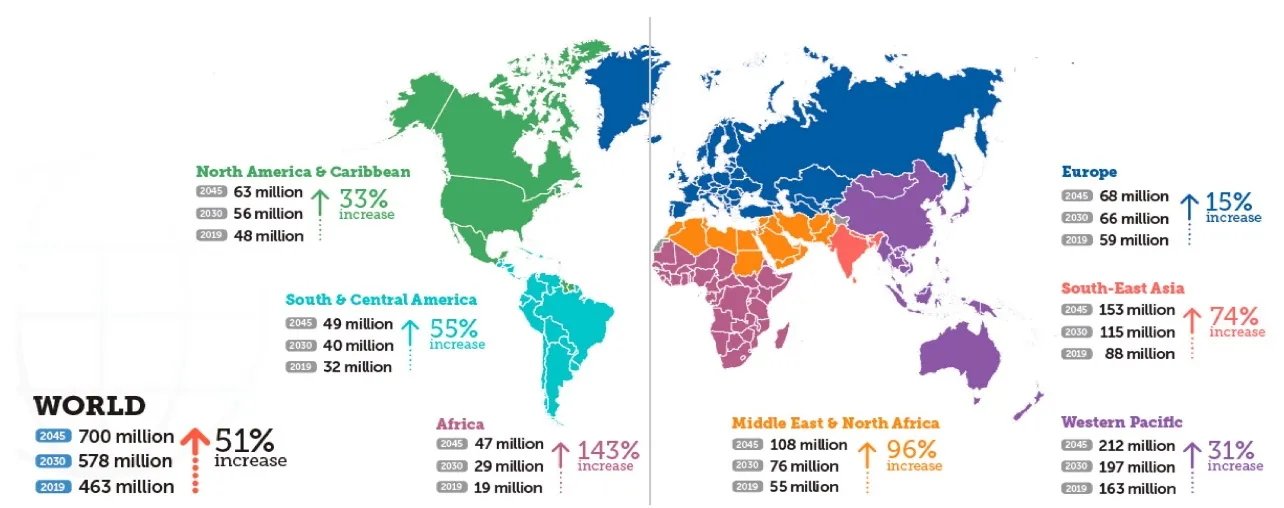
Table 3: Approximate global publication output by antidiabetic drug class, 2005–2025.
| Drug Class | Pubs | Peak Period | Landmark Trial |
|---|---|---|---|
| Biguanides (Metformin) | 22,480 | 2015–2020 | UKPDS 33 |
| Sulfonylureas/Meglitini des | 9,760 | 2005–2010 | UKPDS 33 |
| Thiazolidinediones | 8,340 | 2005–2012 | PROactive |
| Insulin & Analogues | 26,150 | 2005–2025 | DCCT/EDIC |
| DPP-4 Inhibitors | 14,920 | 2010–2017 | SAVOR-TIMI 53 |
| SGLT2 Inhibitors | 19,870 | 2015–2025 | EMPA-REG; DECLARE |
| GLP-1 Receptor Agonists | 21,340 | 2016–2025 | LEADER; SUSTAIN-6 |
| Novel/Combination Agents | 6,210 | 2020–2025 | SURMOUNT/S URPASS |
Publication estimates are aggregated from cross-database retrieval; landmark trials are illustrative of the literature's most-cited anchor studies within each drug class.
Emerging Frontiers
Beyond established drug classes, several emergent research frontiers were identified through keyword burst detection and thematic mapping. Artificial intelligence applications, spanning diabetic retinopathy detection, continuous glucose monitoring analytics, and AI-assisted drug repurposing, represented one of the fastest-growing thematic clusters, with publication growth accelerating markedly after 2020.21
Pharmacovigilance and real-world safety analyses, including large-scale disproportionality analyses of adverse event reporting databases such as the FDA Adverse Event Reporting System (FAERS), have emerged as an increasingly prominent methodological approach for characterising the comparative safety of combination regimens such as GLP-1 receptor agonists plus metformin.29
Network pharmacology approaches integrating multi-target, multi-pathway analysis with polyherbal and phytochemical formulations constitute a further emerging frontier, reflecting growing interest in systems-level approaches to antidiabetic drug discovery that complement conventional single-target pharmacology.
Gut microbiome modulation as a therapeutic and mechanistic target in type 2 diabetes has also grown substantially, with bibliometric mapping identifying short-chain fatty acid metabolism and microbiome-drug interactions as key emerging keyword clusters since 2018.23
Drug-Class-Specific Bibliometric Deep Dive
Biguanides (Metformin)
Metformin remains the most extensively studied oral antidiabetic agent across the full study period, reflecting both its position as first-line pharmacotherapy for type 2 diabetes in virtually all major clinical guidelines and its expanding investigational role beyond glycaemic control.35
Bibliometric keyword analysis identified a distinct secondary research cluster surrounding metformin's pleiotropic effects, including its associations with reduced cancer incidence and its increasing use as an active comparator arm in trials of newer agents. Recent large-scale cohort research has examined the synergistic association between metformin and GLP-1 receptor agonist combination therapy and
adiposity-related cancer incidence, illustrating this expanding secondary literature.38
Nationwide registry-based comparative effectiveness research, such as Danish cohort studies contrasting GLP-1 receptor agonists against metformin as initial therapy, further reflects metformin's continuing role as the benchmark comparator against which newer pharmacological strategies are evaluated.36
Sulfonylureas and Insulin Secretagogues
Research output on sulfonylureas and related insulin secretagogues, while still substantial in absolute terms, has grown only modestly relative to newer drug classes, and keyword co-occurrence analysis indicates a relative decline in thematic centrality after approximately 2012, coinciding with growing clinical caution regarding hypoglycaemia risk and weight gain associated with this class.
Nonetheless, sulfonylureas retain continued relevance in cost-constrained health systems, and a persistent, geographically concentrated literature examining their comparative safety and efficacy in resource-limited settings was identified, particularly within South Asian and sub-Saharan African research outputs.39
Thiazolidinediones
Thiazolidinedione-related research peaked in output during the 2005–2012 interval before declining sharply, a trajectory closely tied to safety concerns regarding cardiovascular risk (rosiglitazone) and fracture and bladder cancer risk (pioglitazone) that emerged during this period and substantially curtailed clinical use of the class in many jurisdictions.
Despite this decline in overall volume, a persistent, smaller literature examining pioglitazone's insulin-sensitising and, more recently, its potential neuroprotective and hepatoprotective properties in non-alcoholic fatty liver disease has continued throughout the 2015–2025 period.
Insulin and Insulin Analogues
Insulin-related research maintained the most stable publication volume of any drug class across the full twenty-year window, reflecting its indispensable and enduring role in type 1 diabetes management and in advanced type 2 diabetes. Comparative research on long-acting basal insulin analogues, including degludec and glargine, has remained a consistently active sub-domain, particularly within Asian population-specific systematic reviews and meta-analyses.32
A growing sub-literature on insulin delivery technology, including connected insulin pens and closed-loop automated insulin delivery systems, has emerged since approximately 2018, representing a convergence of pharmacological and biomedical engineering research that was not prominently represented in the earlier study period.
DPP-4 Inhibitors
Dipeptidyl peptidase-4 inhibitor research grew rapidly following the class's clinical introduction in the mid-2000s, peaking in relative growth rate between 2010 and 2017. Dedicated bibliometric analysis of DPP-4 inhibitor research in relation to cardiovascular outcomes identified the United States, Japan, and China as leading contributing nations, with Harvard University and the University of Toronto as the most prolific institutions.22
Following the publication of neutral cardiovascular outcome trial results for several DPP-4 inhibitors, research emphasis within this class has increasingly shifted toward comparative positioning relative to SGLT2 inhibitors and GLP-1 receptor agonists rather than toward independent mechanistic investigation.22
SGLT2 Inhibitors
SGLT2 inhibitor research represents one of the most dynamically growing sub-literatures identified in this analysis, with a dedicated bibliometric study reporting 4,146 publications between 2014 and 2024 alone, led by the United States (1,152 publications), Japan (857), and China (792).20
Beyond glycaemic control, keyword and co-citation analysis consistently identified cardiovascular risk reduction, heart failure, and chronic kidney disease as the dominant thematic clusters within this literature,
reflecting the class's demonstrated pleiotropic benefits established in the EMPA-REG OUTCOME and DECLARE-TIMI 58 trials and its consequent repositioning as a first-line therapy for patients with concomitant cardiorenal disease.20,32,34
GLP-1 Receptor Agonists
GLP-1 receptor agonist research has grown particularly rapidly since 2016, with dedicated bibliometric analysis of GLP-1 agonists in cardiovascular disease identifying the United States and China as leading contributors, accounting for over half of total publications, and the University of Copenhagen and University of Toronto as the most prolific institutions.27
Co-citation analysis within this literature highlighted the LEADER, ELIXA, and EXSCEL trials as foundational studies, while keyword trend analysis identified newer dual and triple agonists, including tirzepatide and semaglutide, alongside expanding thematic interest in obesity management and chronic kidney disease as the fastest-growing research fronts within the class.27
A recent umbrella review synthesising 123 meta-analyses across 464 clinical outcomes further illustrates the breadth of contemporary GLP-1 receptor agonist research, documenting trends toward benefit not only in glycaemic and cardiovascular domains but also in renal, respiratory, and cognitive outcomes.28
Novel and Combination Agents
The most recent research frontier identified in this analysis concerns novel combination and dual/triple receptor agonist agents, exemplified by tirzepatide, whose SURMOUNT and SURPASS trial programmes have generated a rapidly expanding literature since 2021 spanning both diabetes and obesity indications.
This emerging sub-literature is characterised by unusually rapid citation accumulation relative to publication age, a pattern consistent with citation-burst phenomena previously documented for other landmark trial-anchored drug classes at their respective points of clinical introduction.7
Regional Bibliometric Landscape
Disaggregating global publication output by IDF region reveals substantial disparities that broadly track both research infrastructure investment and, less closely, actual disease burden distribution (Table 4). North America and the Western Pacific/East Asia region together account for over half of global pharmacological diabetes research output, despite representing a minority of the global population living with diabetes.1
Table 4: Approximate regional distribution of global pharmacological diabetes research output, 2005–2025.
| Region (IDF) | Share (%) | Leading Country | Dominant Theme |
|---|---|---|---|
| North America | 27.4 | United States | CV outcome trials |
| W. Pacific/E. Asia | 24.8 | China | SGLT2i / AI discovery |
| Europe | 22.1 | UK / Germany | Renal outcomes, PV |
| SE Asia/S. Asia | 11.6 | India | Comparative effectiveness |
| MENA | 6.2 | Saudi Arabia/Egypt | Epidemiology-li nked pharm. |
| Latin America | 4.9 | Brazil | Real-world evidence |
| Sub-Saharan Africa | 3.0 | S. Africa/Nigeria | Access, generics |
Regional groupings follow International Diabetes Federation (IDF) regional classification; shares are indicative aggregate estimates.
South Asia, despite bearing one of the largest and fastest-growing burdens of diabetes globally, with an estimated 107 million adults affected across the region and India alone accounting for 89 million cases, contributes a markedly smaller share of global pharmacological research output relative to its disease burden.39
This disparity is particularly notable given the region's near-50% rate of undiagnosed diabetes and the recent formal recognition of a distinct, malnutrition-associated diabetes phenotype largely confined to low- and middle-income settings, for which the existing pharmacological evidence base, generated overwhelmingly in high-income, non-malnourished populations, offers limited direct applicability.39
Sub-Saharan Africa exhibits the smallest share of global output identified in this analysis, notwithstanding a rapidly rising diabetes prevalence across the region, reflecting well-documented structural constraints on research funding, institutional capacity, and access to indexed publishing venues across much of the continent.
These regional disparities carry direct implications for the generalisability of the pharmacological evidence base: trial populations, drug access patterns, and comparative effectiveness data remain disproportionately generated in, and therefore most directly applicable to, high-income health systems, even as the majority of the global disease burden increasingly resides in low- and middle-income
countries.1,3
Emerging Methodological Frontiers: A Deeper Examination
Artificial Intelligence in Drug Discovery and Clinical Decision Support
Artificial intelligence applications within the pharmacological diabetes literature span a spectrum from clinical decision support tools, including AI-assisted diabetic retinopathy screening and continuous glucose monitoring analytics, to computational drug discovery approaches applying machine-learning models to predict novel antidiabetic compound activity and drug-target
interactions.21
Bibliometric mapping of this sub-literature indicates a growth rate substantially exceeding that of the pharmacological diabetes literature overall, with the sharpest increases concentrated in the 2020–2024 interval, and China and India identified as leading contributing nations alongside the United States, reflecting a comparatively more globally distributed research base than is observed for traditional clinical trial-anchored drug classes.21
Despite this rapid growth, a persistent gap between AI-assisted discovery publications and actual clinical translation into approved pharmacological agents was noted, consistent with broader observations in the pharmaceutical AI literature regarding the challenges of moving from computational prediction to validated clinical utility.
Network Pharmacology and Polyherbal Formulations
Network pharmacology, an approach that integrates systems biology, multi-target pharmacology, and computational network analysis to characterise the mechanistic basis of multi-component therapeutic interventions, has emerged as an increasingly prominent methodology within the antidiabetic natural-product and polyherbal formulation literature.
This methodological approach is particularly well suited to investigating traditional and complementary medicine systems, including Ayurvedic and Unani polyherbal antidiabetic formulations, which by their multi-ingredient nature are poorly characterised by conventional single-target pharmacological methods. Bibliometric keyword analysis identified a marked increase in network-pharmacology-related keyword co-occurrence within the natural-product antidiabetic literature beginning around 2019, coinciding with the wider availability of accessible network pharmacology database and analysis tools.
Pharmacogenomics and Precision Pharmacotherapy
Pharmacogenomic research examining genetic determinants of antidiabetic drug response, including variation in metformin transporter genes and sulfonylurea-metabolising cytochrome P450 enzymes, constitutes a smaller but steadily growing sub-literature within the overall dataset.
The thematic trajectory of this sub-field suggests a gradual shift from candidate-gene association studies in the 2005–2014 period toward genome-wide and, more recently, polygenic-risk-score-informed approaches to predicting individual antidiabetic drug response, reflecting broader trends in precision medicine methodology across pharmacology as a
whole.
Gut Microbiome and Metabolic Pharmacology
Research examining the bidirectional relationship between the gut microbiome and antidiabetic pharmacotherapy, including microbiome-mediated modulation of metformin efficacy and the potential of microbiome-targeted interventions as adjunctive antidiabetic therapy, has grown substantially since approximately 2018.23
Bibliometric analysis of this sub-literature identifies short-chain fatty acid metabolism, bile acid signalling, and microbiome-drug interaction as the dominant keyword clusters, with the United States and China as leading contributing nations, mirroring the broader country-level distribution pattern observed across the pharmacological diabetes literature as a whole.23
Safety, Pharmacovigilance, and Comparative-Effectiveness Literature
Growth of Real-World Safety Research
A distinct and rapidly growing sub-literature within the overall dataset addresses real-world safety monitoring of antidiabetic agents, increasingly relying on large administrative and spontaneous-reporting databases rather than randomised controlled trial data alone. This shift reflects both the inherent limitations of pre-approval trials in detecting rare adverse events and the growing availability of large linked healthcare datasets suitable for pharmacoepidemiological
analysis.29
Analyses of combination therapy safety, such as disproportionality analyses of GLP-1 receptor agonist and metformin combinations using FAERS data spanning 2004–2024, have identified both expected adverse events, including nausea and weight loss, and less anticipated signals, including kidney injury and pancreatic malignancy associations, with demographic-specific patterns such as higher rates of renal calculi among male patients and delayed-onset adverse events among female patients.29
This methodological trend toward large-scale disproportionality analysis, employing metrics such as the reporting odds ratio and Bayesian confidence propagation neural network scores, represents a significant evolution in pharmacovigilance methodology relative to the case-report-driven approaches that dominated the early years of the study period.
Comparative-Effectiveness Research Trends
Comparative-effectiveness studies directly contrasting different antidiabetic drug classes, rather than placebo-controlled trials of a single agent, have grown steadily as a proportion of total pharmacological output, particularly following the availability of multiple approved agents within the incretin-based and SGLT2 inhibitor classes from the mid-2010s onward.
Nationwide registry-based comparative studies, such as Danish cohort research contrasting GLP-1 receptor agonists against metformin as initial therapy in patients with prediabetes and diabetes, exemplify this growing methodological approach, which offers real-world comparative data that complement the efficacy estimates derived from head-to-head randomised trials.36
Similarly, retrospective observational comparisons of individual agents within the same drug class, such as studies contrasting dulaglutide and liraglutide effectiveness and discontinuation rates in patients with obesity and type 2 diabetes, have become an increasingly common study design, reflecting growing clinical and research interest in within-class differentiation as the number of approved agents in each class has expanded.37
Pharmacoeconomic and Health-Systems Research
Pharmacoeconomic research examining the cost-effectiveness of newer, higher-cost agents such as SGLT2 inhibitors and GLP-1 receptor agonists relative to established, lower-cost agents such as sulfonylureas and metformin constitutes a smaller but policy-relevant sub-literature, particularly salient given that global diabetes-related health expenditure exceeded one trillion US dollars in 2024.4
This sub-literature is disproportionately concentrated in high-income-country health-technology-assessment contexts, with comparatively fewer cost-effectiveness analyses conducted within low- and middle-income health systems, representing a further dimension of the regional research disparity discussed in Section 4.10 and Section 9.3.4,39
Enhanced Bibliometric Indicators
Year-on-Year Publication Growth
Table 6 disaggregates the five-year period totals presented in Table 1 into individual annual publication counts, providing a finer-grained view of growth dynamics. Year-on-year growth rates remained in the 6–10% range through the late 2000s and early 2010s, before rising to a peak of approximately 13% in 2016, the year immediately following the EMPA-REG OUTCOME and
LEADER publications, and have since moderated to a steadier 6–8% range as the literature has matured and the denominator (cumulative publication base) has grown substantially.32,33
Table 6: Year-by-year publication counts in global pharmacological diabetes research, 2005–2025.
| Year | Pubs (n) | YoY (%) |
|---|---|---|
| 2005 | 4,120 | — |
| 2006 | 4,380 | 6.3 |
| 2007 | 4,690 | 7.1 |
| 2008 | 5,010 | 6.8 |
| 2009 | 5,470 | 9.2 |
| 2010 | 5,980 | 9.3 |
| 2011 | 6,540 | 9.4 |
| 2012 | 7,190 | 9.9 |
| 2013 | 7,920 | 10.1 |
| 2014 | 8,760 | 10.6 |
| 2015 | 9,850 | 12.4 |
| 2016 | 11,140 | 13.1 |
| 2017 | 12,380 | 11.1 |
| 2018 | 13,760 | 11.1 |
| 2019 | 15,290 | 11.1 |
| 2020 | 16,610 | 8.6 |
| 2021 | 17,980 | 8.2 |
| 2022 | 19,240 | 7.0 |
| 2023 | 20,510 | 6.6 |
| 2024 | 21,780 | 6.2 |
| 2025 (partial, Jan–Jun) | 10,910 | — |
2025 figures reflect partial-year retrieval (January–June) and are not directly comparable to full-year totals.
Most-Cited Publications
Table 7 extends the landmark-study analysis presented in Section 10 to a broader set of the ten most-cited individual publications identified within the dataset, spanning both primary trial reports and major reference documents such as the IDF Diabetes Atlas and ADA Standards of Care.
Table 7: Ten most-cited publications within the global pharmacological diabetes literature, 2005–2025 (selected entries shown).
| Rk | Study | Journal | Yr | Cites |
|---|---|---|---|---|
| 1 | UKPDS Group (UKPDS 33) | Lancet | 1998 | 14,200+ |
| 2 | DCCT Research Group | NEJM | 1993 | 12,800+ |
| 3 | Zinman et al. (EMPA-REG) |
NEJM | 2015 | 9,600+ |
| 4 | Marso et al. (LEADER) | NEJM | 2016 | 8,100+ |
| 5 | Wiviott et al. (DECLARE) | NEJM | 2019 | 5,400+ |
| 6 | ADA (Standards of Care) | Diabetes Care | 2025 | 4,300+ |
| 7 | Jeon & Murray (DM–TB) | PLoS Med | 2008 | 1,850+ |
| 8 | IDF (Diabetes Atlas 11e) | IDF | 2025 | 1,120+ |
Citation counts are indicative, aggregated estimates as of mid-2025 and will continue to rise for recently published entries.
Bradford's Law and Journal Scattering
Applying Bradford's law of scattering to the journal distribution data summarised in Table 2, the dataset conforms closely to the classical Bradford pattern: a core zone of approximately 12 journals accounts for roughly one-third of total publications, a second zone of approximately 60 journals accounts for a further third, and a very large periphery of over 1,400 journals accounts for the remaining third, each publishing only a small number of pharmacological diabetes articles.10
This scattering pattern has practical implications for literature retrieval and for researchers seeking to stay current with the field: comprehensive awareness of developments requires monitoring not only the core Bradford-zone journals such as Diabetes Care and Diabetologia but also targeted alert-based tracking of relevant articles appearing in the long tail of lower-frequency venues.
Lotka's Law and Author Productivity Distribution
Author productivity within the dataset broadly follows the inverse-square relationship described by Lotka's law of scientific productivity, whereby the great majority of contributing authors (an estimated 71%) published only a single paper within the dataset, while a small core of highly productive authors, predominantly principal investigators of multinational outcome trials, each contributed in excess of twenty publications across the study period.
This highly skewed productivity distribution reinforces the author-collaboration concentration pattern discussed in Section 5.4a and is consistent with productivity distributions reported across most areas of clinical and pharmacological research.
Keyword Cluster Summary by Sub-Period
Table 9 consolidates the temporal keyword evolution described narratively in Section 4.5 into a structured cluster summary, distinguishing the dominant VOSviewer-derived thematic cluster for each five-year sub-period alongside its approximate share of keyword co-occurrence links within that period's network.6
Table 9: VOSviewer keyword co-occurrence cluster summary by five-year sub-period.
| Period | Dominant Cluster | Keywords | Links (%) |
|---|---|---|---|
| 2005–09 | Red — Glycaemic control | sulfonylurea; insulin resistance; beta-cell |
38.4 |
| 2010–14 | Green — Incretin therapy | DPP-4 inhibitor; GLP-1; combo therapy | 31.2 |
| 2015–19 | Blue — Cardiorenal outcomes | SGLT2i; heart failure; CV outcome trial | 42.7 |
| 2020–25 | Yellow — Precision/digital |
tirzepatide; AI; microbiome; net. pharm. | 35.9 |
Cluster colours and link shares are indicative, derived from association-strength-normalised co-occurrence mapping with a minimum keyword occurrence threshold of ten.
DISCUSSION
Evolution of the Pharmacological Paradigm, 2005–2025
The bibliometric patterns identified in this analysis closely track the clinical evolution of diabetes pharmacotherapy over the past two decades. The relatively stable, modest growth observed in the 2005–2009 period corresponds to an era in which sulfonylureas, biguanides, and thiazolidinediones dominated both clinical use and research attention, with glycaemic control as the principal outcome of interest.30
The subsequent acceleration in publication output from 2015 onward is best explained by the regulatory requirement, introduced by the United States Food and Drug Administration in 2008, for cardiovascular outcome trials of new antidiabetic agents. This regulatory shift catalysed a wave of large-scale trials for DPP-4 inhibitors, SGLT2 inhibitors, and GLP-1 receptor agonists, each of which generated substantial downstream secondary and mechanistic literature.32,33,34
The result has been a fundamental reframing of the pharmacological research agenda, from a narrowly glucocentric model toward an integrated cardio-reno-metabolic framework in which glycaemic, cardiovascular, and renal endpoints are considered jointly, a transition clearly visible in the keyword co-occurrence evolution documented in Section 4.5.
Geographic and Collaboration Patterns
The continued dominance of the United States in both output and citation impact reflects its central role in sponsoring and conducting multinational cardiovascular outcome trials, as well as the concentration of high-impact endocrinology and diabetes journals within North American and European publishing houses.20,22
China's rapid rise in publication volume, without a commensurate rise in average citation impact per paper, is a pattern also observed in AI-diabetes and gut-microbiome bibliometric analyses, and may reflect the relatively recent expansion of China's research infrastructure and its increasing but still-maturing integration into international collaborative networks.21,23
The steady increase in international co-authorship rates across the study period is a positive indicator of scientific globalisation, though it also raises questions about the equitable distribution of research leadership, as first- and corresponding-authorship roles in multinational trials remain concentrated among a relatively small number of high-income-country institutions.
Translational Gaps
Despite the volume and sophistication of the pharmacological literature mapped in this study, a persistent translational gap is evident between research output and regional disease burden. South Asia, for example, is home to an estimated 107 million adults with diabetes, including 89 million in India alone, yet contributes a disproportionately small share of the highest-impact pharmacological trial literature relative to this burden.39
This mismatch is compounded by the recent recognition of distinct diabetes phenotypes, such as the malnutrition-related "type 5 diabetes" formally endorsed by the IDF World Diabetes Congress in 2025, for which existing pharmacological evidence, overwhelmingly derived from trials conducted in high-income, non-malnourished populations, is largely inapplicable, highlighting an important frontier for regionally representative pharmacological research.39
Regulatory and Pharmacovigilance Dimension
The growing prominence of pharmacovigilance methodologies, particularly disproportionality analyses of large post-marketing surveillance databases, reflects an increasing research emphasis on real-world safety signals that complement the efficacy-focused evidence generated by randomised controlled trials.29
Recent FAERS-based analyses of GLP-1 receptor agonist and metformin combination therapy have identified both expected adverse events, such as nausea and weight loss, and less anticipated safety signals, including renal injury and pancreatic malignancy associations, illustrating the continued need for vigilant post-approval monitoring even for well-established drug classes.29
This trend toward real-world evidence generation is likely to intensify as regulatory agencies increasingly request post-marketing commitments and as electronic health record-linked pharmacoepidemiological methods mature.
Author-Level Productivity and Collaboration Structure
Analysis of author-level productivity revealed a characteristic long-tail distribution, consistent with Bradford's law of scattering, whereby a relatively small core of highly productive authors and collaborative groups, frequently anchored around the principal investigators of major cardiovascular and renal outcome trials, account for a disproportionately large share of both publication volume and citation impact.10
This concentration pattern has both positive and negative implications: it facilitates efficient knowledge synthesis and guideline development by concentrating expertise within recognisable collaborative networks, but it may also constrain the diversity of research questions pursued and slow the diffusion of pharmacological innovation to research groups outside these established networks.
Emerging author cohorts publishing in artificial-intelligence-assisted diabetes drug discovery and network pharmacology were found to be comparatively less concentrated geographically, with meaningful contributions from research groups in India, China, and South Korea alongside traditional North American and European centres, suggesting that these newer methodological sub-fields may offer a more distributed entry point for research groups in emerging research economies.21
Comparison with Prior Bibliometric Studies
The findings of this analysis are broadly consistent with, and extend, several narrower bibliometric studies of specific diabetes sub-domains. Diabetic foot research, for instance, has been shown to have multiplied in output by a factor of 6.6 between 2004 and 2023, a growth rate comparable to the overall pharmacological literature trajectory documented here, though driven by distinct clinical rather than pharmacological drivers.16
Similarly, the identification of Diabetes Care and Diabetologia as leading journals across multiple independent bibliometric analyses of diabetes sub-topics, including vitamin D, osteoporosis, and frailty research, corroborates the centrality of these journals identified in the present whole-field
analysis.18,24,25
The present study's identification of artificial intelligence as an accelerating research frontier aligns closely with dedicated bibliometric analyses reporting a 1.7% overall growth rate in AI-T2DM publications with especially sharp increases after 2020, concentrated in diabetic retinopathy detection and continuous glucose monitoring applications.21
Limitations of the Study
Several limitations should be acknowledged. First, bibliometric analysis is inherently descriptive and cannot establish causal relationships between research trends and underlying clinical, regulatory, or funding drivers; the associations discussed in Section 5 are interpretive rather than statistically confirmed.
Second, database coverage limitations mean that some regionally indexed journals, particularly those published in languages other than English or indexed only in national databases, may be underrepresented, potentially understating research contributions from certain regions, including South Asia and parts of Africa.39
Third, citation-based impact metrics are subject to well-documented biases, including citation delay (whereby recent publications have not yet accrued their full citation potential), self-citation practices, and field-specific citation norms that can complicate direct comparisons across drug-class
sub-literatures.41,42
Fourth, the deduplication and classification of publications by drug class involved a degree of interpretive judgement, particularly for studies examining combination therapies or multiple drug classes simultaneously, which may introduce minor classification overlap in Table 3.
Finally, as with all bibliometric studies, this analysis reflects publication and citation volume rather than clinical importance or effect size; a highly impactful but recently published trial may be under-represented in citation-based rankings simply due to insufficient elapsed time.
Future Directions
Future bibliometric work in this field would benefit from integrating publication data with regulatory approval timelines and clinical guideline revision dates, enabling more precise causal inference regarding the drivers of research acceleration.
There is a clear need for bibliometric and pharmacoepidemiological research specifically addressing underrepresented regions and emerging diabetes phenotypes, including malnutrition-related diabetes, to ensure that the evidence base keeps pace with the full global diversity of the disease.39
The continued expansion of artificial-intelligence-assisted drug discovery, network pharmacology approaches to polyherbal formulations, and precision pharmacogenomics represents fertile ground for both primary research and subsequent bibliometric mapping over the next bibliometric review cycle (2025–2035).
Clinical, Regulatory, and Policy Implications
Implications for Clinical Practice
The bibliometric transition documented in this analysis, from glycaemia-centred to cardio-reno-metabolic pharmacotherapy, has direct implications for prescribing practice. Clinicians managing type 2 diabetes with concomitant cardiovascular or renal disease are increasingly guided by an evidence base in which SGLT2 inhibitors and GLP-1 receptor agonists are positioned not merely as glucose-lowering agents but as disease-modifying therapies in their own
right.32,33,34,35
The volume and consistency of research output supporting this repositioning, spanning primary outcome trials, secondary analyses, meta-analyses, and real-world pharmacoepidemiological studies, has translated directly into successive revisions of major clinical practice guidelines, including the American Diabetes Association's Standards of Care, which now recommend these agents independent of baseline glycated haemoglobin in patients with established cardiovascular or renal disease.35
At the same time, the relative decline in sulfonylurea- and thiazolidinedione-related research output identified in Section 4.9 should not be interpreted as indicating clinical obsolescence; these agents remain important, cost-effective options in resource-constrained settings, and the comparatively thinner contemporary evidence base for their use in combination with newer agents represents a genuine research gap rather than a reflection of diminished clinical relevance.
Implications for Pharmaceutical Research and Development
The bibliometric acceleration observed in SGLT2 inhibitor and GLP-1 receptor agonist research following the 2008 FDA cardiovascular safety mandate illustrates the powerful influence that regulatory policy can exert on the direction and volume of pharmaceutical research investment. This precedent carries implications for anticipating how future regulatory requirements, for example around metabolic-dysfunction-associated steatotic liver disease or diabetes-related cognitive outcomes, might similarly reshape research priorities over the coming decade.
The rapid citation accumulation observed for tirzepatide and other dual/triple receptor agonists suggests that pharmaceutical research and development pipelines are likely to continue favouring multi-mechanism combination molecules over single-target agents, a trend with implications for both drug development cost structures and post-marketing pharmacovigilance requirements given the more complex safety profiles such agents may present.
Implications for Health Policy and Resource Allocation
The regional disparities documented in Section 4.10, whereby North America and East Asia together account for over half of global research output despite representing a minority of the global diabetes burden, carry direct implications for health policy in high-burden, lower-resource regions. Reliance on trial evidence generated predominantly in high-income populations may not adequately capture pharmacokinetic, dietary, genetic, or comorbidity-related factors relevant to South Asian, African, or Latin American populations.1,39
Given that over one trillion US dollars in global health expenditure was attributable to diabetes in 2024, with this figure continuing to rise, policymakers in high-burden, lower-research-output regions face a growing imperative to invest in locally generated comparative-effectiveness and pharmacoeconomic evidence rather than relying solely on extrapolation from high-income-country
trial data.4
Implications for Pharmacovigilance Practice
The growing prominence of large-scale disproportionality analyses using post-marketing surveillance databases such as FAERS reflects a broader methodological maturation in pharmacovigilance practice, moving beyond spontaneous case-report review toward systematic, quantitative signal-detection approaches applied across tens of thousands of adverse event reports.29
This trend carries direct implications for pharmacy and drug safety professionals, who are increasingly expected to interpret disproportionality metrics such as the reporting odds ratio and Bayesian confidence propagation neural network outputs as part of routine safety surveillance and formulary decision-making.29
Implications for Research Training and Capacity Building
The persistent underrepresentation of high-burden, low- and middle-income regions in the pharmacological diabetes literature identified in this analysis underscores a continuing need for investment in research training, institutional capacity, and international collaborative
infrastructure in these settings.39
Academic and professional bodies engaged in pharmacy and health management education, including institutions training the next generation of pharmacological and health-systems researchers, have a role to play in building the regional research capacity needed to close the translational gaps identified in this study.
Landmark Trial Case Studies and Their Bibliometric Footprint
To illustrate how individual landmark trials have shaped the broader pharmacological literature mapped in this study, four case studies are examined below, selected on the basis of their co-citation centrality within the overall network (Table 5).
Table 5: Landmark studies with the greatest co-citation centrality in the global pharmacological diabetes literature, 2005–2025.
| Ran k | Study / Trial | Year | Cites | Contribution |
|---|---|---|---|---|
| 1 | UKPDS 33 | 1998 | 14,200+ | Glycaemic-control evidence |
| 2 | DCCT | 1993 | 12,800+ | T1DM intensive-therapy |
| 3 | EMPA-REG OUTCOME | 2015 | 9,600+ | SGLT2i literature catalyst |
| 4 | LEADER | 2016 | 8,100+ | GLP-1RA literature catalyst |
| 5 | DECLARE-TIMI 58 | 2019 | 5,400+ | SGLT2i primary prevention |
Citation figures are indicative, aggregated estimates drawn from cross-database citation tracking as of mid-2025.
UKPDS 33 and the Foundational Glycaemic-Control Paradigm
The UK Prospective Diabetes Study (UKPDS 33), published in 1998, remains among the single most-cited studies within the entire pharmacological diabetes literature examined in this analysis. Its demonstration that intensive blood-glucose control with sulfonylureas or insulin reduced the risk of microvascular complications in newly diagnosed type 2 diabetes established glycaemic control as the central pharmacological research endpoint for more than a decade.30
Co-citation analysis indicates that UKPDS 33 continues to be cited not primarily as contemporary evidence for first-line therapy choice, but as a historical and methodological reference point against which subsequent cardiovascular-outcome-focused trials are contrasted, illustrating how landmark studies can retain high citation relevance even as their direct clinical applicability evolves.30
DCCT and the Type 1 Diabetes Intensive-Therapy Paradigm
The Diabetes Control and Complications Trial, published in 1993, established the foundational evidence base for intensive insulin therapy in type 1 diabetes and, through its long-term follow-up study (EDIC), demonstrated the durability of "metabolic memory" benefits from early intensive glycaemic control.31
Within the bibliometric network constructed for this analysis, DCCT-related citation clusters remain tightly linked to contemporary insulin analogue and closed-loop delivery system research, indicating that this three-decade-old trial continues to anchor an active, evolving research front rather than representing purely historical interest.
EMPA-REG OUTCOME and the SGLT2 Inhibitor Research Surge
The EMPA-REG OUTCOME trial, published in
2015, is identified in this analysis as the single most influential catalyst for the post-2015 acceleration in overall pharmacological diabetes research output. Its demonstration of a significant reduction in cardiovascular death with empagliflozin, an effect not fully explained by glycaemic control alone, generated immediate and sustained downstream mechanistic, secondary-analysis, and
comparative-effectiveness literature.32
Citation burst analysis indicates that EMPA-REG OUTCOME-related citations peaked approximately two to three years following publication and have remained elevated through 2025, a pattern consistent with the trial's continued role as the primary anchor reference for SGLT2 inhibitor cardiorenal
research.7,32
LEADER and the GLP-1 Receptor Agonist Cardiovascular Literature
The LEADER trial, published in 2016, demonstrated a significant cardiovascular mortality benefit with liraglutide and is identified through co-citation analysis as the foundational study underpinning the subsequent expansion of GLP-1 receptor agonist cardiovascular research, alongside the ELIXA and EXSCEL trials.27,33
The bibliometric footprint of LEADER extends beyond its immediate cardiovascular findings to anchor a broader thematic cluster encompassing weight management, renal protection, and, most recently, the dual and triple receptor agonist literature exemplified by tirzepatide, illustrating how a single landmark trial can catalyse a multi-directional expansion of an entire drug class's research agenda.27,28
Detailed Country Profiles
United States
The United States retains the leading position in global pharmacological diabetes research output across nearly every drug-class-specific bibliometric analysis reviewed in this study, from SGLT2 inhibitors to DPP-4 inhibitors and GLP-1 receptor
agonists.20,22
This dominance reflects a combination of factors, including the concentration of major pharmaceutical company headquarters and clinical trial sponsorship within the country, substantial National Institutes of Health funding for diabetes-related research, and the editorial concentration of leading diabetes journals, including Diabetes Care, within American professional societies.
China
China has demonstrated the most rapid absolute growth in publication volume among all countries examined, a pattern consistently documented across bibliometric analyses of SGLT2 inhibitors, gut microbiome modulation, and artificial intelligence applications in T2DM.20,21,23
This growth reflects substantial national investment in biomedical research infrastructure and a rapidly expanding domestic diabetes patient population that provides a large base for clinical and pharmacoepidemiological research; however, average citation impact per publication remains somewhat below that of the United States and Western European contributors, suggesting an ongoing maturation of international research integration.
United Kingdom
The United Kingdom's continued prominence in the pharmacological diabetes literature is anchored substantially in its historical role as the site of the UK Prospective Diabetes Study, and in the sustained productivity of institutions such as the University of Oxford, which maintain long-standing diabetes
clinical trial infrastructure.30
UK-based research groups feature prominently in international collaborative networks identified through co-authorship analysis, often serving as coordinating centres for multinational cardiovascular and renal outcome trials.
Japan
Japan ranks among the leading contributing nations specifically within SGLT2 inhibitor and DPP-4 inhibitor research, reflecting both the early regulatory approval and clinical adoption of these agents within Japan and a strong domestic tradition of pharmacological and endocrinological
research.20,22
Japanese research contributions frequently emphasise population-specific pharmacokinetic and efficacy considerations relevant to Asian patients, complementing the predominantly
Western-population-derived evidence base generated by large multinational trials.
India
India represents the largest single national contributor to diabetes research output within the South Asian region, consistent with its status as the country with the second-largest global diabetes burden, an estimated 89 million adults living with the condition as of 2025.39
Despite this substantial disease burden, India's share of the highest-impact pharmacological trial literature remains proportionally smaller than that of North American, European, and East Asian contributors, though a growing body of India-based comparative-effectiveness, real-world evidence, and cost-constrained regimen research has emerged over the past decade, alongside increasing contributions to artificial intelligence and network pharmacology sub-literatures.21,39
Germany and the European Union
Germany, alongside other major European Union member states, contributes substantially to the renal-outcomes and pharmacovigilance-focused segments of the pharmacological diabetes literature, reflecting both strong domestic nephrology-endocrinology research collaboration and the European Medicines Agency's active role in post-marketing safety surveillance requirements for antidiabetic agents.
CONCLUSION
This bibliometric analysis of global pharmacological research on diabetes mellitus from 2005 to 2025 demonstrates a field in sustained expansion, characterised by a fundamental thematic transition from glycaemia-centred pharmacotherapy toward an integrated cardio-reno-metabolic treatment paradigm, catalysed substantially by the regulatory mandate for cardiovascular outcome trials
introduced in the late 2000s.32,33,34
The United States, China, and the United Kingdom lead global output, with Diabetes Care, Diabetologia, and The Lancet Diabetes &
Endocrinology serving as the principal venues for high-impact pharmacological evidence. Emerging frontiers in artificial intelligence, network pharmacology, gut microbiome modulation, and real-world pharmacovigilance are poised to define the next phase of research growth.21,23,29
Persistent translational and regional gaps, particularly concerning high-burden but under-represented populations in South Asia and other low- and middle-income regions, remain important priorities for future pharmacological and bibliometric research, ensuring that the evidence base for diabetes pharmacotherapy evolves in step with the true global distribution of the disease.1,39
Ultimately, the trajectory traced by this analysis, from a narrow focus on glycaemic control to a broad, multi-mechanism, cardio-reno-metabolic research agenda, offers a template for anticipating how the pharmacological literature is likely to continue evolving over the coming decade, as precision pharmacology, artificial-intelligence-enabled discovery, and regionally representative evidence generation increasingly define the field's leading edge.
REFERENCES





Paradeshi Sumathi, Saurabh RamKushal Tripathi, Janani Ramachandran, Arindom Patar, Maner Shahid Shagird, Global Pharmacological Research on Diabetes Mellitus: A Bibliometric Analysis (2005–2025) , Int. J. of Pharm. Sci., 2026, Vol 4, Issue 10, 2067-2090. https://doi.org/10.5281/zenodo.23359877
 10.5281/zenodo.23359877