

We use cookies to ensure our website works properly and to personalise your experience. Cookies policy
Department Of Pharmaceutics, KMCH College Of Pharmacy, Coimbatore-641048, Tamilnadu.
The main metabolic basis of gouty arthritis, nephrolithiasis and vascular endothelial dysfunction is hyperuricemia or abnormally high serum uric acid levels over 6.8 mg/dL. The present clinical management employs oral xanthine oxidase (XO) inhibitors, including allopurinol and febuxostat . However, the long-term oral administration of these synthetic agents is often restricted due to serious adverse events such as allopurinol hypersensitivity syndrome (AHS), gastrointestinal toxicity, Steven-Johnson syndrome and hepatic impairment. There is a growing tendency to investigate natural plant based bioactive compounds with strong XO inhibitory effect and anti-inflammatory properties. Consequently, the topical and transdermal administration of bioactive compounds with potent XO inhibitory effect and anti-inflammatory properties is gaining ground. Limonia acidissima L. (syn. Feronia limonia (Rutaceae family) (common name wood apple) is a rich source of bioflavonoids (orientin, vitexin, rutin, quercetin), coumarins (marmesin, imperatorin), polyphenols and triterpenoids with proven XO inhibitory and uric acid lowering activities [15]. One of the most promising treatments is the development of a topical emulgel system that exploits the advantages of emulsions (for lipophilic plant extracts) and hydrogels (for high patient compliance and spreadability) and avoids first-pass hepatic metabolism and gastrointestinal adverse effects. The literature review is a comprehensive compilation of 45 peer reviewed publications covering pathophysiology of hyperuricemia, phytochemical profile and XO inhibition mechanism of L. acidissima, principles of emulgel formulation design, role of gelling agents and penetration enhancers and standardized in vitro, ex vivo and in vivo characterization protocols required for quality evaluation
1.1 Pathophysiology of hyperuricaemia and associated disorders Hyperuricemia is a chronic metabolic disorder resulting from the imbalance of purine metabolism and excretion of uric acid by the kidney or gastrointestinal tract [1, 2]. Xanthine oxidase (XO) is a molybdenum-containing iron-sulfur flavoprotein enzyme that is mainly expressed in the liver and small intestine and catalyzes the conversion of hypoxanthine to xanthine and xanthine to uric acid (UA), the final oxidative degradation product of purine nucleosides in humans [3, 4]. Normal physiology of serum uric acid levels is 2.6–6.0 mg/dL in premenopausal females and 3.5–7.0 mg/dL in adult males [5]. When the physiological saturation threshold is exceeded (~6.8 mg/dL at 37°C), extracellular fluids become supersaturated in relation to blood uric acid concentration. This results in nucleation, crystallization and deposition of monosodium urate (MSU) crystals in the renal parenchyma, periarticular tissues and synovial joints [6, 7]. MSU crystals may activate the NLRP3 inflammasome of the local macrophages, which then induce a massive production of pro-inflammatory cytokines including tumor necrosis factor-α (TNF-α), Interleukin-1β (IL-1β) and Interleukin-6 (IL-6) in the articular tissues [8, 9]. This inflammatory storm causes attacks of acute gouty arthritis with severe pain, edema and local erythema. It also recruits polymorphonuclear neutrophils to the joint space [10]. Chronic hyperuricemia has been linked to cardiovascular disease, metabolic syndrome, arterial hypertension and chronic kidney disease via the generation of reactive oxygen species (ROS), inhibition of endothelial nitric oxide synthase and vascular smooth muscle proliferation [11, 12].
Drawbacks of Traditional Oral Anti-hyperuricemic Agents
The treatment of hyperuricemia includes uricosuric agents (Probenecid, Benzbromarone, Lesinurad) which increase the renal excretion of uric acid, xanthine oxidase inhibitors (Allopurinol, Febuxostat) which decrease the production of uric acid and recombinant uricases (Pegloticase) which convert uric acid into soluble allantoin [13, 14]. Allopurinol (purine analog) continues to be the first line of clinical management. However, in renal impairment its active metabolite, oxypurinol, accumulates and induces severe immunological hypersensitivity reactions, called Allopurinol Hypersensitivity Syndrome (AHS), with toxic epidermal necrolysis, Stevens-Johnson syndrome, hepatitis and acute renal failure with a mortality rate of 20% [15, 16]. Febuxostat is a nonpurine selective inhibitor of XO [17,18] without purine-like metabolic side effects, and has a significant boxed warning by the U.S. FDA for increased risk of cardiovascular death compared with allopurinol [19]. In addition, oral uricosurics have serious problems such as urolithiasis, acute uric acid nephropathy and acute gastrointestinal intolerance including upper abdominal pain, nausea and peptic ulcer [19]. In addition, poor compliance to long-term oral medication further compromises the therapeutic outcome in hyperuricemic populations. This highlights the crucial need for the development of safe, natural and alternative drug delivery approaches [20].
Need for transdermal Emulgel Drug Delivry System
Topical and transdermal pharmaceutical delivery systems (TDDS) have many important clinical benefits compared to conventional oral dosage forms including no hepatic first pass metabolism, no gastrointestinal irritation, less systemic side effects, controlled drug release and direct targeted delivery to painful, inflamed joints [21, 22]. The stratum corneum is the outermost layer of the epidermis and forms the major barrier to transdermal penetration. It consists of closely packed keratinocytes in a lipid rich matrix [23].
Conventional hydrogels have a very low loading capacity and entrapment effectiveness for hydrophobic plant-derived bioactive extracts, but they are quite successful at delivering hydrophilic compounds [24]. Conversely, when applied topically, traditional emulsions have low viscosity, poor spreadability, easy washing off, and poor thermodynamic stability, yet they can dissolve hydrophobic medicines [25]. Emulgels, a hybrid dosage form made by incorporating either an o/w or w/o emulsion into a gelling agent matrix, successfully close this technical gap [26]. While the hydrogel network offers pseudoplastic rheological qualities, excellent spreadability, sustained skin retention, non-greasy feel, and improved patient compliance, the oil phase allows lipophilic phytoconstituents to be highly soluble [27, 28].
Fruit Extract's Phytochemical Makeup
A wide variety of secondary metabolites, including bioflavonoids, coumarins, triterpenoids, phenolic acids, steroids, saponins, and organic acids, were revealed by phytochemical study of the pulp of L. acidissima fruit [34, 35]. Orientin, vitexin, rutin, quercetin, isoquercetin, and kaempferol were the primary bioflavonoids identified in fruit extract [36]. Furanocoumarins and coumarin derivatives, including marmesin, imperatorin, bergapten, xanthotoxin, and feronin, are abundant in the fruit pulp and seeds [37]. Furthermore, its total phenolic content (TPC) and total flavonoid content (TFC) are significantly influenced by phenolic acids such gallic acid, caffeic acid, ferulic acid, and chlorogenic acid [38].
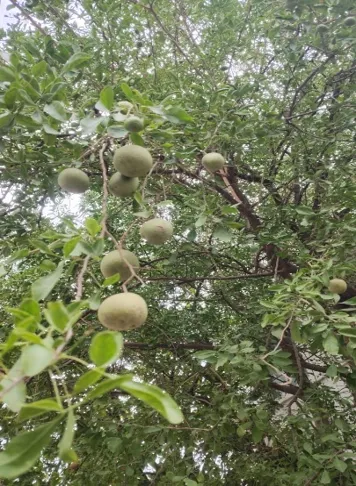
Fig. 1. Limonia acidissima L. (Wood apple) Tree
Mechanisms of inhibition of xanthine oxidase and anti-hyperuricemic effect
The flavonoids and coumarins of L. acidissima showed significant competitive and noncompetitive inhibition of xanthine oxidase (XO) [39,40]. SAR studies have shown that the presence of hydroxyl groups at C-5 and C-7 of the flavonoid A-ring and the double bond between C-2 and C-3 of the C-ring are essential for binding to the active molybdenum center of xanthine oxidase and preventing the binding of the substrate hypoxanthine [41, 42]. In vitro enzyme assay showed that fruit extracts of L. acidiphila inhibited XO in a concentration dependent manner with IC50 values comparable to that of the traditional allopurinol [43]. In pharmacological in vivo studies using hyperuricemic rodent models induced by potassium oxonate, oral and topical administration of L. acidissima extract significantly decreased serum uric acid levels, down-regulated renal urate transporter 1 (URAT1) and glucose transporter 9 (GLUT9), and up-regulated organic anion transporters (OAT1/OAT3) to improve renal urate clearance [44, 45].
Anti-inflammatory and antioxidant activity in gout arthritis
L. acidissima fruit extract exhibited a significant free radical scavenging activity against 2, 2-diphenyl-1-picrylhydrazyl (DPPH), superoxide and hydroxyl radicals as well as inhibiting the xanthine oxidase activity and thus suppressed XO-generated oxidative stress in vascular and joint tissues [42]. Treatment with L. acidissima extract significantly decreased joint swelling, neutrophil infiltration, nuclear factor-kappa B (NF-κB) nuclear translocation and subsequent production of pro-inflammatory mediators including PGE2, IL-1β, TNF-α and COX-2 in animal models of MSU crystal-induced gouty arthritis [40, 44].
Emulgel Technology for Delivery of Phytopharmaceuticals
Principles and Benefits of Emulgel Formulations
Emulgels are a dual control drug delivery system which consists of a hydrophobic emulsion core dispersed homogeneously in a hydrophilic polymer gelling network [26, 27]. This double structure is advantageous in the delivery of herbal extracts such as L. acidissima: (a) enhanced solubilization of lipophilic active phytoconstituents in the internal oil droplets; (b) controlled and sustained release kinetics through the skin barrier; (c) extreme thermodynamic stability against creaming and phase separation; (d) excellent spreadability and thixotropic flow; and (e) high patient acceptability due to non-greasy, non-staining and easily washable properties [28, 41].
Critical Components and Criteria in Excipient Selection
The rational design of optimized emulgel depends on the meticulous selection and concentration tuning of four core components, i.e. gelling agents, oil phase, emulsifying agents and penetration enhancers [22, 26].
Hydrophilic Gelling Agents
The type of gelling agent determines viscosity, yield value, spreadability and drug release profile of the emulgel [24]. Carbopol polymers (Carbopol 934, Carbopol 940) are cross-linked acrylic acid polymers [25]. Carbopol polymers are widely preferred due to their high clarity, excellent shear thinning thixotropic behaviour and stable gel structure upon neutralization with triethanolamine (TEA) or sodium hydroxide. Cellulosic polymers such as Hydroxypropyl Methylcellulose (HPMC K4M, HPMC K100M) and Sodium Carboxymethylcellulose (Na-CMC) have bio adhesive properties, thermal stability and compatibility with high salt/polyphenol concentrations [27].
Choice of the oil phase
Lipophilic phytoconstituents are carried in the oil phase. The most common oils used are Light Liquid Paraffin (LLP), Isopropyl Myristate (IPM), Sesame Oil, Clove Oil and Mineral Oil [23, 26]. Isopropyl myristate and liquid paraffin combine with suitable surfactants to give ideal extract solubility, a pleasant skin feels and low interfacial tension [28].
Emulsifiers and HLB Optimization
A mixture of non-ionic hydrophilic and lipophilic surfactants can be used to obtain a stable o/w emulsion with a small globule size [25]. Moreover, non-ionic surfactants like Polysorbate 80 (Tween 80, HLB 15.0) and Sorbitan Monooleate (Span 80, HLB 4.3) were selected frequently due to their low toxicity to skin, good physical compatibility and capability to reach a target Required HLB (generally 10-14 for o/w emulgels) [22].
Cosolvent and Penetration enhancer
Chemical penetration enhancers increase skin permeability by transiently disrupting the highly organized intercellular lipid bilayers of the stratum corneum [21, 23]. The transdermal flux and cumulative permeation of bioactive flavonoids (orientin, rutin and quercetin) into the systemic circulation are often accelerated by the addition of oleic acid (fatty acid), menthol (terpene), propylene glycol (co-solvent) and ethanol [38, 41].
Design Formulation and Optimization Techniques
Standardization and Extraction of Limonia acidissima
The polarity of the solvent and the extraction method have a major impact on the phytochemical yield and extraction efficiency [34]. Hydroalcoholic solvents (ethanol: water or methanol: water 70:30) combined with Soxhlet extraction or Ultrasound-Assisted Extraction (UAE) can provide the maximum amounts of total phenolics, total flavonoids, and xanthine oxidase inhibitory active fraction [35, 38]. To ensure batch-to-batch consistency, the crude extract is standardized using marker compounds as rutin, quercetin, or marmesin using High-Performance Thin Layer Chromatography (HPTLC) or High-Performance Liquid Chromatography (HPLC) [36, 39].
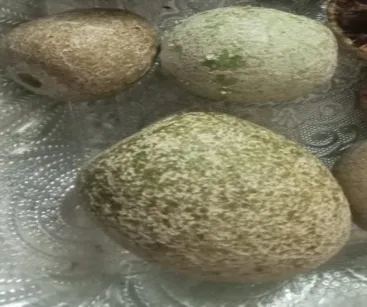
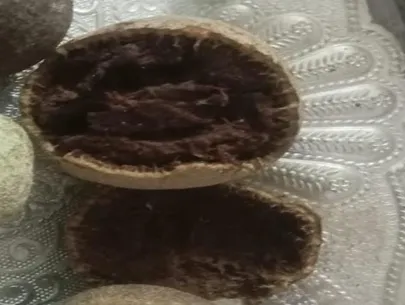
Fig. 2. Limonia acidissima L. Fruit Fig. 3. Limonia acidissima L. Fruit Pulp
Preparation Method of Emulgel
The emulgel of L. acidissima fruit extract is prepared in two steps [26, 27]:
1. Preparation of emulsion the aqueous phase (e.g. Purified Water + Tween 80 + Propylene Glycol) and oil phase (e.g. Liquid Paraffin + Span 80 + extract fraction) are heated separately to 70°C to 75°C. To prepare fine o/w primary emulsion, the oil phase is slowly added to aqueous phase and homogenized at high speed (5000-10000 rpm). 2. Incorporation into gel matrix: distilled water is used to disperse the gelling agent (such as Carbopol 940, 1-2% w/w) and it is left to hydrate overnight. In order to accomplish gelation and maximal viscosity, the generated o/w emulsion is added then to the hydrogel matrix in a 1:1 ratio while being gently mechanically stirred. Triethanolamine (TEA) is then used to neutralize the pH [28].
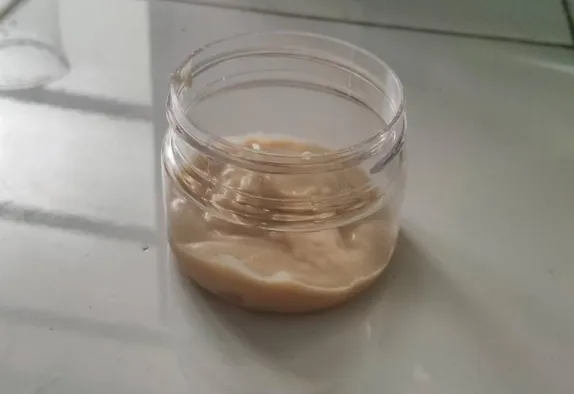
Fig.4. Limonia acidissima L. Fruit Extract Emulgel
Quality by design (QbD) and Design of Experiment (DoE)
The principles of Quality by Design (QbD) and Response Surface Methodology (RSM) like 32 Central Composite Design or Box-Behnken Design have been used for contemporary pharmaceutical formulation development [41]. Critical quality attributes (CQAs) including globule size, viscosity, spreadability, drug content and transdermal flux (Jss) are optimized against independent critical formulation variables such as concentration of Carbopol 940, concentration of oil and Tween 80: Span 80 ratio [42, 43].
Comprehensive Assessment and Characterization Methods
Organoleptic and Physicochemical Assessment
The physical properties, color, aroma, clarity and uniformity in phase of the emulgel are assessed by visual inspection [26]. pH was measured by immediate immersion of the electrode of a calibrated digital pH meter in a 1% w/v emulgel aqueous dispersion. The pH of the topical formulations should be between 5.5 and 6.8 to avoid the irritation of the skin and to be physiologically compatible with the pH of the human skin surfaces [27].
Rheological profiling and viscosity measurements
The stability against settling, ease of application, and extrudability from tubes are all controlled by the rheological qualities [24, 25]. A Brookfield RVT or cone and plate viscometer is used to measure the viscosity at 25°C ± 1°C at various shear rates (1 to 100 rpm). The ideal emulgel should exhibit non-Newtonian pseudoplastic flow behaviour with shear-thinning thixotropic qualities, which entail a quick recovery after the shear is stopped and a drop in viscosity under shear strain (easy to spread) [28].
Extrudability and Spreadability Tests
Spreadability is defined as the ease of emulgel spreading when applied to skin under mechanical shear [22]. The parallel glass plate method (Ojeda method) was used to determine the spreadability by formulating S = M L T, where S is the spreadability (g·cm/sec), M is the weight attached to the higher slide (g), L is the length of the glass slide (cm), and T is the time required for separation of slides (sec) [26]. The extrudability of an empirical gel ribbon from a collapsible aluminum or plastic tube is expressed as the percentage of gel extruded when a standard weight is applied [27].
Microstructure analysis: Globule size, PDI and Zeta potential
Dynamic Light Scattering (DLS) Photon correlation spectroscopy [41,43] is applied to determine the Droplet Size Distribution, Polydispersity Index (PDI and surface charge (Zeta Potential) of the internal oil droplets in the gel matrix. Mean globule sizes in the 100-500 nm range provide homogeneous skin deposition, enhanced intercellular transit thru the stratum corneum micro-fissures and long-term kinetic stability against Ostwald ripening. If the value of Zeta Potential is higher than ± 30 mV, then there would be strong electrostatic repulsion between droplets which would prevent coalescence and particle aggregation [42].
HPLC estimation and Drug content
The marker phytoconstituents (rutin, quercetin or total phenolic contents) were determined by validated High-Performance Liquid Chromatography (HPLC) at a specific wavelength or UV-Visible spectrophotometry after the known amount of emulgel (1g) in a suitable solvent (methanol/Phosphate buffer pH 7.4) followed by centrifugation and filtration [36,39]. Drugs may be present at 95.0 to 105.0% of the nominal loading of extract.
In Vitro Release and Ex Vivo penetration Studies
The in vitro release kinetics of the drug were studied in PBS (pH 7.4) at 32°C ± 0.5°C simulating the skin surface by employing vertical Franz diffusion cells with synthetic cellulose acetate membranes [21, 23]. In ex vivo transdermal permeation experiments, donor and receptor compartments are separated by excised full thickness rodent (rat) or porcine ear skin [38, 41]. The parameters calculated were steady state transdermal flux (JSS) μg/cm2/h, cumulative amount of drug penetrated per unit area (Qn, μg/cm2), permeability coefficient (Kp, cm/h), lag time (tlag,h) and enhancement ratio (ER). The drug release data are fitted to mathematical models Zero-order, First-order, Higuchi and Korsmeyer-Peppas models to describe the mechanism of transdermal diffusion [26,43].
In vivo pharmacodynamics and safety assessments
The anti-hyperuricemic efficacy in vivo was confirmed in potassium oxonate-induced hyperuricemic Wistar rats [44]. Topical application of L. acidissima emulgel on joint areas or abdominal skin significantly reduces serum uric acid, xanthine oxidase activity, and inflammatory markers (IL-1β, TNF-α) compared to control groups [40,45]. Primary skin irritation using OECD Guidelines (Draize patch test) on rabbits/rats includes determination of Primary Irritation Index (PII) scores for erythema and edema, confirming the formulation as non-irritant and safe human cutaneous application [22].
Stability Testing Guidelines
Stability investigations are carried out using the International Conference on Harmonization (ICH) Q1A(R2) criteria [26]. The key features that were regularly assessed were organoleptic stability, viscosity, phase separation (centrifugation at 3000rpm for 30minutes), drug content, and in-vitro permeation flux.
Difficulties, legal concerns, and prospects
Obstacles
Although there is much promise for the emulgel of Limonia acidissima to be employed as a topical treatment agent for hyperuricemia, certain translational difficulties must be resolved [32, 41]. First, depending on seasonal harvesting, geographic origin, and extraction methods, crude plant extracts exhibit chemical heterogeneity from batch to batch. For regulatory compliance, quantitative HPLC marker estimate [36, 39] necessitates strict analytical standardization. Second, unlike rodent skin models, the transdermal transit of big polyphenolic glycosides (such as rutin and orientin) across the human stratum corneum is intrinsically limited. To improve epidermal penetration and extend systemic treatment levels, advanced nanocarriers such as nanoemulgels, transferosomes, or ethosomal emulgels can be employed [42, 43].
To determine long-term safety, pharmacokinetic characteristics, and comparative therapeutic equivalency with oral allopurinol or febuxostat in clinical practice, randomized, double-blind, placebo-controlled human trials are required [44, 45].
Summary
The development of Limonia acidissima fruit extract in a topical emulgel system is a very novel, effective and patient-friendly approach for treatment of hyperuricemia and acute attacks of gout. L. acidissima fruit extract provides a potent blend of natural xanthine oxidase inhibitors (flavonoids, coumarins, polyphenols) that inhibit uric acid synthesis and reduce joint inflammation. The presence of this extract in an emulgel matrix overcomes the solubility barriers of lipophilic phytoconstituents, offers excellent spreadability and skin hydration, and removes the severe gastrointestinal and renal toxicities associated with conventional oral therapies. Standardized characterization protocols like rheology, globule size, in vitro release, ex vivo transdermal flux and stability testing facilitate development of a robust, stable and clinically viable phytopharmaceutical product.
REFERENCES






Dhivash R, Gunaseelan K, Manikandan B, Muthamizhselvi P, Surekha L, Sruthi Premanandan, Limonia Acidissima Fruit Extract Emulgel Formulation and Assessment for The Treatment of Hyperuricemia, Int. J. of Pharm. Sci., 2026, Vol 4, Issue 9, 363-373, https://doi.org/10.5281/zenodo.22247147
 10.5281/zenodo.22247147