

We use cookies to ensure our website works properly and to personalise your experience. Cookies policy
Rajiv Gandhi Institute of Pharmaceutical Science and Research, Trikaripur, Kasaragod, Kerala, India, 671310.
Psoriasis is a chronic, immune-mediated inflammatory skin disorder characterized by excessive keratinocyte proliferation, abnormal epidermal differentiation, and persistent inflammation. Although conventional therapeutic approaches can effectively control disease symptoms, their long-term use may be associated with adverse effects and other limitations, creating a need for complementary therapeutic options. Medicinal plants have attracted considerable attention as potential sources of bioactive compounds for psoriasis management due to their diverse pharmacological properties. This review focuses on selected medicinal plants traditionally used and investigated for their potential role in the management of psoriasis. The major phytoconstituents present in these plants and their reported pharmacological activities, including anti-inflammatory, antioxidant, immunomodulatory, antimicrobial, and antiproliferative effects, are discussed. These activities may be relevant to the inflammatory pathways and abnormal keratinocyte proliferation associated with psoriasis. The review also highlights the potential of plant-derived bioactive compounds as complementary approaches to conventional psoriasis therapy. However, further studies addressing their mechanisms of action, safety, standardization, dosage, and clinical efficacy are necessary to establish their therapeutic potential and support their appropriate use in psoriasis management.
Inflammation is a natural immunological response triggered by oxidative stress in any organ of the body. Psoriasis is one of the most severe inflammatory disorders, while not being infectious. Psoriasis typically affects the skin, nails, and joints. It falls under papulo-squamous diseases. The outer layer of skin, known as the epidermis, moves to the surface and then sheds from the skin. The skin development involves a significantly greater turnover rate. Psoriasis derives its name from the Greek word for "roughly itching condition" (psora: "itch", sis: "action")(1).
Psoriasis is an immune-mediated condition in which a normal skin cell misidentifies a pathogen and transmits a wrong signal, resulting in excessive production of new skin cells. It is also a hereditary condition, but the inheritance pattern remains unpredictable. It is often a lifelong condition with no permanent cure, however several therapies can be done to reduce the severity of symptoms caused by it. Topical therapies include emollients, moisturisers, tars, anthralins, topical corticosteroids, vitamin A and D analogues, and systemic medicines including corticosteroids, methotrexate, cyclosporine, etretinate, immunomodulators, and hydroxyurea. Phototherapy and photo-chemotherapy are newly developed treatments for this condition(2).Nearly 2% of the population suffers from this chronic condition, which causes skin inflammation, epidermal hyperplasia, an increased risk of arthritis and cardiovascular issues, as well as detrimental effects on mental health(3).
Although many skin illnesses are associated with age, psoriasis may arise at any stage of life. Disease onset occurs at two age peaks. The first occurs between the ages of 20 and 30, and the second between the ages of 50 and 60, when the disorder appears as erythematous plaques coated in white silver scales. Aside from the extensor surfaces of the limbs, the scalp, sacral area, and navel area are characterised as the most commonly affected areas.(4)
Historically, pharmacologically active chemicals have been abundant in natural goods. Medicinal plants contain various active phytoconstituents, like flavonoids, alkaloids, terpenoids, and coumarins, which possess antioxidant, anti-inflammatory, and immunomodulatory activities that can modulate key inflammation pathways involved in Psoriasis and thereby reduce inflammatory responses and abnormal keratinocyte proliferation. Medicinal plants have gained considerable attention as potential complementary and alternative therapeutics for Psoriasis due to fewer side effects, low cost, and high patient compliance(5).
CLASSIFICATION OF PSORIASIS(6)
Psoriasis vulgaris is the most frequent phenotype, affecting around 85-90% of people with psoriasis. Lesions are most typically found on the extensor surfaces of the elbows and knees, the sacral region, and the scalp, but they can appear anywhere on the skin. Psoriasis is classified as follows.
The characteristic plaque psoriasis lesions are erythematous, scaly, and well-defined plaques. The psoriasis area severity index (PASI) is used to assess the severity of psoriasis. It considers both the severity (erythema, induration, and desquamation) and the percentage of affected areas. Lesions start as erythematous papules and grow into rich crimson (sometimes known as "salmon pink") plaques. The shape of the plaque and the amount of scaling vary, but most lesions are covered in silvery white scale. When gently scraping the surface, scales fall off like candle wax (wax-spot phenomena); this is an indication of epidermal hyperkeratosis and parakeratosis. A wet, smooth layer known as the "last membrane phenomenon" may become visible when plaques are scraped deeper. Auspitz's sign is the appearance of pinpoint-like bleeding foci on the background of the erythematous membrane.
It is typically brought on by a streptococcal infection and is more prevalent in children and adolescents than in adults. Patients typically had a large number of scaly, tiny, "drop-like" papules and plaques with a diameter of 0.3 to 0.5 cm. There are many degrees and intensities of itching. In later life, one-third of guttate psoriasis cases would progress to chronic plaque psoriasis.
It is distinguished by the presence of white sterile pustules, which can be widespread or localized. An eruption of superficial pustules with an erythematous base is the usual presentation. Localised pustular psoriasis and generalised pustular psoriasis (GPP) are two subtypes of pustular psoriasis.
It is a rare and severe form of psoriasis that manifests as generalised erythema, oedema, pruritus, scaling, exudative lesions, and diffuse or palmoplantar desquamation (typically affecting 90% or more of the body surface area). Systemic symptoms such chills, fever, dehydration, lymphadenopathy, gastrointestinal malaise, infrequently high output heart failure, and cachexia are always present with EP. Patients with EP may have a significant risk of severe systemic infection and sepsis, which can occasionally be fatal, due to the malfunctioning of the epidermal barrier. EP has a prolonged course and is prone to recurrence.
It is sometimes referred to as intertriginous or flexural psoriasis. The lesions typically appear as smooth, moist, scaly-less, dark-red patches in folds or rubbing areas such as the inguinal folds, axillae, inframammary folds, anogenital areas, umbilicus, and retro-auricular areas such as the hip groove, armpit, groin, and under the breast; retro-auricular regions and gland. Patients with IP are likely to have plaque psoriasis lesions in other places of their bodies.
Approximately 30% of individuals with psoriasis develop psoriatic arthritis (PsA). PsA can affect any joint in the body, including the spine, sacroiliac joints, small joints like fingers and toes, and major joints like elbows and knees, in addition to psoriatic lesions. It is gradual and may end in oligoarticular or polyarticular arthritis, which would limit movement and, in extreme situations, cause joint destruction and deformity. The affected joints may also become inflamed and uncomfortable.
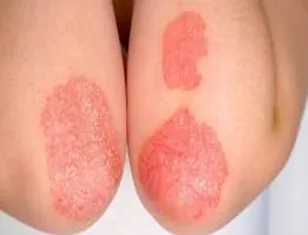
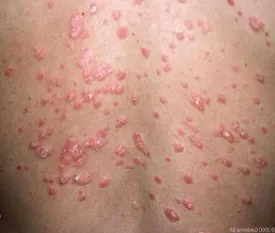
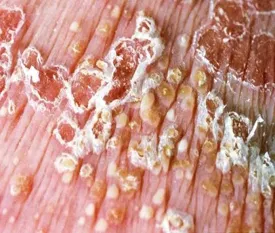
Fig 1: psoriasis vulgaris Fig 2: Guttate psoriasis Fig 3: Pustular psoriasis
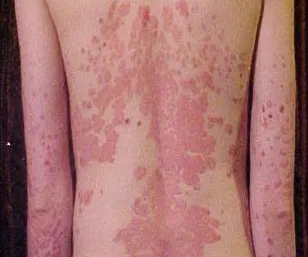
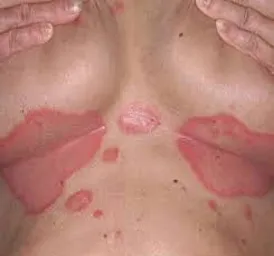
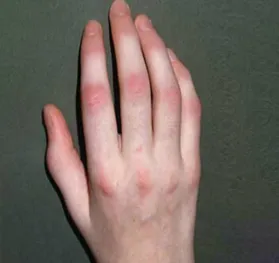
Fig 4: Erythrodermic psoriasis Fig 5: Inverse psoriasis Fig 6: Psoriatic arthritis
ETIOLOGY(7)
The etiology of psoriasis is complicated and not entirely understood, including genetic predisposition, lifestyle changes, and environmental triggers.
Hereditability is the primary risk factor for being diagnosed with psoriasis. Over 100 genetic variants linked to psoriasis susceptibility or protective characteristics have been found. The HLA-C*06:02 allele is found in more than 60% of individuals and increases the risk of psoriasis. Furthermore, genome-wide association studies have revealed significant non-HLA susceptibility genes, such as IL23A, IL12B, and IL17RA, that influence illness incidence and progression, as well as the responsiveness to targeted therapies.
Psoriasis pathogenesis depends on gene-environment interactions, with disease manifestation requiring environmental triggers such as infections, medication exposure, and air pollutants.
PATHOPHYSIOLOGY(8)
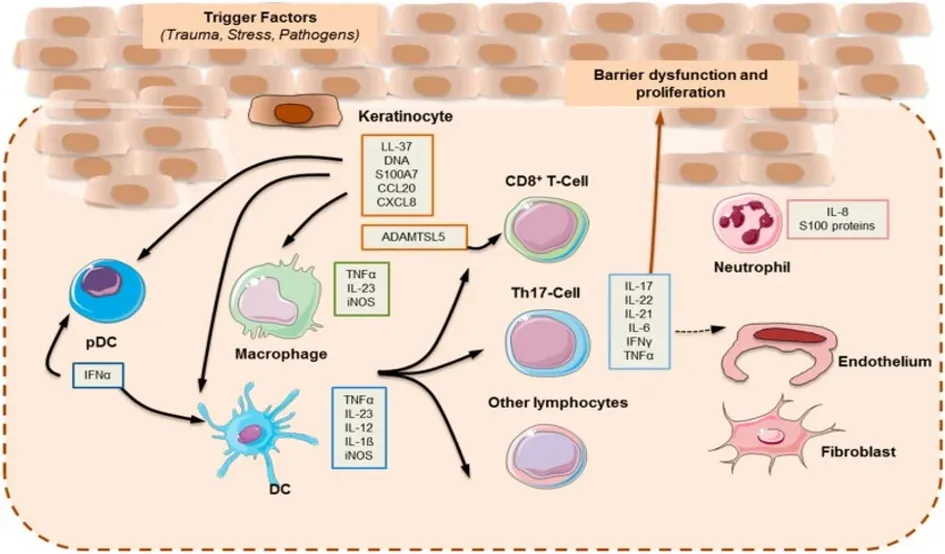
Fig 7: Pathophysiology of Psoriasis
Psoriasis is a persistent inflammatory skin illness caused mostly by immune-system T cells. Its development is regulated by a complex interaction of genetic, epigenetic, hormonal, and environmental variables. Genetic vulnerability is notably linked to specific human leukocyte antigen (HLA) alleles from the major histocompatibility complex (MHC), which influence both innate and adaptive immunological pathways. Although the particular triggering antigen has not been determined, it could be self antigens, environmental factors, or a combination of the two. Excessive keratinocyte proliferation, aberrant skin differentiation, and inflammatory cell infiltration in the dermis and epidermis are characteristic features of psoriasis. Dendritic cell signals and cytokines, particularly tumour necrosis factor alpha (TNF-), activate these inflammatory cells, which include T lymphocytes, monocytes, and neutrophils. The inflammatory cascade and keratinocyte hyperproliferation are amplified as a result of a feedback loop involving innate immune cells (such as dendritic cells, macrophages, Langerhans cells, and NK cells) and adaptive immune cells (such as Th1 and Th17 cells). In addition to increased numbers of CD8+ cytotoxic T cells and CD4+ helper T cells (Th1 and Th17), psoriatic lesions frequently have high levels of TNF-. Cytokine patterns that are consistent with activation of the Th1 and Th17 pathways support this immunological activity.
MEDICINAL PLANTS USED FOR PSORIASIS
Often referred to as neem, it is a member of the Meliaceae family. usually grows in semitropical and tropical climates. Neem oil is mostly derived from its fruits and seeds. Azadirachtin is an insecticide, growth disruptor, and insect anti-feedant. It includes polyphenolic flavonoids as beta-sitosterol and quercetin. Neem leaves contain antifungal and antibacterial properties. Psoriasis, eczema, and ringworm are among the chronic skin disorders that neem oil has been used to treat(9).
Neem's pharmacological actions combine to form a complete foundation for managing psoriasis. Its anti-inflammatory properties, shown through chemicals like nimbidin and Nimbin, connect with the heart of psoriasis pathophysiology, opposing inflammatory mediators and opening the way for possible treatment.
Neem's immunomodulatory properties are noteworthy, since they complement the immune-mediated nature of the illness. By moderating immunological responses, neem has the ability to restore balance and prevent the unregulated proliferation of skin cells underlying psoriatic symptoms. Furthermore, neem's antibacterial properties, which are attributed to chemicals such as azadirachtin, Nimbin, and genuine, are noteworthy. Given that microbial infections can worsen psoriasis, neem's antibacterial properties may temper such infections, thereby reducing psoriasis severity. Neem's antioxidant properties are similarly intriguing. With psoriasis integrally related to increased oxidative stress, neem's abundance of antioxidants, including flavonoids, carotenoids, and vitamin C, offers promise for reducing oxidative damage and protecting skin cells(10)
Biophytum sensitivum, classified among the dasapushpam group of crucial Ayurvedic flora in the Oxalidaceae family, is extensively utilized in Ayurveda. This plant, which is known as the "life plant," "little tree plant," and "sensitive plant," thrives in the tropical areas of Madagascar, Africa, and South Asia. A trace of cupressoflavone, bioflavonoid, and amentoflavone were shown to be the main bioactive components.
It has been extensively studied for its radioprotective, immune-modulatory, cardioprotective, anticancer, and wound-healing properties, as well as its analgesic, antipyretic, anti-inflammatory, antihyperglycemic, antibacterial, antihypertensive, antioxidant, chemoprotective, antifertility, apoptotic, cell-mediated immune response, repetitive action potentials, effects on prostaglandin biosynthesis, and other biological properties and therapeutic potentials(11),(12)
It is an annual herb from the Ranunculaceae family and is commonly known as black cumin. Nigella sativa seeds include nutritious components such as carbs, lipids, vitamins, minerals, and proteins, which include eight of the nine essential amino acids. Pharmacological examinations of the seed extract reveal a wide range of actions, including anti-inflammatory, antibacterial, antifungal, and antihelminthic properties. The seeds are utilized externally to treat skin outbreaks. The seeds are traditionally used to treat psoriasis tropicus, which is characterized by generalized discomfort and patch eruption(13).
long histories of use in traditional medicine for treating various skin conditions and are recognized particularly for their anti-inflammatory, antioxidant, anti-diabetic, anti-cancer, anti-allergic, antipyretic and antimicrobial properties. Both plants exhibit anti-proliferative effects and down regulate pro-inflammatory cytokines, which play a key role in the pathogenesis of psoriasis(14)
It is frequently referred to as Milk Thistle. A herbaceous annual species, it is a member of the Asteraceae family. The plant's seeds are known to be used in traditional medicine to cure liver and gallbladder conditions as well as to shield the liver from harmful substances including poisonous mushrooms, bug stings, and snake bites. This plant exhibits strong hepatoprotective properties. Psoriasis and other skin conditions can be treated with Silybum marianum. Psoriasis patients were shown to have elevated levels of leukotrienes and cyclic adenosine monophosphate (cAMP). Silymarin improves the liver's ability to remove endotoxins and inhibits the production of leukotrienes and cAMP phosphodiesterase(15).
It is frequently referred to as turmeric. It is made from both fresh and dried rhizomes of the plant Curcuma longa, which is a member of the Zingiberaceae family..Up to 90% of the world's entire output comes from India. The genus Curcuma contains over 70 species of rhizomatous herbs found throughout Southeast Asia, particularly in China, Thailand, and India. 5% of it is made up of resin, volatile oil, and yellow colouring agents called curcuminoids. Curcumin (50–60%) is the main constituent of curcuminoids. Curcumin has been proved as an anti-inflammatory drug(9).
Curcumin's anti-inflammatory, antioxidant, and immunomodulatory qualities are especially remarkable, indicating that it may be able to reduce the symptoms of psoriasis. By focusing on different inflammatory pathways and cytokines, curcumin has a strong anti-inflammatory effect that tackles the chronic inflammation that is essential to the onset and development of psoriasis.(16)
Aloe barbadensis Miller, sometimes known as Aloe vera, is one of the more than 400 species of Aloe in the Liliaceae family that are native to arid subtropical and tropical regions but originated in South Africa. The A. vera plant's high-water content, which ranges from 99 to 99.5%, is its primary characteristic. Over 75 distinct potentially active substances, including water- and fat-soluble vitamins, minerals, enzymes, simple and complex polysaccharides, phenolic compounds, and organic acids, are reportedly present in the remaining 0.5–1.0% solid material(17).
Aloe vera gels and extracts have hepatoprotective, immunosuppressive, antidiabetic, analgesic, anti-inflammatory, and antioxidant effects. The antioxidant activity of A. vera suppresses or delays oxidative stress, which is an important therapeutic target for treating and relieving psoriasis symptoms. Many antioxidant species in A. vera, namely carotenoids, flavonoids, anthraquinones, polysaccharides, salicylic acid, and vitamins, are responsible for alleviating psoriasis symptoms(18).
Wrightia tinctoria, sometimes known as Pala indigo or Dyer's oleander belong to family Apocynaceae, is a flowering plant from the Wrightia genus found in Southeast Asia, India, and Australia. It may be found in both moist and dry environments(19).
It contains lipids, saponin, tannins, alkaloids, phenols, steroids, flavonoids, and other chemical compounds. The bark and seeds are beneficial in treating psoriasis and non-specific dermatitis. It contains anti-dandruff effects and is thus utilised in hair oil products. Wrightia tinctoria has been assigned to have good analgesic, anti-inflammatory, anthelmintic, antiulcer, antidysentric, antidiabetic, anticancer, antipyretic activities and also effective in the treatment of psoriasis(20).
Glycyrrhiza glabra, which is native to the Mediterranean and some regions of Asia, is a member of the Leguminosae family and is commonly referred to as liquorice or sweet wood(21),(22). Glycyrrhiza species have been used by a number of traditional healers as a diuretic, choleretic, insecticide, and in traditional medicine for painful swellings, colds, and coughs.
Liquorice contains amino acids, proteins, simple sugars, polysaccharides, mineral salts, pectin, starches, sterols, gums, and resins. Other major compounds in this plant having anti-atherogenic, anti-cancer, anti-diabetic, anti-microbial, antispasmodic, anti-inflammatory, and anti-asthmatic qualities are glycyrrhizin, glycyrrhizinic acid, isoliquiritin, and glycyrrhizic acid(21).
There are many polyphenolic components in glycyrrhiza (root), which may be a source of antioxidants. By preventing microsomal lipid peroxidation, licochalcones B and D demonstrate possible efficacy. Red blood cells are shielded from oxidative haemolysis by retrochalcones, which also show mitochondrial lipid peroxidation. It was discovered that isoflavones contained in Glycyrrhiza glabra, such as glabridin, hispaglabridin A, and 30hydroxy-4-O-methylglabridin, may have antioxidant properties(22).
Angelica sinensis, often known as female ginseng or Dong Qquai, appears to be a perennial or biennial member of the Apiaceae family. It is also referred to as Dong Quy. It is a well-known herb that is frequently utilized in East Asian traditional medicine(23). A. sinensis (AS) has a long history of usage in traditional Chinese medicine (TCM) to treat traumatic injuries and inflammatory skin lesions (e.g., sores/boils/carbuncles/ulcers), as well as topical wound treatments. These extracts contain phthalides (for example, ligustilide), phenolic acids (such as ferulic acid and other hydroxycinnamic derivatives), and polysaccharides. These compounds have been linked to antioxidant capacity and modulation of inflammatory signalling (e.g., NF-κB/MAPK)(24).
Psoralen, a potent furocoumarin, is present in Angelica sinensis extract. Psoralens are utilized in the treatment of psoriasis because they act as photosensitizers when exposed to UV-A. Patients self-administer PUVA therapy by consuming Angelica sinensis and then exposed to natural sunlight or UV. After eating Angelica sinensis, UV exposure enhances DNA cross-linking in the epidermis, delaying epidermal DNA synthesis. Additionally, they cause mitochondrial dysfunction, Langerhans cell toxicity, reactive oxygen species production, and keratinocyte and lymphocyte mortality(23).
R. cordifolia L. is a perennial herbaceous climbing plant from the Rubiaceae family that has long, cylindrical, and crimson roots. R. cordifolia grows abundantly in Africa, tropical Asia, India, Malaysia, China, Japan, and tropical Australia. It's also known as Indian Madder(25). It has been used traditionally to treat uterine bleeding, allergic purpura, renal haemorrhage, arthritis, and psoriasis. Quinone derivatives, such as anthraquinones and naphthohydroquinones, are the most active ingredients in R. cordifolia. Anthraquinone compounds, such as aloe-emodin produced from rhubarb, have been demonstrated to be useful for psoriasis treatment. In R. cordifolia, typical anthraquinone molecules include alizarin and purpurin. These chemicals have been demonstrated to have anticancer, antibacterial, neuroprotective, and anti-inflammatory properties(26),(27).
Mahonia aquifolium, sometimes known as Oregon grape, is an evergreen shrub in the Berberidaceae family. It is native to the United States and is used to treat a wide range of inflammatory skin diseases. It has long been utilised in traditional Chinese medicine(23). M. aquifolium's high alkaloids content gives it antioxidant, anti-inflammatory, hypoglycemic, hepatoprotective, and hypotensive effects(28). The root and wood contain isoquinolone alkaloids such as jatorrhizamine, palmatine, berberine, beramine, and magnoflorine, which are responsible for its medicinal properties. Specifically, its anti-inflammatory effects have led to its recent usage in dermatological diseases(29).
Berberine, an alkaloid discovered in Mahonia aquifolium extract, is responsible for the plant's anti-psoriasis properties. Berberine has been shown to have anti-inflammatory effects through a variety of mechanisms, including the downregulation of lipoxygenase and lipid peroxidation, a decrease in T cell infiltration in exposure lesions, and a decrease in cyclooxygenase activity, which results in a reduction in the suppression of IL-8 and prostaglandin E2. Berberine inhibits cell growth by intercalating into DNA, reducing replication and cell proliferation. Other alkaloids that inhibit lipoxygenase, such as oxyberberine, jatrorrhizine, corytuberine, and columbamine, contribute to anti-inflammatory activity(23).
Tinospora Cordifolia (TC), a medicinal plant from the Menispermaceae family, has a variety of therapeutic effects. It is extensively dispersed in the Himalayan area of India, Burma, China, Myanmar, and Sri Lanka(30). Skin conditions can be effectively treated using T. cordifolia stem extract. The plant's root, another significant component, has anti-stress and anti-ulcer properties. The stem and root of T. cordifolia are used as an antidote for snakebite and scorpion stings, together with other therapeutic medications. T. cordifolia's dry bark has anti-inflammatory, antiallergic, antipyretic, antispasmodic, and anti-leprotic qualities.
T. cordifolia reduces stress and anxiety and possesses immunomodulatory effects. The plant has the capacity to limit free radical formation, protecting membranes against radical-induced membrane damage. It is also useful in Dengue because it boosts platelet count. Furthermore, it has several undiscovered health advantages and applications. T. cordifolia extracts have been used to treat autoimmune diseases. Furthermore, the different extract fractions and constituents of T. cordifolia have anticancer activity. It has excellent therapeutic medicinal characteristics demonstrating anti-diabetic, anti-inflammatory, anti-arthritic, antioxidant, hepatoprotective, cardioprotective, anti-allergic, anti-stress, and many more(31).
Allium sativum L., or garlic, is a shallow-rooted vegetable crop that is a member of the Alliaceae family. Originating in central Asia, allium is an old crop that is found throughout the northern hemisphere's temperate, warm temperate, and boreal zones(32).
Its constituents include enzymes (for example, alliinase), sulfur-containing compounds such as alliin, and compounds produced enzymatically from alliin (for example, allicin). Other constituents such as arginine, oligosaccharides, flavonoids, and selenium are available in garlic. Garlic is widely known for its biological properties and plays an important role as an antioxidant. Garlic is also characterized by more polar compounds of phenolic and steroidal origin showing interesting pharmacological properties(33).
Santulum album L., a member of the Santalaceae family, has been used in religious rites, as a fragrance and flavouring, and in Ayurvedic medicine to treat depression and inflammatory responses, as an insecticide, antifungal, sedative, and astringent. These antibacterial, anti-inflammatory, and anti-proliferative qualities make East Indian Sandalwood oil (EISO) an appealing prospective treatment for a variety of skin ailments(34). Sandalwood album oil (SAO) has been used topically for ages in Ayurvedic and traditional Chinese medicine. The oil is produced from the heartwood of the Santalum album tree and comprises approximately 125 structurally similar chemicals, with fewer than a dozen components exceeding 1% by weight. SAO is known to exert anti-inflammatory effects in vitro via a variety of methods. The oil inhibits the oxidative enzyme 5-lipoxygenase and exhibits DPPH radical scavenging action. In vivo, SAO was able to protect mouse livers from damage caused by oxidative stress and the generation of reactive oxygen species.
Sandalwood album oil (SAO), also known as East Indian sandalwood oil (EISO), is an essential oil derived from the Santalum album tree that possesses biological action as an anti-inflammatory, antimicrobial, and anti-proliferative agent. Clinical investigations have indicated that sandalwood album oil can cure acne, psoriasis, eczema, common warts, and molluscum contagiosum. The favourable safety profile, convenience of topical administration, and recent availability of pharmaceutical-grade sandalwood album oil suggest its widespread usage as the basis of innovative treatments in dermatology(35).
Ziziphus Spina-Christi (L.) (ZSC) (Sider), a tropical evergreen tree belonging to the Rhamnaceous family, is mostly found in the Sinai Peninsula. (Egypt). It is also to as Nakba and Sidr in various Middle Eastern nations. Traditional medicine uses ZSC because of its antibacterial and antifungal qualities. In Saudi Arabian traditional medicine, ZSC leaves are used to treat wounds, skin conditions, inflammatory issues, sores, ringworm, fever, gonorrhoea, STDs, and ulcers. The leaves of ZSC are used in Iranian traditional medicine to treat skin conditions such atopic dermatitis and as an antibacterial, antifungal, and anti-inflammatory agent. The primary antimicrobial agents that suppress bacterial growth are metabolites like flavonoids and alkaloids(36).
Ziziphus spina-christi fruit (ZSCF) extracts are known for their potent antioxidant and antibacterial properties, making them promising candidates for organic skin lotion formulations (37).
Since the 12th century, oats (Avena sativa L.) have been utilised medicinally for a variety of ailments, including as dietary supplements and natural cures. Avenanthramides and tocopherols, which function as naturally occurring free radical scavengers, are the source of oats' strong antioxidant properties. Because of their high beta-glucan content, oats help lower blood cholesterol and facilitate the slow absorption of nutrients. Oats are also used as a representative plant agent to treat skin conditions. The colloidal extracts of oats are useful in reducing situations of irritated and inflamed skin because they increase the release of anti-inflammatory transforming growth factor β and moisturise dry skin (35).
Lavender contains organic acids from the triterpenoid group, such as oleanolic, ursolic, pomolic, and rosmarinic acid. Oleanolic acid affects multiple systems. At the metabolic level, it reduces atherosclerosis by managing dyslipidaemia and protects pancreatic cells, hence preventing diabetes. In addition, it has antibacterial, antifungal, anti-inflammatory, and anticancer properties. Pomolic acid has an endothelial-dependent vasorelaxant action and has been investigated for its potential to treat arterial hypertension. Ursolic acid primarily has anticancer effects at the multiorgan level by affecting cellular metabolism and exerting anti-inflammatory, antioxidant, and antiviral properties. Rosmarinic acid contains antioxidant, Alzheimer's disease prevention, anticancer actions in colon neoplasms, skin ageing protection, and antithrombotic properties(38).
L. angustifolia is mostly utilised for essential oil distillation because to its high aromatic value. Thus, the ethnopharmacological data regarding its usage in psoriasis is limited to topical application of lavender oil(39).
Melaleuca alternifolia, commonly known as the tea tree(40) a native Australian evergreen tree in the Myrtaceae family, is the source of tea tree oil, an essential oil. Because of its antibacterial, antioxidant, anti-inflammatory, and antineoplastic qualities, this TTO is utilized in the food, cosmetic, and pharmaceutical sectors(41). Tea tree oil has strong anti-inflammatory and antibacterial qualities. Terpinen-4-ol may prevent human peripheral blood monocytes from producing a number of inflammatory mediators, including interleukins (42) .
Harpagophytum procumbens (Burch.) DC. ex Meisn. (henceforth referred to as HP; common name Devil's claw) is a perennial herbaceous plant that is indigenous to the Kalahari Desert.The Harpagophytum genus, also known as Devil's claw, is a member of the Pedaliaceae family of sesameseeds, which consists of 22 genera and 90 species. It is also described as a perennial tuberous plant that produces aesthetically pleasing fruits. It is appropriately termed "Devil's claw" because several long protrusions with sharp, grapple-like hooks sprout spontaneously on the fruits and along the upper surface with two straight thorns. It has been applied topically and orally as an anti-inflammatory and bitter tonic. Devil's claw has been shown to contain a wide variety of secondary bioactive substances, including amino acids, carbohydrates, iridoids, flavonoids, and phytosterols(43).
The plant's tubers are thought to be an alternative to non-steroidal anti-inflammatory medications because of their potent anti-inflammatory qualities, which are mostly due to the presence of iridoid glycosides, such as harpagide and harpagoside. For thousands of years, people have utilised the herb to cure a variety of conditions, including pain and inflammation. These days, HP extract is used to treat conditions like arthritis, osteoporosis, inflammatory bowel disease, low back pain, diabetes, neurodegenerative diseases, tendinitis, kidney inflammation, and heart diseases because of its substantial pharmacological potential. The primary phenylethanoid glycoside included in HP extracts is verbascoside (VER, sometimes called acteoside), which has anti-inflammatory, antiviral, antibacterial, antioxidant, neuroprotective, and hepatoprotective properties(44),(45).
Feverfew (Tanacetum parthenium L.), a daisy-like perennial plant from the Asteraceae (daisy) family, is widely seen in gardens and along roadsides(46). This plant is native to Kazakhstan, Central Asia, and the Mediterranean region, with a widespread distribution throughout Europe, Asia, and America(47). Feverfew appears to suppress prostaglandin production. Extracts from the plant's above-ground sections decrease prostaglandin synthesis to a lesser level. The initial stage in prostaglandin synthesis, cyclooxygenation of arachidonic acid, is not inhibited by either the whole plant or leaf extracts.
Chloroform leaf extracts containing sesquiterpene lactones prevent the synthesis of inflammatory prostaglandins in rat and human leukocytes. The inhibition was irreversible, and the impact was not due to cytotoxicity.Research has indicated that lipophilic substances other than parthenolide may have anti-inflammatory properties, especially when it comes to lowering the oxidative burst activity of human neutrophils(46),(47).
Hot pepper plants are extensively grown in countries like Mexico, China, and Turkey. Numerous pepper species, most commonly C. annuum, are consumed as food and added to various products. C. annuum, a member of the Solanaceae family, contains 20 capsacinoids, including nordihydrocapsaicin, capsaicin, dihydrocapsaicin, homocapsaicin, homodihydrocapsaicin, and nonivamide. Most therapeutic psoriasis treatment approaches have focused on the epidermal hyperplasia that characterizes psoriasis. But there are also notable anomalies in the cutaneous vascular system associated with psoriasis. Some researchers have speculated that these micro circular irregularities may be the primary cause of psoriasis, even though it is unclear how precisely they contribute to the pathogenesis of psoriasis(48).
It has been shown that capsaicin (trans-8-methyl-N-vanillyl-6-nonenamide) is an efficient topical inhibitor of cutaneous vasodilatation brought on by a range of chemical and physical stimuli. It has also been demonstrated that the depletion of substance P from local sensory nerve terminals is probably connected to capsaicin's effects on the skin's microvasculature. A neuropeptide with potent vasodilating effects is substance P. An medication that can prevent these vascular reactions may be useful in treating psoriasis since early vasodilation and papillary vessel leakiness may be significant primary events in the disease's development(49).
C. officinalis (CO) sometimes known as the pot marigold, belongs to the Asteraceae/Compositae family and is native to Central Europe and the Mediterranean(50). It is widely accessible in India and grows in most soils in a sunny climate. The leaves include carotenoids such lutein (80%), zeaxanthin (5%), and beta carotene. Apart from that, the leaves contain polyphenols, alkaloids, steroids, tannins, and flavonoids. The blooms have numerous applications, while the leaves are traditionally used to cure wounds, burns, and infections due to their vital phytoconstituents. Scientifically, the leaves are said to have antibacterial, hepatoprotective, and wound healing properties (51).
Its flower oil is the primary preparation used in cosmetic products and contains a variety of bioactive compounds, including terpenoids and terpenes (such as bisabolol, faradiol, chamazulene, arnidiol, and esters), carotenoids (rubixanthin and lycopene structures), flavonoids (quercetin, isorhamnetin, and kaempferol aglycones), and polyunsaturated fatty acids (calendic acid). Calendula officinalis L. flower ethanol extract inhibited pro-inflammatory cytokines (IL-1β, IL-6, TNF-α, and IFN-γ), and was believed to inhibit COX-2 by inhibiting the enzyme's gene and subsequent prostaglandin synthesis(50).
Calendula officinalis has the potential to be cytotoxic and stop the growth of tumours. It has antibacterial, antioxidant, anti-inflammatory, antiseptic, antiviral, hepatoprotective, and antidiabetic properties. Additionally, it is applied to the skin to treat a variety of ailments, such as open wounds, bleeding lacerations, and skin irritation. It is also used to treat minor injuries like wind and razor burns(52).
P. pinnata, a member of the Fabaceae family, is a well-known traditional medicinal herb. Due to the inclusion of flavonoids, terpenoids, steroids, amino acid derivatives, disaccharides, and fatty acids, the entire plant has demonstrated its usefulness in managing a variety of biological activities, including antioxidant, antibacterial, antiviral, antidiabetic, and anticancer.
The seeds and seed oil extracts showed encouraging results on skin infections such leukoderma, scabies, leprosy, and chronic skin diseases like psoriasis when compared to all plant parts. Flavonoids and their derivatives, such as flavones, furanoflavone, chromenoflavone, and isofuronaflavone, may be responsible for this impact(53).
Cassia tora Linn. (syn. Cassia obtusifolia) is an important medicinal plant that is characterized as a small annual herb, a small shrub, or a stout, tall, smooth, and half-woody annual belonging to the family Fabaceae/ Leguminosae/ Caesalpinaceae. In India, the plant is commonly referred to as Foetida cassia, Sickle senna, and Chakramarda. It is endemic to Southeast Asia, Northern Australia, Africa, and Latin America, where it thrives as a semi-wild annual plant or weed in waste areas and along roadsides. The seeds and leaves, in particular, represent a great cure for skin problems, ringworm, and itch(54). The effects of Cassia tora leaf extract were comparable to those of griseofulvin, and it was discovered to have considerable antifungal activity against some fungus species. The leaf extract has been reported to have significant anti-inflammatory effects(48).
Cassia tora L. leaves rich in glycosides and containing aloe-emodin may be useful for skin diseases (55). It has antimicrobial, antifungal, and antiseptic capabilities, antioxidant and antimutagenic qualities, antidiabetic and antihypertensive activities, hepatoprotective, antiulcer, and anthelmintic, purgative, diuretic, and carminative effects(54)
Citrus bergamia, a member of the Rutaceae family, is often known as bergamot. One of the herbal preparations made from C. bergamia is bergamot essential oil, which has antibacterial qualities and can aid with neuroprotection, sleep induction, mood disorders, and anxiety brought on by stress. The principal ingredient in bergamot essential oil, 5-methoxypsoralen (5-MOP), which is mostly utilized in cosmetics and medicine, acts in this way. In fact, using this chemical in herbal medicine helps prevent skin damage including vitiligo and lesions caused by psoriasis(56).
Bergamot essential oil has been studied for its possible neuroprotective and antiproliferative actions, whereas Bergamot juice has been recommended as an antioxidant, anti-inflammatory, anticancer, and hypolipidemic medication(57).
Strobilanthes cusia (Nees) Kuntze, a conventional Chinese herbal remedy, has been extensively utilised for over a millennium as an antipyretic and alexipharmic drug Indigo naturalis (IN, Qingdai) is a leaf and stem-based processed product. All the primary active components of IN, including indigo, indirubin (IR), and tryptanthrin, have anti-inflammatory properties and regulate the genetic expression of inflammation-related cytokines(58).
Hypericum perforatum (HP), commonly referred to as Saint John's Wort (SJW), is a flowering plant that has been used as a herbal remedy because of its antimicrobial, anti-depressant, wound-healing, and anti-inflammatory qualities. It also interacts with other medications because it induces cytochrome P450(59).
One of the main active components of Hypericum's extract, hyperforin, is said to have antibacterial, anti-inflammatory, and wound-healing qualities. By regulating CD8-mediated cytotoxicity and inhibiting TNFα-induced apoptosis in vitro, Hypericum perforatum can effectively treat individuals with mild to moderate psoriasis(60).
The olive tree (Olea europaea L.) is an evergreen member of the Oleaceae family. The shrub is recognised for its fruit and is usually planted in Mediterranean areas. Currently, 98% of olive goods come from the Mediterranean basin, which contributes significantly to the region's economy. Aside from their economic worth, olive trees have nutritional and therapeutic benefits. Chemically, olive tree extracts have a wide range of pharmacological activities, including anti-obesity, antidiabetic, antibacterial, anti-inflammatory, anticancer, and immunosuppressive effects(61),(62).
The avocado tree (Persea Americana), sometimes referred to as the avocado pear or alligator pear, is an evergreen member of the Lauraceae family. It is native to the Americas and was first domesticated over 5,000 years ago in Mesoamerica. Avocados are very beneficial for both biological and cosmetic purposes. Because of its abundance of vitamins and fatty acids, particularly oleic acid, which lowers inflammation. In addition to improving skin suppleness and lessening the appearance of dry, scaly, fine lines, and wrinkles, it has an antioxidant quality that shields the skin from the free radical mechanism. Its various qualities include anti-inflammatory, antioxidant, moisturising, and preventing dryness and irritation of the skin(63).
Avocado oil is mostly composed of fatty acids, the most abundant of which is oleic acid, as well as carotenoids like lutein, carotene, zeaxanthin, tocopherols, sterols, and chlorophylls. Avocado oil's anti-inflammatory properties and significance in psoriasis treatment can be linked to its catabolic action on collagen; it interferes with collagen metabolism by boosting its synthesis and reducing inflammatory infiltration(64).
CURRENT CHALLENGES AND FUTURE PROSPECTS
Because they are readily available and safe, herbal sources are becoming increasingly dependable. T-cell activation, T-cell trafficking, cytokinase inhibition, and counteroffensive tactics are the primary targets to take into account while using herbal remedies and screening plant extracts for anti-psoriatic effectiveness. Ideally, sporiasis might be adequately treated with anti-inflammatory and next-generation immunosuppressive drugs. Future problems are multifaceted and involve chronic inflammatory mediators, biologic monitoring of the historical background, and patient care and monitoring. HMG B1, IL-15, and IL-23 are the specific triggers that have been found to influence the initial generation of TNF-α cytokines.Another aspect of the research that needs to be looked at in order to find additional herbal medications for the treatment of psoriasis is the clarification of the fundamental process by which the condition is passed down from one generation to the other(1).
CONCLUSION
In conclusion, traditional Indian medicinal plants offer a promising source of natural products for the treatment of psoriasis. The active constituents found in these plants have been shown to possess anti-inflammatory, antioxidant, and immunomodulatory properties that may be beneficial in the treatment of psoriasis. These natural remedies hold the potential to complement traditional treatments. While current evidence supports their efficacy, continued research, is imperative to establish their long-term effectiveness and safety, thus paving the way for a more comprehensive approach to Psoriasis management in the future. Further research is needed to better understand the mechanisms of action of these compounds and to determine their efficacy in human trials.
REFERENCES


Malavika Panayanthatta Rayaroth, Arun Kumar K V, Anjana T V, Arya R, Devika K V, Prathuish T, Medicinal Plants and Their Phytoconstituents with Potential in Psoriasis Management: A Review, Int. J. of Pharm. Sci., 2026, Vol 4, Issue 9, 3141-3159. https://doi.org/10.5281/zenodo.22944124
 10.5281/zenodo.22944124