

We use cookies to ensure our website works properly and to personalise your experience. Cookies policy
Department of Pharmaceutics, Pannai College of Pharmacy, Dindigul-624005, The Tamil Nadu Dr. M.G.R. Medical University, Chennai, Tamil Nadu, India
Neurodegenerative disorders (NDDs) remain major therapeutic challenges because the blood–brain barrier (BBB) restricts effective delivery of therapeutic agents to the central nervous system. Nanogels offer versatile platforms for drug protection, controlled release, and brain-targeted delivery. This review critically compares natural and synthetic polymer nanogels for major NDDs, focusing on biocompatibility, physicochemical tunability, BBB penetration, disease-specific applications, safety, and clinical translation. Natural polymers, including chitosan, hyaluronic acid, alginate, gelatin, dextran, and pullulan, generally provide favorable biodegradability and biological compatibility, whereas synthetic polymers such as PLGA, PEG, PNIPAM, and polyacrylamide offer greater formulation control and reproducibility. BBB transport mechanisms and applications in Alzheimer’s disease, Parkinson’s disease, Huntington’s disease, amyotrophic lateral sclerosis, and multiple sclerosis are discussed. Translational barriers, including long-term toxicity, disease-relevant BBB models, regulatory requirements, and limited clinical evidence, are highlighted. The article also evaluates emerging strategies such as co-delivery, stimuli-responsive systems, AI/ML-guided design, biomimetic engineering, and personalized nanomedicine.
Neurodegenerative disorders (NDDs) represent one of the most significant and rapidly growing public health challenges of the twenty-first century. This heterogeneous group of progressive diseases, including Alzheimer's disease (AD), Parkinson's disease (PD), Huntington's disease (HD), amyotrophic lateral sclerosis (ALS), and multiple sclerosis (MS), is characterized by selective neuronal loss, protein misfolding, chronic neuroinflammation, and progressive synaptic dysfunction 1,2. According to the Global Burden of Disease Study 2021, disorders affecting the nervous system were the leading cause of global disease burden, collectively accounting for more than 11.1 million deaths and 443 million disability-adjusted life years (DALYs) annually3. In 2021, an estimated 3.4 billion people worldwide, representing 43.1% of the global population, were living with a neurological condition, underscoring the enormous scale of the problem 3,4. Alzheimer's disease and Parkinson's disease are major contributors to this burden, with PD recording a 274% increase in prevalence from 1990 to 2021, driven primarily by demographic aging, environmental exposure, and increased life expectancy 5,6.
Despite this growing burden, currently approved therapies for NDDs remain largely symptomatic and do not provide meaningful disease modification 7. In Parkinson's disease, levodopa and dopamine agonists mainly address motor symptoms, while long-term use is associated with dyskinesia, motor fluctuations, and progressive therapeutic failure 8,9. In Alzheimer's disease, acetylcholinesterase inhibitors provide only temporary cognitive relief without modifying the underlying neurodegenerative cascade 7,10. A major barrier to effective CNS pharmacotherapy is the blood–brain barrier (BBB), a highly selective neurovascular interface formed by tightly connected endothelial cells, astrocytic end feet, pericytes, and basement membrane components 11. The BBB severely limits the entry of most therapeutic agents into the brain parenchyma, excluding more than 98% of small molecules and virtually all large biologics, including antibodies 12,13. Efflux transporters expressed on the luminal surface of brain microvascular endothelial cells, particularly P-glycoprotein (P-gp) and breast cancer resistance protein (BCRP), further actively expel therapeutic agents back into systemic circulation 14,15. Although strategies such as viral vector delivery, focused ultrasound-mediated disruption, and intranasal administration have shown promise, each approach carries limitations related to immunogenicity, payload capacity, safety, targeting efficiency, or scalability 16.
These persistent challenges have led to increasing interest in nanotechnology-based drug delivery systems. Among them, nanogels are emerging as highly promising carriers for CNS applications 17. Nanogels are three-dimensional, hydrophilic, crosslinked polymeric networks at the nanoscale, typically ranging from 20 to 200 nm in diameter, combining the structural advantages of both hydrogels and nanoparticles 18. Compared with conventional hydrogels, nanogels offer improved colloidal stability, higher drug encapsulation efficiency, and superior suitability for systemic and CNS-targeted delivery 18,19. Importantly, nanogels can be engineered to cross the BBB through endocytic and receptor-mediated transcytosis pathways, and their surfaces can be modified with targeting ligands such as transferrin, Angiopep-2, rabies virus glycoprotein (RVG), antibodies, and aptamers to enable selective CNS targeting 20,21. They can also be designed as stimuli-responsive systems that release drugs in response to pH, temperature, redox conditions, or enzymatic activity within the diseased brain microenvironment 22.
Nanogels are broadly classified into natural and synthetic polymer-based systems. Natural polymer nanogels are prepared from biopolymers such as chitosan, hyaluronic acid, alginate, gelatin, dextran, and pullulan, and are widely valued for their inherent biocompatibility, biodegradability, and relatively low immunogenicity 23,24. Synthetic polymer nanogels, developed from materials such as poly(lactic-co-glycolic acid) (PLGA), polyethylene glycol (PEG), poly(N-isopropylacrylamide) (PNIPAM), and polyacrylamide derivatives, provide greater structural control, reproducible synthesis, and tunable stimuli-responsiveness, although concerns regarding non-biodegradability and potential cytotoxicity remain 25,26. While both classes have been widely explored, a rigorous comparative analysis of their biocompatibility, BBB penetration potential, and translational suitability, specifically in the context of neurodegenerative disorders, is still critically needed 17,21.
This review critically compares natural and synthetic polymer nanogels as drug delivery platforms for neurodegenerative disorders, with emphasis on biocompatibility profiles, BBB penetration mechanisms, disease-specific therapeutic applications across AD, PD, HD, ALS, and MS, and clinical translation potential. The aim is to provide a clear, evidence-based comparative framework to guide rational nanogel design and accelerate the development of next-generation CNS nanomedicines.
2. Fundamentals of Nanogels
Nanogels are three-dimensional, hydrophilic, crosslinked polymeric networks at the nanoscale, typically ranging from 20 to 200 nm in diameter, although some formulations may extend beyond this range depending on the synthesis method and intended application 18,27. Nanogels emerged in the late 1990s as a distinct class of drug delivery systems and have since developed into versatile nanomedicine platforms 19,28. Structurally, they combine the water-swelling, soft-matter behavior of hydrogels with the colloidal stability and cellular uptake advantages of nanoparticles 18,19. This hybrid architecture enables efficient encapsulation of a wide range of therapeutic cargos, including small-molecule drugs, proteins, nucleic acids, and imaging agents 17,29.
Nanogels can be classified according to the nature of the crosslinking mechanism and the origin of the polymer used 27,30. Physically crosslinked nanogels are stabilized by non-covalent interactions such as hydrogen bonding, hydrophobic association, and electrostatic interactions, and are often valued for their reversibility and responsiveness 30. In contrast, chemically crosslinked nanogels contain covalent linkages within the polymer network, providing greater structural stability, improved control over drug release, and enhanced suitability for sustained delivery 26,30. Based on polymer source, nanogels may be divided into natural polymer nanogels, derived from biopolymers such as chitosan, hyaluronic acid, alginate, gelatin, dextran, and pullulan, and synthetic polymer nanogels, developed from materials such as PEG, PNIPAM, polyacrylamide derivatives, and PLGA-based systems17,20. Each category offers a distinct balance of biocompatibility, tunability, reproducibility, and translational potential17.
2.1 Key Physicochemical Properties
The physicochemical properties of nanogels are major determinants of their biological performance, drug loading efficiency, circulation behavior, and ability to overcome central nervous system barriers 17,19. Particle size is one of the most important parameters, since nanoscale dimensions influence biodistribution, renal clearance, phagocytic uptake, and tissue penetration 23. In general, nanogels in the range of 20 to 200 nm are considered suitable for systemic administration, while brain-targeted delivery often benefits from particles in the smaller nanoscale range20,23. Surface charge is equally important, as slightly negative or near-neutral systems often exhibit longer circulation times, whereas positively charged nanogels may enhance cellular uptake but also increase cytotoxicity23,31. Surface PEGylation can further improve colloidal stability, reduce opsonization, and extend blood circulation time26 .
Swelling behavior is a defining property of nanogels and arises from the balance between osmotic pressure and the elastic forces of the crosslinked polymer network 18,27. The degree of swelling directly influences porosity, cargo diffusion, and release kinetics 27. Lower crosslinking density generally produces more swollen and porous networks, resulting in faster drug release, while higher crosslinking density yields more compact structures with slower and more sustained release 19,30. Drug loading can occur through physical entrapment, electrostatic complexation, or covalent conjugation, allowing nanogels to accommodate diverse therapeutic molecules with different physicochemical properties 17,23.
2.2 Stimuli-Responsiveness
One of the most important advantages of nanogels is their ability to respond to specific endogenous or exogenous stimuli and release their payload in a controlled manner 31,32. This stimulus-responsiveness allows the nanogel to remain relatively stable during circulation and release the drug preferentially at the pathological site31. As a result, therapeutic efficacy can be improved while systemic toxicity is reduced 32.
pH-responsive nanogels exploit the acidic microenvironment associated with inflamed or diseased tissues and intracellular compartments such as endosomes and lysosomes 31,32. These systems typically contain ionizable functional groups that undergo protonation or deprotonation in response to pH changes, resulting in swelling, destabilization, or degradation of the network 32. Temperature-responsive nanogels, especially those based on PNIPAM, exhibit a lower critical solution temperature near physiological conditions. Below this transition temperature, the nanogel remains swollen and hydrated, whereas above it the polymer network collapses and releases the entrapped drug. This property makes thermoresponsive nanogels highly attractive for controlled drug delivery 29.
Redox-responsive nanogels are designed to exploit the difference between extracellular and intracellular glutathione levels. These systems usually contain disulfide crosslinks that are cleaved in the reductive intracellular environment, leading to network disassembly and drug release 33,34. This mechanism is particularly useful for intracellular delivery of nucleic acids and proteins34 . Light-responsive nanogels incorporate photoactive groups that respond to ultraviolet or near-infrared irradiation, causing structural changes or bond cleavage and thereby enabling spatially controlled release35 . Multi-stimuli-responsive nanogels, which respond to two or more triggers such as pH/redox or pH/temperature, represent an advanced strategy for precision drug delivery in complex disease environments31,32,35 .
2.3 Natural vs. Synthetic Polymer Nanogels
Table 1: Characteristics of Polymer based Nanogels
|
Parameter |
Natural Polymer Nanogels |
Synthetic Polymer Nanogels |
|
Examples |
Chitosan, hyaluronic acid, alginate, gelatin, dextran, pullulan |
PEG, PNIPAM, polyacrylamide derivatives, PLGA-based systems |
|
Biocompatibility |
Generally high, due to similarity with endogenous biomolecules |
Variable, depending on polymer composition and surface modification |
|
Biodegradability |
Often enzymatically degradable and more readily cleared |
Depends on polymer type; some are biodegradable, others are more persistent |
|
Immunogenicity |
Usually low, though some natural polymers may provoke mild responses |
Often low for well-established polymers, but may vary with cationic or reactive materials |
|
Structural tunability |
Moderate, with some batch-to-batch variability |
High, with better control over architecture and composition |
|
Drug loading capacity |
Moderate to high, depending on charge and network properties |
High, with tunable crosslink density and porosity |
|
Stimuli-responsiveness |
Commonly pH- and enzyme-responsive |
Broadly tunable, including pH, temperature, redox, and light responsiveness |
|
BBB penetration potential |
Often improved through functionalization and mucosal delivery strategies |
Highly tunable through particle engineering and ligand decoration |
|
Surface functionalization |
Possible through available functional groups, but sometimes less versatile |
Broad range of conjugation chemistries available |
|
Scalability |
Moderate, with possible variability from biological sources |
Often higher reproducibility and better batch consistency |
|
Clinical translation |
Potentially favorable because of biocompatible components, but purification and reproducibility remain important |
Promising, but may require more extensive safety and regulatory evaluation |
|
Cost |
Generally lower due to natural abundance |
Often higher because of specialized synthesis and purification |
3. Natural Polymer Nanogels
Natural polymer nanogels are derived from biopolymers of biological origin, including polysaccharides and proteins obtained from plant, animal, microbial, or marine sources 30,36. These nanogels are among the most widely investigated carriers in nanomedicine because of their intrinsic biocompatibility, biodegradability, structural similarity to the extracellular matrix (ECM), and generally low immunogenicity 19,24. The principal natural polymers used in nanogel fabrication for central nervous system (CNS) drug delivery include chitosan, hyaluronic acid (HA), alginate, gelatin, dextran, and pullulan, each offering distinct physicochemical and biological properties 18,19.
Chitosan is a cationic polysaccharide derived from the partial deacetylation of chitin, one of the most abundant natural polymers on Earth. It contains free amino (–NH₂) and hydroxyl (–OH) functional groups that confer pH-dependent solubility, mucoadhesive properties, and ease of chemical modification, making it one of the most extensively studied natural polymers for CNS nanogel formulation37,38 . Hyaluronic acid (HA) is a naturally occurring, non-sulfated glycosaminoglycan abundant in the brain ECM, synovial fluid, and vitreous humor, and is particularly valuable for CNS targeting because of its interaction with CD44 receptors, which are often overexpressed in activated microglia, astrocytes, and neuroinflammatory cells in neurodegenerative disorders 39,40. Alginate, a linear anionic polysaccharide derived from brown seaweed, undergoes mild ionic gelation in the presence of divalent cations such as calcium (Ca²⁺), enabling gentle encapsulation of sensitive biologics and proteins without organic solvents or harsh processing conditions 41. Gelatin, obtained by the partial hydrolysis of collagen, is a protein-based biopolymer that supports cell adhesion, is enzymatically degradable by matrix metalloproteinases (MMPs), and can be crosslinked via genipin, transglutaminase, or other suitable crosslinkers to form nanogels with tunable degradation kinetics 42. Dextran, a microbial polysaccharide primarily produced by bacteria such as Leuconostoc mesenteroides, is highly water-soluble and non-toxic, and can be functionalized with hydrophobic moieties or reactive groups to produce self-assembling nanogels with sustained drug release profiles 43. Pullulan, a neutral, water-soluble fungal exopolysaccharide produced by Aureobasidium pullulans, has been widely exploited in its cholesterol-bearing form (CHP) to form self-assembled nanogels capable of stably complexing proteins, peptides, and nucleic acids for CNS delivery 44.
3.1 Formulation by Crosslinking Strategies
Natural polymer nanogels are prepared predominantly through two major crosslinking strategies: physical (non-covalent) and chemical (covalent) crosslinking19,45. Physical crosslinking exploits non-covalent interactions, including ionic interactions, hydrogen bonding, hydrophobic associations, and electrostatic complexation, to form reversible and self-assembled nanogel networks 18,19. The ionic gelation method, in which chitosan is crosslinked with sodium tripolyphosphate (TPP) under aqueous conditions at room temperature, is one of the most widely used approaches for natural nanogel preparation because of its simplicity, reproducibility, absence of organic solvents, and scalability 37,38. Chitosan-based hydrogels: characteristics and pharmaceutical applications. Hyaluronic acid nanogels are often synthesized by covalent crosslinking with agents such as divinyl sulfone (DVS), 1,4-butanediol diglycidyl ether (BDDE), or polyethylene glycol bis-amine in water-in-oil microemulsion systems, producing stable, pH-sensitive particles with controlled swelling behavior 39,40. Alginate nanogels are commonly produced by ionotropic gelation with divalent metal cations or by emulsification techniques that allow particle formation under mild conditions 42. Chemical crosslinking via Schiff base reactions, carbodiimide chemistry (EDC/NHS coupling), or disulfide bond formation provides more robust, covalently stabilized networks than physically crosslinked systems, although careful selection of biocompatible reagents such as genipin is necessary to minimize toxicity concerns 42,45. Self-assembly-based synthesis, in which amphiphilic derivatives such as cholesterol-bearing pullulan (CHP) or hydrophobically modified dextran spontaneously form core–shell nanogel architectures in aqueous media through hydrophobic interactions, represents a crosslinker-free fabrication strategy with favorable biocompatibility 43,44.
3.2 Biocompatibility and Biodegradability Profiles
Natural polymer nanogels generally show superior biocompatibility compared with synthetic counterparts because their constituent polymers are structurally similar to endogenous biomolecules and are degraded by naturally occurring enzymes 19,38. Chitosan is degraded in vivo primarily by lysozyme and related enzymes, producing non-toxic glucosamine and N-acetylglucosamine residues that can be metabolized or excreted 37,38. Hyaluronic acid is enzymatically degraded by hyaluronidases (HYAL1, HYAL2), and its degradation products are non-immunogenic and participate in normal tissue remodeling and signaling pathways 39,40. Alginate, although not readily degraded by mammalian enzymes, is generally considered biocompatible; however, long-term accumulation may become a concern if non-biodegradable crosslinkers are used 41. Gelatin nanogels demonstrate excellent in vitro and in vivo biocompatibility, and their MMP-responsive degradation is advantageous for releasing therapeutics in neuroinflammatory CNS environments 42. Pullulan-based nanogels are non-toxic and non-immunogenic, and cholesterol-bearing pullulan (CHP) nanogels have shown favorable safety profiles in multiple in vivo studies 44
3.3 Drug Loading and Release Mechanisms
Natural polymer nanogels accommodate therapeutic cargo through three primary mechanisms: physical entrapment within the polymer network, electrostatic complexation between charged drug molecules and the polymer backbone, and covalent conjugation via cleavable linkers19,30. Physical entrapment is the most commonly used strategy, in which drugs are incorporated during nanogel preparation or by swelling-diffusion after fabrication; release then occurs by diffusion through the polymer network, erosion of the crosslinked matrix, or enzymatic degradation of the polymer backbone 18,45. Cationic chitosan nanogels are especially suitable for electrostatic complexation of anionic nucleic acids, including siRNA, miRNA, and antisense oligonucleotides, making them relevant for gene-silencing strategies in Alzheimer's and Parkinson's disease while also protecting the cargo from nuclease degradation 37,38. Hyaluronic acid nanogels can exploit CD44 receptor-mediated endocytosis as a cell-specific internalization mechanism, enabling intracellular drug delivery in CD44-expressing CNS cells39,40. CHP pullulan nanogels can form inclusion complexes with proteins through hydrophobic interactions within their core domains, enabling the stable encapsulation and intracellular delivery of therapeutic proteins, growth factors, and antibody fragments relevant to NDD therapy 44. Drug release from natural polymer nanogels is typically governed by a combination of Fickian diffusion, swelling-controlled release, and enzymatic degradation, with pH-responsive chitosan and HA systems enabling preferential release in acidic endolysosomal compartments 19,45.
3.4 Limitations
Despite their biological advantages, natural polymer nanogels have several limitations that can hinder scalable manufacture and clinical translation 45,46. Batch-to-batch variability is a major concern because natural polymers such as alginate, gelatin, and pullulan are extracted from biological sources and may vary in molecular weight, degree of substitution, polydispersity, and purity depending on source and processing conditions 18,46. This variability directly affects nanogel properties such as particle size, zeta potential, swelling ratio, and drug encapsulation efficiency, making reproducible manufacturing and quality assurance challenging 45,46. Poor mechanical stability is another limitation, particularly for physically crosslinked systems, which may disintegrate, release drug prematurely, or aggregate under physiological shear forces or in high-ionic-strength environments 18,19. Rapid enzymatic degradation, while useful for controlled release, may also compromise structural integrity and drug retention before the nanogels reach the CNS target site 45. In addition, sterilization, long-term storage stability, and compatibility with sterile parenteral manufacturing remain important translational challenges18,46.
4. Synthetic Polymer Nanogels
Synthetic polymer nanogels are engineered from chemically defined monomers or polymer precursors through controlled polymerization processes, offering advantages over natural counterparts in structural reproducibility, molecular weight precision, tunable degradation kinetics, and programmable stimuli-responsiveness18,20. The most extensively investigated synthetic polymers for CNS-targeted nanogel formulation include poly(lactic-co-glycolic acid) (PLGA), polyethylene glycol (PEG), poly(N-isopropylacrylamide) (PNIPAM), polyacrylamide (PAAm) derivatives, and polylactic acid (PLA), each offering distinct mechanical, biological, and drug delivery properties 20,25. Unlike natural polymers, which are subject to batch-to-batch biological variability, synthetic polymers can be precisely tailored at the molecular level with defined end groups, controlled chain architecture, and programmable crosslink density to achieve reproducible nanogel formulations suited to CNS drug delivery requirements18,47.
PLGA is a U.S. FDA-approved biodegradable aliphatic copolymer of lactic acid and glycolic acid that undergoes hydrolytic degradation via ester bond cleavage into lactic acid and glycolic acid, which are subsequently metabolized through normal cellular pathways. The degradation rate and drug release kinetics of PLGA nanogels can be tuned by adjusting the lactic acid to glycolic acid ratio, molecular weight, and end-group chemistry, enabling sustained release profiles ranging from days to months25,48. PEG is a hydrophilic, non-ionic polymer widely used in synthetic nanogel formulations because it imparts aqueous solubility, colloidal stability, and steric shielding that reduce protein adsorption, opsonization, and rapid clearance 26,49. PEG is also clinically established through its incorporation into approved nanoparticle products and protein conjugates, supporting the translational relevance of PEG-based nanogel platforms26. PNIPAM is a thermoresponsive polymer with a lower critical solution temperature of approximately 32°C in aqueous solution, undergoing a reversible coil-to-globule phase transition at its LCST and thereby enabling temperature-triggered drug release [8,9]. Polyacrylamide (PAAm) derivatives, including poly(acrylamide-co-acrylic acid) and copolymers with functional monomers, can form stable nanogel networks through radical polymerization; however, concerns regarding non-biodegradability and potential toxicity from residual acrylamide monomers must be addressed18,45. PLA is a biodegradable and biocompatible polyester available in stereoisomeric forms such as PDLA, PLLA, and PDLLA, which differ in crystallinity and degradation rate; PLA-based systems are mainly explored for hydrophobic drug encapsulation and sustained release25,48 .
4.1 Controlled Synthesis and Tunability Advantages
A major strength of synthetic polymer nanogels is the high degree of control achievable over their architecture, composition, and physicochemical properties during fabrication 18,47. Synthetic nanogels are commonly prepared by radical polymerization techniques, including emulsion polymerization, precipitation polymerization, inverse miniemulsion polymerization, and photoinitiated crosslinking, which allow control over particle size, crosslink density, monomer composition, and functional group incorporation in a single synthetic step 45,47. Precipitation polymerization of NIPAM with bis-acrylamide as a crosslinker, for example, produces monodisperse PNIPAM nanogels with controlled size and thermoresponsive behavior 23,31. Controlled/living radical polymerization techniques, including atom transfer radical polymerization (ATRP), reversible addition–fragmentation chain transfer (RAFT) polymerization, and nitroxide-mediated polymerization (NMP), further enable the synthesis of well-defined block copolymer nanogels with narrow molecular weight distributions, programmable block ratios, and site-specific functionalization 50,51. PLGA and PLA-based systems are commonly fabricated via nanoprecipitation or solvent emulsion-evaporation methods, producing particles with tunable size, surface charge, and drug loading efficiency through systematic adjustment of polymer concentration, organic solvent ratio, stabilizer type, and homogenization parameters 25,48. This synthetic precision and reproducibility are major translational advantages of synthetic nanogels and are important for meeting pharmaceutical manufacturing standards18,47.
4.2 Stimuli-Responsive Behavior
Synthetic polymer nanogels exhibit a broad range of stimuli-responsive behaviors, with highly tunable response mechanisms suitable for the complex CNS microenvironment 20,31. Temperature-responsive PNIPAM nanogels are among the most extensively characterized systems: below the LCST, the polymer chains remain hydrated and swollen, whereas above the LCST, hydrophobic interactions dominate, the chains collapse, and entrapped drug is released [8,9]. The LCST of PNIPAM can be adjusted by copolymerization with hydrophilic comonomers such as acrylamide or N-vinylpyrrolidone, allowing tuning closer to physiological temperature 23. pH-responsive synthetic nanogels incorporate weak polyacids or polybases whose ionization state changes with pH, driving swelling and drug release in acidic intracellular compartments such as endosomes and lysosomes. Redox-responsive PLGA- or polyacrylamide-based nanogels incorporating disulfide crosslinks exploit the difference between intracellular and extracellular glutathione levels, enabling selective intracellular cargo release . Multi-stimuli-responsive synthetic nanogels combining pH/redox or pH/temperature responses represent advanced systems for controlled drug delivery in neurodegenerative disorders31,33 .
4.3 Biocompatibility Concerns
Despite their advantages, synthetic polymer nanogels present important biocompatibility concerns that must be carefully evaluated for CNS applications 18,45. Non-biodegradable synthetic polymers, including polyacrylamide and some crosslinked synthetic networks, may persist under physiological conditions and raise concerns about long-term accumulation and potential inflammatory responses after repeated dosing 17,45. Residual monomers, especially acrylamide, require strict removal because of their known neurotoxicity and carcinogenicity45. PEG is generally considered biocompatible, but PEGylated nanoparticles may induce anti-PEG antibodies in some patients, potentially causing accelerated blood clearance and limiting the efficacy of repeated administration 26,49. PLGA and PLA are biodegradable and FDA-approved, but their hydrolytic degradation can generate acidic byproducts that may contribute to localized pH changes and affect acid-sensitive cargo stability25,48. Therefore, immunogenicity profiling, biodistribution studies, and long-term safety evaluation in validated NDD models remain essential before clinical translation17,18 .
4.4 Surface Functionalization Strategies
Surface functionalization is a critical design parameter for synthetic polymer nanogels intended for CNS drug delivery because it directly affects BBB traversal, targeting specificity, circulation time, and intracellular trafficking 20,47. The chemically versatile surfaces of synthetic nanogels, bearing reactive groups such as –COOH, –NH₂, –OH, –SH, or activated esters, support a broad range of conjugation chemistries including carbodiimide coupling, maleimide–thiol reactions, azide–alkyne cycloaddition, and hydrazone ligation 47,50. For CNS targeting, transferrin and anti-transferrin receptor antibodies are commonly conjugated to exploit receptor-mediated transcytosis across the BBB 17,20. Angiopep-2 is a widely used targeting peptide that binds low-density lipoprotein receptor-related protein 1 (LRP1) and has been applied to improve CNS accumulation and therapeutic efficacy in brain disease models. Rabies virus glycoprotein (RVG) peptide has also been used to enhance neuron-targeted delivery of siRNA and neuroprotective agents across the BBB. Apolipoprotein E (ApoE)-mimetic peptides can further improve CNS bioavailability by engaging LDL receptor-related pathways 17. PEGylation remains one of the most common surface modification strategies because it reduces protein corona formation, improves colloidal stability, and prolongs systemic circulation26,49.
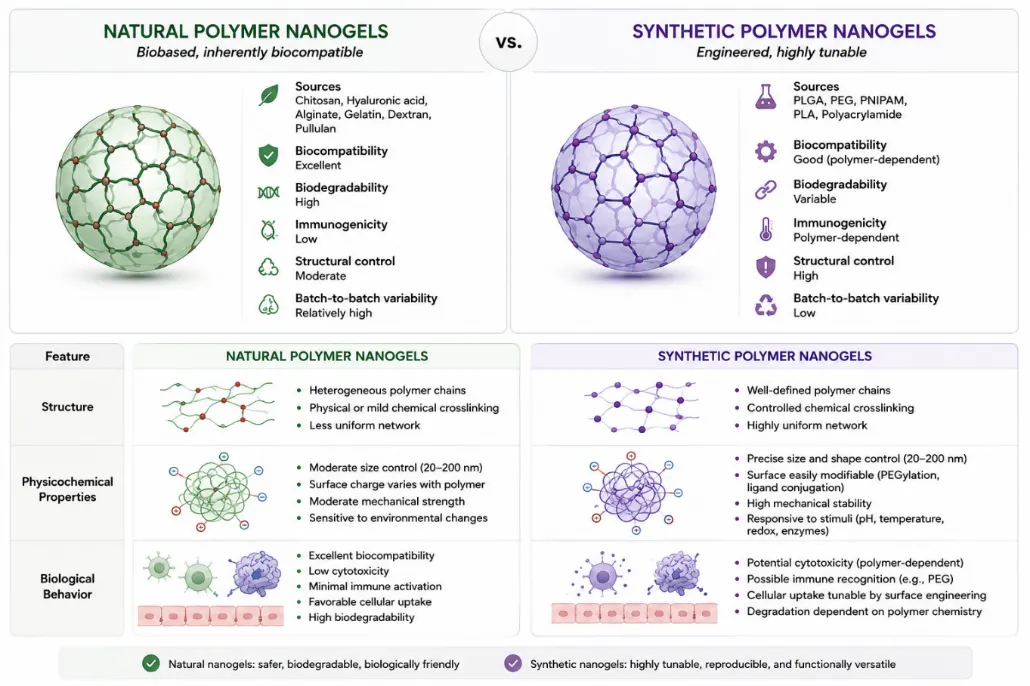
Fig.2: Structural, physicochemical, and biological differences between natural and synthetic polymer nanogels.
5. Blood–Brain Barrier (BBB): Structure & Challenge
The blood–brain barrier (BBB) is a highly specialized and dynamic neurovascular interface that separates the systemic circulation from the brain parenchyma and maintains the ionic, molecular, and immunological homeostasis essential for normal neuronal function 11,52. Unlike peripheral capillaries, brain microvascular endothelial cells (BMECs) exhibit a unique phenotype characterized by the absence of fenestrations, very low rates of transcytotic vesicle formation, and the expression of specialized transport and efflux systems, which together confer the BBB's extraordinary selectivity 11,53. The BBB is not merely a physical barrier but a functionally integrated multicellular unit, commonly referred to as the neurovascular unit (NVU), comprising BMECs as the main barrier element, pericytes embedded within the abluminal basement membrane, astrocytic endfeet surrounding the capillaries, and signaling support from microglia, oligodendrocytes, and neurons in the regulation of barrier integrity 52,54.
5.1 Anatomy and Physiology of the BBB
The structural foundation of the BBB resides in brain capillary endothelial cells, which are interconnected by tight junctions, adherens junctions, and associated junctional complexes that restrict paracellular solute movement 53,55. Tight junctions at the BBB are multiprotein complexes composed of transmembrane proteins, principally occludin, claudin-5, and junctional adhesion molecules (JAM-A, JAM-B, and JAM-C), anchored to the actin cytoskeleton through cytoplasmic scaffolding proteins including zonula occludens-1 (ZO-1), ZO-2, and ZO-3 53,55. Claudin-5, the most abundantly expressed claudin isoform at the BBB, is a principal determinant of paracellular tightness, and its selective loss in mice results in size-dependent disruption of BBB impermeability 55. The transendothelial electrical resistance (TEER) of the BBB is much higher than that of peripheral capillaries, reflecting the barrier's strong resistance to the passage of charged and hydrophilic solutes 11,53.
Pericytes share the endothelial basement membrane and maintain close contact with BMECs, where they regulate angiogenesis, microvessel stability, cerebral blood flow, and the induction and maintenance of endothelial tight junction expression 54. Astrocytic endfeet extensively ensheath the abluminal surface of brain capillaries and secrete paracrine factors such as sonic hedgehog (SHh), angiopoietin-1, glial cell-derived neurotrophic factor (GDNF), and transforming growth factor-β (TGF-β), which support and maintain the BBB phenotype 52,54. The basement membrane, composed of laminin, collagen IV, nidogen, fibronectin, and heparan sulfate proteoglycans, provides structural scaffolding for the NVU and contributes to BBB signaling and mechanical integrity 54. Together, these components maintain a tightly regulated CNS microenvironment that supports neuronal metabolism while excluding harmful blood-borne substances 11,52.
5.2 Transport Mechanisms Across the BBB
The BBB supports several transport mechanisms that can be broadly divided into passive and active processes 12,56. Transcellular passive diffusion is the primary route for small, lipid-soluble molecules and depends on concentration gradient, molecular lipophilicity, polar surface area, and molecular weight 12,57. In general, molecules with molecular weight below approximately 400–500 Da, polar surface area below 90 Ų, and moderate lipophilicity are more likely to cross the BBB by passive diffusion 57. Paracellular diffusion is highly restricted by the tight junctions and is generally limited to water and small ions; therapeutic use of this pathway would require transient disruption of BBB integrity and may increase the risk of neurotoxicity or infection 55,56.
Carrier-mediated transport (CMT) uses specific solute carrier proteins on BMECs to transport essential endogenous nutrients such as glucose, amino acids, and nucleosides into the brain 12. These transporters are highly selective and saturable, which limits their direct use for drug delivery 12,56. Receptor-mediated transcytosis (RMT) is an energy-dependent vesicular process in which endogenous macromolecules such as transferrin, insulin, low-density lipoprotein (LDL), and leptin cross the BBB by binding to their receptors on BMECs 12,58. This pathway is widely exploited in nanocarrier design because ligand-receptor binding can trigger endocytosis and transport across the endothelial barrier 58. Adsorptive-mediated transcytosis (AMT) occurs through electrostatic interaction between cationic molecules or nanoparticles and the negatively charged endothelial surface, promoting nonspecific uptake and transcytosis 12,58. Although AMT may provide higher uptake, its nonspecific nature limits targeting precision 56,58.
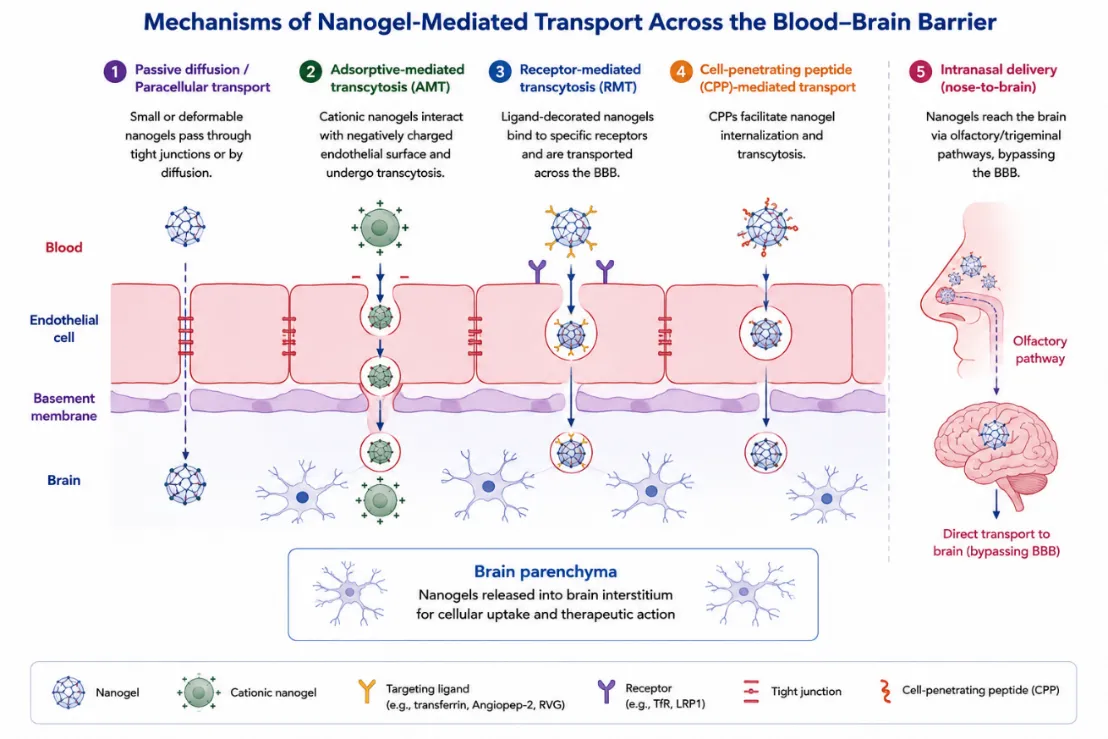
Fig.3: Mechanisms of nanogel-mediated transport across the blood–brain barrier
5.3 Why Conventional Drugs Fail to Cross the BBB
Despite major advances in drug discovery, the BBB remains a formidable barrier to CNS drug delivery 1,56. More than 98% of small-molecule drugs and virtually all large biologics are effectively excluded from the brain because of the BBB's physical, metabolic, and transport constraints 1,57. The physicochemical requirements for passive BBB permeation are stringent, and only a minority of approved CNS drugs satisfy them 57. In addition, many disease-modifying agents under investigation for neurodegenerative disorders, including monoclonal antibodies, recombinant proteins, antisense oligonucleotides, and siRNA, cannot cross the BBB without specialized delivery systems 1,7.
Beyond physicochemical exclusion, BBB endothelial cells express metabolic enzymes such as monoamine oxidases, cytochrome P450 isoforms, alkaline phosphatase, γ-glutamyl transpeptidase, and peptidases, which can degrade or modify therapeutic agents before they reach the brain interstitium 1. Low pinocytotic activity further limits nonspecific uptake of macromolecules 11,53. In addition, rapid plasma clearance, protein binding, and hepatic first-pass metabolism reduce the effective systemic concentration available for BBB transport 7.
5.4 Role of Efflux Pumps: P-gp and BCRP
An additional challenge to CNS drug delivery is the presence of ATP-binding cassette (ABC) efflux transporters in brain endothelial cells, which actively expel many therapeutic agents back into the bloodstream. The two most important transporters at the BBB are P-glycoprotein (P-gp, ABCB1/MDR1) and breast cancer resistance protein (BCRP, ABCG2), both of which are highly expressed on the luminal surface of BMECs 14,15. P-gp is a broad-specificity transporter that recognizes many structurally diverse substrates, including lipophilic drugs, peptides, antiepileptics, chemotherapeutics, and immunosuppressants 14,59. BCRP has a partially overlapping substrate profile and can also limit the brain entry of several anticancer and CNS-active agents 15,59.
P-gp and BCRP often act together as a dual efflux defense system, so inhibition of a single transporter usually yields only modest increases in brain penetration 15,59. Their expression may also be altered in inflammatory or degenerative CNS conditions, further reducing therapeutic exposure at the site where drug delivery is most needed 14,17. Collectively, tight junction restriction, low transcytotic capacity, metabolic degradation, and active efflux make the BBB the greatest obstacle to pharmacological treatment of neurodegenerative disorders, thereby underscoring the need for engineered nanogel-based delivery systems 1,7,17.
6. BBB Penetration Strategies Using Nanogels
Engineered nanogels offer a promising platform for overcoming the multiple physical, biochemical, and pharmacological barriers imposed by the BBB, because their particle size, surface charge, surface chemistry, targeting ligands, and stimuli-responsiveness can be systematically optimized for CNS drug delivery 17,20. Unlike conventional drug molecules, which depend mainly on lipophilicity and molecular weight for BBB permeation, nanogels can be rationally designed to exploit active transcytotic pathways, reduce nonspecific clearance, and achieve improved CNS accumulation through surface functionalization 17,23. The main BBB penetration strategies used for nanogel-based CNS delivery include physicochemical optimization, stealth surface modification, receptor-mediated targeting, adsorptive-mediated transcytosis, and validation in in vitro and in vivo BBB models 20,56.
6.1 Size and Surface Charge Optimization
Particle size is one of the most important determinants of nanogel BBB penetration, influencing circulation time, biodistribution, renal clearance, and endocytic uptake by brain microvascular endothelial cells. Nanogels in the approximate range of 50–200 nm are generally considered suitable for intravenous CNS delivery, whereas very small particles may undergo rapid renal clearance and larger particles are more likely to be captured by the mononuclear phagocyte system 23,60. Within this range, smaller nanogels, particularly those around 50–100 nm, often show improved BBB transcytosis because their reduced hydrodynamic diameter favors endocytic internalization by brain endothelial cells [2,4]. A low polydispersity index is also desirable because more uniform nanogels generally show more predictable BBB interaction profiles 60.
Surface charge, usually expressed as zeta potential, also strongly affects nanogel behavior after systemic administration 23,60. Slightly negative to near-neutral nanogels often exhibit reduced nonspecific protein adsorption and longer circulation times, which can increase the likelihood of productive BBB interactions 60. In contrast, highly cationic nanogels may enhance uptake through electrostatic interaction with the negatively charged endothelial glycocalyx and can promote adsorptive-mediated transcytosis, but they also carry greater risks of cytotoxicity, complement activation, and nonspecific tissue binding 23,56. For most systemically administered brain-targeted nanogels, neutral or near-neutral surface charge is therefore preferred, while cationic surfaces are generally reserved for specific AMT-based applications 56,60.
6.2 PEGylation and Stealth Properties
PEGylation, the covalent or non-covalent coating of the nanogel surface with polyethylene glycol (PEG) chains, is one of the most widely used strategies to improve circulation stability and reduce premature clearance 26,49. When PEG is present at sufficient surface density, it forms a hydrated steric barrier that reduces adsorption of opsonins and decreases recognition by phagocytic cells, thereby prolonging blood circulation time 26,49. This stealth effect increases the opportunity for nanogels to interact with the BBB and improves overall CNS delivery potential 26. PEGylation can also reduce nonspecific adhesion to extracellular matrix components, supporting wider tissue distribution after BBB crossing 49.
The effectiveness of PEGylation depends on PEG molecular weight, grafting density, and chain conformation 26. Dense brush-like PEG coatings can provide strong steric shielding, but excessive PEG coverage may reduce binding of targeting ligands, a limitation known as the "PEG dilemma". This problem can be reduced by using cleavable PEG linkers or by placing targeting ligands beyond the PEG corona. Repeated administration of PEGylated systems may also trigger anti-PEG antibodies in some individuals, leading to accelerated blood clearance. Alternative stealth coatings such as zwitterionic polymers, polysarcosine, and biomimetic membrane coatings are being explored to overcome these limitations 26,49.
6.3 Receptor-Mediated Targeting
Receptor-mediated transcytosis (RMT) is one of the most selective and effective strategies for active nanogel BBB crossing, since it exploits endogenous transport pathways that normally carry essential macromolecules across brain endothelium 58,61. In this approach, ligands attached to the nanogel surface bind receptors on brain microvascular endothelial cells, triggering endocytosis, intracellular trafficking, and release into the brain interstitium 58. Because of this mechanism, RMT is widely used in ligand-functionalized nanogel design 17,58.
Transferrin receptor 1 (TfR1) is among the most commonly targeted receptors for brain delivery 61. It is highly expressed on brain endothelial cells and is involved in the physiological transport of iron-bound transferrin. TfR1-targeted natural and synthetic nanogels have shown enhanced brain accumulation in preclinical models, although the degree of improvement depends strongly on ligand density, receptor affinity, and disease state 20,61. Anti-TfR1 fragments and peptides such as OX26, RI7217, and T7 have also been explored for brain targeting 58,61.
LRP1 is another important receptor for BBB transport and is expressed on brain endothelial cells. Angiopep-2, a peptide with affinity for LRP1, has been used to improve CNS delivery of nanogels and other nanocarriers 17,58. ApoE-mimetic peptides represent another useful LRP1-targeting strategy in brain drug delivery. Other receptors used in nanogel BBB targeting include the insulin receptor, low-density lipoprotein receptor, and, in some designs, nicotinic acetylcholine receptor-related pathways through RVG-based targeting 56,58.
6.4 Adsorptive-Mediated Transcytosis
Adsorptive-mediated transcytosis (AMT) is a charge-driven BBB crossing mechanism initiated by electrostatic interaction between positively charged nanocarriers and the negatively charged glycocalyx of brain endothelial cells 12,56. Unlike RMT, AMT is nonspecific and is less dependent on receptor expression, which can make it useful for some nanogel systems. However, its nonspecific uptake also increases the chance of peripheral vascular accumulation and off-target distribution 12,56.
Chitosan nanogels are particularly relevant for AMT because of their cationic character under acidic or near-neutral conditions 20,56. Cell-penetrating peptides such as TAT, penetratin, and poly-arginine sequences can further enhance membrane interaction and uptake, although their use must be balanced against possible toxicity and nonspecific binding. For this reason, AMT-based systems are usually designed with controlled surface charge rather than strong permanent cationic character 12,56.
6.5 Natural vs. Synthetic BBB Crossing
The BBB penetration efficiency of natural and synthetic nanogels depends on their physicochemical properties and the targeting strategy used 17,20. Natural polymer nanogels, especially chitosan-based systems, can benefit from intrinsic positive charge and AMT-related uptake, while hyaluronic acid nanogels may provide additional cell-targeting advantages through receptor interactions in the CNS 20,56. However, natural systems often show greater batch variability and less precise control over surface engineering 17,60.
Synthetic polymer nanogels such as PEGylated PLGA and PEG-based systems generally offer better reproducibility and easier ligand conjugation, which can improve RMT-based BBB delivery 17,26. PNIPAM-based thermoresponsive nanogels can also provide controlled release after BBB crossing 23. Overall, natural nanogels often offer better intrinsic biocompatibility, whereas synthetic nanogels provide superior tunability and reproducibility. Hybrid systems that combine the advantages of both classes may offer the most promising route for efficient BBB penetration 17,20,56.
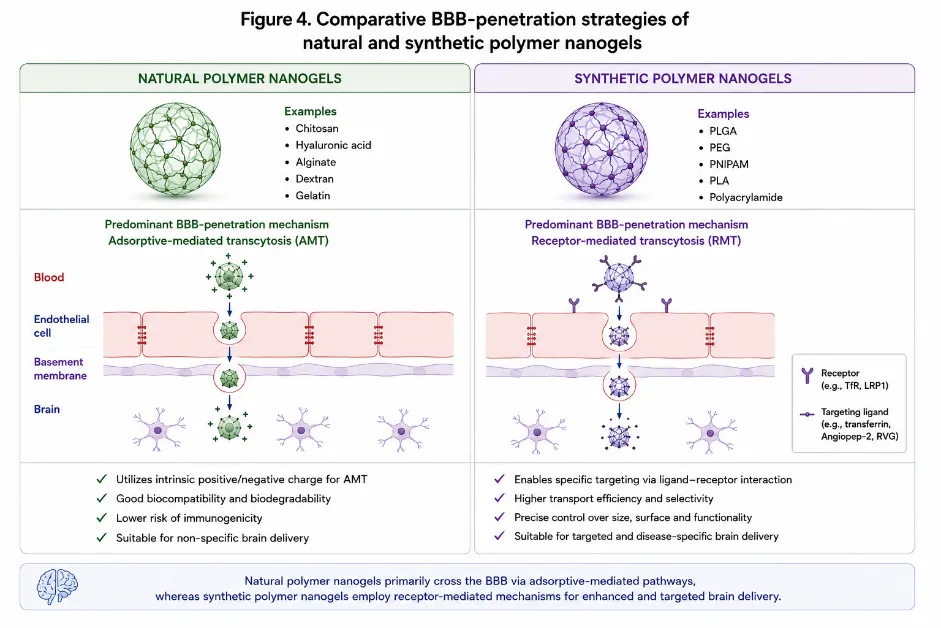
Fig.4: Comparative BBB-penetration strategies of natural & synthetic polymer nanogels.
6.6 In Vitro and In Vivo BBB Models
Validating nanogel BBB penetration requires models that reproduce the structure and function of the human BBB as closely as possible. In vitro Transwell models remain the most widely used screening platform, using endothelial cell monolayers such as hCMEC/D3, bEnd.3, RBE4, or primary HBMECs on semipermeable inserts. Barrier integrity is usually evaluated using TEER and fluorescent tracer permeability assays. Co-culture systems incorporating astrocytes and pericytes improve barrier tightness and better reflect neurovascular unit signaling 62,63.
iPSC-derived brain endothelial-like cells and BBB-on-a-chip systems represent more advanced models with better physiological relevance and improved predictive value for nanogel transport studies 63. In vivo studies commonly use rodent models of AD, PD, or HD, where labeled nanogels are injected systemically, and brain accumulation is measured by imaging or tissue analysis. Zebrafish larvae are also useful for rapid and cost-effective screening of BBB penetration 17,18.
7. Natural polymer nanogels vs synthetic polymer nanogels: A critical comparison
Table 2. Comprehensive critical comparison of natural and synthetic polymer nanogels for CNS drug delivery in neurodegenerative disorders.
|
Parameter |
Natural Polymer Nanogels (Chitosan, Hyaluronic Acid, Alginate, Gelatin, Dextran, Pullulan) |
Synthetic Polymer Nanogels (PLGA, PEG, PNIPAM, Polyacrylamide, PLA) |
Reference |
|
Definition & Polymer Origin |
Derived from biological sources such as plant, animal, microbial, or marine materials; often resemble endogenous biomacromolecules and ECM components |
Chemically synthesized from defined monomers or polymer precursors; composition and architecture can be precisely controlled |
18,19 |
|
Typical Particle Size Range |
Commonly 20–300 nm; size depends on crosslinking density, polymer molecular weight, and preparation conditions |
Commonly 20–200 nm; size can be tightly controlled by polymerization or nanoprecipitation parameters |
18,20 |
|
Surface Charge (Zeta Potential) |
Variable: chitosan nanogels are typically cationic (+10 to +30 mV); HA and alginate nanogels are usually anionic (−10 to −30 mV); pullulan systems often near neutral |
Tunable by design; PEGylated systems are generally near neutral; other synthetic systems can be engineered to be neutral, anionic, or cationic with high precision |
20,26 |
|
Biocompatibility |
Generally high due to biological origin and structural similarity to endogenous molecules; cell viability >90% at therapeutic concentrations in CNS cell lines; favorable for repeated administration |
Variable; PLGA and PEG are well established with acceptable CNS safety profiles; PNIPAM and polyacrylamide require more extensive safety evaluation before clinical use |
17,19,64 |
|
Cytotoxicity Profile |
Usually low at therapeutic concentrations; cytotoxicity may increase with degree of cationization or choice of crosslinker (e.g., glutaraldehyde); MTT and LDH assays confirm minimal CNS cell toxicity |
Usually acceptable for approved polymers such as PLGA and PEG; some systems may show concentration-dependent cytotoxicity; residual acrylamide monomer in polyacrylamide nanogels is a confirmed neurotoxin (IARC Group 2A) |
17,47,64 |
|
Immune Response & Inflammatory Potential |
Generally low; HA nanogels recognized as "self" by CNS immune cells; highly cationic chitosan (>85% DDA) or certain crosslinkers may cause mild complement activation or pro-inflammatory cytokine (TNF-α, IL-1β, IL-6) secretion |
PEG-containing nanogels may induce anti-PEG IgM/IgG antibodies (reported seroprevalence 22–38%); PLGA degradation products generate lactic/glycolic acid, causing local pH reduction and potential sterile neuroinflammation |
26,47,64 |
|
Biodegradability |
Often enzymatically biodegradable: chitosan by lysozyme; HA by HYAL1/HYAL2; gelatin by MMP-2/MMP-9; ensures complete CNS clearance; alginate not readily degraded by mammalian enzymes but renally cleared |
PLGA and PLA are hydrolytically biodegradable; PEG non-biodegradable above 30–40 kDa; PNIPAM and polyacrylamide generally non-biodegradable under physiological CNS conditions — risk of long-term tissue accumulation |
25,41,45 |
|
Degradation Products & Metabolite Safety |
Generally non-toxic metabolites: glucosamine and N-acetylglucosamine (chitosan); glucuronic acid and GlcNAc (HA); amino acids (gelatin); all enter normal metabolic pathways without CNS toxicity |
PLGA and PLA produce lactic and glycolic acids (physiological but locally acidic); PEG eliminated renally intact; polyacrylamide may slowly release acrylamide — a confirmed neurotoxin requiring exhaustive purification before any CNS application |
25,45,47 |
|
BBB Penetration Mechanism |
Primarily adsorptive-mediated transcytosis (AMT) via cationic chitosan interaction with negatively charged endothelial glycocalyx; HA nanogels exploit CD44 receptor-mediated endocytosis; pullulan nanogels via passive and adsorptive routes |
Commonly exploit receptor-mediated transcytosis (RMT) via TfR1 (transferrin, OX26), LRP1 (Angiopep-2, ApoE-mimetics), insulin receptor, and folate receptor pathways; PEGylation improves systemic circulation enabling enhanced passive BBB interaction |
20,37,56 |
|
BBB Penetration Efficiency |
Moderate and formulation-dependent; chitosan nanogels confirmed to cross polarized BMVEC monolayers in vitro; HA nanogels show improved CNS accumulation in neuroinflammatory NDD models; 3–8-fold brain accumulation increase over free drug reported |
Often more reproducible and highly tunable; transferrin-conjugated PLGA/PEG nanogels achieve 5–15-fold brain drug concentration increase over free drug in rodent NDD models; Angiopep-2-modified nanogels demonstrate superior LRP1-mediated CNS penetration |
20,37,56 |
|
Active Targeting Capability |
Possible via –NH₂, –COOH, –OH functional group conjugation; transferrin and RVG conjugation demonstrated; reproducibility limited by polymer heterogeneity and batch variability in ligand conjugation density |
Highly versatile; EDC/NHS, maleimide-thiol, azide-alkyne click and RAFT end-group chemistries enable precise, reproducible conjugation of transferrin, Angiopep-2, RVG29, ApoE peptides, and anti-TfR1 antibodies (OX26, RI7217) |
20,26,37 |
|
Drug Loading Capacity |
Moderate to high; chitosan nanogels achieve high electrostatic loading of anionic nucleic acids (siRNA, miRNA); HA nanogels: 60–85% encapsulation efficiency for hydrophilic drugs; pullulan CHP nanogels: high protein encapsulation via hydrophobic core complexation |
High and tunable; PLGA nanogels: 70–95% encapsulation efficiency for hydrophobic CNS drugs; PEG nanogels: broad cargo versatility; core-shell architecture enables dual hydrophilic/hydrophobic drug co-encapsulation |
17,18,65 |
|
Drug Release Behavior |
Primarily diffusion-controlled (Fickian) and enzymatic degradation-driven; pH-responsive release in acidic endolysosomes (chitosan, HA nanogels); MMP-triggered release in neuroinflammatory CNS environment (gelatin nanogels) |
Precisely tunable: thermoresponsive burst release at LCST for PNIPAM nanogels; redox-responsive via disulfide crosslink cleavage (intracellular glutathione gradient); PLGA nanogels: sustained release days to months; multi-stimuli systems (pH/redox, pH/temperature) achievable |
25,47,65 |
|
Stimuli-Responsiveness |
Primarily pH- and enzyme-responsive; broader responsiveness (temperature) requires chemical modification (e.g., HA-PNIPAM hybrid) or hybrid design; narrower stimuli range than synthetic systems |
Broad and highly tunable: pH (poly(acrylic acid), PDMAEMA), temperature (PNIPAM, LCST ~32°C), redox (disulfide crosslinks, GSH-responsive), light (azobenzene, NIR-responsive), magnetic; multi-stimuli combinations readily achievable |
25,47,66 |
|
Colloidal Stability |
Moderate; susceptible to enzymatic degradation, ionic strength variation, and protein corona formation during systemic circulation; physically crosslinked systems prone to disassembly under physiological shear |
Generally high; chemically crosslinked synthetic nanogels resist enzymatic attack and ionic strength changes; PEGylation provides steric stabilization and protein corona resistance; PLGA nanogels stable >3 months under refrigerated storage |
18,26,45 |
|
Blood Circulation Half-Life |
Often short to moderate; non-PEGylated natural nanogels cleared rapidly (minutes to <2 h) by MPS; cationic chitosan nanogels may adhere non-specifically to vascular endothelium reducing circulation time |
Extended; PEGylated synthetic nanogels demonstrate 2–24 h blood half-life in rodent models; dense PEG brush coating reduces opsonization and MPS recognition; half-life tunable via PEG molecular weight and grafting density |
26,37,45 |
|
Scalability |
Moderate; natural-source polymer variability affects batch reproducibility; ionic gelation and self-assembly methods scalable but consistency challenging; microfluidic-assisted fabrication emerging as scalable and reproducible approach |
Generally high; chemically defined monomers enable GMP-compatible reproducible large-scale synthesis via radical polymerization, nanoprecipitation, or continuous flow microfluidic methods; narrow PDI maintained across batches |
18,30,66 |
|
Manufacturing Cost |
Usually lower; natural polymers abundantly available from renewable biological sources; simple crosslinking methods (ionic gelation, self-assembly) require minimal organic solvents and specialized equipment |
Often higher; specialized synthetic monomers (NIPAM, PLGA copolymers), controlled polymerization (ATRP, RAFT), and multi-step functionalization require sophisticated equipment, extensive purification infrastructure, and higher raw material cost |
18,30,66 |
|
Regulatory Status of Polymer |
Favorable; chitosan, HA, alginate, gelatin recognized as GRAS or incorporated in approved clinical products (wound dressings, ophthalmic devices, dermal fillers, osteoarthritis injections); formulation-specific assessment still required |
Variable; PLGA and PEG FDA-approved in multiple injectable formulations; PNIPAM and polyacrylamide not FDA-approved — require complete ISO 10993-1/5/10/17/18 biocompatibility testing package including genotoxicity and chronic neurotoxicity studies |
30,47,64 |
|
Clinical Translational Potential |
Promising, especially for biocompatible and enzyme-responsive nanogel systems; simpler regulatory pathway; chitosan and HA nanogels already in Phase I/II clinical studies for non-CNS applications; variability in batch quality remains the principal translational barrier |
Strong for PLGA/PEG-based nanogels with existing approval precedent; PNIPAM/polyacrylamide require substantially more preclinical safety investment; hybrid natural-synthetic nanogels combining complementary advantages represent the most clinically promising next-generation approach |
30,66 |
|
Overall CNS NDD Suitability |
Particularly attractive for repeated-dose, biocompatibility-focused strategies in chronic NDD therapy requiring long-term safety (AD: HA/pullulan for Aβ inhibition; PD: chitosan for dopaminergic delivery) |
Particularly attractive for precision receptor-targeted, highly tunable CNS delivery in NDDs; PLGA/PEG optimal for active targeting; PNIPAM for thermoresponsive applications; polyacrylamide requires stringent safety management |
17,20,30,56 |
8. Application of natural & synthetic polymer nanogels in Neurodegenerative Disorders
The translational potential of nanogel-based drug delivery systems is best illustrated through their disease-specific applications across neurodegenerative disorders, where the pathophysiology of each condition determines the preferred cargo, targeting strategy, and release profile 17,20. Nanogels have been investigated for Alzheimer's disease, Parkinson's disease, Huntington's disease, amyotrophic lateral sclerosis, and multiple sclerosis, with both natural and synthetic polymer platforms contributing to preclinical progress 20,56.
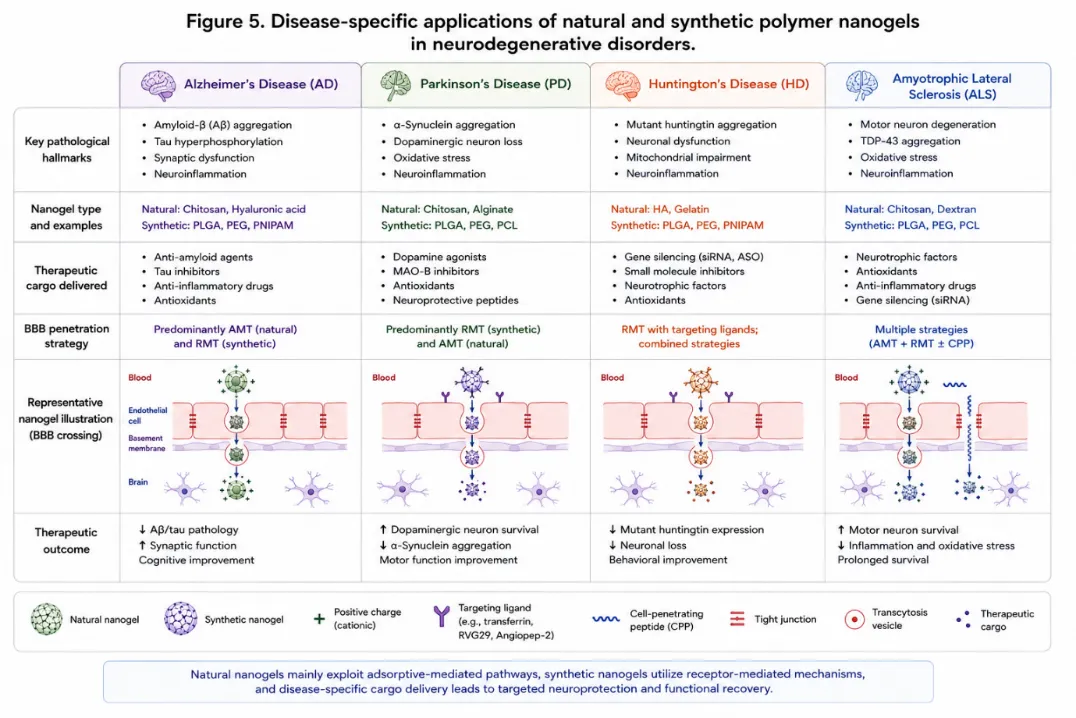
Fig.5: Disease-specific applications of natural and synthetic polymer nanogels in neurodegenerative disorders.
8.1 Alzheimer's Disease — Aβ Targeting and Cholinergic Drug Delivery
Alzheimer's disease (AD) is the most extensively studied neurodegenerative disorder in nanogel research because of its characteristic amyloid-β (Aβ) accumulation, tau pathology, and cholinergic dysfunction 10,67. Approved symptomatic treatments include acetylcholinesterase inhibitors such as donepezil, rivastigmine, and galantamine, as well as the NMDA receptor antagonist memantine, but these agents do not halt disease progression 7,10. Their usefulness is further limited by poor brain delivery, short half-life, and systemic adverse effects, creating a strong rationale for nanogel-based CNS delivery 7.
Nanogel-based Aβ-targeting strategies have shown encouraging preclinical results. Functionalized polymeric nanogels can reduce Aβ aggregation, improve BBB delivery, and enhance brain accumulation of anti-amyloid agents in AD models. For example, chitosan- and hyaluronic acid-based nanogels have been explored for BBB transport and Aβ-targeted delivery, while PLGA and PEG-based systems have been investigated for sustained release of anti-amyloid and cholinergic drugs 67,68. Donepezil has also been widely studied in nanogel formulations because nanogel loading can improve its circulation time and reduce gastrointestinal side effects 7.
8.2 Parkinson's Disease — Dopamine Delivery and α-Synuclein Targeting
Parkinson's disease (PD) presents a nanogel design challenge centered on restoring dopaminergic signaling while also addressing α-synuclein aggregation and neuroinflammation. Levodopa remains the main symptomatic therapy, but chronic use is associated with motor fluctuations and dyskinesias, which has encouraged interest in controlled-release delivery systems. Nanogel-based approaches are therefore being explored to improve drug stability, prolong CNS exposure, and reduce peripheral adverse effects 69,70.
Natural polymer nanogels, especially chitosan and hyaluronic acid systems, are attractive for intranasal nose-to-brain delivery because they can enhance mucosal residence time and bypass first-pass metabolism 70,71. Synthetic PLGA- and PEG-based nanogels offer stronger control over release kinetics and ligand-mediated BBB targeting 56,71. In addition, gene-silencing approaches targeting SNCA mRNA are of particular interest in PD, since reducing α-synuclein expression may provide a disease-modifying strategy. Although most of these studies remain preclinical, they support the feasibility of nanogel-mediated delivery for both symptomatic and mechanistic intervention 70,72.
8.3 Huntington's Disease — Gene Silencing Approaches
Huntington's disease (HD) is a monogenic neurodegenerative disorder caused by CAG repeat expansion in the huntingtin (HTT) gene, making it especially suitable for gene-silencing strategies 73,74. RNA interference-based approaches using siRNA, shRNA, or miRNA aim to reduce mutant HTT expression and thereby lower the toxic protein burden. Because systemic delivery of nucleic acids remains difficult, nanogel platforms are being explored as carriers for CNS gene delivery 17,73
Chitosan-based nanocarriers have shown encouraging results in intranasal delivery of anti-HTT siRNA in HD models, demonstrating reduced HTT mRNA expression and improved feasibility of non-invasive nose-to-brain delivery. Synthetic polymer systems such as PEI-, PLGA-, and PEG-based carriers are also being investigated for improved nucleic acid protection, endosomal escape, and BBB penetration. Overall, HD is one of the most promising disease areas for nanogel-based RNA delivery because the molecular target is well defined and therapeutically tractable 17,73,74.
8.4 ALS — Neuroprotective Agent Delivery
Amyotrophic lateral sclerosis (ALS) is characterized by progressive degeneration of upper and lower motor neurons and remains one of the most difficult neurodegenerative diseases to treat. Riluzole and edaravone are currently approved therapies, but their clinical effects are modest, which has encouraged interest in improved delivery systems 75,76. Nanogels may help by extending circulation time, improving BBB penetration, and enabling sustained release of neuroprotective agents 56,76.
PLGA- and PEG-based synthetic nanogels are especially attractive for encapsulating small-molecule neuroprotective compounds because of their ability to support controlled and prolonged release 56,75. Natural polymer nanogels may also be useful for delivering antioxidants and anti-inflammatory agents in chronic dosing regimens because of their favorable biocompatibility. However, ALS-specific nanogel applications remain less developed than those for AD and PD, and most evidence is still at the early preclinical stage 20,76.
8.5 Multiple Sclerosis — Anti-Inflammatory Nanogel Strategies
Multiple sclerosis (MS) is classically considered an autoimmune demyelinating disorder, but progressive axonal injury and neurodegeneration are central to its chronic course 17,20. The therapeutic goal in MS is to deliver anti-inflammatory and immunomodulatory agents to inflamed CNS regions while minimizing systemic immunosuppression 70,71. Nanogels are therefore being explored as targeted carriers for localized CNS delivery 17.
Hyaluronic acid-based nanogels are particularly relevant because HA is abundant in the CNS and may support targeting in inflamed or demyelinated lesions 68,70. Synthetic PLGA and PEG-based nanogels can also provide sustained release of corticosteroids, immunomodulators, or antioxidant agents 56,71. Although MS-focused nanogel studies are fewer than those in AD and PD, the disease remains a logical target for inflammation-responsive delivery systems 20,56.
9. Clinical and Translational Potential
The translation of nanogel-based drug delivery systems from preclinical proof-of-concept to clinically approved therapeutics for neurodegenerative disorders remains at an early stage, despite substantial encouraging data from in vitro and animal studies 17,20. A realistic assessment of clinical trial activity, manufacturing hurdles, regulatory expectations, and the comparative translational readiness of natural versus synthetic nanogel platforms is therefore essential 17,56.
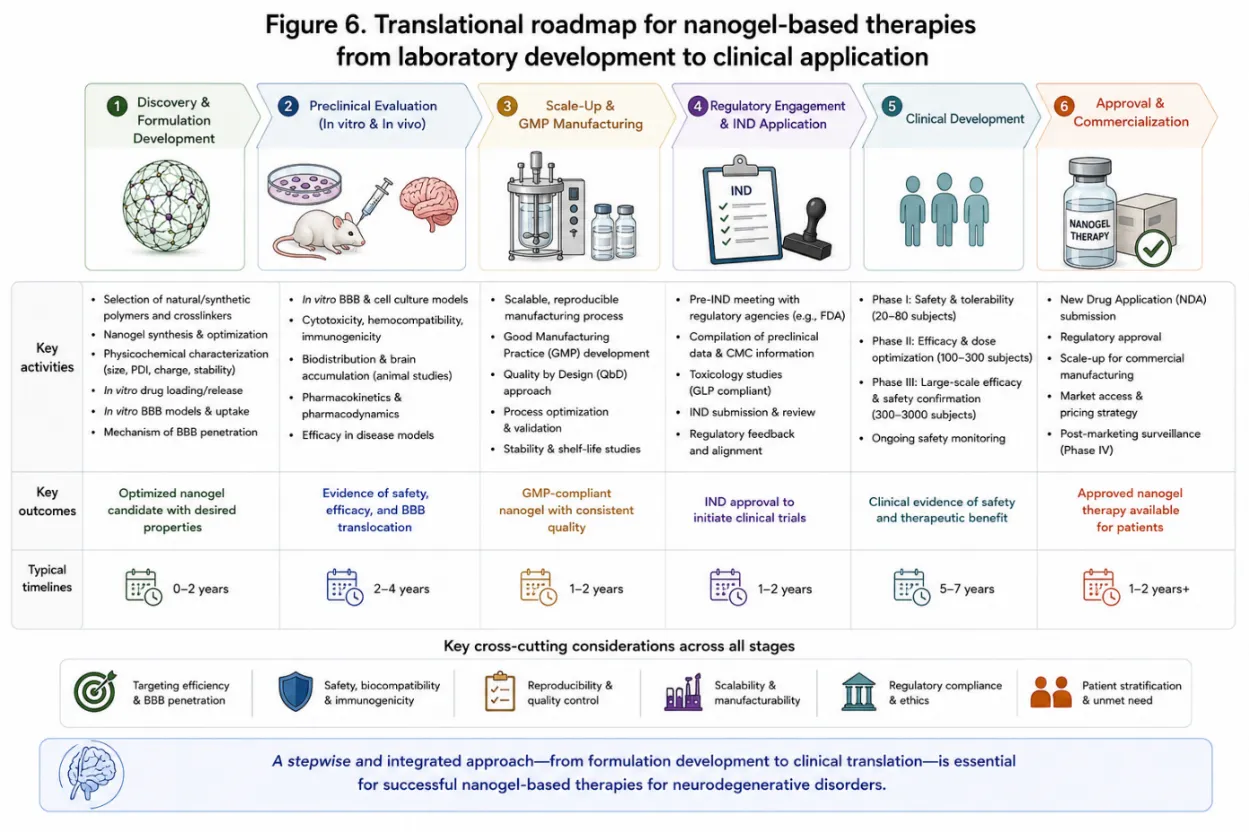
Fig.6: Translational roadmap for nanogel-based therapies from laboratory development to clinical application.
9.1 Current Clinical Trials Involving Polymeric Nanogels
Direct clinical development of nanogel formulations specifically for neurodegenerative disorders remains very limited, and most evidence is still confined to preclinical models 17,20. While polymeric nanocarriers more broadly have advanced into human studies, dedicated nanogel-based CNS approvals are still absent 77,78. Most approved nanomedicines belong to oncology, infectious disease, or cardiovascular indications rather than CNS disorders 79.
Related polymeric nanocarrier platforms provide an important translational precedent for future nanogel-based neurotherapeutics 77,78. PEGylated proteins and other polymer-enabled products have already demonstrated the clinical value of polymer-based drug design, but this does not yet translate into approved nanogel therapies for AD, PD, HD, ALS, or MS 77. Chitosan- and PLGA-based hybrid nanocarriers have also entered clinical evaluation in non-CNS settings, supporting the broader feasibility of polymeric nanomedicine, although not specifically validating CNS nanogel translation 80. The current absence of dedicated nanogel clinical trials for neurodegenerative disorders underscores the early translational stage of this platform 20,78.
9.2 Scale-Up and Manufacturing Challenges
The transition from laboratory-scale nanogel synthesis to industrial, GMP-compliant manufacturing remains one of the major barriers to clinical translation 79,81. Batch-to-batch consistency, particle size control, drug loading reproducibility, and long-term stability must be tightly controlled, because small process changes can alter nanogel performance 81,82. For nanomedicine products, this means that robust process control and validated analytical methods are essential for reproducible manufacturing 82,83.
Synthetic polymer nanogels such as PLGA-based systems face specific scale-up challenges, including formulation reproducibility, solvent removal, sterilization, and cost-effective large-scale production 82,83. Natural polymer nanogels face a different problem: biological source variability can affect molecular weight, purity, and degree of substitution, which complicates scale-up and standardization 56,79. Process Analytical Technology (PAT) approaches, including online light scattering and spectroscopic monitoring, are increasingly important for real-time process control and GMP compliance 83.
9.3 Regulatory Hurdles: FDA and EMA Perspectives
The regulatory landscape for nanomedicine, including nanogels, remains complex and not fully harmonized across jurisdictions. In the United States, nanogel products are generally regulated under existing drug, biologic, or device frameworks rather than under a separate nanomedicine category, although nanoscale characterization receives heightened scrutiny. Regulators typically expect detailed data on particle size, size distribution, morphology, surface charge, stability, drug release, reproducibility, and nano-specific toxicology 84,85.
A major regulatory challenge is the demonstration of product "sameness" or bioequivalence at the nanoscale, since small differences in size, surface chemistry, or release behavior may alter clinical performance. The European regulatory system similarly emphasizes reproducible manufacturing, characterization, and stability as key translational issues. For CNS-targeted nanogels, additional requirements such as BBB penetration data, brain biodistribution studies, and long-term neurotoxicity assessment are especially important 17,84.
9.4 Natural vs. Synthetic Translational Readiness
Natural polymer-based nanogels, particularly those formulated using chitosan, hyaluronic acid, alginate, and gelatin, offer the advantage of well-established safety profiles of their constituent polymers, which have been widely used in approved non-nanogel pharmaceutical and biomedical applications. This can support a more favorable initial regulatory discussion, especially for repeated-dose CNS therapy 20,56. However, variability in source material and batch reproducibility remains a major translational limitation 79,84.
Synthetic nanogels, especially PLGA and PEG-based systems, benefit from stronger manufacturing reproducibility and clearer regulatory precedent through approved polymer-based pharmaceuticals 77,82. By contrast, PNIPAM and polyacrylamide platforms face a less favorable translational path because they require more extensive de novo safety evaluation 56,84. Overall, PLGA- and PEG-based nanogels currently appear to be the most clinically translatable synthetic platforms, while hybrid natural-synthetic nanogels may offer the best long-term balance of biocompatibility and manufacturing control 17,56.
9.5 Cost-Effectiveness and Commercial Viability
The commercial viability of nanogel-based CNS therapeutics depends on manufacturing cost, regulatory complexity, and the need for long-term repeated dosing in chronic neurodegenerative disorders 81,84. Natural polymer nanogels may offer lower raw material cost and simpler preparation methods, but that advantage can be offset by quality-control challenges and variability in raw materials 20,81. Synthetic nanogels often require higher upfront development costs, but they may provide better long-term manufacturing consistency and scalability 82,83.
The broader nanomedicine market shows that the field is commercially attractive, but CNS and neurodegenerative indications remain underdeveloped relative to oncology and other therapeutic areas 86. For chronic diseases, true cost-effectiveness will depend on whether nanogels can provide clinically meaningful benefit, acceptable safety, and reproducible large-scale production at a reasonable per-dose cost 84,86. In this context, hybrid platforms that combine natural polymer biocompatibility with synthetic manufacturing precision may offer the strongest commercial and translational potential 17,56.
10. Recent Advances and Future Directions
Nanogel research is moving beyond first-generation single-polymer systems toward more sophisticated multifunctional platforms that combine the advantages of natural and synthetic materials, enable co-delivery of multiple therapeutic payloads, and increasingly incorporate computational and biomimetic design strategies 17,20. These emerging directions are expected to address the major translational limitations of current nanogel platforms, including trade-offs between biocompatibility and tunability, limited BBB specificity, and slow trial-and-error formulation development 17,87.
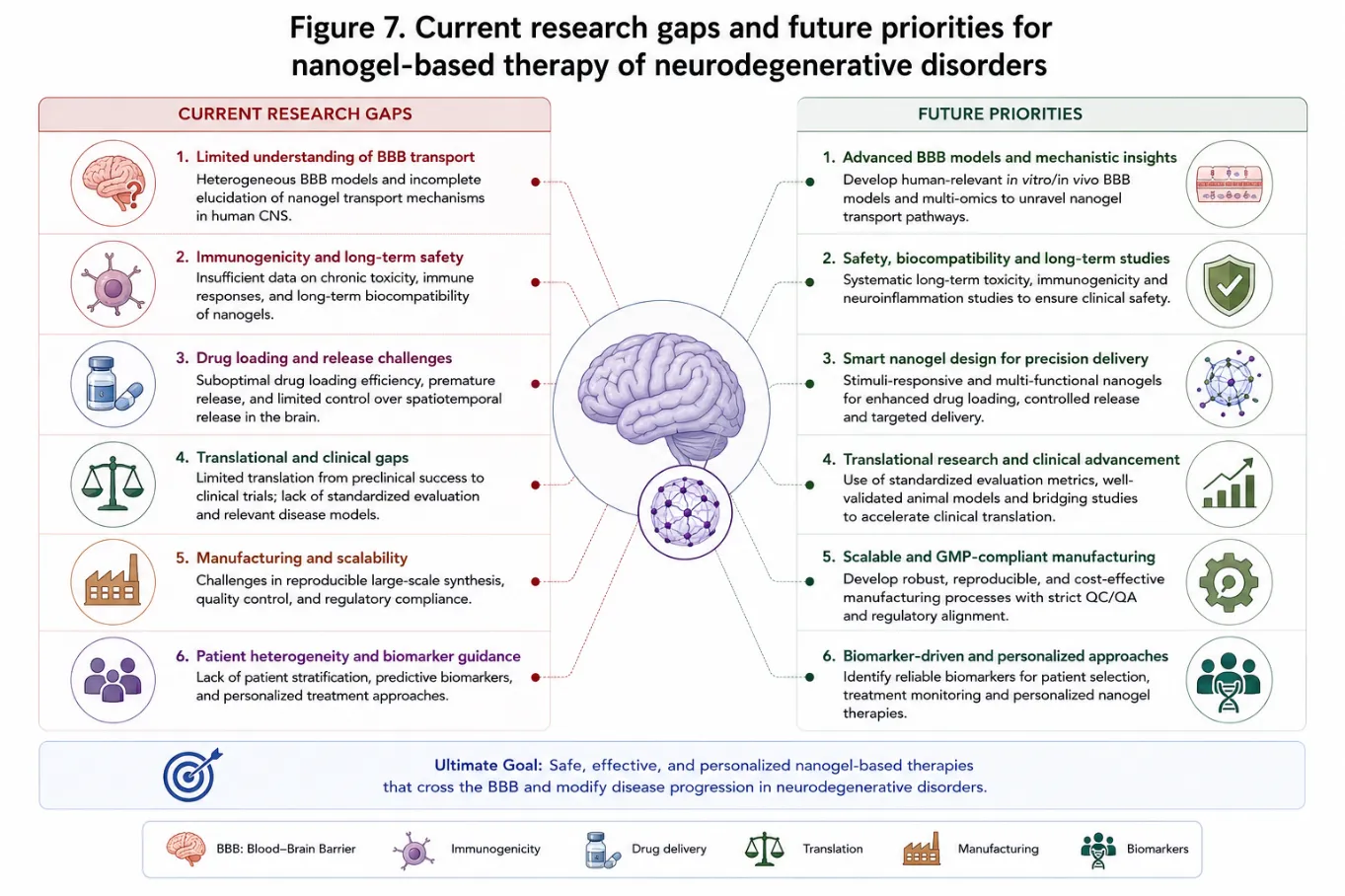
Fig.7: Current research gaps and future priorities for nanogel-based therapy of neurodegenerative disorders
10.1 Hybrid Nanogels
Hybrid nanogels that combine natural and synthetic polymers are among the most promising current strategies because they can balance the biocompatibility of natural materials with the structural control of synthetic systems. Chitosan-PEG and PLGA-chitosan-PEG systems are good examples of this approach, since PEG can improve steric stabilization while chitosan contributes cationic character and biodegradability87,88. In general, hybrid designs are being used to improve loading capacity, circulation behavior, surface functionality, and release control 89.
Thermoresponsive hybrid systems have also attracted attention, including chitosan-PNIPAM-type architectures that combine chitosan's biocompatibility with the temperature sensitivity of PNIPAM 87. These systems are still best described as promising translational candidates rather than established clinical solutions 88. Overall, hybrid nanogels are a logical near-term direction for CNS drug delivery because they reduce the strict trade-off between formulation precision and biological compatibility87,88 .
10.2 Co-Delivery Systems
Co-delivery of a small-molecule drug together with a nucleic acid cargo is an important emerging strategy for neurodegenerative diseases, which often involve multiple pathological processes such as protein aggregation, neuroinflammation, oxidative stress, and dysregulated gene expression. Nanogels are attractive for this purpose because they can encapsulate or complex both hydrophobic drugs and negatively charged genetic materials such as siRNA or oligonucleotides [5,6]. This makes them suitable for combination strategies that pair symptomatic therapy with disease-modifying gene regulation [6].
In Huntington's disease, for example, gene-silencing approaches targeting mutant HTT have been explored with nanoparticle and nanocarrier systems, supporting the broader feasibility of nucleic-acid delivery for CNS disease modification [5]. Similar logic applies to Alzheimer's and Parkinson's disease, where co-delivery could combine anti-aggregatory, anti-inflammatory, or neuroprotective agents with RNA-based therapies [6]. The main challenge remains ensuring efficient BBB transport, intracellular release, and acceptable long-term safety [2,6].
10.3 AI and ML in Design
Artificial intelligence and machine learning are increasingly being used to move nanogel development away from purely empirical optimization toward data-driven formulation design. These tools can help predict how variables such as size, surface charge, ligand density, polymer composition, and release kinetics influence biological behavior 89. In principle, this can reduce the number of experimental iterations needed to identify promising CNS-targeted nanogels 90.
AI/ML approaches may also support target identification, biodistribution prediction, and optimization of multi-stimuli responsive systems. Their value is likely to be greatest when trained on well-annotated datasets that include both physicochemical and biological performance variables. At this stage, AI-guided nanogel design should be viewed as an enabling platform rather than a replacement for experimental validation 89,90.
10.4 Personalized Nanomedicine
Personalized nanomedicine is a highly relevant future direction for neurodegenerative disease therapy because these disorders are biologically heterogeneous in terms of genetics, progression rate, biomarker profile, and treatment response. Nanogels are particularly well suited to this concept because they can be modularly tailored with different ligands, cargos, and release profiles. This makes them compatible with patient-specific or subgroup-specific treatment strategies 91,92.
In practice, personalized CNS nanogel therapy could involve selecting targeting ligands according to receptor expression patterns, using genotype-matched nucleic acid cargo, or adjusting dosing based on biomarker-guided disease staging. For example, allele-specific RNA interference may be especially relevant for monogenic disorders such as Huntington's disease 91,93. Although still conceptual, this direction aligns well with the broader shift toward precision medicine in neurology 91,92.
10.5 Biomimetic and Exosome-Inspired Nanogels
Biomimetic nanogels that incorporate cell membrane coatings or exosome-inspired features are an exciting frontier because they may improve immune evasion, biological recognition, and BBB interaction. Compared with conventional synthetic surface modification, biomimetic camouflage can provide more natural interface behavior and may help prolong circulation and reduce opsonization. This is particularly attractive for CNS delivery, where immune clearance and poor BBB penetration remain key barriers 94,95.
Exosome-inspired and cell membrane-coated platforms are still developing, and issues such as source heterogeneity, manufacturing complexity, and quality control remain important limitations 94. Even so, the combination of natural membrane components with synthetic nanogel cores could offer a practical path toward more effective CNS-targeted delivery. These systems are best described as early-stage but highly promising translational candidates 94,95.
CONCLUSION
This review has critically compared natural and synthetic polymer nanogels as drug delivery platforms for neurodegenerative disorders, focusing on their biocompatibility, BBB penetration mechanisms, disease-specific applications, and translational potential. Across the parameters examined, no single nanogel class is universally superior; rather, natural and synthetic polymers each offer complementary advantages that are best suited to different therapeutic goals, disease settings, and stages of development.
Natural polymer nanogels, derived from chitosan, hyaluronic acid, alginate, gelatin, dextran, and pullulan, generally show stronger intrinsic biocompatibility, enzymatic biodegradability, and lower immunogenicity because of their similarity to endogenous biomaterials and their favorable safety history in other biomedical applications. These properties make them attractive for chronic, repeated-dose CNS therapy, where long-term tolerability is especially important. Their main limitations are batch-to-batch variability, limited structural precision, and less reproducible control over ligand conjugation and physicochemical properties. Synthetic polymer nanogels, based on PLGA, PEG, PNIPAM, polyacrylamide, and PLA, generally provide greater structural precision, more predictable reproducibility, and better programmability in size, surface chemistry, and stimuli responsiveness. When combined with targeting ligands such as transferrin or Angiopep-2, they often show strong BBB-targeting performance in preclinical studies. However, their safety profile is more variable: PLGA and PEG have established regulatory precedent, whereas PNIPAM and polyacrylamide require much more extensive toxicological evaluation. Overall, synthetic nanogels tend to offer superior tunability and manufacturing consistency, while natural nanogels provide a more favorable biological starting point.
The most suitable nanogel class depends on the intended therapeutic use rather than on a universal ranking. For chronic neurodegenerative diseases requiring repeated dosing, such as Alzheimer's disease and multiple sclerosis, natural polymer nanogels, especially chitosan- and hyaluronic acid-based systems, appear particularly attractive because of their biocompatibility and lower long-term toxicity risk. For precision-targeted applications such as gene silencing in Huntington's disease or sustained neuroprotective delivery in ALS, synthetic PLGA- and PEG-based nanogels currently appear more translationally ready because of their reproducibility and regulatory familiarity. Parkinson's disease may benefit most from hybrid natural-synthetic nanogels, since this disease often requires both long-term drug exposure and efficient nose-to-brain or BBB-directed delivery. In this context, chitosan contributes mucoadhesion and biocompatibility, while PEG and related synthetic components improve circulation stability and formulation control. Overall, hybrid nanogel platforms appear to offer the most balanced solution across the NDD spectrum.
Despite encouraging preclinical progress, several important gaps still limit translation. Long-term in vivo toxicity and biodistribution data remain insufficient for most nanogel systems, especially for chronic CNS use. Dedicated clinical trials for nanogel formulations in AD, PD, HD, ALS, or MS are still lacking, and most existing clinical experience with polymeric nanocarriers comes from non-CNS applications. In addition, validated disease-relevant BBB models that reproduce neuroinflammation, protein aggregation, and BBB dysfunction remain underdeveloped. Scale-up, GMP manufacturing, and batch reproducibility also remain major barriers, particularly for natural polymers because of source variability. Regulatory expectations for nanogel-based CNS products are still evolving, and the use of AI/ML in formulation design is promising but limited by the lack of large, well-annotated datasets.
Over the next decade, translation of nanogel-based therapeutics for neurodegenerative disorders is likely to proceed gradually, beginning with platforms built from approved or well-characterized materials such as PLGA and PEG. Hybrid natural-synthetic nanogels are likely to advance fastest toward early clinical evaluation because they combine biocompatibility with better control over formulation properties. Their near-term impact may be greatest in AD and PD, where preclinical evidence is already relatively mature. At the same time, AI/ML-guided design, biomimetic surface engineering, and personalized nanomedicine strategies are expected to shape the next generation of CNS nanogels. These approaches may improve targeting, reduce empirical screening, and support patient-specific treatment selection. Ultimately, successful clinical translation will depend on coordinated progress in safety evaluation, scalable manufacturing, regulatory alignment, and first-in-human studies designed specifically for CNS nanogel delivery systems.
12.Acknowledgement
The authors sincerely thank the management of Pannai College of Pharmacy for their valuable support, encouragement, and facilities provided to carry out and complete this review work successfully.
Author contribution
Ms. Abirami conceptualized and carried out the review work. Ms. Abirami and Dr. M. Amudha drafted the manuscript. Dr. M. Amudha and Dr. C. S. Kandhasamy critically revised and corrected the manuscript. All authors reviewed and approved the final version of the manuscript for publication.
Conflict of interest
None to declare
Ethics approval
None to declare.
REFERENCES


Amudha Murugesan, Abirami Sivabala Ravindren, C. S. Kandasamy, Nanogel-Based Strategies for Neurodegenerative Disorders: A Critical Comparison of Natural and Synthetic Polymer Systems, Int. J. of Pharm. Sci., 2026, Vol 4, Issue 9, 2665-2697, https://doi.org/10.5281/zenodo.22895704
 10.5281/zenodo.22895704