

We use cookies to ensure our website works properly and to personalise your experience. Cookies policy
Department of Pharmacology, BVVS Hangal Shri Kumareshwar College of Pharmacy, Bagalkot-587101, Karnataka
Cansjera rheedei is a woody climbing perennial plant which is commonly used in the traditional medicine of South India and Southeast Asia. The plant was traditionally used in the treatment of diabetes, snake bite, skin-related disorders. Even though the plant is extensively used in folk medicine the scientific information on the plant is fragmented. This review presents and critically evaluates the published research on the taxonomy, distribution, traditional uses, chemical constituents, pharmacological activity and safety of C. rheedei. In the research of phytochemicals, the plant has been demonstrated to have some key compounds, including flavonoids, phenolic compounds, lignans and glycosides. Quercetin-3-O-?-glucoside, rutin and caffeic acid are some of the bioactive molecules that are well-identified. The laboratory and experimental animal model studies have indicated some diverse biological activities such as anticancer, antidiabetic, antioxidant, anti-inflammatory, antipyretic, analgesic, antimicrobial, liver-protective, kidney-protective, lipid-lowering, diuretic and anthelmintic. Toxicity possesses are conducted along the guidelines of OECD that suggest that the plant is safe when used at the commonly tested doses. Nonetheless, variations in the modes of extraction, lack of knowledge about the mechanism of action of the compounds and the absence of clinical trials discourage its direct medical use. This review indicates that standard studies and clinical research is required to aid in the development of C. rheedei based herbal medicines.
Medicinal plants have been the basis of human healthcare since thousands of years ago and their use is mentioned in classical Ayurvedic medicine and Vedic literature as a symbol of their therapeutic, cultural and spiritual importance. [1,2] The empirically gained knowledge on these plants was carried across generations creating ethnomedical traditions that were diversely advanced throughout the Indian sub-continent and beyond. [2] This traditional knowledge is still used in the discovery of modern medicines to give leads to biologically active compounds and new therapeutic agents.Under this context, Opiliaceae family has drawn the scientific interest of research because of its unique taxonomic features and medicinal importance. Cansjera rheedei, has become one species of particular interest, with the help of both morphological and molecular examination, which has helped determine its phylogenetic position, as well as confirm its ethnobotanical value. [4,7] The plant is well spread throughout the tropical and subtropical parts of India and Southeast Asia and is still a part of tribal and rural healthcare system. [9,14] The C. rheedei roots, leaves and aerial parts are traditionally used in controlling diabetes, fever, infections and digestive disorders. [9,16,23] Phytochemical studies have found flavonoids, phenolic acid, glycoside and similar secondary metabolites, which are suspected to be useful in its antioxidant, antidiabetic, anti-inflammatory and anti-microbial effects. [25,26,27] These features make C. rheedei a strong link between traditional and modern medicine Although C. rheedei has been widely utilized traditionally, there are still gaps in scientific assessment of the usefulness of this plant. Despite reports of antidiabetic, antioxidant, anti-inflammatory, antitumor, antimicrobial, nephroprotective and hepatoprotective effects, the results are scattered in a wide range of experimental models and the mechanistic explanations are not comprehensive. [29,33,35,37] Inconsistencies in the preparation of extracts, the phytochemical characterization and the biological evaluation, this makes it difficult to compare studies and apply the findings in real-world settings.Against this backdrop, this review gives a detailed synthesis of the ethnomedicinal practices, phytochemical patterns, pharmacological functions and toxicology data regarding C. rheedei. [9,25,29,42] It is hoped that by critically reviewing available in vitro and in vivo research, this paper will provide illustrate gaps in the current research and assist in future research on the development of standardized and evidence based phytopharmaceuticals on the basis of this unexplored medicinal plant.
TAXONOMY:
Taxonomical Classification.
Cansjera rheedei is a parasitic flowering plant that has been classified under the order Santalales and the family Opiliaceae. The representatives of this family are parasitic or hemi-parasitic and exhibit fewer floral structures. [4,5] Cansjera is a well-known genus and has appeared in the flora of old and recent systematic publications, suggesting the genus name C. rheedei has a well-established nomenclature. [3,5,6] Recent molecular evidence in terms of plastid and nuclear DNA markers has identified the position of Cansjera within Opiliaceae and the evolutionary connections within Santalales. [4,7] Systematic position of C. rheedei was also supported through whole chloroplast genome sequencing and confirmed previous morphology-based classifications. [8] C. rheedei also has a variety of vernacular names throughout South India and indicates its acceptance amongst local and indigenous people. The following names have been recorded by floristic and ethnomedicinal surveys. [9] These common names are usually referred to in traditional medicine, in field identification and are always used in relation to the accepted botanical name of the species. [9]
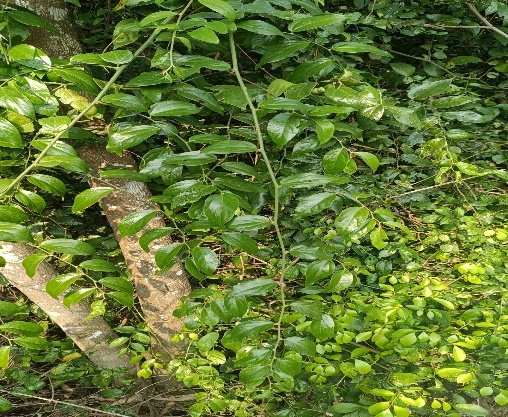
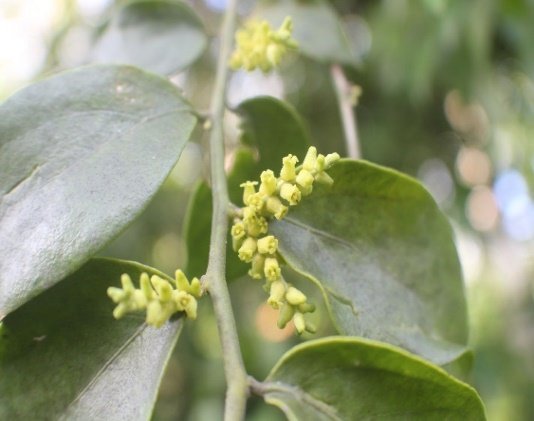
Figure 1: Plant of C. rheedei Figure 2: Flowers of C. rheedei
Table 1: Taxonomical classification and vernacular names of C. rheedei
|
Rank |
Classification |
|
Kingdom |
Plantae |
|
Subkingdom |
Tracheobionta (Vascular plants) |
|
Super division |
Spermatophyta (Seed plants) |
|
Division |
Magnoliophyta (Angiosperms) |
|
Class |
Magnoliopsida (Dicotyledons) |
|
Subclass |
Rosidae |
|
Order |
Santalales |
|
Family |
Opiliaceae |
|
Tribe |
Cansjereae |
|
Genus |
Cansjera Lam. |
|
Species |
Cansjera rheedei J.F.Gmel. |
|
Tamil |
Kattukodi, Kurundhotti kodi |
|
Kannada |
Adavi balli |
|
Telugu |
Adavi teega |
|
Malayalam |
Kattuvalli |
Morphology and Distribution.
Morphology
C. rheedei is a localized woody climber tree that its growth by climbing on host plant. It is a parasite, as it develops specialized root-relationships with host plants as a way of obtaining nutrients. The stem is thin and pliable thus enabling the plant to expand in forest cover. [3,5,6] The leaves are simple, alternate, entire and glabrous and are either oval or elliptic in form. They are small, green, inconspicuous and this is characteristic of parasitic plants in the order Santalales. The fruit is drupaceous. and usually with one seed. [3,5] Another characteristic feature of C. rheedei is the presence of nutrient-absorbing contact organs which connect with the roots of plants used as hosts. Extensive anatomical observations have indicated the existence of phloeotracheid (xylem tracheids) like conducting elements in these contact organs that ease passage of water and nutrients in the host. These are significant diagnostic characters in the support of its position in Opiliaceae. [10]
Distribution and Habitat
C. rheedei is spread throughout the tropical parts of South and Southeast Asia. It is mostly found in tropical dry evergreen forests especially the Coromandel Coast and the inland areas of peninsular in India. [11,12] It is recorded as being found in Tamil Nadu, Kerala, Karnataka and Andhra Pradesh. [3,5,9] Ecological research points to the species as a typical part of liana community, that adds to the forest structure and the biomass of dry evergreen ecosystems. [12,13] Outside India, C. rheedei has been reported in Sri Lanka and Southeast Asia with a more recent first record in Taiwan increasing the geographical spread of the species. [14]
TRADITIONAL AND ETHNOMEDICINAL APPLICATION:
C. rheedei has been in use since ancient times in traditional medicine by the tribes and rural population of South India where it has been known to possess therapeutic effect of treating various diseases. Tamil Nadu Ethnobotanical surveys have regularly indicated the use of various plant components, especially the leaves or roots and the stem, in folk medicine. The plant was used in sacred groves and forest areas of the Cuddalore and Villupuram districts where it has been traditionally used in the treatment of skin related disorders, wounds and inflammatory diseases and has become significant in primary healthcare practices of local communities.[15] Commonly used plant preparations have also been reported in classical regional collections and these contain descriptions of how the plant preparations were used to treat widely occurring diseases including fever, pain, infections.[16,19]C. rheedei is safely used by several ethnomedical studies of indigenous tribes including Irula, Kurumban, Paniyan and Malayali tribes of Tamil Nadu in treatment of skin diseases, ulcers and poisonous bites. [17,18,20,21] The leaves or roots are made into decoctions or pastes that are applied externally to reduce swelling, itching and inflammation especially in snakebites and insect bites and other toxic exposures. [17,21]Besides the medicinal purposes, C. rheedei is also known to be traditionally important in nutritional context of some tribal communities. In Andhra Pradesh it is ethnobotanically reported to be utilized as a wild plant resource and this indicates the strong association between dietary and medicinal traditions. [24] The ethnopharmacological research of other parts of India further proves the use of C. rheedei in the treatment of gastrointestinal diseases, infections and inflammatory disorders aiding in the cultural importance of the plant and a solid ethnomedicinal foundation of future phytochemical and pharmacological studies. [22,23]
PHYTOCHEMISTRY OF CANSJERA RHEEDII:
The pharmacological effectiveness of C. rheedei is mostly explained by the abundance and diversity of the secondary metabolites it produces. Early phytochemical studies on various parts of the plant have shown the presence of the major groups of bioactive compounds including alkaloid, flavonoid, tannin, saponin, sterol, triterpenoids and phenolic compounds. [23,26] Later comprehensive phytochemical investigations have facilitated the extraction of individual components and lignans and neolignanes obtained in the stem became the most well characterized compounds of C. rheedei.[25] Also, the caffeic acid, a phenolic compound that is isolated in the plant has shown significant antimicrobial activity.[28] Quercetin-3-O-β-glucoside flavonoid has also been reported and demonstrated to show antitumor activity against Dalton ascitic lymphoma, which indicates the existence of defined bioactive molecules in the species.[29] Another flavonoid, rutin, also obtained in the aerial part of the plants has been associated with the diuretic activity of the plant.[40]Screening of the aerial parts by the phytochemical has also shown that there are more secondary metabolites in the extracts of the aerial parts, yet their chemical structures have not been completely identified.[27] The hemi parasitism of C. rheedei, such as the formation of specialized haustoria and its interaction with host plants, this special symbiotic association can affect the nature and number of secondary metabolites formed, one assumption of which is based on the anatomical studies of its nutrient absorbing organs.[10,30] In addition to its medicinal importance, leaf extracts of C. rheedei have been shown to have corrosion-inhibitory properties on mild steel and this behaviour has been attributed to the adsorption of electron rich phytoconstituents, including flavonoids and phenolic compounds.[31]
PHARMACOLOGICAL ACTIVITIES:
Antitumour Activity
The antitumour effects of Quercetin-3-O-β-glucoside, extracted on the aerial parts of C. rheedei were determined on the basis of the Dalton ascitic lymphoma (DAL) assay in Swiss albino mice (24g to 28 g). Intraperitoneal inoculation with 1 x 10⁶ tumour cells per mouse induced DAL. The treatment had been initiated 24 h after inoculation and Quercetin-3-O-β-glucoside was given intraperitoneally, with 50 mg/kg/day dose and continued on 9 consecutive days. The normal control group receives 0.9% sodium chloride and 5-fluorouracil (5-FU, 20 mg/kg/day, i.p.) was used as a standard drug. The antitumour effectiveness was measured in terms of mean survival time (MST). The treatment of Quercetin-3-O-β-glucoside was of considerable help in increasing the life of tumour bearing mice. Control group MST increased to 19 days and in the Quercetin-3-O-β-glucoside treated animals, the duration of life span increased to 25 days, which was an increase of 131.57% (p < 0.001). The 5-FU was the standard drug that further raised the MST to 29 days (152.63%). The outcomes of this research show the significant inhibition of tumour progression of isolated flavonoid.In order to investigate a potential host-mediated mechanism, the target of Quercetin-3-O-β-glucoside on peritoneal exudate cells was investigated in normal mice. There was a substantial improvement in the number of peritoneal cells during the period of treatment as there was an increase in the number of peritoneal cells (5.3+0.7x10⁶ cells/mouse in the controls); the number of cells in the treatment progressed to 6.8+0.6 x 10⁶ cells/mouse after a dose and 7.3+0.7x10⁶ cells/mouse after two consecutive doses (p=0.01). This rise indicates the activation of immune cells full of macrophage which may indirectly suppress tumour cell growth. The 14th day haematological examination of the mice injected with tumour showed that DAL bearing mice had significant changes in their system, such as the increased level of WBC count, protein level and PCV and the decrease in haemoglobin and RBC count. These parameters were significantly recovered to normal ranges with the use of Quercetin-3-O-β-glucoside (50 mg/kg/day i.p.) (p <0.001), which shows protective effects on the haematopoietic system at minimal toxicity. In conclusion, Quercetin-3-O-β-glucoside from C. rheedei demonstrates significant antitumour activity against DAL, mediated primarily through host immunomodulatory mechanisms.[29]
Antipyretic Activity
The antipyretic activity of C. rheedei was evaluated using a brewer’s yeast induced pyrexia model in Wistar albino rats, as an established model in prostaglandin-induced fever. Rats of either sex, weighing 150–200 g, were used and housed under standard laboratory conditions. Pyrexia was induced by subcutaneous administration of brewer’s yeast and the rat rectal temperatures were taken at 0 h and at 18 h after the induction of fever to ensure that fever was induced successfully. Only those rats that showed marked alteration in body temperature were used for the study. The Ethanolic Extract of C. rheedei was orally administered with doses of 250 & 500 mg/kg, while paracetamol was used as the reference with a dose of 100 mg/kg as an antipyretic. Normal saline(5mL/kg) was used as a vehicle. Animals have been divided into three groups, which included the control group, the extract group and the standard group. Rectal temperature was recorded at 1, 2, 3, 4 and 5 h after treatment.Yeast administration elevated rectal temperature from 37.6 ± 0.03°C to 39.1 ± 0.30°C in the control group, which remained persistently high throughout the observation period. Treatment with the ethanolic extract produced a significant and dose-dependent reduction in rectal temperature. With a dose of 250 mg/kg, there was a decrease in body temperature from 39.7 ± 0.03°C at 18 hours to 38.2 ± 0.06°C at 1 hour and 37.8 ± 0.04°C at 5 hours (p < 0.001). Similarly, a 500 mg/kg dose decreased body temperature from 39.6 ± 0.04°C to 37.9 ± 0.08°C at 5 hours, comparable to that of paracetamol, which decreased to 37.8 ± 0.10°C at 5 hour (p < 0.001). The antipyretic effect of C. rheedei may be related to the inhibition of prostaglandin E2 synthesis in the hypothalamus, which may be attributed to the presence of flavonoids and other phenolic constituents. In conclusion, the ethanolic extract of C. rheedei exhibits antipyretic activity in yeast-induced febrile in rats.[32]
Antidiabetic and Antioxidant Activity.
The antidiabetic activity of C. rheedei has been clearly shown through well-established chemically induced diabetic rat models. [33,34] The antidiabetic effects of an aqueous leaf extract of C. rheedei were tested in streptozotocin-induced diabetic in Wistar albino rats under acute and sub-acute conditions of treatment.[33] During the acute phase, oral intake of the extract at doses of 250 and 500 mg/kg led to the rapid decrease in the level of blood glucose in 24 hours. The daily therapy of 21 days resulted in a significant reduction of the fasting blood glucose level of severely hyperglycaemic values (>250 mg/dL) to near normoglycemic (~110-130 mg/dL) levels. This increase in glycaemic control was also connected to considerable decreased in the body weight induced by diabetes, which pointed to the catabolic effects of diabetes being decreased.Alloxan-induced diabetic Wistar rats treated with extracts obtained from petroleum ether, chloroform and ethanol extracts of the aerial parts of C. rheedei at 200 mg/kg/day for 28 days gave complementary results.[34] Out of these extracts, the ethanol fraction had the strongest antihyperglycemic effect, lowering blood glucose levels, which were above 300 mg/dL to about 120mg/dl by the final outcome of the treatment. It is important to note, that the treatment also led to considerable rise in the levels of serum insulin and the increase of diabetes-related dyslipidaemia, which indicated the increase in the activity of pancreatic β -cells and the improvement of glucose uptake in peripheral tissues. Together, these investigations support the fact that C. rheedei is able to generate similar and stable antidiabetic effects in various diabetic models, extract forms and treatment periods. [33,34]In addition to glycaemic control, antioxidant activity also provides a strong support of the antidiabetic activity of C. rheedei. [35,36] Major antioxidant activity was confirmed in the use of the aqueous leaf extract in the standard in vitro free radical scavenging assays (DPPH, hydroxyl radical and nitric oxide models) with concentration-dependent effects with low IC50 values similar to ascorbic acid.[33] In vivo experiments also indicated the protection of antioxidant activity in alloxan-induced diabetic rats with diabetic controls exhibiting a change in SOD and CAT activities and increase in TBARS levels.[34] Ethanol extract therapy also had a significant effect of restoring the activity of antioxidant enzymes and lipid peroxidation of pancreatic β-cells, suggesting inhibition of oxidative stress and pancreatic β-cells protection.[33,34]
Antihyperlipidemic Activity
The lipid lowering activity of C. rheedei was evaluated on a rat model of diabetes, induced by alloxan, a frequently used model to discern the association between diabetes, dyslipidemia and lipid related complications. Adult male Wistar rats weighing 180–200 g was used to avoid hormonal variations related to the estrous cycle. Diabetes was induced by the intraperitoneal injection of alloxan monohydrate and rats showing high levels of blood glucose were selected for experimentation. The ethanolic extract of C. rheedei (EECR) was administered orally at doses of 200 and 400 mg/kg/day for 15 days. The diabetic rats received the vehicle, which consisted of 2% Tween-80 and the standard drug consisted of glibenclamide with a dose of 2.5mg/kg and served as the standard drug comparison.
Finally, blood lipid levels, such as total cholesterol, triglycerides, HDL, LDL and VLDL, were estimated after prolonged treatment. Diabetic control rats showed marked dyslipidemia with significantly elevated TC (340 ± 0.67 mg/dL), TG (205.2 ± 1.16 mg/dL), LDL (255.3 ± 2.3mg/dL) and VLDL (65.3 ± 1.95mg/dL), along with a reduction in HDL (26.83 ± 0.60mg/dL) when compared to normal rats. Treatment with ECR produced a dose dependent improvement in lipid profile. The values at the dose of 200 mg/kg were found to reduce to 245.3 ± 1.58 mg/dL for TC and 185.7 ± 1.43 mg/dL for TG. Progressively increasing the dosage to 400 mg/kg depressed TC further to 226.5 ± 1.54 mg/dL and TG to 164.2 ± 1.68 mg/dL (p < 0.01). While LDL and VLDL levels were significantly reduced, HDL increased in the process. The lipid lowering effect at 400 mg/kg was comparable to glibenclamide.The research found out that C. rheedei is effective in treating diabetes related hyperlipidaemia, thus lowering cardiovascular risk. The antihyperlipidemic effect is explained by the antioxidant effect of the plant and its potential insulin mimetic effect, which jointly lead to an increase in the lipid metabolism, lipoprotein regulation and a decrease in the cholesterol biosynthesis pathways.[34]
Nephrotoxicity Activity
The nephroprotective potential of C. rheedei was investigated using a gentamicin-induced nephrotoxicity model in Wistar albino rats which is well-established model of acute kidney injury that is associated with oxidative stress, tubular injury and dysfunctional of the glomeruli. In this experiments, gentamicin (100 mg/kg, i.p., 8 days) was used in order to cause renal injury and hydroalcoholic leaf extract of C. rheedei was given orally at doses of 200 and 400 mg/kg, either throughout the treatment period or co-administered during the last 8 days of gentamicin exposure to induce renal injury. The experimental designs were normal controls, gentamicin controls, extract treated groups and Standard comparator groups treated with gentamicin with selenium (2 mg/kg). The administration of gentamicin resulted in significant and pronounced increase (p < 0.001) in serum creatinine (6.089 ± 0.517 mg/dl), blood urea nitrogen (319.8 ± 71.94 mg/dl) and uric acid (19.58 ± 0.582 mg/dl) in comparison with normal values (0.603 ± 0.058 mg/dl, 21.98 ± 3.11 mg/dl and 4.31 ± 0.33 mg/dl, respectively). These parameters all were restored significantly and dose-dependently with the 400 mg/kg dose decreasing creatinine to 1.189 ± 0.117 mg/dl, BUN to 105.1 ± 16.44 mg/dl and uric acid to 11.89 ± 1.36 mg/dl with significant difference (p < 0.001 vs toxic control). Protective effects were also similar in urine biomarkers.Oxidative stress analysis in the kidney samples showed that lipid peroxidation (LPO: 541.0 ± 146.2) and decrease in antioxidant enzymes (SOD: 172.0 ± 29.89; GSH: 11.83 ± 0.717; CAT: 0.104 ± 0.019) has increased and decreased respectively, after gentamicin treatment. HECR significantly reduced the level of lipid peroxidation (194.7 ± 10.55 at 400 mg/kg) and restored SOD (48.75 ± 2.45), GSH (1.809 ± 0.180) and CAT (0.060 ± 0.006) (p < 0.001). The mechanism by which HECR exerts its nephroprotective effect is by inhibiting lipid peroxidation and promoting endogenous antioxidant defences and thus, maintaining renal structural and functional integrity. These results have conclusively shown that C. rheedei has an important nephroprotective effect on gentamicin-induced renal toxicity and can be used therapeutically to treat oxidative stress-induced kidney diseases.[35]
Antimicrobial activity
The antimicrobial potentiality of C. rheedei root extract was evaluated in vitro against bacterial and fungal strains such as Bacillus subtilis, Escherichia coli, Serratia rubidae, Streptomyces sp., Flavobacterium tegecticola and Flavobacterium oxysporum.[36] The shade-dried, powdered roots were subjected to extraction with petroleum ether, n-butanol, ethanol, methanol, chloroform, water, ethyl acetate and benzene for a period of ten days. The residual extracts were dissolved in DMSO at 200 µg/mL. Ciprofloxacin (10 µg/mL) and griseofulvin (10 µg/mL) were the standard drugs against bacteria and fungus, respectively. Antimicrobial activity was assayed in zone of inhibition (mm). The petroleum ether and n-butanol extracts exhibited maximum activity against B. subtilis (17 mm), which was near to the activity of ciprofloxacin (18 mm). Other microbial strains showed moderate activity. Griseofulvin showed better antifungal activity. The activity is due to the compounds like alkaloids, flavonoids and phenolics, which may interact with microbial cell wall or inhibit the protein synthesis or some important metabolic pathways. Statistical significance (p < 0.05) was obtained when compared to vehicle controls. All the above findings revealed that C. rheedei root extracts have broad-spectrum antimicrobial activity with more activity against Gram-positive bacteria, thus validating its traditional use.[36] In this regard.[28] subsequently isolated the active antimicrobial principle from C. rheedei roots using the bioassay-guided fractionation technique. Chromatographic separation of crude extract was carried out; each fraction was repeatedly assayed for antimicrobial activity. The structure of the isolated compound was identified as caffeic acid by UV, FT-IR, NMR, mass spectrometry and TLC. The MIC of the purified compound was between 6.25µg/mL to 25µg/mL against different bacterial species, which was comparable to standard antibiotic drugs. These results not only confirm the previous findings that caffeic acid is a major antimicrobial compound found in C. rheedei but also support well its antimicrobial activity shown by extracts of C. rheedei roots.[28]
Anthelmintic Effect of Cansjera rheedii Root Extract.
Adult Indian earthworms (Pheretima posthuma) were used to determine the anthelmintic potential of C. rheedei root extract on basis of their anatomical and physiological similarity to the human intestinal roundworms. Earthworms of weight 2-3g were gathered in the locality and acclimatized before experimenting. Hydroalcoholic (ethanolic) and aqueous extracts were made at concentrations of 10 and 20mg/mL and used in vitro by immersion. Albendazole (10 mg/mL) was taken as the standard reference and distilled as the vehicle control. As experimental groups, the following were made: ethanolic extract (10 and 20mg/mL), aqueous extract (10 and 20mg/mL), albendazole and vehicle. Primary end points were time to paralysis and death of worms. Ethanolic extract induced paralysis at 38 ± 0.75 min and death at 85 ± 0.32 min (20mg/mL), aqueous extract induced paralysis at 40 ± 0.50 min and death at 68 ± 0.50 min. Albendazole caused paralysis at 30 ± 0.45 min and death at 52 ± 0.50 min. ANOVA followed by post hoc test of Tukey showed significant reduction in the time at which paralysis and death occurred in extract treated groups in comparison to vehicle controls (p < 0.05). The mechanisms by which the observed anthelmintic effect can be mediated are probably neuromuscular paralysis of the worms that may be caused by interference with the energy metabolism or prevention of neurotransmission. These results prove that C. rheedei root extract has a strong dose-dependent anthelmintic effect and has undergone traditional use, which indicates its prospective phytochemical characterization and as a natural anthelmintic compound.[36]
Anti-nociceptive activity
The anti-nociceptive property of C. rheedei was tested on the basis of chemical and thermal models of nociception in Wistar albino mice that are established models in the study of peripheral and central mechanisms of analgesia. The ethanolic extract of the aerial parts of C. rheedei was given with a dose of 250 and 500 mg/kg orally and the safety of this extract was confirmed with the help of an acute toxicity study as per OECD guideline 425 that did not indicate the death or any toxic effects at a dosage of 2 g/kg (p.o.). The intraperitoneal injection of acetic acid (1% v/v, 1 mL/kg) in the acetic acid induced writhing test caused a distinct nociceptive reaction in the controls between (81.6 ± 0.89 writhes), which are indicative of severe peripheral pain. The extract of C. rheedei reduced the writhes significantly (P < 0.001) at the dosage of 250 and 500mg/kg, inhibiting pain at a rate of 65.07% and 69.85%, respectively. The effect of the extract was similar to the control drug, piroxicam (10 mg/kg, i.p.) which resulted in (23.61 ± 2.23 writhes) and 71.08 % inhibition indicating high peripheral anti-nociceptive activity of the extract.In the tail-flick test that measures centrally mediated analgesia, during the time that the test was undertaken, the control animals showed basal tail-withdrawal latency of between 3.7 to 4.7 seconds. The ethanolic extract of C. rheedei increased and did so significantly (P < 0.05001) and dose dependently, reaction time. The extract produced 12.0 ± 0.33 seconds at 30 min, 14.0 ± 0.03 seconds at 60 min and 13.3 ± 1.52 seconds at 90 min and 13.7 and 14.0 seconds at 60 and 90 min, respectively. The effects were similar to centrally acting standard pentazocine (5mg/kg, i.p.) that determined the highest latency of 14.0 ± 0.03 seconds at 30-60 minutes after administration. The marked writhing inhibition caused by acetic acid is likely to indicate inhibition of the prostaglandin mediated peripheral nociception and the long latency of tail-flick indicates activation of central opioid mediated pain pathways. The pain-relieving effect that was observed could be due to the availability of bioactive phytoconstituents, alkaloids, flavonoids, saponins, tannins, phenolic compounds and glycosides in the extract. All these results affirm that C. rheedei has strong anti-nociceptive effect both in the periphery and centrally in a dose dependent manner.[37]
Antibacterial Activity of Cansjera rheedei Mediated Silver Nanoparticles
C. rheedei was investigated as an antibacterial agent by synthesizing silver nanoparticles (AgNPs) by plant mediated green synthesis in an aqueous leaf extract and subsequently physiochemically characterized and tested as an antibacterial agent through in vitro assay. Fresh leaves that were shade dried were finely powdered and the 100 mL of distilled water was used to extract them. The ready extract (5 mL) was added to 100 mL of 3 mM aqueous silver nitrate (AgNO3) solution and a 48hour shaking at 200 rpm at 30°C was conducted in the presence of a constant pH of 6 to 7. The AgNPs formation was first determined based on the change of colour of the solution (yellow to dark brown) that can be attributed to surface plasmon resonance (SPR) of silver nanoparticles. The affinity of Ag+ ions to be bio reduced was confirmed by UV-Visible spectrophotometric analysis, which depicts a typical SPR absorption peak at 430 nm. The FTIR spectral data showed the presence of absorption peaks at 3451.3, 2062.3, 1835.9 and 1265.9cm?¹ corresponding the hydroxyl, isothiocyanate and carbonyl groups, which point to the presence of plant derived biomolecules in reducing and capping of the nanoparticles and stabilizing the nanoparticles, respectively. HRSEM showed that synthesized AgNPs were mainly in form of spherical shape with the particle size of 30-50 nm. Edax analysis was also used to confirm the elemental composition and purity of silver nanoparticles. Gram negative (Pseudomonas aeruginosa and Escherichia coli) and Gram positive (Staphylococcus aureus) bacteria were used to determine the antibacterial activity of the biosynthesized AgNPs using the standard disc diffusion method. Inoculated agar plates were immersed with sterile discs impregnated with 5, 10 and 15 µL realise of AgNPs suspension and incubated at 37oC in 24 hours. AgNPs had a strong antibacterial action of Pseudomonas aeruginosa, with the growth inhibition zones of 9.5, 12.0 and 21.0 mm at concentrations respectively. Similarly, moderate antibacterial activity was observed against Staphylococcus aureus, with inhibition zones measuring 8.5 mm, 9.5 mm and 10.0 mm at the corresponding concentrations and no inhibitory activity was proposed against Escherichia coli, therefore, indicating a selective antibacterial susceptibility. This effect is attributed to the release of Ag+ ions, which results into membrane disruption, protein denaturation, oxidative stress and inhibition of DNA replication, indicating the potential of AgNPs mediated by C. rheedei in antimicrobial nanobiotechnology.[38]
Hepatoprotective Activity
The hepatoprotective efficacy of ethanol extract of C. rheedei (EECR) was examined in a preclinical and experimental research of paracetamol induced hepatotoxicity in adult male Wistar rats (150g to 175 g). The animals were randomized into four groups (n=6) as follows: Group I (Normal Control): the animals were given normal saline (2?mL/kg, p.o.) over 10 days; Group II (Disease control): the animals were given saline over 10 days and a single dose of paracetamol (750?mg/kg, p.o.) on the 10th day; Group III (Test): the animals received EECR (250?mg/kg, p.o.) for 10 days before inducing paracetamol; Group IV (Standard) received Silymarin (50?mg/kg, p.o.) for 10?days before paracetamol inducing. Serum biochemical (SGOT, SGPT, ALP, total bilirubin, total protein, GGTP) and antioxidant markers of liver homogenate (SOD, Catalase, GPx, GST, LPO) were assessed 36 hours after paracetamol, as well as liver to body weight ratio. Paracetamol increased serum liver enzymes (SGOT 227.50 ± 6.8U/L, SGPT 176.00 ± 4.7U/L, ALP 578.00 ± 8.9U/L, GGTP 62.10 ± 2.48U/L), total bilirubin (1.10 ± 0.08?mg%), liver weight (5.89 ± 0.17 g/100 g BW) and LPO (17.17 ± 1.14?µmol MDA/min/mg protein), while decreases total protein (6.35 ± 0.35?mg%) and endogenous antioxidants (SOD 7.05 ± 1.14, Catalase 26.17 ± 2.10, GPx 16.82 ± 1.30, GST 0.09 ± 0.02). The parameters were greatly normalised by EECR pretreatment (SGOT 184.25 ± 8.37, SGPT 96.75 ± 5.1 U/L; LPO 5.63 ± 0.75; SOD 14.24 ± 1.30) which was comparable to Silymarin, signifying a potent hepatoprotection. Mechanistically, EECR is probably a partial compensatory mechanism of oxidative stress reduction through free radical scavenging, lipid peroxidation inhibition and endogenous antioxidant defence restoration. Statistical tests showed significance (p< 0.001 vs paracetamol control). All these findings establish that EECR is a hepatoprotection with strong activity, which claims the use of this traditional medicine and necessitates additional phytochemical and mechanistic research. [39]
Diuretic Activity
The diuretic effect of rutin, which is extracted in aerial parts of C. rheedei, was assayed in male albino rats with weights of 140-170 g in a standard metabolic disease model. Pre experiment the rats were starved and dehydrated over 18 hours to normalize a baseline fluid status. Rutin (100 mg/kg, orally) was used as treatment dose and furosemide (100mg/kg, orally) was used as a reference diuretic. Normal saline (25 mL/kg, p.o.) was used with control animals. Urine was sampled during 5hours after the administration and such parameters were measured as total urine volume (adjusted to water intake) and urinary excretion of sodium (Na+), potassium (K+) and chloride (Cl-) ions. Rutin administration was effective in a way that it resulted in a significant rise in urine output (1.88 ± 0.14 mL to 5.48 ± 0.94 mL), excretion of Na+ (2018 ± 48 to 3462 ± 70 µmol/kg), K+ (842 ± 44 to 1972 ± 612 µmol/kg) and Cl- (718 ± 38 to 2218 ± 110 µmol/kg),The electrolyte excretion pattern in a rutin treated rat was similar with that of furosemide, which shows that rutin is a strong diuretic. Such effects are probably mediated by an increase in the renal tubular ion transport that facilitates sodium and water secretion and justifies the historical role of C. rheedei as a diuretic medication.[40]
Anti-Inflammatory and Membrane Stabilizing Activity
To explain the mechanistic and pharmacodynamic aspects of the anti-inflammatory action of ethanol extract of C. rheedei (EECR), in vivo and in vitro models were used to evaluate its anti-inflammatory effect. Wistar albino male rats (150 g-175 g) were used to induce paw edema in carrageenan induced and human red blood cell (HRBC) membrane stabilisation assay as an in vitro equivalent of lysosomal membrane protection. EECR was made out of entire plant material with ethanol: water (90%:10%) ratio. EECR 6-100 µg /mL showed dose-dependent inhibition of hypotonic solution induced hemolysis in vitro and indicated membrane stabilizing effect, which suggested prevention of lysosomal enzyme leakage, which is a major cause of inflammation. Oral pretreatment with EECR at a dose of 250mg/kg markedly decreased the paw edema caused by carrageenan by 41.93% at 3h post induction compared to vehicle controls, similar to conventional anti-inflammatory drugs such as diclofenac. ANOVA showed statistical significance (p< 0.05). Mechanistically, the stabilization of the membrane of EECR may be a mechanism behind its anti-inflammatory effect, which is preventing a release of pro-inflammatory mediators and cell preservation, possibly through regulation of the cyclooxygenase and phospholipase processes. The overall findings of this study confirm that EECR has a strong anti-inflammatory effect with a membrane protective effect and further additional phytochemical research as well as therapeutic development in inflammatory disease is needed.[41]
TOXICITY STUDY:
Preclinical acute and sub-acute toxicity was used to determine the safety profile of ethanol extract of C. rheedei aerial parts. Swiss albino mice (20g to 25 g) were used in a single oral dose trial of 2000mg/kg and followed through a period of 24 hours to observe the mortality and behavioural effects. No death, clinical evidence of toxicity or abnormal behaviours were noted and this means that the extract is practically nontoxic and the oral LD50 is greater than 2000mg/kg. Sub-acute toxicity was performed on Wistar albino rats (150g to 200g; both sexes, n=6 each group) and exposed to oral dosage 125, 250 and 500mg/kg for period of 28 days; the Normal control group received distilled water. Monitored parameters: body weight, relative organ weights (liver: 7.62 to 7.88 g/100g BW; heart: 0.75 to 0.78g/100g BW; lungs: 1.84 to 1.88g/100g BW; spleen: 0.83 to 0.86g/100g BW; kidneys: 0.62 to 0.66g/100g BW), haematology (Hb: 12.43 to 12.86?g%; RBC: 3.23 to 3.85?×10¹?/Cu.mm; WBC: 8.05 to 8.26?×10¹?/Cu.mm; clotting time: 111to 113?s) and serum biochemical markers (ALT: 180 to185?U/L; AST: 199 to 202?U/L; ALP: 380?U/L; GT: 262 to 264?U/L; cholesterol: 77 to 83?mg%; glucose: 69 to 74?mg%; urea: 47 to 52?mg%; BUN: 21 to 23?mg%). Histopathological studies on liver, kidney, heart, lungs and Spleen had normal architecture at all doses. Mechanically, the extract did not cause oxidative or metabolic stress, but instead, it preserved hepatic and renal functionality, haematological homeostasis and lipid metabolism. Oneway ANOVA statistical analysis confirmed that no statistical difference (p) was significant (p> 0.05) in any parameter in comparison to controls. All of these results prove that C. rheedei ethanol extract is well tolerated and non-toxic even at 500 mg/kg/day, over 28 days, which validates its traditional use and gives a strong safety profile under which to conduct a pharmacological and therapeutic study in the future.[42]
CONCLUSION:
C. rheedei is an ethnomedical significant, but scientifically understudied plant. The review combines the fragmented knowledge into one to offer a coherent view of its botanical behaviours, conventional uses, phytochemical structure and pharmacological actions. The experimental evidence of antidiabetic, antioxidant, anti-inflammatory, antimicrobial, hepatoprotective, nephroprotective and antitumor efficacies provides a solid support to the traditional claims of the treatment of diabetes, inflammation, infections and toxic bites. The bioactive compounds that contribute to these activities to a great degree include Quercetin-3-O-β-glucoside, rutin, caffeic acid and lignans. Nevertheless, the translation of C. rheedei into therapeutic products with evidence is little. The major shortcomings are the absence of standardized extraction techniques, inadequate knowledge of the molecular pathogenesis and the lack of clinical trials in humans. Even though toxicity studies in acute and sub-acute show good safety profile, long and reproductive toxicity studies are still needed. The prospects of the research should be to come up with standardized extracts with characterized phytochemical profiles, to carry out detailed mechanistic research using modern molecular technology and to conduct both well designed preclinical and clinical research to establish efficacy and safety. By bridging these gaps, C. rheedei will become a conventional medicinal plant to a scientifically proven source of new therapeutic agents and standardized formulations of herbs to incorporate in modern medical care.
ABBREVATIONS:
REFRENCES:






Marigouda Patil, Salma Banu, Sanjay Havaragi, Lingaraj Anawal, Mallappa Shalavadi, Chandrashekar V. M.*, Pharmacological and Phytochemical Perspectives of Cansjera rheedei: An Underexplored Member of Opiliaceae with Therapeutic Potential, Int. J. of Pharm. Sci., 2026, Vol 4, Issue 1, 2216-2231. https://doi.org/10.5281/zenodo.18333689
 10.5281/zenodo.18333689