

We use cookies to ensure our website works properly and to personalise your experience. Cookies policy
1,3 Department of Bioscience, Sri Krishna Arts and Science College, Coimbatore
2 Department of Biotechnology, Bharathiar University, Coimbatore
4 Department of Biotechnology, PSG College of Arts and Science, Coimbatore.
The tree Terminalia catappa, commonly referred to as tropical almond or Indian almond, is extensively found in tropical and subtropical regions, renowned for its extensive medicinal applications in traditional medicine. The current research explores the phytochemical profile of leaves of T. catappa using qualitative and quantitative methods. Aqueous extracts were prepared to optimize the recovery of bioactive compounds, followed by phytochemical screening for secondary metabolites including flavonoids, alkaloids, phenols, terpenoids, tannins, saponins and glycosides. Advanced techniques, including High – Performance Liquid Chromatography (HPLC) were employed for detailed analysis. Antioxidant activity of plant extract was carried out by DPPH Radical scavenging activity. This research underscores the therapeutic potential of Terminalia catappa and highlights its suitability as a natural source for developing antioxidant agents. The identified bioactive compounds provide a foundation for future pharmacological research aimed at exploring their therapeutic applications.
The Indian almond, also known as Terminalia catappa L. is a member of Combretaeceae family is a tall deciduous tree with large leaves that grows in coastal habitats of South and Southeast Asia, Northern Australia, Africa and warm tropical environments (S Chanda et al., 2011, S. Shams et al., 2021). Terminalia catappa is an ornamental tree which has the ability to grow under shaded and saline conditions. The leaves have been traditionally used to treat dermatitis in India and hepatitis in the Philippines. The tree is highly adapted to well-drained sandy soil and show resistance to saline root conditions, strong wind and salty spray. These properties make it a relevant species in costal environment for its several non-timber resources and ecological benefits (Bushra et al., 2023). The plant is popularly known for its medicinal values, especially the leaves. They are brewed into teas or incorporated into topical preparations to treat various ailments, effective against oral disease, cancer, diabetes, fungal infection, HIV, arthritis, including digestive disorders, skin conditions, and respiratory issues. Studies have shown that the leaves safeguard the liver from acute injury caused by hepatotoxic substances. The dried leaves serve as a natural alternative for antibiotics in the treatment of fish pathogen also possess significant antioxidant and anticlastogenic activities. Leaf and bark extract possess anticancer, anti-inflammatory, antihepatitic, antidiabetic and antimicrobial effects (Muhammad and Mudi., 2011).
Almond leaves contains several phytochemicals like flavonoids, tannins, alkaloids, phenolic compounds, steroids, glycosides with cytotoxicology, anticancer, antidiabetics, hepatoprotective, laxative and diuretic effects (Muangthai et al., 2015). Almond leaves have been traditionally used to treat diarrhoea, fever, scabies, leprosy, wounds, and other skin disorders. It also possesses antibacterial effect against Staphylococcus aureus, Pseudomonas aeruginosa, Bacillus spp and E. coli. (Allyn et al., 2018). Almond leaves are rich in polyphenols and shows strong antioxidant activity. As the antioxidant activity increases with polyphenol level, the almond leaves serve as protection against diseases including hypertension and other diseases related to oxidative stress (Bushra et al., 2023). The present work was aimed to determine the phytochemical components of Terminalia catappa leaves by qualitative method by standard phytochemical analysis and quantitative analysis through High-Performance Liquid Chromatography. The antioxidant activity was plant extract determined through DPPH Assay.
MATERIALS AND METHODS
Plant Sample Collection
The Terminalia catappa leaves were collected from Sri Krishna Arts and Science College, Coimbatore, Tamil Nadu, India. The leaves were properly cleaned in tap water and washed twice using distilled water to get rid of contaminants. Shade drying at ambient temperature at room temperature until they were entirely dehydrated and crushed into smooth powder.
Preparation of plant extract
About 10 grams of finely powdered Terminalia catappa leaves sample was added to 100 mL double-distilled water and kept in magnetic stirrer for 48 hours at room temperature. The preparation was boiled at 50-60°C in water bath, filtered using Whatman No. 1 filter paper and preserved in refrigerator for subsequent analysis.
Phytochemical analysis
Phytochemical screening of Terminalia catappa leaves were analysed for flavonoids, tannins, saponin, steroids, terpenoids, alkaloids, anthraquinones, polyphenols, glycosides and coumarins using standard phytochemical method described by Sofowara., 1993 and Mujeeb F et al.,2014.
High-Performance Liquid Chromatography (HPLC) Analysis
HPLC Analysis of Terminalia catappa leaf extract carried out by method outlined by Mininel et al., 2014. The chromatogram obtained was analysed to confirm the bioactive compounds and the identification of phytochemicals was achieved through calibration curves prepared from standard reference compounds.
Antioxidant Assay - DPPH Assay (Hoque N et al., 2023)
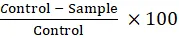
Antioxidant analysis of Terminalia catappa leaves sample was evaluated through 2, 2-diphenyl-1-picrylhydrazyl (DPPH) radical scavenging activity following the method outlined by Hoque N et al., 2023. 1 ml of plant extract at various concentrations of 10 µg/ml, 25 µg/ml, 50 µg/ml, 75 µg/ml, 100 µg/ml was mixed with 2 ml of 0.1 mM DPPH solution and ascorbic acid used as standard. The mixture vortexed and kept under dark conditions for 30 minutes at room temperature. Post incubation, the absorbance measured at 517 nm in spectrophotometer and methanol is kept as blank. The IC50 value, representing the concentration of the sample extract at which 50% of DPPH free radicals were inhibited, was calculated. The percentage of radical scavenging activity calculated using the equation:
% of DPPH Radical Scavenging Activity = Control - SampleControl ×100
RESULTS AND DISCUSSION
Plant Sample Collection
Fresh leaves of Terminalia catappa were dried and grounded into fine powder using a mortar and pestle. The leaf extract was prepared by boiling the powdered leaves with water.
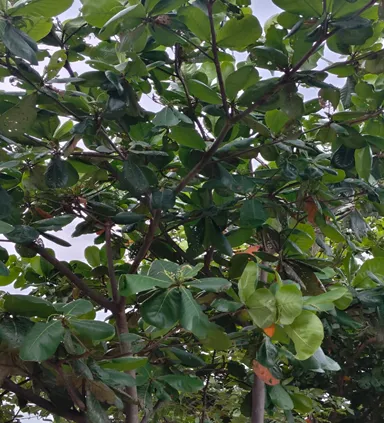
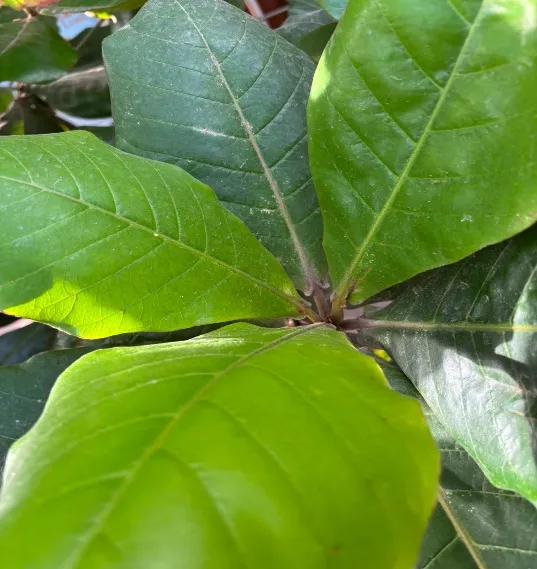
Fig. 1 Terminalia catappa Plant Fig. 2 Terminalia catappa Leaves
Phytochemical Analysis
Following the successful extraction of Terminalia catappa leaves, phytochemical analysis was performed. The qualitative phytochemical analysis of the aqueous leaf extract of Terminalia catappa revealed the presence of tannins, saponins, flavonoids, steroids, terpenoids, and polyphenols and given in Table:1.
Table: 1- Phytochemical Screening of Terminalia catappa leaf Extract
|
Phytochemical Tests |
Aqueous Extract of Terminalia catappa Leaves |
|
Tannin |
Positive |
|
Saponin |
Positive |
|
Flavonoids |
Positive |
|
Steroids |
Positive |
|
Terpenoids |
Positive |
|
Alkaloids |
Negative |
|
Anthraquinones |
Negative |
|
Polyphenol |
Positive |
|
Glycosides |
Negative |
|
Coumarins |
Negative |
The result highlights the abundance of antioxidant and antimicrobial compounds including tannins, flavonoids, and polyphenols, which may contribute to the plant’s traditional medicinal applications. Conversely, the lack of alkaloids and glycosides indicates variability in phytochemical profile that attributed by ecological parameters, plant developmental stage and extraction method.
Similar phytochemical profile have been reported in aqueous extracts of T. catappa, confirms that the plant is rich in biologically active secondary metabolites with potential therapeutic applications. The presence of flavonoids and polyphenols is particularly important because these compounds possess strong antioxidant properties through their ability to scavenge free radicals and inhibit oxidative stress. Previous studies concluded that phenolic compounds and flavonoids are major contributors to the antioxidant activity of T. catappa extracts (Mwangi et al., 2024).
High-Performance Liquid Chromatography Analysis
Based on the HPLC chromatogram of the Terminalia catappa leaf extract, the analysis revealed the presence of five major phytochemical constituents, represented by distinct peaks at different retention times. The retention time (RT) and area percentage indicate the relative abundance of the compounds found in the extract Fig 3 and 4.
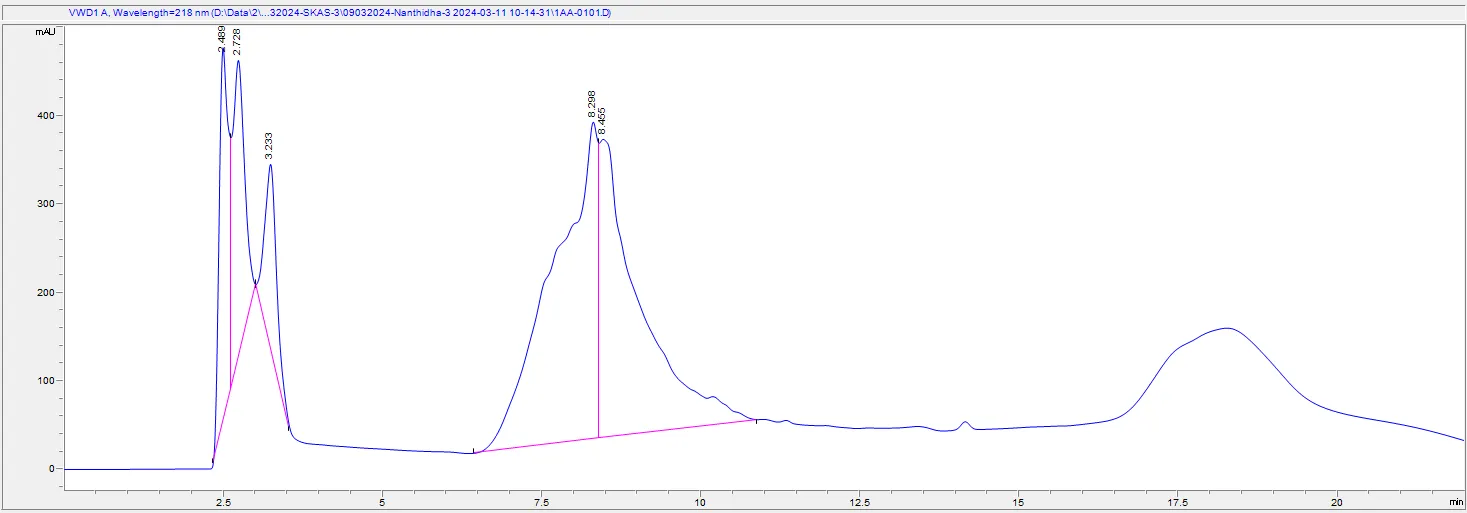
Fig 3: Chromatogram of Terminalia catappa leaf extract at 218 nm
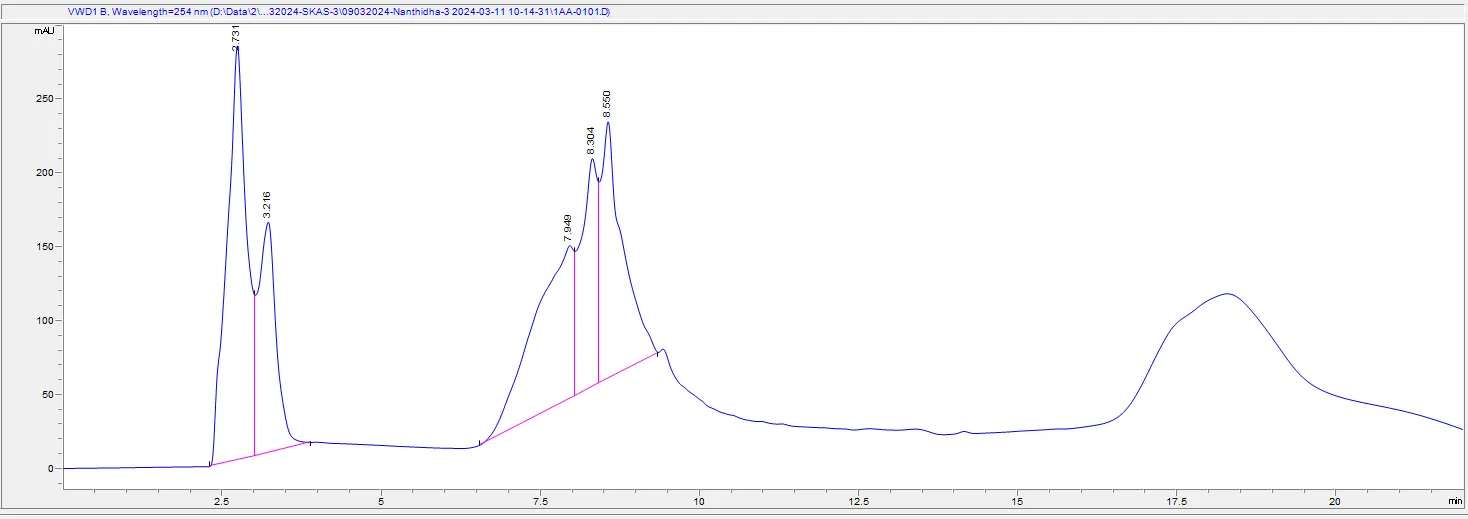
Fig 4: Chromatogram of Terminalia catappa leaf extract at 254 nm
HPLC analysis was performed using UV detection at 218 and 254 nm, and the chromatographic run was monitored for approximately 22 min. At 218 nm, five distinct peaks were detected with retention times of 2.489, 2.728, 3.233, 8.298 and 8.455 min, respectively. Among these, the peaks at 8.298 and 8.455 min were predominant, contributing 39.90% and 33.79% of the total integrated peak area, respectively. The remaining peaks accounted for 10.09%, 10.19% and 6.03%, respectively. Thus, the two major constituents together represented approximately 73.69% of the integrated chromatographic area at 218 nm. A comparable but somewhat different chromatographic pattern was obtained at 254 nm. Five peaks were observed at retention times of 2.731, 3.216, 7.949, 8.304 and 8.550 min, contributing 29.48%, 14.55%, 22.38%, 13.69% and 19.90%, respectively, to the total integrated area. The appearance of distinct peaks at both wavelengths suggests that the almond leaf extract contains several compounds possessing chromophores with different UV absorption characteristics. The differences in relative peak areas between 218 and 254 nm further indicate that the detected constituents have different spectral responses at the two wavelengths.
The relatively high contribution of the peaks eluting around 8.0–8.6 min suggests that compounds with stronger UV responses under the applied chromatographic conditions constitute an important fraction of the extract. However, the present HPLC report provides retention time, peak area and UV response but does not provide compound-specific standards, UV spectra or mass spectral confirmation. Therefore, these peaks should be regarded as major chromatographic constituents rather than being identified as particular phenolic or flavonoid compounds. Confirmation of individual compounds would require comparison with authentic standards and/or complementary techniques such as HPLC-DAD, LC-MS/MS or other spectroscopic approaches. The HPLC profile provides valuable information for the standardization and quality assessment of T. catappa leaf extracts and highlights their potential for pharmaceutical and nutraceutical applications.
Antioxidant Assay
Determination of Antioxidant Activity through DPPH Assay
Antioxidant activity of Terminalia catappa aqueous leaf extract was analysed by DPPH free radical scavenging assay. Concentration-dependent rise in radical scavenging activity of plant extract indicating its ability to neutralize free radicals effectively. The inhibition percentage increased progressively from 8.5% at 10 µg/mL to 23.2% at 25 µg/mL, 48.1% at 50 µg/mL, 73.0% at 75 µg/mL, and reached a maximum of 98.4% at 100 µg/mL. This trend is due to antioxidant compounds found in the extract capable of donating electrons or hydrogen to stabilize DPPH free radicals. The concentration-dependent nature of the response is significant of plant extracts containing bioactive antioxidant compounds. The IC₅₀ value of the aqueous extract was found to be 51.8 µL and ascorbic acid 27 µg/mL. The IC₅₀ value represents the concentration required to scavenge 50% of DPPH radicals and widely used as an indicator of antioxidant potency. The obtained IC₅₀ value suggests that the aqueous leaf extract possesses appreciable free radical scavenging activity. The high inhibition percentage observed at 100 µL further confirms the strong antioxidant potential of the extract. Lower IC₅₀ values generally indicate greater antioxidant efficiency and radical scavenging capacity.
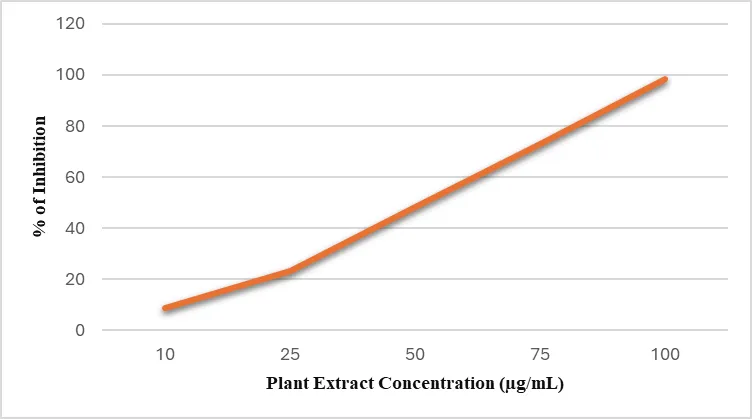
Fig: 3 DPPH radical scavenging assay of Terminalia catappa leaves
The study confirms that Terminalia catappa leaf extract has strong antioxidant activity, which proportional to plant extract concentrations. This antioxidant activity may be attributed by phytochemicals such as flavonoids, tannins, polyphenols, terpenoids, and saponins identified during the phytochemical analysis. These metabolites are well known for their ability to scavenge free radicals by hydrogen or electron donation, thus reduces oxidative stress.
The findings are consistent with those reported by Omenna., 2015, who observed that Terminalia catappa leaves possess considerable antioxidant activity because of their high concentrations of phenolic compounds and flavonoids. These bioactive compounds play an important role in neutralizing reactive oxygen species (ROS), thereby protecting cells and biomolecules from oxidative damage. These findings are further supported by Pham et al., 2023, who examined the antioxidant activity of Terminalia catappa seed oils extracted through different methods, found that antioxidant capacity was associated with bioactive compound levels indicating that both phytochemical composition and extraction method affect antioxidant strength. Collectively, these findings indicate that the antioxidant activity of Terminalia catappa leaf extract is closely associated with its phytochemical composition and supports its promising source of antioxidant compounds.
CONCLUSION
The current investigation highlights the medicinal potential of Terminalia catappa leaves by analysing their phytochemical composition, antioxidant activities. The phytochemical analysis confirms the presence of tannins, saponins, flavonoids, steroids, terpenoids, and polyphenols, while alkaloids, anthraquinones, glycosides, and coumarins were not detected. The identified constituents are recognized for their significant therapeutic roles including antimicrobial, anti-inflammatory, antioxidant, and antidiabetic effects. The HPLC analysis of leaf extract indicates the presence of bioactive phytochemicals, indicating its potential as a promising source of natural phytochemicals with therapeutic values. The antioxidant activity was quantified by DPPH radical scavenging assay, which showed concentration-dependent increase in efficacy. The low IC50 value obtained in this study indicates that T. catappa possesses potent free radical scavenging properties, making it as efficient for neutralizing oxidative stress and preventing related diseases conditions. The antioxidant potential obtained for the current study attributed by phytochemicals like flavonoids, tannins, polyphenols, saponins, terpenoids and steroids confirmed through qualitative phytochemical screening. The bioactive compounds offers antioxidant property by reactive oxygen species scavenging mechanism and inhibits oxidative damage. Hence, the Terminalia catappa leaves can be considered as a promising natural source of antioxidant with applications in pharmaceutical, nutraceutical, and biomedical fields.
REFERENCES


Vijay Sharma, Amit Kumar, Shivangi Singh,, Polymer-Based Thermo sensitive In Situ Gels for Ocular Drug Delivery, Int. J. of Pharm. Sci., 2026, Vol 4, Issue 2, 4081-4092. https://doi.org/10.5281/zenodo.18771724
 10.5281/zenodo.21901406