View Article

  • Prebiotic Potential of Gymnema sylvestre Leaf Extract: An In-Vitro Evaluation Using Selected Probiotic Strains

  • S.V.U. College of Pharmaceutical Sciences, Sri Venkateswara University, Tirupati, Andhra Pradesh, India 517502

Abstract

Plant-derived extracts are being investigated as potential sources of natural prebiotic ingredients because they provide carbohydrates and other bioactive constituents capable of supporting beneficial microorganisms. Gymnema sylvestre is a medicinal plant traditionally recognized for its pharmacological properties, but comparatively limited information is available regarding the in-vitro prebiotic potential of its aqueous leaf extract. Fresh Gymnema sylvestre leaves were authenticated, shade-dried and powdered, and an aqueous extract was prepared by maceration. The percentage yield of extract was 9.4%. The dried extract was subjected to qualitative phytochemical screening and FTIR characterization. Growth stimulation was evaluated in MRS medium supplemented with GSAE (Gymnema sylvestre Aqueous Extract) at 0.25% and 0.50% using viable colony counts for Lactobacillus sp. strain YVU and Bacillus stercoris strain VFT. Carbohydrates, reducing sugars, flavonoids, alkaloids, tannins, phenolic compounds and saponins were detected. FTIR analysis showed characteristic bands at 3395, 2924, 1734, 1632 and 1246–1074 cm?¹. In the growth assay, 0.25% GSAE produced the highest reported viable counts for both Bacillus stercoris (122 ± 8) and Lactobacillus sp. (115 ± 10), compared with their respective controls (80 ± 5 and 60 ± 5). Gastric hydrolysis ranged from 13.8 ± 0.5% at pH 1.0 to 3.9 ± 0.2% at pH 4.0, while intestinal hydrolysis was 5.6 ± 0.3% at pH 6.8 and 3.8 ± 0.2% at pH 7.4. GSAE demonstrated growth-promoting potential towards probiotic strains and relatively low hydrolysis under the reported simulated gastrointestinal conditions. These results indicate that GSAE may serve as a potential plant-derived prebiotic ingredient for promoting the growth of beneficial probiotic strains.

Keywords

Gymnema sylvestre, aqueous extract, prebiotic potential, Lactobacillus, Bacillus stercoris, FTIR.

Introduction

× Popup Image

The gastrointestinal tract contains a complex microbial community that contributes to digestion, metabolic processes, immune regulation and maintenance of intestinal homeostasis. Growing interest in the gut microbiota has increased research into probiotics, prebiotics, postbiotics and synbiotics as functional approaches for supporting host health. Prebiotics are substrates that are selectively utilized by host microorganisms and can produce beneficial changes in the composition or activity of the microbiota. Examples include inulin, fructo-oligosaccharides and galacto-oligosaccharides, recent research has expanded toward resistant starches, plant polysaccharides and selected plant-derived compounds. [1,2,3]

Plant materials are attractive sources for prebiotic research because they contain dietary carbohydrates, fibers, polyphenols and other phytochemicals. Several plant, fruit, vegetable and herbal extracts have been reported to stimulate beneficial bacterial growth or demonstrate resistance to simulated gastrointestinal digestion. Such properties may allow plant-derived materials to reach the intestinal environment in a form that remains available for microbial utilization. [4,5,6]

Gymnema sylvestre is a perennial woody climber widely distributed in tropical regions and is traditionally known as Gurmar. Leaves contain triterpenoid saponins, gymnemic acids, flavonoids, alkaloids, tannins and phenolic constituents. Previous research has extensively investigated its antidiabetic, antioxidant, antimicrobial and other pharmacological properties. However, the prebiotic potential of its aqueous leaf extract remains comparatively less explored. [7,8,9,10]

2. MATERIALS AND METHODS

2.1 PLANT MATERIAL AND EXTRACTION

Fresh leaves of Gymnema sylvestre were collected in the month of January ,2026 and authenticated by the Department of Botany, Sri Venkateswara University, Tirupati, Andhra Pradesh (Plant Code No. SVUH: 2610). The leaves were washed, shade-dried and powdered. 50g of powder were mixed with 500 mL distilled water (1:10 w/v) and subjected to maceration for 48 h with intermittent stirring. The mixture was filtered through Whatman No. 1 filter paper. The filtrate was concentrated at 35–40°C by using rotary vacuum evaporator and the dried extract was stored at 4°C in amber colored glass bottles for future use.  [11,12,13]

Percentage yield: Percentage yield (%) = (weight of dried extract / weight of plant powder) × 100.

2.2 QUALITATIVE PHYTOCHEMICAL SCREENING

The obtained extract was designated as GSAE (Gymnema sylvestre Aqueous Extract). The aqueous extract was subjected to preliminary qualitative phytochemical screening. Carbohydrates were assessed by Molisch's test, reducing sugars by Benedict's test, proteins by the Biuret test, amino acids by the Ninhydrin test, alkaloids by Dragendorff's test, flavonoids by the Shinoda test, tannins and phenolic compounds by ferric chloride tests, saponins by the foam test, terpenoids by the Salkowski test, steroids by the Liebermann–Burchard test and glycosides by the Keller–Killiani test. [14,15]

2.3 FTIR CHARACTERIZATION

The dried aqueous extract was finely powdered. Approximately 1–2 mg of extract was mixed thoroughly with 100–200 mg spectroscopic-grade potassium bromide (KBr). The mixture was compressed under high pressure using a hydraulic press to prepare a transparent KBr pellet. The pellet was immediately placed in the FTIR spectrophotometer, and the spectrum was recorded over 4000–400 cm⁻¹. Characteristic absorption bands were interpreted with respect to their corresponding functional groups. [16, 17, 18]

2.4 PROBIOTIC STRAINS AND CULTURE CONDITIONS

The study used Lactobacillus sp. strain YVU and Bacillus stercoris strain VFT. Lactobacillus sp. strain YVU was identified by 16S rRNA gene sequencing and reported with GenBank accession PP587743.1; its isolation source was Bajra crop root soil. Bacillus stercoris strain VFT was identified by 16S rRNA gene sequencing and reported with GenBank accession PX992070.1; its isolation source was fermented tomatoes.

De Man–Rogosa–Sharpe (MRS) broth and MRS agar were used as culture media. Culture media were sterilized by autoclaving at 121°C and 15 psi for 15–20 min. Active cultures were prepared in sterile MRS broth and incubated at 37°C for 24 h. [19,20]

2.5 GROWTH STIMULATION ASSAY

The growth stimulation assay was performed to evaluate the effect of GSAE on viable bacterial growth. MRS broth containing the bacterial culture without extract served as the control. Treatment groups contained GSAE at 0.25% or 0.50% (w/v). For Bacillus stercoris, 0.025 g and 0.05 g extract were added to 10 mL broth for the 0.25% and 0.50% treatments, respectively. The corresponding quantities were used for Lactobacillus sp. cultures. Cultures were incubated at 37°C for 24 h.

Following incubation, cultures were centrifuged at 3800 rpm for 10 min, the supernatant was discarded, and the bacterial pellet was washed with sterile PBS. The pellet was resuspended in PBS and serially diluted up to 10⁻⁷. Appropriate dilutions were spread on MRS agar and incubated at 37°C for 24 h. Colonies were counted and bacterial population was expressed as CFU/mL. [21-26]

2.6 SIMULATED GASTRIC ACID HYDROLYSIS

Artificial gastric fluid was prepared using NaCl (8 g/L), Na₂HPO₄·2H₂O (8.25 g/L), KCl (0.2 g/L), NaH₂PO₄ (14.35 g/L), MgCl₂·6H₂O (0.18 g/L) and CaCl₂·2H₂O (0.1 g/L). The pH was adjusted to 1.0, 2.0, 3.0 and 4.0 using HCl, followed by addition of pepsin to a final concentration of 1000 U/mL. GSAE was prepared at 0.5% (w/v) and mixed with 2 mL artificial gastric fluid. The reaction mixtures were incubated at 37°C. Measurements were recorded after 24h of incubation. Reducing sugar and total carbohydrate contents were estimated and hydrolysis was calculated as:

Hydrolysis (%) = (reducing sugar released / total carbohydrate content) × 100. [27,28]

2.7 SIMULATED INTESTINAL FLUID HYDROLYSIS

For simulated intestinal digestibility, the thesis describes artificial intestinal fluid consisting of 1× PBS containing 0.5% (w/v) bile salts and trypsin at a final concentration of 1000 U/mL. The methodology section reports adjustment to pH 8.0, whereas the Results section reports measurements at pH 6.8 and 7.4. Measurements were recorded after 24h of incubation. Reducing sugar and total carbohydrate contents were estimated and hydrolysis was calculated. [29,30]

3. RESULTS & DISCUSSION

3.1 EXTRACTION YIELD

From 50 g of Gymnema sylvestre leaf powder, 4.7 g of dried aqueous extract was obtained. The calculated extraction yield was 9.4%.

Table 1: Extraction yield of GSAE

Parameter

Value

Plant powder used

50 g

Dried extract obtained

4.7 g

Extraction yield

9.4%

3.2 PHYTOCHEMICAL PROFILE

Table 2: Phytochemical screening of GSAE

Phytochemical constituents

Result

Saponins

Present

Tannins

Present

Phenolic compounds

Present

Carbohydrates

Present

Reducing sugars

Present

Flavonoids

Present

Alkaloids

Present

3.3 FTIR CHARACTERIZATION OF GSAE

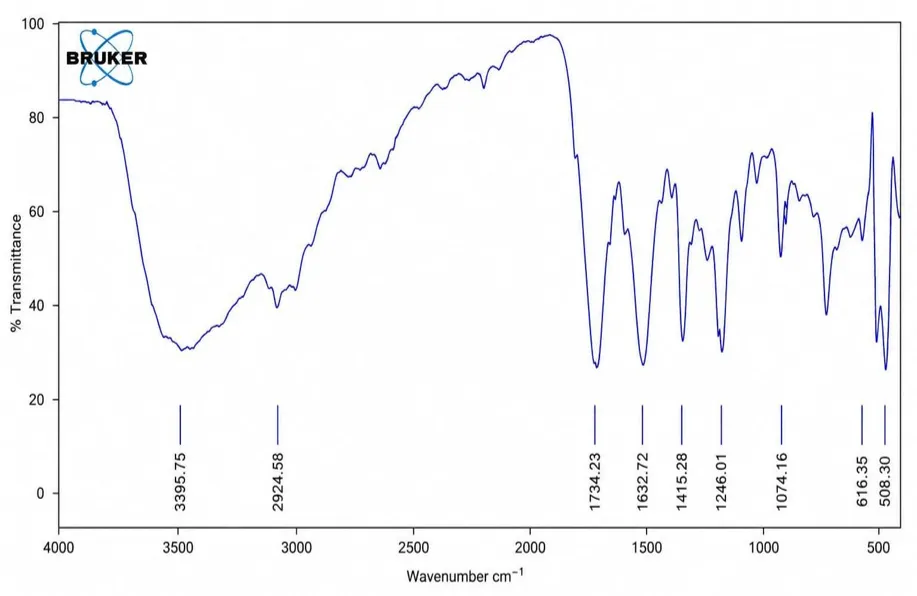
Figure 1: FTIR Spectrum of Gymnema sylvestre leaves aqueous extract (GSAE)

Table 3: FTIR Interpretation of GSAE

Peak (cm⁻¹)

Observation

Significance

3395

Broad O–H stretching band

Indicates hydroxyl groups from phenols and polysaccharides.

2924

C–H stretching

Corresponds to aliphatic C–H stretching

1734

C=O stretching

Indicates the presence of carbonyl groups.

1632

C=C stretching

Confirm aromatic compounds and flavonoids.

1246–1074

C–O and C–O–C

stretching

Indicates glycosides and carbohydrate-rich

polysaccharides are associated with prebiotic properties.

From Figure 1, Table 3: The FTIR spectrum of the aqueous extract of Gymnema sylvestre leaves confirmed the presence of hydroxyl, carbonyl, aromatic, glycosidic, and carbohydrate functional groups. The characteristic absorption bands in the carbohydrate region (1246–1074 cm⁻¹) indicate the presence of polysaccharides and glycosides, which may support the growth of beneficial probiotic bacteria suggesting potential prebiotic activity.
    1. GROWTH STIMULATION ASSAY OF Bacillus stercoris strain VFT

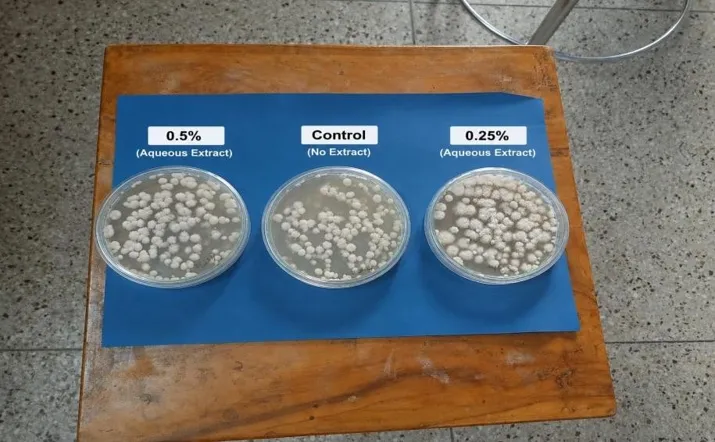
Figure 2. Growth of Bacillus stercoris in control & treatment groups

Table 4: Effect of GSAE on Bacillus stercoris strain VFT on growth stimulation

Bacillus stercoris strain VFT

Mean colony count ± SD

Observation

Control

80 ± 5

Normal growth

GSAE 0.25%[w/v]

122 ± 8

Maximum growth

GSAE 0.50%[w/v]

100 ± 5

Good growth


S.D: Standard deviation

From Figure 2, Table 4: The control showed a mean colony count of 80 ± 5, whereas 0.25% and 0.50% GSAE showed 122 ± 8 and 100 ± 5, respectively. The highest growth was observed at 0.25% GSAE, followed by 0.50% GSAE. These results indicate that GSAE promoted the growth of Bacillus stercoris compared with the control under the tested conditions.
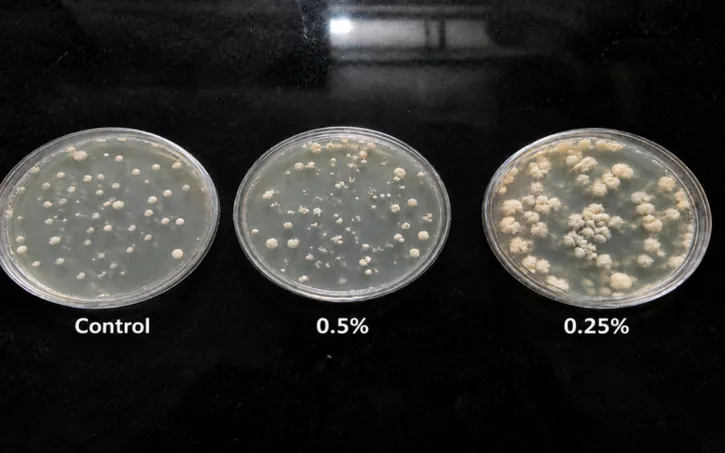
    1. GROWTH STIMULATION ASSAY OF Lactobacillus sp. Strain YVU

Figure 3. Growth of Lactobacillus sp. in control & treatment groups

Table 5: Effect of GSAE on Lactobacillus sp. strain YVU on growth stimulation

Lactobacillus sp. strain YVU

Mean colony count ± SD

Result

Control

60 ± 5

Normal growth

GSAE 0.25% [w/v]

115 ± 10

Maximum growth

(large colony size)

GSAE 0.50% [w/v]

80 ± 7

Good growth

S.D: Standard deviation

From Figure 3, Table 5: The control showed a mean colony count of 60 ± 5, whereas 0.25% and 0.50% GSAE showed 115 ± 10 and 80 ± 7, respectively. The highest growth was observed with 0.25% GSAE, along with larger colony size, followed by 0.50% GSAE. These results indicate that GSAE promoted the growth of Lactobacillus sp. compared with the control under the tested conditions.

3.6 SIMULATED GASTRIC HYDROLYSIS

Table 6: Effect of gastric pH on hydrolysis of G. sylvestre leaves aqueous extract

Sr. No

pH of Gastric Juice

Incubation time (h)

% Hydrolysis

Observation

1.

1.0

2

13.8 ± 0.5

Maximum hydrolysis observed under highly acidic condition

2.

2.0

2

10.4±0.4

Moderate

3.

3.0

2

7.2±0.3

Lower

4.

4.0

2

3.9±0.2

Minimum hydrolysis, better stability

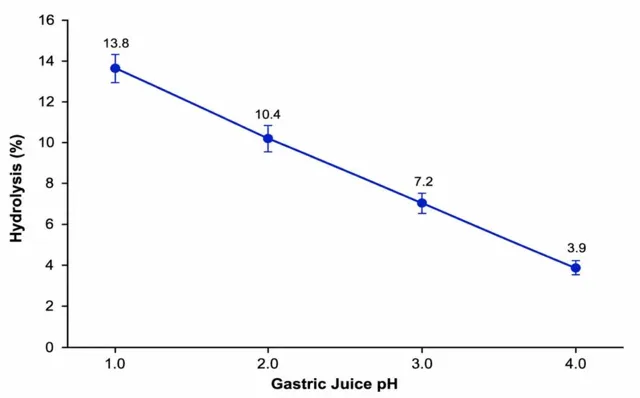
Figure 4: Effect of gastric pH on hydrolysis of GSAE

From Table 6, Figure 4: The percentage hydrolysis decreased with increasing pH of the simulated gastric juice. The highest hydrolysis (13.8 ± 0.5%) was observed at pH 1.0, indicating greater susceptibility to acid hydrolysis under highly acidic conditions. As the pH increased to 4.0, hydrolysis decreased to 3.9 ± 0.2%, suggesting improved stability of the sample under milder gastric conditions.

    1. :SIMULATED INTESTINAL FLUID HYDROLYSIS

Table 7: Effect of intestinal pH on hydrolysis of GSAE

Sr. No

pH of Intestinal Juice

Incubation time (h)

% Hydrolysis

Observation

1.

6.8

2

5.6 ± 0.3

Slight hydrolysis observed

2.

7.4

2

3.8 ± 0.2

Low hydrolysis and better stability

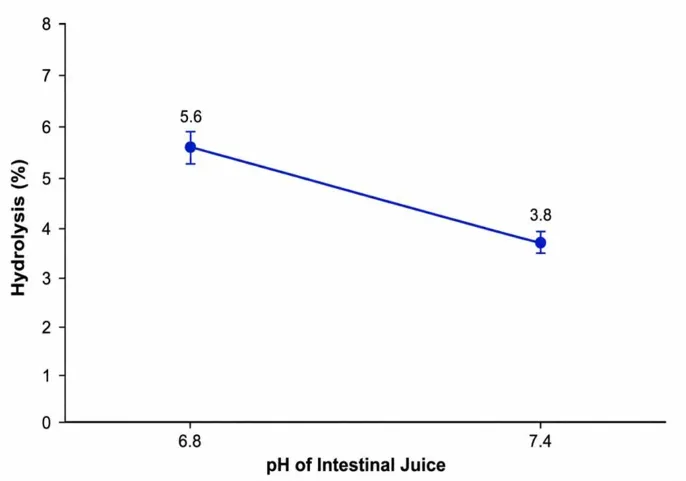
Figure 5. Effect of intestinal pH on hydrolysis of GSAE

From Table 7, Figure 5: The sample exhibited low hydrolysis under simulated intestinal conditions. At pH 6.8, the percentage hydrolysis was 5.6 ± 0.3%, indicating slight degradation. At pH 7.4, hydrolysis decreased to 3.8 ± 0.2%, demonstrating greater stability under near-neutral intestinal conditions. The low degree of hydrolysis suggests that the sample remained relatively resistant to intestinal digestion, supporting its potential prebiotic activity.

4. CONCLUSION

The present study evaluated the in-vitro prebiotic potential of Gymnema sylvestre leaves aqueous extract on probiotic strains (Lactobacillus spp. and Bacillus stercoris). The extract demonstrated the ability to promote the growth of probiotic bacteria, indicating its potential as a natural prebiotic. The gastric acid and intestinal fluid resistance studies suggested that the extract remained relatively stable under simulated gastrointestinal conditions, which is an important characteristic of an effective prebiotic.

FTIR analysis confirmed the presence of functional groups associated with carbohydrates and other bioactive compounds that may contribute to its prebiotic efficacy. Overall, the study suggests that Gymnema sylvestre leaves aqueous extract has promising potential as a natural prebiotic ingredient and may be explored further for its application in functional foods and nutraceutical formulations.

ACKNOWLEDGEMENTS

The authors sincerely acknowledge RIPER College, Anantapur, for providing the permission for doing FTIR analysis, Fourth Apple Biosciences, Chandragiri Road, Tirupati and YV University, Kadapa for performing growth assay.

REFERENCES

  1. Swanson KS, Gibson GR, Hutkins R, Reimer RA, Reid G, Verbeke K, Scott KP, Holscher HD, Azad MB, Delzenne NM, Sanders ME. The International Scientific Association for Probiotics and Prebiotics (ISAPP) consensus statement on the definition and scope of synbiotics. Nature reviews Gastroenterology & hepatology. 2020 Nov;17(11):687-701.
  2. Hill C, Guarner F, Reid G, Gibson GR, Merenstein DJ, Pot B, Morelli L, Canani RB, Flint HJ, Salminen S, Calder PC. The International Scientific Association for Probiotics and Prebiotics consensus statement on the scope and appropriate use of the term probiotic. Nature reviews Gastroenterology & hepatology. 2014 Aug;11(8):506-14.
  3. Tsai YL, Lin TL, Chang CJ, Wu TR, Lai WF, Lu CC, Lai HC. Probiotics, prebiotics and amelioration of diseases. Journal of biomedical science. 2019 Jan 4;26(1):3.
  4. Bhagwat P, Soni H, Singh G, Tandon S, Kumar V, Lale SK, Narasimhaji CV, Mathapati S, Srikanth N, Acharya R. Prebiotic potential of selected plants, fruits, vegetables and herbs–An in-vitro study. Food and Humanity. 2025 Dec 1;5: 100678.
  5. Bamigbade GB, Subhash AJ, Kamal-Eldin A, Nyström L, Ayyash M. An updated review on prebiotics: insights on potentials of food seeds waste as source of potential prebiotics. Molecules. 2022 Sep 13;27(18):5947.
  6. Wichienchot S, Thammarutwasik P, Jongjareonrak A, Chansuwan W, Hmadhlu P, Hongpattarakere T, Itharat A, Ooraikul B. Extraction and analysis of prebiotics from selected plants from southern Thailand. Songklanakarin Journal of Science & Technology. 2011 Sep 1;33(5):517.
  7. Sharma D, Yusuf M, Asif M. Gymnema sylvestre: Phytochemistry, Pharmacology and Economical Perspectives. Journal of Advancement in Pharmacognosy. 2024;4(2):78-90.
  8. Triveni KB, Lakshmi VK, Shashidhara S, Anitha S. Gymnema Sylvestre: a comprehensive review. Pharma Science Monitor. 2012 Nov 1;3(4).
  9. Sharma S, Sanuber S, Tanti KS, Sen S, Perween S. From Ayurveda to evidence-based medicine: a translational review of Gymnema sylvestre. Int J Pharm Chem Anal. 2025;12(2):110-15.
  10. Saneja A, Sharma C, Aneja KR, Pahwa R. Gymnema sylvestre (Gurmar): A review. DerPharmaciaLettre.2010;2(1):275-84.
  11. Huang H, Zhou X, Sun M, Chen J, Tan T, Yang D. Study on the extraction, antioxidant and prebiotic activity of the polysaccharides from the fruits of Phyllanthus emblica L. Frontiers in nutrition. 2025 Jul 14;12: 1607077.
  12. Kashif M, Nasir A, Gulzaman, Rafique MK, Abbas M, Rehman A, Riaz M, Rasool G, Mtewa AG. Unlocking the anti‐diabetic potential of Gymnema sylvestre, Trigonella foenum‐graecum, and their combination thereof: An in‐vivo evaluation. Food science & nutrition. 2023 Dec;11(12):7664-72.
  13. Kalaskar M, Yele SU, Ayyanar M, Gurav N, Beldar V, Surana SJ. Methods of extraction. Pharmacognosy and Phytochemistry: Principles, Techniques, and Clinical Applications. 2025 Mar 13:121-42.
  14. Jain PK, Soni A, Jain P, Bhawsar J. Phytochemical analysis of Mentha spicata plant extract using UV-VIS, FTIR and GC/MS technique. J Chem Pharm Res. 2016 Apr 6;8(2):1-6.
  15. Mishra K. Qualitative tests for preliminary phytochemical screening: An overview. International journal of chemical studies. 2020 Jan 1.
  16. Patel MR. Pharmacognostic and phytochemical evaluation of Gymnema sylvestre leaf. World J. Pharm. Pharm. Sci. 2017 May 8;6(7):1532-8.
  17. Subashini MS, Rajendran P, Ashok G, Kanthesh BM. TLC, FTIR and GCMS analysis of leaves of Gymnema sylvestre R. Br from Kolli Hills, Tamil Nadu, India. Int. J. Curr. Microbiol. App. Sci. 2015 Aug 12;4(7):757-64.
  18. Wang B, Yan L, Guo S, Wen L, Yu M, Feng L, Jia X. Structural elucidation, modification, and structure-activity relationship of polysaccharides in Chinese herbs: a review. Frontiers in Nutrition. 2022 May 20;9: 908175.
  19. Shenoy RS, Prashanth KH, Manonmani HK. In vitro antidiabetic effects of isolated triterpene glycoside fraction from Gymnema sylvestre. Evidence‐Based Complementary and Alternative Medicine. 2018;2018(1):7154702.
  20. Grimoud J, Durand H, Courtin C, Monsan P, Ouarné F, Theodorou V, Roques C. In vitro screening of probiotic lactic acid bacteria and prebiotic gluco-oligosaccharides to select effective synbiotics. Anaerobe. 2010 Oct 1;16(5):493-500.
  21. Jainudeen I, Weerasooriya P, Gunarathne L. Evaluation of the Prebiotic Effect of Moringa oleifera on the Growth and Acid Tolerance of Lactobacillus spp.(2026)
  22. Ko MS, Eom DB, Lee CH, Park TE, Lee SJ, Kim CH, Moon HW, Lee SA, Hwang KW, Park SY. In Vitro Prebiotic Potential of Opuntia humifusa Leaf Extract and Its Active Constituent. Molecules. 2025 Jul 25;30(15):3124.
  23. Reza MA, Hossain MA, Lee SJ, Kim JC, Park SC. In vitro prebiotic effects and quantitative analysis of Bulnesia sarmienti extract. journal of food and drug analysis. 2016 Oct 1;24(4):822-30.
  24. Plamada D, Simon E, Nemes SA, Teleky BE, Odocheanu R, Szabo K, Ranga F, Dulf FV, Vodnar DC. Exploring the in vitro prebiotic potential of two different freeze-dried apple pomace cultivars. Food Bioscience. 2025 Feb 1;64: 105892.
  25. Sunu P, Sunarti D, Mahfudz LD, Yunianto VD. Prebiotic activity of garlic (Allium sativum) extract on Lactobacillus acidophilus. Veterinary world. 2019 Dec 24;12(12):2046.
  26. Ananthakumar KV, Pugazhenthi TR. Study on antimicrobial activity and prebiotic effect of orange (Citrus reticulata L.) peel extracts. Pharma Innov J. 2021;10(4):305-9.
  27. Bernal-Castro C, Camargo-Herrera Á, Gutiérrez-Cortés C, Díaz-Moreno C. Probiotic and Technological Potential of Native Lactic Acid Bacteria Strains from High Andean Forest Bee Bread: In Vitro Study. Plant Foods for Human Nutrition. 2025 Dec;80(4):163.
  28. Kumar K, Rajulapati V, Goyal A. In vitro prebiotic potential, digestibility and biocompatibility properties of laminari-oligosaccharides produced from curdlan by β-1, 3-endoglucanase from Clostridium thermocellum. 3 Biotech. 2020 Jun;10(6):241.
  29. Shi S, Wang Y, Han Z, Wang X, Li P, Shang N. In vitro digestion stability of a Bifidobacterium-derived extracellular polysaccharides and its prebiotic potential in gut microbiota modulation. Food Chemistry. 2025 Dec 31:147822.
  30. Sun M, Huang H, Tang H, Chen J, Chen W, Yang D. Effects of simulated digestion and prebiotics properties of polysaccharides extracted from Imperatae Rhizoma based on different pilot processes. Frontiers in Microbiology. 2025 Mar 7;16: 1544261.
  31. Sun Y, Li S, Cao J, Peng H, Liu Y, Bai F, Peng C, Cai H, Xie Z, Li D, Chen G. Digestion characteristics and probiotic activity of tea polysaccharides: promoting lactobacillus and bifidobacterium in vitro and in vivo. Fermentation. 2025 Feb 14;11(2):97.

Reference

  1. Swanson KS, Gibson GR, Hutkins R, Reimer RA, Reid G, Verbeke K, Scott KP, Holscher HD, Azad MB, Delzenne NM, Sanders ME. The International Scientific Association for Probiotics and Prebiotics (ISAPP) consensus statement on the definition and scope of synbiotics. Nature reviews Gastroenterology & hepatology. 2020 Nov;17(11):687-701.
  2. Hill C, Guarner F, Reid G, Gibson GR, Merenstein DJ, Pot B, Morelli L, Canani RB, Flint HJ, Salminen S, Calder PC. The International Scientific Association for Probiotics and Prebiotics consensus statement on the scope and appropriate use of the term probiotic. Nature reviews Gastroenterology & hepatology. 2014 Aug;11(8):506-14.
  3. Tsai YL, Lin TL, Chang CJ, Wu TR, Lai WF, Lu CC, Lai HC. Probiotics, prebiotics and amelioration of diseases. Journal of biomedical science. 2019 Jan 4;26(1):3.
  4. Bhagwat P, Soni H, Singh G, Tandon S, Kumar V, Lale SK, Narasimhaji CV, Mathapati S, Srikanth N, Acharya R. Prebiotic potential of selected plants, fruits, vegetables and herbs–An in-vitro study. Food and Humanity. 2025 Dec 1;5: 100678.
  5. Bamigbade GB, Subhash AJ, Kamal-Eldin A, Nyström L, Ayyash M. An updated review on prebiotics: insights on potentials of food seeds waste as source of potential prebiotics. Molecules. 2022 Sep 13;27(18):5947.
  6. Wichienchot S, Thammarutwasik P, Jongjareonrak A, Chansuwan W, Hmadhlu P, Hongpattarakere T, Itharat A, Ooraikul B. Extraction and analysis of prebiotics from selected plants from southern Thailand. Songklanakarin Journal of Science & Technology. 2011 Sep 1;33(5):517.
  7. Sharma D, Yusuf M, Asif M. Gymnema sylvestre: Phytochemistry, Pharmacology and Economical Perspectives. Journal of Advancement in Pharmacognosy. 2024;4(2):78-90.
  8. Triveni KB, Lakshmi VK, Shashidhara S, Anitha S. Gymnema Sylvestre: a comprehensive review. Pharma Science Monitor. 2012 Nov 1;3(4).
  9. Sharma S, Sanuber S, Tanti KS, Sen S, Perween S. From Ayurveda to evidence-based medicine: a translational review of Gymnema sylvestre. Int J Pharm Chem Anal. 2025;12(2):110-15.
  10. Saneja A, Sharma C, Aneja KR, Pahwa R. Gymnema sylvestre (Gurmar): A review. DerPharmaciaLettre.2010;2(1):275-84.
  11. Huang H, Zhou X, Sun M, Chen J, Tan T, Yang D. Study on the extraction, antioxidant and prebiotic activity of the polysaccharides from the fruits of Phyllanthus emblica L. Frontiers in nutrition. 2025 Jul 14;12: 1607077.
  12. Kashif M, Nasir A, Gulzaman, Rafique MK, Abbas M, Rehman A, Riaz M, Rasool G, Mtewa AG. Unlocking the anti?diabetic potential of Gymnema sylvestre, Trigonella foenum?graecum, and their combination thereof: An in?vivo evaluation. Food science & nutrition. 2023 Dec;11(12):7664-72.
  13. Kalaskar M, Yele SU, Ayyanar M, Gurav N, Beldar V, Surana SJ. Methods of extraction. Pharmacognosy and Phytochemistry: Principles, Techniques, and Clinical Applications. 2025 Mar 13:121-42.
  14. Jain PK, Soni A, Jain P, Bhawsar J. Phytochemical analysis of Mentha spicata plant extract using UV-VIS, FTIR and GC/MS technique. J Chem Pharm Res. 2016 Apr 6;8(2):1-6.
  15. Mishra K. Qualitative tests for preliminary phytochemical screening: An overview. International journal of chemical studies. 2020 Jan 1.
  16. Patel MR. Pharmacognostic and phytochemical evaluation of Gymnema sylvestre leaf. World J. Pharm. Pharm. Sci. 2017 May 8;6(7):1532-8.
  17. Subashini MS, Rajendran P, Ashok G, Kanthesh BM. TLC, FTIR and GCMS analysis of leaves of Gymnema sylvestre R. Br from Kolli Hills, Tamil Nadu, India. Int. J. Curr. Microbiol. App. Sci. 2015 Aug 12;4(7):757-64.
  18. Wang B, Yan L, Guo S, Wen L, Yu M, Feng L, Jia X. Structural elucidation, modification, and structure-activity relationship of polysaccharides in Chinese herbs: a review. Frontiers in Nutrition. 2022 May 20;9: 908175.
  19. Shenoy RS, Prashanth KH, Manonmani HK. In vitro antidiabetic effects of isolated triterpene glycoside fraction from Gymnema sylvestre. Evidence?Based Complementary and Alternative Medicine. 2018;2018(1):7154702.
  20. Grimoud J, Durand H, Courtin C, Monsan P, Ouarné F, Theodorou V, Roques C. In vitro screening of probiotic lactic acid bacteria and prebiotic gluco-oligosaccharides to select effective synbiotics. Anaerobe. 2010 Oct 1;16(5):493-500.
  21. Jainudeen I, Weerasooriya P, Gunarathne L. Evaluation of the Prebiotic Effect of Moringa oleifera on the Growth and Acid Tolerance of Lactobacillus spp.(2026)
  22. Ko MS, Eom DB, Lee CH, Park TE, Lee SJ, Kim CH, Moon HW, Lee SA, Hwang KW, Park SY. In Vitro Prebiotic Potential of Opuntia humifusa Leaf Extract and Its Active Constituent. Molecules. 2025 Jul 25;30(15):3124.
  23. Reza MA, Hossain MA, Lee SJ, Kim JC, Park SC. In vitro prebiotic effects and quantitative analysis of Bulnesia sarmienti extract. journal of food and drug analysis. 2016 Oct 1;24(4):822-30.
  24. Plamada D, Simon E, Nemes SA, Teleky BE, Odocheanu R, Szabo K, Ranga F, Dulf FV, Vodnar DC. Exploring the in vitro prebiotic potential of two different freeze-dried apple pomace cultivars. Food Bioscience. 2025 Feb 1;64: 105892.
  25. Sunu P, Sunarti D, Mahfudz LD, Yunianto VD. Prebiotic activity of garlic (Allium sativum) extract on Lactobacillus acidophilus. Veterinary world. 2019 Dec 24;12(12):2046.
  26. Ananthakumar KV, Pugazhenthi TR. Study on antimicrobial activity and prebiotic effect of orange (Citrus reticulata L.) peel extracts. Pharma Innov J. 2021;10(4):305-9.
  27. Bernal-Castro C, Camargo-Herrera Á, Gutiérrez-Cortés C, Díaz-Moreno C. Probiotic and Technological Potential of Native Lactic Acid Bacteria Strains from High Andean Forest Bee Bread: In Vitro Study. Plant Foods for Human Nutrition. 2025 Dec;80(4):163.
  28. Kumar K, Rajulapati V, Goyal A. In vitro prebiotic potential, digestibility and biocompatibility properties of laminari-oligosaccharides produced from curdlan by β-1, 3-endoglucanase from Clostridium thermocellum. 3 Biotech. 2020 Jun;10(6):241.
  29. Shi S, Wang Y, Han Z, Wang X, Li P, Shang N. In vitro digestion stability of a Bifidobacterium-derived extracellular polysaccharides and its prebiotic potential in gut microbiota modulation. Food Chemistry. 2025 Dec 31:147822.
  30. Sun M, Huang H, Tang H, Chen J, Chen W, Yang D. Effects of simulated digestion and prebiotics properties of polysaccharides extracted from Imperatae Rhizoma based on different pilot processes. Frontiers in Microbiology. 2025 Mar 7;16: 1544261.
  31. Sun Y, Li S, Cao J, Peng H, Liu Y, Bai F, Peng C, Cai H, Xie Z, Li D, Chen G. Digestion characteristics and probiotic activity of tea polysaccharides: promoting lactobacillus and bifidobacterium in vitro and in vivo. Fermentation. 2025 Feb 14;11(2):97.

Photo
Mandapalli Vasantha
Corresponding author

Assistant Professor, Department of Pharmacology, S.V.U. College of Pharmaceutical Sciences, Sri Venkateswara University, Tirupati, Andhra Pradesh, India 517502

Photo
Meegada Mahitha
Co-author

Student, Department of Pharmacology, S.V.U. College of Pharmaceutical Sciences, Sri Venkateswara University, Tirupati, Andhra Pradesh, India 517502

Mandapalli Vasantha, Meegada Mahitha, Prebiotic Potential of Gymnema sylvestre Leaf Extract: An In-Vitro Evaluation Using Selected Probiotic Strains, Int. J. of Pharm. Sci., 2026, Vol 4, Issue 10, 1148-1156. https://doi.org/10.5281/zenodo.23229002

More related articles
Dandelion, Honey and Propolis: Development of an A...
Leslie William James Baillie, E.K. Ahortor ...
Exploring the Miracle Tree: Nutritional and Pharma...
Snehal Vasagade, Sanika Vhasukle, Harshad Narale, Shraddha Patil...
Plasmodium Adaptation and the Emerging Pharmacology of Precision Malaria Elimina...
Biswa Bhusan Sarangi, Seyam Sundar, Mohammed Mundhir, Omm Bhusan Sarangi...
Chemometric-Assisted Optimization of HPLC and HPTLC Methods In Pharmaceutical Qu...
Hemani Chauhan, Dr. Krunal Detholia, Dr. Pinak Patel, Shivani jani...
Related Articles
Antibiotic Resistance and Antibiotic-Loaded Hydrogel Formulations: A Review...
Athira B. Nair, Boby Johns G., Daisy P. A., Athira Balachandran , Noby Thomas ...
Profile of Extra-Articular Manifestations in Patients with Rheumatoid Arthritis ...
Dr. Parveez Ahmad Khan, Dr. Muzaffar Bindroo, Dr. Mushtaq Ahmad Dangroo...
Development and Validation of a Simultaneous RP-HPLC Method for Dapagliflozin an...
Adithya H M, Pasupati Nath Tiwari, K. Manogna, Dr. Manju S V, T. Sreenivasa Rao, Dr. C. Sreedhar, Dr...
More related articles
Exploring the Miracle Tree: Nutritional and Pharmacological Perspectives of Mori...
Snehal Vasagade, Sanika Vhasukle, Harshad Narale, Shraddha Patil, Disha Chougule, Prajakta Devkate...
Exploring the Miracle Tree: Nutritional and Pharmacological Perspectives of Mori...
Snehal Vasagade, Sanika Vhasukle, Harshad Narale, Shraddha Patil, Disha Chougule, Prajakta Devkate...