

We use cookies to ensure our website works properly and to personalise your experience. Cookies policy
Shri K.R. Pandav Institute of Pharmacy, Nagpur.
Homeopathy is a widely used complementary and alternative medicine system based on the principle of "like cures like." It employs highly diluted preparations, primarily derived from medicinal plants rich in secondary metabolites and essential oils with therapeutic significance. Mother tinctures, the initial extracts of homeopathic medicines, contain the lowest potency and are prepared through maceration, incubation, and extraction processes. This review explores the use of homeopathic mother tinctures derived from medicinal plants, focusing on their active constituents and therapeutic applications. Homeopathy, based on the principle of "like cures like," utilizes highly diluted preparations to stimulate the body's healing response. Mother tinctures, being the initial extracts of medicinal plants, contain potent bioactive compounds. The review highlights four key mother tinctures—Janosia Ashoka, Cimicifuga Racemosa (Black Cohosh), Vitex Agnus Castus (Chaste Tree), and Gossypium Herbaceum (Cotton Plant)—elaborating on their botanical characteristics, active constituents, and medicinal uses. These mother tinctures are widely used in managing menstrual disorders, menopausal symptoms, uterine health, and other gynaecological conditions. The study underscores the importance of these plant-based formulations in homeopathic medicine and their role in holistic healing
HOMEOPATHY
Homoeopathy is one of the most frequently used complementary and alternative medicine, which uses highly diluted preparation prepared in a specific way unique to homoeopathy. Plants are major sources of homoeopathic medicines. The medicinal plants are rich in secondary metabolites and essential oils which are of therapeutic importance (1).
Homeopathy in Greek “homeo pathos”, is the principle of treating “like cures like”-the phenomenon that a disease can be cured by a substance that produces similar symptoms in healthy people. This being the primary axiom of homeopathy, often referred to as the “Law of Similars”. It dates back to Hippocrates (460-377 BC) and even more back to the time of mankind’s early development and were accepted very early on by the ancients and perhaps even before those times. In other words, this axiom is a phenomenon that has been part of human history from the very beginning and was used in various periods of our development, and continues in a similar form to the present day. Homeopathy, was first described by Samuel Hahnemann in the late 18th century since when it has remained popular and in its present form, homeopathy has been used all over the world for more than 200 years (2)
MOTHER TINCTURE
Mother tincture refers to a simple combination of a botanical extract with a specific amount of alcohol. In general, a mother tincture contains the lowest possible potency of any particular homoeopathic preparation. Uses of mother tincture are many, and use of mother tinctures in common health problems are proved to be beneficial. Mother tincture are liquid products obtained following the maceration, incubation and extraction of plants material, usually with an ethanol/water mixture. Mother tincture can be given undiluted by the oral or topical routes, but are mostly subject to potentization. Homoeopathy with time honoured results and has a great number of cured cases but there is much more to identify about very rarely used and known mother tincture (3).
The HPI directs its preparation as:
Mother Tincture – Drug Strength 1/10
Dried moderately coarse powder 100gm to be mixed with 125ml of purified
water and 900ml of strong alcohol.
• The 2x (2nd decimal potency) and above the preparation of medicine is with Dispensing
Alcohol.
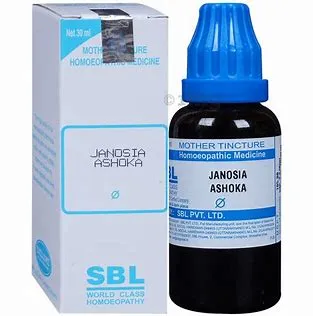
ASHOKA
The Ashoka is a tropical tree. Its distribution was in central areas of in the middle section of the Western ghats and in the Western coastal zone of the Indian subcontinent. The Ashoka is known for beautiful umbrage and fragrances flowers. It is small, erect evergreen tree, with green leaves growing in dense bunch . Its flowering season of Ashoka plant is in February to April. The Ashoka flowers comes in heavy and rich bunches. They are shiny orange-yellow in colour, turning red before wilting. The Ashoka tree is found especially in India, Nepal and Sri Lanka. This tree has many folk spiritual and literary combination in the region. Highly valued also for its appearance and therefore the colour and of its beautiful flowers, the Ashoka tree is usually found in dignified palace compounds and gardens also as close to religious places throughout India (4).
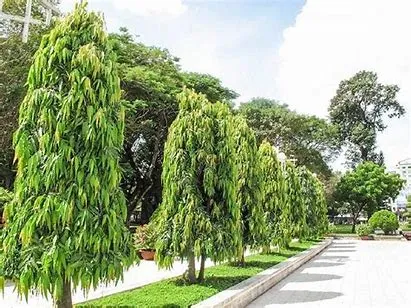
Synonyms: Ashok, Shoknashan, Smaradhivas, Kankeli, Vanjuldrum, Raktapallava, Hempushpa, Nata, Pindapushpa, Gndhapushpa, Madhupushpa (5)
Part of plant use in homeopathy mother tincture
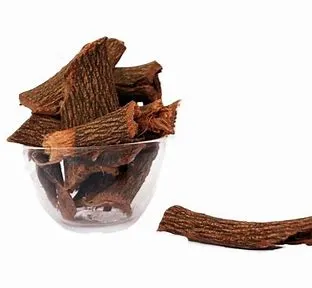
Bark: Bark of J. asoca is the most important organ for its medicinal value. It is known to contain flavonoids, tannins, steroids, volatile oil, glycosides, steroidal glycosides such as b-sitosterol glucoside (6) reducing sugars, and many compounds of potassium, sodium, calcium, aluminium, strontium, calcium, iron, magnesium and phosphate.(7).
Active constituents
Bark contain Procyanidin, epicatechin, sterol, quercetin,11-deoxyprpcyanidinB, Catechin, epigallocatechin, leucocyanindin kaempferol, leucopelargonidin (8)
Medicinal uses
The bark of J. asoca is a potentially therapeutic substance employed in treating dysentery, colic, piles, biliousness, dyspepsia, and ulcers. in water and are used to treat haemorrhagic dysentery. J. asoca is utilized in developing medications for a broad spectrum of ailments associated with menstruation, such as leucorrhoea, dysfunctional uterine bleeding, and menorrhagia. Furthermore, the herb positively affects the endometrium and uterine muscles, and it may serve as a potent uterine tonic against irregular menstrual cycles (9)
Description of Ashoka In Homeopathy –
The Ashoka plant introduced to homeopathy by Dr. N.D. Ray. It is one the of frequently used homeopathic medicines, used primary in low doses. Stem bark of ashoka tree is strongly astringent and a uterine calmative , uterine tonic, and blood loss , having a vitalizing effect on endometrial and ovarian tissue. The bark is also useful in dyspepsia, fever, and burning sensation. It is also used to treat menorrhagia, leucorrhoea, internal blood loss , haemorrhoids, and haemorrhagic dysentery.
Various clinical conditions in which Janosia ashoka homeopathic mother tincture is used:-
• It is used in disorder related to menses
• It is also known as a nutritional tonic for uterus.
• Amenorrhoea
• Menorrhagia
• Uterine colic (10)
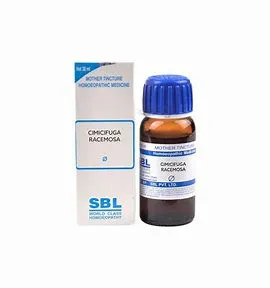
BLACK COHOSH
Black cohosh, known botanically as Cimicifuga racemosa (also as Actaea racemosa and Actea macrotys), has been used by Native Ameri cans and Europeans for gynecological conditions predating settlement of the New World (11).
Black cohosh was first listed in the U.S. Pharmacopoeia in 1830 under the name “black snakeroot.” Other common names for this plant are black root, bugbane, rattle root, rattle top, rattle squawroot, snake root and rattle weed(12).
This herb was introduced to the medical community in 1844 when Dr. John King prescribed it for rheumatism and nervous disorders. Eclectic physicians in the United States commonly used this herb in the mid-nineteenth century for chronic ovaritis, endometritis, amenorrhea, dysmenorrhea, menorrhagia, sterility, threatened abortion, uterine subinvolution, severe after-birth pains,3 and to increase breast milk production.1 Most recently, black cohosh has received attention as a therapy for menopausal symptoms (13).
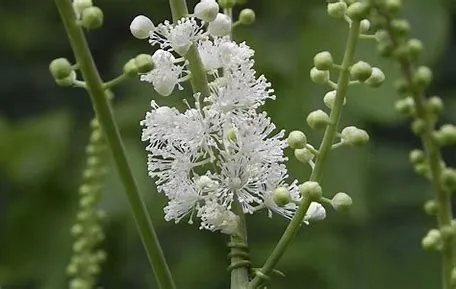
The herbal medicine Cimicifuga racemosa is often promoted as such an alternative. It is a perennial herb native to North America commonly known as ‘‘woman’s herb’’. Extracts of the rhizome of C. racemosa have long been used for the relief of pain during menses or childbirth and for the treatment of dyspepsia, dysmenorrhea. Today C. racemosa is the principal herbal remedy in for menopausal problems (14).
Part of plant use in homeopathy mother tincture
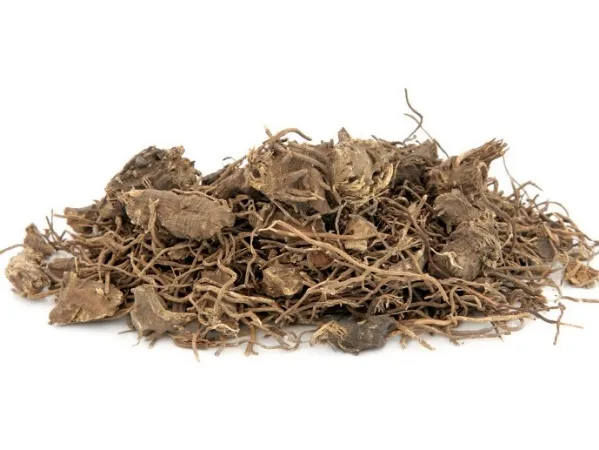
Root: The medicine is prepared from the tincture of the root which is used to prepare the mother tincture from which higher potencies of this medicine are prepared.
Active Constituents
The chemical constituents of the roots and rhizomes of black cohosh include cycloartenol-type triterpenoids, cimicifugoside, and cinnamic acid derivatives (ferulic acid, isoferulic acid, and piscidic and fukiic esters) (15).
Although the estrogenic isoflavone formononetin is reportedly a chemical constituent of black cohosh, its presence was not detected in alcohol extracts of the root/rhizome.
Medicinal uses
Black cohosh is used primarily for relief of menopausal symptoms.
It has long been thought to have estrogenic activity, raising concerns about the potential impact of the botanical in patients with breast and other cancers (16)
VITEX AGNUS CASTUS
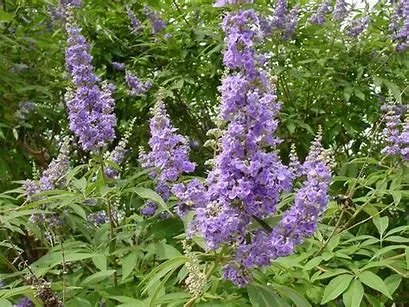
The chaste tree (Vitex agnus-castus L.) is a low tree or tall shrub that grows to a height of 3–6 m. The modern taxonomy of plants classifies it as a member of the Lamiaceae family, but it previously belonged to the Verbenaceae family. It grows along riverbanks and seacoasts as a wild plant in the Mediterranean region (Southern Europe, North Africa, and Western Asia) and the Caucasus. In Russia, it is found on the coastal pebble beaches of the Caucasus Black Sea; in Crimea, it is a wild plant. In Russia, Vitex is cultivated in limited areas in the North Caucasus, and the fruits are used as a raw material for the production of dietary supplements. At present, V. agnus-castus grows on the East, South, and West Coasts of the United States. It is also found in northeastern India (17).
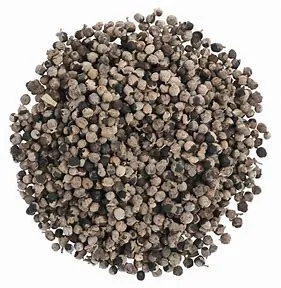
A large number of the medicinal properties of Vitex spp. are associated with their fruits; some of them are important as foods in highly marginated and low income areas. Vitex spp. fruits are small succulent drupes, globular or ovoid of 0.2-2 cm size (usually smaller than 2 cm); they possess a hardened endocarp that is divided in four pyrenes, each one with a seed.
Fruits of different Vitex spp. have similar morphology and sometimes they are difficult to differentiate. The ripe pulp of these fruits is characterized by dark-purple to brown colors In this review, we are showing the main characteristics of the Vitex spp. fruits, emphasizing their phytochemicals (more than 100 identified compounds) and biological activities. The current knowledge of these fruits is discussed as well as the future research trends (18).
Part of plant use in homeopathy mother tincture
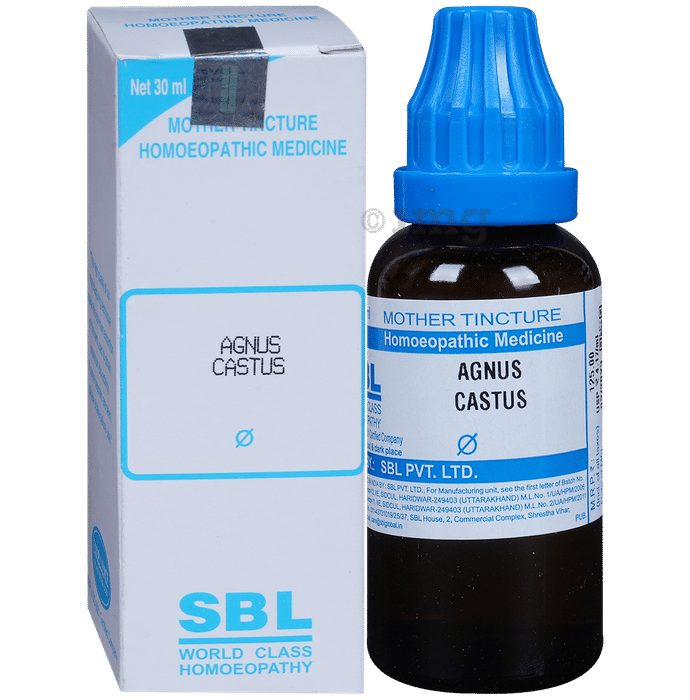
Ripe, dried fruits: The production of the homoeopathic mother tincture is done in accordance with the current Homöopathisches Arzneibuch (HAB) (New Official Homoeopathic Pharmacopeia). The ripe, dried fruits of Vitex agnus castus L. are used.
Active constituents
The fruits of the chaste tree contain several secondary metabolites: terpenoids (the main components of the essential oil), Flavonoids, iridoids, and phenol carboxylic acids.
Flavonoids and iridoids predominate in chaste tree fruits in terms of the contents and amounts of compounds present. The dominant flavonoids are casticin and luteolin-7-glycoside. The other compounds present are luteolin, quercetin, apigenin, artemetin, vitexin, orientin, isovitexin, isoorientin, kaempferol (19).
Medicinal uses
Fruits of V. agnus‑castus have been used in the treatment of many female conditions, including menstrual disorders (amenorrhoea, dysmenorrhoea), premenstrual dysphoric disorder (PMDD), corpus, luteum, insufficiency, hyperprolactinaemia, infertility, acne, menopause, disrupted lactation, cyclic breast pain, cyclical mastalgia and inflammatory conditions, diarrhoea (20).
GOSSYPIUM HERBACEUM (LINN)
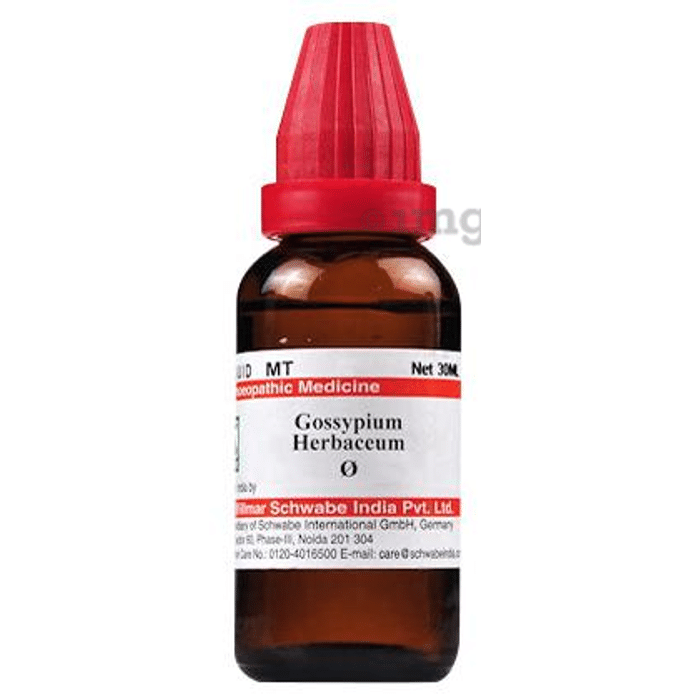
The genus Gossypium of family Malvaceae, consist of about 50 species distributed in arid to semiarid regions of the tropics and subtropics. The source of this genus is about 5-10 million years ago . The 4 domesticated cottons of the world ( Gossypium arboreum and Gossypium herbaceum are the Old World diploids and Gossypium barbadense and Gossypium hirsutum are the New World tetraploids) have been cultivated separately in various parts of the world . Gossypium herbaceum is an Old World cotton plant introduced in the indigenous systems of medicine. This plant has been used in the preparation of medicines and food. Cotton seed is rich source of vitamin E and used as pain reliever, anti-oxidant, laxative. Root bark of this plant used as aphrodisiac and root bark decoction is used for amenorrhea. In Unani medicine leaves of Gossypium herbaceum useful in ishal atfal (childhood diarrhoea) and seeds useful in qillatul laban (inadequate lactation). (21)
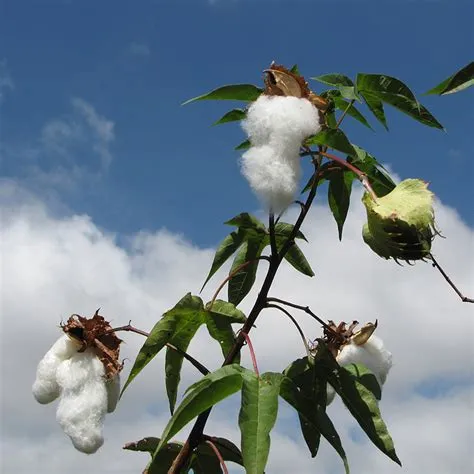
Gossypium herbaceum is a bushy shrub that grows height of 2-8 feet. It has thick woody stem with soft hairy branches. Leaves are separated from centre possess 3-7 partition. The flowers are small, white, purple, red, yellow in colour with or without red blotch at the base of petals. Seeds contains two layers of cotton after removal of fuzz seeds are black in colour. Roots are white in colour from inside and yellow in colour from outside. The plant part used in the medicine are seeds, root, root bark, leaves, flowers. Flowering and fruiting of the plant is January to April (22).
Part of plant use in homeopathy mother tincture
It is also called as a cotton plant, is made from the tincture of fresh inner root bark which is chopped and crushed to a pulp.
Active constituents
The major chemical constituents of Gossypium herbaceum are flavonoids, tannins, carbohydrates, saponins, steroids, terpenoids, glycosides, resins, phenols and proteins (23) .
Medicinal uses
DISCUSSION
This review highlights the significance of homeopathic mother tinctures derived from medicinal plants, emphasizing their active constituents and therapeutic applications, particularly in gynecological health. Janosia Ashoka, Cimicifuga Racemosa (Black Cohosh), Vitex Agnus Castus (Chaste Tree), and Gossypium Herbaceum (Cotton Plant) have demonstrated effectiveness in treating menstrual disorders, menopausal symptoms, uterine health, and hormonal imbalances. These plant-based formulations, rich in bioactive compounds such as flavonoids, tannins, and glycosides, contribute to their medicinal properties. Despite their traditional use and potential benefits, further clinical studies and scientific validation are necessary to establish their efficacy and safety comprehensively. Additionally, the varying regulatory status of homeopathic medicines in different regions highlights the need for standardized research methodologies and quality control measures.
CONCLUSION
Homeopathic mother tinctures derived from medicinal plants serve as an essential component of homeopathic medicine, offering therapeutic benefits for various gynecological conditions. This review highlights four key mother tinctures—Janosia ashoka, Cimicifuga racemosa (Black Cohosh), Vitex agnus-castus (Chaste Tree), and Gossypium herbaceum (Cotton Plant)—each known for their bioactive compounds and medicinal properties. These mother tinctures have demonstrated effectiveness in managing menstrual disorders, menopausal symptoms, uterine health, and hormonal imbalances. Their active constituents, including flavonoids, tannins, and glycosides, contribute to their therapeutic potential.
The holistic approach of homeopathy, emphasizing individualized treatment and natural healing, makes these plant-based formulations valuable alternatives in complementary medicine. Despite their traditional and historical use, further scientific studies are needed to validate their mechanisms of action and clinical efficacy. Nevertheless, homeopathic mother tinctures remain an integral part of alternative medicine, contributing to women’s health and overall well-being.
CONFLICTS OF INTEREST
The authors declare no conflicts of interest related to this review. This work is intended for academic and informational purposes, without any financial or personal affiliations that could influence the objectivity of the content.
REFERENCES







Riya Ghate, Kavita Mane, Mahima Turkar, Sejal Gajbhiye, Lipika Walde, Sakshi Suraskar, Prajakta Shukla, Role of Medicinal Plant-Derived Homeopathic Mother Tinctures in Menstrual and Hormonal Disorders: A Review, Int. J. of Pharm. Sci., 2026, Vol 4, Issue 7, 4177-4185, https://doi.org/10.5281/zenodo.21471281
 10.5281/zenodo.21471281