

We use cookies to ensure our website works properly and to personalise your experience. Cookies policy
1Associate Professor, Fabtech College Of Pharmacy, Sangola.
2Principal and Professor, Fabtech College Of Pharmacy, Sangola.
3Student, Fabtech College Of Pharmacy, Sangola.
Taro, Colocasia esculenta (L.) Schott, is a starchy tuberous crop eaten in many parts of the world and used in the folk medicine of several cultures. Its long ethnopharmacological record, especially in Asia, Africa and the Pacific Islands, has led researchers to look more closely at what the plant might offer therapeutically. This review summarizes the main features of C. esculenta, concentrating on its bioactive constituents and the pharmacological activities reported for them so far. Particular attention is paid to how the flavonoids, tannins and phenolic acids of the plant might act on the biological processes behind oral ulcer formation and healing. To support that discussion, the review draws together what is known about the botanical classification, morphology, traditional uses, chemistry and pharmacology of C. esculenta.
Taro (C. esculenta) is the most widely cultivated species in the Araceae family [1]. Its corms, leaves, stolons and petioles are all put to use, in the kitchen as well as in traditional medicine [2]. The plant is thought to have originated in tropical Asia, and it has since spread and is now grown extensively in Africa and elsewhere [3]. Medicinal plants and herbal remedies, along with their extracts and isolated compounds, are known to show a broad range of biological activities [4].
People have relied on plants for centuries, not just for medicines but also for seasonings, drinks, cosmetics and dyes. The current surge of interest in herbal medicine reflects a belief that plants hold natural compounds able to support health and relieve illness, and plant research has grown worldwide as a result. A considerable body of evidence now points to the promise of medicinal plants drawn from many traditional systems [5].
In Asia, and in India especially, taro goes by local names such as eddoe, arvi and arbi. Traditional practitioners have used the corm, leaves and petioles for liver complaints, constipation, baldness, stomatitis, hemorrhoids and general weakness, and the plant is also credited with laxative, demulcent, styptic, antidiabetic, antidepressant and anthelmintic actions [6]. Taro is a food as well as a remedy: in Indonesia, groups such as the Banjar, Dayak, Kutai, Malay, Bugis and Toraja have long eaten the corms, petioles and leaves as staples [7].
Oral ulcers are lesions that develop where the epithelium lining the mouth has been damaged. They hurt, and they can make eating, drinking, talking and keeping the mouth clean a struggle. Minor trauma, recurrent aphthous stomatitis, infections, poor nutrition and treatment-related mucositis are among the usual causes. Because the cause and severity differ from case to case, ulcers that last a long time, keep returning or look unusually severe need proper clinical evaluation [8–12]. Management follows the underlying cause and the clinical picture, and existing drugs can at least ease the pain and inflammation [10–14].
Researchers are increasingly turning to medicinal plants as a source of bioactive compounds that could support tissue repair and protection. A number of plant phenolics have attracted interest because laboratory and preclinical studies show anti-inflammatory, antibacterial and antioxidant effects. Wound healing itself unfolds in stages: inflammation, cell migration and proliferation, formation of new tissue, and finally remodeling. Natural products may act on some of these stages, but how well they work depends on the particular ingredient, the dose, the formulation and the experimental model used [13,14].
Tannins form a large group of plant polyphenols, split into condensed and hydrolyzable types. Depending on their structure and concentration, they have been examined for astringent, antioxidant, antibacterial and other effects. The antioxidant behavior reported for certain tannins could bear on oxidative stress in living systems, and their tendency to bind proteins may explain both astringency and activity at tissue surfaces [15–17].
BOTANICAL CLASSIFICATION
Table 1: Botanical Classification of Colocasia esculenta
| Taxonomic rank | Scientific name |
|---|---|
| Kingdom | Plantae (plants) |
| Subkingdom | Tracheobionta (vascular plants) |
| Superdivision | Spermatophyta (seed plants) |
| Division | Magnoliophyta (flowering plants) |
| Class | Liliopsida (monocotyledons) |
| Subclass | Arecidae |
| Order | Arales |
| Family | Araceae (arum family) |
| Genus | Colocasia Schott |
| Species | Colocasia esculenta (L.) Schott (cocoyam) |
| Synonyms | Alocasia dussii Dammer Alocasia illustris W. Bull. |
MORPHOLOGY
Taro is a perennial monocot herb, although in cultivation it is normally harvested within five to twelve months of planting [18]. It grows to between one and two meters tall around a central corm that sits just beneath the soil surface. Leaves rise upward from the corm and roots extend downward, while cormels, daughter corms and runners spread out to the sides [19]. The leaves are heart-shaped, green or purple, and carried on long petioles; the roots are fibrous, and the corm, which stores food for the plant, is cylindrical and often irregular in shape. Much about flowering, fruit set and seed production in wild and cultivated taro is still poorly understood [20]. Castro observed that taro seldom flowers, but when it does the inflorescence is a cylindrical spadix wrapped in a spathe 12–15 cm long, bearing unisexual flowers with the male ones toward the top of the spadix and the female ones at the base [21]. According to Ivancic et al., sexual reproduction is rare because flowering is weak, unless plant physiology studies and modern breeding techniques are used to encourage it [22].
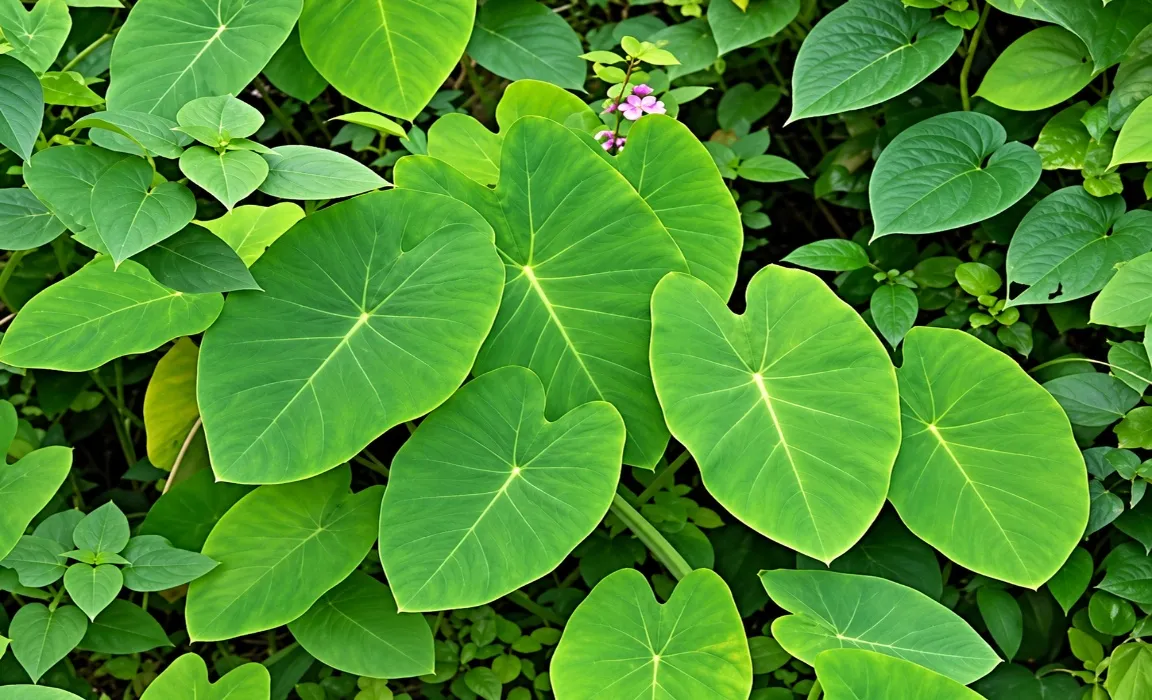
Figure 1: The Taro Plant, Colocasia esculenta
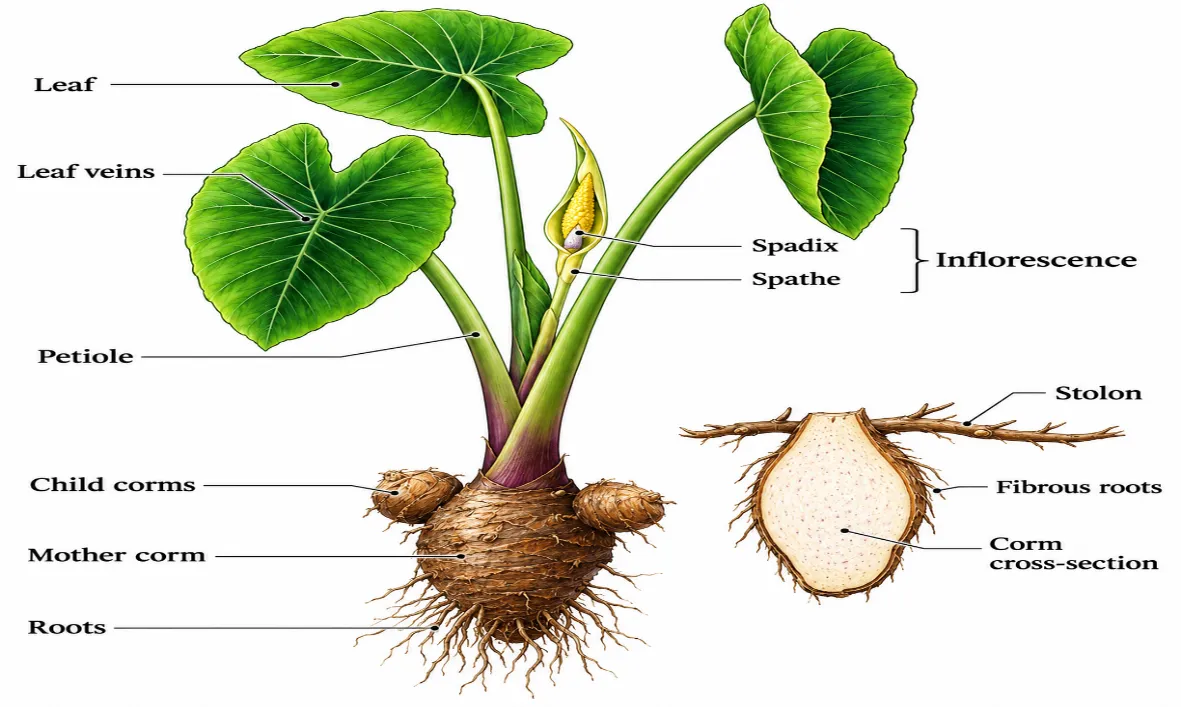
Figure 2: Labelled Diagram Showing the Main Morphological Parts of Colocasia esculenta
GEOGRAPHICAL DISTRIBUTION
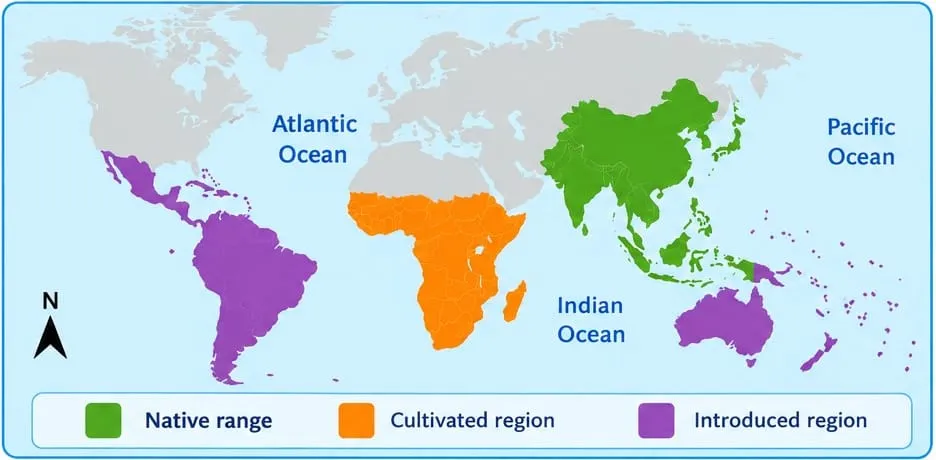
Figure 3: Geographical Distribution of Colocasia esculenta
Distribution by region
CHEMICAL CONSTITUENTS
Phytochemical studies have identified several classes of compounds in the leaves, petioles and corms of the plant. The main ones are listed in Table 2, and representative structures are shown in Table 3.
Table 2: Constituents Reported from C. esculenta, Grouped by Chemical Class
| Chemical class | Representative compounds | Plant part / extract |
|---|---|---|
| Flavone C-glycosides and flavones | Orientin, vitexin, luteolin-6,8-C-diglucoside, apigenin, luteolin | Leaf |
| Flavonols and flavanols | Rutin, quercetin, kaempferol, catechin, astilbin | Leaf (ethanol extract) |
| Phenolic acids | Gallic, caffeic, chlorogenic, benzoic and ellagic acids | Leaf |
| Tannins and polyphenols | Catechin-type tannins and other polyphenols | Leaf (aqueous extract) |
| Saponins, terpenoids and sterols | Saponins, terpenoids, sterols and polyterpenes | Petiole and leaf |
| Polysaccharide mucilage | Viscous polysaccharide fraction | Corm |
| Proteins | Protein fraction with reported bioactivity | Corm |
| Nutrients | Starch, vitamin C and mineral elements | Corm and leaf |
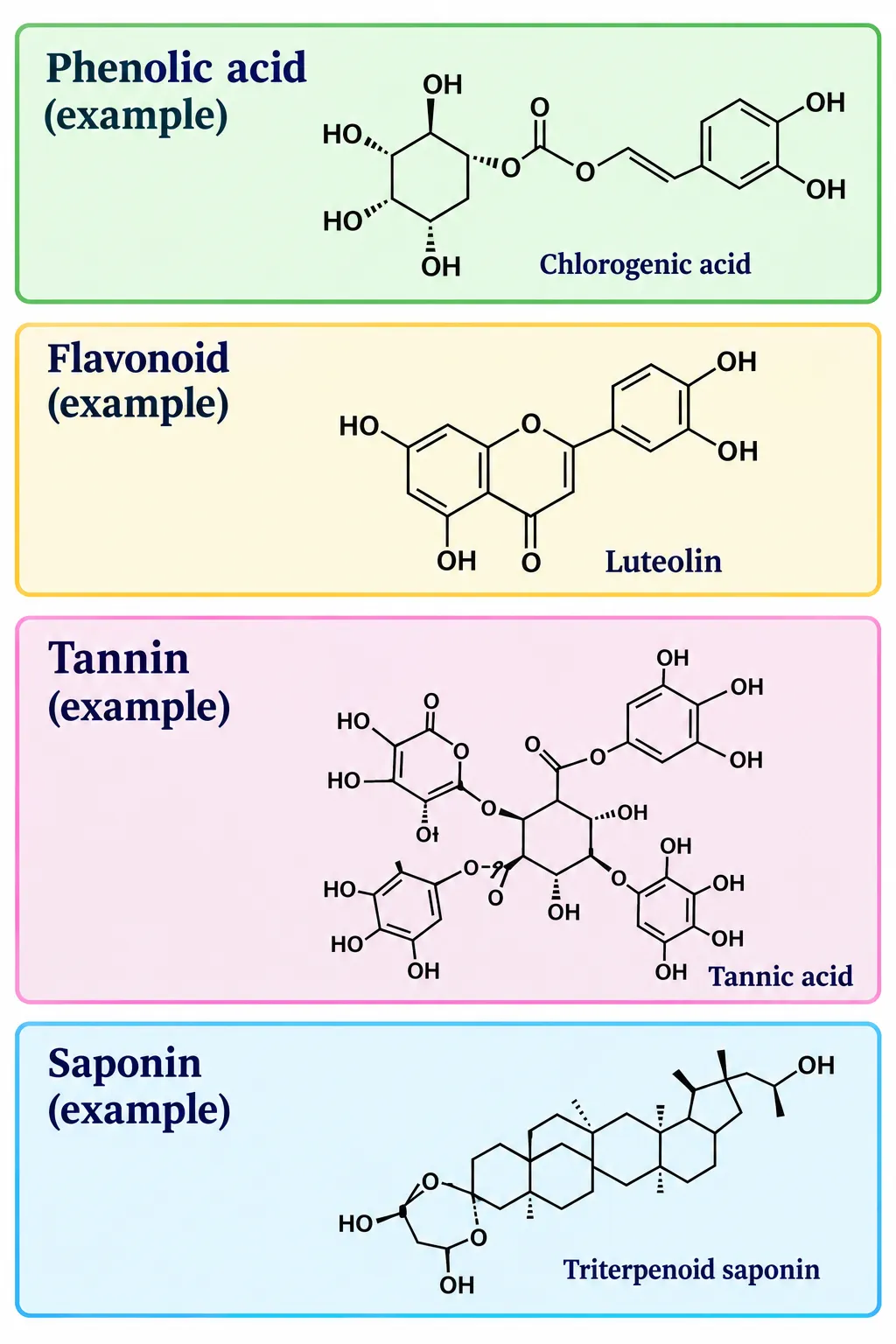
Table 3: Representative Structures of the Major Active Constituents
ORAL ULCER DESCRIPTION
In an oral ulcer, the epithelium of the oral mucosa is damaged or lost, and the lesion may reach into the connective tissue underneath. Ulcers can be single or multiple, and their size, shape, depth, color and duration vary with where in the mouth they develop.
The oral mucosa serves as a barrier against chemical irritants, bacteria and mechanical injury. Once that barrier breaks down, an ulcer forms together with a local inflammatory response, leaving the area sore and highly sensitive during eating, drinking or speaking [23,24].
Oral ulcers are secondary lesions defined by loss of mucosal tissue. They commonly result from local trauma, recurrent aphthous stomatitis (RAS), bacterial or viral infection, allergic reactions, adverse drug reactions or systemic disease [25,26]. They are also common: RAS, the most frequent ulcerative condition, is reported to affect anywhere from 5 to 60% of people [27]. Because ulceration often exposes the nerve endings in the underlying lamina propria, the lesions tend to cause pain or irritation, particularly after spicy or acidic foods [28].
Common sites of occurrence
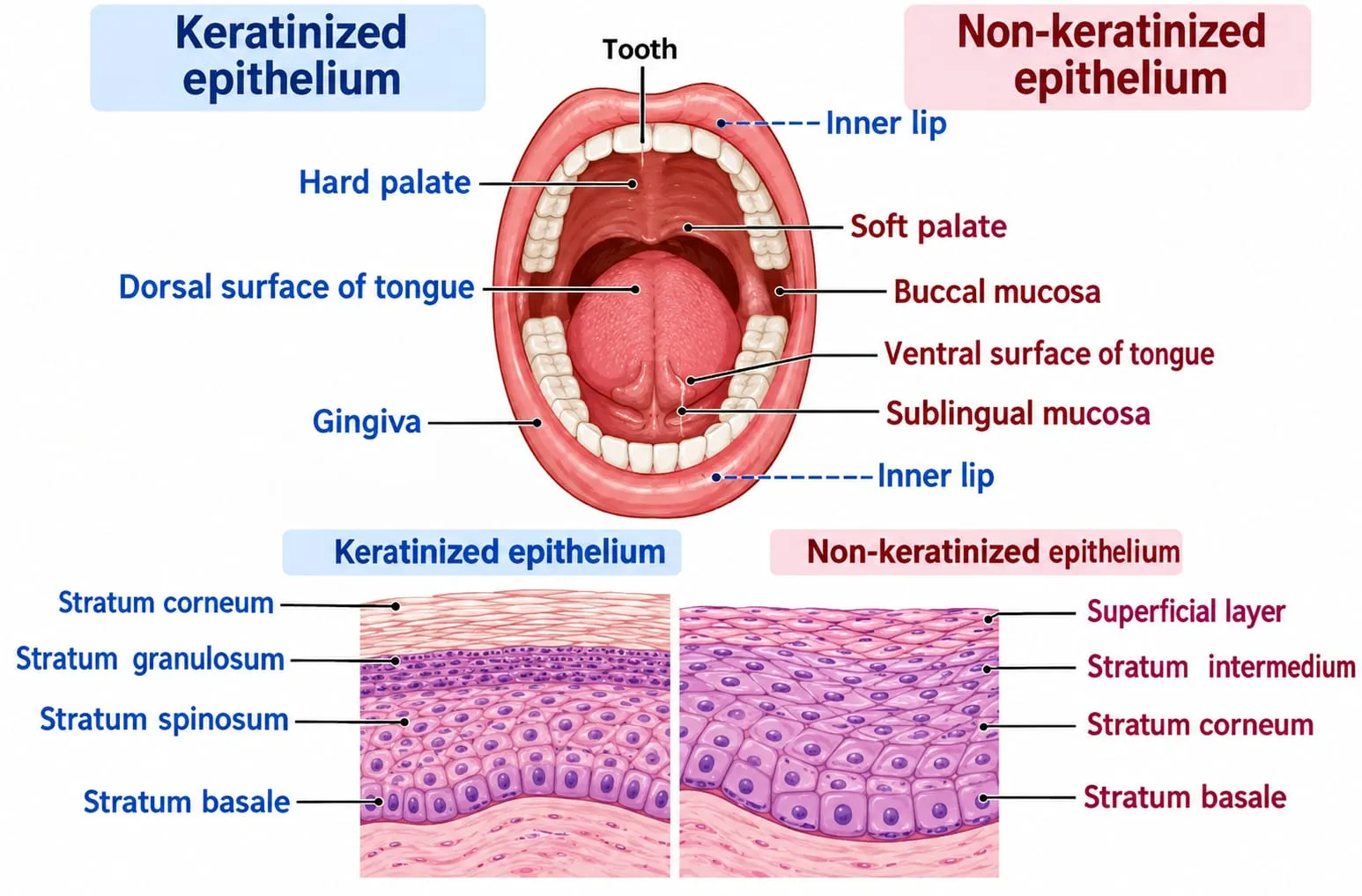
Figure 4: Common Sites of Occurrence: Regions of the Oral Cavity Lined by Keratinized and Non-Keratinized Epithelium
CAUSES AND RISK FACTORS OF ORAL ULCERS
Causes
Oral ulcers develop in the lining of the mouth and can cause pain, irritation and difficulty eating or speaking. What causes them depends on the type of ulcer and on the person’s general health. Typical causes include local trauma, infections, immune disturbances, nutritional deficiencies, drug-related effects and systemic disease. RAS is a common form of oral ulceration, though its exact cause is still unclear [29,30].
Traumatic damage. Physical injury to the oral mucosa is a frequent cause of ulcers. Dental procedures, sharp teeth, ill-fitting dentures, vigorous tooth brushing and accidentally biting the cheek or tongue can all injure the tissue and lead to ulceration, and repeated irritation may delay healing.
Infections. Viral infections, especially herpes simplex virus, can produce oral ulcers, as can some bacterial and fungal infections. Whether ulcers appear, and where, depends on the organism involved and the person’s immune status [30,31].
Inadequate nutrition. Deficiencies of iron, folate and vitamin B12 have been linked with recurrent mouth ulcers. These nutrients are needed for normal blood cell formation and tissue maintenance, so in susceptible people a shortage may alter the oral mucosa and set off repeated ulceration.
Inflammatory and immune factors. Abnormal immune responses are believed to play a major role in recurrent aphthous ulceration. Immune dysregulation, together with genetic susceptibility, may drive inflammation and tissue damage in the oral mucosa, although the precise trigger for RAS is still unknown.
Risk factors
Genetic propensity. A family history of recurrent aphthous ulcers may raise susceptibility, and people with RAS have been found to carry genetic variants related to immune regulation.
Psychological stress. Anxiety and psychological stress have been associated with the onset or recurrence of mouth ulcers. In susceptible individuals, stress may alter immune responses and promote ulcer formation [29,30].
Chemical and mechanical irritation. Dental appliances, irritating oral products, sharp tooth edges and habitual biting all increase the chance of ulceration, and certain chemicals can inflame and damage the oral mucosa [30,31].
Poor diet. A poor diet, or a low intake of iron, folate or vitamin B12, may be linked to recurrent mouth ulcers, so a nutritional assessment can be worthwhile for people who have frequent episodes.
Hormonal changes and food sensitivity. Some foods, particularly hot or acidic ones, can aggravate existing ulcers or trigger symptoms in susceptible people. Hormonal changes have also been suggested as contributing factors, though these associations are inconsistent between individuals [29,30].
Weakened immunity and related illness. Oral ulcers may be more common in people with weakened immunity or certain systemic illnesses. Recurrent or unusually severe ulcers can signal an underlying nutritional, inflammatory, viral or immune-related disease [30,31].
PHARMACOLOGICAL ACTIVITIES OF MAJOR PHYTOCONSTITUENTS
Tannins
Tannins are polyphenolic compounds known for their astringent effect and their ability to bind proteins. Activity differs with chemical structure, concentration and experimental conditions, but both antioxidant and antibacterial effects have been studied [32,33]. Because tannins bind proteins, they may change the surface properties of tissues, which makes them reasonable candidates for topical formulations [33]. The antioxidant activity of some tannins could also help limit oxidative stress, a subject of interest in research on tissue damage and repair [32,33].
Flavonoids
Phytochemical analyses of C. esculenta leaves show that their flavonoids, a class of polyphenolic plant compounds, include quercetin, rutin, vitexin and kaempferol [32]. Flavonoids are widely studied for their antioxidant potential, since some members of the group can neutralize free radicals and influence oxidative-stress pathways. They may also have anti-inflammatory effects by modulating cell-signaling pathways and inflammatory mediators [32,34].
Phenolic acids
Phenolic acids are plant-derived compounds associated with antioxidant activity, and they form part of the phytochemistry of C. esculenta [32,35]. Chlorogenic acid has been reported in the leaves, and studies of other plant parts have detected additional phenolic acids [32,34]. Under suitable experimental conditions, phenolic acids may neutralize reactive oxygen species and lessen oxidative stress, which could limit oxidative damage to cells [32,33].
Alkaloids
Alkaloids are naturally occurring nitrogen-containing compounds. They have been reported among the constituents of Colocasia esculenta, although their amount and identity vary with the plant part and the extraction method [32,35]. In experiments, some alkaloids display antibacterial activity and may act on cell membranes, microbial enzymes or other vital cell functions. Some also show antioxidant or anti-inflammatory properties, but these depend on the specific compound and the experimental setup [32,33].
RELEVANCE TO COLOCASIA ESCULENTA
The phenolic compounds and flavonoids in C. esculenta leaves have drawn interest for their possible antibacterial, anti-inflammatory and antioxidant properties. Tannins contribute astringent and protein-binding qualities, while flavonoids may influence inflammatory signaling and tissue repair [36,37]. Phenolic compounds could further boost antioxidant activity by neutralizing reactive species. Taken together, these features give a reasonable basis for investigating the plant’s components against mouth ulcers. Even so, most of the supporting evidence comes from laboratory studies, chemical assays or work on other plant species, and further research is needed to establish the composition, oral-mucosal safety and therapeutic efficacy of standardized C. esculenta leaf extracts.
LIMITATIONS AND SAFETY
Evidence linking taro to oral ulcer treatment is limited, because most studies deal with its general anti-inflammatory and antimicrobial properties. Raw taro contains calcium oxalate crystals, so it has to be processed carefully before use. Variability in the active compounds makes consistent dosing hard to achieve, and poor retention in the mouth, instability of polyphenols and the lack of clinical data restrict its usefulness further. Human trials and thorough safety evaluations are still missing.
Variation in phytochemical composition. The levels of tannins, flavonoids and phenolic compounds depend on plant variety, geographical location, growing conditions, maturity and extraction method. This variation can change the biological activity and reproducibility of extracts, which is why standardization is needed to produce consistent research material.
Formulation challenges. Turning a plant extract into an oral gel raises several practical problems, among them stability, pH, consistency, uniformity, release characteristics and retention on the oral mucosa. Saliva and the normal movements of the mouth also cut short the time the formulation stays in contact with the target area.
Safety considerations
Calcium oxalate is the main anti-nutrient in taro. Soaking and heating the leaves reduce their oxalate content [39]. Dietary oxalate can bind calcium and is a concern for people prone to kidney stones [38]. Raw taro is also acrid: needle-shaped calcium oxalate raphides and related irritant factors produce stinging and burning in the mouth and throat [40,41]. An acute-toxicity study of an aqueous leaf extract found it safe at the doses tested, but that study did not look at application to the oral mucosa [42].
Potential contamination. Plant material can pick up bacteria, pesticides, heavy metals or other unwanted substances during cultivation, harvesting, storage or processing. Appropriate quality-control measures are needed to keep research extracts consistent and pure.
Individual sensitivity and allergic reactions. People respond differently to botanical preparations, so any proposed oral formulation has to be evaluated for the possibility of sensitivity or irritation. A long history of traditional use is not a guarantee of safety.
Excipient and final formulation safety. A proposed oral gel should be assessed as a finished product and not only as a plant extract. Its pH, excipients, preservatives and other ingredients can all affect local tolerability, and testing should confirm that the final product is suitable for oral use.
FORMULATION CONSIDERATIONS
Conventional preparations are rapidly washed away by saliva and the movement of the mouth. Mucoadhesive buccal systems such as gels, films and patches stay on the mucosa for longer and allow prolonged local release [43–45]. Corm mucilage might be explored as a natural viscosity-enhancing or mucoadhesive excipient, although this idea still needs testing, and a polyphenol-enriched, oxalate-free C. esculenta extract could be incorporated into such systems. Chitosan patches containing silver nanoparticles made from leaf extract have also been described [46].
FUTURE PERSPECTIVES
Standardization. For batch-to-batch consistency, the plant part, cultivar, harvest stage and solvent should be defined. HPLC fingerprints based on marker compounds such as orientin, vitexin, rutin and chlorogenic acid can then be applied [47,48].
Removal of irritants. Processing or purification methods are needed that strip out raphides and soluble oxalate while keeping the polyphenols intact, with analytical confirmation of the result [49–51].
Computational pharmacology. Network pharmacology and molecular docking can map the multi-target interactions of the major constituents, as has already been done for related species [52,53].
Delivery systems. Mucoadhesive films, gels, patches and nanocarriers for the oral cavity should be designed and tested, with attention to retention, stability and release [54,55].
Safety assessment. The final formulation needs to be evaluated for subchronic toxicity, mucosal irritation and allergenicity.
Clinical trials. Randomized, double-blind, placebo-controlled trials are needed, modeled on earlier herbal RAS trials, with ulcer size, pain score, healing time and recurrence interval as the outcome measures.
CONCLUSION
Colocasia esculenta is an accessible, low-cost and botanically well-defined plant. Its leaves, petioles and corms contain flavone C-glycosides, flavonols, phenolic acids, tannins, saponins, terpenoids and mucilage, and experimental studies report antioxidant, anti-inflammatory, analgesic, antibacterial, wound-healing and immunomodulatory effects.
Oral ulcers arise from several overlapping processes: microbial colonization, oxidative damage, cytokine-driven inflammation and delayed epithelial healing. The combined action of C. esculenta constituents on these processes offers a logical, multi-target rationale for topical oral ulcer therapy, and the astringent and mucilaginous fractions of the plant may add protection at the ulcer surface.
REFERENCES



Dr. Ajay Dongarwar, Dr. Sanjay Bais, Prathamesh Bhange, Therapeutic Potential of Colocasia Esculenta in the Management of Oral Ulcers, Int. J. of Pharm. Sci., 2026, Vol 4, Issue 11, 1052-1061. https://doi.org/10.5281/zenodo.23972831
 10.5281/zenodo.23972831