

We use cookies to ensure our website works properly and to personalise your experience. Cookies policy
Department of Chemistry, ST. Xavier's College (Autonomous) Ahmedabad.
Thiophene (C?H?S), a representative sulfur-containing five-membered heteroaromatic compound, has been pivotal in contemporary chemistry due to its distinctive electronic characteristics, structural adaptability, and pharmacological relevance. Its aromatic stabilization, elevated polarizability, and regioselective reactivity differentiate it from purely carbocyclic counterparts, facilitating its application in materials science, synthetic methodologies, and drug development. Foundational thiophene chemistry was established through classical reactions such as the Paal–Knorr, Fiesselmann, Gewald, and Hinsberg syntheses. More recent advancements encompass metal-catalyzed cyclizations, C–H functionalization techniques, and solvent-free mechanochemical approaches. These innovations have enhanced regioselectivity and yield efficiency while adhering to the principles of green and sustainable chemistry. In medicinal chemistry, thiophene serves as a bioisosteric replacement for phenyl groups, influencing lipophilicity, metabolic stability, and receptor binding affinity. A diverse array of thiophene derivatives exhibit a broad spectrum of biological activities, including antibacterial, antifungal, anticancer, antioxidant, anti-inflammatory, neuroactive, and antiparasitic effects, complemented by naturally occurring thiophenes isolated from botanical sources. Structure–activity relationship analyses underscore the significance of substitution at the ?-positions, the presence of electron-donating substituents, and heteroaryl linkages in modulating biological potency. This review integrates synthetic and biological insights into thiophene chemistry, with a focus on its pharmacological properties, mechanistic aspects, absorption, distribution, metabolism, and excretion (ADME) considerations, as well as prospective avenues for future investigation.
Thiophene, a five- membered sulfur- containing heteroaromatic compound with the formula C4H4S which occupies a central position in modern heterocyclic chemistry due to its unique electronic, structural, and functional attributes.
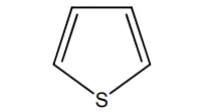
Structure of Thiophene
Thiophene, initially discovered in coal tar during the nineteenth century, continues to be one of the most extensively studied heteroaromatic frameworks within organic chemistry [7]. Its notable stability is attributed to the aromatic delocalization of six π-electrons, wherein the sulfur atom contributes two electrons while maintaining a lone pair. This aromatic system exhibits stabilization comparable to that of benzene, yet it possesses greater polarizability and distinctive reactivity profiles. The α-positions (carbon atoms 2 and 5) exhibit increased electron density, rendering them the preferred sites for electrophilic substitution reactions [8]. This regioselectivity is fundamental to the synthesis of regioregular thiophene polymers and the precise functionalization of heteroaromatic compounds [7].
Synthetic methodologies for thiophene have progressed from classical to contemporary techniques. The Paal–Knorr synthesis, established in 1885, involves the cyclization of 1,4-diketones with sulfurizing agents [1]. The Fiesselmann synthesis entails the condensation of α,β-unsaturated esters with thioglycolic acid derivatives to afford thiophene esters [4]. The Gewald reaction, developed in 1966, represents a versatile three-component condensation involving activated nitriles, carbonyl compounds, and elemental sulfur, yielding 2-aminothiophenes [3]. Additionally, the Hinsberg synthesis (1901) expanded access to thiophenes through the condensation of dicarbonyl compounds with thiodiacetates [5]. These classical approaches remain foundational in thiophene synthesis and continue to inspire environmentally benign adaptations [9].
Modern synthetic strategies have further diversified the available methodologies. Transition-metal-catalyzed cyclizations of alkynes, intramolecular nucleophilic additions, and C–H activation techniques enable regioselective synthesis of substituted thiophenes [10–12]. Mechanochemical methods, such as ball-milled Gewald reactions, exemplify sustainable practices that enhance operational simplicity [9]. These advancements align thiophene synthesis with the principles of green chemistry.
In the realm of materials science, thiophene derivatives constitute the backbone of conducting polymers, notably poly (3-hexylthiophene) (P3HT). The optoelectronic properties of these polymers are strongly influenced by regioregularity and substituent effects, as initially elucidated by Roncali in his seminal review linking molecular substitution to bandgap modulation and charge transport efficiency [7]. Thiophene monomers are integral components of donor–acceptor copolymers employed in organic photovoltaics, field-effect transistors, and electrochromic devices [15–18].
Within medicinal chemistry, thiophene functions as a phenyl bioisostere, thereby modulating physicochemical and pharmacokinetic characteristics [8]. Clinically approved pharmaceuticals such as tiaprofenic acid (a nonsteroidal anti-inflammatory drug) and sertaconazole (an antifungal agent) underscore its therapeutic relevance [21]. Contemporary structure–activity relationship studies emphasize the critical roles of substitution patterns, electronic effects, and linker moieties in enhancing biological potency across antibacterial, anticancer, and central nervous system-targeted agents [20,22,23].
Thiophene represents a versatile heterocyclic scaffold situated at the intersection of synthetic heteroaromatic chemistry, materials science, and drug discovery.
2. Chemical- Physical Properties and Nuclear Magnetic Resonance Characteristics
Thiophene is a planar, five-membered heteroaromatic compound with the molecular formula C?H?S. In this structure, one lone pair of electrons on the sulfur atom is delocalized into the π-electron system, resulting in a 6π-electron aromatic sextet. It exists as a colorless liquid, with typical physical constants reported as a boiling point near 84 °C, a melting point around −38 °C, and a density approximately 1.05 g·mL?¹, consistent with standard tabulated data [8]. The resonance stabilization energy of thiophene has been estimated in the literature to range between approximately 19 and 22 kcal·mol?¹. Although this value is lower than that of benzene, it is sufficient to maintain aromaticity and to disfavor addition reactions that would disrupt the conjugated π system [7,8].
2.1 Reactivity and Electronic Behavior of the Thiophene Ring
Compared to benzenoid aromatic compounds, thiophene is electron-rich and exhibits enhanced reactivity towards electrophilic aromatic substitution (EAS) reactions. The regioselectivity of such substitutions predominantly favors the α-positions (carbon atoms 2 and 5). This preference arises because the σ-complex intermediate formed upon electrophilic attack at an α-carbon is more effectively stabilized through resonance involving the sulfur lone pair, relative to attack at β-positions. Consequently, under mild reaction conditions, electrophilic substitutions such as halogenation, acylation, controlled nitration, and sulfonation predominantly yield 2-substituted thiophene derivatives [7,8]. Oxidation at the sulfur atom leads to the formation of S-oxide and S,S-dioxide species; notably, the S,S-dioxide significantly modifies the electron distribution and reactivity of the ring, causing it to behave more like a diene. Additionally, thiophene can be oxidized to radical cations, which serve as key intermediates in the electropolymerization process that produces polythiophenes [7]. The α-C–H bond in thiophene exhibits very weak acidity; on aprotic pK? scales such as in dimethyl sulfoxide (DMSO), the α-C–H proton has a pK? value estimated around 32–33, indicating that deprotonation requires the use of very strong bases [8].
2.2 ¹H NMR Spectroscopy in Thiophene
In unsubstituted or simply substituted thiophenes, the four ring protons are categorized into two chemically distinct sets: the α-protons (H-2 and H-5) and the β-protons (H-3 and H-4). Typical chemical shift values, which depend on solvent and instrumentation, indicate that α-protons are generally more deshielded than β-protons. Literature data and spectral assignment studies report chemical shifts for H-2 and H-5 in the range of approximately 7.05 to 7.35 ppm, whereas H-3 and H-4 resonate between roughly 6.85 and 7.05 ppm. The vicinal coupling constants (³J) between adjacent ring protons are moderate, often around 5 Hz. Furthermore, substituents exert predictable electronic influences on chemical shifts: electron-withdrawing groups induce downfield shifts of proximate protons, while electron-donating groups cause upfield shifts [7,8].
2.3 ¹³C NMR Spectroscopy in Thiophene
The ring carbons in thiophene are conventionally classified into α-carbons (positions C-2 and C-5) and β-carbons (positions C-3 and C-4). In typical ¹³C NMR spectra, the α-carbons exhibit downfield chemical shifts relative to the β-carbons. This shift pattern is attributed to the α-carbons’ enhanced participation in the aromatic π-electron system and the increased polarizability imparted by the sulfur atom. For unsubstituted or mildly substituted thiophenes, reported chemical shift ranges are approximately 125–135 ppm for C (2) and C (5), and 120–127 ppm for C (3) and C (4). Comprehensive experimental investigations on substituted thiophene-2-carboxylic acids and related compounds have employed linear free-energy relationship (LFER) analyses of ¹³C substituent chemical shifts to disentangle resonance and inductive effects, thereby quantifying the influence of various substituents [7]. Oxidation at the sulfur center, yielding S-oxide or S,S-dioxide derivatives, induces pronounced and characteristic perturbations in the ¹³C chemical shifts throughout the thiophene ring. Furthermore, NMR studies of thiophene-based conjugated polymers reveal π-stacking interactions, which manifest as distinctive chemical shift patterns and serve as structural evidence for aggregation phenomena in solution [7,15].
3. Major Synthetic Methods
3.1 Paal-Knorr Thiophene Synthesis
The reaction under discussion is commonly referred to as the Paal Thiophene Synthesis. In this process, 1,4-dicarbonyl compounds react with a sulfur source to yield thiophene derivatives.
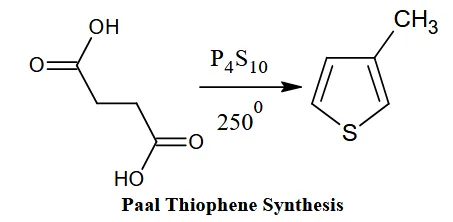
Historically, phosphorus sulfides have been employed as sulfur donors, with subsequent developments introducing reagents such as Lawesson’s reagent (LR) [1] and bis (trimethylsilyl) sulfide [6] as alternative sulfur sources.
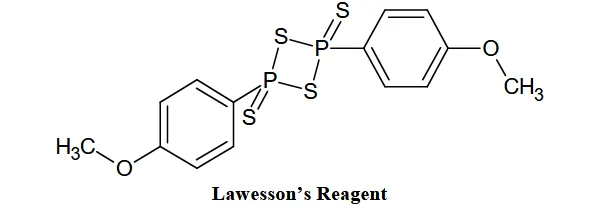
The foundational work by Paal and Knorr independently documented the condensation reactions between 1,4-diketones and primary amines, a transformation now recognized as the Paal–Knorr pyrrole synthesis [1,2]. The core mechanism of this synthetic approach involves the cyclization of 1,4-diketones, which can occur in the presence of a primary amine (yielding pyrroles via the Paal–Knorr synthesis), in the presence of a sulfur source (resulting in thiophenes via the Paal Thiophene synthesis), or through dehydration of the diketone itself (leading to furans via the Paal Furan synthesis) [1,2].
Reagents such as phosphorus pentasulfide and Lawesson’s reagent function both as sulfurizing and dehydrating agents, thereby enabling a reaction pathway that might initially produce furans. This proposed mechanism was investigated by Campaigne and colleagues in 1952, who demonstrated that the Paal Thiophene synthesis does not proceed through a furan intermediate but rather via the formation of a thione species [6].
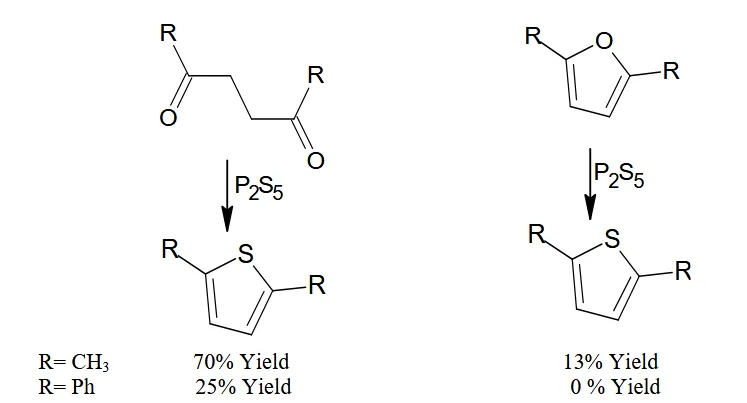
Accordingly, the accepted mechanism involves the initial generation of a thione intermediate (where X represents either oxygen or sulfur), followed by tautomerization and cyclization steps.The aromatic stabilization of the resulting heterocycle facilitates the elimination of either water (H?O) or hydrogen sulfide (H?S), culminating in the formation of the thiophene product.
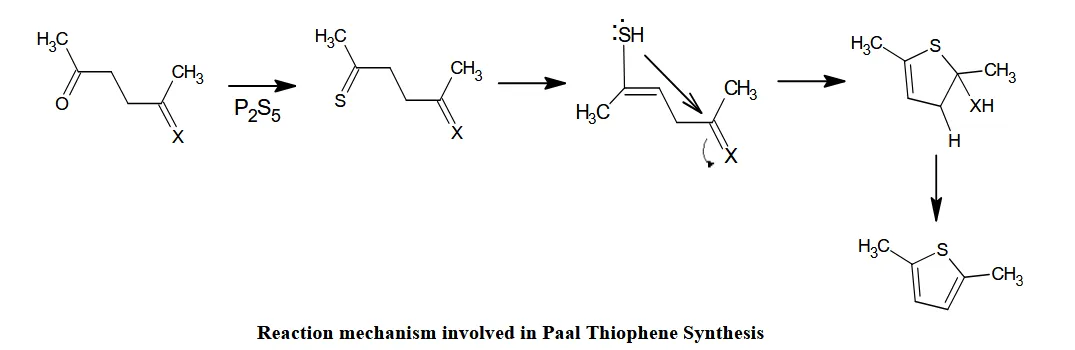
Over time, this synthetic methodology has been subject to numerous modifications and enhancements. The conventional protocol typically employs phosphorus pentasulfide as the sulfur source; however, the reaction mixture often contains furan byproducts due to the dehydrating properties of P?S?.
Subsequent studies revealed that hydrogen sulfide, when used in conjunction with an acid catalyst, exhibits superior efficiency compared to phosphorus pentasulfide in converting ketones to thiones.
3.2 Fiesselmann Thiophene Synthesis
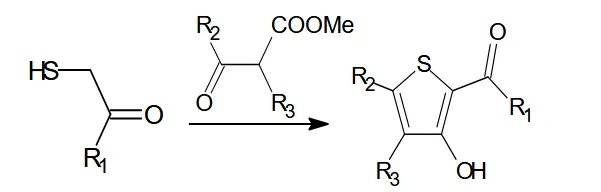
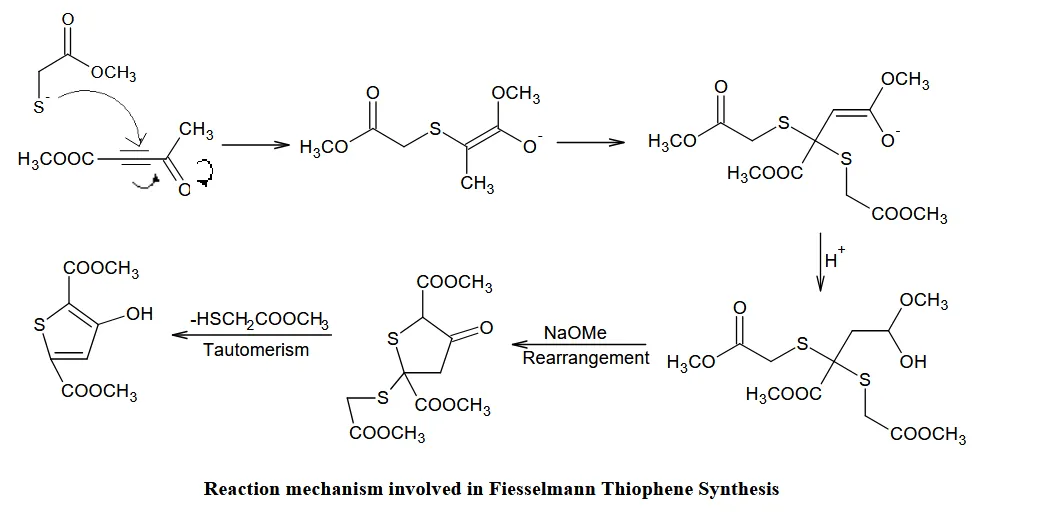
The Fiesselmann thiophene synthesis entails the condensation of thioglycolic acid with α,β-acetylenic esters, which, upon treatment with a base, yields 3-hydroxy-2-thiophenecarboxylic acid [4].
This methodology represents an extension of the Woodward condensation, wherein thioglycolic acid reacts with α,β-unsaturated esters under basic conditions to afford 2-carbomethoxy-3-ketotetrahydrothiophene [4].
The reaction mechanism proceeds via sequential base-catalyzed 1,4-conjugate addition steps leading to the formation of a thioacetal intermediate. Subsequent exposure to a stronger base generates an enolate species, which undergoes intramolecular Dieckmann condensation to form a cyclic ketone. The process culminates with the elimination of methylthioglycolate and tautomerization driven by aromatic stabilization, resulting in the formation of the 3-hydroxy thiophene dicarboxylate.
Thiophenes can be synthesized through reactions involving thioglycolic acid derivatives and β-keto esters, α,β-dihalo esters, α- and β-halovinyl esters, as well as related nitriles, ketones, and aldehydes. Moreover, the scope of this synthesis is broadened by the utilization of various α-mercaptocarbonyl compounds as alternatives to thioglycolic acid derivatives [4].
3.3 Gewald Aminothiophene Synthesis
Originally reported by Gewald in 1966 [3], this synthetic route is the conventional approach for preparing 2-aminothiophenes. The process involves a base-catalyzed condensation between a ketone possessing an α-methylene group and a β-ketonitrile to form an olefinic intermediate, which subsequently undergoes cyclization in the presence of elemental sulfur.
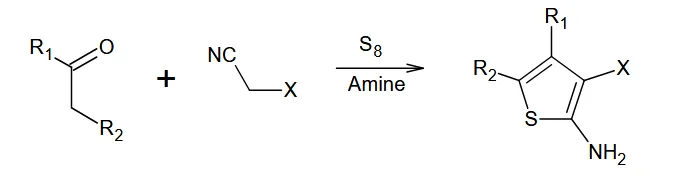
The mechanistic pathway initiates with a Knoevenagel condensation between an activated nitrile and a ketone or aldehyde, producing an acrylonitrile derivative. This intermediate is then thiolated at the methylene position, leading to a sulfur-containing species that decomposes to a mercaptide
intermediate. Intramolecular cyclization occurs via nucleophilic attack on the cyano group, followed by base-catalyzed tautomerization to furnish the 2-aminothiophene product [3].
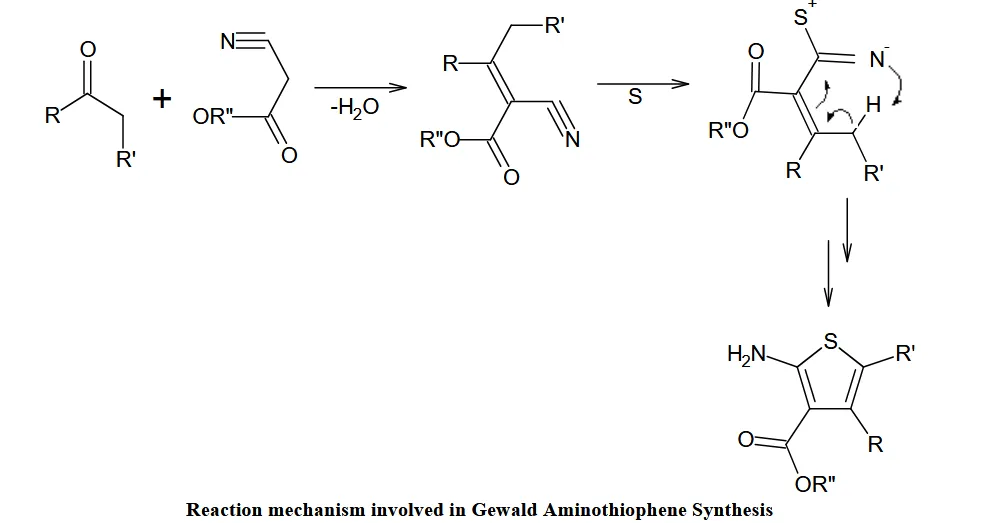
This methodology has been extensively employed to synthesize a variety of substituted 2-aminothiophenes, including 5-alkoxy-2-aminothiophenes, 2,4-diaminothiophenes, 4-alkyl-2-aminothiophenes, and 5-alkyl-2-aminothiophenes [3].
3.4 Hinsberg Synthesis
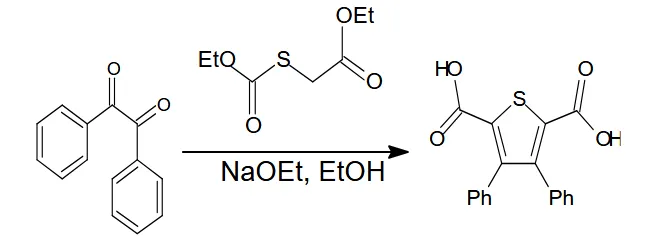
The Hinsberg synthesis involves two successive aldol condensations between a 1,2-dicarbonyl compound and diethyl thiodiacetates, ultimately yielding thiophene derivatives. The initial product formed is an ester–acid species generated via a Stobbe-type condensation mechanism; however, the reaction is commonly subjected to hydrolytic workup to isolate the corresponding dicarboxylic acid [5].
4. Alternative Synthetic Approaches
4.1 One-Pot [3+2] Cycloaddition/Annulation Strategy (Singh et al.)
The development of multicomponent and one-pot synthetic protocols constitutes a pivotal focus in contemporary organic chemistry, primarily due to their capacity to enhance step economy, atom economy, and operational efficiency. Within the realm of heteroaromatic compounds, thiophenes hold particular significance given their prevalent occurrence in natural products, pharmaceuticals, agrochemicals, and organic electronic materials [7,8]. The establishment of concise and high-yielding synthetic routes to densely functionalized thiophene derivatives remains a prominent challenge in heterocyclic chemistry [10].
Singh and colleagues have introduced a one-pot, two-component [3+2] cycloaddition/annulation protocol that facilitates the efficient synthesis of highly substituted thiophene derivatives with excellent yields [10]. This approach entails the direct coupling of α-haloketones with sodium sulfide nonahydrate (Na?S·9H?O) under optimized reaction conditions, followed by an intramolecular annulation step that rapidly constructs the thiophene ring system [10].
Mechanistically, the reaction proceeds via the in situ generation of a thiolate species from sodium sulfide, which subsequently reacts with the electrophilic α-haloketone to yield a thiocarbonyl intermediate. This intermediate then undergoes a [3+2] cycloaddition with an activated alkyne, producing a cyclic intermediate that undergoes annulation to afford the highly functionalized thiophene core [10].
A salient aspect of this methodology is its broad substrate tolerance. The protocol accommodates α-haloketones bearing both electron-donating and electron-withdrawing substituents, as well as a variety of alkynes, thereby enabling access to a diverse array of thiophene derivatives. Notably, the reactions consistently deliver products in good to excellent yields, underscoring the method’s practicality and robustness [10].
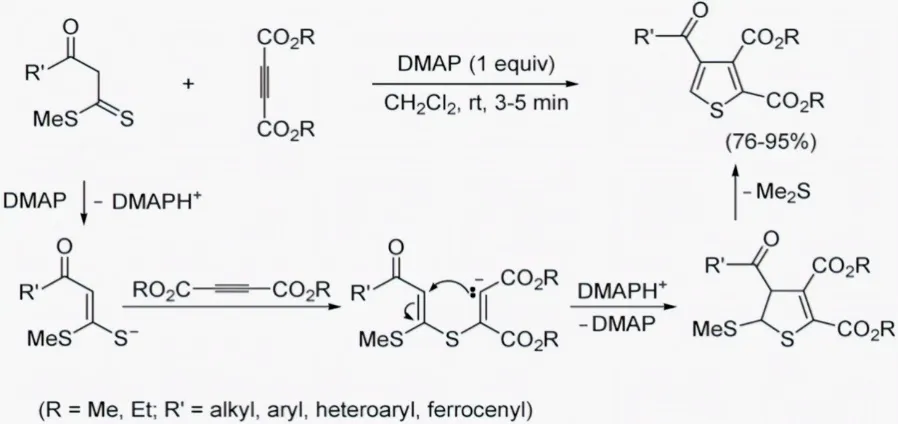
one-pot [3+2] Cycloaddition/Annulation Thiophene Synthesis
4.2 Copper (I)-Catalyzed Synthesis of 2,5-Substituted Thiophenes (Jiang et al.)
The efficient synthesis of heteroaromatic frameworks, including furans and thiophenes, remains a significant focus within synthetic organic chemistry due to their widespread occurrence in biologically active compounds, pharmaceuticals, and advanced materials [7]. Notably, 2,5-disubstituted thiophene derivatives are of particular interest, as substitution at these positions frequently enhances both electronic characteristics and pharmacological efficacy. Traditional synthetic routes to these heterocycles often involve multi-step sequences or require harsh reaction conditions, thereby limiting their applicability in diversity-oriented synthesis [7].
In this regard, Jiang and colleagues have reported a copper (I)-catalyzed methodology for the synthesis of 2,5-substituted thiophenes, utilizing either haloalkynes or 1,3-diynes as starting materials in the presence of sodium sulfide as the sulfur source [11]. This approach offers a practical and straightforward one-pot protocol that enables the direct construction of highly substituted heterocycles under relatively mild reaction conditions [11].
Typically, the reaction is conducted using copper (I) iodide (CuI) and 1,10-phenanthroline as the ligand in dimethylformamide (DMF) at 70 °C. Under these conditions, bromoalkynes undergo copper (I)-catalyzed homocoupling to generate 1,3-diynes in situ. The resulting diyne intermediate subsequently reacts with sodium sulfide nonahydrate (Na?S·9H?O), which serves as a source of sulfide anions (S²?). This nucleophile adds across the conjugated diyne system to form a thio-substituted enyne intermediate. Thereafter, coordination of the sulfur-substituted intermediate to the copper catalyst facilitates intramolecular cyclization. The copper-complexed heteroaryl intermediate then undergoes reductive elimination, yielding the target 2,5-disubstituted thiophenes in high yields [11].
This protocol exhibits a broad substrate scope, accommodating both aryl and heteroaryl substituents, and employs cost-effective reagents under mild conditions, underscoring its synthetic utility [11].
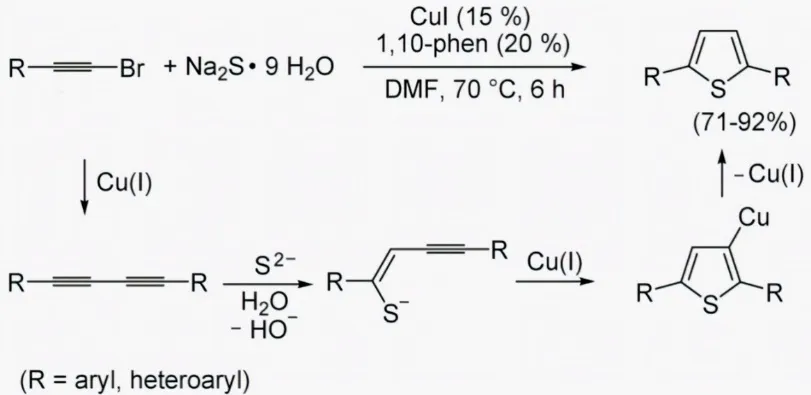
Copper (I)-Catalyzed Synthesis of 2,5-Substituted Thiophenes
4.3 Iodocyclization Approach to 3-Iodothiophenes (Gabriele et al.)
The iodocyclization of sulfur-containing enynes constitutes an effective strategy for the direct synthesis of substituted thiophenes. Thiophene derivatives bearing halogen substituents, particularly iodine, are valuable synthetic intermediates due to their enhanced reactivity in palladium-catalyzed cross-coupling reactions and their importance in medicinal chemistry and materials science [7].
Within this context, Gabriele and co-workers have developed a mild and practical iodocyclization protocol for the preparation of 3-iodothiophenes directly from sulfur- and oxygen-containing enyne substrates [12]. The procedure employs molecular iodine (I?) and sodium bicarbonate in
acetonitrile (MeCN) at ambient temperature, affording the desired 3-iodothiophenes in good yields [12].
Mechanistically, the transformation initiates with electrophilic activation of the enyne substrate by iodine. Subsequently, the sulfur atom attacks the activated alkyne moiety, triggering a 5-exo-dig cyclization that generates an iodo-substituted cyclic intermediate. This intermediate then undergoes dehydration to furnish the final 3-iodothiophene product. Sodium bicarbonate serves to neutralize the generated hydrogen iodide (HI), thereby driving the reaction to completion under mild conditions [12].
This methodology is particularly notable because the resulting 3-iodothiophenes serve as versatile intermediates for subsequent cross-coupling reactions, including Suzuki, Sonogashira, and Buchwald–Hartwig couplings [12].
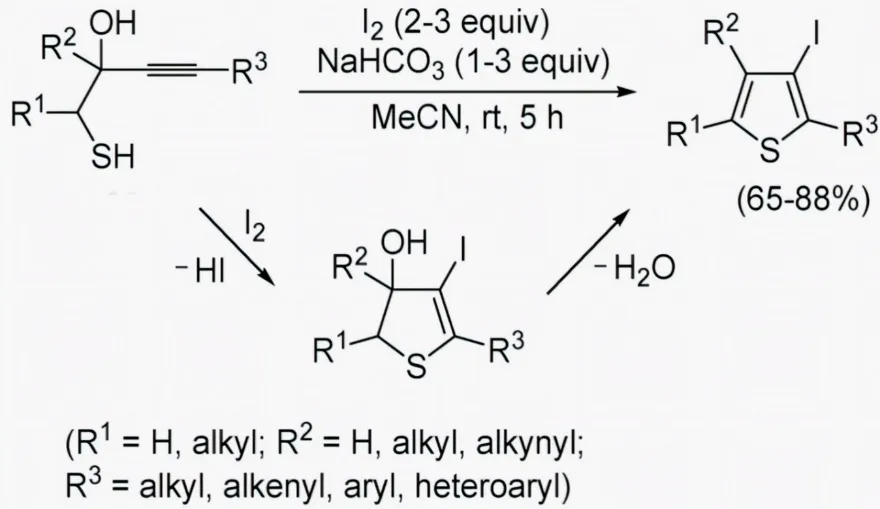
Iodocyclization Approach to 3-Iodothiophenes Synthesis
4.4 Microwave-Assisted Synthesis of Thiophenes
Microwave-assisted organic synthesis has markedly transformed the preparation of heteroaromatic compounds, including thiophenes, by substantially decreasing reaction durations and improving product yields.
Among traditional approaches, the Gewald reaction—which entails the condensation of ketones or aldehydes with activated nitriles and elemental sulfur—has proven particularly amenable to microwave enhancement. Sridhar et al. demonstrated that microwave irradiation reduced the synthesis time of 2-aminothiophenes via the Gewald reaction from several hours to a range of 10 to 30 minutes, achieving yields between 60% and 90% [13].
In addition to the Gewald condensation, Bagley and colleagues reported that 2-halobenzonitriles underwent efficient cyclization with thioglycolates under microwave conditions, yielding 3-aminobenzothiophenes. This method provides rapid access to molecular scaffolds pertinent to kinase inhibitor development [14].
From a mechanistic perspective, microwave irradiation facilitates enolate formation and sulfur incorporation steps, thereby lowering activation energy barriers and enhancing overall reaction kinetics. These benefits, combined with decreased solvent usage and improved energy efficiency, position microwave-assisted protocols as sustainable and effective strategies for thiophene synthesis [13,14].
4.5 Suzuki–Miyaura Synthesis of Thiophenes
The Suzuki–Miyaura cross-coupling reaction continues to serve as a fundamental technique in thiophene chemistry, enabling selective carbon–carbon bond formation at the 2- and 5-positions of the thiophene ring.
Pioneering work by Melucci, Barbarella, and Sotgiu introduced solvent-free Suzuki couplings of thienyl bromides with thienyl boronic acids under microwave irradiation, resulting in high-purity oligothiophenes within abbreviated reaction times [15]. Similarly, Khormi et al. demonstrated that palladium catalysts efficiently mediated the coupling of 2-bromo- and 2,5-dibromothiophenes with arylboronic acids, affording mono- and diarylated thiophenes in excellent yields [16]. Furthermore, Ikram and co-workers applied double Suzuki couplings on 2,5-dibromothiophenes to synthesize 2,5-diarylthiophenes, which serve as crucial intermediates for conjugated polymer construction [17]. More recently, Tavella et al. optimized the synthesis of 2,5-diisopropenylthiophene via a Suzuki–Miyaura approach employing design of experiments methodology, achieving a balance between yield and sustainability [18].
Mechanistically, the Suzuki–Miyaura reaction proceeds through a palladium (0)/palladium (II) catalytic cycle involving oxidative addition, base-assisted transmetalation, and reductive elimination. Microwave irradiation accelerates both the oxidative addition and transmetalation
steps, facilitating reactions under solvent-free or environmentally benign solvent conditions [15–18].
The Suzuki–Miyaura methodology offers unparalleled modularity, functional group tolerance, and efficiency for the functionalization of thiophene derivatives.
5. Industrial- Scale synthesis of Thiophene
Thiophene can be produced on an industrial scale through several synthetic routes:
1. Synthesis from n-Butane and Sulfur – Thiophene is generated by the reaction of n-butane with elemental sulfur at approximately 560 °C. This method involves the dehydrogenation of n-butane followed by cyclization in the presence of sulfur [19].

2. Synthesis from Acetylene and Hydrogen Sulfide – Acetylene undergoes reaction with hydrogen sulfide over alumina catalysts at around 400 °C, yielding thiophene and hydrogen gas. This approach represents one of the most commonly employed industrial processes for thiophene production [19].

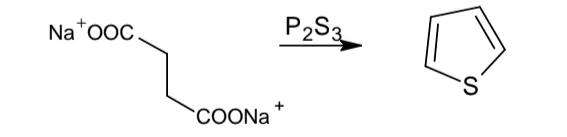
3. Synthesis from Sodium Succinate and Phosphorus Trisulfide – The classical method involves heating sodium succinate with phosphorus trisulfide to form thiophene. However, this route is less efficient and poses greater safety concerns compared to contemporary methods [19].
6. Biological Activities and its Derivatives along with Structure- Activity Relationship (SAR) Analysis
This section elaborates on each biological activity subsection by providing: (A) a succinct description of the mechanism of action detailing how thiophene derivatives exert their effects at the molecular and cellular levels; (B) principal experimental evidence and assays commonly employed to validate these mechanisms; and (C) SAR insights that are explicitly mechanistically rationalized and suitable for direct inclusion in the review.
6.1 Antibacterial Activity
Thiophene derivatives have demonstrated antibacterial efficacy against both Gram-positive and Gram-negative bacterial strains [20].
Mechanisms of Action:
1. Membrane Disruption and Permeabilization. Lipophilic substituents on the thiophene core, such as long alkyl or aryl groups, integrate into bacterial lipid bilayers, thereby enhancing membrane fluidity and permeability. This disruption facilitates leakage of ions and small molecules, culminating in bactericidal effects. Experimental validation typically involves membrane depolarization assays using dyes (e.g., DiSC?(5)), propidium iodide uptake assays, and transmission electron microscopy (TEM) imaging.
2. membrane disruption by lipophilic thiophene analogues has been documented through minimum inhibitory/bactericidal concentration (MIC/MBC) determinations and membrane integrity assays [20].
3. Enzyme Inhibition Targeting DNA Gyrase and Topoisomerases. Certain thiophene-containing hybrid molecules, such as thiophene–quinolone and thiophene–fluoroquinolone conjugates, exhibit binding affinity for bacterial DNA gyrase and topoisomerase IV, resulting in inhibition of enzymatic activity and consequent replication arrest. Assays employed to establish this mechanism include DNA supercoiling assays, in vitro enzyme inhibition studies, and analysis of resistant mutant strains. The design rationale for these hybrids involves the planar thiophene moiety facilitating π-stacking interactions, while the appended pharmacophore chelates Mg²? ions within the cleavage complex [20].
4. Targeted Binding to Outer Membrane Proteins and Porins. Halogenated and heteroaryl-substituted thiophenes can engage in halogen bonding and π–π interactions with bacterial outer membrane proteins, potentially impairing their function or enhancing compound uptake and membrane disruption. This mechanism is supported by binding affinity studies and proteomic pull-down experiments [20].
5. Key Experimental Readouts: MIC and MBC determinations, time-kill kinetics, membrane permeabilization assays (e.g., DiSC (5), propidium iodide uptake), TEM imaging, enzyme inhibition assays, and resistance frequency analyses.
Structure–Activity Relationship (SAR) Trends:
6.2 Antifungal Activity
Thiophene–azole conjugates, along with other thiophene-based frameworks, have demonstrated significant antifungal efficacy against Candida and Aspergillus species [21].
Mechanism of Action:
1. Inhibition of CYP51 (lanosterol 14α-demethylase): The azole moiety within thiophene–azole hybrids coordinates with the heme iron of fungal CYP51, while the thiophene component enhances lipophilicity and optimizes molecular orientation. This interaction disrupts ergosterol biosynthesis, leading to compromised fungal membrane integrity. Experimental validation includes enzyme inhibition assays, sterol composition analysis via gas chromatography-mass spectrometry (GC-MS), and minimum inhibitory concentration (MIC) determinations [21].
2. Membrane Interaction and Permeability Enhancement: The lipophilic thiophene side chains perturb fungal membrane structure, increasing permeability in a manner analogous to bacterial membrane disruption. This effect has been characterized using membrane dye uptake and leakage assays [21].
3. Induction of Oxidative Stress: Certain thiophene derivatives, particularly those that are electron-rich or photoactivated, generate reactive oxygen species (ROS) within fungal
cells, triggering apoptosis-like cell death. This mechanism has been investigated through ROS-sensitive probes and TUNEL assays [21].
Structure–Activity Relationships (SAR) Trends:
6.3 Anticancer Activity
Thiophene derivatives exhibit anticancer properties through mechanisms including tubulin inhibition, kinase inhibition, and DNA intercalation. Several thiophene-based hybrids have demonstrated cytotoxicity at submicromolar concentrations [22,23].
Mechanism of Action:
1. Inhibition of Microtubule/Tubulin Polymerization: Thiophene carboxamides and related scaffolds structurally mimic combretastatin, binding at the colchicine site on tubulin. This binding impedes tubulin polymerization, resulting in mitotic arrest and subsequent apoptosis. Validation methods include tubulin polymerization assays, cell cycle analyses, and competition assays at the colchicine binding site [22].
2. ATP-Competitive Kinase Inhibition: Thiophene–triazole hybrids and analogous compounds occupy the ATP-binding pockets of kinases such as PI3K and EGFR. Their interactions involve favorable hydrogen bonding and hydrophobic contacts, thereby inhibiting downstream proliferative signaling pathways. These effects have been confirmed through kinase panel screenings and cellular phospho-protein assays [23].
3. DNA Intercalation and Topoisomerase Poisoning: Planar thiophene–aryl systems intercalate into DNA and stabilize topoisomerase–DNA cleavage complexes in certain hybrids, inducing DNA strand breaks and cytotoxicity. Experimental approaches include DNA unwinding assays and comet assays [22,23].
4. ROS-Mediated Apoptosis: Specific thiophene derivatives induce mitochondrial ROS production, leading to cytochrome c release and activation of caspases. This apoptotic pathway has been examined using ROS detection probes and assessments of mitochondrial membrane potential [22,23].
Structure–Activity Relationships (SAR) Trends:
6.4 Antioxidant and Radical-Scavenging Activity
Thiophene derivatives bearing electron-donating substituents have demonstrated the capacity to scavenge free radicals in DPPH and ABTS assays [24].
Mechanism of Action:
The antioxidant activity is primarily attributed to the direct donation of hydrogen atoms or electrons from phenolic or alkoxy substituents attached to the thiophene core, which stabilizes radical species. Additionally, the conjugated thiophene ring system facilitates delocalization of the unpaired electron, thereby stabilizing the resultant radical intermediates. These effects have been validated through assays such as DPPH, ABTS, and lipid peroxidation inhibition tests (ref. 24).
Structure-Activity Relationship (SAR) Trends:
Hydroxyl (–OH) and methoxy (–OCH?) groups positioned adjacent to the thiophene ring enhance antioxidant efficacy by supplying labile hydrogen atoms or electron density necessary for radical neutralization (ref. 24). Furthermore, extended conjugation and the formation of aryl–thiophene hybrid structures contribute to the stabilization of radical intermediates via resonance effects, thereby augmenting radical-scavenging capabilities (ref. 24).
6.5 Anti-inflammatory Activity
Certain thiophene compounds exhibit inhibitory effects on cyclooxygenase (COX) and lipoxygenase (LOX) enzymes and downregulate pro-inflammatory cytokines such as tumor necrosis factor-alpha (TNF-α) and interleukin-6 (IL-6) [25].
Mechanism of Action:
1. COX Inhibition: Thiophene derivatives containing carboxamide or sulfonamide functional groups structurally mimic nonsteroidal anti-inflammatory drug (NSAID) pharmacophores, leading to inhibition of prostaglandin synthesis, particularly via COX-2 isoform suppression. These effects have been confirmed through COX enzyme assays and prostaglandin E? (PGE?) ELISA measurements (ref. 25).
2. LOX Inhibition: Specific substituents on the thiophene scaffold orient the molecule to effectively inhibit lipoxygenase-mediated leukotriene biosynthesis, as demonstrated in 5-LOX enzyme activity assays (ref. 25).
3. Modulation of the NF-κB Pathway: Certain thiophene derivatives reduce nuclear translocation of the NF-κB transcription factor, thereby decreasing the transcription of inflammatory cytokines. This mechanism has been elucidated using luciferase reporter assays and Western blot analysis targeting the p65 subunit (ref. 25).
Structure-Activity Relationship (SAR):
The presence of carboxamide and sulfonamide groups enhances selectivity towards COX-2 through hydrogen bonding interactions and spatial complementarity within the enzyme active site (ref. 25). Additionally, electron-withdrawing substituents modulate the lipophilicity and reactivity of the thiophene compounds, thereby improving their inhibitory potency against LOX enzymes (ref. 25).
6.6 Neuroactive and Acetylcholinesterase (AChE) Inhibitory Activity
Thiophene derivatives, particularly 2-aminothiophenes synthesized via the Gewald reaction, have demonstrated inhibitory effects on acetylcholinesterase (AChE) and, in some cases, butyrylcholinesterase (BChE) [26].
Mechanism of Action:
These compounds interact with both the catalytic and peripheral sites of AChE. The thiophene moiety facilitates the positioning of aromatic and hydrophobic groups within the enzyme’s active gorge, enabling π–π stacking interactions with tryptophan residues. Additionally, the 2-amino substituents engage in hydrogen bonding with catalytic residues, thereby enhancing binding
affinity. The inhibition of AChE results in prolonged acetylcholine signaling. Experimental validation has been conducted using Ellman’s assay and molecular docking studies [26].
Structure–Activity Relationship (SAR):
The presence of 2-aminothiophene scaffolds promotes the formation of hydrogen-bonding networks within the AChE active site, correlating with increased inhibitory potency [26]. Moderate lipophilicity is advantageous for blood–brain barrier permeability; however, excessive lipophilicity may adversely affect solubility and selectivity [26].
6.7 Antiparasitic Properties of Natural Thiophenes
Polyacetylenic thiophenes isolated from Asteraceae species exhibit notable antiparasitic activity, including efficacy against Leishmania species, as well as insecticidal effects. Many of these natural compounds function as photosensitizers [27].
Mechanism of Action:
1. Membrane Disruption and Enzyme Inhibition: The lipophilic nature of these thiophenes facilitates their insertion into parasite membranes, disrupting integrity, or alternatively, they inhibit parasite-specific enzymes. These effects have been assessed through parasite viability assays and enzyme inhibition studies.
2. Photodynamic Action: Upon exposure to light, conjugated thiophenes generate reactive oxygen species (ROS), such as singlet oxygen, which induce damage to parasite macromolecules and membranes. This photodynamic mechanism underlies their potent light-dependent antiparasitic activity, as demonstrated by ROS detection assays and comparative analyses under light and dark conditions [27].
Structure–Activity Relationship (SAR) Trends:
Extended conjugation and polyacetylenic chains enhance photosensitizing efficacy and facilitate membrane intercalation [17]. Furthermore, the polarity of substituents modulates selective uptake by parasite versus host cells, enabling optimization of selectivity [27].
7. Mechanistic Insights and Unified Structure–Activity Relationship
The following concise SAR mapping is provided for integration within the review:
1. Α-Substitution at C-2 or C-5 positions increases lipophilicity, thereby enhancing membrane permeability and promoting binding to tubulin and kinases, particularly when bulky aryl substituents are present [3, 20, 22].
2. Electron-donating groups (e.g., –OH, –OCH?, –NH?) augment antioxidant capacity and may potentiate reactive oxygen species (ROS)-mediated cytotoxicity in cancer cells [24, 22].
3. Electron-withdrawing substituents (e.g., –Cl, –NO?, –CF?) frequently enhance antibacterial and neuroactive activities by modulating lipophilicity and target affinity [20, 26].
4. Halogenation improves metabolic stability and protein interactions through π–halogen bonding, thereby increasing potency in certain antibacterial and antifungal scaffolds [20].
5. Incorporation of amide, triazole, or sulfonamide linkers stabilizes protein interactions via hydrogen bonding and enhances selectivity toward kinases, cyclooxygenase-2 (COX-2), and other enzymatic targets [23, 25].
6. The 2-aminothiophene scaffold represents a privileged structure for AChE inhibition and antibacterial activity, commonly accessed through the Gewald synthesis [3, 26].
7. Hybrid scaffolds combining thiophene with azole, quinolone, or triazole moieties enable dual-target mechanisms, integrating membrane-disruptive effects with enzyme inhibition to improve potency and mitigate resistance development [20, 21, 23].
8. Extended conjugation and polyacetylenic chains enhance photodynamic activity and radical stabilization, contributing to antioxidant properties [17, 24].
8. Future Directions
Thiophene and its derivatives are anticipated to continue playing a pivotal role across synthetic chemistry, medicinal chemistry, and materials science. Despite significant advancements, numerous avenues remain ripe for further investigation.
1. Green and Sustainable Synthetic Approaches. Priority should be given to the development of catalytic, solvent-free, and microwave- or ultrasound-assisted methodologies aimed at reducing energy consumption and chemical waste. Future synthetic strategies ought to focus on maximizing atom economy, enhancing catalyst recyclability, and utilizing bio-based starting materials.
2. C–H Functionalization Techniques. The direct functionalization of the thiophene core, particularly regioselective activation at the β-positions, remains insufficiently explored. Emerging approaches involving transition-metal catalysis, photoredox processes, and electrochemical methods hold promise for significant breakthroughs.
3. Drug Discovery Applications. Biological studies underscore the versatility of thiophene as a pharmacophore. The integration of rational drug design tools, including in silico docking, pharmacophore modeling, and ADMET profiling, is expected to expedite lead optimization. Hybrid scaffolds such as thiophene–triazole, thiophene–azole, and thiophene–quinolone derivatives exhibit considerable potential in addressing multidrug-resistant pathogens.
4. Exploration of Natural Products. Systematic investigations into natural thiophenes derived from genera such as Tagetes and Echinops are warranted. These studies should encompass biosynthetic pathway elucidation and detailed structure–activity relationship analyses.
5. Organic Electronics and Energy Applications. Thiophene-based polymers and oligomers remain integral to the advancement of organic photovoltaics, light-emitting diodes, field-effect transistors, and sensor technologies. Future research directions include the design of low-bandgap thiophene copolymers, development of self-healing conductive polymers, and exploration of thiophene-based organic batteries.
6. Mechanistic Insights. A more profound understanding of the pharmacological mechanisms of thiophene derivatives particularly their protein targets and metabolic stability is essential. Employing structural biology techniques such as cryo-electron microscopy and high-resolution X-ray crystallography, in conjunction with molecular dynamics simulations, will elucidate the binding interactions of thiophene compounds within complex biomolecular environments.
CONCLUSIONS
Thiophene, a sulfur-containing five-membered heteroaromatic compound, continues to captivate researchers in both chemistry and biology. Foundational synthetic methodologies including the Paal–Knorr, Fiesselmann, Gewald, and Hinsberg reactions have established the basis of thiophene chemistry, while contemporary adaptations such as multicomponent reactions, metal-catalyzed annulations, microwave-assisted protocols, and Suzuki–Miyaura couplings have broadened synthetic accessibility and enhanced sustainability.
Physicochemical studies have elucidated thiophene’s unique electronic characteristics, including its α-position reactivity, moderate aromatic stabilization, and distinctive NMR properties. From an applied perspective, thiophene derivatives serve as key components in advanced materials such as organic semiconductors, conjugated polymers, and electrochromic devices, underscoring their significance in nanotechnology and sustainable energy solutions.
Biological investigations have demonstrated that thiophene functions as a privileged pharmacophore exhibiting antibacterial, antifungal, anticancer, antioxidant, anti-inflammatory, neuroactive, and antiparasitic activities. Mechanistic studies have revealed multiple modes of action including enzyme inhibition, membrane disruption, reactive oxygen species generation, and DNA intercalation supported by well-defined structure–activity relationships.
Future research efforts should prioritize green synthetic methodologies, drug discovery utilizing hybrid thiophene scaffolds, natural product exploration, and the development of innovative thiophene-based functional materials. The dual relevance of thiophene in pharmaceutical and materials sciences highlights its enduring impact.
Thiophene represents a critical nexus between fundamental heteroaromatic chemistry and practical applications, offering substantial potential for the development of next-generation therapeutics and technologies.
10. Declaration
I hereby declare that the review article entitled “Thiophenes: Properties, Synthesis, Biological Activities” is my original work, prepared from authentic sources duly cited, and has not been submitted elsewhere.
REFERENCES

Gamit Ishwarbhai, Thiophenes : Properties, Synthesis and ITS Biological Activities, Int. J. of Pharm. Sci., 2026, Vol 4, Issue 11, 159-174. https://doi.org/10.5281/zenodo.23877034
 10.5281/zenodo.23877034