

We use cookies to ensure our website works properly and to personalise your experience. Cookies policy
Sigma Institute of Pharmacy, Bakrol, Vadodara, Gujarat 390019, India.
Type 2 diabetes mellitus (T2DM) and obesity are closely linked global epidemics that drive cardiovascular, renal and hepatic disease. Tirzepatide is a once-weekly injectable agonist of both the glucose-dependent insulinotropic polypeptide (GIP) and glucagon-like peptide-1 (GLP-1) receptors, the two gut incretin hormones that regulate insulin secretion and appetite after meals. This narrative review summarises the pharmacology, formulations and dosing of tirzepatide, its efficacy in T2DM and obesity, its cardiovascular and other outcomes, its safety, and its place in therapy, based on literature published from 2016 to November 2026. In the SURPASS programme, tirzepatide lowered HbA1c by 1.9–2.6 percentage points and was superior to semaglutide 1 mg and basal insulin. In the SURMOUNT programme, it reduced body weight by up to about 21% over 72 weeks compared with placebo, and outperformed semaglutide 2.4 mg head to head (20.2% vs 13.7%). In SURPASS-CVOT, it was non-inferior to dulaglutide for major adverse cardiovascular events (hazard ratio 0.92), and it received a cardiovascular indication from the US Food and Drug Administration in August 2026. It also improved outcomes in heart failure with preserved ejection fraction, obstructive sleep apnoea and metabolic dysfunction-associated steatohepatitis. Gastrointestinal effects were the most common adverse events. They were mostly mild to moderate and occurred mainly during dose escalation. Tirzepatide sets a new benchmark for incretin-based therapy. Long-term safety, lean-mass loss, weight regain after stopping treatment, and cost and access remain the key open questions.
Type 2 diabetes mellitus (T2DM) and obesity are now among the leading causes of preventable illness and death worldwide. The International Diabetes Federation estimates that about 589 million adults aged 20–79 years were living with diabetes in 20241. According to the World Health Organization, about 890 million adults were living with obesity in 20222. The two conditions share mechanisms and complications: excess adiposity drives insulin resistance, and both raise the risk of atherosclerotic cardiovascular disease (ASCVD), heart failure, chronic kidney disease and fatty liver disease.
Conventional glucose-lowering drugs such as metformin, sulfonylureas and insulin do little to reduce body weight, and some cause weight gain. Lifestyle intervention remains the foundation of care, but weight lost through diet and exercise alone is hard to maintain. This created a need for therapies that act on blood glucose, body weight and cardiometabolic risk together.
Incretin-based therapy met part of this need. The incretin hormones glucose-dependent insulinotropic polypeptide (GIP) and glucagon-like peptide-1 (GLP-1) are released from the gut after a meal and enhance glucose-dependent insulin secretion3. GLP-1 receptor agonists such as liraglutide, dulaglutide and semaglutide lower glycated haemoglobin (HbA1c) and body weight, and several of them also reduce major adverse cardiovascular events (MACE). GIP was long considered unsuitable as a therapy because its insulin-releasing effect is blunted in T2DM. Later work showed that GIP responsiveness is partly restored once glucose is lowered, and that combined GIP and GLP-1 receptor activation could produce greater metabolic effects than GLP-1 alone4.
Tirzepatide is the first agent to act on both receptors in a single molecule. The US Food and Drug Administration (FDA) approved it for T2DM in May 2022 (Mounjaro) and for chronic weight management in November 2023 (Zepbound)5,6, and it was authorised in the European Union for T2DM in 20227. Its approved uses have since expanded to obstructive sleep apnoea in December 20248 and, in August 2026, to reducing cardiovascular risk in adults with T2DM9 (Figure 1). With a large phase 3 evidence base now available, including the first head-to-head cardiovascular outcomes trial of two incretin therapies, an updated synthesis is timely.
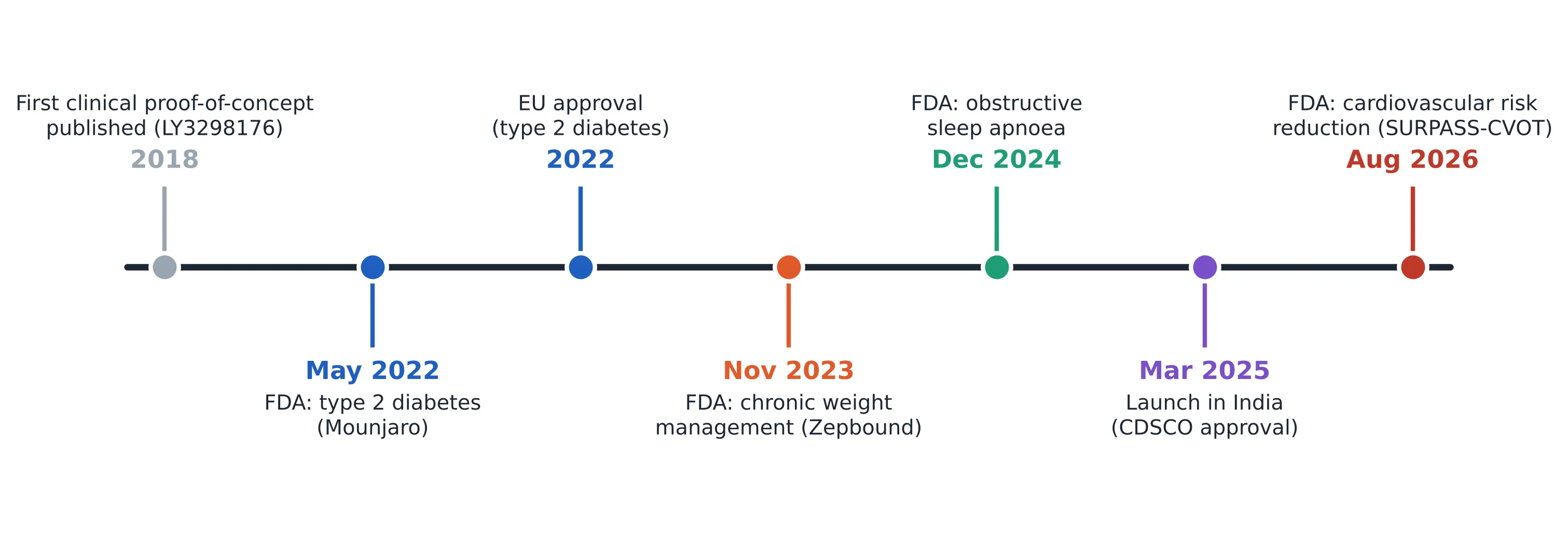
Figure 1: Key Development and Regulatory Milestones of Tirzepatide, 2018–20264–10.
This review summarises the pharmacology of tirzepatide, its formulations and dosing, its efficacy in T2DM and obesity, its cardiovascular, renal, liver and respiratory outcomes, its safety, and its place in current therapy. It closes with the main research gaps and future directions.
1.1 Literature search strategy
This is a narrative review. PubMed, Scopus and Web of Science were searched for articles published from January 2016 to November 2026, using the terms “tirzepatide”, “LY3298176”, “dual GIP/GLP-1 receptor agonist”, “SURPASS” and “SURMOUNT”. Randomised controlled trials (RCTs), pre-specified and post hoc analyses of RCTs, meta-analyses, large observational studies and regulatory documents were included. Conference abstracts without full data, non-English articles and case reports were excluded. The reference lists of key articles were searched by hand for additional studies.
2. Pharmacology
2.1 Molecular structure and development
Tirzepatide (LY3298176) is a synthetic linear peptide of 39 amino acids whose sequence is based on native GIP4. A C20 fatty diacid moiety, attached through a linker to the lysine at position 20, allows reversible binding to serum albumin. This protects the molecule from rapid breakdown and kidney clearance, and supports once-weekly dosing. The molecule was designed by Eli Lilly and Company, and its discovery and first clinical results were reported in 20184.
2.2 Mechanism of action
Tirzepatide is an agonist at both the glucose-dependent insulinotropic polypeptide receptor (GIPR) and the GLP-1 receptor (GLP-1R). Its action is described as “imbalanced”: its affinity for GIPR is similar to that of native GIP, whereas its affinity for GLP-1R is about five-fold lower than that of native GLP-14. At GLP-1R it shows biased signalling, favouring cyclic AMP production over β-arrestin recruitment. This leads to less receptor internalisation and may help sustain its insulin-releasing effect11.
The combined receptor activity produces several complementary effects (Figure 2):
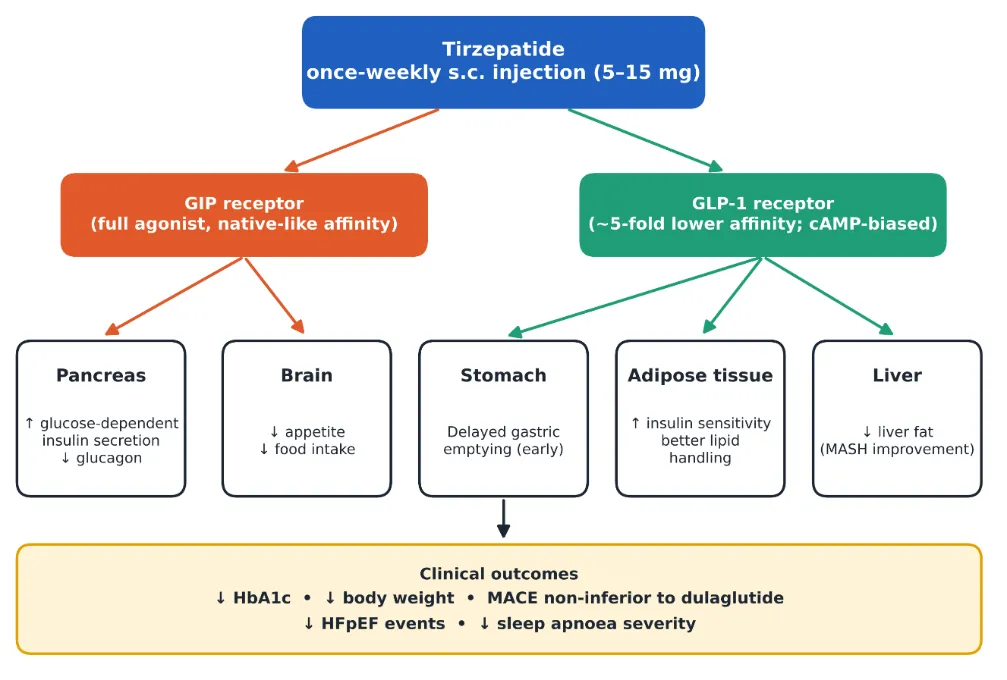
Figure 2: Dual Incretin Mechanism of Action of Tirzepatide3,4,11–16.
2.3 Pharmacokinetics
After subcutaneous injection, absolute bioavailability is about 80%, and peak plasma concentration is reached within 8–72 hours17. The elimination half-life is about 5 days, and steady state is reached after about 4 weeks of once-weekly dosing. Tirzepatide is broken down by proteolytic cleavage of the peptide backbone, β-oxidation of the fatty diacid and amide hydrolysis, and its metabolites are excreted in urine and faeces. Kidney or liver impairment, age, sex and race do not meaningfully change exposure, so no dose adjustment is needed on these grounds17.
2.4 Comparison with GLP-1 receptor agonists
Table 1 compares tirzepatide with two widely used once-weekly GLP-1 receptor agonists.
Table 1: Key Features of Tirzepatide Compared with Selected Once-Weekly GLP-1 Receptor Agonists17,18
| Sr. No. | Feature | Tirzepatide | Semaglutide (injectable) | Dulaglutide |
|---|---|---|---|---|
| 1 | Receptor target | GIP + GLP-1 | GLP-1 | GLP-1 |
| 2 | Dosing | Once weekly | Once weekly | Once weekly |
| 3 | Maintenance doses | 5–15 mg | 0.5–2 mg (T2DM); 2.4 mg (obesity) | 0.75–4.5 mg |
| 4 | Half-life | ~5 days | ~7 days | ~5 days |
| 5 | Approved for obesity | Yes | Yes | No |
| 6 | Cardiovascular outcome indication | Yes (2026) | Yes | Yes |
2.5 Formulations and administration
Tirzepatide is available only as a solution for subcutaneous injection; there is no oral form17,18. Three presentations are marketed, depending on the country:
All presentations come in six strengths: 2.5, 5, 7.5, 10, 12.5 and 15 mg. The injection is given once a week on the same day each week, at any time of day, with or without food. Recommended sites are the abdomen, the front of the thigh or the back of the upper arm, rotating the site each week. The dosing day can be changed if at least 72 hours have passed since the last dose. A missed dose should be taken within 4 days (96 hours); after that, it should be skipped and the usual schedule resumed. Pens and vials should be stored in a refrigerator at 2–8 °C and must not be frozen; they may be kept unrefrigerated at up to 30 °C for up to 21 days17.
2.6 Dosing regimen
Treatment starts at 2.5 mg once weekly for 4 weeks. This starting dose improves gastrointestinal tolerability and is not a maintenance dose. The dose is then increased in 2.5 mg steps at intervals of at least 4 weeks, as tolerated, up to a maximum of 15 mg once weekly17,18 (Table 2).
Table 2: Dose-Escalation Schedule for Tirzepatide17,18
| Sr. No. | Weeks | Weekly dose | Purpose |
|---|---|---|---|
| 1 | 1–4 | 2.5 mg | Initiation (tolerability) |
| 2 | 5–8 | 5 mg | First maintenance option |
| 3 | 9–12 | 7.5 mg | Escalation if more effect is needed |
| 4 | 13–16 | 10 mg | Maintenance option |
| 5 | 17–20 | 12.5 mg | Escalation if more effect is needed |
| 6 | 21 onwards | 15 mg | Maximum maintenance dose |
Recommended maintenance doses are 5, 10 or 15 mg for chronic weight management and 10 or 15 mg for obstructive sleep apnoea; in T2DM, any dose from 5 to 15 mg may be used17,18. When tirzepatide is added to insulin or a sulfonylurea, a lower dose of those drugs should be considered to reduce the risk of hypoglycaemia.
3. Clinical efficacy in type 2 diabetes
Across the SURPASS programme, tirzepatide lowered HbA1c by about 1.9–2.6 percentage points and body weight by about 5–13 kg, and was superior to every active comparator tested, including semaglutide 1 mg and basal insulin.
3.1 The SURPASS 1–5 trials
The global phase 3 SURPASS programme tested tirzepatide 5, 10 and 15 mg across the course of T2DM, from monotherapy in early disease to add-on therapy to basal insulin (Table 3).
Table 3: Main Results of the Global Surpass Trials (Change from Baseline at the Primary Endpoint)19–23
| Sr. No. | Trial | Population and comparator | n | Weeks | HbA1c change: Tirzepatide 5/10/15 mg vs comparator (%) | Weight change: Tirzepatide 5/10/15 mg vs comparator (kg) |
|---|---|---|---|---|---|---|
| 1 | SURPASS-1 | Diet and exercise only; vs placebo | 478 | 40 | −1.87 / −1.89 / −2.07 vs +0.04 | −7.0 / −7.8 / −9.5 vs −0.7 |
| 2 | SURPASS-2 | On metformin; vs semaglutide 1 mg | 1,879 | 40 | −2.01 / −2.24 / −2.30 vs −1.86 | −7.6 / −9.3 / −11.2 vs −5.7 |
| 3 | SURPASS-3 | On metformin ± SGLT2 inhibitor; vs insulin degludec | 1,444 | 52 | −1.93 / −2.20 / −2.37 vs −1.34 | −7.5 / −10.7 / −12.9 vs +2.3 |
| 4 | SURPASS-4 | High cardiovascular risk; vs insulin glargine | 2,002 | 52 | −2.24 / −2.43 / −2.58 vs −1.44 | −7.1 / −9.5 / −11.7 vs +1.9 |
| 5 | SURPASS-5 | On insulin glargine; vs placebo | 475 | 40 | −2.11 / −2.40 / −2.34 vs −0.86 | −5.4 / −7.5 / −8.8 vs +1.6 |
In SURPASS-2, the only head-to-head trial against a GLP-1 receptor agonist in this programme, all three tirzepatide doses were superior to semaglutide 1 mg for both HbA1c and body weight20. Across the trials, up to about 90% of participants on the highest dose reached HbA1c below 7%, and a substantial proportion reached normoglycaemia (HbA1c below 5.7%)19–23. Compared with insulin, tirzepatide produced weight loss rather than weight gain and caused less hypoglycaemia21,22 (Figure 3).
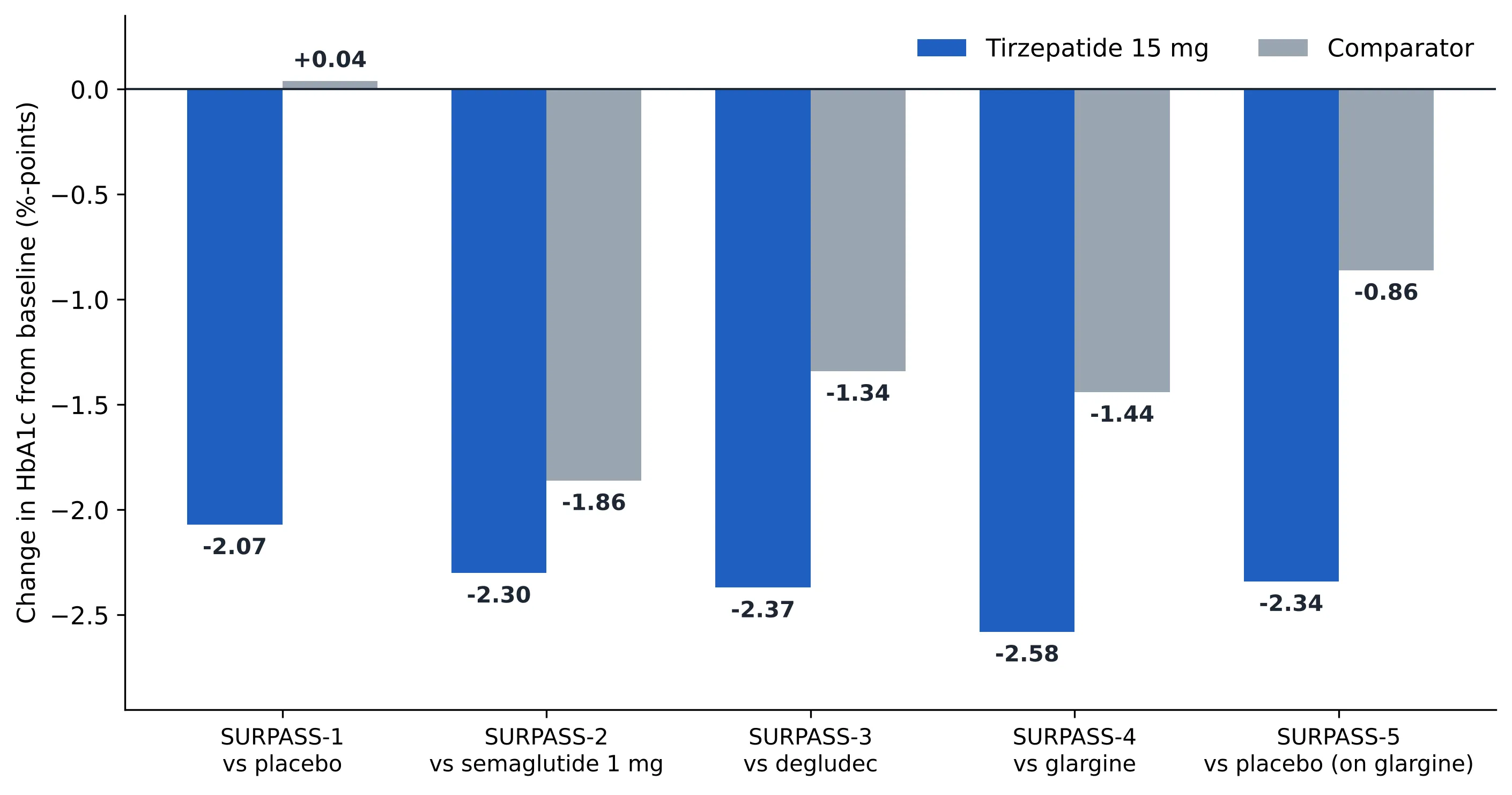
Figure 3: Change in HbA1C with Tirzepatide 15 mg Versus Comparators in the Surpass-1 to -5 Trials19–23.
3.2 Evidence in Asian populations
Trials in Asian populations confirmed the global results. In SURPASS J-mono, conducted in Japan, tirzepatide monotherapy lowered HbA1c by 2.37–2.82 percentage points over 52 weeks, compared with 1.29 with dulaglutide 0.75 mg24. SURPASS-AP-Combo enrolled patients from China, South Korea, Australia and India who were taking metformin with or without a sulfonylurea. Over 40 weeks, tirzepatide lowered HbA1c by 2.24–2.49 percentage points, compared with 0.95 with insulin glargine, and reduced body weight by 5.0–7.2 kg, whereas body weight rose by 1.5 kg with insulin glargine25. These data matter because South Asian and East Asian patients tend to develop T2DM at a lower body mass index (BMI) and a younger age.
3.3 Use in children and adolescents
Tirzepatide is approved in the United States for glycaemic control in children and adolescents aged 10 years and older with T2DM17. The approval was based on the phase 3 SURPASS-PEDS trial in participants aged 10–17 years26. Paediatric data are still limited compared with adult data, and long-term effects on growth, puberty and lifetime cardiovascular risk need further study.
4. Clinical efficacy in obesity
In people with obesity, tirzepatide produced mean weight loss of up to about 21% over 72 weeks, the largest effect seen with an approved anti-obesity medication at the time, and it outperformed semaglutide 2.4 mg head to head.
4.1 The SURMOUNT trials
Table 4 summarises the main trials of the SURMOUNT programme.
Table 4: Main Results of the Surmount Programme (Mean Percentage Change in Body Weight)12,27–30
| Sr. No. | Trial | Population and design | n | Weeks | Tirzepatide | Comparator |
|---|---|---|---|---|---|---|
| 1 | SURMOUNT-1 | Obesity or overweight with comorbidity, no diabetes; vs placebo | 2,539 | 72 | −15.0 / −19.5 / −20.9 (5/10/15 mg) | −3.1 (placebo) |
| 2 | SURMOUNT-2 | Obesity or overweight with T2DM; vs placebo | 938 | 72 | −12.8 / −14.7 (10/15 mg) | −3.2 (placebo) |
| 3 | SURMOUNT-3 | After ≥5% loss with intensive lifestyle therapy; vs placebo | 579 | 72 | −18.4 (further loss, maximum tolerated dose) | +2.5 (placebo) |
| 4 | SURMOUNT-4 | After 36 weeks of open-label tirzepatide; continue vs switch to placebo | 670 | 52 | −5.5 (further loss) | +14.0 (regain on placebo) |
| 5 | SURMOUNT-5 | Obesity without diabetes; vs semaglutide 2.4 mg | 751 | 72 | −20.2 (maximum tolerated dose) | −13.7 (semaglutide) |
In SURMOUNT-1, 85–91% of participants on tirzepatide lost at least 5% of body weight, compared with 35% on placebo, and half or more of those on 10 or 15 mg lost at least 20%12. Weight loss came with a smaller waist circumference, lower blood pressure, better lipid and fasting insulin levels, and improved physical function. In the 3-year extension of SURMOUNT-1 in participants with prediabetes, 1.3% of those on tirzepatide developed T2DM, compared with 13.3% on placebo (hazard ratio 0.07)31. People with T2DM lost less weight than those without diabetes (SURMOUNT-2), a pattern also seen with GLP-1 receptor agonists27. SURMOUNT-3 showed that tirzepatide adds substantial further weight loss after a successful intensive lifestyle programme28 (Figure 4).
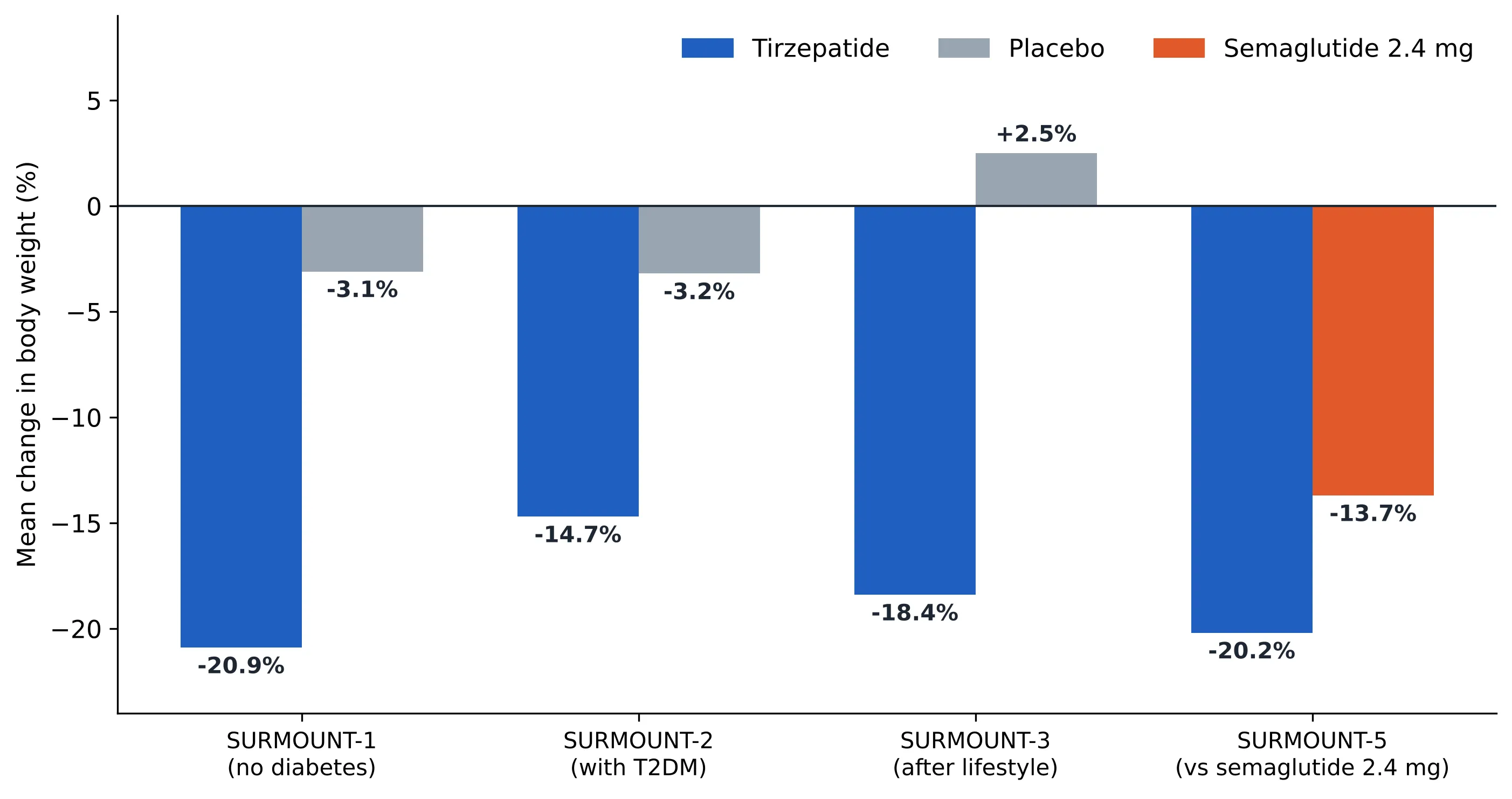
Figure 4: Mean Percentage Change in Body Weight with Tirzepatide Versus Placebo or Semaglutide 2.4 mg in the Surmount Trials. Surmount-3 Values Show the Change After the Lifestyle Lead-In Period12,27,28,30.
4.2 Head-to-head comparison with semaglutide
SURMOUNT-5 was the first randomised head-to-head trial of two incretin-based anti-obesity medicines. Over 72 weeks, tirzepatide at the maximum tolerated dose (10 or 15 mg) reduced body weight by 20.2%, compared with 13.7% with semaglutide at the maximum tolerated dose (1.7 or 2.4 mg)30. Waist circumference fell by 18.4 cm, compared with 13.0 cm. Gastrointestinal adverse events were the most common with both drugs and were mostly mild to moderate.
4.3 Maintaining weight loss and regain after stopping
Obesity is a chronic, relapsing disease. In SURMOUNT-4, participants who had lost about 21% of body weight over 36 weeks of open-label tirzepatide were randomised to continue tirzepatide or switch to placebo29. Those who continued lost a further 5.5%, whereas those switched to placebo regained 14.0% over the following year, and much of the improvement in cardiometabolic risk factors was reversed. These findings support long-term treatment rather than a fixed course.
4.4 Body composition
In the dual-energy X-ray absorptiometry (DXA) substudy of SURMOUNT-1, about three-quarters of the weight lost was fat mass and about one-quarter was lean mass12. This ratio is similar to that seen with diet-induced weight loss and bariatric surgery. Even so, loss of muscle mass is a concern in older adults and people with sarcopenia (see Section 6.3).
4.5 Real-world evidence
Observational data support the trial findings. In a large US cohort of more than 18,000 adults with overweight or obesity, those who started tirzepatide were significantly more likely than those who started semaglutide to reach 5%, 10% and 15% weight loss, and their weight change at 12 months was 6.9 percentage points greater32. Real-world weight loss is generally smaller than in trials, because of lower doses, supply shortages, cost and treatment discontinuation.
5. Cardiovascular and other outcomes
SURPASS-CVOT showed that tirzepatide was non-inferior to dulaglutide, a GLP-1 receptor agonist with proven cardiovascular benefit, with an 8% lower point estimate for MACE. Tirzepatide has also shown benefit in heart failure with preserved ejection fraction, obstructive sleep apnoea and metabolic dysfunction-associated steatohepatitis.
5.1 SURPASS-CVOT
Before a dedicated outcomes trial was available, a pre-specified meta-analysis of the SURPASS trials found no increase in cardiovascular risk with tirzepatide (four-component MACE: hazard ratio 0.80; 95% CI 0.57–1.11)33. SURPASS-CVOT then compared tirzepatide with dulaglutide in 13,299 adults with type 2 diabetes and established atherosclerotic cardiovascular disease (ASCVD) at 640 sites in 30 countries9,13. It was the first cardiovascular outcomes trial to compare two incretin-based drugs directly, without a placebo arm.
Over a median follow-up of about 4 years, the primary outcome (cardiovascular death, myocardial infarction or stroke) occurred in 12.2% of the tirzepatide group and 13.1% of the dulaglutide group (HR 0.92; 95.3% CI 0.83–1.01). This met the non-inferiority criterion (P = 0.003) but not the superiority criterion13. On the basis of this trial, the FDA approved tirzepatide in August 2026 to reduce the risk of MACE in adults with type 2 diabetes and established cardiovascular disease9. Because dulaglutide had already been shown to reduce MACE compared with placebo, an indirect comparison suggests that tirzepatide provides a clinically meaningful cardiovascular benefit over no incretin therapy, although this has not been tested directly.
5.2 Heart failure with preserved ejection fraction
The SUMMIT trial enrolled 731 adults with heart failure, a left ventricular ejection fraction of 50% or more and a BMI of 30 kg/m² or more14. Over a median follow-up of about 2 years, the composite of cardiovascular death or a worsening heart-failure event occurred in 9.9% of the tirzepatide group and 15.3% of the placebo group (HR 0.62; 95% CI 0.41–0.95). The benefit came mainly from fewer worsening heart-failure events (hospitalisation, urgent visits or intensified oral diuretic therapy). Tirzepatide also improved symptoms and physical limitations, measured with the Kansas City Cardiomyopathy Questionnaire (KCCQ).
5.3 Obstructive sleep apnoea
The two SURMOUNT-OSA trials enrolled 469 adults with obesity and moderate-to-severe obstructive sleep apnoea, one in people not using positive airway pressure (PAP) therapy and one in people using it15. Over 52 weeks, tirzepatide reduced the apnoea–hypopnoea index (AHI) by about 25–29 events per hour, compared with about 5 events per hour with placebo. Many more participants on tirzepatide reached disease resolution or mild, non-symptomatic sleep apnoea. On the basis of these results, the FDA approved tirzepatide in December 2024 for moderate-to-severe obstructive sleep apnoea in adults with obesity8.
5.4 Metabolic dysfunction-associated steatohepatitis (MASH)
The phase 2 SYNERGY-NASH trial enrolled 190 adults with biopsy-confirmed MASH and moderate-to-severe (F2–F3) fibrosis16. At 52 weeks, MASH resolved without worsening of fibrosis in 44%, 56% and 62% of participants on the 5, 10 and 15 mg doses respectively, compared with 10% on placebo. Fibrosis improved by at least one stage without worsening of MASH in 51–55% of tirzepatide-treated participants, compared with 30% on placebo. These results are promising, but phase 3 trials with clinical liver outcomes are needed to confirm them.
5.5 Kidney outcomes
In a post hoc analysis of SURPASS-4 in people with type 2 diabetes and high cardiovascular risk, tirzepatide slowed the decline in estimated glomerular filtration rate (eGFR) and reduced albuminuria compared with insulin glargine34. The risk of a composite kidney outcome was about 40% lower with tirzepatide (HR 0.58). These findings are encouraging, but dedicated kidney outcome trials in people with chronic kidney disease are needed before tirzepatide can be considered kidney-protective.
6. Safety and tolerability
The safety profile of tirzepatide is broadly similar to that of GLP-1 receptor agonists. Gastrointestinal effects are the most common adverse events; they are mostly mild to moderate and occur mainly during dose escalation.
6.1 Gastrointestinal adverse events
Nausea, diarrhoea, constipation and vomiting were the most frequent gastrointestinal adverse events in SURMOUNT-1, and all were more common than with placebo (Table 5).
Table 5: Common Gastrointestinal Adverse Events in Surmount-1 (% of Participants over 72 Weeks)12
| Sr. No. | Adverse event | Tirzepatide 5 mg | Tirzepatide 10 mg | Tirzepatide 15 mg | Placebo |
|---|---|---|---|---|---|
| 1 | Nausea | 24.6 | 33.3 | 31.0 | 9.5 |
| 2 | Diarrhoea | 18.7 | 21.2 | 23.0 | 7.3 |
| 3 | Constipation | 16.8 | 17.1 | 11.7 | 5.8 |
| 4 | Vomiting | 8.3 | 10.7 | 12.2 | 1.7 |
6.2 Pancreatitis, gallbladder disease and thyroid C-cell tumour warning
• Pancreatitis: acute pancreatitis has been reported rarely. If it is suspected, tirzepatide should be stopped, and it should not be restarted if pancreatitis is confirmed17.
• Gallbladder disease: cholelithiasis and cholecystitis occurred more often than with placebo, partly because of rapid weight loss17,18.
• Thyroid C-cell tumours: tirzepatide caused thyroid C-cell tumours in rodents. Their relevance to humans is unknown, but the prescribing information carries a boxed warning. Tirzepatide is contraindicated in people with a personal or family history of medullary thyroid carcinoma (MTC) or with multiple endocrine neoplasia syndrome type 2 (MEN2)17.
• Diabetic retinopathy: rapid improvement in blood glucose can temporarily worsen existing diabetic retinopathy, so patients with retinopathy should be monitored17.
• Pulmonary aspiration: delayed gastric emptying may increase the risk of aspiration during general anaesthesia or deep sedation, so patients should tell the medical team that they take tirzepatide before any procedure17.
6.3 Loss of muscle mass
In the DXA substudy of SURMOUNT-1, about one-quarter of the weight lost was lean mass12. This matters most for older adults, people with sarcopenia and people losing weight rapidly. Adequate protein intake and resistance training are recommended, and drugs that preserve muscle mass alongside incretin therapy are under study.
6.4 Contraindications and special populations
• Contraindications: a personal or family history of MTC, MEN2, or a serious hypersensitivity reaction to tirzepatide17.
• Pregnancy: not recommended. Weight loss offers no benefit during pregnancy and may harm the fetus, so tirzepatide should be stopped when pregnancy is recognised or planned18.
• Breastfeeding: there are no data on whether tirzepatide passes into human milk17.
• Severe gastrointestinal disease: tirzepatide has not been studied in severe gastrointestinal disease, including severe gastroparesis, and is not recommended in these patients17.
• Kidney and liver impairment: no dose adjustment is needed, but patients with kidney impairment who have severe gastrointestinal reactions should have their kidney function monitored, because dehydration can cause acute kidney injury17.
6.5 Drug interactions
Tirzepatide has no clinically relevant effect on cytochrome P450 enzymes; its interactions arise from delayed gastric emptying and from its glucose-lowering effect17:
• Oral hormonal contraceptives: absorption may be reduced. Women should switch to a non-oral method, or add a barrier method, for 4 weeks after starting tirzepatide and for 4 weeks after each dose increase.
• Insulin and sulfonylureas: the risk of hypoglycaemia is higher, so a lower dose of these drugs may be needed.
• Oral drugs with a narrow therapeutic index (for example, warfarin or levothyroxine): absorption may change, so drug levels or effects should be monitored.
• Other GLP-1 receptor agonists: use together with tirzepatide is not recommended.
7. Access, cost and affordability
Efficacy is no longer the main barrier to wider use of tirzepatide, especially in low- and middle-income countries; the main barriers are now cost, supply and insurance coverage.
7.1 Supply shortages and unregulated products
After approval, demand for tirzepatide exceeded supply. Tirzepatide injection was on the US Food and Drug Administration (FDA) drug shortage list from December 2022 until the FDA declared the shortage resolved in December 202435. During the shortage, compounded and counterfeit products of uncertain purity and dose became widely used, and regulators warned against them35. Making sure that patients receive genuine, quality-assured products remains a public health priority.
7.2 Cost and insurance coverage
Tirzepatide is expensive, and because obesity treatment is usually long-term, the total cost of therapy is substantial. Many health systems and insurers restrict coverage of weight-management drugs, which leaves patients to pay out of pocket. India illustrates the problem in an emerging economy. Tirzepatide was launched there in March 2025 as Mounjaro10, and a second brand, Yurpeak, is distributed by Cipla. As of August 2026, the monthly cost ranged from about ₹13,000 to ₹26,000, and most insurance policies did not cover GLP-1-based drugs for weight management36.
7.3 Competition from generic incretin drugs
Semaglutide patents expire in 2026 in many countries, including India, allowing generic versions to enter the market at much lower prices than branded incretins37. Tirzepatide's patents run for longer, so generic semaglutide is likely to be the cheaper option in many settings. Cost-effectiveness studies comparing tirzepatide with generic GLP-1 receptor agonists would help clinicians and payers make decisions.
7.4 Appropriate use of incretin drugs
The popularity of incretin drugs has led to their use for cosmetic weight loss in people who do not meet the criteria for treatment. This exposes them to side effects without clear benefit and adds to shortages for patients who need the drug. Incretin drugs should be prescribed only within their approved indications and under medical supervision, together with dietary advice and regular follow-up.
8. Role in therapy, research gaps and future directions
8.1 Role in therapy
Current diabetes guidelines, including the ADA Standards of Care, list GLP-1 receptor agonists and dual GIP/GLP-1 receptor agonists among the most effective agents when substantial glucose lowering and weight loss are needed38. Tirzepatide is suitable for:
• adults with type 2 diabetes who need large reductions in HbA1c and body weight;
• adults with type 2 diabetes and established atherosclerotic cardiovascular disease, a use now supported by SURPASS-CVOT13;
• adults with obesity, or with overweight and at least one weight-related condition, as an adjunct to a reduced-calorie diet and physical activity18;
• adults with obesity and moderate-to-severe obstructive sleep apnoea8,15, and adults with obesity and heart failure with preserved ejection fraction, based on the SUMMIT trial14.
The choice between tirzepatide and a GLP-1 receptor agonist depends on the degree of glucose and weight reduction needed, tolerability, cardiovascular evidence, availability and cost.
8.2 Research gaps
• Long-term outcomes: most trials lasted 1–4 years; effects over ten years or more on mortality, cancer risk and bone health are unknown.
• Under-represented groups: people of African and South Asian descent, older adults and adolescents are under-represented in the trials.
• Cost-effectiveness: few economic evaluations have been done in low- and middle-income countries or against generic GLP-1 receptor agonists.
• Cardiovascular outcomes without diabetes: dedicated cardiovascular outcome data are needed in people with obesity who do not have diabetes.
• Kidney and liver outcomes: current evidence comes from secondary analyses and phase 2 trials; phase 3 trials with hard clinical outcomes are needed.
• Stopping and tapering: SURMOUNT-4 showed substantial weight regain after withdrawal29, but strategies for tapering, or for maintenance at lower doses, have not been well studied.
• Muscle mass and function: the clinical significance of lean-mass loss, especially for strength and physical function, needs study.
8.3 Future directions
Tirzepatide has opened the way for multi-receptor agonists. Retatrutide, a triple agonist of the GIP, GLP-1 and glucagon receptors, produced a mean weight loss of about 24% at 48 weeks in a phase 2 trial39. Oral small-molecule GLP-1 receptor agonists such as orforglipron could broaden access by avoiding injections and cold-chain storage40. Combinations with amylin analogues, higher doses of tirzepatide, and add-on agents that preserve muscle mass are also under investigation.
8.4 Limitations of this review
This is a narrative review, so study selection may be subject to bias, and no formal quality assessment or meta-analysis was performed. Most of the trials discussed were funded by the manufacturer. Some recent data were available only from regulatory documents or press releases and may change on full peer-reviewed publication.
CONCLUSION
Tirzepatide is a once-weekly dual GIP and GLP-1 receptor agonist for type 2 diabetes and obesity. Across the SURPASS and SURMOUNT programmes, it reduced HbA1c and body weight more than every comparator tested, including semaglutide. SURPASS-CVOT has shown cardiovascular safety and efficacy against an active comparator with proven benefit, and further trials support benefit in heart failure with preserved ejection fraction, obstructive sleep apnoea and MASH. The adverse-effect profile is predictable and dominated by dose-related gastrointestinal effects, which can mostly be managed with gradual dose escalation. With efficacy now well established, the open questions concern long-term safety, loss of muscle mass, weight regain after stopping treatment, and high cost and limited access.
Acknowledgement
None.
Conflict of interest
The author declares no conflict of interest.
REFERENCES

Meet Agrawal, Tirzepatide and the Dual Incretin Paradigm: A Comprehensive Review of Mechanism, Efficacy, Cardiovascular Outcomes, and Safety, Int. J. of Pharm. Sci., 2026, Vol 4, Issue 11, 4451-4464. https://doi.org/10.5281/zenodo.24525401
 10.5281/zenodo.24525401