

We use cookies to ensure our website works properly and to personalise your experience. Cookies policy
Rungta Institute of pharmaceutical sciences, Bhilai.
Wound healing remains a critical aspect of medical care, often complicated by microbial infections and delayed tissue regeneration. Terminalia chebula (Haritaki), a cornerstone of traditional Ayurvedic medicine, possesses potent antioxidants, antimicrobial, and anti-inflammatory properties due to its high concentration of tannins and chebulinic acid.we used aloe- vera for soothing effects or for hydrate the wound. This study aims to harness these therapeutic benefits by developing a stable and effective topical ointment.
The Terminalia chebula, commonly known by its principle Sanskrit name Haritaki or the trade name chebulic myrobalan, is arguably the revered and frequently utilized medicinal plant in the Asian pharmacological sphere. It is a large to medium sized deciduous tree belonging to the family combretaceae, but its entire medicinal value is concentrated in its dried fruit.
Terminalia chebula is very important or usesful medicinal plant in the Indian Ayurveda, this tree is spotted in the forests of the northern Indian, for example our uttar Pradesh and Bengal, and most common in the southern or Karnataka or in the tamil Nadu |1|.
In the Indian Ayurveda this plant is most impotant plant because of their properties, like it has antimicrobial properties or anti-inflammatory properties, anti-oxidant properties etc.
The Terminalia chebula consists of 250 species and this species have different- different properties or different- different in the sized, all this 250 species are used to treat the disease, like wound healing , asthma etc.
2. Plant profile
Synonyms: Haritaki, Harad, Harre, Hakeka etc.
Biological sources : dried fruit ,Root, bark of plant
Geographical source: Dhaka ,Bangladesh
Family : combretaceae | 2 |
2.2 Aloe-vera : the aloe vera
Synonyms : Curacao aloe
Biological sources : dried juice of the leaves Aloe barbadensis
Geographical source: In India mostelly cultivated in the states like Gujarat Rajasthan ,maharashtra and Andhra pradesh
Family : Liliaceae
2.3 Rosemary :
Synonyms : Rosemarinus officinalis, rosemary
Biological sources : dried leaves and flowering tops of the plant Rosemarinus officinalis linn
Geographical source: native to the Mediterranean region
Family : lamiaceae
3. Microscopic appearance
2.1 Terminalia chebula :
The terminalia chebula tree height is 50 to 80 feet and it has round crown and spreading branches and their bark is dark brown in colour with crack and their leaves are ovate and elliptical and the colour of the flower is monoecious , dull white to yellow in form and they are strongelly unpleasant odour, and the flowers bloom start in may –june , fruit are developed in july –december ,the size of the fruit is 1-2 inches in size ,the fruit are green in colour in stating time and in collecting time the fruit are turned yellowish in colour , the fruit were collected from January to april and fruit formation started from November to January ,|3|
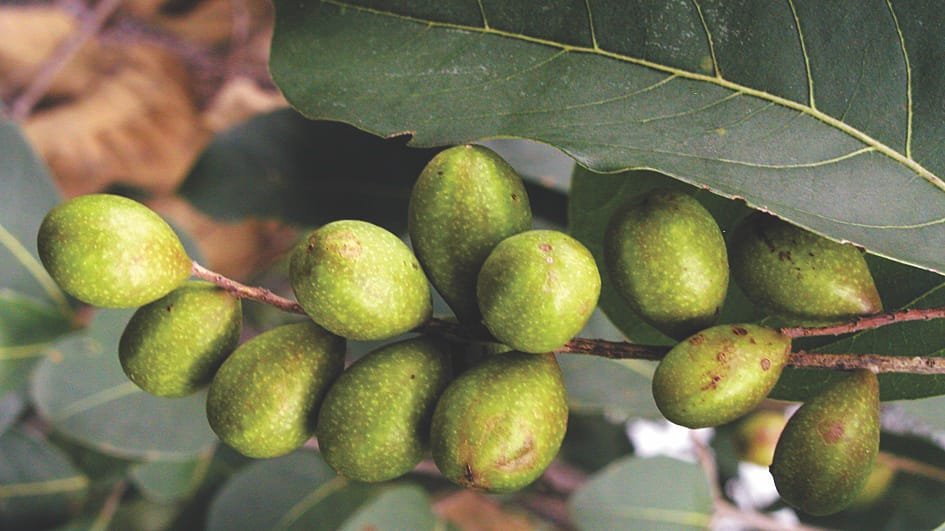
fig : 1 Terminalia chebula
In recent time, so many researchers describe that , the aloe- vera have wound healing properties, the aloe-vera plant contain tannic acid or polysaccharide to treat the wound | 4 |. The aloe vera plant are most important or useful plant in worldwide, they have so many properties to treat the various problem related to the human body like it has anti-microbial, anti-oxidant, anti-inflammatory properties tto treat the many problem related to human body.
The aloe vera basically used for the skin hydration or soothing effect in the body ,its outer most boundary the leaf is protected by the cuticle ( thick ) or single layer of epidermal cells, it is succulent plant or xerophytes in nature to survive in the arid climates with less amount of water, and the maximum height of aloe vera is arount 60 to 100 cm .
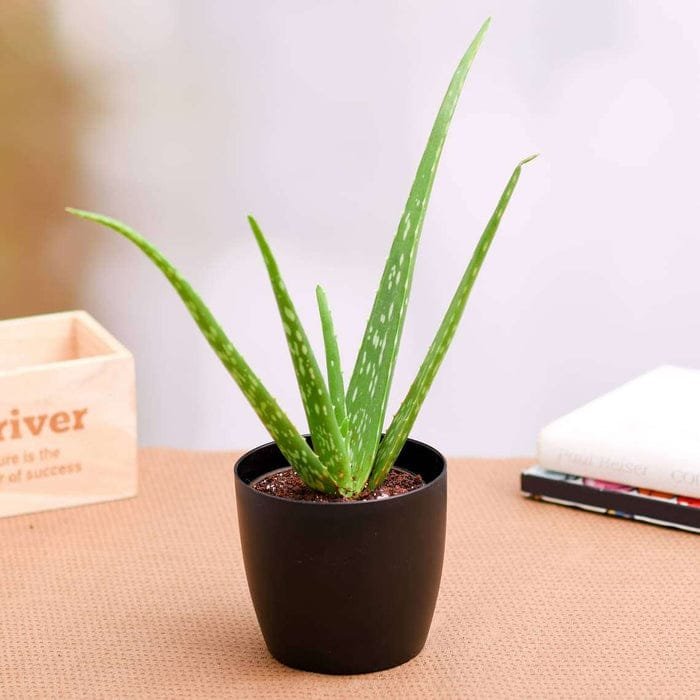
Fig. 2 Aloe- Vera
The rosemary plant is woody, perennial herb and its height ia around 1.5 to 2 meter and it has aromatic properties and its colour is salvia rosmarinus, it is used as hair and skin care, heath and wellness (cognitive boost, digestion, antioxidant ) etc.
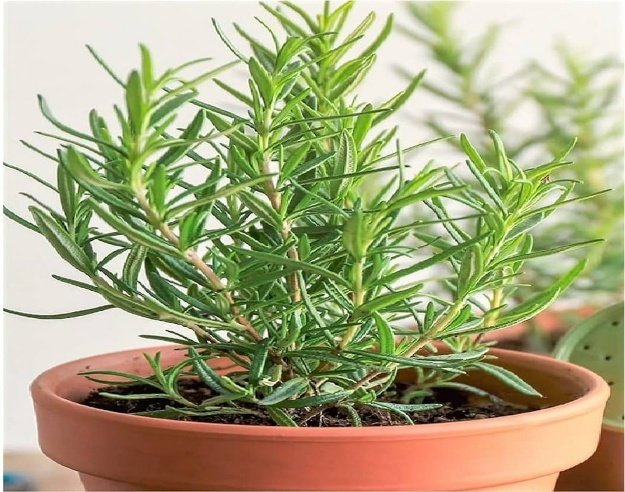
Fig. 3 Rosemary
4. Uses of plant :
T. chebula plant is the “the king of medicines” because it has so many properties or power for healing like antibacterial or antifungal anti-viral, antimutagenic adaptogenic and antianaphylacatic hypolipidemic /hypocholesterolemia, gastrointestinal or it is used as anti-ulcerogenic hepatoprotective, cardioprotective, antispasmodic, wound healing, purgative, immunomodulatory and or chemopreventive properties | 5 |. It has laxative or diuretic cardiotonic or hypoglycemic properties to treat the disease | 6 |. All these properties are used in different –different disease to cure the disease.
The T. chebula, One of the most common properties used for treatment of wound healing, these properties help to cure the wounds rapidly.
The Aloe–vera derived from the “Allaeh” it means shinning bitter substances and Vera derived from latin word ,its means True, the mucilaginous gel (colourless) extracts has been used in the cosmetic product or other pharmacological for example , it is used in digestive diseases protection,skin protection, it have anti –inflammatory properties so it is used in the inflammation to reduce the inflammation ,antidiabetic effect (it reduce the blood glucose level ) aloe vera contain polysaccharides antidiabetic propertiesits inhibits the apoptosis and endoplasmic reticulum stree signaling, or antioxidant , bone protection ,antimicrobial prebiotic activity etc. |7| the aloe vera also contain so many other nutrients like amino acids vitamins B etc |8|
5. Wounds:
In the human body the the wounds are simply defined as the disruption of skin or the body subcutaneous tissues or even internal organ these wounds are caused by the physical or chemical or thermal trauma.
Types of the wounds
Classification of the wounds
The acute wounds are predictable, this types of wounds are healed timely for example surgical incisions or simple abrasions
The chronic wound takes more than 3 months to heal for eample diabetic ulcers.
6. Pharmacological action on wounds :
Haritaki:
Haritaki belongs to” the king of the medicine” in the Ayurveda it has antimicrobial properties or astringent properties to treat the any wound, astringent means (tissue-tightening) properties.
Haritaki herb contain heigh amount of tannins ( Chebulic acid , Gallic acid ) theses tannins bind with proteins at wound site and forms Plug or a protective layer that help to reduces the bleeding and help to constricts the wound edges which help in the fast recover of wounds, Haritaki also help in the formation of the new blood vessels at the injuries site or ensuring the healing tissues get the proper amount of oxygen and nutrients for fast recovery of the wounds or haritaki also contain antioxidant properties to prevents the tissues damage Haritaki have broad spectrum antimicrobial properties it is highly effective against to the
wound pathogens like staphylococcus or E.coli this prevents the infection from stalling the naturaling phases.
Aloe - vera
aloe-vera have ability to moist the wound and stimulate the rapid production of new skin cells they have the properties of cell proliferation (glucomannan) because it contains mannose –rich polysaccharide knows as glucomannan. These glucomannan interact with the growth factors receptor on fibroblasts and stimulating them to multiply and produce more collagen. Collagens improve the quality by increasing the collagen cross linking, which makes the new skin stronger.
Aloe –Vera has anti-inflammatory properties ( C-glucosyl chromone ) this chemical help to inhibits the cyclooxygenase pathway and reduces the production of prostaglandin E2 or reduces the swelling or redness which are caused by wounds. The aloe vera form the thin protective layer, this film helps to prevent the wound from dryness, or it is very important for the wound because skin cells migrate faster in the moist environment.
Aloe –Vera is used in the different types like, their juice, concentrate, powder forms and we can also use in the pharmaceuticals, foods, and in the cosmetics, aloe vera are also used in wound healing like electrospun fibers, hydrogels, membranes sponges, particles and fabrics |9|
How they work together:
when the ointment is applied in the skin surface (wound area) the aloe vera help to moist or hydrate the wound or reduce the irritation which are caused by the wound and other one is haritaki help to kill the growth of the bacteria or pulls the edges of the skin together.
Stages of the wound heaing
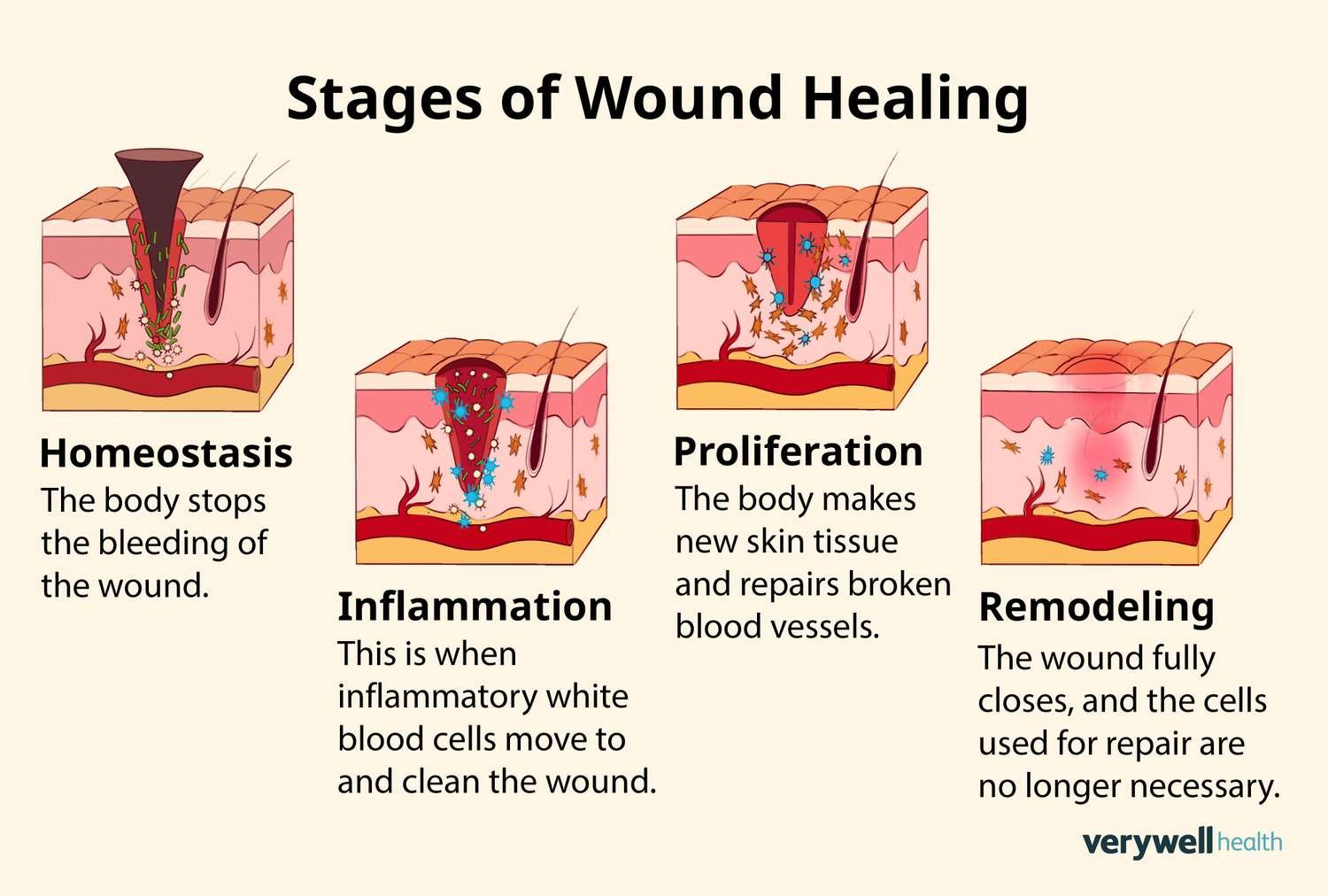
Fig 4 stages of wound heaing
In the body the basic step of wound healing is occur due to the hemostasis phases get overlapped the healing process, in this process the body restored hormones or chemical or function its follow the biological sequences to heal the wounds |10|
Factors affecting
Age: the age is the most common factor , according to the age or body response, for example cellular turnover decreases, the inflammatory response slows down, and or skin becomes thinner this factor affects the healing process in the human body.
Nutrition: for the body the nutrients are very important, the nutrients help in the Tissue repair require or increases the energy and building blocks. A deficiency in proteins, calories, vitamins (especially Vitamin C and A), or trace minerals (like zinc and copper) will severely stall collagen production and healing.
Stress: In the human body stress suppresses the immune system and delays the healing cascade
Infection: This is the most common reasons a wound won't heal. Because the Bacteria in the wound prolong the inflammatory phase. The body expends all its energy fighting the microbes rather than building new tissue, which can eventually lead to tissue degradation.
Moisture Balance: Healing cells need moisture to migrate across the wound bed. If the wounds are dry they forms cluster so this is important the wound are moist, for moisture we used aloe vera to maintain the moisture in the wound area.
Challenges in the treatment of wounds
in the human all the humans are not same for example two human, two different body and their ability or their power is also different
so the, the first challenge is that not all patients have same healing power to heal the wound different different person have different abilities power to heal the wound , not all the wounds are heal in the same rate , different types of wounds have different rate of healing or different stages |11|.the treatment for the chronic wound is more complex infact the routine microbiological tests do not yet discriminate between the wound colorization and wound infection| 12|.
CONCLUSION
The formulation and evaluation of a natural healing ointment from Terminalia chebula (Myrobalan) demonstrate a successful integration of traditional ethnobotanical knowledge with modern pharmaceutical technology. this ointment caries haritaki it has antimicrobial properties, Haritaki herb contain heigh amount of tannins ( Chebulic acid , Gallic acid ) .and aloe vera are used to maintain the moisture.so when the ointment is applied in the skin surface (wound area) the aloe vera help to moist or hydrate the wound or reduce the irritation which are caused by the wound and other one is haritaki help to kill the growth of the bacteria or pulls the edges of the skin together.
REFERENCES

Aayushi Prasad, Fiza Nazreen, Nutan Sahu, Dr. Gyanesh Kumar Sahu, Suchita Wamankar, To Formulate and Evaluate a Natural Healing Ointment from Terminalia Chebula Herb for Wound Healing, Int. J. of Pharm. Sci., 2026, Vol 4, Issue 3, 3873-3878, https://doi.org/10.5281/zenodo.19333651
 10.5281/zenodo.19333651