

We use cookies to ensure our website works properly and to personalise your experience. Cookies policy
P. R. Patil Institute of Pharmacy, Talegaon, Ashti, Wardha, 442202, Maharashtra, India.
Herbal baby soap is a specialized cleansing formulation designed to meet the unique physiological requirements of infant skin. Neonatal skin is thinner, exhibits higher transepidermal water loss, and has an immature acid mantle, making it more susceptible to dryness and irritation. Conventional alkaline soaps may disrupt the skin barrier; therefore, herbal baby soaps are developed using natural oils and herbal extracts to provide mild cleansing and additional therapeutic benefits. Commonly incorporated ingredients include Aloe vera, Neem, Calendula, Chamomile, lavender, oatmeal, coconut oil, and olive oil, which offer moisturizing, anti-inflammatory, and antimicrobial properties. Preparation methods such as cold process, hot process, and melt-and-pour techniques are employed depending on formulation requirements. Evaluation parameters include organoleptic characteristics, pH determination, foam height, alcohol insoluble matter, total fatty matter, and moisture content to ensure quality and safety. Overall, herbal baby soap represents a gentle, skin-friendly, and environmentally conscious alternative to synthetic soaps for infant skincare.
Baby skin is structurally and functionally didifferent from adult skin. The stratum corneum of newborns is thinner, contains lower levels of natural moisturizing factors, and exhibits higher transepidermal water loss (TEWL). Additionally, the skin surface pH at birth is relatively neutral and gradually becomes acidic, forming the protective acid mantle. Because of these physiological differences, baby skin is more permeable, delicate, and susceptible to dryness, irritation, and microbial infections. Therefore, cleansing products intended for infants must be mild, non-irritating, and capable of preserving the integrity of the skin barrier.
Conventional soaps are generally alkaline and may disrupt the natural lipid barrier of the skin. Frequent use of harsh soaps containing synthetic surfactants, artificial fragrances, and preservatives can lead to dryness and irritation, especially in sensitive infant skin.
Herbal baby soap is formulated using natural oils and herbal extracts that provide gentle cleansing along with additional therapeutic benefits. Commonly used ingredients include Aloe vera, Neem, Chamomile, Calendula, Coconut oil, and Olive oil . The combination of these botanicals helps produce a soap that cleanses effectively without stripping essential skin lipids.
From a pharmaceutical and cosmetic perspective, the formulation of herbal baby soap requires careful selection of ingredients, maintenance of skin-friendly pH, and evaluation of parameters such as foam stability, total fatty matter, hardness, moisture content, and dermatological safety.
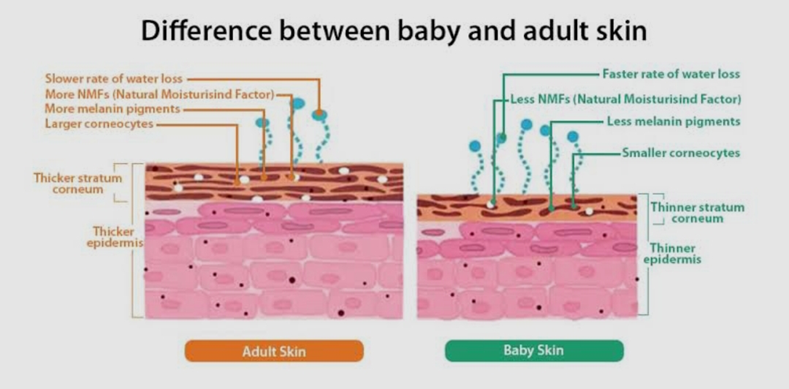
Fig. 1 Difference between baby and adult skin
Herbal soap has advantage over synthetic soap
Natural elements found in herbal soap, such as plant extract, essential oils, provide a number of benefits over synthetic soaps. Gives nourishment and protection with minimal side effects.
Mild on the Skin: Herbal soaps are generally gentler and softer on the skin compared to synthetic soaps, making them suitable for sensitive skin types.
Natural Ingredients: They commonly contain natural, skin-nourishing and moisturizing ingredients such as shea butter, coconut oil, olive oil, and aloe vera.
Free from Harsh Chemicals: Herbal soaps usually do not contain harsh chemicals, artificial fragrances, or synthetic colors, which helps reduce the risk of skin irritation and allergic reactions.
Environmentally Friendly: Since they are made from natural ingredients, herbal soaps are typically biodegradable and more eco-friendly than synthetic soaps.
Aromatherapy Benefits: The inclusion of essential oils in herbal soaps provides aromatherapy benefits such as relaxation, stress relief, and mood enhancement.
Natural Antibacterial Properties: Some herbal ingredients, like neem and tea tree oil, possess antibacterial properties that help cleanse the skin and protect it from infections.
Method of preparation of herbal soap
1) Cold Process Soap Method
Step 1: Prepare the Lye Solution
Carefully mix sodium hydroxide (NaOH) with distilled water. Stir until it dissolves completely. Allow the solution to cool to room temperature.
Step 2: Heat the Oils
Warm the oils in a pot until they reach approximately 100°F (37–40°C). Use a thermometer to check the temperature.
Step 3: Mix Lye Solution with Oils
Slowly pour the lye solution into the warmed oils while stirring continuously. Use a hand blender to blend the mixture until it reaches a thick consistency called “trace” (it looks like pudding).
Step 4: Add Herbs and Essential Oils
Once trace is achieved, add herbs and essential oils. Mix thoroughly.
Step 5: Pour into Molds
Pour the soap mixture into molds and smooth the top surface.
Step 6: Cure the Soap
Allow the soap to harden in the mold for 24–48 hours. Remove from the mold and cut into bars. Let the bars cure in a cool, dry place for 4–6 weeks. This curing process makes the soap mild and gentle on the skin.
2) Melt and Pour Soap Method
Step 1: Melt the Soap Base
Cut the soap base into small pieces. Melt it using a double boiler or microwave. Stir occasionally until fully melted.
Step 2: Add Fragrance and Herbs
Remove the melted soap from heat. Add essential oils and herbs. Mix well.
Step 3: Pour into Molds
Pour the liquid soap into molds. Gently tap the molds to remove air bubbles.
Step 4: Cool and Harden
Allow the soap to cool and harden for a few hours. Once solid, remove it from the molds. The soap is now ready to use
3) Hot Process Soap Method
Step 1: Prepare the Lye Water
Mix sodium hydroxide (NaOH) with distilled water and allow it to cool.
Step 2: Combine with Oils
Heat the oils in a slow cooker. Slowly add the lye solution while stirring continuously.
Step 3: Cook the Soap
Cover the slow cooker and cook on low heat for 1–2 hours, stirring occasionally. The mixture will change from liquid to a thick gel and eventually look like mashed potatoes.
Step 4: Add Herbs and Essential Oils
When cooking is complete, turn off the heat and mix in herbs and essential oils thoroughly.
Herbs Commonly Used in Herbal Baby Soap Formulations
Aloe vera extract is rich in anthraquinone glycosides and hydrating polysaccharides that provide excellent moisturizing effects. It contains macro- and micronutrients, along with anthraquinones and two natural hormones that contribute to wound healing and anti-inflammatory activity, making it useful in managing acne, pigmentation, wrinkles, and various skin conditions.
Aloe vera also contains natural saponins, which offer gentle cleansing and antiseptic properties. Its soothing and cooling effect, along with strong moisturizing ability, makes it highly suitable for baby soap formulations, where it helps protect soft, sensitive skin and prevent dryness and irritation.
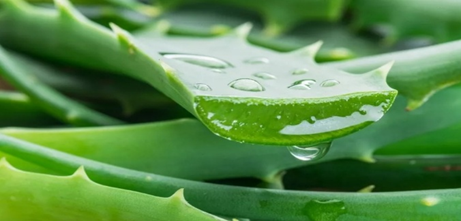
Fig. 2 Aloevera
Oatmeal is frequently incorporated into herbal soaps because of its soothing and moisturizing properties. It helps relieve dryness and itching while gently cleansing the skin. In baby soap formulations, oatmeal is especially beneficial for delicate skin, as it helps manage diaper rash, eczema, and minor irritation while maintaining skin hydration.
Calendula is well known for its natural antiseptic and anti-inflammatory properties, making it highly effective in soothing and healing irritated or sensitive skin. In baby soaps, calendula is valued for its mildness and ability to calm rashes, redness, and minor skin inflammations without causing irritation.
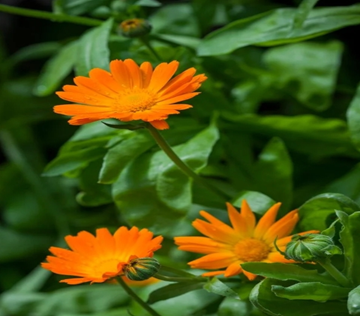
Fig. 3 Calendula
Chamomile is widely incorporated into herbal soaps for its anti-inflammatory effects, which help soothe and calm irritated skin. In baby soap formulations, chamomile gives gentle action on delicate skin, helping to reduce redness, rashes, and minor skin irritation.
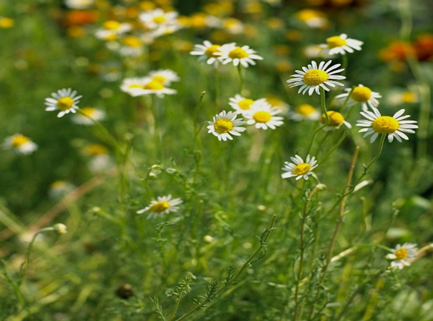
Fig. 4 Chamomile
Lavender is a popular herb in herbal soap preparations, known for its calming and soothing properties. In baby soaps, lavender is used in mild concentrations to provide a gentle fragrance while promoting relaxation and comfort for infants’ sensitive skin.
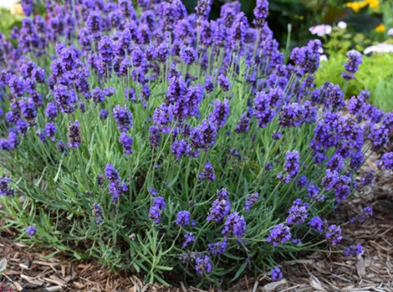
Fig. 5 Lavender
Evaluation of Herbal Baby Soaps:
A. Organoleptic Evaluation Parameters for Herbal Soap
Evaluated by visual observation.
The colour should be uniform, natural, and attractive according to the herbal ingredients used.
Example: Neem soap may show a greenish shade, while turmeric soap may appear yellow.
Refers to the overall look of the soap (smooth, glossy, or slightly dull).
It should be free from cracks, rough surfaces, air bubbles, or uneven texture.
Assessed by smelling the soap.
It should possess a pleasant and characteristic herbal aroma derived from plant extracts or essential oils. No rancid or strong chemical odour should be present.
Determined by touching the soap.
The soap should feel smooth and firm, neither too soft nor excessively brittle.
The bar should have a uniform shape as per the mold used.
It must be free from deformities or irregular edges.
Checked by gently pressing with fingers.
The soap should be firm enough to maintain its shape but not so hard that it becomes brittle.
B. Physico-Chemical Evaluation
A sample solution is prepared by dissolving 2 g of finished soap in 10 ml of distilled water with continuous stirring.
The pH is measured using a calibrated pH meter.
The ideal pH range for herbal soap is 4.5–7.0, making it mild and skin-friendly. Soaps with a pH above 9 are considered harsh for the skin.
A 0.5 g sample of soap was dissolved in 25 ml of distilled water. The solution was then transferred into a 100 ml measuring cylinder, and the volume was made up to 50 ml with distilled water. After giving 25 strokes, the aqueous volume was noted up to 50 ml, and the height of the foam formed above the aqueous layer was recorded.
About 5 g of the soap sample was taken in a conical flask, and 50 ml of warm ethanol was added to dissolve it. The mixture was filtered through previously weighed (tarred) filter paper. The residue along with the filter paper was dried at 105°C for one hour and then weighed again to determine the alcohol insoluble matter.
Total Fatty Matter is one of the most important parameters in soap evaluation. It represents the total amount of fatty substances (fatty acids and glycerides) present in the soap, which is directly related to its quality, hardness, and mildness on the skin .
Approximately 5 g of the sample was accurately weighed and transferred to a pre-weighed (tarred) porcelain dish. The sample was dried in a hot air oven at 105°C for 2 hours. After drying, the dish along with the sample was weighed again to obtain the constant weight. The percentage of moisture content was then calculated.
REFERENCES

Lishika Ingole, Lokesh Aglawe, Mohit Rithe, Mrunali Niwal, A Comprehensive Review on Herbal Baby Soap: Method of Preparation, Ingredients and Safety Evaluation, Int. J. of Pharm. Sci., 2026, Vol 4, Issue 3, 1057-1062. https://doi.org/10.5281/zenodo.18940543
 10.5281/zenodo.18940543