

We use cookies to ensure our website works properly and to personalise your experience. Cookies policy
Department of Pharmacy, Lokmanya Tilak Institute of Pharmacy, Kharghar, 410210, Maharashtra, India
Diabetes mellitus is a persistent metabolic disorder characterized by elevated blood glucose levels resulting from impair insulin secretion, resistance, or both. The global rise in diabetes prevalence has intensified the need for safe, affordable, and effective management strategies. Traditional therapies often have adverse effects and economic burdens, leading to growing interest in plant-derived nutraceuticals. Sunflower seeds contain chlorogenic acid, linoleic acid, tocopherols, flavonoids, and phytosterols, which have synergistic hypoglycaemic, antioxidant, and anti-inflammatory effects This review studies on sunflower seeds offer a promising natural adjunct in diabetes management, combining biochemical efficacy with nutritional value. They hold potential for integration into preventive and therapeutic dietary strategies, supporting overall health and well-being
Diabetes mellitus (DM) is a chronic metabolic disorder characterized by hyperglycaemia, glucose intolerance, impaired insulin secretion, peripheral insulin sensitivity, and β-cell dysfunction. It is recognized as one of the most ancient diseases worldwide1,18. According to the International Diabetes Federation (IDF), approximately 415 million individuals were affected by diabetes in 2015, with projections rising to 642 million by 2040. Similarly, joint estimates from the World Health Organization (WHO) and the NCD Risk Factor Collaboration reported 422 million cases in 2014, and by 2017, global prevalence was estimated at around 425 million2, 19. Chronic hyperglycaemia results from insufficient insulin production, reduced insulin action, or a combination of both. These metabolic abnormalities primarily affect adipose tissue, skeletal muscle, and the liver, due to insulin resistance. The severity of symptoms depends on the type and duration of diabetes. Individuals with significantly elevated blood glucose levels, especially those with insulin deficiency such as children, may experience increased hunger, excessive thirst (polydipsia), frequent urination (dysuria), weight loss, and visual disturbances. However, some individuals—particularly those with type 2 diabetes in its early stages—may remain asymptomatic20. Traditional management of diabetes commonly involves antidiabetic medications such as metformin and insulin therapy. However, natural alternatives are increasingly being explored for their potential nutraceutical benefits. Among these, sunflower seeds (Helianthus annuus) have gained considerable attention for their role in enhancing insulin sensitivity and regulating blood glucose levels, owing to the presence of bioactive compounds like linoleic acid and phylloquinone1.
The plant derives its name from its sun-like appearance and its heliotropic movement, following the direction of the sun3, 21. It is an annual herbaceous plant distinguished by a coarse, hirsute stem, composite flowers, and nutrient-rich seeds that hold significant economic value4, 22.
A key bioactive compound found in sunflower seeds, chlorogenic acid, has demonstrated hypoglycaemic and hypolipidemic effects. Supplementation with sunflower seeds has been shown to demonstrate a substantial reduction in blood glucose levels among diabetic patients, accompanied by negligible adverse reactions4 . Nutritionally, sunflower seeds are rich in essential fatty acids, crucial for maintaining cardiovascular health, and are an excellent source of vitamin E, a potent antioxidant known for its ability to protect cells against oxidative stress and inflammation5.
The objective of this review is to comprehensively evaluate the therapeutic potential of sunflower seeds in the regulation of diabetes mellitus. It also aims to summarize existing research supporting their anti-diabetic efficacy, assess their nutritional significance, and discuss safety and dosage considerations, thereby establishing sunflower seeds as a promising natural adjunct in diabetes management.
PHARMACOGNOSTICAL INVESTIGATION OF SUNFLOWER SEEDS-
Biological source-
The sunflower (Helianthus annuus) plant, belong to the family Asteraceae, is a globally cultivated crop with numerous species3.
Geographical source-
Sunflower seeds are edible and widely available in Nigeria, as well as in other regions of Africa, America, and Asia4. In India, the primary states engaged in its cultivation are Karnataka, Andhra Pradesh, Maharashtra, and Tamil Nadu6.
Taxonomy –
The genus name Helianthus is derived from the Greek words Helios('sun') and Anthos ('flower'), and the species epithet annuus means 'annual' 7, 23.
Table no.1: taxonomical classification 7.
|
Common name |
Sunflower |
|
Domain |
Plantae |
|
Division: |
Angiosperms (Flowering Plants) |
|
Subdivision |
Eudicotyledons (True Dicots) |
|
Class |
Asterids (Asterid Clade) |
|
Order |
Asterales (Asteralean Order) |
|
Family |
Asteraceae (Composite Family) |
|
Subfamily |
: Helianthoideae (Sunflower Subfamily) |
Macroscopy of sunflower seeds-
Sunflower seeds are delineated into three separate classifications: dark- husked sunflower seeds, striped sunflower seeds, and de-husked (or hulled) sunflower seeds. This categorization is generally predicated upon the visual pattern and structural morphology of the seed's external protective covering (the husk or pericarp).Dark- husked sunflower seeds are distinguished by a uniform black seed coat (Testa). These seeds are frequently designated as oilseed sunflower crops, with their oil characteristically extracted via a mechanical compression methodology. Striped sunflower seeds, conversely, are predominantly deployed for human consumption and are consequently also known as confectionery sunflower seeds.5, 24.
Microscopy of sunflower seeds-
The seed of Helianthus annuus exhibits a well-defined internal organization comprising the testa, endosperm, and embryo. The seed coat (testa) represents the protective outer integument and is characteristically robust, displaying surface variations such as longitudinal ridges and grooves. Microscopically, it consists of several layers, including an outer epidermal layer and an inner zone of thick-walled sclerenchymatous cells, which impart mechanical strength and serve as a defensive barrier against environmental stress. Beneath the testa lies the endosperm, a nutritive tissue formed from the fusion of polar nuclei and responsible for storing reserve food materials essential for germination. This region is composed of compact parenchymatous cells rich in starch and other reserve metabolites that support embryonic development. Centrally located is the embryo, which constitutes the future plantlet and consists of the radicle, hypocotyl, and a pair of cotyledons. The embryo displays a distinct cellular organization, wherein the cotyledons appear as foliaceous structures equipped with well-differentiated vascular traces, facilitating nutrient mobilization during seed germination.
PHYTOCONSITUTENTS IN SUNFLOWER SEEDS-
Table No-02: Phytoconstituents of Sunflower Seeds (Helianthus annuus L.)3, 26.
|
Category |
Constituents / Compounds |
|
1. Fatty Acids |
Linoleic acid (ω-6), Oleic acid (ω-9), Palmitic acid, Stearic acid, Arachidic acid |
|
2. Flavonoids |
Quercetin, Luteolin, Apigenin, Kaempferol |
|
3. Phenolic Compounds |
Chlorogenic acid, Caffeic acid, Ferulic acid, p-Coumaric acid |
|
4. Tocopherols (Vitamin E compounds) |
α-Tocopherol, γ-Tocopherol, δ-Tocopherol |
|
5. Amino Acids |
Glutamic acid, Aspartic acid, Arginine, Phenylalanine, Tyrosine, Leucine, Methionine, Cysteine |
|
6. Vitamins |
Vitamin E, B-complex (B1, B3, B6), Folate, Niacin |
|
7. Minerals |
Calcium, Iron, Magnesium, Phosphorus, Potassium, Zinc, Selenium, Manganese, Copper, Sodium |
|
8. Phytosterols |
β-Sitosterol, Campesterol, Stigmasterol |
|
9. Other Bioactives |
Squalene, Carotenoids (β-Carotene) |
NUTRITIONAL COMPOSITION OF SUNFLOWER SEEDS-
Protein: 20% of the seed's composition, comprising sulphur-rich proteins (11S globulins and 2S albumins) that support muscular and skeletal cell development, insulin production, and antioxidant activity. Unsaturated fats: 35-42% of the seed's composition, including:
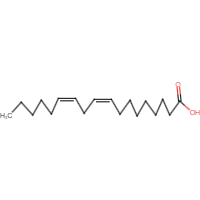
Linoleic acid (55-70%): an essential polyunsaturated omega-6 fatty acid that reduces the risk of developing coronary heart disease.
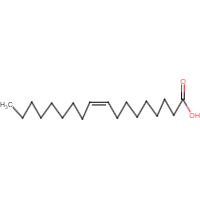
Oleic acid (20-25%): a monounsaturated omega-9 fatty acid that lowers triacyl glycerides and LDL cholesterol levels, increasing HDL cholesterol and reducing the risk of heart attack and breast cancer.
Fiber: a significant amount, supporting digestive health.
Vitamins: notably vitamin E (37.8 mg/100g), a vital antioxidant that prevents oxidative damage and supports overall health.
Minerals: selenium, copper, zinc, folate, iron, and others, essential for various bodily functions.
Amino acids: a well-balanced profile, including glutamic acid, aspartic acid, arginine, phenylalanine, tyrosine, leucine, methionine and cysteine9,25.
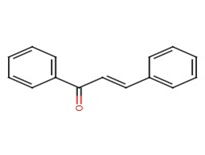
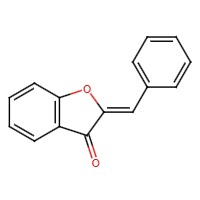
Table no 03- Structure of phytoconstituent
|
Sr no |
Compund |
Class |
Structure |
Iupac Name |
Reference |
|
1 |
Linoleic acid |
Fatty Acids |
|
(9Z,12Z)-octadeca-9,12-dienoic acid |
10 |
|
2 |
Oleic acid |
Fatty Acids |
|
(9Z)-octadec-9-enoic acid |
10 |
|
3 |
Chalcone |
Flavonoid |
|
1,3-diphenylprop-2-en-1-one. |
11 |
|
4 |
Aurone |
Flavonoid |
|
2-benzylidene-1-benzofuran-3(2H)-one. |
11 |
|
5 |
Dihydroflavonol |
Flavonoid |
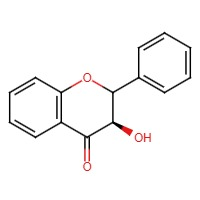
|
2R,3R)-3-hydroxy-2-phenylchroman-4-one |
11 |
|
6 |
5-O-cafeoylquinic acid (chlorogenic acid |
phenolic acid |
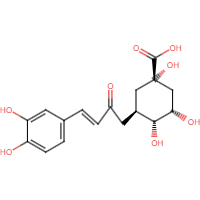
|
(1S,3R,4R,5R)-3-{[(2E)-3-(3,4-dihydroxyphenyl)prop-2-enoyl]oxy}-1,4,5-trihydroxycyclohexane-1-carboxylic acid |
11 |
|
7 |
Cafeoyl |
phenolic acid |
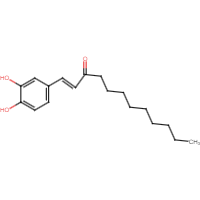
|
(2E)-3-(3,4-dihydroxyphenyl)prop-2-enoic acid |
11 |
|
8 |
Vitamin -E |
antioxidant |
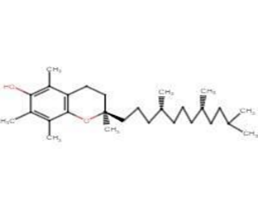
|
2R)-2,5,7,8-tetramethyl-2-[(4R,8R)-4,8,12-trimethyltridecyl]-3,4-dihydrochromen-6-ol |
10 |
TRADITIONAL USES OF SUNFLOWER SEEDS-
Sunflower seeds exhibit significant antibacterial, anti-inflammatory and wound-healing activities, making them a potential therapeutic agent for various applications such as the treatment of skin infections, the prevention of nosocomial infections in preterm infants and the promotion of wound repair and tissue regeneration 12, 27. They are an excellent source of vitamin B6, known to alleviate symptoms of depression and contain abundant dietary fibre that aids in lowering blood cholesterol levels, regulating blood glucose and preventing constipation 5. Rich in magnesium, sunflower seeds contribute to optimal bone health, while their high content of fatty acids assists in the removal of atherosclerotic plaque and reduces low-density lipoprotein formation, thereby lowering the risk of cerebrovascular accidents and myocardial infarctions and supporting cardiovascular function28. Copper present in the sunflower seeds facilitates the cross-linking of collagen and elastin, ensuring structural integrity and flexibility of bone and joint tissues. Selenium, acting synergistically with vitamin E, protects cellular components from oxidative stress, reducing the risk of neoplastic transformations, cardiovascular disorders and other degenerative diseases 29. Additionally, sunflower seeds provide zinc, an essential micronutrient vital for immune function, along with folate required for the synthesis of RNA, DNA and haemoglobin. They also contain tryptophan and choline which exhibit potential anxiolytic and cognitive-enhancing properties 12, 30. Furthermore, sunflower seeds serve as a rich dietary source of phytosterols, particularly beta-sitosterol, which demonstrates anticancer potential by inhibiting the proliferation of specific tumour cells in vitro and reducing tumour size and metastasis in vivo, thereby offering prophylactic benefits against breast cancer 1, 31.
MECHANISM OF ACTION OF SUNFLOWER SEEDS IN DIABETES-
Chlorogenic acid (CGA), a prominent phenolic compound and the principal bioactive constituent of sunflower polyphenols, is recognised for its potent biological activity. It inhibits glucose-6-phosphatase translocase, an enzyme responsible for converting glucose-6-phosphate into glucose, thereby reducing hepatic glucose production and alleviating hyperglycaemia. This compound also exhibits notable anti-diabetic and antioxidant properties. Certain constituents in sunflower seed extracts function as alpha-glucosidase inhibitors, suppressing intestinal brush-border enzymes and consequently diminishing carbohydrate digestion and absorption. This mechanism assists in controlling postprandial hyperglycaemia, preventing sharp elevations in blood glucose levels after meals. The hypoglycaemic activity of sunflower seed extracts may further arise from enhanced insulin secretion by pancreatic beta cells or the release of insulin from its bound state. Bioactive molecules within the seeds contribute to the amelioration of insulin resistance, while beneficial lipids improve insulin sensitivity, enabling more efficient glucose utilisation. The high magnesium content also supports improved insulin responsiveness and glycaemic regulation. Sunflower seeds are abundant in antioxidants, including vitamin E and various phenolic acids such as chlorogenic and caffeic acids, which collectively mitigate inflammation and neutralise reactive oxygen species that trigger diabetic pathways. Vitamin E, in particular, reduces C-reactive protein levels an inflammatory biomarker associated with a greater chance of type 2 diabetes mellitus. Additionally, the considerable amounts of dietary fibre, protein, and polyunsaturated fatty acids (notably linoleic acid) slow gastric emptying, ensuring a gradual release of glucose from ingested carbohydrates. This moderates blood sugar fluctuations and promotes stable glycaemic control. The seeds possess a low glycaemic index, leading to a slow and steady release of glucose into the bloodstream, which is advantageous for managing diabetes mellitus. Furthermore, sunflower seed extracts inhibit lipogenesis and stimulate lipolysis, thereby aiding in the prevention and management of obesity a major predisposing factor for type 2 diabetes 2, ,32, 33, 34.
STUDIES INVESTIGATING EFFECT OF SUNFLOWER SEEDS-
Table no -4
|
No. |
Study Type / Year |
Subjects / Model |
Form & Dosage |
Content |
Source / Journal |
|
1 |
Experimental -in vivo animal (Wistar rat)-2013 |
Wistar rats with Type 2 diabetes induced using streptozotocin–nicotinamide |
Ethanolic extract of Helianthus annuus (sunflower) seeds, specific doses stated in the paper |
Lowered fasting blood glucose, raised liver glycogen, and improved lipid metabolism indicators; researchers linked these results partly to chlorogenic acid content |
13 |
|
2 |
Clinical (Human) – ≈2015 |
Adults diagnosed with Type 2 diabetes; small participant group |
Dietary intake of whole sunflower kernels for a fixed duration |
Participants exhibited reduced fasting blood sugar levels and higher HDL levels compared to controls; the authors propose a potential glucose-lowering benefit |
14 |
|
3 |
Experimental in vivo animal (Wistar rat)-2024 |
High-fat diet or diabetic Wistar rats |
Sunflower kernel powder or seed-fortified cookies; dose adjusted per body weight |
Improved glucose tolerance, reduced oxidative stress, lowered blood sugar; changes noted in insulin-related gene expression |
4 |
|
4 |
In-vitro / Cellular – 2025 |
Enzyme and cell-based laboratory models |
Peptides derived from enzymatically hydrolysed sunflower proteins |
Demonstrated inhibition of α-glucosidase and α-amylase enzymes and displayed lipid-lowering and antioxidant properties relevant to diabetes management |
15 |
|
5 |
Computational / In-silico – 2023 |
Network pharmacology and molecular docking models |
Bioactive compounds from sunflower kernel/oil (e.g., linoleic acid, phylloquinone) |
Identified molecular targets such as PPARs, FABP4, and CPT2; proposed mechanisms suggesting improved insulin sensitivity via PPAR regulation; recommended in vivo verification |
16 |
|
6 |
Clinical (Human) – 2025 |
Adults with Type 2 diabetes: small, short-term study |
12 g sunflower kernel powder daily for 60 days |
Reported significant reductions in random blood glucose and HbA?c levels, with no adverse reactions observed; authors call for larger studies |
1 |
MARKETED PRODUCT CONTAINING SUNFLOWER SEEDS FOR DIABETES-
Table no -5
|
Marketed Product (Form) |
Typical Commercial Examples / Claims (Diabetes-Related Marketing) |
reference |
|
Sunflower Seed Extract Capsules or Tablets |
Capsules or tablets containing standardised sunflower seed extracts rich in antioxidants and polyphenols are marketed for promoting blood glucose balance and improving insulin sensitivity. |
11 |
|
Defatted Sunflower Seed Powder / Whole Seed Powder (Oral Supplement) |
Sold as dietary supplements or incorporated into foods, these powdered forms are promoted for lowering post-meal blood sugar and improving insulin response. |
17 |
|
Sunflower Protein / Protein Hydrolysates (Powdered Concentrates) |
Powdered protein isolates or hydrolysates are marketed as functional food ingredients that support satiety and blood sugar modulation. |
15 |
|
Combination Herbal /Nutraceutical Formulation with Sunflower Seed Extract. |
These are multi-component diabetes support supplements that blend sunflower extracts with other botanicals and vitamins for enhanced glycemic regulation. |
11 |
|
Clinical or Dietary Recommendation: Whole Sunflower Seeds as Snacks.
|
In some clinical contexts, incorporating unsalted sunflower seeds into the diet is suggested to help manage blood sugar and lipid levels. |
14 |
FUTURE PERSPECTIVES OF SUNFLOWER SEEDS IN DIABETES
Sunflower seeds (Helianthus annuus) demonstrate encouraging capacity as a supplementary approach in addressing diabetes because they are rich in physiologically active components like chlorogenic acid, vitamin E (tocopherols) and essential polyunsaturated fats, which are instrumental in enhancing the cells' response to insulin and controlling how sugar is metabolised 16. Sunflower seeds are utilised in India as a snack, for cooking oil production and as animal feed37. Newer computer modelling and living organism studies suggest that the chemicals found in sunflower seeds interact with significant molecular sites, thereby altering biological pathways linked to the absorption of glucose and the levels of oxidative damage. Nevertheless, since the current scientific data is mostly derived from pre-human/animal models, subsequent research must focus on establishing uniform seed concentrates, verifying the mechanisms at the molecular level, and conducting carefully planned, randomised human trials to confirm effectiveness, lack of harm and the most suitable dosage. These developments could allow preparations made from sunflower seeds to become useful complements in the treatment regimen for Type 2 Diabetes Mellitus35,36.
CONCLUSION
Sunflower seeds are a promising functional food for managing diabetes mellitus, owing to their bioactive compounds. These components may improve glycaemic control, fasting glucose, enhance insulin sensitivity and mitigate oxidative stress and inflammation, which are critical in diabetes pathogenesis. Although encouraging evidence exists from in vitro and animal studies, well-designed clinical trials are limited, necessitating further research to confirm therapeutic efficacy and establish optimal intake levels. Including sunflower seeds into a balanced diet could offer a simple, natural, and cost-effective complement to conventional diabetes management. Future studies should elucidate molecular mechanisms and assess long-term metabolic health outcomes.
ACKNOWLEDGMENT
We express our heartfelt gratitude to our college, Lokmanya Tilak Institute of Pharmacy, Kharghar, for providing us the opportunity to carry out this review work. We extend our sincere thanks to our respected Principal, Dr. Shrutika Patil, for their constant encouragement, guidance, and for fostering a supportive academic environment.
We are deeply thankful to our mentor, Dr. Anjali Wanegaonkar, for her invaluable guidance, insightful suggestions, and continuous support throughout the preparation of this review article. Their mentorship has been instrumental in shaping my understanding and approach to research.
REFERENCES

Dr. Anjali Wanegaonkar, Shruti Satpute, Tanvi Virkud, Nisha Maji, Swati Gaikwad, Dr. Shrutika Patil., A Natural Potential of Sunflower Seeds in Diabetes, Int. J. of Pharm. Sci., 2026, Vol 4, Issue 3, 1088-1097. https://doi.org/10.5281/zenodo.18952650
 10.5281/zenodo.18952650