We use cookies to ensure our website works properly and to personalise your experience. Cookies policy
Late. Laxmibai Phadtare College of Pharmacy, Kalamb - Walchandnagar
Antimicrobial resistance is becoming more common, which has accelerated the hunt for natural alternative medicinal medicines. Bioactive components of medicinal plants with strong antibacterial qualities have long been known. In ethnomedicine, two traditionally significant medicinal plants that are widely used to cure infectious disorders are Lantana camara and Aegle marmelos. Aegle marmelos and Lantana camara leaves' antibacterial potential will be thoroughly assessed and compiled in this review, with an emphasis on the leaves' phytochemical makeup, extraction techniques, and documented antimicrobial efficacy. Leaf extracts made with solvents like ethanol, methanol, aqueous, and hydroalcoholic systems have been shown in numerous studies to have strong antibacterial and antifungal properties against a variety of harmful microorganisms, such as Candida species, Pseudomonas aeruginosa, Escherichia coli, and Staphylococcus aureus. Bioactive substances such flavonoids, tannins, phenolic acids, alkaloids, terpenoids, and essential oils are thought to be primarily responsible for the antibacterial activity. Additionally highlighted in this review are the antibacterial action mechanisms, bioactivity-influencing variables, and possible uses of these plant extracts in topical and pharmaceutical formulations. All things considered, the leaves of Aegle marmelos and Lantana camara are potential natural sources of antimicrobial compounds, encouraging more research into them for the creation of safe and efficient herbal remedies
The majority of morbidity and mortality in the world are still attributable to infectious diseases brought on by harmful microorganisms, including bacteria, viruses, fungi, and parasites. Severe, life-threatening illnesses like sepsis, pneumonia, and meningitis are examples of these microbial infections, as are self-limiting ailments like minor respiratory or gastrointestinal ailments. Because of their high prevalence, quick spread, and complications—particularly in vulnerable populations—microbial infections continue to cause substantial clinical and financial burdens worldwide despite advancements in public health and medical therapies. Historically, antimicrobial agents—such as antibiotics, antifungals, antivirals, and antiparasitic drugs—have been the mainstay of therapeutic approaches for the management and treatment of infectious disorders. However, the development and spread of antimicrobial resistance (AMR) progressively jeopardizes these medications' continued usefulness. The ability of bacteria to withstand exposure to medications that were once successful at stopping their development or killing them is known as antimicrobial resistance. Resistance features such drug-degrading enzymes, target alteration, efflux pumps, and decreased membrane permeability are caused by genetic mutations and horizontal gene transfer pathways. Treatment failures and chronic infections come from germs evolving to withstand antibiotic doses that were previously fatal. All of the main pathogen classes—bacterial, viral, fungal, and parasitic—are impacted by AMR, which presents a cohesive and growing threat to contemporary healthcare systems. (2) Despite public health initiatives, the worldwide burden of AMR keeps increasing. According to recent surveillance data, the efficiency of first-line therapies has been undermined by the rapid growth in resistance to routinely used antibiotics in many countries. One in six laboratory-confirmed bacterial illnesses are already resistant to common antibiotics, according to the World Health Organization's 2025 Global Antibiotic Resistance Surveillance Report. Additionally, resistance is rising in more than 40% of pathogen–drug combinations that are tracked globally. Particularly high frequency is reported in areas like South-East Asia and the Eastern Mediterranean, where up to one-third of infections may be treatment-resistant. (3)
AMR has a significant influence on future mortality and health outcomes. According to a new global analysis, AMR is directly responsible for over a million fatalities annually, and if appropriate measures are not put in place, the number might continue to rise sharply. According to estimates made in The Lancet, the number of deaths linked to AMR may rise by about 70% by 2050, disproportionately affecting older persons. By the middle of the century, the number of deaths linked to AMR may surpass 8 million per year. In order to counteract the growing threat, these patterns highlight the urgent need for integrated research, surveillance, stewardship, and the development of innovative therapeutics. (5)
Antimicrobial resistance is accelerated by a number of reasons, such as the misuse of antibiotics in agriculture and animal husbandry, their improper and excessive use in human medicine, the lack of access to high-quality diagnostics, and insufficient infection prevention and control measures. When combined, they increase selection pressure, hasten the evolution of resistant strains, and disperse them throughout populations and medical environments. There is an urgent need for novel medicines, alternative therapies, and integrative approaches that can overcome current resistance mechanisms and restore therapeutic effectiveness because resistance continues to undermine the effectiveness of present antimicrobial drugs. increased dedication and quicker response to antimicrobial resistance. (15)
Limitations of Synthetic Antimicrobials:
Drugs that are synthetic antimicrobials, such as antibiotics, antifungals, and other chemically produced substances, have transformed medicine. Nevertheless, there are serious drawbacks to their extensive use that compromise patient safety and long-term therapeutic efficacy.
Negative effects on humans are one of the main drawbacks of synthetic antimicrobials. A variety of mild to severe physiological reactions can be brought on by a number of antibiotics and other antimicrobial medications:
In addition to decreasing patient compliance, these adverse effects restrict the use of several powerful antibiotics in susceptible groups, including children, expectant mothers, the elderly, and people with long-term illnesses. (19)
Possibly the most significant drawback of synthetic medications is antimicrobial resistance (AMR). Modern fungus, bacteria, and other diseases quickly develop defense mechanisms against pharmaceuticals, creating "superbugs" that are beyond the reach of available medications.
One in six bacterial illnesses are now reported to be resistant to current treatments, according to surveillance reports from throughout the world. This trend is getting worse every year. (11)
The development of new synthetic antimicrobials has lagged behind the rise in resistance. Many pharmaceutical corporations have deprioritized antibiotic development due to scientific and economic challenges:
The pipeline of effective new drugs is getting smaller as a result of this stalemate, giving clinicians less alternatives to combat MDR (multidrug-resistant) diseases. (3)
Synthetic antimicrobials used in animal husbandry, aquaculture, and agriculture increase resistance:
By connecting agricultural and environmental practices with human health, these indirect effects broaden the issue beyond clinical settings. (21)
The Significance of Medicinal Plants:
Because of the biologically active substances found in their tissues, medicinal plants are employed in both conventional and alternative medicine. They are vital to scientific research, healthcare, the economy, and the environment globally.
1. Traditional and complementary medicine's foundation:
Ayurveda, Siddha, Unani, Traditional Chinese Medicine, and indigenous medical methods around the world are all based on medicinal plants. They have been used for ages to treat a variety of conditions, including inflammation, chronic illnesses, infections, and digestive problems. Their historical applications are confirmed by current research, which also incorporates these methods into modern healthcare.
2. Bioactive Compound Source for Drug Development:
Alkaloids, flavonoids, terpenoids, phenolics, and glycosides are among the many phytochemicals found in medicinal plants that have antibacterial, antioxidant, anti-inflammatory, antidiabetic, and anticancer actions.
The following areas are receiving more attention from researchers: discovering mechanisms of action, manufacturing analogues for modern medicine, and isolating certain molecules.
When looking for new medications, this pipeline of plant-derived compounds is crucial, particularly in cases when synthetic pharmaceuticals do not work or have more severe adverse effects. (10)
3. Dealing with Resistance to Antimicrobials
Medicinal plants are becoming a promising source of novel antimicrobial medicines due to the rise in multi-drug resistance (MDR) infections. Their intricate chemical blends frequently affect microorganisms in a variety of ways, which hinders the development of resistance. (1)
4. Assistance for Lifestyle and Chronic Conditions
Current research demonstrates how medicinal plants can help treat long-term illnesses:
Certain phytochemicals enhance metabolic health, plant extracts have potential benefits against diabetes, cancer, and neurological illnesses, and anti-inflammatory qualities lower the risk of oxidative stress.
These results demonstrate that medicinal herbs are useful in the treatment of contemporary chronic illnesses and are not only for traditional purposes. (7)
5. Advantages for Rural and Economic Development:
The production and processing of medicinal plants benefit rural areas financially, supports the pharmaceutical and nutraceutical businesses, and produces jobs in the agricultural and herbal sectors.
Additionally, cultivation supports the sustainability of livelihoods by relieving strain on wild populations. (9)
6. Preservation of Biodiversity and Sustainability:
Topical drug delivery techniques are becoming more and more significant in contemporary pharmaceutics because they can lessen systemic adverse effects, improve patient compliance, and provide localized therapeutic activity. Nanogels hydrogel-based systems with nanostructured components have emerged as a distinctive platform among many topical formulations due to their high-water content, softness, flexibility, and ability to incorporate a range of bioactive chemicals. The application of nanoparticles in gel matrices has opened up new avenues for enhancing skin barrier penetration and drug effectiveness. (16)
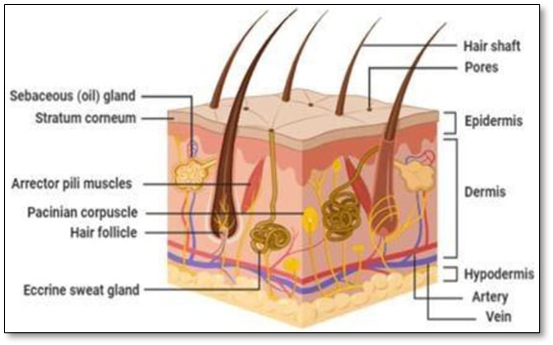
Figure 1. Microscopic structure of the skin.
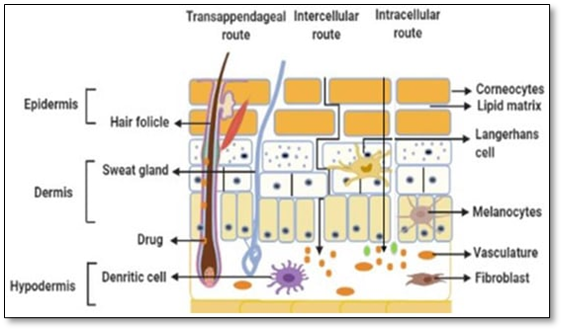
Figure 2. Schematic representation of the permeation process through the skin.
Antimicrobial susceptibility testing is useful for drug discovery, epidemiology, and predicting therapeutic outcomes. This review focused on the use of antimicrobial testing methods for the in vitro investigation of extracts and pure drugs as potential antibacterial agents. Therefore, the creation of new antibiotics is a solely important objective. Natural components continue to be a major source of new medicinal molecules. They originate from a wide range of prokaryotic bacteria, eukaryotic microorganisms, plants, and animal species. The vast majority of antibacterial compounds discovered so far come from plant and microbial sources. (12) Lantana camara, or simply lantana, is a colorful and versatile plant that is native to the tropical and subtropical regions of the Americas. Because of its durability and aesthetic appeal, lantana is frequently used in gardens and landscapes. It is famous for its colorful and hardy flowers. Numerous colors, including red, orange, yellow, and pink, are produced by the plant in clusters of tiny, tubular blooms, which frequently change color as they grow. In addition to its aesthetic value, Lantana camara has attracted attention because of its ecological relevance and potential medical advantages. In certain places, it can be invasive, lowering local biodiversity even though it is commended for attracting pollinators and butterflies. Understanding Lantana camara's complexity involves looking at its horticulture uses, ecological significance, and the steps needed to stop its spread. (18) One of the most important medicinal plants in India has been bael (Aegle marmelos) since Charak (1500 B.C.). They have found over 100 phytochemical compounds from various plant components, including phenols, flavonoids, alkaloids, cardiac glycosides, saponins, terpenoids, steroids, and tannins. These compounds are widely acknowledged to possess biological and pharmacological efficacy against a variety of chronic ailments, such as gastrointestinal disorders, cardiovascular disease, and cancer. On a range of animal models, crude extracts of this plant have also demonstrated anti-inflammatory, antibacterial, anti-spermatogenic, anticancer, antiulcer, antidiabetic, anticancer, and antihyperlipidemic qualities. The fruits, stem, bark, and leaves of the Aegle marmelos plant are all used to treat a range of skin and eye disorders because of their medicinal properties. (8)
Lantana camara:
The Verbenaceae family includes the flowering ornamental shrub Lantana camara Linn. Other names for L. camara include West Indian lantana, Surinam tea plant, wild sage, and Spanish flag. L. camara was most likely brought to India before to the 1800s. L. camara is currently found all over India in areas with well-drained slopes and moderate to high summer rainfall. The majority of varieties prefer rich organic soils, but some or all can live on siliceous sands and soils formed from sandstone as long as they are somewhat deep and other factors, particularly constant rainfall, are met. It is indigenous to tropical areas and comes in dozens of strains and variants with wildly different looks. In India, L. camara is referred to by a number of different names, including Raimuniya (Hindi), Chaturangi and Vanacehdi (Sanskrit), Arippu and Unnichedi (Tamil), Aripoov, Poochedi, Konginipoo and Nattachedi (Malayalam), Thirei, Samballei and Nongballei (Manipuri), Tantani and Ghaneri (Marathi), Pulikampa (Telegu), Kakke and Natahu (Kanada). The purpose of this review is to outline L. camara's therapeutic qualities as well as its potential for future scientific research aimed at creating potent pharmaceutical molecules. (13)
Morphology:
L. camara is a vigorous, low, erect, or subscandent shrub with a tetrangular stem, robust, recurved leaves, and a potent black current scent. The plant can reach heights of 1 to 3 meters and widths of up to 2.5 meters. Oval or oblong, acute or sub-acute, crenate serrate, rugose above, and scabrid on both sides are the characteristics of the leaves. The green leaves measure 3–8 cm in length and 3–6 cm in width. Rough hairs cover the stem and leaves. Umbels are tiny flowers that are held in bunches. The flower's color typically changes as it ages, sometimes shifting from orange to white to red in different tints. Almost all year long, flowers have a yellow throat and axillary head. The limb spreads 6 to 7 mm wide and is separated into uneven lobes. The calyx is tiny, and the corolla tube is narrow. Two sets of four stemmen were present, along with a two-celled, two-ovule ovary. In the axils of opposing leaves, inflorescences are produced in pairs. Compact, dome-shaped inflorescences that are 2-3 cm across and have 20–40 sessile flowers are present. Even after numerous cuts, the robust root system continues to produce new, fresh shoots.
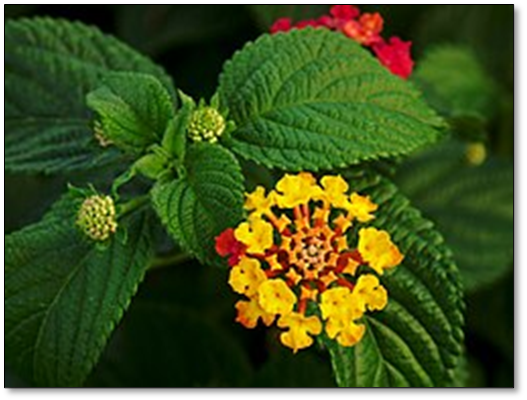
Figure 3. Lantana camara
Phytochemicals constituents:
The last several decades have seen a great deal of research on the phytochemical makeup of L. camara. As major phytochemical groups, various parts of L. camara are said to contain essential oils, phenolic compounds, flavonoids, carbohydrates, proteins, alkaloids, glycosides, iridoid glycosides, phenyl ethanoid, oligosaccharides, quinine, saponins, steroids, triterpens, sesqui terpenoides, and tannin. 20)
The therapeutic qualities of lantana camara:
Activity against bacteria:
The antibacterial properties of L. camara leaf and root ethanol extracts have been documented. Using the microdilution method, the in vitro antibacterial activity was tested. Antimicrobial activity was demonstrated by the extracts against Escherichia coli, Proteus vulgaris, Pseudomonas aeruginosa, Víbrio cholareae, Staphylococcus aureus, and two multiresistant strains of S. aureus and E. coli. Significant antibacterial activity against E. coli, Bacillus subtilis, and P. aeruginosa was demonstrated by three distinct solvent extracts of the leaves and flowers of four distinct types of L. camara, while inadequate antibacterial activity was shown against Staphylococcus aureus. Using the disk diffusion method and the broth microdilution method, methanolic extracts of several L. camara sections were tested for antibacterial activity against ten bacteria and five fungi. The maximum activity against Gram-negative Salmonella typhi and Gram-positive Bacillus cereus was demonstrated by the leaf extract of L. camara.
Antifungal activity:
The antifungal properties of L. camara's ethanol and hot water extract were tested against fungi that cause brown and white rot in wood. L. camara was screened against Alternaria sp., which causes several plant diseases, particularly in vegetable plants, and both extracts had effective antifungal action against white and brown rot fungi. However, the ethanol extract showed great promise at extremely low concentrations (0.01%). Using the food poison plate method, the antifungal activity was assessed at three distinct extract concentrations: 10 mg/ml, 15 mg/ml, and 20 mg/ml. L. camara demonstrated strong antifungal efficacy against Alternaria sp. at a dosage of 20 mg/ml. (13)
Aegle marmelos:
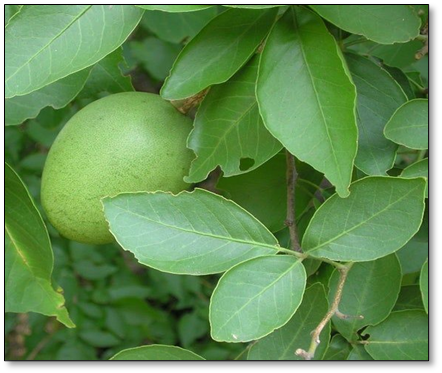
Aegle marmelos (Linn) correa is a reasonably large, slender, and aromatic tree belonging to the Rutaceae family. It is commonly referred to as bael or bel. Traditional Indian medicine has used the plant since ancient times. Nearly every part of this tree has been used for a number of reasons and is beneficial. Plant-based natural medicines are used by a significant section of the Indian population. There is a huge spike in interest in conventional medicine due to the rise in negative pharmacological reactions and side effects. For thousands of years, several traditional medical systems have been based on plants, and these systems continue to benefit humanity today. Nowadays, about half of all therapeutic drugs are made from natural substances and their derivatives. Since herbal remedies are inexpensive, effective, and have few to no side effects, they are currently widely used by a variety of groups. Due to growing demand, almost 30% of pharmaceutical preparations are now plant-based, and the majority of wealthy nations with restricted herb cultivation import raw materials from developing nations.
Morphology:
The middle-sized Aegle marmelos plant can grow to a height of 12 to 15 meters with progressive expansion. Its trunk is short. In certain ways, divisions are thorny, and the lowest ones droop. The new leaf is pinkish crimson and glossy. Mature leaves release a disagreeable smell when they are damaged. Along the juvenile branchlets, flowers bloom in clusters of four to seven and have a lovely scent. Each flower has at least 50 greenish-yellow filaments and four curved fleshy petals that are yellowish inside and green on the exterior. Fruit shapes can vary from variety to variation and range in diameter from 5 to 20 cm. They can be round, pyriform, oval, or oblong. A fruit is rind may be soft, woody, hard, or thin. It has small, aromatic oil glands all throughout it. The fruit has 8 to 20 hardly distinct triangular segments with thin, dark orange walls, and a solid core. The pulp of these segments is sweet, resinous, aromatic, pale orange, pasty, and mildly astringent. The fruit has ten to fifteen seeds embedded in it. Each compressed, oval-shaped, fuzzy-haired seed is enclosed in a sac of a clear, sticky gel-like material that solidifies when it dries. The seeds are roughly 1 cm long.
Phytochemicals constituents:
Aegle marmelos, leading to the separation of numerous kinds of chemicals, such as terpenoids, fatty acids, amino acids, coumarins, and alkaloids. Interestingly, much of the isolation and chemical characterisation research has been published by Indian scientists. They contain γ-sitosterol, aegelin, lupeol, rutin, marmesinin, β sitosterol, flavone, glycoside, O isopentenyl halfordiol, marmeline, and phenylethyl cinnamamides.
Aegle marmelos's medicinal qualities:
Antibacterial activity:
The disc diffusion method was used to assess the antibacterial activity of several Aegle marmelos leaf extracts against bacterial strains that are resistant to several antibiotics. Therefore, it could be demonstrated that the pet ether extract is more effective than standard streptomycin. The antibacterial activity was measured using a microtiter plate assay. The bacterial strains were cultured in nutrient broth with and without various decoction dilutions in order to assess growth. The optical density was measured 24 hours later. (6)
CONCLUSION
In summary, Aegle marmelos and Lantana camara leaves are important natural sources of antibacterial compounds. These plants have great potential for the creation of safe, efficient, and reasonably priced plant-based antimicrobial compounds to combat the expanding problem of antimicrobial resistance with methodical scientific validation and technological innovation.
REFERENCES

Shruti Kore, Ulka Mote, A Review on Antimicrobial Potency of Lantana camara and Aegle marmelos Leaves, Int. J. of Pharm. Sci., 2026, Vol 4, Issue 3, 274-283. https://doi.org/10.5281/zenodo.18862207
 10.5281/zenodo.18862207