View Article

Abstract

Diabetes mellitus is a chronic disorder affecting millions worldwide and requiring effective, sustainable treatment strategies. Conventional (allopathic) medicine provides rapid blood sugar control but can cause side effects and faces challenges in accessibility for some patients. Traditional systems such as Ayurveda, Homeopathy, and Unani offer holistic approaches that complement conventional care, using herbal treatments, lifestyle changes, and individualized remedies. This review article compares these four systems in diabetes management and examines their combined (synergistic) potential. We analyze published studies to identify each system’s strengths and limitations. Evidence indicates allopathic treatments achieve swift blood sugar regulation, while Ayurvedic and Unani therapies help regulate metabolism and provide antioxidant benefits. Homeopathic remedies offer personalized symptom relief and focus on each patient’s unique characteristics, though scientific validation is limited. Combining these approaches may optimize outcomes by improving blood sugar control, enhancing patient adherence, and reducing complications. We conclude that more rigorous research is needed to standardize integrative treatment protocols, demonstrate their effectiveness, and ensure safety in diabetes care.

Keywords

Diabetes mellitus; Allopathy; Ayurveda; Homeopathy; Unani; Synergistic effects

Introduction

Diabetes mellitus (DM) is one of the most prevalent and challenging chronic metabolic disorders globally, characterized by persistent hyperglycemia resulting from impaired insulin secretion, insulin resistance, or both. According to the International Diabetes Federation (IDF), over 530 million people worldwide are living with diabetes as of 2024, and this number is expected to rise sharply in the coming decades.[1] The two primary forms, Type 1 and Type 2 diabetes, along with gestational and secondary diabetes, contribute to significant morbidity and mortality due to complications like cardiovascular disease, nephropathy, neuropathy, and retinopathy. Allopathic medicine (conventional Western medicine) remains the cornerstone of diabetes management, offering rapid and evidence-based interventions such as oral hypoglycemic agents, insulin therapy, and lifestyle counseling.  However, long-term use of synthetic medications is often associated with challenges including adverse drug reactions, patient non-adherence, cost burden, and limited emphasis on holistic well-being. These limitations have driven a growing number of patients and healthcare professionals to explore alternative, complementary, and traditional medical systems for more sustainable and integrative approaches to diabetes care.

India, being the birthplace of traditional medical systems like Ayurveda, Homeopathy, and Unani, offers a unique cultural and clinical perspective on managing chronic diseases such as diabetes. Ayurveda views diabetes as Madhumeha, a disease of imbalanced doshas, and addresses it through detoxification (shodhana), herbal formulations, and lifestyle adjustments. Homeopathy treats diabetes from a constitutional standpoint, offering individualized remedies with minimal side effects, aiming to stimulate the body’s own healing mechanisms. Unani medicine focuses on temperamental imbalance and organ-based therapy, using natural substances to restore metabolic harmony.

Despite the philosophical differences among these systems, an emerging body of research suggests that their judicious combination—when used alongside allopathic treatments—may produce synergistic effects in improving glycemic control, reducing complications, and enhancing patient outcomes. This aligns with the growing field of integrative medicine, which promotes evidence-based, patient-centered care by blending conventional and traditional approaches. This review aims to provide a comprehensive comparison of the allopathic, Ayurvedic, homeopathic, and Unani systems in the context of diabetes mellitus treatment. It further explores the potential synergistic effects of combining these modalities, identifies current gaps in evidence, and highlights opportunities for future research and clinical integration. By understanding the strengths and limitations of each system, healthcare practitioners and researchers can work toward a more holistic and personalized approach to managing diabetes in diverse populations.
MATERIALS AND METHODS

A narrative literature survey was conducted using electronic databases (e.g., PubMed, Google Scholar) and key AYUSH journal sources. We focused on published studies, reviews, and clinical data addressing diabetes management via allopathic, Ayurvedic, homeopathic, and Unani treatments. Search terms included “diabetes mellitus,” “glycemic control,” “Ayurveda,” “homeopathy,” “Unani,” and “integrative medicine.” Articles were screened for relevance to comparative outcomes and integrative therapy potential. Data on mechanisms of action, clinical efficacy, side effect profiles, and integrative case examples were extracted. No formal systematic review protocol was applied, but efforts were made to include high-quality and recent sources.

RESULTS AND DISCUSSION

Allopathic Approach in the Management of Diabetes Mellitus

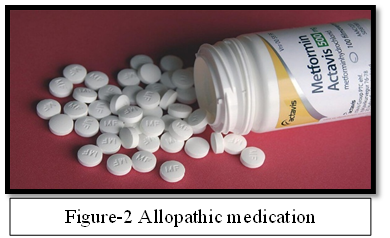
Allopathic medicine primarily focuses on controlling blood glucose levels and preventing long-term complications.

The main classes of medications for diabetes include: [10]

  • Biguanides (e.g., Metformin): Reduces hepatic glucose production and improves insulin sensitivity.
  • Sulfonylureas and Meglitinides: Stimulate insulin secretion.
  • Thiazolidinediones: Enhance insulin sensitivity in peripheral tissues.
  • SGLT2 inhibitors and DPP-4 inhibitors: Newer classes that not only control blood sugar but also provide cardiovascular and renal benefits.

Insulin therapy is used for type 1 diabetes and severe type 2 diabetes. Despite the efficacy of these drugs, side effects like hypoglycemia, weight gain, and gastrointestinal discomfort often reduce patient compliance. Additionally, while drugs effectively manage blood sugar, they do not address lifestyle factors such as diet, exercise, or emotional stress that contribute to diabetes development.
Ayurvedic Approach in the Management of Diabetes Mellitus

In Ayurveda, diabetes is categorized as “Madhumeha”, a disorder characterized by excess urination and a sweet taste in the urine. Ayurveda attributes DM to Vata and Kapha imbalances, which are influenced by factors like poor diet, stress, and sedentary lifestyle. Ayurvedic treatment for DM focuses on correcting these imbalances through a combination of dietary modifications, herbal therapies, Panchakarma detoxification, and lifestyle changes.
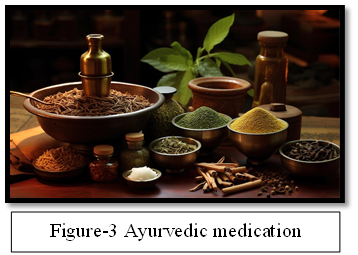
Key Ayurvedic herbs used in diabetes management include:

  • Gymnema sylvestre (Gurmar): Known to reduce sugar absorption and improve insulin sensitivity.
  • Momordica charantia (Bitter melon): Improves glucose uptake and insulin sensitivity.
  • Trigonella foenum-graecum (Fenugreek): Slows glucose absorption and helps in managing blood sugar levels.
  • Tinospora cordifolia (Guduchi): Known for its immunomodulatory and anti-inflammatory properties.

Traditional formulations such as Triphala and Chandraprabha Vati are also commonly used to restore metabolic balance and improve overall health. While Ayurveda has strong empirical evidence supporting its efficacy, its widespread adoption is hindered by the lack of standardized protocols, variability in herbal quality, and limited large-scale clinical trials.

Homeopathic Approach in the Management of Diabetes Mellitus

Homeopathy uses highly diluted remedies to stimulate the body’s inherent healing capabilities based on the principle of “like cures like”. Homeopathic treatments for DM are individualized, focusing on each patient’s physical, emotional, and genetic constitution.
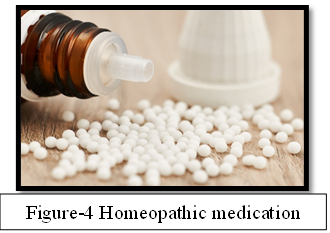
Common remedies for diabetes include:

  • Syzygium jambolanum: Believed to help reduce blood sugar levels.
  • Uranium nitricum: Often used for patients with excessive thirst and frequent urination.
  • Phosphoric acid: A remedy for fatigue and weakness in diabetic patients.

Despite anecdotal evidence and small-scale studies suggesting benefit, scientific validation for the effectiveness of homeopathy in treating diabetes remains insufficient, and the ultra-diluted nature of remedies has led to skepticism in the scientific community. While homeopathy may serve as a supportive therapy, further evidence is needed to establish its role in diabetes management.

Unani Approach in the Management of Diabetes Mellitus

Unani medicine, influenced by ancient Greek and Arabic medicine, conceptualizes health as a balance of four humors: blood (Dam), phlegm (Balgham), yellow bile (Safra), and black bile (Sauda). DM, referred to as Ziabetus Shakri, is caused by the imbalance of these humors, particularly the kidney’s temperament and an excess of glucose in the urine.
Unani treatment includes:

  • Herbal therapies: Momordica charantia (Bitter melon), Syzygium jambolanum (Jamun), and Azadirachta indica (Neem) are commonly used for their antidiabetic and antioxidant properties.
  • Dietary regulation: Emphasizing low carbohydrate intake and the inclusion of fiber-rich foods.
  • Regimental therapies: Incorporating exercise (Riyazat), massage, and detoxification to improve smetabolic functions and overall well-being.

Unani’s holistic and individualized approach mirrors Ayurveda but is yet to gain widespread validation in clinical trials. Its emphasis on lifestyle and dietary modifications alongside herbal treatments offers potential for complementary use in diabetes care.

Comparative Analysis of Allopathic, Ayurvedic, Homeopathic, and Unani Systems in the Treatment of Diabetes Mellitus:

Table (see below) compares the theoretical foundations, treatment goals, and characteristics of the four systems. In brief, allopathy is grounded in biochemical/pathological understanding and focuses on measurable glycemic control with standardized pharmaceuticals. Ayurveda focuses on dosha balance and long-term metabolic rejuvenation through herbs and lifestyle. Homeopathy emphasizes constitutional balance and symptomatic relief with highly diluted substances. Unani targets humoral balance and organ detoxification using herbal and dietary regimens. Each system’s strengths and limitations complement one another (e.g., allopathy’s precision vs. Ayurveda’s holistic lifestyle focus; homeopathy’s personalization vs. unani’s organ support).

Table-6: Comparative Analysis of Allopathic, Ayurvedic, Homeopathic, and Unani Systems in the Treatment of Diabetes Mellitus:

Parameter

Allopathy

Ayurveda

Homeopathy

Unani

Theoretical Foundation

Biochemical/ physiological pathology: insulin deficiency/ resistance

Tridosha imbalance (Kapha-dominant Madhumeha)

Law of Similars; individualized constitution

Humoral imbalance (Balgham) causing Ziabetus Shakri

Primary Goal

Glycemic control; prevention of complications

Restoring dosha balance; long-term rejuvenation of metabolic pathways

Stimulate self-healing and balance constitutional disturbance

Restore humoral balance; strengthen organs (especially liver and kidneys)

Key Treatments

Metformin, Insulin, DPP-4 inhibitors, SGLT2 inhibitors

Gudmar, Vijaysar, Amla, Turmeric, Panchakarma

Syzygium jambolanum, Uranium nitricum, Insulinum, Phosphoric acid

Qurs Tabasheer, Zanjabeel, Majoon Dabeed-ul-ward, Roghan Badam Shirin

Mechanism of Action

Improves insulin secretion/ action, reduces glucose production & absorption

Regeneration of β-cells, insulin sensitization, antioxidant, anti-inflammatory activity

Bioenergetic stimulation (hypothetical), modulation of subtle body responses

Detoxification, digestive correction, tissue nourishment

Form of Medication

Oral tablets, injectables, insulin pumps

Herbal powders, decoctions, tablets, oils

Mother tinctures, dilutions (potentized)

Herbal powders, syrups, pastes, oils

Efficacy (Glycemic Control)

High (evidence-based with quantifiable outcomes)

Moderate to high (dependent on lifestyle & chronicity; supported by clinical trials)

Mild to moderate (often supportive; limited scientific trials)

Moderate (effective in mild/ moderate DM; based on traditional and some clinical reports)

Side Effects

Common: Hypoglycemia, weight gain, GI upset, lactic acidosis (rare)

Minimal; rare herb-drug interactions, requires quality standardization

Minimal; usually safe but controversial due to dilution principle

Generally safe; possible laxative or GI effects from herbs

Onset of Action

Rapid

Gradual (weeks to months)

Very slow (subjective response based)

Gradual

Scientific Evidence Level

Extensive (randomized controlled trials, meta-analyses)

Moderate (growing clinical evidence; more research needed)

Limited (small trials, case studies; lacks large RCTs)

Limited to moderate (ethnopharmacological & few clinical trials)

Regulatory Control

Highly regulated (FDA, CDSCO)

Regulated under Ministry of AYUSH; quality and standardization vary

Regulated under AYUSH; often faces skepticism in mainstream medicine

Regulated by Unani Pharmacopoeia under AYUSH

Cost

High (especially for insulin, branded drugs)

Low to moderate (depends on source and formulation)

Low

Low to moderate

Patient Adherence

Moderate to high (due to visible results)

High (for motivated patients; strong cultural trust in India)

High (in believers; often used as adjunct)

High (in traditional users; family-based medicine)

Strengths

Evidence-based, measurable outcomes, emergency utility

Holistic approach, rejuvenation, long-term management, minimal side effects

Personalized therapy, safe, often used alongside other systems

Strengthens digestion/ liver/ kidney, useful in early stages

Limitations

Side effects, cost, non-curative (symptomatic control)

Slower action, lack of RCT-level evidence, standardization issues

Lack of robust evidence, not suitable for acute or emergency diabetes crises

Limited scientific validation, mostly traditional practices

Synergistic Potential of Integrated Approaches

Combining the strengths of each system may offer a multidimensional therapeutic approach to diabetes, targeting both symptoms and root causes, and enhancing overall patient care.

The synergistic potential can be realized in several ways:

A. Biochemical Complementarity

  • Allopathic drugs provide fast and precise glycemic control (e.g., metformin reduces hepatic glucose output).
  • Ayurvedic herbs like Gymnema sylvestre support beta-cell regeneration and reduce intestinal glucose absorption, complementing oral hypoglycemics.
  • Homeopathic remedies like Syzygium jambolanum may regulate mild hyperglycemia and support stress management, thereby reducing the psychosomatic burden of diabetes.
  • Unani tonics like Qurs Tabasheer or Majoon Dabeed-ul-Ward strengthen liver and kidney function, helping to counteract drug-induced organ stress.

B. Side-Effect Mitigation

  • Long-term allopathic drug use can cause gastric discomfort, weight gain, or hypoglycemia.
  • Co-administration of Ayurvedic adaptogens like Ashwagandha or Unani nervine tonics can reduce fatigue, improve sleep, and enhance metabolic function.
  • Homeopathy helps in managing neuropathies, infections, or diabetic ulcers without adding toxic load.

C. Individualized, Holistic Care

  • Ayurveda provides a lifestyle-based preventive model—diet (Ahara), activity (Vihara), and herbal support (Aushadha).
  • Homeopathy personalizes treatment based on emotional and behavioral patterns.
  • Unani recommends detoxification and regimental therapies (e.g., cupping, massage) to restore humoral balance.
  • Allopathy ensures that complications like retinopathy or nephropathy are clinically monitored and managed.

D. Improved Compliance and Quality of Life

  • Integrated approaches that reduce pill burden, improve energy, manage stress, and prevent complications lead to higher patient satisfaction and compliance.
  • Patients often report enhanced quality of life when classical systems support allopathic treatment.

Practical Examples of Synergy:

Combination

Rationale

Metformin + Gudmar (Ayurveda)

Combined effect on hepatic glucose output and gut glucose absorption

Glibenclamide + Syzygium jambolanum (Homeopathy)

Conventional insulin release stimulant with natural glucose regulator

Oral hypoglycemics + Majoon Dabeed-ul-Ward (Unani)

Controls sugar and supports liver, reducing drug-induced hepatic stress

Allopathy + Ashwagandha + Insulinum (homeopathy)

Manages blood glucose, enhances stress tolerance, and supports pancreatic function

Integration Challenges

  • Scientific validation: Many traditional remedies lack standardized clinical trial data.
  • Standardization: Varying preparation methods and dosages across practitioners.
  • Drug-herb interactions: Potential for pharmacokinetic conflicts (e.g., metformin with bitter herbs).
  • Regulatory framework: Lack of clear integration pathways and guidelines.
  • Physician training: Medical professionals may be unfamiliar with traditional systems.

Future Directions

  • Interdisciplinary clinical trials to evaluate combinations (e.g., metformin + Gudmar) on biomarkers, insulin resistance, and HbA1c.
  • AYUSH-Allopathy collaborative clinics for real-world data collection.
  • Standardization of polyherbal and homeopathic formulations to ensure reproducibility.
  • Digital platforms and AI to tailor individualized, integrative diabetes care protocols.

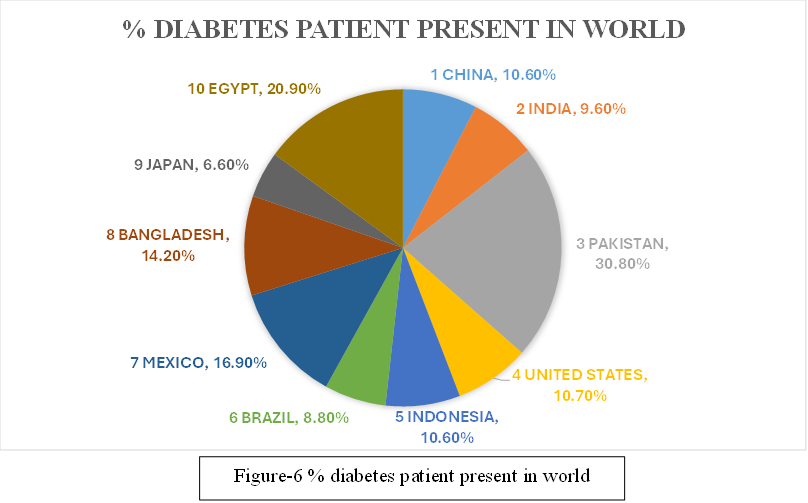
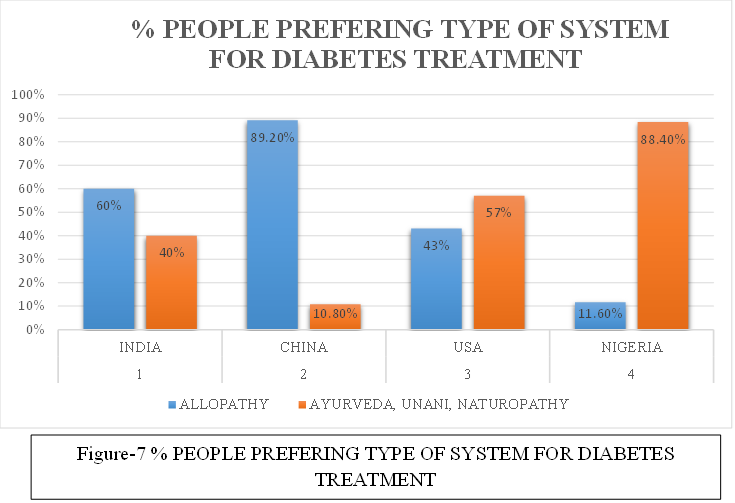
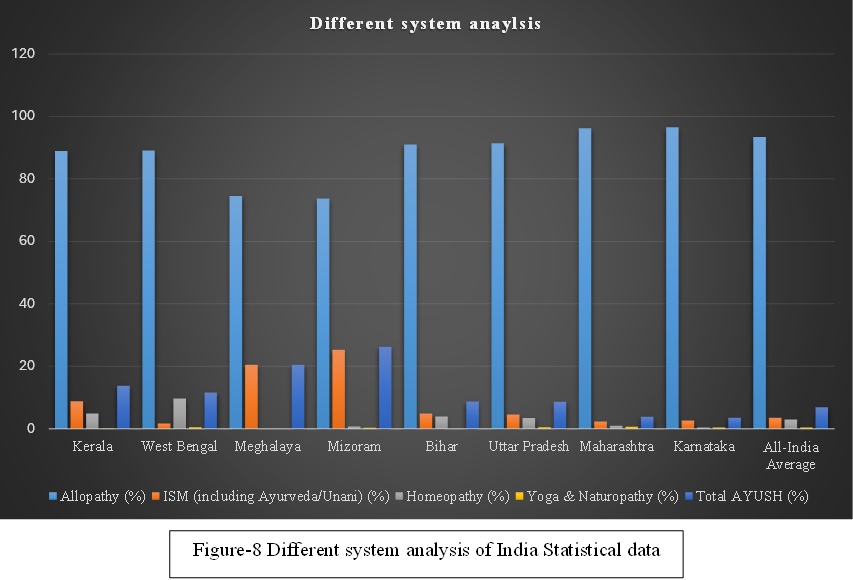
Statistical Data:

CONCLUSION

Diabetes Mellitus, a complex and chronic metabolic disorder, demands a multifaceted therapeutic strategy for optimal management. While allopathy remains the cornerstone of diabetes care due to its rapid and evidence-based interventions, traditional systems such as Ayurveda, Homeopathy, and Unani offer supportive and complementary strategies that emphasize holistic healing, long-term restoration, and minimal side effects. The comparative analysis illustrates that each system contributes unique strengths: Allopathy for clinical precision and acute glycemic control; Ayurveda for dosha-specific herbal therapy and lifestyle modification; Homeopathy for constitutional balancing and chronic symptom relief; and Unani for organ strengthening, humoral correction, and detoxification. When combined judiciously under medical supervision, these systems can work synergistically to enhance glycemic control, reduce complications, improve patient quality of life, and address psychosomatic and lifestyle factors that exacerbate diabetes. Integration of these systems is not without challenges—especially in terms of standardization, regulation, and scientific validation. However, growing interest in integrative medicine, government support (e.g., through AYUSH), and interdisciplinary research open promising avenues for the future. A carefully designed integrative model, backed by both traditional wisdom and modern evidence, could redefine diabetes care in a safer, more sustainable, and patient-centered manner.

REFERENCES

  1. Deshmukh CD, Jain A, MIT World Peace University, Centre for Research and Development, Pacific University, Udaipur, Rajasthan, India, Department of Pharmacology, MAEER’S Maharashtra Institute of Pharmacy, Kothrud, Pune, India, B. R. Nahata College of Pharmacy, Mandsaur, Madhya Pradesh, India. Diabetes mellitus: a review. Vols. 3–3, Int. J. Pure App. Biosci. 2015 p. 224–30. Available from: https://www.researchgate.net/publication/351613911
  2. AMERICAN DIABETES ASSOCIATION. Diagnosis and classification of diabetes mellitus 2010. Available from: https://www.ncbi.nlm.nih.gov/pmc/articles/PMC2797383/pdf/zdcS62.pdf.
  3. Tiwari K, Kumar D, Sri Satya Sai University of Technology & Medical Sciences. Recent classification of diabetes mellitus. International Journal of Innovative Science and Technology. 2018;52–7. Available from: https://www.ijistweb.com
  4. Mulkalwar S, Shah AS, Kataria P, Gupta T, Tilak AV, Sharma B. A comparative study of antihyperglycemic effect of Gymnema sylvestre and metformin in streptozotocin induced diabetic rats. Int J Basic Clin Pharmacol. 2018;7(8):1579. doi:10.18203/2319-2003.ijbcp20183027.
  5. ElSayed NA, Aleppo G, Aroda VR, et al. 9. Pharmacologic Approaches to Glycemic Treatment: Standards of Care in Diabetes—2023. Diabetes Care. 2023;46(Suppl 1):S140-157. doi:10.2337/dc23-S009.
  6. Kodiyatar A, Rai N, Mishra A, Roy V. Evaluation of Antidiabetic Potential of Gymnema sylvestre and Metformin Combination in Streptozotocin-Induced Diabetic Rats. Int J Res Dev Pharm Life Sci. 2025 May 15; (ahead of print). doi:10.32388/fnuvki.
  7. Salehi B, Ata A, Kumar NV, Sharopov F, Ramírez-Alarcón K, Ruiz-Ortega A, et al. Antidiabetic potential of medicinal plants and their active components. Biomolecules. 2019;9(9):551. doi:10.3390/biom9090551.
  8. Chattopadhyay K, Wang H, Kaur J, Nalbant G, Almaqhawi A, Kundakci B, et al. Effectiveness and Safety of Ayurvedic Medicines in Type 2 Diabetes Mellitus Management: A Systematic Review and Meta-Analysis. Front Pharmacol. 2022;13:821810. doi:10.3389/fphar.2022.821810.
  9. Malik I, Ahmed SA, Khan TN, Shamsi S. A systematic review on Unani interventions in Type-2 Diabetes mellitus. Altern Integr Med. 2019;7(3):272. doi:10.4172/2327-5162.1000272.
  10. Singh PK, Gautam AK, Puranik N, Rai B, Yadav D, Mattioli 1885. Comparative study of molecular mechanism of action of allopathic drugs and herbal drugs: A mini review. Vol. 25, Progress in Nutrition. 2023 p. e2023014.
  11. King P, Peacock I, Donnelly R. The UK Prospective Diabetes Study (UKPDS): clinical and therapeutic implications for type 2 diabetes. Br J Clin Pharmacol. 1999;48(5):643-648. doi:10.1046/j.1365-2125.1999.00964.x.
  12. Baragi UC 1*, Ganer JM 2, Umapati C Baragi, Associate Professor and HOD, Dept of Samhita Siddhanta and Sanskrit, Faculty of Ayurved, Main Campus, Uttarakhand Ayurved University, Dehradun, Uttarakhand, India, Jyoti M Ganer, Professor and HOD, Department of Agadtantra Evum Vidhi Vaidyak, Uttaranchal Ayurvedic College, Dehradun, Uttarakhand, India. Adulteration and Substitution of Herbal Drugs: A Critical Review of Challenges and Implications for Integrative Medicine. Vols. 10–10, Journal of Ayurveda and Integrated Medical Sciences. 2025. Available from: https://jaims.in/jaims/article/view/4890/
  13. Chauhan A, Semwal DK, Mishra SP, Semwal RB. Ayurvedic research and methodology: Present status and future strategies. AYU (an International Quarterly Journal of Research in Ayurveda). 2015 Jan 1;36(4):364. Available from: https://doi.org/10.4103/0974-8520.190699
  14. Gaonkar VP, Hullatti K. Indian traditional medicinal plants as a source of potent anti-diabetic agents: a review. J Diabetes Metab Disord. 2020;19(2):1895-1908. doi:10.1007/s40200-020-00628-8.
  15. Ghosh D, Maiti S, Ali K, Jana K, Chatterjee K, De D. Ameliorating effect of mother tincture of Syzygium jambolanum on carbohydrate and lipid metabolic disorders in streptozotocin-induced diabetic rat: Homeopathic remedy. Journal of Natural Science Biology and Medicine. 2013 Jan 1;4(1):68. Available from: https://doi.org/10.4103/0976-9668.107263
  16. Dubey A, Kumari M, Pandey M. Homeopathic medicinal products and importance in diabetes. International Journal of Homeopathy & Natural Medicines. 2024 Apr 2;10(1):17–26. Available from: https://doi.org/10.11648/j.ijhnm.20241001.12
  17. Varanasi R, Srivastava A, Tyagi SK, Bala R. Practice, prescription habits, and perception of Indian homeopathic practitioners in treatment of diabetes mellitus: an online observational study. J Ayurveda Integr Med. 2023;14(5):100787. doi:10.1016/j.jaim.2023.100787.
  18. Hamiduddin, Siddiqui MA, Waris Ali, Gazi Jahangeer, Akhtar Ali M. Unani formulations for management of diabetes: An overview. International Journal of Green Pharmacy. 2019 Feb;12–4:S769–70.
  19. Sheeraz M. Unani herbal medicine as adjuvant therapy in treatment of diabetes mellitus: a review study. Paripex-Indian J Res. 2020;7(6):438-440.
  20. Shakya AK, Shukla S. Evaluation of hepatoprotective efficacy of Majoon-e-Dabeed-ul-ward against acetaminophen-induced liver damage: a Unani herbal formulation. Drug Dev Res. 2010;72(4):346-352. doi:10.1002/ddr.20436.
  21. Jacob B, Narendhirakannan RT. Role of medicinal plants in the management of diabetes mellitus: a review. 3 Biotech. 2019;9(1):4. doi:10.1007/s13205-018-1528-0.
  22. Ahmad A, Husain A, Mujeeb M, Khan SA, Najmi AK, Siddique NA, et al. A review on therapeutic potential of Nigella sativa: a miracle herb. Asian Pac J Trop Biomed. 2013;3(5):337-352.
  23. Šoupal J, Petruželková L, Fleka? M, Pelcl T, Matoulek M, Da?ková M, et al. Comparison of different treatment modalities for Type 1 diabetes, including Sensor-Augmented Insulin Regimens, in 52 weeks of Follow-Up: a COMISAIR study. Diabetes Technology & Therapeutics. 2016 Aug 2;18(9):532–8. Available from: https://doi.org/10.1089/dia.2016.0171.
  24. Dhungel A, Wassem T, Upadhyay-Dhungel K. Diabetic: A Comparative study. Deleted Journal. 2017 Jan 12;4(1):19–26. Available from: https://doi.org/10.3126/jmcjms.v4i1.16381.
  25. Ebadi AG. Synergistic Approaches in Diabetes management: The role of Anti-Diabetic Drugs and Herbal Medicine in therapeutic strategies. Deleted Journal. 2025 Jun 30;10(2):68–82. Available from: https://doi.org/10.3126/njms.v10i2.79012.
  26. Nurinda E, Kusumawardani N, Wulandari AS, Fatmawati A, Emelda E, Nisa H, et al. Pharmacological study: Synergistic antidiabetic activity of cinnamon bark and zingiber extract in Streptozotocin-Induced Diabetic rats. Open Access Macedonian Journal of Medical Sciences. 2022 Jan 3;10(T8):1–6. Available from: https://doi.org/10.3889/oamjms.2022.9462.   

Reference

  1. Deshmukh CD, Jain A, MIT World Peace University, Centre for Research and Development, Pacific University, Udaipur, Rajasthan, India, Department of Pharmacology, MAEER’S Maharashtra Institute of Pharmacy, Kothrud, Pune, India, B. R. Nahata College of Pharmacy, Mandsaur, Madhya Pradesh, India. Diabetes mellitus: a review. Vols. 3–3, Int. J. Pure App. Biosci. 2015 p. 224–30. Available from: https://www.researchgate.net/publication/351613911
  2. AMERICAN DIABETES ASSOCIATION. Diagnosis and classification of diabetes mellitus 2010. Available from: https://www.ncbi.nlm.nih.gov/pmc/articles/PMC2797383/pdf/zdcS62.pdf.
  3. Tiwari K, Kumar D, Sri Satya Sai University of Technology & Medical Sciences. Recent classification of diabetes mellitus. International Journal of Innovative Science and Technology. 2018;52–7. Available from: https://www.ijistweb.com
  4. Mulkalwar S, Shah AS, Kataria P, Gupta T, Tilak AV, Sharma B. A comparative study of antihyperglycemic effect of Gymnema sylvestre and metformin in streptozotocin induced diabetic rats. Int J Basic Clin Pharmacol. 2018;7(8):1579. doi:10.18203/2319-2003.ijbcp20183027.
  5. ElSayed NA, Aleppo G, Aroda VR, et al. 9. Pharmacologic Approaches to Glycemic Treatment: Standards of Care in Diabetes—2023. Diabetes Care. 2023;46(Suppl 1):S140-157. doi:10.2337/dc23-S009.
  6. Kodiyatar A, Rai N, Mishra A, Roy V. Evaluation of Antidiabetic Potential of Gymnema sylvestre and Metformin Combination in Streptozotocin-Induced Diabetic Rats. Int J Res Dev Pharm Life Sci. 2025 May 15; (ahead of print). doi:10.32388/fnuvki.
  7. Salehi B, Ata A, Kumar NV, Sharopov F, Ramírez-Alarcón K, Ruiz-Ortega A, et al. Antidiabetic potential of medicinal plants and their active components. Biomolecules. 2019;9(9):551. doi:10.3390/biom9090551.
  8. Chattopadhyay K, Wang H, Kaur J, Nalbant G, Almaqhawi A, Kundakci B, et al. Effectiveness and Safety of Ayurvedic Medicines in Type 2 Diabetes Mellitus Management: A Systematic Review and Meta-Analysis. Front Pharmacol. 2022;13:821810. doi:10.3389/fphar.2022.821810.
  9. Malik I, Ahmed SA, Khan TN, Shamsi S. A systematic review on Unani interventions in Type-2 Diabetes mellitus. Altern Integr Med. 2019;7(3):272. doi:10.4172/2327-5162.1000272.
  10. Singh PK, Gautam AK, Puranik N, Rai B, Yadav D, Mattioli 1885. Comparative study of molecular mechanism of action of allopathic drugs and herbal drugs: A mini review. Vol. 25, Progress in Nutrition. 2023 p. e2023014.
  11. King P, Peacock I, Donnelly R. The UK Prospective Diabetes Study (UKPDS): clinical and therapeutic implications for type 2 diabetes. Br J Clin Pharmacol. 1999;48(5):643-648. doi:10.1046/j.1365-2125.1999.00964.x.
  12. Baragi UC 1*, Ganer JM 2, Umapati C Baragi, Associate Professor and HOD, Dept of Samhita Siddhanta and Sanskrit, Faculty of Ayurved, Main Campus, Uttarakhand Ayurved University, Dehradun, Uttarakhand, India, Jyoti M Ganer, Professor and HOD, Department of Agadtantra Evum Vidhi Vaidyak, Uttaranchal Ayurvedic College, Dehradun, Uttarakhand, India. Adulteration and Substitution of Herbal Drugs: A Critical Review of Challenges and Implications for Integrative Medicine. Vols. 10–10, Journal of Ayurveda and Integrated Medical Sciences. 2025. Available from: https://jaims.in/jaims/article/view/4890/
  13. Chauhan A, Semwal DK, Mishra SP, Semwal RB. Ayurvedic research and methodology: Present status and future strategies. AYU (an International Quarterly Journal of Research in Ayurveda). 2015 Jan 1;36(4):364. Available from: https://doi.org/10.4103/0974-8520.190699
  14. Gaonkar VP, Hullatti K. Indian traditional medicinal plants as a source of potent anti-diabetic agents: a review. J Diabetes Metab Disord. 2020;19(2):1895-1908. doi:10.1007/s40200-020-00628-8.
  15. Ghosh D, Maiti S, Ali K, Jana K, Chatterjee K, De D. Ameliorating effect of mother tincture of Syzygium jambolanum on carbohydrate and lipid metabolic disorders in streptozotocin-induced diabetic rat: Homeopathic remedy. Journal of Natural Science Biology and Medicine. 2013 Jan 1;4(1):68. Available from: https://doi.org/10.4103/0976-9668.107263
  16. Dubey A, Kumari M, Pandey M. Homeopathic medicinal products and importance in diabetes. International Journal of Homeopathy & Natural Medicines. 2024 Apr 2;10(1):17–26. Available from: https://doi.org/10.11648/j.ijhnm.20241001.12
  17. Varanasi R, Srivastava A, Tyagi SK, Bala R. Practice, prescription habits, and perception of Indian homeopathic practitioners in treatment of diabetes mellitus: an online observational study. J Ayurveda Integr Med. 2023;14(5):100787. doi:10.1016/j.jaim.2023.100787.
  18. Hamiduddin, Siddiqui MA, Waris Ali, Gazi Jahangeer, Akhtar Ali M. Unani formulations for management of diabetes: An overview. International Journal of Green Pharmacy. 2019 Feb;12–4:S769–70.
  19. Sheeraz M. Unani herbal medicine as adjuvant therapy in treatment of diabetes mellitus: a review study. Paripex-Indian J Res. 2020;7(6):438-440.
  20. Shakya AK, Shukla S. Evaluation of hepatoprotective efficacy of Majoon-e-Dabeed-ul-ward against acetaminophen-induced liver damage: a Unani herbal formulation. Drug Dev Res. 2010;72(4):346-352. doi:10.1002/ddr.20436.
  21. Jacob B, Narendhirakannan RT. Role of medicinal plants in the management of diabetes mellitus: a review. 3 Biotech. 2019;9(1):4. doi:10.1007/s13205-018-1528-0.
  22. Ahmad A, Husain A, Mujeeb M, Khan SA, Najmi AK, Siddique NA, et al. A review on therapeutic potential of Nigella sativa: a miracle herb. Asian Pac J Trop Biomed. 2013;3(5):337-352.
  23. Šoupal J, Petruželková L, Fleka? M, Pelcl T, Matoulek M, Da?ková M, et al. Comparison of different treatment modalities for Type 1 diabetes, including Sensor-Augmented Insulin Regimens, in 52 weeks of Follow-Up: a COMISAIR study. Diabetes Technology & Therapeutics. 2016 Aug 2;18(9):532–8. Available from: https://doi.org/10.1089/dia.2016.0171.
  24. Dhungel A, Wassem T, Upadhyay-Dhungel K. Diabetic: A Comparative study. Deleted Journal. 2017 Jan 12;4(1):19–26. Available from: https://doi.org/10.3126/jmcjms.v4i1.16381.
  25. Ebadi AG. Synergistic Approaches in Diabetes management: The role of Anti-Diabetic Drugs and Herbal Medicine in therapeutic strategies. Deleted Journal. 2025 Jun 30;10(2):68–82. Available from: https://doi.org/10.3126/njms.v10i2.79012.
  26. Nurinda E, Kusumawardani N, Wulandari AS, Fatmawati A, Emelda E, Nisa H, et al. Pharmacological study: Synergistic antidiabetic activity of cinnamon bark and zingiber extract in Streptozotocin-Induced Diabetic rats. Open Access Macedonian Journal of Medical Sciences. 2022 Jan 3;10(T8):1–6. Available from: https://doi.org/10.3889/oamjms.2022.9462.   

Photo
Madhuri Pawar
Corresponding author

Department of Pharmacognosy, K.B.H.S.S. Trust Institute of Pharmacy, Malegaon, Nashik, Maharashtra, India 423203

Photo
Piyush Teli
Co-author

Department of Pharmacognosy, K.B.H.S.S. Trust Institute of Pharmacy, Malegaon, Nashik, Maharashtra, India 423203

Photo
Bhavesha Chaudhari
Co-author

Department of Pharmaceutical Chemistry, K.B.H.S.S. Trust Institute of Pharmacy, Malegaon, Nashik, Maharashtra, India 423203

Photo
Dr. Vinod Bairagi
Co-author

Department of Pharmacology, K.B.H.S.S. Trust Institute of Pharmacy, Malegaon, Nashik, Maharashtra, India 423203

Madhuri Pawar, Piyush Teli, Bhavesha Chaudhari, Dr. Vinod Bairagi, Comparative and Synergistic Effects of Allopathic, Ayurvedic, Homeopathic, and Unani Systems in the Treatment of Diabetes Mellitus, Int. J. of Pharm. Sci., 2026, Vol 4, Issue 1, 1776-1786. https://doi.org/10.5281/zenodo.18281803

More related articles
An In-Depth Review of Erectile Dysfunction and Eja...
Prashant Kumar, Yash Srivastav, Varaganti Sai Chitra Prathyusha, ...
Review Article: Advancements in Sustained Release ...
Harpreet Kaur, Jasdeep Kaur, Kanika Tuli, ...
Related Articles
Intrauterine Devices-Intrauterine Drug Delivery System...
Aamena Simeem, Payal Shelke, Nandini Gire, G. K. Brahma, Diya Gawade, Sneha Bhalerao, ...
Artificial Intelligence in Community Pharmacy: Bridging Human Touch with Digital...
Aarti Aher, Jadhav Sakshi , Dhanashri Mali, Shubham Pachorkar , Dr. M.R.N Shaikh, ...
A Review Article on AntiOxidant Activity of Zingiber Officinale Ginger...
Syed Sabreen, D.Curie, T. Srinivas, Y. Manoj, M.Gopi, T. Billgates, T.Sachin Meiti, S. K.Nousheen, D...
An In-Depth Review of Erectile Dysfunction and Ejaculation Disorders: Pathophysi...
Prashant Kumar, Yash Srivastav, Varaganti Sai Chitra Prathyusha, Ali Waris, Subhashree Bhoi, Johny L...