
1Asst Professor, Nargund Collage of Pharmacy, Bangalore, Karnataka, India.
2Asst Professor, Visveswarapura Institute of Pharmaceutical Science, Bangalore, Karnataka, India
3Associate Professor, Nargund Collage of Pharmacy, Bangalore, Pharmacy, India.
Objectives. The aim of this study was to assess the effect of the hydro-alcoholic extract of Punica granatum Linn. (P. granatum) petal on Streptococcus sanguinis, Streptococcus mutans, Streptococcus salivarius, Streptococcus sobrinus and Enterococcus faecalis. Materials and methods. In this in vitro study, P. granatum extract was prepared using powdered petals and water-ethanol solvent. The antibacterial effect of the extract, chlorhexidine (CHX) and ampicillin was evaluated on brain-heart infusion agar (BHIA) by the cup-plate method. By evaluating the diameter of the growth inhibition zone, the minimum inhibitory concentration (MIC) and minimum bactericidal concentration (MBC) of the extract were determined for the above bacteria. Result. The hydro- alcoholic extract of P. granatum petal had inhibitory effects on the proliferation of all five bacterial strains with the maximum effect on S. mutans with MIC and MBC of 3.9 mg/ml. The largest diameter of the zone of growth inhibition belonged to S. sanguinis and the smallest to E. faecalis. Ampicillin and CHX had the greatest inhibitory effect on S. sanguinis. Conclusions. The hydroalcoholic extract of P. granatum had a significant antibacterial effect on common oral bacterial pathogens with maximum effect on S. mutans, which is the main microorganism responsible for dental plaque and caries.
As a general defence system, the skin is the largest organ in the human body, accounting for 15% of the body weight. It plays vital roles in protective, thermoregulatory, sensory, and immunologic functions and body fluid equilibrium as well. The skin consists of three orderly arranged layers: epidermis, dermis, and hypodermis (subcutaneous tissue) and each of the layers has its own functions in the body. Skin infections are caused by a wide variety of germs, and symptoms can vary from mild to serious. Mild infections may be treatable with over-the-counter medications and home remedies, whereas other infections may require medical attention. Bacterial skin infections: Bacterial skin infections often begin as small, red bumps that slowly increase in size. Some bacterial infections are mild and easily treated with topical antibiotics, but other infections require an oral antibiotic. Different types of bacterial skin infections include: Cellulitis (Staphylococcus aureus and Streptococcus pyrogens), Impetigo (Staphylococcus pyrogens), Acne (Propionibacterium acnes), Erysipelas (Staphylococcus aureus), Bacterial folliculitis, Hot tub folliculitis (Pseudomonas aeruginosa). TREATMENT: Treatment depends on the cause of the infection and the severity. Bacterial infections are often treated with topical antibiotics applied directly to the skin or with oral antibiotics. If the strain of bacteria is resistant to treatment, treating the infection may require intravenous antibiotics administered in the hospital. Mode of action of antibacterial- There are six major modes of action: Interference with cell wall synthesis, Inhibition of protein synthesis, Interference with nucleic acid synthesis, Inhibition of metabolic pathway, Inhibition of membrane function, Inhibition of ATP synthase [1,2,3,4]
Aactaril Soap 75gm – Himalaya
Pingar Skin Care Soap – Ayur Ashrama Wright Herbal Soap – Amrita Drugs [5,6]
OBJECTIVES OF THE STUDY
To Study the antibacterial activity of peels of Punica granatum and Citrus limetta dried and fresh hydro methanolic extracts. Collection selected plant materials (Punica granatum & Citrus limetta), To carry out the hydro methanolic extraction of Punica granatum & Citrus limetta peels by maceration process, Phytochemical screening of Punica granatum & Citrus limetta extracts.
Evaluation of antibacterial activity of hydro-methanolic extract of Punica granatum & Citrus limetta by using cup plate method, Preparation of antibacterial soap using Punica granatum & Citrus limetta extracts. [7,8]
3. PLANT PROFILES:
3.1 Punica granatum (pomegranate)
The Pomegranate (Punica granatum) is a small tree or bush of the family Lythraceae that grows,5–8 m tall. It bears a round fruit with a thick skin that contains a chamber filled with clusters of fleshy, reddish violet seeds. The pomegranate first originated in Iran and then was later cultivated throughout the Mediterranean and extended to Arabia, Afghanistan, India, and China to the Himalayas. Pomegranate is the fruit of the pomegranate tree (Punica granatum), a dicotyledon angiosperm plant. The tree flowers in May and June, and its fruits mature in September and October.
3.1.1 Traditional use: In treatment of cough, urinary infection, arthritis, diabetes, hypertension, hyperlipidaemia, anaemia and for peptic ulcer etc. in several regions of the world.
3.1.2 Phytochemical constituents: Phenols, Tannins, Flavonoids, Quinones, Coumarins, Steroids, Triterpenoids and Alkaloids.
3.1.3 Antimicrobial activity by Punica granatum: Medicinal plants characterize a rich source of antimicrobial agents. Plants are used therapeutically in different countries and are a derivative of many potent and powerful drugs. Burapadaja et al, conveyed that pomegranate fruit peel compound punicalagin have antimicrobial activity against S. ureus and P. aeruginosa.
Healing Activity: Gallic acid and catechin are the main components of Punica granatum which are capable for the healing action
Anti-inflammatory Activity: The main elements of pomegranate fatty acids, punicic acid, is common anti-inflammatory compound which inhibits the development of inflammation by suppresses the biosynthesis of prostaglandin
Anti-diabetic Activity: The current diabetes epidemic is a worldwide concern with readily obtainable efficacious therapies or preventive measures in demand. In traditional folk medicines of India, a natural product with this potential is the pomegranate (Punica granatum), with hypoglycaemic activity a special feature of it are the flowers, seeds and juice. Pomegranate compounds related with antidiabetic effects include oleanolic, ursolic, and gallic acids
Anticancer Activity: It has been found that the juice, peel, and seed oil of Pomegranate contain anti-cancer properties that inhibit proliferation, cell cycle, and Angiogenesis. The used of pomegranate plant as a medicinal product has been gradually increasing in the pharmaceutical industry. [9,10,11]
Marketed products of Punica granatum:
Punica Granatum has been used since olden times for its medicinal properties and health benefits. Since then, it has been observed and studied by researchers today for its medicinal properties in detail and has also been manufactured in the market for its used like soft gel capsules, tablets and consumed as supplements. Due to its high antioxidant activity and its ability to repair cell damage, it extends the life of fibroblast, that helps in the production of elastin and collagen, the components that give strength and support to the skin and its inflammatory effects skin products [12]
3.2 Citrus limetta (sweet lime)
Mosambi is one of the sweet Orange, an evergreen plant grown for its pulp and juices. It has a high vitamin C and folic acid, it ensures excellent immunity, and glowing skin improves health, and supports joints and bones. Commercial cultivation of Mosambi or sweet limes is done in North Eastern India, Punjab, and Tamil Nadu at high altitude between 1000-2700m. Mosambi is the 3rd largest fruit produce in India. Mosambi is small to medium size average seven diameters in size, it is round with a leathery exterior. It is a small tree that can reach up to 20 to 25 feet. The tree, its leaves, and the form and size of the fruit resemble the Tahiti lime. Mosambi fruits are bulbous or oblong, with edge leaflets 6 to 17 cm long and 3 to 8 cm wide the colour of the exterior covering is yellowish-green- white. Mosambi flowers are borne singly or in cluster, they are white with a sweet odour.
3.2.1 Traditional use: Treatment of the scurvy, indigestion and constipation, diabetes, ulcers, urinary disorder and for improvement of immune system.
3.2.2 Phytochemical constituents: Flavonoids, Saponins, Steroids, Terpenoids, Tannins and Alkaloids.
3.2.3 Reported activities:
Citrus flavonoids have a large variety of biological activity including antibacterial, antifungal, antidiabetic, anticancer and antiviral activities. Flavonoids can behave as direct antioxidants and free radical scavengers, and have the ability to regulate enzymatic activities and inhibit cell proliferation.
Antibacterial effects:
The antibacterial potential of the leaf essential oil and petroleum ether, chloroform, ethyl acetate and methanol extracts of the leaves of Citrus aurantifolia were studied against human pathogenic bacteria (Bacillus cereus, Streptococcus faecalis, typhoidal Salmonella, Staph aureus, Escherichia coli, Proteus vulgaris, Klebsiella pneumoniae, Pseudomonas aeruginosa and a family of Enterobacteriaceae) by agar well diffusion method. Ethyl acetate, chloroform and methanol extracts of Citrus Serratia marcescens aurantifolia leaves are leaf essential oils exhibited pronounced activity against. Gram-positive and Gram-negative bacteria and their activity was quite comparable with tobramycin, gentamicin sulphate, ofloxacin and ciprofloxacin which act as standard antibiotics screened under similar conditions.
Anthelmintic and repellent effects:
Methanolic extract of Citrus medica was assessed for anthelmintic activity against Indian adult earthworm Pheritima posthuma. Numerous concentrations of extract were tested and outcomes were expressed in terms of time for paralysis and time for death of worms. Piperazine citrate (10 mg per ml) was depleted as a reference standard and distilled water as a control group. Dose reliant on anthelmintic activity was control by the methanolic extract of Citrus medica.
Antioxidant effect:
Many plants are main source of possibly safe natural antioxidants for the food industry; many compounds have been isolated with various of them being polyphenols. Antioxidant activity was greater in aqueous extract of Citrus limetta. The antioxidant activity was also determined by DPPH method using methanolic extract of 13 commercially accessible citrus species peel and tissues.
Cardiovascular effects:
According to World Health Organization's recent report, citrus fruits provide protection against cardiovascular diseases by decreasing levels of homocysteine. Orange fruit contains vitamin C, carotenoids and flavonoids, which were cardio-protective. Cholesterol depressing effect of orange was produced by limonene.
Anticancer effect:
Epidemiologic, observational studies have revealed that the consuming of fruits is related with a decrease risk of cancer. The ingestion of citrus fruit has been stated to be beneficial for the lowering of certain types of human cancer. The in-vitro effects of concentrated lime juice (CLJ) extract were analysed on the spontaneous production of human breast carcinoma cell line and a human lymphoblastoid B cell line. [9,10,11]
Marketed products of Citrus Limetta:
Citrus Limetta has a high quantity of vitamin c which cleanses the skin, it improves the skin tone, acts as a moisturizer, and is a healing agent of the skin. It also serves as a great juice for dehydration and electrolyte imbalance. It has been manufactured in liquid preparations such as body gels, facewash and powders. [12]
METHODOLOGY
4.1 Collection of plant materials
Peels are collected (from 1 kg each X 2), One batch is shade dried for 4 days and one batch is freshly used, Grinded to powdered form (Citrus Limetta - 64.37 g and Punica Granatum 62.44 g)
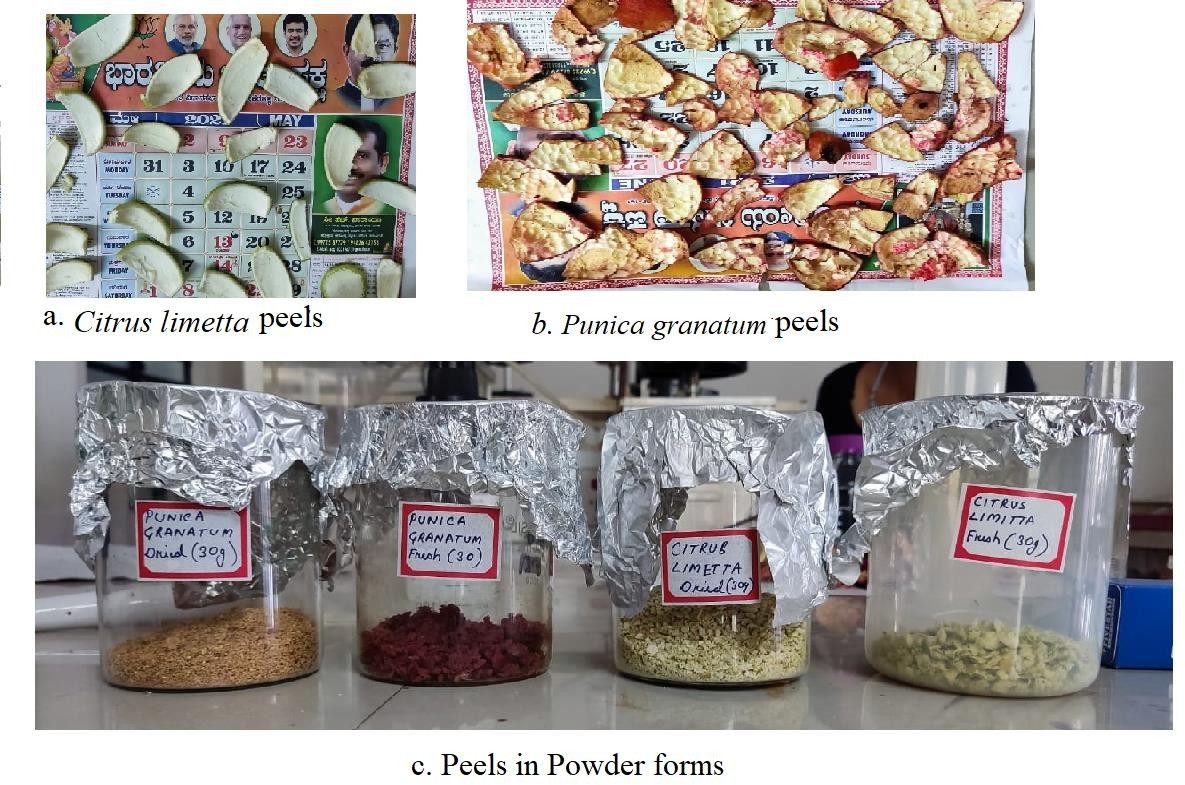
Figure 1 Collection of plant materials
4.2 Extraction
4.2.1 Hydro methanolic extraction of peels of Punica granatum & Citrus limetta (dried and fresh) by maceration process.
Requirements:
Citrus limetta, Punica granatum, Conical flask, volumetric flasks, petri plates, cotton swab, Ethanol (70%), Tetracycline as standard drug, distilled water, weighing machine and pathogens (E. coli and Bacillus subtilis), micro pipette, beakers. [12] Procedure:
30gm of crude drug was taken in a beaker and 240ml methanol, 60ml of water added and kept for 48 hours. Four samples were prepared from Citrus limetta and Punica granatum. The samples were kept in beakers and are tightly closed with aluminum foil for 48 hours. The samples were mixed properly by stirring and filtered using Whatman’s filter paper using a vacuum filter apparatus. Filtrate was collected and transfered it to china dish. All four samples were placed in a water bath for evaporation at 90?C. After evaporation the samples turns into semisolid forms. Then the china dishes are closed with aluminum foil. The extracts were collected and further used for antibacterial studies. [13]
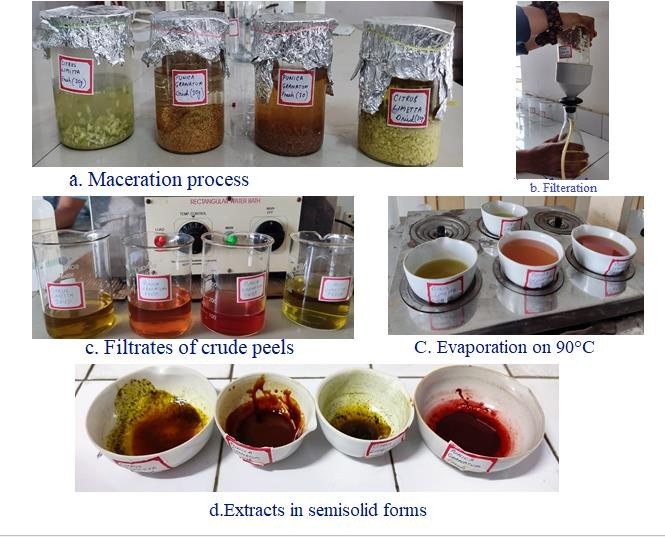
Figure 2 Hydro methanolic extraction of peels of Punica granatum & Citrus limetta (dried and fresh) by maceration process.
4.2.2 PHYTOCHEMICAL SCREENING OF HYDRO-METHANOLIC EXTRACT OF PUNICA GRANATUM & CITRUS LIMETTA:
|
SL.NO |
TEST |
OBSERVATION |
INFERENCE |
|
1. |
Test for carbohydrate(fig4) (Table 3) |
||
|
(a) |
Fehlings test :1ml Fehlings A and Fehlings B are mixed, boil for 1 min. Add equal volume of test solution. Heat in boiling water bath for 5 -10 min. |
Brick red ppt is observed. |
Carbohydrate present |
|
(b) |
Benedicts test: Equal volume of benedict reagent and test solution in a test tube. Heat in boiling water bath for 5min |
Green color is observed |
Carbohydrate present |
|
2 |
Test for alkaloids(fig4)(Table:3) |
||
|
(a) |
Dragendorff’s test: To 2-3 ml filtrate, add few drops dragendorff’s reagent. |
Orange brown ppt is formed |
Alkaloid present |
|
3 |
Test for tannins (fig.4)(Table:3) |
||
|
(a) |
Acetic acid solution: |
Red colour solution |
Tannin present |
|
(b) |
5?Cl3 solution: |
Deep blue black colour observed |
Tannin present |
|
4 |
Test for flavonoids (fig.4)(Table:3) |
||
|
(a) |
To small quantity of residue, add lead acetate solution. |
Yellow colour ppt |
Flavonoid present |
|
(b) |
Sulphuric acid test: On addition of sulphuric acid (60-80lavones and flavanoids dissolve into it. |
Deep yellow solution |
Flavonoid present |
|
5. |
Test For Vitamins (Fig.4)(Table:3) |
||
|
(b) |
To 2ml of 2% w/v solution and 2ml of water ,0.1g of sodium bicarbonate and about 20 mg of ferrous sulphate, shake and allow to stand. |
Deep violet colour is produced. Add 5ml of 1 M sulphuric acid, the colour disappears. |
Vitamin C present |
|
6. |
Test For Glycoside (Fig.4)(Table:3) |
||
|
(a) |
Baljet’s test: |
A section shows yellow to orange colour with sodium picrate. |
Cardiac glycoside present |
|
(b) |
Legal’s test: To aqueous or alcoholic extract, add 1 ml pyridine and 1 ml sodium nitroprusside. |
Pink to red colour appears. |
Cardiac glycoside present |
|
c) |
Borntrager’s test: 3ml extract, add dilute H2SO4 boil and filter. To cold filtrate add equal volume of benzene or chloroform. Shake well. Separate the organic solvent. Add ammonia |
Ammonical layer turns pink or red. |
Anthraquinone glycoside present. |
|
d) |
Foam test: shake the extract or dried powder vigorously with water. |
Persistent stable foam not observed. |
Saponin glycoside absent |
|
7. |
Test For Steroids (fig:4)(Table:3) |
||
|
(a) |
Salkowski reaction: To 2ml of extract, add 2ml of chloroform and 2 ml of conc. H2SO4. Shake well. |
Chloroform layers appears red and acid layers shows greenish yellow fluorescence. |
Steroids present. |
|
(b) |
Liebermann-burchard reaction: Mix 2ml extract with chloroform. Add 1- 2 ml acetic anhydride and 2 drops of conc.H2SO4 from the side of the test tube. |
First red, then blue and finally green colour appears. |
Steroids present. |
|
(c) |
Liebermann’s reaction: |
Blue colour appears. |
Steroids present. |
|
8. |
Test For Protein (fig:4)(Table:3) |
||
|
(a) |
Biuret test: to 3 ml T.S. and 4% of NaOH and few drop of 1% of CuSo4 solution. |
Violet or pink colour appear. |
Protein present. |
|
(b) |
Millon’s test: Mix 3 ml T.S. with 5ml Millon reagents. |
White ppt. Warm ppt. turn brick red or ppt, dissolve giving red colour solution. |
Protein present. |
|
(c) |
Xanthoprotein’s test: mix 3ml T.S. with 1ml conc. H2So4. |
White ppt is formed. Boil it ppt yellow. Add NH4OH, ppt turn orange. |
Protein present. |
Table 1 Phytochemical Screening Of Hydro-Methanolic Extract Of Punica Granatum & Citrus Limetta
4.3 Evaluation of in vitro antibacterial activity of hydro methanolic extract of Punica granatum & Citrus limetta by using cup plate method.
Preparation of reagents
a) Preparation of standard drug (tetracycline) stock solution:
Standard drug (Tetracycline) was collected from Drug Testing Laboratory of Karnataka.
100 mg of tetracycline is weighed and diluted in ethanol (70ml) and distilled water(30ml) in 100ml volumetric flask. 1ml taken from above preparation and diluted with ethanol (7ml) and distilled water (3ml) in 10ml volumetric flask.
b) Preparation of stock solutions of extracts: 1 gram of extract is mixed with 80% methanol in volumetric flask.
C) Preparation Nutrient Agar Media:
For 250ml media preparation:
Above ingredients in required weight are taken in a conical flask. Conical flask then sealed with cotton plug and wrapped with newspaper. The sealed conical flask is then kept for autoclave for 15 min.
The conical flask is directly transferred to the aseptic area safely, avoiding any contamination and further procedure is carried out in aseptic area. [14]
Procedure:
16 petri plates were washed, cleaned and kept in hot air oven. After removing aseptically, petri plates were taken to the aseptic area with aseptic care. The prepared agar media was cooled to sufficient temperature suitable for transferring into the petri plates. The agar media is divided into two portions equally. In one portion gram-negative E. coli and in another portion one gram-positive
B. subitlis was inoculated. Agar media was poured in the Petri plates inside the laminar air flow chamber to prevent contamination. And left for 2 hours to solidify in laminar air flow chamber. After solidifications wells were made on the Petri plates by a cork borer (4 Petri plates with 5 wells and other 4 with 6 wells), The wells were poured with the prepared solution using micro pipette (tetracycline, distilled water, methanolic extracts of dried and fresh peels of Punica granatum and Citrus limetta and its combination). After pouring in the wells the petri plates were transferred to the hot air oven and kept for 24 hrs at 37 ?. (Table: 2)(graph:1,2,3) [15,16]
Measurement of zone of inhibition:
After 24 hrs. petri plates were taken out from the incubator for observing the zone of inhibition and analyzed whether the bacteria are resistant or sensitive to the particular poured extracts. Zone of inhibition measured from the colony closest to the disc to the centre of the disc(radius) and double that for the diameter using scale (in millimeter). Measure only the zone that is free of any bacterial growth. (fig: 3) [17]
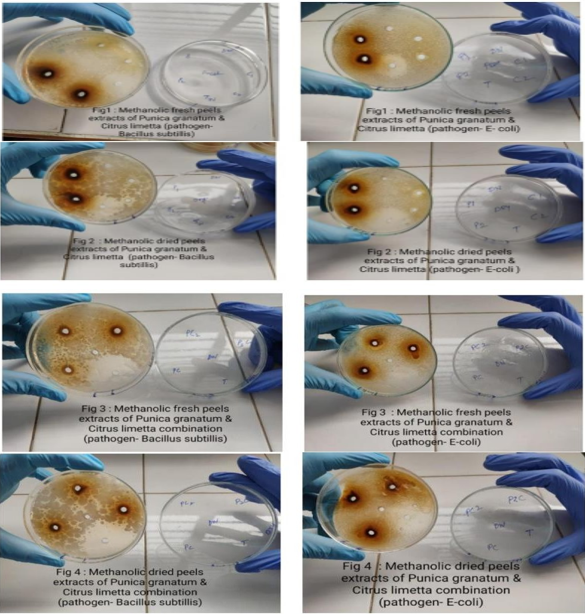
Figure 3 Measurement of zone of inhibition
4.4 Preparation of anti-bacterial soap by using Punica granatum and Citrus limetta and study their properties
4.4.1 Requirements:
Water bath, Soap mold, Knife, Burner, Beakers, Measuring cylinder (Table: 2)
|
S.NO |
INGREDIENTS |
QUANTITY |
|
1. |
Soap base |
35 g |
|
2. |
Extract |
1g |
|
3. |
Methanol |
80% |
|
4. |
Turmeric |
0.2 g |
|
5. |
Neem |
2 ml |
|
6. |
Almond oil |
2 ml |
Table 3 Requirements
4.4.2 Procedure: Soap base was weighed and divided into three sections respectively. The soap base is collected into three beakers and placed in the boiling water bath at 40 ?. In 3 beakers each 4 ml Methanol and 1g of each extract is mixed (Punica Granatum fresh, Punica Granatum dried and combination of fresh & dry Punica Granatum). The above solution is poured into melted soap base and stirred well. 2 ml Neem oil and 2 ml Almond oil were mixed into each of the soap base solution and stirred well. 0.2g turmeric is added to each of these beakers. The above soap solution is stirred properly in water bath. It should be
noticed that no water bubbles were formed. Above solution transferred into soap mold, labelled and kept in refrigerator for 8 hours.
After 8 hours’ soaps were collected, packed and labelled neatly with specifications. (fig:3,5) [18,19]
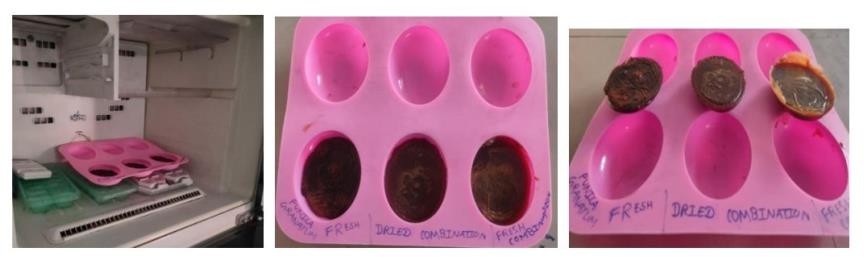
Figure 3 Soap base formation
RESULTS
5.1 Phytochemical Screening
|
Sl.no |
Test |
Result |
|
1. |
Carbohydrate |
Present |
|
2. |
Alkaloids |
Present |
|
3. |
Tannins |
Present |
|
4. |
Flavonoids |
Present |
|
5. |
Vitamins |
Present (vitamin C) |
|
6. |
Glycosides |
Present (cardiac, enthraquinone, suponin glycoside) |
|
7. |
Steroids |
Present |
|
8. |
Proteins |
Present |
Table 4 Phytochemical Screening
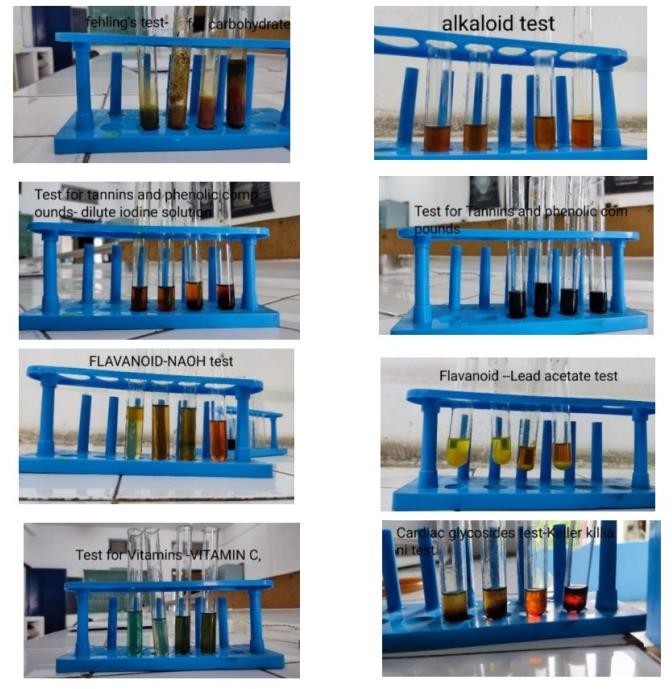
Figure 4 Phytochemical Screening
5.2 Evaluation of in vitro antibacterial activity of hydro methanolic extract of Punica granatum & Citrus limetta by using cup plate method
Table 5 Evaluation of in vitro antibacterial activity
P1- Punica granatum, P2- Punica granatum double concentration, C1- Citrus limetta, C2- Citrus limetta double concentration, PC- 1:1 concentration of Punica granatum and citrus limetta, PC2-1:2 concentration, P2C-2:1 concentration

Graph 1 Graph for antibacterial activity of Punica Granatum and Citrus Limetia Combination On E. Coli Bacteria
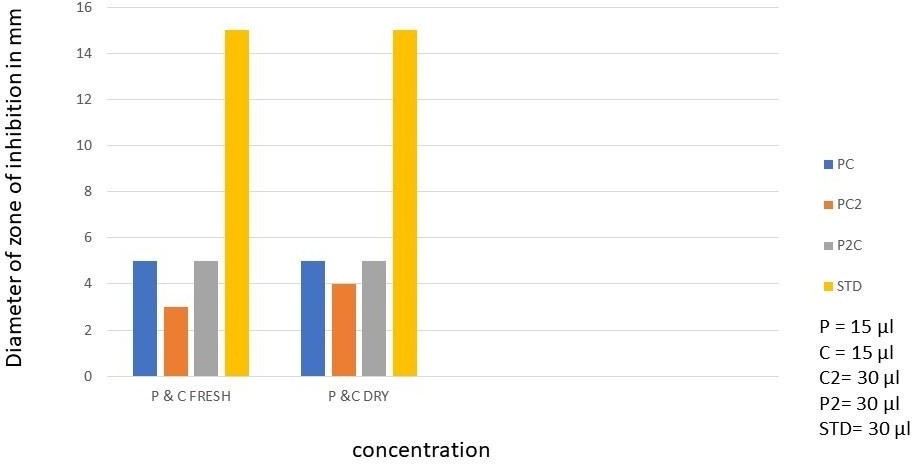
Graph 2 Graph foe antibacterial activity of Punica Granatum and citrus Limetia combination on Bacilus Subtilis Bacteria

Graph 3 Graph for Antibacterial Activity of Punica Granatum and Citrus Limetia on Bacillus Subtilis Bacteria
5.3 Anti-bacterial soap using Punica granatum & Citrus limetta extracts was prepared, packed and labelled.
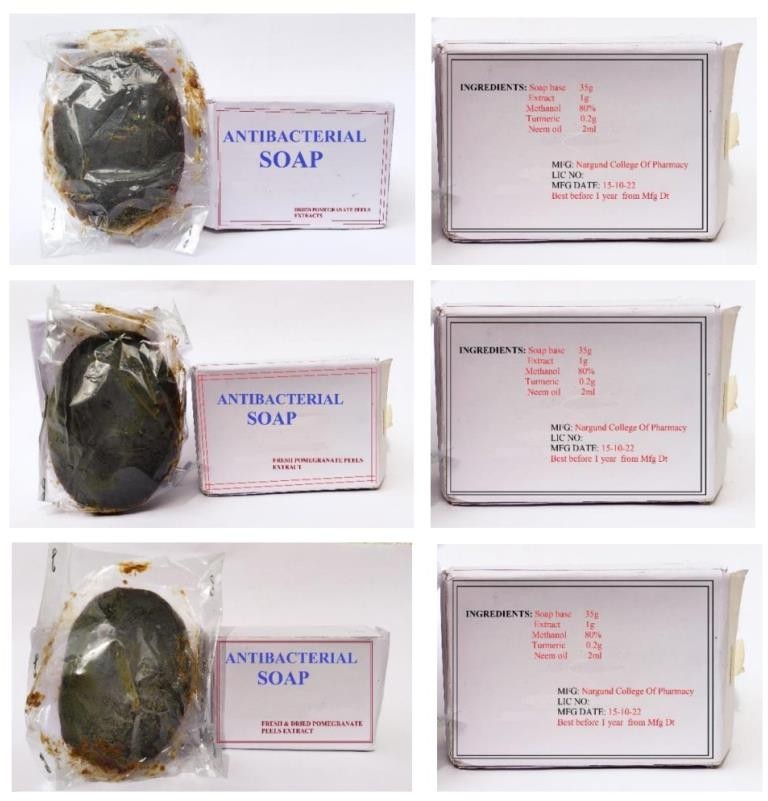
Figure 5 Anti-bacterial soap using Punica granatum & Citrus limetta extracts was prepared, packed and labelled.
DISCUSSION
Purpose of our research was to examine the phytochemical constituents and antibacterial properties of hydro-methnaolic extracts of Punica granatum and Citrus limetta. Phytochemical screening of punica granatum and citrus limetta extracts was carried out for the detection of active components like carbohydrates, flavonoids, proteins, vitamins, tannins, steroids and glycosides was carried out by the standard procedures and it was found to contain carbohydrates, flavonoids, proteins, vitamins, tannins, steroids and glycosides. Antibacterial activity of Punica granatum, Citrus limetta and combination of both extracts was carried out using cup plate methods and tetracycline used as standard drug. The result of present study showed that the zone of inhibition activity of hydro-methanolic extract of Punica granatum as compared to citrus limetta. In combination, fresh peels of Punica granartum and citrus limetta extract in concentration (2:1) respectively and dried peels of citrus limetta and Punica granatum extract in concentration (1:1) respectively showed the higher antibacterial activity as compared to their individual antibacterial activity.
CONCLUSION
From the present study it is confirmed that the hydro-methanolic extracts of Punica granatum and Citrus limetta contains phytochemicals such as carbohydrate, alkaloids, tannins, flavonoids, glycosides, vitamins, steroid and proteins. From the study we conclude that hydro-methanolic extract of Punica granatum and Citrus limetta has potential antibacterial activity. But citrus limetta showed lesser effect as compared to Punica granatum. Moreover, combination of Punica granatum and Citrus limetta in both dried and fresh form has greater antibacterial activity as compared to their individual activity. The extract was found to be useful in the herbal product preparation so we have prepared three antibacterial soap formulations.
REFERENCES

Ranjan Kumar M., Rajeshwari H. M., Ayushi Chawla, Evaluation of Antibacterial Activity of Hydromethanolic Extracts of Peels of Punica Granatum and Citrus Limetta, Int. J. of Pharm. Sci., 2024, Vol 2, Issue 12, 977-989. https://doi.org/10.5281/zenodo.14342139
 10.5281/zenodo.14342139
