

We use cookies to ensure our website works properly and to personalise your experience. Cookies policy
Swami Vivekanand College of Pharmacy, Udgir
Cancer is a serious disease that affects people in both developing and developed countries. Because of this, the need for new ways to prevent and treat cancer is increasing. For thousands of years, plants have been an important part of traditional medicine and have provided many useful remedies. Medicinal plants contain many natural compounds that have healing properties. These plant-based products often have advantages over synthetic medicines, which is why their use in healthcare is growing. Many plant-derived compounds—such as vincristine, taxol, vinblastine, stigmasterol, camptothecin, and resveratrol—are already used worldwide to treat cancer. This review aims to highlight the role of different medicinal plants in fighting cancer. Cancer is a disease in which abnormal cells proliferate in the body. It is a group of various diseases involving uncontrolled multiplication and division of abnormal cells in the body. These abnormal cells form malignant growths which called neoplasm. Nowadays, cancer considered as one of the most prevalent diseases in the world, and its mortality is increasing. It is necessary to investigate new strategies to prevent and treat disease. Herbal medicines block critical biochemical pathways converting normal cells to cancer cells for treatment. Herbal medicines block signal transduction in cancer which is a primary channel. By such as controlling nuclear factor-kB signaling pathway. Protein tyrosine kinase pathway. and mitogen-activated protein kinases signal pathway.
The term “cancer” was first used by the Greek physician Hippocrates, known as the Father of Medicine. He used the Greek words carcinoma and karakinos to describe tumors. Cancer refers to a group of diseases in which cells grow abnormally and can spread to other parts of the body. Cancers are usually named after the type of tissue where they begin. For example, tumors that start in epithelial tissues are called carcinomas.
In both men and women, cancers of the lung, colon, and rectum are among the most common. Breast cancer is especially common in women, while prostate cancer is common in men. Other important cancers include those of the bladder, stomach, liver, kidney, pancreas, esophagus, cervix, and ovary. Among skin cancers, most are not deadly except for melanoma, which can be dangerous. Testicular cancer is the most common cancer in young adult men.
Unfortunately, despite medical advances, the overall rates of cancer and cancer-related deaths have not decreased much in recent years. Treatments like surgery and radiation often work well, and chemotherapy can help in some advanced cases. However, no current treatment can cure every type of cancer, so doctors must choose therapies carefully to improve the chances of recovery while maintaining the patient’s quality of life.
There has been progress in treating specific cancers, which has greatly benefited many individuals, especially children and young adults, even if the impact on overall population statistics is small. A deeper understanding of how cancer develops at the molecular and cellular levels, along with the discovery of new drugs and therapies, is expected to improve future cancer treatments.(1)
The term “cancer” was first used by the Greek physician Hippocrates, known as the Father of Medicine. He used the Greek words carcinoma and karakinos to describe tumors. Cancer refers to a group of diseases in which cells grow abnormally and can spread to other parts of the body. Cancers are usually named after the type of tissue where they begin. For example, tumors that start in epithelial tissues are called carcinomas.
In both men and women, cancers of the lung, colon, and rectum are among the most common. Breast cancer is especially common in women, while prostate cancer is common in men. Other important cancers include those of the bladder, stomach, liver, kidney, pancreas, esophagus, cervix, and ovary. Among skin cancers, most are not deadly except for melanoma, which can be dangerous. Testicular cancer is the most common cancer in young adult men.
Unfortunately, despite medical advances, the overall rates of cancer and cancer-related deaths have not decreased much in recent years. Treatments like surgery and radiation often work well, and chemotherapy can help in some advanced cases. However, no current treatment can cure every type of cancer, so doctors must choose therapies carefully to improve the chances of recovery while maintaining the patient’s quality of life.
There has been progress in treating specific cancers, which has greatly benefited many individuals, especially children and young adults, even if the impact on overall population statistics is small. A deeper understanding of how cancer develops at the molecular and cellular levels, along with the discovery of new drugs and therapies, is expected to improve future cancer treatments.(2)
Cancer treatment depends on the type and stage of the disease and may include surgery, radiation therapy, chemotherapy, biological therapy, and hormone therapy. Even though these treatments have improved over the years and help many patients live longer, they often come with serious side effects.
Chemotherapy and radiation can cause a range of uncomfortable symptoms such as tiredness, trouble sleeping, loss of appetite, hair loss, mouth sores, changes in taste, fever, infections, anxiety, depression, nausea, and vomiting. These side effects are often hard to manage and can greatly reduce a patient’s quality of life. In addition, these treatments may lead to long-term health problems such as the risk of developing another cancer, hormone and fertility issues, weakened immunity, heart disease, kidney and bladder problems, digestive issues, and neurological or psychological changes.
Because of these challenges, many patients turn to complementary and alternative therapies. These methods do not use standard cancer drugs and may involve practices not commonly used in conventional medicine. Still, they have become widely used to help manage symptoms and improve comfort during treatment. (3)
2. CAUSES OF CANCER(4)
Most cancers are caused by environmental and lifestyle factors. These include things people are exposed to in their surroundings or habits that affect their health. Common causes include chemicals in tobacco smoke, radiation such as the sun’s ultraviolet rays, obesity, stress, lack of physical activity, and pollution. People may also come into contact with substances—whether chemical, physical, or naturally occurring—that are known to cause specific types of cancer.
Most cancers are linked to environmental, lifestyle, or behavioral factors. Things like chemicals in tobacco smoke, radiation from the sun (UV rays), obesity, stress, lack of exercise, and pollution can increase the risk of cancer. People can also be exposed to cancer-causing substances—called carcinogens—which may be chemical, physical, or natural.
Diseases occur when genes change. Different gene mutations are linked to different types of cancer. These mutated genes fall into three major groups:
1. Proto-oncogenes: Normally help cells grow and divide. When altered, they can turn into cancer-causing genes.
2. Tumor suppressor genes: Control and regulate cell growth. When these genes stop working, cells may grow uncontrollably.
3. DNA repair genes: Fix damaged DNA. When they mutate, more genetic errors occur, increasing the risk of cancer.
Characteristics of Cancer and Cancer Cells Cancer cells show several key features: Increased and uncontrolled cell growth Reduced or lack of programmed cell death (apoptosis) Abnormal cell and tissue development Altered metabolism Genomic instability (frequent DNA changes) Ability to keep dividing indefinitely Invasion into surrounding tissues. Spread (metastasis) to lymph nodes and distant organs.
3. CLASSIFICATION OF ANTI-CANCER AGENT :-
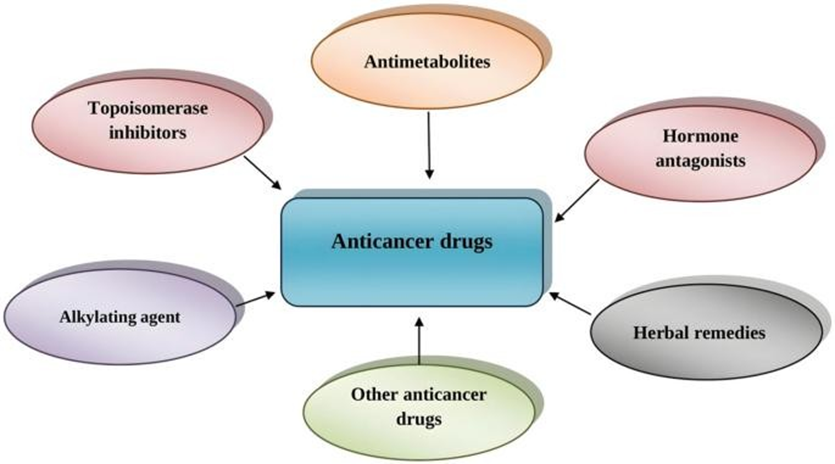
Fig No- 1 Classification of anticancer agents. (5)
5. BIOACTIVE SUBSTANCES IN MEDICINAL PLANTS USED FOR CANCER THERAPY:- (6)
Medicinal plants contain many natural chemicals, known as bioactive compounds, which have various health benefits, including anti-cancer effects. These compounds mainly belong to four groups: flavonoids, alkaloids, terpenoids, and polyphenols. Flavonoids are plant nutrients found in almost all fruits and vegetables. They act as antioxidants, which means they protect cells from damage caused by free radicals. Some flavonoids can slow down the growth of cancer cells and reduce inflammation, making them useful for cancer prevention and treatment. Alkaloids are another important group of compounds that contain nitrogen. They show many medicinal activities, such as pain relief, anti-malarial effects, and anti-cancer properties. Well-known anticancer medicines like vincristine and vinblastine, which come from the Madagascar periwinkle plant, are examples of powerful alkaloids used in cancer therapy. Terpenoids (or isoprenoids) are the largest class of plant compounds. They help plants grow and have several medicinal uses. A famous terpenoid is taxol, taken from the Pacific yew tree, which is widely used in chemotherapy because it stops cancer cells from dividing. Polyphenols are compounds with multiple phenol groups and are known for their strong antioxidant and anti- inflammatory effects. Resveratrol, a polyphenol found in grapes and red wine, has been researched for its ability to prevent and fight cancer by influencing cell growth and triggering apoptosis (cell death). In short, the bioactive compounds found in medicinal plants—flavonoids, alkaloids, terpenoids, polyphenols—offer valuable properties that may help in cancer prevention and treatment. Ongoing studies continue to reveal their full potential and may lead to the creation of new and effective cancer therapies.
Flavonoids are a type of polyphenolic compound commonly found in plants. They have a basic structure made of two aromatic rings linked by a three-carbon chain. Flavonoids are divided into groups such as flavonols, flavones, flavanones, isoflavones, and anthocyanidins. They are present in many foods, including fruits, vegetables, grains, nuts, tea, and wine. Good sources include citrus fruits, berries, onions, soybeans, and green tea. Flavonoids show strong anti-cancer effects through several actions: they can trigger apoptosis (cell death), slow down cancer cell growth, reduce the formation of new blood vessels (angiogenesis), and influence signaling pathways involved in cancer development. For example, quercetin has been shown to cause apoptosis and slow cell growth in several types of cancer cells.
Alkaloids are nitrogen-containing compounds known for their powerful biological activities. They usually have a heterocyclic ring structure and are widely used as medicines. They are found in many plant families, including Solanaceae (like tobacco and tomato), Papaveraceae (opium poppy), and Ranunculaceae (buttercup).
Many alkaloids show strong anticancer activity by blocking topoisomerase enzymes, triggering apoptosis, and interfering with microtubules—structures needed for cell division. For example: Camptothecin, from Camptotheca acuminata, and its derivatives are used in cancer therapy because they inhibit topoisomerase I, preventing cancer cells from repairing DNA. Vinca alkaloids and taxanes stop microtubule function, preventing cancer cells from dividing and leading to apoptosis. Alkaloids are also used for other purposes: morphine is a strong painkiller, and quinine is used to treat malaria. However, alkaloids must be used carefully because they can become toxic if the dose is even slightly too high. Many semi-synthetic versions are made to improve their effectiveness and reduce side effects. Ongoing research continues to discover new alkaloids and improve existing ones, which is especially important for finding new cancer treatments.
Terpenoids (or isoprenoids) are a large group of natural compounds made of five-carbon isoprene units. Based on the number of these units, they are classified as monoterpenes, sesquiterpenes, triterpenes, etc. They are found in essential oils, resins, and plant latex. Examples include limonene from citrus fruits, artemisinin from Artemisia annua, and paclitaxel from the Pacific yew tree. Terpenoids have anticancer properties, such as inducing apoptosis, slowing cancer cell growth, preventing angiogenesis, and regulating important signaling pathways. Paclitaxel, a diterpenoid, is a well-known chemotherapy drug that stabilizes microtubules, stopping cell division and causing cancer cell death. Although terpenoids have great potential in cancer treatment, their use can be challenging due to issues like low bioavailability, possible toxicity, and difficulties in extracting them from natural sources. Current research aims to improve these compounds by modifying their structures, reducing side effects, and developing better delivery systems. This work expands the use of terpenoids not only in cancer therapy but also in other medical applications.
Bioactive substances with anticancer activity
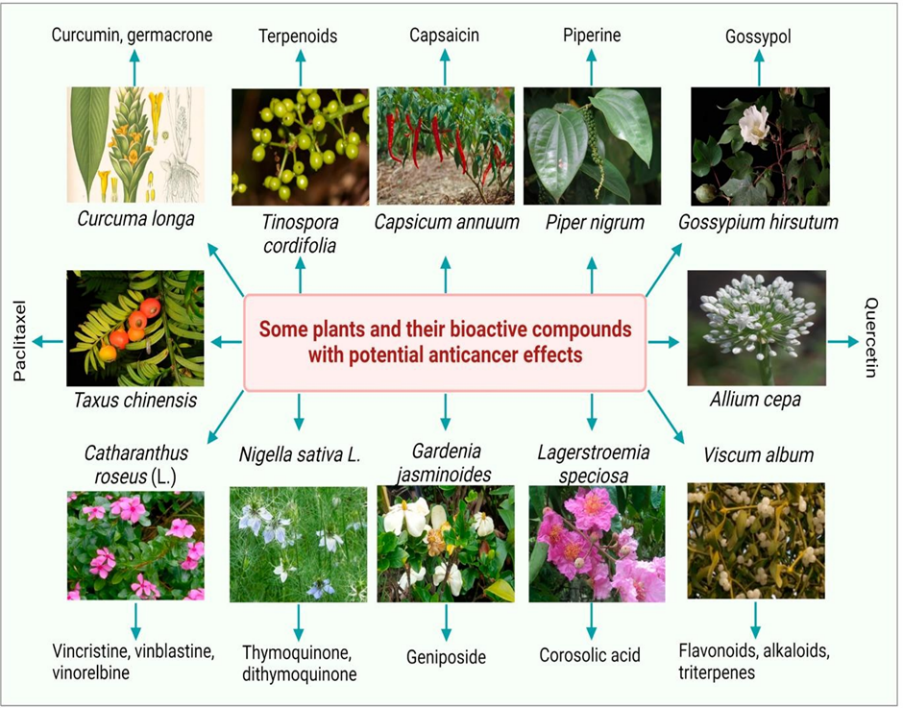
Fig No. 2 Bioactive substances with anticancer activity(10)
5. TREATMENT OF CANCER: - (11)
Surgery and chemotherapy are the most common ways to treat cancer, but they often cause serious side effects. Another major challenge in cancer treatment is that cancer cells can become resistant to these treatments over time. Because of this, new approaches are needed to improve treatment outcomes.
Today, herbal medicines are gaining importance because they can help manage cancer symptoms and support treatment while causing fewer side effects. Some medicinal plants can trigger apoptosis (natural cell death) in cancer cells through different mechanisms.
Important plant-based compounds used in cancer treatment include:
II. Herbal Medicines in Cancer Treatment:-
In India, herbal medicines have been used for thousands of years to treat various health conditions. These treatments use whole plants or plant extracts to improve health and manage diseases. Many people with cancer rely on herbal medicines as a complementary or alternative therapy to help manage symptoms and improve their well-being.
III. Medicinal Plant with Anticancer Activity:-(12)
Active compounds: Vincristine, Vinblastine.
Cancer types: Leukemia, Hodgkin’s lymphoma.
Mechanism:
Active compound: Paclitaxel (Taxol).
Cancer types: Breast, ovarian, lung.
Mechanism:
Active compound: Curcumin.
Cancer types: Breast, colon, prostate.
Mechanism:
Active compounds: Gingerol, Shogaol
Cancer types: Colon, breast, prostate
Mechanism:
Active compounds: Berberine, Tinosporaside.
Cancer types: Breast, liver.
Mechanism:
Active compounds: Azadirachtin, Nimbolide.
Cancer types: Breast, colon, prostate.
Mechanism:
6. ANTI-CANCER ACTIVITY OF HERBAL PLANTS:-(13)
Herbs get their name from the Latin word “herba” and the Old French word “herbe.” Today, the term herb refers to any useful part of a plant—such as the fruit, seed, stem, bark, flower, leaf, stigma, or root. Earlier, the term was only used for soft, non-woody plants. Medicinal herbs are commonly used as food, flavoring agents, medicines, perfumes, and sometimes in spiritual practices. Cancer is one of the major causes of death worldwide, affecting more than one-third of the global population and contributing to over 20% of all deaths. The main causes of cancer include tobacco use, viral infections, chemicals, radiation, environmental pollution, and dietary habits. Common treatments include surgery, chemotherapy, and radiation therapy, often combined with complementary therapies, especially in countries like China. Plants have been used for centuries to treat cancer. In the 1960s and 1970s, research at Sandoz Laboratories in Switzerland led to the discovery of two important plant-based anticancer drugs—etoposide and teniposide—which are now used to treat lymphomas, lung cancer, and testicular cancer. These medicinal plants can help the body fight infections, restore balance, and strengthen body tissues, which may support recovery during cancer tree. Many studies show that medicinal plants have anticancer effects mainly because they contain antioxidants. These plants are easy to find, affordable, and generally safer than modern allopathic medicines. Scientists are now working on creating new plant-based anticancer drugs by studying the active compounds in plants, understanding how they work, and then designing improved versions of those compounds. Cancer can begin when certain genes in the body, called oncogenes, stop working normally. Oncogenes come from proto-oncogenes, which are genes that normally help cells grow and communicate with their surroundings. When proto-oncogenes are exposed to harmful chemicals, environmental pollutants, or viruses, they can mutate and turn into oncogenes. These mutated genes then produce abnormal proteins that are made in the wrong amount or in the wrong type of cells. This causes uncontrolled cell growth, which eventually leads to cancer.
i. Biological Source:-
The biological source of "Vinca" is the dried entire plant and aerial parts of Catharanthus roseus (Linn.) G. Don (syn. Vinca rosea), which belongs to the family Apocynaceae.
ii. Origin:-
The plant is native and endemic to the island of Madagascar in the Indian Ocean. It is widely cultivated in tropical and subtropical regions worldwide, including India, Australia, South Africa, and the Southern United States, for ornamental and medicinal purposes.
iii. Chemical Constituents:-
The plant contains over 130 terpenoid indole alkaloids (TIAs). The most important and pharmacologically active are the dimeric indole-indoline alkaloids:
Other key alkaloids include ajmalicine, serpentine, vindoline, catharanthine, and reserpine.
iv. Molecular Formulas Used in Cancer:-
The key alkaloids used in cancer chemotherapy have the following molecular formulas:
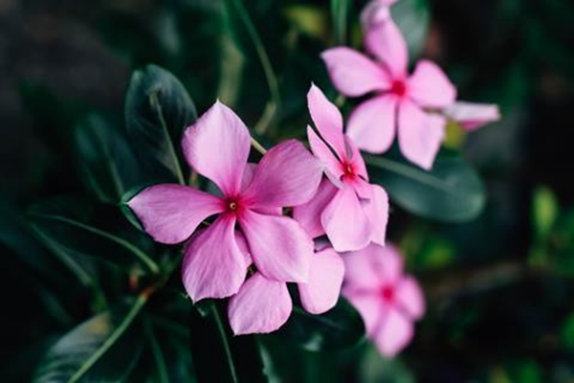
Fig No. 3 Vinca Herbal Plant(15)
II. Paclitaxel (Taxol):- (16)
i. Class:
ii. Source: Derived from the Pacific yew tree.
iii. Molecular formula: C??H??NO??
iv. Brand names: Abraxane, Onxol, and earlier Taxol
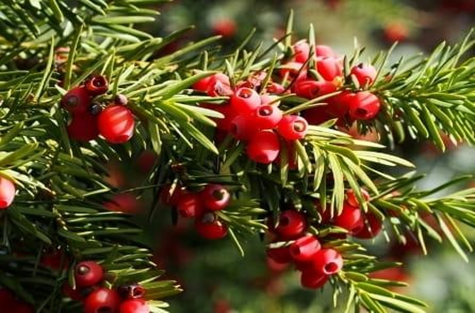
Fig No.4 of paclitaxel plant(17)
III. Curcuma longa (Turmeric):(18)-
i. Biological Source:-
Curcuma longa Linn. Dried rhizomes of the plant Curcuma longa are used as the official herbal drug.
ii. Family:- Zingiberaceae (Ginger family).
iii. Origin / Geographical Distribution: Turmeric is native to South-East Asia, especially: India (largest producer and exporter).
iv. Chemical Constituents:-
The major bioactive compounds in Curcuma longa include: Curcuminoids (3–5%), Curcumin (main pigment and active component).
v. Molecular formula: C??H??O?:-
Demethoxycurcumin, Bisdemethoxycurcumin, Atlantone.
vi. Medicinal Uses:-
Anti-inflammatory, Antioxidant, Anticancer activity (induces apoptosis, inhibits angiogenesis, blocks proliferation), Antimicrobial (antibacterial, antifungal).
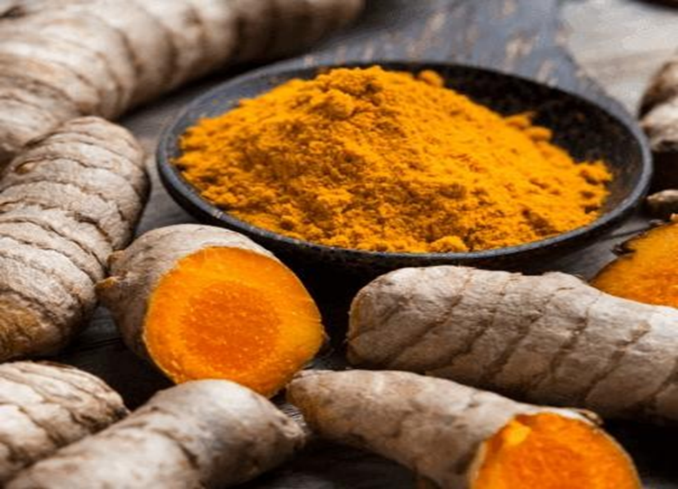
Fig No. 5 Curcuma Longa (19)
7. MECHANISM OF HERBAL MEDICINES FOR TREATMENT OF CANCER:- (20)
1. Inducing Apoptosis (Programmed Cell Death):-
Herbs trigger natural death of cancer cells without harming normal cells. How it works, Activates caspase enzymes, Increases pro-apoptotic proteins (Bax), Decreases anti-apoptotic proteins (Bcl-2). Herbs involved, Turmeric (Curcuma longa) – Curcumin, Neem (Azadirachta indica), Green tea (Camellia sinensis) – EGCG, Berberis species – Berberine, Ashwagandha (Withania somnifera) – Withaferin A, Garlic (Allium sativum) – Allicin.
2. Inhibiting Cancer Cell Proliferation:-
Stops or slows down the rapid multiplication of tumor cells. How it works, Blocks the cell cycle (G0/G1 or G2/M arrest), Inhibits DNA synthesis, Herbs involved, Turmeric, Ginseng (Panax ginseng), Aloe vera, Grapes (Vitis vinifera) – Resveratrol, Black cumin (Nigella sativa) – Thymoquinone.
a. Anti-angiogenic Activity (Blocking New Blood Vessel Growth)
Prevents tumors from forming their own blood supply. How it works, Suppresses VEGF signaling, inhibits endothelial cell formation, Herbs involved, Turmeric, Ginger (Zingiber officinale).
3. Inhibiting Metastasis (Preventing Spread of Cancer Cells)
Blocks the movement and invasion of cancer cells. How it works, Reduces MMP enzymes, Blocks epithelial– mesenchymal transition (EMT), Herbs involved, Turmeric, Ginger.
a. Modulating the Immune System
Strengthens immune cells so they can better destroy cancer cells. How it works, Activates T-cells and NK cells, enhances macrophage activity, reduces chronic inflammation, Herbs involved, Ashwagandha, Astragalus membranaceus, Turmeric.
b. Antioxidant Activity
Protects DNA from mutations that lead to cancer and reduces oxidative stress. Herbs involved Amla Turmeric, Clove (Syzygium aromaticum).
c. Targeting Cancer-Specific Signaling Pathways
Herbs regulate pathways that control cell growth and survival. Major pathways affected, Herbs involved Berberine (Berberis), Curcumin, Resveratrol.
d. Reducing Side Effects of Chemotherapy/ Radiotherapy
Herbal medicines cannot replace chemotherapy but can reduce treatment-related side effects. Herbs involved Ginger Anti-nausea Tulsi Anti-inflammatory Amla – Protects DNA.
8. SAFETY AND PHARMACEUTICAL INTERACTION OF HERBAL MEDICINES:- (21)
Safety refers to how harmless or harmful a substance or drug is, and whether it can cause short-term or long- term side effects. Herbal products are generally considered safe because they come from natural sources like plants, extracts, and mixtures. However, they are not always completely risk-free. In some cases, herbal medicines have caused unwanted reactions due to different reasons, such as:
Herbal–drug interactions become especially important when a person is taking strong medicines, such as those used for heart conditions. These interactions may reduce the effectiveness of the drugs or increase their side effects.
Some prescription drugs, like digoxin and warfarin, have a narrow therapeutic range, meaning even small changes in their levels can be harmful. When these drugs are taken with certain herbal medicines, the herbs can either increase or decrease the drug’s effects, which may be dangerous.
Because of this, healthcare professionals should counsel patients carefully about using herbal products alongside prescription medications. To ensure safety, well-designed clinical trials are conducted to study herbal medicines, including their possible interactions with other drugs and their overall effectiveness.
9. HERBAL MEDICINE AND CHEMICAL DRUG INTERACTION:- (22)
a) Herbal medicines can interact with chemical drugs in two main ways:
1. Pharmacodynamic interactions
Pharmacodynamic interactions occur when a drug or herbal product directly affects a tissue or organ, changing the effect of the medicine. This can either:
Examples:
2. Pharmacokinetic interactions
Pharmacokinetic interactions happen when herbal products affect the absorption, distribution, metabolism, excretion, or toxicity of a drug. Many of these effects occur because herbs influence liver enzymes.
Example:
10. CONCLUSION AND FUTURE ASPECTS
In this review, we conclude that many natural medicinal herbs have the potential to be effective in cancer treatment. Although several plant species show promising anticancer properties, research on them is still limited. Herbal medicines cannot completely replace modern treatments, but they can be used alongside them.
Herbal remedies may help reduce the side effects caused by conventional treatments like chemotherapy and radiotherapy. Since there is still limited information about the safety, effectiveness, and proper use of herbal products, more detailed research is necessary. Such studies will help ensure the safe and correct use of medicinal plants in cancer therapy.
REFERENCES


Pratiksha Swami, Digvijay Kendre, Sumit Patil, Vaibhavi Suryawanshi, Overview on Medicinal Herbs used for Cancer Therapy, Int. J. of Pharm. Sci., 2026, Vol 4, Issue 1, 3676-3687. https://doi.org/10.5281/zenodo.18442907
 10.5281/zenodo.18442907