

We use cookies to ensure our website works properly and to personalise your experience. Cookies policy
Department of Pharmacology, SCPM College of Pharmacy, Gonda, Uttar Pradesh, 271003, India.
Adverse drug reactions (ADRs) associated with analgesics represent a major clinical and public health concern because of their potential to increase morbidity, hospitalization, healthcare costs, and treatment-related mortality. Nonsteroidal anti-inflammatory drugs (NSAIDs) and opioids remain among the most frequently prescribed agents for acute and chronic pain; however, their distinct pharmacological mechanisms result in substantially different patterns of adverse effects. This review aims to comparatively evaluate the spectrum, mechanisms, risk factors, and clinical consequences of ADRs associated with NSAIDs and opioids, with emphasis on their implications for rational and safe pain management. Relevant literature, including peer-reviewed reviews, clinical studies, pharmacovigilance reports, and guideline-based evidence, was examined to characterize common and serious ADRs across diverse patient populations and therapeutic settings. NSAID-associated ADRs predominantly involve gastrointestinal, renal, and cardiovascular systems, including dyspepsia, peptic ulceration, gastrointestinal bleeding, acute kidney injury, hypertension, and thrombotic events. In contrast, opioid-associated ADRs primarily affect the central nervous and respiratory systems and include sedation, nausea, constipation, cognitive impairment, respiratory depression, tolerance, physical dependence, and misuse. Although both drug classes can produce serious and potentially fatal complications, NSAID toxicity is often related to cumulative organ damage and patient-specific comorbidities, whereas opioid toxicity may cause acute life-threatening respiratory compromise and long-term dependence. The comparative assessment of these ADR profiles highlights the importance of individualized analgesic selection, dose optimization, risk assessment, monitoring, and patient education. Overall, safer pain management requires balancing analgesic efficacy against drug-specific harms and adopting multimodal strategies that minimize unnecessary exposure to either NSAIDs or opioids.
Acute and chronic pain represent substantial clinical and public health burdens, affecting physical function, psychological well-being, quality of life, and healthcare utilization. Acute pain commonly arises from surgery, trauma, infection, or acute medical conditions, whereas chronic pain may persist for months or years and is frequently associated with musculoskeletal, neuropathic, inflammatory, or malignant disorders. Effective analgesia is therefore an essential component of contemporary clinical practice. Non-steroidal anti-inflammatory drugs (NSAIDs) and opioids are among the most widely used pharmacological treatments for moderate to severe pain, although their therapeutic roles differ considerably. NSAIDs primarily reduce pain and inflammation through inhibition of cyclooxygenase-mediated prostaglandin synthesis and are particularly useful in inflammatory and musculoskeletal conditions. [1] Opioids act predominantly through opioid receptors within the central and peripheral nervous systems and remain important for severe acute pain, postoperative pain, trauma, and selected cancer-related and palliative-care settings. Despite their clinical benefits, both drug classes have substantial potential for medication-related harm. NSAIDs may cause gastrointestinal, renal, cardiovascular, and hepatic complications, while opioids can produce sedation, respiratory depression, constipation, dependence, and overdose. Their widespread availability and use consequently make understanding and preventing associated adverse drug reactions (ADRs) an important component of safe pain management. [2]
Rationale for Comparing NSAIDs and Opioids
Comparing NSAIDs and opioids is clinically relevant because both are established analgesic classes, yet they differ fundamentally in pharmacological mechanisms, therapeutic effects, adverse-effect profiles, and patterns of toxicity. NSAIDs exert their principal analgesic and anti-inflammatory actions through cyclooxygenase inhibition and consequent reduction in prostaglandin synthesis. In contrast, opioids activate opioid receptors, particularly μ-opioid receptors, producing analgesia through modulation of neuronal signaling in the central and peripheral nervous systems. [3] These mechanistic differences contribute to distinct patterns of drug-related harm. NSAID toxicity is frequently associated with gastrointestinal mucosal injury, renal impairment, fluid retention, and cardiovascular events, whereas opioid toxicity is characterized by central nervous system depression, respiratory depression, constipation, tolerance, dependence, and potentially fatal overdose. Consequently, selecting an analgesic is rarely based solely on analgesic efficacy; clinicians must balance expected therapeutic benefit against individual and drug-specific risks. [4] Factors such as age, comorbidities, concomitant medications, treatment duration, dose, previous drug exposure, and vulnerability to organ toxicity can substantially modify risk. An individualized assessment is therefore essential. A comparative evaluation of these drug classes can help clinicians recognize differences in ADR patterns, identify patients at increased risk, and select the safest effective analgesic according to the clinical context. [5]
Problem Related to NSAIDs and Opioids ADRs
Adverse drug reactions represent an important and potentially preventable cause of patient morbidity, hospitalization, prolonged hospital stay, mortality, and increased healthcare expenditure. The clinical consequences of analgesic-related ADRs are particularly important because NSAIDs and opioids are extensively prescribed and used across diverse patient populations. [6] Although both classes provide substantial therapeutic benefits, their adverse effects may differ considerably in terms of timing, clinical presentation, severity, reversibility, and long-term consequences. NSAID-related adverse effects may develop rapidly or after prolonged exposure and include gastrointestinal bleeding or ulceration, acute kidney injury, hypertension, fluid retention, cardiovascular events, and hypersensitivity reactions. Some complications may become clinically significant without prominent early symptoms. Opioid-related harms may similarly occur during short-term treatment but can become particularly serious with excessive dosing, drug interactions, prolonged exposure, or misuse. [7] Respiratory depression, excessive sedation, constipation, falls, tolerance, physical dependence, opioid use disorder, and overdose represent important concerns. Furthermore, repeated exposure to either class may create cumulative risks that complicate long-term pain management. Differences in patient susceptibility and prescribing practices further influence the likelihood of harm. Therefore, a structured comparison of NSAID- and opioid-associated ADRs is necessary to clarify their relative safety profiles, identify preventable risk factors, and support informed clinical decision-making. Such evaluation may contribute to safer prescribing, appropriate monitoring, and reduction of avoidable analgesic-related harm. [8]
The review aims to examine the safety profiles of NSAIDs and opioids from both pharmacological and clinical perspectives. First, it will describe the pharmacological mechanisms underlying ADRs associated with each drug class, with particular consideration of how their distinct mechanisms of action contribute to organ-specific toxicity. Second, the review will compare major organ-system-specific ADRs, including gastrointestinal, renal, cardiovascular, hepatic, central nervous system, respiratory, and other clinically relevant adverse effects. [9] Third, it will identify important patient-related and drug-related risk factors, including age, comorbidities, dose, duration of therapy, polypharmacy, drug interactions, and individual susceptibility. Fourth, the review will evaluate the severity, clinical significance, and preventability of ADRs associated with both classes, emphasizing adverse outcomes that may be reduced through appropriate prescribing and monitoring. [10] Finally, it will discuss practical strategies for prevention, early detection, monitoring, and management of analgesic-related ADRs. Collectively, these objectives are intended to provide a balanced evidence-based perspective on the benefits and risks of NSAIDs and opioids and to support individualized, rational, and safer analgesic selection in clinical practice. [11]
Pharmacological Overview of NSAIDs and Opioids
Nonsteroidal anti-inflammatory drugs (NSAIDs) and opioids represent two major pharmacological classes widely used for the management of acute and chronic pain, although they differ substantially in their mechanisms, therapeutic profiles, and safety considerations. NSAIDs primarily exert analgesic, antipyretic, and anti-inflammatory effects by inhibiting cyclooxygenase (COX) enzymes and reducing prostaglandin synthesis. [12] In contrast, opioids produce potent analgesia predominantly through activation of central and peripheral opioid receptors, particularly μ-opioid receptors, thereby modulating nociceptive transmission and perception. While both classes provide clinically important pain relief, their pharmacological actions contribute to distinct adverse drug reaction (ADR) profiles. Understanding these differences is essential for evaluating the relative risks of NSAIDs and opioids and for informing rational, individualized analgesic therapy and safer prescribing practices. [13]
NSAIDs
Nonsteroidal anti-inflammatory drugs (NSAIDs) comprise a heterogeneous group of analgesic, antipyretic, and anti-inflammatory agents that are principally classified according to their relative inhibition of cyclooxygenase (COX)-1 and COX-2. Non-selective NSAIDs, including ibuprofen, naproxen, diclofenac, indomethacin, ketorolac, and aspirin, inhibit both COX-1 and COX-2 to varying degrees. Their broad COX inhibition provides effective analgesic and anti-inflammatory activity but may also contribute to gastrointestinal, renal, and platelet-related adverse drug reactions (ADRs), particularly with prolonged or high-dose therapy. [14] Preferential COX-2 inhibitors, such as meloxicam and etodolac, exhibit greater inhibitory activity against COX-2 than COX-1 at therapeutic concentrations, although their selectivity is incomplete and dose dependent. Selective COX-2 inhibitors, commonly termed coxibs, include celecoxib and etoricoxib. These agents were developed to preserve analgesic and anti-inflammatory efficacy while reducing COX-1-mediated gastrointestinal toxicity. However, selective COX-2 inhibition may increase cardiovascular risk in susceptible patients by disturbing the balance between vasodilatory prostacyclin and platelet-derived thromboxane A?. [15] Thus, NSAID classification is clinically relevant because differences in COX selectivity influence both therapeutic effects and the characteristic pattern of ADRs. Selection should therefore consider dose, duration, patient-specific risk factors, and cardiovascular, gastrointestinal, and renal safety profiles.
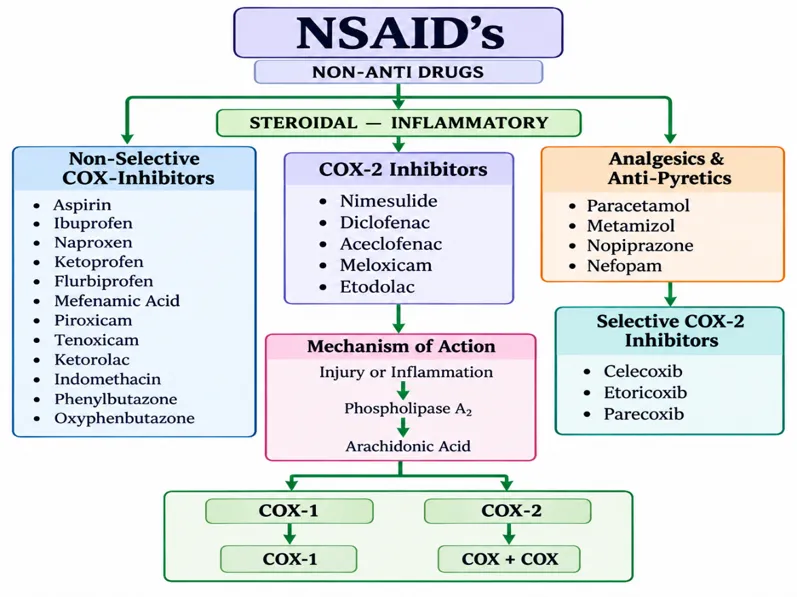
Figure 1. Classification of NSAIDs
Mechanism of Action of NSAIDs
NSAIDs exert their principal pharmacological effects through inhibition of the cyclooxygenase enzymes COX-1 and COX-2, which catalyze the conversion of arachidonic acid to prostaglandin H?, the precursor of several prostanoids, including prostaglandins, prostacyclin, and thromboxanes. [16] Inhibition of these pathways reduces the synthesis of inflammatory mediators responsible for peripheral sensitization of nociceptors, vasodilation, edema, and fever. Consequently, decreased prostaglandin production produces analgesic, anti-inflammatory, and antipyretic effects. COX-1 is constitutively expressed in many tissues and contributes to gastric mucosal protection, renal perfusion, and platelet aggregation, whereas COX-2 is more strongly induced during inflammation, although it also has important physiological functions. [17]
The relationship between COX inhibition and toxicity is therefore closely linked to enzyme selectivity. Inhibition of COX-1 can decrease protective gastric prostaglandins and impair platelet function, contributing to dyspepsia, ulceration, and gastrointestinal bleeding. Reduced renal prostaglandin synthesis may cause sodium and water retention, hypertension, edema, and acute kidney injury, particularly in vulnerable individuals. Conversely, predominant COX-2 inhibition may reduce gastrointestinal effects but can alter vascular homeostasis and increase cardiovascular thrombotic risk in susceptible patients. NSAID toxicity therefore reflects not simply the extent of COX inhibition, but also the degree of selectivity, dose, treatment duration, and patient susceptibility. [18]
Common Clinical Uses of NSAIDs
NSAIDs are widely used for conditions in which pain is accompanied by inflammation or increased prostaglandin activity. Their principal application is the treatment of musculoskeletal pain, including osteoarthritis, low-back pain, sprains, strains, and other acute soft-tissue injuries. By reducing peripheral prostaglandin synthesis, NSAIDs decrease nociceptor sensitization and inflammatory responses. They are also frequently prescribed for inflammatory conditions, particularly rheumatoid arthritis, osteoarthritis with inflammatory symptoms, ankylosing spondylitis, and other rheumatic disorders. Although they provide symptomatic relief, NSAIDs generally do not modify the underlying disease process. In postoperative pain, oral or parenteral NSAIDs can provide effective opioid-sparing analgesia and may reduce opioid requirements when incorporated into multimodal analgesic regimens. [19]
Their use is particularly valuable where reduction of opioid-related adverse effects is clinically desirable. NSAIDs are also established treatments for dysmenorrhea, in which excessive endometrial prostaglandin production contributes to uterine contractions and pain. Other acute indications include dental pain, headache, migraine-associated pain, minor trauma, and fever. Choice among individual NSAIDs depends on the clinical indication, pharmacokinetic characteristics, dosing convenience, and patient risk factors. Despite their broad utility, the potential for gastrointestinal, renal, cardiovascular, and hepatic ADRs requires appropriate dose selection and duration of therapy. Therefore, NSAIDs are best regarded as effective symptom-directed agents whose benefits should be balanced against individual toxicity risks. [20]
Opioids
Opioids are analgesic agents that produce their principal effects through interaction with specific opioid receptors in the central and peripheral nervous systems. Pharmacologically, they can be classified according to chemical origin, analgesic potency, and duration of action. Based on origin, natural opioids include morphine and codeine, which are derived from the opium poppy. Semisynthetic opioids, such as oxycodone, hydromorphone, oxymorphone, and buprenorphine, are chemically modified derivatives of naturally occurring opioids. Synthetic opioids, including fentanyl, methadone, tramadol, and tapentadol, are produced through chemical synthesis and possess varying receptor profiles and pharmacokinetic properties. [21] Opioids may also be categorized as weak or strong opioids according to their analgesic potency and typical clinical application. Codeine and tramadol are often considered weaker agents, whereas morphine, oxycodone, hydromorphone, and fentanyl are generally classified as strong opioids. This distinction is clinically useful but does not completely predict individual response or toxicity. A further classification is based on duration of action. [22] Short-acting opioids, such as immediate-release morphine and fentanyl formulations used in appropriate settings, provide relatively rapid but shorter-duration analgesia and are useful for acute pain and dose titration. Long-acting or extended-release agents, including controlled-release morphine and methadone, provide prolonged analgesia and may be used for selected chronic pain conditions. Differences in potency, formulation, metabolism, and half-life substantially influence efficacy, dosing, and ADR risk. [23]
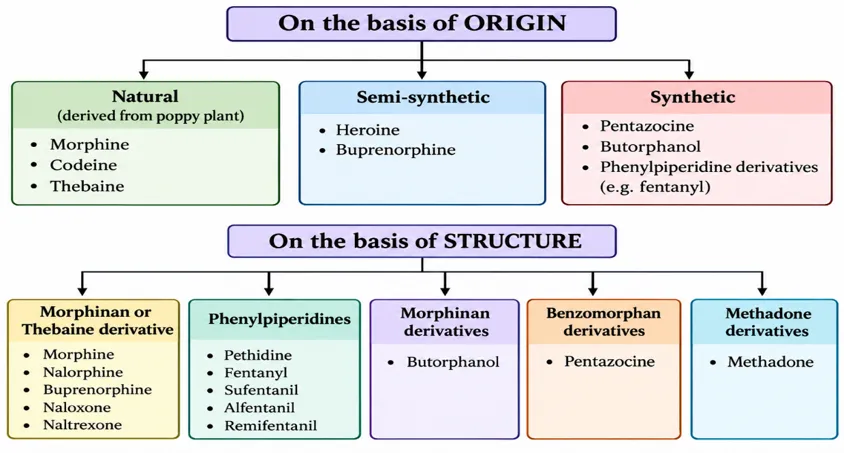
Figure 2. Classification of Opioids
Mechanism of Action of Opioids
Opioids produce analgesia primarily through activation of μ-opioid (MOR), κ-opioid, and δ-opioid receptors, with the μ receptor being the major mediator of clinically relevant analgesia and many opioid-associated ADRs. These receptors are G-protein-coupled receptors that, when activated, inhibit adenylate cyclase and reduce neuronal excitability. In nociceptive pathways, opioid receptor activation decreases presynaptic calcium influx, thereby reducing the release of neurotransmitters such as glutamate and substance P, while increasing postsynaptic potassium conductance and causing neuronal hyperpolarization. [24]
These effects suppress transmission of nociceptive signals in the spinal cord and modulate pain processing in supraspinal regions. The same receptor-mediated mechanisms contribute to several important ADRs. Respiratory depression occurs primarily through μ-receptor activation in brainstem respiratory centers, reducing the responsiveness of these centers to carbon dioxide and diminishing respiratory rate and drive. Other common opioid effects include sedation, nausea, vomiting, constipation, pruritus, urinary retention, and miosis. Repeated exposure can produce pharmacological tolerance and physical dependence, while prolonged use may lead to opioid-induced hyperalgesia in some patients. The risk of toxicity is influenced by opioid potency, dose, route of administration, formulation, renal and hepatic function, age, and concomitant use of other central nervous system depressants. Thus, the broad adverse-effect profile of opioids is mechanistically linked to widespread μ-receptor distribution and the physiological functions controlled by opioid signaling. [25]
Common Clinical Uses of Opioids
Opioids remain important analgesics for moderate-to-severe acute pain, particularly when pain intensity is inadequately controlled by non-opioid analgesics or when NSAIDs are contraindicated. They are frequently used after major surgery, severe trauma, and selected acute medical conditions. In cancer pain, opioids constitute a central component of analgesic therapy because they can provide substantial relief from moderate-to-severe tumor-related and treatment-related pain. Morphine, oxycodone, hydromorphone, fentanyl, and other agents may be selected according to pain severity, prior opioid exposure, organ function, route of administration, and treatment goals. Opioids may also have a role in selected chronic pain conditions, although their long-term use requires careful patient selection and ongoing assessment because tolerance, dependence, misuse, opioid-induced hyperalgesia, constipation, and respiratory depression may occur. [26]
Evidence and clinical guidance generally support reserving long-term opioid therapy for situations in which anticipated benefits outweigh potential harms. In perioperative analgesia, opioids remain valuable because of their rapid and potent analgesic effects. They may be administered intravenously, orally, neuraxially, or through patient-controlled analgesia systems and are commonly incorporated into multimodal analgesic strategies alongside NSAIDs, acetaminophen, regional anesthesia, or other techniques. Their therapeutic utility therefore reflects a favorable capacity to suppress severe nociceptive signaling, but this benefit must be balanced against dose-dependent and receptor-mediated ADRs. Appropriate monitoring and individualized dosing are essential, particularly during initiation, dose escalation, and transitions between formulations. [27]
Concept & Classification of Adverse Drug Reactions
An adverse drug reaction (ADR) is a harmful and unintended response to a medicinal product occurring at doses normally used in humans for the prevention, diagnosis, treatment of disease, or modification of physiological functions. ADRs constitute an important component of drug-related morbidity and may range from mild, self-limiting symptoms to serious, life-threatening conditions requiring hospitalization or treatment discontinuation. In the context of analgesic therapy, NSAIDs and opioids are associated with distinct ADR patterns arising from their pharmacological and pharmacokinetic properties. NSAIDs may produce gastrointestinal, renal, cardiovascular, and hypersensitivity reactions, whereas opioids are commonly associated with sedation, nausea, constipation, respiratory depression, tolerance, and dependence. [12]
An ADR should be distinguished from an adverse event (AE), which refers to any untoward medical occurrence following drug exposure, regardless of whether a causal relationship with the medicine has been established. Thus, every ADR is an adverse event, but not every adverse event is necessarily an ADR. Medication errors represent another related but distinct concept and include preventable failures during prescribing, dispensing, administration, or monitoring of medicines. An ADR can occur despite appropriate medication use, whereas medication errors result from inappropriate or incorrect medication processes and may subsequently cause an adverse event or preventable harm. These distinctions are fundamental to accurate pharmacovigilance and comparative evaluation of NSAID- and opioid-associated safety outcomes. [15]
Classification of ADRs
ADRs can be classified according to their pharmacological predictability, dose relationship, mechanism, and clinical characteristics. The traditional Rawlins and Thompson classification divides ADRs into Type A and Type B reactions. Type A (augmented) reactions are dose-dependent, predictable from the known pharmacological action of a drug, and generally more common. They often result from excessive therapeutic effects or altered pharmacokinetics. Examples include gastrointestinal irritation and bleeding associated with NSAIDs and opioid-induced sedation or respiratory depression, particularly at higher exposures. Because Type A reactions are usually related to pharmacological action, they may often be prevented through dose adjustment, monitoring, or appropriate patient selection. [18]
Type B (bizarre) reactions are less common, unpredictable, and generally unrelated to the drug's usual pharmacological effects. They may include immunological hypersensitivity reactions or genetically determined idiosyncratic responses. NSAID-induced hypersensitivity reactions can illustrate this category, although their mechanisms are heterogeneous. [19]
Subsequent classifications have expanded this framework. Type C reactions are associated with chronic drug exposure and may involve cumulative or adaptive effects, while Type D reactions are delayed and may become apparent after prolonged exposure. Type E reactions occur following drug withdrawal, whereas Type F reactions represent therapeutic failure, often resulting from drug interactions or resistance. This multidimensional classification facilitates systematic comparison of ADR mechanisms, clinical presentation, preventability, and management between NSAIDs and opioids. [21]
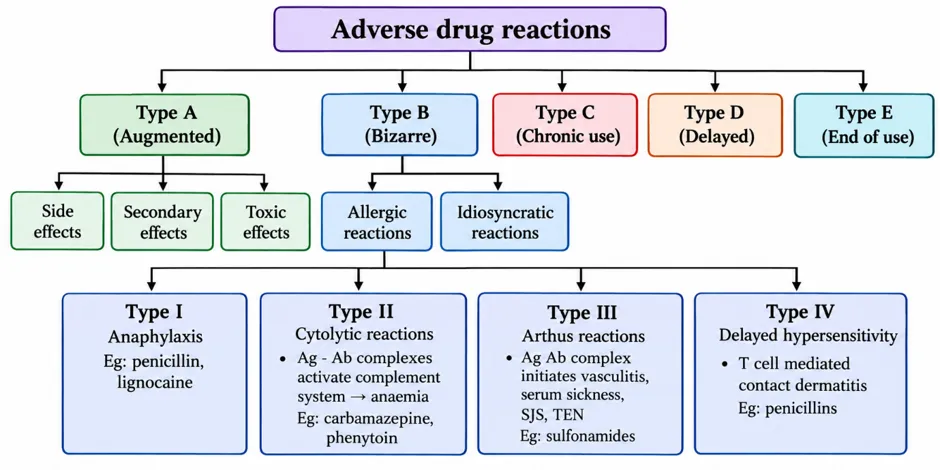
Figure 3. Classification of Adverse drug reactions
Assessment of Causality and Severity
Assessment of ADR causality is essential for determining whether a suspected clinical event is attributable to a particular medicine. Causality assessment generally considers the temporal relationship between drug exposure and the reaction, alternative explanations, dose-response relationship, dechallenge, rechallenge, and available pharmacological or clinical evidence. Structured approaches, including the WHO-UMC system and the Naranjo algorithm, may categorize suspected reactions according to the strength of evidence supporting a causal association. In comparative evaluations of NSAIDs and opioids, such assessment helps distinguish drug-related toxicity from underlying disease, concomitant medications, or other clinical factors. [25]
ADR severity should be differentiated from seriousness. Severity describes the intensity of a reaction and may be graded as mild, moderate, or severe according to its clinical impact and required intervention. Serious ADRs are defined by outcomes such as death, life-threatening illness, hospitalization, significant disability, congenital anomaly, or other medically important conditions. NSAID-associated gastrointestinal bleeding, acute kidney injury, and cardiovascular complications, as well as opioid-associated respiratory depression and severe central nervous system effects, may represent clinically serious reactions.
Preventability is another important dimension and involves determining whether the reaction could have been avoided through appropriate prescribing, dose selection, contraindication screening, monitoring, patient education, or recognition of drug interactions. Evaluating causality, severity, and preventability provides a structured basis for comparing the clinical burden of NSAID- and opioid-associated ADRs. [26]
Role of Pharmacovigilance
Pharmacovigilance plays a central role in identifying, evaluating, understanding, and preventing ADRs throughout the medicine-use cycle. This is particularly important for analgesics such as NSAIDs and opioids, which are extensively prescribed and may produce clinically significant adverse outcomes. Spontaneous reporting systems allow healthcare professionals, patients, and other stakeholders to report suspected ADRs to national or regional pharmacovigilance centres. Such reports can facilitate the detection of rare, unexpected, or previously unrecognized safety signals that may not have been identified during pre-marketing clinical trials. [27]
Post-marketing surveillance complements spontaneous reporting by evaluating medicine safety under real-world conditions and across larger, more diverse populations. Data from electronic health records, prescription databases, registries, observational studies, and active surveillance programs can help characterize the frequency, risk factors, and clinical consequences of NSAID- and opioid-related ADRs. Signal detection methods may identify emerging patterns requiring regulatory or clinical intervention. [26]
However, underreporting remains a major limitation of pharmacovigilance. Analgesic-related ADRs may be overlooked because mild reactions are perceived as expected effects, patients may not recognize their symptoms as drug-related, or healthcare professionals may lack time or awareness to submit reports. Underreporting can therefore underestimate the true burden of NSAID- and opioid-associated harm. Strengthening reporting awareness, simplifying reporting mechanisms, improving clinical documentation, and integrating active surveillance approaches are essential for generating more reliable comparative safety evidence.
Adverse Drug Reaction Associated with NSAIDs and Opioids
NSAIDs are effective analgesic and anti-inflammatory agents, but their inhibition of cyclooxygenase (COX) enzymes also reduces physiologically protective prostaglandins. Consequently, adverse drug reactions (ADRs) may involve the gastrointestinal, renal, cardiovascular, hepatic, hematological, respiratory, and dermatological systems. The magnitude of risk varies according to the specific NSAID, degree of COX-1/COX-2 selectivity, dose, treatment duration, patient characteristics, and concomitant medications. [27]
Table 1. Adverse drug reaction associated with NSAIDs [24-28]
|
ADR Category |
Major Adverse Drug Reactions |
Underlying Pharmacological Mechanism |
Clinical Relevance / Risk Considerations |
|
Gastrointestinal |
Dyspepsia, gastritis |
Inhibition of COX-1 reduces gastroprotective prostaglandins, resulting in decreased mucus and bicarbonate secretion and impaired mucosal blood flow |
Common with NSAID therapy; risk increases with higher doses, prolonged use, previous peptic ulcer disease, corticosteroids, anticoagulants, and antiplatelet drugs |
|
Peptic ulcer disease |
Reduced prostaglandin-mediated mucosal protection and impaired epithelial defense |
May lead to ulceration and clinically significant complications, particularly during long-term therapy |
|
|
Gastrointestinal bleeding and perforation |
Mucosal injury combined with impaired platelet aggregation due to reduced thromboxane A? synthesis |
Potentially life-threatening; risk is increased in older adults and patients receiving concomitant antithrombotic therapy |
|
|
Renal |
Acute kidney injury |
Inhibition of renal prostaglandin synthesis causes afferent arteriolar vasoconstriction and reduced renal perfusion |
Greater risk in dehydration, chronic kidney disease, heart failure, older age, and concomitant diuretic or renin-angiotensin system inhibitor therapy |
|
Sodium and water retention |
Altered renal hemodynamics and reduced prostaglandin-mediated natriuresis |
May cause peripheral edema, weight gain, and worsening hypertension |
|
|
Electrolyte disturbances |
Altered renal tubular handling of electrolytes secondary to impaired renal function |
Hyperkalemia may occur, particularly in patients with renal impairment or interacting medications |
|
|
Worsening of pre-existing renal disease |
Reduction in renal blood flow and glomerular filtration |
May accelerate renal dysfunction in susceptible patients |
|
|
Cardiovascular |
Hypertension |
Sodium and water retention with increased vascular resistance |
May attenuate the antihypertensive effects of some drugs and worsen pre-existing hypertension |
|
Fluid retention |
Renal sodium retention and altered vascular homeostasis |
Particularly important in patients with heart failure or cardiovascular disease |
|
|
Thrombotic cardiovascular events |
Alteration of the prostacyclin/thromboxane balance, particularly with some COX-2 selective agents |
Associated with increased risk of myocardial infarction and ischemic stroke in susceptible patients |
|
|
Heart failure exacerbation |
Fluid retention and increased systemic vascular resistance |
May precipitate or worsen heart failure |
|
|
Hepatic |
Elevated hepatic enzymes |
Drug-specific hepatic effects, ranging from adaptive enzyme elevation to idiosyncratic injury |
Usually reversible but warrants clinical evaluation when significant or persistent |
|
Drug-induced liver injury |
Rare idiosyncratic hepatocellular or cholestatic reactions |
Clinically uncommon but potentially severe |
|
|
Hypersensitivity / Dermatological |
Urticaria |
Hypersensitivity reactions and altered arachidonic-acid metabolism |
May occur shortly after exposure and can occasionally progress to severe reactions |
|
Bronchospasm |
COX-1 inhibition may increase leukotriene-mediated bronchoconstriction in susceptible individuals |
Particularly relevant in patients with asthma or NSAID-exacerbated respiratory disease |
|
|
NSAID-exacerbated respiratory disease |
Increased cysteinyl leukotriene production following COX-1 inhibition |
May cause bronchospasm, nasal congestion, and respiratory exacerbations |
|
|
Dermatological |
Severe cutaneous adverse reactions |
Rare immune-mediated reactions |
Stevens-Johnson syndrome and toxic epidermal necrolysis are rare but potentially fatal |
|
Hematological |
Platelet dysfunction |
Reduced COX-1-mediated thromboxane A? synthesis impairs platelet aggregation |
Particularly pronounced with aspirin; clinically important in patients at increased bleeding risk |
|
Increased bleeding risk |
Platelet dysfunction combined with gastrointestinal mucosal injury |
Risk increases with anticoagulants, antiplatelet agents, corticosteroids, and other drugs affecting hemostasis |
|
|
Drug-specific variation |
Differences between non-selective and COX-2 selective NSAIDs |
Differential inhibition of COX-1 and COX-2 |
COX-2 selectivity may reduce gastrointestinal toxicity but does not eliminate GI risk and may influence cardiovascular risk |
|
Dose / Duration |
Increased ADR burden with prolonged or high-dose treatment |
Greater and sustained COX inhibition increases systemic adverse effects |
Risk generally increases with dose and duration; lowest effective dose for the shortest appropriate duration is preferred |
Opioids produce analgesia primarily through activation of opioid receptors, particularly μ-opioid receptors, in the central and peripheral nervous systems. Their ADR profile differs fundamentally from that of NSAIDs and is dominated by central nervous system and respiratory effects, gastrointestinal dysfunction, and consequences of repeated exposure. Importantly, tolerance, physical dependence, and withdrawal are pharmacological adaptations rather than ADRs in themselves, although they can substantially influence the safety and clinical management of opioid therapy. Prolonged exposure may also contribute to opioid use disorder, endocrine disturbances, impaired function, and injury. [29]
Table 2. Adverse drug reaction associated with Opioids [27-32]
|
ADR Category |
Major Adverse Drug Reactions |
Underlying Pharmacological Mechanism |
Clinical Relevance / Risk Considerations |
|
Central Nervous System |
Sedation |
μ-Opioid receptor activation within central nervous system pathways involved in arousal and vigilance |
Common during initiation and dose escalation; may impair daily activities and increase injury risk |
|
Central Nervous System |
Dizziness |
Central opioid effects with alterations in vestibular and autonomic function |
May contribute to impaired balance and falls, particularly in older adults |
|
Central Nervous System |
Cognitive impairment |
Opioid-mediated alteration of attention, psychomotor performance, and information processing |
May impair driving, occupational performance, and activities requiring alertness |
|
Central Nervous System |
Delirium |
Central opioid effects combined with patient vulnerability and other precipitating factors |
More clinically relevant in older adults and medically complex patients |
|
Respiratory |
Respiratory depression |
μ-Opioid receptor activation in brainstem respiratory centers reduces ventilatory response to carbon dioxide |
Most serious acute opioid toxicity; severe cases may result in hypoxia, coma, or death |
|
Respiratory |
Fatal overdose |
Excessive opioid exposure produces profound respiratory depression |
Risk increases with high doses, rapid dose escalation, loss of tolerance, and concomitant CNS depressants |
|
Respiratory |
Drug interaction-related respiratory depression |
Additive or synergistic CNS and respiratory depression with benzodiazepines, alcohol, and other sedatives |
Requires careful medication review and dose management |
|
Gastrointestinal |
Constipation |
Peripheral μ-opioid receptor activation decreases intestinal motility and secretion and increases fluid absorption |
Very common and persistent; tolerance to this effect is generally limited |
|
Gastrointestinal |
Nausea and vomiting |
Effects on the chemoreceptor trigger zone and vestibular pathways |
Common during initiation or dose escalation and may limit treatment |
|
Gastrointestinal |
Ileus |
Marked inhibition of gastrointestinal motility |
Clinically important with high-dose or prolonged opioid exposure and in postoperative patients |
|
Neuroadaptation |
Tolerance |
Repeated opioid exposure produces neuroadaptive changes and reduced response to the same dose |
May lead to dose escalation and complicate long-term analgesic management |
|
Neuroadaptation |
Physical dependence |
Physiological adaptation resulting from repeated opioid exposure |
Abrupt discontinuation may produce withdrawal; physical dependence should not be equated with opioid use disorder |
|
Neuroadaptation |
Withdrawal |
Rebound neurophysiological activity following reduction or cessation after dependence develops |
May include autonomic symptoms, anxiety, myalgia, abdominal cramps, diarrhea, and insomnia |
|
Opioid Use Disorder / Misuse |
Problematic opioid use |
Dysregulation of reward, reinforcement, and behavioral control pathways |
May progress to opioid use disorder in susceptible individuals |
|
Opioid Use Disorder / Misuse |
Risk of misuse and dependence |
Pharmacological reinforcement and repeated exposure |
Risk is influenced by dose, duration, previous substance-use disorder, psychiatric comorbidity, and social factors |
|
Endocrine |
Hormonal disturbances |
Suppression of hypothalamic-pituitary-gonadal axis signaling during chronic opioid exposure |
May cause hypogonadism, menstrual disturbances, fatigue, and reduced libido |
|
Endocrine / Sexual |
Sexual dysfunction |
Primarily associated with opioid-induced endocrine suppression |
May adversely affect quality of life during long-term treatment |
|
Immunological |
Possible immunological effects |
Opioid-mediated modulation of immune-cell signaling and function |
Clinical significance remains incompletely established and may vary among opioid agents |
|
Falls / Injury |
Falls |
Sedation, dizziness, impaired balance, and psychomotor dysfunction |
Particularly important in older adults and patients receiving other CNS depressants |
|
Falls / Injury |
Psychomotor impairment |
Altered attention, coordination, reaction time, and alertness |
May increase risk of fractures, motor-vehicle accidents, and occupational injuries |
Comparative Analysis of NSAID and Opioid-Associated ADRs
Comparison by Organ System
NSAIDs and opioids exhibit distinctly different adverse drug reaction (ADR) profiles because of their different pharmacological mechanisms and sites of action. NSAID-associated ADRs predominantly involve the gastrointestinal (GI), renal, and cardiovascular systems. By inhibiting cyclooxygenase enzymes and reducing prostaglandin synthesis, NSAIDs can compromise gastric mucosal protection and renal perfusion, particularly in susceptible individuals. Consequently, common adverse effects include dyspepsia, nausea, fluid retention, and elevated blood pressure, while more serious complications include peptic ulceration, gastrointestinal bleeding, acute kidney injury, and cardiovascular events. The risk of these complications is generally greater with higher doses, prolonged treatment, and the presence of underlying comorbidities. [31]
In contrast, opioid-associated ADRs primarily affect the central nervous system (CNS), respiratory system, and gastrointestinal tract. Frequently reported effects include sedation, dizziness, nausea, vomiting, and constipation. The most serious opioid-related ADR is respiratory depression, which can rapidly progress to hypoxia, overdose, and death. Unlike NSAIDs, opioids also carry important long-term risks related to neuroadaptation, including tolerance, physical dependence, misuse, and opioid use disorder. Therefore, the monitoring priorities for these two drug classes differ substantially: NSAID therapy requires careful assessment of GI, renal, and cardiovascular risk, whereas opioid therapy requires close observation of sedation, respiratory function, and the potential for misuse. [32]
Table 3. Comparative Organ-System Profile of NSAID- and Opioid-Associated ADRs [33]
|
Parameter |
NSAIDs |
Opioids |
|
Major target systems |
Gastrointestinal, renal, cardiovascular |
Central nervous system, respiratory, gastrointestinal |
|
Common ADRs |
Dyspepsia, nausea, fluid retention, hypertension |
Constipation, nausea, vomiting, sedation, dizziness |
|
Major serious ADRs |
GI bleeding, peptic ulceration, acute kidney injury, cardiovascular events |
Respiratory depression, severe sedation, overdose |
|
Long-term concerns |
Progressive renal dysfunction and cardiovascular complications |
Tolerance, dependence, misuse, opioid use disorder |
|
Major monitoring focus |
Renal function, GI symptoms and cardiovascular risk |
Level of consciousness, respiration, and misuse risk |
Comparison of Severity and Clinical Outcomes
The severity of ADRs associated with NSAIDs and opioids ranges from mild and self-limiting symptoms to life-threatening complications. Mild NSAID-related reactions, such as dyspepsia and abdominal discomfort, are relatively common and may be manageable with dose adjustment or gastroprotective measures. However, clinically significant gastrointestinal bleeding or acute renal injury can result in hospitalization and may be associated with considerable morbidity and mortality. Cardiovascular complications may also have serious long-term consequences, particularly in patients with pre-existing cardiovascular disease. [34]
Similarly, opioid therapy is frequently associated with mild adverse effects such as constipation, nausea, and drowsiness. However, excessive sedation and respiratory depression represent potentially fatal complications that can occur rapidly, especially after dose escalation, overdose, or concurrent use of other CNS depressants. Consequently, while NSAID-related harm is often characterized by organ-specific injury that may develop progressively or during prolonged exposure, opioid-related toxicity can produce immediate and life-threatening clinical deterioration. Chronic opioid use additionally increases the risk of dependence and opioid use disorder, creating long-term clinical and social consequences beyond conventional pharmacological toxicity. [35]
Dose-Response Relationship and Duration of Exposure
Dose and duration are important determinants of ADR risk for both NSAIDs and opioids. NSAID-associated toxicity generally increases with higher doses and prolonged exposure. Increasing systemic exposure can increase the risk of gastrointestinal mucosal injury, impaired renal function, fluid retention, hypertension, and cardiovascular complications. Importantly, increasing the NSAID dose may not always provide a proportional improvement in analgesia, whereas the probability of adverse effects may continue to rise. Therefore, NSAIDs should be prescribed at the lowest effective dose and for the shortest appropriate duration, particularly in patients with established risk factors. [28]
Opioid adverse effects also demonstrate a strong dose-response relationship. Higher doses and rapid dose escalation increase the likelihood of sedation, impaired cognition, and respiratory depression. The risk may be further increased when opioids are combined with alcohol or other CNS depressants. During long-term treatment, tolerance may develop to some effects, leading to dose escalation in certain individuals; however, tolerance does not eliminate the risk of severe toxicity. The relationship between opioid dose and respiratory depression is therefore particularly important in clinical practice and requires individualized dosing and continuous reassessment of therapeutic benefit and harm. [29]
Comparative Risk in Special Populations
Older adults are particularly susceptible to ADRs from both NSAIDs and opioids because of altered pharmacokinetics, reduced physiological reserve, polypharmacy, and the presence of multiple chronic diseases. NSAIDs can increase the risk of gastrointestinal bleeding, renal impairment, fluid retention, and cardiovascular complications in this population. Opioids, on the other hand, may cause excessive sedation, confusion, delirium, falls, and fractures. Careful dose selection, regular medication review, and close clinical monitoring are therefore essential when either drug class is prescribed to older individuals. [36]
Renal impairment represents a major concern during NSAID therapy because prostaglandin inhibition can reduce renal blood flow and contribute to acute kidney injury or worsening chronic kidney disease. Opioid therapy also requires caution in patients with renal dysfunction, as some opioids and their metabolites may accumulate and produce prolonged sedation or respiratory depression. Thus, while NSAIDs may directly worsen renal function, opioids may require dose adjustment and careful drug selection to prevent accumulation-related toxicity. [37]
Patients with cardiovascular disease may face increased risks during NSAID treatment because these drugs can contribute to hypertension, fluid retention, and adverse cardiovascular events. Such risks are particularly relevant in individuals with heart failure or established cardiovascular disease. Opioids generally have a different cardiovascular risk profile and may be considered in selected situations; however, their CNS and respiratory adverse effects remain significant. The choice of analgesic should therefore be based on an overall assessment of cardiovascular status and alternative therapeutic options. [38]
Individuals with a history of peptic ulcer disease or gastrointestinal bleeding are at particularly high risk of serious NSAID-associated complications. NSAID therapy may aggravate existing mucosal injury and precipitate recurrent bleeding. Opioids do not typically cause gastrointestinal ulceration or bleeding but commonly impair gastrointestinal motility, resulting in constipation and, in severe cases, bowel dysfunction. Therefore, the comparative advantage of opioids in patients with significant GI mucosal disease must be balanced against their substantial gastrointestinal and systemic adverse effects. [34]
Opioids require particular caution in patients with respiratory disorders because their ability to suppress respiratory drive may worsen pre-existing ventilatory impairment. Individuals with compromised respiratory function may be especially vulnerable to opioid-induced hypoventilation and respiratory depression. NSAIDs generally do not cause respiratory suppression; however, some susceptible individuals may experience NSAID-related hypersensitivity reactions or worsening respiratory symptoms. Consequently, respiratory status should be a major consideration when opioids are prescribed. [35]
During pregnancy, the use of both NSAIDs and opioids requires careful consideration of maternal and fetal safety. The risks associated with NSAIDs vary according to the specific agent, dose, and stage of pregnancy, and their use may be restricted during certain periods because of potential fetal and maternal complications. Opioid exposure should also be carefully evaluated, particularly during prolonged treatment, because of potential maternal adverse effects, fetal exposure, and neonatal complications. Analgesic therapy during pregnancy should therefore be individualized and based on a careful assessment of anticipated benefits and potential risks. [36]
Table 4. Comparative ADR Risk in Special Populations
|
Special population |
NSAID-associated concerns |
Opioid-associated concerns |
|
Older adults |
GI bleeding, renal injury, cardiovascular complications |
Sedation, delirium, falls, respiratory depression |
|
Renal impairment |
Worsening renal function and acute kidney injury |
Drug/metabolite accumulation and prolonged CNS effects |
|
Cardiovascular disease |
Hypertension, fluid retention, cardiovascular events |
Sedation and respiratory effects; individualized assessment required |
|
GI disease |
Ulceration and gastrointestinal bleeding |
Constipation and reduced GI motility |
|
Respiratory disorders |
Hypersensitivity-related respiratory reactions in susceptible individuals |
Respiratory depression and hypoventilation |
|
Pregnancy |
Gestational stage-dependent maternal and fetal risks |
Maternal adverse effects, fetal exposure, and neonatal complications with prolonged use |
Prevention and Management of ADRs
Strategies for Safer NSAID Use
The prevention of NSAID-associated adverse drug reactions requires careful patient selection and rational prescribing. NSAIDs should be administered at the lowest effective dose for the shortest appropriate duration to minimize cumulative toxicity. Before initiating therapy, clinicians should assess gastrointestinal (GI) risk factors, including advanced age, previous peptic ulcer disease, concomitant anticoagulant or corticosteroid use, and prolonged NSAID exposure. Renal function and cardiovascular status should also be considered, particularly in patients with chronic kidney disease, heart failure, hypertension, or other cardiovascular risk factors. Regular monitoring may help identify early signs of renal impairment, fluid retention, or blood pressure elevation. In patients at increased GI risk, gastroprotective strategies, such as co-prescription of appropriate acid-suppressive therapy, may reduce the likelihood of ulceration and GI bleeding. Avoiding unnecessary concurrent use of multiple NSAIDs is also essential for improving safety. [37]
Strategies for Safer Opioid Use
Safe opioid use begins with appropriate patient selection and a clear assessment of the expected benefits and potential risks of therapy. Opioids should be considered when alternative analgesic approaches are inadequate or unsuitable, with treatment goals and duration regularly reassessed. Dose optimization is crucial, and clinicians should use the lowest effective dose while avoiding unnecessary dose escalation. Patients receiving opioids require monitoring for excessive sedation and respiratory depression, particularly during treatment initiation, dose increases, and concurrent use of other central nervous system depressants. Opioid-induced constipation should be anticipated and managed through adequate hydration, dietary measures, physical activity where appropriate, and pharmacological interventions when required. Risk mitigation strategies for misuse and overdose include careful prescribing, periodic reassessment, monitoring for problematic use, and appropriate education regarding overdose risks and interactions. [38]
Role of Patient Education
Patient education is a fundamental component of ADR prevention for both NSAIDs and opioids. Patients should be informed about important warning signs requiring prompt medical attention, such as GI bleeding, reduced urine output, severe allergic reactions, excessive drowsiness, or difficulty breathing. Education can also discourage inappropriate self-medication, including exceeding recommended doses or combining medicines with similar pharmacological effects without professional advice. Clear instructions regarding adherence, duration of treatment, and avoidance of potentially harmful drug interactions can further improve therapeutic safety. For opioid therapy, patients and caregivers should understand the importance of safe use, secure storage, and proper disposal to prevent accidental ingestion, diversion, and misuse. Empowering patients with practical knowledge promotes early recognition of ADRs and supports safer, more effective pain management. [39]
Role of Pharmacovigilance and ADR Reporting
Pharmacovigilance plays a critical role in identifying, assessing, and preventing adverse drug reactions (ADRs) associated with NSAIDs and opioids, particularly rare, delayed, and serious events that may not be detected during premarketing clinical trials. Spontaneous reporting systems provide an essential mechanism for continuously monitoring medicine safety in real-world populations and can generate signals of previously unrecognized risks, including gastrointestinal, renal, and cardiovascular complications with NSAIDs and respiratory depression, dependence, overdose, and other serious outcomes with opioids. [35] Healthcare professionals, including physicians, pharmacists, and nurses, have a central responsibility in recognizing suspected ADRs, documenting relevant clinical information, and submitting timely and complete reports to pharmacovigilance systems. Patient reporting further strengthens surveillance by capturing symptoms and experiences that may otherwise remain undocumented. However, substantial underreporting, uncertainty regarding causality, limited awareness, reporting burden, and incomplete clinical information can reduce the effectiveness of existing systems. Integration of electronic health records (EHRs), prescription data, and other real-world evidence can complement spontaneous reporting by enabling systematic identification of safety patterns across diverse patient populations. Advanced data-mining and signal-detection approaches may further facilitate earlier recognition of clinically important ADRs. Collectively, robust pharmacovigilance and comprehensive ADR reporting are essential for comparing the safety profiles of NSAIDs and opioids and supporting evidence-based risk minimization strategies. [40]
CONCLUSION
NSAIDs and opioids remain important therapeutic options for the management of acute and chronic pain, but their use is associated with distinct and clinically important adverse drug reaction (ADR) profiles. NSAID-related toxicity predominantly affects the gastrointestinal, renal, and cardiovascular systems, with the risk influenced by dose, duration of therapy, comorbidities, and concomitant medications. In contrast, opioid toxicity is characterized principally by central nervous system depression, respiratory compromise, gastrointestinal disturbances, and clinically significant risks of tolerance, dependence, misuse, and overdose. Therefore, comparative assessment should not be based solely on identifying one class as universally safer than the other. Rational analgesic selection requires a patient-specific evaluation of therapeutic benefit, underlying disease, concomitant medications, treatment duration, and individual risk factors. Appropriate dose selection, limitation of unnecessary exposure, and regular clinical monitoring are essential components of safe analgesic therapy. Pharmacovigilance systems further contribute by facilitating the detection, assessment, and prevention of ADRs and identifying emerging safety concerns in real-world practice. Ultimately, optimizing pain management requires an individualized risk-benefit approach, judicious prescribing, continuous monitoring, and timely intervention to minimize preventable harm while maintaining adequate analgesia. Such measures can strengthen medication safety and support more effective, evidence-based use of both NSAIDs and opioids in clinical practice.
REFERENCES


Avadhesh Pratap Singh, Shivam Pandey, Sarfraj Ahmad, Design, A Comparative Review on Adverse Drug Reaction Associated with NSAIDs vs Opioids, Int. J. of Pharm. Sci., 2026, Vol 4, Issue 9, 3186-3205. https://doi.org/10.5281/zenodo.22944517
 10.5281/zenodo.22944517