View Article

  • A Comprehensive Review on Phytochemistry and Pharmacological Activities of Adhatoda vasica in Respiratory Disorders

  • 1Department of Pharmacognosy, Rama University, Faculty of Pharmaceutical Sciences, Mandhana, Kanpur, Uttar Pradesh, (209217)
    2Associate Professor of Pharmacognosy, Rama University, Faculty of Pharmaceutical Sciences, Mandhana, Kanpur, Uttar Pradesh, (209217)

Abstract

Adhatoda vasica, also known as Vasaka or Malabar nut, is a well-known medicinal plant from the Acanthaceae family that has been widely utilized in Ayurvedic and Unani medicine to treat respiratory ailments. The current study focuses on the phytochemical ingredients and pharmacological activity of Adhatoda vasica, with a particular emphasis on its involvement in respiratory illnesses. The plant includes a variety of bioactive chemicals, including quinazoline alkaloids like Vasicine and Vasicinone, as well as flavonoids, phenolic acids, terpenoids, and sterols, all of which contribute to its medicinal potential. Several experimental and clinical studies have found that the plant has considerable bronchodilator, expectorant, antitussive, anti-inflammatory, antioxidant, and antitubercular properties. These pharmacological properties justify its historic usage in the treatment of asthma, bronchitis, cough, chronic obstructive lung disease, and other pulmonary illnesses. The paper also addresses the plant's ethnopharmacological value, geographical distribution, macroscopic and microscopic properties, and phytochemical profile. The existing scientific information shows that Adhatoda vasica has promising therapeutic potential for respiratory disorders and might be a viable source for the creation of new herbal formulations and respiratory medications. Additional clinical and toxicological investigations are needed to determine its safety, effectiveness, and mechanism of action

Keywords

Adhatoda vasica; Vasaka; Malabar nut; Respiratory disorders; Vasicine; Vasicinone; Bronchodilator; Antitussive activity; Anti-inflammatory activity; Phytochemistry; Herbal medicine; Asthma; Bronchitis

Introduction

× Popup Image

Adhatoda vasica:

Malabar nut is a plant of the Acanthaceae family. People also call it Adulsa, Adhatoda, Vasa, or Vasaka. The Malabar nut originated in Asia. It suggests that goats do not eat this plant. The Malabar nut may be found in numerous locations. This includes Afghanistan and the Indian subcontinent. Bangladesh, India, Pakistan, Nepal, and Sri Lanka are among the countries that make up the Indian subcontinent. The Malabar nut grows in Laos, Myanmar, and Vietnam. Adhatoda vasica can be found in wastelands, roadside ditches, and dry, rocky soils. It has also spread throughout geographies. Adhatoda vasica is an evergreen plant that grows to a height of 1.0 to 2.5 meters and has a very foul odor and bitter taste. Several studies have found that the leaves and petals of Adhatoda vasica are used as an expectorant to treat ailments such as asthma, cough, and colds. Research on rats indicated that Adhatoda vasica can help minimize the damage caused by carbon tetrachloride.[1] The phenolic compounds found in Adhatoda vasica are known to scavenge radicals and have strong antioxidant effects. Adhatoda Vasica's medicinal properties make it an appealing subject for study into phytochemicals and active compounds in medication development. Adhatoda vasica is a well-known herbal remedy in both the Ayurvedic and Unani medicinal systems, and it has been used in traditional medicine to treat a wide range of human illnesses. Adhatoda vasica mostly comprises quinazoline alkaloids. These include vasicine and Vasicinone. Vasicinone is a chemical that helps individuals breathe easier by opening up their airways. Chemicals in Adhatoda vasica, such as vasicine and Vasicinone, are highly efficient in this regard. Adhatoda vasica includes these highly important quinazoline alkaloids. [2], [3]
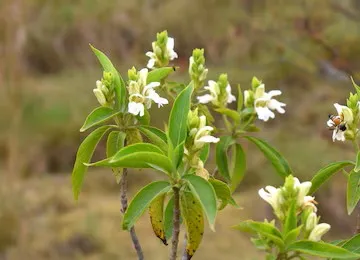
Figure no. 1: Adhatoda Vasica Plant

Taxonomic classification [4], [5]

Table no. 1: Taxonomical classification of Adhatoda vasica

Kingdom

Plantae

Subkingdom

Tracheobionta

Super division

Spermatophyta

Subclass

Asteridae

Class

Mangnoliopsida

Order

Scrophulariales

Family

Acanthaceae

Division

Magnoliophyta

Genus

Justica

Species

Adhatoda

Vernacular names [6]

Table no. 2: Vernacular names of Adhatoda vasica

Hindi

Adosa, Adalsa, Vasaka

English

Malabur nut

Tamil

Adatodai

Marathi

Vasuka

Telugu

Adasaram

Malayalam

Ata – lotakam

Gujarati

Aradusi, Adusa

Punjab

Bansa, Basuti, Bhekkar

Chaina

Ya – Zui -Hua

Manipuri

Nogmangkha – agouba

Macroscopic character

This shrub is quite thick. It typically grows to be 1.2 to 2.4 meters tall. The shrub can occasionally grow to the height of a small tree, reaching 6 meters. The shrub has many branches that shoot up and out from opposite sides of the stem. The shrub's stem is golden and smooth. It's round. The shrub's leaves are elliptic or spear-shaped. They measure 10-20 cm long and 9-8 cm wide. The leaves are similarly pointed at their tips. The shrub has several of these leaves. The calyx is not unusually long, measuring more than 1.3 cm. It is either completely smooth. It has some hair on it. The calyx is completely divided until it reaches the base. The sepals are arranged to mimic fish scales. They are long and thin. They reach a point. The sepals contain three lines, and the veins make a confused pattern. The corolla is the white portion of the flower with some pink within. The corolla is 2.5 to 3 cm long. It has hair on its exterior. The tube of the corolla is 1 to 2 cm long. The bottom of the tube is straight. It is around 4 mm thick. The upper half of the tube is oval-shaped, curved, and has a notch in it. The flower is composed of both the calyx and the corolla. The plant's filaments are long, strong, and hairy around the root. They are curved, and the filaments' lower anther cells are somewhat pointed at the base instead of white at the tip. The plant's ovary and the lower part of its style are both covered with silky hair. The plant's seeds are spherical and somewhat longer, measuring 5 to 6 mm long, with bumps and a smooth surface.[7],[8],[9]

Microscopic Character

The transverse segment across the midrib is extremely curled on the side and has a dip in the middle on the top side. An arc of meritless and some secondary meritless occur on either side of the midrib. The top and lower epidermis are made up of rectangular or square-shaped cells that are covered by a thin layer. The epidermis has thicker cell walls than the lower epidermis. Oil globules may be seen in two layers of palisade cells under the epidermis, as well as long cystoliths with bumps that connect the epidermis to the lower palisade cells of the midrib. On both sides of the midrib, there are 5 to 10 rows of tissue. The midrib has three to four conjoint meristems that are connected. The midrib's lower epidermis has glandular trichomes as well. [10,[11],[12]

Geographical Distribution [13]

The plant is native to tropical Southeast Asia, specifically China, India, Pakistan, Burma, and Sri Lanka. It is also often found in Bangladesh, Malaysia, Bhutan's subtropical areas, and Burma.[14] According to research, the plant might potentially be found in China, Hong Kong, Thailand, or Nepal. The little evergreen shrub grows mostly along roadsides, ditches, waste areas, and in rocky, dry, low-humid soils. In the forests, the plant prefers an open canopy and light circumstances. However, the plant thrives in open meadows and floodplains. Because the plant is subtropical, it can only grow to an elevation of 1450 meters. Because it is a subtropical to tropical plant, it thrives in these conditions. The plant is most commonly found in India's Himalayan region and the Siwalik highlands. This place has a vibe. The plant may be found anywhere from Hamirpur in Himachal Pradesh to Chandigarh, the Morni Hills, and Haryana's Kalesar National Park. The plant also grows well in the semiarid climate of southern Haryana, including Narnaul, Rewari, Mahendragarh, and the southeastern portions of Rajasthan, such as the Sariska Tiger Reserve.[15], [16]

The plant also thrives in the Gangetic plains. As a result, major infestations have been reported across Uttar Pradesh and in parts of Bihar. The plant has dispersed populations in Manipur and Nagaland, two northeast Indian states. Figure 2 displays A. vasica's worldwide range, which demonstrates the species' adaptability and prevalence in a variety of settings. Geographical statistics indicate that A. vasica may be found across southern India, including the coastal regions of Odisha, Andhra Pradesh, and Tamil Nadu. A. vasica can also be found in a variety of areas. According to certain studies, A. vasica grows profusely in the dry forests of Kerala and Tamil Nadu. A. vasica has been discovered in Pinus roxburghii and Prosopis juliflora plantations in the Siwalik region. Much study has been undertaken to determine the number of A. vasica plants in a particular region, and the findings have revealed that the number varies by location. This depicts how the environment impacts the growth and dispersal of A. vasica.[17], [18]
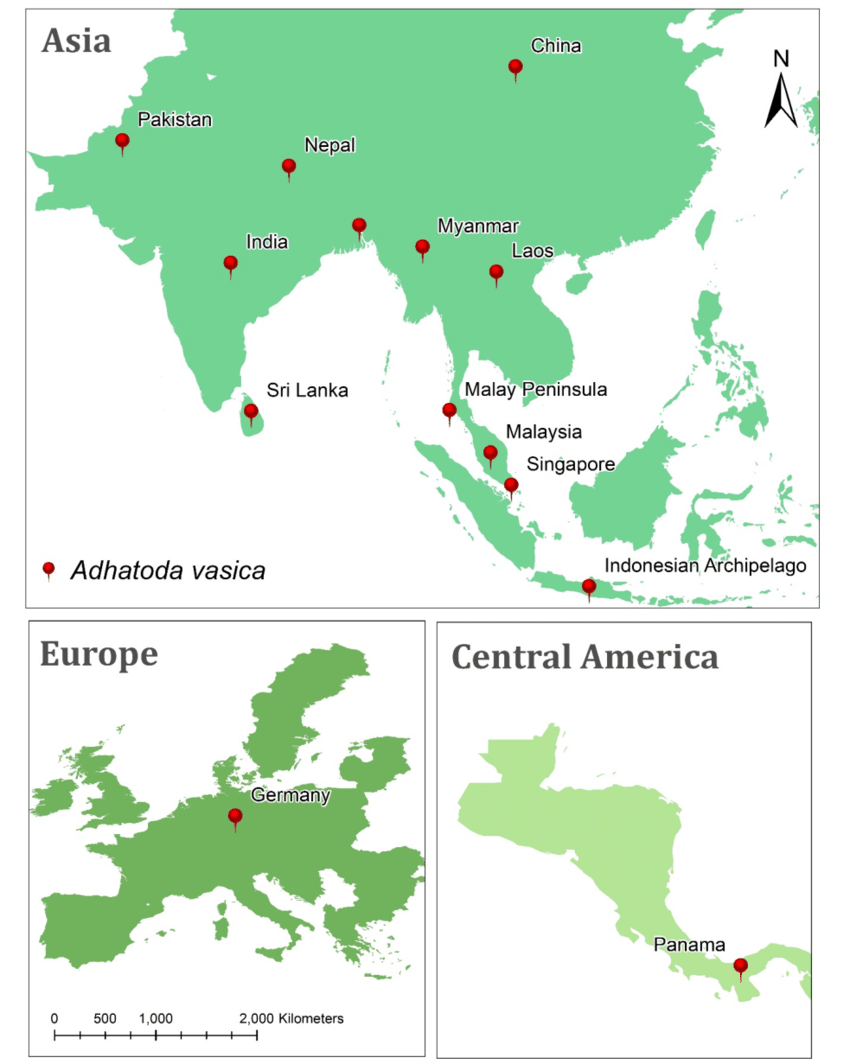
Figure no. 2: Geographical Distribution of Adhatoda vasica

Ethnopharmacology

The herb has been used for thousands of years in the Ayurvedic and Unani medicinal traditions. According to World Health Organization standards, the plant is commonly used to treat systemic conditions such as bleeding piles. Numerous studies have found that the plant is useful in treating asthma, bronchitis, cough, and cold symptoms. The leaf extract includes oxytocin, which aids uterine contraction during birth in India. According to a poll performed in Gora village, Lucknow, 70% of pregnant women have tried to halt their pregnancies with Adhatoda leaves. More study is needed to prove the efficacy of the leaves in stopping pregnancies. The leaf extract is used to treat skin conditions, stomach ulcers, diarrhea, dysentery, malaria, jaundice, and headaches. Vasaka's leaves, petals, and roots are used to create pharmaceuticals and nutritional supplements that promote health, weight loss, and improved breathing. The plant is really beneficial. Vasaka's leaves, flowers, and roots promote overall health. The plant's leaf extract can help cure respiratory disorders, including asthma and bronchitis. The plant is also used to treat various skin diseases. Vasaka is an important element of Ayurvedic and Unani medicinal traditions, and its leaves, petals, and roots are all used to promote health. In some regions of India, people make a special drink out of Vasaka bark and wood to alleviate asthma. People in India and Nepal eat Vasaka leaves and blossoms as vegetables. To ease pain, locals in the Hamirpur region of Himachal Pradesh.[19],[20]

 Phytochemistry of Adhatoda vasica

The plant A. vasica has several compounds. In total, scientists discovered around 233 of these compounds in A. vasica. A. vasica contains several compounds, including alkaloids, steroids, flavonoids, and phenolic acids. A. vasica contains compounds such as hydrocarbon alkanes, alkenes, acetylene, and fatty alcohol. All of the natural compounds in A. vasica provide it with beneficial characteristics. For example, A.vasica possesses microbiological activity, which implies it can combat harmful microorganisms. Adhatoda also contains activity, which contributes to our overall wellness. Additionally, A. vasica contains anti-inflammatory properties that can help decrease edema. A. vasica also possesses diabetic activity, which can benefit those with diabetes.[39,40,41] Adhatoda is also beneficial to those who suffer from diseases. Some of the compounds found in Adhatoda essential oil are rather fascinating. For example, A. vasica contains compounds such as octene, octanal, and borneol. A. vasica also contains 1,2,3-trimethylbenzene, 2-tert-dimethoxybenzene, and d-verbenone. Other compounds found in A. vasica include undecanal, dodecane, tetradecane, and palmitic acid.[21],[22],[23]

Alkaloid

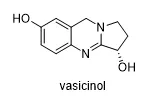
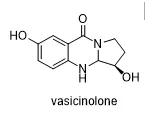
According to research, vasicine and Vasicinone have comparable bronchodilator activity to theophylline. Water, methanol, and petroleum ether extracts of A. vasica were employed in this study. Shoots. The water extracts contained larger quantities of vasicine and Vasicinone than the other two extracts. Compared to the methanol and petroleum ether extracts, the water extracts showed antioxidant properties. The antioxidant activities of A. vasica are mostly attributed to the alkaloids vasicine and Vasicinone. Adhatoda vasica includes both vasicine and Vasicinone. And they have a role in the action. Bromhexine, a vasicine derivative, has been shown to have mucus-liquefying properties. In a trial of 30 people with diverse respiratory symptoms, those who took bromhexine had much thicker and more structured mucus than those who received a placebo. This applied to both non-infectedpatients. Ambroxol, a chemical produced from bromhexine, is often used to help with mucus discharge. Ambroxol has been shown to block the release of chemicals by human mast cells and basophils that can cause allergic inflammation. Ambroxol was more efficient than Vasicine at lowering basophil substance release. It also decreased the activity of a protein present in basophils. Vasicine and Vasicinone are necessary since they are active and can help with respiratory difficulties. It has been tested for antioxidant qualities. The choices by A. vasica. Have been discovered to be active, with Vasicine and Vasicinone being the key reasons. [24,25,26,27]

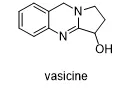
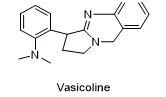
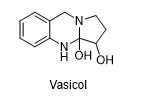
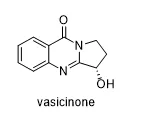
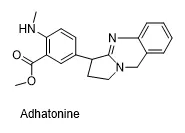
Table no. 3: Alkaloid reported in Adhatoda vasica

Compound [28],[29],[30]

Structure

Plant Part

Vasicine


Leaves, roots, flowers

Vasicoline

Young Plant

Vasicol

Roots

Vasicinone


Aerial parts, roots

Vasicinol

Roots, leaves

Vasicinolone

Leaves, Stem

Adhatonine

Roots, Young plant

Polyphenols

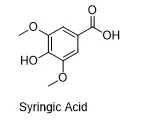
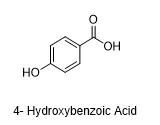
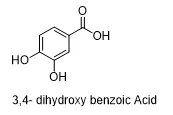
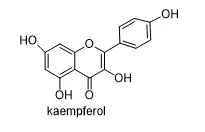
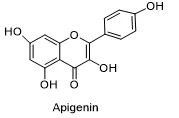
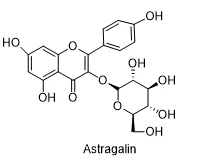
Twelve flavonoids (kaempferol, apigenin, astragalin, luteolin, Violanthin, Vitexin, Isovitexin, Rhamnosyl vitexin, 2-o-xylosylvitexin, quercetin, 2′-4-dihydroxychalcone-4-glucoside, and anthocyanin) and fourteen phenolic acids (3,4-dihydroxybenzoic acid, 4-hydroxybenzoic acid, p-coumaric acid, and syringic acid). Many chemicals are found in the leaves and flowers of A. vasica is frequently separated from the ether extracts. Quercetin, kaempferol, astragalin (kaempferol-3-o-glucoside), violanthin, luteolin, apigenin, vitexin, is vitexin, rhamnosyl vitexin, and 2-o-xylosylvitexin are a few examples of flavonoids. Other phenolic acid types include hydroxybenzoic acids (C1-C6 backbone) and hydroxycinnamic acids (C3-C6 backbone). Methylated (syringic acid), glycoside forms (p-coumaric acid), and hydroxybenzoic acids (3,4-dihydroxybenzoic acid and 4-hydroxybenzoic acid from A. vasica) are examples of hydroxycinnamic acids.[31],[32]

Polyphenols are a family of compounds with a characteristic phenol ring structure and several hydroxyl groups joined to aromatic rings. These structures include simple molecules and complex polymers composed of highly polymerized constituents. Numerous biological roles for polyphenols have been demonstrated, including anti-aging, anti-inflammatory, anti-mutagenic, antioxidative, and anticarcinogenic properties. Quercetin's anti-aging, anti-inflammatory, antioxidant, and anticancer effects are widely recognized. Kaempferol has the ability to directly prevent lipid peroxidation in addition to being a potent antioxidant. It possesses antibacterial, analgesic, anti-inflammatory, and anti-allergic properties. Additionally, the antibacterial, anti-zinflammatory, antioxidant, cardioprotective, and anticancer properties of apigenin, luteolin, and syringic acid. The mono-hydroxylation structure of P-coumaric acid, 3,4-dihydroxy benzoic acid, and 4-hydroxybenzoic acid restricts their ability to scavenge free radicals and shield cells from oxidative stress, making them phenolic acids with lesser antioxidant activity.[33],[34]
                      Table no. 4:  Polyphenols reported in Adhatoda vasica

Compound [35],[36]

             Structure

Plant Part

Syringic Acid


Leaves

4-Hydroxybenzoic Acid


Flowers, leaves

3,4-dihydroxybenzoic acid


Leaves

Kaempferol


Flowers

Apigenin


Aerial Part, roots

Astragalin

Leaves, Stem


Terpenoids and sterols

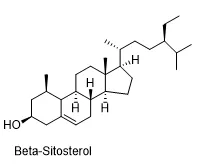
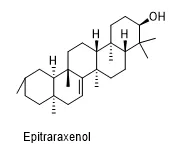
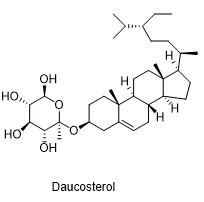
A. vasica extracts contain 23 terpenoids and sterols, including steroids (sitosterol, Daucosterol, β-sitosterol, γ-sitosterol, stigmasta-3,5-dien-7-one, Daucosterol, and Epitaraxerol), terpenoids (β-carotene, neo andrographolide), triterpenoids (α-amyrin, squalene, 3-alpha-Hydroxy-d-friedoolean-5-ene), and tetra-terpen. Aside from the roots, branches, and leaves, they were the most often discovered. Sitosterol and β-sitosterol are widely utilized in Chinese herbal medicine for their heart-protective and anti-atherosclerotic properties. Daucosterol may have several pharmacological effects, including neuroprotective, anti-inflammatory, antioxidant, antidiabetic, and anti-cancer activities. [37],[38],[39]

Table no. 5:  Terpenoids and sterols reported in Adhatoda vasica

Compound [40,41]

Structure

Plant Part

Beta-Sitosterol

Seeds, Leaves

Epitaraxerol

Aerial Parts

Daucosterol

Roots


Pharmacological Activities of Adhatoda Vasica in Respiratory Disorders

A. vasica, also known as Justicia Adhatoda is a plant that is really well known. People use it a lot in medicine, like Ayurveda, Unani, and Siddha, to treat breathing problems. This plant is part of the Acanthaceae family. You can find it all over India and Southeast Asia. The leaves of A. vasica have ingredients like Vasicine, Vasicinone, and deoxyvasicine that make it good for treating sickness. For a time, people have used A. vasica to help with cough, asthma, bronchitis, tuberculosis, and other lung problems. Breathing problems are a reason why people get sick and die all around the world. Things like asthma, chronic obstructive pulmonary disease, pulmonary fibrosis, bronchitis, and allergic airway inflammation are all connected to stress, inflammation, excessive mucus, and blocked airways. Some herbal medicines can help open up airways, reduce inflammation, and get rid of mucus, so they are becoming popular as alternative treatments. A. vasica is one because it has many good effects on breathing problems, which is why people are paying attention to A. vasica.[42]

Bronchodilator and Expectorant (Asthma and Bronchitis)

A. vasica is really good at helping people breathe. It has been used for a time to help with respiratory problems. People have been studying A. vasica for 60 years now. They have done lots of research, including studies on people and tests in labs. A. vasica is used to help with breathing problems. The research on A. vasica has shown that it is effective in helping people with these conditions. A. vasica has been studied in different ways, including in labs and with people. A. vasica has an important property that helps people breathe more easily. This is because it has an effect. The things that make this happen are vasicine and Vasicinone. They help relax the muscles in the airways, which makes it easier for air to get in and out of the lungs.[43],[44]

This is a deal for people with asthma and COPD. These compounds help stop the airways from getting too tight, which makes it harder to breathe. Some studies have been done on A. vasica. They found out that it can really help people breathe better. It does this by decreasing the amount of resistance in the airways and making the lungs work better. The way it does this is by affecting the way histamine works in the body, which can make the airways get too tight. It also helps relax the muscles in the trachea, which is the tube that carries air to the lungs. A. vasica is really good at doing this, which is why it is so helpful for people who have trouble breathing. [45]

When guinea pigs have trouble breathing because of acetylcholine and histamine, a special liquid made from plants called an extract can help. This liquid was given to the guinea pigs in amounts of 250 milligrams, 500 milligrams, and 750 milligrams per kilogram of their body weight. The results showed that this liquid can stop the breathing problems, and it worked as well as another medicine called ketotifen, which was given at a dose of 1 milligram per kilogram. The ethanolic extract really helped the guinea pigs with their breathing, just like ketotifen did. In a study on mice with allergic asthma caused by an OVA allergen, a special liquid extract was given to the mice. This liquid extract was made from a plant. It was given in a dose of 130 mg per kilogram of body weight. The results showed that the extract greatly reduced the airway resistance and inflammation in the mice. [46],[47]

The symptoms of asthma were greatly reduced in people who took part in trials using Vasa Avaleha. The trials used two preparations of Vasa Avaleha called Swarasa and Kwath. The results showed that both preparations were effective. The Swarasa preparation was better at relieving symptoms and improving blood parameters. In another study on rats, the researchers found that a herbal compound called Pentapala04 could reduce lung damage. This compound contains a plant called A. vasica. The rats were given a substance that caused lung damage. When they were also given the Pentapala04 compound, the damage was reduced. The compound helped to keep the lung cells healthy and prevented damage. [48]

A new medicine called RLX was made from a plant compound called vasicine. The researchers changed the chemical structure of vasicine to create RLX. They found that RLX was effective in preventing the release of histamine, a substance that can cause asthma symptoms. The RLX medicine was given to mice in a dose of 10-20 mg per kilogram of body weight. It was found to be effective in reducing the symptoms of asthma. The RLX medicine was compared to another medicine called disodium cromoglycate plus aminophylline. It was found to be just as effective, but with the added benefit of being effective when taken orally. [49],[50]

Anti-tussive (Cough Suppressant)

The good thing about A. vasica is that it helps to calm down the irritation in the breathing passages. This is why it stops coughing. People use products made from this plant to help with cough and sore throat. Some studies have been done to check how well A. vasica works. These studies show that the part of the plant that has compounds helps to reduce how often and how bad a cough is. This was tested on animals that were made to cough on purpose. The results are good for people who have a cough. A. vasica can help to make a cough better. It works well for cough. When rabbits and guinea pigs are made to cough using machines or electricity, the extract given through a works 1/20 to 1/40 as well as codeine. In guinea pigs, the extract given by mouth showed similar cough-suppressing activity to codeine when they were exposed to irritating aerosols. In a cough model using acid, a substance called arabinogalactan from A. vasica reduced coughing by 67%, which is close to the 62% reduction seen with codeine. Petroleum ether extract reduces secretions by 78.5%, 47%, and 36% in cases. It also increases the fluid in the tract more than ammonium chloride and eucalyptol. [51],[52],[53],[54],[55]

Anti-inflammatory

The anti-inflammatory effect of carrageenan and formalin was looked at in rat paws. This was done using an extract of Vasaka. The amount used was 200-400 mg/kg. It was given by mouth. The study found that this extract had a strong anti-inflammatory effect. Vasicine is the thing in Vasaka that helps with this. It is an alkaloid. It has anti-inflammatory properties. The hen's egg test was also used to assess the effectiveness of the methanolic extract of Vasaka. This test showed that the extract had a lot of inflammatory activity. This is because it contains saponins and alkaloids such as vasicine. The Vasaka extract is really good at reducing inflammation. The anti-inflammatory effect of Vasaka is very strong. [56]

The researchers looked at how the plant might reduce inflammation. They used the water part and the butanol part of the plant to see what would happen to the things that arachidonic acid makes. The study showed that the water part of the plant stops the acid pathway from working. It does this by stopping one of three things: cyclo-oxygenase, thromboxane, or platelet-activating factor. So the study figured out how the plant really reduces inflammation. The water part of the plant extract is very good at stopping acid from making bad things through the cyclo-oxygenase pathway. The butanol part of the plant extract is good at stopping two bad things: the thing that makes collagen get all stuck together and the platelet-activating factor.[57]

The anti-inflammatory activity of Vasaka is because it has a lot of constituents. These include Vasicine, Vasicinone, Vasicine acetate, 2-acetyl benzyl amine, and Vasicinolone in Vasaka. Singh and Sharma found out in 2013 that the part of Vasaka that is made with chloroform has high anti-inflammatory activity. This is compared to parts of Vasaka when it comes to reducing swelling in the paws of rats. Another study showed that A. vasica, which is also known as Vasaka, has anti-inflammatory activity. This is because it helps with brain problems that come from diabetes in rats. The changes in how the rats behave and in their body chemistry show that Vasaka really does have inflammatory properties. The parts of the plant that are made with water and alcohol have a big effect on reducing inflammation. This is compared to a standard drug called diclofenac. When Vasaka is used in the amount it has a big effect, and the results are very good. Vasaka has a lot of constituents, like vasicine, Vasicinone, and vasicine acetate, that make it a good anti-inflammatory agent. [58],[59]

Anti-Tuberculosis:

A. vasica is really good at fighting tuberculosis, the kind that is hard to treat with regular medicine. This is a deal because these tough strains of M. Tuberculosis are a huge problem for people's health all around the world. We can see that A. vasica works because of computer simulations that show how it interacts with the bacteria and also from experiments done in a lab. A. vasica has a lot of potential to help with tuberculosis, and this is very important when it comes to dealing with M. Tuberculosis that is resistant to many drugs. [60],[61]

The medicines used to treat tuberculosis have some problems because of multidrug- Mycobacterium tuberculosis. The leaf aqueous extract was tested in a lab to see if it could work against multidrug-resistant Mycobacterium tuberculosis. In Ayurveda, people use remedies to fight tubercular bacteria. One of these remedies is made from Vasaka flowers. Researchers found that using oil from Vasaka can stop Mycoplasma tuberculosis from growing in a lab. A team gave a coupon called MB105 to people in Garhwal, which is in Uttarakhand, India. They used a method called disk diffusion to test Vasaka. Found that it is very good at fighting tuberculosis. A time ago, in 1955, Barry et al discovered that A. vasica can stop Mycobacterium tuberculosis from growing. This happens because Vasaka has something called vasicine, which helps increase the level of lysozyme and rifampicin in the bronchioles. This makes Vasaka a useful tool in the fight against tuberculosis. Vasaka is really good at fighting tuberculosis because of the way it works. [62],[63]

Valasicoline, Vasicolinone, Vasicinone, vasicine, triterpenes, and Anisotine are the things that help fight tuberculosis in the plant. These things are really good at fighting tuberculosis. The enzyme called beta-ketoacyl-(acyl-carrier-protein) synthase III is important for the structure. How often do tuberculosis bacteria occur? When we use a lot of extracts like 100g/ml, we see a big decrease in the ability of microbes to form colonies. The effective parts of Vasaka are vasicine acetate and 2-acetyl benzylamine. These were tested on bacteria that are resistant to many drugs. The alkaloids from Vasaka work with the beta-ketoacyl acyl-carrier protein synthase III enzyme. Medicines that fight tuberculosis target these protein molecules. The study found that vasaka is an alternative to testing on animals, which can be very expensive. Vasaka is a plant that has Valasicoline, vasicolinone, Vasicinone, vasicine, triterpenes, and Anisotine that help fight tuberculosis.

  1. Recommendations for Future Research

Based on the findings of the present study, the following directions are proposed for further development. UV-protective amber packaging should be adopted as standard to protect light sensitive herbal constituents and prolong shelf life. Long-term stability studies under real-time and accelerated ICH conditions should be conducted to establish a validated shelf-life claim. Advanced analytical techniques, including spectrophotometry and HPLC, should be employed to quantify flavonoid and catechin content and ensure batch-to-batch consistency. Clinical studies should be undertaken on a broader population to assess improvements in skin hydration, texture, and protection against environmental damage. Optimised extraction protocols — including ultrasound-assisted or supercritical fluid extraction — may further maximise bioactive yield. Exploration of nano-emulsion or liposomal delivery systems offers a promising avenue for enhancing penetration and bioavailability. Finally, scale-up feasibility and industrial-grade quality control protocols should be established in preparation for potential commercialisation.

REFERENCES

  1. K. Sridhar, A. Mauricio De Oliveira, M. Gerais, B. Kevser Kübra Kirboga, M. Rudrapal, and S. Aldosari, “Valorization of Adhatoda vasica leaves: Extraction, in vitro analyses, and in silico approaches.” [Online]. Available: https://www.rcsb.org/
  2. C. N. Varsha, B. P. Meghana, T. Balasubramanian, D. M. Sinchana, and S. U. Tejas, “AN UPDATED REVIEW ON PHYTOCHEMICAL CONSTITUENTS AND PHARMACOLOGICAL ACTIVITIES OF ADHATODA VASICA (L). NEES,” International Journal of Pharmacognosy, vol. 12, no. 2, pp. 94–99, 2025, doi: 10.13040/IJPSR.0975-8232.IJP.12(2).94-99.
  3. T. P. Singh, O. M. Singh, and H. B. Singh, “Adhatoda vasica Nees: Phytochemical and Pharmacological Profile,”2011.
  4. T. Shamsuddin et al., “Adhatoda Vasica (Nees.): A Review on its Botany, Traditional uses, Phytochemistry, Pharmacological Activities and Toxicity,” Mini-Reviews in Medicinal Chemistry, vol. 21, no. 14, pp. 1925–1964, Feb. 2021, doi: 10.2174/1389557521666210226152238.
  5. A. Kumar Gangwar and A. K. Ghosh, “Medicinal uses and Pharmacological activity of Adhatoda vasica,” ~ 88 ~ International Journal of Herbal Medicine, vol. 2, no. 1, pp. 88–91, 2014.
  6. J. Mehta and A. Bajaj, “Sem studies of Adhatoda vasica: An endangered traditional medicinal plant of multifarious uses,” International Journal of Recent Trends in Science and Technology, P-Special Issue, pp. 2018–278, 2018, [Online]. Available: www.statperson.com
  7. U. R. Shah, R. G. Shah, N. S. Acharya, and S. R. Acharya, “COMPARATIVE PHARMACOGNOSTIC STUDY OF LEAVES OF ADHATAODA VASICA AND AILANTHUS EXCELSA,” International Journal of Pharmacognosy, vol. 1, no. 2, pp. 95–98, 2014, doi: 10.13040/IJPSR.0975-8232.IJP.1(2).95-98.
  8. S. Unnati, T. Shilpa, T. Daxa, and B. Mehul, “Pharmacognostical and Phytochemical Evaluation of Adhatoda vasica Leaf,” Int. J. Res. Stud. Biosci., vol. 2, no. 11, pp. 144–148, 2014, [Online]. Available: www.arcjournals.org
  9. U. R. Shah, R. G. Shah, N. S. Acharya, and S. R. Acharya, “COMPARATIVE PHARMACOGNOSTIC STUDY OF LEAVES OF ADHATAODA VASICA AND AILANTHUS EXCELSA,” International Journal of Pharmacognosy, vol. 1, no. 2, pp. 95–98, 2014, doi:10.13040/IJPSR.0975-8232.IJP.1(2).95-98.
  10. S. Kumar Singh Scholar, J. Ram Patel, A. Dangi, S. Kumar Singh, and P. Kumar Dubey, “Pharmacognostic study and phytochemical screening of leaf of Adhatoda vasica (Acanthaceae),” ~ 29 ~ Journal of Medicinal Plants Studies, vol. 2, no. 4, pp. 29–31, 2014.
  11. D. Mohan et al., “Standardization of Different Plant Parts of Adhatoda vasica Nees. for Validation of its Quality Evaluation with Special Emphasis on Ayurveda,” 2022. [Online]. Available: http://www.budapestopenaccessinitiative.org/read
  12. Isha, P. Kumar, and A. N. Singh, “An Overview of Justicia adhatoda: A Medicinal Plant but Native Invader in India,” Mar. 01, 2025, Multidisciplinary Digital Publishing Institute (MDPI). doi: 10.3390/conservation5010002.
  13. H. Rahman, M. Rahman, M. Islam, and S. Reza, “The importance of forests to protect medicinal plants: A case study of Khadimnagar National Park, Bangladesh,” Int. J. Biodivers. Sci. Ecosyst. Serv. Manag., vol. 7, no. 4, pp. 283–294, Dec. 2011, doi: 10.1080/21513732.2011.645071.
  14. M. Kumar Sharma, “Phytogeographical Distribution of Adhatoda vasica in Shekhawati Region, Rajasthan”, [Online]. Available: www.woarjournals.org/IJGAES
  15. D. Raghuvanshi et al., “Ethnomedicinal plants traditionally used for the treatment of jaundice (Icterus) in Himachal Pradesh in western Himalaya—A review,” Feb. 01, 2021, MDPI AG. doi: 10.3390/plants10020232.
  16. S. Choudhary, H. Kaurav, and G. Chaudhary, “ADHATODA VASICA (VASAPATRA): A REVIEW BASED UPON ITS MEDICINAL PROPERTIES,” Int. J. Res. Ayurveda Pharm., vol. 12, no. 3, pp. 79–87, Jul. 2021, doi: 10.7897/2277-4343.120379.
  17. M. Shahriar, “PHYTOCHEMICAL SCREENINGS AND THROMBOLYTIC ACTIVITY OF THE LEAF EXTRACTS OF ADHATODA VASICA,” 2013. [Online]. Available: www.experimentjournal.com
  18. T. Shamsuddin et al., “Adhatoda vasica (Nees.): A Review on its Botany, Traditional uses, Phytochemistry, Pharmacological Activities and Toxicity,” Mini-Reviews in Medicinal Chemistry, vol. 21, no. 14, pp. 1925–1964, Feb. 2021, doi: 10.2174/1389557521666210226152238.
  19. U. Jayaweera, N. K. H. Shivashekaregowda, S. K. M. K. Herapathdeniya, and P. A. Paranagama, “Ethnopharmacological uses, phytochemistry, pharmacological activities and toxicity of Justicia adhatoda L.: a review,” Discover Plants, vol. 1, no. 1, Nov. 2024, doi: 10.1007/s44372-024-00042-x.
  20. Claeson UP, Bruhn JG. Adhatoda vasica: a critical review of ethnopharmacological and toxicological data. J Ethnopharmacol. 2000;72:1–20.
  21. Shamsuddin T, et al. Adhatoda vasica (Nees.): a review on its botany, traditional uses phytochemistry, pharmacological activities and toxicity. Mini-Rev Med Chem.2021;21(14):1925–64. https://doi.org/10.2174/1389557521666210226152238.
  22.  Jayapriya G, Shoba FG. GC-MS analysis of bio-active compounds in methanolic leaf extracts of Justicia Adhatoda (Linn.). J Pharmacognosy Phytochem. 2015;04(01):113–7.
  23. Singh SK, Patel JR, Dubey PK, Dangi A. Pharmacognostic study and phytochemical screening of the leaf of Adhatoda vasica (Acanthaceae). J Med Plants Stud. 2014;2:29–31.
  24. Lone SA, Yadav AS, Sharma AK, Tafazul M, Yogesh B, Raghuwanshi DK. A review on Adhatoda vasica Nees—an important and highly demanded medicinal plant. Indo Am J Pharm Res. 2013;3:2600–15.
  25. Masyita A, et al. Terpenes and terpenoids as main bioactive compounds of essential oils, their roles in human health and potential application as natural food preservatives. Food Chem X. 2022;13:100217. https://doi.org/10.1016/j.fochx.2022.100217.
  26. Gulfraz M. Investigation for bioactive compounds of Berberis lyceum Royle and Justicia  adhatoda L. Ethnobot Leafl. 2005;1(22):5
  27. Lone SA, Yadav AS, Sharma AK, Tafazul M, Yogesh B, Raghuwanshi DK. A review on Adhatoda vasica Nees—an important and highly demanded medicinal plant. Indo Am  J Pharm Res.2013;3:2600–15.
  28. Masyita A, et al. Terpenes and terpenoids as main bioactive compounds of essential oils, their roles in human health and potential application as natural food preservatives. Food  Chem X. 2022;13:100217. https://doi.org/10.1016/j.fochx.2022.100217.
  29. Roja G, Vikrant BH, Sandur SK, Sharma A, Pushpa KK. Accumulation of vasicine and  vasicinone in tissue cultures of Adhatoda vasica and evaluation of the free radical-scavenging activities of the various crude extracts. Food Chem. 2011;126(3):1033–8. https://doi.org/10.1016/j.foodchem.2010.11.115.
  30. Gulati K, Verma P, Rai N, Ray A. Chapter 7-Role of nutraceuticals in respiratory and allied diseases. In: Gupta RC, Lall R, Srivastava A, editors. Nutraceuticals. 2nd ed.Cambridge: Academic Press; 2021. p. 101–15. https://doi.org/10.1016/B978-0-12-  821038-3.00007-0.
  31. Pa R, Mathew L. Antimicrobial activity of leaf extracts of Justicia adhatoda L. in comparison with vasicine. Asian Pac J Trop Biomed. 2012;2(3):S1556–60. https://doi.org/10.1016/S2221-1691(12) 60452-3
  32. [32]   Liu W, et al. In vitro and in vivo metabolism and inhibitory activities of vasicine, a potent acetylcholinesterase and butyrylcholinesterase inhibitor. PLoS ONE. 2015;10(4):  e0122366. https://doi.org/10.1371/journal.pone.0122366.
  33. [33]   Zhang Y, et al. Vasicine alleviates 2,4-dinitrochlorobenzene-induced atopic dermatitis and passive cutaneous anaphylaxis in BALB/c mice. Clin Immunol. 2022;244:109102.  https://doi.org/10.1016/j.clim.2022.109102.
  34. [34]   Shoaib A. A systematic ethnobotanical review of Adhatoda vasica (L.), Nees. Cell Mol Biol. 2022;67(4):248–63. https://doi.org/10.14715/cmb/2021.67.4.28.
  35. [35]   Ameer MR, Khalid ZM, Shinwari MI, Ali H. Correlation among antidiabetic potential, biochemical parameters and GC-MS analysis of the crude extracts of Justicia adhatoda L. Pak J Bot. 2021;53(6):2111–25. https://doi.org/10.30848/PJB2021-6(30).
  36. [36]   Khan AM, Bhadauria S, Yadav R. Phytochemical screening and antioxidant activity of  extract of different parts of Adhatoda vasica. Res J Pharm Technol. 2019;12(12):5699– 705. https://doi.org/0.5958/0974-360X.2019.00986.7.
  37. [37] Singh TP, Singh OM, Singh HB. Adhatoda vasica Nees: phytochemical and pharmacological profile. Nat Prod J. 2011;1:29–39.
  38. [38] Zoltán P, et al. Agrimonia eupatoria L. and wound healing. J Herb Med. 2023;42:100765.  https://doi.org/10.1016/j.hermed.2023.100765.
  39. [39] Wang Y, Wang C, Shi J, Zhang Y. Effects of derivatization and probiotic transformation on the antioxidative activity of fruit polyphenols. Food Chem X. 2024;23:101776.  https://doi.org/10.1016/j.fochx.2024.101776.
  40. Maurya S, Singh D. Quantitative analysis of total phenolic content in Adhatoda Vasica Nees extracts. Int J Pharmtech Res.2009;2(4):2403–6.
  41. Chen J, Mangelinckx S, Adams A, Wang ZT, Li WL, De Kimpe N. Natural flavonoids as potential herbal medication for the treatment of diabetes mellitus and its complications Nat ProdCommun. 2015;10(1):187–200.https://doi.org/10.1177/1934578x1501000140
  42. Hossain MT, Hoq MO. Therapeutic use of Adhatoda vasica. Asian Journal of Medical and Biological Research. 2016;2(2):156-163.
  43. Hussain M, Sikdar P, Nag M, Nath B, Kapil MJ, Sharma N, Sarma B. (2025). Exploring the Therapeutic Spectrum of Vasaka (Adhatoda vasica Nees): A Review. International Journal of Environmental Sciences, 11(18s): 2598–2610.
  44.  Kapgate SM, Patil AB. (2017). Adhatoda vasica: A Critical Review. International Journal of Green Pharmacy, 11(4): S654– S662.
  45. Varsha CN, Meghana BP, Balasubramanian T, Sinchana DM, Tejas SU. (2025). An Updated Review on Phytochemical Constituents and Pharmacological Activities of Adhatoda Vasica (L.) Nees. International Journal of Pharmacognosy, 12(2): 94–99. doi:10.13040/IJPSR.0975-8232.IJP.12(2).94 99
  46. Dangi A. Phytochemical screening and assessment of Adhatoda vasica (Leaf) for antiasthmatic activity. Panacea Journal of Pharmacy and Pharmaceutical Sciences ISSN: 2349-7025. 2015;4(3):680-704.
  47. Singh P, Anand A, Kumar V. Recent developments in biological activities of chalcones: A mini review. European journal of medicinal chemistry. 2014;85:758-777.
  48. Rayees S, Satti NK, Mehra R, Nargotra A, Rasool S, Sharma A, Sahu PK, Gupta VK, Nepali K, Singh G. Anti-asthmatic activity of azepino [2, 1-b] quinazolones, synthetic analogues of vasicine, an alkaloid from Adhatoda vasica. Medicinal Chemistry Research. 2014;23(9):4269-4279.
  49. Gohil P, Mehta A. Evaluation of mast cell stabilizing and anti-anaphylactic activity of polyherbal formulation. Advances in Biological Research. 2011;5(6):304-308.
  50. Patil S. Study of herbal formulation consisting of various indigenous plants for their anti-asthmatic activity in experimental animals. International Journal of Research in Ayurveda and Pharmacy (IJRAP). 2010;1(2):515-521.
  51. Dhuley JN. (1999). Antitussive effect of Adhatoda vasica extract on mechanical or chemical stimulation-induced coughing in animals. Journal of Ethnopharmacology, 67(3): 361–365.
  52. Nosalova G, Fleskova D, Jurecek L, Sadlonova V, Ray B. (2013). Herbal polysaccharides and cough reflex. Respiratory Physiology and Neurobiology, 187: 47–51.
  53.  Narimanian M, Badalyan M, Panosyan V, et al. (2005). Randomized trial of a fixed combination (Kan Jang) of herb extracts containing Adhatoda vasica, Echinacea purpurea and Eleutherococcus senticosus in patients with upper respiratory tract infections. Phytomedicine, 12: 539–547.
  54. Ahmad S, Garg M, Ali M, Singh M, Athar MT, Ansari SH. A phyto-pharmacological overview of Adhatoda zeylanica Medic. syn. A. vasica (Linn.) Nees. 2009.
  55.  Barth A, Hovhannisyan A, Jamalyan K, Narimanyan M. Antitussive effect of a fixed combination of Justicia adhatoda, Echinacea purpurea and Eleutherococcus senticosus extracts in patients with acute upper respiratory tract infection: A comparative, randomized, double-blind, placebo-controlled study. Phytomedicine. 2015;22(13):1195 1200.
  56. Chakraborty A, Brantner AH. Study of alkaloids from Adhatoda vasica Nees on their anti-inflammatory activity. Phytother Res. 2001;15(6):532-534.
  57. Ahmad R, Raja V, Sharma M. Hepatoprotective activity of ethyl acetate extract of Adhatoda vasicain in Swiss albino rats. Int J Cur Res Rev. 2013;5(06).
  58. Patil S. Study of herbal formulation consisting of various indigenous plants for their anti-asthmatic activity in experimental animals. International Journal of Research in Ayurveda and Pharmacy (IJRAP). 2010;1(2):515-521.
  59. Rajput N, Nigam J, Srivastava D, Sahni Y. Anti-inflammatory activity of Adhatoda Vasica and Berberis aristata on carrageenin-induced paw edema in rats. Journal of Natural Remedies. 2004;4(1):97-102.
  60. Roja G, Vikrant B, Sandur SK, Sharma A, Pushpa K. Accumulation of vasicine and vasicinone in tissue cultures of Adhatoda vasica and evaluation of the free radical scavenging activities of the various crude extracts. Food chemistry. 2011;126(3):1033 1038.
  61. Kumar KS, Debjit B, Pankaj T, Rakesh K. Indian traditional herbs Adhatoda vasica and its medicinal application. Journal of Chemical and Pharmaceutical Research. 2010;2(1):240-245
  62. Gupta VK, Shukla C, Bisht GR, Saikia D, Cell Mol Biol Kumar S, Thakur RL. Detection of anti-tuberculosis activity in some folklore plants by radiometric BACTEC assay. Lett Appl Microbiol. 2011;52(1):33 40.
  63. Narimanian M, Badalyan M, Panosyan V, Gabrielyan E, Panossian A, Wikman G, Wagner H. Randomized trial of a fixed combination (KanJang) of herbal extracts containing Adhatoda vasica, Echinacea purpurea and Eleutherococcus senticosus in patients with upper respiratory tract infections. Phytomedicine. 2005;12(8):539-547.
  64. Grange JM, Snell NJ. Activity of bromhexine and ambroxol, semi-synthetic derivatives of vasicine from the Indian shrub Adhatoda Vasica, against Mycobacterium tuberculosis in vitro. J Ethnopharmacol. 1996;50(1):49-53
  65. Ignacimuthu S, Shanmugam N. Antimycobacterial activity of two natural alkaloids, vasicine acetate and 2-acetyl benzylamine, isolated from Indian shrub Adhatoda vasica Ness. leaves. J Biosci. 2010;35(4):565-570

Reference

  1. K. Sridhar, A. Mauricio De Oliveira, M. Gerais, B. Kevser Kübra Kirboga, M. Rudrapal, and S. Aldosari, “Valorization of Adhatoda vasica leaves: Extraction, in vitro analyses, and in silico approaches.” [Online]. Available: https://www.rcsb.org/
  2. C. N. Varsha, B. P. Meghana, T. Balasubramanian, D. M. Sinchana, and S. U. Tejas, “AN UPDATED REVIEW ON PHYTOCHEMICAL CONSTITUENTS AND PHARMACOLOGICAL ACTIVITIES OF ADHATODA VASICA (L). NEES,” International Journal of Pharmacognosy, vol. 12, no. 2, pp. 94–99, 2025, doi: 10.13040/IJPSR.0975-8232.IJP.12(2).94-99.
  3. T. P. Singh, O. M. Singh, and H. B. Singh, “Adhatoda vasica Nees: Phytochemical and Pharmacological Profile,”2011.
  4. T. Shamsuddin et al., “Adhatoda Vasica (Nees.): A Review on its Botany, Traditional uses, Phytochemistry, Pharmacological Activities and Toxicity,” Mini-Reviews in Medicinal Chemistry, vol. 21, no. 14, pp. 1925–1964, Feb. 2021, doi: 10.2174/1389557521666210226152238.
  5. A. Kumar Gangwar and A. K. Ghosh, “Medicinal uses and Pharmacological activity of Adhatoda vasica,” ~ 88 ~ International Journal of Herbal Medicine, vol. 2, no. 1, pp. 88–91, 2014.
  6. J. Mehta and A. Bajaj, “Sem studies of Adhatoda vasica: An endangered traditional medicinal plant of multifarious uses,” International Journal of Recent Trends in Science and Technology, P-Special Issue, pp. 2018–278, 2018, [Online]. Available: www.statperson.com
  7. U. R. Shah, R. G. Shah, N. S. Acharya, and S. R. Acharya, “COMPARATIVE PHARMACOGNOSTIC STUDY OF LEAVES OF ADHATAODA VASICA AND AILANTHUS EXCELSA,” International Journal of Pharmacognosy, vol. 1, no. 2, pp. 95–98, 2014, doi: 10.13040/IJPSR.0975-8232.IJP.1(2).95-98.
  8. S. Unnati, T. Shilpa, T. Daxa, and B. Mehul, “Pharmacognostical and Phytochemical Evaluation of Adhatoda vasica Leaf,” Int. J. Res. Stud. Biosci., vol. 2, no. 11, pp. 144–148, 2014, [Online]. Available: www.arcjournals.org
  9. U. R. Shah, R. G. Shah, N. S. Acharya, and S. R. Acharya, “COMPARATIVE PHARMACOGNOSTIC STUDY OF LEAVES OF ADHATAODA VASICA AND AILANTHUS EXCELSA,” International Journal of Pharmacognosy, vol. 1, no. 2, pp. 95–98, 2014, doi:10.13040/IJPSR.0975-8232.IJP.1(2).95-98.
  10. S. Kumar Singh Scholar, J. Ram Patel, A. Dangi, S. Kumar Singh, and P. Kumar Dubey, “Pharmacognostic study and phytochemical screening of leaf of Adhatoda vasica (Acanthaceae),” ~ 29 ~ Journal of Medicinal Plants Studies, vol. 2, no. 4, pp. 29–31, 2014.
  11. D. Mohan et al., “Standardization of Different Plant Parts of Adhatoda vasica Nees. for Validation of its Quality Evaluation with Special Emphasis on Ayurveda,” 2022. [Online]. Available: http://www.budapestopenaccessinitiative.org/read
  12. Isha, P. Kumar, and A. N. Singh, “An Overview of Justicia adhatoda: A Medicinal Plant but Native Invader in India,” Mar. 01, 2025, Multidisciplinary Digital Publishing Institute (MDPI). doi: 10.3390/conservation5010002.
  13. H. Rahman, M. Rahman, M. Islam, and S. Reza, “The importance of forests to protect medicinal plants: A case study of Khadimnagar National Park, Bangladesh,” Int. J. Biodivers. Sci. Ecosyst. Serv. Manag., vol. 7, no. 4, pp. 283–294, Dec. 2011, doi: 10.1080/21513732.2011.645071.
  14. M. Kumar Sharma, “Phytogeographical Distribution of Adhatoda vasica in Shekhawati Region, Rajasthan”, [Online]. Available: www.woarjournals.org/IJGAES
  15. D. Raghuvanshi et al., “Ethnomedicinal plants traditionally used for the treatment of jaundice (Icterus) in Himachal Pradesh in western Himalaya—A review,” Feb. 01, 2021, MDPI AG. doi: 10.3390/plants10020232.
  16. S. Choudhary, H. Kaurav, and G. Chaudhary, “ADHATODA VASICA (VASAPATRA): A REVIEW BASED UPON ITS MEDICINAL PROPERTIES,” Int. J. Res. Ayurveda Pharm., vol. 12, no. 3, pp. 79–87, Jul. 2021, doi: 10.7897/2277-4343.120379.
  17. M. Shahriar, “PHYTOCHEMICAL SCREENINGS AND THROMBOLYTIC ACTIVITY OF THE LEAF EXTRACTS OF ADHATODA VASICA,” 2013. [Online]. Available: www.experimentjournal.com
  18. T. Shamsuddin et al., “Adhatoda vasica (Nees.): A Review on its Botany, Traditional uses, Phytochemistry, Pharmacological Activities and Toxicity,” Mini-Reviews in Medicinal Chemistry, vol. 21, no. 14, pp. 1925–1964, Feb. 2021, doi: 10.2174/1389557521666210226152238.
  19. U. Jayaweera, N. K. H. Shivashekaregowda, S. K. M. K. Herapathdeniya, and P. A. Paranagama, “Ethnopharmacological uses, phytochemistry, pharmacological activities and toxicity of Justicia adhatoda L.: a review,” Discover Plants, vol. 1, no. 1, Nov. 2024, doi: 10.1007/s44372-024-00042-x.
  20. Claeson UP, Bruhn JG. Adhatoda vasica: a critical review of ethnopharmacological and toxicological data. J Ethnopharmacol. 2000;72:1–20.
  21. Shamsuddin T, et al. Adhatoda vasica (Nees.): a review on its botany, traditional uses phytochemistry, pharmacological activities and toxicity. Mini-Rev Med Chem.2021;21(14):1925–64. https://doi.org/10.2174/1389557521666210226152238.
  22.  Jayapriya G, Shoba FG. GC-MS analysis of bio-active compounds in methanolic leaf extracts of Justicia Adhatoda (Linn.). J Pharmacognosy Phytochem. 2015;04(01):113–7.
  23. Singh SK, Patel JR, Dubey PK, Dangi A. Pharmacognostic study and phytochemical screening of the leaf of Adhatoda vasica (Acanthaceae). J Med Plants Stud. 2014;2:29–31.
  24. Lone SA, Yadav AS, Sharma AK, Tafazul M, Yogesh B, Raghuwanshi DK. A review on Adhatoda vasica Nees—an important and highly demanded medicinal plant. Indo Am J Pharm Res. 2013;3:2600–15.
  25. Masyita A, et al. Terpenes and terpenoids as main bioactive compounds of essential oils, their roles in human health and potential application as natural food preservatives. Food Chem X. 2022;13:100217. https://doi.org/10.1016/j.fochx.2022.100217.
  26. Gulfraz M. Investigation for bioactive compounds of Berberis lyceum Royle and Justicia  adhatoda L. Ethnobot Leafl. 2005;1(22):5
  27. Lone SA, Yadav AS, Sharma AK, Tafazul M, Yogesh B, Raghuwanshi DK. A review on Adhatoda vasica Nees—an important and highly demanded medicinal plant. Indo Am  J Pharm Res.2013;3:2600–15.
  28. Masyita A, et al. Terpenes and terpenoids as main bioactive compounds of essential oils, their roles in human health and potential application as natural food preservatives. Food  Chem X. 2022;13:100217. https://doi.org/10.1016/j.fochx.2022.100217.
  29. Roja G, Vikrant BH, Sandur SK, Sharma A, Pushpa KK. Accumulation of vasicine and  vasicinone in tissue cultures of Adhatoda vasica and evaluation of the free radical-scavenging activities of the various crude extracts. Food Chem. 2011;126(3):1033–8. https://doi.org/10.1016/j.foodchem.2010.11.115.
  30. Gulati K, Verma P, Rai N, Ray A. Chapter 7-Role of nutraceuticals in respiratory and allied diseases. In: Gupta RC, Lall R, Srivastava A, editors. Nutraceuticals. 2nd ed.Cambridge: Academic Press; 2021. p. 101–15. https://doi.org/10.1016/B978-0-12-  821038-3.00007-0.
  31. Pa R, Mathew L. Antimicrobial activity of leaf extracts of Justicia adhatoda L. in comparison with vasicine. Asian Pac J Trop Biomed. 2012;2(3):S1556–60. https://doi.org/10.1016/S2221-1691(12) 60452-3
  32. [32]   Liu W, et al. In vitro and in vivo metabolism and inhibitory activities of vasicine, a potent acetylcholinesterase and butyrylcholinesterase inhibitor. PLoS ONE. 2015;10(4):  e0122366. https://doi.org/10.1371/journal.pone.0122366.
  33. [33]   Zhang Y, et al. Vasicine alleviates 2,4-dinitrochlorobenzene-induced atopic dermatitis and passive cutaneous anaphylaxis in BALB/c mice. Clin Immunol. 2022;244:109102.  https://doi.org/10.1016/j.clim.2022.109102.
  34. [34]   Shoaib A. A systematic ethnobotanical review of Adhatoda vasica (L.), Nees. Cell Mol Biol. 2022;67(4):248–63. https://doi.org/10.14715/cmb/2021.67.4.28.
  35. [35]   Ameer MR, Khalid ZM, Shinwari MI, Ali H. Correlation among antidiabetic potential, biochemical parameters and GC-MS analysis of the crude extracts of Justicia adhatoda L. Pak J Bot. 2021;53(6):2111–25. https://doi.org/10.30848/PJB2021-6(30).
  36. [36]   Khan AM, Bhadauria S, Yadav R. Phytochemical screening and antioxidant activity of  extract of different parts of Adhatoda vasica. Res J Pharm Technol. 2019;12(12):5699– 705. https://doi.org/0.5958/0974-360X.2019.00986.7.
  37. [37] Singh TP, Singh OM, Singh HB. Adhatoda vasica Nees: phytochemical and pharmacological profile. Nat Prod J. 2011;1:29–39.
  38. [38] Zoltán P, et al. Agrimonia eupatoria L. and wound healing. J Herb Med. 2023;42:100765.  https://doi.org/10.1016/j.hermed.2023.100765.
  39. [39] Wang Y, Wang C, Shi J, Zhang Y. Effects of derivatization and probiotic transformation on the antioxidative activity of fruit polyphenols. Food Chem X. 2024;23:101776.  https://doi.org/10.1016/j.fochx.2024.101776.
  40. Maurya S, Singh D. Quantitative analysis of total phenolic content in Adhatoda Vasica Nees extracts. Int J Pharmtech Res.2009;2(4):2403–6.
  41. Chen J, Mangelinckx S, Adams A, Wang ZT, Li WL, De Kimpe N. Natural flavonoids as potential herbal medication for the treatment of diabetes mellitus and its complications Nat ProdCommun. 2015;10(1):187–200.https://doi.org/10.1177/1934578x1501000140
  42. Hossain MT, Hoq MO. Therapeutic use of Adhatoda vasica. Asian Journal of Medical and Biological Research. 2016;2(2):156-163.
  43. Hussain M, Sikdar P, Nag M, Nath B, Kapil MJ, Sharma N, Sarma B. (2025). Exploring the Therapeutic Spectrum of Vasaka (Adhatoda vasica Nees): A Review. International Journal of Environmental Sciences, 11(18s): 2598–2610.
  44.  Kapgate SM, Patil AB. (2017). Adhatoda vasica: A Critical Review. International Journal of Green Pharmacy, 11(4): S654– S662.
  45. Varsha CN, Meghana BP, Balasubramanian T, Sinchana DM, Tejas SU. (2025). An Updated Review on Phytochemical Constituents and Pharmacological Activities of Adhatoda Vasica (L.) Nees. International Journal of Pharmacognosy, 12(2): 94–99. doi:10.13040/IJPSR.0975-8232.IJP.12(2).94 99
  46. Dangi A. Phytochemical screening and assessment of Adhatoda vasica (Leaf) for antiasthmatic activity. Panacea Journal of Pharmacy and Pharmaceutical Sciences ISSN: 2349-7025. 2015;4(3):680-704.
  47. Singh P, Anand A, Kumar V. Recent developments in biological activities of chalcones: A mini review. European journal of medicinal chemistry. 2014;85:758-777.
  48. Rayees S, Satti NK, Mehra R, Nargotra A, Rasool S, Sharma A, Sahu PK, Gupta VK, Nepali K, Singh G. Anti-asthmatic activity of azepino [2, 1-b] quinazolones, synthetic analogues of vasicine, an alkaloid from Adhatoda vasica. Medicinal Chemistry Research. 2014;23(9):4269-4279.
  49. Gohil P, Mehta A. Evaluation of mast cell stabilizing and anti-anaphylactic activity of polyherbal formulation. Advances in Biological Research. 2011;5(6):304-308.
  50. Patil S. Study of herbal formulation consisting of various indigenous plants for their anti-asthmatic activity in experimental animals. International Journal of Research in Ayurveda and Pharmacy (IJRAP). 2010;1(2):515-521.
  51. Dhuley JN. (1999). Antitussive effect of Adhatoda vasica extract on mechanical or chemical stimulation-induced coughing in animals. Journal of Ethnopharmacology, 67(3): 361–365.
  52. Nosalova G, Fleskova D, Jurecek L, Sadlonova V, Ray B. (2013). Herbal polysaccharides and cough reflex. Respiratory Physiology and Neurobiology, 187: 47–51.
  53.  Narimanian M, Badalyan M, Panosyan V, et al. (2005). Randomized trial of a fixed combination (Kan Jang) of herb extracts containing Adhatoda vasica, Echinacea purpurea and Eleutherococcus senticosus in patients with upper respiratory tract infections. Phytomedicine, 12: 539–547.
  54. Ahmad S, Garg M, Ali M, Singh M, Athar MT, Ansari SH. A phyto-pharmacological overview of Adhatoda zeylanica Medic. syn. A. vasica (Linn.) Nees. 2009.
  55.  Barth A, Hovhannisyan A, Jamalyan K, Narimanyan M. Antitussive effect of a fixed combination of Justicia adhatoda, Echinacea purpurea and Eleutherococcus senticosus extracts in patients with acute upper respiratory tract infection: A comparative, randomized, double-blind, placebo-controlled study. Phytomedicine. 2015;22(13):1195 1200.
  56. Chakraborty A, Brantner AH. Study of alkaloids from Adhatoda vasica Nees on their anti-inflammatory activity. Phytother Res. 2001;15(6):532-534.
  57. Ahmad R, Raja V, Sharma M. Hepatoprotective activity of ethyl acetate extract of Adhatoda vasicain in Swiss albino rats. Int J Cur Res Rev. 2013;5(06).
  58. Patil S. Study of herbal formulation consisting of various indigenous plants for their anti-asthmatic activity in experimental animals. International Journal of Research in Ayurveda and Pharmacy (IJRAP). 2010;1(2):515-521.
  59. Rajput N, Nigam J, Srivastava D, Sahni Y. Anti-inflammatory activity of Adhatoda Vasica and Berberis aristata on carrageenin-induced paw edema in rats. Journal of Natural Remedies. 2004;4(1):97-102.
  60. Roja G, Vikrant B, Sandur SK, Sharma A, Pushpa K. Accumulation of vasicine and vasicinone in tissue cultures of Adhatoda vasica and evaluation of the free radical scavenging activities of the various crude extracts. Food chemistry. 2011;126(3):1033 1038.
  61. Kumar KS, Debjit B, Pankaj T, Rakesh K. Indian traditional herbs Adhatoda vasica and its medicinal application. Journal of Chemical and Pharmaceutical Research. 2010;2(1):240-245
  62. Gupta VK, Shukla C, Bisht GR, Saikia D, Cell Mol Biol Kumar S, Thakur RL. Detection of anti-tuberculosis activity in some folklore plants by radiometric BACTEC assay. Lett Appl Microbiol. 2011;52(1):33 40.
  63. Narimanian M, Badalyan M, Panosyan V, Gabrielyan E, Panossian A, Wikman G, Wagner H. Randomized trial of a fixed combination (KanJang) of herbal extracts containing Adhatoda vasica, Echinacea purpurea and Eleutherococcus senticosus in patients with upper respiratory tract infections. Phytomedicine. 2005;12(8):539-547.
  64. Grange JM, Snell NJ. Activity of bromhexine and ambroxol, semi-synthetic derivatives of vasicine from the Indian shrub Adhatoda Vasica, against Mycobacterium tuberculosis in vitro. J Ethnopharmacol. 1996;50(1):49-53
  65. Ignacimuthu S, Shanmugam N. Antimycobacterial activity of two natural alkaloids, vasicine acetate and 2-acetyl benzylamine, isolated from Indian shrub Adhatoda vasica Ness. leaves. J Biosci. 2010;35(4):565-570

Photo
Sarvesh kumar Gupta
Corresponding author

Department of Pharmacognosy, Rama University, Faculty of Pharmaceutical Sciences, Mandhana, Kanpur, Uttar Pradesh, (209217)

Photo
Goldie Yadav
Co-author

Associate Professor of Pharmacognosy, Rama University, Faculty of Pharmaceutical Sciences, Mandhana, Kanpur, Uttar Pradesh, (209217)

Sarvesh kumar Gupta, Goldie Yadav, A Comprehensive Review on Phytochemistry and Pharmacological Activities of Adhatoda vasica in Respiratory Disorders, Int. J. of Pharm. Sci., 2026, Vol 4, Issue 5, 7213-7230. https://doi.org/10.5281/zenodo.20406920

More related articles
Formulation and Evaluation of Herbal Face Pack for...
Vishwajeet Rashinkar, N. M Shaikh, Somnath Gavhane, Pratik Holka...
Preparation and Evaluation of Herbal Hair Cream in...
Nutan Ade, Dr. Manisha Kitukale, Dr. Afsar Shaikh, Shreya Bagal, ...
A Review on Oral Thin Films for Enhancement of Bio...
Swapnil Mitkari, Vijay Borkar, Sharad Tayde, Ganesh Bahekar...
A Comprehensive Review on Herbal Moisturizing Lotion...
Bhavana Sapkal, Vijay Borkar, Sharad Tayde, Trupti Kavar...
Formulation of Herbal Compact Powder from Rice Starch...
Pallavi Patange, Dr. M D Kitukale, Ajinkya Gulhane, Vedant Palkandwar, Bhuvan Pawar...
Related Articles
Formulation and In-vitro evaluation of Microbeads Containing Syzigium cumini le...
Atharv Bethariya, Vaishnavi Kale, Dr. Mohan Kale, Aman Bhalerao , Shivraj Bhujbal, Kalyani Bhoir...
Artificial Intelligence in Drug Discovery...
Adarsh Mane , Tanvi Mhatre, Vinayak Prasad , Prashant Ghayal , Hanumant Gutte, Pankaj Chavan ...
Analytical Method Validation of Metformin HCL By UV...
Gaikwad Sanjana, Dhale Chaitali , Gavhane Akshay...
Formulation And Evaluation of Activated Charcoal Shaving Cream...
Ghare Kiran, Ghongate Vaibhav, Thorat Aditya, Pavale Vishal...
Formulation and Evaluation of Herbal Face Pack for Glowing Skin...
Vishwajeet Rashinkar, N. M Shaikh, Somnath Gavhane, Pratik Holkar...
More related articles
Formulation and Evaluation of Herbal Face Pack for Glowing Skin...
Vishwajeet Rashinkar, N. M Shaikh, Somnath Gavhane, Pratik Holkar...
Preparation and Evaluation of Herbal Hair Cream in The Treatment of Alopecia by ...
Nutan Ade, Dr. Manisha Kitukale, Dr. Afsar Shaikh, Shreya Bagal, Varuna Baddar...
A Review on Oral Thin Films for Enhancement of Bioavailability...
Swapnil Mitkari, Vijay Borkar, Sharad Tayde, Ganesh Bahekar...
Formulation and Evaluation of Herbal Face Pack for Glowing Skin...
Vishwajeet Rashinkar, N. M Shaikh, Somnath Gavhane, Pratik Holkar...
Preparation and Evaluation of Herbal Hair Cream in The Treatment of Alopecia by ...
Nutan Ade, Dr. Manisha Kitukale, Dr. Afsar Shaikh, Shreya Bagal, Varuna Baddar...
A Review on Oral Thin Films for Enhancement of Bioavailability...
Swapnil Mitkari, Vijay Borkar, Sharad Tayde, Ganesh Bahekar...