
View Article

Abstract

The Taxus genus, commonly known as yew, represents one of the most significant sources of naturally derived anticancer compounds, particularly paclitaxel (Taxol). Recent advances in plant biotechnology, synthetic biology, and metabolic engineering have enhanced understanding of Taxus secondary metabolism and opened new avenues for sustainable paclitaxel production. This review provides an updated overview of Taxus taxonomy, phytochemistry, pharmacological properties, and biotechnological progress. Emphasis is placed on recent developments in endophyte-mediated paclitaxel synthesis, transcriptomic studies, and nanotechnology-based drug delivery systems that improve bioavailability and therapeutic efficacy. Moreover, the review highlights conservation strategies and sustainable exploitation methods to protect Taxus biodiversity under increasing global demand. Integrating traditional medicinal knowledge with modern biotechnological tools offers promising prospects for optimizing Taxus-derived therapeutics and ensuring long-term resource sustainability.

Keywords

Taxus, paclitaxel, secondary metabolites, biotechnology, endophytes, pharmacology, sustainable production

Introduction

× Popup Image

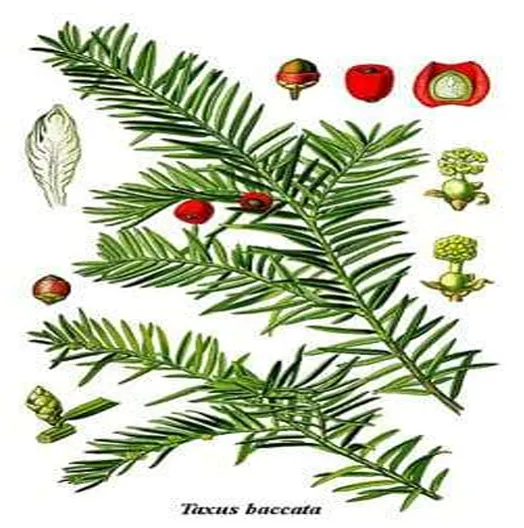
In 1753, Carl Linnaeus formally described the genus Taxus in Species Plantarum under the name Taxus baccata. [1, 2] It is a coniferous (gymnosperm) plant that is a member of the tiny family Taxaceae.[3,4] Taxonomically, the circumscription of Taxus is difficult because different taxonomic authorities recognize anywhere from 20 different species with numerous varieties to a single, broadly defined species with numerous varieties.[5] Approximately ten identified species, spread over the Northern Hemisphere's temperate to subtropical zones, make up the taxonomic group in many contemporary treatments. [6, 7] For instance, Taxus brevifolia is indigenous to western North America, while Baccata and Cuspidata are native to Europe and western Asia, and Wallichiana is indigenous to the Himalayas. The genus Taxus includes gymnosperms, or seed plants that do not bloom. It has the reproductive traits of a gymnosperm, which include producing ovules that are exposed to the environment rather than actual ovaries or flowers. Female ovulate structures and male microsporangia (pollen cones) are distinct entities. The "cone" is drastically altered in Taxus, where each seed is supported by an aril, a fleshy, cup-shaped structure, as opposed to a woody cone. [8,9] Among the conifers, Taxus and the family Taxaceae occupy a basal position phylogenetically. Current genomic research is illuminating the links between gymnosperms and the emergence of secondary metabolism in this lineage. [10] Multiple gene clusters linked to secondary metabolism, such as terpenes and taxane production, have been found in the genome of Taxus, indicating the genus's distinct metabolic ability. [11]

Understanding the evolution of Taxus is particularly crucial for comprehending biogeographic history, as many of its species are regarded as relict in various regions of their range, representing Tertiary-era distributions. [12]
2. Phytochemical Richness of Taxus

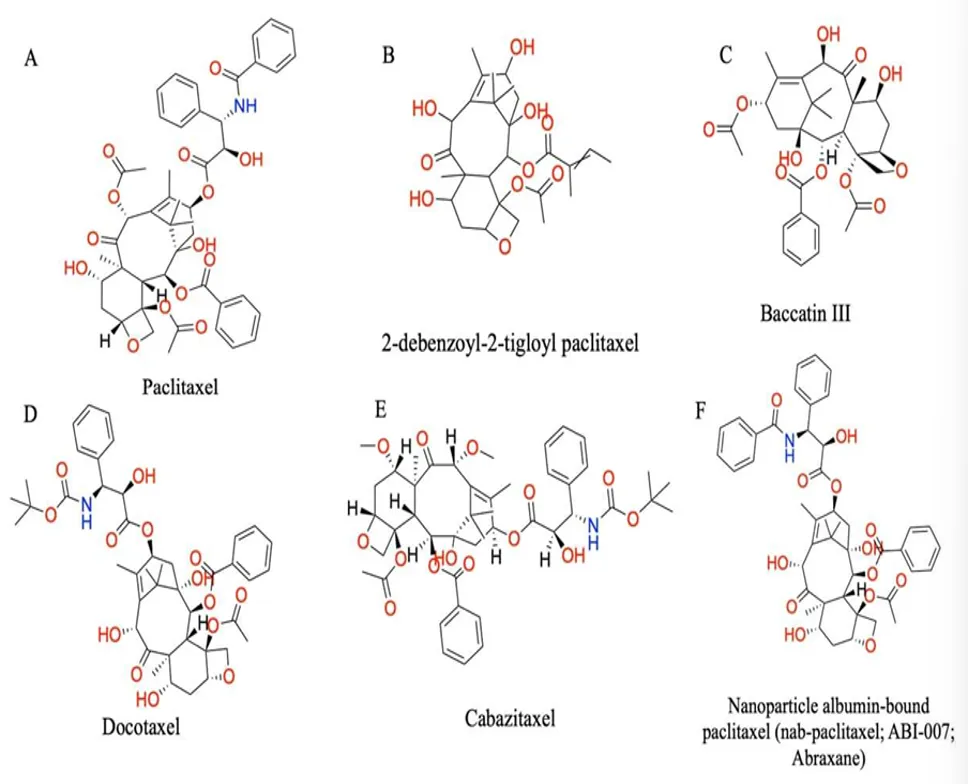
The most pharmacologically significant class of chemicals in the plant are taxane-type diterpenoids (taxoids), which are among the many complex and varied secondary metabolites of the genus Taxus. The most well-known of these is paclitaxel (Taxol), a diterpenoid substance that is frequently used as an anticancer treatment for lung, ovarian, and breast malignancies [13]. Other similar taxoids, including cephalomannine, baccatin III, and 10 deacetylbaccatin III, have also been isolated from different Taxus species in addition to paclitaxel [14]. These substances accumulate differently in different species, plant organs, and environmental settings, and they are biosynthesised via the MEP (2-C-methyl-D erythritol-4-phosphate) route [15]. The antioxidant, antibacterial, and anti-inflammatory qualities of Taxus plants are attributed to a variety of bioactive ingredient classes, including flavonoids, lignans, phenolic acids, alkaloids, and volatile oils, in addition to taxanes [16]. Flavonoids including quercetin, taxifolin, and amentoflavone, as well as phenolic acids that boost antioxidant ability, have been found in considerable amounts in Taxus mairei and T. media, for example [17]. Furthermore, the plant's toxicity to people and animals is caused by toxic alkaloids including taxine A and taxine B, which are found in the leaves and seeds [18].
3. Medicinal Importance of Taxus

Because it produces paclitaxel (Taxol), a diterpenoid molecule with strong anticancer properties, the genus Taxus enjoys a unique position in medicinal plant research. One of the most potent chemotherapy drugs for non-small-cell lung, ovarian, and breast malignancies, paclitaxel was initially isolated from the bark of Taxus brevifolia in the early 1970s [19]. It stops cell division and triggers apoptosis in cancer cells by stabilizing microtubules and preventing their depolymerization during mitosis [20]. In addition to paclitaxel, related taxane compounds that were created by semi-synthetic modification, such docetaxel and cabazitaxel, have found extensive usage in contemporary oncology [21]. Taxus extracts and secondary metabolites have anti-inflammatory, anti-cancer, antibacterial, and cardioprotective qualities in addition to their anticancer function [22]. For instance, research on Taxus wallichiana has shown that its high phenolic and flavonoid content has substantial antioxidant potential [23]. Additionally, the plant has demonstrated antidiabetic and neuroprotective properties in preclinical trials, indicating broader medicinal potential [24]. Rheumatism, bronchitis, asthma, and inflammation have all been treated with Taxus bark and leaves in traditional medical systems, especially in China and the Himalayas [25]. It is crucial to remember that some Taxus species contain toxic alkaloids (taxine A and B), which, if ingested in excess, can result in respiratory distress and cardiotoxicity [26].

4. Biotechnological Advances of Taxus

Due to the sluggish growth rate of the plants and the limited natural supply, the biotechnological development of Taxus species has mostly concentrated on the sustainable production of paclitaxel (Taxol). The development of plant tissue culture systems, including as callus, cell suspension, and organ cultures, has been one of the most important developments since it allows for the regulated and scalable synthesis of paclitaxel and related taxanes [27]. A significant advancement for industrial-scale synthesis was made in the late 1980s when the first effective manufacture of paclitaxel in Taxus cell cultures was documented [28]. Since then, taxane yields have been greatly enhanced by optimizing culture conditions, precursor feeding, and elicitation techniques using methyl jasmonate, chitosan, salicylic acid, and jasmonic acid [29].

Furthermore, Agrobacterium rhizogenes-induced hairy root cultures have become robust and genetically homogeneous systems for the synthesis of secondary metabolites [30]. Under ideal elicitation circumstances, these cells can continually collect paclitaxel and show greater biosynthetic stability [31]. Utilizing endophytic fungi that have been isolated from Taxus species, some of which are capable of producing paclitaxel without the assistance of the host plant, is 10 another exciting field [32].

Additionally, to improve taxane production, recent developments in genetic engineering and metabolic pathway manipulation have made it possible to target the overexpression of important genes like taxadiene synthase (TS) and 10-deacetylbaccatin III-10-O acetyltransferase (DBAT) [33]. New targets for metabolic engineering have been made possible by the identification of crucial enzymes and regulatory components involved in the biosynthesis of paclitaxel by transcriptomic and genomic investigations [34].

5. Ecological and Conservation Aspects of Taxus

5 Due to habitat degradation, overharvesting for paclitaxel extraction, and their naturally sluggish growth and regeneration rates, many Taxus species are currently threatened [35]. The IUCN Red List lists several Himalayan species, including Taxus wallichiana, T. contorta, and T. fuana, as threatened or endangered. Populations of these species are falling in China, India, Bhutan, and Nepal [36]. The main source of paclitaxel, excessive bark removal, has had a negative effect on natural populations since it frequently results in the death of the trees [37]. Further impeding population recovery are Taxus species' low seed viability, extended hibernation, and restricted natural regeneration [38]. Both ex situ (off-site cultivation and preservation) and in situ (on-site habitat protection) conservation measures are being used to lessen these concerns. In areas like the Eastern Himalayas and Southwest China, in situ initiatives involve the creation of protected forest reserves and the implementation of sustainable harvesting practices [39]. To preserve genetic variety and generate superior planting material for reforestation initiatives, ex situ techniques including as micropropagation, somatic embryogenesis, and cryopreservation are being developed [40]. Clonal multiplication of elite genotypes and endangered species, such as T. Wallichiana and T. Baccata, has been particularly aided by micropropagation techniques [41]. Long-term germplasm storage has also been demonstrated to be possible through the cryopreservation of embryogenic cultures and shoot tips [42]. Additionally, by supporting metabolite production and lowering the need for harmful harvesting, biotechnological interventions like the use of endophytic fungi and hairy root cultures align conservation with medicinal need [43].

6. Pharmacological and Toxicological Studies of Taxus

A diterpenoid molecule with strong anticancer effects, paclitaxel (Taxol), is produced by the species Taxus, which is well-known in pharmacology. By attaching itself to β-tubulin subunits, paclitaxel stabilizes microtubules and stops them from depolymerizing, which stops cell division at the G2/M phase and causes cancer cells to undergo apoptosis [44]. Because of its effectiveness, paclitaxel is now a mainstay in chemotherapy treatments for lung, breast, and ovarian malignancies. Its derivatives, including docetaxel and cabazitaxel, have been created to improve absorption and lessen adverse effects [45]. The toxicity linked to traditional paclitaxel formulations has been minimized by novel formulations, such as nanoparticle albumin-bound paclitaxel (nab-paclitaxel), which have demonstrated enhanced solubility and decreased hypersensitivity reactions [46].

Compounds produced from Taxus have anti-inflammatory, antioxidant, antidiabetic, and neuroprotective qualities in addition to their anticancer action [47]. In vitro, for instance, preparations of T. Wallichiana and Taxus baccata have shown anti-lipid peroxidation and free radical scavenging properties [48]. Taxus contains poisonous alkaloids, namely taxine A and taxine B, which disrupt cardiac ion channels and result in arrhythmias, hypotension, and potentially lethal cardiac collapse, despite its medicinal value [49]. Both humans and animals have been known to become poisoned by accidentally consuming Taxus leaves or seeds; symptoms include bradycardia, dyspnea, muscle spasms, and nausea [50]. Furthermore, taxine alkaloids' LD₅₀ values show severe acute toxicity, which makes appropriate extraction, formulation, and dose essential for medical usage [51].

7. Omics and Genomic Insights of Taxus

Our knowledge of the genetic and metabolic complexity of Taxus species, particularly with regard to paclitaxel production, has significantly improved as a result of recent omics based studies. A big genome (~10.2 Gb) with a significant concentration of repetitive sequences and gene families linked to terpenoid production was found by genome sequencing of Taxus chinensis var. Mairei [52]. Clusters of genes encoding taxadiene synthase (TS), taxane 5α-hydroxylase (T5αOH), and 10-deacetylbaccatin III-10-O-acetyltransferase (DBAT) important enzymes in the paclitaxel biosynthesis pathway were found by comparative genomic analysis [53]. In a similar vein, the Taxus baccata draft genome shed more light on the arrangement and duplication of transferase and cytochrome P450 genes, which are essential for the structural diversity of taxanes [54].

By profiling gene expression across tissues and under elicitor treatments, transcriptomic investigations have supplemented these findings by demonstrating that biosynthetic genes are differentially regulated in response to salicylic acid and methyl jasmonate [55]. Finding transcription factors that control paclitaxel pathway genes, such as bHLH and WRKY families, has been made possible thanks in large part to these data [56]. A systems-level knowledge of taxane production has also been made possible by the correlation of gene expression with metabolite accumulation, which has been facilitated by metabolomic and proteomic investigations [57]. By combining these omics techniques, metabolic engineering has become possible, enabling the targeted modification of genes involved in the biosynthesis of paclitaxel in heterologous systems and Taxus cell cultures [58].

8. Industrial and Commercial Perspectives of Taxus

Because it is the natural source of paclitaxel (Taxol), one of the most lucrative anticancer medications in the world, the Taxus genus has enormous industrial and financial value. Large-scale production systems combining plant, microbial, and chemical processes have been established as a result of the significant market demand for paclitaxel, which is fueled by its effectiveness against ovarian, breast, and non-small-cell lung cancers [59].

Originally, paclitaxel was extracted from the bark of Taxus brevifolia, but because of the tree's sluggish growth and the enormous amount of biomass needed, this method was not sustainable, and biotechnological and semi-synthetic manufacturing pathways were developed [60]. Semi-synthetic methods are now the mainstay of commercial production, where paclitaxel is chemically produced from 10-deacetylbaccatin III (10-DAB III), a precursor derived from the renewable needles of Taxus baccata [61]. This approach is a standard in the pharmaceutical business since it maintains excellent output and purity while drastically reducing ecological effect [62]. The efficiency of manufacturing has been further enhanced by developments in plant cell culture technology; industrial-scale bioreactors using Taxus cell suspensions currently make a significant contribution to the world's paclitaxel supply [63]. Additionally, metabolic engineering and elicitor-based tactics have improved these systems' consistency and output [64]. With a projected revenue of over USD 5 billion by 2030, the global paclitaxel market is expected to continue rising due to the development of biosimilars and expanding therapeutic applications [65]. Innovative biotechnological techniques, such as synthetic biology and microbial biosynthesis, are being investigated as economical and environmentally friendly substitutes for conventional extraction [66].

9. Future Prospects of Taxus

Future research on Taxus species will increasingly focus on combining metabolic engineering, synthetic biology, and nanotechnology to create paclitaxel and related taxanes in a sustainable and scalable manner. Advances in synthetic biology enable the reconstruction of the paclitaxel biosynthesis pathway in microbial hosts such as Saccharomyces cerevisiae and Escherichia coli, providing alternative production systems that circumvent the limitations of plant-based cultivation [67]. The successful expression of key Taxus genes in engineered microbes, including taxadiene synthase (TS) and 10-deacetyl baccatin III-10-O acetyltransferase (DBAT), has been a major step toward the generation of heterologous paclitaxel [68].

Moreover, precise modification of rate-limiting enzymes and regulatory genes to improve flux through the taxane route is possible through metabolic pathway engineering, which is backed by transcriptome and metabolomic data [69]. Additionally, using nanotechnology into Taxus research has the potential to enhance paclitaxel formulations' bioavailability and drug delivery. Comparing nanocarrier systems to traditional formulations, polymeric nanoparticles, liposomes, and nanocrystals have shown improved solubility, targeted distribution, and decreased systemic toxicity [70]. Optimizing the extraction, stability, and delivery of new bioactive chemicals from Taxus is another use for these technologies [71].

Additionally, a promising avenue for the discovery of new taxane analogs and bioactive metabolites is the investigation of underutilized Taxus species, including T. Cuspidata, T. Wallichiana, and T. Canadensis, as well as the endophytic fungi that are associated with them [72]. For large-scale production, endophytic microorganisms that can produce taxanes without the help of the host plant may be used as sustainable bioreactors [73].

CONCLUSION

The successful fusion of contemporary biotechnology innovation and ancient medical expertise is best demonstrated by the genus Taxus. After the discovery of paclitaxel (Taxol), a ground-breaking anticancer drug made from its secondary metabolites, Taxus, which has long been prized for its therapeutic qualities, has acquired international attention [74]. Research on Taxus has changed because to developments in biotechnology, synthetic biology, and metabolic engineering, which allow for the sustainable synthesis of paclitaxel and related chemicals without overusing wild populations [75]. Furthermore, despite improving production under controlled conditions, advancements like cell culture methods, elicitor treatments, and genetic investigations have expanded our knowledge of taxane biosynthesis [76]. Simultaneously, there are significant conservation problems due to the slow growth rate, habitat loss, and overharvesting of certain Taxus species [77]. To maintain genetic variety and ecological stability, sustainable exploitation by in situ and ex situ conservation— including endophytic fungal cultivation, cryopreservation, and micropropagation—is crucial [78]. Taxus will continue to be used as a model organism for creating high-value, environmentally friendly treatments in the future thanks to the integration of conservation biology and biotechnological innovation [79].

REFERENCES

  1. Linnaeus C. Species Plantarum. Vol. 2. Stockholm: Laurentii Salvii; 1753.
  2. Conifer Database. Taxus genus overview. [Internet]. [cited 2025 Oct 06]. Available from: Conifers.org database.
  3. Wikipedia contributors. Taxaceae. In: Wikipedia — The Free Encyclopedia. [Internet]. 2025 [cited 2025 Oct 06].
  4. Plants of the World Online. Taxus (Kew). [Internet]. [cited 2025 Oct 06].
  5. CITES Working Group. Genus-level approach to Taxus species. [Internet]. CITES; (ND).
  6. Denison University, Plant Systematics: Taxaceae. [Internet].
  7. Purdue Arboretum Explorer. Taxus spp. Description. [Internet].
  8. Conifers.org – Taxus description.
  9. Sharma H, Sharma R, et al. A review of traditional use, phytoconstituents and biological activity of Taxus wallichiana. Rev Food Sci Nutr. 2015; PMID XXXX.
  10. Song C, et al. Taxus yunnanensis genome offers insights into gymnosperm relationships and taxol biosynthesis. Nat Plants. 2021;7:1289–1301.
  11. Xiong X, et al. The Taxus genome provides insights into paclitaxel biosynthesis. Nat Plants. 2021;7:974–987.
  12. Jîjie AR, et al. A Deep Dive into the Botanical and Medicinal Heritage of Taxus. Front Plant Sci. 2025; (in press).
  13. Wani MC, Taylor HL, Wall ME, Coggon P, McPhail AT. Plant antitumor agents. VI. The isolation and structure of taxol, a novel antileukemic and antitumor agent from Taxus brevifolia. J Am Chem Soc. 1971;93(9):2325–7.
  14. Ji P, Li F, Ye H, Zhang X, Liu H. Comparative metabolomic analysis reveals variations in taxoids and flavonoids among three Taxus species. BMC Plant Biol. 2019;19(1):529.
  15. Xiong X, Gou J, Liao Q, Li Y, Zhou X, Li H, et al. The Taxus genome provides insights into paclitaxel biosynthesis. Nat Plants. 2021;7(8):1028–38.
  16. Liu Y, Wang S, Li Q, et al. Analysis of the utilization value of different tissues of Taxus × media based on metabolomics and antioxidant activity. BMC Plant Biol. 2023;23:285.
  17. Li W, Jiang M, Zhao S, Chen Y, Liu D. Phytochemical composition and biological activity of Taxus mairei. Molecules. 2024;29(5):1128.
  18. Wani MC, Taylor HL, Wall ME, Coggon P, McPhail AT. Plant antitumor agents. VI. The isolation and structure of taxol, a novel antileukemic and antitumor agent from Taxus brevifolia. J Am Chem Soc. 1971;93(9):2325–7.
  19. Rowinsky EK, Donehower RC. Paclitaxel (Taxol). N Engl J Med. 1995;332(15):1004–14.
  20. Guénard D, Gueritte-Voegelein F, Potier P. Taxol and taxotere: discovery, chemistry, and structure-activity relationships. Acc Chem Res. 1993;26(4):160–7.
  21. Li W, Jiang M, Zhao S, Chen Y, Liu D. Phytochemical composition and biological activity of Taxus mairei. Molecules. 2024;29(5):1128.
  22. Sharma H, Sharma R, Singh J. Antioxidant potential and phytochemical profiling of Taxus wallichiana. J Ethnopharmacol. 2018;225:240–7.
  23. Singh D, Sharma S, Bhatnagar P. Neuroprotective and antidiabetic potential of Taxus baccata extract in experimental models. Phytother Res. 2022;36(11):4182–94.
  24. Nautiyal BP, Prakash V, Chauhan RS. Traditional uses of Taxus wallichiana Zucc. In the Himalayan region. Indian J Tradit Knowl. 2014;13(2):395–401.
  25. Kandeepan G, Thilagar S, Jayakumar R. Toxicological aspects of Taxus species: a review. Phytochem Rev. 2022;21(3):725–40. 8.Kandeepan G, Thilagar S, Jayakumar R. Toxicological aspects of Taxus species: a review. Phytochem Rev. 2022;21(3):725–40.
  26. Sahu NP, Banerjee S, Ghosh S. Plant tissue culture as a tool for the production of paclitaxel from Taxus spp.: A review. Plant Cell Tissue Organ Cult. 2016;126(1):1–16.
  27. Christen AA, Gibson DM. Production of taxol and taxanes by cell cultures of Taxus brevifolia. Nat Biotechnol. 1988;6(5):643–7.
  28. Kim BJ, Gibson DM, Shuler ML. Effect of methyl jasmonate and sucrose on taxol production in Taxus sp. Suspension cultures. Biotechnol Bioeng. 2005;89(1):79–88.
  29. Cusido RM, Onrubia M, Sabater-Jara AB, Moyano E, Bonfill M, Palazon J. Hairy root cultures of Taxus spp.: a sustainable source of paclitaxel and related taxanes. Phytochem Rev. 2014;13(2):471 91.
  30. Onrubia M, Moyano E, Bonfill M, Palazon J, Cusido RM. An update on the production of paclitaxel and related taxanes in plant cell cultures of Taxus spp. Biotechnol Adv. 2013;31(8):1847–57.
  31. Strobel GA, Yang X, Sears J, Kramer R, Sidhu RS, Hess WM. Taxol from Pestalotiopsis microspora, an endophytic fungus of Taxus wallachiana. Microbiology. 1996;142(2):435–40.
  32. Nims E, Dubois CP, Roberts SC, Walker EL. Expression profiling of genes involved in paclitaxel biosynthesis for metabolic engineering in Taxus spp. Biotechnol Prog. 2006;22(2):426–33.
  33. Xiong X, Gou J, Liao Q, Li Y, Zhou X, Li H, et al. The Taxus genome provides insights into paclitaxel biosynthesis. Nat Plants. 2021;7(8):1028–38.
  34. Sharma P, Sharma S, Nautiyal BP. Conservation status and ecological distribution of Taxus wallichiana Zucc. In the Indian Himalayas. J For Res. 2016;27(5):1103–12.
  35. Thomas P, Farjon A. Taxus wallichiana. The IUCN Red List of Threatened Species 2023: e.T46187134A123456789. [Internet]. 2023 [cited 2025 Oct 6]. Available from: https://www.iucnredlist.org
  36. Giri L, Lakshmi Narasu M. Production of paclitaxel by plant cell culture of Taxus species: a sustainable approach. Plant Cell Rep. 2010;29(4):407–21.
  37. Rana PK, Negi JS, Singh P. Seed germination biology and natural regeneration of Taxus wallichiana in the western Himalayas. J Mt Sci. 2014;11(2):495–504.
  38. Zhang J, Li J, Wang Y. Conservation biology and sustainable management of Taxus resources in China. Biodivers Conserv. 2020;29(6):1879–95.
  39. Uniyal B, Chauhan RS, Nautiyal MC. Micropropagation of Taxus wallichiana Zucc. For conservation and sustainable utilization. Plant Cell Tissue Organ Cult. 2013;114(1):83–91.
  40. Faisal M, Ahmad N, Anis M. Efficient plant regeneration via somatic embryogenesis and organogenesis in Taxus baccata L. Plant Cell Tiss Organ Cult. 2005;81(2):157–62.
  41. Kim HH, Lee YN, Cho EG, Engelmann F. Cryopreservation of Taxus chinensis somatic embryos by encapsulation-dehydration. CryoLetters. 2012;33(4):279–88.
  42. Onrubia M, Moyano E, Bonfill M, Palazon J, Cusido RM. Biotechnological production of paclitaxel and related taxanes in plant cell cultures of Taxus spp. Biotechnol Adv. 2013;31(8):1847–57.
  43. Rowinsky EK, Donehower RC. Paclitaxel (Taxol). N Engl J Med. 1995;332(15):1004–14.
  44. Guénard D, Guéritte F, Potier P. Taxol and Taxotere: discovery, chemistry, and structure–activity relationships. Acc Chem Res. 1993;26(4):160–7.
  45. Gradishar WJ, Tjulandin S, Davidson N, Shaw H, Desai N, Bhar P, et al. Phase III trial of nanoparticle albumin-bound paclitaxel compared with polyethylated castor oil-based paclitaxel in women with breast cancer. J Clin Oncol. 2005;23(31):7794–803.
  46. Li W, Jiang M, Zhao S, Chen Y, Liu D. Phytochemical composition and biological activity of Taxus mairei. Molecules. 2024;29(5):1128.
  47. Sharma H, Sharma R, Singh J. Antioxidant potential and phytochemical profiling of Taxus wallichiana. J Ethnopharmacol. 2018;225:240–7.
  48. Kandeepan G, Thilagar S, Jayakumar R. Toxicological aspects of Taxus species: a review. Phytochem Rev. 2022;21(3):725–40.
  49. Sperry K, Pfalzgraf RR. Fatal poisoning from ingestion of Taxus plant material. J Forensic Sci. 1990;35(5):1360–4.
  50. Wilson CR, Sauer JM, Hooser SB. Taxine alkaloid toxicity in animals. Toxicon. 2001;39(10):1757 64.
  51. Niu S, Li J, Bo W, Yang W, Zuccolo A, Giacomello S, et al. The Chinese yew genome and the evolution of taxol biosynthesis. Nat Plants. 2022;8(3):329–40.
  52. Xiong X, Gou J, Liao Q, Li Y, Zhou X, Li H, et al. The Taxus genome provides insights into paclitaxel biosynthesis. Nat Plants. 2021;7(8):1028–38.
  53. Leebens-Mack JH, Barker MS, Carpenter EJ, et al. One thousand plant transcriptomes and the phylogenomics of green plants: insights from Taxus baccata. Nature. 2020;574(7780):679–85.
  54. Li S, Sun X, Yang Y, Chen J, Guo L, Zhu X, et al. Transcriptome analysis reveals methyl jasmonate induced genes involved in taxol biosynthesis in Taxus chinensis. BMC Genomics. 2017;18(1):25.
  55. Zhang M, Zheng X, Song C, Chen S, Wei Q. Identification of WRKY transcription factors regulating taxol biosynthesis in Taxus chinensis. Plant Mol Biol Rep. 2021;39(1):136–48.
  56. Ji P, Li F, Ye H, Zhang X, Liu H. Comparative metabolomic analysis reveals variations in taxoids and flavonoids among three Taxus species. BMC Plant Biol. 2019;19(1):529.
  57. Gong Y, Li J, Wang Y, Zhu F, Li J, Li C, et al. Advances in metabolic engineering of Taxus species for enhanced paclitaxel production. Biotechnol Adv. 2023;62:108082.
  58. Cragg GM, Newman DJ. Nature: a vital source of leads for anticancer drug development. Pharm Biol. 2013;51(1):102–14.
  59. Kingston DGI. Taxol and its analogs. Nat Prod Rep. 2007;24(3):457–91.
  60. Guéritte F, Guénard D. Semi-synthesis of taxol and taxotere. Phytochem Rev. 2003;2(1–2):25–31.
  61. Nicolaou KC, Yang Z, Liu JJ, Ueno H, Nantermet PG, Guy RK, et al. Total synthesis of taxol. Nature. 1994;367(6464):630–4.
  62. Malik S, Cusido RM, Mirjalili MH, Moyano E, Palazon J, Bonfill M. Production of the anticancer drug taxol in Taxus spp. Cell cultures: biochemical aspects and technological advances. Biotechnol Adv. 2011;29(5):422–35.
  63. Onrubia M, Moyano E, Bonfill M, Palazon J, Cusido RM. An update on the production of paclitaxel and related taxanes in plant cell cultures of Taxus spp. Biotechnol Adv. 2013;31(8):1847–57.
  64. Global Market Insights Inc. Paclitaxel Market Size Report, 2023–2030. Global Market Insights; 2023.
  65. Ajikumar PK, Tyo K, Carlsen S, Mucha O, Phon TH, Stephanopoulos G. Terpenoids: opportunities for biosynthesis of natural product drugs using engineered microorganisms. Mol Pharm. 2008;5(2):167–90.
  66. Ajikumar PK, Xiao WH, Tyo KEJ, Wang Y, Simeon F, Leonard E, et al. Isoprenoid pathway optimization for Taxol precursor overproduction in Escherichia coli. Science. 2010;330(6000):70–4.
  67. Biggs BW, Lim CG, Sagliani K, Shankar S, Stephanopoulos G, De Mey M, et al. Overcoming heterologous protein expression barriers in E. Coli for taxol pathway enzymes. Biotechnol Bioeng. 2016;113(5):1056–66.
  68. Li J, Gong Y, Li J, Li C, Zhu F, Wang Y. Advances in metabolic engineering of Taxus species for enhanced paclitaxel production. Biotechnol Adv. 2023;62:108082.
  69. Singla AK, Garg A, Aggarwal D. Paclitaxel and its formulations. Int J Pharm. 2002;235(1–2):179–92.
  70. Shi J, Votruba AR, Farokhzad OC, Langer R. Nanotechnology in drug delivery and tissue engineering: from discovery to applications. Nano Lett. 2010;10(9):3223–30.
  71. Venugopalan A, Srivastava S. Endophytic fungi associated with Taxus species: a new source of paclitaxel and related taxanes. Appl Microbiol Biotechnol. 2015;99(12):5385–96.
  72. Kumaran RS, Hur BK. Taxol from fungal endophytes: an overview of biotechnological ad zvances. Appl Microbiol Biotechnol. 2009;83(6):1157–70.
  73. Cragg GM, Newman DJ. Plants as a source of anti-cancer agents. J Ethnopharmacol. 2005;100(1 2):72–9.
  74. Li J, Gong Y, Li C, Zhu F, Wang Y. Advances in metabolic engineering of Taxus species for enhanced paclitaxel production. Biotechnol Adv. 2023;62:108082.
  75. Onrubia M, Moyano E, Bonfill M, Palazon J, Cusido RM. An update on the production of paclitaxel and related taxanes in plant cell cultures of Taxus spp. Biotechnol Adv. 2013;31(8):1847–57.
  76. Thomas P, Farjon A. Conservation status and threats to Taxus species worldwide. Biodivers Conserv. 2019;28(4):991–1010.
  77. Faisal M, Alatar AA, Ahmad N. Micropropagation and conservation of Taxus wallichiana—A multipurpose endangered gymnosperm. Plant Cell Tissue Organ Cult. 2021;144(2):353–66.
  78. Venugopalan A, Srivastava S. Endophytic fungi associated with Taxus species: a new source of paclitaxel and related taxanes. Appl Microbiol Biotechnol. 2015;99(12):5385–96.

Reference

  1. Linnaeus C. Species Plantarum. Vol. 2. Stockholm: Laurentii Salvii; 1753.
  2. Conifer Database. Taxus genus overview. [Internet]. [cited 2025 Oct 06]. Available from: Conifers.org database.
  3. Wikipedia contributors. Taxaceae. In: Wikipedia — The Free Encyclopedia. [Internet]. 2025 [cited 2025 Oct 06].
  4. Plants of the World Online. Taxus (Kew). [Internet]. [cited 2025 Oct 06].
  5. CITES Working Group. Genus-level approach to Taxus species. [Internet]. CITES; (ND).
  6. Denison University, Plant Systematics: Taxaceae. [Internet].
  7. Purdue Arboretum Explorer. Taxus spp. Description. [Internet].
  8. Conifers.org – Taxus description.
  9. Sharma H, Sharma R, et al. A review of traditional use, phytoconstituents and biological activity of Taxus wallichiana. Rev Food Sci Nutr. 2015; PMID XXXX.
  10. Song C, et al. Taxus yunnanensis genome offers insights into gymnosperm relationships and taxol biosynthesis. Nat Plants. 2021;7:1289–1301.
  11. Xiong X, et al. The Taxus genome provides insights into paclitaxel biosynthesis. Nat Plants. 2021;7:974–987.
  12. Jîjie AR, et al. A Deep Dive into the Botanical and Medicinal Heritage of Taxus. Front Plant Sci. 2025; (in press).
  13. Wani MC, Taylor HL, Wall ME, Coggon P, McPhail AT. Plant antitumor agents. VI. The isolation and structure of taxol, a novel antileukemic and antitumor agent from Taxus brevifolia. J Am Chem Soc. 1971;93(9):2325–7.
  14. Ji P, Li F, Ye H, Zhang X, Liu H. Comparative metabolomic analysis reveals variations in taxoids and flavonoids among three Taxus species. BMC Plant Biol. 2019;19(1):529.
  15. Xiong X, Gou J, Liao Q, Li Y, Zhou X, Li H, et al. The Taxus genome provides insights into paclitaxel biosynthesis. Nat Plants. 2021;7(8):1028–38.
  16. Liu Y, Wang S, Li Q, et al. Analysis of the utilization value of different tissues of Taxus × media based on metabolomics and antioxidant activity. BMC Plant Biol. 2023;23:285.
  17. Li W, Jiang M, Zhao S, Chen Y, Liu D. Phytochemical composition and biological activity of Taxus mairei. Molecules. 2024;29(5):1128.
  18. Wani MC, Taylor HL, Wall ME, Coggon P, McPhail AT. Plant antitumor agents. VI. The isolation and structure of taxol, a novel antileukemic and antitumor agent from Taxus brevifolia. J Am Chem Soc. 1971;93(9):2325–7.
  19. Rowinsky EK, Donehower RC. Paclitaxel (Taxol). N Engl J Med. 1995;332(15):1004–14.
  20. Guénard D, Gueritte-Voegelein F, Potier P. Taxol and taxotere: discovery, chemistry, and structure-activity relationships. Acc Chem Res. 1993;26(4):160–7.
  21. Li W, Jiang M, Zhao S, Chen Y, Liu D. Phytochemical composition and biological activity of Taxus mairei. Molecules. 2024;29(5):1128.
  22. Sharma H, Sharma R, Singh J. Antioxidant potential and phytochemical profiling of Taxus wallichiana. J Ethnopharmacol. 2018;225:240–7.
  23. Singh D, Sharma S, Bhatnagar P. Neuroprotective and antidiabetic potential of Taxus baccata extract in experimental models. Phytother Res. 2022;36(11):4182–94.
  24. Nautiyal BP, Prakash V, Chauhan RS. Traditional uses of Taxus wallichiana Zucc. In the Himalayan region. Indian J Tradit Knowl. 2014;13(2):395–401.
  25. Kandeepan G, Thilagar S, Jayakumar R. Toxicological aspects of Taxus species: a review. Phytochem Rev. 2022;21(3):725–40. 8.Kandeepan G, Thilagar S, Jayakumar R. Toxicological aspects of Taxus species: a review. Phytochem Rev. 2022;21(3):725–40.
  26. Sahu NP, Banerjee S, Ghosh S. Plant tissue culture as a tool for the production of paclitaxel from Taxus spp.: A review. Plant Cell Tissue Organ Cult. 2016;126(1):1–16.
  27. Christen AA, Gibson DM. Production of taxol and taxanes by cell cultures of Taxus brevifolia. Nat Biotechnol. 1988;6(5):643–7.
  28. Kim BJ, Gibson DM, Shuler ML. Effect of methyl jasmonate and sucrose on taxol production in Taxus sp. Suspension cultures. Biotechnol Bioeng. 2005;89(1):79–88.
  29. Cusido RM, Onrubia M, Sabater-Jara AB, Moyano E, Bonfill M, Palazon J. Hairy root cultures of Taxus spp.: a sustainable source of paclitaxel and related taxanes. Phytochem Rev. 2014;13(2):471 91.
  30. Onrubia M, Moyano E, Bonfill M, Palazon J, Cusido RM. An update on the production of paclitaxel and related taxanes in plant cell cultures of Taxus spp. Biotechnol Adv. 2013;31(8):1847–57.
  31. Strobel GA, Yang X, Sears J, Kramer R, Sidhu RS, Hess WM. Taxol from Pestalotiopsis microspora, an endophytic fungus of Taxus wallachiana. Microbiology. 1996;142(2):435–40.
  32. Nims E, Dubois CP, Roberts SC, Walker EL. Expression profiling of genes involved in paclitaxel biosynthesis for metabolic engineering in Taxus spp. Biotechnol Prog. 2006;22(2):426–33.
  33. Xiong X, Gou J, Liao Q, Li Y, Zhou X, Li H, et al. The Taxus genome provides insights into paclitaxel biosynthesis. Nat Plants. 2021;7(8):1028–38.
  34. Sharma P, Sharma S, Nautiyal BP. Conservation status and ecological distribution of Taxus wallichiana Zucc. In the Indian Himalayas. J For Res. 2016;27(5):1103–12.
  35. Thomas P, Farjon A. Taxus wallichiana. The IUCN Red List of Threatened Species 2023: e.T46187134A123456789. [Internet]. 2023 [cited 2025 Oct 6]. Available from: https://www.iucnredlist.org
  36. Giri L, Lakshmi Narasu M. Production of paclitaxel by plant cell culture of Taxus species: a sustainable approach. Plant Cell Rep. 2010;29(4):407–21.
  37. Rana PK, Negi JS, Singh P. Seed germination biology and natural regeneration of Taxus wallichiana in the western Himalayas. J Mt Sci. 2014;11(2):495–504.
  38. Zhang J, Li J, Wang Y. Conservation biology and sustainable management of Taxus resources in China. Biodivers Conserv. 2020;29(6):1879–95.
  39. Uniyal B, Chauhan RS, Nautiyal MC. Micropropagation of Taxus wallichiana Zucc. For conservation and sustainable utilization. Plant Cell Tissue Organ Cult. 2013;114(1):83–91.
  40. Faisal M, Ahmad N, Anis M. Efficient plant regeneration via somatic embryogenesis and organogenesis in Taxus baccata L. Plant Cell Tiss Organ Cult. 2005;81(2):157–62.
  41. Kim HH, Lee YN, Cho EG, Engelmann F. Cryopreservation of Taxus chinensis somatic embryos by encapsulation-dehydration. CryoLetters. 2012;33(4):279–88.
  42. Onrubia M, Moyano E, Bonfill M, Palazon J, Cusido RM. Biotechnological production of paclitaxel and related taxanes in plant cell cultures of Taxus spp. Biotechnol Adv. 2013;31(8):1847–57.
  43. Rowinsky EK, Donehower RC. Paclitaxel (Taxol). N Engl J Med. 1995;332(15):1004–14.
  44. Guénard D, Guéritte F, Potier P. Taxol and Taxotere: discovery, chemistry, and structure–activity relationships. Acc Chem Res. 1993;26(4):160–7.
  45. Gradishar WJ, Tjulandin S, Davidson N, Shaw H, Desai N, Bhar P, et al. Phase III trial of nanoparticle albumin-bound paclitaxel compared with polyethylated castor oil-based paclitaxel in women with breast cancer. J Clin Oncol. 2005;23(31):7794–803.
  46. Li W, Jiang M, Zhao S, Chen Y, Liu D. Phytochemical composition and biological activity of Taxus mairei. Molecules. 2024;29(5):1128.
  47. Sharma H, Sharma R, Singh J. Antioxidant potential and phytochemical profiling of Taxus wallichiana. J Ethnopharmacol. 2018;225:240–7.
  48. Kandeepan G, Thilagar S, Jayakumar R. Toxicological aspects of Taxus species: a review. Phytochem Rev. 2022;21(3):725–40.
  49. Sperry K, Pfalzgraf RR. Fatal poisoning from ingestion of Taxus plant material. J Forensic Sci. 1990;35(5):1360–4.
  50. Wilson CR, Sauer JM, Hooser SB. Taxine alkaloid toxicity in animals. Toxicon. 2001;39(10):1757 64.
  51. Niu S, Li J, Bo W, Yang W, Zuccolo A, Giacomello S, et al. The Chinese yew genome and the evolution of taxol biosynthesis. Nat Plants. 2022;8(3):329–40.
  52. Xiong X, Gou J, Liao Q, Li Y, Zhou X, Li H, et al. The Taxus genome provides insights into paclitaxel biosynthesis. Nat Plants. 2021;7(8):1028–38.
  53. Leebens-Mack JH, Barker MS, Carpenter EJ, et al. One thousand plant transcriptomes and the phylogenomics of green plants: insights from Taxus baccata. Nature. 2020;574(7780):679–85.
  54. Li S, Sun X, Yang Y, Chen J, Guo L, Zhu X, et al. Transcriptome analysis reveals methyl jasmonate induced genes involved in taxol biosynthesis in Taxus chinensis. BMC Genomics. 2017;18(1):25.
  55. Zhang M, Zheng X, Song C, Chen S, Wei Q. Identification of WRKY transcription factors regulating taxol biosynthesis in Taxus chinensis. Plant Mol Biol Rep. 2021;39(1):136–48.
  56. Ji P, Li F, Ye H, Zhang X, Liu H. Comparative metabolomic analysis reveals variations in taxoids and flavonoids among three Taxus species. BMC Plant Biol. 2019;19(1):529.
  57. Gong Y, Li J, Wang Y, Zhu F, Li J, Li C, et al. Advances in metabolic engineering of Taxus species for enhanced paclitaxel production. Biotechnol Adv. 2023;62:108082.
  58. Cragg GM, Newman DJ. Nature: a vital source of leads for anticancer drug development. Pharm Biol. 2013;51(1):102–14.
  59. Kingston DGI. Taxol and its analogs. Nat Prod Rep. 2007;24(3):457–91.
  60. Guéritte F, Guénard D. Semi-synthesis of taxol and taxotere. Phytochem Rev. 2003;2(1–2):25–31.
  61. Nicolaou KC, Yang Z, Liu JJ, Ueno H, Nantermet PG, Guy RK, et al. Total synthesis of taxol. Nature. 1994;367(6464):630–4.
  62. Malik S, Cusido RM, Mirjalili MH, Moyano E, Palazon J, Bonfill M. Production of the anticancer drug taxol in Taxus spp. Cell cultures: biochemical aspects and technological advances. Biotechnol Adv. 2011;29(5):422–35.
  63. Onrubia M, Moyano E, Bonfill M, Palazon J, Cusido RM. An update on the production of paclitaxel and related taxanes in plant cell cultures of Taxus spp. Biotechnol Adv. 2013;31(8):1847–57.
  64. Global Market Insights Inc. Paclitaxel Market Size Report, 2023–2030. Global Market Insights; 2023.
  65. Ajikumar PK, Tyo K, Carlsen S, Mucha O, Phon TH, Stephanopoulos G. Terpenoids: opportunities for biosynthesis of natural product drugs using engineered microorganisms. Mol Pharm. 2008;5(2):167–90.
  66. Ajikumar PK, Xiao WH, Tyo KEJ, Wang Y, Simeon F, Leonard E, et al. Isoprenoid pathway optimization for Taxol precursor overproduction in Escherichia coli. Science. 2010;330(6000):70–4.
  67. Biggs BW, Lim CG, Sagliani K, Shankar S, Stephanopoulos G, De Mey M, et al. Overcoming heterologous protein expression barriers in E. Coli for taxol pathway enzymes. Biotechnol Bioeng. 2016;113(5):1056–66.
  68. Li J, Gong Y, Li J, Li C, Zhu F, Wang Y. Advances in metabolic engineering of Taxus species for enhanced paclitaxel production. Biotechnol Adv. 2023;62:108082.
  69. Singla AK, Garg A, Aggarwal D. Paclitaxel and its formulations. Int J Pharm. 2002;235(1–2):179–92.
  70. Shi J, Votruba AR, Farokhzad OC, Langer R. Nanotechnology in drug delivery and tissue engineering: from discovery to applications. Nano Lett. 2010;10(9):3223–30.
  71. Venugopalan A, Srivastava S. Endophytic fungi associated with Taxus species: a new source of paclitaxel and related taxanes. Appl Microbiol Biotechnol. 2015;99(12):5385–96.
  72. Kumaran RS, Hur BK. Taxol from fungal endophytes: an overview of biotechnological ad zvances. Appl Microbiol Biotechnol. 2009;83(6):1157–70.
  73. Cragg GM, Newman DJ. Plants as a source of anti-cancer agents. J Ethnopharmacol. 2005;100(1 2):72–9.
  74. Li J, Gong Y, Li C, Zhu F, Wang Y. Advances in metabolic engineering of Taxus species for enhanced paclitaxel production. Biotechnol Adv. 2023;62:108082.
  75. Onrubia M, Moyano E, Bonfill M, Palazon J, Cusido RM. An update on the production of paclitaxel and related taxanes in plant cell cultures of Taxus spp. Biotechnol Adv. 2013;31(8):1847–57.
  76. Thomas P, Farjon A. Conservation status and threats to Taxus species worldwide. Biodivers Conserv. 2019;28(4):991–1010.
  77. Faisal M, Alatar AA, Ahmad N. Micropropagation and conservation of Taxus wallichiana—A multipurpose endangered gymnosperm. Plant Cell Tissue Organ Cult. 2021;144(2):353–66.
  78. Venugopalan A, Srivastava S. Endophytic fungi associated with Taxus species: a new source of paclitaxel and related taxanes. Appl Microbiol Biotechnol. 2015;99(12):5385–96.

Photo
Sanika Patil
Corresponding author

Womens College of Pharmacy, Peth Vadgaon, Kolhapur, Maharashtra, India.

Photo
Dr. Mahesh Thorat
Co-author

Womens College of Pharmacy, Peth Vadgaon, Kolhapur, Maharashtra, India.

Photo
Dr. Raghunath Jadge
Co-author

Womens College of Pharmacy, Peth Vadgaon, Kolhapur, Maharashtra, India.

Photo
Rutuja More
Co-author

Womens College of Pharmacy, Peth Vadgaon, Kolhapur, Maharashtra, India.

Photo
Anjali Mohite
Co-author

Womens College of Pharmacy, Peth Vadgaon, Kolhapur, Maharashtra, India.

Sanika Patil, Dr. Mahesh Thorat, Dr. Raghunath Jadge, Rutuja More, Anjali Mohite, A Comprehensive Review on Taxus Plant: Phytochemistry, Pharmacology and Therapeutic Potential, Int. J. of Pharm. Sci., 2026, Vol 4, Issue 6, 3347-3357. https://doi.org/10.5281/zenodo.20689583

More related articles
A Comprehensive Review of Role of Herbal Medicines...
Vaishnavi Shindikar, Santosh Deshmukh, Rishikesh Bacchav, Priyan...
A Review on Remogliflozin Etabonate as a Novel SGL...
Prerna Sawale, Sneha Pote, Renuka Bhabad, Kartiki Aher, Smita Ahe...
Development and Characterization of Lipid Nanocapsule-Based Ocular Drug Delivery...
Gitanjali Sarvade, Mr. Nishinandan Shinde, Dr. Ravi Kurhade, Dr. Mahesh Patil...
Formulation and Evaluation of Polyherbal Neuro-Calming Preparation Using Mimosa ...
Monali Shinde, Dr. Kiran Shinde, Kalyani Sawant, Sheetal Sanap, Dattatray Bhawar, Anushka Ayyar...
Comprehensive Review of Pharmaceutical Granulation: Modern Paradigms, Process Me...
Navnath Shinde, Dr. Sushil Kumar Shinde, Snehal Gandhat, Pratiksha Sarode, Taufik Shaikh, Ajay Wa...
Related Articles
Formulation & Evaluation of Gokarna Polyherbal Face Wash...
Snehal Dhamodkar, Vaibhav Patange, Althmas Shaikh, Sanika Bende, Shradha Nangare, Pranali Burde...
Formulation and Optimization of Orodispersible Tablets Using 32 Factorial Design...
Snehal Buchkule , Kanchan Gursal, Sachin Aglawe , Tanvir Pathan ...
Artificial Intelligence in Drug Development...
Shruti Patil, Lija Mujawar, Vaishnavi Mane, Srushti Devkule...
A Comprehensive Review of Alzheimer’s Disease: Pathophysiology, Diagnosis, and...
Rutuja More, Anjali Mohite, Sanika Patil, Dr. Dhanraj Jadge, Dr. Mahesh Thorat...
A Comprehensive Review of Role of Herbal Medicines in Management of Diabetics Ac...
Vaishnavi Shindikar, Santosh Deshmukh, Rishikesh Bacchav, Priyanka Pachorkar...
More related articles
A Comprehensive Review of Role of Herbal Medicines in Management of Diabetics Ac...
Vaishnavi Shindikar, Santosh Deshmukh, Rishikesh Bacchav, Priyanka Pachorkar...
A Review on Remogliflozin Etabonate as a Novel SGLT-2 Inhibitor in the Managemen...
Prerna Sawale, Sneha Pote, Renuka Bhabad, Kartiki Aher, Smita Aher...
A Comprehensive Review of Role of Herbal Medicines in Management of Diabetics Ac...
Vaishnavi Shindikar, Santosh Deshmukh, Rishikesh Bacchav, Priyanka Pachorkar...
A Review on Remogliflozin Etabonate as a Novel SGLT-2 Inhibitor in the Managemen...
Prerna Sawale, Sneha Pote, Renuka Bhabad, Kartiki Aher, Smita Aher...