

We use cookies to ensure our website works properly and to personalise your experience. Cookies policy
Specialist in Pharmacy & Pharmaceutics Researcher Department of Pharmaceutics, Dhamar, Jahran, Yemen
The integration of artificial intelligence (AI), machine learning (ML), and deep learning (DL) into nanomedicine and drug delivery is driving a fundamental paradigm shift from empirical, trial-and-error formulation discovery toward predictive, data-driven, and patient-tailored therapeutic engineering. This comprehensive review systematically examines the multi-faceted convergence of AI technologies across the entire drug delivery pipeline. We highlight how ML and DL architectures including graph neural networks, generative adversarial frameworks, and transformer-based models predict nanoparticle physicochemical properties, optimize encapsulation efficiency, rationalize stimuli-responsive release kinetics, and accelerate target cell engagement. In drug discovery and development, AI streamlines target identification, virtual screening, ADMET profiling, and Quantitative Structure Activity Relationship (QSAR) modeling. Applied to formulation and biomanufacturing, AI enhances Process Analytical Technology (PAT) and Quality by Design (QbD) principles to ensure scalable, reproducible nanocarrier production. We further evaluate the transformative clinical impact of AI-guided delivery systems across major pathophysiological frontiers, including precision oncology, neurodegenerative disorders, cardiovascular and metabolic diseases, infectious disease vaccines, and advanced gene-editing nucleic acid therapeutics (e.g., lipid nanoparticles and exosomes). Despite remarkable advancements, key translational hurdles persist, notably data heterogeneity, model interpretability ("black-box" limitations), algorithmic domain shift, data privacy constraints, and a paucity of prospective clinical trials. To bridge these gaps, we outline an emerging futuristic paradigm anchored by multi-scale Digital Twins, autonomous self-driving laboratories utilizing closed-loop Design Make Test Analyze (DMTA) cycles, multi-omics and microphysiological system integration (Organ-on-a-Chip), generative inverse material design, and AI-assisted adaptive clinical trials. Ultimately, unifying computational prediction, autonomous experimentation, and clinical feedback into an integrated, continuously learning ecosystem promises to overcome current. translational bottlenecks, establishing AI as an essential cornerstone of next-generation, personalized nanomedicine.
1.1 The Evolution of Nanomedicine: From Conventional Formulations to Precision Therapeutics
Nanomedicine has emerged as a rapidly evolving interdisciplinary domain integrating nanotechnology with pharmaceutical sciences, biotechnology, materials science, and clinical medicine to advance disease prevention, diagnostics, and therapy. Nanomaterials characterized by nanoscale dimensions and distinct physicochemical properties exhibit high surface-area-to-volume ratios, tunable surface chemistry, enhanced reactivity, and tailorable morphologies that fundamentally differentiate them from bulk materials. These unique attributes enable nanoscale systems to navigate biological barriers and interact with sub-cellular structures, driving innovations in targeted drug delivery, molecular imaging, biosensing, tissue engineering, regenerative medicine, and precision therapeutics. Consequently, nanomedicine represents a cornerstone of next-generation healthcare, addressing the intrinsic pharmacological limitations of conventional free-drug therapies. [3,8]
1.2 The Bottlenecks of Empirical Design: Navigating Multidimensional Bio-Nano Interfaces
A primary catalyst for the growth of nanomedicine is the imperative to overcome the biopharmaceutical challenges of traditional therapeutic agents, such as poor aqueous solubility, rapid systemic clearance, off-target biodistribution, low bioavailability, premature enzymatic degradation, and dose-limiting toxicities. To bypass these physiological barriers, a diverse spectrum of nanocarrier architectures including liposomes, polymeric nanoparticles, lipid nanoparticles (LNPs), dendrimers, carbon-based nanomaterials, metallic nanoparticles, nanogels, polymeric micelles, and bio-derived extracellular vesicles has been engineered. These platforms can shield therapeutic payloads, prolong systemic circulation, enhance cellular internalization, provide spatiotemporally controlled release, and achieve active site-specific targeting across oncological, cardiovascular, neurological, infectious, inflammatory, and metabolic diseases. [3,4,8]
However, the rational engineering and clinical translation of effective nanomedicines remain bottlenecked by the extreme complexity of the formulation space. Nanoparticle bio-performance is governed by an interdependent matrix of physicochemical parameters, including particle size, polydispersity, surface charge, morphology, composition, crystallinity, surface hydrophobicity, encapsulation efficiency, drug loading capacity, release kinetics, biodegradability, immunocompatibility, and pharmacokinetics (PK/PD). Optimizing these multi-variable design spaces using trial-and-error experimental methodologies requires exhaustive formulation screening, resource-intensive laboratory iterations, and expensive characterization protocols. Concurrently, the explosion of high-throughput screening, molecular dynamics simulations, advanced imaging, and multi-omics technologies has generated vast, highly heterogeneous datasets. Capturing the non-linear relationships within these high-dimensional datasets necessitates advanced computational frameworks capable of modeling complex nano–bio interactions to guide rational experimental design. [1,2,3,6]
1.3 The AI Paradigm Shift: Transitioning Toward Data-Driven Nanomedicine
Artificial intelligence (AI) has emerged as a transformative computational paradigm to resolve these multidimensional engineering challenges. AI encompasses a versatile suite of computational tools, including machine learning (ML), deep learning (DL), graph neural networks (GNNs), reinforcement learning, Bayesian optimization, natural language processing (NLP), and generative AI architectures. These algorithms excel at deciphering subtle non-linear patterns within complex datasets, enabling robust prediction, classification, multi-objective optimization, and de novo candidate generation. Within pharmaceutical and biomedical research, AI seamlessly integrates heterogeneous inputs from experimental assays, computational simulations, clinical databases, multi-omics platforms, and high-resolution imaging, establishing a data-driven pipeline for drug discovery and formulation engineering. [2,5,6,7]
The integration of AI into nanomedicine marks a fundamental transition from empirical design toward predictive, rational, and generative engineering. Machine learning models accurately predict nanoparticle physicochemical properties, optimize formulation parameters, forecast loading capacities and release profiles, assess colloidal stability, and map prospective toxicity and protein corona formation prior to wet-lab synthesis. Advanced computational frameworks such as deep neural networks, graph-based spatial models, Bayesian active learning, and generative adversarial networks can intelligently search vast combinatorial formulation spaces, prioritizing high-probability candidates while dramatically minimizing experimental iterations. Beyond delivery platform design, AI penetrates the broader pharmaceutical pipeline by accelerating target identification, virtual screening, molecular docking, lead optimization, ADMET profiling, and drug repurposing. Unifying AI-driven molecular discovery with intelligent delivery system engineering bridges the long-standing gap between therapeutic molecule identification and targeted site-specific delivery. [1,2,5,6,7]
1.4 Scope and Objectives of this Review
Emerging frontiers in smart drug delivery leverage the convergence of responsive nanomaterials, microphysiological systems, digital health technologies, and AI algorithms to create adaptive therapeutic platforms. AI-driven predictive modeling enables the dynamic tuning of dosage, release kinetics, and nanocarrier features based on patient-specific biological inputs. In precision medicine, AI integrates genomics, transcriptomics, metabolomics, medical imaging, and longitudinal clinical data to tailor nanomedicine interventions to specific patient stratifications. This patient-centered approach is critical for addressing disease states marked by profound biological heterogeneity, such as refractory cancers, central nervous system disorders, and chronic inflammatory conditions. [1,2,4,6,7]
Despite these transformative capabilities, bridging the bench-to-bedside gap for AI-enabled nanomedicines faces systemic translational hurdles. AI predictive fidelity remains constrained by sparse, unstandardized, and fragmented nanomedicine datasets. Key operational challenges include model interpretability ("black-box" nature), domain shift between in vitro and in vivo microenvironments, algorithmic bias, data privacy concerns, regulatory gaps for adaptive computational systems, manufacturing batch-to-batch variability, and a scarcity of prospective clinical trials. [1,3,4,5]
While existing literature often treats AI applications in drug discovery, nanocarrier design, and clinical profiling as isolated domains, this review presents a unified conceptual framework connecting these interdependent stages. We provide a comprehensive critical synthesis of the AI methodologies driving precision nanomedicine, detailing AI-guided nanocarrier optimization, computational drug discovery, process analytical technology (PAT/QbD), translational medicine, and next-generation paradigm shifts including generative AI, autonomous closed-loop "self-driving" laboratories, multi-omics integration, longitudinal patient digital twins, and AI-driven clinical trial designs. By mapping these interconnected advancements, this review highlights the ongoing paradigm shift in nanomedicine from empirical experimentation toward an autonomous, predictive, generative, and personalized therapeutic ecosystem. [1,8]
2. Foundational Computational Paradigms in Smart Healthcare and Nanoinformatics
2.1 Machine Learning and Deep Learning Architecture in Nanoinformatics
Artificial intelligence (AI) has emerged as a transformative computational paradigm in modern healthcare and biomedical sciences, fundamentally reshaping disease diagnostics, clinical decision-making, therapeutic optimization, and rational drug development [9,11,12]. Broadly defined, AI encompasses computational methods capable of executing cognitive tasks traditionally requiring human intelligence, such as pattern recognition, non-linear reasoning, predictive modeling, and autonomous decision-making [9,13]. The core utility of AI lies in its ability to parse high-dimensional, heterogeneous, and multimodal biomedical datasets, deciphering intricate non-linear relationships that elude conventional parametric statistics [9,10]. Rather than a monolithic technology, AI represents an interconnected matrix of computational paradigms, including machine learning (ML), deep learning (DL), artificial neural networks, evolutionary algorithms, and metaheuristic optimization, which collectively power data-driven healthcare systems [9,11,12].
Machine learning forms the cornerstone of nanoinformatics, enabling computational algorithms to extract latent patterns from complex empirical data and generate robust predictions without explicit rule-based programming [9,11]. ML methodologies are broadly categorized into supervised, unsupervised, and semi-supervised learning regimes. Supervised learning utilizes curated, labeled datasets to establish predictive mappings between input features (e.g., nanoparticle physicochemical attributes) and target outcomes (e.g., cellular uptake efficiency or toxicity thresholds). Unsupervised learning uncovers latent structures, clusters, and dimensionality reductions within unlabeled data, facilitating novel nanocarrier taxonomy and biomarker discovery. Semi-supervised learning bridges these approaches by pairing sparse labeled data with abundant unlabeled datasets a scenario highly relevant to nanomedicine, where high-quality experimentally annotated bio-nano data remains scarce and expensive to acquire [11,12].
Conventional ML algorithms, such as Support Vector Machines (SVM), Decision Trees (DT), Random Forests (RF), and ensemble gradient boosting architectures, have demonstrated exceptional utility across pharmaceutical nanoinformatics. These frameworks process structured clinical variables, molecular descriptors, and nanoparticle physical traits to enable disease classification, risk stratification, target identification, and treatment-response forecasting [11,13].
Deep learning (DL) represents an advanced evolution of ML, deploying multi-layered artificial neural network architectures capable of automated hierarchical feature extraction from raw, uncurated data [9,11,13]. Convolutional Neural Networks (CNNs) excel in spatial pattern recognition, making them indispensable for medical imaging modalities (X-rays, MRI, CT, histopathology) and high-content automated electron microscopy characterization of nanomaterials. Recurrent Neural Networks (RNNs) and Long Short-Term Memory (LSTM) networks specialize in temporal and sequential data, modeling longitudinal patient trajectories, real-time physiological telemetry, and dynamic drug-release kinetics [9,11,13]. Together, these DL architectures provide the foundational engine for predictive disease profiling, patient stratification, and intelligent therapeutic design.
2.2 Graph Neural Networks (GNNs) and Spatial Computational Modeling
While grid-structured DL architectures effectively process images and sequence data, spatial and molecular domains in nanomedicine require topological representations. Graph Neural Networks (GNNs) have revolutionized computational nanomedicine by modeling molecules, protein-nanoparticle interfaces, and crystal lattices as non-Euclidean graphs, where atoms/components represent nodes and chemical bonds/interactions represent edges. By preserving spatial geometry and 3D molecular conformations, GNNs enable precise prediction of drug encapsulation efficacy, target affinity, and surface functionalization outcomes, serving as a key computational backbone for rational nanocarrier engineering.
2.3 Metaheuristic Optimization and Dimensionality Reduction
Biomedical and nanomedicine datasets inherently suffer from the "curse of dimensionality," characterized by high feature volume, multi-collinearity, redundant noise, and high acquisition costs [10]. Metaheuristic (MH) optimization algorithms including Genetic Algorithms (GA), Particle Swarm Optimization (PSO), and Ant Colony Optimization (ACO) complement primary AI models by stochastically exploring vast combinatorial solution spaces to perform feature selection and hyperparameter tuning [10].
Integrating metaheuristic search strategies with ML classifiers eliminates uninformative features, reduces computational overhead, and mitigates model overfitting [10,12]. In the context of precision nanomedicine, these hybrid metaheuristic-ML workflows isolate the most critical design variables (e.g., optimal lipid ratios, polymer chain lengths, zeta potential thresholds) required to achieve desired biological clearance profiles and therapeutic payloads.
2.4 Integrated AI Workflows: Connecting Data Acquisition to Clinical Decision Support
The transition toward autonomous smart healthcare relies on integrating AI engines with the Internet of Medical Things (IoMT), cloud infrastructure, electronic health records (EHRs), wearable biosensors, and automated laboratory instrumentation [12]. A robust AI-driven healthcare pipeline operates as a continuous, multi-stage workflow: data acquisition, preprocessing, feature engineering, algorithmic execution, predictive inference, and rigorous statistical validation [10,12].
In the data acquisition phase, heterogeneous inputs are harvested from clinical records, high-throughput biological assays, medical imaging, wearable sensors, and spectroscopic nanoparticle characterization platforms. Preprocessing protocols clean missing entries, eliminate noise, standardize units, and resolve scale variances across disparate datasets. Relevant informational features are subsequently extracted and fed into trained AI models to yield clinical classifications or formulation predictions. Finally, model inferences undergo rigorous external cross-validation using blind testing sets, receiver operating characteristic (ROC) curves, and domain-specific confidence metrics to establish generalizability and clinical reliability [10,12].
This systematic workflow serves as a blueprint for AI-driven nanomedicine. By funneling raw experimental, molecular, physicochemical, and clinical data into unified computational pipelines, AI transitions from an isolated predictive calculator into an integrated decision-support platform for precision drug delivery.
2.5 AI for Precision, Personalized Healthcare, and Individualized Nanotherapeutics
The ultimate clinical frontier of AI in healthcare is enabling precision medicine through multi-modal data integration [11,12]. By unifying patient genomics, transcriptomics, proteomics, metabolomics, imaging informatics, and longitudinal clinical outcomes, AI algorithms construct comprehensive disease profiles to guide patient-specific therapeutic interventions.
This capacity creates an indispensable bridge between general healthcare AI and personalized nanomedicine. Because nanoparticle bio-performance is intensely sensitive to host biological microenvironments (e.g., EPR effect variability, protein corona composition, immune recognition), AI models that dynamically cross-reference host omics data with nanocarrier design libraries enable the real-time customization of patient-tailored nanotherapeutics.
2.6 Core Technical Limitations: Overfitting, Black-Box Interpretability, and Data Heterogeneity
Despite remarkable performance metrics, the translation of AI models into clinical and pharmaceutical workflows encounters major technical and regulatory bottlenecks [10,12]. Algorithmic reliability remains fundamentally bound to the quality, scale, balance, and standardization of training data. Small sample sizes, unstandardized wet-lab protocols, missing endpoints, and population biases frequently lead to model overfitting, brittleness, and poor out-of-distribution generalizability.
Furthermore, deep neural networks suffer from the "black-box" interpretability problem, where complex hidden layer representations lack mechanistic explainability a critical defect in clinical settings where regulatory approval demands transparent causal reasoning [10,12]. Additionally, deploying medical AI necessitates strict data privacy compliance, robust cybersecurity protocols, and ethical governance to safeguard sensitive genomic and clinical records. Bridging these limitations requires transitioning toward Explainable AI (XAI), standardized nanoinformatics data repositories, and adaptive regulatory framework governance.
In summary, the computational core of AI spanning machine learning, deep neural architectures, graph-based spatial models, metaheuristic search algorithms, and multi-modal integration pipelines provides the structural foundation for data-driven healthcare. Applying these foundational tools to the unique challenges of nanomedicine transforms the field from empirical trial-and-error experimentation into a predictive, generative, and personalized computational ecosystem.
3. Nanocarrier Diversity: Physicochemical Properties and Multi-Variable Delivery Constraints
Nanomedicine has fundamentally redefined modern drug delivery by leveraging the unique nanoscale physical, chemical, and biological phenomena to overcome systemic biopharmaceutical barriers. Conventional therapeutic agents frequently encounter physiological bottlenecks, including poor aqueous solubility, narrow therapeutic indices, rapid metabolic inactivation, off-target accumulation, and dose-limiting systemic toxicities. Engineered nanocarriers overcome these impediments by shielding unstable payloads, modulating pharmacokinetics, extending systemic half-lives, facilitating cell-penetration, and directing preferential accumulation into diseased tissue sites via passive (e.g., enhanced permeability and retention) or active molecular targeting [14,18].
Nanocarrier architectures are categorized into lipid-based, polymeric, inorganic, hydrogel/nanogel, carbon-based, and biologically derived extracellular platforms. However, the rational engineering of any nanocarrier requires navigating a high-dimensional, non-linear optimization landscape balancing particle size, surface potential, core hydrophobicity, payload encapsulation, release kinetics, degradation pathways, protein corona dynamics, and immunogenicity. This extreme parameter complexity makes nanocarrier engineering a prime application domain for predictive computational models and artificial intelligence.
3.1 Lipid-Based Systems: Liposomes and Lipid Nanoparticles (LNPs)
Liposomes represent the most clinically established nanocarrier class. Composed of self-assembled phospholipid bilayers encapsulating an aqueous core, they possess a dual capacity to transport both hydrophilic payloads (within the aqueous interior) and hydrophobic drugs (partitioned into the lipid membrane). Their clinical utility is driven by high biocompatibility, low intrinsic immunogenicity, and versatile surface modification capabilities [14,16].
Surface functionalization with polyethylene glycol (PEG) coats, peptides, antibodies, or aptamers prolongs systemic circulation and provides specific target engagement. Furthermore, stimulus-responsive liposomes release payloads dynamically in response to microenvironmental gradients (e.g., tumor hypoxia, acidic pH, enzymatic overexpression) or external triggers (temperature, ultrasound, light) [14,16]. Despite their clinical maturity, liposomal bio-performance is constrained by non-linear formulation trade-offs involving lipid composition ratios, phase-transition temperatures, membrane rigidity, and payload leakage. Modeling these interactions using computational algorithms allows for accurate prediction of stability and entrapment efficiency prior to wet-lab synthesis.
Lipid Nanoparticles (LNPs) have evolved as the gold-standard platform for intracellular nucleic acid delivery. Typically comprised of a four-component lipid matrix ionizable lipids (enabling nucleic acid complexation and pH-dependent endosomal escape), helper phospholipids, cholesterol (structural stability), and PEG-lipids (stealth properties) LNPs represent highly complex multi-component systems [16]. The clinical breakthrough of LNP-based mRNA vaccines highlights their transformative utility for siRNA, mRNA, and CRISPR/Cas gene-editing machinery delivery. However, LNP performance is acutely dependent on fine-tuned lipid molar ratios, particle size distribution, internal architecture, and microfluidic mixing parameters forming an ideal multi-variable search space for machine learning and Bayesian optimization algorithms.
3.2 Polymeric Architecture: Nanoparticles, Micelles, and Nanogels
Polymeric nanoparticles offer exceptional chemical versatility for sustained, controlled, and targeted drug delivery. Manufactured using biodegradable natural polymers (chitosan, alginate, hyaluronic acid) or synthetic block copolymers (poly(lactic-co-glycolic acid) [PLGA], poly(lactic acid) [PLA], polycaprolactone [PCL]), these matrices transport small molecules, proteins, and gene therapeutics [14,16]. Their degradation rates, release kinetics, and surface functionality can be tailored to match target physiological profiles. However, optimizing multi-monomer ratios, molecular weights, end-group chemistry, and processing variables demands high-throughput, multi-objective optimization tools.
Polymeric micelles are self-assembled amphiphilic core-shell nanostructures formed above a critical micelle concentration (CMC). The hydrophobic core solubilizes hydrophobic drugs, while the hydrophilic outer shell (typically PEG) confers colloidal stability and stealth characteristics in systemic circulation [14,16]. Their small size (10–100 nm) facilitates deep tumor tissue penetration. Nevertheless, their systemic stability is challenged by thermodynamic dilution below the CMC and premature cargo dissociation, necessitating computational modeling to predict core-payload thermodynamic interactions and design cross-linked, stimulus-responsive micellar matrices.
3.3 Inorganic and Carbon-Based Nanomaterials
Inorganic and metallic nanoparticles such as gold, iron oxide, silica, and quantum dots provide physical properties impossible to replicate with organic matrices. Superparamagnetic iron oxide nanoparticles (SPIONs) are of particular interest due to their magnetic responsiveness, enabling real-time magnetic resonance imaging (MRI), targeted magnetic guidance, and localized hyperthermia therapy [15]. Surface capping with biocompatible polymers or targeting ligands mitigates aggregation and reticuloendothelial system (RES) clearance, creating theranostic platforms that combine diagnostic imaging with spatial therapy. However, predicting metallic core oxidation, surface coating stability, and long-term tissue retention requires advanced spatial computational descriptors [15].
Carbon-based nanomaterials including graphene, graphene oxide, carbon nanotubes (CNTs), carbon quantum dots (CQDs), and nanodiamonds exhibit high aspect ratios, high surface areas, and versatile electronic, mechanical, and optical profiles [18]. CQDs present intrinsic photoluminescence for multi-modal imaging, while CNTs offer exceptional payload loading capacities via \pi–\pi stacking. Despite these features, systemic toxicity, slow bio-degradation, and potential organ accumulation remain barriers to clinical translation [18]. Quantitative Structure-Activity Relationship (QSAR) and machine learning toxicity models are increasingly essential to map carbon nanomaterial design features to safety profiles.
3.4 Bio-Derived Platforms: Exosomes and Extracellular Vesicles
Exosomes and extracellular vesicles (EVs) are natural membrane-bound nanovesicles secreted by living cells to facilitate intercellular communication. Endogenously carrying lipids, proteins, mRNA, microRNA, and signaling molecules, EVs exhibit natural cell-tropism, innate biocompatibility, low immunogenicity, and an inherent capacity to cross formidable physiological barriers, including the blood-brain barrier (BBB) [16].
Engineering EVs involves exogenous cargo loading (electroporation, sonication) and surface membrane functionalization. EV clinical translation is constrained by isolation heterogeneity, purification scalability, batch-to-batch cargo variability, and unstandardized characterization protocols [16]. Applying machine learning to EV secretome profiling and vesicle surface tracking is vital to standardizing bio-derived drug delivery platforms.
3.5 Hydrogels and Nanogels
Hydrogels are three-dimensional, highly hydrated polymeric networks capable of retaining substantial volumes of water or biological fluids while preserving structural integrity. Their mechanical flexibility, soft-tissue-mimicking characteristics, and biocompatibility make them ideal for localized depot delivery, wound healing, tissue engineering, and ocular therapeutics [14,16,17].
Nanogels extend these hydrogel properties to the nanoscale, combining the high water content and swelling capacity of hydrogels with the cellular internalization and systemic transport advantages of nanoparticles. Both hydrogels and nanogels can be engineered to undergo sharp phase transitions in response to physiological stimuli (pH, redox gradients, enzymatic cleavage, temperature variations), delivering on-demand, self-regulated drug release [14,16,17]. The complex relationship between cross-linking density, network mesh size, swelling ratio, and solute diffusion kinetics makes computational simulation indispensable for predicting release behavior.
3.6 Comparative Perspective and the Computational Imperative
No single nanocarrier platform provides a universal solution across all therapeutic applications. Platform selection involves balancing drug solubility, target physiology, payload integrity, systemic circulation time, clearance pathways, and manufacturing scalability [14,18].
Table 1. Structural Comparison and Multi-Variable Constraints of Major Nanocarrier Platforms
|
Nanocarrier Platform |
Key Structural Attributes |
Core Advantages |
Primary Clinical Applications |
Major Translational & Optimization Bottlenecks |
|
Liposomes |
Phospholipid bilayer enclosing an aqueous core |
Biocompatible; co-encapsulates hydrophilic and lipophilic payloads; versatile functionalization |
Oncology, anti-infectives, vaccines, analgesics |
Batch-to-batch reproducibility; payload leakage; liposomal aggregation |
|
Polymeric Nanoparticles |
Natural/synthetic solid polymer matrices |
Highly tunable degradation; precise controlled/sustained release kinetics |
Oncology, targeted anti-inflammatory therapy |
Organic solvent residue; burst release phenomena; polymer degradation toxicity |
|
Polymeric Micelles |
Amphiphilic block copolymer core-shell structures |
Substantial solubilization of hydrophobic drugs; small size (10–100 nm) |
Chemotherapy, poorly soluble drug delivery |
In vivo instability upon dilution (CMC drop); premature cargo release |
|
Lipid Nanoparticles (LNPs) |
Ionizable lipid-cholesterol-helper lipid-PEG complexes |
Superior nucleic acid delivery; efficient endosomal escape mechanisms |
mRNA vaccines, siRNA, gene editing, protein replacement |
Cold-chain requirements; ionizable lipid inflammatory response; RES clearance |
|
Carbon-Based Nanomaterials |
Graphene, CNTs, carbon dots, nanodiamonds |
Ultra-high surface area; intrinsic photoluminescence; physical strength |
Theranostics, biosensing, photothermal therapy, imaging |
Long-term bio-accumulation; slow biodegradation; systemic toxicity concerns |
|
Metallic Nanoparticles |
Gold, SPIONs, silica inorganic cores |
Theranostic integration; magnetic guidance; photothermal responsiveness |
MRI contrast, magnetic hyperthermia, targeted oncology |
In vivo persistence; metallic core oxidation; potential immunogenicity |
|
Hydrogels / Nanogels |
3D cross-linked hydrated polymer networks |
Highly biomimetic; high payload capacity; responsive local release |
Localized depots, wound healing, regenerative medicine, ocular delivery |
Low mechanical strength; burst diffusion; challenging systemic administration |
|
Exosomes / EVs |
Natural cell-derived lipid bilayer nanovesicles |
Innate immune evasion; natural tissue tropism; BBB penetration |
CNS disorders, rare genetic diseases, targeted oncology |
Isolation purity; low yields; lack of standardization; cargo loading limits |
Empirical trial-and-error optimization across these distinct platforms is resource-intensive and computationally inefficient. The multidimensional complexity of nanocarrier design requires a transition toward machine learning, graph neural networks, and generative computational models to map the bio-nano interface, predict formulation behavior, and accelerate the development of safe, effective nanomedicines.
4. AI-Driven Innovations in Nanoparticle Design and Formulation
The integration of artificial intelligence (AI) encompassing machine learning (ML), deep neural networks (DL), and quantitative structure–activity/property relationship (QSAR/QSPR) computational modeling has catalyzed a paradigm shift in rational nanomedicine design. Empirical nanoparticle engineering historically relied on trial-and-error wet-lab iteration, where numerous formulation inputs had to be systematically manipulated to achieve acceptable colloidal, biopharmaceutical, and therapeutic performance. AI platforms disrupt this empirical approach by mapping multi-dimensional, non-linear relationships between precursor material chemistry, synthesis parameters, structural topologies, and in vivo biological responses, enabling high-fidelity in silico prediction prior to physical synthesis [19,20,23].
Table 2. Strategic AI Frameworks in Precision Nanomedicine and Nanocarrier Engineering
|
Computational Modality |
Core AI / ML Algorithms |
Target Objectives in Nanoinformatics |
Predictive Outcomes & Translational Value |
|
Physicochemical Attribute Modeling |
XGBoost, Random Forest, ANN, Geometric Deep Learning (GDL), Periodic GNNs |
Forecast particle hydrodynamic size, polydispersity index (PDI), zeta potential, and colloidal shelf-life |
Rapid virtual screening; elimination of unstable formulation candidates |
|
Encapsulation & Loading Optimization |
Multi-Layer Perceptrons (MLP), Molecular Dynamics (MD), Docking-GNN Hybrids |
Quantify payload-matrix thermodynamic binding, encapsulation efficiency, and maximum loading capacity |
Maximized payload retention; optimized drug-to-carrier ratios; reduced drug waste |
|
Active Targeting & Corona Profiling |
Transformers, Large Language Models (LLMs), Genetic Algorithms, Proteomics-ML |
Discover targeting ligands (peptides/aptamers); predict plasma protein corona fingerprint and organ tropism |
Enhanced cell-specific uptake; mitigation of Reticuloendothelial System (RES) clearance |
|
Personalized Patient Stratification |
Random Forest, Deep Surv, QSAR, Multi-Omics Data Fusion |
Correlate nanocarrier features with patient genomic, transcriptomic, and microenvironmental biomarkers |
Patient-tailored nanotherapeutic selection; improved clinical response rates |
|
Microfluidic Process Optimization |
Bayesian Optimization (BO), Reinforcement Learning (RL), Active Learning |
Automated real-time tuning of flow rates, mixing dynamics, and self-assembly kinetics |
Enhanced batch-to-batch reproducibility; Quality by Design (QbD) compliance |
|
Advanced Nanostructure Imaging |
Convolutional Neural Networks (CNNs), Generative Adversarial Networks (GANs) |
Automated analysis of TEM, AFM, and fluorescence images; signal-to-noise image enhancement |
Label-free structural characterization; high-throughput quality control |
|
Smart Stimuli-Responsive Design |
Deep Neural Networks, Density Functional Theory (DFT), QSAR |
Model pH/enzyme/redox cleavage thresholds; optimize nanozyme catalytic ROS generation |
Spatiotemporally controlled payload release; reduced off-target toxicity |
4.1 Predictive Modeling of Physicochemical Attributes
A foundational application of AI in nanomedicine is predicting the critical physicochemical attributes that govern colloidal stability, systemic pharmacokinetics, endosomal clearance, and tissue extravasation. Supervised ML algorithms including Extreme Gradient Boosting (XGBoost), Random Forests, and Artificial Neural Networks (ANNs) integrate molecular descriptors, copolymer ratios, and historical synthesis logs to forecast hydrodynamic diameter, polydispersity index (PDI), surface zeta potential, and long-term storage stability. These predictive engines bypass exhaustive screening libraries, prioritizing only energetically stable nanoparticle formulations [19,20,23,24].
Advanced Geometric Deep Learning (GDL) and Graph Neural Networks (GNNs) further elevate computational nanoinformatics by accounting for 3D spatial topologies and non-Euclidean molecular symmetries. These models represent polymers, lipids, and targeting peptides as structural graphs, accurately modeling intermolecular forces, hydrophobic interactions, and conformational flexibility. For crystalline and inorganic nanomaterials, periodic-aware GNN architectures such as Matformer and PotNet represent atomic lattices as periodic graphs to predict fundamental thermodynamic, mechanical, and surface electronic properties prior to material crystallization [19,20].
4.2 Computational Optimization of Payload Loading and Encapsulation
Achieving high drug-loading capacity (LC) and encapsulation efficiency (EE) is vital for minimizing systemic carrier toxicity and ensuring therapeutic efficacy. Because payload incorporation depends on subtle hydrophobic, electrostatic, and hydrogen-bonding interactions, traditional formulation screening remains notoriously inefficient.
Integrating molecular docking and molecular dynamics (MD) simulations with deep learning neural networks allows researchers to probe atomic-scale binding free energies between therapeutic drugs and nanocarrier matrices. These hybrid computational models accurately predict loading capacities and entrapment stability across diverse polymer, lipid, and inorganic carriers [19,20,23,24].
Furthermore, AI algorithms excel in optimizing multi-drug combinatorial delivery systems. Machine learning models concurrently evaluate drug hydrophobicity indices (\log P), lipid molar ratios, surfactant concentrations, and precipitation kinetics to identify precise formulation windows that maximize dual-drug loading without inducing phase separation. In peptide and block-copolymer self-assembly, AI models identify subtle amino acid sequence motifs or monomer blocks that drive spontaneous nanostructure formation and high payload entrapment [19,20,21,23].
4.3 AI-Engineered Targeted Delivery: Surface Functionalization and Corona Dynamics
Directing nanocarriers selectively to diseased tissues while sparing healthy organs remains the central goal of targeted nanomedicine. AI is fundamentally accelerating the design of active targeting moieties and the understanding of in vivo bio-nano interfaces.
Deep learning architectures, Large Language Models (LLMs) adapted for protein chemistry, and evolutionary algorithms are increasingly deployed to engineer high-affinity targeting ligands, such as tumor-homing or cell-penetrating peptides. By exploring immense combinatorial sequence spaces, these algorithms generate synthetic peptides with optimized receptor-binding affinities and enhanced proteolytic resistance [19,20,21].
A critical challenge in active targeting is the formation of the protein corona. Upon entering systemic circulation, blood plasma proteins rapidly adsorb onto the nanoparticle surface, creating a dynamic biological identity that masks synthetic targeting ligands, alters hydrodynamic size, and alters biodistribution. Supervised ML models integrate nanoparticle surface descriptors (charge, hydrophobicity, PEG density) with high-throughput liquid chromatography-mass spectrometry (LC-MS/MS) proteomic datasets to predict the specific composition of the protein corona. This allows researchers to engineer surfaces that resist opsonization or selectively recruit native dysopsonins (e.g., Apolipoprotein E) to promote desirable organ tropism [19,20,23].
Additionally, AI models optimize tissue extravasation and intra-tumoral penetration by incorporating microenvironmental metrics such as tumor vascular density, interstitial fluid pressure, extracellular matrix density, and vessel pore cut-off sizes. ML frameworks identify optimal nanoparticle size-and-charge combinations to maximize deep tumor penetration and micro-metastatic uptake [19,23].
4.4 Personalized Nanomedicine and Patient-Specific Biomarker Integration
The pronounced inter-individual heterogeneity in genetic profiles, disease pathology, immune status, and vascular architecture severely undermines the efficacy of "one-size-fits-all" nanomedicines. AI provides the computational infrastructure necessary to merge patient-specific biological profiles with tailored nanocarrier engineering.
By fusing multi-omics datasets (genomics, transcriptomics, proteomics, metabolomics) with clinical imaging and historical treatment outcomes, AI models identify specific biological signatures that govern nanomedicine disposition. These predictive engines guide the selection of appropriate nanocarrier compositions, surface charges, and release mechanisms tailored to an individual patient’s metabolic clearance rates and receptor expression levels [19,20,24].
AI-driven biomarker discovery plays a crucial role in patient stratification. Machine learning models trained on pan-cancer cell line repositories have identified specific gene-expression networks that predict nanoparticle endocytosis, enabling clinicians to identify patient cohorts most likely to respond to specific targeted nanomedicines [19,20,24]. Furthermore, multimodal AI frameworks merge radiological images, histopathological features, and molecular biomarkers to predict longitudinal therapeutic responses and potential adverse reactions, advancing clinical precision oncology [19,20,21,22,24].
4.5 AI-Guided Nanomedicine Formulation Development and Process Control
Formulation engineering represents a complex, multi-variable space involving continuous interactions between material ratios, mixing thermodynamics, temperature gradients, and shear stress. AI streamlines this process by pairing computational prediction with microfluidic automation and active learning.
High-throughput virtual screening significantly compresses experimental timelines. For instance, in ionizable lipid development for LNP-based nucleic acid delivery, deep neural networks combined with combinatorial chemical libraries evaluate millions of candidate lipid structures in silico, isolating high-performing candidates for wet-lab synthesis [20].
When coupled with microfluidic synthesis platforms, AI algorithms enable automated, continuous Quality by Design (QbD) manufacturing. Bayesian optimization (BO) and reinforcement learning (RL) agents monitor output attributes in real time, dynamically adjusting fluid flow rate ratios (FRR), total flow rates (TFR), and solvent temperatures. This active feedback loop ensures precise control over nanoparticle diameter, low PDI, and exceptional batch-to-batch consistency while minimizing material consumption [24].
Furthermore, AI models predict zero-order, first-order, or anomalous drug release kinetics based on polymer degradation dynamics, matrix swelling, and environmental pH/temperature variables. Predicting release curves in silico accelerates the development of sustained-release and stimuli-responsive delivery systems [23,24].
4.6 Advanced Image Informatics and Automated Nanostructure Characterization
The intersection of nanomedicine, biomedical imaging, and computer vision has transformed diagnostic imaging and material characterization. Deep learning models, specifically Convolutional Neural Networks (CNNs) and Generative Adversarial Networks (GANs), enhance signal-to-noise ratios, reconstruct 3D spatial structures, and extract subtle diagnostic patterns across CT, MRI, near-infrared (NIR) fluorescence, and magnetic particle imaging (MPI) modalities [21,22].
In biosensing, ML classifiers process complex optical, electrochemical, and spectroscopic signals generated by multiplexed nanosensing arrays, identifying disease-specific molecular fingerprints with ultra-high sensitivity [19].
In structural characterization, computer vision frameworks automate the high-throughput analysis of transmission electron microscopy (TEM) and atomic force microscopy (AFM) images. Deep learning models automatically segment nanoparticles, calculate aspect ratios, evaluate core-shell morphology, and detect structural defects or aggregation. Combined with microfluidics, these automated vision systems enable label-free, high-speed single-particle characterization during manufacturing [19].
4.7 AI-Enabled Smart Nanocarriers and Stimuli-Responsive Systems
Smart nanocarriers mark a transition from static delivery vectors to dynamic, environmentally responsive therapeutic systems. Designed to trigger payload release upon encountering specific endogenous or exogenous signals, these systems rely on precise structural engineering that AI can rapidly optimize.
Deep learning frameworks model the cleavage thermodynamics of pH-sensitive protein cages, enzyme-cleavable peptide linkers (e.g., Matrix Metalloproteinase-responsive sequences), and redox-sensitive disulfide linkages. These predictive models ensure that nanocarriers remain stable in systemic circulation but rapidly release payloads within acidic tumor microenvironments or high-glutathione intracellular compartments [21,24].
AI is also advancing nanozyme engineering inorganic nanomaterials possessing intrinsic enzyme-like catalytic activities. By combining QSAR models with Density Functional Theory (DFT) quantum calculations, AI models predict how crystal facet exposure, surface dopants, and valence states dictate superoxide dismutase (SOD)-, catalase (CAT)-, or peroxidase (POD)-like catalytic functions. This enables the rational design of therapeutic nanozymes that generate reactive oxygen species (ROS) inside tumor cells while protecting healthy tissues [23].
Additionally, machine learning optimizes high-Z inorganic nanoparticles (e.g., gold, bismuth, hafnium oxide) for radiation dose enhancement, photothermal therapy (PTT), and sonodynamic therapy (SDT), predicting energy absorption and secondary electron yield to maximize therapeutic shockwaves in target tissue [19,23].
Overall Perspective
5. Synergistic AI in Molecular Discovery and Pharmacological Profiling
Artificial intelligence (AI) and machine learning (ML) are fundamentally restructuring pharmaceutical R&D, accelerating early-stage candidate discovery, refining De Novo molecular design, and providing predictive insights into pharmacological and safety profiles. Traditional drug discovery pipelines are notoriously slow, highly capital-intensive, and plagued by high late-stage clinical attrition rates primarily driven by unfavorable pharmacokinetics, intrinsic toxicity, or inadequate human efficacy. AI frameworks resolve these systemic bottlenecks by mining high-dimensional biological, chemical, multi-omics, and clinical datasets, unraveling non-linear molecular correlations that evade conventional biopharmaceutical experimentation [25,26,28].
Crucially, AI-driven molecular discovery operates in direct synergy with computational nanomedicine. While AI algorithms design and prioritize potent, highly specific small-molecule or macromolecular therapeutic candidates, advanced nanocarrier platforms are engineered to resolve their inherent biopharmaceutical limitations such as poor aqueous solubility, rapid metabolic clearance, off-target accumulation, and biological barrier penetration. The unification of AI drug discovery with computational nanocarrier design establishes a continuous, closed-loop translational pipeline extending seamlessly from target validation to formulation development and precision payload delivery.
Table 3. AI Modalities and Translational Benchmarks Across the Drug Discovery and Development Pipeline
|
Development Phase |
Strategic AI / ML Frameworks |
Primary Computational Objectives |
Predictive Outcomes & R&D Impact |
|
Target Identification & Validation |
Graph Neural Networks (GNNs), Network Biology, Multi-Omics Data Fusion |
Map disease-gene-protein interaction networks and identify cryptic therapeutic pockets |
Rapid prioritization of novel, druggable disease targets |
|
Virtual Screening & Generative Design |
Deep QSAR, Multi-Task GNNs, Generative Diffusion Models, VAEs |
Screen massive chemical spaces (>10^{60} molecules) and generate de novo tailored ligands |
Accelerated hit-to-lead transition; high synthetic feasibility |
|
Structural Molecular Modeling |
AlphaFold 3, ESMFold, Physics-Informed Neural Networks (PINNs), AI-MD |
Predict 3D protein structures, dynamic conformational landscapes, and binding free energies |
Unprecedented structural resolution for previously intractable targets |
|
Drug Repurposing & Systems Pharmacology |
Knowledge Graph Completion (KGC), NLP, Graph Convolutional Networks |
Infer latent drug-disease-target associations from literature and real-world clinical data |
Compressed clinical development timelines; reduced R&D expenditure |
|
Predictive Toxicology & Safety Profiling |
Multi-Task Deep Learning, XGBoost, Attention-GNNs, Hybrid Fingerprints |
Forecast organ-specific toxicity endpoints (DILI, hERG, genotoxicity, nephrotoxicity) |
Early elimination of toxic leads prior to animal/clinical studies |
|
In Silico ADMET Optimization |
DMPNNs, 3D Spatial GNNs, PBPK-AI Integration, Federated Learning |
Predict absorption, distribution, metabolism, excretion, and half-life kinetics |
Superior pharmacokinetic profiling; reduced human trial failures |
|
Precision Clinical Translation |
Multimodal ML, Survival Analysis, Federated Active Learning |
Stratify patient cohorts via biomarker signatures; predict individual therapeutic efficacy |
Optimized clinical trial design; elevated clinical response rates |
5.1 Biological Target Identification and Network Biology
Deciphering disease-causing biological targets including functional proteins, cell-surface receptors, catalytic enzymes, and non-coding RNAs forms the cornerstone of modern drug development. AI accelerates target discovery by synthesizing heterogeneous multi-omics streams (genomics, transcriptomics, proteomics, metabolomics) with clinical registries and molecular interaction networks. This holistic integration uncovers disease-specific pathways and sub-cellular molecular targets obscured in single-modality experimental setups [25,26,28].
Graph Neural Networks (GNNs) and topological network-learning algorithms are uniquely suited for navigating complex biological interactomes. By treating genes, proteins, metabolites, and disease phenotypes as interconnected nodes within non-Euclidean computational graphs, these models calculate node centrality, infer missing biological edges, and prioritize candidate therapeutic targets based on systemic disease network perturbations [25,28].
Furthermore, AI enables phenotypic target discovery through high-content cellular imaging and single-cell RNA sequencing (scRNA-seq). Deep neural networks automatically identify subtle disease-associated cellular phenotypes, structural alterations, and cell-state transitions, providing mechanistic validation for novel targets [26,28].
5.2 High-Dimensional Virtual Screening and Generative Molecular Design
Virtual screening (VS) replaces costly wet-lab high-throughput screening (HTS) by computationally evaluating massive chemical libraries against validated biological targets. Modern AI frameworks enhance both ligand-based (LBVS) and structure-based virtual screening (SBVS) by deploying advanced molecular featurization, spatial graph representations, and precise binding-affinity scoring functions [25,26,28].
In ligand-based workflows, deep quantitative structure–activity relationship (QSAR) models learn multi-dimensional chemical embeddings from molecular fingerprints and historical bioassay data to rank compound libraries. In structure-based paradigms, 3D Graph Convolutional Networks (3D-GCNs) evaluate spatial ligand–receptor interactions, incorporating target site flexibility and solvation thermodynamics to predict binding affinity with high accuracy [25,26,28].
Generative AI has shifted the paradigm from passive library screening to active, de novo molecular generation. Deep Generative Adversarial Networks (GANs), Variational Autoencoders (VAEs), and modern Score-Based Diffusion Models explore vast chemical spaces (estimated at 10^{60} synthesizable molecules). These generative models construct novel molecular architectures optimized simultaneously for target binding affinity, selectivity, synthetic accessibility, and acceptable physicochemical properties [25,28].
5.3 Structural Molecular Modeling and Dynamic Simulations
Accurate three-dimensional macromolecular modeling is essential for structure-guided drug design. AI has fundamentally transformed structural biology by predicting atomic-resolution protein structures and accelerating molecular dynamics (MD) simulations.
The deployment of deep-learning architectures such as AlphaFold and ESMFold allows for high-fidelity prediction of 3D protein structures directly from primary amino acid sequences. These tools provide accurate structural models for membrane proteins, orphan receptors, and flexible protein complexes that historically resisted X-ray crystallography or cryo-EM characterization [25,30].
To capture conformational dynamics, AI-assisted molecular dynamics simulations replace computationally expensive quantum mechanical/molecular mechanical (QM/MM) calculations with machine learning potentials (MLPs) and Physics-Informed Neural Networks (PINNs). These models simulate macromolecular conformational transitions, cryptic binding pocket openings, and ligand unbinding kinetics over microsecond-to-millisecond timescales using a fraction of traditional supercomputing resources [28,30].
Additionally, machine learning-driven docking and scoring algorithms outperform traditional empirical force fields by accounting for induced-fit conformational changes, explicit water bridge thermodynamics, and entropic penalties during ligand-receptor binding [25,30].
5.4 AI-Enabled Systems Pharmacology and Drug Repurposing
Drug repurposing identifies novel therapeutic indications for previously approved, investigational, or failed clinical compounds. Because safety, pharmacokinetic, and manufacturing profiles for approved drugs are already well-documented, repurposing substantially compresses R&D timelines and lowers clinical translation risks [25,26].
AI drives drug repurposing by constructing massive biomedical Knowledge Graphs (KGs) that systematically integrate literature mining via Natural Language Processing (NLP), electronic health records (EHRs), pharmacological databases, and gene expression profiles. Knowledge Graph Embedding models and Graph Convolutional Networks (GCNs) reason over these multi-relational graphs to infer hidden drug–disease connections [25,28].
Furthermore, network pharmacology algorithms compare drug-induced transcriptomic signatures against disease pathway fingerprints. By identifying shared molecular nodes across distinct pathologies, AI uncovers non-obvious mechanisms of action (MoA) that support the repositioning of existing drugs for oncology, neurodegenerative diseases, and emerging infectious threats [26,28].
5.5 In Silico Predictive Toxicology and Safety Profiling
Late-stage clinical trial failures are frequently caused by unanticipated organ toxicity. Computational toxicology platforms leverage AI to predict adverse drug reactions (ADRs) directly from chemical structures and early biological screening data, enabling the early deprioritization of toxic leads [27,28,29].
AI models are trained on standardized toxicity repositories including Tox21, ToxCast, ClinTox, Ames mutagenicity, DILIrank, and hERG liability databases to predict multiple toxicity endpoints simultaneously [27,29].
For organ-specific safety profiling, multi-task deep neural networks and attention-based GNNs excel at predicting Drug-Induced Liver Injury (DILI) by identifying structural alerts associated with mitochondrial dysfunction or reactive metabolite formation. For cardiotoxicity, gradient-boosting classifiers (e.g., XGBoost) and deep learning models accurately predict blockages of the human ether-à-go-go-related gene (hERG) K^+ channel, preventing potential QT prolongation and lethal cardiac arrhythmias [27,29].
Multi-task deep learning architectures also evaluate nephrotoxicity, neurotoxicity, genotoxicity, and blood–brain barrier disruption risks concurrently, providing a comprehensive safety evaluation prior to animal testing [27,28,29].
5.6 Advanced In Silico ADMET Optimization
Favorable target activity in vitro is clinically meaningless if a molecule exhibits poor Absorption, Distribution, Metabolism, Excretion, and Toxicity (ADMET). AI-driven ADMET modeling provides rapid, parallel optimization of pharmacokinetic properties during the lead optimization phase [28,29,30].
Advanced web-based computational suites such as ADMETlab 3.0, Deep-PK, ProTox 3.0, and FP-ADMET utilize Directed Message Passing Neural Networks (DMPNNs), 3D spatial graph networks, and ensemble learning to evaluate over 50 distinct pharmacokinetic and toxicological parameters simultaneously [27,29,30].
These platforms predict vital human pharmacokinetic metrics, including human intestinal absorption (HIA), blood–brain barrier permeability (\log BB), plasma protein binding (PPB), hepatic clearance rates, elimination half-life (t_{1/2}), and cytochrome P450 (CYP450) enzyme inhibition or induction profiles. Incorporating these predictions into computational Physiologically Based Pharmacokinetic (PBPK) models allows researchers to simulate systemic drug concentration-time profiles in human virtual populations [28,29,30].
To enhance clinical adoption, Explainable AI (XAI) frameworks such as SHapley Additive exPlanations (SHAP) and gradient-based attribution maps highlight the exact molecular fragments responsible for unfavorable ADMET flags, guiding medicinal chemists on how to alter molecular structures to improve pharmacokinetic profiles. Simultaneously, Federated Learning (FL) enables collaborative model training across competing pharmaceutical companies without exposing proprietary chemical structures [27,29].
5.7 The Synergistic Continuum: Unifying AI Molecular Discovery with Nanomedicine
The convergence of AI-driven drug discovery and nanomedicine establishes a unified computational continuum. Traditionally, drug discovery focused exclusively on optimizing low-molecular-weight molecules for solubility and intrinsic pharmacokinetics, often discarding potent hits due to unfavorable physical properties.
In an AI-integrated nanomedicine paradigm, drug discovery and delivery systems are co-optimized. When AI models identify a potent candidate with high target affinity but poor aqueous solubility or rapid systemic clearance, the drug is paired with an AI-designed nanocarrier (e.g., LNP, polymeric micelle, or hydrogel). AI models concurrently refine both the therapeutic payload chemistry and the nanocarrier formulation matrix to maximize entrapment efficiency, extend systemic circulation, and ensure site-specific release.
This unified digital pipeline bridges the historical gap between drug discovery and delivery, setting the stage for closed-loop autonomous laboratories, multi-omics precision oncology, and personalized nanotherapeutics tailored to individual patient biology.
6. AI-Driven Optimization of Drug Delivery Systems
The formulation and scaling of advanced drug delivery systems have historically depended on empirical, iterative experimentation, in which excipients, polymer ratios, and process variables are altered in a trial-and-error fashion until suitable product performance is attained. Although structured paradigms such as Design of Experiments (DoE) and Quality by Design (QbD) have systematically advanced our understanding of Critical Material Attributes (CMAs) and Critical Process Parameters (CPPs), modern delivery vectors involve high-dimensional parameter spaces, non-linear thermodynamic interactions, and multiple competing biopharmaceutical objectives. Artificial intelligence (AI) encompassing machine learning (ML), deep learning (DL), Bayesian Optimization (BO), Reinforcement Learning (RL), and hybrid mechanistic ,AI architectures offers a robust, data-driven methodology to model these complex landscapes. This technological inflection accelerates the transition from traditional empirical development to predictive, adaptive, and goal-directed inverse design [31,36].
Table 4. Strategic AI Modalities and Process Engineering Frameworks in Drug Delivery Optimization
|
Optimization Domain |
Core AI / Algorithmic Architectures |
Key Process & Formulation Variables |
Predictive & Operational Outcomes |
|
Controlled Release Kinetics |
Physics-Informed Neural Networks (PINNs), Hybrid Mechanistic-AI, ML |
Polymer MW, core hydrophobicity, porosity, matrix erosion rates |
Accurate prediction of temporal release curves and diffusion parameters |
|
Inverse Formulation Design |
Generative Diffusion Models, Bayesian Optimization (BO), VAEs |
Target release profiles, degradation thresholds, stability parameters |
In silico derivation of optimal excipient and polymer ratios |
|
In Silico Pharmacokinetics (PK) |
Long Short-Term Memory (LSTM), RNNs, AI-PBPK Hybrids |
Formulation release kinetics, tissue permeability, metabolic clearance |
Automated simulation of spatial-temporal drug concentration-time profiles |
|
Systemic PK/PD Integration |
Deep Multi-Task Neural Networks, Nonlinear Mixed-Effects Models |
Exposure metrics, biomarker dynamics, receptor occupancy |
Quantitative prediction of therapeutic windows and toxicological limits |
|
Adaptive Precision Dosing |
Reinforcement Learning (RL), Deep Q-Networks, Wearable-AI Fusion |
Patient multi-omics, renal clearance, real-time TDM physiological logs |
Dynamic, patient-tailored dosing protocols for high-risk cohorts |
|
Smart Process Control & Digital Twins |
Digital Twin Platforms, Random Forest, Process Analytical Tech (PAT) |
Flow-rate ratios, shear stress, temperature, spray-drying kinetics |
Real-time monitoring; automated process drift correction; zero-defect manufacturing |
|
QbD & Design Space Expansion |
Bayesian Surrogates, Active Learning, Multivariate DoE-ML |
Interaction boundaries between CMAs, CPPs, and target CQAs |
Expanded multidimensional Design Space; reduced validation costs |
|
Autonomous Self-Driving Labs |
Robotics-AI Integration, Active Learning, Multi-Objective BO |
Automated microfluidics, inline spectroscopic assays, synthesis parameters |
Closed-loop "Design-Make-Test-Analyze" cycles with minimal human intervention |
6.1 In Silico Prediction, Inverse Design, and Mechanics of Drug Release
Predicting and modulating controlled-release kinetics represents one of the most clinically impactful applications of AI in pharmaceutical delivery. Sustained and stimulus-responsive payload release is governed by interconnected physical phenomena, including polymer swelling, matrix erosion, solute diffusion, matrix degradation, and drug-excipient binding affinities. Machine learning architectures, specifically deep artificial neural networks (ANNs), effectively map these non-linear relationships across diverse dosage forms, including polymeric microparticles, implants, hydrogels, and oral matrices [31,32,34,36].
To overcome the extrapolation limits of purely data-driven models, hybrid mechanistic–AI approaches such as Physics-Informed Neural Networks (PINNs) combine classical transport equations (Fickian diffusion, Noyes-Whitney dissolution, Korsmeyer-Peppas models) with deep learning residual layers. These physics-guided surrogates maintain physical plausibility while accurately modeling complex release behaviors [31,32,34,36].
Beyond forward prediction, AI enables inverse formulation design. Instead of screening arbitrary excipient combinations in the laboratory and measuring the resulting release kinetics, inverse design begins with a targeted clinical profile (e.g., zero-order release over 30 days) and computationally derives the necessary material compositions and processing variables. Generative models explore vast chemical spaces, while Bayesian optimization algorithms efficiently navigate multi-variable landscapes to identify optimal polymer ratios, particle geometries, and drug loadings [32,34,35]. Reinforcement learning (RL) agents further optimize sequential manufacturing steps, learning policy functions that align processing actions with target release kinetics [32,34,35].
6.2 AI-Empowered Pharmacokinetic (PK) and Pharmacodynamic (PD) Modeling
Translating formulation performance into therapeutic efficacy requires robust pharmacokinetic and pharmacodynamic (PK/PD) modeling. Systemic drug exposure depends on complex interactions across absorption, distribution, metabolism, and excretion (ADME) pathways. Deep learning architectures particularly recurrent neural networks (RNNs) and Long Short-Term Memory (LSTM) networks excel at processing temporal data to predict drug concentration-time profiles directly from formulation variables and physiological parameters [31,33,36].
Integrating AI with Physiologically Based Pharmacokinetic (PBPK) modeling significantly enhances spatial resolution. AI-guided PBPK models simulate nanoparticle tissue extravasation, reticuloendothelial system (RES) clearance, and organ-specific accumulation by factoring in vascular pore cut-off sizes, blood flow rates, and surface opsonization dynamics [31,33,36].
Furthermore, combining PK models with deep learning-based PD models allows researchers to connect drug release kinetics directly to biological outcomes, such as biomarker modulation, tumor regression, or adverse toxicities. This allows delivery systems to be optimized based on target therapeutic responses rather than simple in vitro release metrics [31,32,36].
6.3 Patient-Centric Adaptive Dosing and Personalized Delivery
Population-level dosing strategies often fail to account for inter-individual variability in organ function, metabolic clearance, disease stage, and genetic profile. AI bridges this gap by utilizing patient-specific clinical data to enable dynamic, personalized dosing strategies.
Reinforcement learning algorithms are particularly effective for adaptive, sequential treatment protocols. By treating dose selection as a sequential Markov Decision Process, RL agents continuously adjust drug administration schedules based on real-time physiological feedback, maximizing therapeutic response while minimizing toxicity [31,35,36].
Additionally, integrating AI platforms with wearable biosensors, continuous glucose monitors, and therapeutic drug monitoring (TDM) devices enables adaptive, closed-loop drug delivery. These systems process continuous physiological signals to trigger automated micro-dosing via smart wearable or implantable devices a capability particularly critical for vulnerable populations, including pediatric, geriatric, and oncology patients [31,35,36].
6.4 Smart Pharmaceutical Manufacturing, Process Control, and Digital Twins
Manufacturing advanced drug delivery systems involves navigating complex physical and chemical transformations during operations such as microfluidic self-assembly, high-pressure homogenization, spray-drying, extrudative 3D printing, and lyophilization. Subtle fluctuations in temperature, shear stress, mixing velocity, or drying rates can compromise critical quality attributes (CQAs), leading to batch failures [33,35].
Digital Twins represent a major advance in smart pharmaceutical manufacturing. A Digital Twin is a dynamic, real-time virtual representation of a physical manufacturing line, continuously updated via Process Analytical Technology (PAT) sensors (e.g., inline Near-Infrared [NIR] spectroscopy, Raman scattering, dynamic light scattering). AI models embedded within the Digital Twin analyze incoming process streams to predict CQAs, detect process drift, and autonomously execute corrective adjustments (such as modifying flow rates or temperatures) prior to product compromise [33,35].
Applying these predictive process control loops improves batch-to-batch reproducibility, mitigates scale-up risks, and provides the foundation for continuous, zero-defect pharmaceutical manufacturing [33,35].
6.5 Harmonizing AI with Quality by Design (QbD) Frameworks
Quality by Design (QbD) is the regulatory standard for structured pharmaceutical development, requiring the definition of a Quality Target Product Profile (QTPP), identification of CQAs, designation of CMAs and CPPs, and establishment of a validated Design Space. AI enhances traditional QbD paradigms by uncovering high-dimensional, non-linear relationships that conventional response surface methodologies often fail to capture [32,34,36].
Rather than replacing established regulatory paradigms, AI acts as a computational catalyst within DoE and QbD frameworks. Machine learning algorithms analyze DoE-generated datasets to build surrogate models that map multi-variable interactions across expanded parameter spaces. Once high-promising design regions are identified in silico, QbD principles guide risk assessment, mechanistic validation, and regulatory boundary definition, establishing a streamlined bridge between computational models and regulatory compliance [32,34,36].
6.6 Bayesian Optimization and Closed-Loop Autonomous Formulation Laboratories
Combining active learning, Bayesian optimization, robotic automation, and online characterization enables the operation of closed-loop autonomous laboratories (or "Self-Driving Labs"). Traditional formulation screening is resource-intensive and slow; autonomous platforms overcome these constraints by executing continuous "Design-Make-Test-Analyze" (DMTA) cycles with minimal human intervention [32,34,35].
In these systems, Bayesian optimization algorithms select the most informative formulation parameters for testing. Automated liquid handlers and microfluidic synthesis modules synthesize the candidates, which are immediately analyzed by inline analytical systems measuring particle size, polydispersity, zeta potential, and encapsulation efficiency. The resulting experimental data is automatically fed back into the predictive models, updating the surrogate landscape and selecting the next optimal experimental parameters. This active learning feedback loop compresses development timelines from months to days while reducing raw material consumption [32,34,35].
6.7 Translational Bottlenecks and Data Sparsity Challenges
Despite significant capabilities, the broad translational implementation of AI in drug delivery faces several key limitations:
To address these challenges, the field is shifting toward hybrid mechanistic–AI architectures. By embedding known physical principles such as mass conservation, thermodynamics, and diffusion kinetics into deep learning models, hybrid frameworks bound prediction spaces, improve generalizability across small datasets, and provide the interpretability required for regulatory approval [32,36].
6.8 Strategic Outlook and Evolutionary Trajectory
Artificial intelligence is accelerating the transformation of drug delivery development from an empirical craft into a predictive, data-driven engineering discipline. The field is progressing through distinct evolutionary stages: while formulation-property prediction and AI-guided DoE optimization are already established in industrial workflows, autonomous closed-loop laboratories, real-time Digital Twins, and personalized computational delivery systems represent the next frontier [31,36].
Realizing the full potential of this paradigm requires sustained integration across machine learning, physics-based modeling, microfluidic process automation, real-time PAT sensing, and mechanistic biological validation. This synthesis establishes an integrated digital continuum where target selection, payload design, formulation optimization, scale-up manufacturing, and clinical delivery inform one another paving the way for next-generation precision nanomedicine.
7. Clinical Applications of Advanced Drug Delivery and Nanomedicine
The clinical translation of advanced drug delivery vectors and nanotherapeutic platforms has fundamentally shifted modern therapeutics from non-specific systemic treatments toward targeted, genetically informed, and immunomodulatory modalities. Modern drug delivery extends beyond conventional small-molecule stabilization to encompass fragile biomolecular payloads including messenger RNA (mRNA), small interfering RNA (siRNA), CRISPR-Cas gene-editing machinery, synthetic neoantigen peptides, and recombinant therapeutic proteins. These technologies resolve fundamental biopharmaceutical challenges, such as systemic enzymatic degradation, off-target toxicity, biological barrier impermeability, and poor intracellular uptake [37,42].
By tailoring nanocarrier surfaces, modulating release kinetics, and enhancing cell-specific endocytosis, these platforms underpin modern precision medicine across oncology, cardiovascular medicine, metabolic diseases, neurodegenerative disorders, infectious diseases, and advanced immunotherapies.
Table 5. Translational Maturity, Payload Diversity, and Clinical Bottlenecks of Advanced Delivery Platforms
|
Disease Domain |
Delivery Platform / Vector Class |
Primary Therapeutic Payloads |
Clinical Translation Status |
Major Translational & Biological Bottlenecks |
|
Oncology |
Lipid Nanoparticles (LNPs), Polymeric PDCs, mRNA-Vaccines |
Neoantigens, siRNA, checkpoint inhibitors, cytotoxic drugs |
Approved (PDCs, LNPs); Phase I–III (mRNA cancer vaccines) |
Tumor microenvironment (TME) fluid pressure; protein corona masking; intra-tumoral heterogeneity |
|
Cardiovascular |
LNPs, Cell-Penetrating Peptides (CPPs), Peptide Vaccines |
mRNA (transient expression), PCSK9-targeting peptides |
Phase I/II clinical trials; Investigational peptide vaccines |
Targeted cardiac/endothelial tropism; transient expression kinetics; systemic vascular clearance |
|
Metabolic Diseases |
Permeation-enhanced oral tablets, SubQ Lipid Complexation |
GLP-1RAs, insulin analogs, DPP4/IL-1$\beta$ immunogens |
Approved (Oral Semaglutide); Preclinical (Therapeutic Vaccines) |
Enzymatic degradation in GI tract; narrow oral bioavailability window; patient compliance |
|
Neurology |
Engineered Exosomes/EVs, Receptor-Mediated Nanoparticles |
Neurotrophic factors, siRNA, CRISPR editing machinery |
Preclinical to Early Phase I |
Blood-Brain Barrier (BBB) extravasation limits; batch heterogeneity; isolation scalability |
|
Infectious Diseases |
mRNA-LNPs, Adenoviral Vectors, Subunit Nanoparticles |
Pathogen mRNA, viral glycoprotein genes, adjuvanted peptides |
Commercialized / Global Deployment (COVID-19, RSV, Ebola) |
Pathogen immune evasion; antigenic drift; cold-chain distribution logistics |
|
Gene Therapy |
Ionizable LNPs, AAV Vectors, Engineered Exosomes |
Full-length genes, base editors, guide RNA/Cas9 complexes |
Approved (hATTR amyloidosis, SMA, Hemophilia); Phase I–III |
Vector immunogenicity; off-target genomic cleavage; high manufacturing cost |
7.1 Precision Oncology and Cancer Immunotherapy
Oncology represents the most mature translational domain for advanced drug delivery systems. Peptide-based therapeutics have achieved substantial clinical success as targeted cytotoxic agents, direct antitumor peptides, peptide–drug conjugates (PDCs), and personalized peptide vaccines. The high receptor-binding specificity of targeting peptides minimizes systemic toxicity while delivering potent chemotherapy payloads directly to tumor-associated receptors [38].
In parallel, nucleic-acid delivery via lipid nanoparticles (LNPs) has revolutionized cancer immunotherapy. LNP-mRNA platforms deliver tumor-associated antigens (TAAs) or patient-specific neoantigens directly to antigen-presenting cells (APCs), inducing robust CD8+ cytotoxic T-lymphocyte (CTL) responses and personalized tumor-cell destruction [37]. Polymeric mRNA complexes also demonstrate capacity to target dendritic cells in systemic circulation, eliciting systemic antitumor immunosurveillance. Furthermore, nanoparticle vaccine platforms protect tumor antigens from systemic proteolysis, promote sustained lymph-node accumulation, and co-deliver immunostimulatory adjuvants (e.g., TLR agonists) to reverse immunosuppressive tumor microenvironments [39].
7.2 Cardiovascular and Cardiometabolic Interventions
Cardiovascular medicine relies increasingly on targeted delivery systems to overcome systemic clearance barriers and achieve local therapeutic responses. Natriuretic peptide derivatives represent established therapeutic options for heart failure, while novel cell-penetrating peptides (CPPs) enhance intracellular target engagement within ischemic cardiomyocytes [38].
mRNA therapeutics offer a unique strategy for cardiovascular regeneration by driving transient, non-integrating intracellular expression of angiogenic factors, cardiac transcription factors, or cellular repair proteins. LNP-mediated delivery shields mRNA payloads, enabling precise intracellular protein expression without risking permanent genomic alteration [37]. In parallel, therapeutic vaccination targeting cardiovascular risk factors represents an active area of investigation; for example, experimental peptide vaccines targeting Proprotein Convertase Subtilisin/Kexin Type 9 (PCSK9) induce endogenously sustained antibody responses that lower circulating low-density lipoprotein cholesterol (LDL-C), providing an alternative to continuous monoclonal antibody infusions [41].
7.3 Diabetes and Metabolic Disorders
Metabolic disease therapies have been transformed by advanced peptide engineering and delivery systems. Synthetic GLP-1 receptor agonists (GLP-1RAs) and dual/triple incretin mimetics (e.g., GLP-1/GIP co-agonists) represent major clinical advances in managing Type 2 diabetes and obesity [38].
Overcoming the oral delivery barrier for peptide therapeutics historically restricted by rapid gastric proteolysis and minimal intestinal epithelial permeability represents a key translational milestone. The clinical approval of oral semaglutide, co-formulated with the absorption enhancer sodium N-(8-[2-hydroxybenzoyl] amino) caprylate (SNAC), demonstrates the feasibility of oral peptide delivery by locally elevating gastric pH and facilitating transcellular gastric absorption [38]. Concurrently, investigational therapeutic vaccines targeting metabolic inflammatory mediators (such as DPP4 or IL-1$\beta$) are being evaluated in preclinical models to preserve pancreatic \beta-cell function and improve long-term insulin sensitivity [41].
7.4 Neuro-Nanomedicine and Crossing the Blood–Brain Barrier
Delivering therapeutics to the central nervous system (CNS) remains a major challenge due to the restrictive impermeability of the Blood–Brain Barrier (BBB). Engineered nanocarriers and biologically derived extracellular vesicles are at the forefront of strategies to bypass endothelial tight junctions and achieve targeted CNS drug delivery.
Targeted inorganic and polymeric nanoparticles functionalized with ligands for receptor-mediated transcytosis (such as transferrin or low-density lipoprotein receptor-targeted peptides) demonstrate enhanced trans-BBB extravasation. These platforms enable delivery of therapeutic peptides, neuroprotective factors, and small molecules in neurodegenerative disease models, including Alzheimer’s and Parkinson’s diseases [39,41].
Engineered exosomes and extracellular vesicles (EVs) offer distinct advantages for CNS delivery due to their natural biomimicry, low intrinsic immunogenicity, and capacity to cross physiological boundaries. EVs loaded with siRNA, microRNA, or CRISPR-Cas complexes can target specific neuronal and glial cell populations. However, broad clinical adoption remains constrained by challenges in large-scale isolation, standardized cargo loading, batch reproducibility, and regulatory classification [40].
7.5 Infectious Diseases and Next-Generation Vaccine Platforms
Infectious disease management has driven rapid innovation in molecular vaccine technologies. Traditional attenuated or inactivated viral platforms are increasingly supplemented by molecular vaccine modalities including mRNA, DNA, recombinant peptide subunit, and viral-vector platforms against persistent pathogens including HIV, HCV, HBV, HPV, and emerging viral threats [41].
Viral-vector platforms (e.g., recombinant adenoviruses) utilize modified viral capsids to deliver genetic encodings for foreign antigens, inducing robust humoral and cellular immune responses [42]. Concurrently, the rapid development and deployment of LNP-formulated mRNA vaccines against SARS-CoV-2 established a validated model for rapid-response pandemic countermeasures [37,41]. Translating these immunogenic platforms to persistent viral infections (e.g., HIV, HCV) highlights the requirement that robust antibody titers must be matched with precise epitope selection and sustained mucosal immunity to achieve complete clinical protection [41,42].
7.6 Gene Therapeutics and Non-Viral Nucleic Acid Delivery
Gene therapy and non-viral nucleic acid delivery represent a rapidly advancing area of modern medicine. Unlike small-molecule drugs that require simple dissolution, nucleic acids must be shielded from nuclease degradation during transport and delivered directly into the cytoplasm or nucleus.
Ionizable LNPs represent the leading non-viral platform for nucleic acid delivery, leveraging pH-dependent charge shifts: remaining neutral at physiological pH to prolong systemic circulation, but becoming positively charged within acidic endosomes to drive lipid membrane destabilization and cytoplasm release [37]. The clinical approval of siRNA-LNP therapeutics (e.g., Patisiran) and widespread mRNA vaccine deployment validate the scalability of non-viral gene delivery platforms [37,39]. Beyond LNPs, engineered extracellular vesicles are being developed as natural gene delivery vectors capable of transporting gene-editing machinery (such as CRISPR-Cas ribonucleoproteins) with low immunogenicity [40].
7.7 Immuno-Nanotechnology and Advanced Vaccine Delivery
Advanced vaccine engineering sits at the convergence of nanotechnology, mucosal immunology, and molecular therapeutics. Engineered nanoparticles serve as both antigen carriers and immunological adjuvants, protecting peptide or nucleic acid payloads while facilitating uptake by dendritic cells and macrophages in draining lymph nodes [39].
The architectural design of LNPs plays a direct role in vaccine efficacy; ionizable lipids promote cytosolic entry, while surface-bound PEG chains dictate lymph node drainage kinetics and immune cell interaction [39]. Peptide-based vaccines offer highly specific epitope presentation for oncology and infectious disease applications, while viral-vector platforms promote sustained intracellular antigen expression and robust T-cell activation [38,42].
7.8 Exosome-Based Therapeutic Delivery Systems
Exosomes are naturally occurring nanovesicles that facilitate intercellular communication by transferring functional proteins, lipids, and non-coding RNAs. Their native cellular origin provides low immunogenicity, long systemic circulation half-life, and inherent cell-tropism, making them promising natural delivery vectors for oncology, regenerative medicine, and neurotherapeutics [40].
Surface engineering techniques including genetic fusion, chemical conjugation, and membrane insertion allow exosomes to be functionalized with targeting moieties, enhancing uptake by specific cell types. Active cargo loading methodologies (such as electroporation, sonication, and extrusion) enable encapsulation of small molecules, small RNAs, and large ribonucleoprotein complexes [40]. However, widespread clinical translation requires overcoming key bottlenecks in standardized purification, yield optimization, characterization protocols, and scalable Good Manufacturing Practice (GMP) production [40].
7.9 Clinical Translation, Regulatory Frontiers, and the AI-Driven Horizon
The clinical translation landscape for advanced drug delivery systems reflects a spectrum of technological maturity. Established platforms such as oral peptide formulations and mRNA-LNP vaccines have achieved commercial success, while therapeutic cancer vaccines, bio-engineered exosomes, and targeted gene-editing vectors remain in preclinical or early-stage clinical development [37,42].
Bridging the translational gap requires addressing several key challenges:
Artificial intelligence serves as a key enabling technology to address these translational bottlenecks. By fusing multi-omics patient datasets, high-throughput formulation screens, and clinical outcome metrics, AI models can predict patient-specific therapeutic responses, optimize nanocarrier selection, identify predictive biomarkers, and refine clinical trial design. This convergence of AI with advanced drug delivery provides a foundation for fully integrated precision medicine platforms where material engineering, formulation design, dosage selection, and clinical monitoring are continuously optimized for individual patient biology [37,42].
8. Challenges and Limitations
Despite substantial progress in integrating artificial intelligence (AI) with healthcare, nanomedicine, and drug delivery, several technical, clinical, regulatory, ethical, and infrastructural barriers continue to limit the translation of AI from experimental research into routine clinical practice. The reliability of AI-based systems depends fundamentally on the availability of sufficiently large, diverse, representative, and high-quality datasets. However, data heterogeneity, missing information, bias, limited interoperability, and privacy restrictions can substantially affect model performance. At the same time, the black-box nature of many advanced AI models creates difficulties in explaining predictions and establishing clinical trust. Evolving regulatory frameworks, ethical concerns, computational requirements, and the limited availability of prospective clinical validation further complicate implementation. Consequently, successful adoption of AI in healthcare requires coordinated progress in data governance, explainability, validation, regulation, ethical oversight, infrastructure, and clinical integration rather than improvements in algorithmic performance alone [43,48].
Table 6. Major Challenges, Translational Impacts, and Future Directives for AI-Integrated Nanomedicine
|
Current Challenge |
Operational & Clinical Impact |
Potential Solution / Future Direction |
|
Data Sparsity & Heterogeneity |
Model overfitting, reduced external validity, and compromised out-of-distribution performance |
Establishment of standardized, FAIR-compliant, multi-center open repositories |
|
Data Bias & Domain Shift |
Performance degradation across new clinical populations, devices, or ethnicities |
Diverse cohort sampling, domain adaptation, and continuous external validation |
|
Black-Box Architecture |
Limited clinician trust, difficult error auditability, and regulatory approval barriers |
Physics-Informed Neural Networks (PINNs), SHAP/LIME XAI models, and confidence scoring |
|
Data Privacy & Governance |
Restrictions on multi-institutional data pooling and patient confidentiality risks |
Federated learning, differential privacy protocols, and secure multi-party computation |
|
Translational Validation Gap |
Disconnect between computational predictions and real-world biological outcomes |
Closed-loop autonomous laboratories, human-on-the-loop workflows, and prospective clinical trials |
|
Manufacturing Variability |
Batch-to-batch inconsistency, compromised CQAs, and scale-up bottlenecks |
PAT-integrated AI Digital Twins, continuous process control, and automated closed-loops |
|
Regulatory Ambiguity |
Delayed market entry and lack of standardized pathways for continuously adaptive AI |
Harmonized adaptive regulatory frameworks for AI-driven software and nanomedicines |
|
High Computational Demands |
Resource disparities across smaller research institutions and regional healthcare centers |
Cloud-HPC infrastructure, edge computing, and computationally efficient surrogate models |
|
Limited Patient Granularity |
Suboptimal precision dosing and missed target subgroup responses |
Integration of multi-omics, longitudinal physiological tracking, and transfer learning |
|
Fragmented Workflows |
Protracted sequential development cycles and delayed bench-to-bedside translation |
Integrated "Design-Make-Test-Analyze" (DMTA) autonomous ecosystems |
8.1 Data Availability, Quality, and Standardization
One of the most fundamental limitations is the availability of sufficiently large and representative datasets. AI models require extensive data to learn robust relationships between input variables and clinical outcomes; however, high-quality healthcare datasets are often difficult to obtain because clinical information is distributed across institutions, stored in incompatible formats, protected by privacy regulations, or restricted by proprietary policies. In pharmaceutical and nanomedicine applications, this challenge is further complicated by the limited availability of standardized datasets describing formulation characteristics, biological responses, pharmacokinetics, toxicity, and patient outcomes. Multimodal datasets integrating omics, imaging, immune profiling, pharmacokinetics, treatment history, toxicity, and clinical outcomes are particularly expensive and logistically complex to generate and harmonize [43,45,46,48].
Data quality represents a closely related challenge because missing values, inconsistent reporting, measurement errors, heterogeneous acquisition protocols, and systematic differences among patient populations can substantially influence model performance. In nanomedicine, experimental datasets may also be relatively sparse and heterogeneous, with variations between laboratories, analytical platforms, and experimental protocols. Such variability can cause models to learn relationships that are specific to the training environment rather than biologically generalizable patterns. Moreover, datasets that underrepresent particular demographic or clinical populations may result in reduced model performance when systems are applied to underrepresented groups. Standardized data formats, high-quality annotations, FAIR (Findable, Accessible, Interoperable, and Reusable) data infrastructures, diverse cohorts, and rigorous external validation are therefore essential for improving model robustness and reproducibility [43,47].
8.2 Generalizability and Data Shift
A further challenge is the ability of AI models to maintain performance when transferred from research environments to real-world healthcare settings. A model trained using data from a particular population, institution, imaging platform, laboratory protocol, or disease distribution may encounter substantially different data after deployment. In nanomedicine, this problem is particularly important because nano–bio interactions are highly context-dependent, and relationships between nanoparticle characteristics and biological outcomes may vary across laboratories, experimental models, animal species, and patient populations.
Consequently, high performance on an internal validation dataset does not necessarily demonstrate clinical utility or generalizability. Continuous performance monitoring, external validation, subgroup evaluation, uncertainty assessment, and prospective testing are therefore necessary to determine whether AI systems maintain reliable performance under real-world conditions [43,45,47,48].
8.3 Explainability and Clinical Trust
Another major limitation concerns the explainability of AI. Many high-performing machine learning (ML) and deep learning (DL) systems operate as complex black-box models, making it difficult for clinicians, researchers, regulators, and patients to understand how particular predictions are generated. This limitation is especially important in healthcare because AI systems may support diagnosis, treatment selection, dosing, or risk prediction, where the rationale behind a recommendation can be as important as predictive accuracy. Limited interpretability can reduce clinician confidence, complicate error detection, and create challenges for regulatory assessment.
Explainable AI (XAI) methods, including feature-attribution techniques such as SHAP (SHapley Additive exPlanations) and LIME (Local Interpretable Model-agnostic Explanations), have therefore been investigated to provide insight into the factors contributing to model predictions. However, explainability remains challenging because computational explanations must be translated into clinically meaningful information rather than merely describing model behavior [44,46,48].
Importantly, explainability alone does not guarantee clinical trust or usability. A technically correct explanation may not necessarily be understandable or useful to a physician making a clinical decision. Furthermore, a potential trade-off may exist between predictive performance and interpretability, as simpler models are generally easier to explain whereas complex architectures may capture non-linear relationships more effectively. For clinical implementation, AI systems therefore require not only high predictive accuracy but also meaningful explanations, uncertainty communication, appropriate human oversight, and evidence that explanations improve clinical decision-making. In high-risk applications, AI-generated recommendations should remain subject to professional review, particularly when the system encounters unfamiliar patient characteristics or produces uncertain predictions [44,46].
8.4 Regulatory and Standardization Challenges
Regulatory uncertainty represents another major barrier to clinical translation. Conventional regulatory frameworks were largely developed for relatively static medical products and may not fully address AI systems that evolve as new data become available. Regulatory evaluation must therefore consider not only the initial performance of an algorithm but also its behavior following model updates, changes in data distribution, and deployment across different clinical environments.
Regulatory frameworks for AI in healthcare and pharmaceutical development continue to evolve, with increasing emphasis on validation, transparency, reliability, risk management, documentation, human oversight, and post-deployment monitoring. However, clear and harmonized pathways for continuously learning AI systems remain under development [43,44,47,48].
These challenges become more complex when AI is integrated with nanomedicine or advanced drug delivery systems. Nanomedicines can exhibit complex biological behavior related to particle size, morphology, surface characteristics, biodistribution, toxicity, and nano ,bio interactions, making safety and efficacy assessment particularly demanding. Regulatory authorities require extensive evidence regarding quality, safety, efficacy, and manufacturing consistency, while differences in nanoparticle characterization methods can complicate comparison across studies. For AI-integrated nanomedicine, regulators must additionally consider algorithmic reliability, interpretability, data provenance, model validation, and the relationship between AI-generated predictions and the pharmaceutical product itself. Regulatory readiness therefore requires coordinated documentation covering both the AI component and the underlying therapeutic technology [43,47,48].
8.5 Ethical, Privacy, and Bias-Related Concerns
The implementation of AI also raises substantial ethical concerns involving privacy, informed consent, algorithmic bias, accountability, transparency, and equitable access. Healthcare AI systems frequently require sensitive information, including clinical histories, genomic data, medical imaging, treatment responses, and other patient characteristics. Although anonymization can reduce direct identification, de-identification does not completely eliminate privacy risks, particularly when multiple datasets are integrated and analyzed using advanced computational methods. Patients may also have limited understanding of how their information will be used for AI model development or influence future clinical decisions. Appropriate data governance, informed consent, secure data management, and clearly defined responsibilities are therefore essential [43,45,46].
Algorithmic bias and health inequity represent additional concerns. If training datasets disproportionately represent particular populations, AI systems may reproduce or amplify existing healthcare disparities. Underrepresented populations may consequently receive less accurate diagnoses, risk predictions, or treatment recommendations. Bias may originate from data collection, sampling strategies, differences in healthcare access, or model design. Representative datasets, subgroup analysis, fairness assessment, algorithm auditing, and continuous monitoring are therefore required to reduce these risks. Ethical AI should consequently be evaluated not only according to technical performance but also according to whether its benefits and risks are distributed equitably across patient populations [43,46].
8.6 Computational and Infrastructure Requirements
Another practical limitation is the substantial computational and infrastructural requirements of advanced AI systems. Deep learning and multimodal AI models may require high-performance computing resources, secure data storage, specialized software, and personnel with expertise in both AI and biomedical sciences. These requirements can create significant barriers for institutions that lack appropriate digital infrastructure.
Successful implementation may therefore require investment in computational resources, secure data storage, interoperable laboratory and clinical information systems, and workforce development. Small and medium-sized organizations may face particular difficulties in meeting these requirements. In addition, the skills gap between healthcare or pharmaceutical scientists and AI specialists can complicate implementation, emphasizing the importance of interdisciplinary training and collaboration [44,47,48].
8.7 Clinical Translation and Prospective Validation
Ultimately, one of the greatest challenges is clinical translation the transition from promising computational results to demonstrable improvements in real-world patient care. Many AI studies remain retrospective, proof-of-concept investigations based on relatively limited datasets, while prospective clinical validation remains comparatively limited. A model may demonstrate excellent performance under controlled research conditions without demonstrating that its implementation improves patient outcomes, reduces adverse events, enhances therapeutic selection, or provides sufficient clinical value compared with existing approaches.
Successful translation therefore requires representative patient cohorts, independent external validation, clinically meaningful endpoints, prospective studies, real-world benchmarking, and post-deployment monitoring. Integration into existing clinical workflows is equally important. AI systems should be interoperable with electronic health records, medical devices, and laboratory systems while supporting rather than unnecessarily disrupting clinical decision-making [43,45,47,48].
8.8 Overall Perspective
Overall, the major limitations of AI in healthcare and nanomedicine are interconnected rather than independent. Limited data quality can reduce model reliability; poor explainability can weaken clinical trust; inadequate infrastructure can restrict implementation; privacy and ethical concerns can constrain data availability; regulatory uncertainty can delay approval; and insufficient prospective evidence can impede clinical translation.
Addressing these barriers therefore requires an integrated framework combining standardized and representative datasets, robust external validation, explainable and uncertainty-aware models, privacy-preserving data infrastructures, clear regulatory pathways, ethical governance, appropriate computational resources, and prospective clinical evaluation. The future development of AI-assisted nanomedicine should consequently move beyond isolated proof-of-concept models toward clinically validated systems that integrate computational predictions with mechanistic pharmaceutical knowledge, human oversight, and real-world evidence. Such an approach will be essential for ensuring that AI becomes not merely a powerful computational technology, but a trustworthy, reproducible, equitable, and clinically useful component of modern healthcare and nanomedicine [43,48].
9. Future Perspectives
The integration of artificial intelligence (AI) with nanomedicine, drug delivery, biomaterials, multi-omics, and advanced experimental platforms is progressively moving the field beyond conventional predictive modeling toward increasingly autonomous, adaptive, and patient-specific therapeutic development. While current AI applications primarily focus on predicting physicochemical properties, biological responses, and formulation performance, future systems are expected to integrate computational design, generative modeling, automated experimentation, real-time monitoring, patient-specific simulation, and clinical feedback within interconnected development frameworks. In particular, digital twins, autonomous laboratories, generative AI, multi-omics integration, organoid and microphysiological systems, precision medicine, and AI-guided clinical trials represent closely connected technologies that could reshape the future of nanomedicine and drug delivery [49,54].
Table 7. Strategic Technological Paradigms Reshaping Next-Generation Nanomedicine and Drug Delivery
|
Future Technological Vector |
Core AI & Computational Modalities |
Experimental & Translational Enablers |
Paradigm Shift & Transformative Impact |
|
Multi-Scale Digital Twins |
Physics-Informed Neural Networks (PINNs), PBPK-AI hybrids, real-time filtering |
Wearable biosensors, continuous PAT feeds, longitudinal EHR streams |
Real-time in silico simulation of nanocarrier PK/PD and patient response |
|
Autonomous Self-Driving Labs |
Multi-objective Bayesian Optimization, Active Learning, Reinforcement Learning |
Microfluidic automated synthesis, high-content inline screening, robotics |
Closed-loop DMTA cycles; compression of formulation discovery from years to days |
|
Generative Material Design |
Generative Diffusion Models, Variational Autoencoders (VAEs), Multi-Task Deep Learning |
High-throughput robotic assays, transfer learning frameworks |
De novo generation of multi-functional nanocarriers with tailored properties |
|
Multi-Omics & Microphysiological Integration |
Graph Neural Networks (GNNs), multi-modal Transformer models, multi-omics fusion |
Organ-on-a-Chip microfluidics, single-cell multi-omics, dynamic patient organoids |
Mechanistic mapping of nano-bio interfaces across diverse patient sub-populations |
|
Precision Nanomedicine |
Stratification ML algorithms, individualized pharmacokinetic emulators |
Multi-spectral biomarker tracking, liquid biopsies, targeted peptides |
Shift from broad population averages to patient-tailored delivery platforms |
|
AI-Guided Adaptive Trials |
Synthetic Control Arms, In Silico Trial Emulators, Bayesian Adaptive Design |
Longitudinal ctDNA tracking, digital biomarker feeds, decentralised trial platforms |
Optimization of trial cohort selection, adaptive dosing, and accelerated approval |
|
Unified Autonomous Ecosystem |
Fully integrated closed-loop AI-experimentation-clinical infrastructure |
Automated cloud robotics, standardized FAIR data platforms, regulatory sandboxes |
Seamless continuum from computational conceptualization to adaptive bedside delivery |
9.1 Digital Twins for Nanomedicine and Precision Drug Delivery
One of the most promising future directions is the development of digital twins for drug delivery, pharmaceutical manufacturing, and precision medicine. Unlike conventional computational simulations that typically represent a predefined system under fixed conditions, a digital twin is envisioned as a dynamic computational representation that can continuously incorporate system-specific or patient-specific information and respond to incoming data. In drug delivery, AI-enabled digital twins could simulate formulation behavior, drug release, biodistribution, therapeutic efficacy, and toxicity before or during treatment. Generative AI has already been investigated for constructing three-dimensional computational representations of drug-delivery systems, allowing parameters such as particle characteristics, drug distribution, and release behavior to be optimized before physical manufacturing [49,50,52].
At the patient level, digital twins could incorporate physiological characteristics, molecular profiles, imaging information, treatment history, and longitudinal treatment-response data to simulate different therapeutic scenarios. This could enable researchers and clinicians to compare potential interventions computationally before selecting an individualized treatment strategy. In oncology, for example, imaging, circulating tumor DNA (ctDNA), molecular biomarkers, and multi-omics information could potentially be integrated into a patient-specific computational model to support adaptive treatment decisions [49,52,54].
The future development of digital twins will therefore depend strongly on real-time monitoring and continuous data integration. Wearable devices, biosensors, medical imaging, electronic health records (EHRs), and laboratory measurements could provide longitudinal information that updates the digital representation of the patient or therapeutic system. Such continuously updated models could support adaptive treatment strategies by identifying changes in disease state, drug response, or toxicity and informing subsequent therapeutic adjustments. However, clinically reliable digital twins will require standardized data infrastructures, robust validation, uncertainty quantification, privacy-preserving technologies, and mechanistically credible models capable of representing complex biological systems [49,52,54].
9.2 Autonomous Laboratories and Closed-Loop "Self-Driving" Platforms
Another major future direction is the development of AI-enabled autonomous laboratories. Conventional nanomedicine development generally follows sequential cycles of formulation, synthesis, characterization, biological testing, and optimization, with researchers manually selecting subsequent experiments. Autonomous laboratories can transform this workflow into a closed-loop process in which robotic platforms conduct experiments, analytical systems generate and interpret data, and AI algorithms determine which experiments should be performed next [49,50].
Such systems can combine machine learning, Bayesian optimization, robotics, automated synthesis, high-throughput screening, and real-time analytical technologies. The resulting Design Make Test Analyze (DMTA) cycle can substantially reduce the number of experiments required to identify promising formulations. High-content screening using multiple cell lines, organoids, or microphysiological systems can further generate multimodal datasets that continuously improve predictive models [49,50].
The combination of autonomous laboratories with nanomedicine is particularly attractive because nanoparticle development involves large and highly multidimensional design spaces. Variables such as particle composition, size, morphology, surface chemistry, drug loading, processing conditions, and release characteristics can be simultaneously optimized. Rather than evaluating these variables through extensive trial-and-error experimentation, autonomous systems could prioritize experiments that provide the greatest expected improvement or information gain. This could accelerate inverse formulation design and facilitate the discovery of nanocarriers with previously unexplored combinations of properties [49,50].
9.3 Generative AI and Materials Inverse Design
Generative AI represents a further transition from predicting existing systems toward designing new therapeutic materials and formulations. Conventional predictive AI estimates the properties of predefined nanoparticles or drug-delivery systems, whereas generative models can explore large design spaces and propose new molecular structures, nanomaterials, formulations, peptides, or carrier architectures according to predefined therapeutic objectives [49,50].
Future generative systems could simultaneously optimize multiple properties, including particle size, stability, drug-loading capacity, targeting efficiency, biodegradability, toxicity, and release behavior. Instead of optimizing each property independently, generative AI could search for formulations that satisfy several competing requirements simultaneously. Transfer learning and other data-efficient learning strategies may also reduce the amount of experimental data required when developing nanocarriers for new therapeutic applications, which is particularly important because high-quality nanomedicine datasets are often limited [49,50].
The greatest potential may emerge when generative AI is directly connected to autonomous experimentation. In such a closed-loop framework, AI could generate candidate nanocarriers, robotic systems could synthesize and characterize them, experimental results could be automatically incorporated into the learning system, and new candidates could then be generated based on the updated knowledge. This iterative process could transform nanomedicine development from prediction-driven optimization into continuous autonomous discovery. Applications may include vaccine delivery, immuno-oncology, nucleic-acid therapeutics, targeted drug delivery, and multifunctional theranostic systems [49,50].
9.4 Multi-Omics Integration and Microphysiological Systems
The integration of multi-omics data represents another essential component of future AI-driven nanomedicine. Genomics, transcriptomics, proteomics, metabolomics, epigenomics, and other molecular datasets provide complementary information regarding disease mechanisms, patient heterogeneity, immune responses, metabolism, and therapeutic susceptibility. AI can integrate these heterogeneous datasets with medical imaging, clinical characteristics, and treatment-response information to identify biologically meaningful patient subgroups and guide therapeutic selection [49,52,54].
In nanomedicine, multi-omics integration could enable the development of delivery systems that are better matched to individual biological environments. For example, molecular characteristics associated with nanoparticle uptake, immune recognition, tumor microenvironment, metabolism, or drug resistance could be incorporated into AI models to identify patients most likely to benefit from specific nanocarrier systems. This could facilitate the selection of carrier composition, targeting ligands, therapeutic payloads, and dosing strategies according to patient-specific molecular characteristics [49,52,54].
The combination of multi-omics with organoids and microphysiological systems may provide an additional bridge between molecular information and therapeutic response. Organoids and Organ-on-a-Chip platforms can reproduce selected features of human tissues and provide controlled experimental systems for evaluating drug and nanocarrier responses. When integrated with multi-omics profiling and AI, these platforms can generate multidimensional datasets for disease modeling, patient stratification, drug-response prediction, and formulation optimization. Such systems could complement conventional animal models and provide more human-relevant information for the development of personalized nanomedicine [49,54].
9.5 Precision Medicine and Patient-Specific Nanocarrier Engineering
The convergence of AI, multi-omics, digital twins, and advanced drug-delivery technologies is expected to accelerate the transition toward precision medicine. Rather than applying standardized formulations and dosing regimens to broad patient populations, future nanomedicine could incorporate individual genetic, molecular, physiological, metabolic, imaging, and clinical characteristics into therapeutic design [50,52,54].
AI models could identify patient subgroups with distinct biological characteristics and predict their responses to specific nanocarriers or therapeutic combinations. Personalized systems could potentially determine the most appropriate nanoparticle composition, targeting strategy, drug dose, administration route, and treatment schedule for an individual patient. Digital twins could further simulate therapeutic efficacy and toxicity before or during treatment, while real-time monitoring could provide continuous feedback for adaptive treatment adjustment [50,52,54].
This approach could be particularly valuable for diseases characterized by substantial biological heterogeneity, such as cancer, neurodegenerative disorders, cardiovascular diseases, metabolic diseases, and chronic inflammatory conditions. Ultimately, personalized nanomedicine could shift therapeutic development from a population-average strategy toward individualized treatment based on the molecular and physiological characteristics of each patient [50,52,54].
9.6 AI-Guided Clinical Trials and In Silico Emulation
AI-guided clinical development represents an important step toward translating intelligent nanomedicine into clinical practice. AI can potentially support patient recruitment, eligibility assessment, patient stratification, dose selection, treatment scheduling, endpoint prediction, and adaptive trial design by integrating clinical, molecular, imaging, and longitudinal treatment-response data. Such approaches may improve the efficiency of clinical trials and help identify patient populations most likely to benefit from specific therapeutic interventions [49,54].
Adaptive AI-guided trials may be particularly valuable in precision oncology, where treatment response can vary substantially between molecularly defined patient subgroups. Integration of circulating tumor DNA, imaging biomarkers, measurable residual disease, genomic information, and longitudinal clinical outcomes could allow treatment strategies to be modified according to emerging evidence. AI-based trial emulation and synthetic control arms may additionally help assess how clinical trial findings could generalize to broader real-world populations [49,54].
Nevertheless, AI-guided clinical trials require particularly rigorous validation. Model calibration, uncertainty assessment, prospective evaluation, patient safety, transparency, and regulatory oversight will be essential before automated or AI-assisted decisions can be routinely incorporated into clinical trial protocols. AI should therefore initially function as a decision-support component operating under appropriate human and regulatory supervision rather than as an independent clinical decision-maker [49,54].
9.7 Toward an Integrated Autonomous Nanomedicine Ecosystem
The long-term vision is not simply to introduce AI into individual stages of nanomedicine development, but to establish an integrated, closed-loop ecosystem connecting computational design, generative AI, autonomous experimentation, multi-omics analysis, digital twins, precision medicine, and clinical feedback. Within such an ecosystem, a therapeutic problem could first be defined computationally; generative AI could propose candidate nanomaterials or formulations; autonomous laboratories could synthesize and characterize the candidates; biological and multi-omics data could refine the predictive models; digital twins could simulate patient-specific therapeutic outcomes; and clinical-trial data could subsequently feed back into the development process [49,54].
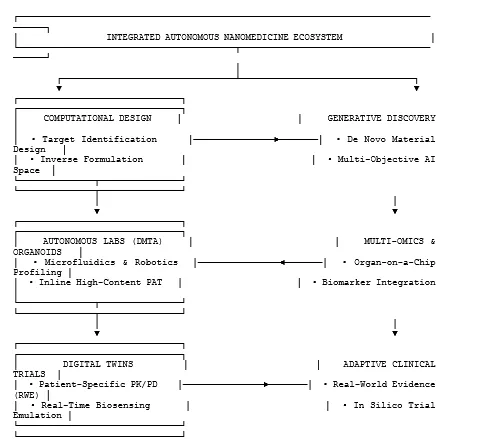
Figure 1: AI-enabled closed-loop ecosystem for next-generation nanomedicine and drug delivery.
The integrated architectural continuum connecting computational design, generative material discovery, autonomous microfluidic laboratories (Design-Make-Test-Analyze), multi-omics profiling, patient-specific digital twin simulations, and adaptive clinical translation.
This interconnected framework represents a fundamental shift from conventional sequential development toward a continuous Design \rightarrow Generate \rightarrow Synthesize \rightarrow Test \rightarrow Learn \rightarrow Simulate \rightarrow Validate \rightarrow Adapt cycle. Importantly, the objective is not to eliminate experimental science or clinical expertise, but to create an intelligent infrastructure in which computational and experimental approaches continuously inform one another [49,54].
Ultimately, the future of AI-assisted nanomedicine will depend on the successful integration of predictive and generative AI with mechanistic pharmaceutical knowledge, automated experimentation, real-time monitoring, multi-omics, digital twins, and clinically validated evidence. If these technologies can be developed within appropriate ethical, regulatory, and data-governance frameworks, they may enable faster discovery, more reproducible manufacturing, safer delivery systems, and increasingly individualized therapies. Such convergence could transform nanomedicine from a largely formulation-centered discipline into a continuously learning, adaptive, and patient-centered therapeutic ecosystem [49,54].
10. CONCLUSION
Artificial intelligence (AI) is fundamentally transforming nanomedicine and drug delivery by driving a paradigm shift from traditional, trial-and-error empirical formulation toward predictive, data-driven, and patient-tailored therapeutic engineering. Machine learning (ML) and deep learning (DL) architectures demonstrate unprecedented capability in predicting nanoparticle physicochemical properties, optimizing drug loading and release kinetics, guiding target cell engagement, accelerating virtual screening, and modeling complex pharmacokinetics. By bridging computational modeling with advanced nanocarrier design, multi-omics profiling, bio-imaging, and quantitative systems pharmacology, AI expands the boundaries of modern pharmaceutical development, providing the foundation for precision nanomedicine [19,42].
Table 8. Executive Synthesis of AI-Integrated Nanomedicine: Current State, Hurdles, and Future Imperatives
|
Evolutionary Phase |
Core Technological Milestones |
Primary Limitations & Bottlenecks |
Strategic Future Imperatives |
|
Current Advances [19,42] |
• In silico property prediction • ML-driven DoE & QbD optimization • High-throughput ADMET screening • Advanced nucleic acid (LNP) delivery |
• Heterogeneous & sparse datasets • Black-box model opacity • Lack of standardized reporting • Unintended off-target accumulation |
• Multi-center FAIR data repositories • Physics-Informed Neural Networks (PINNs) • Standardized characterization assays • Hybrid mechanistic–AI integration |
|
Remaining Challenges [43,48] |
• Identification of domain shift • XAI feature attribution (SHAP/LIME) • PAT-driven process monitoring • Initial regulatory AI frameworks |
• Data privacy & siloed EHR systems • Limited prospective clinical trial data • Batch-to-batch scale-up variance • Lack of adaptive regulatory pathways |
• Privacy-preserving Federated Learning • Real-time Digital Twin PAT controls • Regulatory sandboxes for AI-nanomedicine • Prospective clinical trial benchmarking |
|
Future Horizons [49,54] |
• Generative Diffusion Models for materials • Autonomous microfluidic labs • Organ-on-a-Chip & multi-omics fusion • In silico clinical trial emulation |
• High computational costs & HPC needs • Interdisciplinary skill gaps • Unvalidated multi-scale models • Complex biological microenvironments |
• Closed-loop DMTA autonomous discovery • Patient-specific Multi-Scale Digital Twins • AI-guided adaptive clinical trial designs • Fully integrated autonomous ecosystems |
10.1 Summary of Current Advances
The landscape of pharmaceutical science is rapidly transitioning from isolated predictive algorithms toward integrated, AI-assisted development ecosystems. In computational nanoparticle design, AI algorithms systematically evaluate material compositions, particle dimensions, surface charge, ligand density, and stimuli-responsive mechanisms to achieve optimal delivery efficiency. In drug discovery, AI accelerates target identification, virtual library screening, molecular dynamics simulations, drug repurposing, toxicity forecasting, and comprehensive ADMET profiling.
Within drug delivery, AI models optimize controlled-release kinetics, refine PK/PD modeling, guide precision dosing, and enhance continuous manufacturing via Quality by Design (QbD) and Process Analytical Technology (PAT) protocols. Furthermore, the clinical progress of advanced delivery platforms including lipid nanoparticles (LNPs), polymeric matrices, peptide–drug conjugates, engineered exosomes, viral vectors, and non-viral gene-editing delivery systems demonstrates the pivotal role of AI in advancing precision therapeutics across oncology, cardiovascular and metabolic diseases, neurodegenerative disorders, and infectious diseases [19,42].
10.2 Persistent Translational Challenges
Despite these notable achievements, key technical, biological, regulatory, and infrastructural hurdles continue to restrict the broad clinical implementation of AI-enabled nanomedicine. A primary constraint is the scarcity of standardized, high-quality, and multi-center clinical datasets, particularly regarding nano–bio interactions, organ-specific biodistribution, long-term biocompatibility, and patient-specific clearance. Dataset heterogeneity, experimental variations between laboratories, domain shift, and inherent algorithmic bias can substantially degrade out-of-distribution generalizability.
Additionally, the black-box nature of complex deep neural networks creates challenges regarding explainability, regulatory evaluation, and clinical trust among healthcare providers. Other critical limitations include strict patient privacy regulations, high computational infrastructure demands, batch-to-batch manufacturing inconsistencies, regulatory ambiguity surrounding adaptive software, and a scarcity of prospective clinical trials validating AI-designed nanomedicines. Crucially, high retrospective predictive accuracy does not guarantee clinical efficacy; computational predictions must undergo rigorous mechanistic and prospective experimental validation to confirm therapeutic benefit [43,48].
10.3 Future Research Directives
Future research must prioritize the development of integrated, interoperable, and experimentally validated AI frameworks rather than standalone computational tools. Establishing standardized, FAIR-compliant (Findable, Accessible, Interoperable, Reusable) nano-informatics databases and multi-center collaborative networks will be essential to ensure data reproducibility and model generalizability. Privacy-preserving architectures, such as Federated Learning and differential privacy, must be deployed to enable multi-institutional data integration without compromising patient confidentiality. Furthermore, hybrid mechanistic–AI models such as Physics-Informed Neural Networks (PINNs) should be prioritized to combine established thermodynamic and transport laws with data-driven machine learning algorithms.
The most transformative frontier lies in the seamless convergence of generative AI, autonomous self-driving laboratories, multi-omics profiling, microphysiological systems (Organ-on-a-Chip), and multi-scale Digital Twins. Generative models can design novel biomaterials and nanocarriers de novo; autonomous robotic platforms can synthesize and evaluate candidate formulations through closed-loop "Design Make Test Analyze" (DMTA) cycles; Organ-on-a-Chip platforms can provide human-relevant biological feedback; and patient-specific Digital Twins can simulate individualized therapeutic responses, off-target toxicity, and disease progression in real time. Finally, AI-guided adaptive clinical trials will streamline patient stratification, optimize dosing regimens, and incorporate real-world evidence to accelerate regulatory approval [49,54].
10.4 Final Concluding Outlook
Ultimately, the future of AI-driven nanomedicine depends on unifying prediction, generative discovery, robotic experimentation, biological simulation, and clinical feedback into an integrated, continuously learning ecosystem. Moving beyond empirical trial-and-error methodology toward autonomous, adaptive, and precision-targeted drug delivery requires not only advanced algorithmic architectures, but also standardized data governance, mechanistic interpretability, scalable manufacturing, ethical oversight, and updated regulatory standards. Addressing these challenges through interdisciplinary collaboration will establish AI as a central pillar of next-generation precision nanomedicine, accelerating the delivery of safer, highly effective, and personalized therapies to patients worldwide [19,54].
REFERENCES

Hezam Saleh Mohammed Dhaif Allah*, From Empirical Design To Autonomous Ecosystems: AI-Driven Advances, Challenges, And Future Directions In Precision Nanomedicine., Int. J. of Pharm. Sci., 2026, Vol 4, Issue 8, 2408-2451. https://doi.org/10.5281/zenodo.21931873
 10.5281/zenodo.21931873