

We use cookies to ensure our website works properly and to personalise your experience. Cookies policy
IPS Academy College of Pharmacy, Indore
Turmeric (Curcuma longa), contains curcumin, which is a bioactive component that has been studied extensively for its efficacy and effectiveness in providing strong anti-inflammatory and antioxidant effects. In this article, we will review the efficacy of curcumin in treating key inflammatory diseases, including arthritis, psoriasis and inflammatory bowel disease (IBD). The pharmacological actions of curcumin occur through an inhibition of multiple inflammatory signaling pathways that include NF-?B, MAPK, COX-2 and pro-inflammatory cytokines such as TNF-?, IL-1? and IL-6.Clinical and animal studies have also demonstrated that curcumin has anti-inflammatory, antioxidant and organ protective properties. They have demonstrated that curcumin will reduce disease severity and improve symptoms and quality of life. Although curcumin has tremendous potential to treat chronic inflammatory disease, its use as a therapeutic agent in humans has been somewhat limited for a variety of reasons including: limited water solubility, rapid metabolism and low bioavailability in humans.Recent advances in nanoparticle formulations that contain curcumin, along with phytosome technology, and even co-formulation strategies, have greatly improved curcumin’s pharmacokinetics, as well as its clinical effects in humans. Overall, curcumin may be considered a highly effective alternative herbal medication for the treatment of chronic inflammatory diseases with therapeutic safety and tolerability.
1.1 Inflammation and its aftermath
Inflammation is a complex defensive response to damaging stimuli such as infection or injury with tissue repair. [2] It is the immune cells and signalling pathways that are on alert to eliminate the threats and return to balance. This procedure is usually classified as acute and chronic types. Acute inflammation is a rapid and short-lived process marked by signs of redness, swelling and pain. [19] Once the stimulation ends, the body usually reverts to normal. In contrast, chronic inflammation is an enduring and pathologic state of immune activation. Failure to resolve leads to slow tissue damage and organ failure.[19]
Chronic inflammation is involved in many disorders such as IBD, arthritis, cardiovascular diseases, diabetes and cancer. [2,38] This chronic disease is associated with the overproduction of reactive oxygen species (ROS) and pro-inflammatory cytokines such as TNF-α, IL-1β and IL-6. These mediators form a vicious cycle that can greatly accelerate the progression of disease over time. [2,19]
In the last decades, the world burden of chronic inflammatory diseases has dramatically increased, affecting millions of people. This trend is a great burden on healthcare systems and world productivity, not to mention the physical cost. Ultimately, the chronic dysregulation of these immunological signals wreaks havoc on the overall quality of life for patients across the world. [38]
1.2 Need for Safer Anti-Inflammatory Drugs
Currently available anti-inflammatory therapies mainly include corticosteroids, non-steroidal anti-inflammatory drugs (NSAIDs), immunosuppressive agents and biologics. While these therapies are effective in controlling inflammation and alleviating symptoms, their long-term use is generally associated with serious side effects such as gastrointestinal toxicity, cardiovascular complications, immunosuppression, hepatotoxicity, renal dysfunction and increased susceptibility to infections. [2,13] Moreover, some patients show poor therapeutic response or develop resistance to the conventional therapies, limiting their clinical efficacy. [38]
1.3 Curcumin Introduction
Curcumin is a polyphenol found in the rhizome of the Curcuma longa spices plant widely used in traditional remedy to treat pain and inflammation. [1,9] Its possible therapeutic benefits have raised a great deal of scientific interest in recent decades because of its properties as an anti-inflammatory, antioxidant and anticancer agent. [1,13]
Curcumin's anti-inflammatory properties can be attributed to its ability to modulate several molecular targets (NF-κB, MAPKs, COX-2, and iNOS) and its ability to scavenge free radicals for the antioxidant capacity of the body. Curcumin exhibits low toxicity and a great deal of potential for treating arthritis and inflammatory bowel disease. Some of its disadvantages for clinical use, however, include low aqueous solubility, low bioavailability, and rapid metabolism. [1,2,13,28] These issues have led to the investigation of several new formulations to improve the therapeutic efficacy of curcumin, including nanoparticles, liposomes, and micelles. As such, curcumin shows great promise as a natural treatment for inflammatory diseases. [9,19]
2. Curcumin: Source and Chemical Profile
2.1 Source and Origin
The significant bioactive compound found in turmeric (the perennial herbaceous plant known as Curcuma longa) is called curcumin; this plant belongs to the Zingiberaceae family (ginger). It grows best in tropical/subtropical climates, with most of the world's turmeric production taking place in Asia (India and Southeast Asia being the most substantial producing regions). The dried and powdered rhizomes (roots) of the Curcuma longa plant are the therapeutic/cooking parts of the plant.[7,9] Turmeric has been utilized for centuries to treat numerous inflammatory diseases, pain (including but not limited to chronic arthritis and menstrual cramps), skin disorders, gastrointestinal disorders (diarrhea/constipation), and liver disorders as an integral treatment for multiple systems of traditional medicine (i.e., Ayurvedic, Traditional Chinese, and herbal medicine).[13] The health-promoting effects of turmeric can be attributed to its curcuminoid content. Curcuminoids are a sub-group of compounds that contain high levels of antioxidant activity; curcumin is the most prolific and only curcuminoid contained at 3%-5% (w/w) in turmeric. Additionally, turmeric contains three primary curcuminoids that have been classified based on their structural variations (curcumin, demethoxycurcumin, and bisdemethoxycurcumin); the greatest number of pharmacological activities (i.e., anti-inflammatory, antioxidant, anti-microbial, anti-cancer, and immunomodulatory) are associated with curcumin.[7,19] Curcumin (diferuloylmethane) is therefore recognised as a very promising drug for the treatment of numerous chronic inflammatory conditions. Curcumin also has increased in use by the medical industry as an anti-inflammatory and preventative substance. [9,38]
2.2 Chemical Structure
3.2 Chemical Structure Curcumin is an organic compound from nature and has the formula C21H20O6 (or C21H20O6) The molecular weight of cCurcumin is about 368.37 g/mol, and C21H20O6 is a pale orange solid with a crystal-like consistence. The structure of cCurcumin is composed of two symmetrical aromatic o-methoxy phenolic rings joined by a chain of seven carbon atoms that includes an α, β-unsaturated diketone moiety. Curcumin contains several different functional groups: (1) two phenolic hydroxyl groups; (2) two methoxy groups; (3) β-diketone moiety; and (4) conjugated double bonds. These functional groups account for most of curcumin's antioxidant and anti-inflammatory activity. The two phenolic hydroxyl functional groups exhibit free-radical scavenging properties, while the diketone moiety can chelate with metal ions and create interactions with different molecular targets throughout the body. There are three major bioactive compounds that are classified as curcuminoids: (1) curcumin; (2) demethoxycurcumin; and (3) bisdemethoxycurcumin. The primary structural differences between curcumin and the other curcuminoids lie within the number of methoxy functional groups found at each end of the phenolic rings. [19]
2.3 Physicochemical Properties
Curcumin, a polyphenolic compound found in turmeric root, has been used for many centuries in traditional medicine to provide relief of pain associated with injury, illness or trauma. [1,13] In recent time, curcumin has been the subject of numerous contemporary studies investigating its various pharmacological properties and whether or not it exhibits antioxidant, anti-inflammatory and anticancer properties. [1,9] Further research has shown that curcumin acts as an anti-inflammatory agent through various pathways that involve different molecular targets such as NF-kB, MAPKs, COX2 and iNOS, as well as enhancing the body’s antioxidant status through the elimination of free radicals. [2,19,38] Despite showing low or no toxicity and having some demonstrated efficacy in the treatment of various inflammatory conditions such as arthritis and inflammatory bowel disease, the clinical use of curcumin continues to be limited due to its low solubility in water, poor absorption following administration to mammals, and rapid metabolism following administration. [1,2,13,28] Several new technologies such as nanoparticles, liposomes and micelles have been developed to improve the delivery and effectiveness of curcumin for the treatment of inflammatory conditions. This use of curcumin for the long-term treatment of inflammation appears to be a very exciting potential new area of study. [19,9]
3. Pathophysiology of Inflammation
Inflammation is a protective response of the immune system to noxious stimuli, such as infections, toxins, tissue injury and oxidative stress. Its main role is to remove harmful agents, repair damaged tissues and restore normal body function. But, ongoing or uncontrolled inflammation is linked to chronic diseases such as arthritis, inflammatory bowel disease (IBD), psoriasis, cardiovascular diseases, diabetes, and cancer. [19,38]
The inflammatory process includes activation of immune cells (macrophages, neutrophils, dendritic cells and lymphocytes) that release inflammatory mediators, cytokines and enzymes that increase the inflammatory response. [19]
3.1 Role of Cytokines in the Inflammatory Process
Cytokines are important when it comes to regulating immunity and inflammation. Examples of pro-inflammatory cytokines include tumor necrosis factor-alpha (TNF-α), interleukin-1 beta (IL-1β), and interleukin-6 (IL-6). All three of these cytokines have been associated with chronic inflammatory diseases. [17,19] TNF-α is produced by activated macrophages and monocytes and is responsible for leukocyte recruitment, fever induction, and oxidative stress generation through NF-κB pathway activation. IL-1β is another important proinflammatory cytokine produced by macrophages and monocytes in response to infection or tissue injury. This cytokine helps to activate many inflammatory genes and has been shown to enhance vascular permeability and activate leukocytes via its effects on NF-κB and MAPK pathways by opposing the pro-inflammatory effects of TNF-α. In addition to mediating the inflammatory response, IL-1β is also responsible for the tissue damage associated with various inflammatory diseases (such as rheumatoid arthritis, psoriasis, and IBD) and increasing levels of IL-1β have been correlated with several inflammatory conditions including rheumatoid arthritis, psoriasis, and neuroinflammatory disorders. [17,19,39]
3.2 The NF-κB Pathway
The NF-κB signalling pathway is an important regulator of inflammation and immune responses. NF-κB controls the expression of inflammatory cytokines, chemokines, COX-2 and iNOS.[17].
Normally, NF-κB is sequestered in the cytoplasm by binding to inhibitory proteins (IκBs). NF-κB is released after degradation of IκB as a result of IκB kinase (IKK) activation by inflammatory stimuli including cytokines, ROS and bacterial toxins. Once activated, NF-κB travels to the nucleus to start transcription of inflammatory genes.Permanent activation of NF-κB causes a surge in the levels of TNF-α, IL-1β and IL-6, which contribute to chronic inflammation and damage to body tissue. [17,19]
3.3 Oxidative Stress and Inflammation
Oxidative stress occurs when the body's ability to produce reactive oxygen species (ROS) through normal metabolism exceeds the body's ability to defend itself from oxidative stress through its antioxidant defence system. Some well-known ROS that are produced by the immune system throughout the body are superoxide anion (O2-*), hydrogen peroxide (H2O2), hydroxyl radical (•OH) (27). Activated immune cells can produce a large amount of ROS in response to an inflammatory response and these ROS can damage DNA, protein, and lipid molecules as well as cellular membranes. In addition, oxidative stress is an important mediator of the activation of inflammatory signalling pathways such as NF-kB, MAPK, and JAK/STAT, which leads to the production of more cytokines, mediated through oxidative stress, to cause more inflammation (17,39).The continuous production of ROS and the continuous eliciting of the release of inflammatory mediators leads to a vicious cycle that results in chronic inflammation, cellular injury, fibrosis, and progression of disease. As such, targeting cytokines, oxidative stress, and NF-kB signalling provide opportunities for new therapies in the treatment of patients with inflammatory diseases (17,19,38).
4. Mechanism of Action of Curcumin in Inflammation
Curcumin is widely regarded as an effective anti-inflammatory compound due to its ability to modulate numerous molecular targets, inflammatory mediators, and signal transduction pathways involved in the inflammatory response. Courcumin's effectiveness in treating chronic inflammation is attributable to its ability to act on multiple molecular targets, unlike classical anti-inflammatory medications, which typically act on only one target. [19,40] Most of the anti-inflammatory effects of curcumin can be attributed to its ability to inhibit the NF-κB pathway, decrease the production of pro-inflammatory cytokines, decrease reactive oxygen species (ROS) levels, and inhibit the activity of anti-inflammatory enzymes such as COX-2 and iNOS. [2,19]
4.1 Suppression of NF-κB Signaling Pathway
Curcumin has been shown to inhibit the NF-κB Pathway, which is a critical molecular pathway controlling inflammatory response and chronic damage due to inflammation. Chronic activation of NF-κB is linked to disease states such as arthritis, inflammatory bowel disease, diabetes and cancer. [19,40] The mechanism of action of curcumin is by inhibiting every step of NF-kB activation; for example, inflammatory signals stimulate the activity of IκB Kinase (IKK), leading to the degradation of IκB proteins. Once IκB has been degraded, NF-κB is free to translocate into the nucleus and to activate transcription of the NF-κB regulated genes that cause the production of inflammatory signals. Therefore, by inhibiting IKK and stabilizing IκB curcumin maintains NF-κB in its unactivated form and confines it to the cytoplasm. In addition to inhibiting the phosphorylation of NF-κB subunits, including p65, curcumin also restricts the nuclear translocation of these proteins and inhibits their transcriptional activity. As a result of these actions, curcumin inhibits the release of inflammatory mediators (TNF-α, chemokines, adhesion molecules, COX-2, iNOS) that contribute to tissue injury and inflammatory response. [19]
4.2 Inhibition of COX-2 and Inflammation Enzymes
Curcumin inhibits enzymes of inflammation, such as cyclooxygenase-2 (COX-2) and inducible nitric oxide synthase (iNOS), which are involved in the production of prostaglandins and nitric oxide during inflammation. These enzymes cause pain, swelling and tissue injury when they are overexpressed. [39]
Curcumin inhibits activity of COX-2 & iNOS and diminishes inflammatory pain and oxidative injury. Curcumin also inhibits other inflammatory enzymes, such as lipoxygenase (LOX), phospholipase A2 and xanthine oxidase, thereby reducing inflammatory mediator generation. [19,27,39]
4.3 Decrease in Reactive Oxygen Species (ROS)
Chronic inflammation and damage to tissue have been linked to reactive oxygen species (ROS) as significant contributors. When there is an inflammatory response activated, neutrophils and macrophages produce large amounts of ROS that activate more inflammatory pathways. [39] Curcumin can stop the production of ROS through several different means such as by scavenging directly for the free radicals, inhibiting the activity of NADPH oxidase, regulating oxidative stress in the mitochondria, and promoting antioxidant enzymes. It also prevents lipid peroxidation, which helps keep cells and their membranes safe from oxidative stress. [40] By inhibiting cytokines via the lowering of ROS levels, and subsequently inhibiting cytokines and inflammation, as a result, curcumin inhibits the activation of NF-κB and MAPK signalling pathways. [19,40]
5. Role of Curcumin in Specific Inflammatory Disorders
Curcumin has been demonstrated to play an important role in treating or preventing many diseases associated with inflammation due to its ability to reduce inflammation and inhibit the production of proinflammatory cytokines, for example.
Studies have shown that curcumin reverses the production of proinflammatory cytokines and/or cell types responsible for inflammation, and therefore has demonstrated success in treating/relieving symptoms of many chronic inflammatory illnesses such as:
5.1 Curcumin's Effectiveness on Arthritis
Arthritis is an inflammatory disease of the joints and surrounding tissues resulting in pain, swelling, stiffness, restricted motion and continuous destruction of the joints. The two main types of arthritis are rheumatoid arthritis (RA) and osteoarthritis (OA), where RA, an autoimmune disease, is characterized by synovial inflammation and destruction of cartilage, and OA is characterized by deterioration of cartilage and low-grade chronic inflammation. [5,17]
The inflammatory cytokines TNF-α, IL-1β, and IL-6 contribute to arthritis through their ability to activate NF-κB and MAPK pathways which are directly implicated in cartilage breakdown and increase in oxidative stress and bone destruction. [5]
Mechanism of Curcumin in Arthritis
Multiple pathways exist for the mechanism by which curcumin reduces arthritis symptoms. It has been shown that curcumin can have effects on nuclear factor kappa B (NF-κB) and downregulate the activity of several pro-inflammatory substances such as tumor necrosis factor (TNF-α), interleukin (IL)-1β, IL-6, cyclooxygenase (COX)-2, prostaglandins, and nitric oxide synthase (iNOS). [13,14]
In osteoarthritis (OA), studies have proved that curcumin can:
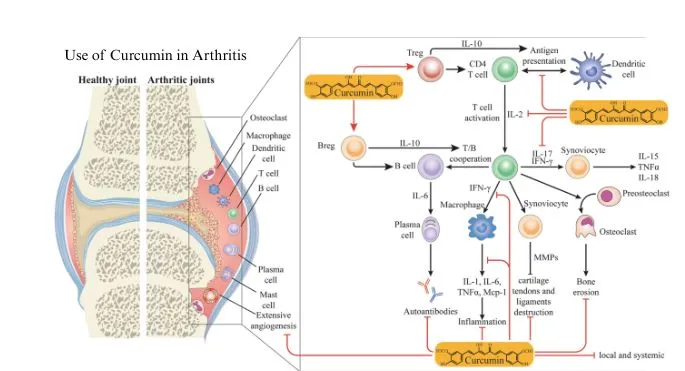
Fig1: Curcumin's Immunomodulatory and Anti-Inflammatory Mechanisms in Arthritis
Curcumin has been shown to reduce oxidative damage from Reactive Oxygen Species (ROS) while also up-regulating antioxidant enzymes such as SOD and Catalase in joint tissues. [5]
Clinical Findings and Symptom Reduction
Clinical Data/Symptom Reduction: Clinical and meta-analysis data show that curcumin supplementation in patients with arthritis improves joint pain, stiffness, swelling, and physical function due to arthritis. [6] There have been reports of curcumin demonstrating effectiveness comparable to non-steroidal anti-inflammatory drugs (NSAIDs) with fewer side effects. [6] Curcumin significantly decreased joint swelling, synovitis, cartilage destruction, and cytokine production from joint tissue in experimental models of arthritic disease. [25]
Table 1. Recent Studies on Curcumin in Arthritis
|
Disease |
Major Findings |
|
Rheumatoid Arthritis (17) |
Reduced ESR, DAS28, SJC, TJC, and inflammatory markers |
|
Rheumatoid Arthritis (8) |
Improved CRP, VAS score, RF levels, and joint symptoms |
|
Osteoarthritis (5) |
Reduced cartilage degradation and improved chondrocyte surviva |
|
Knee Osteoarthritis (6) |
Improved pain and WOMAC scores comparable to NSAIDs |
|
Collagen-Induced Arthritis (25) |
Reduced TNF-α, IL-1β, IL-6, and NF-κB expression |
5.2 Curcumin in Psoriasis
Psoriasis is a chronic immune-mediated inflammatory skin disease with excessive proliferation of keratinocytes, erythematous plaques, scaling and persistent skin inflammation. The disease has been associated with dysregulation of immune responses mediated by T helper cells (Th1 and Th17), dendritic cells, macrophages and inflammatory cytokines. [2]
Inflammatory cytokines activate the inflammatory signaling pathways NF-kB, STAT3, and MAPK, leading to abnormal epidermal proliferation and chronic inflammation of the skin. [19]
Curcumin’s Effect on Skin Inflammation
Curcumin has potent anti-psoriatic activity through inhibition of inflammatory signaling pathways and cytokine production. It can inhibit the activation of NF-κB and decrease the expression of TNF-α, IL-17, IL-22 and IL-23 which are related to the progression of psoriasis. [2]
Curcumin also:
It has antioxidant activity which protects skin cells from damage caused by ROS and decreases inflammatory signalling. [38]
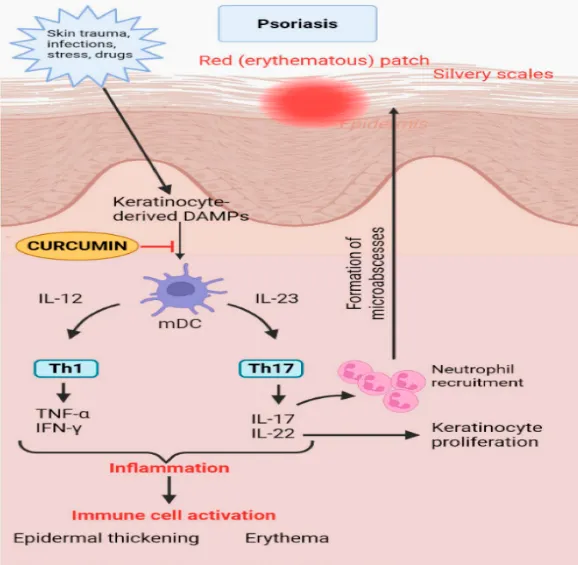
Fig:2 Mechanistic Overview of Curcumin in the Management of Psoriasis
Evidence Clinical
Results from clinical trials indicate that curcumin can reduce both plaque formation and the severity of psoriasis, erythema, and scale-like lesions. Curcumin was well tolerated, with mild side effects. Curcumin has inhibitory effects on phosphorylase kinase activity, a process involved in the epidermal hyperproliferation associated with psoriatic lesions, making curcumin an excellent supplemental therapy for psoriasis based on its antioxidant and anti-inflammatory properties. Inflammatory bowel disease (IBD) is a chronic condition currently affecting individuals across various age ranges. IBD consists of two forms: crohn's disease (CD) and ulcerative colitis (UC). Symptoms include abdominal pain, diarrhea, rectal bleeding, weight loss, and damage to the intestinal mucosa. [32,39]
The pathogenesis of IBD is multifactorial and consists of:
IBD also is associated with several major inflammatory signaling pathways including NF-κB, MAPK, JAK/STAT, and TLR pathways. [32]
5.3 Curcumin Effect on Intestinal Inflammation
Curcumin’s protective effects in IBD are via inhibition of inflammatory signalling pathways and restoring intestinal homeostasis. It inhibits activation of NF-κB, TNF-α production and oxidative stress pathways. [32]
Curcumin does as well:
Curcumin was found to reduce coloniczinflammation, intestinal ulceration, edema, and inflammatory cytokine expression in animal models of colitis in experimental studies. [32]
5.4 Clinical Trials
Several randomized clinical trials and meta-analyses have shown beneficial effects of curcumin supplementation in patients with ulcerative colitis. Curcumin significantly improved:
Meta-analyses showed that curcumin was more effective than placebo for inducing remission in ulcerative colitis and was generally safe and well tolerated. Evidence for Crohn’s disease, however, is still limited and further clinical studies are required. [39]
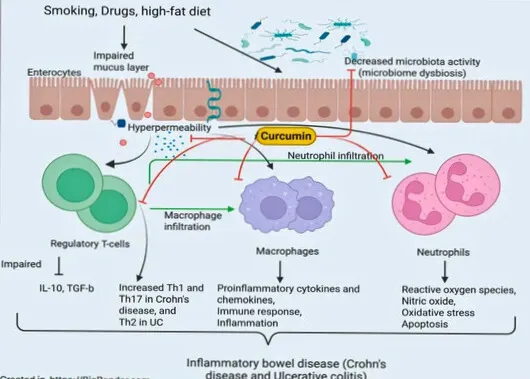
Fig:3 Immunomodulatory Mechanisms of Curcumin in IBD, Crohn’s Disease and Ulcerative Colitis
6. Problems with Curcumin Bioavailability
Curcumin has potent anti-inflammatory, antioxidant and immunomodulatory properties, but its clinical application is limited due to poor bioavailability. Curcumin suffers from poor oral bioavailability due to poor aqueous solubility, quick metabolism, poor intestinal absorption and rapid systemic elimination. The pharmacokinetic limitations described above decrease the concentration of curcumin in both plasma and target tissues and thus diminish its therapeutic potential. [1,13,19]
6.1 Poor Solubility
Curcumin has a very high hydrophobicity and lipophilicity and is essentially insoluble in water [1,9]. The low solubility of curcumin is characterized by the following: • Poor solubility in gastrointestinal fluids • Limited intestinal absorption • Very low oral bioavailability Curcumin is soluble in organic solvents (for example: ethanol, methanol, or dimethyl sulfoxide [DMSO]), but these solvents are inappropriate for therapeutic use. [1] Its hydrophobic structure and strong intermolecular interactions contribute further to poor dissolution under physiological conditions. [19]
6.2 Fast Metabolism
Curcumin undergoes extensive first-pass metabolism by the intestine and liver after absorption. Major metabolic pathways are:
Curcumin is rapidly converted to metabolites including curcumin glucuronide, curcumin sulfate and hexahydrocurcumin that usually have lower biological activity than free curcumin. [13]
6.3 Low Systemic Availability
Curcumin has very low systemic bioavailability due to poor solubility, limited absorption and rapid metabolism. [1,19]
Clinical studies have demonstrated that even high oral doses of curcumin result in very low plasma levels of free curcumin. [13] This leads to:
Curcumin is also rapidly cleared from the body through biliary and fecal excretion which decreases its time in circulation. [19]
6.4 Strategies to Enhance Bioavailability
Various advanced drug delivery systems have been designed to overcome the bioavailability limitations of curcumin. These techniques are intended to improve solubility, stability, absorption and targeting. [9]
The usual approaches are:
These new formulations have shown better pharmacokinetic properties and improved therapeutic efficacy in inflammatory disorders. [19]
7. Novel Curcumin Delivery System
Nevertheless, due to its inadequacy in solubility in water, poor absorption, rapid metabolism, and poor overall bioavailability, using curcumin as a medicine has limitations.[17; 18] Different drug delivery systems have been developed as improvements over the aforementioned problems; these systems seek to increase the stability, solubility, absorption via the gastrointestinal tract (increased permeability), the controlled release of curcumin, tissue targeting (i.e., where the curcumin needs to go), and the overall effectiveness of curcumin as a therapeutic agent. [8] Nanotechnology-based solutions may be one of the best methods to increase the bioavailability/accomplish more anti-inflammatory effects.[8]
7.1 Nanoparticles
Nanoparticles are colloidal carrier systems of 1-1000 nm size, which enhance the solubility, stability, cellular uptake and targeted delivery of curcumin. [37]
The following nanoparticle systems have been studied for curcumin delivery:
- nano-particles polymeric
Curcumin loaded nanoparticles have shown better anti-inflammatory, antioxidant, anticancer and antimicrobial effects as compared to the free curcumin.
Reported studies on curcumin nanoparticles
These formulations have shown promising results in models of arthritis, psoriasis, neuroinflammation, hepatotoxicity and cancer. [37]
7.2 Phytosomes.
Phytosomes are phospholipid-based delivery systems that form a complex of curcumin with phosphatidylcholine to enhance absorption and bioavailability.
Phytosomal formulations improve:
Curcumin phytosomes have shown enhanced therapeutic efficacy in inflammatory diseases especially arthritis and metabolic inflammatory diseases. [19]
Clinical trials also indicated that phytosomal curcumin formulations improved inflammatory biomarkers and symptom relief with reduced doses compared to conventional curcumin. [13]
7.3 Combination Therapy
The synergistic therapeutic effects of curcumin with conventional drugs or other phytochemicals for therapy have been increasingly studied. [25]
Combination studies of curcumin have been performed with:
These combinations can:
Target multiple inflammatory pathways simultaneously Several studies on models of arthritis have shown that combinations of curcumin with resveratrol and tetramethylpyrazine significantly suppress the expression of TNF-α, IL-1β, IL-6 and NF-κB. In addition, co-administration with piperine has been shown to increase the absorption of curcumin by inhibiting glucuronidation metabolism.[25] [1]
8. Clinical Studies and Evidence
Multiple clinical examinations and randomized controlled studies had been performed on the efficiency of curcumin as a treatment for inflammatory conditions like rheumatoid arthritis, osteoarthritis, psoriasis or inflammatory bowel disease (IBD). Based on their results, it appears that curcumin does exhibit significant anti-inflammatory characteristics, improves clinical symptoms, and has an acceptable safety record. [6,8,15,18]
When using curcumin as an added supplement, there was a decrease in markers of inflammation including C-reactive protein (CRP) level, erythrocyte sedimentation rate (ESR), TNF-alpha, IL-1beta and IL-6. [8,17] Patients suffering from chronic inflammatory diseases
experienced clinically relevant improvement in pain, range of motion, gastrointestinal complaints and dermatological conditions. [6,15]
The majority of studies regarded curcumin products to be safe, well-tolerated and associated with very few adverse effects, even after prolonged use at high dosages. [13,15] Advanced formulating techniques using nanomaterials and bioavailability/absorption enhancing techniques have been developed to further facilitate the absorption of curcumin as well as further improve the therapeutic effects of curcumin products. [2]
Clinical Significance of Curcumin
Clinical studies are supporting curcumin as an even more valuable adjunct to treating inflammatory diseases, given its:
While the potential outcomes are promising, the effectiveness of curcumin in the treatment of inflammation is currently limited by several factors including: low bioavailability, variability in formulations and dosages, and treatment duration. [13,19]
To accurately define the optimal role of curcumin in the treatment of inflammatory diseases, larger multicentre clinical trials with standardized formulations and long-term follow-up will be needed.
Table 2. Clinical Studies of Curcumin in Inflammatory Disorders
|
Disease |
Dose |
Outcome |
|
Rheumatoid Arthritis |
Various formulations and doses |
Reduced DAS28 score, ESR, CRP, swollen and tender joint count [8] |
|
Osteoarthritis |
Oral curcumin preparations |
Improvement in joint stiffness, pain, and physical mobility [6] |
|
Psoriasis |
Topical and oral formulations |
Reduced erythema, scaling, and plaque severity [11] |
|
Inflammatory Bowel Disease |
Various oral formulations |
Reduced intestinal inflammation and symptom severity [15] |
9. Limitations and Future Perspectives
Although the therapeutic promise of curcumin in inflammatory disorders is evident, numerous limitations hinder its widespread clinical use. The main challenges are poor bioavailability, rapid metabolism, variability in formulations, lack of standardization and limited large scale clinical evidence. [9,13]
9.1 Need for Further Clinical Trials
Most of the evidence for efficacy of curcumin has come from in vitro studies, animal experiments and small-scale clinical trials. While positive effects have been observed in diseases such as arthritis, psoriasis and inflammatory bowel disease, many studies use:
These variations hamper a direct comparison between studies and preclude the development of standardized therapeutic guidelines. [13]
Thus, large multicenter clinical trials with long-term follow-up are required to:
Further studies are also needed to assess the use of curcumin as an independently or adjunctively with conventional anti-inflammatory drugs.
10. CONCLUSION
The naturally occurring chemical curcumin is the main active substance in turmeric (*Curcuma longa*). It is found to be effective in treating many long-lasting inflammatory diseases such as arthritis, psoriasis, and inflammatory bowel disease (IBD). Some of its mechanisms of action include its anti-inflammatory and antioxidant properties, which include blocking the activation of the NF-κB signaling pathway and reducing the levels of other pro-inflammatory chemicals, such as TNF-α, IL-1β, and IL-6, and reducing oxidative stress. Clinical and experimental data show that curcumin decreases inflammation, improves symptoms associated with inflammatory diseases, protects the body from oxidative damage, and enhances patients' quality of life, with relatively little risk of toxicity.Recent developments in the delivery of curcumin, including new methods to improve the solubility of curcumin in water and the utilization of glycosides and phospholipids to maximize delivery, have led to improvements in the effectiveness of curcumin in the body. Nevertheless, factors limiting the widespread clinical use of curcumin, such lack as its low solubility in water, rapid metabolism, and of consensus on standardized clinical treatment guidelines for the use of curcumin, will require further clinical research studies with enough participating patients to answer major questions about the optimal doses and long-term safety of curcumin and the best ways to create standardized curcumin products. Overall, curcumin appears to be a safe, multi-targeted, and effective treatment for the management of inflammatory diseases, and it has a great deal of promise for the future of clinical use.
REFERENCES

Ayushi Kaushal*, Neelam Balekar, Role Of Curcumin In Inflammatory Disorder: Arthritis, IBD And Psoriasis., Int. J. of Pharm. Sci., 2026, Vol 4, Issue 8, 2452-2467. https://doi.org/10.5281/zenodo.21932625
 10.5281/zenodo.21932625