

We use cookies to ensure our website works properly and to personalise your experience. Cookies policy
Department of Pharmaceutical Chemistry, SMBT College of Pharmacy, Dhamangaon, Nashik, M.S.422403, India.
Rheumatoid arthritis (RA) is a chronic autoimmune condition that involves synovitis, joint destruction and functional disability. In spite of progress in disease modifying antirheumatic drugs, the presence of pain, side effects, non-response or unavailability of treatment has spurred research into complementary treatments. Ricinus communis L., commonly called Eranda, has a long tradition of utilization in inflammatory and rheumatic disorders according to Ayurvedic practices. Its root is especially interesting from the viewpoint of pharmacology as it has shown anti-inflammatory activity and free radical scavenging ability in experiments, and some of its pentacyclic triterpenes, such as lupeol and erandone, have demonstrated anti-inflammatory activity in animal models. This narrative review provides information about the botanical features, traditional usage, phytochemical content of the roots of this plant, pharmacological research, possible modes of action, toxicological aspects and pharmaceutical applications of R. communis root extracts in RA. Evidence from other parts of this plant and isolated substances is clearly distinguished from the evidence derived from the experiments on the root itself. Special emphasis is put on the opportunity to utilize this herb for topical administration as an adjunct aimed at local symptom relief. Though current experimental data suggest its further study, the available clinical data are sparse and the safety, reproducibility, penetration through the skin and effectiveness of the preparations from this plant's roots need to be proven.
Rheumatoid arthritis (RA) is an autoimmune disease marked by systemic inflammatory response leading to chronic synovitis, loss of cartilage, and bone destruction. The disease commonly affects the hands, wrists and feet, and may involve other joints and extra-articular organs. Pain, stiffness and fatigue interfere with daily activities. The Global Burden of Disease Study estimated that RA affected approximately 17.6 million people worldwide in 2020, with a substantial increase projected by 2050.1
Early diagnosis and disease-modifying antirheumatic drugs (DMARDs) are central to preventing irreversible damage. Residual pain, adverse effects and barriers to treatment nevertheless justify investigation of complementary approaches, provided these do not replace established disease-modifying therapy.2,3
Ricinus communis L. (Euphorbiaceae), known as castor or Eranda, has a history of use in Indian medicine. The root, traditionally termed Eranda Mula, is associated with Amavata and has been studied for anti-inflammatory activity and phytochemical composition.4
Ilavarasan and colleagues reported anti-inflammatory and radical-scavenging activity of the methanolic root extract, and Srivastava and colleagues identified the active triterpenes lupeol and erandone.5,6 This review evaluates root-specific phytochemistry, experimental and clinical evidence, safety and pharmaceutical implications, including topical delivery as a potential adjunct for local symptoms. Evidence from other plant parts and isolated compounds is considered separately.
MATERIALS AND METHODS
Literature Review Approach
In the current narrative review, selected searches have been performed in PubMed, websites of various journals, and clinical and regulatory guidelines using search terms such as Ricinus communis root, Eranda Mula, lupeol, erandone, anti-inflammatory properties, rheumatoid arthritis, Amavata, delivery methods, and toxicity of the root extract. Studies specific to the root have been considered as primary focus while studies conducted on other parts of the plant have been included for indirect evidence. Evidence from human trials, animal models, and antioxidant activities of chemical compounds have been considered separately.
REVIEW OF LITERATURE AND DISCUSSION
Rheumatoid Arthritis: Epidemiology and Clinical Features
RA affects adults across age groups and is more prevalent among women. Genetic susceptibility, environmental exposures, including smoking, and immune dysregulation contribute to its development; autoimmunity can precede clinical arthritis.1,7 Typical manifestations include pain, swelling, warmth and prolonged morning stiffness, often in symmetrical small joints. Persistent disease may cause deformity, impaired mobility, fatigue and extra-articular manifestations. RA differs from osteoarthritis in its autoimmune inflammatory basis, an important distinction when interpreting evidence for topical analgesics.
Classification and Assessment of Disease Activity
The 2010 American College of Rheumatology (ACR) and European League Against Rheumatism (EULAR) classification criteria consider joint involvement, serology, acute phase reactants, and duration of symptoms. A score of at least six out of ten supports classification in an eligible patient with synovitis and no better alternative explanation. Rheumatoid factor (RF) and anti-citrullinated protein antibodies (ACPAs) aid classification, but negative serology does not exclude disease.8
Disease activity measures include tender and swollen joint counts, C-reactive protein (CRP), erythrocyte sedimentation rate (ESR) and the Disease Activity Score based on 28 joints (DAS28). Pain reduction alone does not demonstrate control of synovitis or structural progression.2,3
Immunopathogenesis of Rheumatoid Arthritis
Loss of immune tolerance and persistent activation of T cells, B cells, macrophages and fibroblast-like synoviocytes (FLS) sustain synovial inflammation. CD4+ T cells influence B-cell responses; autoantibodies and immune complexes can contribute to disease. Macrophages produce tumour necrosis factor alpha (TNF-α), interleukin-1 beta (IL-1β) and interleukin-6 (IL-6), promoting cell recruitment and synovial activation.7
Croft and colleagues identified fibroblast subsets associated with inflammation and tissue damage, while Zhang and colleagues characterized heterogeneous inflammatory cell states in human RA synovium.9,10 Activated synovial cells form invasive pannus; matrix metalloproteinases (MMPs) degrade cartilage matrix, and receptor activator of nuclear factor κB ligand (RANKL) promotes osteoclast-mediated bone erosion. These distinct processes warrant evaluation beyond a single measure of inflammation.7
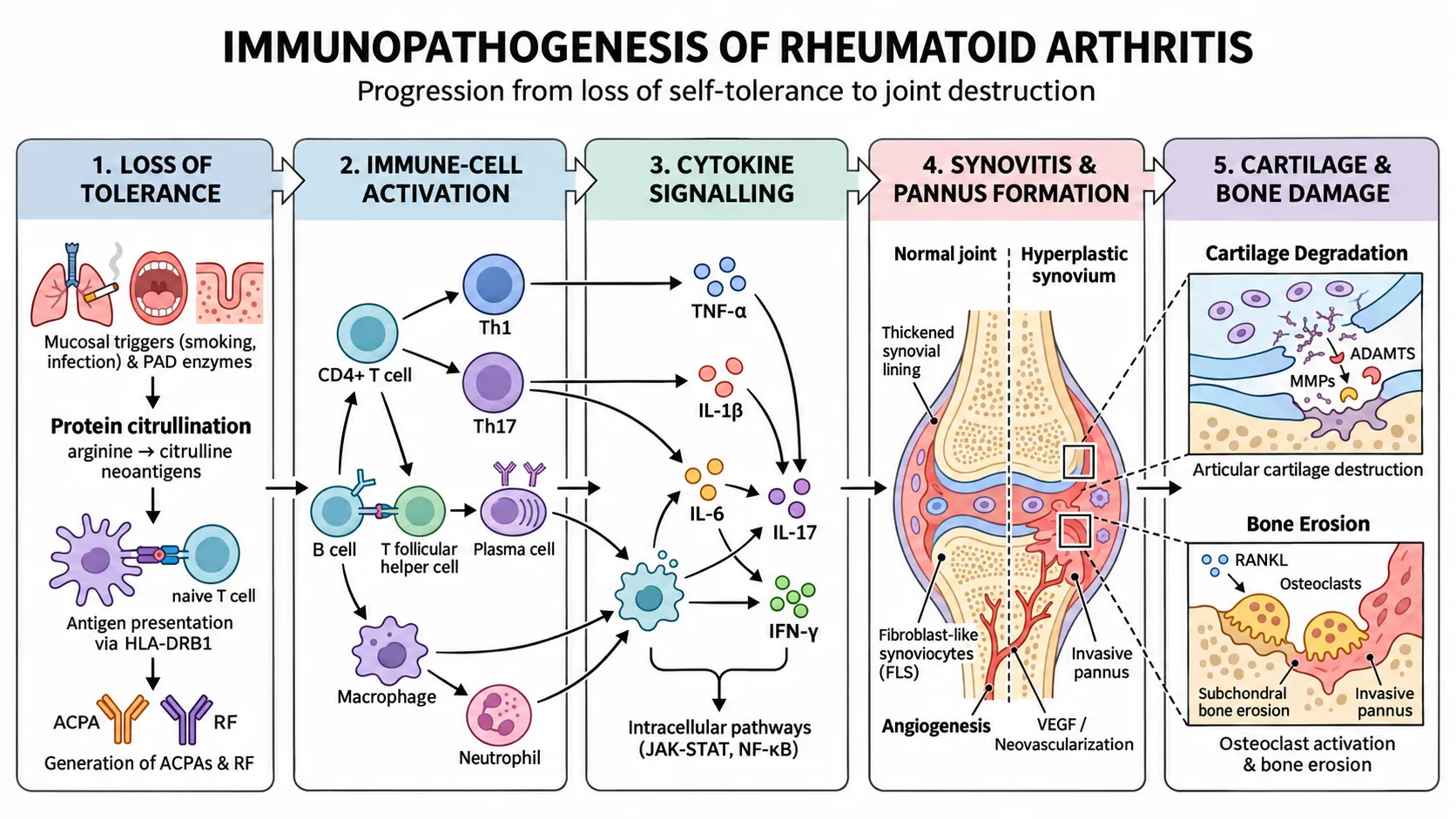
Figure 1: Immunopathogenesis of Rheumatoid Arthritis. Schematic Representation Based on Published Literature.7,9,10
Cytokines and Intracellular Signalling
TNF-α promotes inflammatory cell recruitment; IL-6 participates in synovial inflammation and hepatic acute-phase responses; IL-1β and IL-17 contribute to inflammatory signalling and tissue injury. The clinical use of cytokine-targeted medicines reflects the importance of these pathways.2,3,7
Nuclear factor kappa B (NF-κB) regulates inflammatory gene expression, and Janus kinase/signal transducer and activator of transcription (JAK/STAT) pathways transmit cytokine signals. Cyclooxygenase (COX) enzymes generate prostaglandins, including prostaglandin E2 (PGE2), which influences pain and inflammation. Reduced paw oedema in an animal experiment does not establish inhibition of a specific pathway.7
Oxidative Stress and Joint Inflammation
Reactive oxygen species (ROS) generated during inflammation can damage proteins and lipids when endogenous antioxidant capacity is exceeded. Oxidative stress may amplify synovial inflammation. This provides a rationale for investigating antioxidant compounds, although cell-free radical-scavenging activity does not establish adequate tissue exposure or benefit in RA.5,7
Table 1 identifies disease processes that are relevant to pharmacological evaluation.
Table 1: Selected Biological Processes in Rheumatoid Arthritis and Their Relevance to Pharmacological Evaluation
| Process | Key mediator or cell | Potential outcome to assess |
|---|---|---|
| Synovial inflammation | TNF-α, IL-6, IL-1β and macrophages | Inflammatory mediator concentrations; synovitis |
| Immune dysregulation | T cells, B cells and autoantibodies | Immune-cell activity and validated disease measures |
| Synovial expansion | Activated fibroblast-like synoviocytes | Cell proliferation, invasion and tissue pathology |
| Cartilage degradation | MMPs and activated synovial cells | Cartilage integrity and matrix degradation markers |
| Bone erosion | RANKL and osteoclasts | Osteoclast activity and structural damage |
| Oxidative injury | ROS and endogenous antioxidants | Cellular oxidative stress and lipid peroxidation |
Source: Synthesis of published disease mechanisms and root antioxidant evidence.5,7,9
Current Therapeutic Management and Unmet Needs
Current guidelines emphasize treat-to-target management, aiming for remission or low disease activity. Methotrexate is commonly used as an initial conventional synthetic DMARD; alternatives include leflunomide, sulfasalazine and hydroxychloroquine. Biological agents target cytokines or immune cells, while targeted synthetic DMARDs include JAK inhibitors. Treatment selection requires individualized assessment and safety monitoring. Glucocorticoids may provide rapid relief but prolonged systemic exposure carries risks. Nonsteroidal anti-inflammatory drugs (NSAIDs) relieve symptoms without substituting for DMARDs.2,3
Persistent pain can arise from active inflammation, structural damage or other mechanisms. A botanical topical adjunct should be evaluated for a defined symptomatic role using standardized preparations and appropriate controls.
The roles and limitations of current treatments and investigational topical approaches are compared in Table 2.
Table 2: Major Therapeutic Approaches in Rheumatoid Arthritis
| Therapeutic approach | Primary intended role | Important distinction |
|---|---|---|
| Conventional synthetic DMARDs | Control inflammatory disease; limit progression | Require monitoring and individualized selection |
| Biological DMARDs | Target immune cells or inflammatory pathways | Used according to response and patient-specific risk |
| Targeted synthetic DMARDs | Modify intracellular signalling | Safety and comorbidities influence selection |
| NSAIDs | Symptomatic reduction of pain and inflammation | Do not prevent RA progression by themselves |
| Glucocorticoids | Rapid inflammatory suppression in selected cases | Long-term exposure has significant risks |
| Investigational botanical topical approaches | Potential local symptomatic adjunct | Clinical benefit and safety must be demonstrated |
Source: ACR and EULAR guidance; investigational role is the interpretation of this review.2,3
Botanical Profile of Ricinus communis
Ricinus communis L. is a member of the family Euphorbiaceae. The species is widely cultivated for castor seed oil and also grows in wild or naturalized settings in tropical and subtropical regions. It is characterized by large palmately lobed leaves, upright stems, distinctive reproductive structures and seed-bearing capsules. Variation occurs among plants and cultivars in growth habit and coloration. The roots develop below ground and constitute a separate medicinal raw material from the harvested seeds and leaves.11,12
The root material, traditionally designated Eranda Mula, can be obtained from wild and cultivated plants. Its pharmacognostic evaluation is important because differences in origin, plant maturity, storage and handling can influence the characteristics of medicinal material. Doshi et al. used physicochemical studies, phytochemical analysis and high-performance thin-layer chromatography (HPTLC) to study wild and cultivated roots. Although the physicochemical parameters did not differ markedly, total alkaloid content was reported as 0.34% in cultivated roots and 0.15% in wild roots. Their work illustrates why materials described by the same traditional name require chemical characterization.4
The identity of the root should be established before pharmacological interpretation. A product labelled as castor extract may refer to roots, leaves or seeds, and these sources cannot be assumed interchangeable. A documented scientific name, plant part, collection information and an authenticated specimen support reproducibility. Where commercially supplied extracts are used, traceability and the supplier's quality information are essential to interpreting the results.
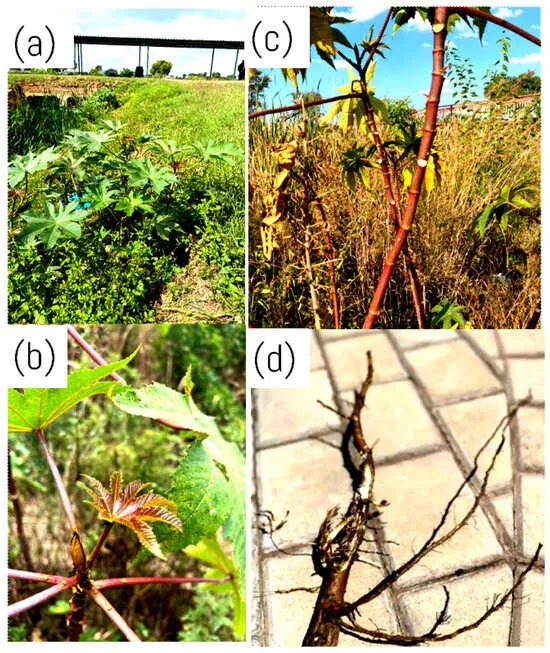
Figure 2: Botanical Morphology of Ricinus communis L. Showing the Shrub, Leaves, Stem and Root System.
Source: Reproduced from Ramothloa et al. (2025) under the CC BY 4.0 licence.12
Traditional Uses and Ayurvedic Relevance
In Ayurveda, Eranda Mula has been used in relation to Amavata, inflammatory swelling and painful musculoskeletal conditions.4,11 Amavata shares symptoms such as pain, stiffness and joint swelling with RA, although the diagnostic frameworks are not identical. Traditional single-ingredient and combination preparations should also be distinguished when attributing effects. Oral decoctions differ from topical creams or gels in their chemical profiles, exposure and route of administration; their clinical effects cannot establish topical efficacy.
Phytochemistry of the Root
The chemical composition of a plant extract depends on the original tissue and the analytical approach used to examine it. Root extracts of R. communis have been reported to contain multiple classes of secondary metabolites. Ilavarasan and colleagues discussed flavonoids, alkaloids and tannins in relation to observed anti-inflammatory and radical-scavenging activities. Preliminary phytochemical screening supports the possible presence of chemical classes, but specific molecular identity and abundance require more selective analytical techniques.5
The work of Srivastava and colleagues is particularly important because it provides compound-level evidence for the root. Two pentacyclic triterpenes were isolated and characterized from a root-derived fraction: the known compound lupeol and a diketone triterpene named erandone (urs-6-ene-3,16-dione). The extracts and isolated compounds demonstrated activity in a carrageenan-induced inflammatory model. Isolation and structural characterization allow future research to examine the independent activity of these constituents and their potential contribution to effects of the crude root extract.6
Lupeol is a pentacyclic triterpene found in several plant species. Its occurrence in the root has direct relevance to R. communis, while biological experiments using lupeol obtained from other sources offer evidence about the molecule itself. Fernández and colleagues examined lupeol in experimental inflammatory models and found activity consistent with modulation of inflammatory mediators. Separate investigations of lupeol and related compounds in experimental arthritis provide further plausibility for this line of research.13,14
Erandone is of interest because its characterization from R. communis root strengthens the chemical specificity of research on the root. Its molecular structure differs from lupeol, and the two compounds should not be regarded as pharmacologically identical. While both were active in the reported animal inflammation experiment, information concerning comparative pharmacokinetics, tissue distribution, dermal delivery and dose-response relationships in RA remains insufficient. A comprehensive assessment should distinguish identification of a bioactive constituent from validation of that constituent as a clinical drug candidate.6
Flavonoids and tannins may show antioxidant properties in chemical tests. Alkaloids constitute a diverse group and may differ substantially in biological effect and toxicity. The broad presence of one of these groups does not establish that every member of the class contributes to the reported activity. Definitive identification, quantification and evaluation of biological function are required to link an individual constituent to a pharmacological effect. Interactions among constituents may change the overall activity of an extract, but synergism should be demonstrated experimentally rather than presumed.
It is important to avoid assigning the composition of castor seed oil to the root. Ricinoleic acid is a characteristic constituent of castor oil, whereas the presence of lupeol and erandone has been specifically demonstrated in root material. Ricin and ricinine are distinct plant constituents that raise toxicological considerations and should not be confused with ricinoleic acid. The identity and quality of a particular root preparation must be verified independently.15,16
Root-specific phytochemical findings and distinctions between plant parts are summarized in Table 3.
Table 3: Relevant Chemical Constituents and Their Evidence Base
| Constituent or class | Evidence relevant to the root | Interpretation |
|---|---|---|
| Lupeol | Isolated and structurally characterized from root6 | Candidate marker and experimentally active triterpene |
| Erandone | Isolated and identified in root research6 | Root-specific candidate for further characterization |
| Flavonoids | Reported in connection with root extract testing5 | Potential contributors; individual compounds require verification |
| Tannins | Reported in connection with root extract testing5 | Possible radical-scavenging constituents |
| Alkaloids | Reported in connection with root extract testing5 | Chemical identity and safety require clarification |
| Ricinoleic acid | Primarily associated with castor seed oil16 | Do not infer root content or activity from seed oil |
| Ricin | Toxic protein associated particularly with castor beans15 | Relevant to quality and safety; not a desired therapeutic constituent |
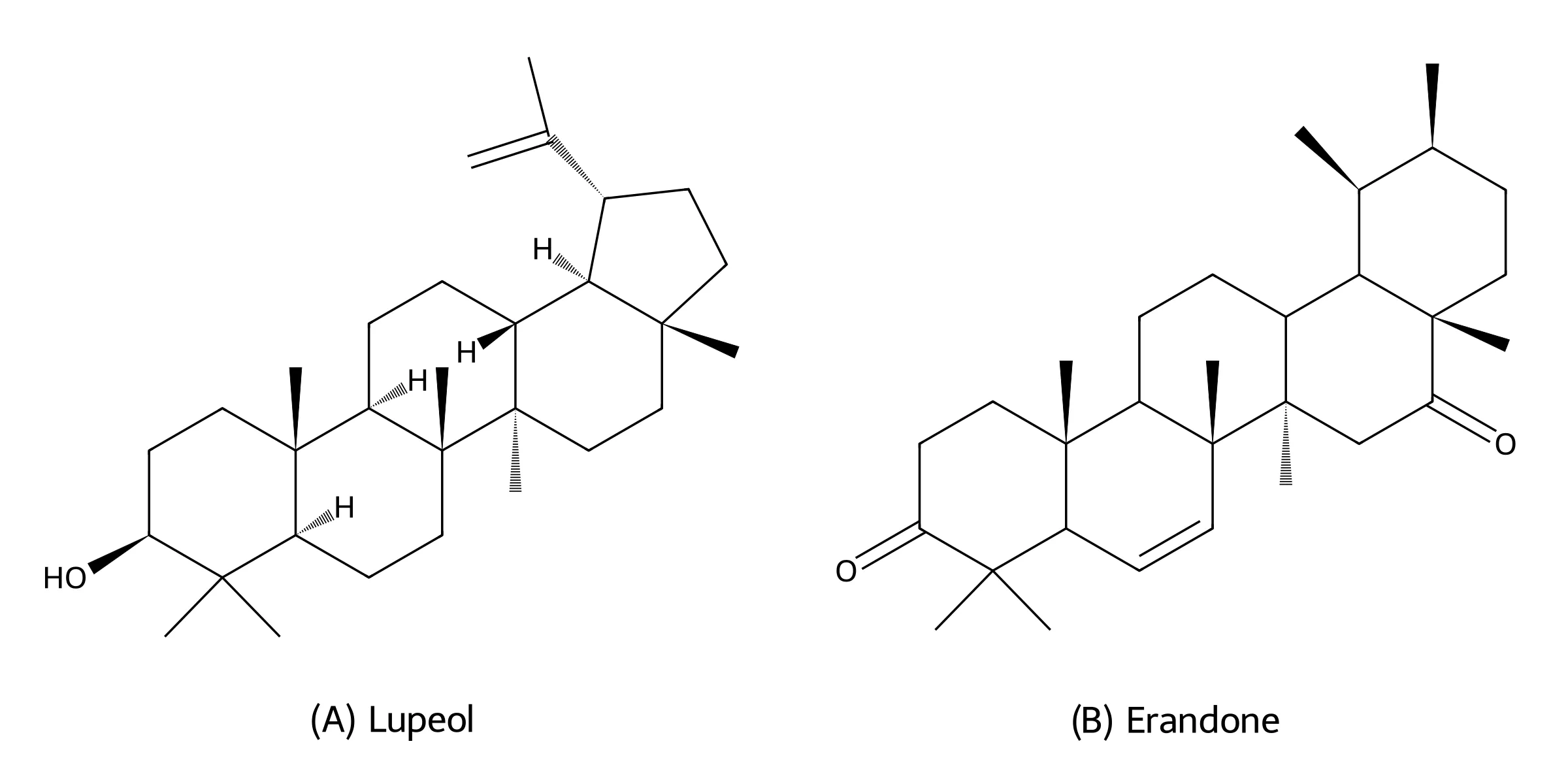
Figure 3: Chemical Structures of Root-Derived (a) Lupeol and (B) Erandone.
Source: Chemical structures independently redrawn using RDKit chemical drawing software and verified against the primary isolation study by Srivastava et al. (2014).6
Standardization of Herbal Root Materials
An essential problem in herbal research is the possibility of batch-to-batch variability. A root extract may vary according to the botanical source, growing conditions, harvesting, processing and storage. Different preparation methods may recover different proportions of polar and nonpolar compounds. Consequently, the term R. communis root extract does not define a uniform pharmaceutical substance unless its properties are specified.4,17
Standardization begins with confirmation of the botanical identity and separation of the correct plant part. Relevant pharmacognostic characteristics can assist authentication of a raw root material. Moisture, foreign matter and other physicochemical measures are important quality considerations. Assessment of contaminants, including microbial contamination, pesticides and toxic elements, is necessary according to the intended product category and applicable requirements. The World Health Organization provides guidance on quality control methods for herbal materials and assessment of contaminants and residues.17,18
Chromatographic fingerprints provide a means of comparing profiles among samples and batches. A suitably validated quantitative analysis of constituent markers could complement fingerprinting. Lupeol and erandone are reasonable candidates to investigate because their occurrence in the root and activity in experimental inflammation have been reported. However, an analytical marker is not automatically a surrogate for biological potency. The extract may contain additional active or antagonistic constituents, and the relationship between marker concentration and pharmacological performance has to be established independently.
Standardization is especially important when comparing biological findings from different studies. A reported mass of extract cannot be translated directly into a quantity of erandone or lupeol unless the content is known. The differences in starting material, yield, and storage make comparisons more difficult. Therefore, reports need to give sufficient information about their materials for independent evaluation and verification. This would improve interpretation of dose-response findings and allow meaningful comparisons between different preparations.
PHARMACOLOGICAL EVIDENCE AND THERAPEUTIC POTENTIAL
Anti-inflammatory Activity of Root Extract
The direct experimental evidence for the R. communis roots is from the study conducted by Ilavarasan et al., in 2006. Oral administration of the methanolic root extract at 250 and 500 mg/kg reduced carrageenan-induced paw oedema in Wistar rats, with reported statistical significance. Activity was also observed at 500 mg/kg in the cotton pellet granuloma model. The first model examines acute induced inflammation, whereas the second evaluates a proliferative component of inflammation. Findings show a pharmacological effect in more than one experimental model.5
These models are useful for identifying anti-inflammatory candidates, but their interpretation requires attention to the disease studied. Carrageenan-induced paw swelling is an acute inflammatory response, and reduction in oedema does not establish suppression of the autoimmune mechanisms that drive RA. The granuloma model provides information concerning a more sustained inflammatory response, but it does not reproduce the full pathogenesis of erosive arthritis. Further arthritis-specific evidence is needed to determine whether a root extract influences disease-relevant inflammatory pathways, synovial pathology or structural injury.
Srivastava and colleagues evaluated a crude methanolic root extract, an enriched fraction and isolated triterpenes, including lupeol and erandone. At an oral dose of 100 mg/kg in the reported carrageenan experiment, these materials produced significant anti-inflammatory responses. This investigation is valuable because it moves from a chemically complex extract towards defined compounds. Nonetheless, activity in a screening model does not establish the relative contributions of different constituents within a clinical preparation. Comparisons would be strengthened by standardized assays, suitable dose-response analyses and independent replication.6
An additional study by Doshi and colleagues compared traditional decoctions of wild and cultivated Eranda root using carrageenan-induced paw oedema. The wild root decoction produced greater suppression of swelling than the cultivated preparation under the conditions investigated. While this result is not a basis for recommending indiscriminate collection from the wild, it reinforces the relevance of source-dependent composition and the need for raw-material quality control.11
The root studies as a whole prove biological plausibility, yet they are different regarding preparation, dosage, and test model. A pooled statistical evaluation of efficacy is not appropriate if the methods used are not the same and data is not enough. The best synthesis that can be made here is that specific preparations of the root have demonstrated preclinical anti-inflammatory activity, with no certainty about replicability and clinical significance for humans with RA.
Antioxidant and Radical Scavenging Activity
In addition to the study on the effect of the roots in the 2006 experiment, the root extract was studied in a laboratory environment to determine its effects on oxidative damage. In the experiments, the root extract prevented the induction of lipid peroxidation in homogenized tissue and scavenging action was observed in DPPH, nitric oxide and hydroxyl radicals.5
The chemical antioxidant data and cellular antioxidant data should be considered individually. The DPPH is a stable radical that is used in comparing the ability to donate electrons/hydrogens under certain experimental conditions. The chemical environment of the reaction is not similar to the environment of the living synovium. The absence of cells in the antioxidant experiment does not prove that the substance influences the inflammatory disease and achieves the needed concentration in the joint.
Evidence that an extract influences oxidative stress becomes more relevant to arthritis if demonstrated in appropriate cellular or disease models, alongside inflammatory and tissue outcomes. Evaluation could include markers of oxidative injury and endogenous antioxidant defences, with attention to viability and drug exposure. Experiments like those would help ascertain whether there is any biological significance to radical scavenging. Until these relationships are demonstrated, antioxidant activity is best regarded as supportive mechanistic information.
Evidence from Isolated Lupeol
Research on lupeol in independent experimental systems provides supporting evidence for potential anti-inflammatory properties. Fernández and colleagues observed a reduction in experimentally induced mouse ear oedema after topical lupeol exposure, suggesting that the compound can produce a local response in a particular animal model. Other investigators examined lupeol and lupeol linoleate in experimental inflammation and adjuvant-induced arthritis in rats. These observations strengthen the rationale for studying lupeol as a contributor to the root's pharmacological activity.13,14
However, the properties of isolated lupeol cannot be transferred quantitatively to crude R. communis root extracts. The concentration, chemical environment and release characteristics differ. In a multicomponent extract, the molecule may be present at an insufficient level or may interact with other constituents. Differences in species, route of exposure and disease model also restrict extrapolation. An isolated compound may be used as a comparative marker, but the candidate botanical preparation requires its own evidence.
Molecular studies of lupeol provide hypotheses about inflammation-related signalling and cellular mediator production. For example, effects on inflammatory responses in macrophage and epithelial cell systems have been investigated in experimental colitis models. The resulting observations may guide examination of similar pathways in synovial systems, but they are not direct evidence of the same effects in RA or of root-extract activity.19
Evidence from Other Plant Parts and Related Formulations
Hussain and colleagues investigated hydroalcoholic R. communis leaf extract and Withania somnifera root extract in complete Freund's adjuvant-induced arthritis in rats. The study reported improvements in swelling, arthritic scores, inflammatory measures, cytokine expression and histological features. The results demonstrate that certain preparations of R. communis leaves have activity in an experimental arthritis model. They also indicate relevant endpoints for future root-specific investigations.20
The reported modulation of inflammatory cytokines cannot be attributed directly to root extracts, whose composition differs from leaves. The oral route also differs from topical application.
Ojha and colleagues reported a topical gel incorporating leaf extracts of Cardiospermum halicacabum and R. communis. The authors evaluated experimental arthritis in rats, reporting changes in paw volume, inflammatory measures and histopathological outcomes. This investigation illustrates an approach to studying a topical botanical product in inflammatory arthritis, but it has important limitations when applied to R. communis root. It used leaves and a combination of two plant species, so any observed benefit cannot be assigned specifically to R. communis root or to R. communis alone.21
Human Evidence and Traditional Root Preparations
A case report by Anubhav and Gupta described the use of an Erandamool root decoction in a patient with Amavata. This case shows that there is clinical interest in the root preparation, and it allows for hypothesis generation. A one patient experiment cannot prove causality since it is difficult to distinguish between the effects of symptom variability, co-management, and other factors and the intervention.22
Anubhav et al. later conducted an open interventional study on R. communis root decoction therapy in rheumatoid arthritis, where 37 subjects were enrolled in a population taken from an outpatient facility of an Ayurvedic hospital. This publication reported on the improvement in clinical manifestations and RF concentrations after the therapy. The open and uncontrolled nature of the study does not allow for any sure conclusions about the impact of the drug, and its findings cannot be considered as the proof of effectiveness. Further research is needed focusing on other issues like the definition of the disease, concomitant treatment, inflammation, etc.23
These human observations are closer to the root than those involving animals regarding the leaves, but they are still preliminary and involve an oral extract and not a topical agent. There is no convincing clinical evidence available in the literature discussed above showing that a standardized root cream is effective in reducing the disease activity in RA, protecting the joints, or offering better pain relief. The right approach would be to say that there are some clinical observations that should be examined.
Table 4 compares the principal studies by plant part, research model and limitations.
Table 4: Selected Published Studies Relevant to Ricinus Communis and Inflammatory Arthritis
| Study | Material and model | Reported finding | Evidence limitation |
|---|---|---|---|
| Ilavarasan et al. 20065 | Root extract; rat oedema and granuloma; antioxidant assays | Anti-inflammatory and antioxidant activity | General inflammation, not clinical RA |
| Srivastava et al. 20146 | Root fraction and isolated triterpenes; rat paw oedema | Activity of extract and isolated compounds | No RA clinical outcome |
| Doshi et al. 201411 | Wild and cultivated root decoctions; rat paw oedema | Greater reduction with wild root under test conditions | Source variation; acute model |
| Anubhav and Gupta 202322 | Oral root decoction; single case | Reported clinical improvement | Uncontrolled case observation |
| Anubhav et al. 202423 | Oral decoction; open study, 37 participants | Reported symptom and RF changes | No controlled comparison |
| Hussain et al. 202120 | Leaf extract; adjuvant arthritis in rats | Improvement in inflammatory and tissue outcomes | Different plant part; animal model |
| Ojha et al. 202421 | Combined botanical leaf gel; rat arthritis | Reported local and systemic inflammatory changes | Combination and non-root material |
Mechanistic Hypotheses Relevant to Rheumatoid Arthritis
Three broad observations inform the proposed pharmacological rationale for the root: suppression of acute and proliferative inflammation, radical-scavenging properties, and the identification of biologically active triterpenes. These observations suggest that further studies could examine the effects of root material on inflammatory mediator release, oxidative processes and immune-cell responses. The most informative experiments would test the root preparation directly with methods capable of assessing relevant cellular function and exposure.
Inhibition of cytokine production or signalling could theoretically reduce communication between macrophages, lymphocytes and synovial fibroblasts. Such a mechanism is plausible for selected phytochemicals, given results in related experimental systems, but has not been adequately demonstrated for a standardized root product in human RA. Similarly, interference with prostaglandin formation or other inflammatory mediators may be considered in research because acute oedema is affected by multiple inflammatory pathways. The carrageenan results alone are insufficient to identify the molecular target.5,6,13,19
Oxidative stress offers a second avenue of investigation. If root constituents can reduce biologically relevant oxidative injury at achievable concentrations, they might influence inflammatory cell function or tissue damage. This possibility should be tested with disease-specific models and direct measurement of both oxidative and inflammatory endpoints. It would also be necessary to distinguish a true antioxidant effect from changes caused by nonspecific cellular injury or assay interference.
Effects on synovial fibroblasts and osteoclast formation represent additional questions. These cell types are important in sustained RA and bone erosion. An extract intended to modify joint damage would need evidence extending beyond symptomatic outcomes. For example, alterations in matrix-degrading enzymes and/or osteoclasts' development need to be considered along with parameters measuring cell survival and pathology. No root-specific clinical conclusion can currently be drawn on these endpoints.7,9
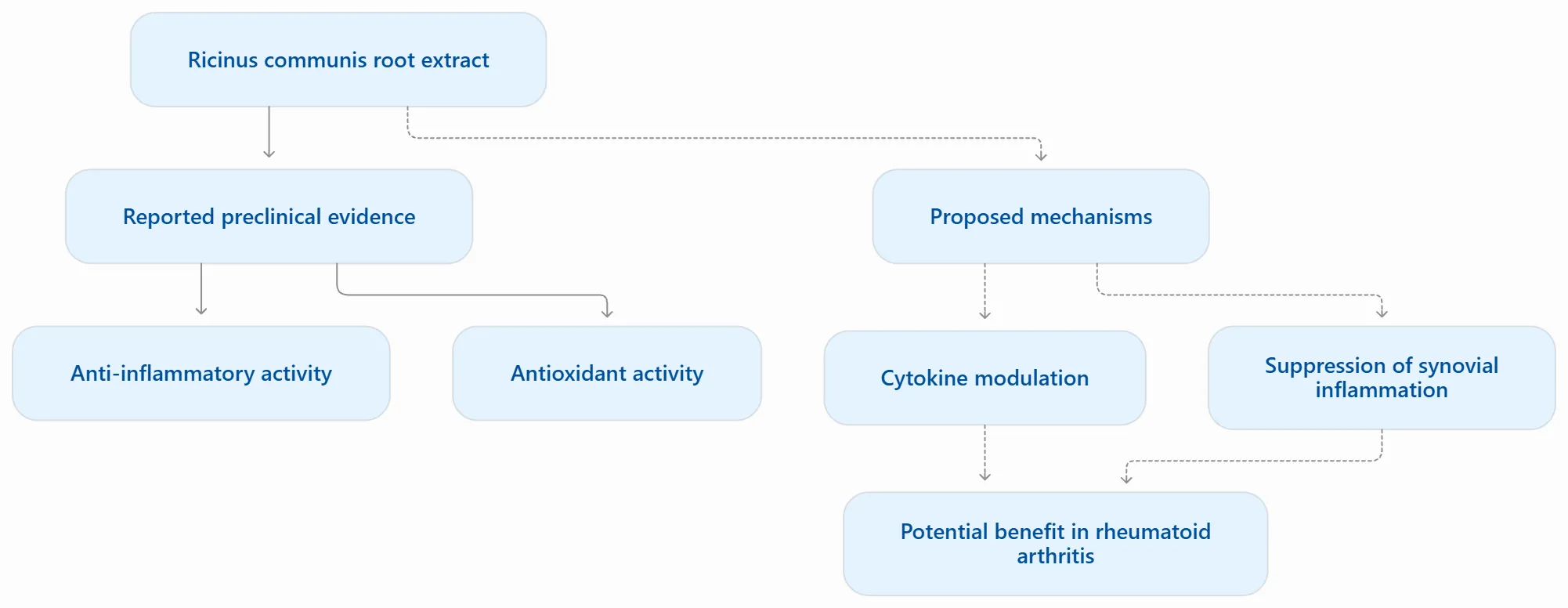
Figure 4: Proposed Mechanisms and Evidence Gaps for Ricinus communis Root Extract. Solid Arrows Indicate Reported Preclinical Evidence, While Dashed Arrows Indicate Hypothetical Mechanisms and Unconfirmed Clinical Effects.5,6,13
PHARMACEUTICAL PERSPECTIVES AND TOPICAL APPLICATIONS
Rationale for Local Delivery
RA is systemic, but some symptoms are localized to superficial joints, creating interest in local symptomatic products. A topical formulation can be applied to an affected area and may offer practical advantages, including ease of application and avoidance of oral administration. Whether it produces adequate local exposure depends on its constituents and the characteristics of the dosage form. Application to skin does not guarantee either delivery to deeper periarticular structures or a reduction in systemic exposure to active compounds.
The skin's stratum corneum is an important barrier to penetration. Drug movement depends on molecular properties, concentration gradients, formulation composition, partitioning into skin and diffusion through tissue. Lipophilic molecules may enter the stratum corneum but remain within its lipid-rich environment, and highly hydrophilic or large molecules can encounter substantial barriers. A multicomponent botanical extract presents additional complexity because its constituents differ in these properties.24,25
The term topical delivery generally refers to administration intended to produce an effect at or near the application site; transdermal systems are designed to achieve systemic drug exposure. A root product proposed for local joint symptoms should establish the relevant site of action and distribution of constituents rather than assume that these routes are equivalent. Deeper-tissue delivery may depend on diffusion, binding and local circulation. Demonstration of penetration into superficial skin is not evidence of adequate concentration within a synovial joint.
Relevance of Existing Topical Analgesic Evidence
A Cochrane review reported benefits of topical diclofenac and ketoprofen in chronic musculoskeletal pain, largely in osteoarthritis.26 These findings provide a pharmaceutical comparator, but cannot establish benefit in RA. In order for a product derived from the root extract to be considered, proof of improvement in symptoms relative to its carrier is needed.
Semisolid Dosage Form Considerations
Some semisolid dosage forms include creams, gels, and ointments. Creams are usually emulsions, which differ from each other in their phases, texture, and washability. The difference between the gels is that they use the structured fluid phase to get a semisolid form and might have some advantages compared to others when it comes to application. Ointments might possess better occlusivity and could be used in cases where moisture loss and prolonged action are required.
The process of formulation for botanical products has to take into consideration that all of the components of the mixture have different levels of solubility and are not always compatible among themselves. The product could look homogeneous, but some of the components are poorly soluble or are distributed in an uneven fashion. The excipients could affect stability, release and skin penetration. Despite having the same amount of extract, various products could provide different amounts of each active ingredient.
Viscosity and rheology impact the ease of manipulation, dispensing, and staying in place. A product that is too hard to spread could cause difficulties for individuals with painful or rigid fingers. At the same time, a product that is too liquid can pose problems when applied. It is important that such qualities are somehow connected to the dosage and conditions of use. It is more of the question of quality rather than efficiency.
Stability is also important since the separation of phases, precipitation, or loss of homogeneity can affect the available amount of the dosage. The chemical stability is a completely different issue, and the product may look the same even if the marker substances deteriorate. The microbial quality becomes especially relevant in water-containing preparations. Applicable pharmaceutical control tests have to be tailored specifically to the preparation under consideration. The information on the semisolid characterization from regulatory sources emphasizes the importance of physicochemical and structural parameters but should not be blindly extrapolated to herbal products.27
Assessment of Release and Skin Permeation
In vitro drug release testing involves the determination of transport of a chosen active ingredient from the formulation via a suitable test system. This kind of testing allows for the comparison of various formulations and evaluation of the change in the rate of release due to either the composition or storage of the formulations. However, a synthetic membrane that is used in the drug release testing does not mimic the entire skin barrier.
The process of in vitro permeation testing utilizes the appropriate characterization of the skin to study penetration and distribution. Conditions must be chosen for the purpose of research questions and the preservation of an important function of the barrier. The evaluation may include the receiving phase and retained material in the skin; mass balance can help to evaluate the experiment. OECD Test Guideline 428 gives principles of in vitro skin absorption. A validated assay for known markers in roots is required in case of testing delivery of particular chemicals from root-containing preparation.25
Evaluation of deeper joint delivery would require evidence beyond standard release tests. Appropriate pharmacokinetic or tissue distribution studies may reveal whether compounds reach relevant periarticular targets, but the interpretation needs attention to species differences and route of administration. For a product claiming only local pain relief, a trial assessing clinical outcomes could be valuable even when mechanistic distribution remains incompletely characterized; nevertheless, the claims must remain consistent with the evidence.
Table 5 distinguishes relevant pharmaceutical quality measurements from evidence of therapeutic performance.
Table 5: Key Evaluation Parameters for a Potential Topical Botanical Product
| Parameter | Pharmaceutical relevance | What it does not establish alone |
|---|---|---|
| Appearance and homogeneity | Physical consistency and visible uniformity | Chemical content and potency |
| pH | Compatibility with formulation and application site | Absence of irritation |
| Rheology and spreadability | Application, retention and dispensing characteristics | Clinical pain relief |
| Chemical fingerprint and marker assay | Identity, content and stability | Complete pharmacological activity |
| In vitro release | Release of marker substance from dosage form | Delivery through living skin |
| In vitro permeation | Distribution and penetration across skin model | Therapeutic joint concentration in humans |
| Microbial quality and stability | Suitability during intended storage and use | Long-term clinical efficacy |
| Dermal safety testing | Potential irritation and sensitization | Safety in all patient populations |
Source: Pharmaceutical interpretation informed by OECD skin absorption and FDA semisolid characterization guidance.25,27
SAFETY AND TOXICOLOGICAL CONSIDERATIONS
Evidence Concerning Root Extract Safety
Ilavarasan and colleagues evaluated aqueous and methanolic R. communis root extracts in acute and 90-day repeated oral-dose studies in Wistar rats. No mortality or overt toxic symptoms were reported at an acute oral dose of 2000 mg/kg, and the repeated-dose study at 1000 mg/kg/day did not identify adverse effects in the assessed haematological, biochemical and histopathological parameters under the study conditions. These results provide useful preliminary information about the particular preparations tested.28
These data apply to specific oral preparations tested in animals, not repeated topical use in humans. Extract composition, impurities, exposure route and patient comorbidities require product-specific assessment.
Toxic Constituents and Distinction Between Plant Parts
Ricin, a protein toxin associated particularly with castor beans, inhibits cellular protein synthesis and can cause serious poisoning. Root products require authenticated material, traceability and appropriate toxicological assessment, including prevention of contamination by unsuitable plant parts.15 Safety findings for processed castor seed oil or ricinoleates cannot be extrapolated to chemically distinct root preparations.16
Dermal Irritation and Sensitization
Where topical preparations are concerned, local tolerance needs special consideration. Irritation can be characterized by redness and skin damage due to active ingredient or formulation, while sensitization is the immunologically mediated adverse effect which might appear as the consequence of exposure in a sensitive subject. Safety test on one parameter will not assure safety regarding the other. Tests in reconstructed human epidermis systems such as OECD Test Guideline 439 are useful in evaluation of skin irritation with regard to the scope of applicability of the method. Further testing is required to assess sensitization and repeated exposure.29
Possible negative impacts are also influenced by the health status of the application site. Impaired skin barrier, wound, or existing skin irritation can modify the penetration and exposure of the product. Since RA patients may be prescribed medications affecting the immune system, comorbidities and co-administration have to be taken into account in further human research. Exposure data should cover both local and systemic impacts for safety claims.
Interactions and Clinical Precautions
The interaction profile of standardized root extracts with antirheumatic drugs is still underexplored. Future clinical trials must document simultaneous use of concomitant drugs, systemic exposure where applicable, adverse reactions, and treatment withdrawals; even topical application does not exclude interactions.
LIMITATIONS AND FUTURE PERSPECTIVES
Limitations of Currently Available Evidence
Evidence on root is largely restricted to experiments involving induced inflammation and uncontrolled human observations involving oral intake. This does not prove the efficacy of treatment for RA or validate topical use. Root extract comes from plants of different origins, is in the form of decoction, methanolic extract and fraction and, therefore, cannot be compared without common chemical fingerprints.4–6,11 Any results obtained from leaves, seeds or single compounds should not be ascribed directly to root extract.
Priorities for Pharmacognostic and Pharmacological Research
Future investigations must first confirm the authenticity of the ingredients used, identify reproducible chemical profiles, and quantify the presence of chemicals such as lupeol and erandone. This would provide insights into the link between the components' profile and their activities. The immune and synovial cell experiments must investigate cytokine levels, oxidative damage, and cell viability with appropriate controls for the isolated chemicals and the crude extract. The arthritis animal model experiments must assess synovitis and tissue damage, apart from swelling and pharmacokinetics.
Priorities for Pharmaceutical and Clinical Translation
Topical development should assess quality, homogeneity, stability, permeability, penetration, and local tolerability. Distribution into tissue is required for claims regarding deep joint delivery.
Studies involving human subjects have to be preceded by sufficient characterization, safety evaluation, and ethics committee approval. The use of a vehicle comparator, standard RA therapy, and documentation of other co-interventions will aid in separating the specific effects from the vehicle itself and patient expectations. Pain, functionality, tolerability, and any side effects must all be included among the results.
CONCLUSION
The root of Ricinus communis is traditionally used for rheumatism and inflammatory ailments, thus providing a scientific basis for future studies of its pharmacological properties. Root extracts have been shown to exhibit anti-inflammatory and antioxidant activities, and the discovery of lupeol and erandone can be used as a basis for the study of the bioactive compounds of this plant part. Human data available on root decoction as an oral preparation are limited and show only the initial effects on rheumatoid arthritis patients.
The topical application of the drug is an option that could be considered in terms of pharmaceutical therapy. Yet, the effect of the standardized root preparation applied topically has not been established yet, thus, the quality of the formulation, its penetration, safety for the skin, and its clinical performance have to be determined. Based on current evidence, Ricinus communis root preparations should not replace established disease-modifying therapy for rheumatoid arthritis.
ACKNOWLEDGEMENT
The authors acknowledge SMBT College of Pharmacy, Dhamangaon, Nashik, M.S. 422403, India.
FUNDING
This review did not receive any funding.
CONFLICT OF INTEREST
The authors declare that they have no conflict of interest.
DECLARATION OF AI ASSISTANCE
The authors must independently verify the sources and scientific statements, revise the manuscript as necessary, and approve the final version before submission.
REFERENCES


Sujata Lambe, Meet Gangurde, Shravan Ghuge, A Comprehensive Review on the Therapeutic Potential of Ricinus Communis Root Extract in Rheumatoid Arthritis, Int. J. of Pharm. Sci., 2026, Vol 4, Issue 11, 4740-4755. https://doi.org/10.5281/zenodo.24529085
 10.5281/zenodo.24529085