

We use cookies to ensure our website works properly and to personalise your experience. Cookies policy
Shree Santkrupa College of Pharmacy, Ghogaon, Karad.
The idea of precision medicine is to personalize the prevention, diagnosis and treatment of diseases based on the genetic, molecular, environmental and lifestyle profile of each individual, besides the current one-size-fits-all paradigm. The following overview gives a short description of the development of the PM concept and compares PM with conventional medicine. This includes the role of genetics, genomics and omics technologies such as transcriptomics, proteomics, metabolomics, epigenomics and microbiomics. Moreover, the contribution of machine learning and artificial intelligence in integrating data from different sources for modelling patient response to drugs, classifying patients and predicting outcomes is also reviewed. Exciting areas of application include personalised treatment, companion diagnostics and liquid biopsy, with a focus on cancers, cardiovascular, metabolic, neurological and rare diseases. Despite all this progress, some of the challenges that remain are data heterogeneity, lack of biomarker validation, bias in algorithms, models that are not interpretable, ethical and privacy issues, regulatory gaps, high costs, and access issues. Future developments may include integration of multi-omics with real world data, diverse demographic groups and explainable/federated AI. Overall, personalised healthcare using multi-omics and artificial intelligence holds a lot of promise as far as health care is concerned—but only so long as it is used responsibly and studied rigorously.
The term “precision medicine” refers to the approach where treatment is created for the sub population of people who have different predisposition for the development of a specific disease or reaction to specific medication [1]. Practicing medicine was essentially all about collecting as much information as possible about the patient and then making a decision. It required them to depend on their judgment and problem-solving skills in the process and at the same time make use of basic tools [2]. According to the definition given by the National Institute of Health (NIH), precision medicine is a novel way of treating and preventing diseases that considers one’s genetic makeup, environment, and lifestyle [3]. The idea behind this is to move away from a one-size-fits-all approach to health care and tailor the preventive measures, diagnostics, and treatment to individual requirements [4]. PM is thought to be an approach that uses personalized diagnostic tools and therapy according to individual needs due to the individual’s genetic, biological or psychological characteristics; however, the definition of PM varies. President Barack Obama praised the advantages of the precision medicine initiative in his 2015 State of the Union Address and the goals such as “delivering the right treatments, at the right time, every time to the right person” [5]. The truth is that the personal approach, which is inherent in the doctor-patient relationship, is the basic feature of precision medicine, and not something new. Nonetheless, the new biomedical information can provide additional information that goes beyond the information about symptoms and signs, which have been observable until now. The term precision medicine also highlights the novelty of the concept that is represented by the inclusion of various individual information such as clinical, lifestyle, genetic, and other biomarker information. One often cited example is HER2 status in patients with breast cancer [6].
History
Precision medicine is not a novel idea. In the era of Sir William Osler, he opined that: "it is much more important to know what sort of a patient has a disease than what sort of a disease a patient has." The early advances in precision medicine can be observed through advancements in genomics, which started off with the discovery of the double helix structure of DNA in 1953 and further went on to develop the Sanger sequencing in 1977 and ultimately concluded with the Human Genome Project in 1990. Even though it took 13 years to be completed, the Human Genome project was based on the assumption that all the diseases carried the Mendelian trait. However, as it has been understood since then that most of the complex diseases have been brought about by several genes, and individual genes may only have a minor role in the pathogenicity of these diseases.
Evolution of Precision Medicine
Experience and pathophysiological reasoning have been the only grounds for making decisions in clinical practice in the past. Presently, the status of “evidence-based medicine” is a matter of experience, which presupposes the sensible use of information for decision making in relation to individual patients. The three primary components of evidence-based medicine (EBM) are values and preferences of patients, systematic reviews that eliminate selection bias and hierarchy of evidence that depends on the study design. PM and the preceding term “personalized medicine” are often used synonymously. Its purpose is to apply prevention and therapy methods that are specific to an individual disease or symptom [7]. In order to build up a data ecosystem capable of diagnosing and treating a particular disease for each individual, the PM approach strives to incorporate technology into medicine. This technique strives to harmoniously incorporate biological data and clinical features ranging from imaging, laboratory tests (inclusive of -omics data), and medical records. The objective here is the development of a "new taxonomy of human disease based on molecular biology". The management of noncommunicable diseases has also been influenced by PM. According to theory, the use of PM techniques is going to improve disease taxonomy, which leads to a change in paradigm in regard to therapeutic intervention capable of optimising disease treatment with minimum side effects, among others [8].
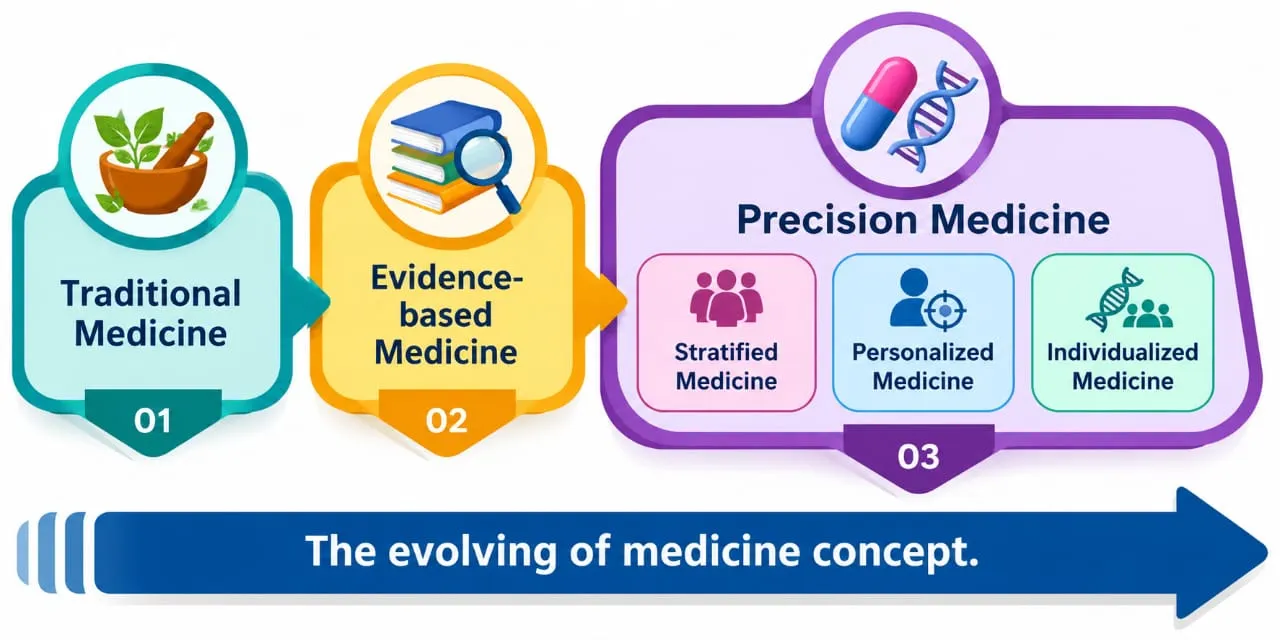
Figure 1: The Development of the Medicine Concept.
Precision Medicine and Artificial Intelligence
Precision medicine, also referred to as personalized medicine, targets diseases through the individualization of treatment based on the unique characteristics of an individual’s genome, lifestyle, and environment. The application of genomic profiling in the assessment of risks, diagnostics of disease and development of personalized medicines is becoming common through precision medicine and the emergence of NGS. However, it is worth noting that ML classification methods applied to gene expression are not something new. Gene expression forms an important part of genomic profiling of the patients [9].
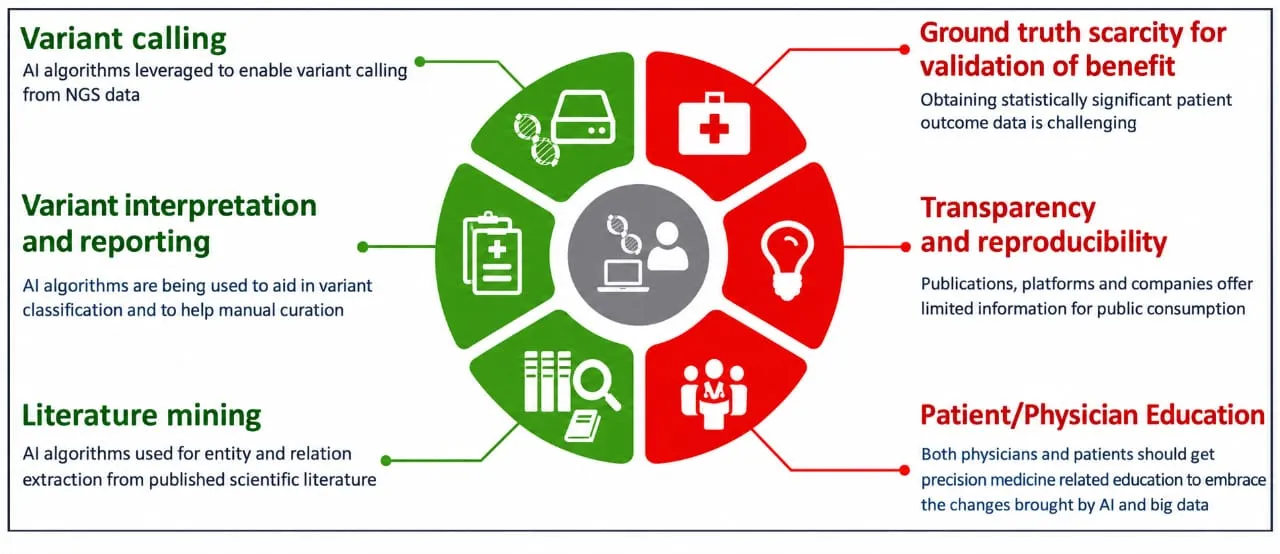
Figure 2: This Diagram Shows That Many of the Important Issues Covered in the Paper Are Indicated with Green Icons for Benefits/Improvements and Red Icons for Challenges/Caveats [9].
Another approach to making therapy for cancer and other diseases more effective is including PM as an integral part of community health management strategies. In today’s EU, a third of the adult population is affected by at least one chronic disease that leads to 75 percent of deaths. On average, people with disabilities live 18 years of their life during the last years of their life [10].
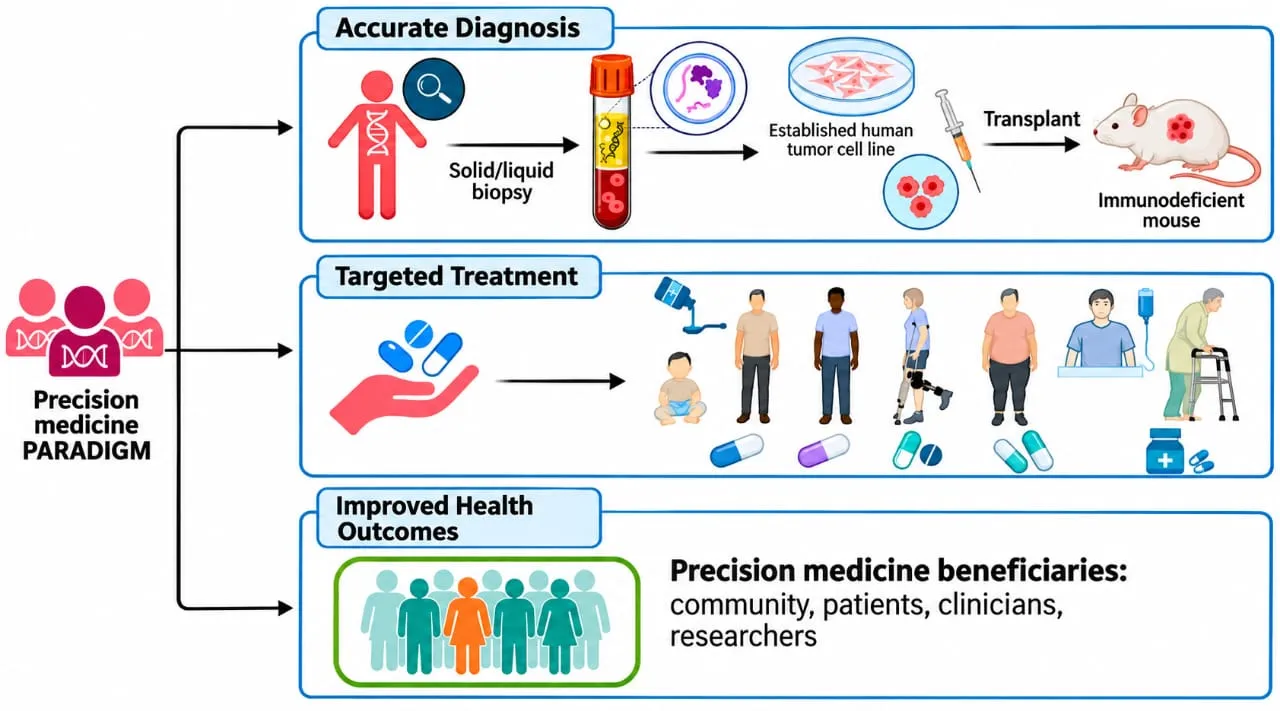
Figure 3. Precision medicine approach. Existing precision medicine techniques include testing of a variety of anti-cancer drugs, such as chemotherapy, targeted therapy, or immunotherapy, and other drugs based on the patient's tissue cancer cells or models like spheroids or organoids and even orthotopic murine xenografts models. Thanks to the advancements in AI and technology platforms, it is expected that this process will be speed up. Designed using BioRender.com. (Accessed on 18 January 2024, 2024) [11].
Traditional Medicine Vs Precision Medicine
A "one size fits all" approach was applied in traditional medicine, which involved using a particular drug in treating everyone suffering from a particular illness. This approach has been associated with several problems, including only a few people in those affected being responsive to that drug, many people not being responsive, and a large population having side effects due to that drug. Variations in genes, age, gender, addiction, race, ethnicity, use of other drugs, co-morbidities, environment, and others can be the reasons for these variations between individuals. Precision medicine uses sub-population heterogeneity in terms of genetics, socio-environment, and lifestyle to prescribe an exact treatment. This approach tries to precisely analyze the biological, environment, and behavioral factors that lead to illness and health, leading to accurate diagnosis, sensible prevention of diseases, selecting treatment, and development of new drugs [12,13].
Like precision medicine, personalisation is stressed in the personalised medicine approach since the importance of tailoring treatments to suit the needs of each unique individual is emphasised. Although they are often used synonymously, there exist differences in meaning and context in both phrases, hence the falling out of favour for one term. Personalised medicine was first used by a Canadian physician in 1971 in his paper on treating an individual patient, not an illness [14].
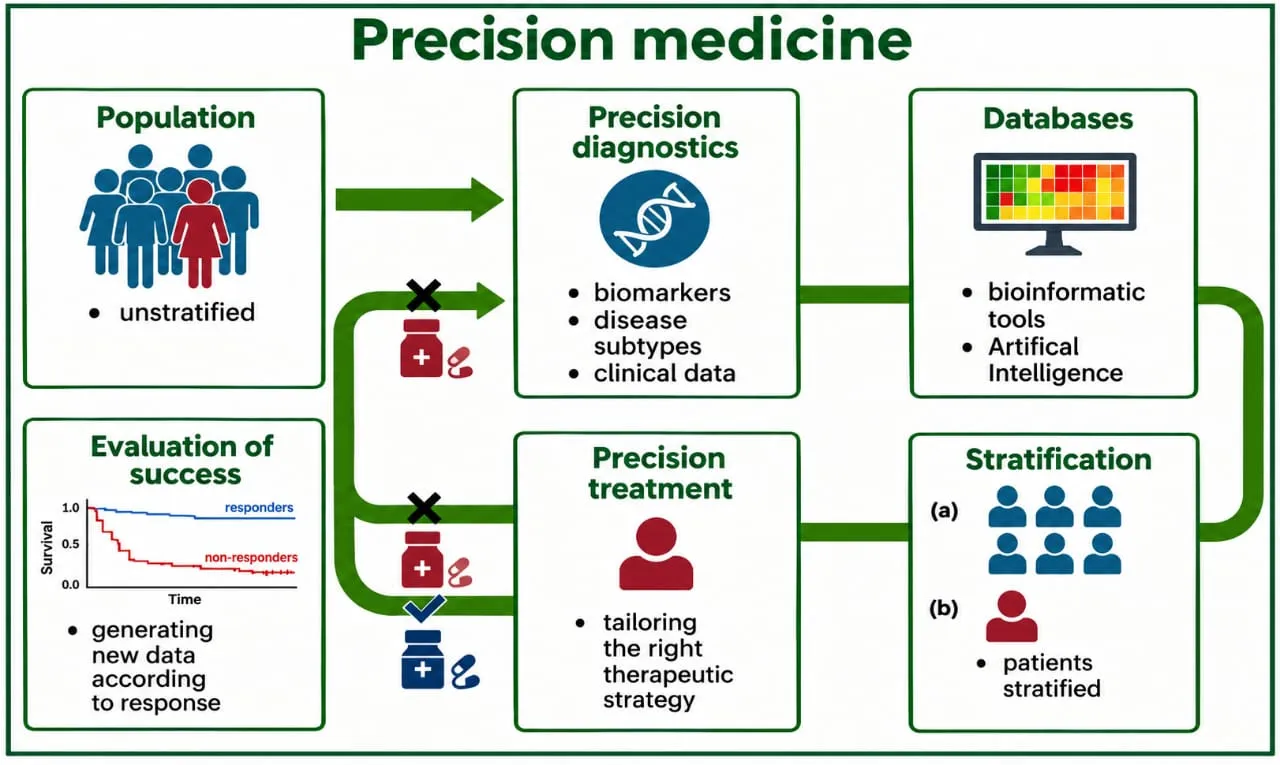
Figure 4: Precision Medicine [15].
Genetics, Genomics and Precision Medicine
Genetics and genomics have made incredible advancements ever since Friedrich Miescher discovered DNA back in 1869, DNA was described for the first time by Watson, Crick, and Franklin in 1953, genetic mutations related to color vision and cystic fibrosis were discovered in the late 1980s, and today, there is an astounding amount of knowledge regarding the genetics of disease and good health. Genetics involves the study of genes and how genes are inherited, whereas genomics involves the study of the genome of an individual and the interaction of the genome within the wider environment. These two fields have played an important role in the inception of the era of precision medicine revolution. Thus, genetics and genomics have been a significant aspect of the initial phase of precision medicine. Indeed, the overwhelming majority of the data in precision medicine comes from genetics and genomics [16].
Omics Technologies in Precision Medicine
Omics
Most widespread and possibly life-threatening diseases such as cancer, heart disease, and diabetes are multifactorial. At the same time, neither the existing biomarkers nor the approaches traditionally employed in searching for new biomarkers can be used for precision medicine owing to the complexity and heterogeneity of these diseases. In this regard, the proposed approach to molecular classification of diseases relies on massive amounts of data generated through multiple omics. The term "omics" denotes the high-throughput and high-resolution analysis of any biological system that can be provided by these novel technologies [17].
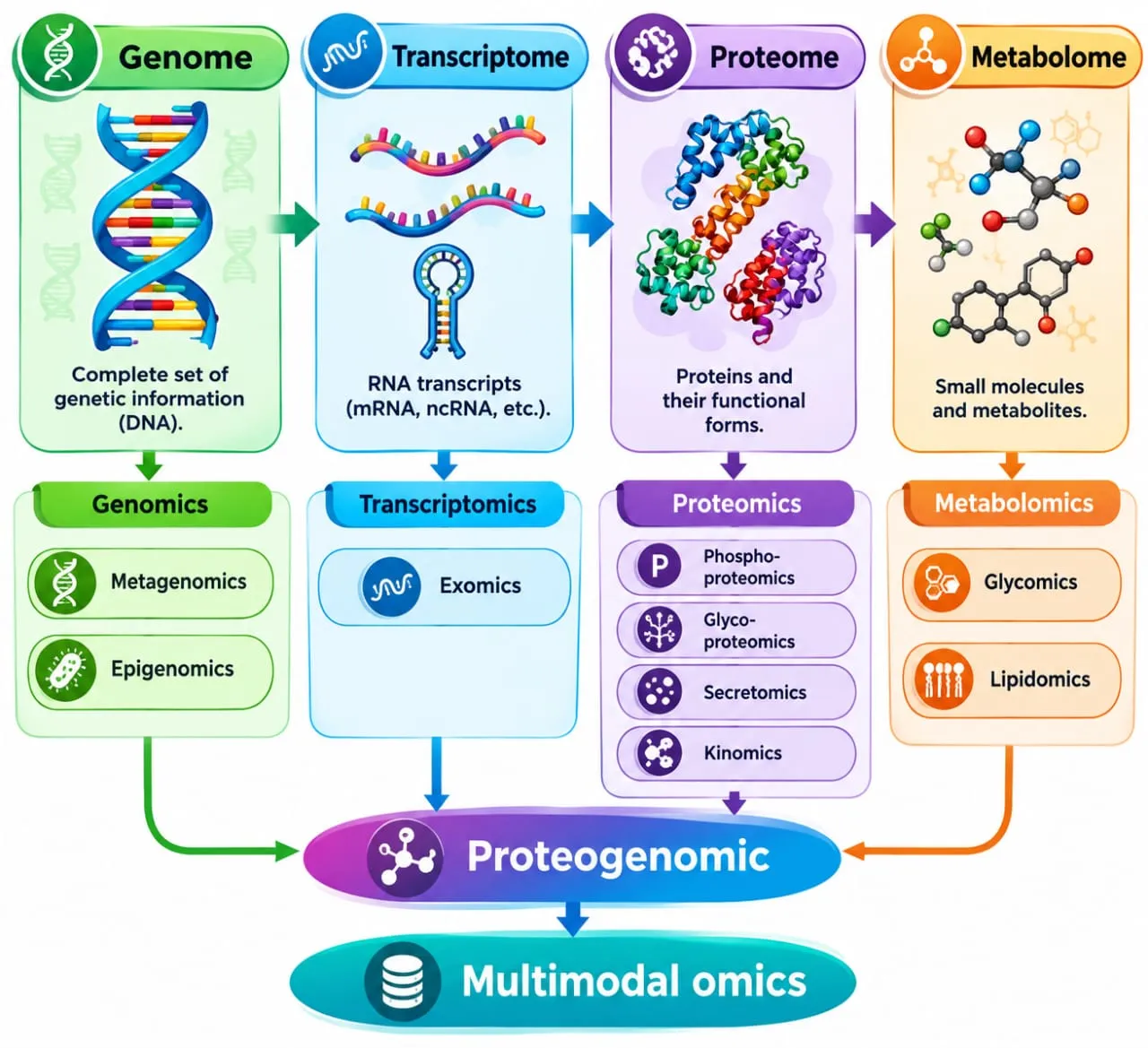
Figure 5: Various Types of Omics
Types of Omics
Genomics
The mapping of genome structure and function is the main point of the genomics subfield of molecular biology. Individual genomes vary from each other due to their unique biological DNA [18]. There are between 20,000 and 25,000 genes in humans, and each gene has a few hundred to two million DNA bases [19]. Precision diagnostics and treatments are made possible by genomics, which interprets DNA sequences to clarify genetic changes associated with disease [20]. Whole Genome Sequencing (WGS) and Whole Exome Sequencing (WES) are two vital techniques used in genomics research. Whole genome sequencing (WGS) is particularly valuable in analyzing complex diseases [21]. On the contrary, one useful application of WES is the screening for already identified variants. In this context, the presence of mutations in ENTPD1, a gene involved in purine metabolism, was detected in burned patients suffering from sepsis, thereby suggesting that disturbances in metabolism may increase the likelihood of infections [22]. Genomics is the first field of study under omics, and it involves the study of the entire genome. "Genetics," on the other hand, only deals with individual genes or mutations. Variants in genetics that lead to both mendelian and complex diseases are studied in genomics [23].
Transcriptomics
The study of the entire collection of RNA molecules transcribed in a cell is referred to as transcriptomics, and it has become an indispensable means of analyzing the highly complicated mechanisms of sepsis [24]. Identification of known gene sequences through the use of microarray technique formed part of the earliest techniques used in transcriptomic studies The Study. For example, Fu et al. examined three datasets (GSE28750, GSE64457, and GSE95233) by applying the use of microarray technique, showing that apoptosis of immune cells and inflammation imbalance are key in sepsis [25]. Even though scRNA-seq technology has been able to handle heterogeneity and cell dysfunction at a higher level of accuracy, bulk transcriptomics has revealed the dysregulation of immune response pathways in RNA-seq [26]. In addition, MICs were correlated with increased levels of expression of the ampC gene which was strongly correlated with resistance to ceftazidime for the b-lactam family of drugs including ceftazidime and meropenem [27]. There are several transcriptomic markers that actively enhance the resistance of Pseudomonas aeruginosa to different kinds of drugs. The algX gene, which helps in the increased production of alginate, most likely enhances fluoroquinolone resistance, since it facilitates biofilm formation. Furthermore, there were indications of antibiotic resistance through the expression of proteins like PA14_32290, PA14_48950, and PA14_59390. In addition, the resistant strains expressed higher amounts of sulphide oxidase subunit yedZ (PA14_62100) and opdP gene, which codes for glycine-glutamate dipeptide porin. CbrA, which is the sensor kinase gene, played an important role in developing resistance to multidrug and ciprofloxacin [28]. Transcriptomics refers to the field of transcriptome analysis through high throughput methods, and this field began in the early 1990s [29].
Proteomics
Scientists use proteomics to study the structure, function, interaction, and composition of proteins [30]. These molecules, which are referred to as the "workhorses of the cell," perform almost every biological process, such as DNA duplication, signaling, metabolism, and movement. Therefore, they create the molecular connection between genotype and phenotype [31]. The three primary forms of proteomics include expression proteomics, structural proteomics, and functional proteomics. Expression proteomics is the most frequently used form of proteomics. It studies the protein expression in terms of quantity and quality. Using certain types of proteomics, it can even reveal post-translational modification. Nuclear magnetic resonance spectroscopy and X-ray crystallography are used in structural proteomics for determining the three-dimensional structure of functional proteins. Investigation of the nuclear pore complex is a great example of structural proteomics. Functional proteomics aims at finding the molecular mechanisms as well as functions of proteins. It also identifies how a protein interacts with an unknown binding partner in a particular protein complex that is responsible for a certain signal transduction pathway [32].
Metabolomics
The scientific investigation of the very small chemicals called metabolites that occur in cells, biofluids, tissues, or organisms in large numbers is called metabolomics. Metabolome refers to the totality of metabolites and interactions of metabolites in the biological system [33]. Amino acids, carbohydrates, nucleotides, lipids, coenzymes, and cofactors are some of the primary types of metabolites. Several systems such as mass spectrometry (MS), nuclear magnetic resonance (NMR), and ultra-performance liquid chromatography (UPLC) systems are required to analyze these different metabolites [34]. "Metabolomics refers to a high-throughput and comprehensive quantitative study of all the endogenous and exogenous low-molecular weight metabolites in cells, tissues, or biofluids [35]." Mass spectrometry (MS) and nuclear magnetic resonance (NMR) spectroscopy are two famous methods that have been utilized in metabolomics to analyze the total metabolite pool of biological samples. Due to the sensitivity of MS, it can be used for selective metabolomics studies and for predicting pathway activities by using mummichog. NMR spectroscopy is helpful for the identification of unidentified metabolites due to its nondestructive nature and reproducibility [36,37].
Pharmacogenomics
It is through TDM that we are able to accurately measure the level of drugs as a result of precision medicine’s individualistic nature. This minimizes drug side effects and toxicities while maximizing the maximum benefit of drugs [38]. Pharmacogenomics may have been one of the earliest applications of precision medicine in predicting drug responses using genome information. A large amount of differences between individual responses to drugs could be due to genetic differences. Genetic differences may impact on the pharmacodynamics and pharmacokinetics of drugs [39,40]. Pharmacogenomics helps in avoiding side effects, optimizing drug dosages, and identifying responders and non-responders to drugs. In fact, polymorphisms in two enzymes, CYP2C9, which is involved in the metabolism of warfarin, and VKORC1, which is the pharmacological target of warfarin, account for most of the variations observed between individuals with respect to their response to warfarin, which is the most commonly prescribed oral anticoagulant [41]. Pharmacogenomic tests of mutations and single nucleotide polymorphisms (SNPs) help in understanding how patients respond to the antimicrobial drugs prescribed to them [42].
Biomarkers in Precision Medicine
Full molecular profiling of the patients cannot be achieved without the clinical use of various omics. Nonetheless, biomarkers have been widely used in the subtyping of diseases, and have played a significant role in improving precision medicine. It has been argued that the identification of highly predictive efficacy markers is one of the essential aspects of precision medicine [43,44]. Biomarkers are categorized into seven groups by the FDA; these include susceptibility biomarkers, monitoring biomarkers, safety biomarkers, pharmacodynamic biomarkers, prognostic biomarkers, predictive biomarkers, and diagnostic biomarkers [45].
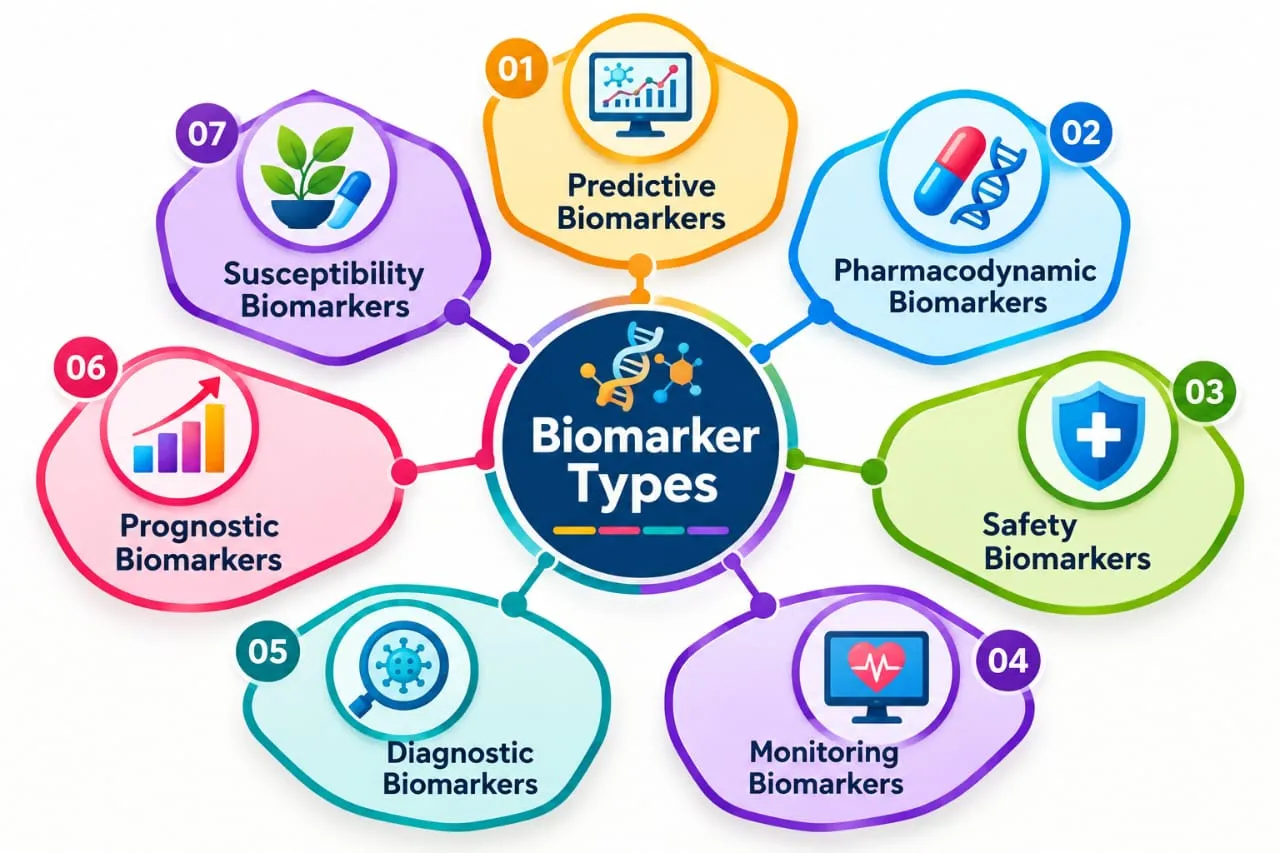
Figure 6: Various Types of Biomarkers
A] Diagnostic Biomarkers
Diagnostic biomarkers are defined as those that help in either diagnosing or validating the presence of a disease. They can also be used in identifying individuals with certain types of diseases. Diagnostic biomarkers should be capable of diagnosing diseases even before symptoms arise. An example of a diagnostic biomarker is serum prostate-specific antigen used in diagnosing prostate cancer [46]. The development of precision medicine has shed light on the importance of diagnostic biomarkers in not only recognizing patients with the disease but also reclassification of the disease. This is an important attribute since diseases can have subtypes that react differently to treatments or have different prognoses. Thus, diagnostic biomarkers will improve the efficacy of personalized medicine by increasing the efficacy of the therapy response. These biomarkers can also be important as prognostic or predictive biomarkers for treatment outcome [47,48].
B] Prognostic biomarkers
Often used to establish the probability of clinical events occurring to patients with diseases or health conditions [49]. One such case is the PIK3CA mutation status among patients with HER2-positive metastatic breast cancer. Patients with a PIK3CA mutation have lower progression free survival compared to patients without the mutation [50]. Prognostic biomarkers can also be used in the selection of treatment options for various reasons. For instance, they can help determine whether patients should be admitted to hospital wards or even ICU wards by providing information on the safety of treatment procedures. The nature of the clinical illness, side effects of all treatment methods, and characteristics of the patients are some of the factors that influence the outcome of the situation. In some cases, these features can be used as prognostic biomarkers and, thus, predict whether patients are at risk of developing a clinical event, recurrence or development of an illness, or any side effects from exposure to environmental hazards or drugs [51,52].
C] Predictive Biomarkers
A predictive biomarker is simply defined as a biomarker whose presence or change is indicative of the possibility of an individual or a group of individuals experiencing either a favorable or unfavorable effect upon their exposure to medical or environmental products [53]. Trastuzumab is found to be effective on patients having immune-enriched tumors (expression of 9 out of 14 genes for immune functions), but not for patients having non-immune-enriched tumors [54].
D] Pharmacodynamic/response biomarkers
suggested as a potentially helpful instrument in clinical practice that offers helpful data for patient care. When a medical condition or clinical intervention, such as medication treatments, occurs, a pharmacodynamic biomarker is altered [55]. This biomarker's primary function is to direct clinical management by offering vital information for determining whether or not to continue treatment. Pharmacodynamic biomarkers therefore dictate how the treatment progresses [56].
E] Safety Biomarker
In order to assess the possibility, presence, or intensity of a toxicity as an adverse event, a biomarker of safety is measured before or after the exposure of the medical procedure or an environmental factor. In order to make sure that a certain treatment is safe, the testing of liver, kidney, and heart toxicity is mandatory for many therapies [57]. For instance, the response to some medications frequently used in psychiatry, such as nearly half of antipsychotics, is altered by genetic variations in CYP2D6 enzymes. Changes in a medication's metabolism can alter its efficacy, lowering a patient's response to treatment or raising their risk of toxicity [58].
F] Monitoring biomarkers
This category comprises biomarkers that are examined at various intervals to track the progression of a disease or medical condition and as a gage of the reaction to an intervention, such as exposure to an environmental agent or a medication [59]. High levels of serum creatinine and/or potassium after administration of a drug or treatment represent monitoring biomarkers. Such parameters are often used to determine the probability of adverse effects [60].
G] Susceptibility or Risk Biomarker
The term “susceptibility biomarker” refers to a biomarker that indicates the likelihood of the onset of an illness or disease in an individual who is not suffering from a clinical disease or illness [61]. This is used as a risk factor for disease or other illnesses [62]. For example, a genetic marker can be detected many years before the manifestation of signs and/or symptoms of the disease [63].
Machine Learning Models in Precision Medicine
ML algorithms are more adept at handling probabilities, processing massive volumes of data at once, and processing them without getting tired than human brains. These characteristics lead to a number of possible applications in precision medicine, where the integration of clinical databases and novel laboratory analytical techniques generate massive and complex data sets. Nevertheless, distinct ML techniques are needed for each potential application.Classifying cases is one of the main uses of machine learning, which helps us better diagnose and categorise patients [64,65,66].
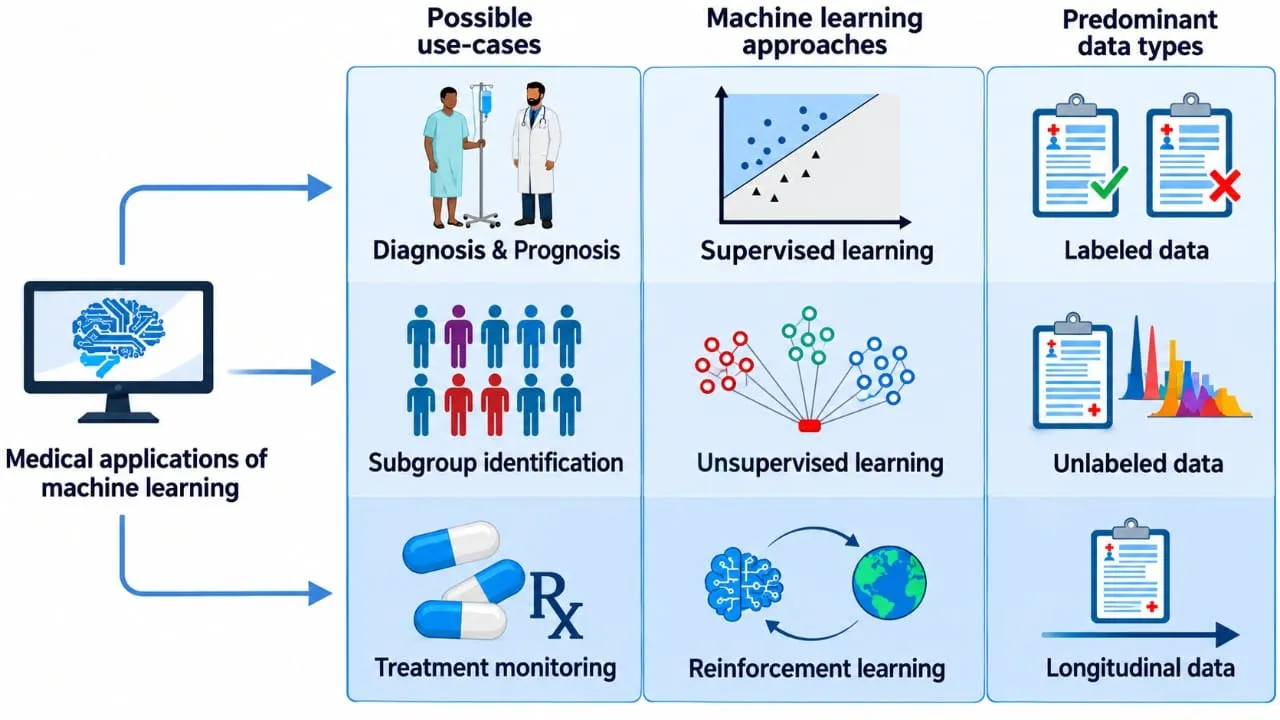
Figure 7: An Overview of Potential Applications of Machine Learning in Precision Medicine [67].
Machine learning and the future of medicine
New areas of medicine such as genetics, metabolics and immunology, increased knowledge base in other areas, new technological developments including diagnostic, therapeutic, and genetic tests, and the pace at which new therapies are being introduced into medicine have all been factors in the increasing complexity of medicine. To cope with new advances within their already specialised field of practice, physicians are becoming increasingly subspecialised. However, as had been predicted fifty years ago, technological advances are starting to replace not only the physician but also his "intellectual functions," [68]. While it is very promising, precision medicine will not replace doctors for quite some time, but it can help them a lot with diagnostics, prognosis, and treatment thanks to analysis of patient-specific data by means of machine learning [69].
ML Application in Metabolic Phenotype
ML is a flexible tool throughout the whole clinical spectrum due to its capacity to handle a variety of data sources, spot trends, and forecast results. Recently, ML techniques have been applied to group patients according to their genetic composition without the need for predetermined input parameters [70]. Metabolomics/lipidomics by mass spectrometry (MS) is one of the most prominent ways of metabolic phenotyping, and it is currently experiencing growing popularity in clinical chemistry laboratories for the purpose of screening and diagnosing of diseases. With the help of such databases as Lipidmaps and Human Metabolome Database (HMDB), HR-MS allows for achieving very high precision of mass measurements [71,72]. Chemical structure, physicochemical characteristics, and biological function have all been predicted using deep learning techniques, which facilitate automated structural elucidation [73].
ML Application in Clinical Practice
A brief review of those ML applications that have received approval and have been used in clinical practice is presented in this section. Then we proceed to discuss the main implementation barriers. We propose a methodology approach that will help researchers to overcome these barriers in the following section. Machine learning models are classified as “software as devices” or ML enabled medical devices in the two largest markets. These approaches have not yet been approved by the Food and Drug Administration (FDA) in the United States and a Notified Body in the European Union. As per the latest report released by the FDA on October 19, 2023, there were 692 AI-enabled devices or software with radiology being the majority (n=531, 76.7%) [74]. It can be said that there are only six devices that fall under the clinical chemistry category, as compared to many more radiology devices. Out of the six devices, two are used as glucose monitors, while the remaining three are automated testing kits at home for kidney ailments and UTIs [75].
Promising Application of Precision Medicine
Fibrosis cystic. In his State of the Union Address, President Obama cited the drug ivacaftor, which was designed for patients with cystic fibrosis. Cystic fibrosis occurs due to genetic mutations in the cystic fibrosis transmembrane conductance regulator (CFTR). Cystic fibrosis is an autosomal recessive disorder affecting approximately 70,000 individuals globally. The gene product is an epithelial ion channel found on the surface of the cells, where it controls the transport of cellular chloride ions. Genetic mutations in CFTR lead to defective regulation of the salt and water levels, which particularly impacts the activity of lungs, pancreas and sweat glands. Pulmonary disease and infection are the two main therapeutic concerns in cystic fibrosis, and conventional treatments have concentrated on them only [76].
Precision oncology
The next big field that can be revolutionized by precision medicine is oncology. Tissue of origin was the principle method in which solid tumors were traditionally classified. But there has been a move towards molecular classification in the field of oncology following the success of imatinib, an ABL1 kinase inhibitor used in the treatment of chronic myeloid leukemia (a disorder brought about by a BCR-ABL1 fusion gene). It was through the discovery of the importance of somatic mutation of genes responsible for DNA repair, cellular division, and apoptosis that cancer was discovered to be a genetic disease. Currently, the treatment for lung adenocarcinoma involves genomic characterization where the presence of specific epidermal growth factor receptor (EGFR) mutations and anaplastic lymphoma receptor tyrosine kinase (ALK) rearrangements is used to personalize the treatment using targeted kinase inhibitors, such as gefitinib for EGFR and crizotinib for ALK [77,78].
Oncology and cancer treatment
The most researched target is still cancer. Eleven studies that directly applied AI to oncology issues were found. Early results from cervical cancer screening with machine learning classifiers were encouraging, and subsequent research focused on integrative genomics, targeted therapy planning, and individualized treatment recommendations. Autoencoder neural networks are used in a more recent line of research to fuse heterogeneous cancer datasets; this method effectively addresses the curse of dimensionality when patient cohorts are small.
Drug discovery and bioinformatics
The literature illustrates how drug discovery lies between computer science and biology.New anticancer leads have been discovered through big-data analytics in plant biotechnology, and oncology drug development has directly benefited from integrated genomic-ML pipelines. Another area where predictive surveillance models are becoming more popular is antimicrobial resistance, which the WHO refers to as a silent pandemic.
Cardiovascular, metabolic and neurological disease
With sensitivity above 90%, wearable health data and deep learning have shown promising results for real-time cardiovascular monitoring. Similar progress has been made in predictive modeling for the onset of type-2 diabetes using big-data pipelines and ensemble machine learning.The planning of neurosurgery for Parkinson's disease and the discovery of biomarkers for the early detection of ischemic stroke are two applications of multi-omics analysis with AI in the field of neurology. The Parkinson's study is intriguing because it explicitly couples imaging and -omics data, whereas many earlier neurological models relied on a single modality [79].
Genetics Of Complex Disease
Precision medicine approaches have been utilized in the clinic for the diagnosis of rare diseases and cancer characterization [80]. These approaches rely primarily on genomics, and the rapid developments of high throughput sequencing technologies have greatly benefited from the diagnostics. Mutations that cause loss of function and chromosomal rearrangements are common reasons behind rare diseases, and in the last 30 years, the number of genetic causes of rare diseases has grown almost linearly [81]. However, by definition, not many people are affected by rare genetic conditions and the vast majority of people do not get any benefit from developments in the area of rare disease diagnostics. Complex diseases contribute to about 70% of global deaths, thus becoming the major burden on the health care system [82]. Regarding complex diseases, the use of polygenic risk scores (PRS) has been greatly considered in the last few years. A polygenic risk score is a statistical prediction of one’s genetic risk for a complex trait or a disease. In most cases, the PRS will be made up of the cumulative effect of many genetic variants, all of which fail to reach the significance level of the GWAS. Linearly combining SNP effect estimates of a GWAS will yield the PRS [83]. Among women who are suspected of having a breast cancer predisposition, PRS has been successfully assessed in relation to risk assessment [84,85].
Precision Medicine in Major Disease
A] Cancer
The principal constituents of big data technology include data analysis, data mining, and data sharing. Despite the immense potential to transform cancer diagnosis, therapy, and prognosis, there appears to be stagnation in the development of data to patient-specific information. Data analysis falls significantly behind data production, which is one of the factors that have led to this situation. Nearly all aspects of tumor studies have been affected in one way or the other by the changes introduced by big data. For example, the technology can utilize NGS data for detecting common mutations, abnormal gene expression, and biomarkers of tumors in order to diagnose and predict prognosis or pinpoint the disease etiology and develop targeted medicines for treatment [86].
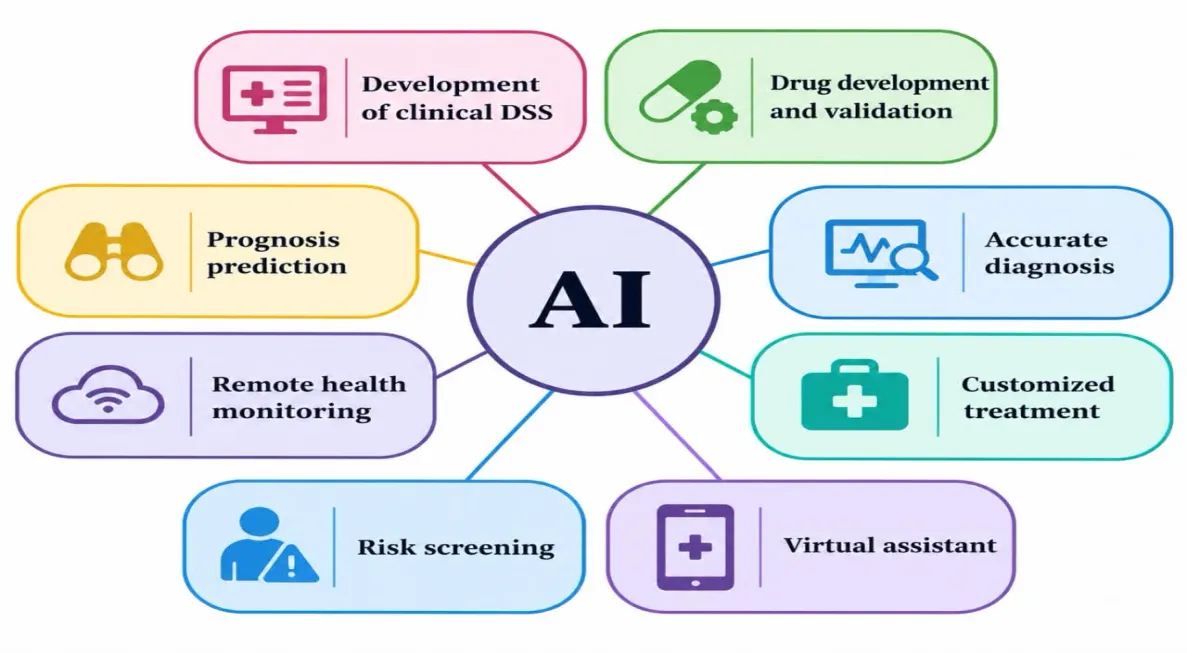
Figure 8: Possible Application of AI in Tumors.
B] Cardiovascular Disease (CVD)
Clinical utility of genomic medicine approaches has been assessed for a number of complex diseases, including cardiovascular diseases. Precision medicine techniques are very popular in the cardiovascular field [87]. The ability to understand how tissues regenerate after an injury is very important when it comes to CVD precision medicine. It will help develop specific treatments after serious cardiac injuries. In an attempt to understand more about differentiation, signaling, and pathway activation and modulation for cardiac tissue, various groups have focused on single cell transcriptomics [88].
C] Allergic Diseases
Common diseases such as asthma, eczema, hay fever, animal allergies, food allergies, and many more that affect a considerable number of people around the world – regardless of their age, from children to seniors – all belong to the group of complex diseases called allergic diseases. Diseases can indeed be affected by both genetics and environment. Hence, for any improvement to be achieved in the field of diagnosis, treatment, and prognosis of allergic diseases, efforts made within precision medicine must consider the environment, lifestyle, and genomics spheres [89].
D] Asthma
Monoclonal antibodies can be used for targeting refractory type 2 high asthmatics because of the use of precision medicine. Benralizumab is a blocker of IL-5 receptor, dupilumab (IL-4RA) is a blocker of IL-4 and IL-13 signaling pathway, omalizumab targets circulating IgE, and mepolizumab and reslizumab target IL-5. Blockade of chemokine receptor (CXCR2) or dual blockade of CXCR1 and CXCR2 is another therapeutic modality for type 2 low or ‘neutrophilic’ asthma [90].
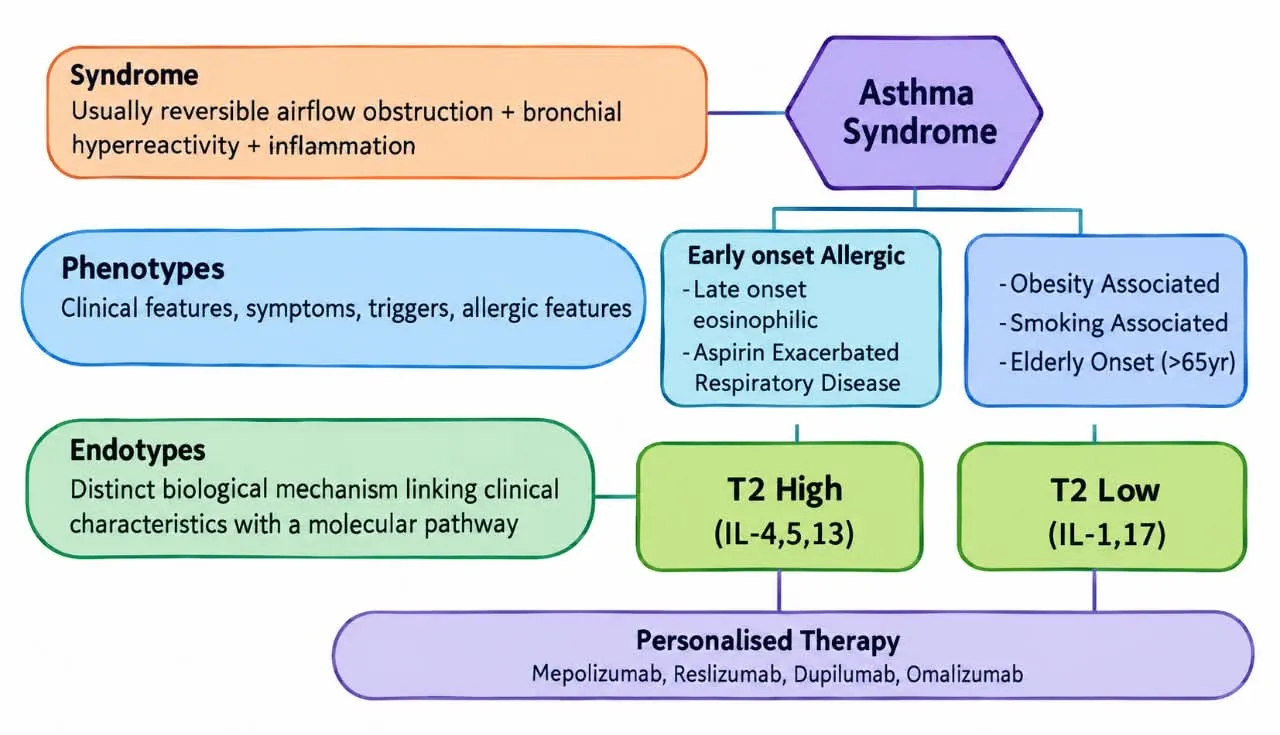
Figure 9: Precision Medicine in Asthma.
E] Diabetes
Despite extensive efforts to lower risks, most people who are at high risk would still get diabetes; besides, very few people recover from diabetes [91]. There are various types of monogenic diabetes mellitus and their subtypes where one can have precision medicine and treat them by identifying defects in particular genes. MODY-2 is maturity-onset diabetes of the young. It is a milder, non-progressive type of diabetes characterized by high fasting glucose levels that improve through dieting and exercise; it results from the genetic abnormalities related to glucokinase. Neonatal diabetes resulting from the abnormality in the KCNJ11 gene responds to sulphonylureas in higher doses. Various approaches are being adopted using GWAS in finding new genes that affect the response of insulin sensitizers, sulphonylureas or incretin [92].
Challenges and Limitations of Precision Medicine
1] Evidence and clinical-utility gaps
Precision medicine has rapidly expanded thanks to significant national initiatives and sequencing advancements [93,94]. Nevertheless, only a small percentage of cancer patients benefit from genome-driven therapy, and long-lasting responses are limited by tumour heterogeneity and acquired resistance [95,96]. Conventional randomised trials are difficult to conduct due to small stratified subgroups, and detractors claim the sector is overpromised.
2] Data integration and standardization
Integration is hampered by batch effects, insufficient standards, and the heterogeneity of omics data. Managing EMRs, imaging and omics data creates concerns of interoperability, privacy and security [97,98].
3] Pharmacogenomics and biomarkers
There is inconsistent evidence for numerous gene-drug combinations. Routine use is nevertheless hampered by clinician training, clinical decision-support integration, and funding [99].
4] Artificial intelligence and machine learning
Clinical interpretability, clinical trust, clinical models. There is evidence of algorithmic bias: a popular risk algorithm underestimated Black individuals' medical demands. Adaptive tool regulation and generalisability are still unresolved challenges [100,101].
5] Equity, diversity and access
There is a significant bias in genomic studies toward populations with European heritage [102]. Thus, polygenic risk scores could worsen inequities and perform worse in other groups [103]. Costs, insufficient infrastructure, limited data access, knowledge gaps and regulatory shortages further impede access.
6] Ethical, legal and economic issues
Key Concerns Concerns Concerns Concerns Concerns Concerns. Health systems frequently lack the staff and IT integration required for large-scale delivery, and there is little proof of cost-effectiveness.[104,105]
Future Perspectives
Precision medicine has moved from a national research initiative to a thriving clinical field with applications now in oncology, rare disease and prescribing. The next stage depends on the below developments [106,107].
A] Multi-Omics Integration
Future work will transition from single-layer genomics to integrated genome, transcriptome, proteome, metabolome and microbiome profiling, improving disease subtyping and biomarker discovery [108].
B] Artificial Intelligence and Foundation Models
AI is likely to merge imaging, electronic health records, genomic and wearable data to predict risk and choose treatment [109]. Next up: generalist, multimodal foundation models, but they'll require new approaches to validation and regulation [110].
C] Biobanks and Real-World Data
Examples of population-based resources that contain sufficient phenotypic and genomic information include the UK Biobank and the All of Us Research Program [111,112].
D] Liquid Biopsy and Early Detection
Circulating tumour DNA allows non-invasive diagnostics, minimum residual disease monitoring and faster detection of relapse [113].
E] Pharmacogenomics In Routine Care
Gene-guided prescribing is anticipated to become commonplace with increased usage of pharmacogenomic testing and clinical decision support [114].
F] Gene therapy
Genome editing has been proven effective in the treatment of sickle cell disease and beta-thalassemia through CRISPR-Cas9 therapy, which extends precision medicine into correcting the underlying cause [115].
CONCLUSION
From a theoretical ideal, precision medicine has developed into a workable framework that is transforming contemporary healthcare. By using an individual's genomic, molecular, environmental, and lifestyle information, it overcomes the constraints of traditional medicine, which relies on population averages. Advances in genetics, genomics, and multi-omics technologies have enhanced understanding of disease causes, while pharmacogenomics and validated biomarkers already assist more accurate drug selection and administration. With the most developed applications in oncology and expanding use in cardiovascular, metabolic, neurological, and uncommon illnesses, artificial intelligence and machine learning further bolster this strategy by enabling earlier diagnosis, prognosis, patient classification, and medication optimisation. However, mainstream implementation is still restricted and may exacerbate health inequities due to inconsistent data standards, inadequate biomarker validation, biased or opaque algorithms, privacy and ethical concerns, regulatory complexity, and expensive prices. Therefore, the integration of multi-omics with real-world data, big and diversified biobanks, explainable and federated AI, harmonised regulatory frameworks, and cost-effective deployment should be the top priorities for future endeavours. Precision medicine has the potential to become a key component of predictive, preventative, personalised, and participatory health care with consistent cooperation between physicians, researchers, data scientists, legislators, and patients.
REFERENCES






Pranav Kolekar, Gayatri Jagtap, Anushka Patil, Pratiksha Thorat, Omkar Nalage, Precision Medicine in the Era of Multi-Omics and Artificial Intelligence: Current Advances, Clinical Translation and Future Directions, Int. J. of Pharm. Sci., 2026, Vol 4, Issue 11, 4756-4775. https://doi.org/10.5281/zenodo.24529171
 10.5281/zenodo.24529171