View Article

Abstract

Madhunasini Vati is a traditional Ayurvedic polyherbal formulation widely used in the management of diabetes mellitus. The present study aims to evaluate the antidiabetic activity of Madhunasini Vati using experimental models. The formulation contains medicinal plants known for their hypoglycemic and insulin-sensitizing properties, particularly Gymnema sylvestre, which plays a key role in glucose regulation. Antidiabetic activity was assessed by monitoring fasting blood glucose levels, oral glucose tolerance, and changes in body weight. Treatment with Madhunasini Vati showed a significant reduction in blood glucose levels when compared to diabetic control groups, indicating effective glycemic control. The formulation also helped in improving glucose tolerance and preventing diabetes-associated weight loss. These effects may be attributed to enhanced insulin secretion, increased peripheral glucose utilization, and inhibition of intestinal glucose absorption. The findings suggest that Madhunasini Vati possesses promising antidiabetic potential and may serve as a safe and effective herbal therapeutic option for the management of diabetes mellitus.

Keywords

Gymnema sylvestre ,Anti-Diabetic, Gymnemic acid, Hypoglycemia effects, Ayurvedic medicines, Pancreatic beta cells.

Introduction

× Popup Image

Madhunasini (Gymnema sylvestre) holds a special place in both Ayurvedic and modern medicine for its anti-diabetic properties. Traditionally referred to as the “sugar destroyer,” Madhunasini is valued for its ability to lower blood sugar levels naturally and suppress the taste and absorption of sugar in the body. The plant is rich in gymnemic acids and other phytochemicals that play multiple roles in diabetes management.(13 )These compounds help restore pancreatic function, stimulate insulin secretion, and increase the utilization of glucose by body tissues. Additionally, Madhunasini’s antioxidant activity helps protect the pancreas and other organs from oxidative damage commonly associated with diabetes ,(12)Modern research supports these traditional claims, with both in vitro and clinical studies demonstrating its effectiveness in reducing blood glucose, improving metabolic health, and aiding in the management of complications linked to diabetes. This makes Madhunasini a well-recognized herbal solution for people seeking holistic approaches to diabetes care[26]
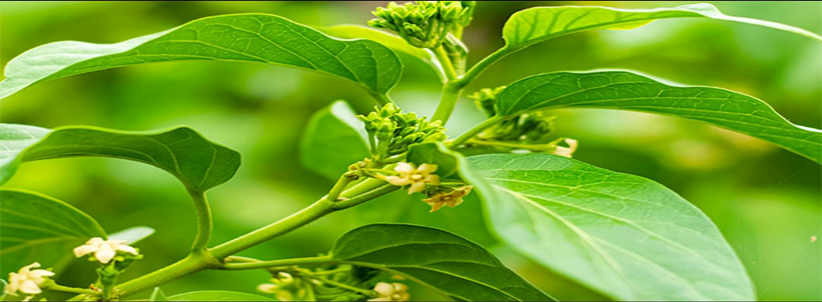
Fig no.01 : Botanical picture of Gymnema sylvestre (Madhunasini).

BOTANICAL DESCRIPTION OF MADHUNASHINI :

Gymnema sylvestre is a perennial, woody climber belonging to the family Asclepiadaceae. It is known for its medicinal use, particularly in diabetes management. The plant is slow-growing and requires support for climbing. It produces small, yellow flowers in lateral umbellate cymes, and its leaves are typically opposite, elliptic or ovate in shape, measuring about 2-6 cm in length and 1-4 cm in width. The plant’s stems are light brown and hairy, while the leaves are green, simple, and have a slightly bitter and astringent taste.

TAXONOMY :

The taxonomic classification of Gymnema sylvestre is as follows:

  • Kingdom: Plantae
  • Division: Magnoliophyta
  • Class: Magnoliopsida
  • Order: Gentianales
  • Family: Asclepiadaceae (now often considered under Apocynaceae)
  • Genus: GymnemaSpecies: G. sylvestre

GEOGRAPHICAL DISTRIBUTION :

Madhunasini is found predominantly in tropical and subtropical regions. It is widely distributed across central and southern India, especially in dry forests up to 600 meters altitude, as well as in Sri Lanka, Malaysia, tropical Africa, and the southern part of China. The plant is particularly common in the Western Ghats, central India, and other parts of the Indian subcontinent.

PLANT MORPHOLOGY :

Habit: Perennial, woody climber.

Leaves: Opposite, usually elliptic or ovate, simple, petiolate, with entire margin and acute apex, and pubescent surfaces. Leaves are 2-6 cm long and 1-4 cm wide.

Flowers: Small, yellow, in axillary and lateral umbels in cymes, with long, ovate, obtuse, pubescent calyx-lobes and campanulate corolla.

Fruits: Follicles are terete and lanceolate, up to 3 inches long.

Stem: Hairy and light brown.

Notable Property: The leaves have the unique property of paralyzing the sweet taste for a few hours after contact.

This robust morphological and taxonomic profile is foundational for the identification and further study of this important medicinal plant.

TRADITIONAL AND AYURVEDIC SIGNIFICANCE :

Madhunashini is a slender woody climber native to tropical forests and revered in Ayurveda and Siddha systems. It is classified as “Medohara” (fat-reducing) and “Pramehahara” (anti-diabetic). The herb promotes metabolic health, supports insulin function, and acts as a natural sugar inhibitor by blocking sugar absorption in the intestines due to compounds like gymnemic acids and gurmarin. It also has anti-inflammatory and antioxidant properties and is traditionally used for rheumatism, ulcers, jaundice, and snakebites in folk medicine, showcasing broad therapeutic potential.

USES IN AYURVEDA  AND  FOLK MEDICINE  :

Traditionally, Madhunashini is used for:

  • Managing diabetes by improving pancreatic function and lowering blood sugar.
  • Reducing sugar cravings by suppressing sweet taste receptors on the tongue.
  • Assisting digestion, enhancing appetite, and controlling weight.
  • Acting as a blood purifier and offering protection against infections due to antibacterial and antifungal effects.
  • Treating arthritis, wounds, ulcers, urinary disorders, and helping regulate blood pressure.
  • Supporting heart, liver, and kidney health through detoxification and anti-aging properties [12]
  • These wide-ranging uses underline its status as a valuable herb in metabolic and systemic health management.

NAME DERIVATION (“SUGAR DESTROYER”) :

The name "Madhunashini" translates literally from Sanskrit as "destroyer of sugar," highlighting its primary traditional role in countering diabetes (Madhumeh). It functions uniquely by blocking the sweet taste on the tongue and inhibiting intestinal sugar absorption, which helps reduce blood glucose levels and sugar cravings. This name is also reflected in other Indian languages like Hindi, where it is called "Gurmar," meaning the same ("sugar destroyer")[8]

Thus, Madhunashini's Ayurvedic and traditional value is deeply rooted in its effective role in diabetes control and metabolic balance, conferred through its bioactive components that modulate sugar metabolism and taste perception [9]

PHYTOCHEMICAL CONSTITUENTS :

  • Gymnemic acids: These are oleanane-type triterpenoid saponins that play a key role in Madhunashini’s antidiabetic potential by inhibiting sugar absorption in the intestine [9]
  • Gurmarin: A polypeptide that also contributes to hypoglycemic effects[25]
  • Saponins: Gymnemasaponins and other saponins are present with prominent biological activity[25]
  • Flavonoids: Identified among auxiliary plant constituents aiding overall bioactivity[9]
  • Other constituents: Alkaloids, anthraquinones, hentriacontane, pentatriacontane, chlorophylls, phytin, resins, tartaric acid, formic acid, butyric acid, lupeol, β-amyrin glycosides, stigmasterol, calcium oxalate[9]

EXTRACTION AND ISOLATION METHODS :

  • Solvent Extraction:

Gymnemic acids and other saponins are typically extracted using polar solvents such as methanol or ethanol. The plant material is often dried, pulverized, and extracted under reflux conditions[14]

  • Adsorption-Elution Method:

For saponins and flavonoids, adsorption onto non-polar or slightly polar resins is followed by elution with polar solvents such as methanol or ethanol.

  • Aqueous Alkali Extraction:

 This method is used to separate saponins and flavonoids after defatting, by treating with alkaline solution at room temperature, followed by resin-based separation.

  • HPLC Analysis:

 Quantification and purity assessment, especially for gymnemic acids, are performed via High Performance Liquid Chromatography (HPLC)[25]

  • Modern Flavonoid Extraction: 

Advanced modern techniques such as ultrasonic-assisted extraction, microwave-assisted extraction, and supercritical fluid extraction are increasingly adopted to improve yields of flavonoids from natural sources[14]

SUMMARY TABLE :

Table no.1 : Major constituents and their types in Gymnema sylvestre

Constituent

Type

Gymnemic acids

Triterpenoid saponin.

Gurmarin

Polypeptide

Saponins

Oleanane/dammarane types

Flavonoids

Auxilliary constituents

Alkaloids, etc.

Various secondary metabolites

Madhunashini’s phytochemicals are central to its medicinal utility, and extraction/isolation processes have evolved to efficiently harness these bioactive substances for research and clinical applications[9,25,18]

MECHANISM OF ANTI -DIABETIC ACTION

  • Inhibition of Intestinal Glucose Absorption: Gymnemic acids in Madhunasini block sugar absorption in the small intestine by interfering with sugar receptors in the intestinal lining, reducing blood glucose entry into the bloodstream [26]
  • Regeneration of Pancreatic β-Cells: The active compounds promote regeneration and rejuvenation of pancreatic islet β-cells, which are responsible for insulin production [16]
  • Improvement of Insulin Secretion: Madhunasini stimulates the pancreas to increase insulin secretion, enhancing blood glucose regulation[17]
  • Reduction of Sweet Taste Sensation: Madhunasini suppresses the ability to taste sweetness by blocking sweet receptors on the tongue, which can reduce sugar cravings and intake [4]
  • Enhancement of Glucose Uptake in Cells: It increases the utilization of glucose by cells through insulin-dependent pathways, improving glucose metabolism and lowering blood sugar levels [17]

PHARMACOLOGICAL  STUDIES :

Pharmacological studies on Madhunasini (Gymnema sylvestre), particularly the Ayurvedic formulation Madhunashini Vati, show significant effects across in-vitro, in-vivo animal, and limited clinical studies.

INVITRO STUDIES :

There is research involving in-vitro multiplication and cultivation techniques of the Madhunasini plant using immature seeds as explants in Murashige and Skoog media. This is relevant for propagation and conservation rather than direct pharmacological activity. Specific in-vitro pharmacological assays like antioxidant or enzyme inhibition were not prominently reported in available sources [19]

IN-VIVO ANIMAL STUDIES:

A substantial body of experimental work includes streptozotocin-induced diabetic rat models where Madhunashini Vati showed:

  • Dose-dependent antidiabetic effects by significantly lowering serum glucose levels.Increased body weight in diabetic rats, indicating improved metabolic health.
  • Neuroprotective effects by reducing oxidative stress markers, cerebral infarct size, and improving antioxidant status[16]
  • Free radical scavenging activity contributing to pancreatic beta-cell rejuvenation and increased insulin secretion potential.
  • Cardiac stimulant activity with positive chronotropic and inotropic effects was also observed.

Toxicity studies report no significant adverse effects at doses up to 4000-7500 mg/kg in mice [15]

CLINICAL STUDIES IN HUMANS:

Specific clinical trial data on Madhunasini in humans are sparse. Some Ayurvedic formulations containing Madhunashini have been evaluated for antidiabetic and neuroprotective effects in humans, but detailed clinical trial outcomes are limited or not well-documented in the searched sources. One abstract mentions clinical evaluation of an Ayurvedic preparation involving Madhunasini, but comprehensive published clinical data appear limited [15]

In summary, Madhunasini has shown promising pharmacological effects mainly demonstrated in animal models with antidiabetic, antioxidant, and neuroprotective benefits supported by in-vivo studies.

Clinical data in humans remain minimal or preliminary.If more detailed clinical trial results are desired, further focused search or specialized databases might be needed.

FORMULATIONS AND DOSAGE FORMS:

Madhunasini, also known as Gudmar or Gymnema sylvestre, is used in various formulations and dosage forms in Ayurveda. These include powders (churna), tablets, capsules, decoctions (kashaya), and extracts, which are tailored for different therapeutic needs and user convenience[10]

POWDER (CHURNA):

The powdered form involves finely ground dried plant material, which can be taken directly with water or honey. The typical dose is about 1-3 grams twice daily .

TABLETS/ CAPSULES:

These are modern dosage forms designed for convenience and longer shelf life, often containing standardized extracts. The typical dosage ranges from 250 to 500 mg of extract, taken twice daily after meals.

DECOCTION (KASHAYA):

This involves boiling the powdered leaves or other parts, reducing it to a concentrated form, and sipping before meals, especially in the morning and evening.

EXTRACTS:

Standardized extracts are used in tablet or capsule forms, ensuring consistent dosage and potency .

DOSAGE RECOMMENDATIONS:

  • Powder: 1–3 grams twice daily, mixed with warm water or honey .
  • Tablets/Capsules: 250–500 mg of standardized extract, twice daily after meals [13]
  • Decoction: Boiling 5–10 grams of leaf powder and drinking the reduced volume before meals.

USAGE NOTES:

  • The dosage can vary depending on age, condition, and formulation type, and it is always recommended to consult an Ayurvedic practitioner for personalized guidance .
  • For optimal results, timing and seasonality should be considered, such as taking it on an empty stomach early morning or before meals to manage blood sugar effectively .

In summary, Madhunasini is available in multiple formulations, with powders and tablets being the most common for everyday use. Dosages generally range from 1–3 grams of powder or 250–500 mg of extract, taken twice daily, tailored to patient needs under Ayurvedic supervision.

THERAPEUTIC USES BEYOND DIABETES:

Madhunasini (Gymnema sylvestre) has several therapeutic uses beyond diabetes, especially notable for its anti-obesity, and antioxidant effects.

ANTI-OBESITY ACTIVITY :

Madhunasini extracts have demonstrated significant anti-obesity effects in both animal and human studies. Research indicates that it can reduce body weight, food intake, and body mass index, partly by blocking sweet receptors on the tongue, which reduces sugar cravings and overall calorie intake. In animal studies, it has prevented weight gain even on high-fat diets, supporting weight maintenance and reduction[6,11,22,20]

HYPOLIPIDEMIC ACTIVITY:

Madhunasini has shown a capability to lower harmful blood lipids such as LDL cholesterol and triglycerides while increasing beneficial HDL cholesterol.,6These effects contribute to reduced risk factors for cardiovascular diseases. Studies on moderately obese individuals and animals have reported significant decreases in LDL and triglycerides along with improved lipid profiles, supporting its role in managing dyslipidemia [22]

ANTI-OXIDANT POTENTIAL:

Madhunasini contains bioactive compounds like tannins and saponins that provide anti-inflammatory and antioxidant properties. These help in reducing oxidative stress and inflammation, which are key contributors to metabolic disorders including diabetes and obesity. Its antioxidant action aids in protecting organs from damage related to high blood sugar and lipid levels [11]

TOXICITY AND SAFETY PROFILE:

  • Acute toxicity studies in mice found Madhunasini formulations non-toxic up to 4,000 mg/kg, with oral LD50 at 7,500 mg/kg[16]
  • Chronic administration in rats (oral dose 1,000 mg/kg for 30 days) did not show toxic effects[16]
  • Clinical use shows that excessive or irregular intake can lower blood sugar to dangerous levels (hypoglycemia).
  • Gastrointestinal discomfort, dizziness, and allergic reactions are rare but possible.
  • The herb is generally safe for long-term use when taken at recommended dosages under supervision.

ACUTE & CHRONIC TOXICITY DATA:

  • In mice, acute toxicity (LD50) for oral dosage is 7,500 mg/kg; for intraperitoneal administration, LD50 is 4,500 mg/kg [16]
  • Chronic toxicity studies in rats (1,000 mg/kg, 30 days) indicated no significant toxic effects [10]
  • Recommended experimental therapeutic ranges (rats/mice) are 125–500 mg/kg orally, showing efficacy and safety [16]
  • Human effects mimic experimental studies but depend on adherence to prescribed dose, patient’s medical condition, and monitoring.

CONTRAINDICATIONS:

  • Contraindicated for pregnant and lactating women due to insufficient safety data.
  • Should not be used without professional supervision by those with underlying health conditions, especially on antidiabetic medications, as there is a risk of severe hypoglycemia.
  • Individuals with known allergies to Gymnema sylvestre or similar herbs should avoid use.
  • Use with caution in children; clinical data on pediatric safety is minimal.

 SAFE THERAPEUTIC DOSE RANGE:     

  • Typical adult dose: 1–2 tablets (500 mg potency), twice daily before meals.
  • Most commercial preparations recommend 1–2 tablets or capsules twice a day before breakfast and dinner [4]
  • Dosage may vary based on age, strength, and other health factors; must follow physician or product guidelines.
  • For clinical safety, starting with the lowest effective dose is advised; monitor for hypoglycemia and adjust as necessary.
  • Long-term use is deemed safe if periodic assessment is performed by a healthcare provider.

SUMMARY TABLE:

Table no.02 : Safety profile of Madhunasini .

PARAMETER

ANIMAL DATA

HUMAN RECOMMENDATIONS

Acute Toxicity (LD50)

7,500 mg/kg (oral, mice)

-

Chronic Toxicity

1,000 mg/kg, 30 days (rats) - safe

-

Safe Dose (Adult)

125–500 mg/kg (rat, mouse studies)

1–2 tablets, twice daily (500mg/tablet)

Contraindications

-

Pregnancy, lactation, allergy, children

Adverse Effects

-

Hypoglycemia, GI discomfort, allergy

  • Madhunasini remains a safe and effective option for diabetes management when used appropriately, but professional supervision is crucial to minimize risks and avoid adverse reactions.
  • Regular monitoring of blood glucose is essential, especially if combined with pharmaceutical antidiabetics.

LIMITATIONS AND RESEARCH GAP:

  • Limited clinical trials: Most evidence for Madhunasini’s antidiabetic effects comes from in vitro, animal studies, and small-scale human trials. Large, well-designed clinical trials are lacking, limiting robust evidence for efficacy and safety in diverse populations.
  • Insufficient safety data: There is insufficient rigorous study on long-term safety, especially regarding its effects in pregnancy, lactation, children, and individuals with comorbidities.
  • Variable quality and formulations: The heterogeneity of formulations and lack of standardized extracts contribute to inconsistent outcomes and complicate replicability across studies.

STANDARDIZATION ISSUES:

  • Lack of universally adopted quality control parameters: Efforts exist to standardize Madhunashini Vati through physicochemical, chromatographic, and chemical assays, but global quality benchmarks are still not established.
  • Variability in bioactive compounds: Differences in plant source, harvesting, processing, and formulation methods cause variability in the concentration of key constituents like gymnemic acids, impacting potency and effectiveness.
  • Need for standardized extraction and quantification methods to ensure therapeutic consistency and safety in commercial herbal products[11]

LIMITED CLINICAL EVIDENCE :

  • Few large-scale, placebo-controlled, randomized clinical trials have been conducted, limiting conclusive evidence on dosing, efficacy, and safety in humans.
  • Most clinical studies are short-term with limited sample sizes, lacking robust endpoints for chronic disease management outcomes.
  • Real-world evidence and post-marketing surveillance data on herbal formulations like Madhunasini Vati remain sparse, making pharmacovigilance challenging.

NEED FOR MOLECULAR RESEARCH:

  • Molecular mechanisms of action for various bioactive compounds in Madhunasini require deeper investigation to better understand antidiabetic, anti-inflammatory, and antioxidative effects[9]
  • Genomic, proteomic, and metabolomic studies could clarify pathways influenced by Gymnema sylvestre and identify new therapeutic targets and markers of response.
  • Research on gene interactions, molecular docking, and bioinformatics are areas ripe for advancement to optimize formulations and enhance personalized herbal therapeutics

Table no.03 : Summary table of need for molecular research .

ASPECT

CURRENT CHALLENGES

RESEARCH NEEDS

Limitations

Few large clinical trials; safety data gaps

Large RCTs; long-term safety studies

Standardization

Variable quality, no universal standards

Global standards for quality and bioactives

Clinical Evidence

Restricted human trial evidence;mostly short-term

Robust clinical trials with larger cohorts

Molecular Research

Mechanisms not fully understood

Molecular, genomic, proteomic studies

Overall, Madhunasini holds promise but requires multidisciplinary research efforts to overcome current standardization, medical assessment, and molecular rationale shortfall and safe therapeutic use[9]

CONCLUSION:

Madhunasini (Gymnema sylvestre) is a traditional medicinal plant with considerable therapeutic potential, especially in managing diabetes and related metabolic disorders. Its unique properties such as reducing the ability to taste sweetness, lowering blood sugar levels, aiding insulin production, and improving lipid profiles make it a beneficial adjunct therapy for diabetes. It also shows potential benefits in weight management and inflammation reduction. Despite its promising effects, Madhunasini’s clinical use is limited by variability in product standardization, insufficient large-scale clinical trials, and a need for comprehensive molecular studies to better understand its mechanisms of action. Safety data are generally positive within recommended doses, but long-term effects and impacts in special populations require further research. In conclusion, Madhunasini is a potent herbal remedy with multi-faceted benefits for metabolic health, particularly diabetes. Continued research efforts in standardization, clinical validation, and molecular pharmacology are essential to fully harness its potential and establish it as a reliable therapeutic agent in modern medicine. When properly administered with clinical oversight ,it offers a safe and effective complement to conventional diabetes treatments .

REFERENCES

  1. Manish vijay,Deepandra Malviya; Assessment of seed physiological parameters in Gymnema sylvestre R.Br.for optimizing propagation and storage strategies; International Journal of Plant& Soil Science;2025;37(8)
  2. Hunnanadoddic Raghavendra,Mony R Rohini; Genetic variability and heritability of growth, yield and quality traits in Gymnema sylvestre;an anti- diabetic medicinal herb; Plant Genetic resources;2025;23(3)
  3. Surya Prakash, Apeksha Panwar; Ayurvedic therapeutics in glycemic control:A case report on type 2 diabetes mellitus management; Journal of Ayurvedic and Naturopathy;2025;2(2)
  4. Lisa Bhanja; Patanjali Divya Madhunasini vati: Extra power -Health Benefits, Ingredients usage, Dosage;Dista;2024.
  5. Uday M Muddapur, samiksha Manjunath; Exploring bioactive phytochemicals in Gymnema sylvestre: biomedical uses and computational investigations ;2024;11(2).
  6. Amy goodson;6 impressive health benefits of Gymnema sylvestre;2023.
  7. Ayesha Nadeem Choudhary,Fizza Tahir;The therapeutic effect of Gymnema sylvestre extract against hyperglycemia:In vivo study: Agrobiological records;2023.
  8. Madhunashini(Gymnema sylvestre)/Benefits of Madhunasini,2023,YUVAAN.
  9. Rajeev kolgi; Therapeutic properties of Madhunasini,IARJSET,2022.
  10. Kaushik Chattopadhyay,Haiquan wang; Effectiveness and safety of Ayurvedic medicines in type 2 diabetes mellitus management:A systematic review and Meta-analysis;Front pharmacol;2022.
  11. Dr.IV Srinivasa Reddy; Madhunasini (Gymnema sylvestre):A miracle plant for diabetes;The Pharma Innovation;2022.
  12. Madhunashini,The wonder Ayurvedic herb to come at diabeties ;itoozhi ayurvedic 2021.
  13. Ratandeep Chauhan, Akansha Singh; standardization of antidiabetic ayurvedic formulations i.e Madhunasini vati;WJPR 2020; Volume 9; issue 5.
  14. Jaisa oliveira chaves,Mariana correade souza; Extraction of flavonoids from natural sources using modern techniques ;Front chem.2020.
  15. Dr.Meenakshi Arya,Mishra Dhruv; Clinical evaluation of the effect of Divya Madhunasini vati and Phaltrikadi Kwaath in Madhumeha;WJPR;2020.
  16. Rawat Atiksha; Evaluation of Neuroprotective property of Madhunasini vati in diabetic Rat;2019;IJPPR.
  17. Thaifa MS,Roshna S;A review on diabetes mellitus and diabetic neuropathy:A plant based approach;JPP 2017;6(3).
  18. Pragya Tiwari,BN Mishra; Phytochemical and pharmacological properties of Gymnema sylvestre:An important medicinal plant;biomed Res int.2014.
  19. Hosahalli Kaganath Akshitha,Konnan umesha;In vitro multiplication of Madhunasini (Gymnema sylvestre Retz);IJAEB;2014;7(4);889-894.
  20. Ramesh Pothuraju,J Sci Food Agric;A systematic review of Gymnema sylvestre in obesity and diabetes management;NIH,2014.
  21. Brahm Kumar Tiwari,Bilal Ahmad Sheikh;A review on complication of diabetes mellitus and it's therapy;IJPBS;2013; Volume 3,issued 3.
  22. Vinay Kumar,Uma Bhandari; Evaluation of anti obesity and cardio protective effect of Gymnema sylvestre extract in murine model;Indian J Pharmacol.2012.
  23. Pratibha Gupta,Sujata Ganguly;A miracle fruit plant-gymnema Sylvester R.Br.(Retz);Pharmacies Globale;2012;3(12).
  24. KB Burade,BS Kuchekar; Antidiabetic activity of Madhunasini (MD-19) in alloxan induced diabetes mellitus; Journal of cell and tissue Research;2011;11(1).
  25. Ashok kumar Pandey; variation in Gymnemic acid content and non-destructive harvesting of Gymnema sylvestre (Gudmar)2010.
  26. Aarijat Kanetkar,Rekha singhal, Gymnema sylvestre:A Memoir;J Clin Biochem Nutr.2007 Aug 29;41(2):77-81.

Reference

  1. Manish vijay,Deepandra Malviya; Assessment of seed physiological parameters in Gymnema sylvestre R.Br.for optimizing propagation and storage strategies; International Journal of Plant& Soil Science;2025;37(8)
  2. Hunnanadoddic Raghavendra,Mony R Rohini; Genetic variability and heritability of growth, yield and quality traits in Gymnema sylvestre;an anti- diabetic medicinal herb; Plant Genetic resources;2025;23(3)
  3. Surya Prakash, Apeksha Panwar; Ayurvedic therapeutics in glycemic control:A case report on type 2 diabetes mellitus management; Journal of Ayurvedic and Naturopathy;2025;2(2)
  4. Lisa Bhanja; Patanjali Divya Madhunasini vati: Extra power -Health Benefits, Ingredients usage, Dosage;Dista;2024.
  5. Uday M Muddapur, samiksha Manjunath; Exploring bioactive phytochemicals in Gymnema sylvestre: biomedical uses and computational investigations ;2024;11(2).
  6. Amy goodson;6 impressive health benefits of Gymnema sylvestre;2023.
  7. Ayesha Nadeem Choudhary,Fizza Tahir;The therapeutic effect of Gymnema sylvestre extract against hyperglycemia:In vivo study: Agrobiological records;2023.
  8. Madhunashini(Gymnema sylvestre)/Benefits of Madhunasini,2023,YUVAAN.
  9. Rajeev kolgi; Therapeutic properties of Madhunasini,IARJSET,2022.
  10. Kaushik Chattopadhyay,Haiquan wang; Effectiveness and safety of Ayurvedic medicines in type 2 diabetes mellitus management:A systematic review and Meta-analysis;Front pharmacol;2022.
  11. Dr.IV Srinivasa Reddy; Madhunasini (Gymnema sylvestre):A miracle plant for diabetes;The Pharma Innovation;2022.
  12. Madhunashini,The wonder Ayurvedic herb to come at diabeties ;itoozhi ayurvedic 2021.
  13. Ratandeep Chauhan, Akansha Singh; standardization of antidiabetic ayurvedic formulations i.e Madhunasini vati;WJPR 2020; Volume 9; issue 5.
  14. Jaisa oliveira chaves,Mariana correade souza; Extraction of flavonoids from natural sources using modern techniques ;Front chem.2020.
  15. Dr.Meenakshi Arya,Mishra Dhruv; Clinical evaluation of the effect of Divya Madhunasini vati and Phaltrikadi Kwaath in Madhumeha;WJPR;2020.
  16. Rawat Atiksha; Evaluation of Neuroprotective property of Madhunasini vati in diabetic Rat;2019;IJPPR.
  17. Thaifa MS,Roshna S;A review on diabetes mellitus and diabetic neuropathy:A plant based approach;JPP 2017;6(3).
  18. Pragya Tiwari,BN Mishra; Phytochemical and pharmacological properties of Gymnema sylvestre:An important medicinal plant;biomed Res int.2014.
  19. Hosahalli Kaganath Akshitha,Konnan umesha;In vitro multiplication of Madhunasini (Gymnema sylvestre Retz);IJAEB;2014;7(4);889-894.
  20. Ramesh Pothuraju,J Sci Food Agric;A systematic review of Gymnema sylvestre in obesity and diabetes management;NIH,2014.
  21. Brahm Kumar Tiwari,Bilal Ahmad Sheikh;A review on complication of diabetes mellitus and it's therapy;IJPBS;2013; Volume 3,issued 3.
  22. Vinay Kumar,Uma Bhandari; Evaluation of anti obesity and cardio protective effect of Gymnema sylvestre extract in murine model;Indian J Pharmacol.2012.
  23. Pratibha Gupta,Sujata Ganguly;A miracle fruit plant-gymnema Sylvester R.Br.(Retz);Pharmacies Globale;2012;3(12).
  24. KB Burade,BS Kuchekar; Antidiabetic activity of Madhunasini (MD-19) in alloxan induced diabetes mellitus; Journal of cell and tissue Research;2011;11(1).
  25. Ashok kumar Pandey; variation in Gymnemic acid content and non-destructive harvesting of Gymnema sylvestre (Gudmar)2010.
  26. Aarijat Kanetkar,Rekha singhal, Gymnema sylvestre:A Memoir;J Clin Biochem Nutr.2007 Aug 29;41(2):77-81.

Photo
Thota Srinivas
Corresponding author

SIMS College of Pharmacy, Affiliated to Acharya Nagarjuna University, Guntur, Andhra Pradesh, India.

Photo
Unnagiri Nandini
Co-author

SIMS College of Pharmacy, Affiliated to Acharya Nagarjuna University, Guntur, Andhra Pradesh, India.

Photo
Thangabalan B
Co-author

SIMS College of Pharmacy, Affiliated to Acharya Nagarjuna University, Guntur, Andhra Pradesh, India.

Thota Srinivas, Unnagiri Nandini, Thangabalan B, A Review on Anti-Diabetic Activity of Madhunasini Plant (Gymnema Sylvestre), Int. J. of Pharm. Sci., 2026, Vol 4, Issue 1, 2343-2353. https://doi.org/10.5281/zenodo.18340298

More related articles
Herbal Face Mask Formulation Using Chia Seeds for ...
Payal Bisai, Dr. Gyanesh Kumar Sahu, Akansha Sahu, Ujjawal Dubey,...
Role of Artificial Intelligence in Modern Pharmace...
Shubhangi Kandalkar , Pramod Ingale , Poonam Purkar, Shruti Jorw...
Review on Emerging Role of Vitamin K and Riboflavi...
Anusha yadav , Gampa Jyothi , G. Rithwic mani...
Related Articles
MRSA PSOAS Abscess with Spondylodiscitis with MRSA Bacteremia: A Case Report...
Jeffnisha J., Shaiju Dharan, Shahabaz Zailu, Grace Raju...
Mayani Karina*, Basareddy Chandrasekhar, Dhirendra Kumar Tarai, Santosh Kirtane...
Mayani Karina, Santosh Kirtane, Dhirendra Kumar Tarai, Basareddy Chandrasekhar...
Herbal Face Mask Formulation Using Chia Seeds for Skin Nourishment...
Payal Bisai, Dr. Gyanesh Kumar Sahu, Akansha Sahu, Ujjawal Dubey, Rupesh Nirmalkar, Vishal Shrivasta...
More related articles
Herbal Face Mask Formulation Using Chia Seeds for Skin Nourishment...
Payal Bisai, Dr. Gyanesh Kumar Sahu, Akansha Sahu, Ujjawal Dubey, Rupesh Nirmalkar, Vishal Shrivasta...
Role of Artificial Intelligence in Modern Pharmaceutical Formulation Development...
Shubhangi Kandalkar , Pramod Ingale , Poonam Purkar, Shruti Jorwar, Sandhya Desai ...
Herbal Face Mask Formulation Using Chia Seeds for Skin Nourishment...
Payal Bisai, Dr. Gyanesh Kumar Sahu, Akansha Sahu, Ujjawal Dubey, Rupesh Nirmalkar, Vishal Shrivasta...
Role of Artificial Intelligence in Modern Pharmaceutical Formulation Development...
Shubhangi Kandalkar , Pramod Ingale , Poonam Purkar, Shruti Jorwar, Sandhya Desai ...