

We use cookies to ensure our website works properly and to personalise your experience. Cookies policy
Mula Education Society's College of Pharmacy, Sonai, Ahilyanagar.
The tropical and subtropical parts of the world are home to the Indian native Moringa oleifera plant. It is often referred to as the “horseradish tree” or the “drumstick tree”. Because moringa can tolerate both moderate frost and severe drought, it is commonly grown all over the world. Every portion of the tree is suitable for nutritional or commercial purposes because to its high nutrient levels. Being rich in naturally occurring highly digestible protein, iron, calcium, potassium, vitamin A, C and E and polyphenols, it is also referred to as a “super food”. Rich in phytochemicals, moringa contains quercetin, zeatin, kaempferol, myricetin, flavanoids, phenolic compounds, phenolic acids, isothiocyanates, tannins and saponins. These phytochemicals are potent antioxidants with a variety of medicinal uses. Potential uses for it includes antibacterial, antidiabetic, anticancer and anti-inflammatory properties. Water treatment uses Moringa oleifera seed, a naturally occurring coagulant, widely. This overview examines the various fields that have used moringa for medical purposes. It also covers the commercial, pharmacological, horticultural and nutritional aspects of this “Miracle Tree”
Malnutrition can be effectively treated using Moringa oleifera, a member of Moringaceae family. Because its leaves, pods and seeds contain a range of vital compounds, moringa is high in nutrients. Indeed, moringa is claimed to contain seven times the amount of vitamin C as oranges, ten times the amount of vitamin A as carrots, nine times as much proteins as yoghurt, seventeen times more calcium than milk, fifteen times more potassium than bananas and twenty five times more iron than spinach. The phytosterol-based lactogogue functions as a precursor to the hormones needed for development of reproductive organs. The phytosterols found in abundance in moringa such as kampesterol, sitosterol and stigmasterol are precursors to hormones. These substances boost the production of estrogen, which in turn encourages the mammary gland ducts to proliferate and produce milk. Moringa oleifera is rich in nutrition owing to the presence of a variety of essential phytochemicals present in its leaves, pods, seeds, roots and flowers. Moringa leaves also have a low calorific value and can be used in the diet. Moringa has lot of minerals that are essential for the growth and development among which calcium is considered as one of the minerals for human growth.[1,2,3,4]
PLANT PROFILE
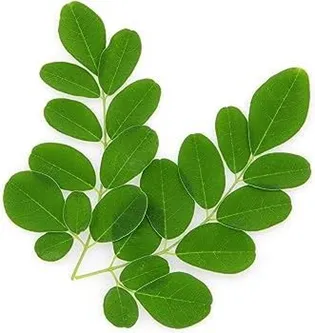
Leaves :- Minerals like calcium, potassium, zinc, magnesium, iron and
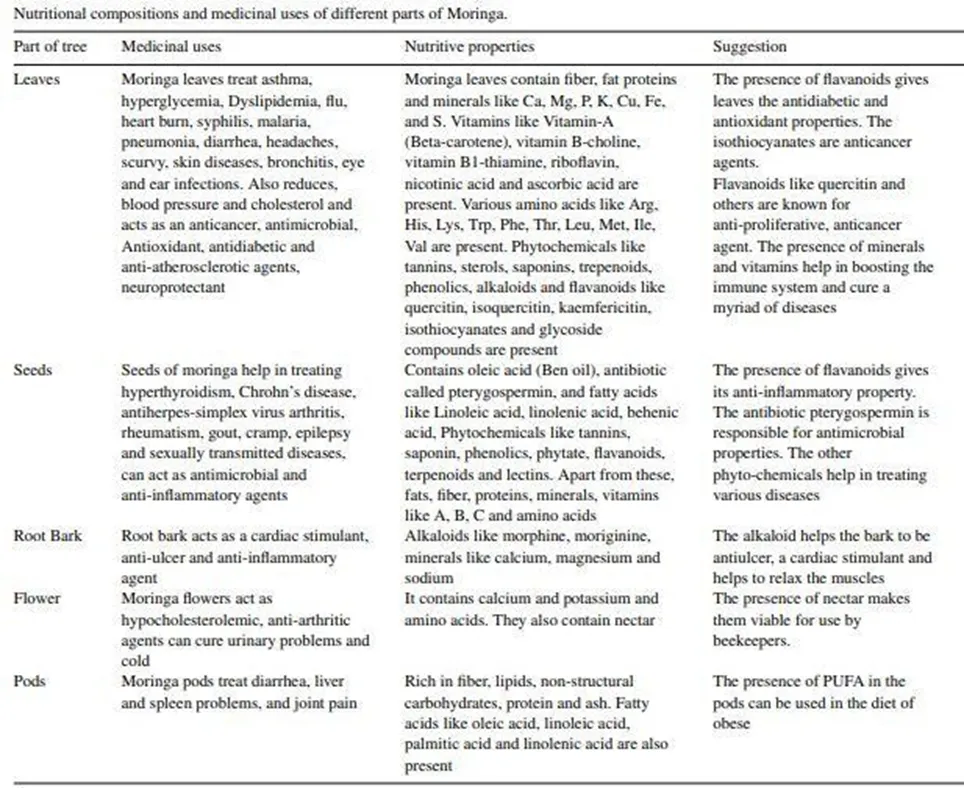
copper are abundant in Moringa oleifera leaves. It also contains various vitamins including beta-carotene, vitamin A, vitamin B such as folic acid, pyridoxine and nicotinic acid and vitamin C, D and E. Anthraquinones, alkaloids, flavonoids, terpenoids, tannins, sterols, and reducing sugar are examples phytochemicals that are present in the leaves. More calcium than milk, more potassium than bananas, more iron than spinach, more vitamin C than oranges, more vitamin A than carrots are all found in Moringa oleifera leaves.[5,6]
Pods:
Root bark:
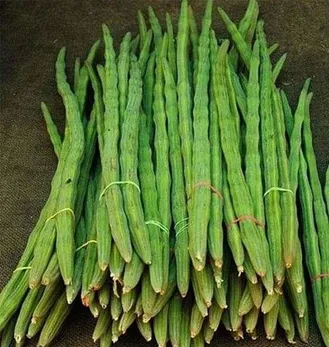
The fibrous pods have therapeutic value for gastrointestinal issues and can prevent colon cancer. According to a study, the content of immature pods is approximately 20.66% proteins and 46.78% fibres. Rich in proteins, lipids, fibres and nonstructural carbohydrates. The pods also contains fatty acids such as oleic acid, linoleic acid, palmitic acid and linolenic acid. Moringa oleifera pods are used to treat diarrhea, liver and spleen problems and joint pain.[7]
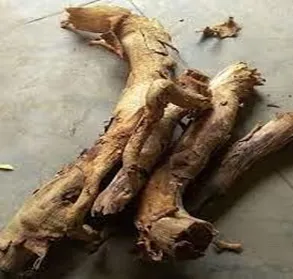
Root bark of Moringa oleifera contains alkaloids like morginine and minerals like calcium, potassium and sodium. Root bark of Moringa oleifera acts as a cardiac stimulant, anti-ulcer and anti-inflammatory agent.[8]
Seeds:
Flowers:
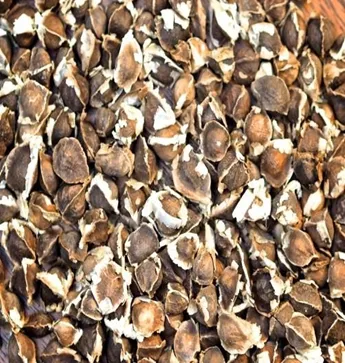
Oil is the main component of the seed. Apart the from oil the seed has high protein content, carbohydrates, and fibres. Moringa oleifera seeds have a high content of methionine and cysteine. Moringa oleifera seeds seems to be free of trypsin inhibitor and urease activity confirming the high protein digestibility. Moringa oleifera seeds contains fatty acids such as linoleic acid, linolenic acid, and behenic acid called as pterygospermin and phytochemicals such as tannins, flavonoids, phenolics and saponins. Moringa oleifera seeds have antimicrobial and anti-inflammatory properties and can be used to treat a variety of conditions including hyperthyroidism, chrohn's disease, arthritis, rheumatism, gout, cramps, and sexually transmitted infections along with other infections.[9]
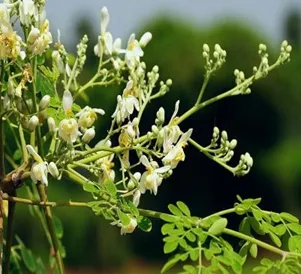
The flowers of Moringa oleifera contains calcium, potassium and amino acids like histidine, arginine, leucine, isoleucine, methionine, valine. They also contains nectar. Moringa oleifera flowers acts as hypocholesterolic, anti-arthritic agents and can cure urinary problems.[10]
Taxonomical Classification:
Phytochemical Composition:
The drumstick tree is abundant in various compounds, such as isocytosinate, glucosinolate, rhamnose, and common sugars. Moringinine, and moringine are the two alkaloids that make up its stem bark. Copper (Cu), Manganese (Mn), Magnesium (Mg), Zinc (Zn), Sodium (Na), Iron (Fe), Calcium (Ca), Potassium (K), and Copper (Cu) are all present in the leaves. An examination of the leaves phytochemical composition revealed the presence of terpenoids, anthocyanins, cardiac glycosides, tannins, and carotenoids. Both ethanolic and aqueous extracts contains anthraquinones, steroids, alkaloids, flavonoids, and saponins. A total of 32 metabolites were identified in the stem and leaf tissues of Moringa oleifera, of which 22 were found in both structures. While p-cresol, tyrosine, guanosine, adenosine, and 4-aminobutyrate were only found in leaf tissues, glutamine, tryptophan, and glutamate were only found in the stem tissues. D-glucose (9.37), D-xylose (2.93), L-rhamnose (6.15), L-arabinose (43.50), D-mannose (3.0), D-galactose (34.0%) are present in the purified whole-gum exudate of Moringa oleifera while L-glucose (23.2), L-mannose (6.0), and L-galactose (70.4%) were found in the degraded gum. With an energy value of 1440 Kcal/100g, Moringa leaves also include a significant amount of ash (7.93%), crude proteins (17.01%), fatty acids (1.69%), crude fat (2.11%), and crude fibre (7.09%). Essential minerals found in the leaves include copper (6.10ppm), manganese (81.65ppm), phosphorus (30.15ppm), zinc (60.06ppm), sodium (192.95ppm), potassium (0.97%), calcium (1.91%), magnesium (0.38%). Additionally, according to another study, the leaves contain alanine, aspartic acid, valine, glycine, glutamic acids, threonines, leucine, isoleucine, methionines, tryptophans, phenylalanines, lycines and histidine. The flowers also show the presence of Kaempeferol-3-rutinoside 34 and the stem was examined for beta-sitosterone, beta-sitosterol, octacosonic acid, vanillin and 4-hydroxy mellein.[11,12,13]
Photochemistry:
Moringa oleifera's entire plant including its leaves, seeds, pods, roots and flowers has a wide range of biological activities and even has the potential to be used medicinally to treat and prevent disease. Moringa oleifera leaves are abundant in nutrients, primarily comprising active ingredients like flavonoids, polyphenols, terpenoids, fatty acids and sterols in addition to minerals and vitamins. The primary bioactive components among them are polyphenols and flavonoids, which have anti-inflammatory, anti-sepsis, anticancer, antidiabetic, antihypertensive, anti-spasm and reduced metal toxicity. The primary components of Moringa oleifera seeds are protiens, flavonoid compounds and fatty acids and essential amino acids needed by human body. Moreover, Moringa oleifera seeds isothiocynates are essential for their anti-inflammatory, antioxidant, antibacterial, and anticancer activity. Essential oil has coagulant effect that can accelerate wound healing.[14]
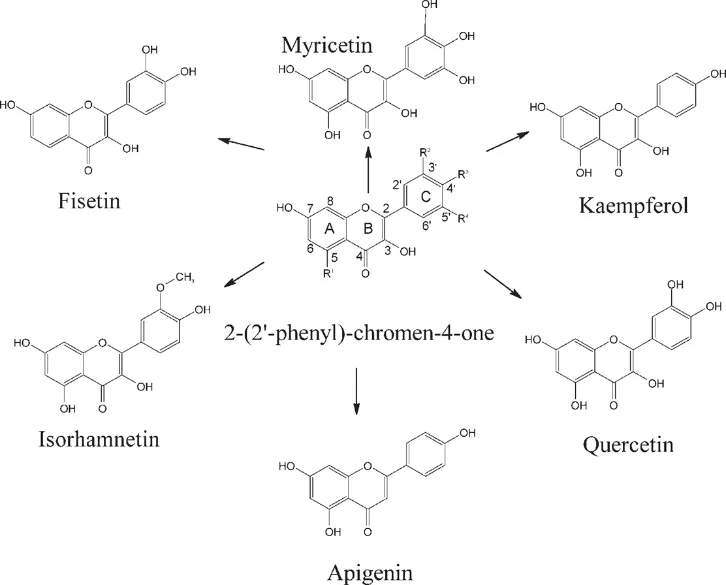
Pharmacological Activities:
Moringa oleifera possesses a variety of therapeutic qualities and ability the ability to treat wide range of illness. Diabetes, heart diseases, anaemia, arthritis, sterility, skin, liver, rheumatism, digestive disorders and many other conditions are among the many ailments it is used to treat. It is also used to treat ascites, pneumonia and venomous bites in number of other nations including those in Africa. Several studies claim that the leaves have anti-viral, anti-fungal, anti-abortifacient, and stimulant properties. Anaemia can be treated by Moringa powder instead of iron tablets. This amazing tree seems to have countless health advantages. In addition to the benefits already mentioned, consistent consumption of Moringa is thought to provide additional benefits.[15,16,17,18,19,20]
Antioxidant:
Antioxidants are widely used because they combat free radicals, which are responsible for oxidative stress, cell damage and inflammation. Furthermore the leaves, flowers, and seeds of Moringa contain antioxidant known as flavonoids, polyphenols and ascorbic acid which have numerous advantages. Reactive oxygen species have been studied for bioactive components from Moringa oleifera pods including glycosylates, isothiocynates, thiocarbamates, flavonoid and certain other compounds. In comparison to flowers and seeds, leaf extracts were found to have higher levels of antioxidant activity, the ability to scavenge free radicals, and the ability to inhibit the oxidation of DNA, lipids and proteins. This implies that it maintains the organs health and optimal function by preventing the harm and deterioration that free radicals inflict on their cells.
Antimicrobial & Antibacterial:
Moringa combats infections with its antimicrobial and antifungal characteristics. It has shown promise against blood and urinary tract infections, digestive issues, and fungal species that causes skin infections. Moringa oleifera roots are rich in antimicrobial agents and have antibacterial properties. The juice of bark and stem of Moringa plant has been shown to have antibacterial properties against staphylococcus aureus, while the bark extract has Been found to have antifungal properties. Bacteria such as klebshiella, pneumoniae, staphylococcus, and saprophyticus that causes urinary tract infections may be inhibited by Moringa oleifera leaf extract. Some fungal strains, including Aspergillus flavus, Aspergillus terreus, Aspergillus niger, Aspergillus oryzae, Fusarium solani, penicillium sclerotigenum, Cladosporium cladosporioides, trichophyton mentagrophytes, and pullarium species have been shown to be inhibited by the extracts from Moringa oleifera's leaves, seeds and stem.
Anti-inflammatory:
Treatment of various chronic and acute inflammations is one of the most promising application of Moringa extract. Obesity, diabetes, cardiovascular disease, respiratory issues, and arthritis are a few chronic diseases that can be brought on by inflammation. By inhibiting the body's inflammatory enzymes and proteins Moringa lowers inflammation, leaf concentrate can also dramatically reduce inflammation within the cells. Quercetin has the potential to contribute to the reduction of inflammation by blocking the activity of neutral factor kappa-beta which in turn blocks NF-kB-dependent downstream processes and inflammation.
Hepato protective:
The leaves and flowers of Moringa play a significant role in shielding the liver from oxidation, damage, and toxicity because of high polyphenol content. Additionally, by lowering oxidative stress and raising the amount of protein in liver, Moringa oil can normalize liver enzyme levels. Liver enzymes are necessary to perform its many tasks, including blood detoxification bile production, fructose metabolism, fat metabolism and nutrient processing. These functions depends on the liver's ability to produce bile. For example, decreased hepatic enzyme levels may hinder liver’s capacity to filter blood.
Enhances Wound Healing:
Moringa’s leaves, roots, and seeds contain blood-clotting qualities that promote wound healing and can shorten the time it takes for cuts, scrapes, or other wounds to stop bleeding. It considerably raises the rate at which wounds close, increases the strength of skin and granulomas, and reduces the amount of scarring.
Neuroprotective Effect:
Moringa strongly support for brain health and boost cognitive power due to its antioxidant and neuro-enhancer activities. As an alzheimer's disease treatment, it has demonstrated a number of promising outcomes. Increased intake of vitamins C and E also helps to normalize brain function and the neurotransmitters noradrenaline, dopamine and serotonin, which are important for memory, mood, organ function, reactions to stress and pleasure, and mental health conditions like psychosis and depression.
Safeguards the cardiovascular system:
The powdered leaves of Moringa have heart-healthy properties, especially in terms of lowering cholesterol, preventing plaque buildup in the arteries, and controlling blood sugar. This plant is extremely helpful in treating cardiovascular disorders because of its great combination of lipid and blood pressure lowering components along with diuretic properties. The juice of Moringa leaves plays a critical role in regulating blood pressure. The bioactive compound alkaloids derived from Moringa trees have been shown to have cardiac stimulant properties, stabilize blood pressure, influence diuretic activity and lower fat and cholesterol levels to prevent hyperlipidemia. They also lowers the serum triglycerides and cholesterol levels.
Anti-Diabetic:
It has been demonstrated that Moringa can treat Type-1 and Type-2 diabetes. Patients with type-1 diabetes have a deficiency in the hormone insulin, which is responsible for keeping blood glucose levels within the normal range. Insulin resistance is linked to type-2 diabetes. Another possible cause of type-2 diabetes is dysfunctional beta cells, which are unable to detect glucose levels and as a result decrease insulin signaling, raising blood glucose levels. It has been reported that Moringa leaves significantly lower blood glucose levels when consumed. Patients with hyperglycemia experience beta cell destruction. Reactive oxygen species are thus released when there is an increase in glucose entering the mitochondria. Because beta cells don’t produce as many antioxidants, they eventually undergoes apoptosis. As a result, insulin secretion is decreased, which raises blood sugar levels and causes type-2 diabetes. Diabetes can cause retinopathy, nephropathy, atherosclerosis and other complications. Such illnesses can be avoided by using Moringa. Advanced glycated end products (AGEs) are produced when blood glucose levels are too high. This reaction occurs when proteins are reacted with glucose. The RAGE expressed on the surface of immune cells is bound by these AGEs. Interleukin-6 and interferons are two cytokines whose transcription is increased as a result of this interaction. The surface endothelium of arteries expresses cell adhesion molecule concurrently. This promotes transendothelial migration, which results in inflammation and atherosclerosis. An anti-atherosclerotic agent is made from Moringa. The antioxidant characteristics of Moringa can explain its anti-atherogenic characteristics.
Anti-Cancer:
Cancer is still a serious health concern, and chemotherapy that has been previously prescribed has serious side effects. Many bioactive substances found in Moringa oleifera have beneficial effects on cancer treatment. Leaves of Moringa oleifera are capable of combating different types of cancer cells. Alkaloids are organic compounds that contains nitrogen and have been shown to have antitumor properties. It has been demonstrated that Moringa oleifera alkaloids blocks PC3 cell migration and proliferation by preventing cyclooxygenase-2-mediated Wnt/beta-catenin signaling pathway. One of the most common malignant tumors is lung cancer. Research has indicated that the alkaloids derived from Moringa oleifera possesses therapeutic properties against lung cancer. The growth and migration ofn human non-small cell lung cancer cells can be inhibited by Moringa oleifera. Its potential for both prevention and treatment of lung cancer is further highlighted by the way it inhibits mechanisms related to the activation of the Janus kinase2/Signal transducer and activator of transcription 3 (JAK2/STAT3) pathway and induces cell apoptosis and cell cycle arrest. Benzyl isothiocynate, niazimicin, and glucosesinolates are the compounds found in leaves of Moringa oleifera that are thought to have Anti-Cancer properties. There is evidence linking benzylisothiocynate to cancer. Moreover human myeloma cell lines demonstrated a marked cytotoxic response to the Moringa oleifera leaves.
Insecticide:
The seeds, leaves, pods, and flowers of Moringa oleifera exhibit insecticidal, larvicidal, and ovicidal properties against the vectors of Aedes aegypti and Anopheles stephensi species. It has been shown that proteins like water-soluble Moringa oleifera lectin derived from seeds have larvicidal activity against organophosphate-resistant stage four A. aegypti larvae. Furthermore, the methanol root extract is useful in suppressing the mosquitoe Culex quinquefasciatus and Aedes albopictus which are important vectors of nematodes and viruses that affects public health, and the aqueous extract of Moringa oleifera seeds is active against A. aegypti larvae.
Details Relevant to Malnutrition:
Moringa trees have been used to treat malnutrition, particularly in young children and women who are nursing. In particular, three non-governmental organizations have promoted moringa as “Natural nutrition for the tropics”. It is said that leaves retain their nutritional value even after being cooked, eaten raw or kept as a dried powder for several months without needing to be refrigerated. Because the moringa tree is in full leaf at the end of dry season, when other foods are usually scarce, the tropical plants holds great promise as a food source. There are currently a ton of reports in both scientific and popular literature on the nutritional benefits of Moringa. It is commonly said that Moringa leaves contains more Vitamin A than carrots, more calcium than milk, more iron than spinach, more Vitamin C than oranges, and more potassium than bananas, and that the protein quality of Moringa leaves rivals that of milk and egg.
Pharmaceutical Applications:[21,22,23,24,25]
1. Suspending Agent :
A comparative study of gums of Moringa oleifera and tracaganth was reported. Zinc oxide suspensions were prepared with gum of Moringa oleifera and tracaganth. Their sedimentation profile, redispersibility, degree of flocculation and rheological behaviour were compared. The results shows that the suspending properties of Moringa oleifera gum are comparable with that of gum tragacanth.
2. Surfactant behavior
A study on interfacial properties and fluorescence of a coagulating
Protein extracted from Moringa seeds and its interaction with sodium dodecyl sulphate (SDS) was carried out. The study reported that
a) The protein extracted from Moring seeds has significant surfactant behavior.
b) The coagulant protein interacts strongly with SDS and the protein might have specific binding sites for SDS.
c) There is formation of protein-SDS complex.
3. Film forming property
Studies reported that gum of M. oleifera has enormous potential for use in the preparation of polymeric films as drug delivery systems.
As stabilizer Plant phenolics have gained considerable interest in recent years for their potential effects against food related microorganisms. Phenolic extract obtained from the leaves of M. oleifera and M. orusindica showed stabilizing activity. In the present study effect of addition of phenolic extract from leaves of M. oleifera and M. indica on the shelf life of pineapple juice stored at 40 °C was investigated by monitoring the changes in titrableacidity and sensory parameters for 8 w. Results observed that the extracts of natural phenolics can be used to improve the quality and safety of foods.
4. Cosmetic use
Various parts of Moringa oleifera have cosmetic value. Cognis Laboratories Serobiologics team developed Puricare TM and Purisoft TM, two active ingredients based on botanical peptides from the seeds of Moringa oleifera tree that purify hair and skin and offer protection against the effects of pollution. Moringa seed oil, known as Behen oil is widely used as a carrier oil in cosmetic preparations. The healing properties of Moringa oil were documented by ancient cultures. Moringa oil possesses exceptional oxidative stability which may explain why the Egyptians placed vases of Moringa oil in their tombs. It is high in oleic acid and similar in composition to olive oil. Moringa oil is light and spreads easily on the skin. It is good oil for use in massage and aromatherapy applications. It can be used in body and hair care as a moisturizer and skin conditioner.
5. Binder
In view of importance of binders in pharmaceuticals for the manufacture of tablets and capsules, gum extracted from the bark of Moringa Oleifera gum was evaluate its binding properties through assessment of various parameters essential for pharmaceutical formulation.
6. Disintegrant
Moringa oleifera isolated gum powder can be effectively used as disintegrant. The disintegration time for natural gum was found to be less when compared to synthetic gum tablet.
RESULT
Moringa oleifera is well known as a very nutritious medical plant. Nearly every part of the plant, including the leaves, seeds, pods, flowers, and roots, has substantial nutritional and medicinal potential, according to a review of published literature. The largest concentration of vital nutrients and bioactive substances was discovered in the leaves out of all the sections.Moringa leaves are a great source of proteins, vital amino acids, calcium, potassium, magnesium, iron, zinc, and vitamins A, B-complex, C, D, and E, according to nutritional analyses published in numerous research. Moringa is especially crucial in the fight against protein-energy malnutrition because of the leaves' high protein content, particularly in underdeveloped nations. Children, expectant moms, and nursing mothers can take dried leaf powder as a dietary supplement since it maintains a significant amount of nutritional content.Moringa oleifera contains flavonoids, phenolic acids, tannins, carotenoids, and glucosinolates, it has antioxidant potential, according to the studies covered in this review. Free radical scavenging action is greatly enhanced by substances like rutin, kaempferol, quercetin, and chlorogenic acid. These antioxidant qualities may aid in lowering oxidative stress and preventing long-term illnesses like cancer, diabetes mellitus, heart disease, and neurological disorders.Moringa has a variety of pharmacological properties, including anti-inflammatory, antibacterial, antidiabetic, hepatoprotective, anticancer, and immune-boosting benefits, according to the review. The plant's isothiocyanates and flavonoids are primarily responsible for its anti-inflammatory properties. Furthermore, seed and leaf extracts' antibacterial qualities have demonstrated efficacy against a number of harmful microbes.Moringa leaves are a great source of proteins, vital amino acids, calcium, potassium, magnesium, iron, zinc, and vitamins A, B-complex, C, D, and E, according to nutritional analyses published in numerous research. Moringa is especially crucial in the fight against protein-energy malnutrition because of the leaves' high protein content, particularly in underdeveloped nations. Additionally, dried leaf powder maintains a significant amount of nutritional content and can be utilized as a dietary supplement for kids, expectant mothers, and nursing moms.
CONCLUSION
Moringa oleifera is regarded as one of the most nutritionally valuable and medicinally significant plants due to its abundant content of proteins, essential amino acids, vitamins, minerals, dietary fibers, and natural antioxidant. Numerous bioactive substances, including flavonoids, phenolic compounds, alkaloids, and glucosinolates, are found in various plant parts, particularly the leaves, seeds, and pods. These substances support the plant's antioxidant, anti-inflammatory, antibacterial, antidiabetic, and immunomodulatory properties. Moringa oleifera has garnered significant interest in the domains of nutrition, pharmacology, and healthcare research because to these medicinal and nutritional qualities.The importance of Moringa oleifera as a natural dietary supplement and functional food ingredient for enhancing human health and nutritional status is highlighted in this review. Owing to its remarkable nutritional profile, it could be a cost-effective and efficient dietary source for preventing micronutrient deficiency disorders and protein-energy malnutrition, especially in children, pregnant women, breastfeeding mothers, and older populations in underdeveloped nations. Additionally, its use in nutraceuticals, herbal formulations, and fortified food products may have a major positive impact on nutritional security and public health.In conclusion, because of its wide range of pharmacological and nutritional qualities, Moringa oleifera has enormous promise for the creation of nutraceuticals, functional foods, and plant-based pharmaceutical formulations. To create uniform dosage forms, safety profiles, and long-term therapeutic efficacy, additional clinical, pharmacological, and toxicological research is still required. Its function in the prevention and treatment of malnutrition and other nutritional deficiency illnesses may therefore be strengthened by ongoing scientific investigation and evidence-based validation of its health advantages.[26,27,28]
FUTURE SCOPE:
Moringa oleifera's remarkable nutritional makeup and wide range of medicinal uses have drawn a lot of scientific interest. The plant is a promising natural source for enhancing human health and nutrition since it is high in proteins, vital amino acids, vitamins, minerals, dietary fiber, and natural antioxidants. Future studies can concentrate on using Moringa oleifera as a sustainable and reasonably priced nutritional supplement for managing and preventing malnutrition, especially in developing nations where nutrient deficiency illnesses are quite common.
Standardized nutraceutical and pharmaceutical formulations of Moringa oleifera, such as fortified food items, protein supplements, herbal capsules, functional beverages, and pediatric nutritional preparations, need more research. Children, expectant moms, nursing mothers, elderly patients, and others with impaired immune systems may benefit greatly from such formulations.Furthermore, to assess the long-term safety, effectiveness, bioavailability, and therapeutic dose of products derived from moringa, sophisticated clinical and pharmacological studies are required. Its antioxidant, anti-inflammatory, antidiabetic, antibacterial, and immunomodulatory properties may be attributed to certain bioactive substances that can be identified and isolated with the aid of future molecular research. These studies may aid in the creation of functional foods and innovative plant-based medicinal substances.In the future, the possible use of Moringa oleifera in school meal programs, public health nutrition programs, and dietary interventions in the reduction of protein-energy malnutrition and micronutrient deficiency will be of great interest. We are likely to witness the emergence of new innovative drug delivery systems, nanoformulations, and synergistic herbal combinations that will encourage the pharmaceutical and therapeutic use of Moringa.Furthermore, commercial use of Moringa oleifera, sustainable farming methods, and large-scale cultivation can support economic development and food security. Moringa oleifera may become a significant medicinal and nutritional plant for the healthcare and nutraceutical businesses due to its high nutritional value and capacity to adapt to hard environmental conditions.Moringa oleifera therefore has enormous potential for the future in the areas of nutrition, medicines, functional foods, and public health research due to its exceptional nutritional profile and broad spectrum of pharmacological activity.[29,30,31,32]
REFERENCES

Disha Shete, Rutuja Gosavi, Prajakta Barse, R. Pandhare, V. Deshmukh, A Review on Moringa Oleifera and Its Nutritive Properties, Int. J. of Pharm. Sci., 2026, Vol 4, Issue 5, 6981-6992, https://doi.org/10.5281/zenodo.20396639
 10.5281/zenodo.20396639