

We use cookies to ensure our website works properly and to personalise your experience. Cookies policy
1Associate Professor, Department of Pharmacology, Appasaheb Birnale, college of Pharmacy, Sangli, India 416310.
2Research Scholar, Department of Pharmaceutical Chemistry, Appasaheb Birnale college of Pharmacy, Sangli, India 416310.
Pharmaceutical impurities are undesirable chemical substances that may adversely affect the quality, safety, efficacy, and stability of drug substances and finished pharmaceutical products. Therefore, their systematic detection, identification, characterization, and control are essential components of pharmaceutical development and quality assurance. The present review highlights the significance of impurity assessment and discusses the regulatory framework established by the International Council for Harmonization (ICH) for the identification, evaluation, qualification, and control of impurities in pharmaceutical substances and products. These guidelines provide internationally harmonized criteria for evaluating impurities arising from synthesis, manufacturing processes, degradation, and storage. A comprehensive review of the literature demonstrates the development of various analytical approaches for the detection, characterization, and quantification of these compounds. Published studies have reported diverse analytical methodologies along with their validation parameters and research findings, providing valuable information for reliable quality assessment. Among the available techniques, chromatographic and spectroscopic methods have received considerable attention because of their sensitivity, selectivity, accuracy, and applicability to complex pharmaceutical matrices. Chromatographic techniques such as HPLC, UHPLC, GC, and LC–MS are extensively employed for the separation and quantitative determination of process-related impurities and degradation products, whereas spectroscopic techniques such as UV–Visible spectroscopy, FTIR, NMR, and mass spectrometry provide complementary information for identification and structural characterization.
Pharmaceutical impurities are undesired chemical entities present in active pharmaceutical ingredients (APIs), excipients, or finished pharmaceutical products, other than the intended drug substance and formulation components. They may originate from starting materials, synthetic intermediates, reagents, catalysts, manufacturing processes, excipients, packaging materials, or degradation during storage. The presence of impurities, even at trace levels, may influence the safety, efficacy, stability, and overall quality of pharmaceutical products [1,2].
Pharmaceutical impurities are broadly categorized into organic impurities, inorganic impurities, residual solvents, elemental impurities, and degradation products. Organic impurities commonly include starting materials, intermediates, by-products, and process-related substances, whereas inorganic and elemental impurities may originate from reagents, catalysts, water, or manufacturing equipment. Degradation products can form through hydrolysis, oxidation, photolysis, thermal degradation, or interactions with excipients and packaging materials [2,3].
The identification, quantification, characterization, and control of impurities are essential components of pharmaceutical development and quality assurance. International regulatory guidelines, particularly ICH Q3A and Q3B, provide recommendations for the assessment and control of impurities in drug substances and drug products, while ICH Q3C, Q3D, and M7 address residual solvents, elemental impurities, and DNA-reactive mutagenic impurities, respectively. These guidelines support scientifically justified and risk-based impurity control strategies [4].
Advanced analytical techniques have significantly improved the sensitivity and selectivity of impurity profiling. HPLC and UHPLC are widely employed for separation and quantification, while hyphenated techniques such as LC-MS/MS, GC-MS, HRMS, and LC-NMR provide valuable information for the detection and structural elucidation of unknown impurities and degradation products [2,3]. NMR spectroscopy further contributes to structural confirmation and characterization of impurities without necessarily requiring authentic reference standards. Particular attention is required for genotoxic and potentially carcinogenic impurities, as their presence may pose significant health risks even at very low concentrations. Consequently, contemporary pharmaceutical impurity management emphasizes risk assessment, toxicological evaluation, sensitive analytical methodologies, process understanding, and lifecycle-based control strategies. These integrated approaches are essential for maintaining consistent pharmaceutical quality and protecting patient safety.
The International Council for Harmonization (ICH) guidelines provided a regulatory framework for the identification, qualification, control, and assessment of impurities and degradation products in pharmaceutical drug substances and products.
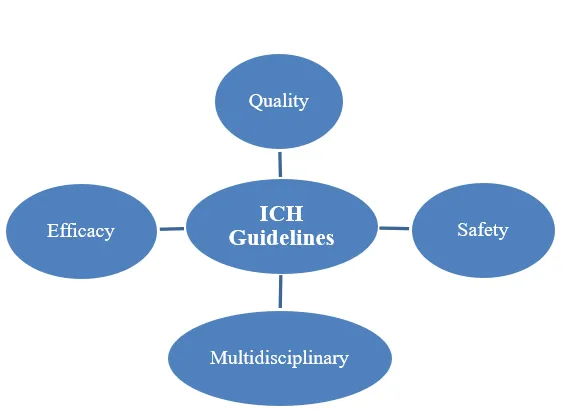
Table 1: ICH Guidelines
ICH guidelines should be followed while preparation of final product.
The International Council for Harmonization (ICH) guidelines provided a regulatory framework for the identification, qualification, control, and assessment of impurities and degradation products in pharmaceutical drug substances and products. The major ICH guidelines relevant to impurity profiling included:
Impurity Profiling techniques
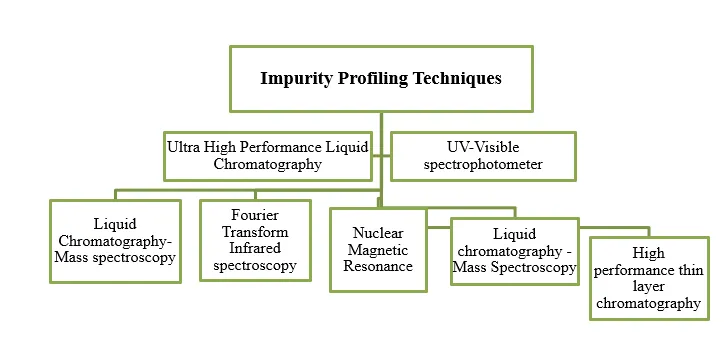
Table 2: Impurity Profiling Techniques
1. Fourier Transform Infrared (FTIR)
Fourier Transform Infrared (FTIR) spectroscopy was widely employed in pharmaceutical sciences for the identification and characterization of drug substances, excipients, and pharmaceutical formulations. The technique was based on the absorption of infrared radiation by molecules at specific frequencies corresponding to vibrational transitions of chemical bonds, producing characteristic spectra that served as molecular fingerprints of the analyzed compounds. FTIR spectroscopy was particularly useful for functional-group identification because different chemical groups exhibited characteristic absorption bands in the infrared region. Functionalities such as hydroxyl (–OH), carbonyl (C=O), and amine (–NH) groups could be identified based on their characteristic absorption frequencies. Consequently, FTIR was extensively used to confirm the identity of active pharmaceutical ingredients (APIs), assess drug–excipient compatibility, and detect potential chemical interactions within pharmaceutical formulations. Various sampling techniques were employed depending on the physical nature of the sample. Attenuated Total Reflectance (ATR) was widely used because it enabled the direct analysis of solid, liquid, and semisolid samples with minimal sample preparation. The potassium bromide (KBr) pellet technique involved mixing the sample with dry KBr followed by compression into a transparent pellet, whereas transmission FTIR was commonly applied to thin films and solutions. FTIR spectroscopy offered several advantages, including rapid analysis, simple operation, cost-effectiveness, minimal sample preparation, and non-destructive analysis. These characteristics made it suitable for routine pharmaceutical quality control and drug–excipient compatibility studies. However, the technique had certain limitations, including relatively limited structural information compared with advanced techniques such as nuclear magnetic resonance (NMR) spectroscopy and possible overlap of absorption bands, which could complicate spectral interpretation in complex pharmaceutical mixtures.
The detection and characterization of impurities and degradation products were essential for ensuring pharmaceutical safety, efficacy, stability, and regulatory compliance. Nuclear Magnetic Resonance (NMR) spectroscopy was widely employed for impurity profiling and structural characterization because it enabled the detection and characterization of minor components and, in certain cases, quantitative analysis without requiring reference standards. Fourier Transform Infrared (FTIR) spectroscopy was useful for investigating degradation pathways by identifying changes in functional groups and chemical bonding patterns under stress conditions such as heat, light, and variations in pH. Raman spectroscopy offered advantages for real-time and in-situ monitoring and was therefore suitable for evaluating degradation processes during pharmaceutical manufacturing and storage. Collectively, NMR, FTIR, and Raman spectroscopy provided complementary analytical information and facilitated the identification, characterization, monitoring, and control of impurities and degradation products in pharmaceutical formulations.
2. Ultra-High-Performance Liquid Chromatography (UHPLC)
Ultra-High-Performance Liquid Chromatography (UHPLC) represented a significant advancement over conventional High-Performance Liquid Chromatography (HPLC). The technique employed stationary phases with smaller particle sizes, typically below 2 µm, which enhanced chromatographic efficiency and separation performance. The higher column efficiency achieved with smaller particles resulted in improved resolution of complex mixtures and facilitated the effective separation of closely eluting impurities, making UHPLC particularly is suitable for pharmaceutical impurity profiling. UHPLC operated at higher pressures than conventional HPLC, which enabled rapid chromatographic separations while maintaining high resolution and analytical performance. The reduced analysis time consequently improved laboratory throughput and allowed a greater number of samples to be processed within a shorter period. Furthermore, enhanced separation efficiency and reduced band broadening contributed to improved detection sensitivity, enabling the determination of impurities and degradation products at trace concentration levels. This capability was particularly important for the identification and control of potentially harmful impurities in pharmaceutical products.
High performance liquid chromatography and Thin layer chromatography densiometric method was used in the identification & quantification of impurities like p-aminophenol (PAP), p-nitrophenol (PNP), and p-chloroacetanilide (PCA) in the ibuprofen, Paracetamol, chlorzoxazone samples. The mobile phase were (chloroform, toluene, ethanol, ammonia) used for the separation and quantification of impurities in the drug samples. Furthermore the method was validated by following the ICH guidelines. From the result it was revealed that the three impurities were estimated successfully by High performance liquid chromatography and thin layer chromatography densiometric method.
3. UV–Visible (UV–Vis) spectroscopy is an important analytical technique in pharmaceutical analysis for the qualitative and quantitative evaluation of drug substances, formulations, and impurities. The technique is based on the measurement of the absorption or transmission of ultraviolet and visible radiation by molecular species and offers advantages such as simplicity, rapid analysis, relatively low operating cost, and adequate sensitivity for routine pharmaceutical quality control. Impurities and degradation products may exhibit characteristic absorption maxima (λmax) owing to differences in their molecular structures and chromophores, enabling their detection through spectral analysis. Quantitative determination can be performed by measuring absorbance at selected wavelengths and applying the Beer–Lambert law, using calibration curves prepared from reference standards.
4. Thin-Layer Chromatography (TLC)
Thin-layer chromatography (TLC) is a simple and economical chromatographic technique used for the preliminary detection of impurities in pharmaceutical substances. Separation is based on differences in the distribution of analytes between a stationary phase, commonly silica gel, and a mobile phase. The separated components appear as individual spots that can be visualized under UV light or using suitable chemical reagents.
TLC generally provides a detection capability of approximately 0.5%, although the actual sensitivity depends on the analyte, detection system, and experimental conditions. Its major advantages are its simplicity, low cost, minimal solvent consumption, and rapid analysis. However, its sensitivity and quantitative precision are relatively limited compared with HPLC and LC–MS. Therefore, TLC is mainly used for preliminary impurity screening, identification of major impurities, reaction monitoring, and early-stage pharmaceutical analysis.
5. High-Performance Thin-Layer Chromatography (HPTLC)
HPTLC is an advanced form of TLC that provides improved separation efficiency, reproducibility, and quantitative capability. It employs pre-coated plates with smaller and more uniform particle sizes and allows controlled sample application and densitometric detection.
HPTLC can detect impurities at approximately the 0.1% level under suitable conditions. Its improved resolution enables the separation of closely related compounds that may not be adequately resolved by conventional TLC. HPTLC is particularly useful for simultaneous analysis of multiple components, impurity profiling, assay of pharmaceutical formulations, and quantitative analysis. However, it requires specialized instrumentation for precise sample application, development, and densitometric evaluation, making it more technically demanding than conventional TLC.
6. High-Performance Liquid Chromatography (HPLC)
HPLC is one of the most widely employed analytical techniques for pharmaceutical impurity profiling because of its high separation efficiency, sensitivity, precision, and specificity. In reversed-phase HPLC, compounds are separated according to their interactions with the stationary phase and mobile phase.
Under optimized conditions, HPLC methods may achieve impurity detection at approximately the 0.01% level, although the actual limit of detection depends strongly on the detector, analyte properties, and method conditions. HPLC can separate the parent drug from structurally related substances, process-related impurities, and degradation products. It is extensively used in assay determination, related-substance testing, forced-degradation studies, stability-indicating methods, and regulatory quality control.
7. Gas Chromatography (GC)
Gas chromatography (GC) is particularly suitable for the analysis of volatile and thermally stable compounds. Separation is achieved through vaporization of the sample followed by differential interaction with the stationary phase inside a capillary or packed column. GC can provide very high sensitivity, with detection limits potentially reaching approximately the 0.001% level depending on the detector and analyte. It is especially valuable for the determination of residual organic solvents, volatile process-related impurities, and other volatile degradation products.
8. Liquid Chromatography–Mass Spectrometry (LC–MS) LC–MS represents a highly advanced analytical approach that combines the separation capability of liquid chromatography with the molecular identification and detection capabilities of mass spectrometry. It is particularly powerful for the characterization of trace-level impurities, degradation products, metabolites, and structurally related compounds.
LC–MS can achieve detection limits in the low parts-per-million or sub-0.001% range for suitable analytes and instrumentation. Its major advantage is its exceptional sensitivity and selectivity, together with the ability to obtain molecular-weight and structural information from mass-to-charge ratios and fragmentation patterns. High-resolution LC–MS and tandem MS (LC–MS/MS) can further facilitate accurate-mass measurement and structural elucidation of unknown impurities.
Applications of Impurity Profiling
Literature Review
1. Alsante KM, Ando A, Brown R, et al32,33.
Impurity profiling is an important aspect of pharmaceutical quality control because trace-level impurities could adversely affect the safety, efficacy, stability, and overall quality of pharmaceutical products. Impurities were reported to originate from starting materials, manufacturing processes, residual solvents, storage conditions, and degradation of active pharmaceutical ingredients (APIs) [6–8]. Impurity profiling involved the detection, identification, characterization, and quantification of both known and unknown impurities [11,12]. Various analytical techniques, including high-performance liquid chromatography (HPLC), gas chromatography (GC), liquid chromatography–tandem mass spectrometry (LC–MS/MS), gas chromatography–mass spectrometry (GC–MS), and nuclear magnetic resonance (NMR) spectroscopy, were widely employed for the detection and characterization of pharmaceutical impurities [11,12]. Stability-indicating analytical methods and forced degradation studies were also employed to investigate degradation pathways and assess the stability of drug substances and products [8]. Recent studies emphasized the development of sensitive, accurate, precise, rapid, and robust analytical methods for the reliable determination and control of pharmaceutical impurities [11,12].
2. Kumar A, et al.
Kumar et al. reported that antidiabetic biologics (ADBs) had significantly advanced the management of diabetes mellitus and included insulin and its analogues, glucagon-like peptide-1 (GLP-1) receptor agonists, amylin analogues, and other newer biological therapies [13,18]. The literature emphasized that comprehensive quality control was essential for ensuring the identity, potency, purity, safety, and efficacy of these biological products [13–15]. Various analytical approaches, including chromatographic and spectroscopic techniques, capillary electrophoresis, immunoassays, and endotoxin testing, were employed for their comprehensive quality assessment [13,15,16]. The reported studies highlighted the advantages and limitations of these analytical techniques and emphasized the development of advanced, sensitive, reliable, and efficient analytical methods to satisfy evolving regulatory requirements for biological products [13–19].
3. Shivananda KB, Somaprakash N, Badiya PK.
Shivananda et al. reported that pharmaceutical impurity profiling was essential for ensuring the safety, efficacy, and quality of anticancer drugs, particularly because many of these drugs possessed high potency and narrow therapeutic indices [20,23]. The reported impurities included organic impurities, inorganic impurities, residual solvents, and genotoxic impurities that could originate from manufacturing processes or drug degradation [20, 25,26]. Various analytical techniques, including HPLC, GC, spectroscopy, mass spectrometry, capillary electrophoresis, and hyphenated analytical techniques, were widely employed for the detection, identification, and characterization of these impurities [22–24,27]. Recent advances included the application of artificial intelligence-assisted analysis, portable sensing technologies, surface plasmon-based techniques, and real-time monitoring approaches, which improved the sensitivity, efficiency, automation, and sustainability of impurity analysis [20,27]. Regulatory guidelines issued by organizations such as the ICH, FDA, EMA, and WHO provided acceptable limits and control strategies for pharmaceutical impurities and thereby supported the quality and safety of oncology drug products [20,26]
4. Ganorkar SB, Shirkhedkar AA, Dole MN, Jagtap AG28
The study highlighted the importance of impurity profiling and degradation-product characterization in pharmaceutical analysis as a potential approach for new drug discovery. Zileuton (ZLT), a 5-lipoxygenase (5-LOX) inhibitor used in the management of asthma, was subjected to forced degradation studies and showed susceptibility to acidic, alkaline, and oxidative conditions. The resulting forced degradation products were separated using a validated UHPLC-PDA method and further characterized by LC/MS-QTOF and ^1H-NMR spectroscopy. Structural information obtained from these analytical techniques was used to identify and confirm the major degradation products. The toxicity of the degradation products was evaluated using TOPKAT, and some products were predicted to be less toxic than the parent drug. These non-toxic degradation products were subsequently investigated for their potential biological activity. Molecular docking using the 3V99 structure of 5-LOX revealed that one degradation product exhibited stronger binding affinity than zileuton, suggesting its potential as an antiasthmatic candidate. Furthermore, PASS prediction indicated that certain degradation products may possess additional pharmacological activities, including antineoplastic, antiallergic, and Complement Factor-D inhibitory activities.
5. Görög S29. Impurity profiling has become an important area of pharmaceutical analysis due to increasing regulatory requirements for the identification and control of impurities in drug substances and formulations [29, 30, 31]. Nuclear Magnetic Resonance (NMR) spectroscopy is widely recognized as a powerful technique for the structural identification, characterization, and confirmation of pharmaceutical impurities and degradation products [24-26]. It can provide qualitative information on unknown impurities and enable quantitative analysis of multiple components without prior separation [24-25]. The combination of NMR with chromatographic techniques further enhances its analytical capability [24-26]. Thus, NMR and its hyphenated techniques contribute to ensuring the quality, safety, and efficacy of pharmaceutical products [28,33]
6. Jahani M, Fazly Bazzaz BS, Akaberi M, Rajabi O, Hadizadeh F.
Pharmaceutical impurity profiling is essential for ensuring the safety, efficacy, and quality of drug substances and products. Impurities may arise during synthesis, manufacturing, storage, or degradation and include organic, inorganic, residual solvent, elemental, and genotoxic impurities. International guidelines such as ICH Q3A/B, Q3C, Q3D, and M7 provide systematic approaches for their identification, qualification, and control. Forced degradation studies are important for understanding degradation pathways and establishing stability-indicating analytical methods [1,2]. Advanced analytical techniques including HPLC, UHPLC, LC-MS/MS, HRMS, and NMR are widely used for the separation, detection, quantification, and structural elucidation of impurities [2]. Particular attention has been given to mutagenic impurities, especially nitrosamines, because of their potential carcinogenic and genotoxic effects and the requirement for sensitive trace-level analytical methods [3-5]. Recent approaches involving risk-based lifecycle management, green analytical chemistry, artificial intelligence, Process Analytical Technology (PAT), and Real-Time Release Testing (RTRT) are promoting proactive impurity control and improved pharmaceutical quality. Overall, modern impurity profiling integrates advanced analytical technologies with regulatory and risk-based strategies to ensure drug safety and regulatory compliance.
7. Shaik KM, Bhandare P, Bhosale V
N-nitrosamines are important pharmaceutical impurities due to their carcinogenic, mutagenic, and genotoxic potential. They have been detected in drug products such as sartans, metformin, ranitidine, and nizatidine, leading to recalls and increased regulatory scrutiny [36]. Regulatory agencies have established risk-based approaches and acceptable intake (AI) limits for controlling nitrosamine impurities and preventing their formation during pharmaceutical manufacturing [37, 38]. Because these impurities may occur at trace levels, sensitive analytical techniques including LC-MS/MS, GC-MS, and HRMS are widely used for their detection, quantification, and characterization [36, 39]. Current strategies emphasize risk assessment, preventive controls, analytical monitoring, and lifecycle management to minimize nitrosamine contamination and ensure pharmaceutical safety.
8. Pethani T, Detroja P, Dave D, Khan R, Mori D.
Antifungal drugs require comprehensive analytical evaluation to ensure their purity, stability, safety, and therapeutic efficacy. Impurity profiling of major antifungal classes, including azoles, polyenes, allylamines, and pyrimidine analogues, is important for identifying process-related and degradation impurities [41]. HPLC, LC-MS/MS, and GC-MS are widely employed for the detection, quantification, and structural characterization of impurities [41,42]. Forced degradation studies under acidic, alkaline, oxidative, thermal, and photolytic conditions help elucidate degradation pathways and establish stability-indicating analytical methods [42]. Furthermore, LC-MS/MS and UPLC-MS/MS methods are increasingly used for bio analytical and pharmacokinetic studies because of their high sensitivity and specificity [43,44]. Overall, integrated impurity profiling, degradation studies, and bio analytical methods are essential for maintaining the quality, safety, efficacy, and regulatory compliance of antifungal pharmaceutical products.
9. Ding et al. investigated the forced degradation and impurity profiling of vericiguat (VER) under acidic, alkaline, oxidative, photolytic, and thermal stress conditions. VER showed significant degradation under alkaline and H₂O₂ oxidative conditions, producing nine degradation impurities. Additional free-radical oxidation using benzoyl peroxide generated two novel impurities. LC-MS/MS and 1D/2D-NMR were employed for structural elucidation of the degradation products. The identified degradation pathways included pyrimidine-ring cleavage, amino-group oxidation, ester/amide hydrolysis, intramolecular cyclization, and rearrangement. The study provided a comprehensive impurity profile and valuable information for the stability assessment and quality control of vericiguat.
10. Lakka, N.S., Kuppan, C., Vadagam, N. et al
Baloxavir marboxil (BXM) was a novel antiviral drug used for the treatment of influenza A and B infections, while baloxavir acid (BXA) was its active metabolite. Literature studies had comprehensively investigated the regulatory status, impurity profile, degradation behaviour, and analytical methods associated with BXM and BXA. Reported impurities included five metabolites, twelve degradation products, fourteen chiral compounds, forty process-related impurities, and five stable isotopes. Studies had investigated the formation of degradation products under hydrolytic, oxidative, photolytic, thermal, and humidity stress conditions, providing insights into the degradation pathways of BXM and BXA. Various analytical techniques, including UV spectroscopy, HPLC, LC-MS/MS, and other hyphenated techniques, had been employed for assay and impurity determination. Regulatory requirements for controlling organic impurities and establishing acceptable specification limits had also been evaluated. Overall, these studies had provided valuable information for stability-indicating method development, impurity identification and quantification, quality control, and pharmaceutical development of BXM and BXA.
11. Thrinath SR, Krishnan M, Lakshmi KS, Mankumare SD53.
Nirogacestat, a selective γ-secretase inhibitor, requires comprehensive stability assessment and impurity profiling to ensure its quality, safety, and therapeutic efficacy. A sensitive and validated UPLC-MS method was developed for the quantitative determination of Nirogacestat and its degradation products under ICH-recommended stress conditions, including acidic, alkaline, oxidative, thermal, photolytic, and reductive degradation. The method demonstrated excellent linearity (r² = 0.999), along with satisfactory specificity, accuracy, precision, robustness, and solution stability. Forced degradation studies revealed condition-dependent degradation products, which were effectively resolved from the parent drug and characterized using mass spectrometric analysis. The developed method therefore provides a reliable stability-indicating approach for impurity profiling, routine quality control, and regulatory assessment of Nirogacestat.
12. Nabil M, Ahmed DA, Abbas SS, Lotfy HM, Marzouk HM54
A high-performance liquid chromatography (HPLC) method was developed for the simultaneous determination of carvedilol (CAR) and hydrochlorothiazide (HCT) in bulk drugs and pharmaceutical dosage forms. The method also enabled the separation and quantification of HCT-related impurities, including salamide (DSA) and chlorothiazide (CT). Chromatographic separation was achieved using a YMC® Triart-Phenyl analytical column with gradient elution using 0.1% formic acid and ethanol at a flow rate of 1.0 mL/min. Detection was performed using a photodiode array detector at 254 nm. The method exhibited linearity over the concentration ranges of 0.1–100.0 µg/mL for CAR and HCT and 0.05–10.0 µg/mL for DSA and CT. The developed method was successfully applied to the analysis of different real samples and simultaneous dissolution studies of CAR and HCT. The method was validated according to ICH guidelines and demonstrated satisfactory accuracy, precision, and reliability. Its environmental sustainability was evaluated using greenness, blueness, and whiteness assessment tools, and its performance was compared with official and previously reported analytical methods. Furthermore, the Carbon Footprint Reduction Index was applied to estimate the CO₂ emissions associated with the analytical procedure. Overall, the developed HPLC method was found to be a reliable, environmentally sustainable, and practical approach for the quality control of CAR and HCT in bulk materials and marketed pharmaceutical formulations.
13. Liu Y, Zheng J, Sun J, Zhao M, Mahmoudi A, Zhu P, Adams E55.
A study was conducted to investigate the impurity profile of norvancomycin (NVCM) hydrochloride, a glycopeptide antibiotic that exhibited potent activity against Gram-positive cocci and bacilli. Since impurities could adversely affect the quality, safety, and efficacy of pharmaceutical products, their identification and characterization were considered essential for quality control. A simple and sensitive ultrahigh-performance liquid chromatography–quadrupole time-of-flight mass spectrometry (UHPLC-QTOF-MS) method was developed for the detection and characterization of impurities in NVCM hydrochloride. Chromatographic separation was achieved using an ACQUITY UPLC BEH C18 column (2.1 × 100 mm, 1.7 μm) with a flow rate of 0.2 mL/min. The mobile phase consisted of 10 mmol/L ammonium formate adjusted to pH 9.0 as mobile phase A and methanol as mobile phase B, with gradient elution applied over 40 min. Stress degradation studies were also performed to evaluate the specificity and stability-indicating capability of the developed method. Using accurate mass measurements and MS/MS fragmentation data, thirteen impurities and two degradation products were characterized and their probable chemical structures were elucidated. The study demonstrated that UHPLC-QTOF-MS was an effective analytical approach for impurity profiling and structural characterization of NVCM hydrochloride and provided a useful reference for its pharmaceutical quality control.
14. Várnagy E, Urbán BI, Sári M, Volk B, Simig G, Németh K, etal54
A study was conducted to develop a sensitive capillary electrophoresis (CE) method for the trace-level determination of the R-enantiomeric impurity in idelalisib (IDE), a marketed chiral anticancer drug administered as the therapeutically active S-enantiomer. Since the presence of the undesired R-enantiomer could affect the enantiomeric purity of IDE, its sensitive determination was considered essential for pharmaceutical quality control. A cyclodextrin-mediated CE method was developed and successfully enabled detection of the R-enantiomer at the 0.1% level, with a limit of detection (LOD) of 2 µg/mL and a limit of quantification (LOQ) of 5 µg/mL. Systematic screening of cyclodextrin selectors identified hydroxypropyl-β-cyclodextrin (HP-β-CD) with an intermediate degree of substitution (DS ≈ 6.8) as the most suitable chiral selector, providing efficient enantioseparation with a resolution (Rs) of up to 4.3. The developed method was validated according to ICH Q2 (R2) guidelines and demonstrated satisfactory precision, accuracy, and robustness. Complementary NMR spectroscopic studies were performed to investigate the molecular mechanism of chiral recognition. The NMR results revealed hindered rotation of the 3-phenyl moiety, while complexation with β-CD and HP-β-CD produced distinct diastereomeric differentiation in the ^1H and ^19F NMR spectra. Furthermore, NOESY and ROESY experiments demonstrated different inclusion modes, with HP-β-CD accommodating both the fluorinated aromatic ring and the 3-phenyl moiety. These molecular interactions were considered responsible for the superior enantiomer separation achieved with HP-β-CD of intermediate substitution. Overall, the study demonstrated that the validated CE method was suitable for the determination of the R-enantiomeric impurity in IDE, while NMR studies provided valuable mechanistic insights into cyclodextrin-mediated chiral recognition.
15. Giulia Mazzoccanti, Simone Manetto, Michele Bassan, Marco Macis, Walter Cabri, Alessia Ciogli, Antonio Ricci, Francesco Gasparrini55, Were studied the assessment of new chromatographic technologies for separation of peptide epimeric impurities in Icatibant, The drug belonging to the category of the bradykinine antagonist so the sample containing the epimeric impurities. The icatibant drug was analyzed by Ion reverse phase chromatography, dynamic electrostatic repulsion reverse phase for epimeric impurities. While using the ion reverse phase chromatography the sample was mixed mobile phase acetonitrile (sample A) and (sample B) water mobile phase. At the end the sample was evaluated for stability study. The stability study in which sample was mixed with the sodium carbonate in sodium bicarbonate in water followed by added with phosphate buffer solution. The solution was analyzed by ERPP method (Mobile phase sample A Acetonitrile and sample B- Water) make sure that the temperature should be 50 C& investigated the sample in acidic environment, alkaline environment. The epimeric impurities were investigated in the sample of icatibant by chromatographic techniques.
CONCLUSION
The present review comprehensively discusses the major types of pharmaceutical impurities, the International Council for Harmonization (ICH) guidelines governing their identification, evaluation, and control, and the significance of impurity profiling in ensuring the quality, safety, efficacy, and stability of pharmaceutical products. It further provides an overview of various analytical techniques employed for impurity profiling, along with their underlying principles and applications. In addition, the review highlights the contemporary applications of impurity profiling in pharmaceutical development, quality control, stability assessment, regulatory compliance, and the characterization of degradation and process-related impurities.
Acknowledgement
Authors are grateful to the Dr. Tamboli sir, Principal of Appasaheb Birnale College of Pharmacy, Sangli for his continuous support and encouragement
REFERENCES

P. L. Ladda, S. S. Thorat, A Role of Impurity Profiling in Modern Drug Analysis, Int. J. of Pharm. Sci., 2026, Vol 4, Issue 11, 5247-5257. https://doi.org/10.5281/zenodo.24556309
 10.5281/zenodo.24556309