

We use cookies to ensure our website works properly and to personalise your experience. Cookies policy
SIMS College of Pharmacy, Affiliated to Acharya Nagarjuna University, Guntur, Andhra Pradesh, India.
Herbal nanomedicines represent a transformative advancement in pharmaceutical sciences, integrating traditional herbal therapy with nanotechnology to overcome limitations of conventional formulations. Nanoformulations like liposomes, polymeric nanoparticles, solid lipid nanoparticles, and metallic nanostructures enhance solubility, stability, permeability, and bioavailability of herbal bioactives such as curcumin, quercetin, and resveratrol. Leveraging nanoscale dimensions (1–100 nm), they enable targeted delivery, sustained release, and superior efficacy against cancer, diabetes, inflammation, neurodegenerative disorders, and cardiovascular diseases. This approach amplifies pharmacological activity via improved cellular uptake and reduced first-pass metabolism, while minimizing toxicity, side effects, and dosing frequency to boost patient compliance. Preclinical studies show curcumin-loaded nanoparticles achieving 20-fold higher bioavailability and potent anti-tumor effects in xenograft models. Challenges persist in optimizing scalable methods (e.g., high-pressure homogenization), ensuring reproducibility, standardizing extracts, meeting regulatory standards (FDA/EMA), and evaluating long-term safety including nanotoxicity. Advances in characterization (DLS, TEM, HPLC), smart nanocarriers, and clinical translation promise to unlock herbal nanomedicines as safer, effective, personalized therapies in modern healthcare.
Herbal Nanomedicines offer several key advantages over traditional herbal formulations. They improve solubility and stability of herbal compounds, significantly enhancing their bioavailability and therapeutic efficacy. Nanocarriers used in these formulations, such as nanoparticles, liposomes, and nanoemulsions, allow for targeted drug delivery, prolonged release, and better permeation and retention in tissues 1. This results in improved pharmacological effects including anti-inflammatory, antioxidant, anticancer, and antidiabetic activities. Additionally, herbal nanomedicines reduce toxicity and side effects compared to conventional herbal or synthetic drugs. These benefits also include enhanced patient compliance through reduced dosing frequency
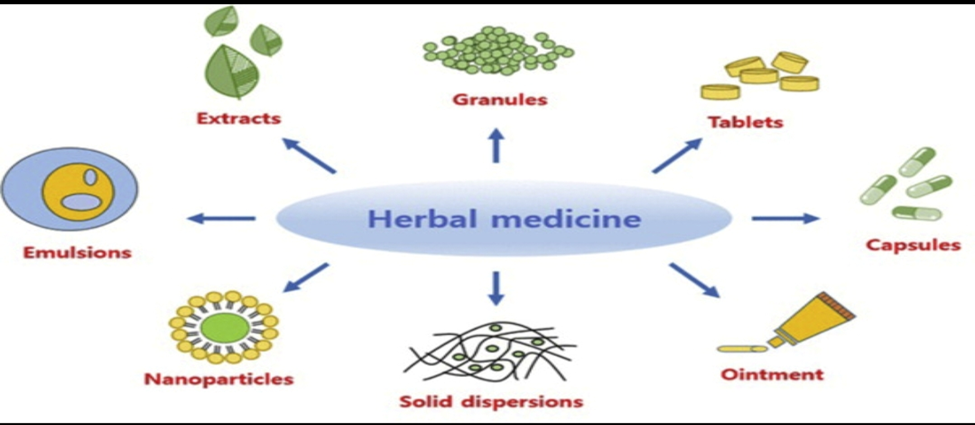
Fig no.01 : Different types of dosage forms prepared from herbal medicines.
However herbal nanomedicines face challenges such as the selection of suitable nanoformulations for specific herbal extracts, reproducibility in preparation methods, and optimization of physiochemical variables such as size of the particle, surface charge, and drug loading. There are also hurdles in crossing biological barriers and ensuring consistent therapeutic outcomes. Regulatory issues and lack of extensive clinical data remain key obstacles for widespread adoption. Overcoming these challenges requires systematic research and strategic development to fully realize the potential of herbal nanomedicines for chronic diseases such as cancer, diabetes, and infections 19.In Summary, herbal nanomedicines represent a promising intersection of traditional herbal therapy and advanced nanotechnology, offering improved
delivery and effectiveness with ongoing work needed to address formulation and regulatory challenges.
NEED FOR NANO TECHNOLOGY IN HERBAL MEDICINES:
Nanotechnology is increasingly needed in herbal medicines to address several inherent limitations of traditional herbal formulation 9. Key reasons for the need include improving the bioavailability, stability, targeted delivery, and therapeutic efficacy of herbal compounds:
Table no.01 : How Nanotechnology enhances drug delivery efficiency.
|
How nanotechnology helps |
Description |
|
Enhanced Bioavailability |
Nanoparticles improve absorption of herbal compounds with poor water solubility, increasing bioavailability and effectiveness. |
|
Targeted Drug Delivery |
Nanocarriers can deliver herbal actives specifically to target tissues or cells, reducing adverse effects and optimization of curative effects |
|
Controlled/Sustained Release |
Nanotechnology enables controlled release of herbal drugs, simpli dosing frequency and enhancing patient adherence . |
|
Increased Stability and Shelf Life |
Nano-encapsulation protects sensitive herbal ingredients from degradation by heat, light, and oxygen, enhancing stability. |
|
Improved Solubility and Synergistic Effects |
Nanotech improves solubility of poorly soluble compounds and can enhance antimicrobial and pharmacological activities when combined with nanoparticles. |
|
Modernizing Traditional Medicine |
Integration of nanotech modernizes herbal medicine formulations, making them safer, more effective, and allowing for personalized treatments. |
This table encapsulates how nanotechnology addresses traditional herbal medicine challenges by improving delivery, stability, and efficacy for better therapeutic outcomes 27.
TYPES OF HERBAL NANO CARRIERS :
Table no.02 : Different types of herbal Nanocarriers with examples.
|
Nanocarrier type |
Key Features |
Example Herbal Component |
|
Nanoemulsions |
Improves solubility and absorption |
Curcumin oil nanoemulsions |
|
Solid Lipid Nanoparticles (SLNs) |
Stable, biodegradable |
Quercetin-loaded SLNs |
|
Liposomes |
Enhances skin penetration and systemic delivery. |
Green tea extract liposomes |
|
Phytosomes |
Phytochemicals complexed with phospholipids |
Silymarin phytosome |
|
Polymeric Nanoparticles |
Sustained release, high stability |
Neem extract nanoparticles |
These nanocarriers help improve solubility, stability, bioavailability, skin penetration, and targeted delivery of herbal bioactives, making them more effective therapeutically.1,14. Examples such as curcumin, quercetin, green tea extract, silymarin, and neem have all been successfully formulated into these nanocarrier systems for enhanced medicinal benefits 10.
METHODS OF PREPARATION OF HERBAL NANOMEDICINES :

Fig no.02 : Different methods of herbal Nano medicines preparation .
1.ELECTROSPINNING METHOD :
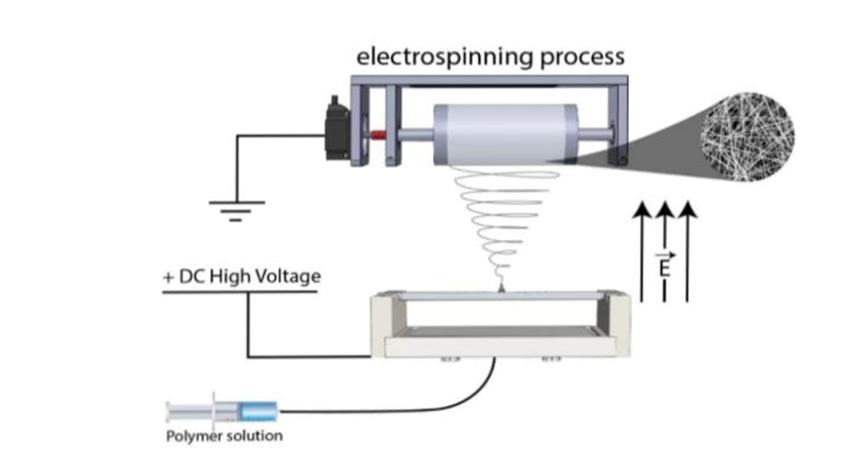
Fig no.03 : Electrospinning process for the preparation of herbal nanomedicines.
2 .SOLVENT EVAPORATION METHOD :
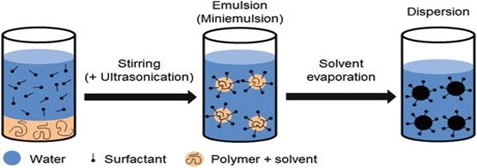
Fig no.04 : Solvent evaporation process for the preparation of herbal nanomedicines
3.ULTRASONICATION METHOD :
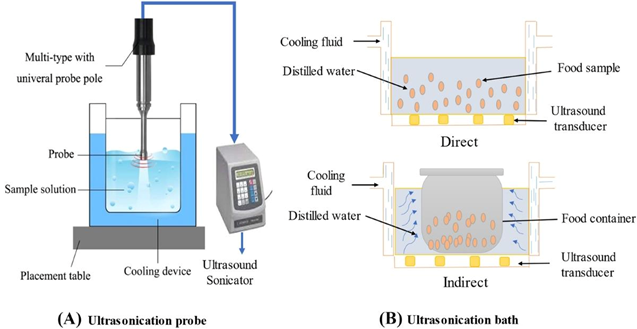
Fig no.05 : Ultrasonication process for the preparation of herbal nanomedicines
4. HIGH PRESSURE HOMOGENIZATION METHOD :
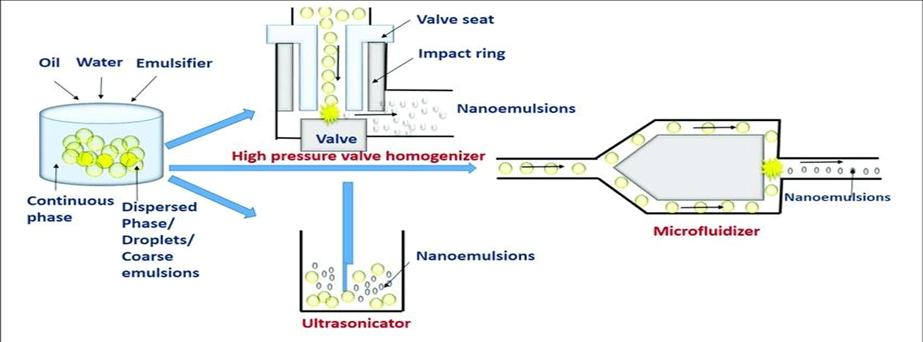
Fig no.06 : High pressure homogenization process for the preparation of herbal nanomedicines
5. THIN FILM HYDRATION METHOD :
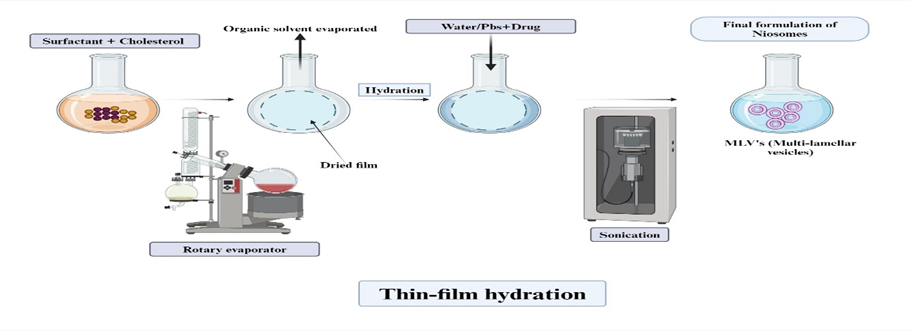
Fig no.07 : Thin film hydration process for the preparation of herbal nanomedicines.
6. IONIC GELATION METHOD :
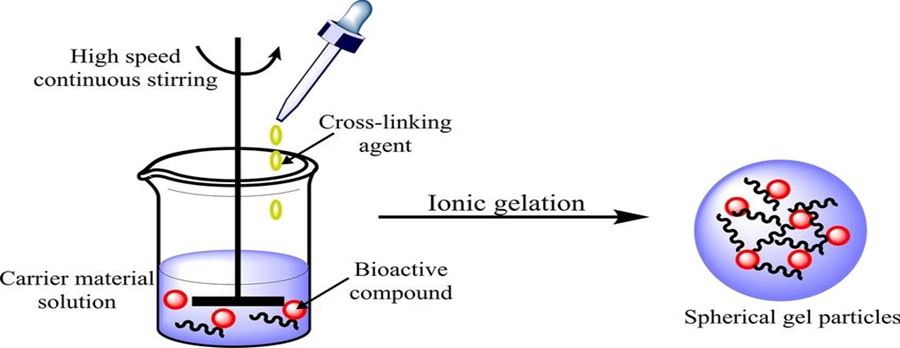
Fig no.08 : Ionic gelation process for the preparation of herbal nanomedicines.
The above matter summarizes the key steps involved in each method for herbal nanomedicine preparation, highlighting the solvent use , particle formation process ,stabilization and collection process16.
THERAPEUTIC APPLICATIONS :
Table no.03 : Therapeutic interventions of Herbal Nanomedicines .
|
Disease/ Condition |
Herbal Nanomedicine Example |
Effect |
|
Cancer |
Curcumin nanoparticles |
Enhanced anti cancer activity. |
|
Diabetes |
Gymnema Sylvestre nanosuspensions |
Improved glucose regulation. |
|
Inflammation |
Boswellia nanoemulsion |
Strong anti-inflammatory effect |
|
Skin Disorders |
Aloe vera nanogels |
Fast wound healing |
|
Anti-microbial therapy |
Neem nano-silver formulations. |
Strong antibacterial action. |
This table summarizes the improved therapeutic activities observed with these herbal nanomedicines, which leverage nanotechnology to increase bioavailability, targeted delivery, and efficacy in treating these conditions 14,17.
ADVANTAGES OF HERBAL NANOMEDICINES :
The advantages of herbal nanomedicines primarily stem from the integration of nanotechnology into traditional herbal medicine, resulting in various important advantages.
1. Enhanced Bioavailability:
Nanotechnology reduces the particle size of herbal compounds to the nanoscale, improving their absorption and penetration through biological membranes. This is especially beneficial for poorly water-soluble herbs, significantly increasing their therapeutic effectiveness.9.
2. Targeted Drug Delivery:
Nanoscalecarriers such as nanoparticles, liposomes, dendrimers, and nanoemulsions enable precise delivery of herbal compounds to specific cells or tissues. This focussed approach reduces adverse effects and maximizes therapeutic outcomes, for example in cancer or inflammatory conditions 1.
3. Controlled Release and Stability:
Nanoformulations can protect active herbal compounds from degradation by external influences like light, heat, and oxygen, thereby increasing the stability and shelf life of herbal medicines. They also allow for controlled release of the herbal compounds, enhancing efficacy over time.
4. Improved Solubility:
Nanotechnology enhances the solubility of herbal compounds via nanosuspensions and other formulations, leading to better dissolution in biological fluids and improved therapeutic action 8
5. Synergistic and Enhanced Properties:
Nanoformulations allow for combining multiple herbal ingredients, potentially yielding synergistic effects that boost overall treatment effectiveness. Nanoparticles can also enhance the antimicrobial, anti-inflammatory, and antioxidant potential of herbal based formulations 19.
6. Reduced Toxicity and Side Effects:
By enabling more precise delivery and targeted action, herbal nanomedicines reduce the required dosage and systemic exposure, which decreases toxicity and adverse effects.
Overall, herbal nanomedicines represent a significant advancement by modernizing herbal therapies to be safer, more bioavailable, more stable, and more effective compared to conventional herbal and synthetic drugs. They also open new avenues for personalized and precision medicine using herbal compounds. However, challenges remain in scalability, regulatory approval, and safety evaluation of these nanoformulations3.
LIMITATIONS AND CHALLENGES OF HERBAL NANOMEDICINES :
In summary, herbal nanomedicines hold promise for enhanced therapeutic efficacy and bioavailability over conventional herbal formulations, but face significant challenges in formulation complexity, stability, safety assessment, manufacturing costs, and regulatory approval. Addressing these limitations through advanced research and standardized practices is necessary to fully realize their potential in herbal medicine .
FUTURE PROSPECTS OF HERBAL NANOMEDICINES :
The future prospects of herbal nanomedicine are extremely promising, with advances In nanotechnology expected to revolutionize the efficacy, safety, and personalization of herbal-based therapies. Nanotechnology in herbal medicine enables targeted drug delivery, improved bioavailability, enhanced stability, and controlled release, paving the way for more effective and customized treatments for chronic and complex diseases , 9,1.
EMERGING TRENDS AND ENHANCEMENTS
Nanoparticles, nanoemulsions, and nanosuspensions can encapsulate herbal compounds, increasing absorption and allowing poorly soluble ingredients to effectively reach therapeutic levels in the body ,9.
Nanoformulations like liposomes, dendrimers, and solid lipid nanoparticles allow for site-specific administration of herbal extracts. This leads to enhanced efficacy and decreased toxicity, especially important in conditions like cancer and inflammatory diseases ,9,1.
Nanotechnological encapsulation protects volatile or unstable herbal compounds from environmental degradation (light, heat, oxygen), enhancing shelf stability and ensuring consistent potency , 9.
Nanocarriers facilitate gradual, controlled release of herbal medicines, which may reduce dosing frequency and enable sustained therapeutic effects. Innovations also point towards the integration of personalized medicine by tailoring nano-herbal treatments to an individual’s genomic characteristics combined with their health history.9.
Nanoformulations can enhance or combine antimicrobial activity, such as herbal extracts with silver nanoparticles, providing potent defenses against pathogens ,9.
OPPORTUNITIES AND EMERGING APPLICATIONS :
CURRENT OBSTACLES AND PROSPECTIVE PATHS :
The intersection of nanotechnology and herbal medicine has opened groundbreaking avenues for innovative, safe, and effective therapeutics, with continued research likely to expand thesepractical implementations and resolution of existing challenges,
CONCLUSION:
Herbal nanomedicines represent a promising evolution in the delivery and efficacy of plant-based therapies, addressing many limitations of conventional herbal preparations and opening new pathways for scientific investigation and therapeutic use. The use of nanotechnology in herbal medicine enhances bioavailability, stability, and targeted delivery, which can significantly improve therapeutic outcomes compared to traditional formulations
Despite these advances, challenges persist, such as the need for standardized protocols, toxicity assessments, regulatory frameworks, and thorough clinical validations before widespread adoption can be realized. Continued interdisciplinary research is necessary to address existing hurdles, optimize nanoformulations, and ensure safety and efficacy, thereby facilitating the integration of herbal nanomedicines into mainstream healthcare.
ACKNOWLEDGEMENT:
Herbal nanomedicines blend ancient wisdom with nanoscale innovation, and this review article reflects a collaborative journey to illuminate that fusion. Crafting a unique acknowledgement requires originality, drawing from sincere gratitude while avoiding template phrases common in academic papers .
Creative Metaphor : Imagine this manuscript as a nanoemulsion: droplets of insight stabilized by collective support. Deep appreciation goes to the invisible forces—mentors who emulsified ideas, peers who homogenized critiques, and institutions that provided the high-pressure drive for clarity and precision
Key Supporters :
Final Gratitude: This work emerges from a high-pressure homogenization of efforts, targeting not just publication but real-world impact in herbal therapeutics. Endless thanks to all who turned raw herbal extracts into targeted delivery systems of progress.
REFERENCES



Thota Srinivas, Morla Pavani, Thangabalan B, A Systematic Overview on The Emerging Landscape of Herbal Nanomedicines, Int. J. of Pharm. Sci., 2026, Vol 4, Issue 1, 2331-2342. https://doi.org/10.5281/zenodo.18340159
 10.5281/zenodo.18340159