

We use cookies to ensure our website works properly and to personalise your experience. Cookies policy
Himalayan Pharmacy institute, Majhitar -737136, Sikkim, India
Orodispersible tablets (ODTs) are innovative dosage forms designed to disintegrate rapidly in the oral cavity without the need for water, enhancing patient compliance particularly in pediatric, geriatric, and dysphagic populations. Metoprolol tartrate, a beta-blocker with solubility and bioavailability challenges, benefits from formulation as ODTs using natural superdisintegrants. Hibiscus rosa sinensis leaf mucilage, a natural polymer, has demonstrated significant potential as an effective superdisintegrant due to its swelling and water absorption properties. This review discusses the formulation strategies, evaluation of physicochemical and mechanical properties, and the disintegration and dissolution profiles of metoprolol tartrate ODTs employing hibiscus mucilage. Various concentrations of the mucilage affect tablet disintegration and drug release, where optimal levels enhance performance while excessive amounts may impede it. The natural origin, safety, and cost-effectiveness of hibiscus mucilage support its role as a promising excipient for orodispersible formulations. Future research should focus on optimizing formulations for stability, patient acceptability, and scalability.
Orodispersible Tablet:
Orodispersible tablets (ODTs) are innovative solid oral dosage forms that can rapidly break down or dissolve in the mouth—usually within seconds to three minutes—without needing water. They aim to enhance treatment adherence among patients, especially those from pediatric, geriatric, and dysphagic groups for whom standard tablets or capsules are hard to swallow. These tablets use superdisintegrants and customized formulations to guarantee rapid disintegration and immediate drug release, leading to a faster onset of the therapeutic effect.1
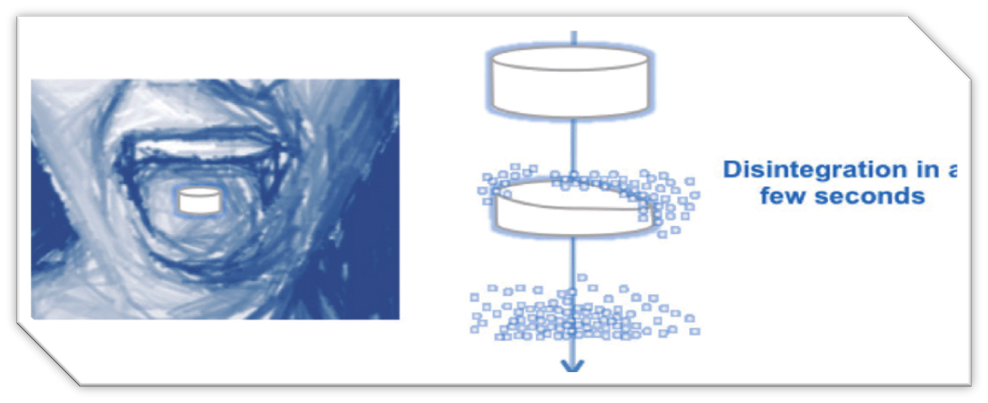
Fig:1 representing the oral cavity's quick breakdown and the delivery of orodispersible tablets.
KEY FEATURES AND BENEFITS
IDEAL PROPERTIES OF ORODISPERSIBLE TABLETS:7–10
The ideal characteristics of orodispersible tablets (ODTs) guarantee quick disintegration in the mouth, convenience for patients, and maximum therapeutic effects. The following are the essential characteristics as per the highest-rated pharmaceutical journals and pharmacopoeial standards:
DRUG SELECTION CRITERIA OF ODTs:11, 12
ADVANTAGES AND DISADVANTAGES OF ORODISPERSIBLE TABLET’S, MOA, EXCIPIENTS USED IN ODTs FORMULATIONS:13–22
Advantages:
Disadvantages:
MECHANISM OF ACTION OF ORODISPERSIBLE TABLET:
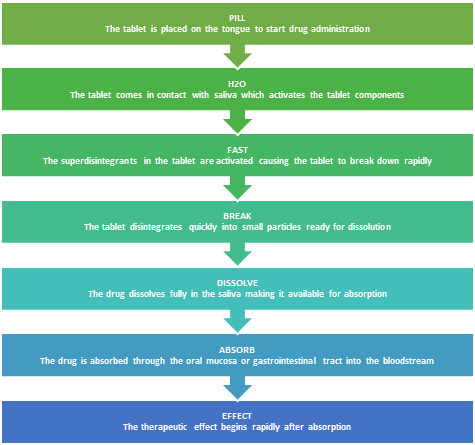
Fig:2 Mechanism of action of orodispersibe tablet.
EXCIPIENTS USED IN THE FORMULATION OF ORODISPERSIBLE TABLETS:
Certain excipients are needed for the fast-dissolving tablet's composition, they are:
SUPERDISINTEGRANTS:
Superdisintegrants are unique excipients included in tablet formulations to promote quick fragmentation of tablets into smaller pieces in water, which leads to a marked decrease in disintegration time and an increase in dissolution rate. In orally disintegrating tablets (ODTs) and other fast-release dosage forms, this property is essential for ensuring that drugs are released and absorbed quickly, resulting in a faster onset of action.23, 24
Basic mechanism of superdisintegrants:
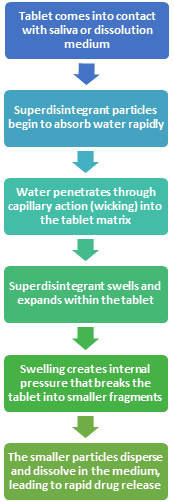
Fig:3 Mechanism of superdisintegrants.
There are two types of superdisintegrants, they are:23–28
1. Natural superdisintegrants.
2. Synthetic superdisintegrants.
1.Natural superdisintegrants: Excipients derived from renewable resources, known as natural superdisintegrants, facilitate the quick disintegration of tablets by means of processes such gel formation, wicking, and swelling. In contrast to synthetic disintegrants, they offer developers safe and environmentally favorable alternatives, especially for fast-dissolving and oral disintegrating tablets.
Biological sources like plants, algae, or naturally occurring polymers are the source of natural superdisintegrants. They are used into tablet formulations to hasten the disintegration of tablets upon coming into touch with gastrointestinal or salivary fluids. These materials are prized for being affordable substitutes for synthetic superdisintegrants that are biodegradable, non-toxic, and biocompatible.
SOME COMMON NATURAL SUPERDISINTEGRANTRANTS AND ITS SOURCES:
|
Natural Superdisintegrant |
Biological Source |
Key Characteristics |
Photo |
|
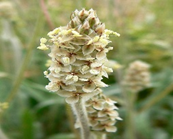
Plantago ovata mucilage |
Psyllium husk |
Excellent swelling capacity and rapid disintegration |
|
|
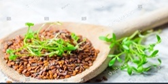
Lepidium sativum seed mucilage |
Garden cress |
Enhances mechanical strength and quick wetting properties |
|
|
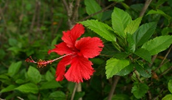
Hibiscus rosa-sinensis mucilage |
Flower petals, leafs |
Natural polymer improves dispersion with water absorption |
|
|
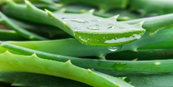
Aloe vera mucilage |
Aloe leaves |
High hydration potential and smooth mouthfeel |
|
|
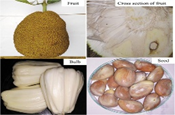
Jackfruit seed starch |
Seeds of Artocarpus heterophyllus |
Efficient swelling and disintegration in seconds |
|
|
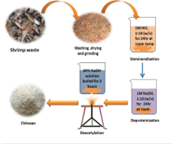
Chitosan |
Crustacean shells |
Promotes disintegration with good film-forming ability |
|
|
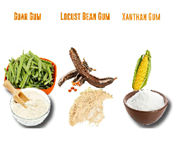
Guar gum and xanthan gum |
Legume endosperm and microbial fermentation |
Provide viscosity, stability, and eco-friendly gelling |
|
|
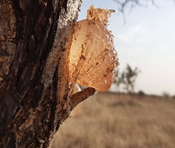
Acacia gum (Gum arabic) |
Exudate from Acacia senegal tree |
Water-soluble polysaccharide with moderate swelling ability; enhances binding and disintegration simultaneously |
|
|
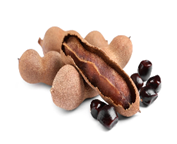
Tamarind gum (Tamarind seed polysaccharide) |
Seeds of Tamarindus indica |
Excellent swelling index, used as a natural superdisintegrant; improves drug dissolution and mechanical strength |
|
Advantages of natural superdisintegrants:
Disadvantages of natural superdisintegrants:24, 29–31
2.Synthetic superdisintegrants: Chemically altered polymers known as synthetic superdisintegrants are made to speed up the breakdown and disintegration of tablets. Even in rigorous industrial settings, they offer superior homogeneity, stability, and repeatability in contrast to natural agents. These substances ensure quick drug release with low concentration in formulations primarily through swelling, wicking, and strain recovery processes.32
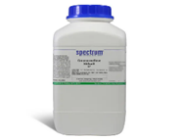
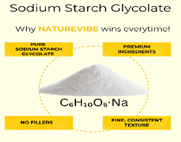
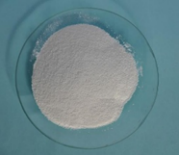
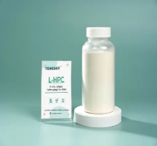
SOME COMMON SYNTHETIC SUPERDISINTEGRANTS AND THEIR FEATURES ARE GIVEN BELOW:33, 34
|
Synthetic Superdisintegrant |
Chemical Nature/Composition |
Key Features |
Photo |
|
Croscarmellose Sodium (CCS) |
Cross-linked sodium carboxymethyl cellulose |
Provides faster swelling; stable under compression; improves disintegration efficiency in low concentrations |
|
|
Sodium Starch Glycolate (SSG) |
Cross-linked carboxymethyl ether of starch |
Rapid hydration and swelling (200–300%); works effectively even at 2–8% w/w concentrations |
|
|
Crospovidone (Polyplasdone XL) |
Cross-linked polyvinylpyrrolidone |
Offers high capillary activity and fast water uptake without gelling; ideal for direct compression |
|
|
Low-Substituted Hydroxypropyl Cellulose (L-HPC) |
Modified cellulose derivative |
Ensures superior wetting and compressibility without affecting flow; effective in orally disintegrating tablets (ODTs) |
|
|
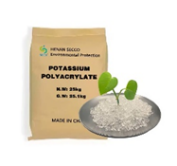
Polacrilin Potassium |
Cross-linked acrylic acid polymer with potassium salt |
Provides fast ion exchange-based disintegration; compatible with acidic drugs |
|
|
Copovidone (Kollidon CL) |
Copolymer of vinylpyrrolidone and vinyl acetate |
Combines binding and disintegration functions; enhances mechanical stability |
|
|
Carbomer (Cross-linked Polyacrylic Acid) |
High-molecular polymeric acid |
Functions through swelling and hydrogen bonding; offers stable disintegration even in low humidity environments |
|
|
Ludiflash/Pharmaburst (Co-processed Excipients) |
Coprocessed mannitol with crospovidone and polymers |
New-generation synthetic disintegrants enhancing mouthfeel and mechanical strength of ODTs |
|
Advantages and disadvantages of synthetic superdisintegrants:35–37
Disavantages of synthetic superdisintegrants:
Sugar based excipients: Sugar-based excipients are used as bulking agents and to cover flavor. The majority of the dugs have a disagreeable or bitter flavor. It is also a fundamental criterion for ODT design that the medication not have an unpleasant taste. Therefore, in most situations, flavor masking is required. sorbitol, Mainly utilized include mannitol, xylitol, dextrose, fructose, etc. A pleasant mouthfeel and effective flavor masking are provided by aqueous solubility and sweetness. However, not every sugar-based compound dissolves quickly and has high compactibility or compressibility. However, methods for creating fast-dissolving tablets are being developed that utilize sugar-based excipients. Other frequently used additives include lubricants, plasticizers, binders, colors, flavors, water-soluble diluents, and antistatic agents.
Antiadherents: In order to keep powder (granules) from sticking to tablet punches, antiadherents are employed to lessen their adherence to the punch faces. They also aid in preventing pills from adhering. Magnesium stearate is most frequently utilized.
Binders: The components of a tablet are held together by binder. Binders offer low active dosage tablets volume and ensure that the required mechanical strength can be produced in tablets and granules.
Fillers or diluents: The size of a pill or capsule is completed by fillers, which makes production feasible and user-friendly. The fillers enable the finished product to have the appropriate volume for the treatment of patients by raising the bulk volume.
Flavours: Flavors can be added to cover up bad-tasting active substances and increase the patient's chance of finishing a prescription. Flavors might be artificial or natural, like fruit extract. For example, to enhance:
Colours: Colours are added to a formulation to make it seem better. Consistency in colour is crucial since it makes identifying a drug simple.
Lubricants: Lubricants prevent components from clumping together and sticking to the tablet punches or capsule filling machine. Additionally, lubricants guarantee that there is minimal friction between the solid and die wall during tablet generation and ejection. The most often used lubricants in tablets or hard gelatin capsules include common minerals like talc or silica and fats like vegetable stearin, magnesium stearate, or stearic acid.
Glidants: Glidants are used to increase powder flow by decreasing the cohesiveness and friction between particles. Because they cannot lessen die wall friction, they are employed in conjunction with lubricants. Fumed silica, talc, and magnesium carbonate are a few examples.
Preservatives: Typical preservatives included in pharmaceutical formulations include
Sweeteners: In liquids like cough syrup or chewable pills like antacids, sweeteners are added to make the components more appealing. Therefore, using cough syrup excessively is occasionally linked to tooth decay. Bad scents or tastes can be covered up with sugar.
Sublimating agents: It was investigated to employ sublimating substances such as thymol, menthol, and camphor. The disintegration time (about 30 sec) was further reduced with the addition of camphor, although the percentage of friability increased.
TECHNILQUES USED FOR THE PREPARATION OF ORODISPERSIBLE TABLETS (ODTs):38–44
Specialized methods are needed to prepare orodispersible tablets (ODTs) so that they dissolve quickly in the mouth without sacrificing stability or strength. The drug's physicochemical parameters and the intended tablet features determine which of several traditional and cutting-edge methods are used.
Every technique has different benefits and drawbacks in terms of price, scalability, and manufacturing simplicity.
1.Direct compression method.
2.Lyophilization(freeze-drying).
3.Sublimation process.
4.Other novel techniques.
1.Direct compression method: The most popular and economically feasible method for producing ODTs is direct compression. Using this technique, a combination including the medication, superdisintegrants, diluents, and other excipients is directly compressed. It is simple, affordable, and appropriate for medications that are sensitive to moisture and heat.
Direct compression has several benefits, including simplicity, fast throughput, and reduced production costs. However, careful excipient selection and compression force optimization are necessary to strike a compromise between tablet porosity and mechanical strength.
Advantages: Fewer processing stages, appropriate for heat-sensitive pharmaceuticals, and faster manufacture.
Disadvantages: Low mechanical strength when using too much disintegrant; requires flowable particles.
2.Lyophilization (Freeze-drying): Lyophilization includes preparing a liquid or semi-solid solution containing the medicine and excipients, filling it into premade blisters or molds, freezing it, and drying it under vacuum to sublimate the solvent. The resultant pill is very porous and dissolves quickly in the mouth. While this technology yields ODTs with fast disintegration rates (typically under 10 seconds), it has disadvantages such as high manufacturing costs, low mechanical strength, and the necessity for specific packaging to minimize breakage and moisture uptake.
Advantages: More rapid dissolution than other available solid products.
Disadvantages: Expensive, fragile tablets, and poor humidity stability.
3.Sublimation process: The sublimation procedure involves adding a volatile chemical like camphor, menthol, or ammonium bicarbonate to the tablet formulation. When heated, the volatile component transforms into a porous matrix, allowing for better water penetration and faster tablet breakdown. This approach enhances ODT porosity and disintegration while maintaining tablet hardness. Proper temperature control is crucial to prevent deterioration of active medicinal ingredients during manufacturing.
Advantages:
Disadvantages:
4.Other novel techniques:
Spray drying: By atomizing a medication solution into a heated drying chamber, spray drying causes the solvent to evaporate quickly and a fine, dry powder to develop. This powder has outstanding disintegration qualities and may be compacted straight into ODTs. The method works well for medications that are sensitive to heat and allows particle engineering to increase bioavailability and solubility.
Advantages:
Disadvantages:
Hot melt extrusion (HME): In hot melt extrusion, a mixture of thermoplastic and pharmaceutical polymers is melted, then formed into tablets using an extruder. Improving medication solubility and attaining sustained or instantaneous release characteristics are benefits of this technique. Fast-dissolving matrices may now be created thanks to recent developments in HME, even if they are less prevalent for ODTs. The drug's physicochemical makeup, the intended disintegration time, the cost of manufacture, and the viability of scaling up all influence the process used to prepare ODTs. For certain applications, sophisticated procedures like lyophilization and hot melt extrusion provide better performance than traditional methods like direct compression, which are preferred for their ease of use. Having a solid grasp of each technique enables formulation scientists to create efficient, patient-focused ODTs.
Advantages:
Disadvantages:
Molding method: The molding procedure entails moistening, dissolving, or dispersing the medication and excipients with a solvent (typically hydroalcoholic) to create a wet mass. This is then molded into tablets under low pressure and dried to remove the solvent, resulting in highly porous and rapidly disintegrating tablets.
Types of molding:
Advantages:
Disadvantages:
DRUGS TO BE IN CORPORATED IN ODTs:3, 9, 13, 34, 41, 44–50
As long as the material is utilized as an active ingredient in a pharmaceutical, there are no specific restrictions.
LIST OF SOME MARKETED ORODISPERSIBLE TABLETS USING SYNTHETIC SUPERDISINTEGRANTS:13, 17, 42, 45, 46, 49
|
Brand Name |
Active Ingredient |
Synthetic Superdisintegrant Used |
Manufacturer |
|
Claritin RediTabs |
Loratadine |
Crospovidone (Polyplasdone XL-10) |
Schering-Plough |
|
Zofran ODT |
Ondansetron |
Sodium starch glycolate (SSG) |
GlaxoSmithKline |
|
Rapamune Rapid Tabs |
Sirolimus |
Croscarmellose sodium (Ac-Di-Sol) |
Pfizer |
|
Maxalt-MLT |
Rizatriptan Benzoate |
Crospovidone |
Merck & Co. |
|
Nimulid-MD |
Nimesulide |
Sodium starch glycolate |
Panacea Biotec |
|
Cetrizine ODT |
Cetirizine hydrochloride |
Croscarmellose sodium |
Apotex Pharma |
|
Feldene Melt |
Piroxicam |
Crospovidone |
Pfizer |
|
Prevacid SoluTab |
Lansoprazole |
Low-substituted hydroxypropyl cellulose (L-HPC) |
Takeda Pharmaceuticals |
|
Koflet ODT |
Ambroxol hydrochloride |
Sodium starch glycolate |
Himalaya Drug Co. |
LIST OF SOME MARKETED ORODISPERSIBLE TABLETS USING NATURAL SUPERDISINTEGRANTS:
|
Brand Name |
Active Ingredient |
Natural Superdisintegrant Used |
Manufacturer |
|
Herbal ODT Formulation |
Diclofenac sodium |
Cajanus cajanstarch |
Mefoh healthcare Pvt.Ltd. |
|
Tropisetron ODT |
Tropisetron hydrochloride |
Cassia torapolysaccharide |
Qilu Pharmaceutical Co., Ltd. |
|
Valsartan ODT (Experimental vs. Marketed) |
Valsartan |
Cassia toraseed polysaccharide |
Novartis AG – DIOVAN |
|
Metformin ODT |
Metformin hydrochloride |
Agar and Isapghula husk mucilage |
Taj Pharma India Ltd., Vapi, Gujarat |
|
Diclofenac ODT |
Diclofenac sodium |
Gum karaya / Guar gum blend |
Wellona Pharma Pvt. Ltd., Surat, India |
|
Paracetamol ODT |
Paracetamol |
Plantago ovatamucilage (Psyllium husk) |
Eurand Pharmaceuticals |
|
Herbal Analgesic ODT |
Ibuprofen |
Hibiscus mucilage |
Hapdco Herbals Pvt. Ltd., Delhi, India |
|
Herbal Antacid ODT |
Aluminum hydroxide + Gum acacia |
Acacia gum |
Glenwell Healthcare Pvt. Ltd., India |
|
Brand Name |
Active Ingredient |
Type of Superdisintegrant |
Manufacturer (India) |
|
Junior Lanzol ODT |
Lansoprazole |
Crospovidone |
Cipla Ltd. |
|
Zofran ODT |
Ondansetron hydrochloride |
Sodium starch glycolate |
GlaxoSmithKline Pharma India Ltd. |
|
Nimulid-MD |
Nimesulide |
Sodium starch glycolate |
Panacea Biotec Pvt. Ltd. |
|
Maxalt-MLT |
Rizatriptan Benzoate |
Crospovidone |
Merck Sharp & Dohme India |
|
Cetrizine ODT |
Cetirizine hydrochloride |
Croscarmellose sodium |
Apotex India Pvt. Ltd. |
|
Domstal-MT |
Domperidone |
Croscarmellose sodium |
Torrent Pharmaceuticals Ltd. |
|
Feldene Melt |
Piroxicam |
Crospovidone |
Pfizer Ltd. India |
|
Levoflox ODT |
Levofloxacin HCl |
Sodium starch glycolate |
Hetero Drugs Ltd. |
|
Prevacid Solutab |
Lansoprazole |
L-HPC (Low-Substituted Hydroxypropyl Cellulose) |
Dr. Reddy’s Laboratories |
|
Cetrim-MD |
Cetirizine hydrochloride |
Cross-linked polyvinylpyrrolidone |
Zydus Cadila Healthcare Ltd. |
|
Brand Name |
Active Ingredient |
Natural Superdisintegrant |
Manufacturer (India) |
|
Himalaya Koflet ODT |
Guaiphenesin + Herbal Base |
Acacia gum (gum arabic) |
Himalaya Drug Company |
|
Herbfast ODT |
Paracetamol + Aloe vera |
Plantago ovata mucilage |
Zandu Pharmaceuticals |
|
Painfree-MD |
Diclofenac sodium |
Cajanus cajan starch |
Panacea Biotec |
|
Herbal Coldtab ODT |
Menthol + Tulsi extract |
Guar gum and xanthan gum |
Charak Pharma Pvt. Ltd. |
|
Herbal Fevertab |
Paracetamol + Hibiscus rosa-sinensis mucilage |
Hibiscus mucilage |
Dabur India Ltd. |
|
Tropisetron-MT (Trial Batch) |
Tropisetron hydrochloride |
Cassia torapolysaccharide |
Medopharm Research Labs |
|
AyurAid ODT |
Ibuprofen + herbal agents |
Isapghula husk mucilage |
Alkem Laboratories India |
C. INDIAN MANUFACTURERS AND ODT TECHNOLOGY PROVIDERS:
|
Company Name |
Proprietary ODT Technology |
Region / Specialization |
|
Dr. Reddy’s Laboratories |
Orally Disintegrating Matrix for CNS and allergy drugs |
Hyderabad |
|
Cipla Ltd. |
FastMelt Orally Dissolving Form |
India & South Africa |
|
Sun Pharma |
Rapid Disintegration Technology for antiemetics |
Mumbai |
|
Lupin Pharma |
OroCare Dispersible Form IDDS platform |
Pune |
|
Catalent Pharma Solutions India Pvt. Ltd. |
Zydis® Fast-dispersing ODT technology |
Gurgaon |
|
Athena Drug Delivery Solutions Pvt. Ltd. |
FastMelt® Platform ODT Technology |
Navi Mumbai |
|
Hetero Drugs Ltd. |
Generic ODT formulations for anti-infectives |
Hyderabad |
PATENTED TECHNOLOGIES OF ODTs:
|
Patented Technology |
Basis of Technology |
Active Ingredient |
Brand Name |
Drug Release |
|
Zydis |
Lyophilization |
Loratidine |
Claritin reditab, Dimetapp quick dissolve |
Dissolves in 2 to 10 sec. |
|
Orasolv |
Direct Compression |
Paracetamol, Zolmitriptan |
Tempraquicklets, Zolmigrepimelt |
Disintegrates in 5 to 45 sec |
|
Durasolv |
Direct Compression |
Hyoscyamine Sulphate, Zolmitriptan |
NuLev, Zolmig ZMT |
Disintegrates in 5–45 sec |
|
Wowtab |
Direct Compression |
Famotidine |
Gaster D |
Disintegrates in 5–45 sec |
|
Flashdose |
Cotton candy process |
Tramadol HCl |
Relivia flash dose |
Dissolves within 1 minute |
|
Flashtab |
Direct Compression |
Ibuprofen |
Nurofen Flash Tab |
Dissolves within 1 minute |
|
Quicksolv |
Lyophilization |
Cisapride Monohydrate, Risperidone |
Propulsidquicksolv, Risperdal MTab |
— |
|
Lyoc |
Lyophilization |
Phloroglucinol hydrate |
SpasfonLyoc |
— |
|
Ziplets, Advatab |
Direct Compression, Microcaps, Diffusecap CR |
Ibuprofen, Cetirizine, Paracetamol |
Cibalgina due fast, Adva Tab cetrizine, Adva Tab paracetamol |
Disintegrates < 30 sec |
|
Oraquick |
Micromask taste masking |
Hyoscyamine sulphate ODT |
Hyoscyamine sulfate ODT |
— |
MOST PREFERED DOSAGE FORMS BY PATIENTS:2, 51–53
Tablet dosage forms are the most popular and extensively utilized by people of all ages, including in India and other significant markets, according to several international research. Among tablets, orodispersible tablets (ODTs) and regular tablets are particularly well-liked by children, the elderly, and patients who have trouble swallowing.
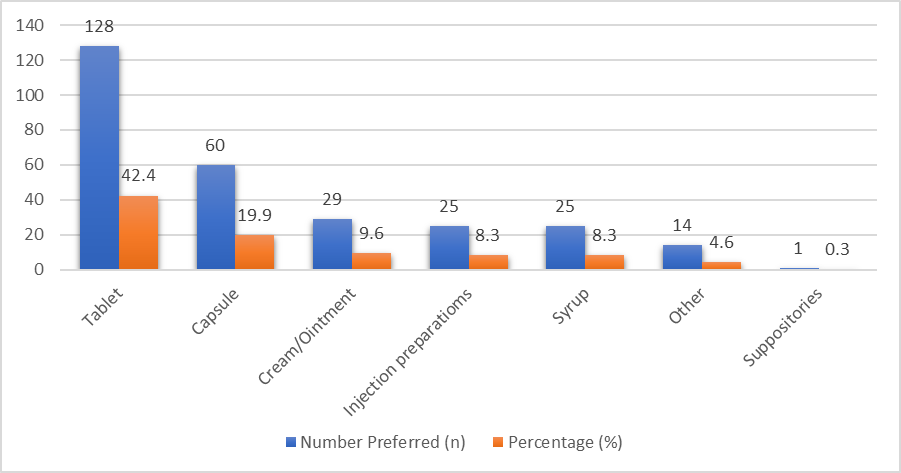
Fig:4 participants preference (%) vs types of dosage forms.
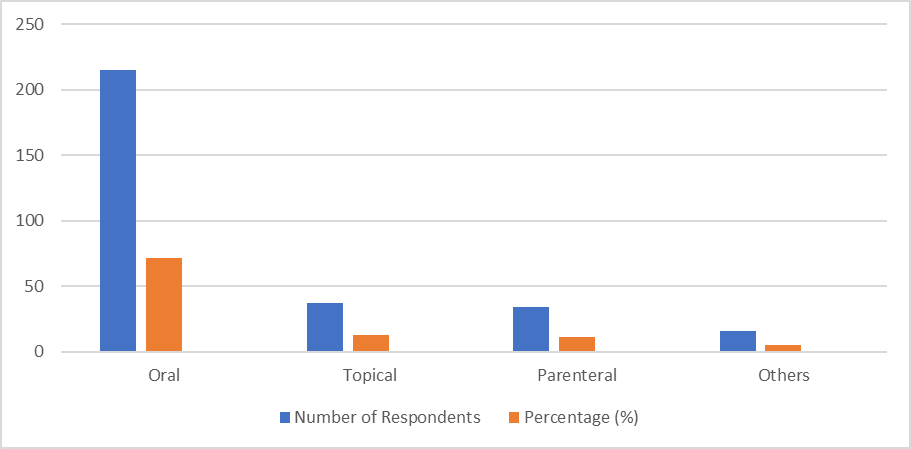
Fig:5 participants preference (%) vs types of routes of administration
FUTURE PERSPECTIVES AND RESEARCH DIRECTIONS OF ODTs:21, 54–58
The future of orodispersible tablet (ODT) technology is marked by the confluence of innovative formulation techniques, cutting-edge materials, and personalized medicine methods. These developments are intended to improve the treatment effectiveness, patient compliance, and adaptability of ODTs.
Emerging technologies in ODTs:
The use of nanotechnology in ODT formulation has created new opportunities to increase the bioavailability and solubility of drugs. To overcome the difficulties posed by poorly soluble medications, nanocrystals and nanoemulsions are being added to ODTs59. Furthermore, 3D printing technology allows for exact control over medication loading and release characteristics, making it easier to create intricate dosage forms customized to meet specific requirements.The possibility of advanced manufacturing techniques like hot-melt extrusion and continuous manufacturing to improve scalability and simplify production is also being investigated58.
Possibilities for applications in personalized medicine:
In ODT development, personalized medicine is becoming more popular, especially for medications that need precise dosage or customized formulas. ODTs with unique medication combinations and release patterns may be made for each patient using methods like 3D printing. This method is very helpful for older and pediatric patients. populations, where customized treatment is frequently required.
Future directions and gaps in the research:
There are still a number of holes in ODT research despite tremendous progress. More research is needed to determine the long-term stability of novel formulations, particularly those that include biologics or nanotechnology. Furthermore, it is still difficult to extend the use of ODTs to biologics and high-dose medications. Future studies should concentrate on combining machine learning (ML) and artificial intelligence (AI) to optimize formulation design and forecast drug behavior in vivo. By determining the ideal formulation parameters and anticipating any stability problems, these technologies can drastically cut development schedules and expenses.
EVALUATION OF ORODISPERSIBLE TABLETS:2, 16, 21, 38, 40, 49, 54, 56, 57
Orodispersible tablets (ODTs) must be evaluated and characterized in order to guarantee their effectiveness, safety, quality, and patient acceptance. ODTs need different testing conditions than regular tablets since they are designed to dissolve quickly in the oral cavity without the need for water. Key criteria and techniques for evaluating ODTs include the following:
1.Weight variation: One crucial measure for dosage unit homogeneity is weight fluctuation. The average weight of a sample of twenty tablets is determined by weighing each tablet separately. The weight of each pill is then contrasted with the mean. According to pharmacopeial regulations, tablets shouldn't go beyond the permitted limits, which are usually between ±5% and ±10% depending on the weight of the tablet.Reliability in production and precise dosage are guaranteed by consistent weight.
2.Hardness test: The tablet's mechanical strength, or hardness, indicates how well it can tolerate handling, packing, and shipping. ODTs sometimes have lower hardness ratings than traditional tablets due to their rapid disintegration, but they still need to be strong enough to prevent breaking.
3.Friability test: ODTs must be tuned to strike a compromise between mechanical integrity and quick disintegration. Friability evaluates a tablet's resistance to abrasion using a friabilator; a weight loss of less than 1% is often regarded as acceptable.
4.Disintegration time: One important factor for ODTs is disintegration time, which is often anticipated to be shorter than 30 seconds. The test involves putting the pill in a beaker with water or artificial saliva and timing how long it takes for it to completely dissolve.
5.Wetting time: Disintegration time is indirectly correlated with wetting time, which measures how rapidly water permeates the pill. Better mouthfeel and quicker disintegration are usually indicated by a shorter wetting time.
6. In Vitro Dissolution Studies: The pace and degree of drug release from the ODT in a gastrointestinal simulation are ascertained by dissolution tests. The tablet is put in a dissolve media (such as 900 mL of 0.1N HCl) using USP dissolution apparatus (usually Apparatus II-Paddle technique), and samples are taken out at predetermined intervals. The amount of drugs is examined by HPLC or UV-visible spectrophotometry. Improved bioavailability is guaranteed by rapid dissolution, particularly in medications with limited solubility.
7. Taste Evaluation: Taste is a crucial quality factor affecting patient compliance since ODTs break down in the mouth. An electronic tongue (e-tongue) system or human taste panels can be used to assess taste.It is essential to effectively conceal the taste of bitter medications, frequently using coating technology, sweeteners, or flavoring compounds.
8. Mechanical Strength: ODTs should have enough mechanical strength to withstand breaking during handling and packing while still disintegrating quickly. Tensile strength tests are used to assess this, particularly for ODTs made via lyophilization or molding. The kind and concentration of excipients utilized have a direct impact on mechanical strength. Especially disintegrants and binders.
CONCLUSION
Orodispersible tablets (ODTs) represent a significant advancement in oral drug delivery, offering rapid disintegration without water, enhanced patient compliance, and improved bioavailability through pre-gastric absorption. Natural superdisintegrants, particularly plant-based mucilages like hibiscus rosa-sinensis, provide effective, safe, and eco-friendly alternatives to synthetic agents. Despite considerable progress, challenges remain in the long-term stability of novel ODT formulations, especially those incorporating biologics or novel technologies. Future research should focus on addressing these gaps, optimizing formulation using emerging technologies such as nanotechnology, 3D printing, and artificial intelligence, and expanding the scope of suitable drugs. The continued evolution of ODTs, with attention to patient-centric design and manufacturing efficiency, holds promise for personalized medicine and improved therapeutic outcomes.This title and conclusion align with the comprehensive discussion, benefits, mechanisms, excipients, and future directions covered in your review document.
REFERENCES



Md. Parvej Alam, Wonshikha Rai, Dr. Arnab Bagchi, Advances and Perspectives in Orodispersible Tablets: Natural and Synthetic Superdisintegrants for Enhanced Drug Delivery, Int. J. of Pharm. Sci., 2026, Vol 4, Issue 3, 1643-1665. https://doi.org/10.5281/zenodo.19045660
 10.5281/zenodo.19045660