

We use cookies to ensure our website works properly and to personalise your experience. Cookies policy
Karnataka Ayurveda Medical College and Hospital Ashok Nagar Mangalore.
Ayurveda is a traditional system of medicine that encompasses a diverse range of pharmaceutical dosage forms designed for the prevention and management of various disease conditions. Avaleha Kalpana is a semisolid dosage form prepared by processing herbal, mineral and animal products with Swarasa, or Kwatha, and sweetening agents like jaggery, sugar or sugar candy. This dosage form was being mentioned extensively as rejuvenator by Acharya Charaka, Sushruta Vagbhata Sharangadhara and other Acharyas. This dosage form is characterized by ease of administration, palatability and relatively good shelf stability making it suitable for oral administration in all age groups. Brahmi Avleha, described in the 'Kashyapa Samhita' under the ‘Lehadhyaya’ 18th chapter, is a polyherbal formula indicated for promoting mental health in children’s. This Avaleha primarily consists of Medhya herbs, which also acts as Agni Deepaka and Aama pachaka in Ayurveda.
Rasa Shastra & Bhaishajya Kalpana constitute an important branch of Ayurveda, concerned with the raw drug processing, Pharmaceutical preparation, quality control and appropriate utilization of medicinal formulations. While Rasa shastra primarily dels with the pharmaceutical processing of metals, Minerals and other inorganic materials the Bhaishajya Kalpana predominantly deals with herbal and other medicinal formulations.
Among the various Ayurvedic dosage forms Avaleha Kalpana represents an important semisolid pharmaceutical preparation which has wide range of therapeutic value. It is a commonly used form of medicine across all age groups. Avaleha Kalpana is an Upakalpana of Kwatha Kalpana and is also known as Rasakriya in Ayurvedic literatures.7
Brahmi Avaleha contains Medhya drugs like Brahmi, Mandooka Parni and Vacha which are considered relevant to cognitive function along with other drugs like Chitraka, Triphala Shatapushpa etc which are having Deepana and Pachana properties which helps in digestion and overall physiological balance. Brahmi particularly Bacopa monnieri (L) Wettst is a well-known Ayurvedic medicinal plant, traditionally classified among the Medhya Rasayana drugs and has been used in Ayurvedic practice for promoting memory, learning intellect and cognitive functions. Experimental and clinical investigations have subsequently explored the pharmacological potential of Bacopa monnieri particularly with respect to cognition memory, antioxidant activity and neuroprotective effects. Its medicinal potency is reported both in Indian as well as Chinese traditional literature. The significance of Brahmi in improving memory and learning skills was published in 1982.1
Although the individual ingredients of Brahmi Avaleha have attracted considerable interest, pharmaceutical documentation and systematic standardization of the complete classical formulation remain important areas for further investigation. Ingredients of this Yoga are having Rasayana properties, may enhance immunity and intellect, and thereby help to promote the proper growth and development.
As there is no direct reference available for this formulation, the ingredients are listed from Kashyapa Samhita Lehadhyaya to prepare this formulation and general method of preparation of Avaleha Kalpana was followed. Lehadhyaya is a chapter given in Kashyapa Samhita Sutrasthana, which describes specific drug formulations used in child care practices. It is quoted that Sukha (healthy state) and Dukha (disease) conditions of child depend on Lehana.5
Evaluation of the preparation process, organoleptic characteristics and other appropriate quality control attributes can provide essential information regarding the identity, quality, consistency and reproducibility of the formulation.
Here an attempt was made to establish pharmaceutical procedure for the preparation of the formulation i.e., Brahmi Avaleha. In this section all the processes adopted for the preparation of Brahmi Avaleha with explicit detail of procurement of raw material quantity, duration, materials & methods along with timely observed and recorded values are presented.
Need of the study:
The Kashyapa Samhita describes several Lehana formulations containing Medhya drugs for Paediatric use. These formulations have traditionally been considered beneficial for supporting cognitive development and general health in children. However, a detailed and reproducible pharmaceutical procedure for the preparation of the present Brahmi Avaleha formulation has not been adequately documented. In view of the need the documented method of preparation of Brahmi Avaleha based on the classical principles of Avaleha Kalpana was undertaken by using Brahmi and other available and safer drugs.
Aim and Objectives
MATERIALS AND METHODS:
Source of reference: The reference for this preparation has been taken from Kashyapa Samhita Lehadhyaya and general method of preparation of Avaleha Kalpana as per Sharangadhara Samhitha has been incorporated.
Materials:
Ingredients of Avaleha Kalpana: 30
Equipment used:
Procurement of raw drugs:
Wet drugs like Brahmi and Manduka Parni were obtained from local places of Mangalore and other dry drugs were obtained from the department of RSBK, Karnataka Ayurveda Medical College, Mangalore.
Reference available from Kashyapa Samhita Lehadhyaya, the details of the drugs are given below.
???????? ??????????? ? ??????? ??????? ??? |
???????????????? ????? ?????? ???????? || (Ka. Sa. Lehadhyaya 29th chapter)
Table no. 1.1 showing ingredients of Brahmi Avaleha
|
Sl no. |
Ingredients |
Part used |
Quantity |
|
1. |
Brahmi (Bacopa monnieri) |
Whole plant |
100 ml |
|
2. |
Manduka Parni (Centella asiatica) |
Whole plant |
100 ml |
|
3. |
Amalaki (Emblica officinalis) |
Fruit |
10 gm |
|
4. |
Harithaki (Terminalia chebula) |
Fruit |
10 gm |
|
5. |
Vibhitaki (Terminalia bellirica) |
Fruit |
10 gm |
|
6. |
Chitraka (Plumbago zeylanica) |
Root |
10 gm |
|
7. |
Vacha (Acorus calamus) |
Root |
10 gm |
|
8. |
Shathapushpa (Foeniculum vulgare) |
Fruit |
10 gm |
|
9. |
Shatavari (Asparagus racemosus) |
Root |
10 gm |
|
10. |
Nagabala (Sida veronicaefolia) |
Root |
10 gm |
|
11. |
Trivruth (Operculina turpethum) |
Root |
10 gm |
|
12. |
Guda |
- |
400 gm |
|
13. |
Ghrutha |
- |
100 ml |
|
14. |
Madhu |
- |
50 ml |
Methods:
Pharmaceutical study
It is subdivided into following steps:
Procedure:
Date of initiation: 06/07/2026
Date of completion: 06/07/2026
Step 1: All the drugs were collected, analysed for their purity and they were weighed. Each drug was taken in a clean Khalva Yantra and powdered separately, sieved and kept ready. Required quantity of Guda was taken and coarsely powdered in Khalva Yantra and kept ready.
Step 2: The Panchangas of wet drug Brahmi and Mandooka Parni were collected washed with clean water and grinded separately into paste form in a clean Khalva Yantra and Swarasa was extracted by squeezing through a clean cloth.
Step 3: The Avaleha preparation was carried out on a gas stove under Mandagni. Initially the Swarasa of Brahmi and Manduka Parni was taken in a steel vessel and to that coarsely powdered Guda was added and boiled under mild fire. Boiling was continued until Tantup?ka (one thread consistency) was achieved. Meanwhile, the preparation was continuously stirred to prevent charring.
Ghee was added to the preparation just before getting the Paka Lakshanas or at the Asanna Paka Lakshana stage. When Avaleha Paka Lakshanas were assessed, the vessel was taken out from the stove and the Prakshepaka Dravyas were added one by one with continuous stirring until a homogenous semisolid Leha was obtained.
At the end when it gets cooled by its own the honey was added and mixed well and stored in an air tight container.
Observations:
Precautions:
Avaleha Paka Lak?ha?a:
Preservation:
Cooled Avaleha was stored in an air tight container.
Saviryata Avadhi (shelf life): 1 year (according to Sharangdhara Samhita)31
Doses: 1 Karsha (12gm) - 1 Pala (48 gm)
Anupana: Milk, Sugar cane juice, water, Phala Rasa, Vasa Kwatha, Yusha.
Results:
Table no. 1.1 showing time required and duration during preparation
|
Procedure |
Time |
Duration (min) |
|
Boiling Swarasa along with Guda |
2.16 pm |
- |
|
Bubbles observed |
2.43 pm |
27 |
|
Ghrutha added |
2.53 pm |
10 |
|
One thread consistency |
3.04 pm |
11 |
|
Adding Prakshepaka |
3.05 pm |
1 |
|
Completion of Paka |
3.14 pm |
9 |
|
Adding Madhu |
3.25 pm |
11 |
|
Stored |
3.36 pm |
11 |
DISCUSSION
Brahmi Avaleha preparation was done according to ingredients mentioned in Kashyapa Samhita Lehadhyaya 29th Shloka. It is said that any one out of these drugs can be taken along with Madhu and Ghrutha for enhancing intellect. Here an attempt has been made to prepare Avaleha out of all ingredients mentioned in the text except Danti, which has been excluded because of its Teekshna and Virechana property.
The preparation took around one and half hours to complete. The observed organoleptic features were Colour - brownish, Flavour - characteristic aroma, and consistency - semisolid consistency, align with the Avaleha Siddhi Lakshanas described in the classics. As the quantity of ingredients are not mentioned in classics, the Anukta Mana was followed, So, to 1 part of Aushada Dravya, 2 parts of Guda or jaggery; 4 parts of Drava Dravya were added and Brahmi Avaleha was prepared.
Among the 14 ingredients of Brahmi Avaleha, Brahmi and Mandukaparni were the two most popular drugs which are restorative with a specific effect on the intellectual functions.2 Charaka considered both these drugs as promoters of general mental ability (Medhya).3 Brahmi is one of the foremost nootropics and neuroprotective drug known from ancient times. The drug Mandukaparni and Brahmi is effective in anxiety disorders and used traditionally as a memory booster. Mandukaparni has a good result on Atichintana, Ekantapriyata, Nidralpata, Hritspandana, whereas Brahmi shows good results on Asahishnuta, Daurbalya, and Anutsaha.4
Brahmi is having Tikta Rasa, Laghu Guna, Sheeta Veerya and Madhura Vipaka. It is Vata Pittha Hara, having Medhya, Hridya and Jeevaniya properties. It is known to have anticancer, antidiabetic, antimicrobial, antioxidant, immuno-modulatory, memory enhancing, anti-stress, antianxiety etc properties. Bacopa plants contain various phytochemicals which include alkaloids, flavonoids, glycosides and saponins.8
Mandukaparni is used effectively to manage neurological problems. The herb is indicated as Medhya and Rasayana by all Ayurvedic texts including Nighantus. Modern researches have approved the herb as a major cognitive and nootropic drug alongside any other therapeutic properties. It is having Tikta Rasa (Kashaya Anurasa), Laghu Guna, Sheetha Virya, Madhura Vipaka, Medhya Prabhava and it is Tridosha Hara. It has properties like antibiotic, central nervous system relaxant, detoxifier, blood-purifier, laxative, diuretic. Used as a brain tonic for improving memory and for overcoming mental confusion, stress, fatigue, also used for obstinate skin diseases and leprosy. Raw leaves are eaten or plant decoction is drunk to treat hypertension.9
Thriphala having bioactive compounds like phenolic acids, tannins, and flavonoids, which contribute to its antioxidant, anti-inflammatory, and antimicrobial effects. The therapeutic properties of Triphala are antidiabetic, hepatoprotective, and immunomodulatory effects, underpinned by studies demonstrating its benefits for oxidative stress, metabolic disorders, and immune enhancement. Triphala has role in gastrointestinal health, promoting beneficial microbiota and alleviating digestive issues, alongside its cardioprotective effects10
Chitraka, is also known as Agni means 'fire' or Jvala means 'flame'. As the name itself depicts it increases the digestive fire. It is having Katu Rasa, Laghu Ruksha Tikshna Guna, Ushna Virya, and Katu Vipaka. It is having properties like Deepana, Pachana, Grahi and Laghu for digestion. It is useful in treating diseases like Grahani, Kushta, Shotha, Krumi, Kasa, Arshas, Sukrameha, Shvitra, Atisara, kustha, Pandu etc. Chitraka is having anti-bacterial, Anti-oxidant, Anti-carcinogenic, Anti-diabetic, wound healing, Hepato-protective, Anti-microbial, Anti-inflammatory, anti-fungal, anti-viral etc activities.11
Vacha is one among the Medhya Rasayana drugs which has Smrutivardhana activity. Smruti Vardhana activity is comparable with memory boosting/enhancing activity. Vacha which is one of the most commonly used “Medhya Rasayana” mentioned by Kashyapa in Sutrasthana eighteenth chapter. Vacha also having anticonvulsant, antidepressant, antihypertensive, anti-inflammatory, immunomodulatory, neuroprotective, cardioprotective, and anti-obesity effects12. It has important pharmacological properties like Deepana (Appetizer), Pachana (Digestive), Vamaka (Emetic), Medhya (brain tonic), Kanthya (Good for throat), Sanjnasthapana (Restores lost conciousness), Vedanasthapana (Anodyne) etc., and hence used extensively in therapeutics.13-15 It has Katu, Tikta Rasa, Laghu, Teekshna Guna, Ushna Veerya, Katu Vipaka, it is Kapha Vata Hara and its Prabhava is Medhya.
Shatapushpa contains antihyperlipidemic and anti-hypercholesterolemic properties. It also has anti-inflammatory antimicrobial, and antibacterial etc properties. It is also used as carminative, anodyne, antipyretic, aphrodisiac, tonic, aromatic, stimulant, resolvent, abdominal pain, constipation, cough, emaciation, eye disorders, mental retardation, thirst and vomiting16. Shatapushpa traditionally used in disorders wiz indigestion, excessive flatulence, anorexia. In present day it is commonly used for Yoonishoola, Shukradosha, Raktagulma, Agnimandya Stanyakshaya, Aruchi, Atisara, Jwara, Netraamaya, Vrana, Smritinasha, Shoola, Daha, Trishnanashana, Vamana, Arsha and Amaatisara etc17. It possess Katu tikta Rasa, Laghu, Snigdha, Tikshna Guna, Ushna Virya, Katu Vipaka and Kaphavata Shamaka.
Shatavari is mentioned as Medhya (increase intelligence and promote learning and memory), Rasayana (rejuvenator herbs which improve health by increasing immunity, vitality).18 Shatavari has many medicinal uses like anti-cytotoxic, hypoglycaemic, anticoagulant, antiviral, anticancer, Anti-Oxidant, galactagogue, Anti-Inflammatory, Anti-Aging and antidysenteric etc activity. 19 Several clinical and preclinical studies suggest that Shatavari not only possess therapeutic potential to treat various mental disorders including stress, anxiety, depression but also various reproductive health disorders with minimum or no side effects.20,21,22 It possess Madhura Thiktha Rasa, Guru Snigdha Guna, Shita Veerya, Madhura Vipaka and it is Vatapitta Shamaka.
Nagabala is used as Rasayana according to Charaka. It is indicated in Kasa Shwasa, Raktapittha etc diseases. It has Vatahara, Vrana Hara, Pittha Vikara Hara, Kshaya Hara, Vrushya, Rasayana etc properties. It possesses Madhura, amla Kashaya Rasa, Ushna Veerya, Katu Vipaka and it is Vata Hara in action.23
Trivrit is Madhura, Tikta, Katu Rasa, Ruksha Guna, Ushna Virya and Katu Vipaka and it is Tridoshahara. It is indicated in Kusta, Visarpa, Krimi, Vibandha, Vrana, Visha Rogas, Kamala, Arbuda, Galaganda, Granthi, Daha, Udara, Bhagandhara, Nadivrana, Pandu, Raktapitta, Vata Rakta, Prameha, Stoulya, Jwara, Kasa, Shwasa, Yakrit Rogas, Plihavriddhi, Yoni Rogas, Shotha, Grahani etc.24
Guda / Jaggery was used as Madhura Dravya for this preparation and it has a lower glycaemic index compared to sugar, causing a slower rise in blood sugar levels. Jaggery contains various minerals and vitamins, such as iron, calcium, magnesium, and potassium, which are important for maintaining good health. It helps to treat Anaemia, Jaundice, Asthma and allergies through the active action on Rasavaha, Raktavaha, Mamsavaha, Medovaha and Pranavaha Strotas. Acharyas mentioned that the jaggerywhich is at least one year old is good for the heart and should be consumed as Rasayana25. When jaggery is used in preparations, it not only makes the product delicious to consume, but they also act as an antioxidant, detoxifier, anti-inflammatory, antibacterial, antiseptic, and antiviral, aiding digestion and treating cough, flu, and infections.26
Ghrtha and Madhu can be added to Avaleha even if it is not mentioned in the classical references. It enhances the palatability, shelf life and gives a good consistency. According to Charaka, Ghrutha has a quality as “Samskarasya Anuvartanat” that means Ghrutha has a very unique capability to absorb the active components of any herb into it without losing its inherent qualities. This quality of ghee is called as “Yogavahi”. Ghee contains vitamins A, D, E & K. Vit. A & E are anti-oxidants. It possesses Madhura Rasa, Guru Snigdha Guna, Sheeta Veerya, Madhura Vipaka and it has Medhya, Agnivardhaka, Rasayana, Vajikarana, Rasavardhaka, Swarya, Varnya, Balya, Oja Vardhaka, Medha, Smruti, Agni and Indriyabalavardhaka etc properties.27
Honey is added at the end of the preparation when it is cooled by its own. It is considered as one of the best Yogavahi substance. Without altering its own properties, it carries and enhances the effects of the drugs with which it is combined, thereby enhancing their properties and therapeutic actions.28 It possesses antiseptic, antimicrobial, anti-inflammatory, sedative, mild laxative, healing, and cleansing properties.29 It possess Madhura, Kashaya Rasa, Guru, Ruksha Guna, Sheeta Veerya, and it is Vata Kara, Kaph pitta Hara in action.
CONCLUSION
Brahmi Avaleha is prepared according to Kashyapa Samhita Lehadhyaya reference as per the general Avaleha preparation method, as the quantity of the ingredients was not specified. Prepared Brahmi Avaleha attained proper Avaleha Paka Lakshanas like Anguli Mudra, Apsu Majjati, Gandodhbava etc. It tastes bitter and sweet with characteristic odour and blackish brown in colour.
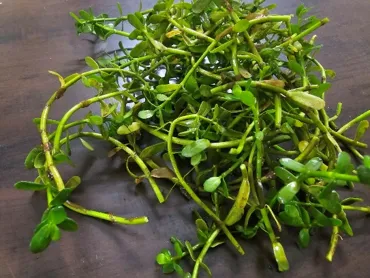
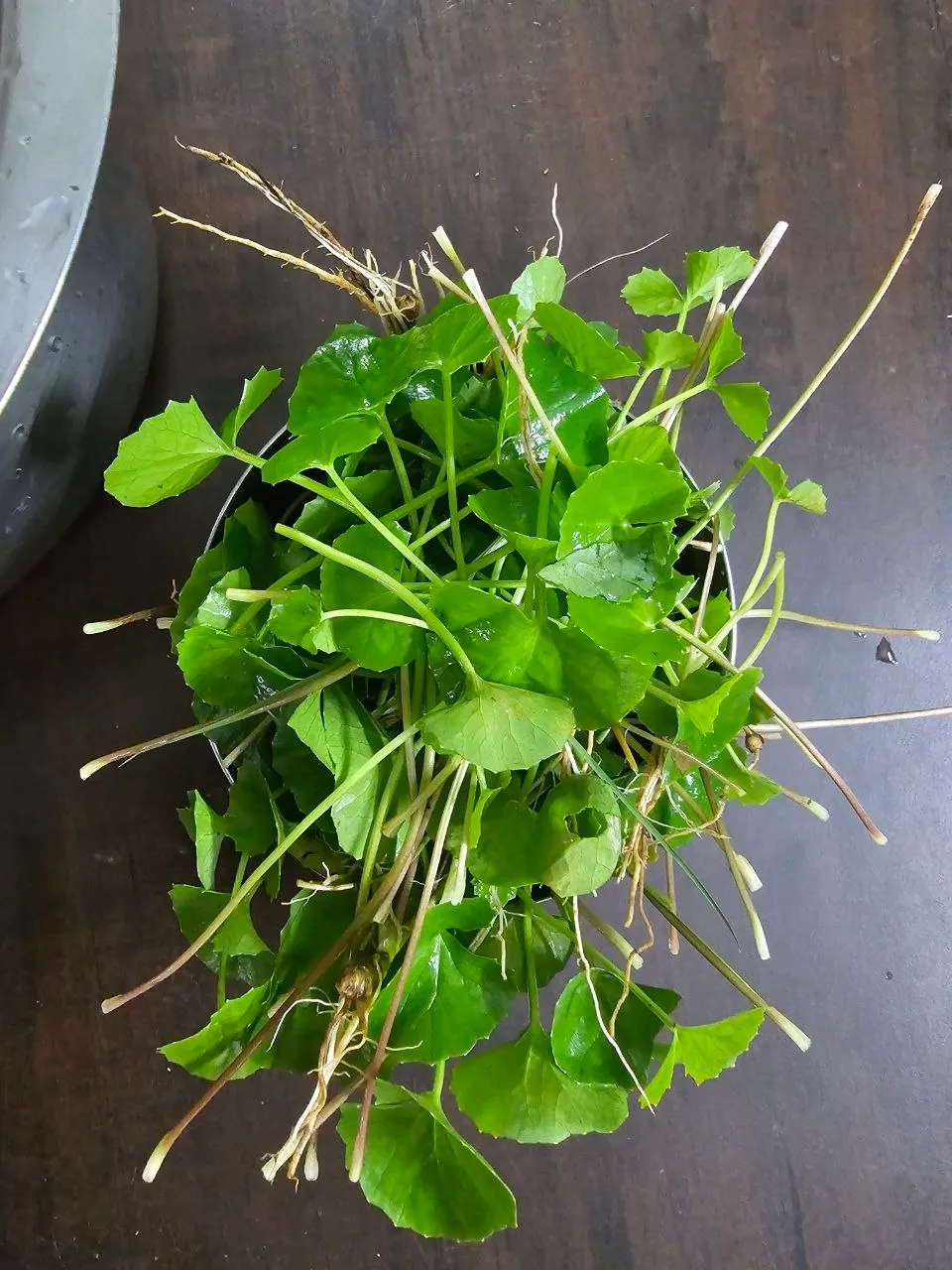
Fig 1 Brahmi fig 2 Manduka Parni
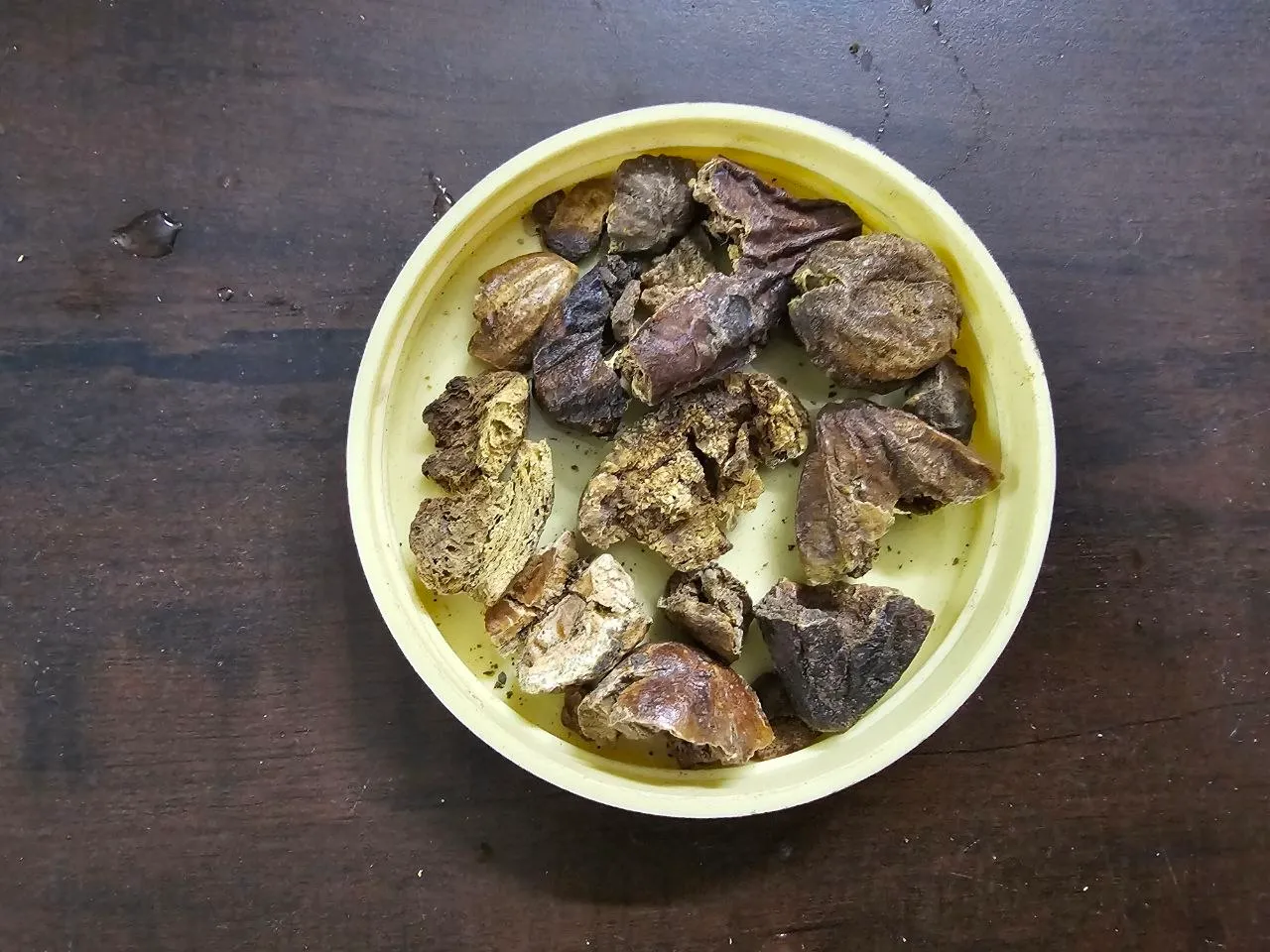
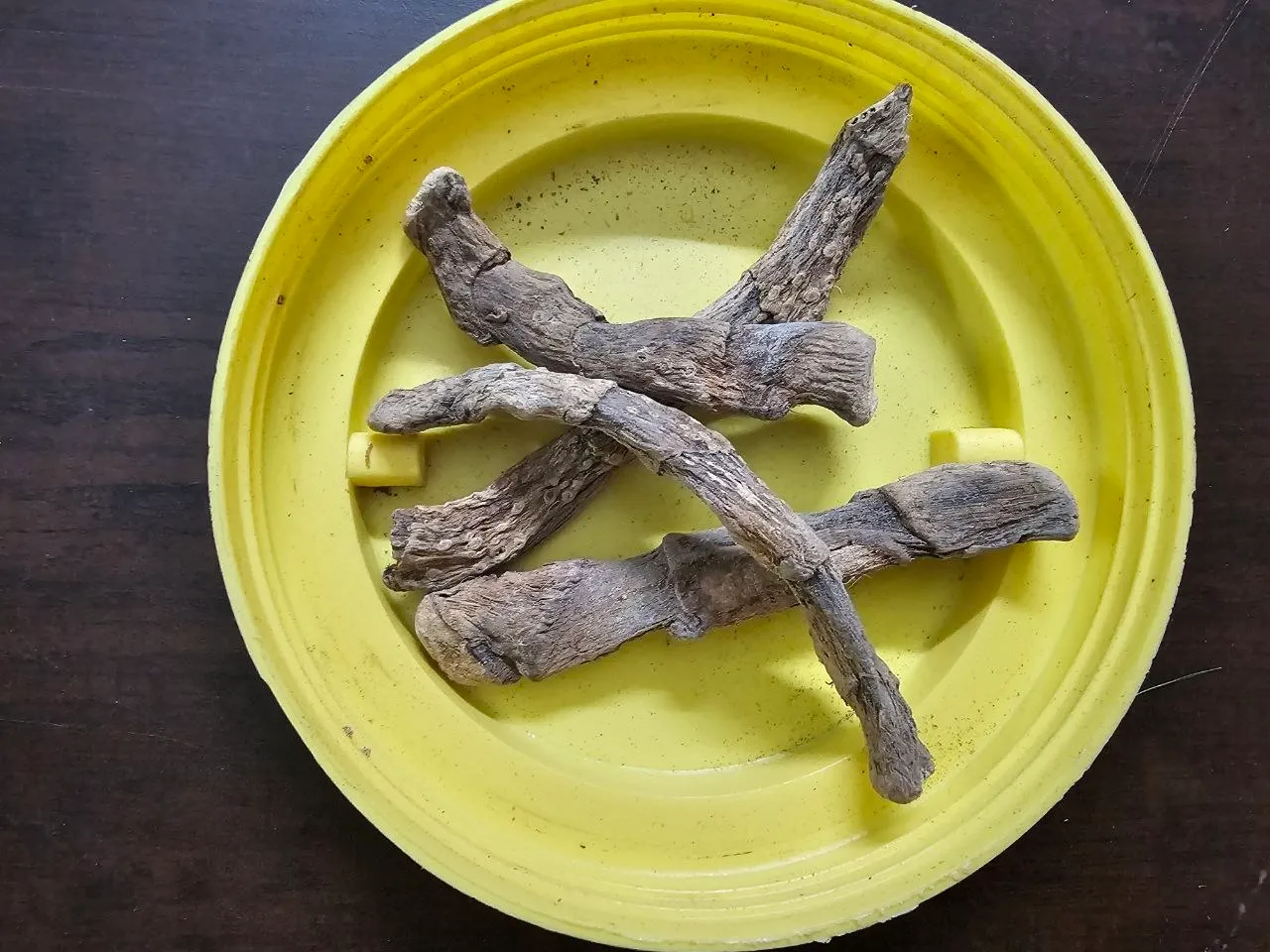
Fig 3 Harithaki fig 4 Vacha
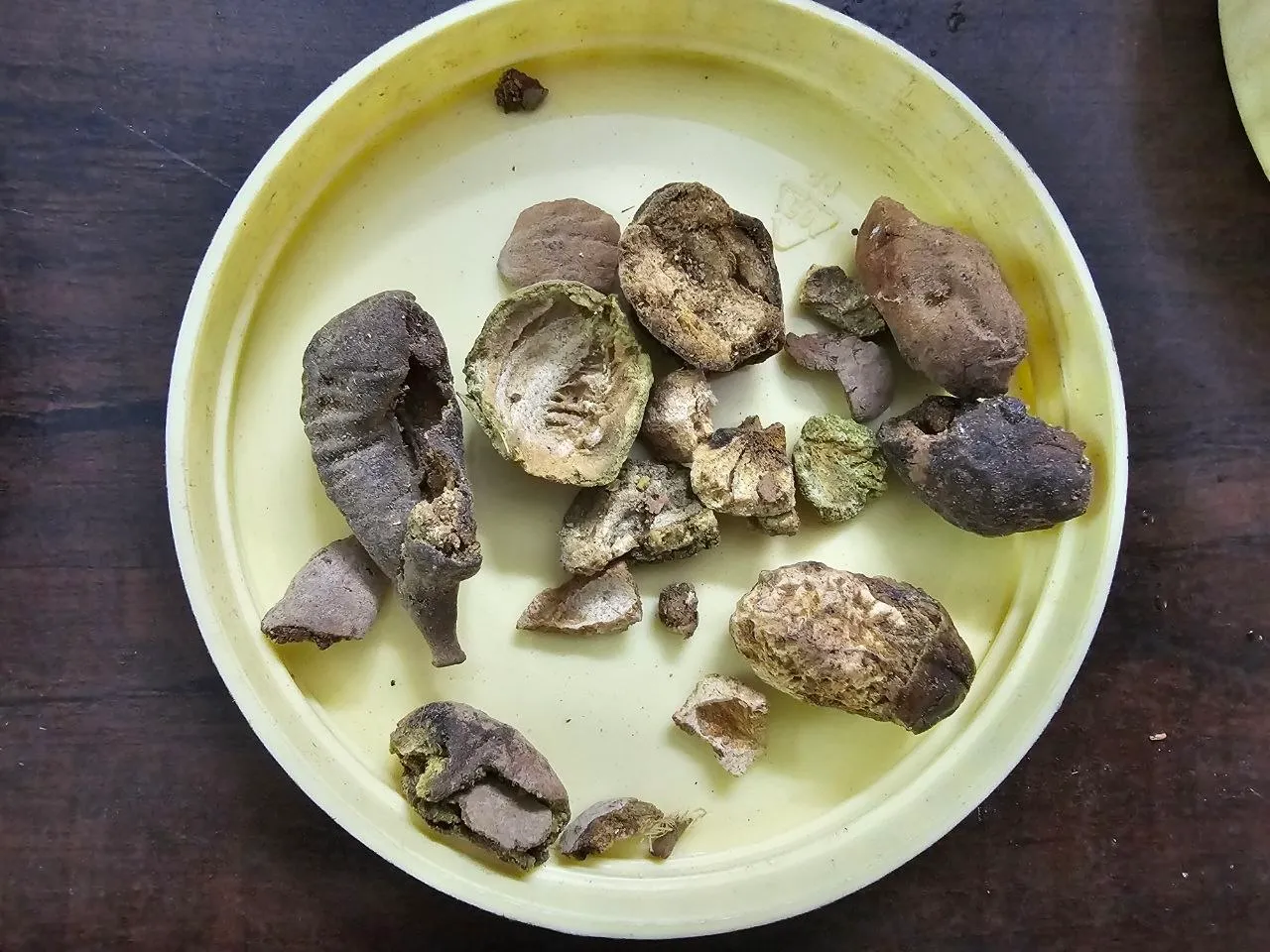
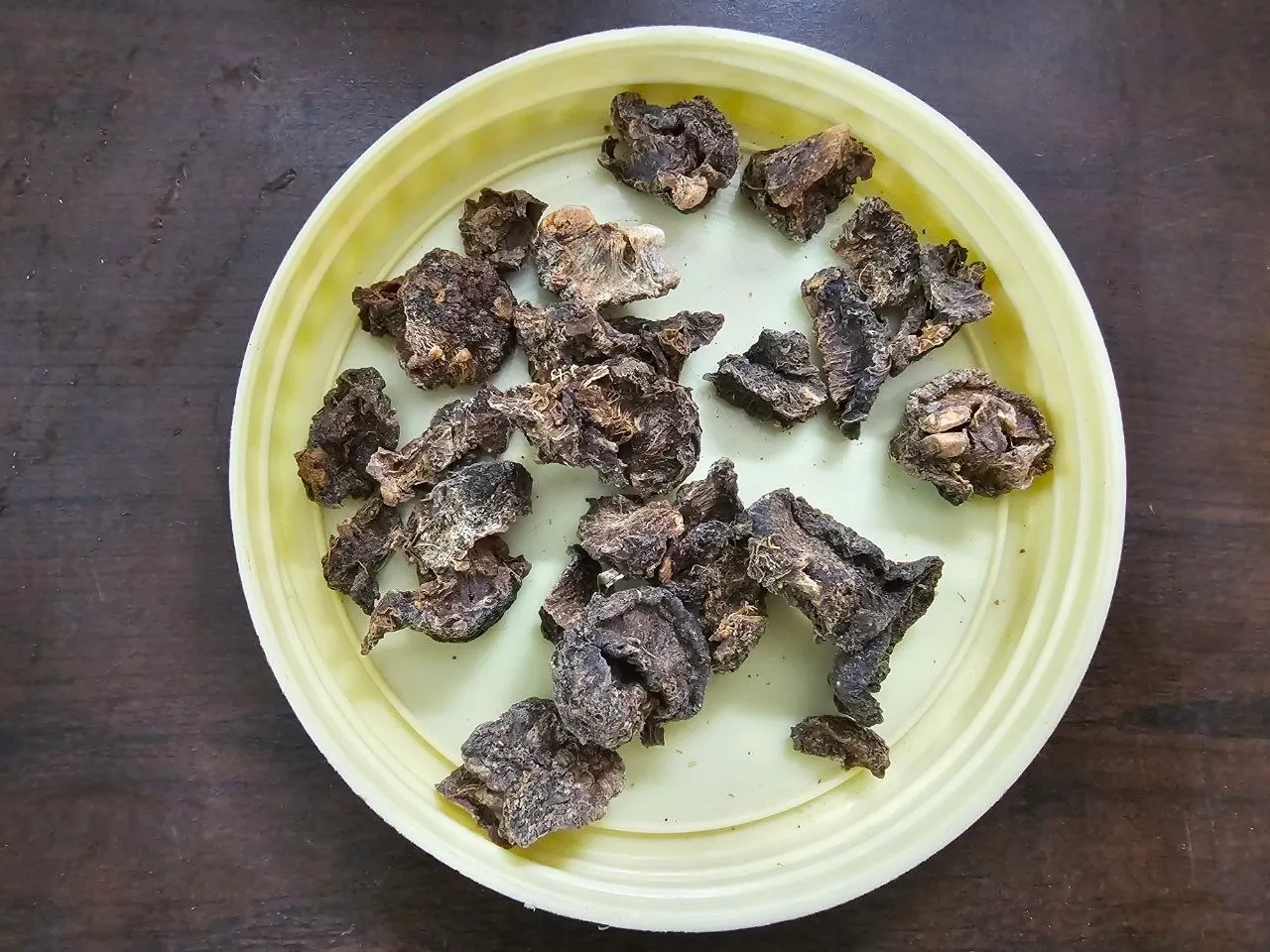
Fig 5 Vibhitaki fig 6 Amalaki
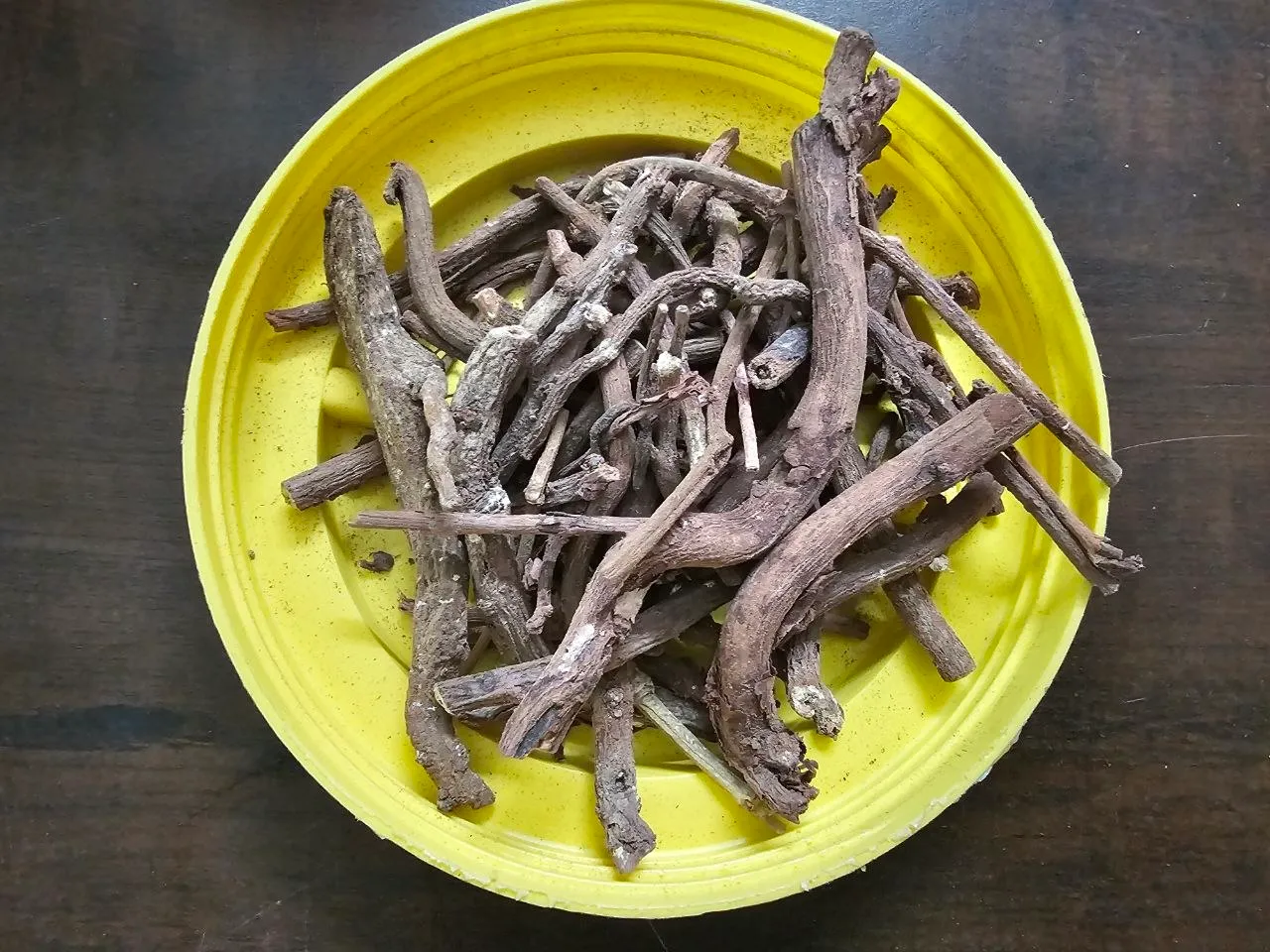
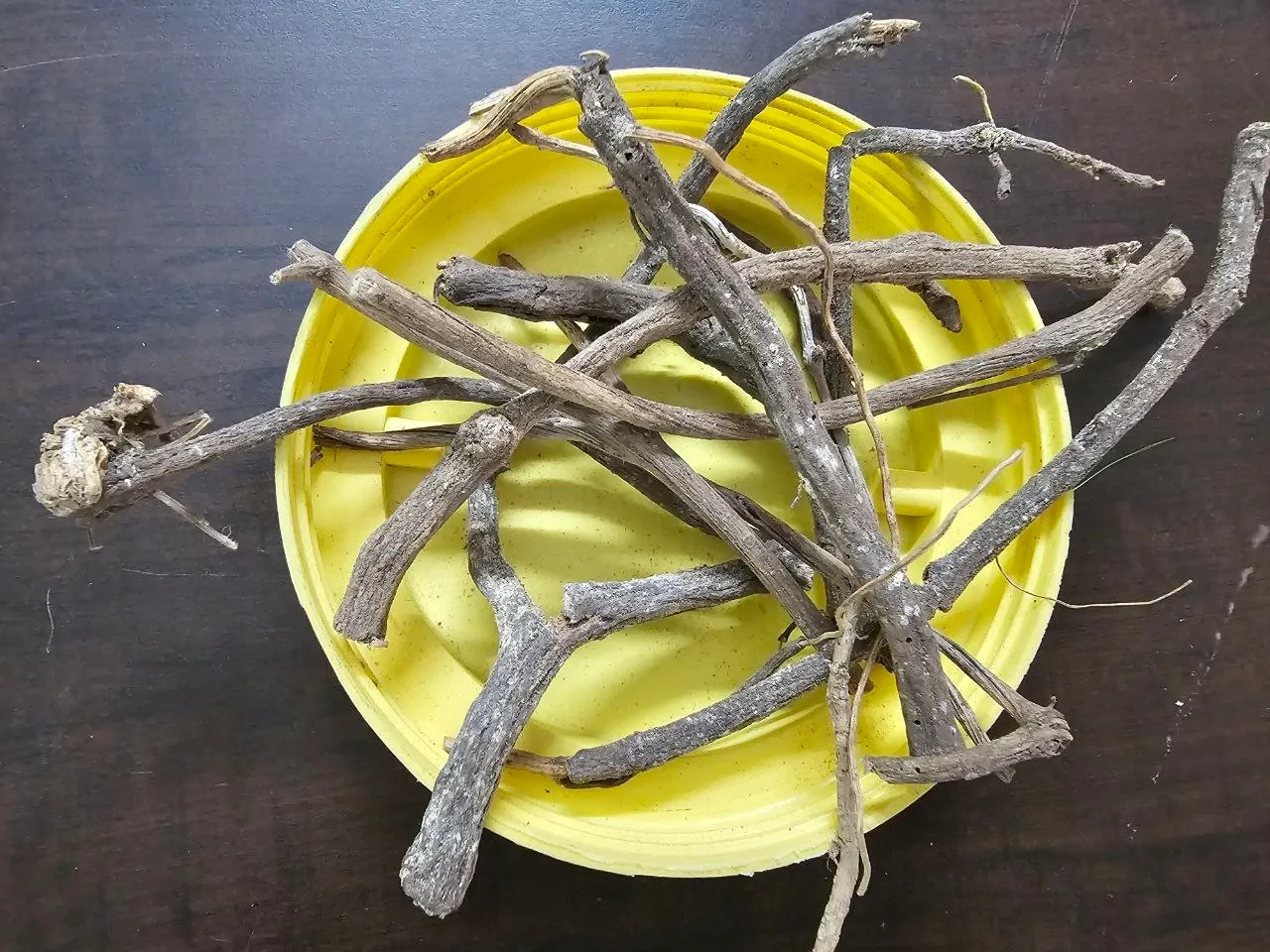
Fig 7 Chitraka fig 8 Trivruth
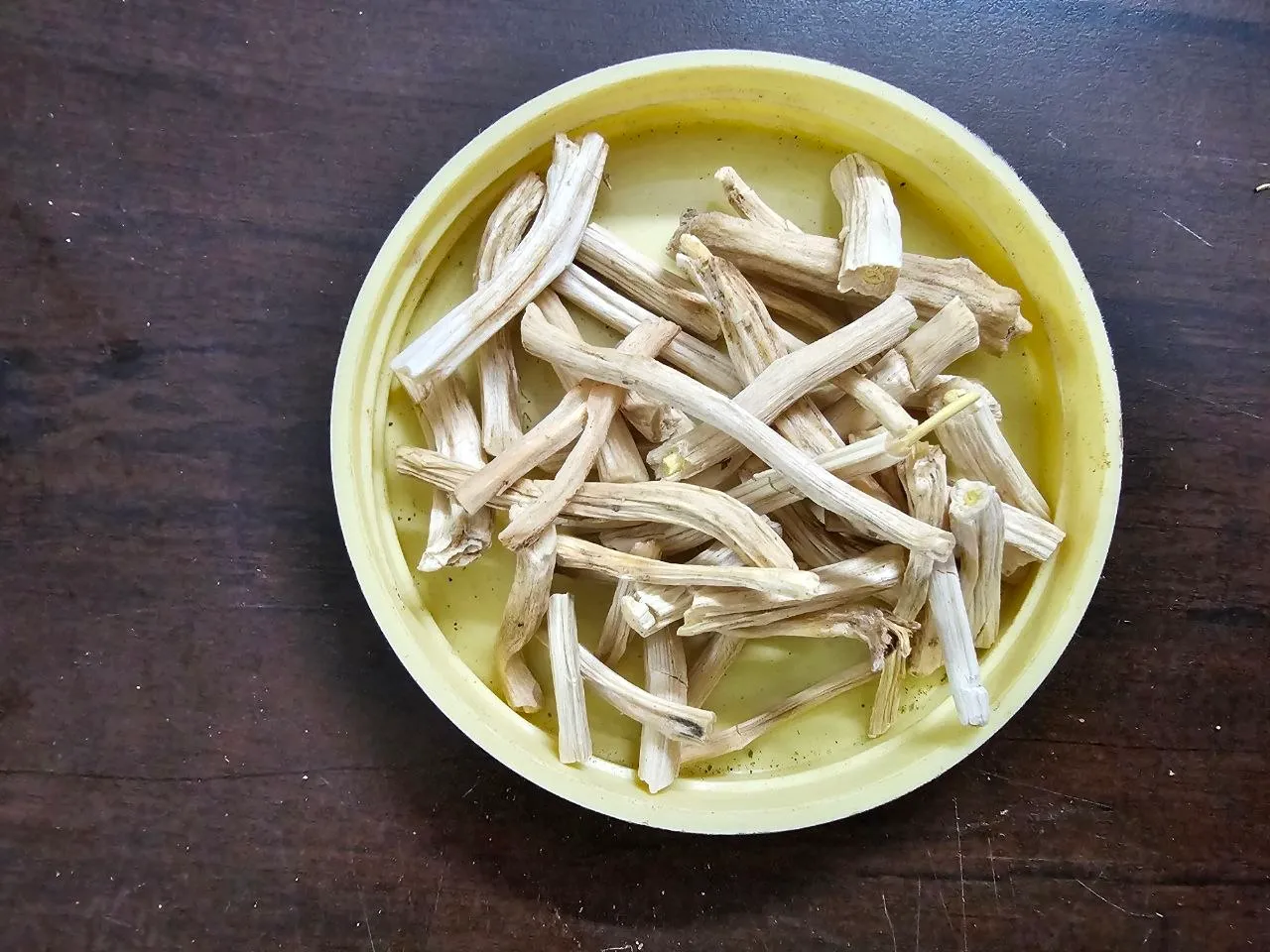
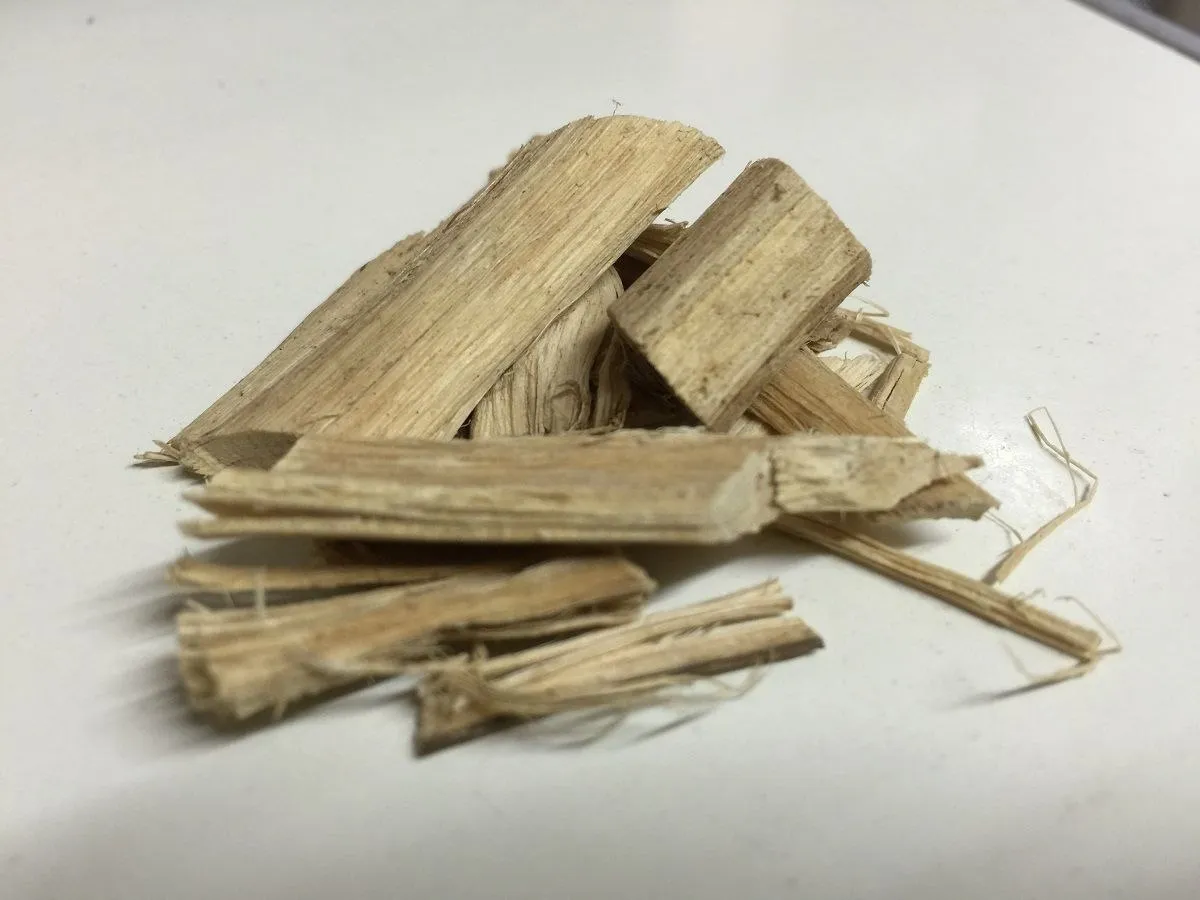
Fig 9 Shatavari fig 10 Nagabala
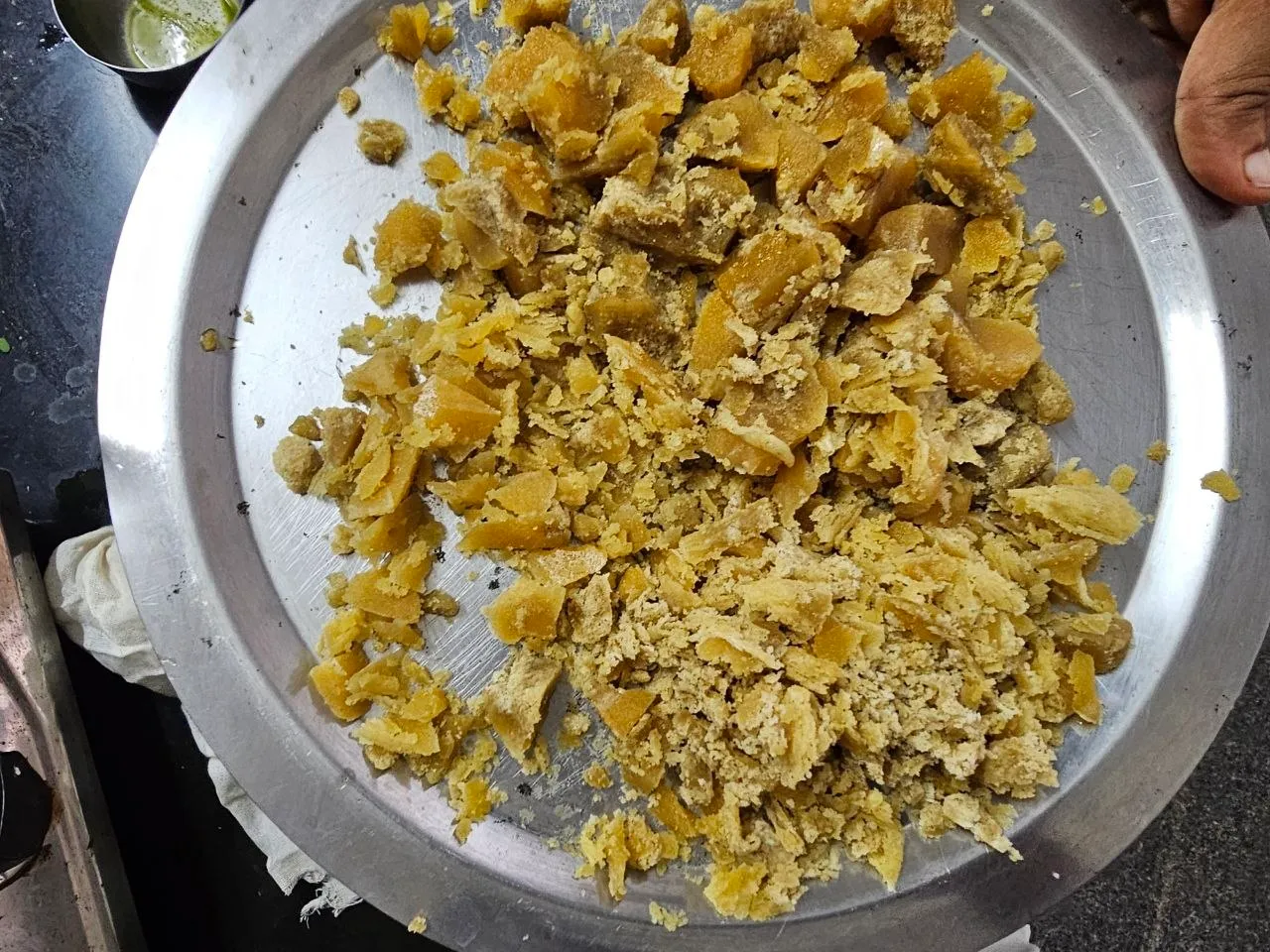
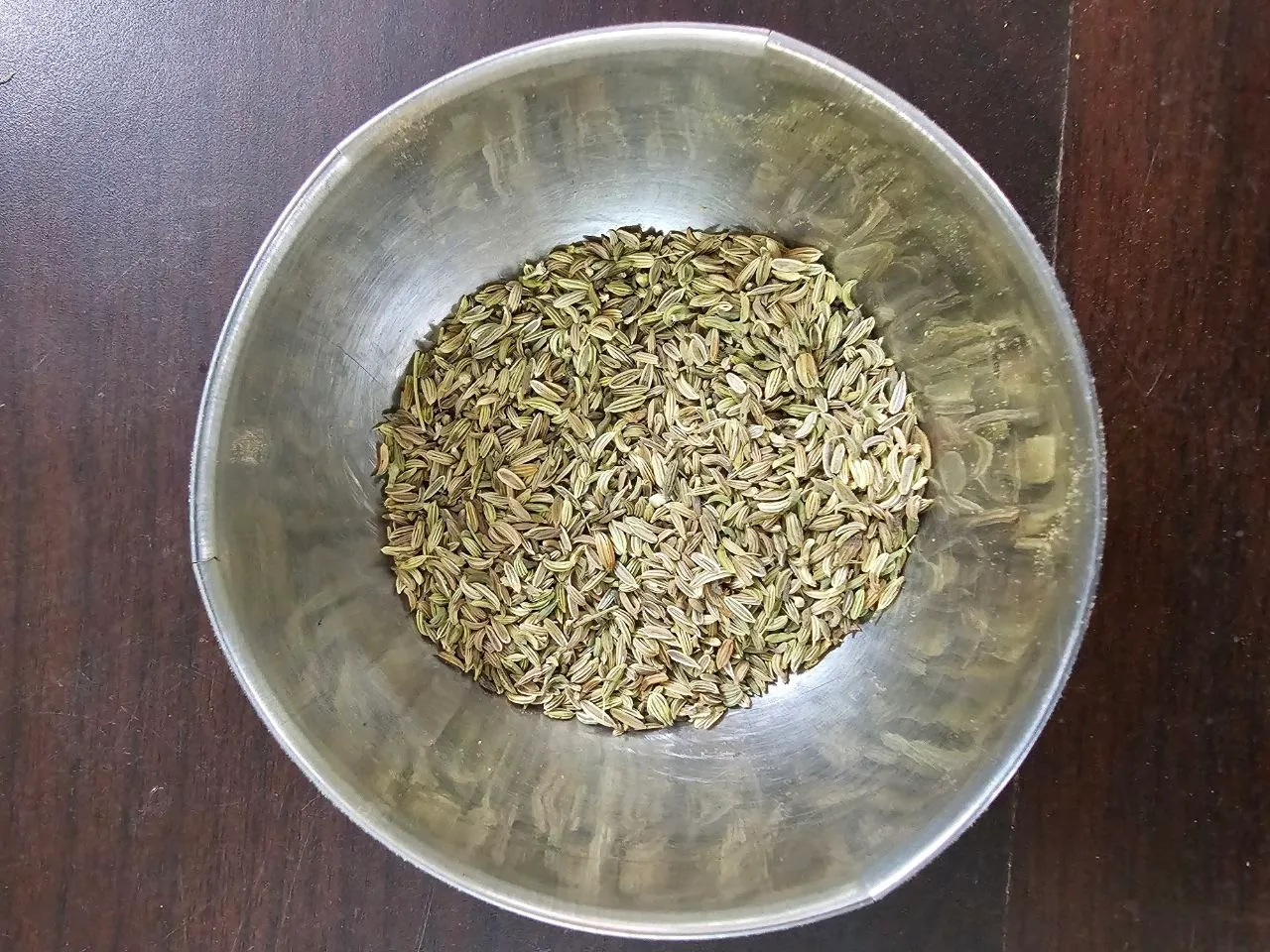
Fig 11 Guda fig 12 Shatapushpa
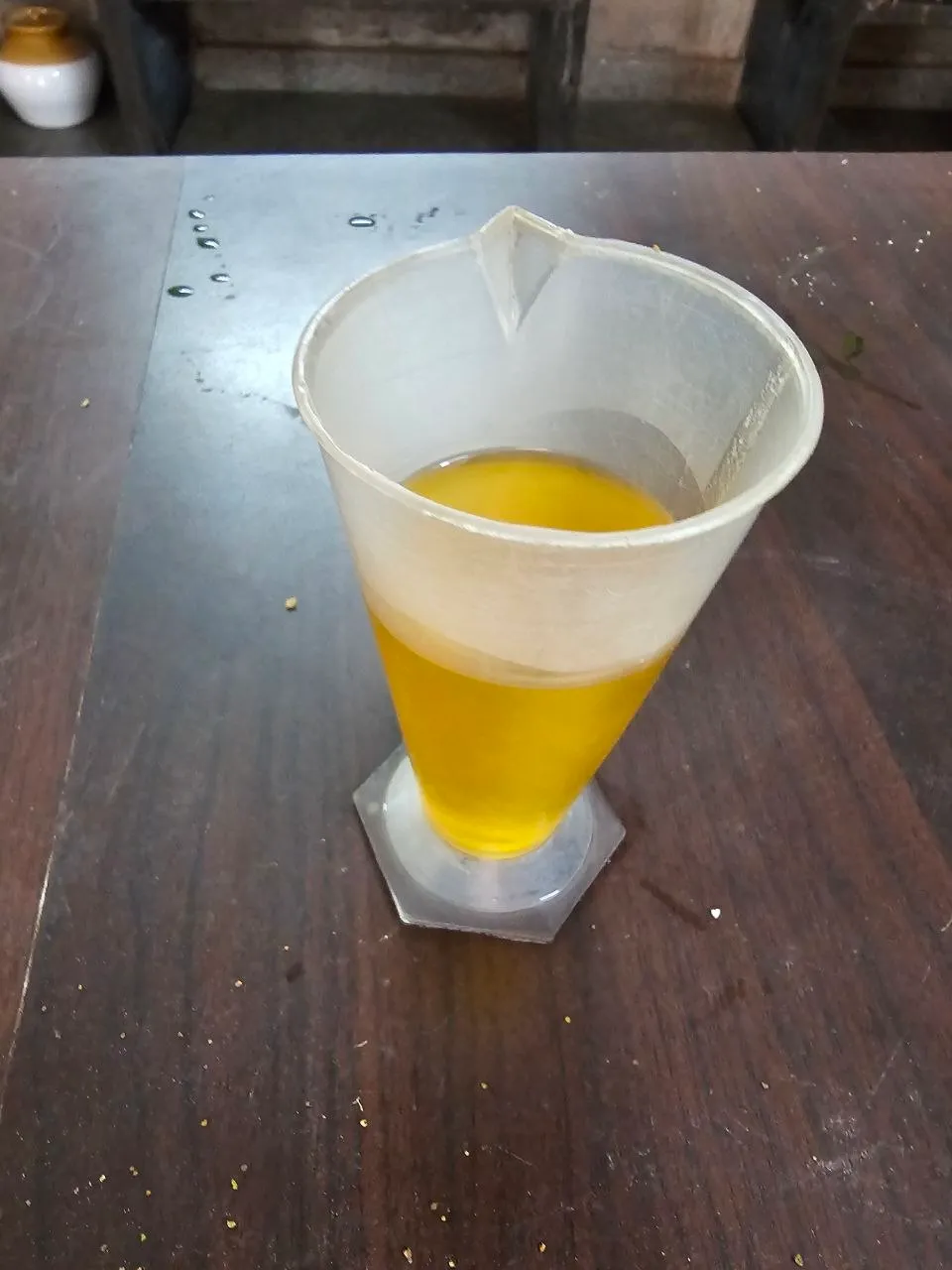
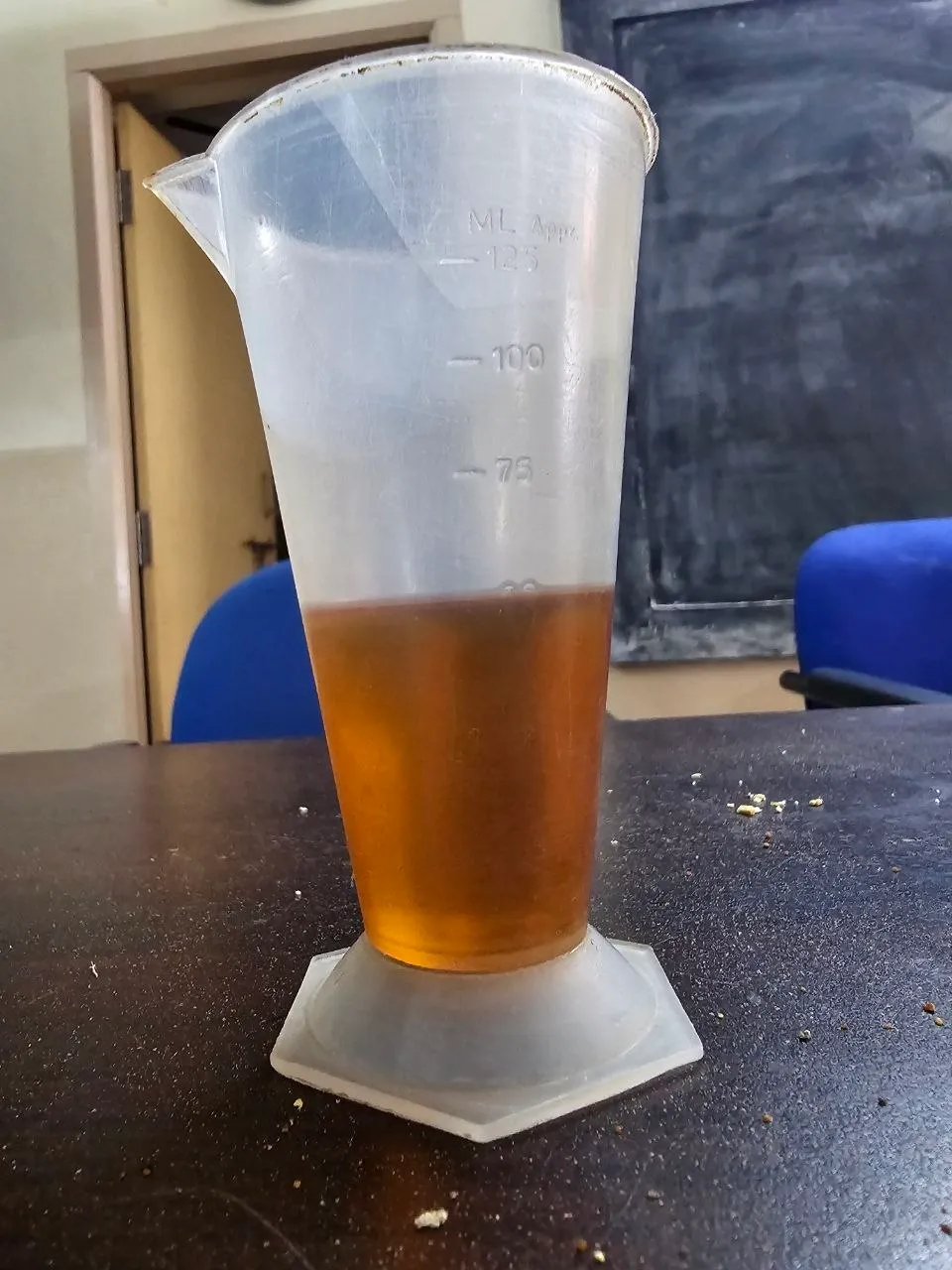
Fig 13 Ghrutha fig 14 Madhu
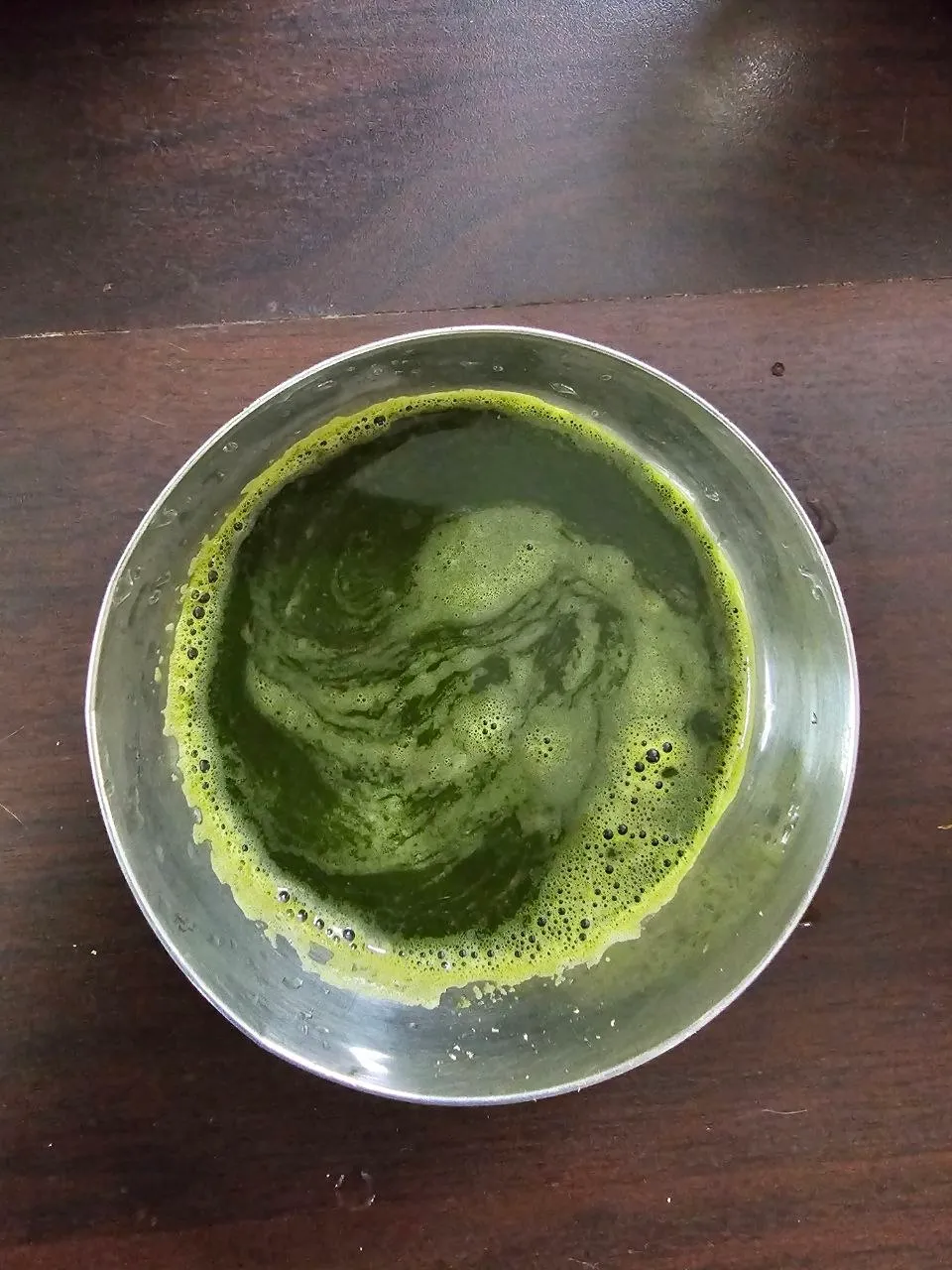
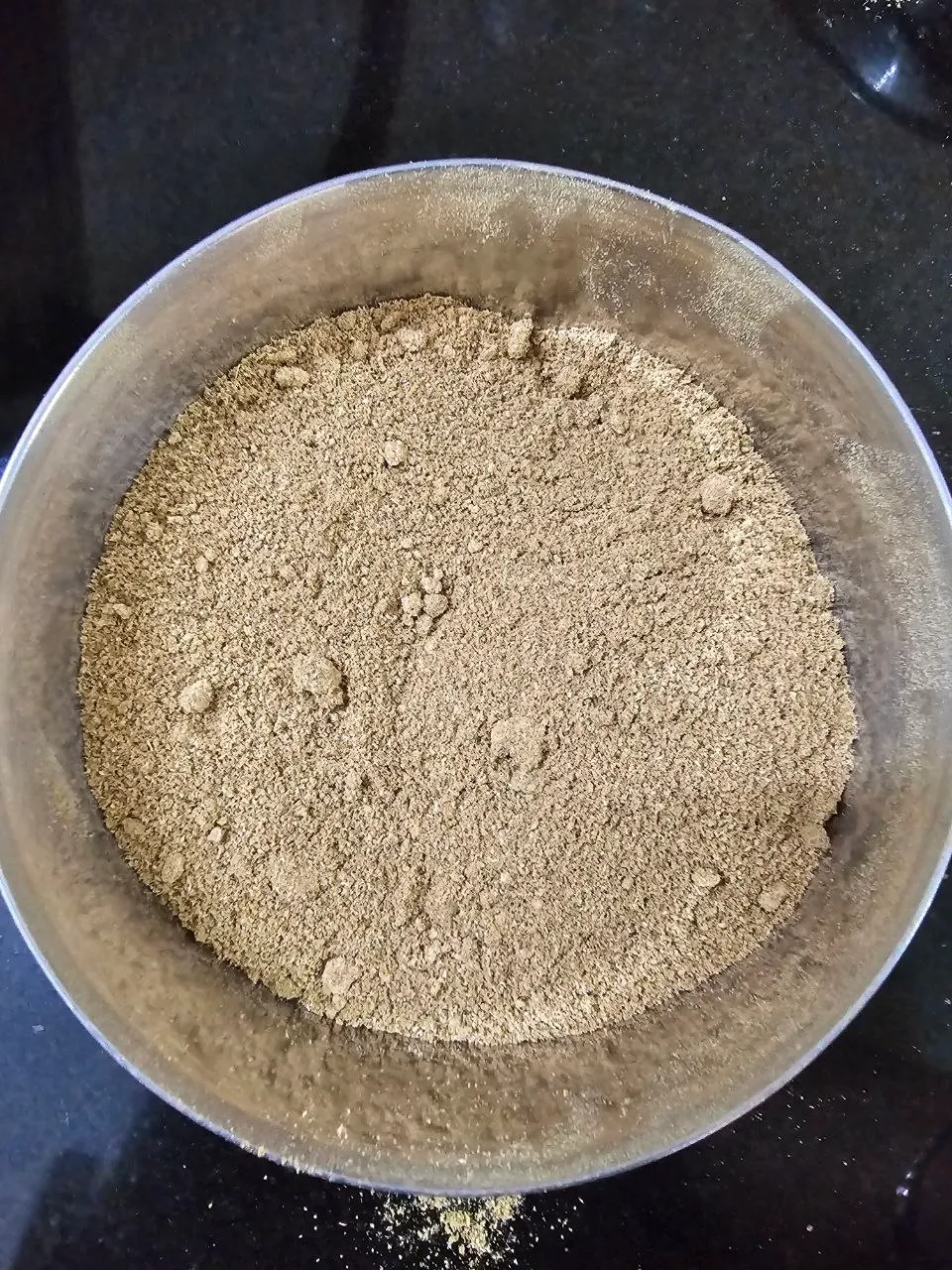
Fig 15 Swarasa of wet drugs Fig 16 Powder of dry drugs
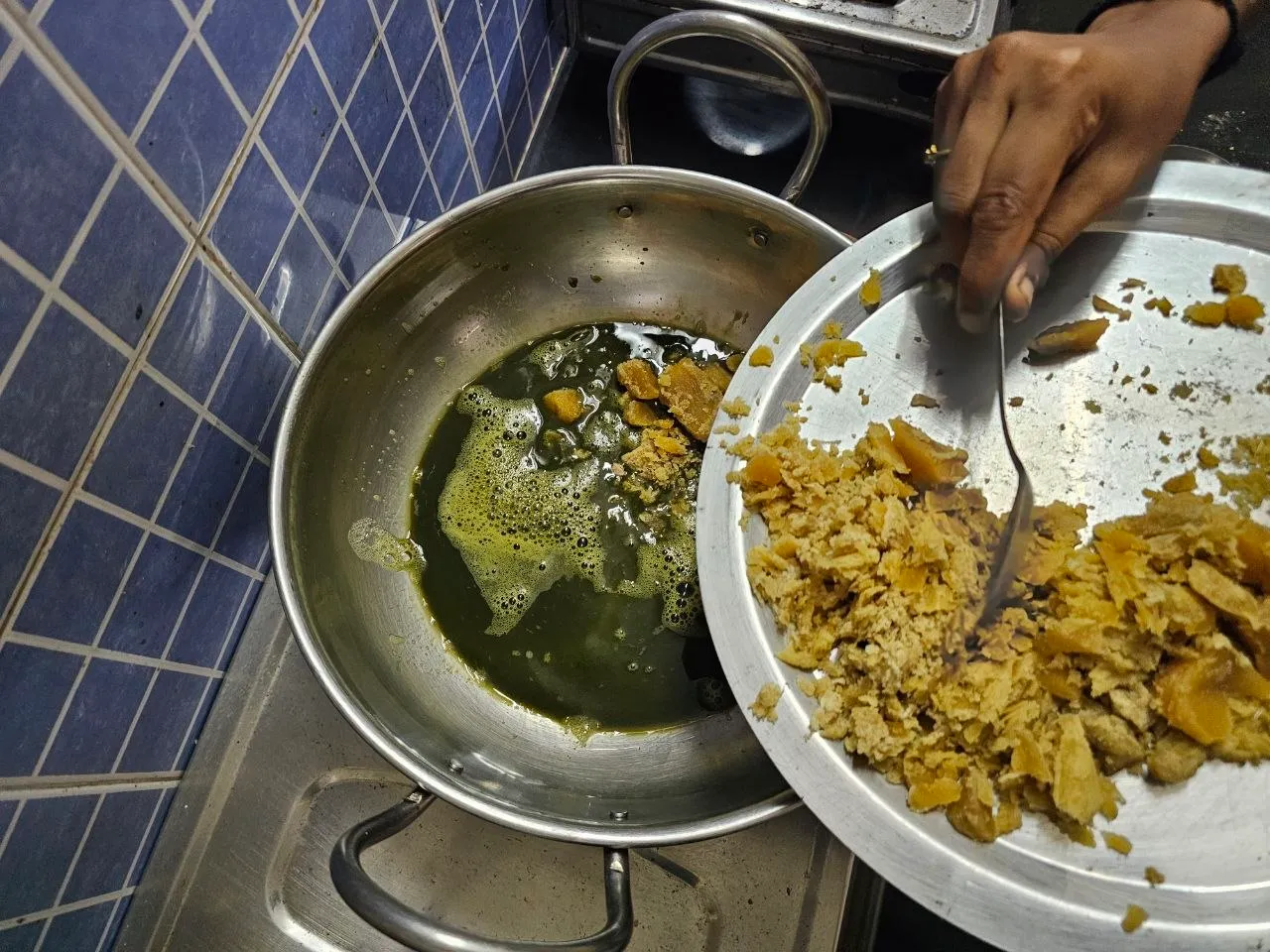
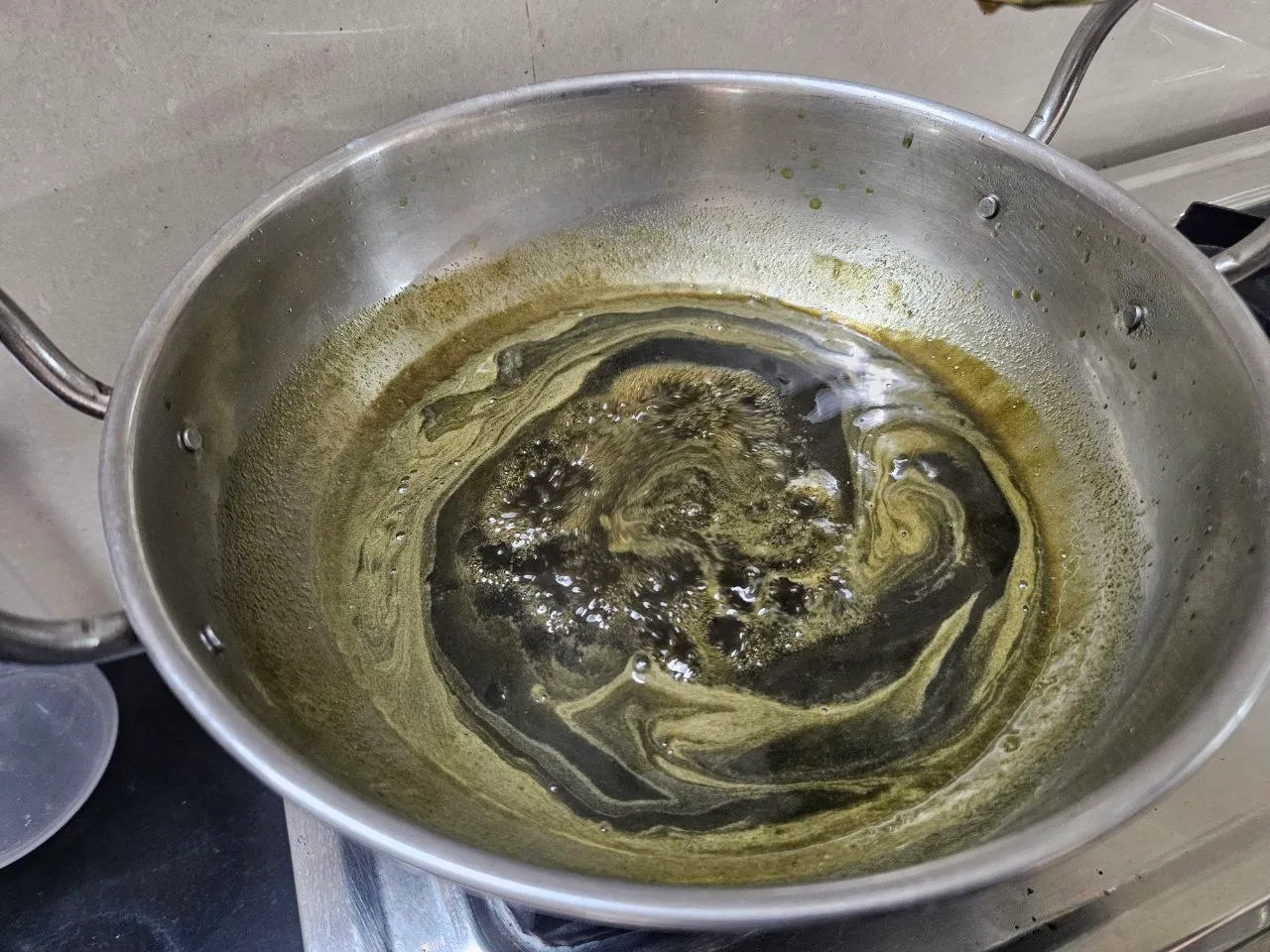
Fig 17 Adding Guda to Swarasa Fig 18 Boiling Guda Paka
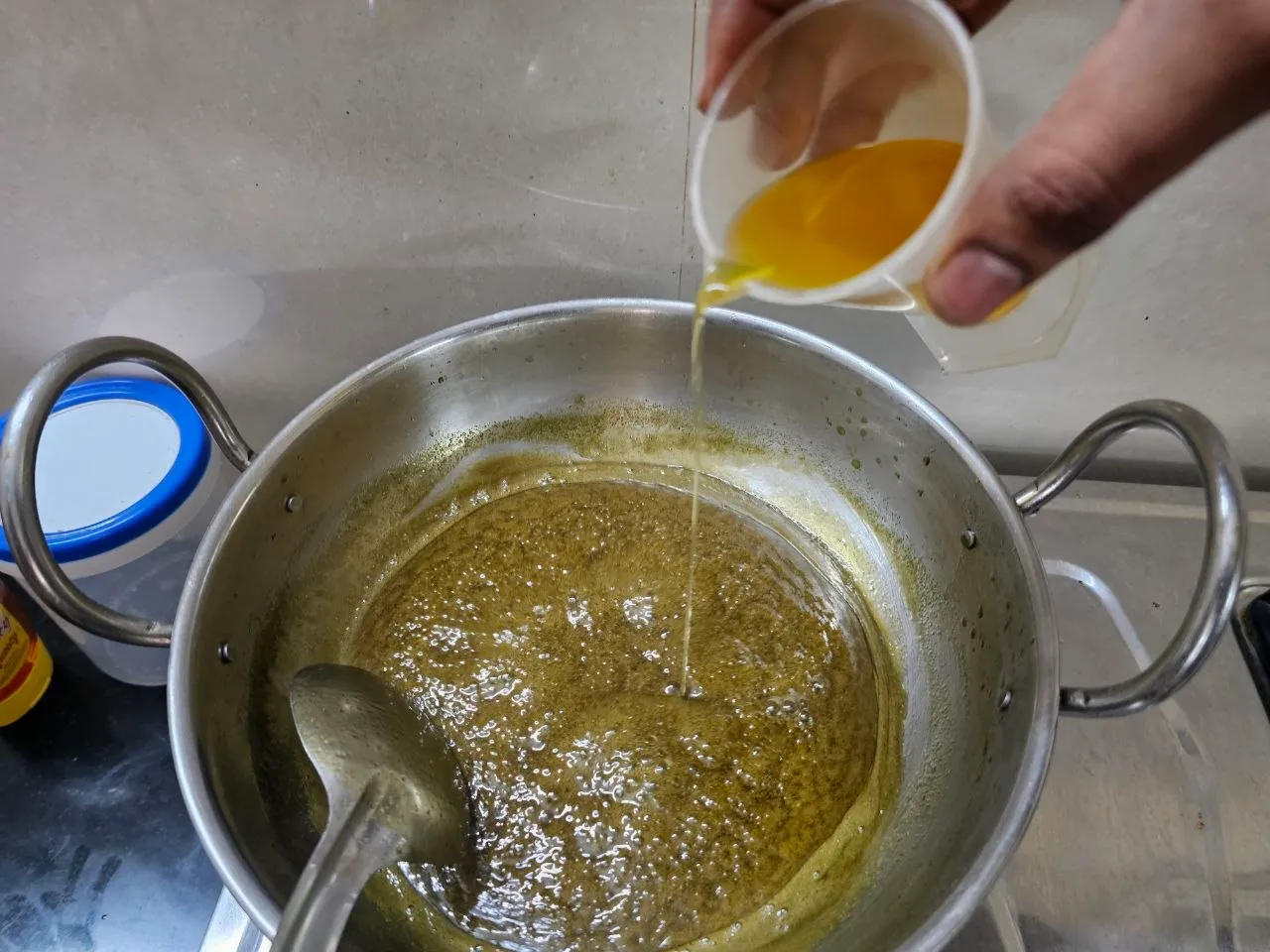
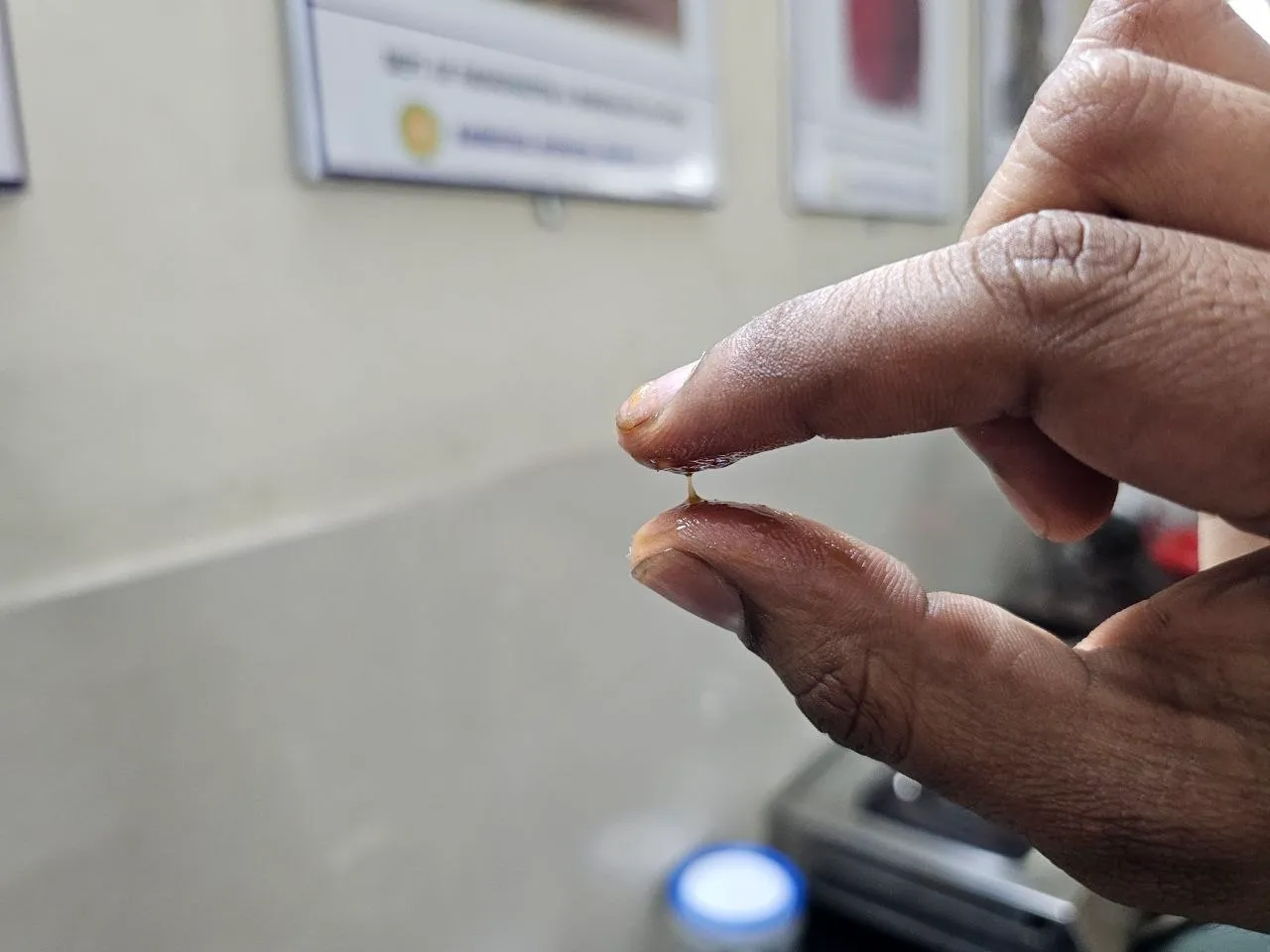
Fig 19 Adding Ghrutha Fig 20 One thread consistency
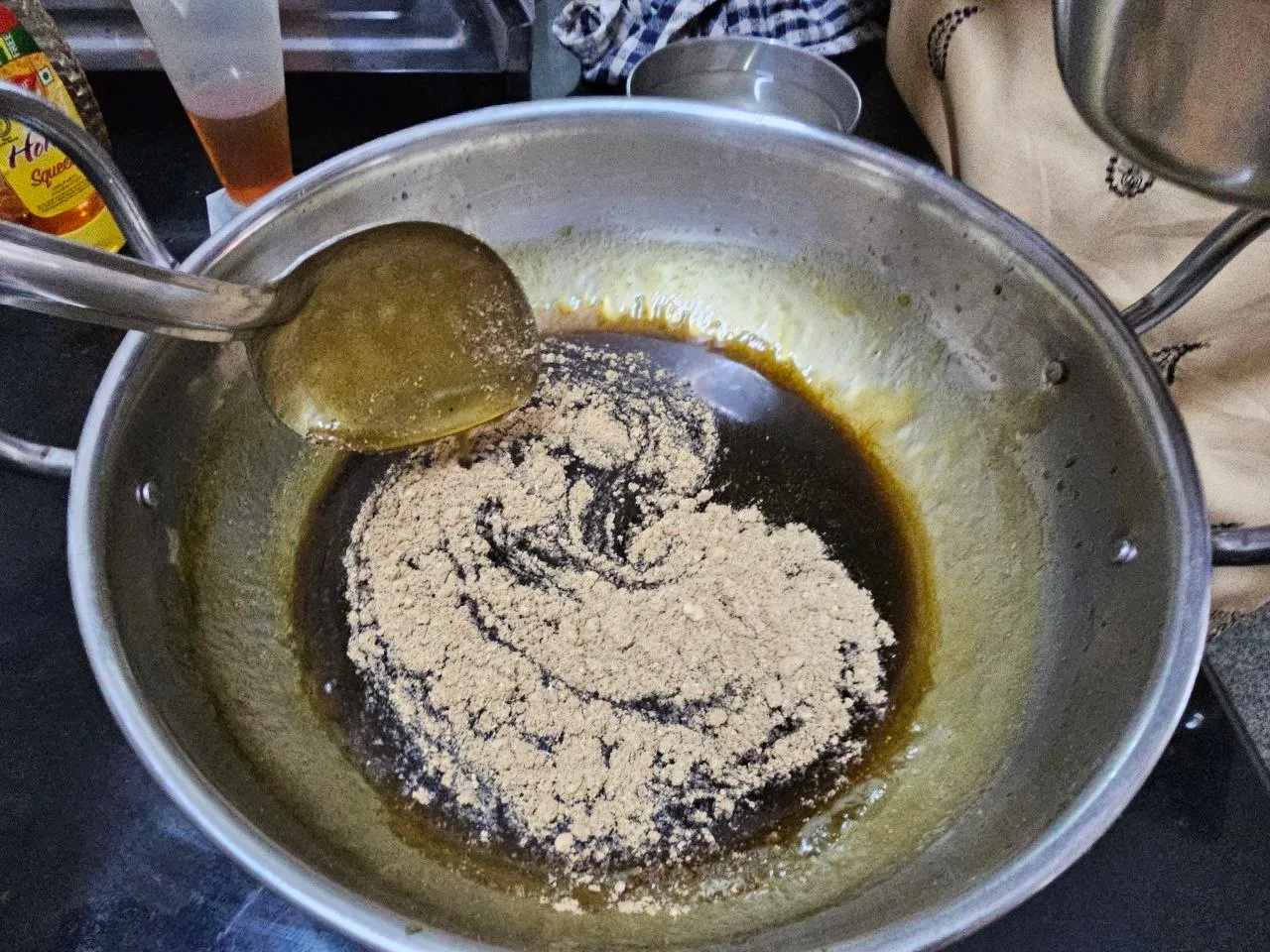
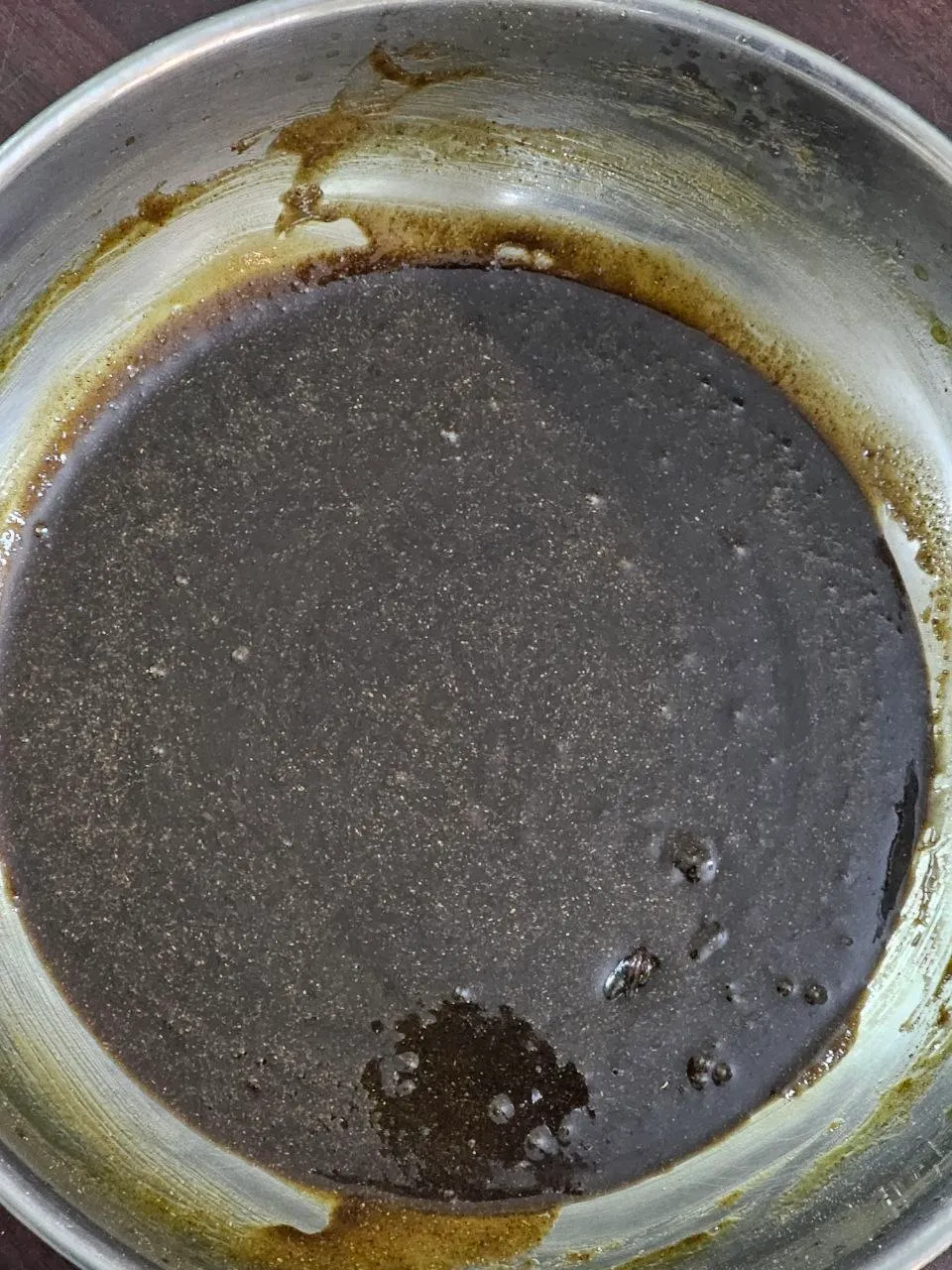
Fig 21 Adding Prakshepaka Dravyas Fig 22 Completed Avaleha preparation
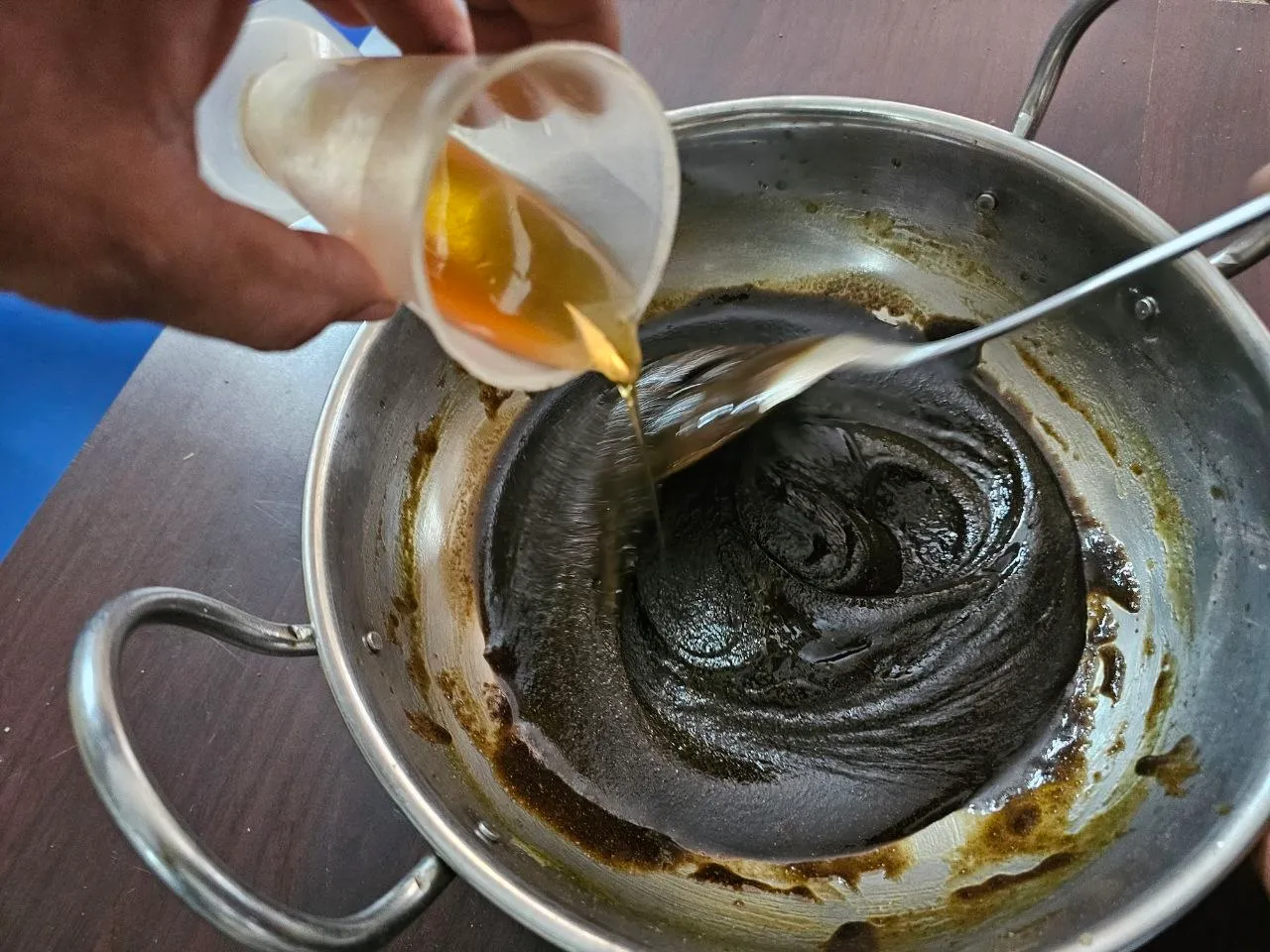
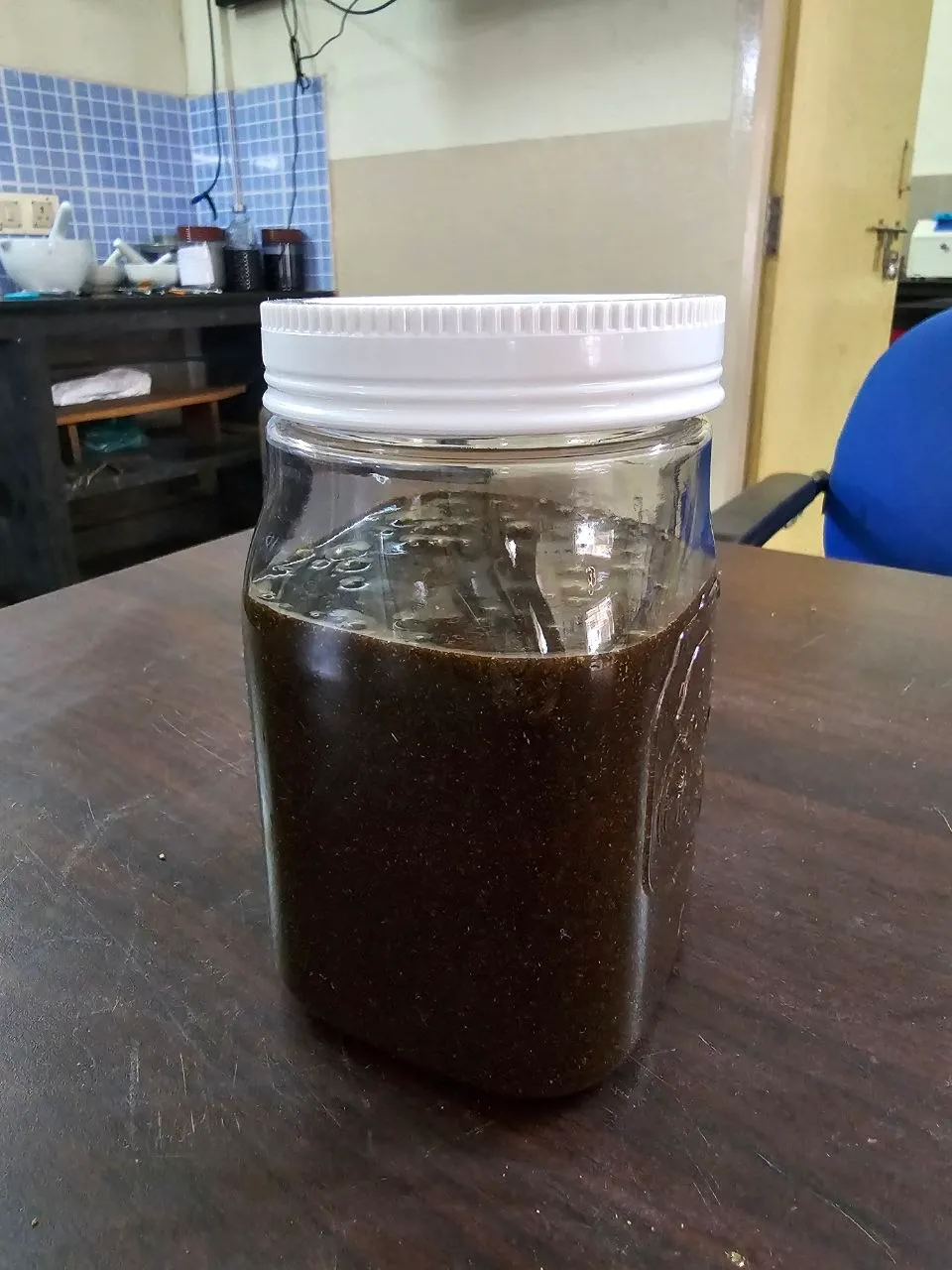
Fig 23 Adding honey Fig 24 Prepared Brahmi Avaleha stored in air tight container
REFERENCES





Dr. Samarth Ballyaya D, Dr. Savitha K Bhat, Dr. Rachana C, Dr. Chaithra PB, Dr. C Shristy Shetty, A Pharmaceutical study on Brahmi Avaleha, Int. J. of Pharm. Sci., 2026, Vol 4, Issue 9, 4045-4057, https://doi.org/10.5281/zenodo.23051126
 10.5281/zenodo.23051126