

We use cookies to ensure our website works properly and to personalise your experience. Cookies policy
D K Patil institute of Pharmacy Loha.
Artificial Intelligence (AI) has emerged as a transformative technology in the pharmaceutical industry, shifting oral solid dosage form (OSDF) development from conventional trial-and-error methods to efficient, data-driven strategies. The design of OSDFs involves a complex interplay of multiple variables, such as physicochemical properties, excipient selection, manufacturing parameters, and stability considerations. The integration of AI—primarily driven by machine learning (ML) and deep learning (DL) architectures—enables researchers to rapidly analyze large, multi-dimensional datasets to establish accurate predictive insights throughout the product lifecycle. This review highlights the diverse applications of AI across multiple stages of OSDF development. In pre-formulation and formulation design, AI algorithms predict drug-excipient compatibility, optimize composition, and forecast critical quality attributes (CQAs) like tablet hardness, dissolution kinetics, and shelf life. Furthermore, AI technologies revolutionize manufacturing and process control within the industry 4.0 framework. By integrating Process Analytical Technology (PAT) and computer vision, AI facilitates real-time monitoring and parameter optimization during critical unit operations, including granulation, compression, and coating, thereby dramatically reducing batch defects and material waste. AI also significantly enhances Quality by Design (QbD) implementation by defining robust design spaces. Despite persisting challenges regarding high-quality data availability, model interpretability ("black-box" models), implementation costs, and evolving regulatory frameworks, the future of AI in pharmaceuticals remains highly promising. Emerging paradigms like digital twins, autonomous self-driving laboratories, and personalized medicine are set to further modernize OSDF manufacturing, ensuring the rapid, cost-effective production of safe and high-quality therapeutics.
Artificial Intelligence (AI) has emerged as a transformative technology in the pharmaceutical industry, offering innovative solutions to complex challenges encountered during drug development and manufacturing. Traditional pharmaceutical development relies heavily on trial-and-error approaches, which are often time-consuming, labor-intensive, and costly. The integration of AI technologies enables researchers to analyze large datasets, identify hidden patterns, predict outcomes, and optimize formulations with greater precision and efficiency (1,2).
The pharmaceutical sector generates vast amounts of data from formulation studies, process development, quality control testing, and clinical investigations. AI tools can process these datasets rapidly and provide predictive insights that support decision-making throughout the product lifecycle. In recent years, AI has been increasingly utilized in drug discovery, formulation optimization, process analytical technology (PAT), quality-by-design (QbD), and personalized medicine (3,4).
Oral solid dosage forms (OSDFs), including tablets, capsules, powders, and granules, represent the most widely used pharmaceutical dosage forms due to their convenience, stability, and patient compliance. However, the development of OSDFs involves multiple variables such as drug physicochemical properties, excipient selection, manufacturing parameters, dissolution characteristics, and stability considerations. AI-based approaches can significantly improve formulation development by predicting critical quality attributes (CQAs), optimizing process parameters, and reducing experimental workload (5,6).
The growing adoption of machine learning, deep learning, and data analytics in pharmaceutical sciences has accelerated the transition toward data-driven formulation development. Consequently, AI is becoming an essential tool for enhancing efficiency, reducing costs, improving product quality, and facilitating regulatory compliance in oral solid dosage form development (7,8).
Role of AI in Pharmaceutical Development
Big Data
↓
Artificial Intelligence
↓
Machine Learning
↓
Predictive Modeling
↓
Formulation Optimization
↓
Quality Enhancement & Cost Reduction
2. Overview of Artificial Intelligence in Pharmaceuticals
Artificial Intelligence refers to the ability of computer systems to perform tasks that normally require human intelligence, including learning, reasoning, decision-making, pattern recognition, and problem-solving. AI systems utilize mathematical algorithms and computational models to analyze large datasets and generate meaningful predictions (1).
In pharmaceutical sciences, AI has become a powerful tool for accelerating research and development activities. Applications include drug discovery, target identification, molecular modeling, formulation development, process optimization, quality assurance, and regulatory decision support. AI enables researchers to predict formulation performance, optimize manufacturing processes, and identify critical variables affecting product quality (2,3).
The implementation of AI in pharmaceutical manufacturing aligns with the principles of Industry 4.0, where automation, data analytics, and intelligent systems are integrated to improve productivity and process control. Regulatory agencies such as the United States Food and Drug Administration (FDA) have recognized the potential of AI and machine learning technologies in enhancing pharmaceutical innovation and quality management systems (4,5).
Table 1. Applications of AI in Pharmaceutical Sciences
|
Area |
AI Application |
|
Drug Discovery |
Lead identification and optimization |
|
Preformulation |
Solubility and stability prediction |
|
Formulation Development |
Excipient selection and optimization |
|
Manufacturing |
Process monitoring and control |
|
Quality Control |
Defect detection and dissolution prediction |
|
Regulatory Affairs |
Risk assessment and compliance support |
|
Personalized Medicine |
Patient-specific dosage prediction |
3. Artificial Intelligence
Artificial Intelligence is a broad field of computer science focused on creating systems capable of mimicking human cognitive functions. AI systems can learn from data, recognize patterns, solve problems, and make decisions with minimal human intervention. Modern AI technologies are primarily driven by advances in computational power, cloud computing, and the availability of large datasets (1,2).
AI techniques commonly used in pharmaceutical research include expert systems, fuzzy logic, genetic algorithms, machine learning, and deep learning. These approaches facilitate the prediction of formulation behavior, optimization of manufacturing conditions, and assessment of product quality attributes (3).
In oral solid dosage form development, AI assists in identifying optimal formulation compositions, predicting dissolution profiles, estimating stability, and minimizing batch failures. AI-driven models can evaluate thousands of formulation variables simultaneously, enabling more efficient and cost-effective product development (6,7).
Hierarchy of Artificial Intelligence
A
rtificial Intelligence (AI)
│
├──────── Machine Learning (ML)
│ │
│ ├──── Supervised Learning
│ ├──── Unsupervised Learning
│ └──── Reinforcement Learning
│
└──────── Deep Learning (DL)
│
├──── Neural Networks
├──── CNN
└──── RNN
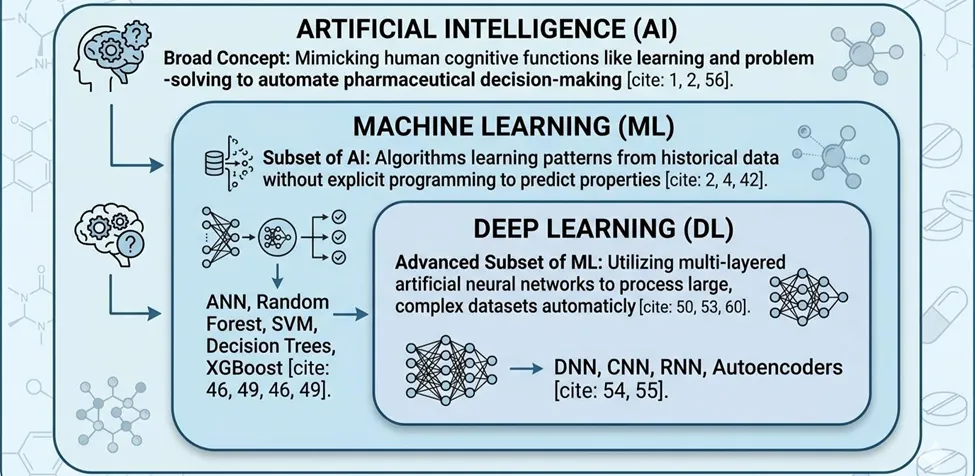
Figure 1: The Technical Hierarchy of AI in Formulation Design
4. Machine Learning
Machine Learning (ML) is a subset of AI that enables computer systems to learn from historical data without explicit programming. ML algorithms identify relationships between input variables and outcomes, allowing the prediction of future events or behaviors (2,4).
In pharmaceutical formulation development, ML models are widely used for:
Machine learning algorithms improve formulation efficiency by reducing the number of experimental trials required during product development (5,7).
Types of Machine Learning
1. Supervised Learning
Uses labeled datasets to predict known outcomes.
Examples:
2. Unsupervised Learning
Identifies hidden patterns in unlabeled datasets.
Examples:
3. Reinforcement Learning
Learns through rewards and penalties to optimize decisions.
Table 2. Common Machine Learning Algorithms in Pharmaceutical Development
|
Algorithm |
Application |
|
ANN |
Dissolution and formulation prediction |
|
Random Forest |
Variable importance analysis |
|
SVM |
Classification and quality prediction |
|
Decision Tree |
Risk assessment |
|
K-Means Clustering |
Data segmentation |
|
PCA |
Multivariate data analysis |
Machine Learning Workflow
Data Collection
↓
Data Preprocessing
↓
Feature Selection
↓
Model Training
↓
Validation
↓
Prediction
↓
Decision Making
5. Deep Learning
Deep Learning (DL) is an advanced subset of machine learning that utilizes multilayered artificial neural networks to process complex datasets and identify intricate patterns. Unlike traditional ML techniques, deep learning can automatically extract features from large datasets without extensive manual intervention (8,9).
Deep learning models have demonstrated significant success in pharmaceutical applications, including molecular property prediction, image analysis, process monitoring, and formulation optimization. The ability of deep neural networks to handle nonlinear relationships makes them particularly useful for oral solid dosage form development, where multiple formulation and process variables interact simultaneously (9,10).
Common deep learning architectures include:
In OSDF development, deep learning can predict dissolution behavior, classify tablet defects, estimate stability, and optimize manufacturing parameters with high accuracy (10,11).

Figure 2: End-to-End Machine Learning Workflow for OSDFs
Table 3. Comparison of AI, ML, and DL
|
Feature |
AI |
ML |
DL |
|
Scope |
Broad concept |
Subset of AI |
Subset of ML |
|
Data Requirement |
Moderate |
High |
Very High |
|
Feature Engineering |
Manual |
Semi-automatic |
Automatic |
|
Computational Cost |
Moderate |
High |
Very High |
|
Prediction Accuracy |
Moderate |
High |
Very High |
|
Pharmaceutical Applications |
General decision support |
Formulation optimization |
Complex predictive modeling |
5. Oral Solid Dosage Forms: An Overview
Oral solid dosage forms (OSDFs) are among the most widely used pharmaceutical dosage forms due to their convenience, patient compliance, stability, ease of administration, accurate dosing, and cost-effective manufacturing. OSDFs include tablets, capsules, powders, granules, pellets, and modified-release systems. These dosage forms account for a major proportion of commercially available pharmaceutical products worldwide (12).
The development of oral solid dosage forms involves several critical stages, including preformulation studies, formulation development, process optimization, scale-up, and quality control. Various factors such as drug solubility, particle size, compressibility, flow properties, and compatibility with excipients significantly influence the quality and performance of the final product (13).
Recent advances in pharmaceutical technology have enabled the integration of computational tools and artificial intelligence into OSDF development. AI-based approaches facilitate the prediction of critical quality attributes (CQAs), optimization of manufacturing processes, and reduction in experimental workload, thereby accelerating product development timelines (14).
Table 4:Classification of Oral Solid Dosage Forms
|
Dosage Form |
Characteristics |
Examples |
|
Tablets |
Compressed solid unit doses |
Paracetamol tablets |
|
Capsules |
Drug enclosed in gelatin shell |
Amoxicillin capsules |
|
Powders |
Finely divided drug particles |
Oral rehydration powder |
|
Granules |
Agglomerated powder particles |
Effervescent granules |
|
Pellets |
Spherical multiparticulates |
Omeprazole pellets |
|
Modified-release Systems |
Controlled drug release |
Sustained-release tablets |
6. Applications of AI in Oral Solid Dosage Form Development
Artificial intelligence has emerged as a powerful tool in oral solid dosage form development by enabling data-driven decision-making, predictive modeling, and process optimization. AI techniques such as machine learning (ML), deep learning (DL), and artificial neural networks (ANNs) can analyze complex datasets and establish relationships between formulation variables and product performance characteristics (15).
The integration of AI into pharmaceutical formulation development has significantly reduced development time, minimized experimental costs, and improved product quality. AI applications span multiple stages of OSDF development, including preformulation studies, formulation optimization, excipient selection, dissolution prediction, and stability assessment (16).
6.1 Preformulation Studies
Preformulation studies provide essential information regarding the physicochemical and biopharmaceutical properties of drug substances before formulation development. Parameters such as solubility, permeability, polymorphism, pKa, hygroscopicity, and particle size distribution are evaluated during this stage (17).
AI and machine learning algorithms can predict physicochemical properties using molecular descriptors and historical datasets. Predictive models assist researchers in identifying potential formulation challenges at an early stage, thereby reducing experimental requirements and accelerating drug product development (18).
Applications of AI in Preformulation
Table 5:AI Applications in Preformulation Studies
|
Preformulation Parameter |
AI Application |
|
Solubility |
Prediction of aqueous solubility |
|
Permeability |
Estimation of intestinal absorption |
|
Polymorphism |
Crystal form classification |
|
Stability |
Early degradation prediction |
|
Compatibility |
Drug–excipient interaction prediction |
6.2 Formulation Design and Optimization
Formulation optimization traditionally involves multiple trial-and-error experiments to identify optimal combinations of excipients and process variables. AI-based approaches enable rapid screening of formulation variables and prediction of formulation performance with reduced experimentation (19).
Machine learning models establish relationships between formulation inputs and outputs such as hardness, friability, disintegration time, dissolution rate, and drug release kinetics. These models facilitate optimization of formulation compositions while maintaining desired product quality attributes (20).
AI-assisted optimization offers several advantages:
AI-Assisted Formulation Optimization
Formulation Variables
(Drug + Excipients)
↓
AI Model
↓
Prediction of CQAs
↓
Optimization
↓
Final Formulation
6.3 Excipient Selection
Excipients play a crucial role in determining the manufacturability, stability, and performance of oral solid dosage forms. Selecting suitable excipients is often challenging because of the large number of available materials and their potential interactions with active pharmaceutical ingredients (APIs) (21).
Artificial intelligence can analyze large formulation databases and identify excipients that are most likely to provide desired product characteristics. Machine learning algorithms evaluate the influence of excipient properties on tablet hardness, dissolution rate, flowability, and stability (22).
AI-assisted excipient selection helps:
Table 6: AI-Based Excipient Selection Parameters
|
Excipient Property |
Impact on Formulation |
|
Particle Size |
Flowability and compressibility |
|
Moisture Content |
Stability |
|
Solubility |
Drug release profile |
|
Density |
Blend uniformity |
|
Compressibility |
Tablet hardness |
6.4 Dissolution and Stability Prediction
Dissolution and stability are critical quality attributes of oral solid dosage forms because they directly affect therapeutic efficacy and shelf life. Conventional dissolution and stability studies require extensive experimentation and long-term storage studies (23).
Artificial intelligence models can predict dissolution profiles and degradation behavior using formulation composition, manufacturing variables, and environmental conditions as inputs. Neural networks and deep learning models have demonstrated high accuracy in predicting dissolution kinetics and stability outcomes (24).
AI-based stability prediction can estimate:
Similarly, dissolution prediction models assist in developing formulations with desired release characteristics while minimizing laboratory testing requirements (25).
AI-Based Dissolution Prediction Workflow
Formulation Data
+
Process Parameters
↓
Machine Learning Model
↓
Predicted Dissolution Profile
↓
Optimization of Drug Release
Table 7. Benefits of AI in Dissolution and Stability Studies
|
Parameter |
Conventional Method |
AI-Based Method |
|
Time Requirement |
High |
Low |
|
Experimental Batches |
Numerous |
Reduced |
|
Cost |
High |
Lower |
|
Prediction Capability |
Limited |
High |
|
Decision Making |
Manual |
Data-driven |
7. AI in Manufacturing and Process Optimization
The integration of Artificial Intelligence (AI) into pharmaceutical manufacturing has revolutionized process development by enabling real-time monitoring, predictive analytics, and automated decision-making. Manufacturing processes for oral solid dosage forms involve multiple critical steps, including granulation, compression, and coating, where small variations can significantly affect product quality. AI algorithms can analyze large volumes of process data to identify patterns, optimize operating conditions, and predict product performance, thereby improving efficiency and reducing manufacturing failures (26).
AI-driven manufacturing supports the principles of Industry 4.0 by integrating advanced sensors, machine learning models, and Process Analytical Technology (PAT) tools to achieve continuous process improvement and enhanced product quality. These technologies facilitate proactive control strategies, minimize process variability, and ensure consistent production outcomes (27).
7.1 Granulation
Granulation is a critical manufacturing process used to improve powder flowability, compressibility, and content uniformity before tablet compression. Factors such as binder concentration, impeller speed, granulation time, and moisture content influence granule properties and final product quality (28).
AI and machine learning models can analyze historical process data and establish relationships between process parameters and granule characteristics. Predictive models enable manufacturers to optimize granulation conditions and reduce batch failures. Real-time monitoring systems combined with AI can identify process deviations and recommend corrective actions during manufacturing (29).
Applications of AI in Granulation
Table 8: AI Applications in Granulation
|
Process Parameter |
AI Application |
|
Binder Concentration |
Granule quality prediction |
|
Impeller Speed |
Optimization of granule size |
|
Moisture Content |
Endpoint determination |
|
Granulation Time |
Process optimization |
|
Temperature |
Process monitoring |
AI-Assisted Granulation Process
Raw Materials
↓
Granulation Process
↓
Sensor Data Collection
↓
Machine Learning Model
↓
Prediction & Optimization
↓
Optimized Granules
7.2 Compression
Tablet compression is one of the most important stages in oral solid dosage form manufacturing. Compression force, turret speed, dwell time, and tooling characteristics directly affect tablet hardness, friability, thickness, and disintegration properties (30).
AI systems can continuously monitor compression parameters and predict tablet quality attributes in real time. Machine learning models help identify optimal compression conditions, reduce tablet defects, and improve batch consistency. Advanced predictive algorithms can detect issues such as capping, lamination, sticking, and weight variation before they become significant quality concerns (31).
Benefits of AI in Compression
Table 9: AI Applications in Tablet Compression
|
Compression Variable |
Quality Attribute Predicted |
|
Compression Force |
Tablet hardness |
|
Turret Speed |
Weight variation |
|
Dwell Time |
Tablet strength |
|
Punch Design |
Tablet appearance |
|
Die Fill Depth |
Content uniformity |
7.3 Coating
Coating is employed to enhance tablet appearance, improve stability, mask unpleasant taste, and achieve modified drug release. Critical coating parameters include spray rate, atomization pressure, inlet air temperature, and coating pan speed (32).
Artificial intelligence facilitates precise control of coating operations by analyzing process data and predicting coating uniformity, film thickness, and coating defects. AI-driven image analysis systems can detect coating imperfections in real time, enabling rapid corrective actions and minimizing product rejection (33).
Applications of AI in Coating
AI-Based Coating Process Control
Coating Parameters
(Spray Rate, Temperature)
↓
Sensor Inputs
↓
AI Algorithm
↓
Prediction of Film Quality
↓
Process Adjustment
↓
Uniform Tablet Coating
Table 10:AI Applications in Coating Technology
|
Coating Parameter |
AI Function |
|
Spray Rate |
Uniformity prediction |
|
Air Temperature |
Process optimization |
|
Pan Speed |
Film quality assessment |
|
Atomization Pressure |
Defect prevention |
|
Coating Time |
Thickness prediction |
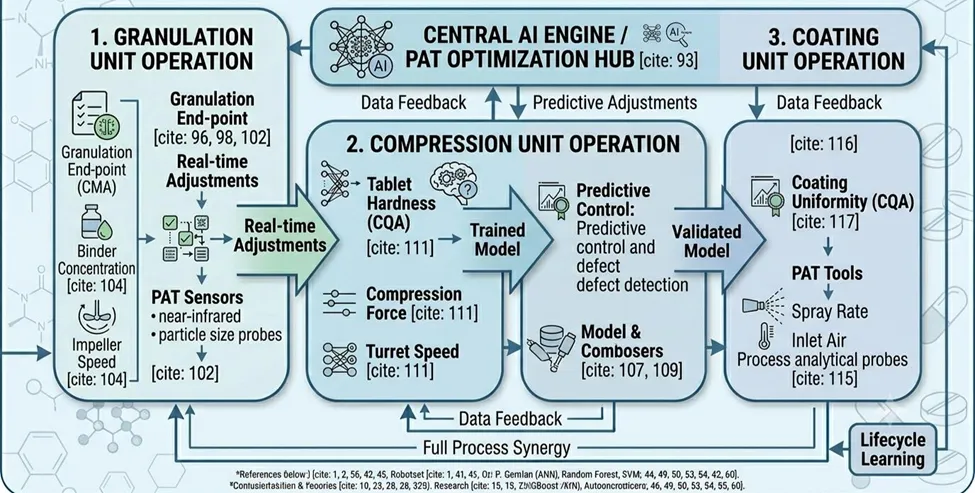
Figure 3: AI and PAT Integration in Unit Operations (Industry 4.0 Framework)
8. AI in Quality by Design (QbD) and Quality Control
Quality by Design (QbD) is a systematic, science-based approach to pharmaceutical development that emphasizes understanding processes and controlling variability to ensure predefined product quality. AI technologies have significantly enhanced QbD implementation by enabling advanced data analysis, risk assessment, and predictive modeling throughout the product lifecycle (34).
AI tools can evaluate complex interactions between Critical Material Attributes (CMAs), Critical Process Parameters (CPPs), and Critical Quality Attributes (CQAs). Machine learning algorithms assist in defining design spaces, optimizing formulation variables, and identifying factors that have the greatest impact on product quality (35).
AI Applications in QbD
AI-Integrated Quality by Design Framework
Quality Target Product Profile
↓
Identification of CMAs & CPPs
↓
Data Collection
↓
Machine Learning Analysis
↓
Design Space Development
↓
Process Optimization
↓
Quality Assurance
AI in Quality Control
Quality control ensures that pharmaceutical products consistently meet predefined specifications and regulatory requirements. Conventional quality control methods often involve extensive laboratory testing and manual inspection procedures. AI technologies enable automated quality assessment through predictive analytics, image processing, and real-time monitoring systems (36).
Machine learning models can predict dissolution behavior, assay values, content uniformity, and stability outcomes using manufacturing and formulation data. Computer vision systems powered by deep learning are increasingly used to detect tablet defects such as cracks, chips, discoloration, and coating irregularities (37).
Benefits of AI in Quality Control
9. Machine Learning Models Used in Pharmaceutical Development
Machine learning (ML) has become an essential component of modern pharmaceutical research and development. ML algorithms can analyze complex and high-dimensional datasets to identify relationships between formulation variables, manufacturing parameters, and product quality attributes. These predictive capabilities facilitate data-driven decision-making, reduce experimental workload, and accelerate pharmaceutical product development (38).
Various machine learning models have been successfully applied in drug discovery, preformulation studies, formulation optimization, process control, quality assurance, and regulatory decision-making. The selection of an appropriate ML algorithm depends on the nature of the dataset, prediction objectives, and computational requirements (39).
9.1 Artificial Neural Networks (ANN)
Artificial Neural Networks are computational models inspired by the structure and functioning of the human brain. ANNs consist of interconnected neurons arranged in input, hidden, and output layers. These models are highly effective in handling nonlinear relationships commonly encountered in pharmaceutical formulations (40).
Applications of ANNs include:
ANNs have demonstrated superior predictive performance compared with traditional statistical methods for many pharmaceutical applications (40).
9.2 Random Forest (RF)
Random Forest is an ensemble learning method that combines multiple decision trees to improve prediction accuracy and reduce overfitting. The algorithm is particularly useful for identifying critical formulation and process variables affecting product quality (41).
Applications include:
Random Forest models provide excellent interpretability and variable importance ranking, making them valuable tools for Quality by Design (QbD) implementation (41).
9.3 Support Vector Machine (SVM)
Support Vector Machine is a supervised learning algorithm widely used for classification and regression tasks. SVM can efficiently analyze complex pharmaceutical datasets and establish predictive relationships between formulation variables and quality outcomes (42).
Applications include:
SVM models are particularly effective when dealing with small datasets and nonlinear relationships (42).
9.4 Decision Trees
Decision trees are hierarchical models that classify data based on a sequence of decision rules. These models are easy to interpret and provide visual representations of decision-making pathways (43).
Applications include:
Decision trees are frequently used in pharmaceutical manufacturing because of their simplicity and transparency (43).
9.5 Deep Neural Networks (DNN)
Deep Neural Networks are advanced machine learning models consisting of multiple hidden layers that can automatically learn complex features from large datasets. DNNs have significantly improved predictive accuracy in pharmaceutical applications involving nonlinear and multidimensional data (44).
Applications include:
The ability of DNNs to process large datasets makes them particularly suitable for Industry 4.0 pharmaceutical manufacturing environments (44).
9.6 Ensemble Learning Approaches
Ensemble learning combines multiple machine learning models to improve prediction accuracy and robustness. Common ensemble methods include Random Forest, Gradient Boosting, XGBoost, and AdaBoost (45).
Advantages include:
Ensemble methods have been successfully employed for formulation optimization, dissolution prediction, and stability assessment of oral solid dosage forms (45).
Table 11. Common Machine Learning Models in Pharmaceutical Development
|
Model |
Type |
Major Applications |
|
Artificial Neural Network |
Supervised |
Dissolution and stability prediction |
|
Random Forest |
Ensemble |
Variable selection and optimization |
|
Support Vector Machine |
Supervised |
Classification and regression |
|
Decision Tree |
Supervised |
Risk assessment |
|
Deep Neural Network |
Deep Learning |
Complex predictive modeling |
|
XGBoost |
Ensemble |
Formulation optimization |
10. Recent Advances and Case Studies
The rapid advancement of artificial intelligence and machine learning technologies has led to numerous successful applications in pharmaceutical development. Recent studies have demonstrated the potential of AI to optimize formulations, predict critical quality attributes, improve manufacturing efficiency, and accelerate product development timelines (46).
The increasing availability of pharmaceutical big data, cloud computing platforms, and advanced analytical tools has further expanded the scope of AI applications in oral solid dosage form development. Several pharmaceutical companies have integrated AI-driven platforms into formulation development and manufacturing workflows to enhance productivity and reduce costs (47).
10.1 AI-Based Formulation Optimization
Researchers have successfully applied machine learning models to optimize tablet formulations by predicting the influence of formulation variables on dissolution behavior, hardness, friability, and disintegration time. Studies have reported significant reductions in the number of experimental trials required for formulation optimization compared with traditional approaches (48).
Case Study 1: Immediate Release Tablet Optimization
A machine learning-based optimization model was developed to predict tablet hardness and dissolution characteristics using formulation composition and processing parameters. The model accurately identified optimal excipient concentrations and reduced development time by approximately 40% (48).
10.2 AI in Dissolution Prediction
Dissolution testing is a critical quality assessment tool for oral solid dosage forms. Deep learning and neural network models have demonstrated high accuracy in predicting dissolution profiles using formulation and process variables as input parameters (49).
Case Study 2: Dissolution Modeling
Researchers developed an ANN-based model capable of predicting dissolution profiles for sustained-release tablets with prediction accuracies exceeding 90%. The model minimized the need for extensive laboratory testing and accelerated formulation development (49).
10.3 AI-Assisted Manufacturing Optimization
AI-enabled predictive analytics and real-time monitoring systems have been increasingly employed in pharmaceutical manufacturing. These systems continuously analyze process data and optimize manufacturing conditions to ensure product quality and process efficiency (50).
Case Study 3: Continuous Manufacturing
A pharmaceutical manufacturing facility implemented machine learning algorithms for real-time process monitoring during tablet production. The system reduced process variability, improved batch consistency, and decreased production downtime by enabling proactive process adjustments (50).
10.4 AI in Pharmaceutical Quality Control
Computer vision systems integrated with deep learning algorithms are increasingly used for automated inspection of tablets and capsules. These systems can detect defects such as cracks, chips, discoloration, and coating irregularities with high accuracy (51).
Case Study 4: Automated Tablet Inspection
A deep learning-based image analysis platform was employed for tablet defect detection. The system achieved defect classification accuracy greater than 95% and significantly reduced manual inspection requirements (51).
Table 12. Recent AI Applications in Pharmaceutical Development
|
Application Area |
AI Technique |
Outcome |
|
Formulation Optimization |
ANN |
Reduced experimental trials |
|
Dissolution Prediction |
Deep Learning |
Improved prediction accuracy |
|
Manufacturing Control |
Machine Learning |
Enhanced process efficiency |
|
Quality Control |
Computer Vision |
Automated defect detection |
|
Stability Prediction |
Random Forest |
Faster shelf-life estimation |
11. Benefits of AI in Oral Solid Dosage Form (OSDF) Development
Artificial Intelligence (AI) has significantly transformed oral solid dosage form development by enabling data-driven decision-making, predictive modeling, and process automation. The application of AI technologies throughout the pharmaceutical product lifecycle improves formulation efficiency, product quality, and manufacturing productivity. AI-based systems can rapidly analyze large datasets, identify hidden relationships among variables, and predict outcomes with greater accuracy than conventional statistical approaches (52).
One of the major advantages of AI is the reduction in product development time. Traditional formulation development often requires extensive experimental trials and iterative optimization studies. AI models can predict optimal formulation compositions and process parameters, thereby minimizing the number of laboratory experiments required (53).
AI also enhances product quality by enabling precise control of critical process parameters and critical quality attributes. Predictive algorithms support Quality by Design (QbD) implementation and facilitate the development of robust formulations with consistent performance (54).
Furthermore, AI contributes to cost reduction through decreased material consumption, reduced batch failures, improved resource utilization, and accelerated regulatory submissions. Real-time monitoring systems and predictive maintenance strategies also improve manufacturing efficiency and equipment reliability (55).
Table 13. Benefits of AI in Oral Solid Dosage Form Development
|
Benefit |
Impact |
|
Faster Development |
Reduced experimental workload |
|
Cost Reduction |
Lower material and labor costs |
|
Predictive Modeling |
Improved formulation success rate |
|
Process Optimization |
Enhanced manufacturing efficiency |
|
Quality Control |
Better product consistency |
|
Risk Management |
Early detection of process deviations |
|
Regulatory Support |
Improved documentation and compliance |
12. Challenges and Limitations
Despite its numerous advantages, the implementation of AI in pharmaceutical development faces several challenges. One of the most significant limitations is the availability of high-quality datasets. Machine learning models require large, accurate, and representative datasets for training and validation. In many pharmaceutical applications, data may be limited, fragmented, or inconsistent, reducing model performance and reliability (56).
Another challenge is model interpretability. Complex AI models, particularly deep learning algorithms, often function as "black boxes," making it difficult to understand how predictions are generated. This lack of transparency may hinder regulatory acceptance and limit practical implementation in highly regulated pharmaceutical environments (57).
The integration of AI technologies into existing pharmaceutical manufacturing systems also requires substantial investment in infrastructure, software, computational resources, and workforce training. Small and medium-sized pharmaceutical companies may face financial and technical barriers to adoption (58).
Regulatory uncertainty remains another important challenge. Although regulatory agencies recognize the potential of AI, comprehensive guidelines for validation, implementation, and lifecycle management of AI-based systems are still evolving (59).
Key Challenges of AI in Pharmaceutical Development
13. FUTURE PERSPECTIVES
The future of AI in oral solid dosage form development is highly promising. Advances in machine learning, deep learning, cloud computing, big data analytics, and digital technologies are expected to further accelerate pharmaceutical innovation. AI is anticipated to become an integral component of next-generation pharmaceutical manufacturing and formulation development strategies (60).
One of the most promising developments is the concept of digital twins, which are virtual replicas of pharmaceutical products and manufacturing processes. Digital twin technology combined with AI can simulate formulation behavior, predict process outcomes, and optimize manufacturing operations without extensive physical experimentation (61).
Autonomous formulation development represents another emerging area. AI-driven systems may eventually design, optimize, and validate formulations with minimal human intervention, significantly reducing development timelines and resource requirements (62).
The integration of AI with Industry 4.0 technologies, Internet of Things (IoT) devices, robotics, and advanced Process Analytical Technology (PAT) tools is expected to facilitate fully connected and intelligent pharmaceutical manufacturing systems (63).
AI is also likely to play a major role in personalized medicine by enabling patient-specific dosage form design based on genetic, physiological, and clinical data. Such advancements could improve therapeutic outcomes and patient adherence (64).
Table 14:Future Applications of AI in OSDF Development
|
Emerging Technology |
Potential Application |
|
Digital Twins |
Virtual process simulation |
|
Deep Learning |
Advanced predictive modeling |
|
IoT Integration |
Real-time process monitoring |
|
Robotics |
Automated manufacturing |
|
Cloud Computing |
Large-scale data analytics |
|
Personalized Medicine |
Patient-specific formulations |
CONCLUSION
Artificial Intelligence has emerged as a transformative technology in pharmaceutical research and development, offering innovative solutions for the development and optimization of oral solid dosage forms. The integration of AI techniques, including machine learning and deep learning, has enabled a shift from conventional trial-and-error approaches to data-driven formulation and manufacturing strategies. AI facilitates efficient analysis of complex pharmaceutical datasets, enabling accurate prediction of formulation performance, optimization of process parameters, and enhancement of product quality.
In oral solid dosage form development, AI has demonstrated significant potential in preformulation studies, formulation design, excipient selection, dissolution prediction, stability assessment, manufacturing optimization, and quality control. The implementation of AI-driven models has contributed to reduced development timelines, lower costs, improved process understanding, and enhanced regulatory compliance. Furthermore, the integration of AI with Quality by Design principles supports the development of robust pharmaceutical products with consistent quality and performance.
Despite challenges related to data quality, model interpretability, infrastructure requirements, and regulatory considerations, continuous advancements in computational technologies and data analytics are expected to accelerate the adoption of AI across the pharmaceutical industry. Emerging innovations such as digital twins, autonomous formulation systems, smart manufacturing, and personalized medicine are likely to further expand the scope of AI applications in pharmaceutical sciences.
Overall, Artificial Intelligence represents a powerful tool for modernizing oral solid dosage form development and manufacturing. Its ability to improve efficiency, accuracy, and decision-making positions AI as a key enabler of future pharmaceutical innovation, supporting the development of safer, more effective, and high-quality drug products for patients worldwide.
REFERENCES


Priti Shinde, S. Ambore, Artificial Intelligence in Oral Solid Dosage Form Development and Optimization, Int. J. of Pharm. Sci., 2026, Vol 4, Issue 7, 1124-1144, https://doi.org/10.5281/zenodo.21217922
 10.5281/zenodo.21217922