

We use cookies to ensure our website works properly and to personalise your experience. Cookies policy
DKRR Pharmacy Shikshan Sansthan Sitapur Uttar Pradesh India
Quinoxaline is a fused heterocycle system of a benzene ring and pyrazine ring. It has earned considerable attention due to its importance in the field of medicinal chemistry. The system is of extensive importance due to its comprehensive array of biological activities. Quinoxaline derivatives have been used as anticancer, anticonvulsant, anti-inflammatory, antidiabetic, antioxidant, antibacterial, anti-TB, antimalarial, antiviral, anti-HIV, and many other uses. Variously substituted quinoxalines are significant therapeutic agents in the pharmaceutical industry. This review spotlights on the chemistry, physiochemical characters, synthesis, pharmaceutical products, and medicinal chemistry of various anticancer quinoxaline derivatives that were developed in the last period. It covers the period from 2016 to 2026. Modification in their structure has offered a high degree of diversity that has proven useful for the development of new therapeutic agents having improved potency and lesser toxicity. Considering the extensive research on quinoxaline in the past, it was essential to review the wide spectrum of biological activity of quinoxalines. To conclude, this review will be beneficial for new drug discovery of quinoxaline moiety
Quinoxaline
Heterocycles containing nitrogen have great importance in the pharmaceutical field including uses in drug discovery, synthesis, and development processes Their unique ring systems, often incorporating atoms like nitrogen, oxygen, or sulfur, enhance molecular stability and reactivity. Nitrogen-containing heterocycles are particularly significant, as nitrogen contributes to key interactions with enzymes and receptors, improving drug-likeness and pharmacokinetic properties [1,2]. These N-heterocyclic compounds are widely found in drugs for treating various conditions, such as antibiotics and anticancer agents, underscoring their broad therapeutic relevance Quinoxaline, a nitrogen-containing heterocyclic compound, is recognized for its chemical stability and versatile framework, making it a valuable scaffold in medicinal chemistry. Structurally, quinoxaline consists of a fused benzene and pyrazine ring, providing a rigid planar core The 2- and 3-positions on the quinoxaline ring are highly amenable to chemical modifications, allowing for the development of derivatives with tailored biological activities. Substitutions at these positions influence the electronic properties of the scaffold, enabling fine-tuning of binding affinities to specific targets. For instance, 2,3-bis-substituted quinoxalines have been optimized for anticancer activity by enhancing interactions with topoisomerases and tubulin polymerization sites. Green chemistry approaches, such as microwave-assisted synthesis and recyclable catalysts, have also streamlined their production [3].
Quinoxaline is defined as a weakly basic bi-cyclic compound C8H6N2, having fused benzene and pyrazine rings. Quinoxaline is a nitrogen-containing heterocyclic compound and is an indispensable structural unit for both chemists and biochemists. The structure is as shown in Figure 1.
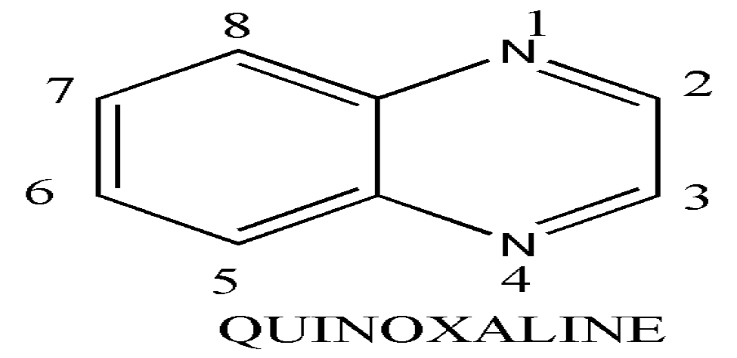
Figure 1. Structure of Quinoxaline.
Pthalazine, Quinazolines, and Cinnolenes are similar to Quinoxaline [4], as shown in Figure 2.
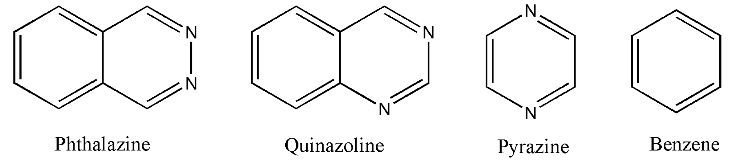
Figure 2. Isomers of Quinoxaline.
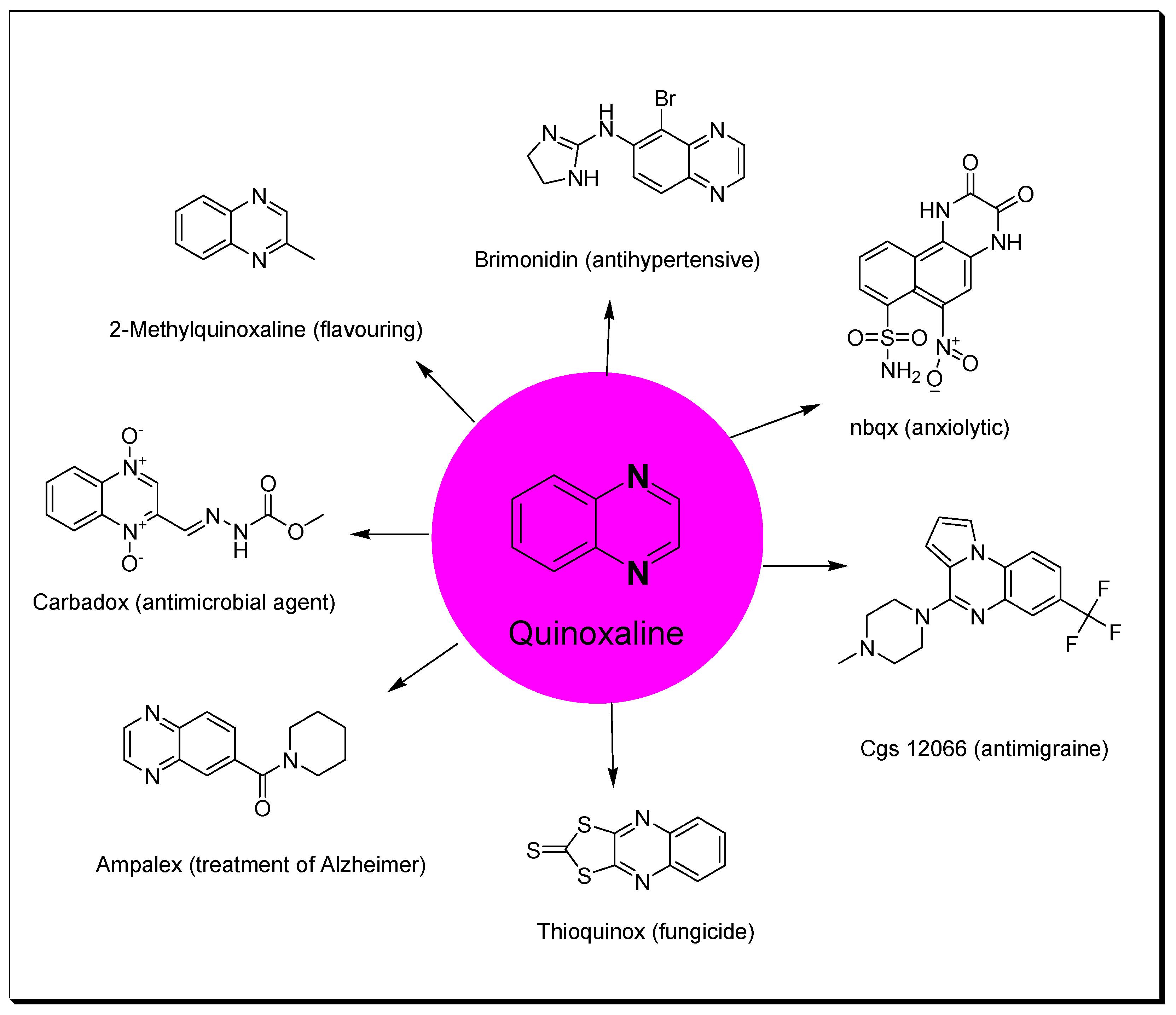
Figure 3. Quinoxaline and examples of its pharmacological activities.
2.Physicochemical characteristics of quinoxalines
Quinoxaline derivatives are heterocyclic compounds characterized by the fusion of benzene and pyrazine rings. Their unique combination of electronic, structural, physicochemical, and reactive properties makes them a pivotal scaffold in drug discovery, influencing a wide array of biological activities such as anticancer, antiviral, and antimicrobial effects. The nitrogen atoms in the pyrazine ring impart strong electronwithdrawing properties to quinoxalines, enhancing π-conjugation and stabilizing charge distribution. This facilitates robust π-π interactions with biological macromolecules, including nucleic acids and proteins. For example, quinoxalines exhibit higher electron affinity compared to bioisosteric analogs like quinoline, enabling stronger interactions with DNA and RNA targets. These attributes are particularly relevant in the design of DNA-intercalating agents for anticancer therapies [5].
3. Chemical Characters of Quinoxalines
Quinoxaline molecules are named benzopyrazines or 1,4-benzodiazines [6]. There are four benzodiazines: quinoxaline, quinazolines, phthalazines, and cinnolines. In addition, the bioisosteres of benzodiazines are benzothiophenes, naphthalenes, and quinolines . These systems have an aromatic nature, so they have a chemical stability by resonance characters. Quinoxaline is a white crystalline solid at room temperature. It presents two ionization states. The first and the second ionization states were calculated by photon electron spectroscopy, and they were 8.99 and 10.72 eV, respectively The past twenty years have witnessed huge progress in the synthesis of quinoxaline derivatives These synthetic processes focused on function groups and their tolerance, product variation, selective catalysis, and substrates They also gave a mechanistic insight to correct and explain the different types of reactions These continuous scientific efforts supported the production of many pharmaceutical products and helped in the treatment of various diseases and infections . The quinoxaline molecule has a specific electrostatic potential that influences its hydrophobic and hydrophilic interactions with the different molecules displays the physicochemical characteristics of the quinoxaline system There are many synthetic methods used for the preparation of biologically active quinoxaline derivatives [7].
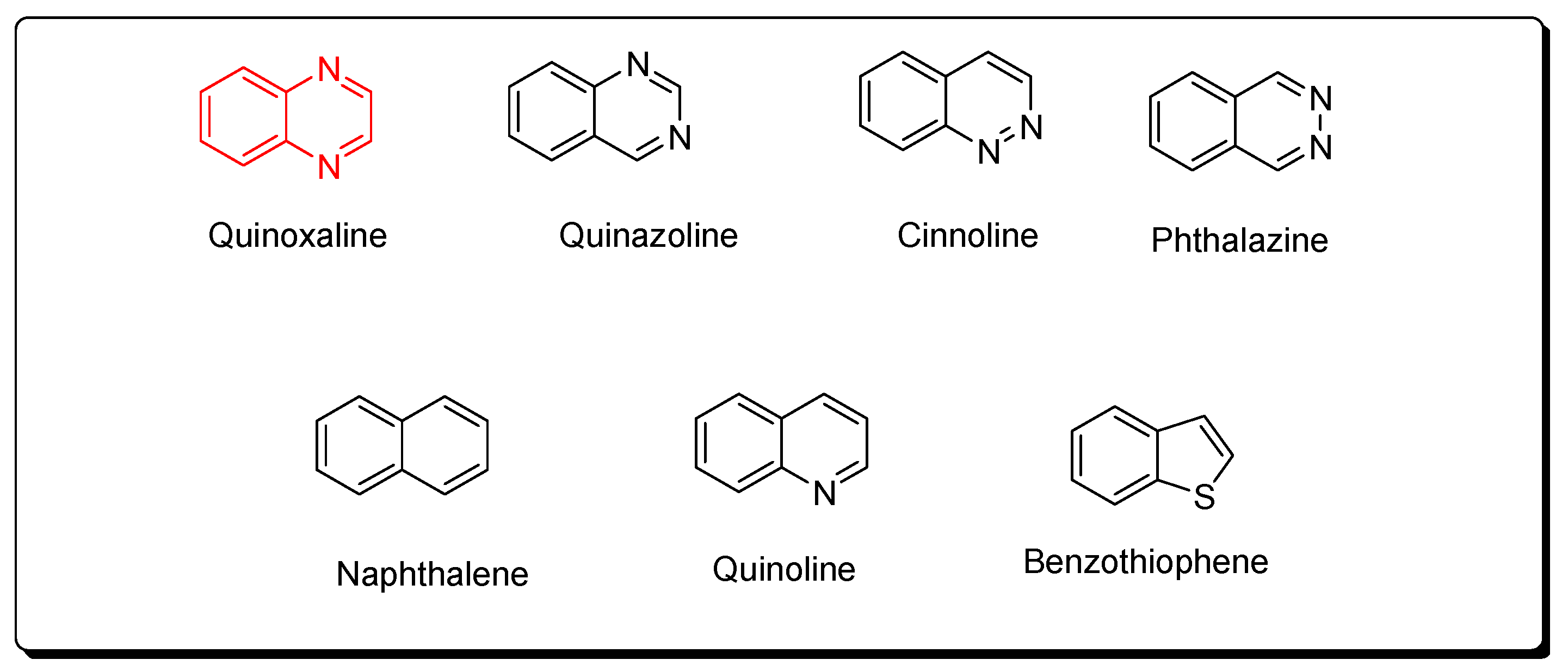
Figure 4. Benzodiazines (quinoxaline, quinazoline, cinnoline, phthalazine) and their bioisosteres (naphthalene, quinoline, benzothiophene)
4.Methods of Preparation of Quinoxalines
Due to the massive synthetic importance and the various therapeutic activities of quinoxaline derivatives, several attempts have been made by many researchers to prepare a library of these molecules The methods of preparation of quinoxalines can be divided into two pathways: The traditional chemistry pathway, which is based on the condensation between o-phenylenediamines and dicarbonyl compounds in the presence of special conditions such as organic solvents, high temperatures, long times, or strong catalysts. Additionally, the reaction yield may be low and side products may be produced. These types of reactions have negative effects on the environment. The green chemistry pathway, which is a cost-effective pathway through using green chemistry methodologies to produce quinoxalines.This pathway is characterized by using an environmentally friendly recyclable catalyst, a low cost, lower consumption of energy, one-pot synthesis, no side products, short time, and high yield. It can be performed in an aqueous medium at room temperature or by the microwave reactor.[8]
5.Traditional Chemistry Pathway
5.1. Condensation of o-Phenylenediamine and 1,2-Dicarbonyl Derivatives
Korner and Hinsberg in 1884 synthesized the first derivative of quinoxaline through a condensation of o-phenylenediamine with a 1,2-dicarbonyl derivative. Various derivatives were obtained from this reaction (Scheme 1) [9].
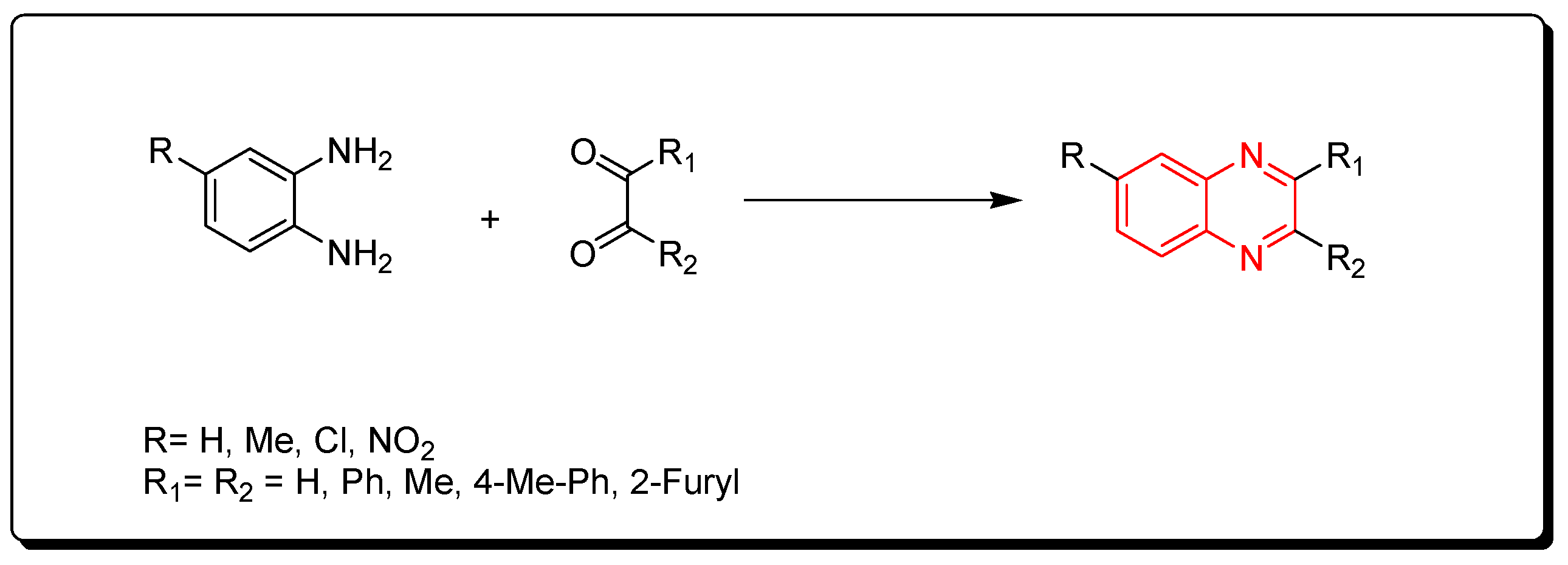
Scheme 1. Synthesis of quinoxaline by the condensation technique: diamine (1 mmol), dicarbonyl (1 mmol), glycerol (5 mL), water (2 mL), 90 °C, 4–6 min, yield (85–91%).
5.2. O-Phenylenediamine and In Situ Produced 1,2-Dicarbonyls
Quinoxalines were synthesized via catalytic iodine, which was used to accelerate the oxidative cyclization cascade between different 1,2-diamino compounds and hydroxyl ketones (Scheme 2) [10].
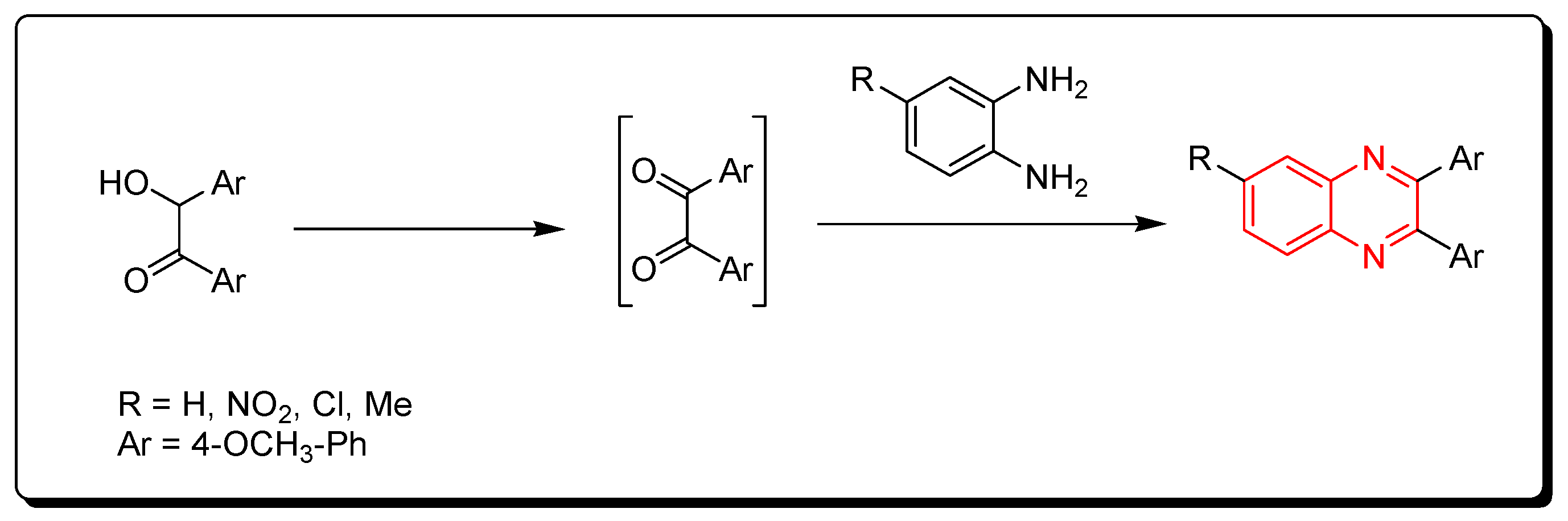
Scheme 2. Synthesis of quinoxaline from o-phenylenediamine and in situ generated 1,2-dicarbonyl derivatives: o-phenylenediamine (1 mmol), hydroxyl ketone (1 mmol), I2 (0.25 mmol), DMSO (2 mL), RT, 12 h, yield (80–90%).
5.3. Metal-Catalyzed Cyclization of Imines and Azides
Ketimines and azides were used to create quinoxalines. This is a metal-catalyzed cyclization reaction that produces quinoxaline derivatives (Scheme 3) [11.12]
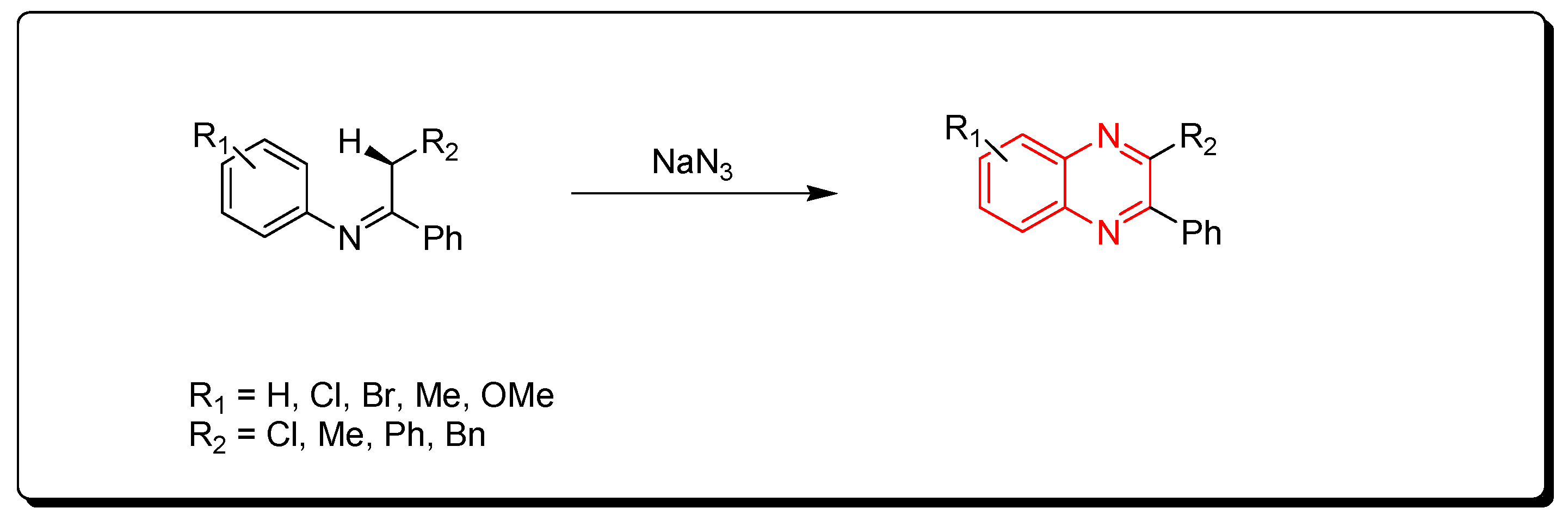
Scheme 3. Synthesis of quinoxalines from imines and azides: imine (1 mmol), sodium azide (3 mmol), (diacetoxyiodo)benzene (3 mmol), CuO (1 mmol), ethylacetate, Rt, 16 h, yield (35–80%).
5.4. Cyclocondensation of o-Phenylenediamine and Aromatic Alkynes
Quinoxalines were synthesized via cyclocondensation of phenylene diamine and aromatic alkynes in the presence of Cu(OAc)2 as a catalyst (Scheme 4) [13].
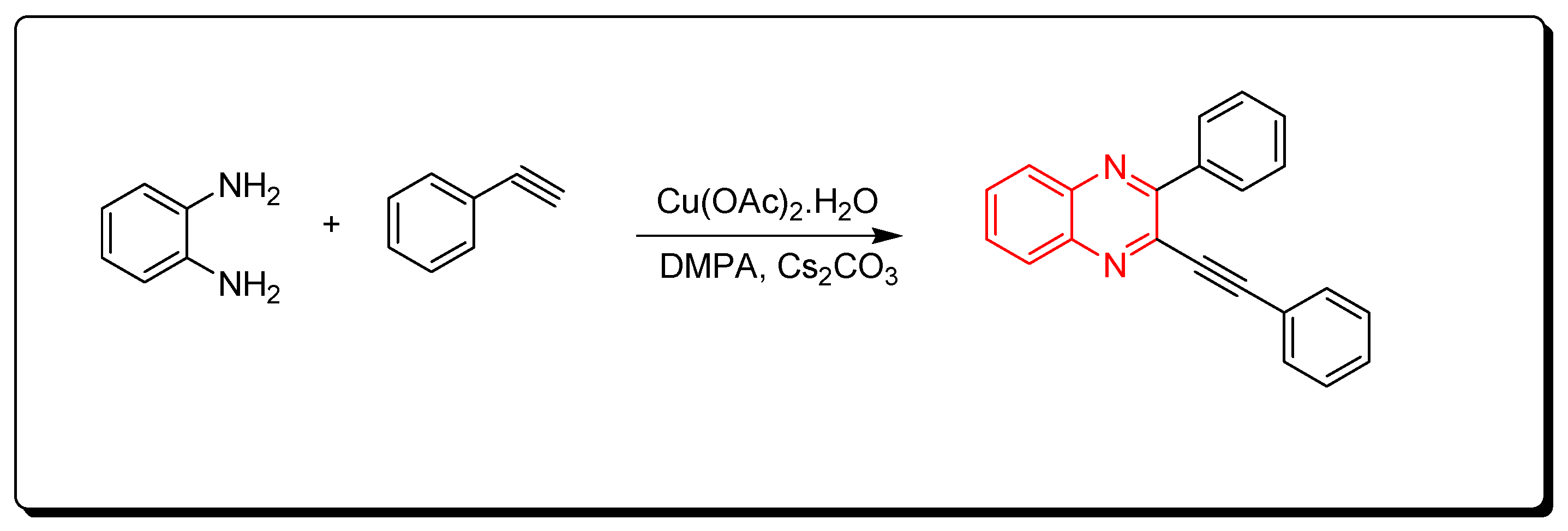
Scheme 4. Synthesis of quinoxalines from aromatic alkynes and amines: o-phenylenedia mine (0.25 mmol) in toluene, phenyl acetylene (1mmol), Cs2CO3 (0.75 mmol), Cu(OAc)2.H2O (10 mol % from the o-phenylenediamine), DMPA (0.75 mmol), 70 °C, 8 h, yield (86%).
5.5. Cyclocondensation of o-Phenylenediamine and Nitro-Olefins
Using CuBr2 as a catalyst, phenylenediamine and nitro-olefins reacted to produce quinoxalines (Scheme 5) [14].
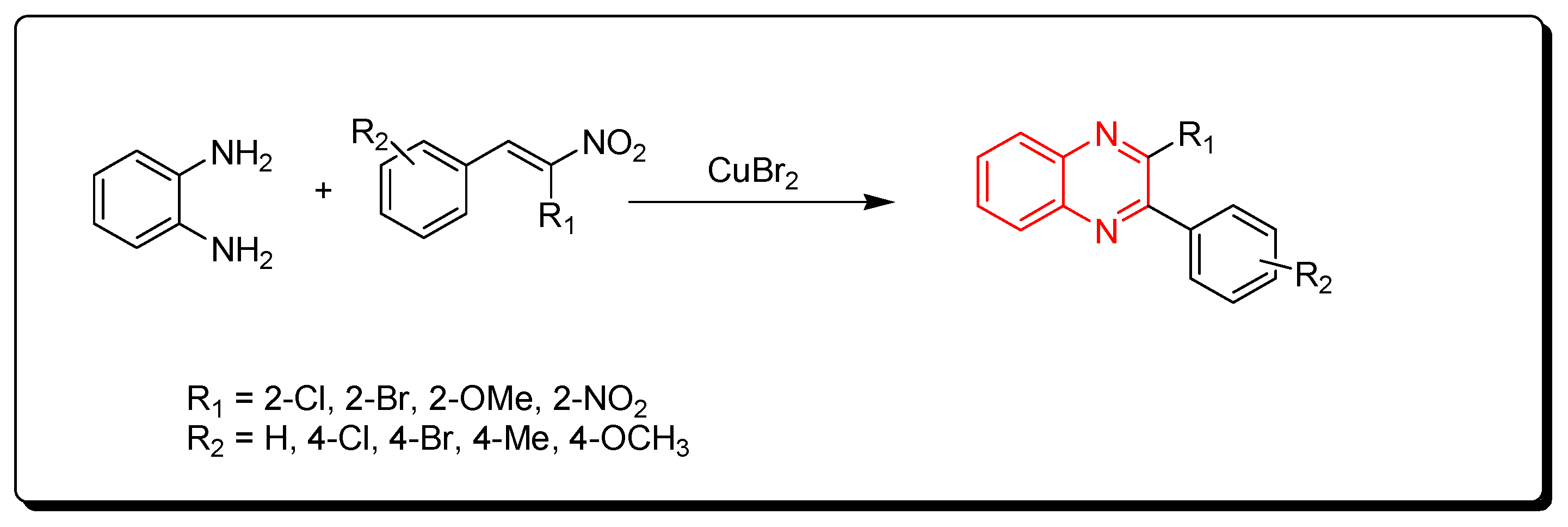
Scheme 5. Synthesis of quinoxalines from nitro-olefins and amines: phenylenediamine (1 mmol), nitro-olefins (1 mmol), CuBr2 (1 mmol), ethanol, 110 °C, 2–4 h, yield (35–90%).
5.6. Cyclocondensation of Aromatic Amines and DMF
A new strategy for the preparation of pyrrol [1,2-a]quinoxaline derivatives was described by using ferric chloride as a Lewis acid and an initiator for a straightforward reaction. DMF solvent was used as a source of carbon (Scheme 6) [15].
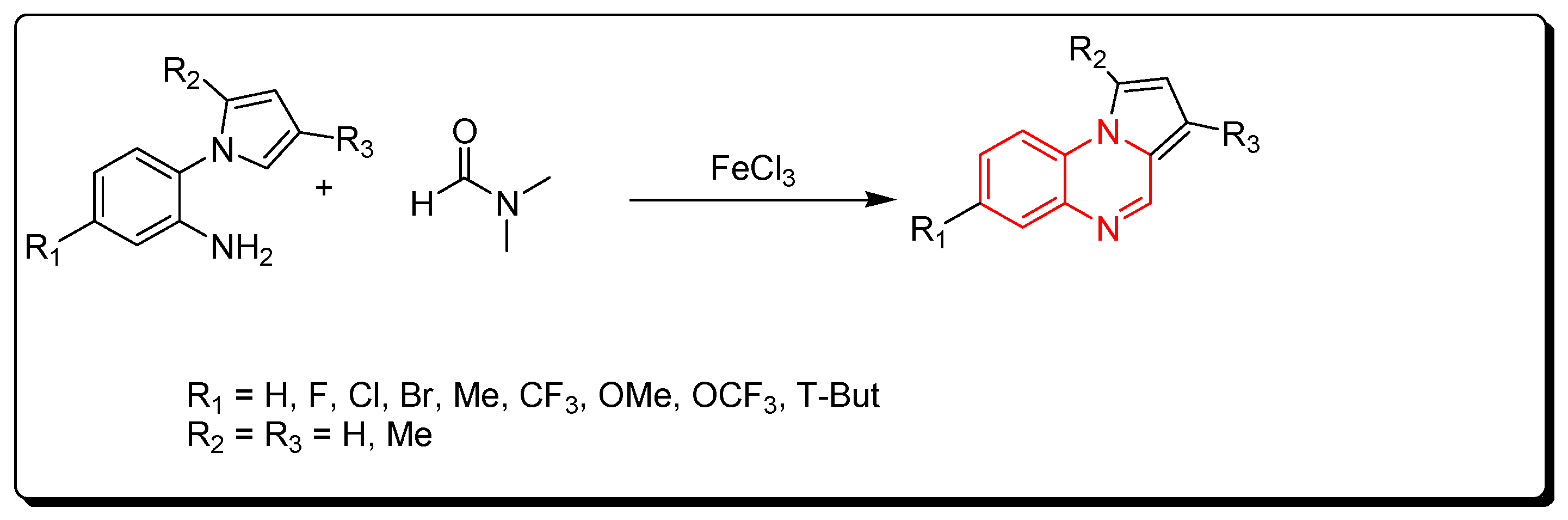
Scheme 6. Synthesis of quinoxalines from amines and DMF in Fe-mediated catalyst: aniline derivative (0.3 mmol), DMF (2 mL), FeCl3 (0.3 mmol), TBPB (0.9 mmol), 120 °C, 5–12 h, yield (40–97%).
6. Synthetic Pathways to Prepare Biologically Active Quinoxaline Derivatives
6.1 Synthesis of Quinoxalin-2-Mercaptoacetyl Urea as Antiviral Agents
A pandemic situation in western Africa infected almost 28,000 individuals in 2014–2015 (WHO: Ebola situation report 2015). Even though vaccines are existing, it adversely affects some patients; therefore, it becomes requisite to formulate new antiviral drugs and vaccines. A series of quinoxaline-2 mercaptoacetyl urea analogs was devised by Loughran et al. [16] and tested for their antiviral properties on Marburg, Ebola VP40 VLP budding assays in HEK293T cells. The reaction Scheme 7 depicts the formulation of the target compound by alkylation of quinoxaline thiols with α-chloroacetamidoureas The alkylating agents (17) were attained via the reaction of commercially available anilines or heteroaromatic amines (R-NH-Ar) with commercially available chloroacetyl isocyanate.
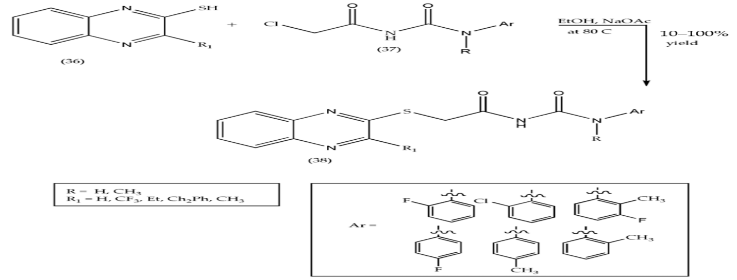
Scheme 7. Synthetic pathway to prepare quinoxalin-2-mercaptoacetyl urea (18).
6.2. The synthesized product quinoxalin-2-mercaptoacetyl urea showed improved potency as an RNA viral egress inhibitors and inhibited live virus egress (VSVM40). Synthesis of Penta-1,4-dien-3-one Oxime Containing a Quinoxaline Nucleus as Antiviral Agents
A well-known plant virus is known as the Tobacco mosaic virus (TMV), which is known to infect nine plant species, including tobacco, tomato, pepper, and cucumbers [19]. Controlling plant diseases, once infected, is a severe problem faced by agriculture industries. Traditional antimicrobial agents and plant virucides have caused resistance in plant pathogens; therefore, a synthesis of safe agricultural chemicals is always in demand. The agricultural chemicals derived from natural products are environmentally friendly and have unique bioactivities. Xia et al. [20] synthesized a series of penta-1,4-dien-3-one oxime comprising a quinoxaline moiety, equivalent to curcumin isolated from plant Curcuma Longa L. The synthesized compounds displayed antibacterial and antiviral activities, with distinct activity against TMV. As revealed in Scheme 8, 2-chloroquinoxaline and penta-1,4-dien-3-one oxime ether [21] were stirred for 30 min and refluxed for 4 h at 80 °C to get the target compound [22]. The product is recrystallized with acetonitrile and dichloromethane. Some compounds demonstrated significant, beneficial, protective, and inactivation activity against TMV, with a 50% effective concentration (EC50) of 287.1, 157.6, and 133.0 mg mL−1, respectively. The findings were superior to or equal to those of ningnanmycin (356.3, 233.7, and 121.6 mg mL−1, respectively).[23]
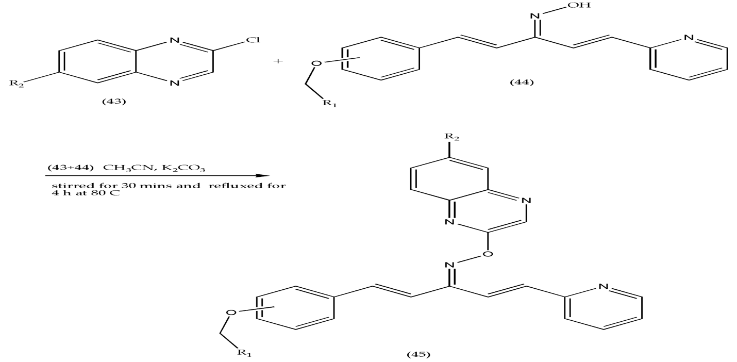
Scheme 8. Synthetic pathway to prepare penta-1,4-dien-3-one oxime (24) with quinoxaline moiety.
6.3. Synthesis of Methyl-2-[3-(3-phenylquinoxalinylsulfanyl)propanamidoalkanoates and N-Alkyl-3-((3-phenyl quinoxalin2ylsulfanyl)propanamides as Antitumor Agents
Quinoxalines have immense anticancer properties and experimented with in many research projects. Compounds with quinoxaline nucleus have found ground in many anticancer agents. Quinoxaline derivatives validate the right anticancer action through separate mechanisms, involving tyrosine kinase inhibition, C-MET kinase inhibition, induction of apoptosis, tubulin polymerization inhibition, and selective induction of tumors hypoxia [25]. Rayes et al. synthesized new sets of quinoxaline moieties coupled with amino acids, or N-alkylamines are shown in Scheme 9 to evaluate their antitumor activities. Synthesis of is accomplished by reacting phenylquinoxalines-2(1H)-thione and triethylamine, with acrylic acid derivatives under reflux for 4–6 h. The attained compound was treated with hydrazine hydrate in ethyl alcohol afforded with 88% yield, as depicted in The reaction was further progressed with NaNO2 and HCl in an ice bath for 15 min. The azide derivative is extracted with ethyl acetate. Furthermore, reaction with amino acid methyl ester hydrochlorides in the presence of triethylamine yielded [26] Likewise, the azide derivative was also reacted with alkyl amines to procure
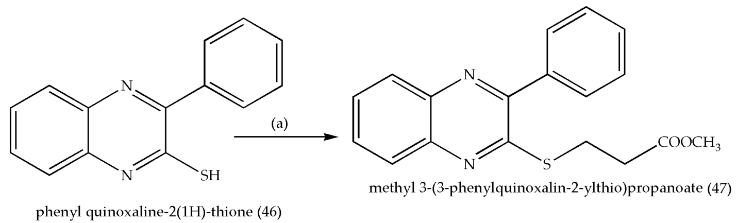
Scheme 9. Synthetic pathway to prepare S-alkylation of phenyl quinoxaline-2(1H)-thione (47) with reagents and conditions: (a) triethylamine/ethanol/reflux/78 °C/CH2=CHCOOC2H5.
6.4. Synthesis of Quinoxaline Nucleosides as Anti-HIV Agents
Quinoxalines have various pharmacological applications such as anti-inflammatory, antidepressant-tranquillizing, antitumor, and anti-hepatitis B virus (HBV) activity. The biological significance of quinoxaline derivatives prompted Ali et al. [27] to synthesize some homo unsaturated acylnucleosides quinoxaline derivatives. Numerous acylonuclosides analogs have chemotherapeutic antiviral activities, and structure-activity relationships in acylnucleosides play a crucial role in their antiviral target enzymes(phosphorylation) [28]. Scheme 10 illustrates the layout of a new series of acyclic quinoxaline nucleosides. The quinoxaline base [29] with (R)-2,2-dimethyl-1,3-dioxolan-4-ylmethyl-p-toluenesulfonate in the presence of NaH/DMF gives which on further acid hydrolysis yields 1-(2,3-dihydroxy propyl)-6,7-dimethyl-quinoxaline-2-one [30]. The target product showed inhibition of HIV-1 with an EC50 value of 0.15 ± 0.1 µg/mL and a therapeutic index of (SI) [31]
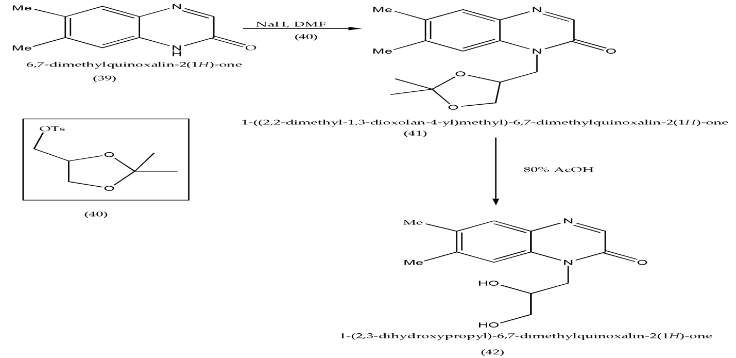
Scheme 10. Synthetic pathway to prepare acyclic quinoxaline nucleosides (32)
7. Anticancer Quinoxalines
Kamble and colleagues (2016) created hybrid derivatives of quinoxaline molecules linked with coumarin to test their anticancer potential. Compounds 1 and 2 were tested against 60 cancer cell lines among these derivatives. Compound 1 showed a 55.75% growth inhibition (GI) against a melanoma (MALME-M) tumor cell line. The SAR of these derivatives showed that unsubstituted aromatic rings (R1, R2 = H) have a higher activity than other substituents while the electron withdrawing group (Cl) produces higher activity than the electron withdrawing group (Br) and the electron releasing group (CH3). Figure 5 shows the molecular structures of compounds 1, 2, and their SAR [33].
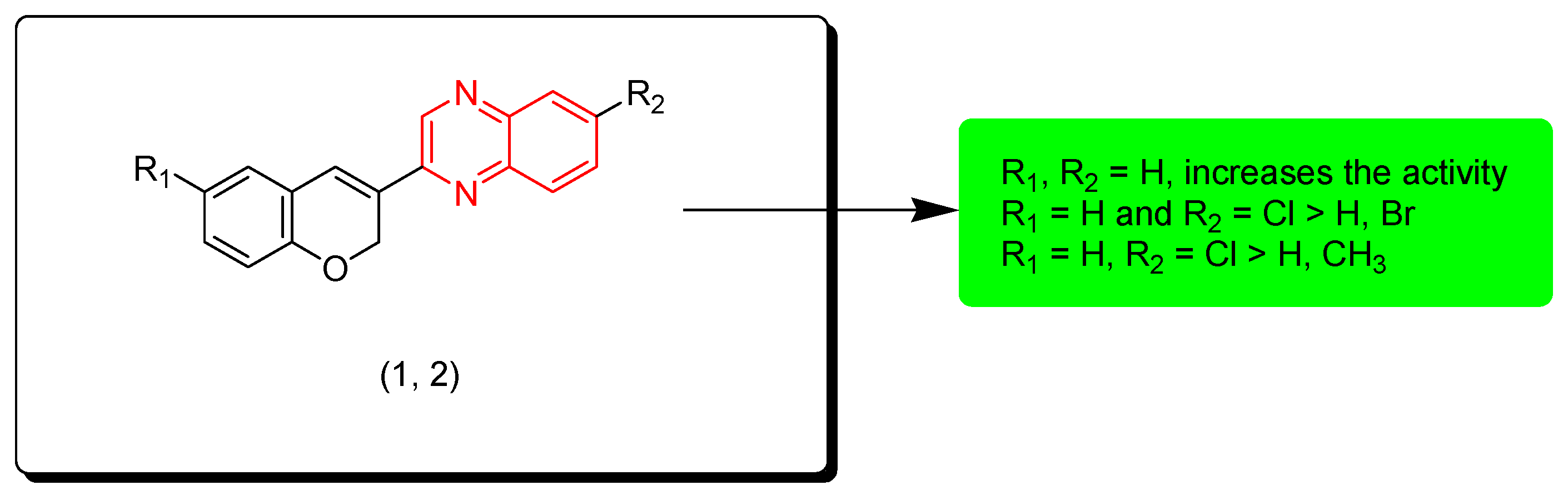
Figure 5. Anticancer quinoxaline 1 (R1 = H, R2 = H), 2 (R1 H, R2 = Cl), and their SAR.
Ali and coworkers (2017) designed and synthesized some quinoxaline derivatives with a triazole ring. These derivatives were screened for their anticancer activity against leukemia cell lines Ty-82 and THP-1. Compound 3 was the highest active compound. It showed an excellent potency on the two cell lines Ty-82 (IC50 = 2.5 μM) and THP-1 (IC50 = 1.6 μM). The SAR of these derivatives showed that the aliphatic linker CH2 at the third position of quinoxaline is essential for the activity while N-linker decreases the activity. Electron releasing groups containing an oxygen atom (OCH3, OC2H5) and phenyl substituents at R2 decrease the activity while an isopropyl group (CH(CH3)2) increases the activity. Figure 5 shows the molecular structures of compound 3 and its SAR [34]
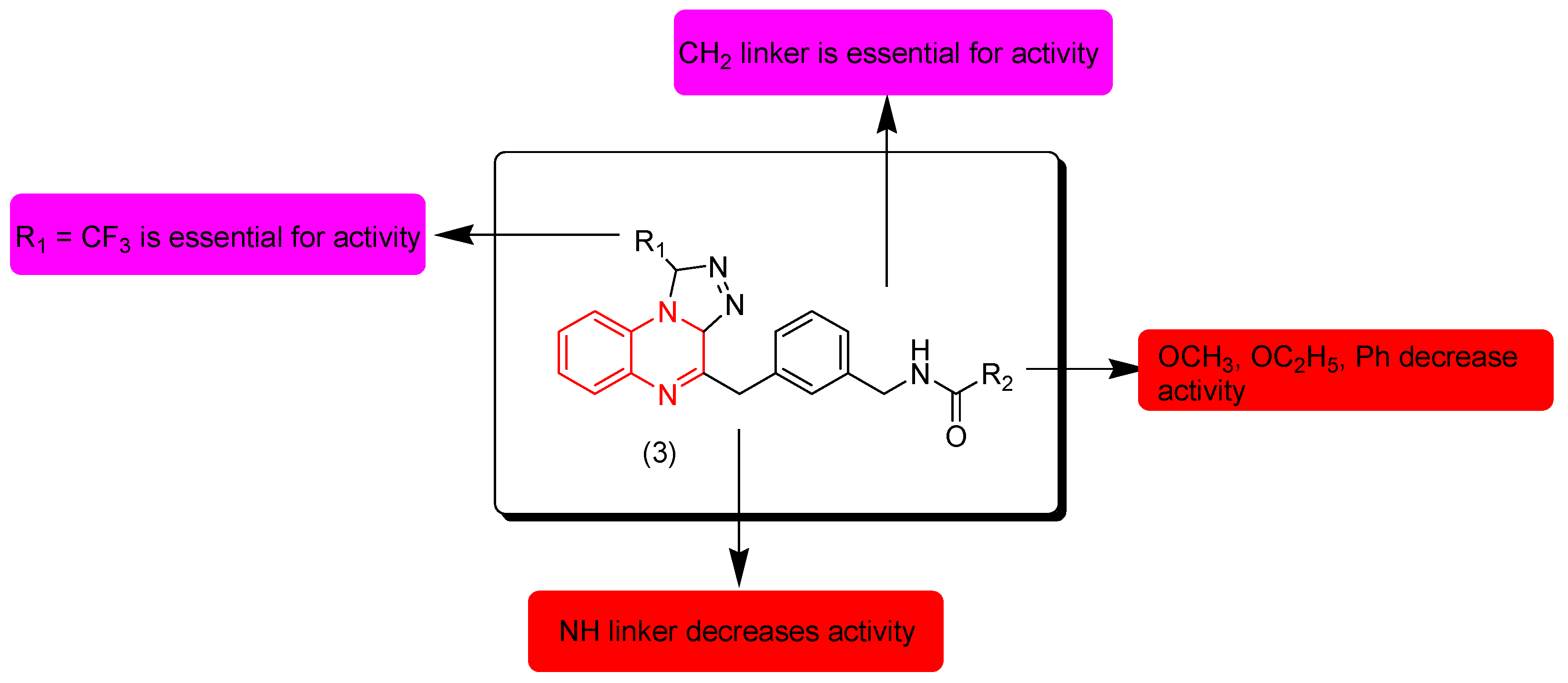 Figure 6. Anticancer quinoxaline 3 (R1 = CF3, R2 = CH(CH3)2 and its SAR
8.Quantitative Structure–Activity Relationship (QSAR) Modeling of Anticancer Quinoxalines
In a recent study, using some reported anticancer quinoxaline derivatives, a statistically verified 2D-QSAR model was developed by Abdullahi and coworkers (2023). By means of the created model, quinoxaline derivatives were virtually screened, and compound 25 with a high inhibiting capacity (pIC50 = 5.357) was chosen as the model for the design, and five potential better VEGFR-2 inhibitory compounds (26–30), having pIC50 values between 5.43 and 6.16, were created. The intended compounds were used as ligands in docking studies, and the active site residues of VEGFR-2 were discovered to have docking scores ranging from −171.384 to −182.241 kcal/mol, surpassing the score of −170.579 kcal/mol for the template ligand. MD simulation indicated that the ligands remained in the stable docked complex and that the molecules did not leave the VEGFR-2 active site during the 200 ns simulation. [35]shows the molecular structure of the model 25 and the designed derivatives (26–30) while shows the computed activities of these derivatives [35.]
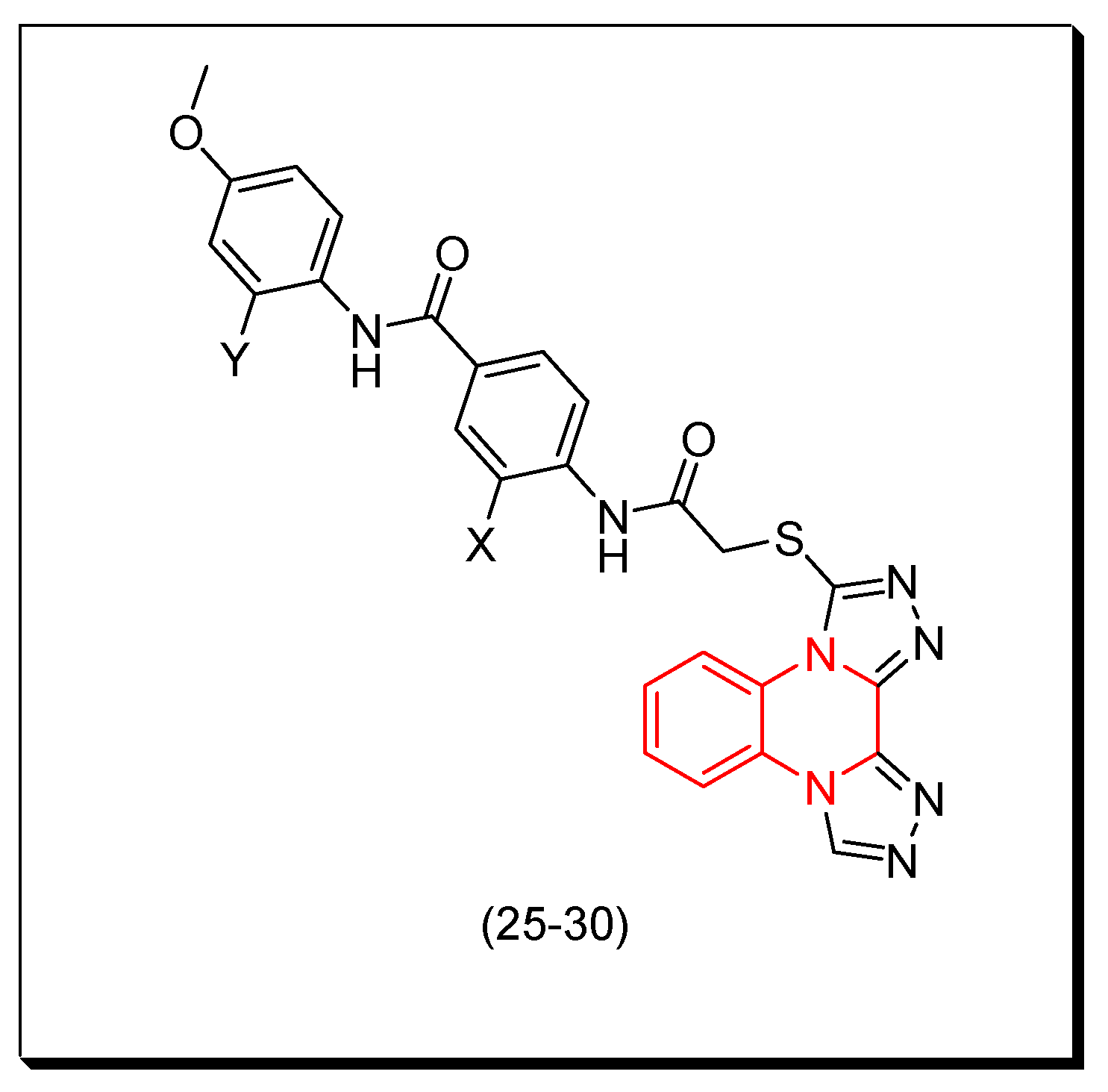
Figure 14. The molecular structure of the model 25 and the designed derivatives (26–30): 25 (Y = H, X = H), 26 (Y = H, X = CH3), 27 (Y = H, X = OH), 28 (Y = H, X = OCH3), 29 (Y = H, X = NH2), 30 (Y = NH2, X = NH2).
9. Anti- proliferative agents [36

Anti- proliferative agents
Future directions
Quinoxaline derivatives have demonstrated significant therapeutic potential across multiple disease areas, but several key challenges remain to be addressed for their advancement into clinical use. One important area for future research involves optimizing the pharmacokinetics of these compounds. Although many quinoxaline derivatives show strong in vitro activity, their bioavailability and metabolic stability in vivo often limit their effectiveness. To overcome this, future studies should modify their chemical structures to improve solubility, permeability, and resistance to metabolic degradation. Additionally, approaches such as prodrug development or the incorporation of drug delivery systems, like nanoparticles, could enhance their pharmacokinetic profiles and clinical utility
CONCLUSION
Quinoxaline derivatives are versatile bioactive molecules with strong therapeutic potential across various diseases, including cancer, neurodegenerative disorders, and infectious diseases. Their ability to inhibit key enzymes and receptors and their structural adaptability have made them valuable in drug development. Despite these advancements, challenges remain, particularly in improving their pharmacokinetic properties, such as bioavailability and metabolic stability, and overcoming drug resistance in cancer and microbial treatments. Future research should focus on optimizing drug-likeness, reducing toxicity, and exploring novel delivery systems to enhance their therapeutic impact. Additionally, expanding the application of quinoxaline derivatives into less-explored areas, such as neurological and metabolic disorders, offers further potential. With continued efforts in SAR optimization and innovative molecular designs, quinoxaline derivatives have the potential to play a pivotal role in the development of nextgeneration therapeutics, addressing critical unmet medical needs.
ACKNOWLEDGMENTS
The authors gratefully acknowledge the support provided by Director Dr. Shivani Singh and teaching staff of DKRR Pharmacy Shikshan Sansthan Sitapur Utter Pradesh India.
Credit Authorship contribution statement
Prakash Sandeep – Writing –review & editing. Singh Pratap Adarsh ,-Methodology Kumar Saurabh- Validation , Gautam Neha- Resources ,Bano Firdous- Supervision ,Gupta Harshit – Formal Analysis ,Maurya Lavkush –Conceptualization ,Kumar Sandeep - Visualization ,Lata Sneh –Data curation , Kumar Ajay- Software,
Funding: This research received no external funding
Data Availability Statement: No new data were created or analyzed in this study. Data sharing is not applicable to this article.
REFERENCES


Neha Gautam, Sandeep Prakash, Firdous Bano1, Ajay Kmar, Harshit Gupta , Saurabh Kumar, Adarsh Pratap Singh, Sneh Lata1 , Lavkush Maurya , Sandeep Kumar, Artificial Intelligence in Quinoxaline Synthesis and Anti-Cancer activity and Future prospects, Int. J. of Pharm. Sci., 2026, Vol 4, Issue 5, 7231-7247. https://doi.org/10.5281/zenodo.20407443
 10.5281/zenodo.20407443