AI have caused a revolution in the pharmaceutical industry with regard to drug discovery and design, delivery and health services, by means of predictive modelling and data analysis. Based on the work done by AI and some of its algorithms in healthcare and pharmaceuticals sectors, this review aims at highlighting its capability of enhancing data analysis, making sound decisions and enhancing efficiency. It looks at how application of artificial intelligence is transforming drug discovery, manufacturing, quality control, quality assurance and supply chain in pharmaceutical firms. Further it highlights AI algorithms use for target identification validation, molecule designing, toxicity and drug-drug interaction prediction, and drug repurposing. Also, the application of AI in drug delivery system is examined mainly in personalized, targeted, and controlled drug delivery. Further, it describes how AI transforms diagnosis, remote care, and its utilization in healthcare chatbots and virtual assistants, in diagnosis based on voice, and intelligent robotic surgery. These innovations are increasing accuracy in lengthy surgeries, increasing the lives of many patients, and making administration of health services more efficient. The review also analyses potential obstacles in AI adoption, namely lack of quality data, lack of transparency of AI models, high costs of implementation, regulatory limitations and ethical issues.
Keywords
AI, Pharmaceutical Industry, Drug Discovery, Drug Delivery, Healthcare
Introduction
×
Pharmaceutical industry, drug product development, delivery systems and the healthcare sector are growing and changing continuously. These sectors continuously, finding better ways to serve the present society more effectively and efficiently and with more specifically trying to provide targeted solutions. However, despite incredible improvement, there are still several gaps and issues in these fields that slow down their growth. [1,2] The pharma industry entails inefficiencies in manufacturing, operational mistakes in QA/QC procedures, and problems and risks related to supply chain management such as the complicated logistics and counterfeit products. [3] In drug development the lengthy and expensive cycle of introducing a new drug still remains a challenge. The drug targeting or the achievement of controlled and effective delivery of medications to specific sites within the body is still difficult. Conventional delivery systems may lead to inefficient drug delivery and reduced effectiveness of the therapeutic products. [4] Likewise, the healthcare system has its own problems, such as growing cost, high demand of professional, accessibility and need of patient centered care. The nature of patient data is becoming increasingly diverse and complex, and these increases demand for more accurate diagnostic and treatment approaches. The clinical trials are also time consuming, and have high failure rate which causes financial burdens and late delivery of medications to the patients. [5,6] So, it become important to counter these vulnerabilities in order to harness the quality, efficiency and safety in the production, delivery of the drugs and healthcare. In response, the industry is gradually turning to new solutions as this challenge being raised, such as Internet of things (IoT), big data analytics, blockchain, internet of medical things (IoMT), robotics, 3D printing, and genomics, among which the most prominent one is artificial intelligence (AI). [7,8] AI with its superior algorithmic solutions such as deep learning (DL), machine learning (ML), etc. has the ability to transform these fields, in terms of improving industrial operations, improving the drug discovery, drug delivery systems and redefining the healthcare services. This review proposed to analyze the contributions of AI in the pharmaceutical industry, drug discovery and delivery, and healthcare. It will look at how AI algorithms are being used to solve current problems as well as enhance workflows to deliver better results for patients. By delving into the current state of AI in these domains, this review seeks to shed light on the transformative impact of AI and its potential to shape the future of medicine and healthcare. [9-11]
AI AND ITS VARIOUS TECHNIQUES:
2.1 Artificial Intelligence:
Artificial intelligence is a branch of science that is more about constructing computers and organizations that reason, learn, and act in a way that would have ordinarily required human intelligence for data whose scale exceeds what humans can analyze, and AI is able to perceive, analyze, and react to that particular data or provided input. Machine learning is a subset of AI whereas deep learning has further been characterized as a subset of ML while predictive analytics uses AI and ML to create predictive models. [12]
Machine Learning (ML):
ML is an application of artificial intelligence (AI), which is accomplished through the use of data-trained algorithms. In machine learning, a single dataset is trained using many models to prevent brute force sensitivity and optimize specifically by comprehending the perspective in different model architectures.ML mainly have following types,
Supervised Learning: In it the models get trained from labelled datasets and learn to map points between inputs and correct outputs. It involves algorithms such as support vector machine (SVM), Random Forest (RF) and Decision Trees (DT) and regression models.
Unsupervised Learning: It's a method where an algorithm uses unlabeled data to find patterns and relationships. Finding underlying patterns, similarities, or clusters in the data is its primary objective. These can subsequently be utilized for a variety of tasks, including dimensionality reduction, data exploration, and visualization. It involves clustering algorithms such as k-mean clustering, mean shift clustering.
Semi-supervised Learning: It uses both labelled and unlabeled datasets. It’s particularly useful when obtaining labeled data is costly, time-consuming, or resource-intensive. And when a particular data is partly labelled and mostly unlabeled.
Reinforcement ML: It interacts with the environment by producing actions and discovering errors. Trial, error, and delay are the most relevant characteristics of reinforcement learning. It supports decision making and involves Q-Learning and R-learning. [13-16]
Federated Learning: It uses the data sets from different devices and secure it making sure that it won’t leak to make the machine learning models. It also helps in preventing the data leakage and unauthorized access.
Transfer Learning: It utilizes trained models of particular task and implement it for different but related problem.
Graph Neural Networks: It is made to control data that is rendered as graphs, which usually involve nodes (representing entities) and edges (indicating relationships between those entities).[17,18]
Deep Learning:
Deep learning methods rely on artificial neural networks (ANN) having multiple layers hidden between the input signal and result. It is also known as "deep networks”. The performance of task such as speech recognition or natural language recognition or computer vision boosted after the commencement of 'deep' multilayered artificial neural networks. [19-21]
Fig.1: Deep learning and its types
Predictive Analytics:
By drawing conclusions from historical data obtained through a variety of statistical methods and machine learning it helps to predicts the future events. [22]
Fig.2: Steps involved in AI implementation procedure
AI IN PHARMACEUTICAL INDUSTRY:
AI has been improving productivity, helping to decrease costs, and promoting new innovations in the pharmaceuticals industry. AI has made significant contributions through every stage of the drug development pipeline, from discovery, manufacturing, quality control, quality assurance to supply chain management. The subsequent section introduces how AI is gradually revolutionizing these domains.
Drug Discovery:
The enterprise of pharmaceuticals has heavily invested into the facet about artificial intelligence and sharpened their drug discovery processes, for reduced research and development costs, minimized failure rates in clinical trials, and for improved quality medicines. Consequently, diverse quantities of accessible data from life sciences and the development of frameworks in machine learning algorithms have created a rich environment for the emergence of start-ups centered on artificial intelligence in drug discovery. As AI systems can analyze vast data types such as genetic, proteomics, therapeutic, clinical, experimental, large scale biological data, and also the learning libraries data, as well as it can analyze chemical structure and characteristics of compound and drug candidates, optimize drug candidates, simulate chemical interaction and predict binding affinities of drugs. Because of this AI contributes in target identification, virtual screening, structure activity relationship modeling, denovo drug design, optimization of drug candidates, drug repurposing, toxicity prediction, etc. [23-25]AI model, tools, platforms that are available for drug discovery some of them are as follows,
Hierarchical organization of reactions through attribute and education (HORACE) - It utilizes machine learning algorithm for the classification of chemical reactions. [26,]
Dexter- A ML model used to anticipate molecules that could react to biochemical tests. [27]
DeepChem- It is an open-source library that offers an extensive selection of tools and models for discovering new drugs, such as advanced machine learning techniques for analyzing molecular characteristics forecasting, virtual screening, and creative chemistry. [1,28]
Simplified molecular input line entry (SMILES) transformer- It uses strings as input to generate molecular structure. [1,29]
Schrodinger Suite- It involves various modules such as modules for virtual screening, ligand and structure-based drug design, predictive modelling. [1,30]
Pharmaceutical Manufacturing:
The current pharmaceutical industry is marked by lengthy and expensive processes for developing new drugs, facing pricing pressures from patients, insurance companies, and governments. It experiences challenges such as fluctuations in production variables, poor process layouts, and resource wastage. Similarly, drawbacks such as machine loss and slow scale-up impair smooth and uniform operations. So, pharmaceutical companies are looking for ways to enhance efficiency in their operations for discovering and developing new products, adhering to industries strict regulations, and meeting essential financial targets. The first industrial revolution brought mechanical production; the second brought mass production; and the third introduced computers and production automation: Industry 4. 0 now includes cyber-physical systems and direct communication between machines using the industrial internet of things (IIoT). AI can enhance pharmaceutical manufacturing or production process, as it can be utilized for process improvement, where deep learning algorithms analyze extensive manufacturing data to identify patterns, trends, and opportunities for enhancement. The AI can improve productivity, reduce waste, and can decrease cost by managing temperature, pressure, and reaction time. AI models and algorithms are currently being used by several pharmaceutical companies to increase the production process's effectiveness and quality. [31,32] For instances some of them are,
Pfizer- It’s digital twin initiative involves development of digital representations of real-world processes. It utilized digital twin to mimic bioreactor functions, minimizing the necessity for physical trials and speeding up the scaling process for biological antibody manufacturing. [33]
AstraZeneca- Using 3D printing to enhance pharmaceutical manufacturing. For it, it is employing digital twins and predictive analytics, into their operations to enhance efficiency, minimize waste, and speed up production. [34]
Schneider Electric- It launched EcoStruxure™ software which is IoT enabled and utilizes AI, to accelerate the efficiency and decarbonization of the pharmaceutical sector. And it helped Liaoning Chunguang to maintain product stability and durability. [35]
GlaxoSmithKline- Uses AI algorithms to recognize possible problems early in the manufacturing process, boost operational effectiveness, and elevate the quality of their drugs and vaccines. [36,61]
Johnson and Johnson- It utilized digital twins to imitate and optimize the manufacturing process and increased efficacy. [37]
Quality Control:
AI can be implemented in pharmaceutical manufacturing to maintain the quality control of manufacturing processes, as to test each unit that is manufactured requires lot of time and it slow down the manufacturing process. Product safety and performance need the consideration of several well-thought-out strategies. Traditional approaches of quality control while effective, may prove time consuming and error-prone.AI powered computer vision system can be used for visual inspection and early defect detection in manufacturing, product packaging and labels. The predictive models that helps to analyze the historical data which can help in checking whether particular batch meets the specification. It can also be used for real time monitoring and anomaly detection. Because of its capacity to analyze large datasets, it allows for improved fault detection methods and can help in corrective action. [3,38] Few instances of the AI models that are utilized and examples of few companies that shows potential of AI in quality control are as follows,
Isolation Forest and One-Class SVM- These ML techniques are used for anomalies detection. [39,40]
Auto encoders- They are neural networks used for anomaly detection. They were utilized for vibrational anomaly detection in manufacturing equipment. [40,41]
Merck- It is leveraging AI to enhance the quality control procedure for its vaccines. They employ computer vision algorithms to identify flaws in vaccine vials, guaranteeing that every vial complies with regulatory standards. [42]
Takeda- It is employing AI to streamline the inspection process for its tablets. They employ computer vision algorithms to identify flaws in tablet coatings, enhancing the precision and swiftness of evaluations. [43]
EcoStruxure – It was implemented by Pfizer to facilitate the tracking of manufacturing plants and using IoT sensor together with AI to anticipate equipment’s need for maintenance. [44]
LandingLens- This platform focuses on using artificial intelligence in visual inspection for manufacturing production lines such as the pharmaceutical industries. The tool leverages deep learning that is used to analyze defects and irregularities of products, for instance tablets, capsules, and vial. [45]
Quality Assurance (QA):
In the pharmaceutical sector, quality assurance and process control ensure that the products are effective, safe, and permissible by law. Regulations governing production, set the product's attributes, including its strength, quality, and raw materials, and guarantee that these attributes hold true over time. AI can be utilized for integrating the data for automated documentation, for audits to analyze data of equipment logs, batch records, and QC test results, in risk management. Six sigma documentation which involves collecting, arranging, evaluating data of projects as sometimes it involves problem like typos, transcription errors, etc. which leads to the data inaccuracy. AI can be used to improve six sigma methodology for enhancing efficiency, precision, and overall quality assurance, for anticipating future trends, monitoring in real-time, enhancing data accuracy and integrity, automating data gathering. [46,47] For instance,
Tensorflow- It’s a AI tool that is especially useful for training deep neural networks for the prediction tasks in Six Sigma projects. Especially in the DMAIC (Define, Measure, Analyze, Improve, Control) phase, it can predict equipment failure as well as possible process disruption concerning enormous operative data. This predictive capability minimizes error and maintains quality, making amends to Six Sigma initiative in minimizing error and maintaining consistency. [48]
ValGenesis VLMS 5.0- It uses AI to comprehensively control the validation of the manufacturing processes, comprise commissioning, qualification, cleaning validation, and analytical method validation. [49]
Supply Chain Management:
The pharmaceutical industry encompasses a wide range of intricate supply chain operations, including sourcing and acquiring API and raw ingredients, manufacturing, packaging, labelling, shipping, warehousing, and distribution. It involves problems such as estimation of demand, resource allocation, transportation management, and inefficient warehouse management which causes customer dissatisfaction and delayed shipment. So AI can be utilized to improve the supply chain network, guaranteeing effective production, inventory control, and on time distribution.AI predictive analytics models, can be utilized for identifying trends and patterns to analyze the risks.AI algorithm have ability to forecast demand, improve production schedules, and improve quality control procedures, all of which lead to more efficient and economical operations. [50-53] Many pharma companies have incorporated the AI in supply chain management, some of them are,
Pfizer- It utilizes AI algorithms for optimization of transportation of goods. [53]
Merk- It is using predictive analytics for well-informed choices regarding manufacturing schedules, transportation logistics, and inventory levels. [54]
Roche- It is using AI algorithms for optimization of warehouse operations. [53]
Cognex– It offers a range of AI-powered vision systems and software, including In-Sight systems, for tasks like, checking of Packaging and labels and appearance of the product, Measurement for dimensional control to check the dimension and shape of the product and Detection of metal and other foreign matter to eliminate foreign specs from the product. [55]
AI IN DRUG DISCOVERY AND DELIVERY SYSTEM:
AI made significant advancement in drug research, discovery and delivery. Some of the areas where AI is contributing includes the following,
Target Identification and Validation:
To find a suitable therapeutic target, researchers examine the chemistry of the drug to get details such as the structure of molecules, mechanism of action, biological activity, pharmacokinetic attributes and side effects. While for validation of the target, they usually utilize gene knockout studies and cellular and ligand binding assays to manipulate the target, so it can provide desired therapeutic outcomes. This conventional approach has a poor success rate and certain limitations as researchers need to integrate multiple data types and analyze complex disease mechanisms with accuracy, which makes these processes time-consuming and costly. As AI algorithms can analyze large data, make predictions, improve performance and support in refining the validation process, their use in drug screening is increasing day by day. It examines data such as omics data which helps researchers to identify irregularity in metabolites, genes, proteins, and enzymes in particular diseases, which lead to the identification of therapeutic drug candidates. DL algorithms like CNN, RNN and LSTM are mostly utilized in it as they help in analyzing chemical compounds, 3D structures and biological sequences. While LSTM networks are shown to be proficient at forecasting protein folding, gene expression trends, and drug reactions over time. [56-58] Some examples, that used AI algorithms for target identification and validation include the following,
Deep Mind AlphaFold - AlphaFold utilizes CNN to forecast the 3D configurations of proteins, assisting scientists in locating disease-associated proteins for focused drug creation. [59]
Insilico Medicine- It utilized GAN and RL to discover a new target for idiopathic pulmonary fibrosis and effectively identified a novel target (PGRMC2). [60]
Exscientia- It applied Knowledge Graphs and ML techniques to identify oncology targets, in which it successfully validated the targets for particular cancers and also discovered optimized lead compounds, one of these entered in clinical trials, EXS-21546 for treatment of solid tumors. [61]
IBM Watson for Drug Discovery- IBM Watson uses Natural Language Processing (NLP) and machine learning to analyze vast amounts of scientific papers and clinical trial data, enabling researchers to identify new drug targets by uncovering hidden patterns and relationships in the data. It assists researchers in targeting diseases by mining knowledge from existing literature and datasets.e.g. Keystonemab which is a startup company and utilizes NLP. [62]
BenevolentAI- It uses machine learning and AI to investigate biological networks and confirm drug targets for illnesses like amyotrophic lateral sclerosis (ALS). The platform analyzes scientific literature, clinical information, and biological networks to assist in prioritizing targets and proposing innovative therapeutic strategies for complex diseases. [26,63]
Molecular Designing:
Traditional methods for designing a novel molecule with desired characteristic are time-consuming, costly, and limited in exploring the vast chemical space, leading to low success rates. Also data analysis in conventional methods is done manually by experts, it further adds inefficiencies and risks of human error. Real-time analysis of data that is generated in it, is hard to analyze by traditional method. To address this challenges numerous software tools and methods have been developed to create new effective molecules without relying on data from reference compounds and various approaches were made to make this process automated and one of them is Artificial intelligence. As AI enables rapid exploration of vast chemical spaces, accurate prediction of molecular properties, and efficient optimization of drug candidates. This shift not only accelerates the drug discovery process but also enhances the precision and success rates of identifying potential therapeutic molecules.AI uses machine learning and deep learning algorithms to explore the characteristics of molecules, such as their solubility, permeability, and stability.AI forecast how they act in biological environments it can also determine ideal candidates of drugs and ways to administer them. [64-66] For example,
Generative Adversarial Networks (GANs)- It can build new molecules that can exhibit a high degree of bioavailability with specificity toward desired targets. [67]
Atomwise- It utilizes AI to successfully screen chemical libraries to predict drug-target interactions, by saving the time in the discovery of drugs. [68]
4.3 Toxicity Prediction:
Determination of toxicity is challenging, as it requires identification of toxic effects before clinical trials and it is crucial part of drug development in order to reduce harm, for safety and efficacy. In conventional practices, both in vivo and in vitro methods, as well as Quantitative Structure-Activity Relationship (QSAR) models, are employed for assessing toxicity, relying on data derived from molecular descriptor and structural fingerprints. But these methods require significant time and financial investment, and they present ethical dilemmas, particularly since numerous drugs do not succeed following their entry into clinical trials. Furthermore, they frequently overlook toxicological pathways, resulting in inaccurate positive and negative outcomes. Moreover, these techniques struggle to interpret intricate biological data, consider variations between species, and efficiently screen extensive libraries of compounds. The toxicity database is expanding, making analysis increasingly challenging. Consequently, computational methods such as artificial intelligence algorithms, structural alerts, read-across techniques, and molecular modeling have been employed to create predictive models for drug toxicity. ML algorithms like SVM, RF, gradient boosting machines are being used to predict toxicity outcomes and they are trained from labeled dataset. While DL algorithms like neural networks, DNNs, CNNs uses unprocessed data and complex pattern between molecules and toxicity results for toxicity analysis. [69-72 ] Some examples of them are,
DeepTox- It employs deep neural networks (DNNs) to forecast different forms of chemical toxicity, such as hepatotoxicity and cytotoxicity. It utilizes molecular descriptors and fingerprints as part of its analytical framework. [73]
GGLTox- Utilizes Graph CNNs to represent molecular structures in graph form and forecast toxicity endpoints. [74]
ProTox-II- Employs ensemble techniques such as Random Forest and Gradient Boosting to forecast oral toxicity, organ toxicity, and adverse effects, utilizing molecular structure data including SMILES. [75]
ChemBERTa- It is a transformer-based model designed to analyze SMILES strings for the purpose of predicting toxicity and various chemical properties. It effectively utilizes pre-trained representations of chemical data. [76]
ToxTree- Employs rule-based and support vector machine (SVM) models to categorize chemicals according to their potential toxic effects. It emphasizes adherence to REACH regulations and focus on the prediction of mutagenicity. [77]
DILI rank- Employs a range of machine learning techniques, such as neural networks, Random Forest, and Support Vector Machines (SVM), to assess the risks associated with drug-induced liver injury (DILI). [78]
Tox21 Challenge Models- These models were created as part of the Tox21 data challenge, utilizing deep learning techniques, Random Forest algorithms, and k-nearest neighbors (k-NN) to forecast toxicity endpoints. [79]
Drug Repurposing:
The process of finding new therapeutic uses for licensed medications in medical indications outside of their initial therapeutic usage is known as drug repurposing and it is becoming a more significant choice for treating rare diseases and administration. However, it encounters obstacles like biological intricacy, where in vitro and in silico results may fail to translate to in vivo due to unpredictable off-target effects. It also possesses regulatory issues, challenges in clinical validation, and have limited applicability to intersecting pathways, and complications in dosing and safety profiles for new indications further impede its success. Many researchers are employing AI in drug repurposing as it can examine extensive datasets, forecast drug disease connection, contributes to cost reduction and discover novel therapeutic application for existing medication.AI helps to speed up the discovery by tools such as predictive modeling, virtual screening, phenotypic screening, Drug target interaction (DTI) prediction and knowledge graphs. AI algorithms provide a method for identifying potential drug indications by combining extensive heterogeneous data (such as genomic, transcriptomic, phenotypic, chemical, and bioactivity) from numerous approved medications. Algorithms like SVM, CNNs, RF, KNNs, Clustering, RL, etc. are being utilized in drug repositioning to develop predictors. [80-82] For instance, some of them are,
RDkit- It’s a cheminformatics software and it employs RF, SVM, GB, GNNs for classification and prediction of drug-target or drug-disease associations. It was employed in various diseases like cancer, tuberculosis, HIV, etc. [83,84]
Tensorflow- It uses CNNs to evaluate structural similarities and predict drug efficacy and it was utillized for drug repurposing in cancer treatment via the examination of phenotypic screens. [85]
NeuroInteract- It was specially designed to interact and interpret neural data, and utilizes Graph-based machine learning and Network analysis algorithms and RF, SVM for predicting drug efficacy in the schizophrenia therapy for drug repositioning [86]
Adera 2.0- It uses multiple algorithm from RF, SVM, graph based algorithms to RNNs, CNNs for neuroimmunological investigations. [87]
TxGNN- It is developed by Harvard zitnik lab and it is a graph neural network and it is trained on knowledge graphs of clinically recognized disease. [88]
Drug-Drug Interaction Prediction:
Drug-Drug Interaction (DDIS) refers to a situation where one drug affects the activity, efficacy, or toxicity of another when both are administered together. DDIs can be pharmacokinetic (affecting absorption, distribution, metabolism, or excretion) or pharmacodynamics (modifying the therapeutic effect or side effects of the drugs). DDIs Models face challenges like dependence on partial datasets, failure to adjust to evolving changes, and insufficient customization for unique patient characteristics. They are also time-consuming and find it challenging to adapt to the increasing complexity of polypharmacy and large datasets. The use of AI algorithms in DDIs is increasing as they are capable of rapidly examining extensive datasets, simulating intricate biological interactions, and forecasting unseen drug-drug interactions, enhancing patient care and drug safety. Algorithms like DNNs, CNNs, GNNs, Graph Embedding, as well as their various other algorithms has been utillized by researcher for the DDIs prediction. [89-91] A few instances of them are,
DeepDDI- It employs a deep neural network model which is trained on drug bank gold standard DDI dataset to achieve enhanced prediction capabilities, for which it employs drug molecular fingerprints and interaction data to forecast the nature and intensity of drug-drug interactions. [92]
DM-DDI model- It leverages Deep Neural Networks for feature extraction and Graph Neural Networks for structural data, optimizing predictions through an attention mechanism. It predicts drug-drug interactions using deep learning, integrating topological and pharmacological features. [93]
AI-Driven Personalized Drug Delivery Systems (DDS):
It endeavors to tailor its methods to the unique characteristics of an individual, particularly with respect to their genetic makeup, medical history, lifestyle, etc. Its objective is to achieve maximal benefits and minimal adverse effects. Personalized DDS can significantly improve treatment outcomes by offering more precise and effective drug delivery. It can offer advantages such as improved treatment efficacy, reduced adverse effect, and better patient adherence. However, it has certain limitations such as high cost, complexity of implementation, limited datasets, regulatory consideration and data privacy concerns, etc. Major barrier includes difficulties like inability to determine precise doses, disease detection, and achievement of accurate diagnosis and optimal treatment. And to solve this problem various AI, DL, ML models can be utillized. These models can help in detection of diseases, optimization of the treatment and accurate diagnosis. [94,95] For instance,
IBM Watson - Uses AI to personalize drug delivery for cancer patients by analyzing vast amounts of data and identifying most effective treatment protocols based on patient specific factors. [96]
AI-Enhanced Targeted Drug Delivery Systems:
Targeted drug delivery focuses on delivering drugs specifically to the diseased site, minimizing systemic exposure and side effects. This approach offers advantages like, it helps to decreases toxicity of drug, provides desirable response even with a small dose, improves drug absorption, avoids first pass metabolism, etc. Despite its benefits it has certain limitations like stability issues, rapid drug elimination, diffusion and redistribution of released drugs, and sometimes the toxicity rises due to drug deposition at the target site. Various carriers, such as nanocarriers like nanoparticles, liposomes, etc., are utillized for targeted delivery. AI and computational approaches can enhance the optimization of the nanocarriers-drug compatibility, evaluation of drug loading, drug retention, and formulation stability. Recent advances have employed deep-learning-based architectures such as generative adversarial networks (GANs) for generating synthetic data, recurrent neural networks(RNNs) for sequential modeling, and transfer learning approach for efficient target discovery, integrating AI-driven predictive analytics into drug stability studies can help to accelerate stability testing, can help in optimizing formulation design and can help to enhance decision making.ML algorithms such as linear regression, Decision Trees, RF, SVM, ANN, ensemble method are widely employed in tasks like drug stability modeling, barrier penetration modeling and for overcoming resistance mechanisms.[97-101] Some real world application includes,
Moderna and COVID-19 mRNA Vaccines- Moderna utilized the AI and ML algorithm to optimize nanoparticles that deliver to mRNA into cells preventing its degradation and facilitating the target cells. [2]
Bayer and Inhaled Therapies- They utilized AI algorithms to optimize formulation and delivery of inhaled drugs for respiratory disease. [2]
AI in Controlled Drug Delivery System:
Controlled Drug Delivery Systems (CDDS) are specifically designed to administer medications at a predetermined rate over a specified duration, thereby maintaining therapeutic levels while minimizing adverse effects. These systems enhance patient compliance by reducing the frequency of doses, improving drug efficacy, reducing drug accumulation during chronic treatment and minimizing fluctuation of drug release in blood. However, they face challenges such as high production costs, complex designs, sensitivity to environmental conditions, dependence on GI residence time and variability in patient responses, and the dose dumping which reduce efficacy, patient compliance and can lead to toxicity. Artificial Intelligence (AI) has the potential to address these challenges by optimizing drug release profiles, predicting drug-release kinetics. Machine learning algorithms, including Support Vector Machines (SVMs), Artificial Neural Networks (ANNs), RF, GBM and GANs, have been employed by researchers to assess the compatibility of drug carriers, model the impact of environmental factors on release profiles, and customize treatments based on individual patient data. [102,103] Some examples of case studies demonstrating the application of AI to forecast release profiles are as follows,
Prediction of drug release profile – MIT scientists created an AI model to forecast the release patterns of medications from polymer-based delivery systems. The model was developed using data gathered from experiments that included various polymers, drug formulations, and environmental factors. [2,]
Analysis of controlled release of desired drug from porous polymeric material – In it AI model were integrated with mass transfer model and several regression model were utillized in it to employ it in controlled drug delivery systems to improve release accuracy and therapeutic efficiency.
Prediction of release profile in long acting injectable- Researcher from university of Toronto trained several AI models from previous data, and from it LightGBM emerged as the most effective model. [104]
5. AI IN HEALTHCARE:
AI has been utilized in healthcare since early 1950-1970. Since then it has been utilized in healthcare over the years and has been groundbreaking as it can help in many tasks, from managing patient health records, predictive analysis, diagnosis and treatment, personalized medicine, patient care, surgery and robotics, etc. Various models and algorithms of AI are employed in healthcare by researchers, such as Convolutional Neural Networks (CNNs), Deep Neural Networks(DNN), Generative Adversarial Networks (GANs), Holistically Nested Networks (HNN), Natural Language Processing(NLP), AI chatbots, virtual assistants, etc. in order to improve healthcare. Some of the fields where it is utillized includes the following.
Disease Diagnosis:
Disease diagnosis and early detection remain a major challenge in healthcare, as it requires continuous monitoring and evaluation of patient data like genomic, proteomics, and transcriptomic data. Artificial Intelligence provides transformative solutions offering improved accuracy, efficiency and outcomes in diagnostics. Researchers are leveraging various AI algorithms and techniques to enhance tasks such as early identification, risk stratification, classification of diseases, and the development of personalized treatment plans. For example, ML algorithms improve decision-making, optimize the workflow, automate routine tasks and are economical. While DL excels at analyzing medical images, CT scans, ultrasounds, radiology images, x-rays and MRI images, they also aid in the identification of abnormalities, in reduction of the human errors, and early diagnosis and intervention, hence improving patient outcomes and preventing critical conditions. Natural Language Processing (NLP) is utilized in the analysis of electronic health records (EHRs) to extract critical information that aids in disease prediction and diagnosis. [105-107] There are many cases where AI algorithm had been utilized by researchers in disease diagnosis some of them are as follows,
Generative Adversarial Network (GAN)- In the detection of breast cancer where it was utilized to generate synthetic mammograms. [108]
Support Machine Vector(SVM)- They were used in the identification of biomarkers for early diagnosis of cancer. [109]
Fuzzy Logic- Was utilized in the generation of an automated coronary heart disease system which showed 89% accuracy. [110]
Remote Patient Monitoring:
Previously, healthcare professionals would collect data from patients such as vital signs, physical symptoms, lab test data, and imaging data which was needed to monitor patient’s health and this data was usually collected in the form of handwritten notes or typed reports. Remote patient monitoring focuses on various sub-groups of individuals, like those identified with long-term health conditions, patients experiencing mobility challenges, those with other disabilities, post-operative individuals, newborns, and senior patients. As all this data is vast many researchers integrated remote patient monitoring (RPM) technology with AI, ML, DL, NLP, and computer vision technologies, since then the method of gathering and using patient data has advanced considerably. Various Deep learning algorithms like Recurrent neural organization (RNN), and CNN enable healthcare providers to consistently track patient’s vital signs, activity levels, and chronic illness metrics in real-time using wearable devices, mobile apps, and IoT-integrated systems which help in data collection. These devices use sensors to capture real-time physiological data, including heart rate, blood pressure, glucose levels, temperature, oxygen saturation, respiratory rate, ECG signals, and activity metrics. [111-112] Some of them are,
Tempus- It uses deep learning and SVM algorithms for which it utilizes wearable data and patient records to personalize the cancer care recommendation and helps in continuous patient monitoring. [113]
Apple watch- Uses CNN and other algorithms for atrial fibrillation detection and predict potential heart conditions. [114]
Dexom G7- It uses an RNN-based predictive model to monitor glucose fluctuation. [115]
Phillips eICU Program- It utilizes SVM and various ML models for the prediction of patient’s health deterioration risk. [116]
iRhythm Zio Patch- Uses a supervised learning model to monitor heart activity over extended periods to detect arrhythmias. [117]
Healthcare Chatbots and Virtual Assistants:
As healthcare chatbots and virtual assistants powered by AI have the ability to address language barrier problems and can be programmed to communicate in different languages, so their use in healthcare is increasing day by day. They are changing the way patients interact by providing quick answers to health-related questions, scheduling appointments, and providing basic advice. However, they also provide tailored, affordable, effective health guidance, and assistance on a large scale and provide real-time responses. Virtual assistants are utilized in healthcare for billing inquiries and handling administrative tasks. The AI chatbots are utilized for the integration of data such as medical history, lifecycle factors and treatment plans of the patients. Various AI algorithms are utilized by researchers for the development of AI-powered chatbots and virtual assistants such as NLP, Decision trees, supervised learning, unsupervised learning, reinforcement learning, etc.[118-120] Some of the examples of them are as follows,
TinyML- It is a mobile chatbot, based on Linear Support Vector Machine (LSVM) it was used to identify patients, based on the classification using a Histogram of Gradient (HOG) and it achieved approximately 95.3% accuracy.[121]
Babylon Health- It is an online health consultation service that offers symptom checking, health evaluations, and video appointments with physicians and it uses NLP and Bayesian Networks for triaging and diagnosis. [122]
Ada Health- It incorporates decision trees and gradient boosting to access signs, and symptoms and offers tailored health information. [123]
Surgical robots:
Surgical robots enhance the precision and speed of human surgeons and their incorporation in surgical practices has resulted in many advantages when contrasted with traditional methods. Surgical robots powered by AI can solve global health inequities via tele-surgery and remote solutions in healthcare programs. Algorithms such as deep learning are being employed by researchers, in surgical robots for image recognition, detecting anatomical structures, forecasting bleeding hazards, and even directing surgical tool trajectories. The reinforcement learning algorithms are also utilized in it as they can work on a trial and error basis, which helps surgical robots to perform surgical tasks autonomously. [124,125].
MAKO Surgical Robot- It is utilized in orthopedic surgery and uses algorithms like CNN, SVM, RL, RF, etc. [126]
Cyber Knife- Employed in radiation surgery and offers real-time tumor tracking in brain and spine malignancies under human supervision and it uses the CNN and other algorithms. [127]
Hugo Surgical Robot- Used for general and bariatric surgery and for this it utilizes algorithms like mask region-based convolutional neural network (R-CNN) and U-Net. [128]
Smart Tissue Autonomous Robot (STAR)- It operates with human approval in bowel anastomosis, and reduces errors, and reconstructs tissue smoothly by assessing thickness and structure before sewing autonomously. Continuous communication with the surgeon allows it to adapt to changes during surgery and it utilizes the LSTM RNN model. [129]
CHALLENGES OF ADOPTING AI:
Many challenges affect the implementation of AI in pharma and healthcare sector, from data scarcity to intellectual property issues. This challenges are highlighted below.
Shortage of reliable data:
Both pharmaceutical industry and healthcare system relies on robust data, in order to train AI tools and algorithms for accurate results, predictions and advancement in drug discovery and delivery. Additionally, data from the preclinical studies, pharmacovigilance systems, and real world evidence are often inconsistent and incomplete for rare diseases, novel drug targets or new drug delivery technologies. Even, if the data is available its integration is difficult as data that is required is fragmented across different systems from research institutions, supply chain systems, healthcare record to clinical trial databases restraining unified approach of drug development. This scarce and poor quality data leads to generation of errors, biases, it could lead to serious consequences and can reduce the effectiveness of AI prediction slowing down the identification novel drug candidates, optimization of drug delivery mechanism and improving patient’s outcomes.
Poor transparency and Traceability:
Various AI models and algorithms are intricate, specifically DL which is condemned for their black box nature, as the predictions made by them are not clear, have no interpretable reasoning for that anticipations. It is vital factor in healthcare, pharma industry and drug design to perceive why a AI model makes certain predictions, in order to trust that predictions or outcomes. Because of this poor transparency and traceability, it becomes difficult for regulatory agencies to approve AI-based tools or drugs, as transparency is crucial for accountability and safety of patients.
Cost and resource intensity:
In order to train, perpetuate and integrate AI models within healthcare and pharma industry requires trained professionals, computational power and infrastructure. In the area of molecular docking, large scale genomic analysis and protein structure prediction there is requirement of high performance computing system, in order to utilize various AI model and algorithms. Often, small pharmaceutical companies and startups are deprived in budget and infrastructure to adopt AI technologies. In developing countries and small healthcare facilities it is difficult to employ the AI technologies as it requires continuous upgrades and maintenance of hardware, training sessions for professionals which is quite expensive.
Model Validation and generalization:
Medicine and healthcare sector constantly unfolds with new information but as AI models are trained on particular datasets and if we apply new or diverse data in it, they might not perform optimally. For instance, a drug target interaction model is trained on known datasets, so it can fail to predict interactions for novel proteins or molecules. And in drug discovery, predictions made by AI models requires testing in laboratory, experimental validations which is time consuming process. If the AI model predictions are not properly validated, then it can remain theoretical and it will not contribute in drug development process.
Ethical and regulatory concern:
Despite the fact that AI is considered as a highly effective approach in redesigning the future of pharmaceuticals, it is not used to the full extent possible because of the certain ethical and regulation problems. The key reason why it is hard to validate and approve the AI-based tools is a lack of standard regulation frameworks. Since many AI models act like black box, it becomes almost impossible for regulators to determine the credibility of such models and the way they arrive at their results. Also, since AI applications are learned on specific datasets, and AI also uses the private health information of patients so it is a great cause of concern to user’s privacy as existing laws such as HIPAA or GDPR may not adequately capture the complexity or data handling used by AI systems. Some ethical concerns that have been a subject of debate include issues to do with; algorithm predisposition and the probability of abusive intent something like using the AI for the improvement of stocks, new drug compounds or patients well-being demeans the idea. Use of AI in pharma and health sector remains still dangerous, because there are not clear regulatory requirements to solve this problems, and there is need of proper guidelines for safe, ethical, and efficient use of AI technologies.
Algorithmic limitation Uncertainty of AI prediction:
AI models and their predictions are probabilistic they involve uncertainty and face many technical challenges that affect their effectiveness in pharmaceutical research, drug development and healthcare. Like overfitting where models excel on training data but fail in real word scenarios likewise it might rank compounds based on probability scores while predicting potential drug candidates. And it limits its reliability for tasks like predicting drug efficacy or patient outcomes as incorrect prediction could lead to serious consequences. As in pharmaceutical research, the datasets are imbalanced, particularly for rare disease and novel targets which leads to less robust predictions. The potential errors and complexicity increases in AI models, as unstructured data like research papers, medical images, handwritten notes require extended preprocessing and it limits their effectiveness in predicting drug behavior or optimizing delivery mechanism. It shows necessity for advanced AI models capable of handling diverse datasets, dynamic systems and complex biological interactions. [1,2,130,131]
Intellectual property issue:
The intellectual property problem outlined here represents a significant constraint to AI in drug development because of existing laws, means that AI systems cannot be considered inventors, and the inventor should be human. This restriction prevents the possibilities of patent protection of AI-enabled drugs since algorithms and abstract ideas do not meet the standards of quality for patents. However, fear of less creativity and innovation among humans add to the problem of issuing patents to inventions created by artificial intelligence techniques. There is proposal such as, separation of inventorship from ownership of AI inventions and granting AI a legal enclave to own inventions are possible solutions, yet they preserve controversy. Such factors, as well as the unclear and inflexible approach to international treaties, such as Trade-Related Aspects of Intellectual Property Rights(TRIPS), multiply these problems and do not allow AI to be utilized in drug discovery optimally and as soon as possible for public health.[132]
FUTURISTIC OUTLOOK:
Integration of AI, ML, DL and other algorithms with technologies like CRISPR, Explainable AI (XAI), blockchain, cloud computing and wearables might transform the pharmaceutical industry and healthcare in the future. CRISPR which is a gene editing technology will boost the drug design, by facilitating more precise and personalized treatments by analyzing genetic polymorphism. Research papers and clinical records data which are complex, unstructured and vast will be dominated by AI to speed up the reprofiling of drugs and optimization of molecular safety, efficacy and bioavailability. Predictive AI models will depict the patient response, side effects and drug interaction more effectively and efficiently. The patient real-time monitoring, care, and individualized treatment and drug delivery will be highly functional after integration of the AI with IoT devices and wearables. AI will continue to improve diagnostics, moving to predictive and preventable diagnoses, through genetic, lifestyle and environmental data. XAI will increase the level of the AI system’s interpretability and will facilitate trust in its decision-making processes whereas blockchain will offer secure and unalterable approaches to maintaining data for clinical trials and patient’s management. While the actual analytical capacity of a large number of data will be supported by cloud computing and big data, performance improvement in drug discovery and delivery systems will be achieved by robotics and automation. Also, 3D printing will facilitate the development of individualized drug delivery systems since the device is designed according to the patient’s needs. The combined use of these technologies will increase the efficacy and the level of accuracy requisite in drug development and will lay the foundation for real-time and tailor-made treatments hence revolutionizing the practice of healthcare and pharmacy in general and enhancing on the quality of patient care and reducing costs in the process. [133-135]
CONCLUSION:
AI is quickly becoming the go-to tool in healthcare and pharmaceutical industries helping to improve data processing, decision-making, and work-flows. Across the pharmaceutical industry, AI is enhancing drug development, production, quality assurance and supply chain analysis by leveraging vast data, streamlining the processes. AI’s potential to predict molecular interactions, forecast the toxicity of the drug, and identification of molecules for drug repurposing is a key factor that boosts discovery of new therapeutic targets and molecules. In drug delivery AI has a significant contribution towards the development of tailored, site-specific, and sustained/immediate release formulations that are effective with fewer side effects. In healthcare, AI can be used for enhanced accuracy of diagnosis, smart patient monitoring, and interaction with patients, by means of chatbots, virtual assistants and; the advanced surgical robots which helps to enhance the precision in surgeries. Despite that, problems such as, data availability, interpretability, high implementation costs, regulatory issues, ethical problems, data privacy issue, and bias remains. These problems are expected to persist as they call for on-going innovation, increased investment and better rules. The combination of innovative technologies like CRISPR, explainable Artificial Intelligence and the blockchain provides a framework for creating innovative solutions in drug development, as well as in a patient’s treatment. Nevertheless, the prospective of AI in these industries is rather bright today, and AI could help to improve the patients well-being and reduce costs and contribute to the discovery of the brand-new treatments. With persisting technological advancements, AI is the solution to the emerging hurdles and the way to the next generation of precision medicine.
REFERENCES
Vora LK, Gholap AD, Jetha K, Thakur RR, Solanki HK, Chavda VP. Artificial intelligence in pharmaceutical technology and drug delivery design. Pharmaceutics. 2023 Jul 10;15(7):1916.
Jena GK, Patra CN, Jammula S, Rana R, Chand S. Artificial intelligence and machine learning implemented drug delivery systems: a paradigm shift in the pharmaceutical industry. Journal of Bio-X Research. 2024 Oct 23;7:0016.
Huanbutta K, Burapapadh K, Kraisit P, Sriamornsak P, Ganokratanaa T, Suwanpitak K, Sangnim T. Artificial intelligence-driven pharmaceutical industry: A paradigm shift in drug discovery, formulation development, manufacturing, quality control, and post-market surveillance. European Journal of Pharmaceutical Sciences. 2024 Dec 1;203:106938.
Ezike TC, Okpala US, Onoja UL, Nwike CP, Ezeako EC, Okpara OJ, Okoroafor CC, Eze SC, Kalu OL, Odoh EC, Nwadike UG. Advances in drug delivery systems, challenges and future directions. Heliyon. 2023 Jun 1;9(6).
Paul M, Maglaras L, Ferrag MA, Almomani I. Digitization of healthcare sector: A study on privacy and security concerns. ICT express. 2023 Aug 1;9(4):571-88.
Alowais SA, Alghamdi SS, Alsuhebany N, Alqahtani T, Alshaya AI, Almohareb SN, Aldairem A, Alrashed M, Bin Saleh K, Badreldin HA, Al Yami MS. Revolutionizing healthcare: the role of artificial intelligence in clinical practice. BMC medical education. 2023 Sep 22;23(1):689.
Mazhar T, Shah SF, Inam SA, Awotunde JB, Saeed MM, Hamam H. Analysis of integration of IoMT with blockchain: issues, challenges and solutions. Discover Internet of Things. 2024 Oct 23;4(1):21.
Sharma R. An In-Depth Study Involving Implementing Industry 4.0 Technologies to Improve Organizational Efficiency (Doctoral dissertation, American Business Management and Technology College (Switzerland)).
Patel V, Shah M. Artificial intelligence and machine learning in drug discovery and development. Intelligent Medicine. 2022 Aug 1;2(3):134-40.
Mak KK, Wong YH, Pichika MR. Artificial intelligence in drug discovery and development. Drug discovery and evaluation: safety and pharmacokinetic assays. 2024 Oct 22:1461-98.
Al-Zahrani AM. The impact of generative AI tools on researchers and research: Implications for academia in higher education. Innovations in Education and Teaching International. 2024 Sep 2;61(5):1029-43.
Garg PK. Overview of artificial intelligence. InArtificial intelligence 2021 Oct 28 (pp. 3-18). Chapman and Hall/CRC.
Sarker IH. Machine learning: Algorithms, real-world applications and research directions. SN computer science. 2021 May;2(3):1-21.
Yue CA, Men LR, Mitson R, Davis DZ, Zhou A. Artificial intelligence for internal communication: Strategies, challenges, and implications. Public Relations Review. 2024 Dec 1;50(5):102515.
Merlo TR, Liebowitz J, editors. Ethical AI and Data Science: Building Trustworthy and Transparent Systems. CRC Press; 2026 Apr 16.
Kumar Y, Kaur K, Singh G. Machine learning aspects and its applications towards different research areas. In2020 International conference on computation, automation and knowledge management (ICCAKM) 2020 Jan 9 (pp. 150-156). IEEE.
Banabilah S, Aloqaily M, Alsayed E, Malik N, Jararweh Y. Federated learning review: Fundamentals, enabling technologies, and future applications. Information processing & management. 2022 Nov 1;59(6):103061.
Donges N. What is transfer learning? exploring the popular deep learning approach. Built in. 2019 Jun.
Fan J, Ma C, Zhong Y. A selective overview of deep learning. Statistical science: a review journal of the Institute of Mathematical Statistics. 2020 Apr 19;36(2):264.
Learning M. Deep Learning, Machine Learning and IoT in Biomedical and Health Informatics.
Younesi A, Ansari M, Fazli M, Ejlali A, Shafique M, Henkel J. A comprehensive survey of convolutions in deep learning: Applications, challenges, and future trends. IEEE Access. 2024 Mar 18;12:41180-218.
Kumar V, Garg ML. Predictive analytics: a review of trends and techniques. International Journal of Computer Applications. 2018 Jul;182(1):31-7.
Blanco-Gonzalez A, Cabezon A, Seco-Gonzalez A, Conde-Torres D, Antelo-Riveiro P, Pineiro A, Garcia-Fandino R. The role of AI in drug discovery: challenges, opportunities, and strategies. Pharmaceuticals. 2023 Jun 18;16(6):891.
Parvatikar PP, Patil S, Khaparkhuntikar K, Patil S, Singh PK, Sahana R, Kulkarni RV, Raghu AV. Artificial intelligence: Machine learning approach for screening large database and drug discovery. Antiviral Research. 2023 Dec 1;220:105740.
Visan AI, Negut I. Integrating artificial intelligence for drug discovery in the context of revolutionizing drug delivery. Life. 2024 Feb 7;14(2):233.
David L, Thakkar A, Mercado R, Engkvist O. Molecular representations in AI-driven drug discovery: a review and practical guide. Journal of cheminformatics. 2020 Sep 17;12(1):56.
Rao PS, Reddy PS, Viswakumar R. ARTIFICIAL INTELLIGENCE ROLE IN DRUG DISCOVERY AND DEVELOPMENT. ARTIFICIAL INTELLIGENCE. 2026;3(3):20-5.
Agu PC, Obulose CN. Piquing artificial intelligence towards drug discovery: Tools, techniques, and applications. Drug Development Research. 2024 Apr;85(2):e22159.
Mswahili ME, Jeong YS. Transformer-based models for chemical SMILES representation: A comprehensive literature review. Heliyon. 2024 Oct 30;10(20).
Marondedze EF, Govender KK, Govender PP. Ligand-based pharmacophore modelling and virtual screening for the identification of amyloid-beta diagnostic molecules. Journal of Molecular Graphics and Modelling. 2020 Dec 1;101:107711.
Lodhi DS, Verma M, Golani P, Pawar AS, Nagdev S. Impact of artificial intelligence in the pharmaceutical industry on working culture: a review. Int J Pharm Sci Nanotechnol. 2022 Feb 28;15(1):5771-80.
Vuppalapaty V. Enhancing Pharmaceutical Manufacturing Facilities through Artificial Intelligence: A Comprehensive Review. J. Mach. Learn. Pharm. Res. 2024;4:94-109.
John A. Revolutionizing Pharmaceutical Science: The Transformational Role of Information Technology Systems.
Hemamalini V, Tyagi AK, Vasuki P, Kumari S. Industrial automation in drug discovery: the emerging of smart manufacturing in Industry 5.0. InConverging Pharmacy Science and Engineering in Computational Drug Discovery 2024 (pp. 159-176). IGI Global Scientific Publishing.
Ryalat M, Franco E, Elmoaqet H, Almtireen N, Al-Refai G. The integration of advanced mechatronic systems into industry 4.0 for smart manufacturing. Sustainability. 2024 Sep 29;16(19):8504.
Torralbo A, Davitte JM, Croteau-Chonka DC, Ytsma C, Tomlinson C, Fitzpatrick NK, Chung SC, Fatemifar G, Cortes AS, Richardson TG, Barclay M. A computational framework for defining and validating reproducible phenotyping algorithms of 313 diseases in the UK Biobank. Scientific Reports. 2025 Jul 9;15(1):24607.
Hu S, Li C, Li B, Yang M, Wang X, Gao T, Xu W, Dambatta YS, Zhou Z, Xu P. Digital twins enabling intelligent manufacturing: from methodology to application. Intelligent and Sustainable Manufacturing. 2024 Mar;1(1):10007.
Saha GC, Eni LN, Saha H, Parida PK, Rathinavelu R, Jain SK, Haldar B. Artificial intelligence in pharmaceutical Manufacturing: Enhancing quality control and decision making. Rivista Italiana di Filosofia Analitica Junior. 2023;14(2):2023.
Madhukar Rao G, Ramesh D. A hybrid and improved isolation forest algorithm for anomaly detection. InProceedings of International Conference on Recent Trends in Machine Learning, IoT, Smart Cities and Applications: ICMISC 2020 2020 Oct 18 (pp. 589-598). Singapore: Springer Singapore.
Agyemang EF. Anomaly detection using unsupervised machine learning algorithms: A simulation study. Scientific African. 2024 Dec 1;26:e02386.
Lee S, Kareem AB, Hur JW. A comparative study of deep-learning autoencoders (DLAEs) for vibration anomaly detection in manufacturing equipment. Electronics. 2024 Apr 27;13(9):1700.
Baraniak-Lang I, Amend AL. The Complex Regulatory Landscape for Personalized Cancer Vaccines. Clinical Researcher. 2024 Oct;703:34.
Gholap AD, Uddin MJ, Faiyazuddin M, Omri A, Gowri S, Khalid M. Advances in artificial intelligence for drug delivery and development: a comprehensive review. Computers in Biology and Medicine. 2024 Aug 1;178:108702.
Sharma DK, Bhargava S, Singhal K. Internet of Things applications in the pharmaceutical industry. InAn industrial IoT approach for pharmaceutical industry growth 2020 Jan 1 (pp. 153-190). Academic Press.
Strickland E. Andrew Ng, AI minimalist: The machine-learning pioneer says small is the new big. IEEE spectrum. 2022 Apr 11;59(4):22-50.
Rossi M. The Application of Deep Learning in Quality Assurance for US Pharmaceutical Manufacturing. Journal of Artificial Intelligence Research and Applications. 2024 Aug 14;4(2):178-92.
Singh S. Leveraging AI and Machine Learning in Six‐Sigma Documentation for Pharmaceutical Quality Assurance. Chinese Journal of Applied Physiology. 2024;40:e20240005.
Sood AC, Dhull KS. The future of Six Sigma-integrating AI for continuous improvement. International Journal of Innovative Research in Engineering and Management. 2024;11(5):8-15.
Yan B, Zeng W, Sun Y, Tan W, Zhou X, Ma C. The Guideline for Building Fair Multimodal Medical AI with Large Vision-Language Model.
Dumas M, Herodes K, Laaniste A. Software Tool for Validation of Chromatographic Analytical Method.
Nguyen A, Lamouri S, Pellerin R, Tamayo S, Lekens B. Data analytics in pharmaceutical supply chains: state of the art, opportunities, and challenges. International Journal of Production Research. 2022 Nov 17;60(22):6888-907.
Gupta AK, Awatade GV, Padole SS, Choudhari YS. Digital supply chain management using AI, ML and blockchain. InInnovative supply chain management via digitalization and artificial intelligence 2022 Apr 7 (pp. 1-19). Singapore: Springer Singapore.
Guo W. Exploring the value of AI technology in optimizing and implementing supply chain data for pharmaceutical companies. Innovation in Science and Technology. 2023 May;2(3):1-6.
Kalaria C, Singh S, Prajapati BG. Intelligent Healthcare Supply Chain. Human‐Machine Interface: Making Healthcare Digital. 2023 Nov 2:449-81.
Patel R. Implementing AI Based Quality Inspection System to Improve Quality Management System Performance.
Ortíz C, Ruatta S, Comini M. Introduction to Target Validation. InDrug Target Selection and Validation 2022 May 18 (pp. 61-82). Cham: Springer International Publishing.
Mitta NR. AI-Powered Drug Discovery Platforms for Target Identification and Validation: Utilizing Deep Learning Algorithms to Enhance High-Throughput Screening and Accelerate Drug Development Processes. Journal of AI-Assisted Scientific Discovery. 2021 Dec 11;1(2):169-211.
Spiga O, Cicaloni V, Fiorini C, Trezza A, Visibelli A, Millucci L, Bernardini G, Bernini A, Marzocchi B, Braconi D, Prischi F. Machine learning application for development of a data-driven predictive model able to investigate quality of life scores in a rare disease. Orphanet journal of rare diseases. 2020 Feb 12;15(1):46.
Jumper J, Evans R, Pritzel A, Green T, Figurnov M, Ronneberger O, Tunyasuvunakool K, Bates R, Žídek A, Potapenko A, Bridgland A. Highly accurate protein structure prediction with AlphaFold. nature. 2021 Aug 26;596(7873):583-9.
Sergejevs N, Avci D, van de Weijer ML, Corey RA, Lemberg MK, Carvalho P. Topology surveillance of the lanosterol demethylase CYP51A1 by signal peptide peptidase. Journal of Cell Science. 2024 Dec 1;137(23):jcs262333.
Yingngam B, Sethabouppha B. Advanced AI applications for drug discovery. InAdvances in Computational Intelligence for the Healthcare Industry 4.0 2024 (pp. 42-86). IGI Global Scientific Publishing.
Mehta N, Devarakonda MV. Machine learning, natural language programming, and electronic health records: The next step in the artificial intelligence journey?. Journal of Allergy and Clinical Immunology. 2018 Jun 1;141(6):2019-21.
Yingngam B, Sethabouppha B. Advanced AI applications for drug discovery. InAdvances in Computational Intelligence for the Healthcare Industry 4.0 2024 (pp. 42-86). IGI Global Scientific Publishing.
Struble TJ, Alvarez JC, Brown SP, Chytil M, Cisar J, DesJarlais RL, Engkvist O, Frank SA, Greve DR, Griffin DJ, Hou X. Current and future roles of artificial intelligence in medicinal chemistry synthesis. Journal of medicinal chemistry. 2020 Apr 3;63(16):8667-82.
Farrant E. Automation of synthesis in medicinal chemistry: Progress and challenges. ACS Medicinal Chemistry Letters. 2020 Jul 16;11(8):1506-13.
Segler MH, Kogej T, Tyrchan C, Waller MP. Generating focused molecule libraries for drug discovery with recurrent neural networks. ACS central science. 2018 Jan 24;4(1):120-31.
Ahmad S, Bano N, Sharma S, Sakina S, Ahmad N, Raza K. Generative AI in drug designing: current state-of-the-art and perspectives. InGenerative AI: Current Trends and Applications 2024 Dec 10 (pp. 427-463). Singapore: Springer Nature Singapore.
Mutha RE, Bagul VS, Tade RS, Vinchurkar K. An overview of artificial intelligence (AI) in drug delivery and development. AI Innovations in Drug Delivery and Pharmaceutical Sciences; Advancing Therapy through Technology. 2024 Nov 18:1-27.
Wang MW, Goodman JM, Allen TE. Machine learning in predictive toxicology: recent applications and future directions for classification models. Chemical research in toxicology. 2020 Dec 23;34(2):217-39.
Raies AB, Bajic VB. In silico toxicology: computational methods for the prediction of chemical toxicity. Wiley Interdisciplinary Reviews: Computational Molecular Science. 2016 Mar;6(2):147-72.
Cavasotto CN, Scardino V. Machine learning toxicity prediction: latest advances by toxicity end point. ACS omega. 2022 Dec 13;7(51):47536-46.
Zhang L, Zhang H, Ai H, Hu H, Li S, Zhao J, Liu H. Applications of machine learning methods in drug toxicity prediction. Current topics in medicinal chemistry. 2018 May 1;18(12):987-97.
Mayr A, Klambauer G, Unterthiner T, Hochreiter S. DeepTox: toxicity prediction using deep learning. Frontiers in environmental science. 2016 Feb 2;3:167215.
Jiang J, Wang R, Wei GW. GGL-Tox: geometric graph learning for toxicity prediction. Journal of chemical information and modeling. 2021 Mar 15;61(4):1691-700.
Banerjee P, Ulker OC. Combinative ex vivo studies and in silico models ProTox-II for investigating the toxicity of chemicals used mainly in cosmetic products. Toxicology mechanisms and methods. 2022 Sep 2;32(7):542-8.
Chithrananda S, Grand G, Ramsundar B. ChemBERTa: large-scale self-supervised pretraining for molecular property prediction. arXiv preprint arXiv:2010.09885. 2020 Oct 19.
Arab I, Wonneberger D, Barakat K. ToxTree: Descriptor-based machine learning models to predict hERG and Nav1. 5 cardiotoxicity.
Ancuceanu R, Hovanet MV, Anghel AI, Furtunescu F, Neagu M, Constantin C, Dinu M. Computational models using multiple machine learning algorithms for predicting drug hepatotoxicity with the DILIrank dataset. International Journal of Molecular Sciences. 2020 Mar 19;21(6):2114.
Alaca Y, Emin B, Akgul A. A comparative study of deep learning models and classification algorithms for chemical compound identification and Tox21 prediction. Computers & Chemical Engineering. 2024 Oct 1;189:108805.
Jean‐Pierre J. Drug repositioning: a brief overview. J Pharm Pharmacol. 2020;72:1.
Krishnamurthy N, Grimshaw AA, Axson SA, Choe SH, Miller JE. Drug repurposing: a systematic review on root causes, barriers and facilitators. BMC health services research. 2022 Jul 29;22(1):970.
Selvaraj G, Kaliamurthi S, Peslherbe GH, Wei DQ. Application of artificial intelligence in drug repurposing: A mini-review. Current Chinese Science. 2021 Mar 1;1(3):333-45.
Williams J. Machine Learning Model for Repurposing Drugs to Target Viral Diseases.
Lee D, Islam MA, Natarajan S, Dudekula DB, Chung H, Park J, Oh B. Identification of anti-tuberculosis drugs targeting DNA gyrase A and serine/threonine protein kinase PknB: A machine learning-assisted drug-repurposing approach. Tropical Medicine and Infectious Disease. 2024 Nov 25;9(12):288.
Dragan P, Joshi K, Atzei A, Latek D. Keras/TensorFlow in drug design for immunity disorders. International Journal of Molecular Sciences. 2023 Oct 9;24(19):15009.
Glory JS, Durgadevi P, Ezhumalai P. Neurointeract: An innovative deep learning strategy for effective drug repositioning in schizophrenia therapy. Cognitive Computation. 2024 Dec 4.
Lazarczyk M, Duda K, Mickael ME, Ak O, Paszkiewicz J, Kowalczyk A, Horbańczuk JO, Sacharczuk M. Adera2. 0: a drug repurposing workflow for neuroimmunological investigations using neural networks. Molecules. 2022 Sep 30;27(19):6453.
Huang K, Chandak P, Wang Q, Havaldar S, Vaid A, Leskovec J, Nadkarni G, Glicksberg BS, Gehlenborg N, Zitnik M. Zero-shot drug repurposing with geometric deep learning and clinician centered design. medRxiv. 2023 Mar 20:2023-03.
Khurshid F, Idrees S. The Threshold of Understanding Drug-Drug Interaction (DDI). EC Pharmacology and Toxicology. 2022;10:56-8.
Palleria C, Di Paolo A, Giofrè C, Caglioti C, Leuzzi G, Siniscalchi A, De Sarro G, Gallelli L. Pharmacokinetic drug-drug interaction and their implication in clinical management. Journal of research in medical sciences: the official journal of Isfahan University of Medical Sciences. 2013 Jul;18(7):601.
Sahu A, Mishra J, Kushwaha N. Artificial intelligence (AI) in drugs and pharmaceuticals. Combinatorial chemistry & high throughput screening. 2022 Sep 1;25(11):1818-37.
Yin Q, Fan R, Cao X, Liu Q, Jiang R, Zeng W. DeepDrug: a general graph‐based deep learning framework for drug‐drug interactions and drug‐target interactions prediction. Quantitative Biology. 2023 Sep;11(3):260-74.
Zhang Y, Deng Z, Xu X, Feng Y, Junliang S. Application of artificial intelligence in drug–drug interactions prediction: a review. Journal of chemical information and modeling. 2023 Jul 17;64(7):2158-73.
Goetz LH, Schork NJ. Personalized medicine: motivation, challenges, and progress. Fertility and sterility. 2018 Jun 1;109(6):952-63.
Blasiak A, Khong J, Kee T. CURATE. AI: optimizing personalized medicine with artificial intelligence. SLAS TECHNOLOGY: Translating Life Sciences Innovation. 2020 Apr;25(2):95-105.
Lee WS, Ahn SM, Chung JW, Kim KO, Kwon KA, Kim Y, Sym S, Shin D, Park I, Lee U, Baek JH. Assessing concordance with Watson for Oncology, a cognitive computing decision support system for colon cancer treatment in Korea. JCO clinical cancer informatics. 2018 Apr;2:1-8.
Prabahar K, Alanazi Z, Qushawy M. Targeted drug delivery system: Advantages, carriers and strategies. Indian J. Pharm. Educ. Res. 2021 Apr 1;55(2):346-53.
Pun FW, Ozerov IV, Zhavoronkov A. AI-powered therapeutic target discovery. Trends in pharmacological sciences. 2023 Sep 1;44(9):561-72.
Zaslavsky J, Bannigan P, Allen C. Re-envisioning the design of nanomedicines: harnessing automation and artificial intelligence. Expert Opinion on Drug Delivery. 2023 Feb 1;20(2):241-57.
Yaacoub JP, Noura HN, Piranda B. The internet of modular robotic things: Issues, limitations, challenges, & solutions. Internet of Things. 2023 Oct 1;23:100886.
Ghayoumi M. Generative adversarial networks in practice. Chapman and Hall/CRC; 2023 Dec 20.
Adepu S, Ramakrishna S. Controlled drug delivery systems: current status and future directions. Molecules. 2021 Sep 29;26(19):5905.
Rafienia M, Amiri M, Janmaleki M, Sadeghian A. Application of artificial neural networks in controlled drug delivery systems. Applied Artificial Intelligence. 2010 Sep 8;24(8):807-20.
Alshahrani SM, Alotaibi HF, Begum MY. Computational analysis of controlled drug release from porous polymeric carrier with the aid of Mass transfer and Artificial Intelligence modeling. Scientific Reports. 2024 Nov 18;14(1):28422.
Davenport T, Kalakota R. The potential for artificial intelligence in healthcare. Future healthcare journal. 2019 Jun 1;6(2):94-8.
Olawade DB, David-Olawade AC, Wada OZ, Asaolu AJ, Adereni T, Ling J. Artificial intelligence in healthcare delivery: Prospects and pitfalls. Journal of Medicine, Surgery, and Public Health. 2024 Aug 1;3:100108.
Murugan T, editor. Cybersecurity and Data Management Innovations for Revolutionizing Healthcare. IGI Global; 2024 Jul 23.
Desai SD, Giraddi S, Verma N, Gupta P, Ramya S. Breast cancer detection using gan for limited labeled dataset. In2020 12th International Conference on Computational Intelligence and Communication Networks (CICN) 2020 Sep 25 (pp. 34-39). IEEE.
Zhao D, Liu H, Zheng Y, He Y, Lu D, Lyu C. A reliable method for colorectal cancer prediction based on feature selection and support vector machine. Medical & biological engineering & computing. 2019 Apr 11;57(4):901-12.
Ali ML, Sadi MS, Goni MO. Diagnosis of heart diseases: A fuzzy-logic-based approach. Plos one. 2024 Feb 6;19(2):e0293112.
Malasinghe LP, Ramzan N, Dahal K. Remote patient monitoring: a comprehensive study. Journal of Ambient Intelligence and Humanized Computing. 2019 Jan 29;10(1):57-76.
Shaik T, Tao X, Higgins N, Li L, Gururajan R, Zhou X, Acharya UR. Remote patient monitoring using artificial intelligence: Current state, applications, and challenges. Wiley Interdisciplinary Reviews: Data Mining and Knowledge Discovery. 2023 Mar;13(2):e1485.
Savić M, Kurbalija V, Ilić M, Ivanović M, Jakovetić D, Valachis A, Autexier S, Rust J, Kosmidis T. The application of machine learning techniques in prediction of quality of life features for cancer patients. Computer Science and Information Systems. 2023;20(1):381-404.
Ramesh J, Solatidehkordi Z, Aburukba R, Sagahyroon A. Atrial fibrillation classification with smart wearables using short-term heart rate variability and deep convolutional neural networks. Sensors. 2021 Oct 30;21(21):7233.
Xue Y, Thalmayer AS, Zeising S, Fischer G, Lübke M. Commercial and scientific solutions for blood glucose monitoring—A review. Sensors. 2022 Jan 6;22(2):425.
Safaei N, Safaei B, Seyedekrami S, Talafidaryani M, Masoud A, Wang S, Li Q, Moqri M. E-CatBoost: An efficient machine learning framework for predicting ICU mortality using the eICU Collaborative Research Database. Plos one. 2022 May 5;17(5):e0262895.
Guess M, Zavanelli N, Yeo WH. Recent advances in materials and flexible sensors for arrhythmia detection. Materials. 2022 Jan 18;15(3):724.
Vashishth TK, Sharma V, Sharma KK, Kumar B, Kumar A, Panwar R. Artificial intelligence (AI)–powered chatbots: Providing instant support and personalized recommendations to guests 24/7. InTechnology and luxury hospitality 2024 Jun 28 (pp. 211-236). Routledge.
Khan S. Artificial intelligence virtual assistants (chatbots) are innovative investigators. IJCSNS. 2020;20(2):93-8.
Sethuramalingam TK, Nadakinamani RG, Sumathy G, Myilsamy S. Machine Learning in E-Health and Digital Healthcare: Practical Strategies for Transformation. InHandbook of Research on AI and ML for Intelligent Machines and Systems 2024 (pp. 276-304). IGI Global Scientific Publishing.
Johnvictor AC, Poonkodi M, Prem Sankar N, Vs T. TinyML-based lightweight AI healthcare mobile chatbot deployment. Journal of Multidisciplinary Healthcare. 2024 Dec 31:5091-104.
Middleton K, Butt M, Hammerla N, Hamblin S, Mehta K, Parsa A. Sorting out symptoms: design and evaluation of the'babylon check'automated triage system. arXiv preprint arXiv:1606.02041. 2016 Jun 7.
Agrawal M, Mohan N, Jain V. Chronic kidney disease prediction using random forest, decision tree and Ada boost classifier. In2023 4th International Conference on Smart Electronics and Communication (ICOSEC) 2023 Sep 20 (pp. 1589-1593). IEEE.
Reddy K, Gharde P, Tayade H, Patil M, Reddy LS, Surya D, Patil MB, srivani Reddy L. Advancements in robotic surgery: a comprehensive overview of current utilizations and upcoming frontiers. Cureus. 2023 Dec 12;15(12).
Wu D, Zhang R, Pore A, Dall’Alba D, Ha XT, Li Z, Zhang Y, Herrera F, Ourak M, Kowalczyk W, De Momi E. A review on machine learning in flexible surgical and interventional robots: Where we are and where we are going. Biomedical Signal Processing and Control. 2024 Jul 1;93:106179.
Batailler C, Fernandez A, Swan J, Servien E, Haddad FS, Catani F, Lustig S. MAKO CT‐based robotic arm‐assisted system is a reliable procedure for total knee arthroplasty: a systematic review. Knee surgery, sports traumatology, arthroscopy. 2021 Nov;29(11):3585-98.
Murakami T, Yamamoto A, Kamiya T. Registration Method for Head CT and MR Images Based on TransMorph Incorporated ASPP. In2024 Joint 13th International Conference on Soft Computing and Intelligent Systems and 25th International Symposium on Advanced Intelligent Systems (SCIS&ISIS) 2024 Nov 9 (pp. 1-4). IEEE.
Hussain SM, Brunetti A, Lucarelli G, Memeo R, Bevilacqua V, Buongiorno D. Deep learning based image processing for robot assisted surgery: a systematic literature survey. IEEE Access. 2022 Nov 21;10:122627-57.
Liu Y, Wu X, Sang Y, Zhao C, Wang Y, Shi B, Fan Y. Evolution of surgical robot systems enhanced by artificial intelligence: a review. Advanced Intelligent Systems. 2024 May;6(5):2300268.
Vattikuti MC. Improving drug discovery and development using AI: opportunities and challenges. Res. J. 2024;10(10):1-24.
Lee D, Yoon SN. Application of artificial intelligence-based technologies in the healthcare industry: Opportunities and challenges. International journal of environmental research and public health. 2021 Jan;18(1):271.
Lal S, Singh B, Kaunert C. Role of Artificial Intelligence (AI) and Intellectual Property Rights (IPR) in Transforming Drug Discovery and Development in the Life Sciences: Legal and Ethical Concerns. Library of Progress-Library Science, Information Technology & Computer. 2024 Jul 15;44(3).
Vidanagamachchi SM, Waidyarathna KM. Opportunities, challenges and future perspectives of using bioinformatics and artificial intelligence techniques on tropical disease identification using omics data. Frontiers in Digital Health. 2024 Nov 25;6:1471200.
Afzal M, Sah AK, Agarwal S, Tanzeel A, Elshaikh RH, Alobeidli FA, Alfeel AH, Choudhary RK, Choudhary A. Advancements in the treatment of autoimmune diseases: Integrating artificial intelligence for personalized medicine. Trends in Immunotherapy. 2024;8(2).
Ahmad SS, Ghalib MR, Gallimore M, Al-Mousa A. Role of AI and futuristic technology in drug discovery for smart hospitals. InConverging Pharmacy Science and Engineering in Computational Drug Discovery 2024 (pp. 212-234). IGI Global Scientific Publishing.
Reference
Vora LK, Gholap AD, Jetha K, Thakur RR, Solanki HK, Chavda VP. Artificial intelligence in pharmaceutical technology and drug delivery design. Pharmaceutics. 2023 Jul 10;15(7):1916.
Jena GK, Patra CN, Jammula S, Rana R, Chand S. Artificial intelligence and machine learning implemented drug delivery systems: a paradigm shift in the pharmaceutical industry. Journal of Bio-X Research. 2024 Oct 23;7:0016.
Huanbutta K, Burapapadh K, Kraisit P, Sriamornsak P, Ganokratanaa T, Suwanpitak K, Sangnim T. Artificial intelligence-driven pharmaceutical industry: A paradigm shift in drug discovery, formulation development, manufacturing, quality control, and post-market surveillance. European Journal of Pharmaceutical Sciences. 2024 Dec 1;203:106938.
Ezike TC, Okpala US, Onoja UL, Nwike CP, Ezeako EC, Okpara OJ, Okoroafor CC, Eze SC, Kalu OL, Odoh EC, Nwadike UG. Advances in drug delivery systems, challenges and future directions. Heliyon. 2023 Jun 1;9(6).
Paul M, Maglaras L, Ferrag MA, Almomani I. Digitization of healthcare sector: A study on privacy and security concerns. ICT express. 2023 Aug 1;9(4):571-88.
Alowais SA, Alghamdi SS, Alsuhebany N, Alqahtani T, Alshaya AI, Almohareb SN, Aldairem A, Alrashed M, Bin Saleh K, Badreldin HA, Al Yami MS. Revolutionizing healthcare: the role of artificial intelligence in clinical practice. BMC medical education. 2023 Sep 22;23(1):689.
Mazhar T, Shah SF, Inam SA, Awotunde JB, Saeed MM, Hamam H. Analysis of integration of IoMT with blockchain: issues, challenges and solutions. Discover Internet of Things. 2024 Oct 23;4(1):21.
Sharma R. An In-Depth Study Involving Implementing Industry 4.0 Technologies to Improve Organizational Efficiency (Doctoral dissertation, American Business Management and Technology College (Switzerland)).
Patel V, Shah M. Artificial intelligence and machine learning in drug discovery and development. Intelligent Medicine. 2022 Aug 1;2(3):134-40.
Mak KK, Wong YH, Pichika MR. Artificial intelligence in drug discovery and development. Drug discovery and evaluation: safety and pharmacokinetic assays. 2024 Oct 22:1461-98.
Al-Zahrani AM. The impact of generative AI tools on researchers and research: Implications for academia in higher education. Innovations in Education and Teaching International. 2024 Sep 2;61(5):1029-43.
Garg PK. Overview of artificial intelligence. InArtificial intelligence 2021 Oct 28 (pp. 3-18). Chapman and Hall/CRC.
Sarker IH. Machine learning: Algorithms, real-world applications and research directions. SN computer science. 2021 May;2(3):1-21.
Yue CA, Men LR, Mitson R, Davis DZ, Zhou A. Artificial intelligence for internal communication: Strategies, challenges, and implications. Public Relations Review. 2024 Dec 1;50(5):102515.
Merlo TR, Liebowitz J, editors. Ethical AI and Data Science: Building Trustworthy and Transparent Systems. CRC Press; 2026 Apr 16.
Kumar Y, Kaur K, Singh G. Machine learning aspects and its applications towards different research areas. In2020 International conference on computation, automation and knowledge management (ICCAKM) 2020 Jan 9 (pp. 150-156). IEEE.
Banabilah S, Aloqaily M, Alsayed E, Malik N, Jararweh Y. Federated learning review: Fundamentals, enabling technologies, and future applications. Information processing & management. 2022 Nov 1;59(6):103061.
Donges N. What is transfer learning? exploring the popular deep learning approach. Built in. 2019 Jun.
Fan J, Ma C, Zhong Y. A selective overview of deep learning. Statistical science: a review journal of the Institute of Mathematical Statistics. 2020 Apr 19;36(2):264.
Learning M. Deep Learning, Machine Learning and IoT in Biomedical and Health Informatics.
Younesi A, Ansari M, Fazli M, Ejlali A, Shafique M, Henkel J. A comprehensive survey of convolutions in deep learning: Applications, challenges, and future trends. IEEE Access. 2024 Mar 18;12:41180-218.
Kumar V, Garg ML. Predictive analytics: a review of trends and techniques. International Journal of Computer Applications. 2018 Jul;182(1):31-7.
Blanco-Gonzalez A, Cabezon A, Seco-Gonzalez A, Conde-Torres D, Antelo-Riveiro P, Pineiro A, Garcia-Fandino R. The role of AI in drug discovery: challenges, opportunities, and strategies. Pharmaceuticals. 2023 Jun 18;16(6):891.
Parvatikar PP, Patil S, Khaparkhuntikar K, Patil S, Singh PK, Sahana R, Kulkarni RV, Raghu AV. Artificial intelligence: Machine learning approach for screening large database and drug discovery. Antiviral Research. 2023 Dec 1;220:105740.
Visan AI, Negut I. Integrating artificial intelligence for drug discovery in the context of revolutionizing drug delivery. Life. 2024 Feb 7;14(2):233.
David L, Thakkar A, Mercado R, Engkvist O. Molecular representations in AI-driven drug discovery: a review and practical guide. Journal of cheminformatics. 2020 Sep 17;12(1):56.
Rao PS, Reddy PS, Viswakumar R. ARTIFICIAL INTELLIGENCE ROLE IN DRUG DISCOVERY AND DEVELOPMENT. ARTIFICIAL INTELLIGENCE. 2026;3(3):20-5.
Agu PC, Obulose CN. Piquing artificial intelligence towards drug discovery: Tools, techniques, and applications. Drug Development Research. 2024 Apr;85(2):e22159.
Mswahili ME, Jeong YS. Transformer-based models for chemical SMILES representation: A comprehensive literature review. Heliyon. 2024 Oct 30;10(20).
Marondedze EF, Govender KK, Govender PP. Ligand-based pharmacophore modelling and virtual screening for the identification of amyloid-beta diagnostic molecules. Journal of Molecular Graphics and Modelling. 2020 Dec 1;101:107711.
Lodhi DS, Verma M, Golani P, Pawar AS, Nagdev S. Impact of artificial intelligence in the pharmaceutical industry on working culture: a review. Int J Pharm Sci Nanotechnol. 2022 Feb 28;15(1):5771-80.
Vuppalapaty V. Enhancing Pharmaceutical Manufacturing Facilities through Artificial Intelligence: A Comprehensive Review. J. Mach. Learn. Pharm. Res. 2024;4:94-109.
John A. Revolutionizing Pharmaceutical Science: The Transformational Role of Information Technology Systems.
Hemamalini V, Tyagi AK, Vasuki P, Kumari S. Industrial automation in drug discovery: the emerging of smart manufacturing in Industry 5.0. InConverging Pharmacy Science and Engineering in Computational Drug Discovery 2024 (pp. 159-176). IGI Global Scientific Publishing.
Ryalat M, Franco E, Elmoaqet H, Almtireen N, Al-Refai G. The integration of advanced mechatronic systems into industry 4.0 for smart manufacturing. Sustainability. 2024 Sep 29;16(19):8504.
Torralbo A, Davitte JM, Croteau-Chonka DC, Ytsma C, Tomlinson C, Fitzpatrick NK, Chung SC, Fatemifar G, Cortes AS, Richardson TG, Barclay M. A computational framework for defining and validating reproducible phenotyping algorithms of 313 diseases in the UK Biobank. Scientific Reports. 2025 Jul 9;15(1):24607.
Hu S, Li C, Li B, Yang M, Wang X, Gao T, Xu W, Dambatta YS, Zhou Z, Xu P. Digital twins enabling intelligent manufacturing: from methodology to application. Intelligent and Sustainable Manufacturing. 2024 Mar;1(1):10007.
Saha GC, Eni LN, Saha H, Parida PK, Rathinavelu R, Jain SK, Haldar B. Artificial intelligence in pharmaceutical Manufacturing: Enhancing quality control and decision making. Rivista Italiana di Filosofia Analitica Junior. 2023;14(2):2023.
Madhukar Rao G, Ramesh D. A hybrid and improved isolation forest algorithm for anomaly detection. InProceedings of International Conference on Recent Trends in Machine Learning, IoT, Smart Cities and Applications: ICMISC 2020 2020 Oct 18 (pp. 589-598). Singapore: Springer Singapore.
Agyemang EF. Anomaly detection using unsupervised machine learning algorithms: A simulation study. Scientific African. 2024 Dec 1;26:e02386.
Lee S, Kareem AB, Hur JW. A comparative study of deep-learning autoencoders (DLAEs) for vibration anomaly detection in manufacturing equipment. Electronics. 2024 Apr 27;13(9):1700.
Baraniak-Lang I, Amend AL. The Complex Regulatory Landscape for Personalized Cancer Vaccines. Clinical Researcher. 2024 Oct;703:34.
Gholap AD, Uddin MJ, Faiyazuddin M, Omri A, Gowri S, Khalid M. Advances in artificial intelligence for drug delivery and development: a comprehensive review. Computers in Biology and Medicine. 2024 Aug 1;178:108702.
Sharma DK, Bhargava S, Singhal K. Internet of Things applications in the pharmaceutical industry. InAn industrial IoT approach for pharmaceutical industry growth 2020 Jan 1 (pp. 153-190). Academic Press.
Strickland E. Andrew Ng, AI minimalist: The machine-learning pioneer says small is the new big. IEEE spectrum. 2022 Apr 11;59(4):22-50.
Rossi M. The Application of Deep Learning in Quality Assurance for US Pharmaceutical Manufacturing. Journal of Artificial Intelligence Research and Applications. 2024 Aug 14;4(2):178-92.
Singh S. Leveraging AI and Machine Learning in Six?Sigma Documentation for Pharmaceutical Quality Assurance. Chinese Journal of Applied Physiology. 2024;40:e20240005.
Sood AC, Dhull KS. The future of Six Sigma-integrating AI for continuous improvement. International Journal of Innovative Research in Engineering and Management. 2024;11(5):8-15.
Yan B, Zeng W, Sun Y, Tan W, Zhou X, Ma C. The Guideline for Building Fair Multimodal Medical AI with Large Vision-Language Model.
Dumas M, Herodes K, Laaniste A. Software Tool for Validation of Chromatographic Analytical Method.
Nguyen A, Lamouri S, Pellerin R, Tamayo S, Lekens B. Data analytics in pharmaceutical supply chains: state of the art, opportunities, and challenges. International Journal of Production Research. 2022 Nov 17;60(22):6888-907.
Gupta AK, Awatade GV, Padole SS, Choudhari YS. Digital supply chain management using AI, ML and blockchain. InInnovative supply chain management via digitalization and artificial intelligence 2022 Apr 7 (pp. 1-19). Singapore: Springer Singapore.
Guo W. Exploring the value of AI technology in optimizing and implementing supply chain data for pharmaceutical companies. Innovation in Science and Technology. 2023 May;2(3):1-6.
Kalaria C, Singh S, Prajapati BG. Intelligent Healthcare Supply Chain. Human?Machine Interface: Making Healthcare Digital. 2023 Nov 2:449-81.
Patel R. Implementing AI Based Quality Inspection System to Improve Quality Management System Performance.
Ortíz C, Ruatta S, Comini M. Introduction to Target Validation. InDrug Target Selection and Validation 2022 May 18 (pp. 61-82). Cham: Springer International Publishing.
Mitta NR. AI-Powered Drug Discovery Platforms for Target Identification and Validation: Utilizing Deep Learning Algorithms to Enhance High-Throughput Screening and Accelerate Drug Development Processes. Journal of AI-Assisted Scientific Discovery. 2021 Dec 11;1(2):169-211.
Spiga O, Cicaloni V, Fiorini C, Trezza A, Visibelli A, Millucci L, Bernardini G, Bernini A, Marzocchi B, Braconi D, Prischi F. Machine learning application for development of a data-driven predictive model able to investigate quality of life scores in a rare disease. Orphanet journal of rare diseases. 2020 Feb 12;15(1):46.
Jumper J, Evans R, Pritzel A, Green T, Figurnov M, Ronneberger O, Tunyasuvunakool K, Bates R, Žídek A, Potapenko A, Bridgland A. Highly accurate protein structure prediction with AlphaFold. nature. 2021 Aug 26;596(7873):583-9.
Sergejevs N, Avci D, van de Weijer ML, Corey RA, Lemberg MK, Carvalho P. Topology surveillance of the lanosterol demethylase CYP51A1 by signal peptide peptidase. Journal of Cell Science. 2024 Dec 1;137(23):jcs262333.
Yingngam B, Sethabouppha B. Advanced AI applications for drug discovery. InAdvances in Computational Intelligence for the Healthcare Industry 4.0 2024 (pp. 42-86). IGI Global Scientific Publishing.
Mehta N, Devarakonda MV. Machine learning, natural language programming, and electronic health records: The next step in the artificial intelligence journey?. Journal of Allergy and Clinical Immunology. 2018 Jun 1;141(6):2019-21.
Yingngam B, Sethabouppha B. Advanced AI applications for drug discovery. InAdvances in Computational Intelligence for the Healthcare Industry 4.0 2024 (pp. 42-86). IGI Global Scientific Publishing.
Struble TJ, Alvarez JC, Brown SP, Chytil M, Cisar J, DesJarlais RL, Engkvist O, Frank SA, Greve DR, Griffin DJ, Hou X. Current and future roles of artificial intelligence in medicinal chemistry synthesis. Journal of medicinal chemistry. 2020 Apr 3;63(16):8667-82.
Farrant E. Automation of synthesis in medicinal chemistry: Progress and challenges. ACS Medicinal Chemistry Letters. 2020 Jul 16;11(8):1506-13.
Segler MH, Kogej T, Tyrchan C, Waller MP. Generating focused molecule libraries for drug discovery with recurrent neural networks. ACS central science. 2018 Jan 24;4(1):120-31.
Ahmad S, Bano N, Sharma S, Sakina S, Ahmad N, Raza K. Generative AI in drug designing: current state-of-the-art and perspectives. InGenerative AI: Current Trends and Applications 2024 Dec 10 (pp. 427-463). Singapore: Springer Nature Singapore.
Mutha RE, Bagul VS, Tade RS, Vinchurkar K. An overview of artificial intelligence (AI) in drug delivery and development. AI Innovations in Drug Delivery and Pharmaceutical Sciences; Advancing Therapy through Technology. 2024 Nov 18:1-27.
Wang MW, Goodman JM, Allen TE. Machine learning in predictive toxicology: recent applications and future directions for classification models. Chemical research in toxicology. 2020 Dec 23;34(2):217-39.
Raies AB, Bajic VB. In silico toxicology: computational methods for the prediction of chemical toxicity. Wiley Interdisciplinary Reviews: Computational Molecular Science. 2016 Mar;6(2):147-72.
Cavasotto CN, Scardino V. Machine learning toxicity prediction: latest advances by toxicity end point. ACS omega. 2022 Dec 13;7(51):47536-46.
Zhang L, Zhang H, Ai H, Hu H, Li S, Zhao J, Liu H. Applications of machine learning methods in drug toxicity prediction. Current topics in medicinal chemistry. 2018 May 1;18(12):987-97.
Mayr A, Klambauer G, Unterthiner T, Hochreiter S. DeepTox: toxicity prediction using deep learning. Frontiers in environmental science. 2016 Feb 2;3:167215.
Jiang J, Wang R, Wei GW. GGL-Tox: geometric graph learning for toxicity prediction. Journal of chemical information and modeling. 2021 Mar 15;61(4):1691-700.
Banerjee P, Ulker OC. Combinative ex vivo studies and in silico models ProTox-II for investigating the toxicity of chemicals used mainly in cosmetic products. Toxicology mechanisms and methods. 2022 Sep 2;32(7):542-8.
Chithrananda S, Grand G, Ramsundar B. ChemBERTa: large-scale self-supervised pretraining for molecular property prediction. arXiv preprint arXiv:2010.09885. 2020 Oct 19.
Arab I, Wonneberger D, Barakat K. ToxTree: Descriptor-based machine learning models to predict hERG and Nav1. 5 cardiotoxicity.
Ancuceanu R, Hovanet MV, Anghel AI, Furtunescu F, Neagu M, Constantin C, Dinu M. Computational models using multiple machine learning algorithms for predicting drug hepatotoxicity with the DILIrank dataset. International Journal of Molecular Sciences. 2020 Mar 19;21(6):2114.
Alaca Y, Emin B, Akgul A. A comparative study of deep learning models and classification algorithms for chemical compound identification and Tox21 prediction. Computers & Chemical Engineering. 2024 Oct 1;189:108805.
Jean?Pierre J. Drug repositioning: a brief overview. J Pharm Pharmacol. 2020;72:1.
Krishnamurthy N, Grimshaw AA, Axson SA, Choe SH, Miller JE. Drug repurposing: a systematic review on root causes, barriers and facilitators. BMC health services research. 2022 Jul 29;22(1):970.
Selvaraj G, Kaliamurthi S, Peslherbe GH, Wei DQ. Application of artificial intelligence in drug repurposing: A mini-review. Current Chinese Science. 2021 Mar 1;1(3):333-45.
Williams J. Machine Learning Model for Repurposing Drugs to Target Viral Diseases.
Lee D, Islam MA, Natarajan S, Dudekula DB, Chung H, Park J, Oh B. Identification of anti-tuberculosis drugs targeting DNA gyrase A and serine/threonine protein kinase PknB: A machine learning-assisted drug-repurposing approach. Tropical Medicine and Infectious Disease. 2024 Nov 25;9(12):288.
Dragan P, Joshi K, Atzei A, Latek D. Keras/TensorFlow in drug design for immunity disorders. International Journal of Molecular Sciences. 2023 Oct 9;24(19):15009.
Glory JS, Durgadevi P, Ezhumalai P. Neurointeract: An innovative deep learning strategy for effective drug repositioning in schizophrenia therapy. Cognitive Computation. 2024 Dec 4.
Lazarczyk M, Duda K, Mickael ME, Ak O, Paszkiewicz J, Kowalczyk A, Horba?czuk JO, Sacharczuk M. Adera2. 0: a drug repurposing workflow for neuroimmunological investigations using neural networks. Molecules. 2022 Sep 30;27(19):6453.
Huang K, Chandak P, Wang Q, Havaldar S, Vaid A, Leskovec J, Nadkarni G, Glicksberg BS, Gehlenborg N, Zitnik M. Zero-shot drug repurposing with geometric deep learning and clinician centered design. medRxiv. 2023 Mar 20:2023-03.
Khurshid F, Idrees S. The Threshold of Understanding Drug-Drug Interaction (DDI). EC Pharmacology and Toxicology. 2022;10:56-8.
Palleria C, Di Paolo A, Giofrè C, Caglioti C, Leuzzi G, Siniscalchi A, De Sarro G, Gallelli L. Pharmacokinetic drug-drug interaction and their implication in clinical management. Journal of research in medical sciences: the official journal of Isfahan University of Medical Sciences. 2013 Jul;18(7):601.
Sahu A, Mishra J, Kushwaha N. Artificial intelligence (AI) in drugs and pharmaceuticals. Combinatorial chemistry & high throughput screening. 2022 Sep 1;25(11):1818-37.
Yin Q, Fan R, Cao X, Liu Q, Jiang R, Zeng W. DeepDrug: a general graph?based deep learning framework for drug?drug interactions and drug?target interactions prediction. Quantitative Biology. 2023 Sep;11(3):260-74.
Zhang Y, Deng Z, Xu X, Feng Y, Junliang S. Application of artificial intelligence in drug–drug interactions prediction: a review. Journal of chemical information and modeling. 2023 Jul 17;64(7):2158-73.
Goetz LH, Schork NJ. Personalized medicine: motivation, challenges, and progress. Fertility and sterility. 2018 Jun 1;109(6):952-63.
Blasiak A, Khong J, Kee T. CURATE. AI: optimizing personalized medicine with artificial intelligence. SLAS TECHNOLOGY: Translating Life Sciences Innovation. 2020 Apr;25(2):95-105.
Lee WS, Ahn SM, Chung JW, Kim KO, Kwon KA, Kim Y, Sym S, Shin D, Park I, Lee U, Baek JH. Assessing concordance with Watson for Oncology, a cognitive computing decision support system for colon cancer treatment in Korea. JCO clinical cancer informatics. 2018 Apr;2:1-8.
Prabahar K, Alanazi Z, Qushawy M. Targeted drug delivery system: Advantages, carriers and strategies. Indian J. Pharm. Educ. Res. 2021 Apr 1;55(2):346-53.
Pun FW, Ozerov IV, Zhavoronkov A. AI-powered therapeutic target discovery. Trends in pharmacological sciences. 2023 Sep 1;44(9):561-72.
Zaslavsky J, Bannigan P, Allen C. Re-envisioning the design of nanomedicines: harnessing automation and artificial intelligence. Expert Opinion on Drug Delivery. 2023 Feb 1;20(2):241-57.
Yaacoub JP, Noura HN, Piranda B. The internet of modular robotic things: Issues, limitations, challenges, & solutions. Internet of Things. 2023 Oct 1;23:100886.
Ghayoumi M. Generative adversarial networks in practice. Chapman and Hall/CRC; 2023 Dec 20.
Adepu S, Ramakrishna S. Controlled drug delivery systems: current status and future directions. Molecules. 2021 Sep 29;26(19):5905.
Rafienia M, Amiri M, Janmaleki M, Sadeghian A. Application of artificial neural networks in controlled drug delivery systems. Applied Artificial Intelligence. 2010 Sep 8;24(8):807-20.
Alshahrani SM, Alotaibi HF, Begum MY. Computational analysis of controlled drug release from porous polymeric carrier with the aid of Mass transfer and Artificial Intelligence modeling. Scientific Reports. 2024 Nov 18;14(1):28422.
Davenport T, Kalakota R. The potential for artificial intelligence in healthcare. Future healthcare journal. 2019 Jun 1;6(2):94-8.
Olawade DB, David-Olawade AC, Wada OZ, Asaolu AJ, Adereni T, Ling J. Artificial intelligence in healthcare delivery: Prospects and pitfalls. Journal of Medicine, Surgery, and Public Health. 2024 Aug 1;3:100108.
Murugan T, editor. Cybersecurity and Data Management Innovations for Revolutionizing Healthcare. IGI Global; 2024 Jul 23.
Desai SD, Giraddi S, Verma N, Gupta P, Ramya S. Breast cancer detection using gan for limited labeled dataset. In2020 12th International Conference on Computational Intelligence and Communication Networks (CICN) 2020 Sep 25 (pp. 34-39). IEEE.
Zhao D, Liu H, Zheng Y, He Y, Lu D, Lyu C. A reliable method for colorectal cancer prediction based on feature selection and support vector machine. Medical & biological engineering & computing. 2019 Apr 11;57(4):901-12.
Ali ML, Sadi MS, Goni MO. Diagnosis of heart diseases: A fuzzy-logic-based approach. Plos one. 2024 Feb 6;19(2):e0293112.
Malasinghe LP, Ramzan N, Dahal K. Remote patient monitoring: a comprehensive study. Journal of Ambient Intelligence and Humanized Computing. 2019 Jan 29;10(1):57-76.
Shaik T, Tao X, Higgins N, Li L, Gururajan R, Zhou X, Acharya UR. Remote patient monitoring using artificial intelligence: Current state, applications, and challenges. Wiley Interdisciplinary Reviews: Data Mining and Knowledge Discovery. 2023 Mar;13(2):e1485.
Savi? M, Kurbalija V, Ili? M, Ivanovi? M, Jakoveti? D, Valachis A, Autexier S, Rust J, Kosmidis T. The application of machine learning techniques in prediction of quality of life features for cancer patients. Computer Science and Information Systems. 2023;20(1):381-404.
Ramesh J, Solatidehkordi Z, Aburukba R, Sagahyroon A. Atrial fibrillation classification with smart wearables using short-term heart rate variability and deep convolutional neural networks. Sensors. 2021 Oct 30;21(21):7233.
Xue Y, Thalmayer AS, Zeising S, Fischer G, Lübke M. Commercial and scientific solutions for blood glucose monitoring—A review. Sensors. 2022 Jan 6;22(2):425.
Safaei N, Safaei B, Seyedekrami S, Talafidaryani M, Masoud A, Wang S, Li Q, Moqri M. E-CatBoost: An efficient machine learning framework for predicting ICU mortality using the eICU Collaborative Research Database. Plos one. 2022 May 5;17(5):e0262895.
Guess M, Zavanelli N, Yeo WH. Recent advances in materials and flexible sensors for arrhythmia detection. Materials. 2022 Jan 18;15(3):724.
Vashishth TK, Sharma V, Sharma KK, Kumar B, Kumar A, Panwar R. Artificial intelligence (AI)–powered chatbots: Providing instant support and personalized recommendations to guests 24/7. InTechnology and luxury hospitality 2024 Jun 28 (pp. 211-236). Routledge.
Khan S. Artificial intelligence virtual assistants (chatbots) are innovative investigators. IJCSNS. 2020;20(2):93-8.
Sethuramalingam TK, Nadakinamani RG, Sumathy G, Myilsamy S. Machine Learning in E-Health and Digital Healthcare: Practical Strategies for Transformation. InHandbook of Research on AI and ML for Intelligent Machines and Systems 2024 (pp. 276-304). IGI Global Scientific Publishing.
Johnvictor AC, Poonkodi M, Prem Sankar N, Vs T. TinyML-based lightweight AI healthcare mobile chatbot deployment. Journal of Multidisciplinary Healthcare. 2024 Dec 31:5091-104.
Middleton K, Butt M, Hammerla N, Hamblin S, Mehta K, Parsa A. Sorting out symptoms: design and evaluation of the'babylon check'automated triage system. arXiv preprint arXiv:1606.02041. 2016 Jun 7.
Agrawal M, Mohan N, Jain V. Chronic kidney disease prediction using random forest, decision tree and Ada boost classifier. In2023 4th International Conference on Smart Electronics and Communication (ICOSEC) 2023 Sep 20 (pp. 1589-1593). IEEE.
Reddy K, Gharde P, Tayade H, Patil M, Reddy LS, Surya D, Patil MB, srivani Reddy L. Advancements in robotic surgery: a comprehensive overview of current utilizations and upcoming frontiers. Cureus. 2023 Dec 12;15(12).
Wu D, Zhang R, Pore A, Dall’Alba D, Ha XT, Li Z, Zhang Y, Herrera F, Ourak M, Kowalczyk W, De Momi E. A review on machine learning in flexible surgical and interventional robots: Where we are and where we are going. Biomedical Signal Processing and Control. 2024 Jul 1;93:106179.
Batailler C, Fernandez A, Swan J, Servien E, Haddad FS, Catani F, Lustig S. MAKO CT?based robotic arm?assisted system is a reliable procedure for total knee arthroplasty: a systematic review. Knee surgery, sports traumatology, arthroscopy. 2021 Nov;29(11):3585-98.
Murakami T, Yamamoto A, Kamiya T. Registration Method for Head CT and MR Images Based on TransMorph Incorporated ASPP. In2024 Joint 13th International Conference on Soft Computing and Intelligent Systems and 25th International Symposium on Advanced Intelligent Systems (SCIS&ISIS) 2024 Nov 9 (pp. 1-4). IEEE.
Hussain SM, Brunetti A, Lucarelli G, Memeo R, Bevilacqua V, Buongiorno D. Deep learning based image processing for robot assisted surgery: a systematic literature survey. IEEE Access. 2022 Nov 21;10:122627-57.
Liu Y, Wu X, Sang Y, Zhao C, Wang Y, Shi B, Fan Y. Evolution of surgical robot systems enhanced by artificial intelligence: a review. Advanced Intelligent Systems. 2024 May;6(5):2300268.
Vattikuti MC. Improving drug discovery and development using AI: opportunities and challenges. Res. J. 2024;10(10):1-24.
Lee D, Yoon SN. Application of artificial intelligence-based technologies in the healthcare industry: Opportunities and challenges. International journal of environmental research and public health. 2021 Jan;18(1):271.
Lal S, Singh B, Kaunert C. Role of Artificial Intelligence (AI) and Intellectual Property Rights (IPR) in Transforming Drug Discovery and Development in the Life Sciences: Legal and Ethical Concerns. Library of Progress-Library Science, Information Technology & Computer. 2024 Jul 15;44(3).
Vidanagamachchi SM, Waidyarathna KM. Opportunities, challenges and future perspectives of using bioinformatics and artificial intelligence techniques on tropical disease identification using omics data. Frontiers in Digital Health. 2024 Nov 25;6:1471200.
Afzal M, Sah AK, Agarwal S, Tanzeel A, Elshaikh RH, Alobeidli FA, Alfeel AH, Choudhary RK, Choudhary A. Advancements in the treatment of autoimmune diseases: Integrating artificial intelligence for personalized medicine. Trends in Immunotherapy. 2024;8(2).
Ahmad SS, Ghalib MR, Gallimore M, Al-Mousa A. Role of AI and futuristic technology in drug discovery for smart hospitals. InConverging Pharmacy Science and Engineering in Computational Drug Discovery 2024 (pp. 212-234). IGI Global Scientific Publishing.
Nidhi Watane
Corresponding author
Department of Pharmaceutical Quality Assurance, Smt. Kishoritai Bhoyar College of Pharmacy, Kamptee, Nagpur.
Radhika Gupta
Co-author
Department of pharmaceutics, Smt. Kishoritai Bhoyar College of Pharmacy, Kamptee, Nagpur.
Rashmi Trivedi
Co-author
Department of Pharmaceutical Quality Assurance, Smt. Kishoritai Bhoyar College of Pharmacy, Kamptee, Nagpur.
Milind Umekar
Co-author
Department of pharmaceutics, Smt. Kishoritai Bhoyar College of Pharmacy, Kamptee, Nagpur.
Nidhi Watane, Radhika Gupta, Rashmi Trivedi, Milind Umekar, Artificial Intelligence in the Pharmaceutical Industry: Transforming Drug Discovery, Delivery, and Healthcare, Int. J. of Pharm. Sci., 2026, Vol 4, Issue 7, 5460-5484. https://doi.org/10.5281/zenodo.21662524


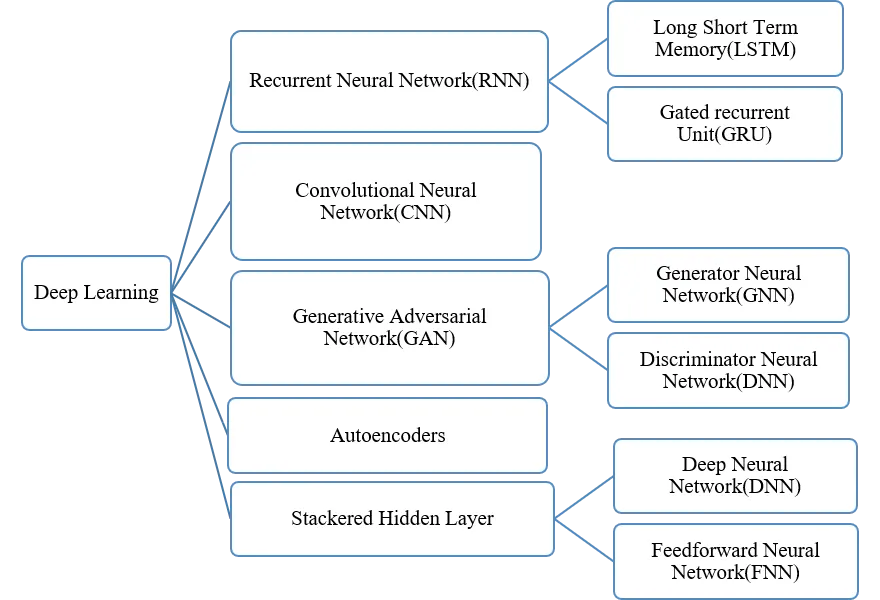
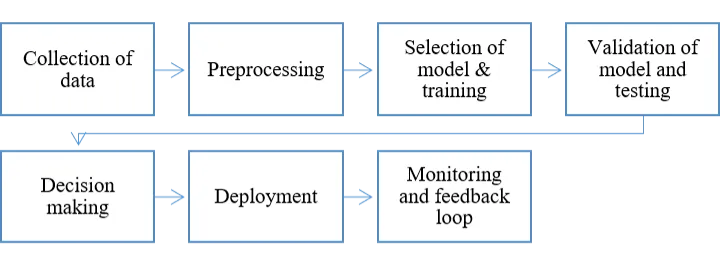


 10.5281/zenodo.21662524