

We use cookies to ensure our website works properly and to personalise your experience. Cookies policy
Viswanadha Institute of Pharmaceutical Sciences, Mindivanipalem, Sontyam, Anandapuram, Visakhapatnam-531173.
Herbal shampoos have gained considerable attention as alternatives to conventional hair-cleansing products due to the potential benefits of plant-derived ingredients in maintaining hair and scalp health. This article focuses on the formulation, evaluation, and potential applications of herbal shampoos containing various medicinal plants and natural extracts. Ingredients such as neem (Azadirachta indica), shikakai (Acacia concinna), amla (Emblica officinalis), aloe vera (Aloe barbadensis), hibiscus (Hibiscus rosa-sinensis), reetha (Sapindus mukorossi), fenugreek (Trigonella foenum-graecum), and tulsi (Ocimum sanctum) etc are discussed for their reported cleansing, conditioning, moisturizing, antioxidant, and antimicrobial properties. The review also describes extraction techniques, including maceration, decoction, and Soxhlet extraction, used to obtain active constituents from herbal materials. Important evaluation parameters include organoleptic characteristics, pH, percentage of solid content, foaming ability and stability, surface tension, wetting time, dirt dispersion, viscosity, conditioning performance, and microbial quality. These parameters help assess the physicochemical properties, cleansing performance, and overall quality of herbal shampoo formulations. The review further highlights the importance of standardization, stability studies, appropriate preservation systems, and safety evaluation to ensure consistent product quality. Although herbal ingredients offer promising applications in hair-care formulations, further systematic research and controlled studies are required to establish their efficacy and safety. Herbal shampoos therefore represent a promising area for the development of plant-based hair-care products.
Shampoo is a hair care product designed to clean the scalp skin along with its hair1.Traditionally, shampoos are defined as cleansing formulations designed to remove dirt, oil, evironmental pollutants, sebum, sweat, microbial load from the scalp and hair2.Hair is one of the external barometers of internal body conditions. Shampooing is the most common form of hair treatment. Various shampoo formulations are associated with hair quality, hair care habit and specific problems such as treatment of oily hairs, dandruff and for androgenic alopecia. A shampoo is a preparation of a surfactant in a suitable form- liquid, solid or powder- which when used under the specific conditions will remove surface grease, dirt and skin debris from the hair shaft without adversely affecting the user3.
HAIR STRUCTURE AND PHYSIOLOGY OF THE SCALP
Hair is a filamentous biomaterial that grows from follicles located in the dermis, and is found exclusively in mammals, making it one of the defining characteristics of the mammalian class. The term "hair" typically refers to two distinct parts: the portion beneath the skin, known as the hair follicle or the bulb when extracted which houses stem cells that enable hair regeneration after shedding or injury; and the shaft, the visible, filamentous part that extends above the skin’s surface.
Anatomy of Hair: Root and Shaft
Human hair is composed of two primary anatomical components: the hair root and the hair shaft. The hair root lies beneath the surface of the skin and is the living part of the hair. It is embedded in the hair follicle that extends into the epidermis and dermis and the hair shaft is the visible, non-living part that protrudes above the skin’s surface consisting of keratinized dead cells and does not engage in any biochemical activity.
Structure of Hair Root
The hair root forms the foundation of hair growth and contains several essential structures that support its function. The hair follicle is a tube-like depression in the skin that encloses the root and anchors the hair into the scalp. At the base of this follicle lies the hair bulb, a rounded structure where actively dividing cells generate the hair strand through a process called keratinization. Below the bulb is the dermal papilla, a cone-shaped structure containing capillaries and nerve endings that supply the nutrients and signals necessary for hair growth. Attached to the follicle is the arrector pili muscle, a small involuntary muscle that causes the hair to stand upright when it contracts commonly referred to as goosebump and sebaceous glands are connected to the follicle and secrete sebum that keeps the hair and scalp moisturized and protected.
Structure of the Hair Shaft
The hair shaft is made up of three concentric layers. The cuticle is the outermost layer and consists of transparent, overlapping scale-like cells that protect the inner layers. It plays a key role in determining the shine, smoothness, and overall resistance to damage. Beneath the cuticle is the cortex, which comprises about 90% of the hair’s mass. This layer contains densely packed keratin fibers and melanin, which provide strength, elasticity, and natural color to the hair. At the core of the shaft is the medulla, the innermost layer, typically present only in coarse or thick hair4.
The scalp is a thick layer formed by both skin and hair (attachments of cutaneous origin), with high hair follicular density (about 100 000– 150 000 hairs in normal conditions) and sebaceous glands attached .The hair follicle is considered a mini-organ because it regulates the different phases of hair growth .The hair bulb is the lowest part of the hair follicle, where most cellular activity occurs and new hair cells originate through cell division .The hair bulb receives a rich supply of blood through capillaries to provide nutrients required for the formation of new cells. Hair growth occurs in alternating cycles consisting of the anagen (growth), catagen (regression), telogen (rest) and regrowth phases .Hair length depends on the duration for which the hair follicle remains in the anagen phase .The sebaceous glands produce sebum, which mixes with water from the sweat glands to form a fatty coating on the scalp .Sebaceous glands help regulate trans epidermal water loss and maintain moisture in the stratum corneum .The scalp continuously replaces sebaceous lipids removed by various external agents and pathological conditions. The excessive sebum production by the sebaceous glands promotes some processes, such as exfoliation, irritation as well as enhanced concentration of cholesterol, triglycerides etc5.
OVERVIEW OF CONVENTIONAL AND HERBAL SHAMPOOS
Despite the commercial dominance of synthetic shampoos, there is a growing global concern regarding the long-term side effects of chemical surfactants. It has indicated that common synthetic detergents, such as Sodium Lauryl Sulfate (SLS) and Sodium Laurel Sulfate (SLES), are frequent causes of scalp irritation, erythema, and the denaturation of hair keratin proteins. Furthermore, preservatives like parabens and conditioning agents like silicones have been scrutinized for their potential accumulation in aquatic ecosystems and suspected endocrine-disrupting properties. This awareness has triggered a significant paradigm shift in consumer behavior, driving the demand for "green cosmetics" that utilize biodegradable and non-toxic plant-based ingredients. In light of these safety concerns, there is a need to scientifically validate traditional knowledge and integrate it into modern formulation science. The primary objective of this review is to explore the potential of various botanical extracts as sustainable, safe, and effective alternatives to synthetic ingredients in hair care formulations. This article will critically examine the phytochemical profiles of key herbs, their functional roles as natural surfactants, and the evaluation parameters required to ensure the quality and stability of herbal shampoos6.
CLASSIFICATION AND PROPERTIES OF HERBAL SHAMPOO INGREDIENTS
Shampoos can be broadly categorized into synthetic and natural/ herbal types, based on their ingredients and formulation. Synthetic shampoos primarily use lab-created chemicals for cleaning and conditioning e.g. sodium lauryl sulfate or sodium laureth sulfate, with a co-surfactant, most often cocamidopropyl betaine in water. While natural shampoos rely on plant-derived extracts, essential oils, and other naturally sourced components like hibiscus, amla, reetha, fenugreek, aloe etc. Other than synthetic and natural, shampoos can be of varied types depending upon its functions as follows
• Cleansing shampoo- To cleanse the hair.
• Moisturizing shampoo- To moisturize hair
• Sulphate free shampoo- To prevent excessive oil loss
• Colour safe shampoo- To color hair
• Volumizing shampoo- To raise the volume of shampoo
• Anti dandruff shampoo- To prevent dandruff
• Anti-fungal shampoo- To reduce fungal growth
• Strengthening shampoo- To strengthen the hair
• Baby shampoo- Used for children
• Medicated shampoo- To serve medicinal purpose
• Dry shampoo- Dry shampoo doesn’t need water, it is in powder or aerosol spray form
• Leave in shampoo/ leave-in conditioner - Hair care product that is applied to the hair after washing and left in, without rinsing, to provide continuous moisture, detangling, and protection
• Organic/Natural shampoo- Herbal shampoo containing herbal ingredients
• Curl enhancing shampoo- These shampoos enhance curls and waves providing extra shine and frizz defense7.
IDEAL PROPERTIES OF HERBAL SHAMPOO
• Should effectively and completely remove the dust, excessive sebum.
• Should effectively wash hair.
• Should produce a good amount of foam
• The shampoo should be easily removed by rinsing with water.
• Should leave the hair non dry, soft, lustrous with good, manageability.
• Should impart a pleasant fragrance to the hair.
• Should not make the hand rough and chapped.
• Should not have any side effects or cause irritation to skin or eye8.
PHYTOCONSTITUENTS AND THEIR REPORTED ROLES IN HAIR AND SCALP CARE
The therapeutic effectiveness of herbal shampoos is primarily attributed to the diverse phytochemical constituents present in medicinal plants. These bioactive compounds contribute cleansing, antioxidant, antimicrobial, anti inflammatory, conditioning, and hair-growth-promoting activities. The major phytochemical classes include:•Saponins•Flavonoids • Tannins • Alkaloids • Phenolic compounds • Polysaccharides. The effectiveness of herbal shampoos depends on the presence of diverse phytochemicals that exert multiple beneficial effects on hair and scalp physiology. These compounds function through complementary mechanisms, resulting in improved cleansing, conditioning, scalp protection, and hair growth promotion. These compounds act through multiple biological pathways to maintain scalp health and improve hair quality.
1.Saponins: They are natural glycosides widely distributed in plants such as reetha (Sapindus mukorossi) and shikakai (Acacia concinna). They possess detergent-like properties due to their amphiphilic structure containing both hydrophilic and hydrophobic regions.
Functions of Saponins: • Natural cleansing action • Foam production • Removal of dirt and excess oil • Reduction of microbial load • Mild conditioning effect. Because of these properties, saponin-rich plants are frequently used as substitutes for synthetic surfactants in herbal shampoos.
2.Flavonoids: They are polyphenolic compounds present in amla, hibiscus, neem, aloe vera, and numerous other medicinal plants.
Biological Activities: • Antioxidant activity • Anti-inflammatory effects • UV protection • Free radical scavenging • Improvement of scalp circulation Oxidative stress is a major contributor to hair follicle damage and premature aging. Flavonoids neutralize reactive oxygen species and help maintain follicular health.
3.Tannins: They are naturally occurring polyphenols abundant in amla and shikakai.
Functions: • Astringent activity • Protection of hair proteins • Strengthening of hair fibers • Antimicrobial effects • Improved scalp health. The protein-binding properties of tannins contribute to increased hair strength and reduced breakage.
4.Alkaloids: They are nitrogen-containing compounds found in several medicinal plants used in hair-care formulations.
Functions: • Stimulation of scalp microcirculation • Anti-inflammatory activity • Hair follicle nourishment • Antimicrobial effects These activities contribute to healthier scalp conditions and improved hair growth.
5.Phenolic Compounds: They are important antioxidants found in neem, amla, hibiscus, and aloe vera.
Functions • Prevention of oxidative damage • Protection against environmental pollutants • Reduction of inflammatory responses • Preservation of scalp health Their antioxidant properties help prevent follicular degeneration and support healthy hair growth cycles.
6.Polysaccharides: They are particularly present in aloe vera gel, contribute significantly to the conditioning and moisturizing effects of herbal shampoos.
Functions: • Moisture retention • Film formation • Improved hair smoothness • Scalp hydration • Protection against dryness These compounds improve hair manageability and reduce frizz9.
COMMON MEDICINAL PLANTS USED IN HERBAL SHAMPOOS
Neem (Azadirachta indica)
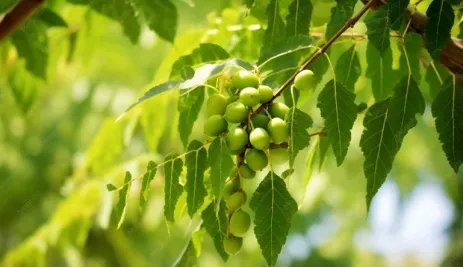
Figure 1: Neem
Neem is a well-known medicinal plant belonging to the family Meliaceae. It possesses antimicrobial, antifungal, anti-inflammatory, and antioxidant properties. Neem extracts are commonly used in hair care products due to their effectiveness against dandruff-causing microorganisms and scalp infections10.
Shikakai (Acacia concinna)
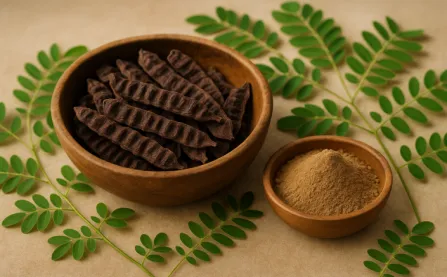
Figure 2: Shikakai
Shikakai is known as a natural hair cleanser and belongs to the family Fabaceae. It contains natural saponins that provide gentle cleansing without stripping the natural oils of the hair. Shikakai helps strengthen hair roots, prevents dandruff, reduces hair fall, and improves hair texture. It is widely used as a natural shampoo ingredient due to its mild cleansing and conditioning properties10.
Amla (Emblica officinalis)
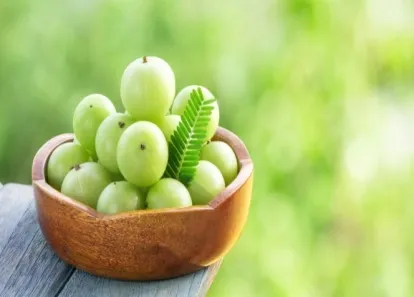
Figure 3: Amla
Amla, also known as Indian Gooseberry, belongs to the family Phyllanthaceae. It is rich in vitamin C, tannins, flavonoids, and antioxidants. Amla nourishes hair follicles, promotes hair growth, strengthens hair roots, and prevents premature greying. Its antioxidant activity protects hair from environmental damage and improves overall hair health10.
Aloe Vera (Aloe barbadensismiller)
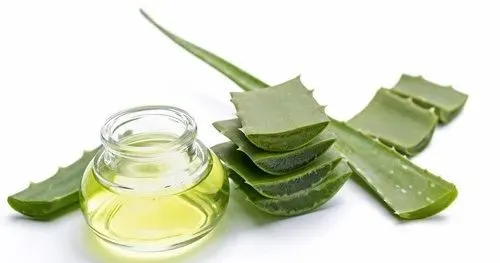
Figure 4: Aloe Vera
Aloe vera belongs to the family Asphodelaceae and is recognized for its moisturizing and soothing properties. It contains vitamins, minerals, enzymes, amino acids, and polysaccharides that nourish the scalp and hair. Aloe vera helps reduce scalp dryness, dandruff, and irritation and improves hair softness and manageability. It also promotes healthy hair growth by maintaining scalp hydration10.
Fenugreek (Trigonella foenum-graecum)
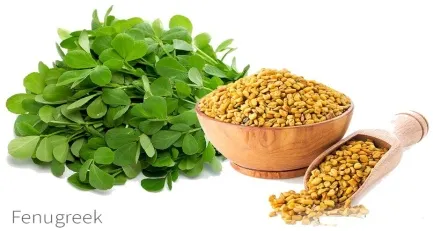
Figure 5: Fenugreek
Fenugreek belongs to the family Fabaceae and is a rich source of proteins, nicotinic acid, lecithin, and. It is extensively used in hair care formulations to strengthen hair roots and reduce hair fall.It helps improve hair texture, provides natural conditioning, and prevents dandruff. The mucilage present in fenugreek contributes to smooth and shiny hair10.
Hibiscus (Hibiscus rosa-sinensis)
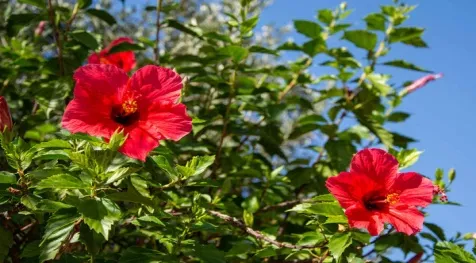
Figure 6: Hibiscus
Hibiscus belongs to the family Malvaceae and is used for promoting hair growth and preventing hair loss. The flowers and leaves contain flavonoids, amino acids, vitamins, and antioxidants that nourish hair follicles and improves hair shine, and helps control dandruff and scalpirritation10.
Rosemary (Rosmarinus officinalis)
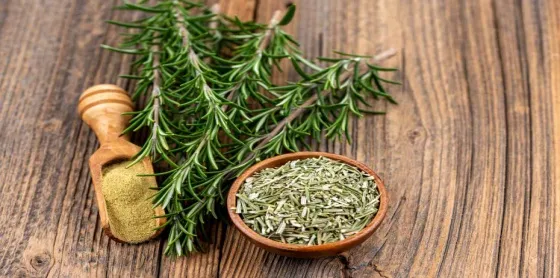
Figure 7: Rosemary
Rosemary belongs to the family Lamiaceae and is used in herbal hair care products due to its antioxidant and antimicrobial properties. Rosemary extract improves blood circulation to the scalp, by enhancing nutrient supply to hair follicles. It helps stimulate hair growth, reduce hair thinning, and maintain scalp health. The essential oil of rosemary is also valued for its pleasant fragrance10.
Jatamansi (Nardostachysjatamansi)
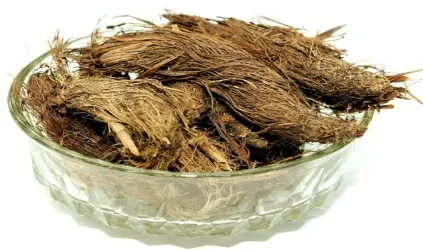
Figure 8: Jatamansi
Jatamansi belongs to the family Caprifoliaceae and is an important medicinal herb in Ayurveda. It possesses antioxidant, antimicrobial, and neuroprotective properties. In hair care formulations, Jatamansi is used to strengthen hair roots, promote hair growth, and reduce hair fall. It also helps maintain scalp health and imparts natural shine to the hair10.
Reetha (Sapindus mukorossi)
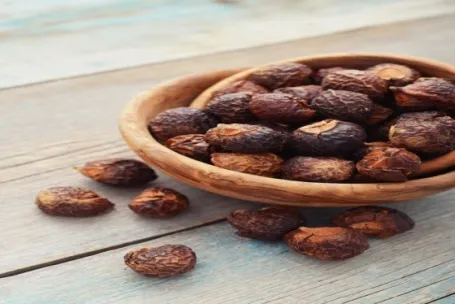
Figure 9: Reetha
Reetha, commonly known as soapnut, belongs to the family Sapindaceae. It contains a high concentration of natural saponins that act as excellent cleansing agent. It removes dirt, excess oil and impurities from the scalp and hair. It produces natural foam and is used as the primary cleansing ingredient in herbal shampoos it helps control dandruff and improves hair texture10.
Flaxseed (Linum usitatissimum)
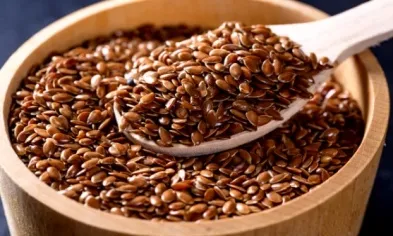
Figure 10: Flaxseed
Flaxseed belongs to the family Linaceae and is rich in omega-3 fatty acids, proteins, vitamins, minerals, and mucilage. It provides excellent conditioning and moisturizing effects to hair. Flaxseed helps reduce hair breakage, improves elasticity, and adds shine to the hair10.
BHRINGRAJ (Ecliptaprostrata)
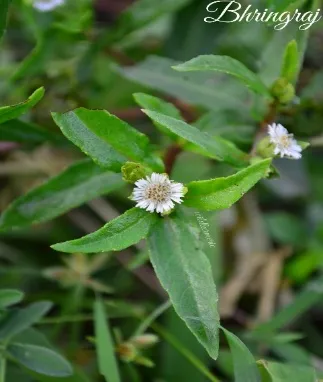
Figure 11: Bhringraj
Bhringraj also known as "false daisy," is a medicinal herb widely used in Ayurveda. A wide range of chemicals components like Alkaloids, Flavonoids, Polyacetylenes, Triepenes, Cumentans, Thiophenes, Eclipta etc that helps to form the hair silky and shiny.
Tulsi (Ocimum sanctum)
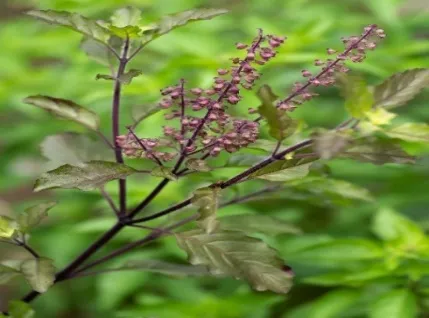
Figure 12: Tulsi
Tulsi possesses excellent antimicrobial, antiseptic, and antioxidant properties. It purifies the scalp by killing dandruff causing microbes and helps maintain scalp cleanliness. Tulsi extract improves blood circulation to the scalp and strengthens the hair roots and reduces itching caused by fungal infection. The pleasant herbal aroma of Tulsi further enhances the freshness of the shampoo11.
Henna(Lawsonia inermis)
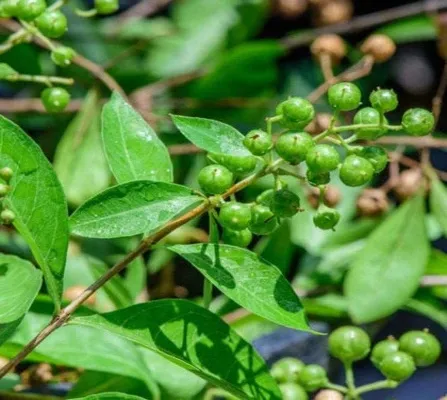
Figure 13: Henna
It consists of Lawsone, Flavonoids, Tannins, Phenolic compounds. Terpinoids which Promotes hair growth and helps manage dandruff, Headache relief, Antimicrobial, Anti-inflammatory.
Clove (Syzygium aromaticum)
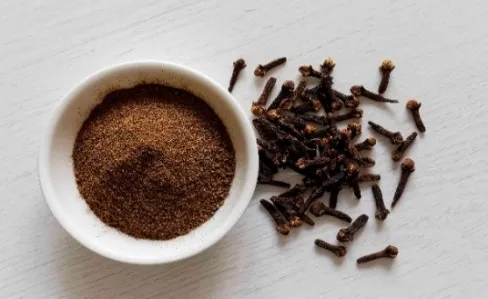
Figure 14: Clove
Clove, a spice from the flower buds of the Syzygium aromaticum tree, serves as a multifaceted ingredient in herbal hair care which is rich in antioxidant. It offers numerous benefits for both the scalp and hair.It helps stimulate blood circulation in the scalp and promoting hair growth.
Coffee (Coffea)
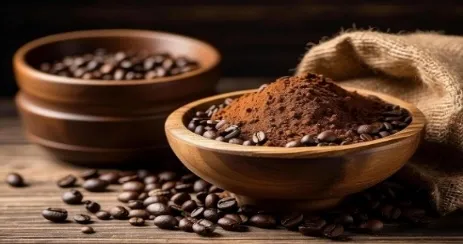
Figure 15: Coffee
Coffee is used as a hair dye. When incorporated into these formulations, coffee acts as a natural dyeing agent which is rich in antioxidants and caffeine, coffee not only adds color to the hair but also promotes scalp health and hair growth. Its caffeine content stimulates the hair follicles, encouraging blood circulation and thereby supporting healthy hair growth12.
Butterfly pea (Clitoriaternatea)
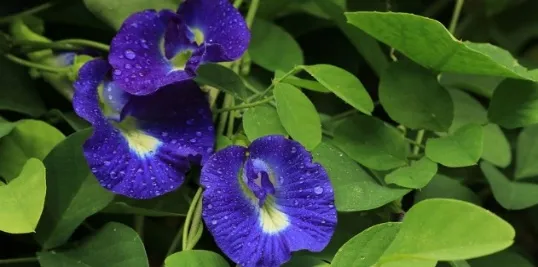
Figure 16: Butterfly Pea
Butterfly pea (Clitoriaternatea) is a flowering plant.It has been used for its medicinal properties and as a natural dye.Butterfly pea extract has gained popularity in herbal hair care products, including hair dyes and shampoos. The extract contains anthocyanins, natural pigments responsible for its blue color. Butterfly pea extract is believed to nourish the scalp and hair, promoting shine and overall hair health. It is often used in combination with other natural ingredients to create a variety of hair care formulations12.
Moringa(Moringa oleifera)
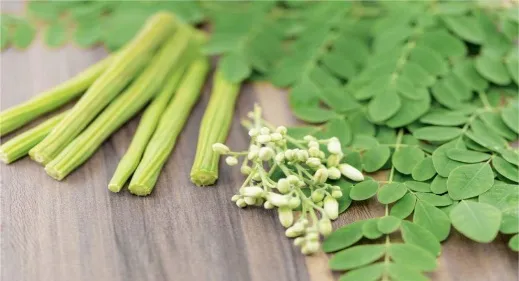
Figure 17: Moringa
Moringa has antioxidant, antiaging, emollient, hair care and skin lightening properties. It contains phytosterol β-sitosterol, stigmasterol that reduces alopecia by inhibiting the enzyme 5 α-reductase found in hair follicles13.
Curry Leaves (Murrayakoenigii)
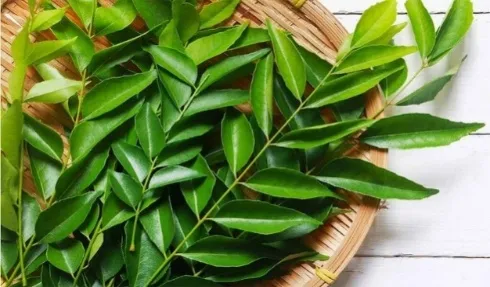
Figure 18: Curry Leaves
Prevent premature greying, stimulates hair growth, rejuvenation of hair follicles, strengthen hair shafts, prevents hair thinning, helps remove dead hair follicles and have anti-dandruff properties13.
Guava leaves (Psidium guajava)
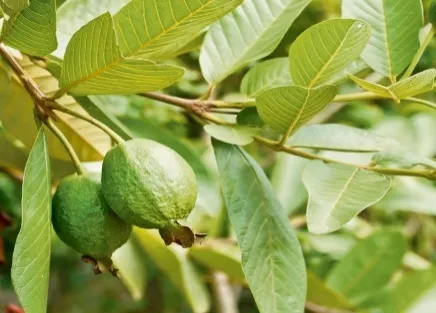
Figure 20: Guava Leaves
Guava leaves are rich in phytochemicals, and contribute to haircare. Flavonoids are the potent antioxidants that helps to prevent the hair from free radical damage. The chemical components such as Quercetin show capacity in suppressing 5-alpha –reductase, an enzyme associated with alopecia, also help to reduce baldness. Tannins help to tighten hair follicles and lessen hair shedding.It is rich in vitamins B and C, as well as antioxidants, they help strengthen the hair follicles and reduce hair fall. The natural compounds in guava leaves improve blood circulation to the scalp, promoting healthy hair growth. Their antimicrobial and anti-inflammatory properties make them effective in treating dandruff and soothing an itchy or irritated scalp. Additionally, guava leaves may help prevent premature graying by nourishing the scalp and maintaining the hair's natural color. Guava leaf hair mask can strengthen the roots, reduce breakage, and leave the hair looking shinier and smoother. They contain astringent properties, also are anti- microbial in nature and prevent infection like dandruff. Vitamin C is an essential factor for collagen formulation. It exhibits antioxidants properties. Guava leaves contain other polyphenols that assist overall antioxidant and anti-inflammatory properties14.
EXTRACTION METHODS
1.Aqueous Extraction: Herbal materials are washed, dried, powdered and mixed with distilled water. The mixture is stirred or heated as required, filtered and concentrated if necessary.
2. Decoction: Coarsely powdered or crushed plant materials are boiled or simmered in water for a specified period. The mixture is cooled, filtered and used for formulation.
3. Gel Extraction: Fresh aloe vera leaves are washed, and the inner gel is separated from the outer rind. The gel is homogenized, filtered if required and incorporated into the shampoo base.
4. Aqueous Dispersion: Herbal powder is gradually added to distilled water with continuous stirring until a uniform dispersion is obtained. Coarse particles are removed if necessary.
5. Maceration: Dried herbal materials are powdered and soaked in a suitable solvent at room temperature for a specified period. The mixture is filtered, and the extract is collected for formulation.
6. Hydroalcoholic Extraction: Herbal powder is mixed with a suitable mixture of water and ethanol. After extraction, the mixture is filtered, and the solvent is recovered or the extract is concentrated when required.
7. Hot Water Extraction: Herbal powder is mixed with distilled water and heated under controlled conditions. The mixture is cooled, filtered and concentrated if necessary.
8. Infusion: Soft plant materials are steeped in hot or cold water for a specified period. The preparation is then filtered to obtain the herbal extract15.
INGREDIENTS:
| S.NO | INGREDIENTS | PURPOSE | EXTRACTION PROCESS |
|---|---|---|---|
| 1 | Neem Powder | Anti-Bacterial | Aqueous Extraction/Decoction |
| 2 | Shikakai Powder | Cleanser/softens hair | Aqueous Extraction/Decoction |
| 3 | Amla Powder | Anti-Dandruff | Aqueous Extraction/Decoction |
| 4 | Aloe Vera Gel/Powder | Moisturizing agent | Gel Extraction/Aqueous Dispersion |
| 5 | Fenugreek Powder | Hair growth | Aqueous Extraction/Maceration |
| 6 | Hibiscus Powder | Conditioning agent | Aqueous Extraction/Maceration |
| 7 | Rosemary Powder | Anti-oxidant | Aqueous/Hydroalcoholic Extraction |
| 8 | Jatamansi Powder | Strengthen hair roots | Hydroalcoholic Extraction/ Maceration |
| 9 | Reetha Powder | cleanser | Aqueous Extraction/Decoction |
| 10 | Flaxseed Powder | Nourishing Agent | Hot Water Extraction/ Decoction |
| 11 | Bhringraj | Smooth/Shiny | Aqueous Extraction/Decoction |
| 12 | Tulsi | Anti-Microbial/Antiseptic | Aqueous Extraction/Decoction |
| 13 | Henna | Hair Growth/Anti-Inflammatory | Aqueous/Hydroalcoholic Extraction |
| 14 | Clove | Hair Growth | Hydroalcoholic Extraction/ Maceration |
| 15 | Coffee | Dyeing Agent | Aqueous Extraction/Infusion |
| 16 | Butterfly pea | Nourishing | Aqueous Extraction/Infusion |
| 17 | Moringa | Antiaging | Aqueous/Hydroalcoholic Extraction |
| 18 | Curry Leaf | Antiaging/Hair Growth/Anti-Dandruff | Aqueous/Hydroalcoholic Extraction |
| 19 | Tea Leaf | Dyeing Agent | Aqueous Extraction/Infusion |
| 20 | Guava Leaf | Anti-Microbial/Anti-Inflammatory | Aqueous/Hydroalcoholic Extraction |
EVALUATION PARAMETERS OF HERBAL SHAMPOO
1.Organoleptic Characteristics:
The organoleptic properties are evaluated through visual inspection for clarity, colour, odour, and froth content. These characteristics help assess the physical quality16.
2.pH test:
The product should be diluted using distilled water to prepare a sample with 10 % concentration. The prepared sample should be checked for pH by using a digital pH meter at room temperature 30±2°C.
3.Percent of Solids:
A clean dry evaporating dish should be weighed and its initial weight should be recorded. 4 grams of product (not the 1% solution) will be taken in the evaporating dish and heated on a hot plate to vapourize the liquid. After drying, the remaining solid residue was weighed, and the percentage of solids will be calculated using a formula. This process should be repeated for accuracy3.
Percentage of solids = (Dried weight of shampoo / Initial weight of shampoo) × 100.
4. Foaming Stability:
Foaming ability will be evaluated using the cylinder shake method.3ml of shampoo will be taken, and 10ml of water should be added to dilute it. Shake the cylinder vigorously then leave it alone for 15 uninterrupted minutes. After shaking, the total volume of foam content will be measured. The amount of foam produced immediately after shaking should be measured four times, every one minute. The foam volume should be monitored for every5 minutes and the final foam volume will be recorded.
5.SURFACE TENSION:
The cleaned stalagmometer will be filled to mark A with the product to be tested. The amount of drips that the liquid will produce as it travels from mark A to mark B will be computed once it starts to rain owing to gravity. To determine the mean value, the process should be performed three times. Surface tension will be determined using the equation:
R3 = (W3 − W1) × N1 × R1 / (W2 − W1) × N2 × R2
where W1 represents the weight of the empty beaker, W2 denotes the weight of the beaker containing distilled water,W3 indicates the weight of the beaker with shampoo solution N1 signifies the number of drops of distilled water,N2 represents the number of drops of shampoo solution,R1 is the surface tension of distilled water, R2 is the surface tension of the shampoo solution16.
6. WETTING TEST:
The length of time the canvas paper takes to soak up all the water is determined as the wetting time. A disc of a 1-inch diameter should be made from a piece of canvas paper weighing 0.44g. The canvas paper disc should be placed over the product (1% v/v) surface, and the amount of time for the paper to sink will be calculated using a stopwatch3.
7.DIRT DISPERSION TEST:
The soil dispersion test should be conducted to assess the product cleansing efficacy. Two drops of product will be added into a big test tube holding 10 mL of distilled water, succeeded by one drop of India ink. The test tube should be sealed and shook violently ten times. The quantity of ink in the foam will be evaluated and classified as none, light, moderate, or heavy, reflecting the product’s efficacy in dirt dispersion17.
6.RHEOLOGICAL EVALUATION:
The rheological properties of the product should be evaluated using a Brookfield Viscometer (Model DV-1 Plus, LV, USA) with spindle T95, operating at spindle speeds ranging from 0.3 to 10 rpm. During the study, the temperature and the size of the sample container should be kept constant to ensure accurate and reliable viscosity measurements18.
7.CONDITIONING PERFORMACE:
The conditioning efficacy of the shampoo should be assessed using fake hair strands approximately 10 cm in length, sourced from salons and categorized into control and test groups. The samples should undergo minimum of ten washes and drying cycles with the shampoo, the control samples remained unwashed. The effectiveness of conditioning should be evaluated using a blind touch test with 20 student volunteers, who were instructed to manipulate the hair samples and grade the conditioning performance on a scale from 1 to 4 -4 indicating excellent, 3 good, 2 adequate, and 1 bad19.
8.EYE IRRITATION TEST:
The eye irritation test should be performed on six albino rabbits to assess the possible eye irritancy of the shampoo.1% shampoo solution is administered into the rabbits' eyes, which were maintained in an open position using lid clips. The consequences are documented at designated time intervals, with observed reactions including haemorrhaging, ulceration, eyelid oedema, iris inflammation, and probable blindness. The degree of ocular damage inflicted by the shampoo was evaluated during an average period of four seconds3.
9.MICROBIAL LIMIT TEST:
This test should be carried out based on plate count method: 1 ml of 1:10, 1:20, 1:30, 1:40, and 1:50 of diluted licorice shampoo is added separately into five test tubes containing 9 ml of Soyabean casein digest agar (SCDA). Then 1 ml of the mixture of each test tube is put on a plate, and added by 15 ml of nutrient-agar and melt agar then keep it in an incubator for 24 h20.
10.SKIN SENSITIZATION TEST:
The guinea pigs are divided into 7 groups. On the previous day of the experiment, the hairs on the backside area of guinea pigs are removed. Shampoo is applied onto skin of animals of groups.0.8% v/v aqueous solution of formalin is applied as a standard irritant on animal.The animals are applied with new patch/formalin solution up to 72 hours and the application sites are graded according to a visual scoring scale by the same investigator. The erythema scale was as follows: 0-none; 1-slight; 2-well defined; 3-moderate; and 4- scar formation (severe)3.
ADVANTAGES AND LIMITATIONS OF HERBAL SHAMPOOS
Advantages:
1.Natural ingredient: Herbal shampoos are often made from herbs and natural ingredients such as plants, fruits, herbs, vegetable oils, and other natural extracts. This helps avoid binding to chemicals and colorants, increasing the product’s adaptability to many hair and scalp types.
2.Non-irritation: With natural ingredients, herbal shampoos are often less irritating to the scalp than products containing harsh chemicals. This is especially important for people with sensitive scalps or those prone to itching and irritation.
3.Stimulates hair growth: Some herbs found in herbal shampoos stimulate hair growth, helping hair grow longer and thicker.
4.Nourishes hair and scalp: Herbs and vegetable oils can provide necessary nutrients for hair and scalp, helping to strengthen resistance and stimulate healthy hair growth.
5.Moisturizes hair: Some herbal shampoos contain vegetable oils to help maintain hair moisture, make hair softer and prevent dry, tangled hair. Improves scalp condition: Herbs such as henna, green tea, ginkgo... can help improve scalp condition, reduce dandruff, itching and inflammation. 6.Does not harm the environment: Because the ingredients are mainly herbal and natural, herbal shampoos are often less harmful to the environment than products containing toxic chemicals. Limitations of herbal shampoos:
1.The price of herbal shampoo is expensive compared to chemical shampoo. The truth is that using natural shampoo will cost more than industrial shampoo.
2.Poor foaming ability. People using herbal shampoos will not be able to create lots of foam by rubbing the scalp like industrial shampoos. Natural foam is due to the properties of the Saponin component found in soapberry.
3.Long absorption time: Herbal shampoos often have a longer absorption time than regular shampoos.
In addition, herbal shampoo will not help hair become smooth and shiny immediately like when using chemical shampoos with silicon ingredients that create a shiny coating for the hair, but instead are made from purely natural ingredients21.
FUTURE SCOPE
• Standardization: Further studies needed for standardization of quality and purity of herbal powder shampoos
• Clinical Trials: In vivo evaluation for efficacy and safety
• Preservative System: Optimization of natural preservative systems
• Scale-up: Industrial scale manufacturing protocols
• Enhanced Formulations: Addition of essential oils, vitamins for enhanced benefits22.
CONCLUSION
The review is to successfully formulate and evaluate a herbal shampoo incorporating multiple natural ingredients (Shikakai, Aloe vera, Neem, Hibiscus, Amla, Reetha, etc) known for their therapeutic and cosmetic benefits.
• The herbal shampoo exhibited desirable physicochemical characteristics suitable for cosmetic use.
• pH should be within the ideal range (5.5-6.5) for scalp compatibility.
• Foam should be moderate and stable.
• The formulation should be better in all aspects when compared to synthetic shampoos.
• The findings support the use of herbal constituents in developing safe, effective, and eco-friendly alternatives to conventional synthetic shampoos. The herbal anti-dandruff shampoo containing natural ingredients emphasizes safety and efficacy, making it a viable alternative to synthetic shampoos that cause side effects like hair loss, scaling, and discomfort22.
REFERENCES

D. Sonali, K. Rama, M. Sushma, P. Sirisha, P. Kishore, Dr. P. Uma Devi, Herbal Shampoos for Hair and Scalp Health, Int. J. of Pharm. Sci., 2026, Vol 4, Issue 11, 4488-4500. https://doi.org/10.5281/zenodo.24526778
 10.5281/zenodo.24526778