

We use cookies to ensure our website works properly and to personalise your experience. Cookies policy
1Associate Professor, Affiliated to Acharya Nagarjuna University, Guntur, India
²Sims College of Pharmacy, Guntur, Andhra Pradesh, India
³Principal, Sims College of Pharmacy, Guntur, Andhra Pradesh, India
Fenugreek (Trigonella foenum-graecum) shows strong therapeutic potential for managing hyperglycemia and type 2 diabetes. Its bioactive compounds deliver potent antioxidant and anti-inflammatory effects, protecting pancreatic ?-cells from oxidative and inflammatory damage. These constituents neutralize free radicals, boost antioxidant enzymes like superoxide dismutase and catalase, and suppress pro-inflammatory cytokines such as TNF-? and IL-6. This enhances insulin sensitivity, preserves ?-cell function, delays gastric emptying, reduces intestinal glucose absorption, and promotes insulin secretion. Preclinical and clinical studies demonstrate significant reductions in fasting/postprandial blood glucose, HbA1c, and improved lipid profiles. As an adjunct to therapies like metformin, fenugreek improves glycemic control without major side effects. Despite promising results, variability in dosages and study designs calls for standardized, long-term trials. Fenugreek offers a safe, affordable natural option for diabetes management and complication prevention
Fenugreek (Trigonella foenum-graecum) has been widely studied for its effect on hyperglycemia, particularly its potential as an anti-diabetic agent. Research indicates that fenugreek seeds possess compounds that can lower fasting blood glucose, postprandial blood glucose, and HbA1c levels, showing beneficial effects on glycemic control [1]. Fenugreek helps by prolonging gastric emptying time, reducing glucose absorption in the small intestine due to its high fiber content, and promoting pancreatic β-cell regeneration to restore insulin production. It also enhances insulin sensitivity by improving insulin action at the cellular level and stimulates glycogen synthase activity, aiding glucose storage in the liver and muscles. Furthermore, fenugreek's effects on lipid metabolism may contribute to overall metabolic health in diabetic patients [2]. These combined biochemical actions make fenugreek a promising adjunct therapy for managing hyperglycemia, especially in type 2 diabetes, with the advantage of being widely available, low-cost, and generally safe except during pregnancy. Rigorous clinical trials support its role in reducing blood glucose and improving glycemic markers, suggesting fenugreek could be an effective addition to conventional diabetes treatment options [3].
METHODS AND MATERIALS:
Materials and Methods for studying the effect of fenugreek on hyperglycemia typically involve both clinical and experimental approaches. In clinical trials, participants are often adult type 2 diabetic patients selected based on criteria like age (e.g., 30-50 years), disease duration (e.g., 5–15 years), and absence of other chronic diseases or allergies relevant to fenugreek. The study design usually includes randomized controlled groups, where one group receives fenugreek seed powder (raw or roasted, commonly 7.5g twice daily before meals) alongside their regular medication, while the control group does not or receives a placebo [2]. The intervention lasts for a period from several weeks up to three months. Participants undergo anthropometric measurements (height, weight, BMI) and biochemical assessments, including fasting and random blood glucose, HbA1c, and lipid profiles, at baseline and intervals during or after the study [4]. Glucose is often measured biweekly via glucometer, while HbA1c and lipid profiles are measured in lab settings pre and post intervention. In animal studies, diabetes is induced (e.g., by streptozotocin in rats), and fenugreek extract is administered at specified doses with controls to compare improvements in glucose parameters and pancreatic histology [5]. Data analysis involves statistical tests such as paired t-tests, ANOVA, chi-square tests, and others to assess significance in blood glucose reduction and metabolic improvements. Safety parameters including liver, kidney, and cardiovascular function may also be monitored to confirm the tolerability of fenugreek treatment [6].
SPECIFY STUDY DESIGN, POPULATION, AND INCLUSION/EXCLUSION CRITERIA FOR TRAILS:
In clinical trials evaluating the effect of fenugreek on hyperglycemia, the study design, population, and inclusion/exclusion criteria are carefully structured to ensure reliability and validity of results.
Study Design
Research on fenugreek’s efficacy commonly uses a randomized controlled trial (RCT) design, often double-blind and placebo-controlled to minimize bias. Participants are randomly assigned to an intervention group (receiving fenugreek seed powder, extracts, or capsules) and a control group receiving standard therapy or placebo [7]. The duration typically spans 8–12 weeks, with blood glucose, HbA1c, lipid profiles, and insulin sensitivity measured at baseline and designated intervals. Such experimental setups ensure comparability between groups and statistical robustness, aligning with standard clinical trial protocols [8].
Study Population:
The study population generally includes adult type 2 diabetes mellitus (T2DM) patients aged 30–60 years, diagnosed for at least 6 months, and undergoing stable glucose-lowering treatment. Participants must have fasting blood glucose levels above 126 mg/dL or HbA1c greater than 6.5%. Population selection targets a homogeneous group to produce consistent and interpretable outcomes [7]. Some studies also involve prediabetic individuals to assess fenugreek’s preventive potential [8].
Inclusion Criteria:
Typical inclusion criteria involve:
Confirmed diagnosis of T2DM.
Age range of 30–60 years.
Stable medication regimen over the past 3 months.
BMI within 18.5–35 kg/m².
Willingness to adhere to dietary and medical instructions and provide informed consent [8].
These conditions ensure selection of a representative and manageable study cohort while allowing robust statistical assessment of fenugreek’s hypoglycemic effect [9].
Exclusion Criteria:
Common exclusion criteria comprise:
EXTRACTION OF DATA AND IT’S QUALITY:
Data from fenugreek clinical trials are systematically extracted using standardized forms, and study quality is evaluated with the Cochrane RoB 2 tool, assessing key bias domains [11]. This ensures consistent, reliable results, as shown in a 3-month trial that monitored blood glucose biweekly with proper statistical analysis [12,13].
Statistical Analysis:
Fenugreek clinical trials use statistical software such as Stata or SPSS to analyze changes in glycemic parameters [5]. Random-effects models estimate weighted mean differences with 95% confidence intervals, while heterogeneity is assessed using Cochran’s Q and I² [14]. Subgroup, sensitivity, and publication bias analyses enhance reliability. Individual trials apply t-tests, ANOVA, or chi-square tests, ensuring robust conclusions on fenugreek’s efficacy in glycemic control [15].
FENUGREEK’S DIFFERENT FORMS AND DOSES SHOW BENEFICIAL EFFECTS IN DIABETES MANAGEMENT:
Studies on fenugreek in diabetes mellitus use various forms seed powder (≈7.5 g twice daily), seed extract (2–3 g/day), or animal doses (~100 mg/kg) and consistently show improved glycemic control [5,6]. Fenugreek lowers fasting and postprandial glucose, HbA1c, and improves lipid profiles and insulin levels, with minimal side effects [16]. When combined with standard antidiabetic drugs like metformin, its effects are enhanced [17,18].
ANTIDIABETIC EFFECTS OF FENUGREEK WITH POSSIBLE MECHANISMS:
Fenugreek exhibits significant antidiabetic effects through multiple mechanisms. Its bioactive compounds including 4-hydroxyisoleucine, trigonelline, diosgenin, and galactomannan play key roles in reducing blood glucose and improving insulin function. Fenugreek stimulates insulin secretion from pancreatic β-cells and enhances insulin sensitivity by activating the PI3K/Akt signaling pathway [6]. It also delays gastric emptying, suppresses glucagon secretion, and inhibits intestinal glucose absorption by targeting sodium-dependent glucose transporters and carbohydrate-digesting enzymes such as α-amylase and α-glucosidase [19]. Additionally, fenugreek exerts antioxidant and anti-inflammatory effects that reduce oxidative stress associated with diabetes. It also positively affects lipid metabolism by reducing triglycerides and LDL cholesterol while increasing HDL levels [20]. Diosgenin contributes to β-cell regeneration and elevates key transcription factors related to glucose metabolism. Galactomannan, a soluble fiber, slows carbohydrate absorption and improves glycemic control. Overall, fenugreek's multi-targeted action addresses glucose homeostasis, insulin resistance, and diabetic complications, making it a promising complementary therapy for type 2 diabetes [21].
FENUGREEK’S IMPACT ON THE PATHOGENESIS AND COMPLICATIONS OF DIABETES MELLITUS:
Fenugreek (Trigonella foenum-graecum) benefits diabetes management by improving glucose and lipid metabolism, enhancing insulin sensitivity, and providing antioxidant and anti-inflammatory effects [6,16]. It lowers blood glucose, reduces insulin resistance, improves lipid profiles, and protects against diabetic complications such as kidney damage, retinopathy, and neuropathy [20]. “Fenugreek has potential in preventing prediabetes from progressing to type 2 diabetes and is considered safe, causing mainly mild gastrointestinal discomfort [22,23].
ROLE OF FENUGREEK IN TPYE 1 AND TYPE 2 DIABETES:
In type 2 diabetes, fenugreek enhances insulin sensitivity and regulates lipid metabolism, while in type 1 diabetes, it serves as an adjunct to insulin therapy, supporting glycemic control, reducing oxidative stress, and improving lipid profiles [24,25].
CINICAL EVIDENCE:
Multiple human clinical trials and meta-analyses have confirmed the efficacy of fenugreek in enhancing glycemic control. For example, supplementation with 5–20 g/day of fenugreek powder over 8–12 weeks significantly reduces FPG, HbA1c, and triglyceride levels. It also improves HDL cholesterol and overall lipid metabolism. Studies combining fenugreek with standard drugs like metformin show enhanced outcomes compared to monotherapy [26,27]. Meta-analyses report consistent HbA1c reductions, highlighting its potential as a safe adjunct therapy.
RESULTS:
Fenugreek has shown promising anti-diabetic activity in multiple clinical trials and animal studies. In human trials, fenugreek supplementation has led to reductions in fasting blood glucose, postprandial blood glucose, and HbA1c levels, with some studies showing statistically significant improvements in glycemic control [1]. Specifically, fenugreek as an add-on therapy with conventional antidiabetic drugs (like metformin) has resulted in better blood sugar control than metformin alone. It improved lipid profiles and reduced diabetes-related cardiovascular risk [6]
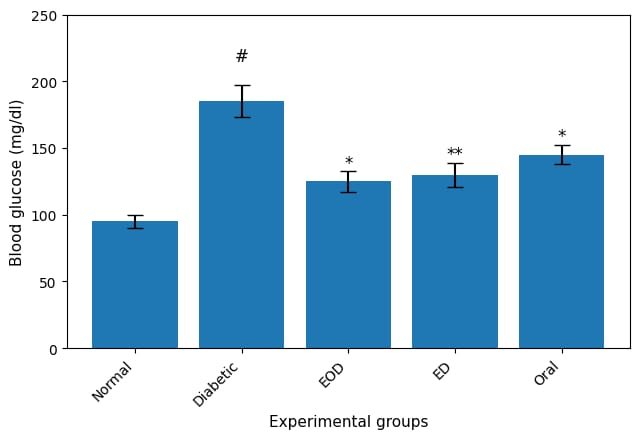
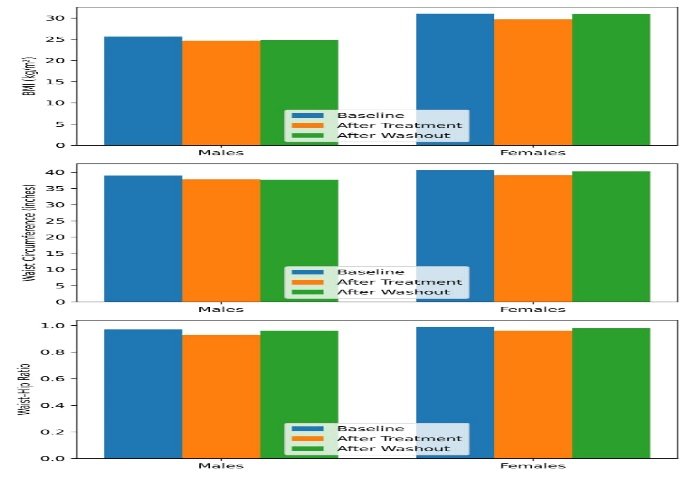
Mechanistically, fenugreek enhances insulin sensitivity, promotes insulin secretion, and delays carbohydrate absorption owing to its high fiber and bioactive compound content. It also exhibits antioxidant effects, reducing oxidative stress implicated in diabetic complications. While some studies showed fenugreek caused an insignificant drop in fasting glucose, it significantly increased fasting insulin and improved the HDL/LDL ratio [17]. No significant side effects were observed, supporting its safety as a complementary therapy. However, larger and longer-term randomized controlled trials are needed to establish dose, duration, and clinical guidelines for fenugreek use in diabetes management [18].
EFFECT OF FENUGREEK ON FASTING BLOOD GLUCOSE LEVEL:
Fenugreek has demonstrated significant effects in lowering fasting blood glucose (FBG) levels through multiple mechanisms. Its high soluble fiber content slows gastric emptying and carbohydrate absorption, leading to a gradual reduction in blood glucose spikes [1]. Bioactive compounds such as 4-hydroxyisoleucine stimulate insulin secretion and enhance insulin sensitivity at the cellular level. Fenugreek also promotes regeneration and protection of pancreatic β-cells, increases glycogen synthesis in liver and muscle, and exhibits antioxidant activity that reduces oxidative stress implicated in diabetes complications [6]. These combined actions improve glucose homeostasis and glycemic control in diabetic patients. The below table shows results from clinical trials on fenugreek’s effect on fasting blood glucose levels [21]:
|
Study (Year) |
Sample Size |
Dose & Form |
Duration |
Fasting Blood Glucose Change |
Statistical Significance |
|
Sharma, 1986 |
Human subjects |
Fenugreek seeds (amount not specified) |
Single dose |
Reduction in plasma glucose rise after glucose load |
Significant reduction reported |
|
Baset et al., 2020 |
62 T2DM patients |
5 g fenugreek powder twice daily |
2 months |
Significant decrease vs. placebo |
p < 0.001 |
|
Khatun et al., 2023 |
T2DM patients |
20 g fenugreek seed powder/day |
30-60 days |
Significant decrease over 60 days |
Statistically significant |
|
Meta-analysis 2023 |
894 pooled participants |
2-15 g/day (varied forms) |
4-12 weeks |
Mean reduction ~3.7 mg/dL (FPG), not always significant |
HbA1c reduction significant |
These findings indicate fenugreek effectively lowers fasting blood glucose, particularly with doses around 5-20 g/day over weeks to months. Benefits may accumulate with longer treatment durations and consistent use. However, some heterogeneity exists due to differences in study design, fenugreek preparations, and patient characteristics [28].
DISCUSSION:
Fenugreek shows promising anti-diabetic effects based on numerous clinical studies and meta-analyses. The discussion around fenugreek’s role in diabetes management highlights its ability to improve glycemic control, mainly by reducing fasting blood glucose, postprandial glucose, and HbA1c [1]. Although the exact magnitude of glucose lowering varies between studies, consistent benefits have been reported especially with doses around 5 to 15 grams daily and treatment durations of more than 8 weeks [6]. Fenugreek’s mechanisms include delayed carbohydrate absorption due to its soluble fiber content, stimulation of insulin secretion by bioactive compounds like 4-hydroxyisoleucine, and enhancement of peripheral insulin sensitivity. The herb also exhibits antioxidant and anti-inflammatory effects, which may help prevent or mitigate diabetic complications. None the less, studies have variability in design, fenugreek preparation, and participant characteristics, contributing to heterogeneity in outcomes. Some trials report modest or statistically insignificant glucose reductions, but meta-analyses suggest overall clinical benefit, particularly in HbA1c reduction, a key marker of long-term glucose control [17]. Combining fenugreek with standard anti-diabetic drugs shows additive effects without notable adverse events, supporting its use as adjunct therapy. Future research should focus on standardized formulations, optimal dosages, longer durations, and well-blinded randomized controlled trials to confirm fenugreek’s efficacy and safety. Exploring fenugreek’s effects in diverse populations and in type 1 diabetes is also warranted [29].
CONCLUSION:
Based on the comprehensive data and evidence provided it states that, Fenugreek (Trigonella foenum-graecum) demonstrates significant potential as an adjunct therapeutic agent for diabetes management, particularly for type 2 diabetes mellitus. Clinical trials and meta-analyses consistently show fenugreek effectively lowers fasting blood glucose, postprandial blood glucose, and HbA1c levels, contributing to improved glycemic control. Fenugreek’s multiple mechanisms—including delayed gastric emptying, reduced intestinal glucose absorption, enhanced insulin secretion and sensitivity, and pancreatic β-cell protection—collectively address the pathophysiology of diabetes and its complications. Additionally, it positively modulates lipid metabolism, helping to lower cardiovascular risk in diabetic patients. Studies suggest that fenugreek is generally safe and well tolerated, with only minor gastrointestinal side effects observed. When combined with standard diabetes treatments such as metformin, fenugreek improves overall metabolic outcomes. However, the variability in fenugreek preparations, dosages, and study designs calls for further standardized, large-scale, and long-term randomized controlled trials to optimize dosing, efficacy, and safety protocols.In type 1 diabetes, fenugreek serves as a supportive adjunct by improving glycemic parameters and mitigating complications but should not replace insulin therapy.This conclusion aligns with current clinical evidence and biochemical understanding, supporting fenugreek's therapeutic use while acknowledging the need for further rigorous research.
REFERENCE:



Srinivas Thota, Akthar, Thangabalan B, Bioactive Constituents And Antidiabetic Mechanism Of Fenugreek (Trigonella Foenum-Graecum): A Systematic Overview, Int. J. of Pharm. Sci., 2026, Vol 4, Issue 1, 2255-2263. https://doi.org/10.5281/zenodo.18338309
 10.5281/zenodo.18338309