

We use cookies to ensure our website works properly and to personalise your experience. Cookies policy
SSS Indira college of pharmacy, Vishnupuri, Nanded, 431606, Maharashtra, India
The current investigation was designed to study the memory improving effect of a polyherbal formulation prepared from Ginkgo biloba, Melissa officinalis, and Celastrus paniculatus using experimental models in mice. Medicinal plants with antioxidant and neuroprotective activities are considered beneficial in reducing cognitive decline and memory-related disorders. The polyherbal formulation was obtained through ethanolic extraction and subjected to acute oral toxicity evaluation following OECD recommendations. The study demonstrated that the formulation was well tolerated and did not produce mortality or visible toxic effects up to a dose of 5000 mg/kg. Memory and learning parameters were examined using Elevated Plus Maze and Y-Maze models against scopolamine-induced cognitive impairment. Administration of the formulation improved behavioural performance by decreasing transfer latency in the Elevated Plus Maze and enhancing spontaneous alternation behaviour in the Y-Maze test, suggesting improvement in spatial memory and learning ability. The beneficial effects of the formulation may be associated with the combined action of bioactive compounds including flavonoids, phenolics, alkaloids, and terpenoids present in the selected herbs. These phytochemicals are reported to possess antioxidant, anti-inflammatory, and cholinergic supportive properties that contribute to cognitive enhancement. Overall, the findings indicate that the polyherbal formulation exhibits promising nootropic and neuroprotective effects and could be considered a potential natural therapeutic option for managing memory deficits and cognitive disorders
Cognition refers to the mental processes involved in acquiring, processing, storing, and utilizing information. It includes functions such as attention, learning, memory, perception, reasoning, judgment, language, and decision-making. Impairment of these functions is known as cognitive deficit or cognitive impairment, which may be temporary or progressive depending on the underlying cause [1].
Cognitive disorders are characterized by significant deterioration of cognitive abilities that interfere with normal daily functioning. Among these disorders, dementia is one of the most common conditions affecting the elderly population. In Ayurveda, cognitive functions are described as Dhi (learning), Dhriti (retention), and Smriti (recall), and impairment of these processes leads to cognitive decline [2].
Dementia is a progressive neurodegenerative condition associated with memory loss, impaired thinking, and behavioral disturbances. Approximately 40 million people worldwide are affected by dementia, and its prevalence is increasing rapidly with population aging [3]. In India, nearly 3.7 million elderly individuals suffer from dementia, with the number expected to rise substantially in the coming decades [4].
Alzheimer’s disease (AD) is the leading cause of dementia, accounting for more than two-thirds of all cases. It is characterized by progressive neuronal degeneration, oxidative stress, and cholinergic dysfunction, resulting in cognitive decline and memory impairment [5]. Due to the limitations and adverse effects of currently available therapies, there is increasing interest in herbal medicines as potential cognitive enhancers and neuroprotective agents. Medicinal plants with antioxidant and neuroprotective properties may offer promising alternatives for the prevention and management of cognitive disorders.
Selected Herbal Plants:
1.Ginkgo biloba
Scientific Name: Ginkgo biloba L.
Family: Ginkgoaceae
Common Name: Maidenhair Tree
Ginkgo biloba is a medicinal tree extensively investigated for its beneficial effects on brain health and cognitive performance. The leaf extract contains biologically active constituents, primarily flavonoids and terpene lactones, which contribute to its antioxidant and neuroprotective activities. These phytochemicals help reduce oxidative damage, improve cerebral circulation, and support neuronal function. Several experimental and clinical studies have suggested that Ginkgo biloba may improve memory, attention, and cognitive function, particularly in age-related cognitive decline and neurodegenerative disorders [6–8].
2.Melissa officinalis
Scientific Name: Melissa officinalis
Family: Lamiaceae
Common Name: Lemon Balm
Melissa officinalis is an aromatic medicinal herb traditionally employed to promote mental well-being and improve memory. The plant contains rosmarinic acid, flavonoids, phenolic compounds, and volatile oils that exhibit antioxidant and neuroprotective effects. Research findings indicate that extracts of Melissa officinalis can enhance cognitive performance, reduce mental fatigue, and support cholinergic neurotransmission. These properties make it a promising herbal candidate for the management of memory impairment and cognitive dysfunction [9–11].
3.Celastrus paniculatus
Scientific Name: Celastrus paniculatus
Family: Celastraceae
Common Name: Jyotishmati
Celastrus paniculatus is a well-known Ayurvedic medicinal plant valued for its memory-enhancing and neuroprotective properties. The seeds contain various bioactive compounds, including alkaloids, sesquiterpenes, and fatty acids, which are believed to contribute to its therapeutic effects on the central nervous system. Preclinical studies have demonstrated improvements in learning ability, memory retention, and cognitive performance following administration of seed extracts. In addition, its antioxidant activity may help protect neuronal tissues from oxidative stress-induced damage [12–14].
MATERIALS AND METHODS:
The present study was carried out with the aim of determining the cognitive enhancement potentials of selected plant extract: Ginko Biloba, Melissa officinalis, and Celastrus paniculatus
Approval of Study Protocol
The study protocol was approved by the Institutional Animal Ethics Committee. Proposal Approval No.: CCSEA/IAEC/729/01-2026/07. Care and use of animals were done according to the guidelines laid down by CPCSEA (Committee for the Purpose of Control and Supervision of Experiments on Animals) Plant Material Ginko Biloba, Melissa officinalis, and Celastrus paniculatus were obtained from the local market in Nanded and were identified and authenticated at Dept. of Pharmacognosy of own Institute.
Preparation of Extract
The procured plant materials were washed under tap water, dried under shade, and pulverized to a coarse powder using the grinder. Obtained powder was cold extracted separately with ethanol (70%). The extracts so obtained were collected in Petri dishes and evaporated till dryness. The semisolid mass obtained was weighed, their yield calculated, sealed with aluminium foils (airtight), and then stored at 4°C for further experimental work.
Animals Used
Albino Wistar rats of either sex (150-200 gm) 2. Swiss albino mice of either sex (20-40 gm) The animal study was conducted at Sudharrao Naik Institute of Pharmacy, Pusad. They were housed in polypropylene cages bedded with husk. Animals were provided with a standard pellet diet and water ad libitum. The rooms in which animals were kept was well-ventilated and maintained under standard conditions throughout the experiment (temperature 18-29 °C, humidity 30-70%, 12hour light-dark cycle). After one week of acclimatization, animals were randomly divided into different groups.
Methodology Adopted
Acute oral toxicity study
The acute oral toxicity studies were performed for GMC in two individual stages in nulliparous and non-pregnant, 8-12 weeks-old female mice, as per the OECD 423 guidelines. For the first stage, mice were grouped into three groups (n= 03) and given p.o. 05, 50, 300, and 2000 mg kg-1 b.w. doses of test extract. Then mice were witnessed for the next 24 h for any marks of toxicity, moribund status, and or death. The outcomes from the first stage recommended the doses for the second stage were 3000 and 5000 mg kg-1 b.w. doses of test extract were administered p.o. to the other three groups (n=03) of mice.
Dose of 100 mg/kg and 200 mg/kg were determined for study as of in Acute oral toxicity study at all doses plant materials were found to be safe.
Experimental Design:Pharmacological Screening Method for Cognitive EnhancementActivity:
1.Elevated Plus Maze:
Animal Grouping:
• Normal Control group (N.S.) - Orally
• Scopolamine Induced (0.5 mg/kg) — i. p
• Scopolamine + Piracetam (0.5 mg/kg + 200 mg/kg) - i.p + Orally
• Scopolamine + GMC (0.5 mg/kg + 100 mg/kg) — i.p + Orally
• Scopolamine +GMC (0.5 mg/kg + 200 mg/kg) — i.p + Orally
The elevated plus maze for mice consisted of two open arms (16 cm x 5 cm) and two covered arms (16 cm x 5 cm x 15 cm) extended from a central platform (5 cm x 5 cm) and the maze was elevated to a height of 25 cm from the floor. On the first day, each mouse was placed at the end of an open arm, facing away from the central platform. Transfer latency (TL) was defined as the time taken by the animal to move from the open arm into one of the covered arms with all its four legs. TL was recorded on the first day (i.e., 8 th day of drug administration) for each animal. If the animal did not enter into one of the covered arms within 120 sec, it was gently pushed into one of the two covered arms and TL was assigned as 120 sec. The mouse was allowed to explore the maze for another 2 minutes and then returned to its home cage.
2.Y maze:
Animal Grouping:
• Normal Control group (N.S.) - Orally
• Scopolamine Induced (0.5 mg/kg) — i. p.
• Scopolamine + Piracetam (0.5 mg/kg + 200 mg/kg) — i.p + Orally
• Scopolamine +GMC (0.5 mg/kg + 100 mg/kg) — i.p + Orally
• Scopolamine + GMC (0.5 mg/kg + 200mg/kg) — i.p + Orally
Grouping and treatment followed as per the protocol. On day 8, after 30 minutes
of amnesic agent induction, trails were taken on Y-maze and retention was observed on 8th and 9th day. Briefly, each time animal was placed just inside arm B facing away from centre and allowed to move through apparatus for 8 min, while being monitored by tracking system. Trial was terminated at the specified time duration. Each arm entry (defined as all four paws entering arm) was scored and recorded. Animals were returned to home cage and number of fecal pellets was counted in the Y-maze and data was recorded. Y-Maze was cleaned with alcohol between trials of each animal.
Groups
n=05 Treatment
(from 1st to 28 st day) Biological Parameters Evaluated
|
Groups n=05 |
Treatment (from 1st to 28 st day) |
Biological Parameters Evaluated |
|
Normal control |
Normal rats were received 1 ml saline |
|
|
Inducer (Scopolamine) |
(0.5mg/kg b.w.)-i.p. |
|
|
Inducer + standard (Scopolamine + Piracetam) |
(0.5mg/kg b.w.+200mg/kg)- i.p.+ orally |
|
|
Inducer + Test 1 (Scopolamine + GMC) |
(0.5mg/kg b. w+ Lower Dose of GMC)-i.p. + orally |
|
|
Inducer + Test 2 (Scopolamine + GMC) |
(0.5mg/kg b.w.+ Higher dose of GMC)-i.p. + orally |
RESULTS
1 Acute oral toxicity study
During acute oral toxicity studies for GMC, in all cases when mice treated with GMC behaved normally with no signs of toxicity or moribund status. No death was observed at doses of 2000, 3000, and 5000 mg kg-1 b.w. with GMC. In both cases, no problematic clinical marks were detected in surviving mice (Table). As such, the minimal lethal dose (LD50) could be more than 5000 mg kg-1 b.w. for GMC; the therapeutic dose preferred was the 1/10th (200 mg kg-1 b.w.) of the safe dose (2000 mg kg-1 b.w.) for GMC as test extract.
Table 01: The time course of signs of toxicity in mice treated with GMC at the doses of 2000, 3000, and 5000 mg kg-1 b.w.
|
Observations |
GMC dose from 05 mg kg-1 to 5000 mg kg-1 b.w. |
||
|
At 3 h |
At 24 h |
At 72 h |
|
|
Physical activity |
N |
N |
N |
|
Skin and fur |
N |
N |
N |
|
Eyes and mucous membranes |
N |
N |
N |
|
Behavioral pattern |
N |
N |
N |
|
Respiratory |
N |
N |
N |
|
Circulatory |
N |
N |
N |
|
Autonomic profile |
N |
N |
N |
|
Neurologic profile |
N |
N |
N |
|
Sleep |
N |
N |
N |
|
Diarrhea |
N |
N |
N |
|
Tremors |
N. O.* |
N. O.* |
N. O.* |
|
Mortality |
N. O.* |
N. O.* |
N. O.* |
2 Elevated Plus maze:
Table 02: Effect of GMC Extract and standard drug employed on transfer latency (TL) of mice using elevated plus maze.
|
Groups |
Treatment |
Transfer latency [Day 1] |
Transfer latency [Day 8] |
|
Control |
01ml/kg |
40.21 ± 0.38 |
40.73 ± 0.58 |
|
Inducer [Scopolamine] |
0.5 mg/kg |
39.88 ± 0.56 |
46.78 ± 0.44** |
|
Inducer + standard [Scopolamine + Piracetam] |
0.5mg/kg + 200 mg/kg |
40.25 ± 0.35 |
27.25 ± 0.47 |
|
Inducer + Test 1 [Scopo1amine + GMC] |
0.5mg/kg + 100 mg/kg |
40.13 ± 0.41 |
34.60 ± 0.54@ |
|
Inducer + Test 2 [Scopo1amine + GMC] |
0.5mg/kg + 200 mg/kg |
40.99 ± 0.45 |
31.38 ± 0.50@# |
Value expressed in mean ± SEM [n=5]; statistical analysis done by one-way ANOVA. Which is followed by Tuckey's Test.
* Indicate comparison of control group with inducer group (*p < 0.05, ** p < 0.01,
***p < 0.001)
@ Indicate comparison of inducer group with all treatment groups (*p < 0.05, ** p < 0.01, ***p < 0.001)
# Indicate comparison of test 1 treated group with test 2 treated group. (#p < 0.05, ## p< 0.01, ###p < 0001)
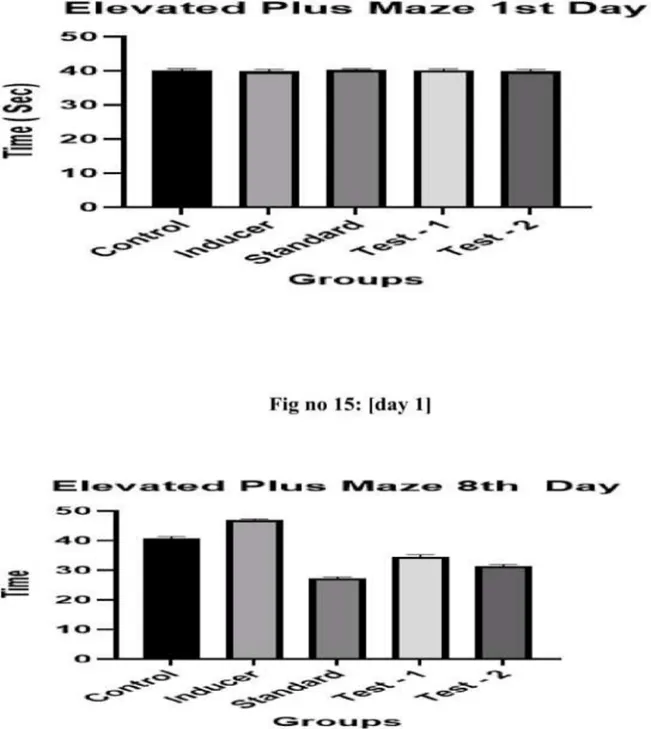
Fig 01: Effect of GMC Extract and standard drug employed on transfer latency (TL) of mice using elevated plus maze.
Y maze
Table 03: GMC Extract and Standard drug employed on escape latency (EL) of Y Maze.
|
Groups |
Treatment |
Escape latency [Day 1] |
Escape latency [Day 8] |
|
Control |
01 ml/kg |
26.50 ± 0.64 |
25.75 ± 0.47 |
|
Inducer |
0.5 mg/kg |
25.50 ± 0.64 |
29.75 ± 0.85* |
|
Inducer + standard |
0.5 mg/kg + 200 mg/kg |
26.00 ± 0.40 |
15.75 ± 0.47@@ |
|
Inducer + Test 1 |
0.5 mg/kg + 100 mg/kg |
25.50 ± 0.64 |
22.25 ± 0.85@@@ |
|
Inducer + Test 2 |
0.5 mg/kg + 200 mg/kg |
26.00 ± 0.40 |
19.00 ± 0.40@@# |
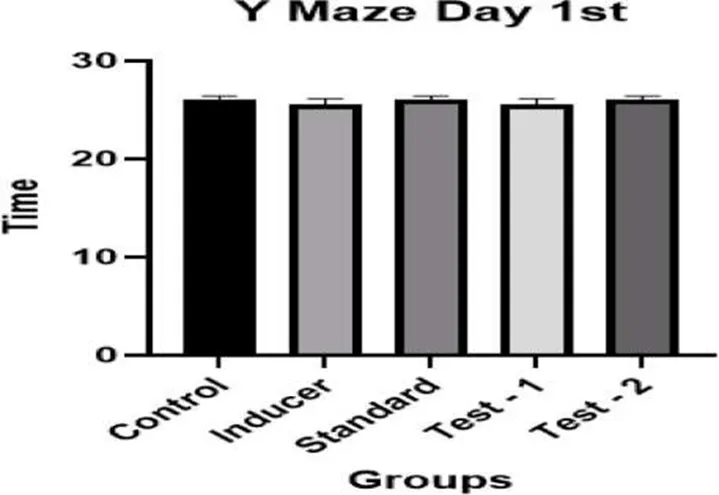
Fig 02: Effect GMC Extract and Standard drug employed on escape latency (EL) of mice using y-maze.
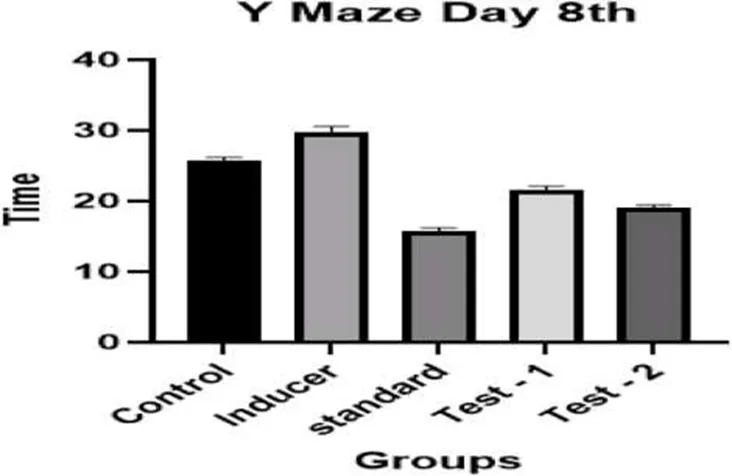
Fig 03: Effect of GMC Extract and Standard drug employed on escape latency (EL) of Y Maze.
DISCUSSION
The present investigation was undertaken to assess the cognitive-enhancing activity of a polyherbal formulation comprising Ginkgo biloba, Melissa officinalis, and Celastrus paniculatus (GMC extract) using validated animal models of learning and memory. The results obtained from the study indicate that the formulation possesses significant nootropic activity and may be useful in alleviating cognitive deficits associated with neurodegenerative disorders.
Memory is a multifaceted neurobiological process involving encoding, consolidation, storage, and retrieval of information. Impairment of any of these stages can lead to deficits in cognitive performance and memory function. Such impairments are commonly observed in neurodegenerative conditions including Alzheimer's disease, Parkinson's disease, and age-related dementia, where progressive neuronal damage disrupts normal cognitive processing [15,16]. Experimental models that mimic these pathological changes are therefore useful for evaluating potential cognitive enhancers.
In the present study, scopolamine-induced amnesia was employed as a pharmacological model of memory impairment. Scopolamine is a muscarinic receptor antagonist that disrupts cholinergic neurotransmission, leading to learning and memory deficits similar to those observed in dementia [17]. The cholinergic system plays a critical role in cognitive function, and degeneration of cholinergic neurons is a characteristic feature of Alzheimer's disease. Therefore, agents capable of reversing scopolamine-induced memory deficits are considered promising candidates for the treatment of cognitive disorders [18].
Acute Oral Toxicity Study
The safety profile of any herbal formulation is an important prerequisite before evaluating its pharmacological efficacy. In the present study, acute oral toxicity testing of GMC extract was performed according to OECD Guideline 423. The extract was administered orally at progressively increasing dose levels, and the animals were observed for mortality, behavioral alterations, autonomic changes, and signs of systemic toxicity.
The findings revealed that GMC extract did not produce mortality or any significant toxic manifestations even at the highest tested dose of 5000 mg/kg body weight. Throughout the observation period, treated animals remained healthy and exhibited normal behavioral patterns. No abnormalities such as tremors, convulsions, salivation, diarrhea, respiratory distress, lethargy, or changes in locomotor activity were observed. Furthermore, there were no visible changes in food intake, water consumption, body weight, skin appearance, fur texture, or general physiological status.
The absence of mortality and toxic symptoms suggests that the median lethal dose (LD??) of the formulation is greater than 5000 mg/kg, indicating a wide margin of safety. According to the Globally Harmonized Classification System (GHS), substances with an LD?? exceeding 5000 mg/kg are generally regarded as relatively non-toxic under acute exposure conditions [19]. These findings support the traditional use of the constituent medicinal plants and indicate that their combination does not produce acute adverse effects.
The favorable safety profile observed in the present study may be attributed to the natural origin of the phytoconstituents present in the formulation. Ginkgo biloba contains flavonoids and terpene lactones with established antioxidant properties, while Melissa officinalis is rich in phenolic compounds such as rosmarinic acid. Celastrus paniculatus seeds contain neuroprotective fatty acids and alkaloids that have been reported to possess low toxicity at therapeutic doses [20–22]. The synergistic interaction of these phytochemicals may contribute to both efficacy and safety of the polyherbal formulation.
Overall, the acute toxicity results demonstrate that GMC extract is safe for oral administration in experimental animals and can be considered suitable for further pharmacological investigations. The absence of toxic effects provides a strong basis for its development as a potential herbal therapeutic agent for cognitive impairment and neurodegenerative disorders.
CONCLUSION
The outcomes of this study demonstrate that the GMC polyherbal formulation possesses notable cognitive-enhancing properties in experimental models of memory dysfunction. It effectively improved various aspects of memory, including learning ability, spatial memory, and working memory, in animals with induced amnesia. The absence of toxic effects, even at relatively high doses, further confirms the safety of the formulation and supports its potential for therapeutic use. The observed dose-dependent improvements indicate that higher doses may yield greater cognitive benefits.
Additionally, the formulation appears to exert its effects through multiple complementary mechanisms, which may provide an advantage in addressing multifactorial conditions such as dementia. Unlike conventional drugs that typically act on a single target, this polyherbal combination offers a broader pharmacological approach. In summary, the GMC extract may serve as a promising natural candidate for enhancing cognitive function with a favorable safety profile. Nevertheless, further detailed studies, including clinical evaluations in humans, are essential to confirm its efficacy and establish its potential application in the management of cognitive disorders.
REFERENCES

Aakanksha More, Dr. Vijay Navghare, Dr. Pravin Karle, Cognitive Enhancement Potential of Polyherbal Extract Containing Ginkgo Biloba, Melissa Officinalis, And Celastrus Paniculatus, Int. J. of Pharm. Sci., 2026, Vol 4, Issue 6, 3877-3887, https://doi.org/10.5281/zenodo.20715744
 10.5281/zenodo.20715744