

We use cookies to ensure our website works properly and to personalise your experience. Cookies policy
Department of Geography , Jyoti Vidhyapeeth Women’s University, Jaipur , Rajasthan.
Agriculture in Sawai Madhopur is a source of rural livelihood through guava plantations, which are frequently hit by floods, a shortage of fertilisers and poor governance. These issues point out the contradiction of national agricultural development and local farmer stress. The objective of this research is to create an interdisciplinary mechanism of tracking crop decline and sustainable agriculture through investigating environmental, sociological, psychological and spatial aspects. The study is based on the interpretivism philosophy and an inductive approach. It also follows an exploratory design that depends on the secondary qualitative data. The thematic analysis reveals patterns in governance, community resilience, and farmer identity. The major results indicate that psychological stress intensifies due to climate change and ecological degradation, and is constrained by social inequalities and the lack of governance. The community networks, cooperatives, and identity-based motivation become identified as the key triggers of resiliency. However, poor infrastructure and flood risk weaken sustainability. Sawai Madhopur needs a composite monitoring system that combines the psychological well-being, sociological cooperation, and spatial inclusion with the governance reforms. The interdisciplinary framework can help policymakers to protect the livelihoods of farmers with practical information and enhance the resilience of the rural environment. Therefore, integrating these features can help to develop the sustainability in the agriculture sector by monitoring crop reduction issues
Crop reduction and agricultural sustainability monitoring are vital to global and local development. Agriculture not only deals with food production, but it also sustains livelihoods, the rural economy and ecological balance (Giller et al., 2021). Agriculture is facing significant challenges today due to climate change, soil quality degradation, flooding, and biodiversity loss. In this condition, the farmers should be supported to adjust and survive through proper monitoring systems. This is indicated in the United Nations Sustainable Development Goals (UN SDGs). SDG 2 refers to Zero Hunger, which relates to food security, and SDG 11 describes Sustainable Cities and Communities, which emphasises resilience and sustainability (United Nations, 2026). These practices indicate the special care for agriculture.

(Source: United Nations, 2026)
Agriculture is the main source of livelihood for thousands of rural households in India. A state like Sawai Madhopur in Rajasthan clearly indicates the need for balanced and integrated agricultural planning that increases productivity. At the same time, it protects nature and ensures the well-being of farmers.
Sawai Madhopur is both an opportunity and a risk. It possesses approximately 11,000 hectares of guava plantations that bring in ₹600-700 crore yearly. A new factory has proposed to set up a guava processing plant worth ₹150 crore, which will aim to increase farmers’ income to ₹1600 crore annually through value addition and innovation (The Hindu, 2026). This is a positive indication of growth and progress. Nonetheless, farmers are still threatened by real-life challenges.
Recent heavy floods destroyed 40% of the guava orchards in 22 villages covering an area of almost 5,000 hectares and costing close to ₹4 crore. Nurseries have been destroyed, and several farmers have been rendered helpless (Mehta, 2025). In addition to climatic disasters, social and infrastructural issues are also experienced by the farmers. Some of them remain in the cold night to ensure the protection of their fields against stray cows and pigs, and liken it to soldiers protecting crops (Mahir, 2024). This has remained an issue even though the area has cowsheds that are not being used.
Also, the lack of urea has increased the level of stress on farmers. In villages like Baler and Ghalkia, farmers stood in line for up to 10 hours, but instead of the 10 sacks they were given 2 sacks, and the police were there to disperse the crowd (Bhaskar English, 2026). It indicates the lack of support from the government. These battles coexist with the increasing market in national agriculture. In 2025, the Indian agriculture market was USD $471.03 billion (₹39.13 lakh crore) and aims to reach USD $578.89 billion (₹48.11 lakh crore) by 2031 with 4.21% CAGR (Mordor Intelligence, 2026). This opposition brings out a vivid disparity between national prosperity and local poverty. Therefore, a complex monitoring system to tackle environmental, social, and spatial issues is important to accommodate the livelihoods and the mental health of the farmers.
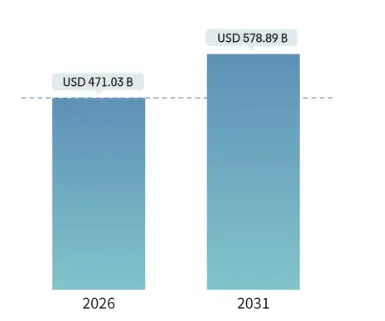
Figure 2: Indian Agriculture Market Size
(Source: Mordor Intelligence, 2026)
1.2 Interdisciplinary relevance
Agriculture is not merely a form of economic activity in Sawai Madhopur, but it is also a cultural and identity aspect. Guava orchards stand as the embodiment of tradition, pride and continuity, while the farmers who guard their fields at night showcase sacrifice and a sure sense of responsibility to the land (Mahir, 2024). Social communities are under pressure due to weak governance, unused barns, and a lack of fertiliser. Rationing by police and long queues evidence how the usual life is interfered with (Bhaskar English, 2026). Land use appears unbalanced and unsteady, with the floods washing away 5,000 hectares of orchards (Mehta, 2025). Risk that is always present brings about stress, fear and anxiety on a psychological level.
The growth of agriculture in Sawai Madhopur is a paradox of growth and dismissal. There are guava gardens and new processing facilities, which promise to increase the incomes and growth (The Hindu, 2026). The farmers experience frequent floods that end up destroying orchards and nurseries, leading to heavy losses (Mehta, 2025). Wild animals also compel farmers to guard fields during the night, which is manifested by cultural tension and insecurity (Mahir, 2024). The scarcity of fertilisers, the queues and the role of police make it more frustrating and indicate the failure in governance (Bhaskar English, 2026). These interrelated environmental, social, spatial, cultural, and psychological issues demonstrate that it is necessary to have combined monitoring to preserve livelihoods.
This study will examine agriculture in Sawai Madhopur from various perspectives. It links environmental threats such as floods to social pressures, lack of governance and spatial vulnerability. It demonstrates that the concept of farmer identity, mental stress, and community resilience determines sustainability through the addition of psychological and cultural perspectives. The study by Baker et al. (2022) supports this research by explaining that the social identity of farmers is essential for agricultural sustainability. These studies also identify the suicide rates of Australian farmers due to agricultural uncertainty. Similarly, Brennan et al. (2023) support the research statement by describing that societal well-being is an essential factor that enhances farmers' productivity and agricultural sustainability. The results will contribute to the scholarly discourse on interdisciplinary monitoring models, and they will also provide the policy makers and authorities on the ground with the opportunity to develop superior support mechanisms. It aids in understanding the integration of culture, society, space, and identity in agriculture and enhancing resilience and safeguarding rural livelihoods.
2.1 Environmental, societal, psychological and cultural impact
The resilience and vulnerability of farmers confront environmental, societal, psychological, and cultural issues with an interconnection. The main issues that arise are climate change and ecological degradation. Saleem et al. (2025) describe the inconsistency of rainfall, floods and heat-waves, which lower the yields and disorganise supply lines, exposing the communities to food insecurity. Equally, Diop et al. (2022) highlights the issue of soil erosion and reducing fertility and demonstrate how the deterioration of the environment weakens African agriculture despite the illusion of conservation methods. Asprilla-Echeverria (2024) viewed water scarcity as an essential form of stressor. Although diversification and irrigation can establish resilience, inequity in access to resources causes inequality. This is supported by Dhillon and Moncur (2023), by demonstrating that smallholder plights are aggravated by climate change, water scarcity, and soil degradation. These indicate environmental impacts on agriculture.
There are also societal and structural forces that have an impact on the farmers. According to Ntihinyurwa and de Vries (2021), land fragmentation, conflict preserves diversity and sovereignty and consolidation, which maximises yields, and at the same time, cultural loss. Both Venturini (2025) and Mhlanga and Ndhlovu (2023) regard the technological gaps. Despite the advantages of blockchain, AI, and digital tools in their effectiveness and transparency, their implementation has not been distributed evenly, with differences in infrastructure, literacy and cost issues. Dhillon and Moncur (2023) showed how UAVs and IoT can transform small hold farming, but it is too inaccessible. These works compare hopefulness regarding innovation with the fact of persecution. It highlighted the way inequalities in society deny farmers the opportunity to gain all the advantages of modernisation.
The psychological aspect of farming is also essential. Zawadzka et al. (2021) viewed that financial power to invest is a source of anxiety, particularly when the market situation is unstable. Benami et al. (2021) discussed the psychological issue of how to weigh short-term survival against long-term sustainability, in which a lack of knowledge about climate and policy causes emotional stress. On the other hand, Hammersley et al. (2021) introduced a cultural dimension in which Irish male farmers associate masculinity and identity with farming that increases the pressure in case of a decline in productivity. This perspective combines the concepts of opportunity and resilience with vulnerability and stress, illustrating how financial risk, uncertainty, and identity stress affect farmers' psychological well-being.
Mthembu et al. (2025) highlighted that extreme weather damages rural infrastructure that separates farmers from the markets and aggravates spatial inequity. Bridges, roads and erosion controls play a crucial role in connectivity, but failure of such structures places the smallholders especially at a disadvantage. Dhillon and Moncur (2023), supported by describing that distance to markets and non-access to modern systems are disadvantages of smallholders. These emphasise the geographical vulnerability and infrastructure issues to reveal how resilience lies in spatial inclusion as well. Adaptation is also limited by cultural predispositions and identity. Westerink et al. (2021) demonstrate that the pride of Dutch farmers in neat landscapes opposes biodiversity-friendly practices and that cultural recognition determines the decisions. These findings are also echoed by Ntihinyurwa and de Vries (2021). As they mentioned, the cultural conflict between the traditional land use and the policy pressures to consolidate. Hammersley et al. (2021) revealed the role of masculinity and identity in enhancing psychological stress, and Benami et al. (2021) showed the effectiveness of emotional reaction to uncertainty in resilience. Therefore, farming is not a purely economic and environmental phenomenon, but a highly cultural one.
Therefore, Environmental effects are universal, whereas the adaptation is disproportional. Structural inequalities are emphasised by societal pressures. The human cost of farming is manifested in psychological strain, which arises due to the debt, uncertainty, and identity pressures.
2.2 Impact of Governance Structure, community and farmers’ identity
Agricultural sustainability is driven by the interplay of the governance structures, community networks and identity of farmers. Resilience is moulded by these dimensions, innovation and collective action, which characterise ecological, economic and social outcomes in different environments. Guja (2022) revealed that Ethiopian smallholders are excluded from formal finance. They have relied on MFIs, RuSACCOs, and informal systems in the development of Agriculture. It exposes governance gaps, yet the significance of inclusive financial systems for resilience is clear. Therefore, its impact on agricultural sustainability is clear. Likewise, Huang and Huang (2023) also showed insufficient institutional collaboration networks and fragmentation of policies, which support systemic changes and collective governance structures. Pruntseva et al. (2021) highlighted the capacity of governance to influence food security, and the credit systems facilitate the rise in output, but subsidies manipulate markets, and it is important to fix the institution to help balance the agricultural stakeholders. Chopin et al. (2021) criticised sustainability initiatives that do not engage communities and demonstrated how participatory governance frameworks can help build resilience in the case of the inclusion of local knowledge and fair collaborations.
Social capital and empowerment of the community are important in maintaining communal agricultural growth. Dushkova and Ivlieva (2024) focus on phased empowerment programs, which include awareness, capacity building, and collective action. Local strategies to gain knowledge have a positive impact on agricultural sustainability. These lead to the wage increment, providing food security that contributes to sustainable agriculture practice. On the other hand, Silvert et al. (2022) showed the use of farmer-to-farmer extension systems capitalising on bonding, bridging, and connecting social capital to diffuse innovation and promote trust despite the risk of elite capture and gender inequalities. Similarly, Candemir et al. (2021) depict cooperatives as economic, environmental, and social sustainability institutions because free riding and heterogeneity of the members are challenging. Agricultural cooperatives focused on non-monetary factors, which plays an important role in increasing trust. These practices ensure the sustainability in agriculture practice. Mustapha et al. (2024) pay attention to the extension services since ICT, cooperatives, and gender responsive planning can make communities more resilient to climate change, which becomes possible when governance can facilitate the adaptive community networks.
The identity influences the willingness of farmers to use sustainable practices. Li et al. (2024) showed the motivation to protect the quality of land through self-identity and social identity, such as cognitive, emotional, and behavioural, which are mediated by social belonging. Rossi et al. (2023) indicated that ecological intensification is motivated by an entrepreneurial identity that integrates innovativeness with shared environmental attitude. Contract farming arrangements, including the Carta del Mulino of Barilla, make the identity of farmers and governance structures one and sustainability entrenched within the agri-food supply chains. The governance structures, collective resilience in community networks and farmer identity are all institutional scaffolding to spark sustainable practice. These dimensions underscore that the resilient, inclusive and long-term sustainability needs to balance between institutional support, community empowerment and identity-based motivation.
Although numerous studies are conducted on the topic of agricultural sustainability, some particular gaps are still identified. The articles by Guja (2022) and Pruntseva et al. (2021) are predominantly devoted to such areas as governance and finance, yet they do not specify how sustainability can be fairly applied to small farmers. Huang and Huang (2023) demonstrate a lack of coordination between institutions, although few comparisons are made between regions. Empowerment and social networks literature lacked in covering how communities survive in the long run-in recurrent crises. The study of the identity of farmers lacks cross-cultural evidence. Therefore, integration of governance, empowerment and identity in the long term should be performed in this research.
Interpretivism is considered a research philosophy of this study. It focuses on the cognisance of social reality in terms of meanings and experiences other than general legislation (Muzari et al., 2022). It measures the perceptions of farmers on floods, shortages and identity stress, which makes it suitable in agricultural sustainability research. Interpretivism supports the qualitative nature of this study, which allows providing in-depth and contextualised information sources of secondary data (Lim, 2025). However, it can be constrained due to subjectivity and inapplicability. In order to overcome this, it applies thematic coding to ensure rigour by triangulating several documents. Therefore, Interpretivism is appropriate to the issue since it appreciates cultural and psychological aspects.
The research approach followed in this study is an inductive research approach. It forms the theory based on observed realities as opposed to testing existing hypotheses (Yao, 2024). It has made it possible to see new things based on the localities of the problems that farmers in Sawai Madhopur are going through, which include floods, urea shortages, and identity stress. An inductive approach has the advantage of being flexible, open-minded and able to produce context-specific structures (Lim et al., 2023). One of the weaknesses is the risk of subjectivity and low generalisability. The study triangulates various secondary sources and uses thematic coding to make it rigorous. Induction is an appropriate topic as it reveals interdisciplinary connections.
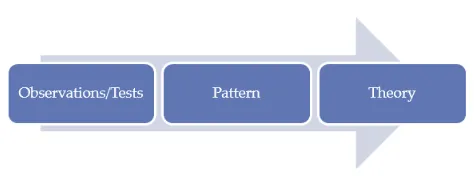
Figure 3: Inductive research approach
(Source: Yao, 2024)
The research paper follows an exploratory design, which is appropriate for researching crop reduction and agricultural sustainability in Sawai Madhopur. Exploratory research offers the possibility of open-ended research, which will allow finding new themes and relations between governance, identity, and community resilience (Folgueiras‐Vila et al., 2025). Its benefits are flexibility, depth, and the capability to make conceptual frameworks based on secondary qualitative data (Olawale et al., 2023). One of the weaknesses is that it does not provide conclusive results. In order to reduce this, the study conducts a triangulation of various sources and uses thematic coding, which guarantees rigour and credibility, and makes interdisciplinary discoveries.
This study follows a secondary data collection method. It only used the most recent Q3 quality journals that have been published between 2017 and 2026 and are available in Scopus and EBSCO. The keyword search method and Boolean coding were used to narrow down the relevant literature (Foo et al., 2021). It supports the qualitative nature of the study with rich textual evidence. The secondary data collection method is a cost-efficient method and provides a range of views to enhance the credibility of the study (Bian et al., 2022). It is suitable as it takes interdisciplinary problems, and its relevance guarantees in-depth and rigor in the process of analysing the problem of agricultural sustainability.
This study uses thematic analysis, which is appropriate in understanding secondary data on the issues of sustainable agriculture in Sawai Madhopur. Thematic analysis allows determining common patterns and creating codes on environmental social, psychological and spatial levels which fit the interpretivism philosophy and inductive approach. Its benefits are flexibility and the possibility of combining different points of view into a consistent set of ideas (Raman et al., 2024). This guarantees rigour, credibility and substantive insights which help to establish the qualitative nature of the study.
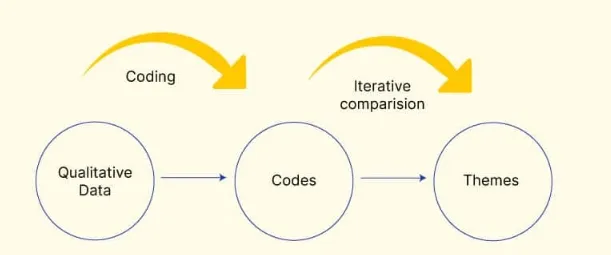
Figure 4: Thematic analysis
(Source: Raman et al., 2024)
This research embraces high ethical standards. The integrity is achieved through credible sources that guarantee accuracy, and in-text citation upholds academic integrity (Celis et al., 2023). Sensitive issues such as strong pressure, identity, and governance are addressed in a respectful tone so as not to stigmatise them. Avoiding bias is ethically important in guarding dignity and in making findings supportive of farmers and communities, and not exploitative.
Table 1: Psychological Dimensions
|
Author |
Method of analysis |
Key Findings |
|
Timilsina et al. (2025) |
Systematic review |
The quality of soil influences agricultural practices. Yields improvement and fertiliser usage reduction were recorded through the SHC schema. |
|
Basistha et al. (2025) |
Narrative Review |
The suicide tendency, anxiety, stress and depression can be increased through the change of climates. This leads to how emotional stress is interconnected with livelihood insecurity. |
|
Toogood et al. (2025) |
Scoping Review |
Farmer’s identity and culture are very essential to promote agricultural sustainability, and in this regards, lack of respect towards these can increase burnout and stress. |
|
Reed and Claunch (2020) |
Systematic Review |
Emotional stress influences the rate of suicides and depression due to the stress of identity, financial issues and health hazards. |
The world economy, communities, psychological well-being, and various farming conditions influence agricultural practices. Basistha et al. (2025) demonstrated that climate change aggravates the risks of mental health, as farmers become depressed, anxious, and commit suicide because of crop failures and harsh weather. On the contrary, Reed and Claunch (2020) viewed that the distress is usually caused by exposure to pesticides, financial burden, and social shame. Occupational hazards are the key sources of psychological weakness. The state of economic instability is directly proportional to emotional pain, and this cannot be independent of livelihood strength.
Similarly, Timilsina et al. (2025) revealed that the Soil Health Card scheme enhanced production and cost of fertiliser and indirectly relieves mental strains by stabilising agricultural incomes. Instead, Toogood et al. (2025) demonstrated that farmers tend to view farming as a calling, which gives them identity and meaning, yet makes them vulnerable to burnout, stress and obstacles to farming, including land access. Policies on sustainability, occupational health vigilance, and career guidance are all necessary to strike a balance between ecological resiliency and psychological well-being. Ecological resilience and mental well-being of farmers should be a part of agricultural sustainability because it guarantees livelihoods and long-term well-being in farming communities.
Farmers are psychologically vulnerable to varying circumstances. Basistha et al. (2025) features a depressed and anxious agricultural region under the impact of strict climate issues, whereas Reed and Claunch (2020) feature the distress of the farmers due to occupational hazards. Guava orchards were destroyed by floods in Sawai Madhopur, and a shortage of urea made farming unstable (Mehta, 2025; Bhaskar English, 2026). These stressors, including economic instability transforms it into a farmer’s emotional distress. On the other hand, initiatives like programs on soil health can be used to stabilise the income of farmers as well as decrease mental stress, but high identity expectations may remain a source of burnout and exhaustion (Toogood et al., 2025; Timilsina et al., 2025). Perceived Behavioural Control (PBC) theory describes that the adaptation of the farmers to the situation is directly influenced by the belief in the capacity to manage their own risks (Martin, 2022). This is subsequently facilitated by the availability of resources, the favourable governance, and the resilience of the community. The inclusion of PBC in monitoring systems makes sustainability policies aware of both environmental sustainability and mental health.
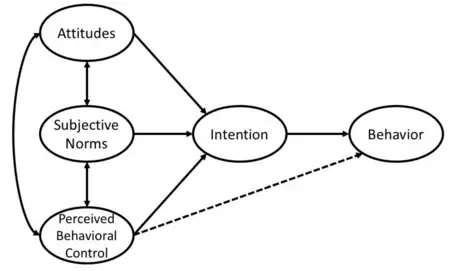
Figure 5: Perceived Behavioural Control (PBC) theory
(Source: Martin, 2022)
Table 2: Sociological Dimensions
|
Author |
Method |
Key Findings |
|
Kitole and Komba (2025) |
semi-structured interviews and focus group discussions |
Rainwater harvesting, climate-resilient crop and drip irrigation can enhance the sustainability of agricultural practices. This adaptation process was highly influenced by gender and age differences. |
|
Zenda and Rudolph (2024) |
Systematic review |
Agroecology strategies are essential as soil fertility was influenced by these practice and they enable efficient water management. It also focuses on social dimensions such as plant, environment and human. |
|
Ishemo and Bushell (2017) |
Primary quantitative |
In order to enhance agricultural sustainability gender sensitive policies and support of institutions are essential. Still, there are barriers like limited access to land and issues of debt. Cooperative and collective action contribute to growth. |
|
Sun et al. (2023) |
Comprehensive Review |
National Sustainable Agricultural Development Plan supports the growth of the agriculture sector, which represents the government support, and it also viewed on the impact of policies and regulations. |
The sociological aspects that determine the sustainability of agriculture affect the livelihood of farmers. Kitole and Komba (2025) demonstrated that collective learning and peer support significantly contribute to adaptation strategies such as rainwater harvesting and drip irrigation, highlighting the importance of the community network. However, the gender and age disparities have an effect. Likewise, Zenda and Rudolph (2024) supported that social norms within the agroecology practices enhance the resilience of farmers, since norms of biodiversity, intercropping, and water management incorporate human, plant, and environmental relationships. On the contrary, Ishemo and Bushell (2017) emphasised that the cooperatives of farmers offer a possibility to be empowered and collectively bargain. However, the lack of credit and land tenure inequality restricts the full involvement of women, forming a structural barrier, which shows the influence of social expectations on sustainability. Conversely, Sun et al. (2023) discussed on the topic of governance and community empowerment by insisting that coordinated policies, ecological regulation and national monitoring systems are essential in harmonising the technology. Similar to community networks and cooperatives, governance structures are also resilience-driven, but need to be inclusive to work. Community networks, norms, cooperatives, and governance are essential to sustainable agriculture and the robust livelihoods of farmers.
The sociological perspective on farming reveals that social relationships, common rules, cooperatives, and government support sustainable agricultural practices. Co-learning enables farmers to adjust to the changing climatic conditions and challenges (Kitole and Komba, 2025). Another way to make agriculture more sustainable is farming that preserves nature, which includes water and biodiversity conservation (Zenda and Rudolph, 2024). Close coordination assists technology and support mechanisms to significantly respond to the needs of farmers and create resilience (Sun et al., 2023). The examples of guarding overnight to protect the harvest and the lack of availability of urea indicate the lack of support of governance and the impact on farmers’ livelihood (Mahir, 2024; Bhaskar English, 2026). Small farmers are often locked out by the lack of loans and land ownership security, which can be achieved with the help of cooperatives that can join farmers in their work (Ishemo and Bushell, 2017). Institutional theory focuses on the external forces that influence an organisation’s operation (Barbosa et al., 2024). It describes that sustainable farming is most effective when government policies, the cooperatives, and the traditions of the community complement one another.
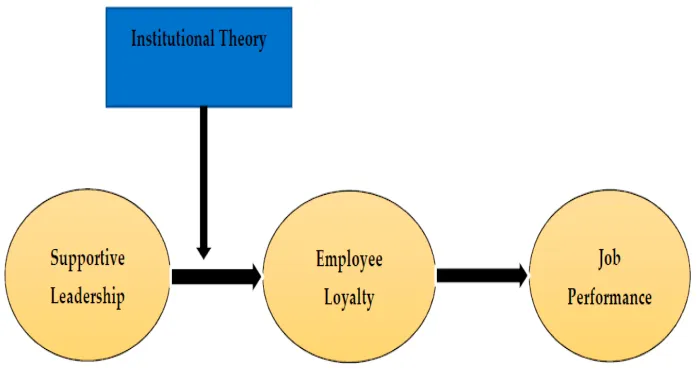
Figure 6: Institutional theory
(Source: Barbosa et al., 2024)
Table 3: Geographical Dimensions
|
Author |
Method |
Key Findings |
|
Sadjadi and Fernandez (2023). |
Qualitative study |
The agricultural field faced challenges due to inefficient infrastructure, skills gaps among farmers, and connectivity issues. |
|
Cheng et al., (2022) |
Qualitative review |
It found that access to land enhances the availability of nitrogen and other important agricultural substances, and also affects the quality of the water. |
|
Basu et al. (2018) |
Qualitative study |
In order to support sustainable agricultural practice and reduce the use of chemicals in farming, Arbuscular Mycorrhizal Fungi (AMF) are essential elements to enhance the nitrogen and phosphorus levels. |
The sustainability of agriculture is dependent on the geography, infrastructure, spatial patterns and the environment. Similarly, Sadjadi and Fernandez (2023) contended that inefficient rural connectivity and low levels of digital literacy plague the farmers. However, digitalisation can create resilience and inclusion for the farmers. Similarly, by using spatial patterns, Cheng et al. (2022) found that agriculture and urbanisation have worsened water quality and protected forest ecosystems. Instead, Basu et al. (2018) emphasised environmental symbiosis when AMF increase nutrient absorption and decrease chemical dependency, which reinforces sustainability. Comparing these views, modernisation is hampered by infrastructural gaps, degradation is hastened by mismanagement of the space, and natural solutions to the problem are offered by biological partnerships. Therefore, technology and ecology should meet in the farmer's livelihoods. Sustainable agriculture and rural prosperity are determined by geographical aspects.
Sadjadi and Fernandez (2023) demonstrated that the poor connectivity and low digital literacy rates curtailed modernisation, and Cheng et al. (2022) emphasised that the poor management of space land use impairs the quality of water, unlike forests, which provide the ability to buffer ecosystems. Also, Basu et al. (2018) viewed the concept of environmental symbiosis. AMF can lower chemical addiction and enhance sustainability. These views demonstrate that geographical influences can provide both opportunities and weaknesses. For instance, floods in Sawai Madhopur wiped out 40% of guava orchards, and the lack of infrastructure separates farmers and makes it difficult to find markets (Mehta, 2025). Similarly, the scarcity of fertilisers and long queues are another example of spatial inequalities in the distribution of resources (Bhaskar English, 2026). Place-based identity is demonstrated by farmers who patrol their orchards at night, but they point out cultural burdens associated with locale (Mahir, 2024). According to Place Attachment Theory, cultural bonds and respect for the land influence the emotional connection (Yin et al., 2025). It explains that the unequal distribution of infrastructure, resources and ecological protection leads to differences in resilience and sustainability. By incorporating it into monitoring systems, the policies of reducing crops should focus on potential infrastructure shortages, ecological mismanagement, and place-based vulnerabilities, with the goal of promoting sustainable agriculture and fair rural prosperity.
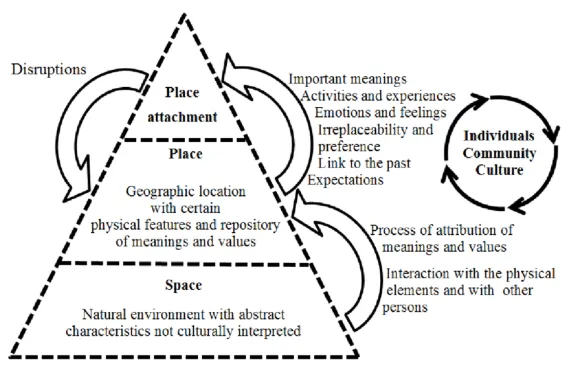
Figure 7: Place Attachment Theory
(Source: Yin et al., 2025)
This study has discussed the ironic situation of agriculture in Sawai Madhopur, in which economic development with guava plantations and processing plants exists. It also focused on devastating weaknesses like floods, unavailability of fertilisers and poor governance structures that hinder the process of agriculture. It combines psychological, sociological and geographical perspectives, and has brought out the fact that the identity of the farmer, community networks, and governance structures as a combination determine the sustainability of agriculture. The discussion shows that the reduction of crops is not just a problem of the environment, but also a multidimensional challenge. Therefore, it needs a monitoring system that is sensitive to culture, mental health, and spatial inequalities.
This study offers to the interdisciplinary literature on agricultural sustainability that environmental stressors are connected to psychological well-being and social identity. It broadens the literature by contending that resilience should be viewed through the prism of the interaction of the notions of governance, community empowerment, and farmer identity. It highlights the pressing necessity of policies targeting the stress of farmers, enhancing cooperatives, and improving infrastructure. Cultural pride and solidarity of the community create resilience, and governance changes are necessary to lessen inequalities and provide equitable access to resources.
This study has its limitations as it has used secondary data to limit the richness of localised knowledge, and the secondary data might not be able to offer a comprehensive understanding of the lived experience of farmers in Sawai Madhopur. The research needs to be extended in the future by including interviews with the farmers. The interaction between governance, identity, and community resilience in various contexts would be determined through comparative studies on the regions. This would improve the surveillance of crop decline and offer practical solutions to improve the agricultural sustainability within the vulnerable rural economies.


Vijay Kumar Meena, Dr. Ram Bhavat singh , Developing An Integrated Framework for Monitoring Crop Reduction and Enhancing Agricultural Sustainability in Sawai Madhopur, Int. J. of Pharm. Sci., 2026, Vol 4, Issue 5, 7333-7349, https://doi.org/10.5281/zenodo.20410840
 10.5281/zenodo.20410840