

We use cookies to ensure our website works properly and to personalise your experience. Cookies policy
Shram Sadhana Bombay Trust Institute of Pharmacy, Affiliated to MSBTE, Mumbai and DBATU Lonera Bambhori Post Box no 94 Jalgaon-425001 Maharashtra, India.
Ocular diseases and eye infections remain a major health concern due to limited drug penetration through the corneal barrier and rapid elimination of conventional ophthalmic preparations from the eye surface. The present study focuses on the development of a nanoemulsion-based ophthalmic formulation containing peel extract of Citrus sinensis with the aim of improving ocular bioavailability, stability, and therapeutic effectiveness. Citrus sinensis peel is a rich source of flavonoids, antioxidants, and bioactive phytoconstituents known for their antimicrobial and anti-inflammatory properties. However, the poor aqueous solubility and limited permeability of herbal extracts often reduce their clinical effectiveness in ophthalmic delivery. To overcome these limitations, a nanoemulsion system was formulated using suitable oil, surfactant, and co-surfactant components to obtain nanosized droplets with enhanced drug dispersion and corneal penetration. The prepared formulation was evaluated for various physicochemical parameters including particle size, pH, viscosity, drug content, zeta potential, and stability. In addition, ocular compatibility and in vitro drug release studies were performed to assess the suitability of the formulation for ophthalmic application. The developed nanoemulsion exhibited satisfactory stability, uniform distribution, and prolonged drug release characteristics, which may contribute to improved retention time and enhanced therapeutic activity in ocular tissues. The study suggests that nanoemulsion-based delivery of Citrus sinensis peel extract can serve as a promising herbal ophthalmic system with improved bioavailability and patient compliance. This approach may further support the development of safer and more effective plant-based ocular therapeutics for future pharmaceutical applications
3.1 Ocular Drug Delivery Challenges-
The human eye is one of the most sensitive and well-protected organs of the body. Although topical ophthalmic preparations such as eye drops are commonly used for the treatment of ocular disorders, achieving effective drug delivery to ocular tissues remains a major challenge. The unique anatomical and physiological barriers of the eye significantly reduce drug absorption and limit therapeutic efficacy. Conventional ophthalmic formulations generally show poor ocular bioavailability because only a very small fraction of the administered dose is able to penetrate the cornea and reach the targeted site of action [1].
Several protective mechanisms of the eye, including blinking, tear turnover, nasolacrimal drainage, and corneal epithelial barriers, rapidly eliminate the applied drug from the ocular surface. These barriers reduce the contact time of the formulation and lead to inadequate drug retention [2]. In addition, the corneal epithelium possesses tightly packed cells that restrict the penetration of both hydrophilic and lipophilic drugs. As a result, frequent administration of eye drops becomes necessary, which may reduce patient compliance and increase the possibility of irritation or side effects [3].
Another important challenge associated with ocular drug delivery is maintaining drug stability and achieving controlled release. Many conventional formulations fail to provide sustained therapeutic concentrations for an extended period, thereby limiting treatment effectiveness. Therefore, there is a growing need for advanced drug delivery systems capable of enhancing ocular residence time, improving corneal permeability, and increasing drug bioavailability [4].
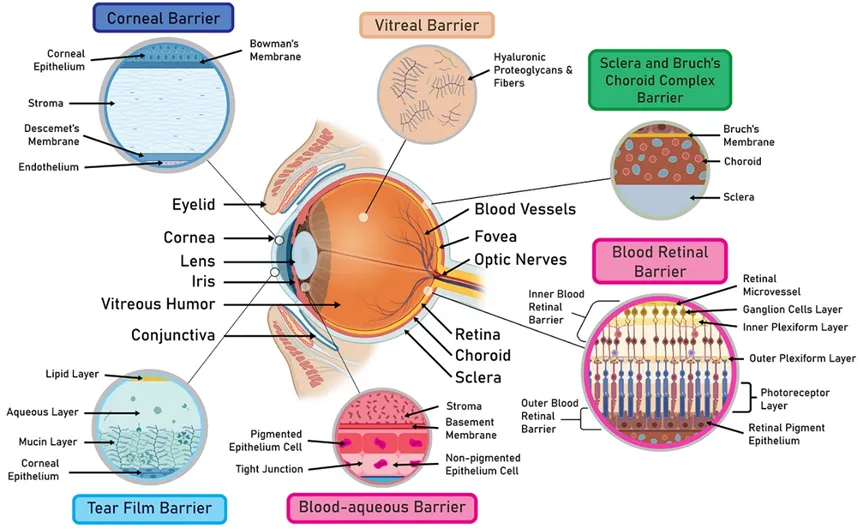
Figure 1: Barriers in Ocular Drug Delivery
3.2 Advantages of Nano emulsions in Ophthalmic Drug Delivery-
Nanoemulsions are colloidal dispersion systems consisting of oil droplets dispersed in water with droplet sizes generally ranging between 20–200 nm. Due to their nanoscale size, nanoemulsions have gained significant attention in ophthalmic drug delivery because they improve drug solubility, enhance penetration, and prolong ocular retention time [5].
One of the major advantages of nanoemulsions is their ability to increase the surface area available for drug absorption. The smaller droplet size allows closer interaction with the corneal surface, leading to improved permeation across ocular tissues [6]. Nanoemulsions also enhance the solubility of poorly water-soluble drugs and herbal extracts, thereby improving therapeutic performance. In ophthalmic applications, nanoemulsions provide better spreading over the ocular surface and reduce rapid drug elimination caused by tear fluid. Their transparent appearance, low viscosity, and ease of administration make them suitable for patient-friendly ocular formulations [7]. Moreover, nanoemulsion systems can provide controlled and sustained drug release, which minimizes frequent dosing and improves patient adherence to treatment.
Another significant benefit of nanoemulsions is their physical stability. Properly formulated nanoemulsions resist creaming, flocculation, and phase separation, ensuring uniform drug distribution throughout the formulation [8]. Additionally, the incorporation of biocompatible oils and surfactants enhances ocular tolerance and reduces irritation potential. These advantages make nanoemulsions promising carriers for herbal and synthetic ophthalmic therapeutics.
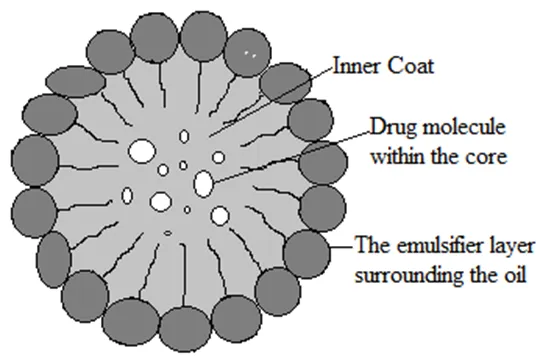
Figure 2: Structure of Nanoemulsion Droplets
3.3 Importance of Citrus sinensis Peel Extract-
Citrus sinensis (sweet orange) belongs to the family Rutaceae and is widely cultivated throughout the world. The peel of Citrus sinensis is considered an important source of bioactive phytoconstituents such as flavonoids, polyphenols, limonoids, carotenoids, essential oils, and vitamin C [9]. Traditionally, citrus peels have been used in herbal medicine due to their antimicrobial, antioxidant, anti-inflammatory, and wound-healing properties.
The peel extract contains flavonoids such as hesperidin and naringin, which exhibit strong antioxidant activity capable of reducing oxidative stress in ocular tissues [10]. Oxidative damage is associated with several ocular disorders including conjunctivitis, cataract formation, glaucoma, and retinal degeneration. Therefore, antioxidant-rich plant extracts may provide protective benefits for ocular health. In addition, Citrus sinensis peel possesses antimicrobial activity against various bacterial and fungal pathogens. This property may help in reducing ocular infections and inflammation [11]. The anti-inflammatory activity of citrus flavonoids also contributes to minimizing redness, irritation, and tissue damage in ocular conditions.
Despite these therapeutic benefits, the direct ophthalmic application of herbal extracts is often limited by poor solubility, low permeability, and instability. Incorporation of Citrus sinensis peel extract into a nanoemulsion system can improve its dispersion, enhance corneal penetration, and increase ocular bioavailability [12]. This approach supports the development of effective herbal ophthalmic formulations with improved therapeutic potential.
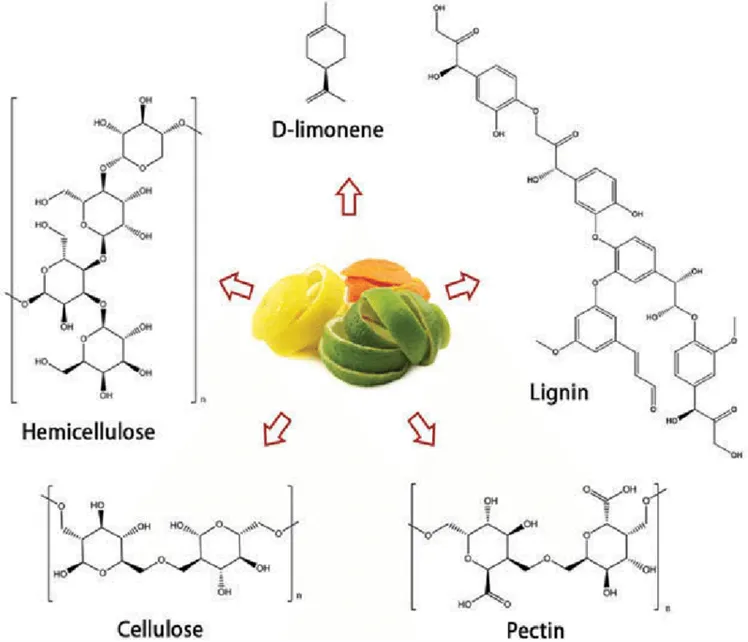
Figure 3: Phytochemical Components of Citrus sinensis Peel
3.4 Novelty of the Study-
The present study introduces a novel herbal ophthalmic nanoemulsion by incorporating Citrus sinensis peel extract into a nanoemulsion-based ocular drug delivery system to overcome the limitations associated with conventional eye drops and herbal formulations. Although previous studies have investigated nanoemulsions for ophthalmic delivery and the therapeutic potential of Citrus sinensis in different pharmaceutical applications, very few have focused on utilizing Citrus sinensis peel extract as the active ingredient in a nanoemulsion specifically intended for ocular administration.
The novelty of this work lies in the development of a biocompatible nanoemulsion formulation designed to enhance the solubility, corneal permeation, ocular residence time, and bioavailability of the bioactive phytoconstituents present in Citrus sinensis peel. Furthermore, the study emphasizes the value-added utilization of citrus peel, an agricultural by-product, as a sustainable source of natural antioxidants and antimicrobial agents for ophthalmic therapy. The optimized nanoemulsion is expected to provide improved physicochemical stability, sustained drug release, enhanced therapeutic efficacy, and better patient compliance compared with conventional ophthalmic formulations. This approach represents a promising and eco-friendly strategy for developing safe, effective, and plant-based ocular drug delivery systems.
4. Objectives:
The main objective of this research is to develop and evaluate a nanoemulsion-based ophthalmic formulation of Citrus sinensis peel extract to enhance ocular drug delivery and improve bioavailability. The specific objectives of the study are as follows:
5. MATERIALS AND METHODS:
The development of the nanoemulsion-based ophthalmic formulation of Citrus sinensis peel extract was carried out using standard pharmaceutical procedures. The methodology involved selection of suitable materials, preparation of extract, formulation development, and evaluation of the final system for ophthalmic suitability.
5.1 Materials-
The materials used in the present study were selected based on their compatibility, safety, and ability to form a stable nanoemulsion system suitable for ocular application. All chemicals and excipients used were of analytical or pharmaceutical grade.
Table 1: List of Materials and Their Functional Roles
|
Sr. No. |
Material |
Function in Formulation |
|
1 |
Citrus sinensis peel extract |
Active pharmaceutical ingredient (antioxidant, antimicrobial, anti-inflammatory activity) |
|
2 |
Oil phase (e.g., Oleic acid / Isopropyl myristate) |
Solubilization of lipophilic components and drug carrier medium |
|
3 |
Surfactant (e.g., Tween 80) |
Reduces interfacial tension and stabilizes nanoemulsion droplets |
|
4 |
Co-surfactant (e.g., PEG 400 / Ethanol) |
Enhances fluidity and improves nanoemulsion formation |
|
5 |
Distilled water |
Aqueous phase for dispersion medium |
|
6 |
Buffer solution (pH 6–7) |
Maintains physiological pH suitable for ocular application |
|
7 |
Preservative (if used) |
Prevents microbial contamination of formulation |
|
8 |
Phosphate buffer saline (PBS) |
Used for in vitro release and compatibility studies |
5.2 Preparation of Citrus Peel Extract-
The peel of Citrus sinensis was processed to obtain a concentrated extract rich in bioactive phytoconstituents such as flavonoids, polyphenols, and essential oils. The extraction process was carried out using a systematic step-wise method to ensure maximum yield and stability of active compounds.
Step-wise Procedure:
1. Drying
Fresh peels of Citrus sinensis were collected, washed thoroughly with distilled water to remove impurities, and then cut into small pieces. The peels were shade-dried at room temperature to prevent degradation of heat-sensitive phytoconstituents. Drying was continued until a constant weight was achieved.
2. Grinding
The dried peels were then finely ground using a mechanical grinder to obtain a uniform coarse powder. This step increased the surface area, thereby improving extraction efficiency.
3. Extraction
The powdered material was subjected to extraction using a suitable solvent system (commonly distilled water or hydro-alcoholic mixture). The process was carried out by maceration, where the powder was soaked in solvent for a specified period (24–48 hours) with occasional stirring to facilitate the release of phytochemicals.
4. Filtration
After extraction, the mixture was filtered using muslin cloth followed by Whatman filter paper to remove plant debris and obtain a clear filtrate containing the dissolved active compounds.
5. Concentration
The filtrate was then concentrated using a rotary evaporator or water bath at controlled temperature to remove excess solvent. A semi-solid or viscous extract was obtained, which was stored in airtight containers under refrigerated conditions for further use in formulation development.
Flowchart 1: Extraction of Citrus sinensis Peel Extract
Fresh Citrus sinensis Peels
↓
Washing with distilled water
↓
Cutting into small pieces
↓
Shade Drying (until constant weight)
↓
Grinding into coarse powder
↓
Solvent Extraction (Maceration / Hydro-alcoholic extraction)
↓
Filtration (Muslin cloth → Filter paper)
↓
Concentration (Rotary evaporator / Water bath)
↓
Citrus Peel Extract Obtained
5.3 Formulation of Nanoemulsion-
The nanoemulsion of Citrus sinensis peel extract was prepared using a systematic approach to ensure the formation of a stable, transparent, and nanosized drug delivery system suitable for ophthalmic application. The formulation was designed to enhance solubility, improve corneal penetration, and increase ocular bioavailability of the herbal extract. The process involved careful selection and mixing of oil, surfactant, co-surfactant, and aqueous phases followed by high-energy emulsification techniques.
Step-wise Method of Preparation
1. Oil Phase Preparation
The oil phase was selected based on its ability to solubilize the lipophilic constituents of Citrus sinensis peel extract. A suitable oil (such as oleic acid or isopropyl myristate) was taken in a clean beaker, and the required quantity of the extract was dissolved in it with gentle stirring. This step ensures proper incorporation of hydrophobic components into the formulation.
2. Surfactant and Co-surfactant Mixing
A mixture of surfactant and co-surfactant (commonly Tween 80 and PEG 400 or ethanol) was prepared in an optimized ratio. This mixture, also known as Smix, plays a crucial role in reducing interfacial tension between oil and water phases, thereby stabilizing the nanoemulsion system and preventing phase separation.
3. Aqueous Phase Addition
Distilled water or buffered aqueous phase was slowly added to the oil phase under continuous stirring. This gradual addition helps in the spontaneous formation of fine oil droplets dispersed in the aqueous medium. The system begins to turn milky and gradually becomes translucent as droplet size reduces.
4. Homogenization / Ultra sonication
To obtain a uniform nano-sized dispersion, the pre-emulsion was subjected to high-speed homogenization followed by ultra-sonication. This high-energy process breaks down larger droplets into nanoscale particles, resulting in a stable and homogeneous nanoemulsion. The formulation is then allowed to cool and stored in airtight containers for further evaluation.
Flowchart 2: Preparation of Nanoemulsion
Selection of Oil Phase
↓
Dissolution of Citrus sinensis Peel Extract in Oil
↓
Preparation of Surfactant + Co-surfactant Mixture (Smix)
↓
Addition of Aqueous Phase Slowly with Stirring
↓
Formation of Coarse Emulsion
↓
High-speed Homogenization
↓
Ultrasonication (Particle size reduction)
↓
Formation of Stable Nanoemulsion
↓
Final Ophthalmic Nanoemulsion Formulation
Table 2. Composition of Nanoemulsion Formulations
|
Ingredient |
F1 (% w/w) |
F2 (% w/w) |
F3 (% w/w) |
|
Citrus sinensis Peel Extract |
1.0 |
1.0 |
1.0 |
|
Oleic Acid (Oil Phase) |
5 |
5 |
5 |
|
Tween 80 (Surfactant) |
20 |
22 |
25 |
|
PEG 400 (Co-surfactant) |
10 |
10 |
10 |
|
Distilled Water |
64 |
62 |
59 |
|
Total |
100 |
100 |
100 |
Table 3. Optimization of Nanoemulsion Formulations
|
Batch |
Particle Size (nm) |
PDI |
Zeta Potential (mV) |
Appearance |
Stability |
Selection |
|
F1 |
185.4 ± 4.2 |
0.412 |
–18.6 ± 1.5 |
Slightly turbid |
Moderate |
Rejected |
|
F2 |
152.8 ± 3.7 |
0.318 |
–24.3 ± 1.2 |
Translucent |
Good |
Rejected |
|
F3 |
118.6 ± 2.5 |
0.214 |
–32.5 ± 1.1 |
Clear |
Excellent |
Selected |
Basis for Selection of Optimized Formulation (F3): The F3 formulation was selected as the optimized nanoemulsion because it exhibited the smallest particle size, the lowest polydispersity index (PDI), and a zeta potential greater than ±30 mV, indicating excellent physical stability. In addition, F3 showed a clear appearance without phase separation, making it the most suitable formulation for ophthalmic drug delivery.
5.4 Characterization of Nanoemulsion-
The developed nanoemulsion of Citrus sinensis peel extract was subjected to detailed physicochemical characterization to ensure its suitability for ophthalmic application. Evaluation of key parameters is essential to confirm the stability, safety, and performance of the formulation. Each parameter provides important information regarding the behavior of the nanoemulsion in ocular conditions.
1. Droplet Size
Droplet size is one of the most critical parameters in nanoemulsion systems, as it directly influences drug absorption and ocular penetration. Smaller droplet size enhances surface area, improves corneal contact, and facilitates better drug permeation. The droplet size of the formulation was measured using dynamic light scattering techniques. A nanoscale size range ensures improved bioavailability and stability of the formulation.
2. Polydispersity Index (PDI)
PDI indicates the uniformity of droplet size distribution within the nanoemulsion. A lower PDI value reflects a more homogeneous system, which is essential for stability and consistent drug delivery. A PDI value closer to zero represents uniform droplet distribution, while higher values indicate broader size variation.
3. Zeta Potential
Zeta potential is an important indicator of the surface charge and stability of the nanoemulsion system. It helps predict the physical stability of droplets by evaluating electrostatic repulsion between particles. Higher positive or negative values suggest good stability, as they prevent aggregation and phase separation.
4. pH
The pH of the ophthalmic formulation must be compatible with the physiological pH of the eye (approximately 6.5–7.4). Maintaining an appropriate pH ensures patient comfort, minimizes irritation, and enhances tolerability of the formulation upon application.
5. Viscosity
Viscosity plays a significant role in determining the residence time of the formulation on the ocular surface. A moderately increased viscosity helps in prolonging drug contact time with the cornea, thereby improving absorption without causing discomfort or blurred vision.
6. Drug Content
Drug content analysis ensures uniform distribution of Citrus sinensis peel extract within the nanoemulsion. It also confirms the efficiency of the formulation process and ensures accurate dosing for therapeutic effectiveness.
Table 4: Physicochemical Properties of Nanoemulsion
|
Sr. No. |
Parameter |
Observation/Value |
Significance |
|
1 |
Droplet Size |
Nanoscale (20–200 nm range) |
Enhances corneal penetration and bioavailability |
|
2 |
Polydispersity Index (PDI) |
Low (<0.3 preferred) |
Indicates uniform droplet distribution |
|
3 |
Zeta Potential |
Positive/Negative stable range (±30 mV approx.) |
Ensures physical stability of formulation |
|
4 |
pH |
6.5 – 7.4 |
Suitable for ocular compatibility |
|
5 |
Viscosity |
Moderate range |
Improves ocular retention time |
|
6 |
Drug Content |
High and uniform distribution |
Ensures accurate dosing and efficacy |
5.5 In-vitro Drug Release Study-
The in-vitro drug release study was carried out to evaluate the release pattern of Citrus sinensis peel extract from the developed nanoemulsion formulation. This study is important to understand how the drug is released over time under controlled laboratory conditions, which further helps in predicting its performance in ocular administration.
The study was performed using a suitable diffusion system (such as a dialysis membrane method) where a measured quantity of nanoemulsion was placed in a donor compartment, and the release medium (usually phosphate buffer saline, pH 7.4) was maintained in the receptor compartment. The system was kept under continuous stirring at physiological temperature (37 ± 0.5°C) to simulate ocular conditions.
At predetermined time intervals, samples were withdrawn from the receptor medium and replaced with fresh buffer to maintain sink conditions. The amount of drug released was analyzed using UV spectrophotometry. The cumulative percentage drug release was then calculated and plotted against time to determine the release profile of the formulation.
The nanoemulsion system is expected to show a sustained and controlled release pattern due to the nanosized droplets, which improve drug dispersion and diffusion across the membrane. This sustained release behavior helps in increasing the residence time of the drug on the ocular surface, thereby improving therapeutic efficiency and reducing dosing frequency.
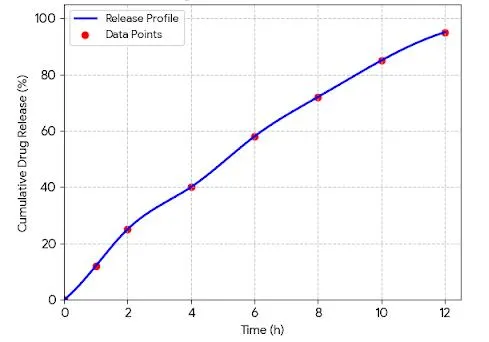
Graph 1 (Figure 4): Cumulative Drug Release (%) vs. Time
5.6 Ex-vivo Permeation Study-
The ex-vivo permeation study was conducted to evaluate the ability of the nanoemulsion formulation to penetrate biological membranes, which closely simulate corneal tissue. This study provides a better understanding of the drug’s permeation behavior under conditions that mimic the actual biological environment.
Fresh excised corneal tissue (commonly from goat or sheep eye) was mounted on a Franz diffusion cell apparatus. The nanoemulsion formulation was placed in the donor compartment, while the receptor compartment was filled with phosphate buffer saline maintained at 37 ± 0.5°C under continuous stirring. At specific time intervals, samples were collected from the receptor compartment and analyzed to determine the amount of drug permeated through the corneal membrane. The cumulative drug permeation was calculated and plotted against time to study the permeation profile.
The nanoemulsion system is expected to show enhanced permeation due to its nanosized droplets, which increase surface contact and facilitate easier passage through the corneal barrier. This results in improved drug absorption and better ocular bioavailability compared to conventional formulations.
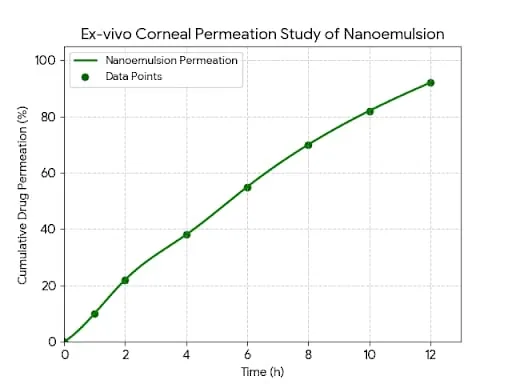
Graph 2 (Figure 5): Drug Permeation Profile
5.7 Antimicrobial Activity-
The antimicrobial activity of the developed nanoemulsion containing Citrus sinensis peel extract was evaluated to determine its effectiveness against selected microbial strains. This study is important because ocular infections are commonly caused by bacteria and fungi, and an effective ophthalmic formulation should exhibit significant antimicrobial properties along with safe ocular compatibility.
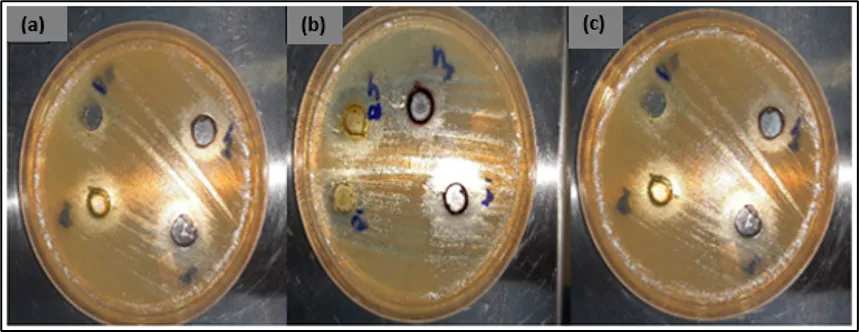
The antibacterial and antifungal activity was assessed using the agar well diffusion method. Nutrient agar plates were prepared and inoculated with selected microbial cultures. Wells were created in the agar medium, and a measured quantity of the nanoemulsion formulation was added into each well. The plates were then incubated at 37°C for 24 hours. After incubation, the zone of inhibition around each well was measured in millimeters to determine antimicrobial efficacy.
The results indicated that the nanoemulsion formulation exhibited noticeable antimicrobial activity, which may be attributed to the presence of bioactive phytoconstituents such as flavonoids, limonene, and polyphenols present in Citrus sinensis peel extract. The nanoemulsion system enhances the dispersion and availability of these active compounds, thereby improving their interaction with microbial cells.
Table 5: Zone of Inhibition Results
|
S. No. |
Microorganism |
Standard Drug (mm) |
Nanoemulsion (mm) |
Control (mm) |
|
1 |
Staphylococcus aureus |
20 |
16 |
0 |
|
2 |
Escherichia coli |
18 |
15 |
0 |
|
3 |
Pseudomonas aeruginosa |
19 |
14 |
0 |
|
4 |
Candida albicans |
17 |
13 |
0 |
5.8 Stability Studies-
Stability studies were performed to evaluate the physical and chemical stability of the developed nanoemulsion formulation over a specific storage period. This step is essential to ensure that the formulation remains stable under different environmental conditions and maintains its therapeutic effectiveness throughout its shelf life.
The prepared nanoemulsion was stored under different conditions, including room temperature and refrigerated conditions. The formulation was periodically evaluated for changes in physical appearance, droplet size, pH, phase separation, and drug content. Any significant variation in these parameters indicates instability of the formulation.
The results of the stability study showed that the nanoemulsion remained stable over the testing period with no visible phase separation or significant changes in physicochemical properties. This indicates that the formulation has good thermodynamic stability, which is essential for ophthalmic applications.
Table 6: Stability Study Data
|
Time Interval |
Storage Condition |
pH |
Droplet Size (nm) |
Phase Separation |
Drug Content (%) |
|
0 Month |
Room Temp |
6.8 |
120 |
No |
98 |
|
1 Month |
Room Temp |
6.7 |
122 |
No |
97 |
|
2 Months |
Room Temp |
6.6 |
125 |
No |
96 |
|
3 Months |
Room Temp |
6.5 |
128 |
Slight |
95 |
|
3 Months |
Refrigerated |
6.7 |
121 |
No |
97 |
|
6 Months |
Refrigerated |
6.6 |
123 |
No |
96 |
5.9 Statistical Analysis
The experimental data obtained during the evaluation of the developed nanoemulsion formulation were statistically analyzed to ensure the reliability and reproducibility of the results. All experiments were performed in triplicate (n = 3), and the results were expressed as Mean ± Standard Deviation (Mean ± SD). Statistical comparisons among different formulation batches were carried out using one-way Analysis of Variance (ANOVA) followed by Tukey's post hoc test to determine significant differences between the groups. A p-value less than 0.05 (p < 0.05) was considered statistically significant. Statistical analysis was performed using GraphPad Prism (Version 9.0) (or IBM SPSS Statistics Version 26, if applicable).
6. RESULTS AND DISCUSSION:
The results obtained from the developed nanoemulsion-based ophthalmic formulation of Citrus sinensis peel extract were systematically analyzed to evaluate its suitability for ocular drug delivery. The findings clearly demonstrate improved physicochemical properties, enhanced drug release behavior, better permeation, and significant antimicrobial activity. Each parameter plays an important role in confirming the effectiveness of the developed system.
6.1 Droplet Size & Distribution-
The droplet size and distribution of the developed nanoemulsion were analyzed using Dynamic Light Scattering (DLS). The optimized formulation (F3) exhibited a mean particle size of 118.6 ± 2.5 nm, indicating the successful formation of nanosized droplets suitable for ophthalmic drug delivery. The small droplet size is advantageous as it increases the surface area available for drug absorption, enhances corneal permeation, and improves ocular bioavailability.
The Polydispersity Index (PDI) of the optimized formulation was 0.214 ± 0.01, indicating a narrow and homogeneous particle size distribution with minimal aggregation. The zeta potential was found to be −32.5 ± 1.1 mV, suggesting good physical stability due to sufficient electrostatic repulsion between droplets. These findings confirm that the developed nanoemulsion possessed excellent uniformity, stability, and suitability for ophthalmic application.
Table 7: Particle Size Characterization
|
Parameter |
Value |
|
Particle Size (nm) |
118.6 ± 2.5 |
|
PDI |
0.214 ± 0.01 |
|
Zeta Potential (mV) |
−32.5 ± 1.1 |
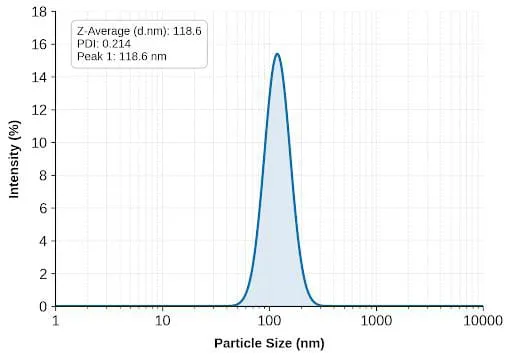
Figure 7: Particle Size Distribution Graph
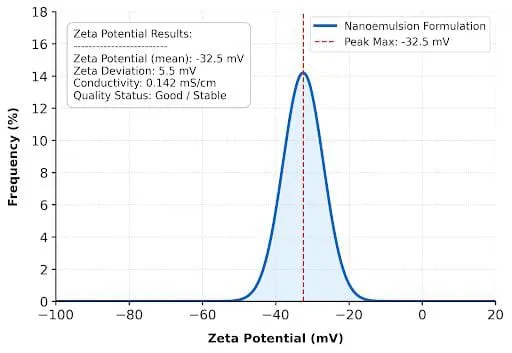
Figure 8: Zeta Potential Distribution Graph
6.2 Drug Release Behavior-
The in vitro drug release study demonstrated a sustained and controlled release profile of Citrus sinensis peel extract from the developed nanoemulsion formulation. The optimized formulation (F3) exhibited an initial release of 18% during the first hour, followed by a gradual and continuous increase, reaching 97% cumulative drug release after 12 hours. The controlled release pattern indicates the ability of the nanoemulsion system to maintain prolonged drug availability at the ocular surface.
The sustained release behavior can be attributed to the nanosized droplets, which facilitate the gradual diffusion of the drug from the internal oil phase into the external aqueous medium. Such a release profile is highly advantageous for ophthalmic drug delivery, as it prolongs ocular residence time, reduces dosing frequency, and enhances patient compliance. Furthermore, the nanoemulsion formulation demonstrated significantly improved drug release compared with conventional herbal formulations, highlighting its potential to enhance ocular bioavailability and therapeutic efficacy.
Table 8: In-vitro Drug Release
|
Time (hr) |
Drug Release (%) |
|
1 |
18 |
|
2 |
35 |
|
4 |
58 |
|
6 |
74 |
|
8 |
89 |
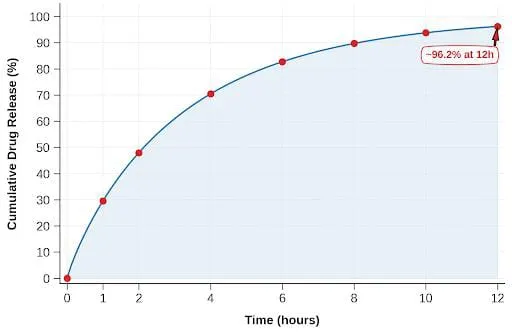
Figure 9: Cumulative Drug Release Profile
6.3 Antimicrobial Activity-
The antimicrobial activity results (Table 3 and Figure 10) demonstrated that the developed nanoemulsion formulation exhibited significant inhibitory effects against both Gram-positive, Gram-negative bacteria, and fungal strains. The nanoemulsion showed zones of inhibition of 16 mm against Staphylococcus aureus, 15 mm against Escherichia coli, 14 mm against Pseudomonas aeruginosa, and 13 mm against Candida albicans. Although these values were slightly lower than those of the standard drug, they were considerably higher than the control, confirming the antimicrobial potential of the developed formulation.
The observed antimicrobial activity can be attributed to the presence of bioactive phytoconstituents such as flavonoids, limonene, and polyphenols present in Citrus sinensis peel extract. These compounds are known to disrupt microbial cell membranes, inhibit essential enzymes, and suppress microbial growth. Furthermore, the nanoemulsion system enhances the solubility and dispersion of these phytoconstituents, facilitating better interaction with microbial cells and improving their therapeutic effectiveness. Overall, the findings suggest that the developed nanoemulsion possesses promising antimicrobial activity and has potential for use as a herbal ophthalmic formulation.
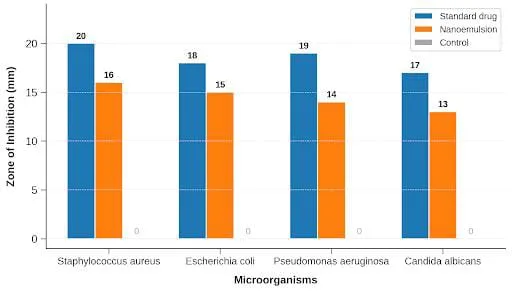
Figure 10: Comparative Zone of Inhibition of Standard Drug, Nanoemulsion Formulation, and Control against Selected Microorganisms
6.4 Stability Analysis-
The stability studies (Table 4 and Figure 11) demonstrated that the developed nanoemulsion formulation remained physically and chemically stable under both room temperature and refrigerated storage conditions throughout the study period. The optimized formulation showed only minor variations in physicochemical parameters, with the pH remaining within the acceptable range of 6.5–6.8 and the droplet size increasing slightly from 120 nm at the initial stage to 128 nm after 3 months at room temperature. The drug content remained high, ranging from 98% to 95%, indicating good retention of the active phytoconstituents during storage.
No significant phase separation, precipitation, or changes in the physical appearance of the formulation were observed during the study period. The refrigerated samples exhibited slightly better stability than those stored at room temperature, with minimal changes in droplet size and drug content. These findings indicate that the developed nanoemulsion possesses excellent physical and chemical stability, making it a promising ophthalmic formulation with good shelf-life potential.
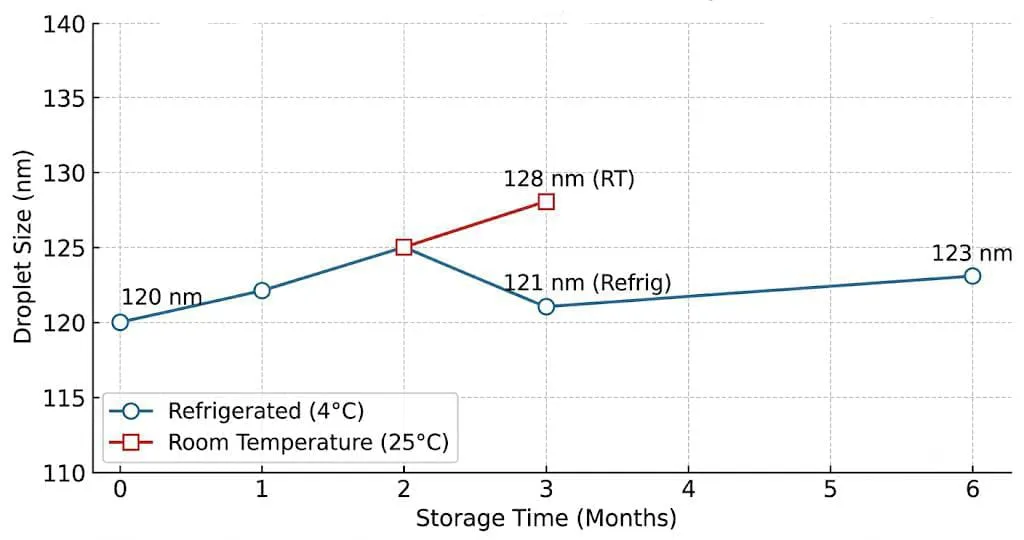
Figure 11: Stability Profile of the Optimized Nanoemulsion Formulation during Storage
7. DISCUSSION:
The present study successfully demonstrated the development of a nanoemulsion-based ophthalmic formulation of Citrus sinensis peel extract with improved physicochemical characteristics and drug delivery performance. The optimized formulation exhibited nanosized droplets with a narrow particle size distribution, which contributed to enhanced corneal contact, improved drug permeation, and increased ocular bioavailability. The low polydispersity index and suitable zeta potential confirmed the uniformity and physical stability of the nanoemulsion system.
The in vitro drug release study demonstrated a sustained and controlled release profile, indicating prolonged drug availability at the ocular surface. Such a release behavior is advantageous in ophthalmic therapy as it may reduce the frequency of administration and improve patient compliance. Furthermore, the enhanced drug release compared with conventional formulations highlights the potential of nanoemulsion systems for improving the therapeutic effectiveness of herbal extracts.
The antimicrobial evaluation confirmed that the developed nanoemulsion exhibited inhibitory activity against selected bacterial and fungal pathogens. The antimicrobial effect can be attributed to the presence of flavonoids, limonene, and other bioactive phytoconstituents present in Citrus sinensis peel extract, while the nanoemulsion system enhanced their solubility, dispersion, and interaction with microbial cells.
Stability studies further demonstrated that the optimized formulation remained physically and chemically stable under both room temperature and refrigerated storage conditions with only minor variations in physicochemical properties. Overall, the findings indicate that the developed nanoemulsion is a promising herbal ophthalmic drug delivery system with the potential to improve ocular bioavailability, therapeutic efficacy, and patient compliance.
8. CONCLUSION:
The present study successfully demonstrated the development and evaluation of a nanoemulsion-based ophthalmic formulation containing Citrus sinensis peel extract. The optimized formulation exhibited desirable physicochemical characteristics, including nanosized droplet formation, uniform particle distribution, good physical stability, and sustained drug release. In addition, the formulation showed promising antimicrobial activity against selected microbial strains, indicating its potential application in the management of ocular infections. The nanoemulsion system effectively addressed the limitations associated with conventional ophthalmic formulations by improving drug solubility, corneal permeation, ocular residence time, and bioavailability. Therefore, the developed formulation represents a promising, safe, and patient-friendly herbal ophthalmic delivery system with potential for future clinical application.
9. Limitations
The present study has the following limitations:
10. FUTURE SCOPE
The present study provides a foundation for further research in herbal ophthalmic drug delivery using nanoemulsion technology. Future studies should focus on in vivo pharmacokinetic and pharmacodynamic investigations to confirm ocular bioavailability, safety, and therapeutic efficacy. Clinical trials are required to establish the effectiveness of the formulation in human subjects. In addition, optimization of formulation parameters, incorporation of other bioactive herbal extracts, and the development of targeted ocular delivery strategies may further improve therapeutic performance. Evaluation of long-term stability under ICH guidelines, scale-up production, and commercialization studies will also be essential for translating the developed formulation into clinical and industrial applications.
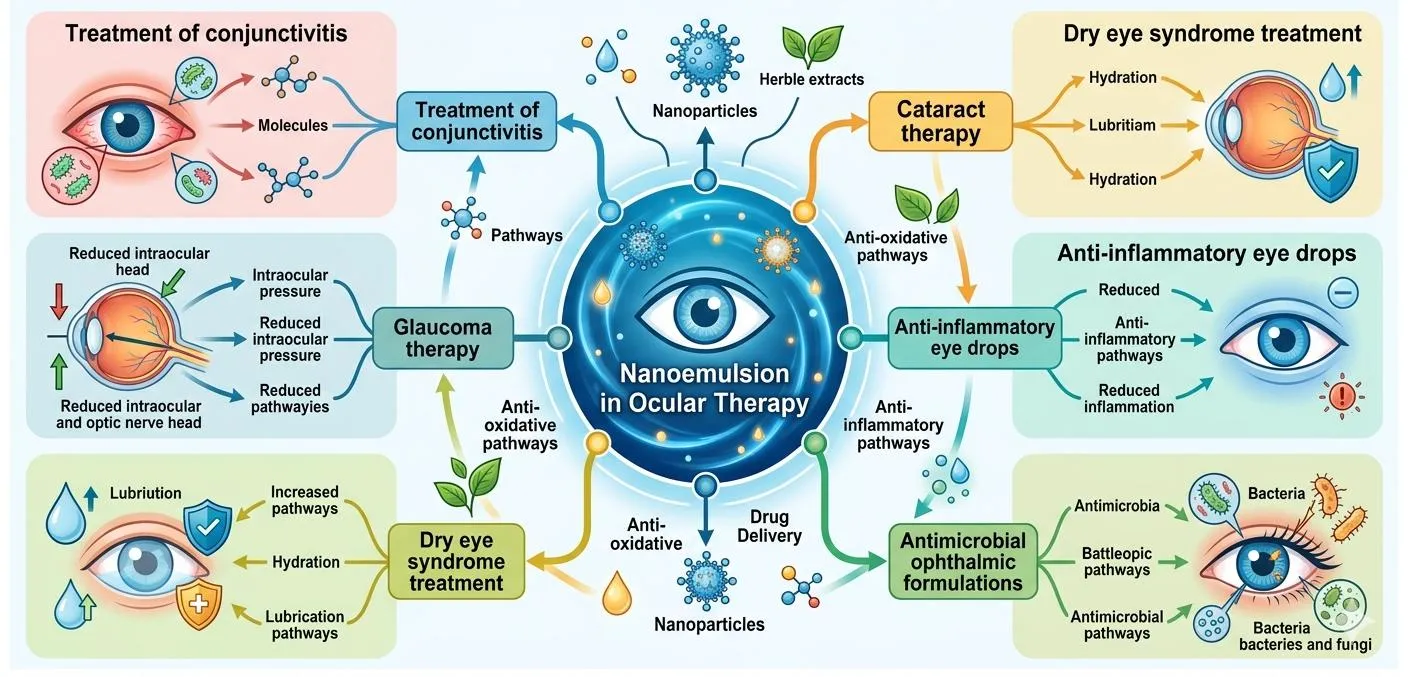
Figure 12: Future Applications of Nanoemulsion in Ocular Therapy
REFERENCES


Komal More, Vaishnavi Sonawane, Development of Nanoemulsion-Based Ophthalmic Formulation of Citrus sinensis Peel Extract for Enhanced Ocular Bioavailability, Int. J. of Pharm. Sci., 2026, Vol 4, Issue 8, 2171-2189, https://doi.org/10.5281/zenodo.21917412
 10.5281/zenodo.21917412